Ancient Terracotta Pottery

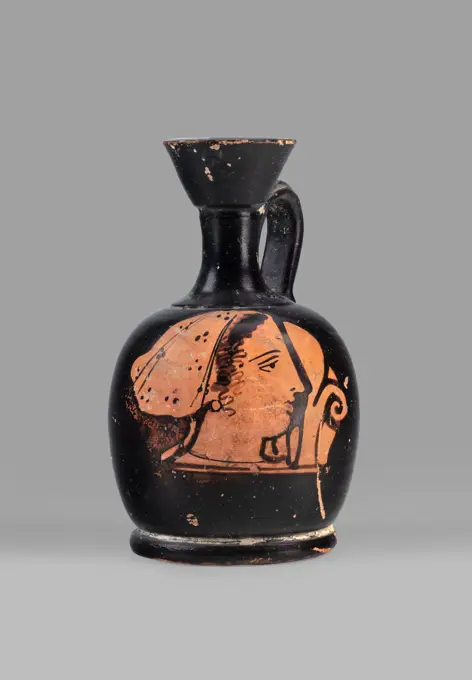
A collection of ancient pots and jars from various cultures, displaying distinctive shapes and decorative elements, showcasing historical pottery art.

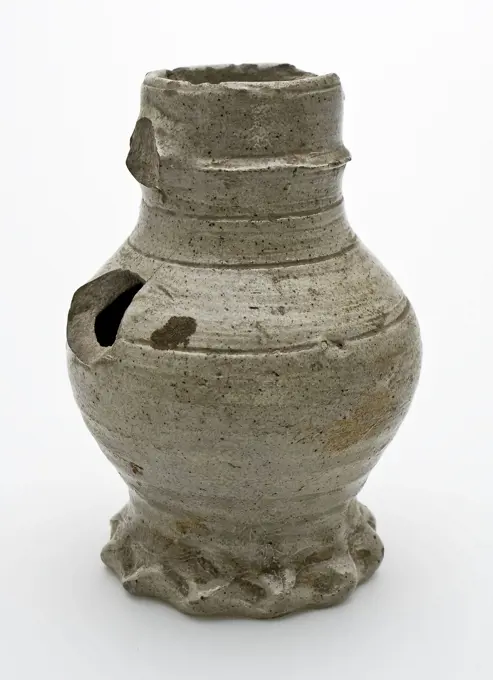
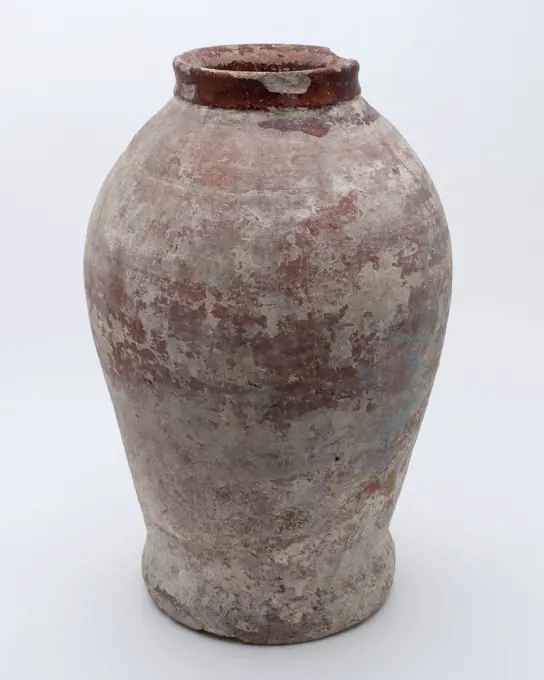
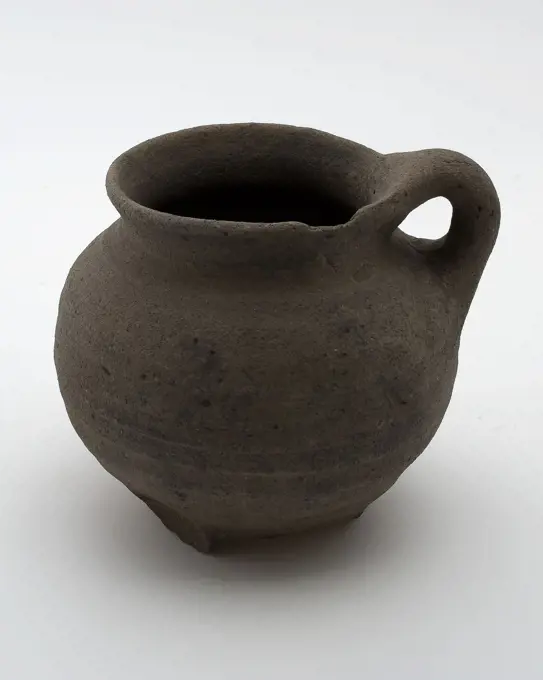
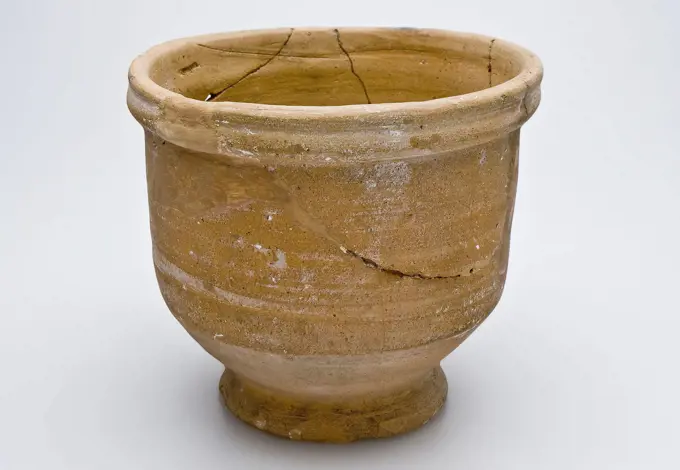
Pottery jug with two ears, on shoulder double notched line, pitcher water jug pitcher holder kitchenware soil find ceramics pottery clay engobe, hand turned pottery jug unglazed two standing bandstands stand. Double notched ring around the shoulder. The ears are attached between the shoulder and layer on the side wall. Sandy stand. Tapered model narrowing downwards. Gray shard smeared with brown engobe archeology to import indigenous pottery import water wrapping
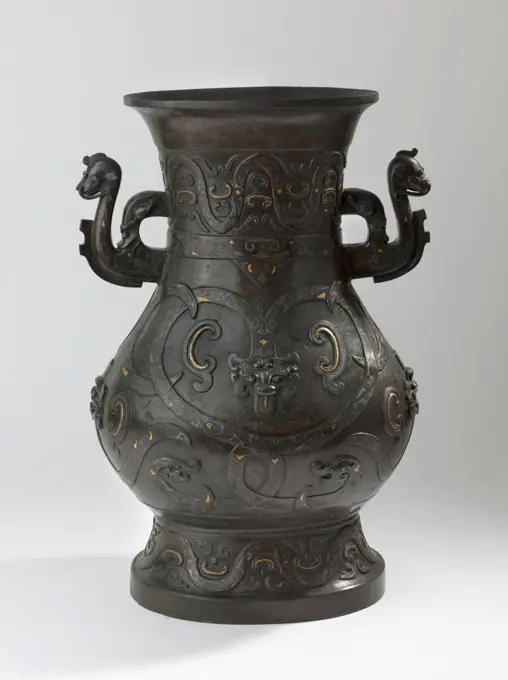
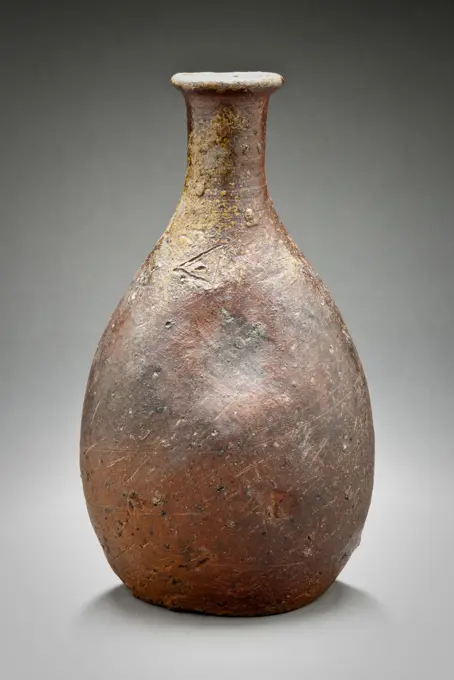
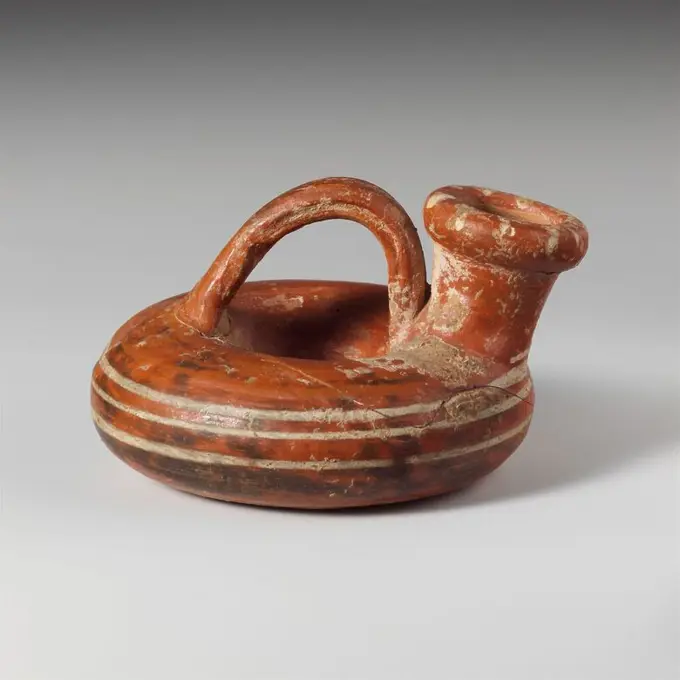
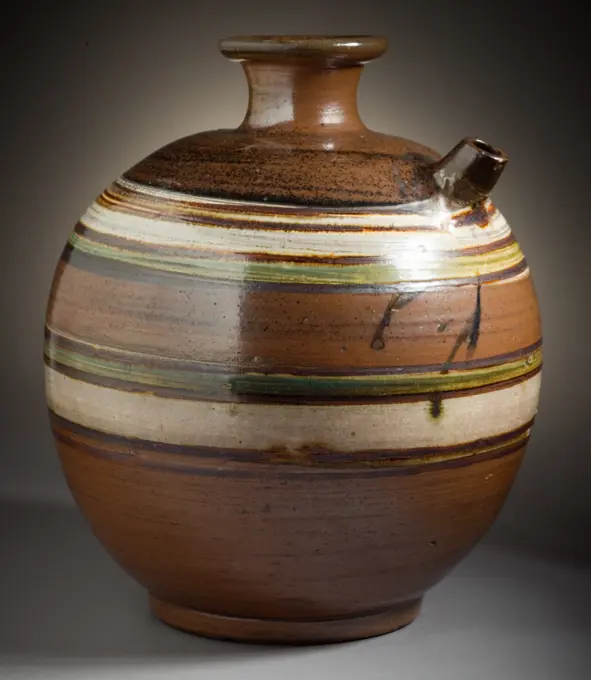
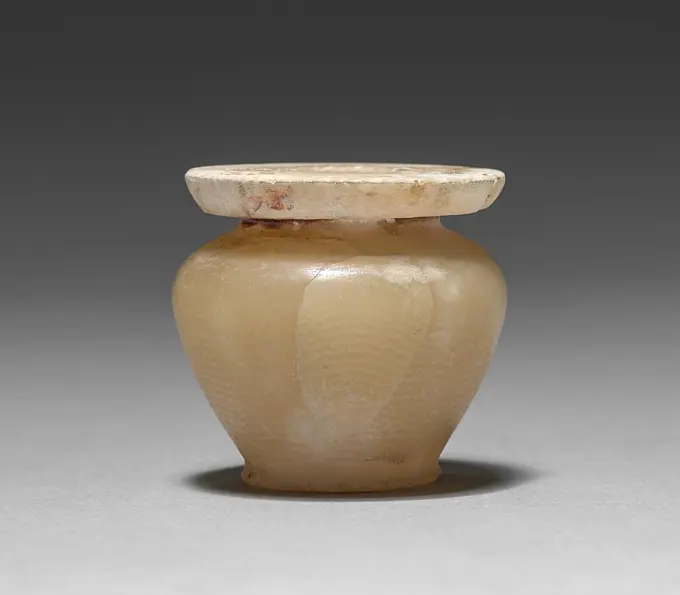
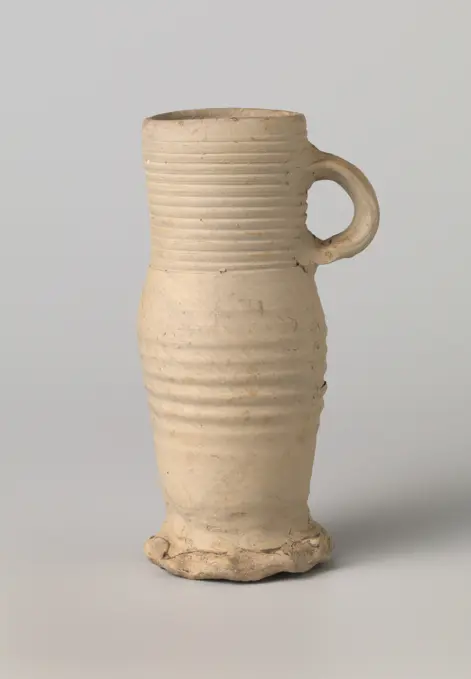
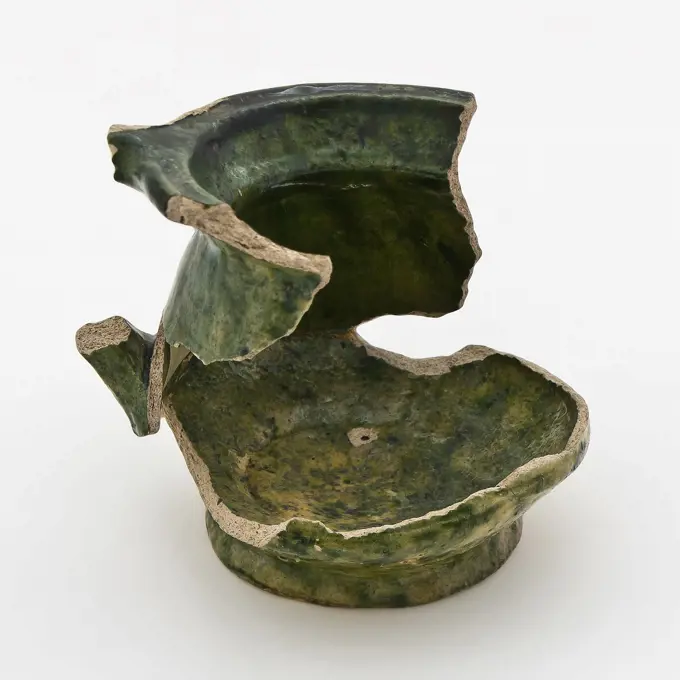
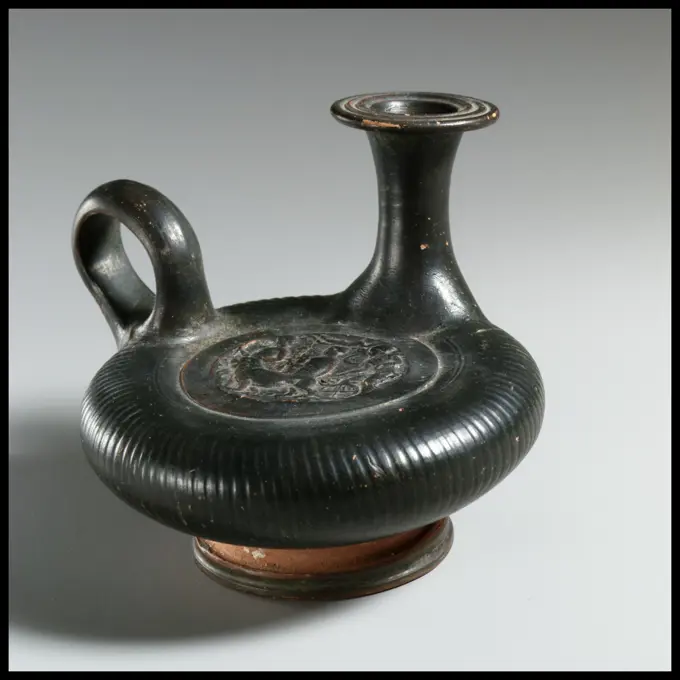
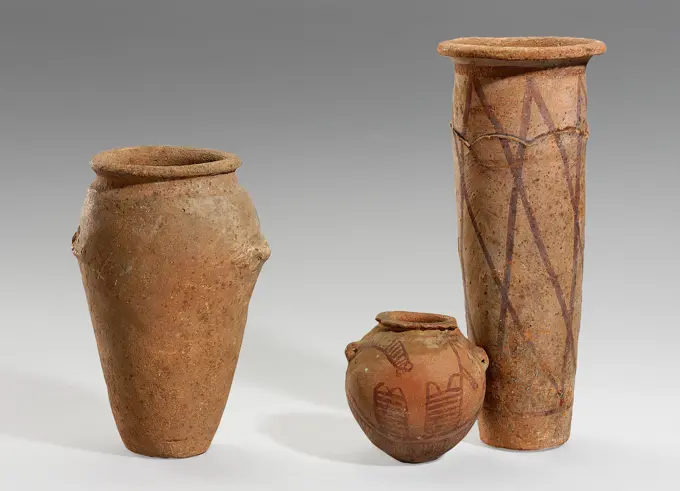
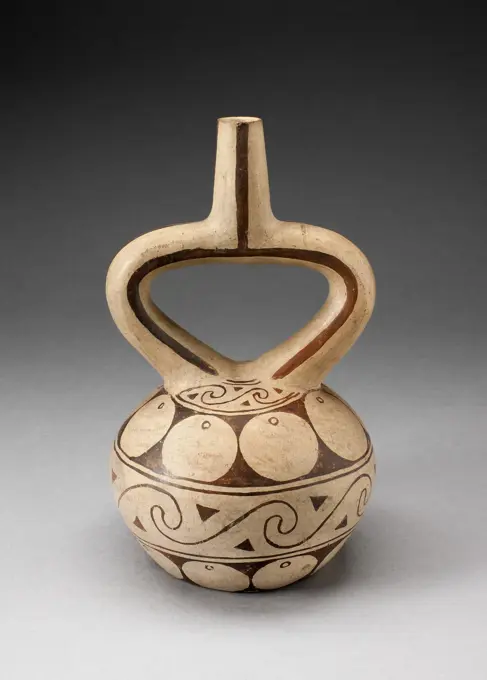
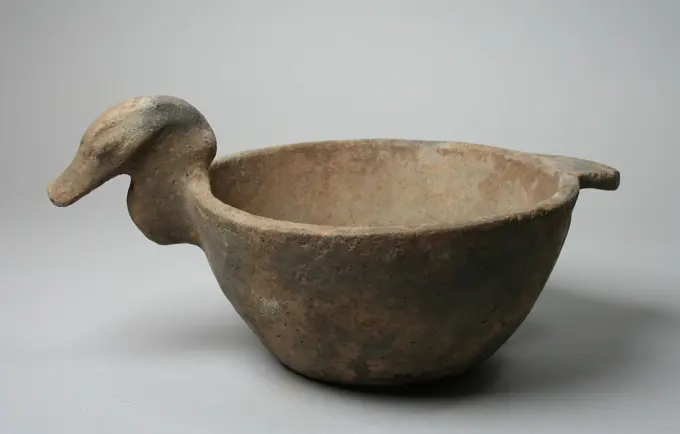
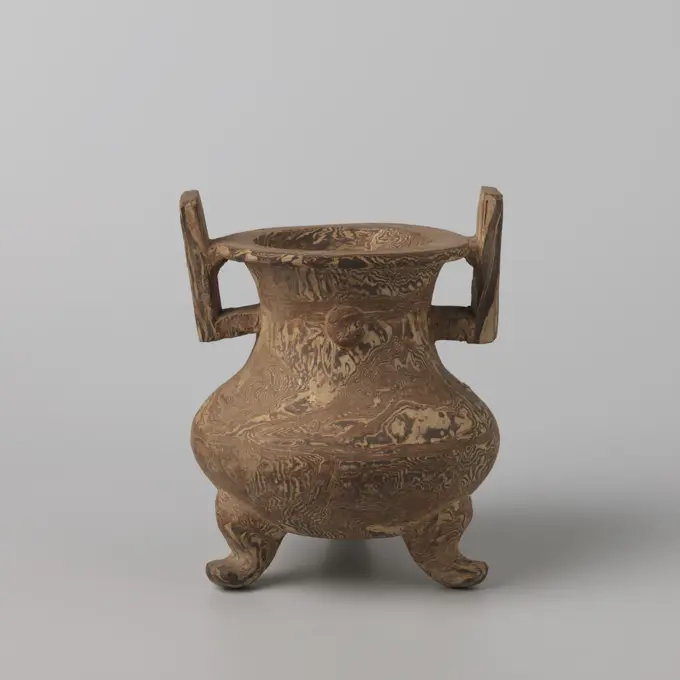
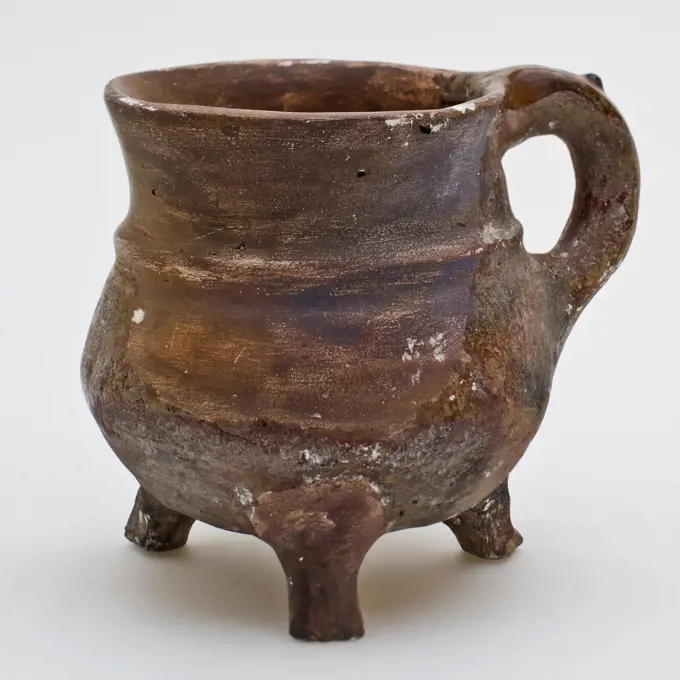
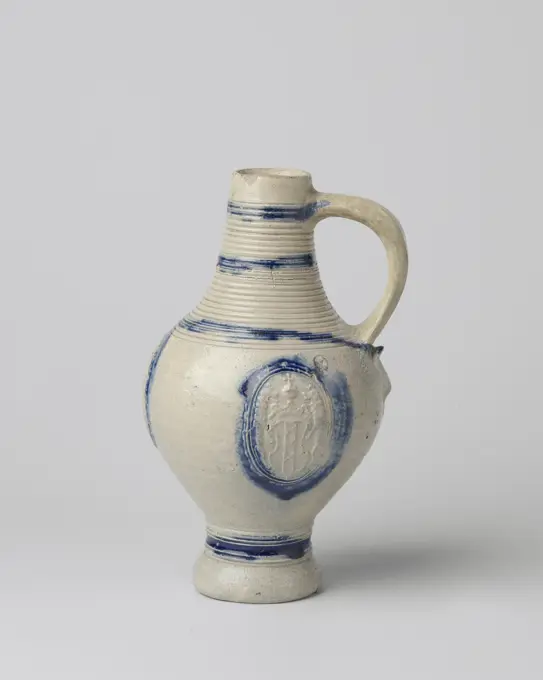
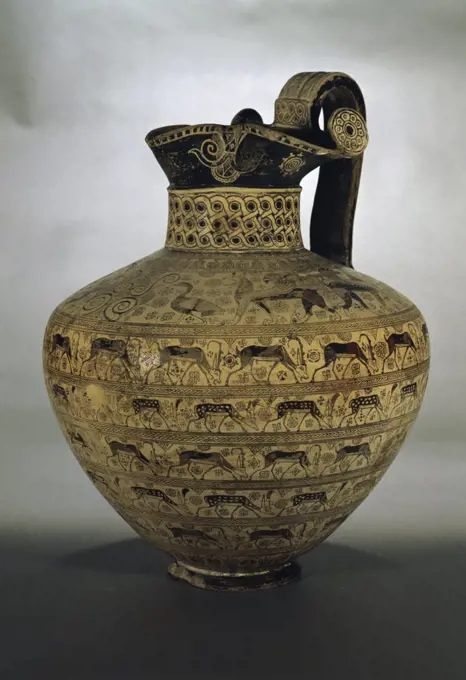
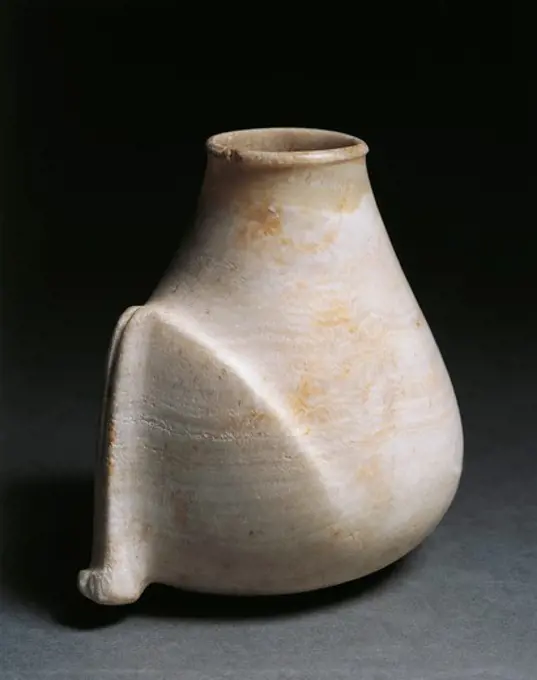
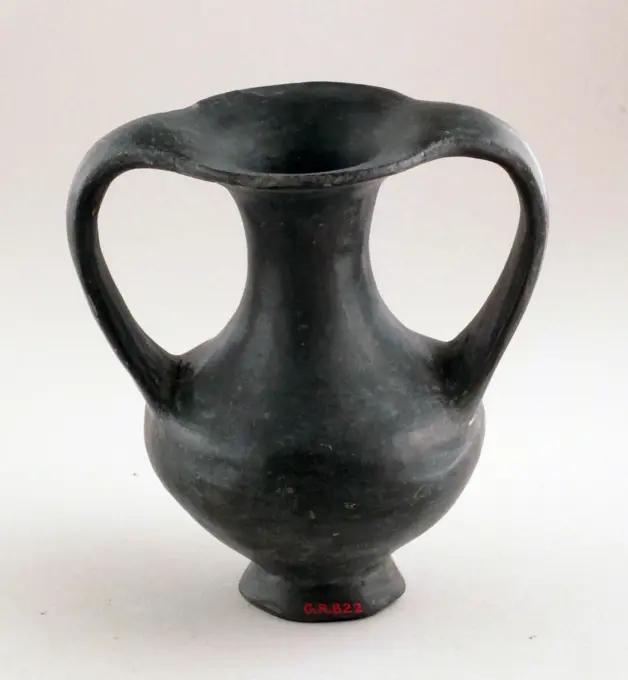
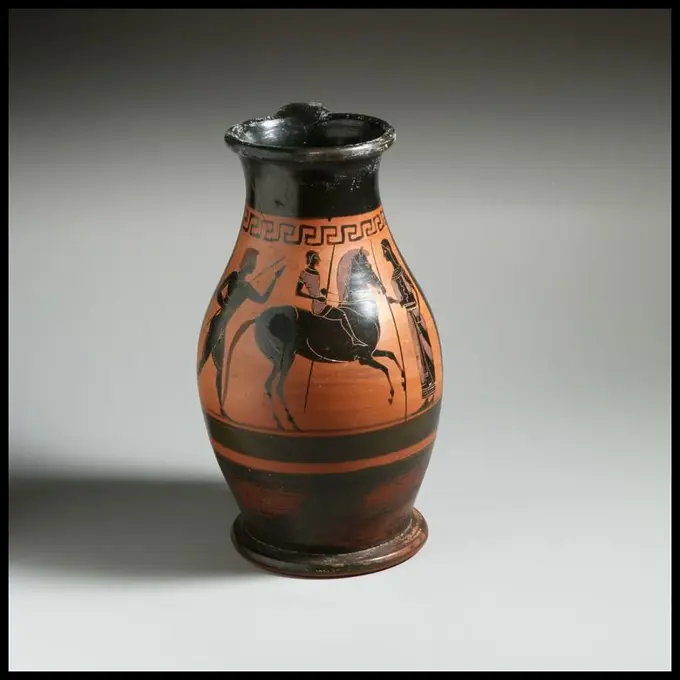
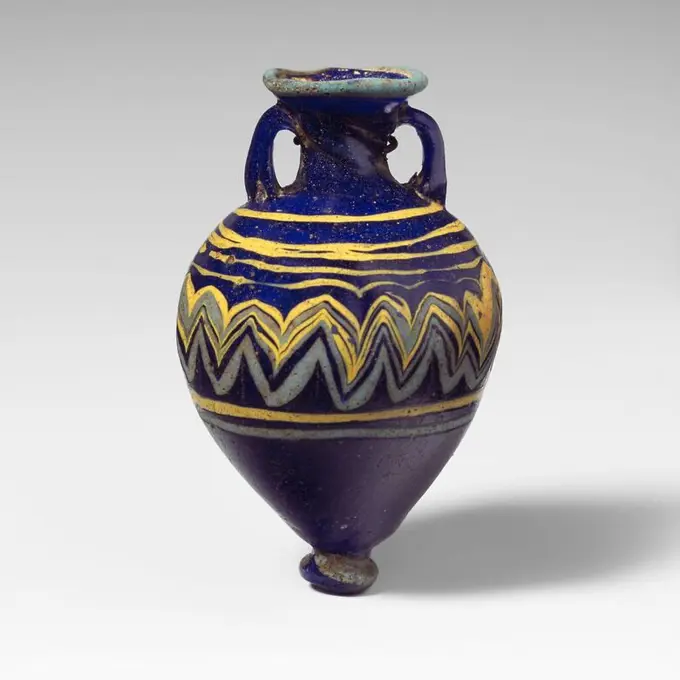
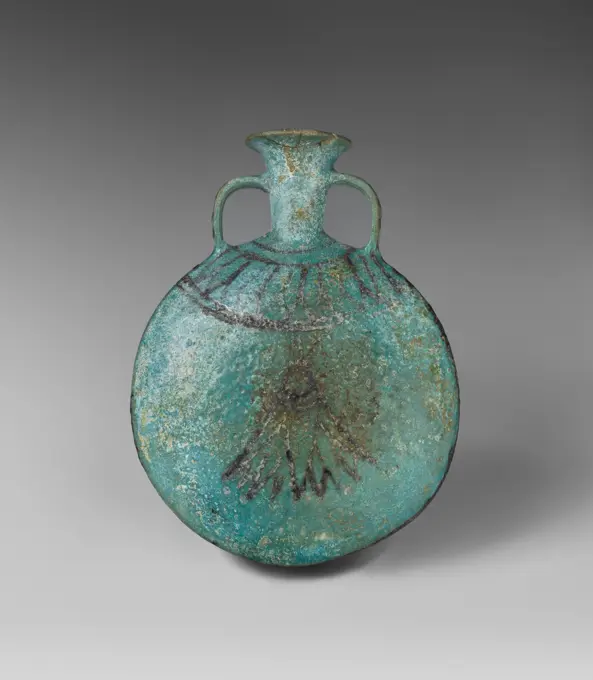
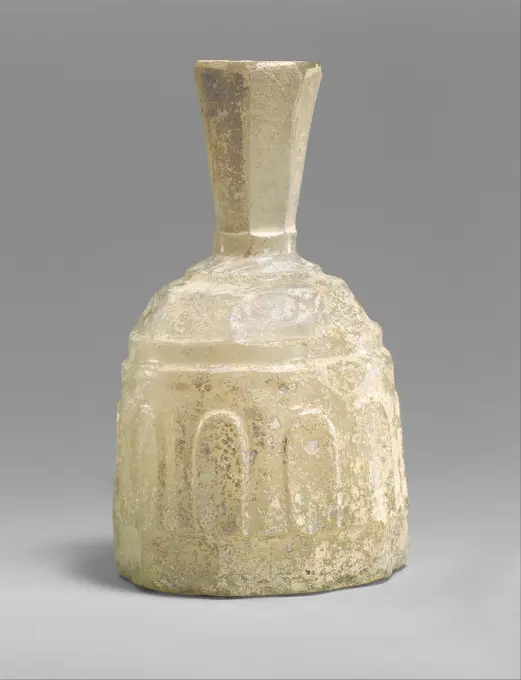
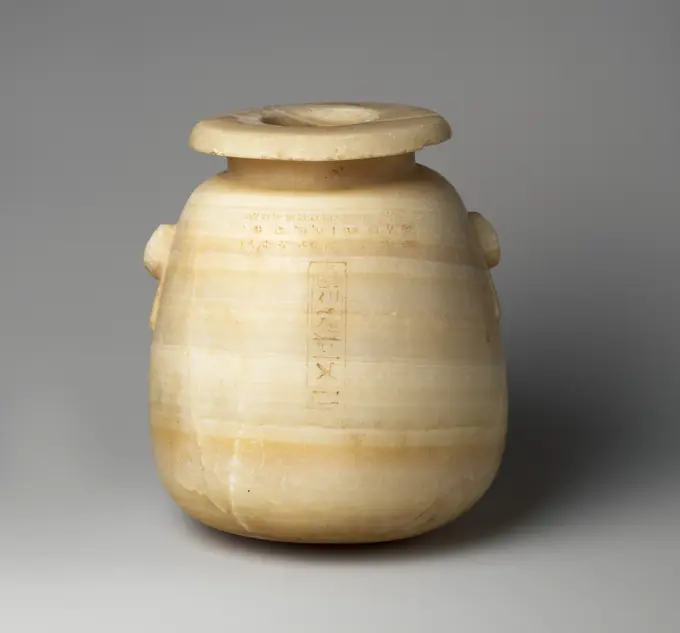
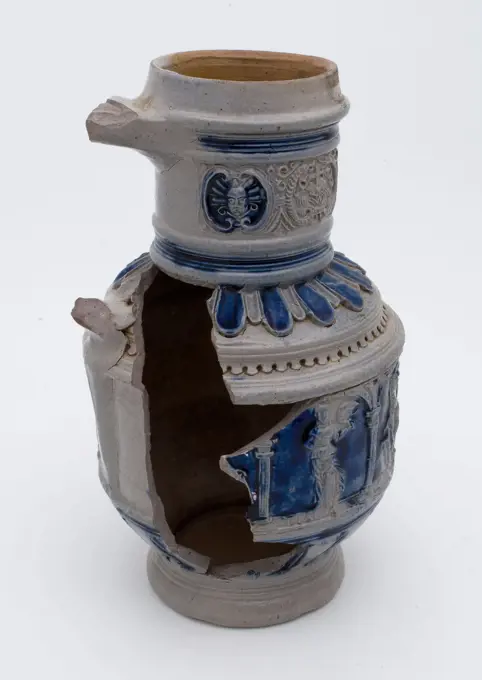
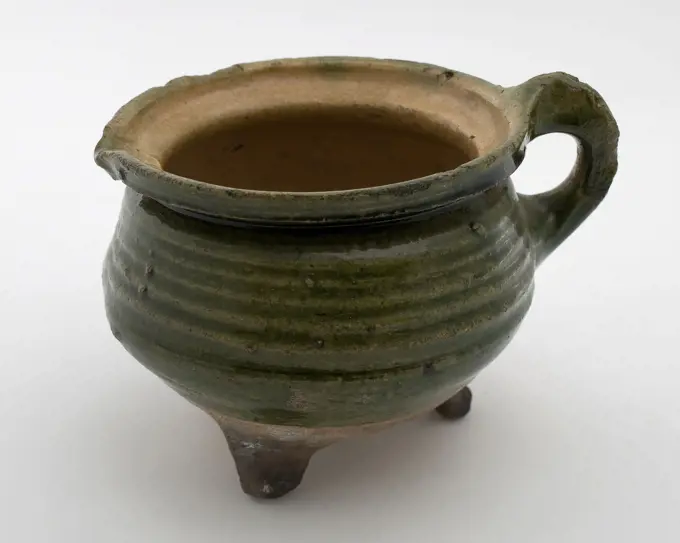
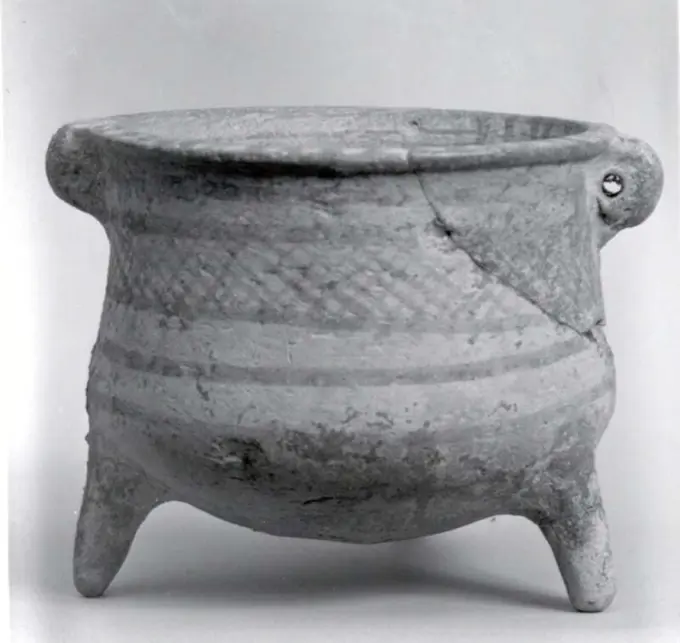
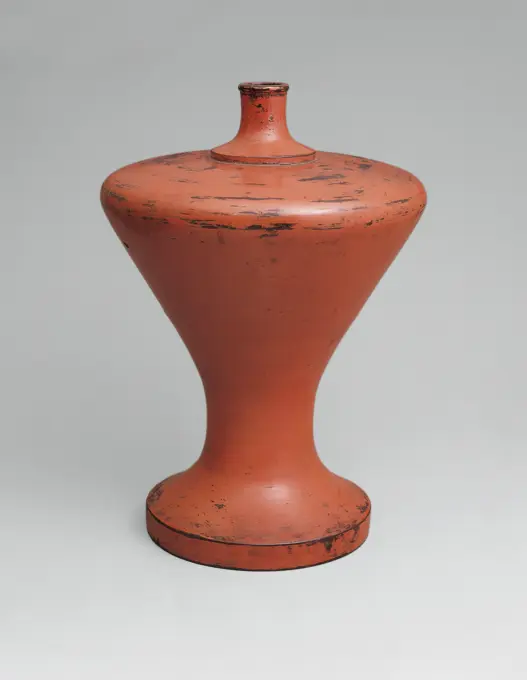
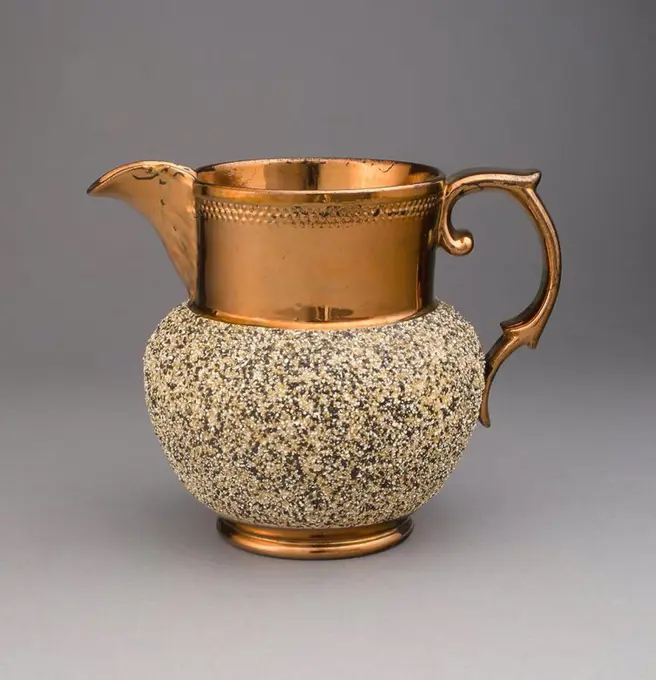
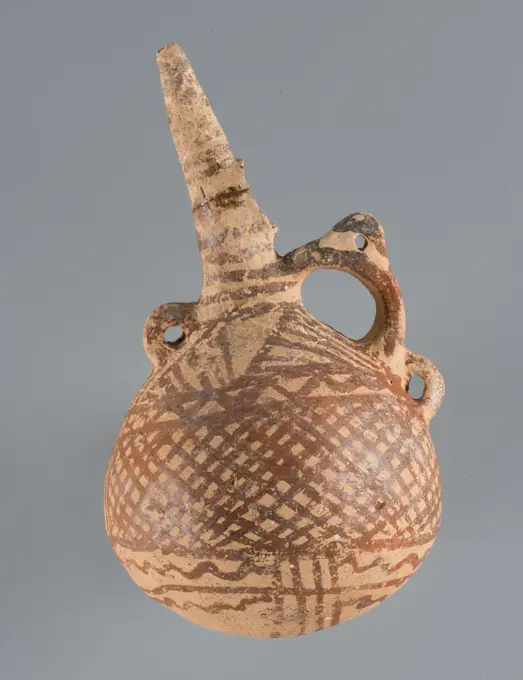
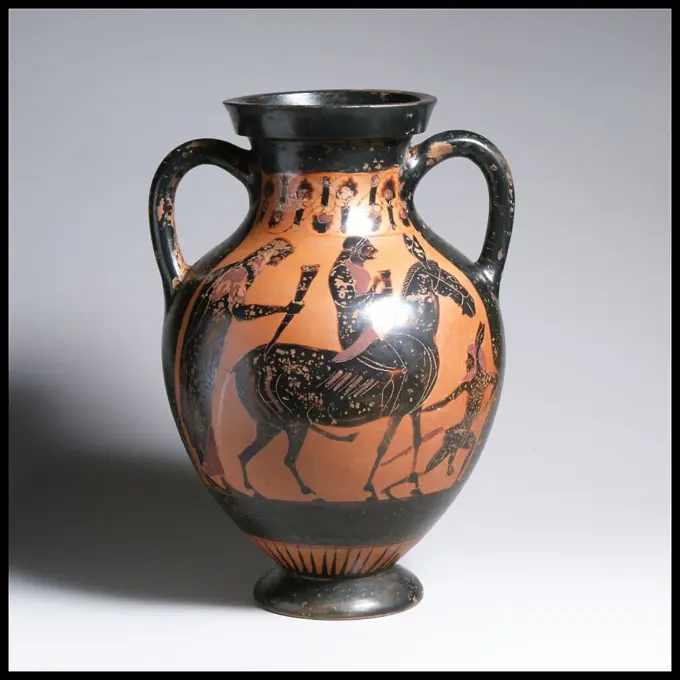
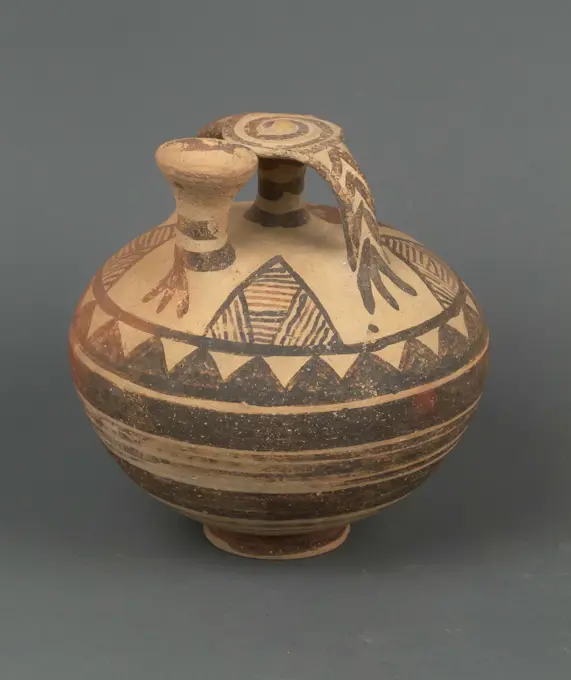
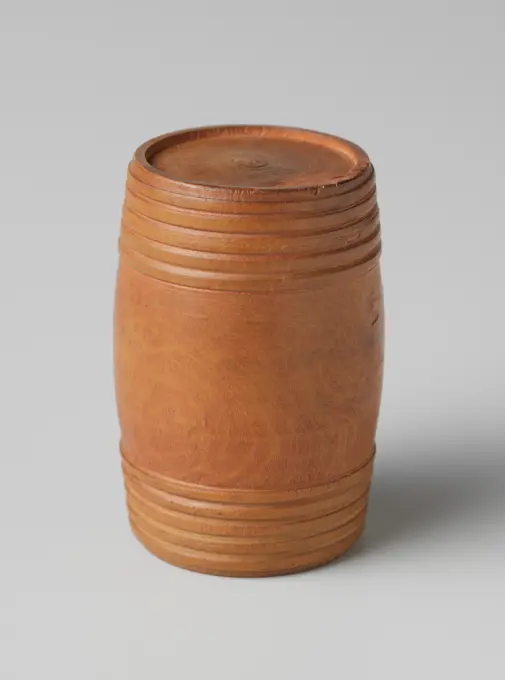
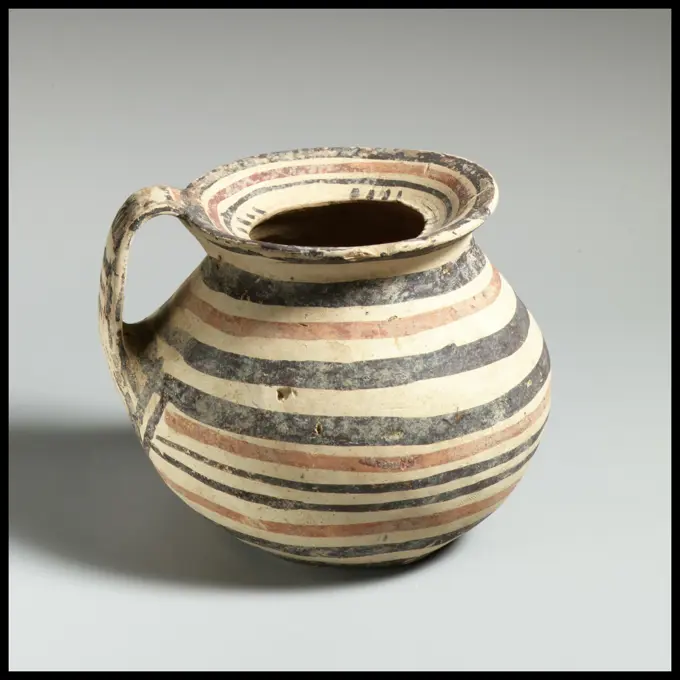
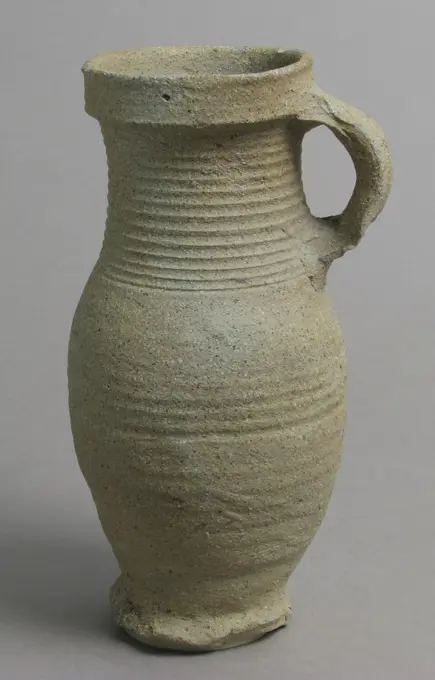
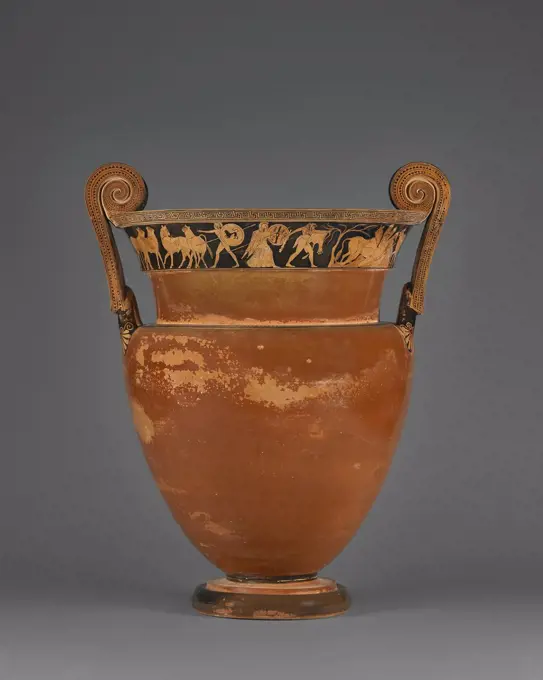
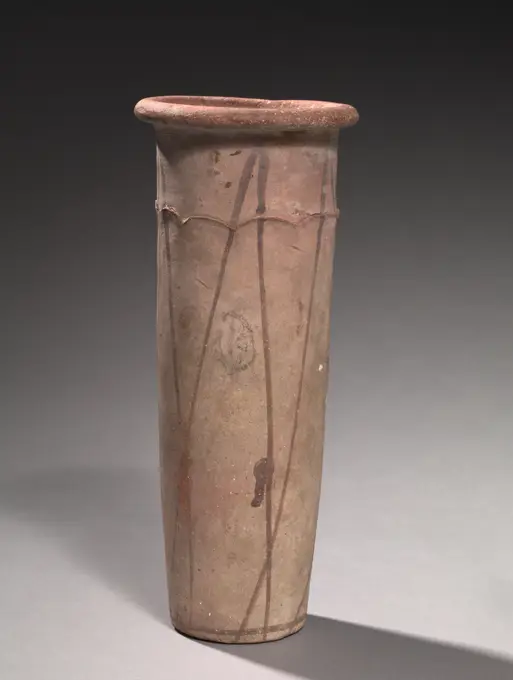
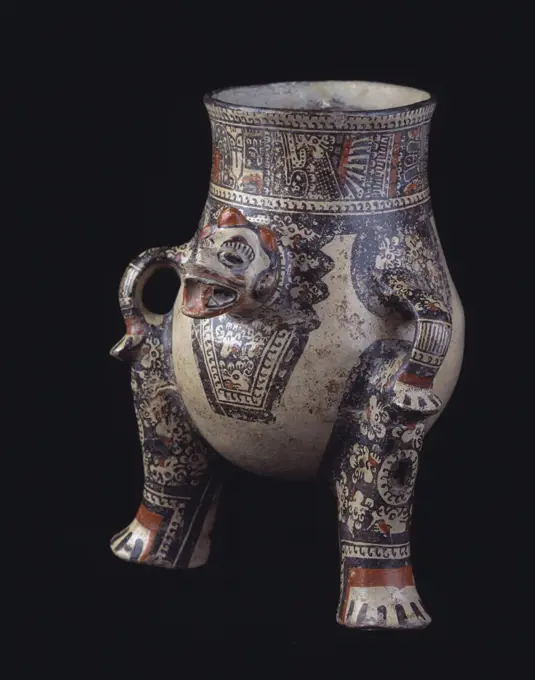
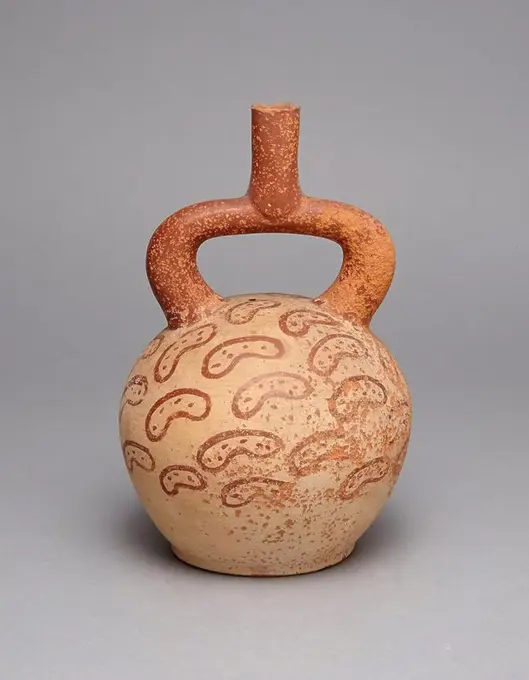
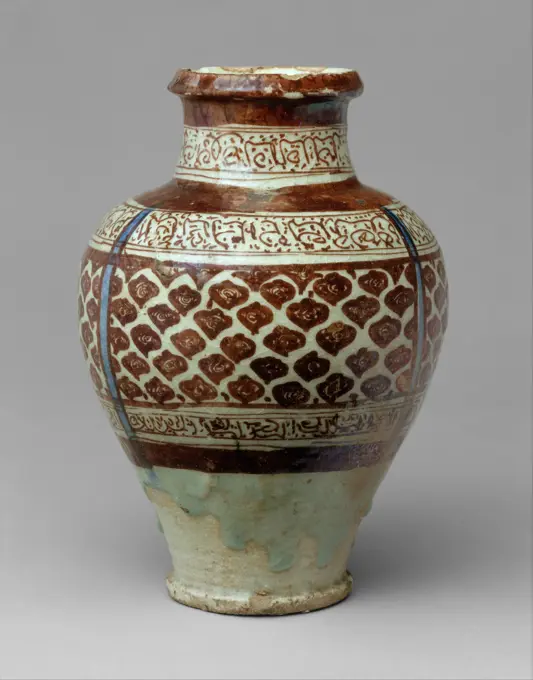
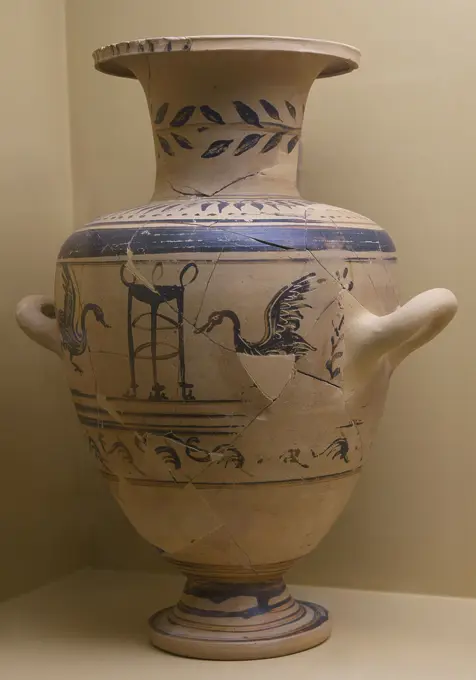
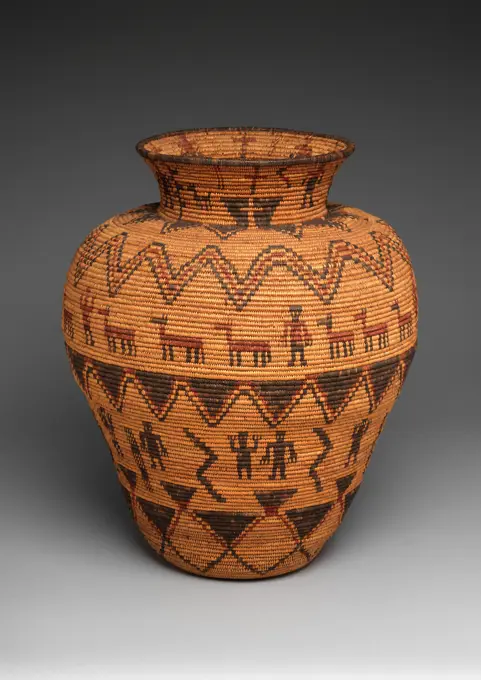
Terracotta one-handled cup ca. 1750-1600 B.C. Minoan One-handled, dark brown inside with white band.. Terracotta one-handled cup. Minoan. ca. 1750-1600 B.C.. Terracotta; Fine slipped and painted ware. Middle Minoan IIIA-B. VasesURNE. Bronze. Chine. Par musée musée malée. 70002-28 Anse, Asian art, beyond, bronze, belief, animal motive, animal motive, Chinese object, funeral object, container, funeral rite, funeral urnTerracotta krater ca. 1450-1200 B.C. Cypriot Upright rim, horned handle, lattice, lozenge and wavy lines.. Terracotta krater 240644Sake Bottle. Japan, late 16th century. Ceramics. Bizen ware; stoneware with naturally occurring ash glazeTerracotta ring askos (flask with a spout and handle over the top). Culture: Lydian. Dimensions: 2 3/4in. (7cm)Other: 4in. (10.2cm). Date: 6th century B.C..White lines around body. Museum: Metropolitan Museum of Art, New York, USA.Shawabty Jar with Lid, 1295-1069 BC. Egypt, New Kingdom, Dynasty 19 (1295-1186 BC) - Dynasty 20 (1186-1069 BC). Nile silt ware; diameter: 23.4 cm (9 3/16 in.); diameter of mouth: 11.5 cm (4 1/2 in.); overall: 28.5 cm (11 1/4 in.).Water vessel;  19th century (1801-00-00-1900-00-00);Zaleski, Władysław (1852-1925) - collection, plant motifs, South Asian (culture), figural scenes, Indian art, purchase (provenance)Water Vessel, c. 1910, 10 1/2 x 12 1/2 in. (26.67 x 31.75 cm), Ceramic, pigment, United States, 20th centuryVase early 20th century Korea. Vase 57368Spouted Sake Vessel with Striped Glazes. Japan, second half 17th century. Ceramics. Hizen ware, Takeo style; stoneware with brown, green and white slipsKohl Jar with Lid, 1980-1801 BC. Egypt, Middle Kingdom, Dynasty 12. Travertine; diameter: 3.9 cm (1 9/16 in.); diameter of mouth: 1.4 cm (9/16 in.); overall: 4.2 cm (1 5/8 in.).Two-handledjarRibbed jug, anonymous, c. 1450 - c. 1549 Ribbed jug of stoneware on a waveed foot with an egg -shaped body and wide neck. The C-shaped ear is attached to the neck. The jug is decorated with turning virgins and a profile on the shoulder. The upper and lower part of the abdomen has been smoothed. Siegburg. Siegburg stoneware. glaze vitrification Ribbed jug of stoneware on a waveed foot with an egg -shaped body and wide neck. The C-shaped ear is attached to the neck. The jug is decorated with turning virgins and a profile on the shoulder. The upper and lower part of the abdomen has been smoothed. Siegburg. Siegburg stoneware. glaze vitrificationFragment of toy room pot, stand ring, low belly and band ear, yellow and green glaze, easy-to-use toy relaxant fragment soil find ceramic earthenware glaze lead glaze, hand-turned glazed baked Fragment of toy room pot. Double conical and low belly. Slanted top edge and flat neck edge Stand ring Mottled green glazed. Gray shard archeology Rotterdam IJsselmonde indigenous pottery drainage child play child's play Soil discovery: Castle IJsselmonde put 2 Rotterdam 1972.08.30.Bronze jug ca. 550-525 B.C. Etruscan Beaked, trefoil mouth.. Bronze jug 246862Terracotta guttus (flask with handle and vertical spout) 4th-3rd century B.C. Greek, South Italian, Campanian The medallion depicts Cybele with her attendants.. Terracotta guttus (flask with handle and vertical spout). Greek, South Italian, Campanian. 4th-3rd century B.C.. Terracotta; black-glaze. Late Classical. VasesGui food vessel, 11th century BCE, 5 9/16 × 11 7/8 × 9 1/8 in., 8.4 lb. (14.2 × 30.2 × 23.1 cm, 3.8 kg), Bronze, China, 11th century BCE, This vessel is among the earliest gui with looped handles, which emerged in the latest period of the Shang dynasty. The surfaces of the vessel are divided into four vertical panels by four flanges on the foot and two flanges and two handles on the body. These narrow, thin flanges contrast sharply with the heavy handles and their massive bovine heads. The taotie mask on the belly is flanked by vertical dragons. The principal figures in the surface decor, executed in low relief except for the strongly protruding eyes, are so covered with embellished lines that they tend to merge with the ground of squared spirals. The vessel bears a single script inscription, 'Shi,' which stands as an insignia for a clan. In recent years, a large number of bronzes unearthed in modern Shandong bear the same inscription, dating from the late Shang to early Western Zhou, Gray stoneware jug with pinched foot, three deep lines on belly and shoulder, jug crockery holder soil find ceramic stoneware glaze salt glaze, hand turned glazed baked Stoneware jug gray shard gray salt glaze with some brownish grooves and excellent ridge under the mouth rim three grooves around neck and upper half belly around lower half belly turns pinched foot. Abdominal model archeology Rotterdam Delfshaven Lage Erf import pottery serving drink wine beer Soil discovery Rotterdam: Lage Erf Delfshaven 1924.A vessel with wavy ear, painted vessel, a cylindrical vessel with a cartoon decoration;  approx. 3500-3050 BC ; Predominating period, Nagada II/III (-3505-00-00--3045-00-00), 2. PO. 4,000 BC ; Predominating period, Nagada II (-3500-00-00--3001-00-00), approx. 3200-OK. 3050 BC; Predominating period, Nagada III (-3205-00-00--3045-00-00);Louvre (Paris) - collection, scenes.gal.eg., Egyptian ceramics, painted ceramics, painted decorations, rice decorations, painted dishes, oils for oils and ointments, wavy handlesVase from the Oppidum of Manching, terracottaTerracotta jug with griffin protome handle. Culture: Etruscan. Dimensions: H. with handle 8 1/8 in. (20.7 cm.)H. without handle 6 5/8 in. (16.8 cm.). Date: 1st half of the 6th century B.C..From the end of the seventh century to well into the sixth century B.C., in Etruria "cilindretto" ornament much like the band of impressed decoration on the body of this vase was very common. The patterns were often animal and plant motifs, human heads, and narrative scenes. Museum: Metropolitan Museum of Art, New York, USA.Clay pitcher for wine on white background. Studio Photo. Clay pitcher for wine on white backgroundSingle Spout Bottle 15th-16th century Inca. Single Spout Bottle. Inca. 15th-16th century. Ceramic. Peru. Ceramics-ContainersBottle in the Form of a Pomegranate. Dimensions: H. 12 cm (4 3/4 in); diam. 8.6 cm (3 3/8 in). Dynasty: Dynasty 19-20. Date: ca. 1295-1070 B.C..Pomegranate juice was prized as a drink, but it can also be used as an astringent to shrink tissues and reduce swelling in wounds. This jar probably held juice for consumption as a drink. A smaller, green jar in the collection (44.4.52) depicts the fruit in its unripened state, when the juice is too sour to drink, and may have juice intended for medicinal purposes. Museum: Metropolitan Museum of Art, New York, USA.Miniature Bottle 10th-11th century. Miniature Bottle 449759Stirrup Spout Vessel with Geometric Motifs Made 100 BCE-500 CE North Coast. Ceramic and pigment . MochePrehistory, Italy. Conca d'Oro culture. Terracotta bowl. From the necropolis of Valdesi, Palermo.Water utensil (lota) from Tanjore. unknown, craftsmanDouble Spout and Bridge Bottle with Bird Handle 7th-3rd century B.C. Paracas. Double Spout and Bridge Bottle with Bird Handle 312606Bowl, Bird Head on Rim 11th-14th century Mississippian. Bowl, Bird Head on Rim 318297Aryballos; Eastern Mediterranean; 6th - 4th century B.C; Glass; 6 cm (2 3,8 in.)Incense burner of marbled stoneware, anonymous, c. 1115 - c. 1234 Incense burner on three legs (three -foot) of marbled stoneware. With two rectangular, vertical ears from the neck. In between on each side a circular thickening. Cizhou. China stoneware Incense burner on three legs (three -foot) of marbled stoneware. With two rectangular, vertical ears from the neck. In between on each side a circular thickening. Cizhou. China stonewarePottery cooker with wide top rim, thick ring on shoulder, one sausage ear, on three legs, cooking pot tableware holder kitchenware earthenware ceramics earthenware glaze lead glaze, hand-turned glazed baked Pottery cooking jug with one sausage ear on three legs. Sausage handle attached to the top edge and protruding above the edge. Wide top Thick ring around the shoulder Red shard sparsely glazed Restoration is repainted archeology Rotterdam City center Stadsdriehoek Bulgersteyn indigenous pottery cooking food preparation kitchen food Soil discovery: slot Bulgersteyn in Rotterdam.Jug with the coat of arms of Amsterdam, anonymous, c. 1600 - c. 1649 Jug of stoneware on a high foot with an egg -shaped body and a tapered neck. The C-shaped ear is attached to the neck and shoulder. A broad bond with lines on the neck, some closely. Partly covered with cobalt blue. On the abdomen three times printed and imposed medallion with the weapon of Amsterdam in relief. Westerwald. Westerwald stoneware. glaze. cobalt (mineral) vitrification Jug of stoneware on a high foot with an egg -shaped body and a tapered neck. The C-shaped ear is attached to the neck and shoulder. A broad bond with lines on the neck, some closely. Partly covered with cobalt blue. On the abdomen three times printed and imposed medallion with the weapon of Amsterdam in relief. Westerwald. Westerwald stoneware. glaze. cobalt (mineral) vitrificationOenochoe, called Levy Oenochoe  (650 B.C./Greek)  Musee du Louvre, Paris  Jug 4th-7th century Coptic. Jug 478436Prehistory, Iraq, Samara culture. Alabaster vase, 6th millennium b.C. From Tell es-Sawwan.Wavy-handled jar. Date: ca. 3850-2960 B.C.. Museum: Metropolitan Museum of Art, New York, USA.Jug late 7th-6th century B.C. Etruscan Two handles and flaring lip; undecorated.. Jug. Etruscan. late 7th-6th century B.C.. Terracotta; bucchero. Archaic. VasesPottery pot on stand, baluster shape with short neck, used in sugar production, sugar bowl pot holder soil find ceramic earthenware glaze lead glaze, hand-turned glazed earthenware pot on stand. Baluster shape with round shoulder and narrow neck opening Red shard internal glazed Short straight neck with shallow groove along the outside. Was used for making sugar cones archeology indigenous pottery sugar confectionery craft sugar industryJar. Culture: Japan. Dimensions: H. 7 in. (17.8 cm). Date: 18th century. Museum: Metropolitan Museum of Art, New York, USA.Jug. Dated: c. 1937. Dimensions: overall: 30.3 x 22.9 cm (11 15/16 x 9 in.) Original IAD Object: 15" High 5" Dia(base). Medium: watercolor and graphite on paper. Museum: National Gallery of Art, Washington DC. Author: Nicholas Amantea.Jug with a hexagonal body and medallions, anonymous, c. 1750 - c. 1849 Jug of stoneware with stand ring with a hexagonal abdomen and a wide, long neck. The C-shaped ear is attached to the neck and shoulder. Decorated in cobalt blue with horizontal, lines and stamped medallions. On the neck a band with a pressed zigzag line (Knibis). Lahntal, Westerwald. Lahntal stoneware. glaze. cobalt (mineral) vitrification Jug of stoneware with stand ring with a hexagonal abdomen and a wide, long neck. The C-shaped ear is attached to the neck and shoulder. Decorated in cobalt blue with horizontal, lines and stamped medallions. On the neck a band with a pressed zigzag line (Knibis). Lahntal, Westerwald. Lahntal stoneware. glaze. cobalt (mineral) vitrificationPot 4th-7th century Coptic. Pot 477332Bottle in the Form of an Amorous Couple. Chimú-Inca; North coast, Peru. Date: 1200-1450. Dimensions: 20.3 x 19.1 cm (8 x 7 1/2 in.). Ceramic and pigment. Origin: Peru. Museum: The Chicago Art Institute, Chicago, USA.PUCHERO DE DOS ASAS PARA FUEGO,CON VIDRIADO EN EL INTERIOR-S XX ARTE POPULAR. Location: ALFARERIA. CASTELLAR DE SANTIAGO. CIUDAD REAL. SPAIN.Terracotta oinochoe: olpe (jug). Culture: Greek, Attic. Dimensions: H. 9 in. (22.9 cm). Date: ca. 540 B.C..Young horseman between youth and womanThe olpe is a jug characterized by a mouth that is continuous rather than articulated with a spout. This example represents an early type in which the mouth is black rather than decorated. The meaning of the scene is puzzling, insofar as all three figures are holding spears. It may be that the youths are leaving or returning home; the woman with a spear is probably a member of the household. Museum: Metropolitan Museum of Art, New York, USA.Glass amphoriskos (perfume bottle). Culture: Greek, Eastern Mediterranean. Dimensions: H.: 3 1/2 in. (8.9 cm). Date: late 6th-5th century B.C..Translucent cobalt blue, with handles in same color; trails in opaque yellow and opaque turquoise blue.Uneven inward-sloping rim-disk; cylindrical neck with spiral tooling marks, tapering downwards; broad sloping shoulder; top-shaped body; circular base-knob with indent on uneven bottom; two strap handles applied to top of shoulder, drawn up, and pressed onto neck.Turquoise blue trail attached at edge of rim-disk; a yellow trail applied in an irregular spiral around shoulder and top of body; a second thicker yellow trail tooled into an uneven zigzag pattern around middle of body, where a turquoise blue trail is added, mingling with the yellow, forming shallow vertical ridges in sides; below, a yellow and a turquoise blue trail wound horizontally once around lower body; a turquoise blue trail wound carelessly around base-knob.Intact, except fAryballosLentoid Bottle ("New Year's Bottle") Late Period 664-332 B.C. The cylindrical neck of this "New Year's Bottle" is in the form of a papyrus or lotus column, flanked by two delicately handles.The shoulder of the lentoid body is adorned front and back with the painted representation of a floral garland, with a large lotus flower hanging down on one side. Faience flasks of this type, often inscribed with good wishes and apparently filled with water from the Nile, were given as gifts at the New Year. View more. Lentoid Bottle ("New Year's Bottle"). 664-332 B.C.. Faience. Late Period. From Egypt. Dynasty 26-30Glass Bottle with Faceted Decoration 9th-10th century The shape of this bottle seems to have been popular in glass as well as metal and glazed pottery. Though it is hard to say which medium gave way to the other, this particular faceted variety with horizontal grooves marking the transitions between the different decorative sections of the vessel has especially close parallels in metal.. Glass Bottle with Faceted Decoration 451806Jar with the name of Xerxes the Great in four languages 485-465 BC Late Period The inscription reads "Xerxes, the Great King" in four languages--Egyptian, Old Persian, Elamite, and Neo-Babylonian--using two different scripts, hieroglyphs and cuneiform.. Jar with the name of Xerxes the Great in four languages. 485-465 BC. Travertine (Egyptian alabaster). Late Period. From Egypt. Dynasty 27Dou food vessel, one of a pair, 400 BCE, 8 5/16 × 9 × 7 1/4 in., 3.3 lb. (21.11 × 22.86 × 18.42 cm, 1.5 kg), Bronze, China, 5th century BCEGray pottery ball pot with sausage ear, standing on three fins, ball pot pot holder soil find ceramics pottery, hand-turned baked Pottery jug or drinking cup blue-gray chippings sausage ear rotating round shoulder and belly three pinched stand fins In the shape of ball pot with upright standing neck edge archeology Rotterdam  native pottery food prepare cooking kitchen drink table serveBaldem Mennicken, Stoneware jug, belly with arcade including the muses, cylindrical neck with appliqués, signed, jug crockery holder soil find ceramic stoneware glaze salt glaze, hand turned fried glazed stoneware jug dark gray shard with salt glaze bandoor with long pointy tail On the belly frieze the names of the depicted muses: TIALIA E (rato) TERPISCHORE CLIO POLI CALIOPE behind it: *** 4 Possibly the date of the mold jug archeology import pottery packing serving drink pouring beer wineTerracotta stirrup jar. Culture: Minoan. Dimensions: H. 3 1/8 in. (8 cm). Date: ca. 1400-1200 B.C..Decorated with red bands on a light ground. Museum: Metropolitan Museum of Art, New York, USA.Pottery cooking jug, grape-model, glazed, yellow and green, bandoor, shaving on three legs, cooking jug be found in the earthenware ceramics earthenware glaze lead glaze, hand-turned glazed baked Pottery cooking jug grape-model white shard entirely covered with lead glaze inside yellow outside green colored at the top pinched bandoor shaving cliff three legs with traces of archeology native pottery food prepare cooking cuisineTripod bowl ca. 1600-1200 B.C. Iran This cylindrical bowl has a rounded bottom and sits on three legs. Two pierced lug handles are just below the rolled rim. It is made of buff clay, with painted brown geometric decorations. It was found in a grave at Kamterlan II, a mound in Luristan in the Zagros Mountains of western Iran. Although it had been a settlement in the late third millennium B.C., by the second millennium the site had become a cemetery. It is difficult to say what purpose this bowl served, or even to determine whether it was a special funerary item or an object of everyday use.It is often thought that the inhabitants of Luristan in this period were pastoral nomads, who moved with their herds from the high valleys of the Zagros during the summer to lowland pastures in the winter. This theory arises from the dearth of evidence for settlements, and the occurrence of isolated cemetery sites. At the same time, the infrastructure necessary for bronze working, an important industrFlash; Unknown Night -Tamanian workshop; approx. 2350-OK. 2200 BC ; Early period D Azira IV (-2350-00-00--2200-00-00);Sake vessel, 15th century, Unknown Japanese, 15 × 10 13/16 × 10 5/8 in. (38.1 × 27.46 × 26.99 cm), Negoro ware; wood, red and black lacquer, Japan, 15th century, The elegant shape of Negoro-ware sake (rice wine) vessels (heishi) are similar to shapes seen in ceramic wine vessels from China that were imported to medieval Japan in abundance. This heishi from the 1400s features a narrow spout, exaggerated shoulders, gracefully narrowing waist, and slightly wider base. Most heishi were produced as pairs for the ritual offering of sake. Years of use have worn away areas of the red lacquer that once covered the entire surface of this vessel to reveal a layer of black lacquer beneath.Pitcher. England, Staffordshire. Date: 1810-1820. Dimensions: 15.2 × 14 cm (6 × 5 1/2 in.). Lead-glazed earthenware with lustre decoration. Origin: Staffordshire. Museum: The Chicago Art Institute, Chicago, USA.Dzbanuszek White Painted Ware. unknown, authorTerracotta oinochoe (jug) late 4th century B.C.-early 3rd century B.C. Greek, South Italian The use of applied color for decoration was not limited, in Southern Italy, to Apulia. This vase may be Campanian.. Terracotta oinochoe (jug) 255224Terracotta amphora (jar). Culture: Greek, Chalcidian. Dimensions: H. 10 3/8 in. (26.4 cm); diameter of mouth 4 5/16 in. (10.9 cm); diameter of foot 3 11/16 in. (9.3 cm). Date: ca. 540 B.C..Obverse, the Return of HephaistosReverse, banquetIn Attic vase-painting, horses are, by far, the most frequently depicted animal, with an emphasis on their beauty and speed. Representations of the Return of Hephaistos, in which the smith-god goes to Mount Olympos on the back of a donkey or mule, probably bring with them an implicit comparison with aristocratic riders and their noble mounts.This Chalcidian vase is a simplified adaptation of an Attic black-figure model. Museum: Metropolitan Museum of Art, New York, USA.Terracotta stirrup jar ca. 1200-1050 B.C. Cypriot The stirrup jar is one of the most common Mycenaean shapes used to contain liquids such as oil or wine.. Terracotta stirrup jar. Cypriot. ca. 1200-1050 B.C.. Terracotta. Late Cypriot IIIB. VasesJuglet. Culture: Cypriot. Dimensions: 3 7/8in. (9.9cm). Date: 750-600 B.C..Vase with modeled rings on neck; fine salmon-colored clay. Museum: Metropolitan Museum of Art, New York, USA.Oil Bottle. Culture: Japan. Dimensions: H. 5 3/4 in. (14.6 cm); Diam. 6 1/2 in. (16.5 cm). Date: 19th century. Museum: Metropolitan Museum of Art, New York, USA.Barrel of turned, solid wood. A barrel of solid maple wood.Jug ca. 550-450 B.C. Italic-Native, South Italian (Daunian). Jug 255216 Italic-Native, South Italian (Daunian), Jug, ca. 550450 B.C., Terracotta, H. 11.00 cm.. The Metropolitan Museum of Art, New York. Rogers Fund, 1966 (66.11.6)Pitcher. Dated: c. 1940. Dimensions: overall: 35.5 x 26.6 cm (14 x 10 1/2 in.) Original IAD Object: 8" High 5 3/4" Dia. (over handle). Medium: watercolor, colored pencil, and graphite on paperboard. Museum: National Gallery of Art, Washington DC. Author: Betty Jacob.Pottery flowerpot on stand, hole in bottom, girth above foot, flower pot holder soil found ceramic earthenware, handwrought drilled fried Pottery flowerpot on stand. Cylindrical in shape with thickened upper edge and strong constriction above the foot. Unglazed soft red shard. One round hole in the bottom. Fragile spindles on the inside archeology Heenvliet Bernisse indigenous pottery garden flower plant growing Soil discovery Heenvliet: Pastoral water well north side.Handled Vase 16th century Spanish. Handled Vase. Spanish. 16th century. Tin-glazed earthenware. Made in probably Manises, Valencia, Spain. CeramicsTokoname-Ware Jar. Japan. Date: 1301-1400. Dimensions: H. 54 cm; diam. 62 cm. Stoneware with ash glaze. Origin: Japan. Museum: The Chicago Art Institute, Chicago, USA.Ewer late 12th-first half 13th century. Ewer 450944BOTIJO - S XX ARTE POPULAR. Location: ALFARERIA. MARRATXI-PORTOL. MALLORCA. SPAIN.Vase fragment Roman Son of Laokoon struggling with serpents.. Vase fragment. Roman. Terracotta. VasesCANTARO DE BARRO CON DECORACION EN RELIEVE Y UN ASA- SIN VIDRIAR- S XX (DET). Location: ALFARERIA LAS VISTILLAS. COIN. Malaga. SPAIN.Stamnos. unknown, authorJug first half 14th century German Stoneware vessels are fired at a higher temperature than earthenware, rendering them vitrified (glassy), and therefore harder and less porous.. Jug 466230Covered urn with geometric decoration. Culture: Korea. Dimensions: H. 9 in. (22.9 cm). Date: 8th century.As Buddhism's popularity rose in the Silla kingdom, cremation became the standard funerary practice, displacing earlier elaborate burial rites. This urn, with a stamped design of flowers and geometric patterns, is typical of Korean stoneware containers for ashes from the eighth century. Museum: Metropolitan Museum of Art, New York, USA.Attic Red-Figure Volute Krater; Attributed to Kleophrades Painter and a pupil, Greek (Attic), active 505 - 475 B.C.; Athens, Greece, Europe; 480 - 470 B.C.; Terracotta; Object (body, top of volutes): 56.7 to 56.9 x 37.4 cm (22 5/16 to 22 3/8 x 14 3/4 in.), Object (rim): 49.7 to 50.6 x 40.9 to 41.1 cm (19 9/16 to 19 15/16 x 16 1/8 to 16 3 1/6 in.), Object (foot): 20.3 cm (8 in.)JarVase second half 17th century. Vase. second half 17th century. Stonepaste; slip-painted and glazed. Made in Iran, Kirman. CeramicsWavy-Handled Jar, 4000-3000 BC. Egypt, Predynastic Period, Naqada IIa2 period (Dynasty 0) or later. Marl clay ware; diameter: 10.9 cm (4 5/16 in.); diameter of mouth: 8.8 cm (3 7/16 in.); overall: 28.7 cm (11 5/16 in.).incense burners for mortuary rites, Castro Urdiales, Museum of prehistory and archeology (MUPAC), Santander, Cantabria, Spain.JUGUETE ROMANO-AJUAR MUNECA-NECROPOLIS PALENCIA: CERAMICA. Location: MUSEO ARQUEOLOGICO NACIONAL-COLECCION. MADRID. SPAIN.Jaguar Effigy Vessel Costa Rica, Nicoya Area, Chorotega C.800-1200 A.D. Pre-Columbian Ceramic Collection of The Museum of Contemporary Art, Jacksonville, Florida Stirrup Spout Vessel Depicting Diagonal Rows of Peanuts. Moche; Chimbote, Santa Valley, north coast, Peru. Date: 250 AD-500 AD. Dimensions: H. 23.9 cm (9 3/16 in.). Ceramic and pigment. Origin: Santa Valley. Museum: The Chicago Art Institute, Chicago, USA.Jar late 12th-first half 13th century Nineteenth-century antiquarians fascination with The Thousand and One Nights and its 9th-century protagonist, Harun al?Rashid, provoked interest in the Syrian city of Raqqa, where this Abbasid caliph once resided, and in the ceramics unearthed there. These prized objects date to the Ayyubid period, however, not Haruns time. Recent study confirms that Raqqa was an important ceramics center, especially in the first part of the twelfth century, but other centers produced so?called Raqqa ware as well.. Jar. late 12th-first half 13th century. Stonepaste; underglaze painted in blue, luster-painted on transparent glaze. Made in Syria, Raqqa. CeramicsHydria of Hadra type with swans flanking a tripod, 230-210 BC. Museum of the Ancient Agora. Athens, Greece.Storage basket ca. 1890 Apache, Native American Western Apache women originally produced large storage baskets and shallow basket bowls for family use. When the railroad brought tourists to the Southwest in the 1880s, weavers began producing for this new, burgeoning market. The buyers preference for representational imagery is reflected in the design of this basket. Horizontal bands of running geometric motifs enclose zones of asymmetrically organized figures—animals of ambiguous identity and humans with raised and lowered hands.. Storage basket. Apache, Native American. ca. 1890. Willow shoots, devil's claw, and yucca root. Possibly made in Arizona, United States; Possibly made in New Mexico, United StatesLamp. UnknownVase;  19th/20th century (1890-00-00-1910-00-00);Brązy, gift (provenance), Japanese (culture), modernism (style), Japanese art, vasesJug or 'Jacobakan', anonymous, c. 1450 - c. 1599 Ribbed, narrow Kan (Jacobakan) from stoneware on a corrugated foot with an egg -shaped body and long neck. The C-shaped ear is attached to the neck. The jug is decorated with turning virgins and a profile on the shoulder. Germany stoneware Ribbed, narrow Kan (Jacobakan) from stoneware on a corrugated foot with an egg -shaped body and long neck. The C-shaped ear is attached to the neck. The jug is decorated with turning virgins and a profile on the shoulder. Germany stonewareMiniature Vase 19th century China. Miniature Vase. China. 19th century. White porcelain covered with turquoise finely crackled glaze. Qing dynasty (1644-1911). CeramicsBeak-Spouted jar with animal and geometric decoration. Iron Age. 1st millennium B.C. From Azerbaijan. Glassware and Ceramic Museum of Iran (Abgineh Museum). Tehran, Islamic Republic of Iran.Stem Cup with Cursive Floral Scrolls. China, Jiangxi Province, Jingdezhen, Yuan dynasty, 1279-1368. Furnishings; Serviceware. Wheel-thrown porcelain with underglaze blue painted decoration, and clear glazePyxis. Culture: Greek, South Italian, Apulian. Dimensions: H. 11.99 cm.. Date: ca. 325-300 B.C..On the lid, head of a woman. Museum: Metropolitan Museum of Art, New York, USA.Emilia-Romagna Ferrara Ferrara Museo Civico di Schifanoia79. Hutzel, Max 1960-1990 General Notes: INCOMPLETE RECORD--NEGATIVES PROCESSED, PRINTS FILED German-born photographer and scholar Max Hutzel (1911-1988) photographed in Italy from the early 1960s until his death. The result of this project, referred to by Hutzel as Foto Arte Minore, is thorough documentation of art historical development in Italy up to the 18th century, including objects of the Etruscans and the Romans, as well as early Medieval, Romanesque, Gothic, Renaissance and Baroque monuments. Images are organized by geographic region in Italy, then by province, city, site complex and monument.Aryball's lease with the representation of the main woman in the cap;  around 400 BC (-405-00-00--395-00-00);