Ancient Terracotta Pottery

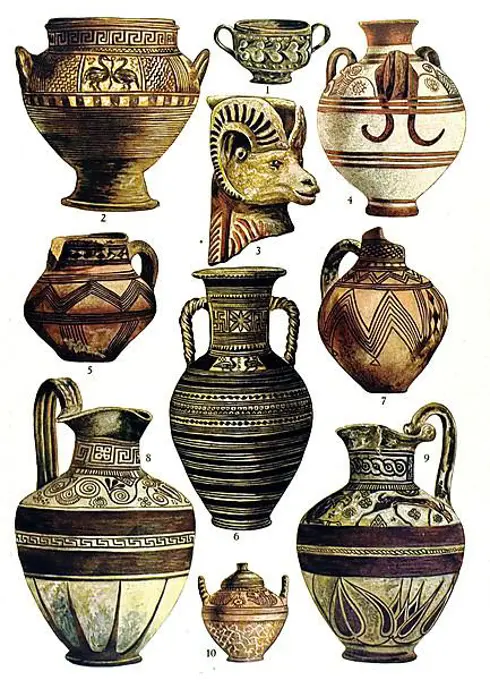
A collection of ancient pots and jars from various cultures, displaying distinctive shapes and decorative elements, showcasing historical pottery art.

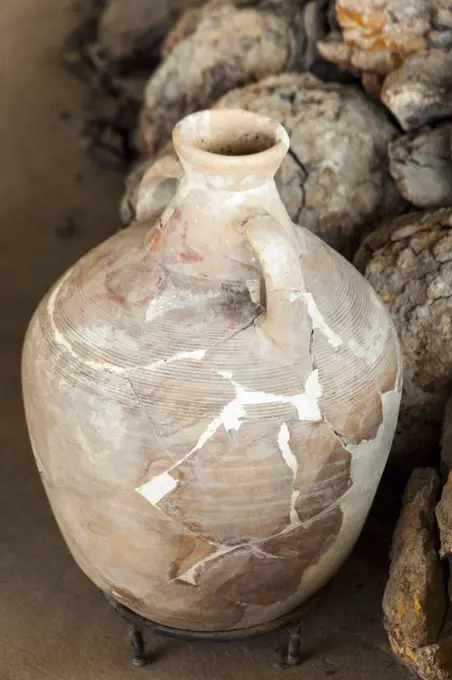
Pottery jug with two ears, on shoulder double notched line, pitcher water jug pitcher holder kitchenware soil find ceramics pottery clay engobe, hand turned pottery jug unglazed two standing bandstands stand. Double notched ring around the shoulder. The ears are attached between the shoulder and layer on the side wall. Sandy stand. Tapered model narrowing downwards. Gray shard smeared with brown engobe archeology to import indigenous pottery import water wrapping
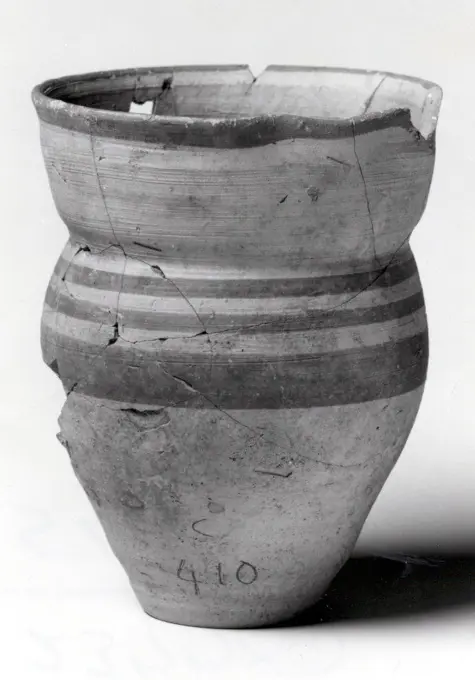
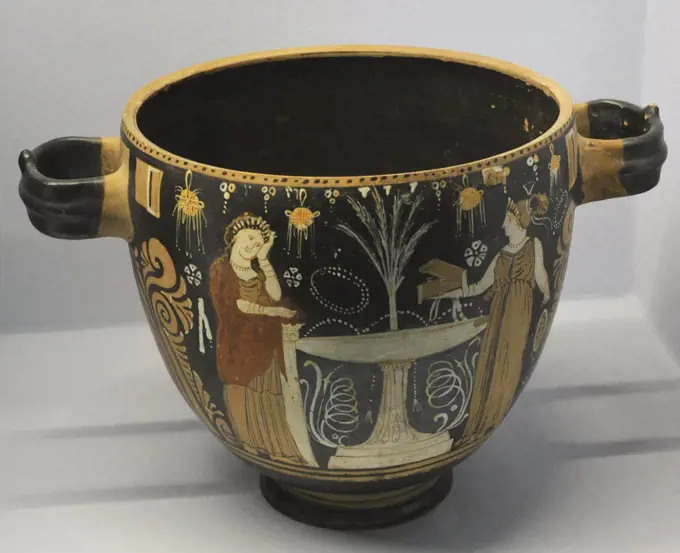
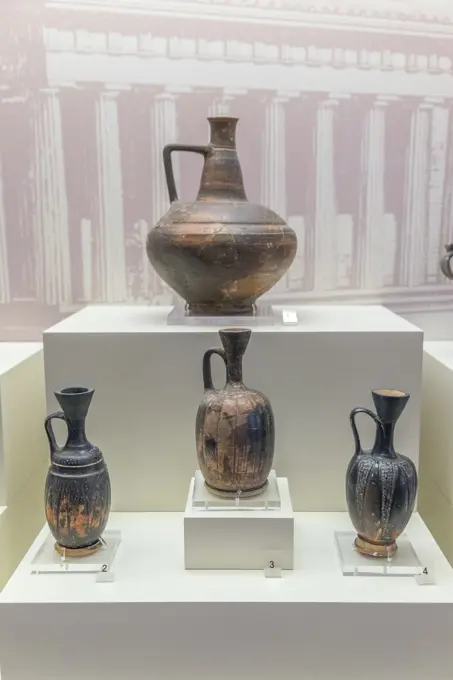
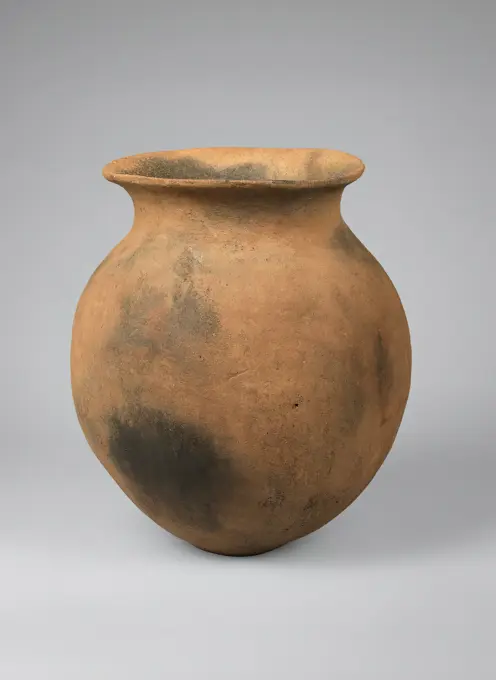
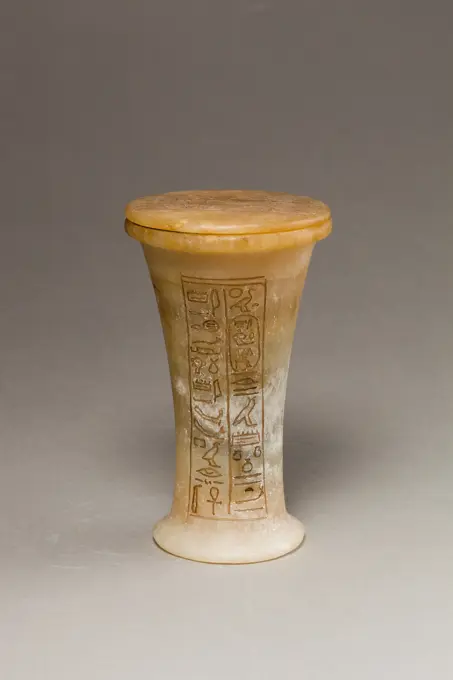
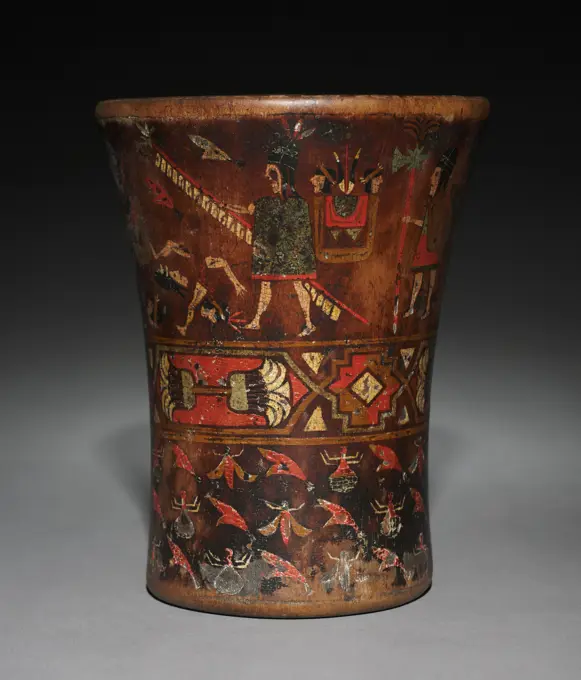
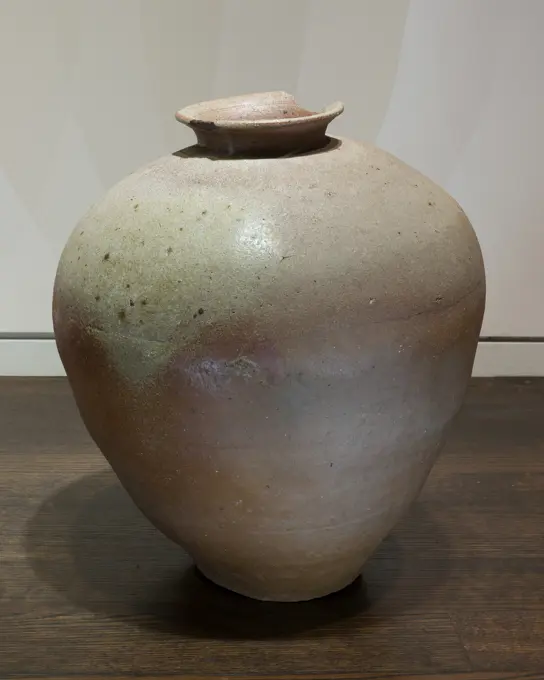
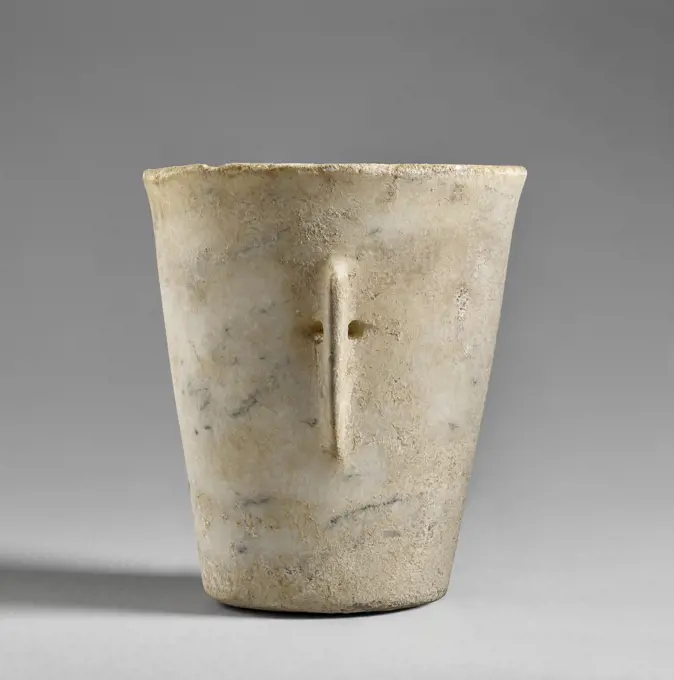
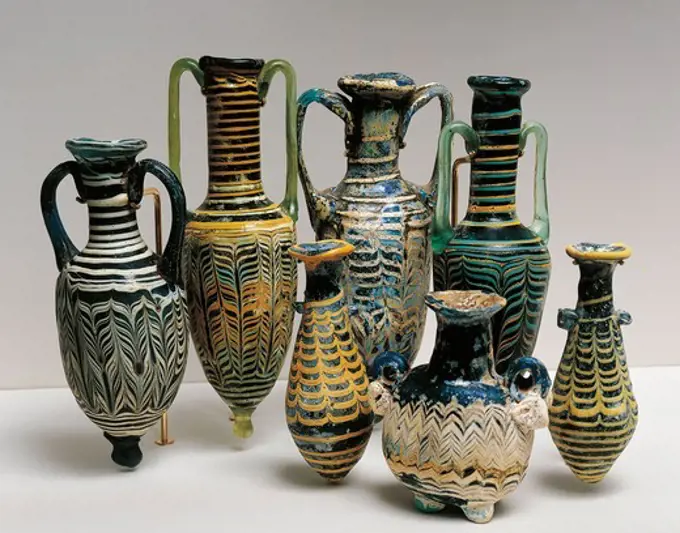
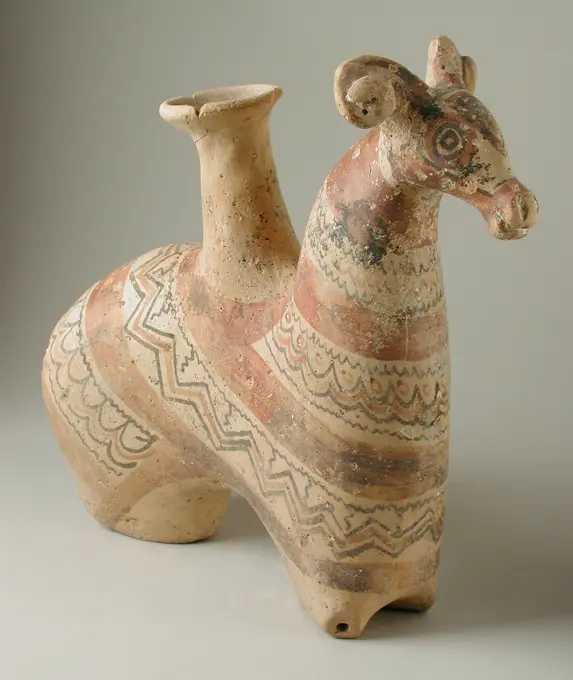
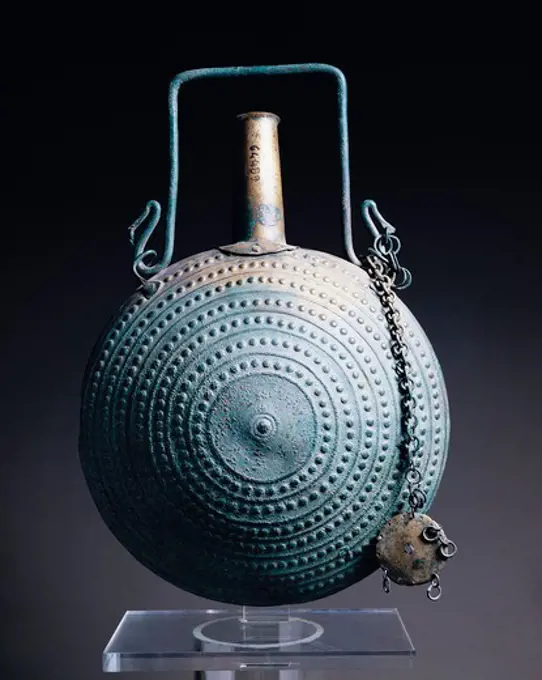
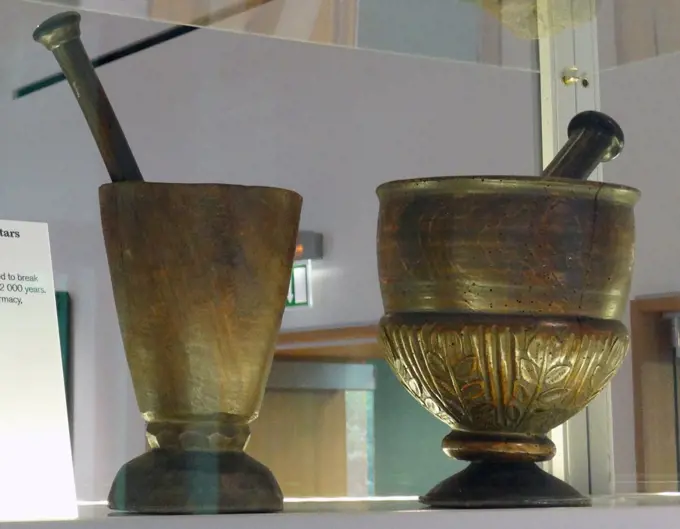
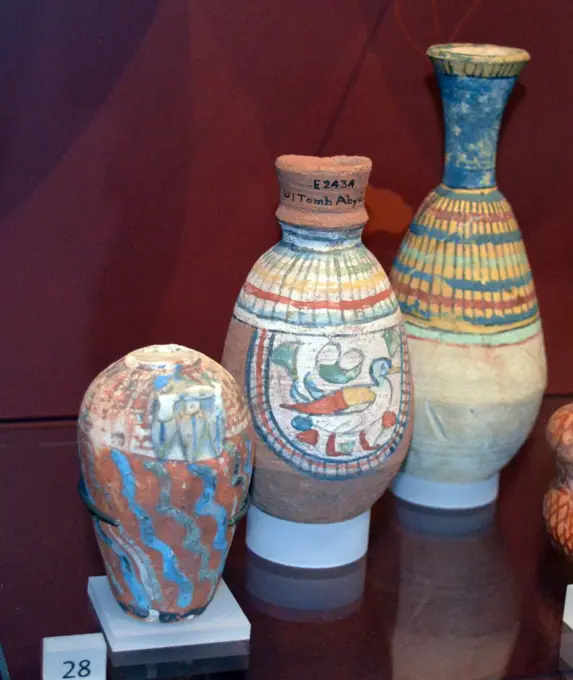
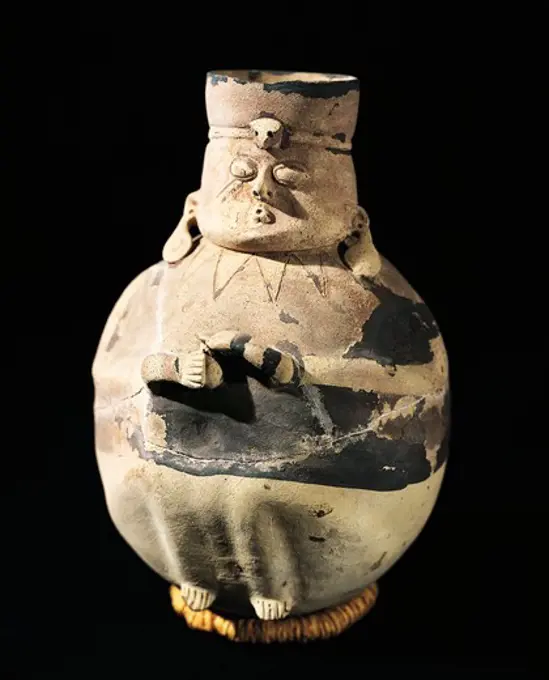
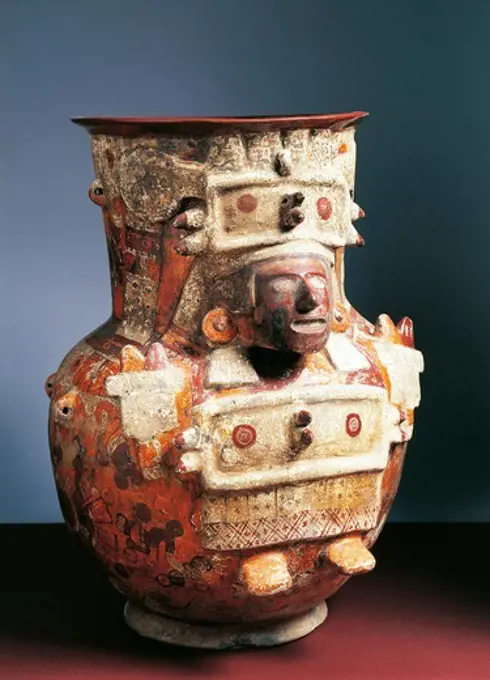
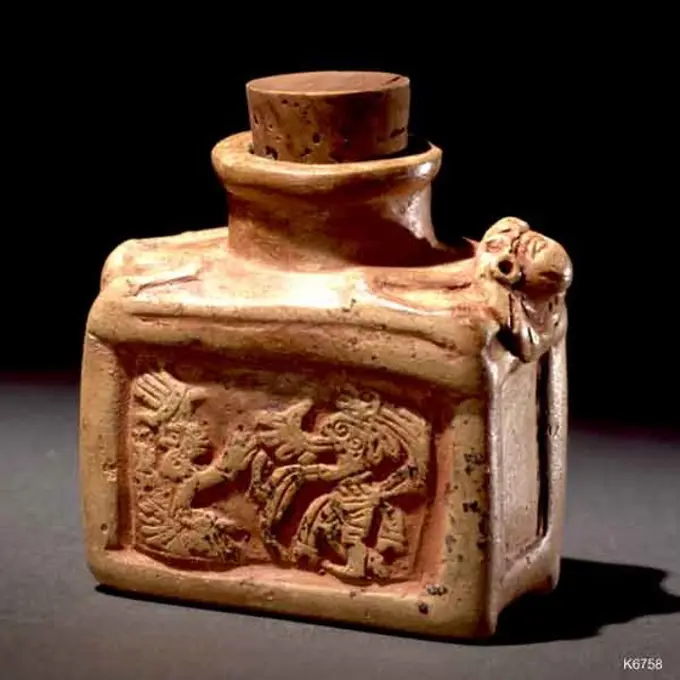
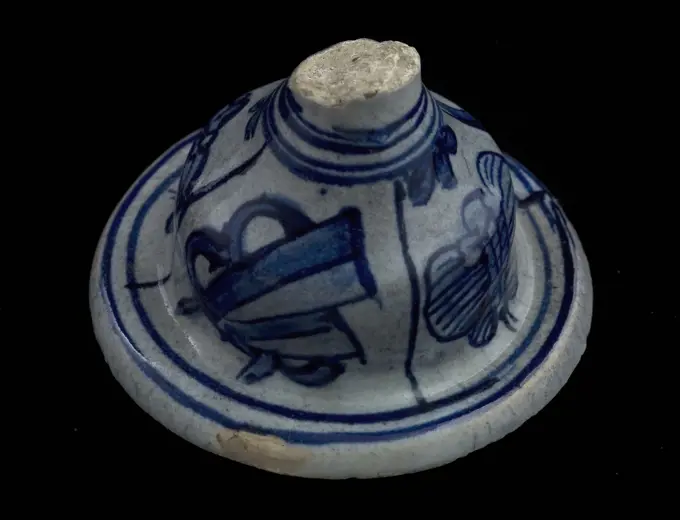
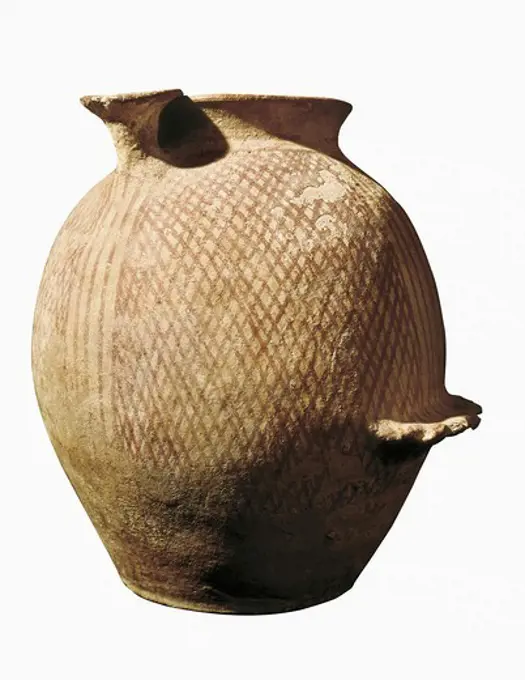
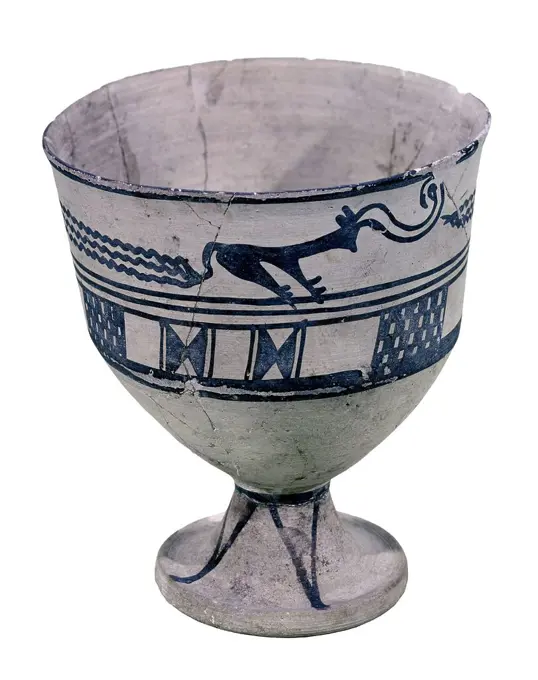
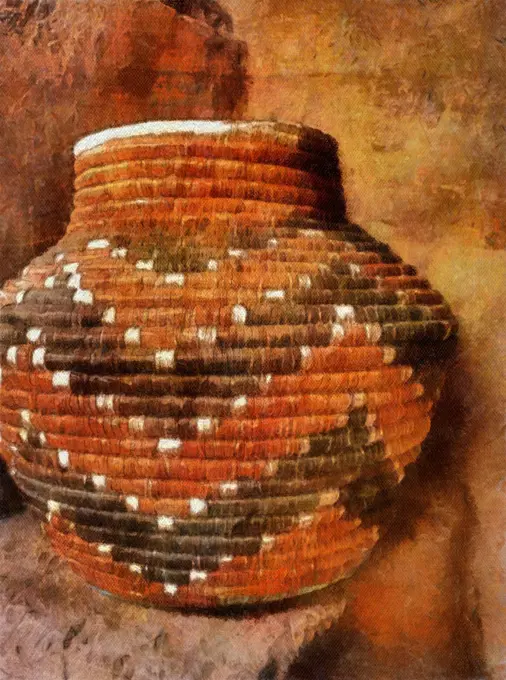
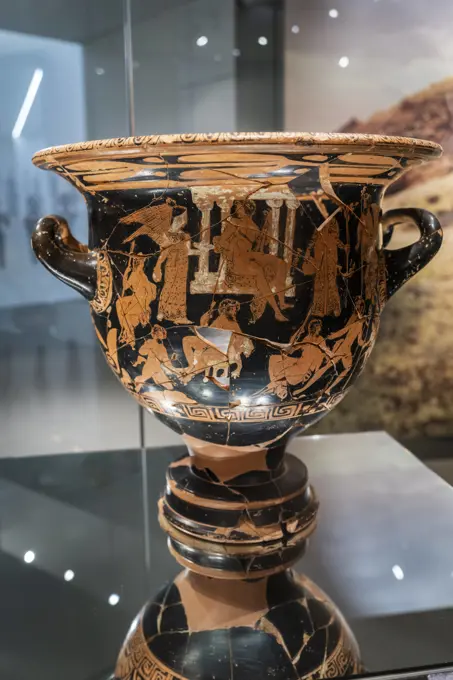
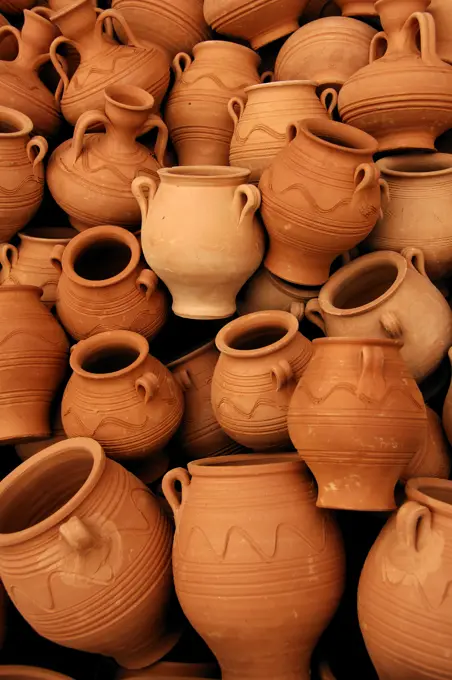
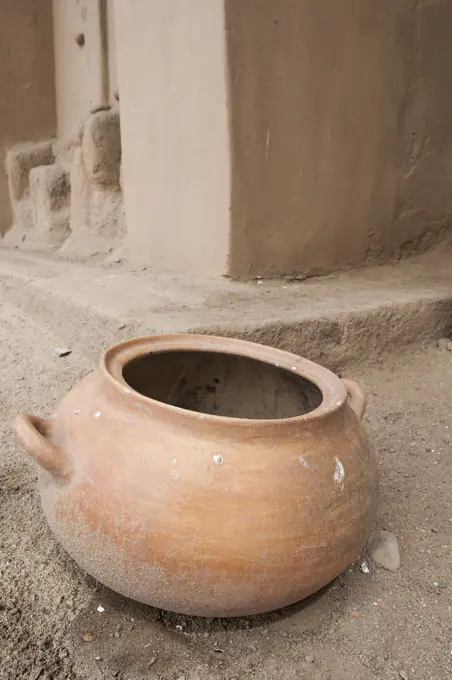
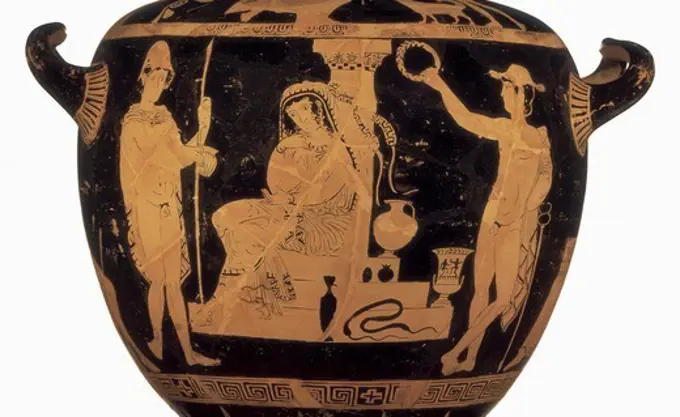
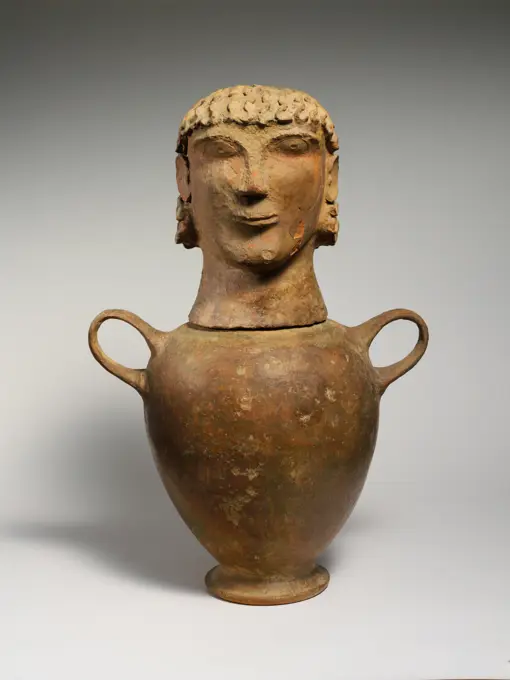
Terracotta canopic urn 6th century B.C. Etruscan, Chiusi or environs Long after inhumation became widespread, the people of Chiusi and surrounding hamlets continued to cremate their dead. They deposited the ashes in anthropomorphizing urns, often equipped with articulated arms, jewelry, wigs, and even clothing. The lids of these urns represent a stylized portrait of the deceased. Earlier examples, especially those for warriors, were often topped with a bronze or clay helmet.. Terracotta canopic urn. Etruscan, Chiusi or environs. 6th century B.C.. Terracotta. Archaic. VasesBeaker ca. 1600 B.C. Mitanni. Beaker 327053Architectural Vessel, AD 1-700. Central Andes (Peru), Recuay people. Ceramic, slip, resist painting; overall: 24.3 x 19.4 x 16 cm (9 9/16 x 7 5/8 x 6 5/16 in.). This vessel may represent the home of an elite family of the Recuay culture of Perus northern highlands. Inside are two groups of humans who presumably represent a ceremonial gathering—three carry cups, perhaps for libations. On the exterior are the heads of mythical or supernatural creatures painted in dramatic red, white, and black color contrasts.Pyxis depicting two women in a toilette next to a louterion. In the background, a bundle of grain. Made in Paestum. Apulian Group. 350-325 BC. Pottery. National Archaeological Museum. Naples. Italy.Beaker ca. 9th century B.C. Iran. Beaker 325794A scyphos is the name given to an ancient Greek drinking bowl with a low foot and two horizontal handles, Museo Archeologico Patroni in Pula, Sardinia, Italy, EuropeCANTARO PARA AGUA CON DECORACION EN ROJO-S XX CERAMICA POPULAR. Author: EUSEBIO PARRA (SXX) ALFARERO. Location: ALFARERIA. Priego. CUENCA. SPAIN.Drinking vessels, Olympia Museum, Olympia, GreeceEtruscan civilization, cinerary vase, from Montescudaio, Tuscany Region, ItalyRed-figured calyx-krater, made in Lucania. Dated 390 BCCrock. Dated: c. 1936. Dimensions: overall: 29.4 x 23.1 cm (11 9/16 x 9 1/8 in.) Original IAD Object: 11" High 8" Dia(top) 5 3/4" Dia(bot). Medium: watercolor, colored pencil, graphite and heightening on paperboard. Museum: National Gallery of Art, Washington DC. Author: Nicholas Amantea.CANTARO CON PITORRO O BOTIJA-CERAMICA ROJA PARA AGUA SIN VIDRIAR. Location: ALFARERIA. OLIVENZA. Badajoz. SPAIN.Jar with dark firing marks, 9th-10th century, Unknown Japanese, 13 1/16 × 11 1/8 × 11 in. (33.18 × 28.26 × 27.94 cm), Haji ware; earthenware, Japan, 9th-10th century, Fired in the open at around 1500°F, Haji ware is unglazed, and so it oxidizes and typically has a reddish-brown tint. The black splotches on this jar occurred during the firing process. Haji ware was in use from around 300 to 900 and is believed to have developed from the wares of the prehistoric Yayoi period.Ointment Jar ca. 1479-1458 B.C. New Kingdom A number of foundation deposit of the Deir el-Bahri temple contained a number of ointment jars most with remains of the original content (plant or animal fat and fragrances). The presence of such items made sure that the sacred images of the temple could be eternally anointed as prescribed in the daily temple ritual. The text on this jar reads: "Daughter of Re, Hatshepsut, she has made it as an offering for her father Amun at the time of the stretching of the cord over Djeser-djeseru-Amun, that she may be made to live." Djeser-djeseru-Amun was the name of her temple at Deir el-Bahri.. Ointment Jar 544464Cup Made 1724 Staffordshire. Earthenware with slipware decoration . Staffordshire Potteries (Potter)Coffee Pot 1765-1775 Burslem. Stoneware (redware) . Wedgwood Manufactory (Manufacturer)Kero (Waisted Cup), after 1550. Peru, Colonial Inka style, 16th century. Wood, inlaid pigments; diameter of mouth: 18.3 x 14.4 cm (7 3/16 x 5 11/16 in.); overall: 18.3 x 14.4 cm (7 3/16 x 5 11/16 in.).Oil Container; Corinth, Greece; first quarter of 6th century B.C; Terracotta; 11.2 × 11.7 cm (4 7,16 × 4 5,8 in.)Ceramic pot in the Roman Mosaic Museum, also known as the Roman Edifice, Constanta, Romania Clay jug and cup isolated on white backgroundTamba-Ware Jar 1401-1500 Japan. Stoneware with ash glaze .JAN 12, 2019 Udon Thani, Thailand - Ancient pottery and prehistory ceramic ware exhibits at Ban Chiang MuseumDouble Spout Bottle, Killer Whale 1st-6th century Nasca. Double Spout Bottle, Killer Whale. Nasca. 1st-6th century. Ceramic, pigment. Peru. Ceramics-ContainersBlack -of -inch leek;  520-510 BC (-520-00-00--510-00-00);Glass and Ceramics Museum, Tehran, Tehran, Iran, AsiaJar ca. 3500-3300 B.C.. Jar 326498Beaker with Lug Handles; Cyclades, Greece; 3000 - 2800 B.C; Marble; 15.6 × 12.4 × 13.2 cm (6 1,8 × 4 7,8 × 5 3,16 in.)Confronting Figures Bottle. Culture: Moche. Dimensions: H. 9 x Diam. 6 1/2 in. (22.9 x 16.5 cm). Date: 4th-7th century.Each side of this Moche stirrup spout bottle shows a prominent subject of Moche iconography, Wrinkle Face and Iguana facing each other. On the left side of each pair, Wrinkle Face, a fanged anthropomorphic figure with wrinkles, snake earspools, a feline headdress, and a snake-headed belt, sits on a throne. On the right side, Iguana, the anthropomorphized lizard, wears a bird headdress. While Wrinkle Face raises a hand with a pointed index finger, Iguana joins both hands in an attitude of veneration. Throughout Moche history, the two companions were portrayed in a wide range of complex scenes, such as burial ceremonies, "bean and stick" ceremonies interpreted as games or rituals surrounding agricultural activities, and combats with supernatural creatures. Museum: Metropolitan Museum of Art, New York, USA.BOTIJA VIDRIADA CON DOS ASAS Y DECORACION INCISA- CERAMICA POPULAR- S XX. Location: ALFARERIA. Priego. CUENCA. SPAIN.Lebanon, Unguentaria (unguentary and essential oil storing vessels), glass pasteBowl with Men and Bundled OfferingsCANTARO DE 4 ASAS SEMIVIDRIADO O GARRAFA- CUELLO CORTO Y ESTRECHO- ARTE POPULAR. Location: ALFARERIA. NIÑODAGUIA. Orense. SPAIN.Whistling jar in the form of an owl, Peru. Dated 200 ADMARMITA PROCEDENTE DE MEDINA ELVIRA, ATARFE (GRANADA) FECHADA ENTRE EL AÑO 912 Y EL 1010. Location: MUSEO ARQUEOLOGICO-CERAMICA HISPANOMUSULMANA. GRANADA. SPAIN.Water Vessel. Eastern Mediterranean. Furnishings; Serviceware. CeramicArtifacts at the El Born Cultural and Memorial Centre archaeological site and museum, Barcelona, Catalonia, Spain, EuropeBronze flask with embossed decoration, from Vulci, Montalto di Castro, Viterbo ProvinceVessel ca. 1st century B.C. India (Bengal). Vessel 64473Alfred Parys, Covered Jar, c 1939 Covered JarWooden pestles and mortars. This design has been in use for over 10,000 years. From Europe and Africa, 16th-20th Century.Minoan vases and pottery. Minoan civilization was an Aegean Bronze Age civilization that arose on the island of Crete and flourished from approximately the 27th century BC to the 15th century BCAnthropomorphic vase from Trujillo, Peru, Moche civilization, Pre-Inca civilizationCholula style ceramic vase from Templo Mayor (Main Temple) at Tenochtitlan, Mexico, 15th centuryMortar wooden Wooden mortar isolated on the white background Copyright: xZoonar.com/kostrezx 5547020JARRAS DE CERAMICA POLICROMADA (HUNGRIA). Location: PRIVATE COLLECTION. MADRID. SPAIN.JARRA DE AGUA. Location: ALFARERIA. SPAIN.Bottle in Shape of a Building, with Monkey on RoofAntique vase at Knossos, Crete, Greece, Europeglass from the Talayotic period, 1500 - 700 B.C. Myotragus balearicus remains in the background, Museu Municipal de Ciutadella,. Bastió de sa Font, Ciutadella, Menorca,balearic islands, Spain.Fragment (foot) salt vessel, blue on white with Chinese motifs, salt barrel tableware holder soil find ceramics pottery glaze tin glaze, archeology ChinaSugar bowl. SevresNeolithic vase (3000-2100 BC). Neolithic art. Terra-cotta. JORDAN. Amman. Archaeological Museum. Proc: ISRAEL. TRANSJORDAN. Jericho.Showcase with various objects of ceramics including scales; Vitters crafts. This is the device of the display case before emptying in October 1959.Right side of case from Meissen Porcelain,  18th Century,  USA,  Florida,  Jacksonville,  The Cummer Museum of Art and GardensKantaros w kształcie głowy Sylena. the Sabouroff ClassCERAMICA IRANI-COPA DE NIHAWAND-BARRO BLANQUECINO-FRISO DE CABRAS EN NEGRO MANGANESO -1700 AC. Location: MUSEO ARQUEOLOGICO NACIONAL-COLECCION. MADRID. SPAIN.Pottery, Fes, MoroccoJars made of terracottaIndian Basketthe hero and the goddess the hero and the goddess, bell crater from the funerary chamber of Prince Iltirtiiltir, 4th century BC, necropolis of Piquia, Arjona, Iberian culture, Iberian Museum of Jaén, Andalusia, Spain Copyright: xZoonar.com/BartomeuxBalaguerxRotgerx 21720629Argonauts kraterEurope, Greece, Crete (aka Kriti), Lassithi plateau. Typical tourist souvenirs, clay pots.Lima, Peru. Clay vase Chan Chan Pre-Columbian archaeological site near Trujillo, Peru.Antique vases, antique ceramics addendum, antiquity, from an auction at the Helbig gallery in Munich, October 28-30, 1913, previously unreleasedSet of ancient vase hand drawn ink sketch. Engraved style vector illustration.Vase with an scene of Aeschylus' Oresteia. 5th c. BC. Orestes and Electra over the tomb of their father. On the left, Pylades. Classical Greek art. Ceramics. GERMANY. Munich. Staatliche Antikensammlungen und Glyptothek MŸnchen (Bavarian State Collections of Greek and Roman Vases and Sculptures in Munich).A seller of fine fabrics. Urn for the ashes os Sellia Epyre and her husband. Unknow provenance. 1st century. National Roman Museum. Baths of Diocletian. Rome, Italy.Krater with red-figure painting, France, Paris, Musee du LouvreGuido Metelli, Small Pitcher, c 1939 Small Pitcher