Ancient Terracotta Sculptures

Intricate terracotta pieces showcasing historical artistry, including a griffin head, a female whistle, and a warrior bottle. Rich in cultural significance.

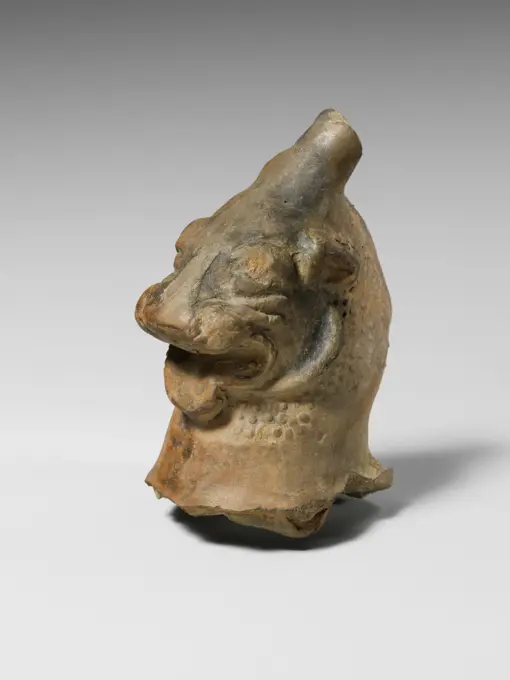
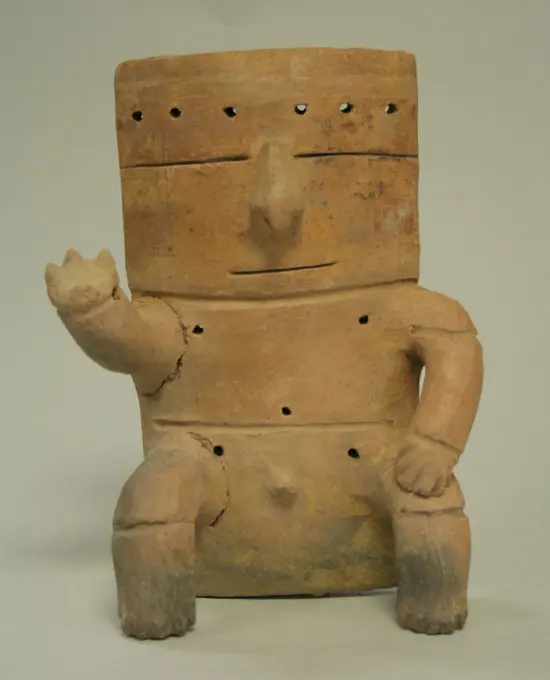
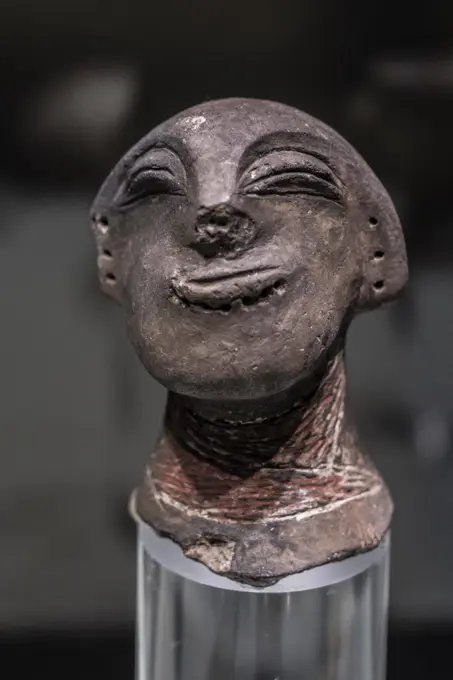
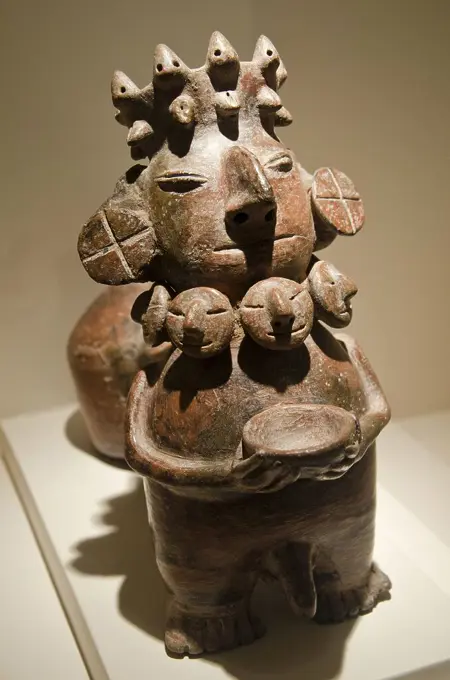
Antique clay Inca head, Colombia, South America
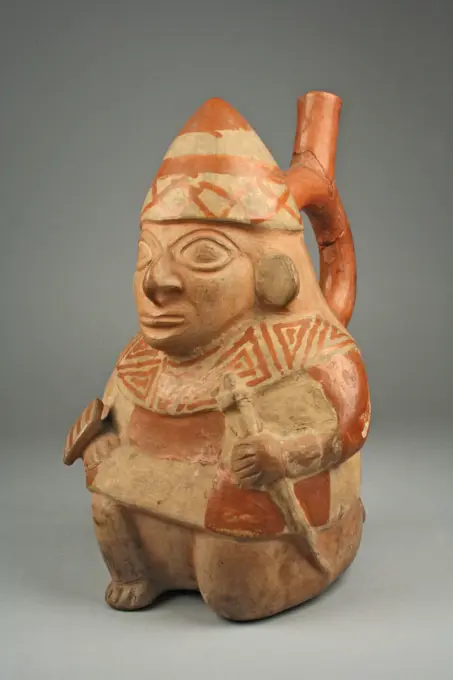
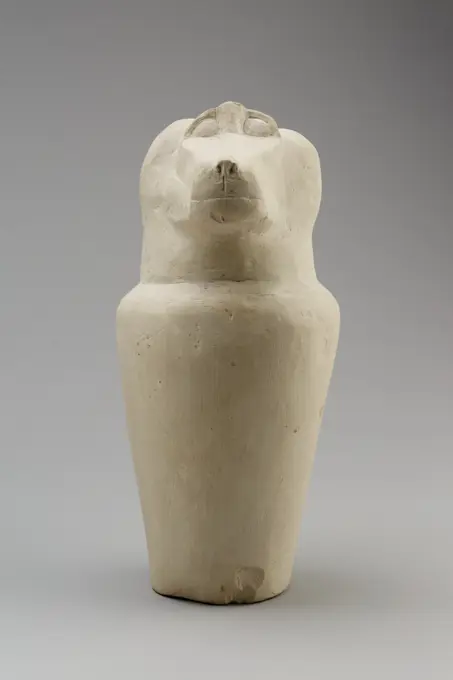
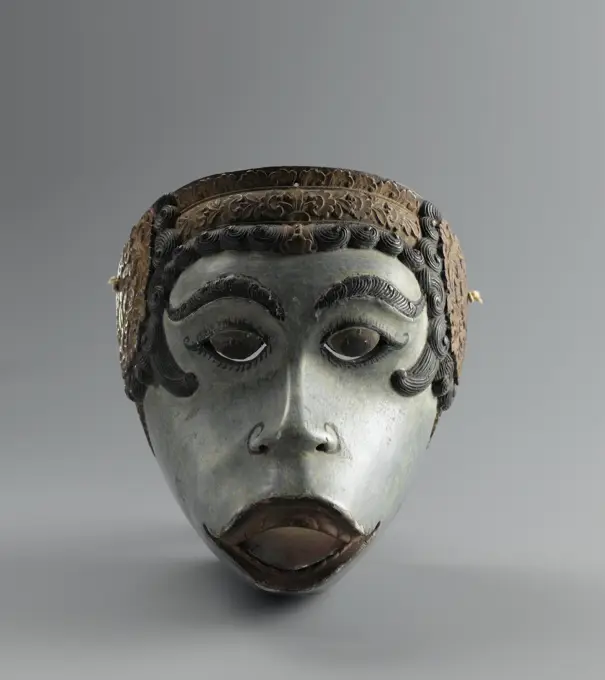
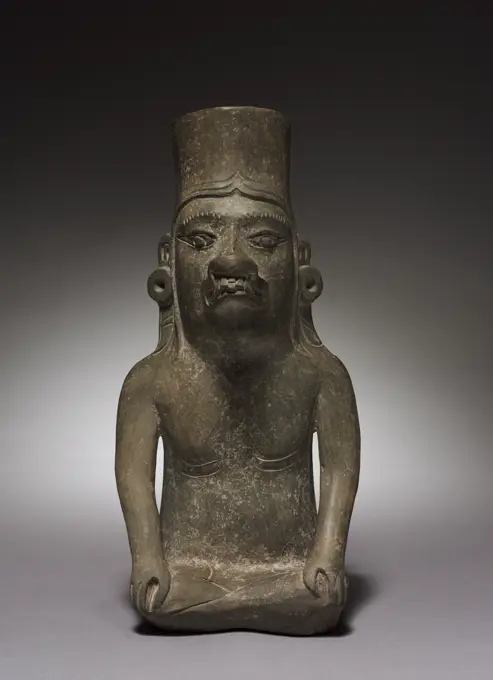
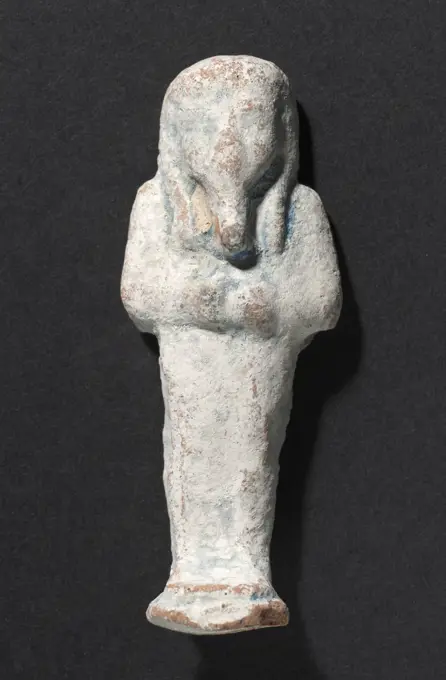
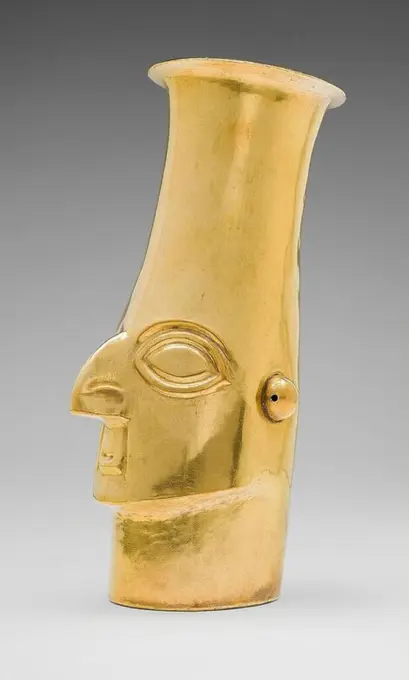
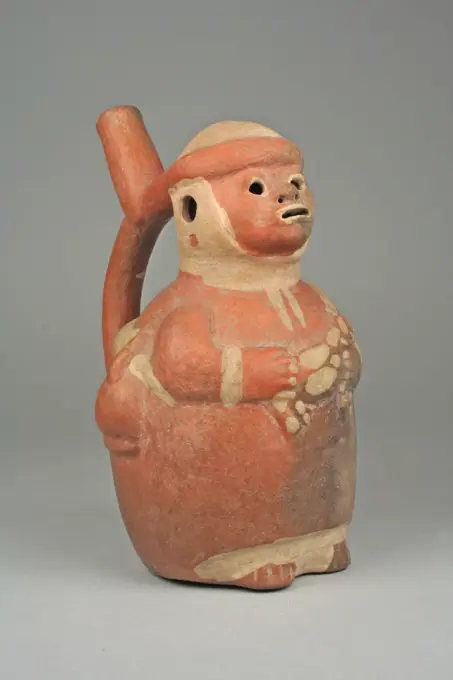
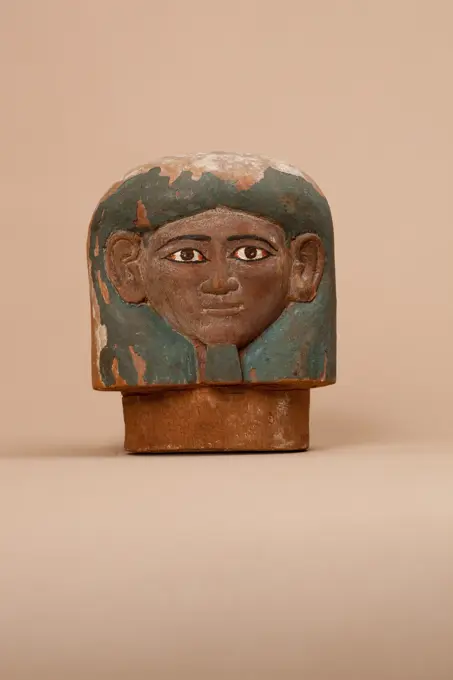
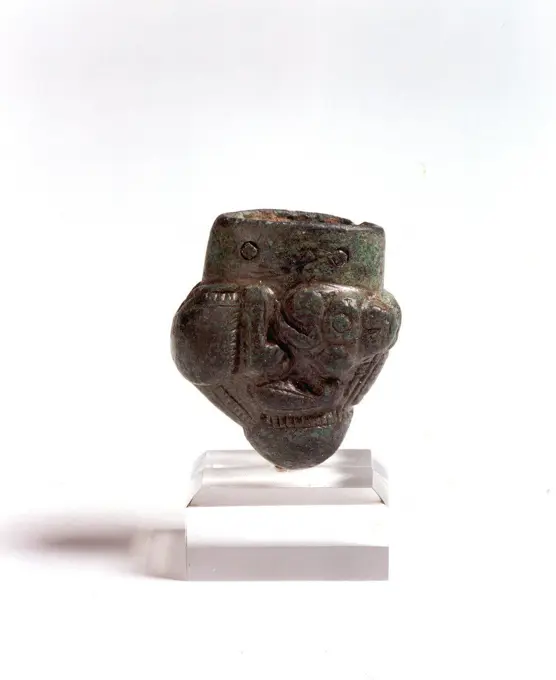
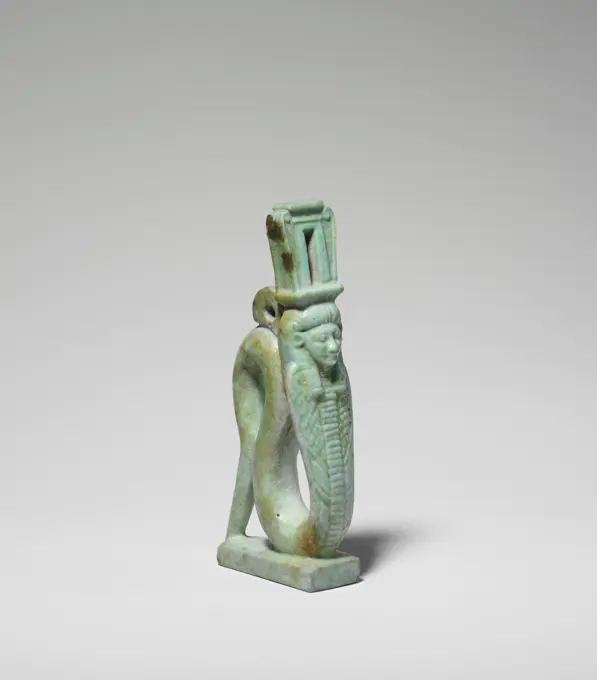
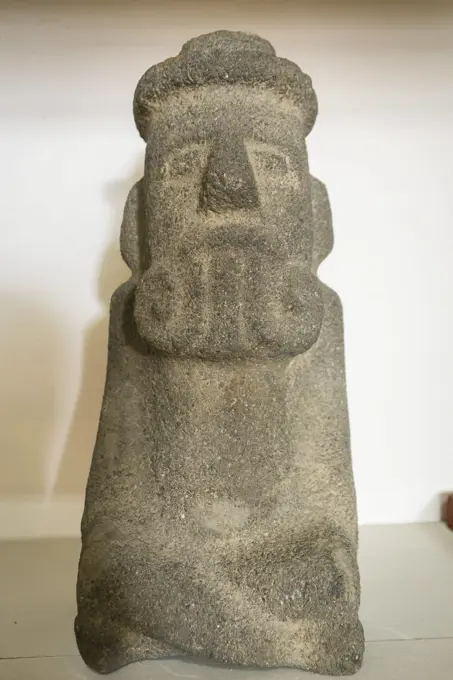
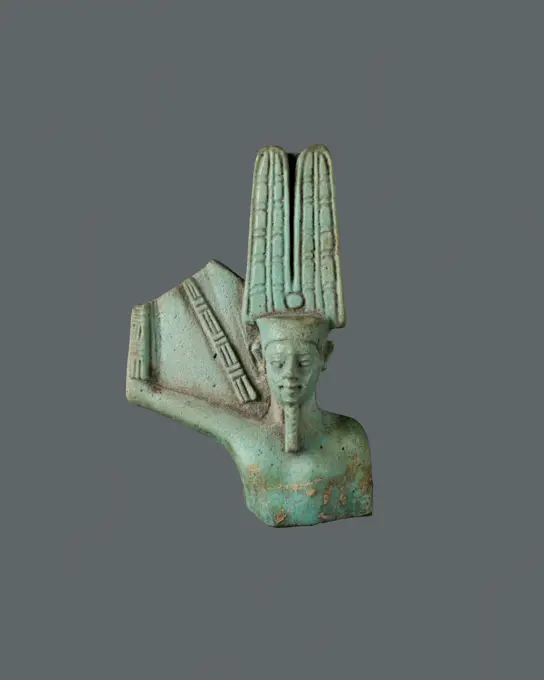
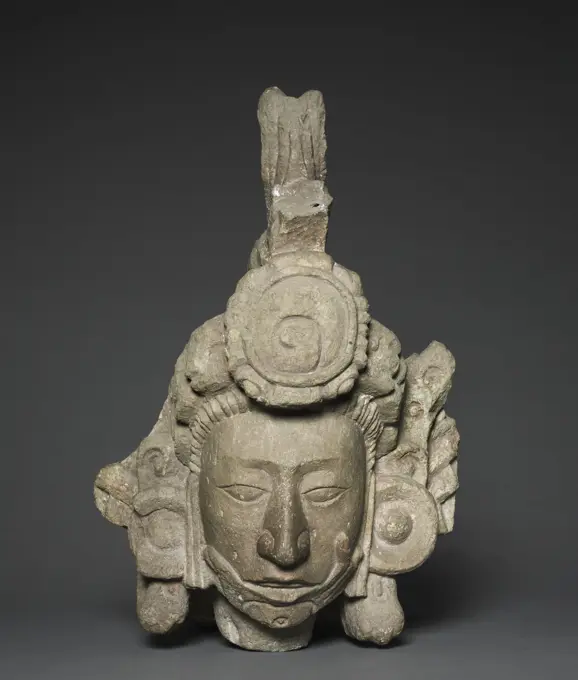
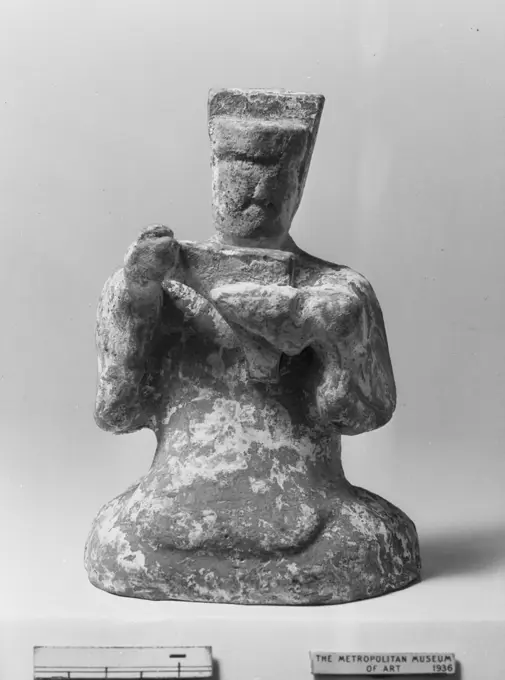
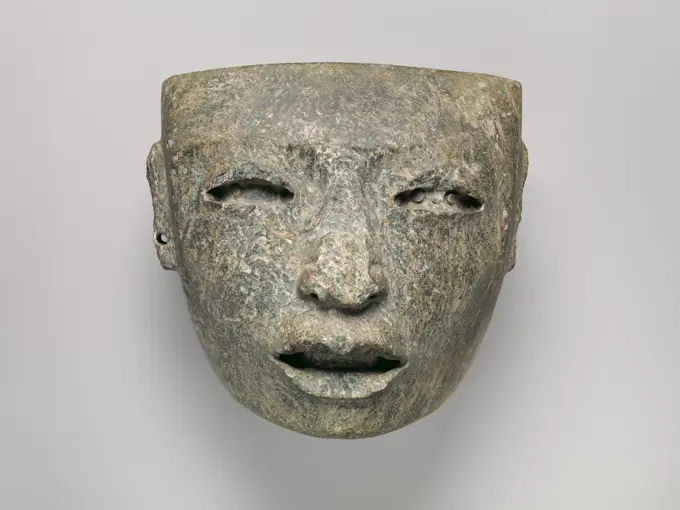
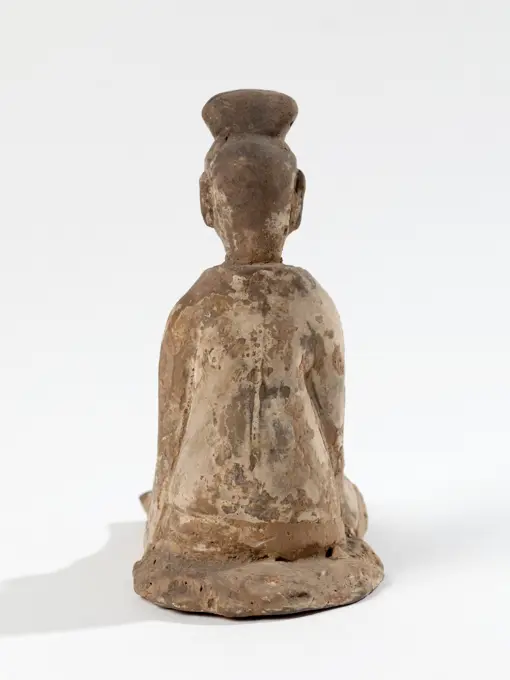
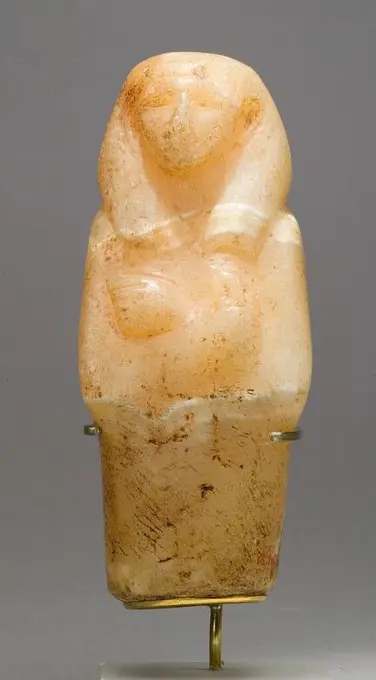
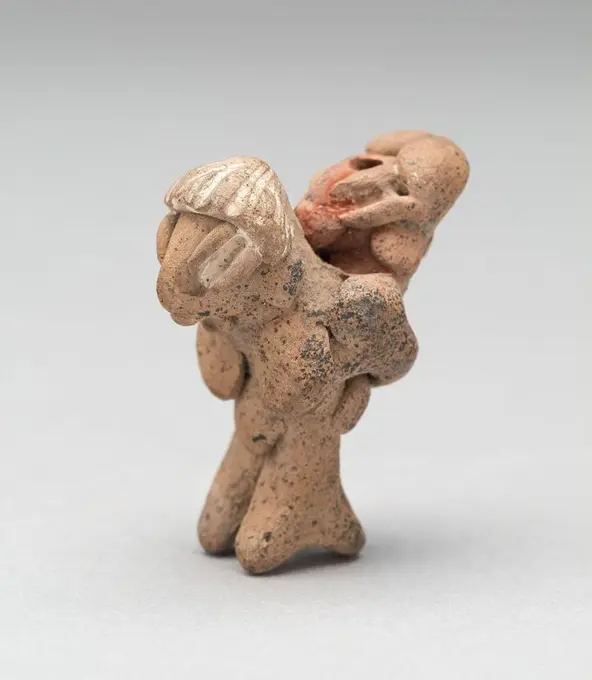
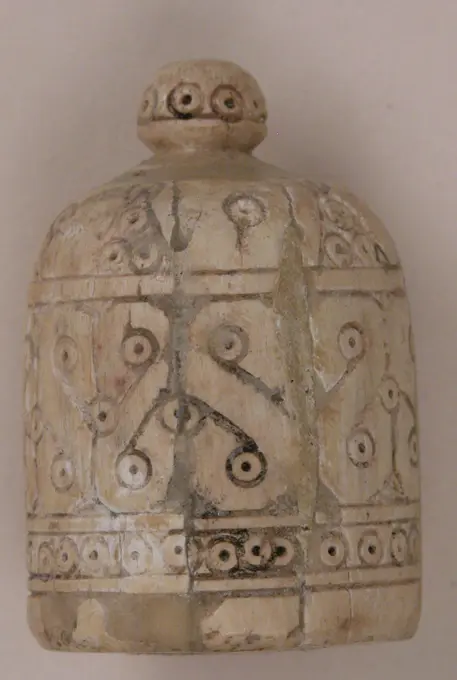
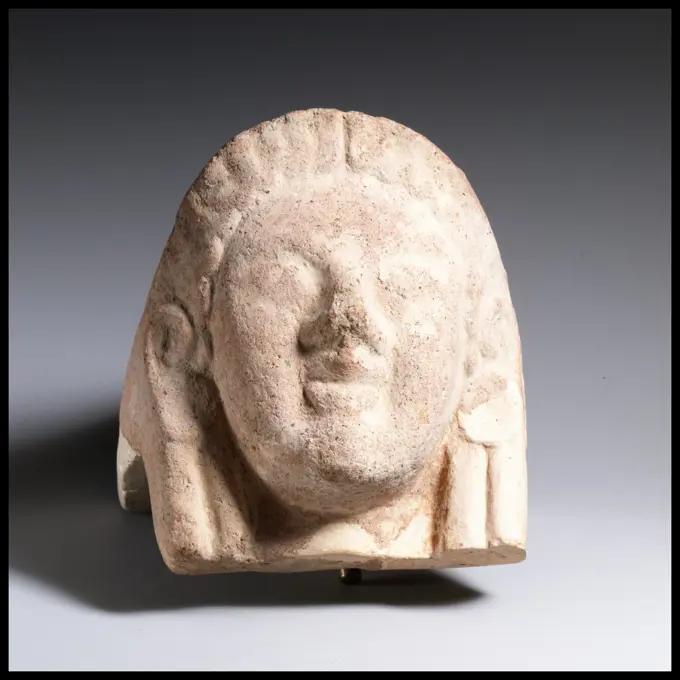
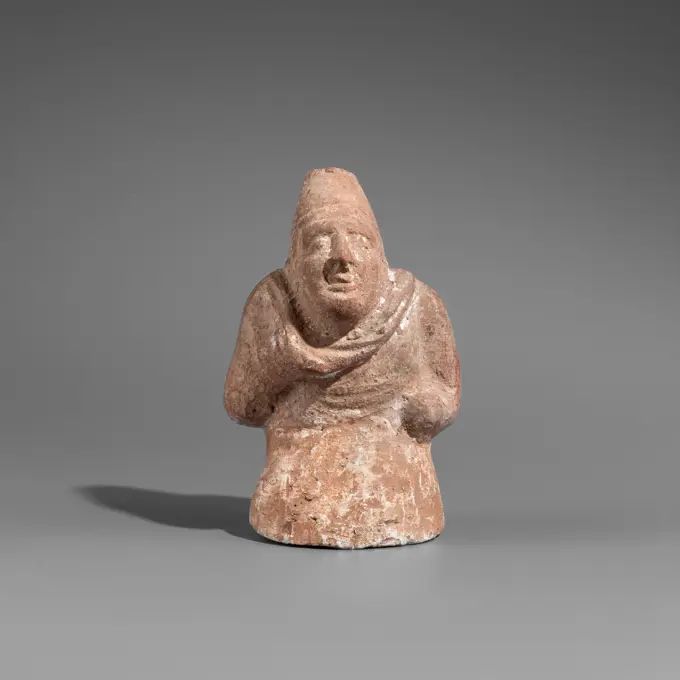
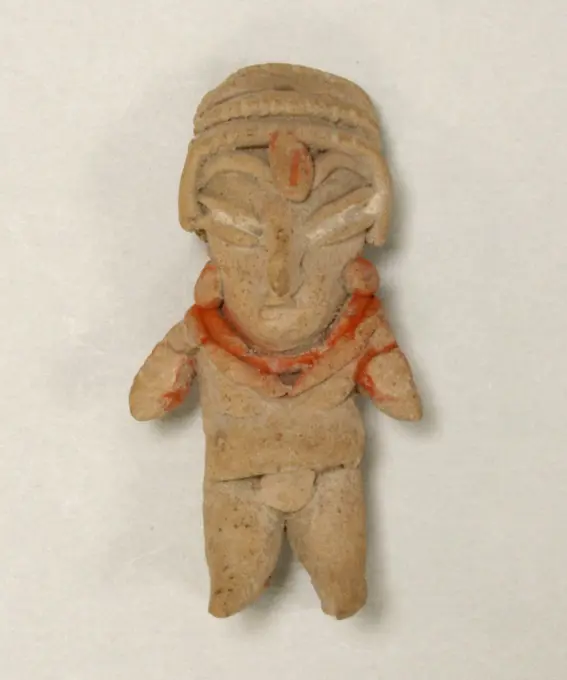
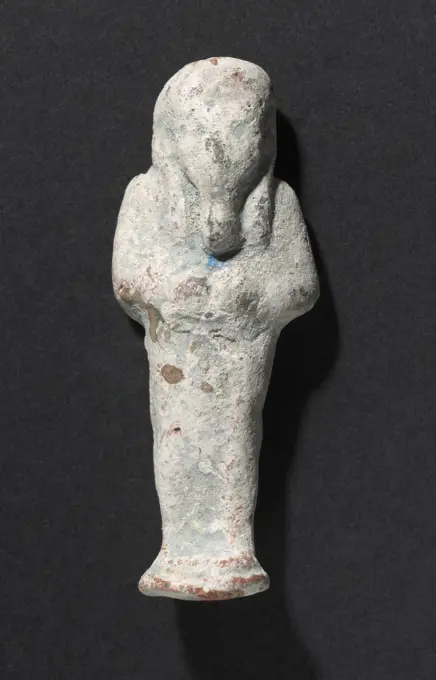
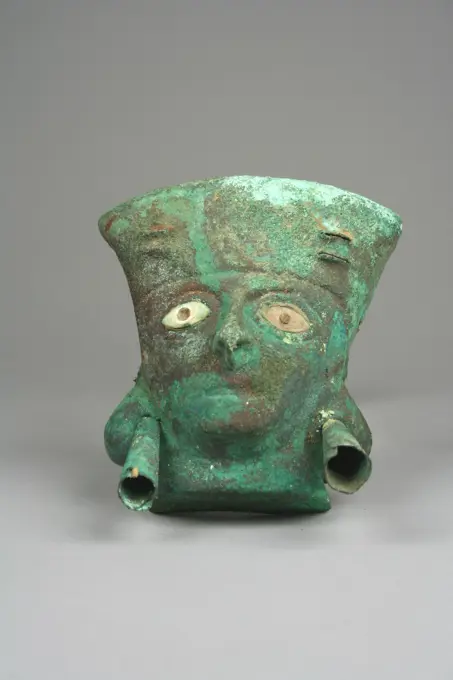
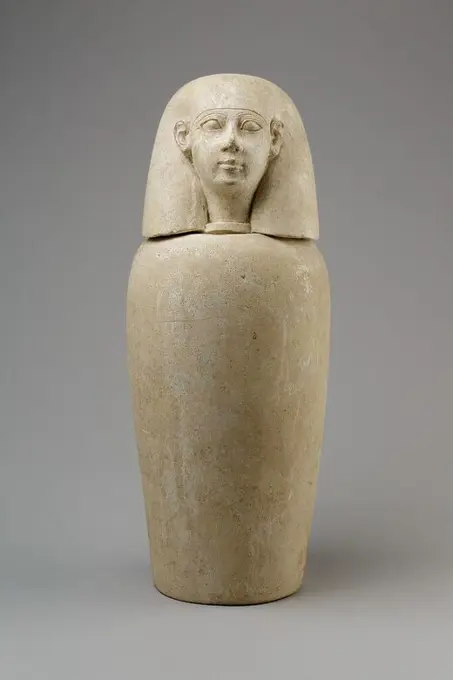
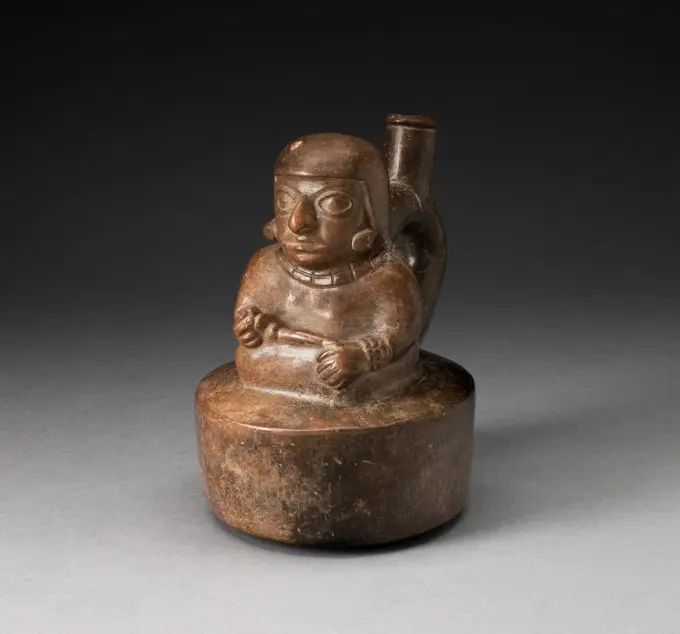
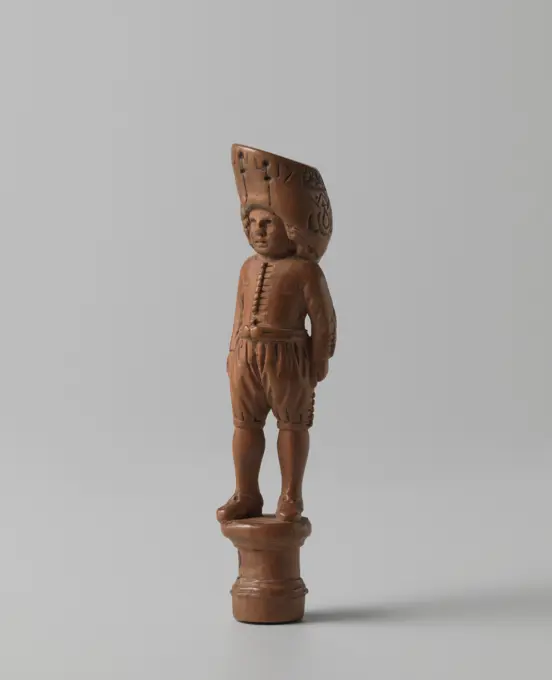
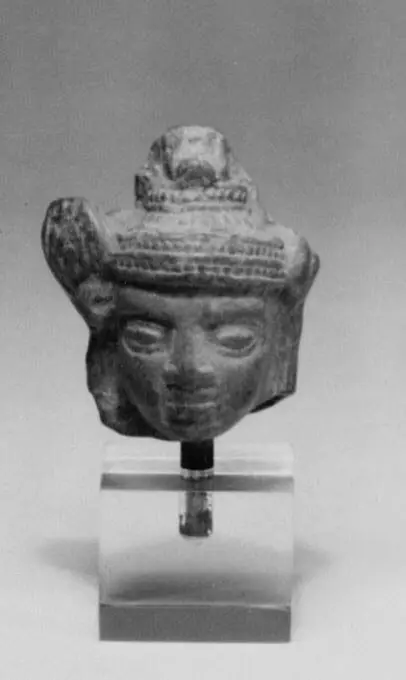
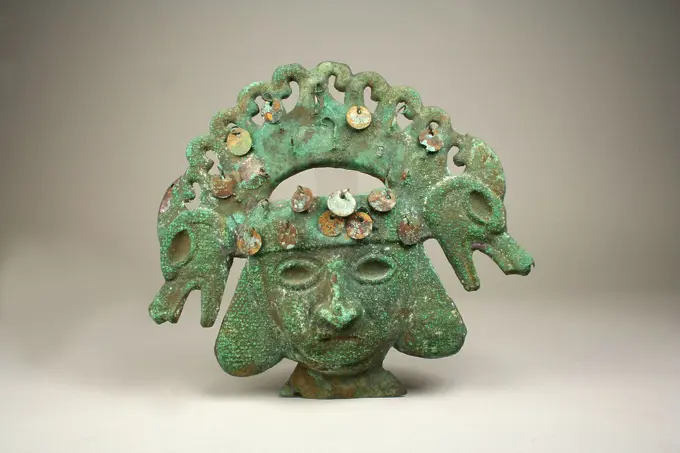
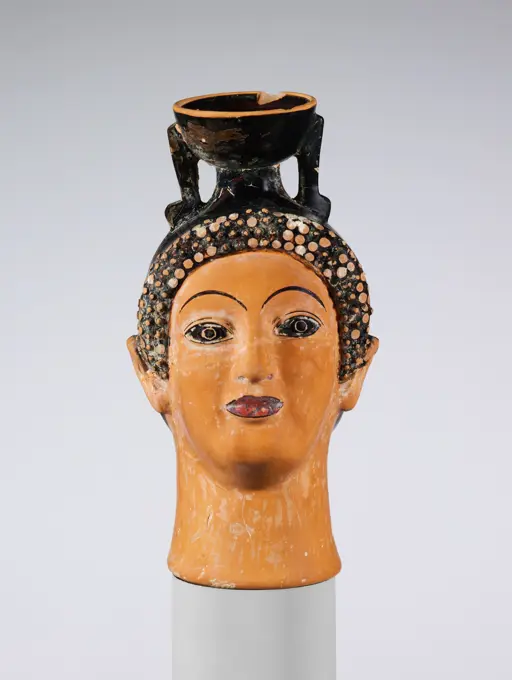
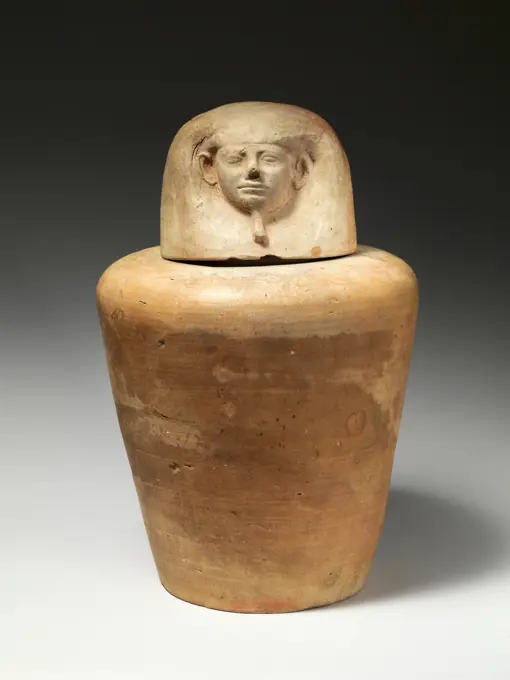
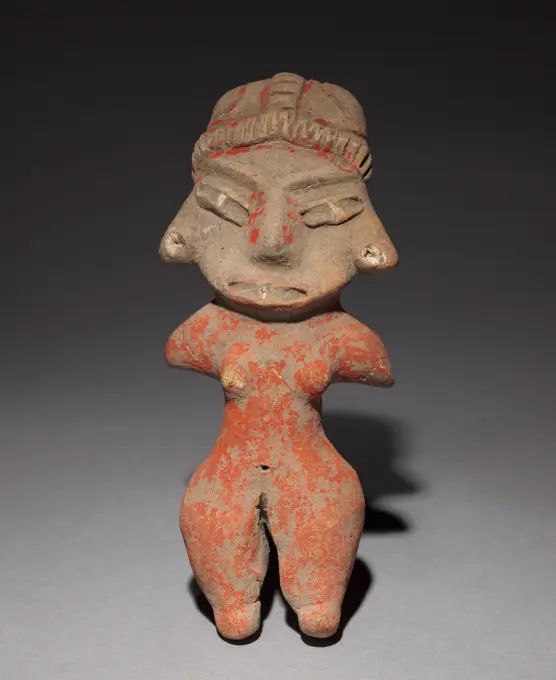
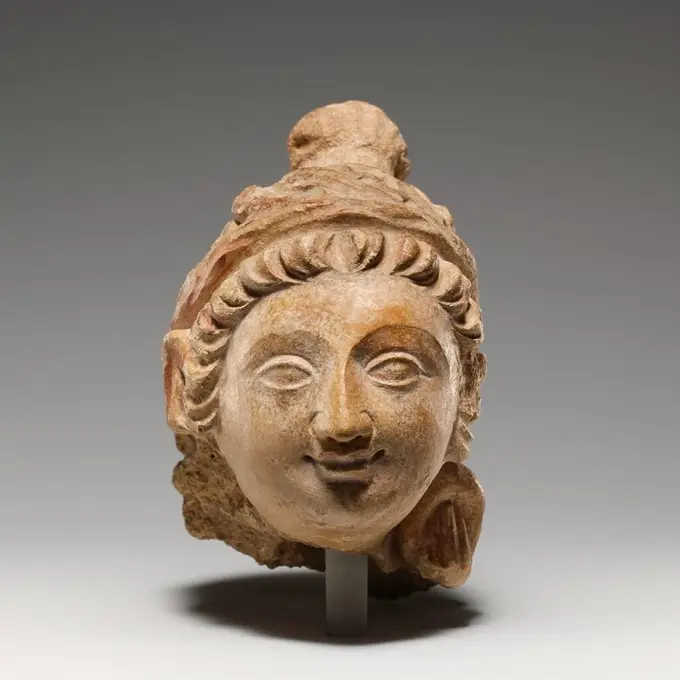
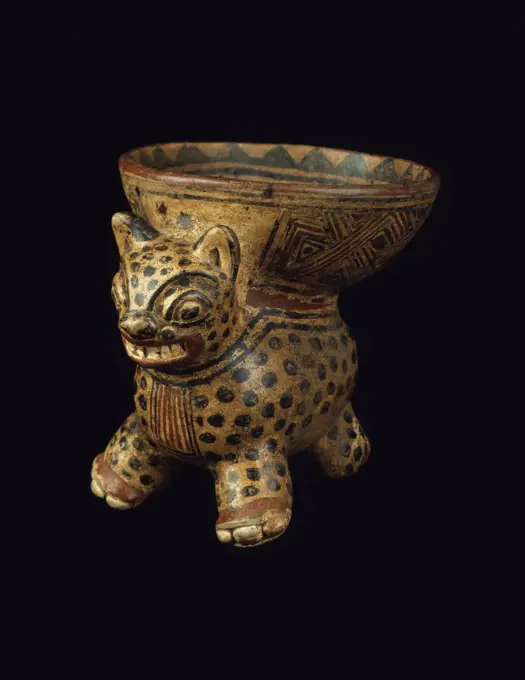
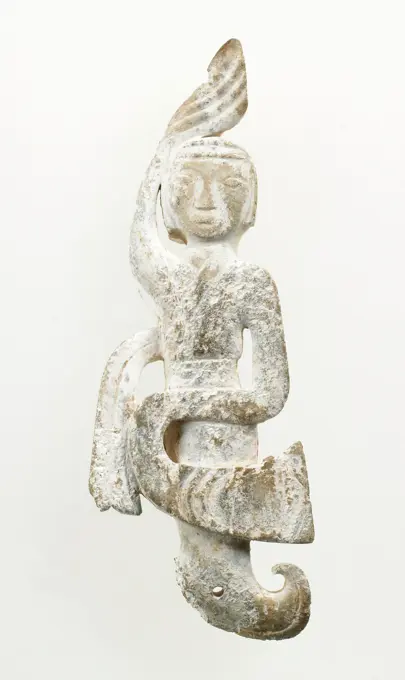
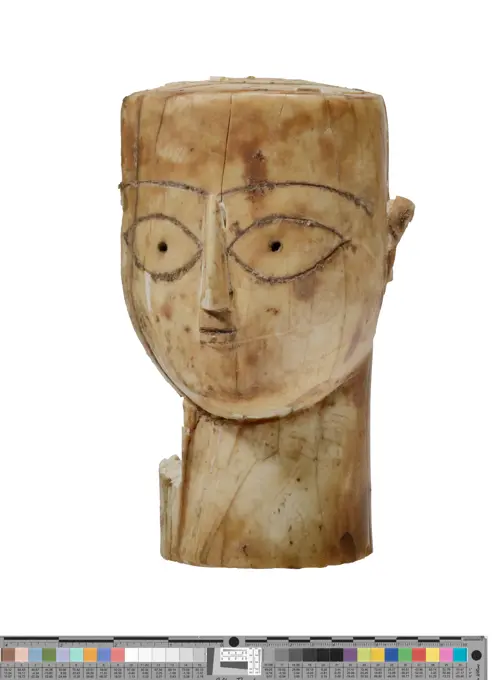
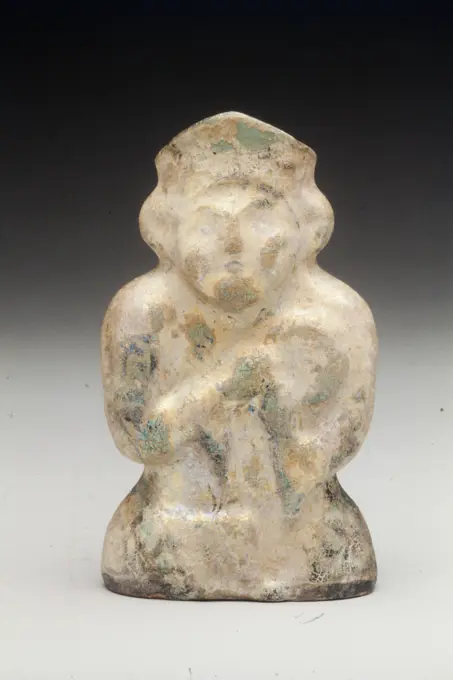
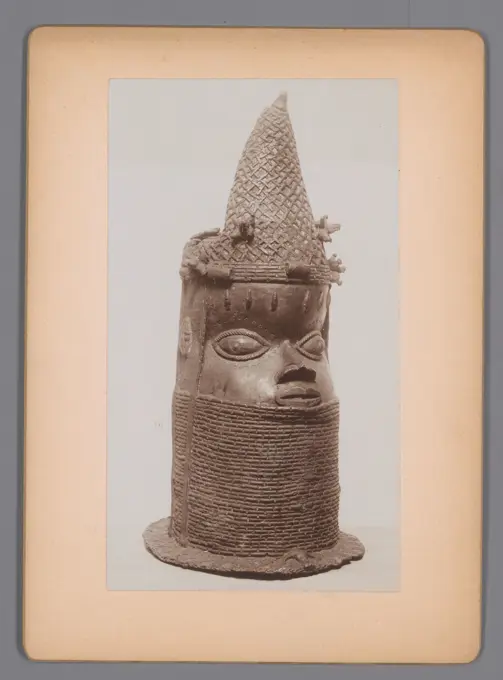
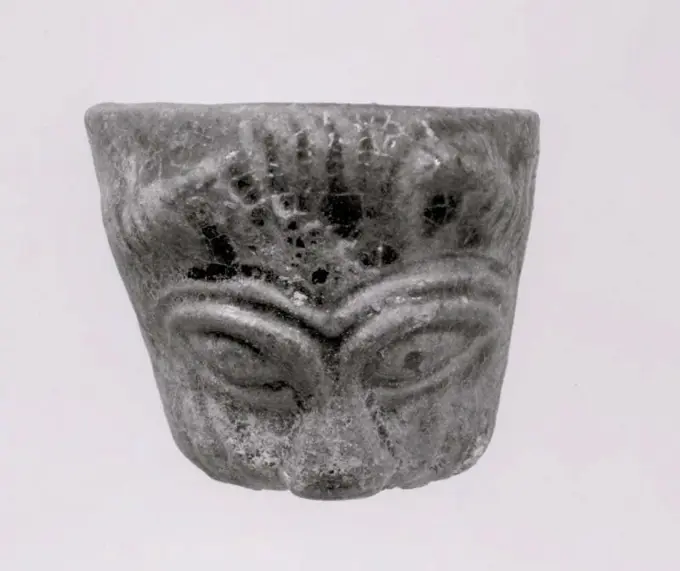
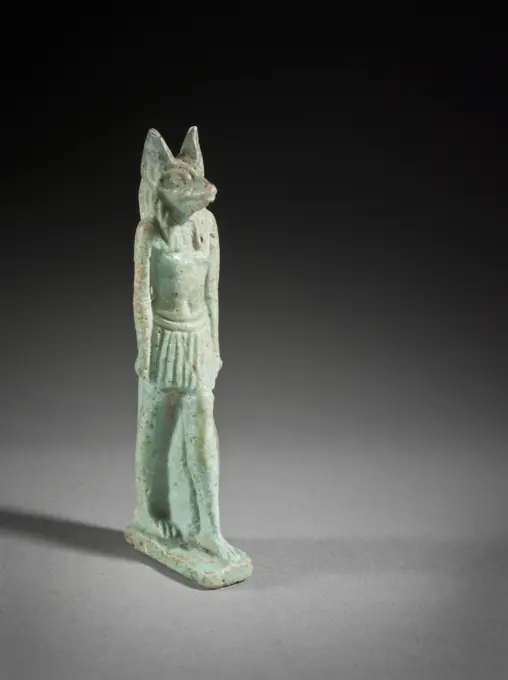
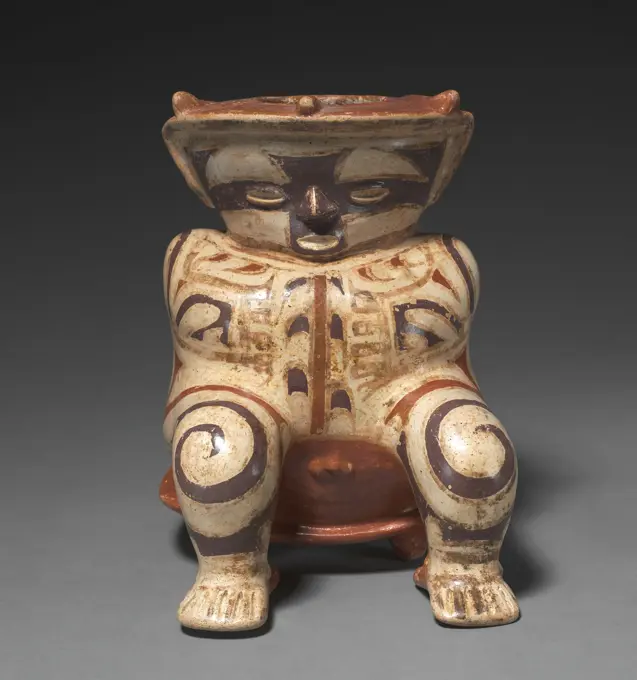
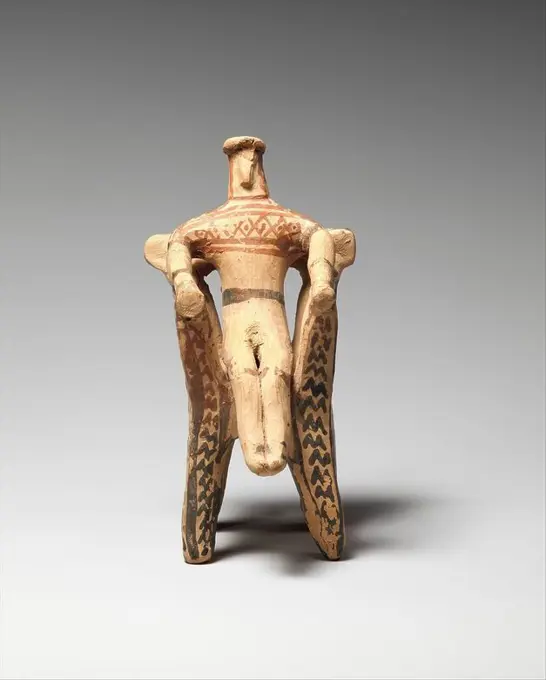
Terracotta head of a griffin 4th century B.C. East Greek In the Hellenistic era, the heraldic griffin, with the body of a lion and the head and wings of an eagle, could take on many different styles and themes. The style of this griffin appears to have Near Eastern influence and may have been the protome of a rhyton.. Terracotta head of a griffin. East Greek. 4th century B.C.. Terracotta. Late Classical or Early Hellenistic. TerracottasWhistle in the Form of a WomanStirrup Spout Bottle with Kneeling Warrior 1st-4th century Moche. Stirrup Spout Bottle with Kneeling Warrior 308538Statuette. UnknownDummy canopic jar with baboon head (Hapy) ca. 712-664 B.C. Third Intermediate Period A set of four canopic jars was an important element of the burial in most periods of Ancient Egyptian history. Canopic jars were containers in which the separately mummified organs would be placed. The best known versions of these jars have lids in the shape of the heads of protective deities called the four Sons of Horus. The human-headed Imsety was the guardian of the liver; the baboon-headed Hapy looked after the lungs; the jackal-headed Duamutef was responsible for the stomach; and the falcon-headed Qebehsenuef cared for the intestines.This dummy jar has no interior cavity and the "lid" is not removable. It dates to a period during which the internal organs were mummified and then placed back into the mummy, but canopic jars continued to be included as part of the burial equipment in order to ensure the protection of the four Sons of Horus. Canopic jars from two different burials were found in the Canopic Jar with Human Head Lid 1985 BCE-1773 BCE Egypt. Stone . Ancient EgyptianStirrup Spout Bottle with Seated Figure 5th-7th century Moche. Stirrup Spout Bottle with Seated Figure 307870Figure 1st-5th century Tolita-Tumaco. Figure 313567Antique clay Inca head, Colombia, South AmericaHead of a Figure (Dog) Japan The bulging eyes of this head, which was once attached to a complete dog clay figure, are characteristic of the Kamegaoka style of Jmon pottery from the Final Period of Jmon history. Created in northern Japan’s Thoku region, the head was probably ritually removed from the body of the figure to serve a religious purpose. The distinctive eyes of this figure, which crowd out the mouth, nose, and ears, were once thought by scholars to represent a kind of snow goggles common to other communities of the far north, such as the indigenous peoples of Siberia and the Inuit of Canada, but modern scholarship tends to believe that they reflect the Jmon people’s emphasis on the eyes, which may have a kind of religious significance.. Head of a Figure (Dog). Japan. Earthenware with incised and cord-marked designs. Final Jmon period (ca. 1000-300 B.C.) or later. CeramicsMasker, anonymous, 1800 - 1900 Topeng mask, roll: figure from the monkey army, light blue face color, eyebrows and hair black. Ornamented parts between the hair gilded. Java wood (plant material). dye. gilding (material) gilding Topeng mask, roll: figure from the monkey army, light blue face color, eyebrows and hair black. Ornamented parts between the hair gilded. Java wood (plant material). dye. gilding (material) gildingHead of BesFaience statuette of a woman holding two vases. Culture: East Greek. Dimensions: H.: 5 1/8 in. (13 cm). Date: late 7th-6th century B.C..Nude, holding two vessels, one on her head. Museum: Metropolitan Museum of Art, New York, USA.Stirrup Spout Bottle with Figure. Culture: Moche. Dimensions: H. 8 3/4 x W. 5 1/2in. (22.2 x 14cm). Date: 4th-7th century. Museum: Metropolitan Museum of Art, New York, USA.Urn Figure, c. 150 BC-AD 200 (Thermoluminescence date, 60 BC-AD 642). Mexico, Oaxaca, Zapotec. Earthenware; overall: 29.8 x 14.4 x 13 cm (11 3/4 x 5 11/16 x 5 1/8 in.).Fragment of dwarf figurine. Dimensions: h. 4.3 cm (1 11/16 in). Dynasty: Dynasty 12-13. Date: ca. 1981-1640 B.C.. Museum: Metropolitan Museum of Art, New York, USA.Limestone female head, Egyptian civilization, Coptic PeriodFurniture Leg ca. 3100-2900 B.C. Early Dynastic Period. Furniture Leg. ca. 3100-2900 B.C.. Ivory (elephant). Early Dynastic Period. From Egypt, Northern Upper Egypt, Abydos, Umm el-Qaab, Tomb of Den, Amélineau excavations. Dynasty 1Shabti of Psusennes I Third Intermediate Period ca. 1040-992 B.C. View more. Shabti of Psusennes I. ca. 1040-992 B.C.. Bronze or copper alloy. Third Intermediate Period. From Egypt, Eastern Delta, Tanis (San el-Hagar), Royal Tombs, NRT III (Psusennes I), Montet excavations. Dynasty 21Stirrup Spout Bottle with Kneeling Leper. Culture: Moche. Dimensions: Overall: 9 1/8 x 4 3/4 in. (23.18 x 12.07 cm)Other: 4 3/4 in. (12.07 cm). Date: 3rd-5th century. Museum: Metropolitan Museum of Art, New York, USA.Spain, Statuette of the God Ba'al Hammon seated on his throne.Shawabty of Ditamenpaankh, 715-656 BC. Egypt, Late Period, Dynasty 25. Terracotta; overall: 6.7 x 2.6 x 1.6 cm (2 5/8 x 1 x 5/8 in.). High demand for shawabtys in the Late Period, a time when as many as 400 or more shawabtys were placed in the tomb with the deceased, gave rise to a specialized container for storing them: the shawabty box. This example is inscribed for the lady of the house, Ditamenpaankh, and was probably one of a pair originally made for her. The single-masted boat on the box's lid is perhaps an allusion to the pilgrimage of the deceased to the holy city of Abydos, the cult city of Osiris, king of the dead. The shawabtys inside are crude, mass-produced examples cast in an open mold. Made of terracotta, their blue paint imitates more costly shawabtys made of faience. As for the shawabty spell, it has been removed from its traditional location on the shawabty's front and relocated onto the sides of box, where it needed only to be written once, thus expediting productioBeaker. Inca; Ica Valley, south coast, Peru. Date: 1475-1525. Dimensions: 16.5 × 6.4 cm (6 1/2 × 2 1/2 in.). Gold. Origin: Ica Valley. Museum: The Chicago Art Institute, Chicago, USA.Pendant. Western Iran, Iron Age I-II, about 1350-800 B.C.. Jewelry and Adornments; pendants. Bronze, castWhistling Stirrup Spout Bottle with Figure 5th-7th century Moche. Whistling Stirrup Spout Bottle with Figure 309337Statuette of divinity protector of pregnant women and infants, siliceous majolicaCanopic jar lid of Ukhhotep ca. 1981-1802 B.C. Middle Kingdom. Canopic jar lid of Ukhhotep. ca. 1981-1802 B.C.. Wood, paint. Middle Kingdom. From Egypt, Middle Egypt, Khashaba excavations, 1910-11; Probably from Meir, Tomb of Ukhhotep. Dynasty 12Figurine, 1325-1521. Mexico, Aztec. Pottery; overall: 19.8 cm (7 13/16 in.).Amulet of Taweret, 305-30 BC. Egypt, Ptolemaic Dynasty. Light robin's egg blue faience; overall: 5.3 x 1.5 x 1.7 cm (2 1/16 x 9/16 x 11/16 in.).Scabbard chape ca. 6th century B.C. Achaemenid This is a chape - the endpiece of a scabbard for a short sword. It is decorated on either side with a relief of a stylized horned animal, perhaps a goat or bull, whose body is curled up such that its hindleg is front of its face. Its back, in the shape of a dome, forms the very end of the scabbard, which, together with the creatures rump and curved horns, create a triangular composition. The chape is made of a cooper alloy and would have originally been attached to the rest of the scabbard with two rivets which still survive, even though the scabbard itself evidently does not.There are many chapes decorated with rolled animal motifs of this sort, made of metal or ivory. They are associated with the Achaemenid Persian Empire because many of the scabbards depicted in the reliefs at Persepolis feature very similar imagery. These rolled animals also appear prominently in Scythian art. Like the Persians, the Scythians were an Iranian-speaking Hathor Amulet ca. 1086-332 B.C. Third Intermediate Period-Late Period In Ancient Egypt, deities are often depicted with a human body and an animal head. Less frequently, a human head was attached to the body of an animal, in this case a cobra. The snake is shown rearing on a low base; its weight is placed on the first, bottom segment of the body and on the tip of the tail, which protrudes slightly over the back of the base. Its body is only bent twice, so that the cobra rears up high. In the center of the snakes wide hood is a vertical column of ventral plates. A crisscross pattern marks the upper part of the hood, with three diagonal ventral scales framing the lower part of the vertical column. Emerging from the hood is a human head wearing a long, tripartite wig bound with ribbons. The ears are very narrow where they meet the face and then widen, as is typical for cows ears. The sound box of a sistrum (a cultic musical instrument) on top of the head takes the shape of a small shrinBottle, Figure Showing Tunic. Culture: Moche. Dimensions: H. 7 1/2 x W. 6 1/4 in. (19.1 x 15.9 cm). Date: 1st-3rd century. Museum: Metropolitan Museum of Art, New York, USA.Anthropomorphic sculpture Anthropomorphic sculpture, central square museum, Chichicastenango, municipality of the department of El Quiché, Guatemala, Central America Copyright: xZoonar.com/BartomeuxBalaguerxRotgerx 22072756Urna kanopska z głową ludzką. unknown, authorFragment of Min statuette Late Period-Ptolemaic Period 664-30 B.C. View more. Fragment of Min statuette. 664-30 B.C.. Faience. Late Period-Ptolemaic Period. From EgyptAmulet of the God Anubis. Egyptian. Date: 664 BC-332 BC. Dimensions: 3 × 1 × 1.25 cm (1 3/16 × 3/8 × 1/2 in.). Faience. Origin: Egypt. Museum: The Chicago Art Institute, Chicago, USA. Author: Ancient Egyptian.Fragment of pipe signs statue, c. 1400 - c. 1950 Fragment of pipe horses statue of a man with a bird in his hands  pipe clay Fragment of pipe horses statue of a man with a bird in his hands  pipe clayFaience amulet of Mut with double crown. Culture: Egyptian, Ptolemaic. Dimensions: H.: 1 15/16 in. (5 cm). Date: 304-30 B.C..Amulet, Isis. Museum: Metropolitan Museum of Art, New York, USA.Head of a Young Noble, 746. Honduras, Copán, Structure 10L-22A, Maya style (250-900). Stone; overall: 53.3 x 35.6 x 52.1 cm (21 x 14 x 20 1/2 in.); former: 52.8 x 35.3 cm (20 13/16 x 13 7/8 in.).Jar in the Form of a Female Statuette. Northern Iran, circa 1350-800 B.C.. Sculpture. Red burnished wareFigure of Entertainer China The musical instruments depicted among this group of pottery figures (36.12.1, .2, .10-.13, .16) are typical of those used in popular music of the Han period (206 B.C.-A.D. 220). The instruments all had long histories, having existed for centuries, in the case of the zither, or millennia, in the case of the flute (now missing from the figure of the flutist).. Figure of Entertainer 62949Amulet of a Lion-Headed Goddess 1069 BCE-332 BCE Egypt. Faience . Ancient EgyptianLids with anthropomorphic faces or band handles. Ceramic 2600-1700 BC.Mask 3rd-7th century Teotihuacan Three-dimensional stone masks depicting a conventionalized human-like face are abundant in the sculptural style associated with the great Central Mexican city of Teotihuacan. With its geometrically rendered horizontal brow, triangular nose, and oval mouth and eyes, this mask depicts an idealized facial type that seems to function as a symbol, rather than a portrait, similar to other standardized motifs present in the art of Teotihuacan. The depressions of the eyes and the mouth suggest that this very large greenstone mask might have originally possessed inlaid shell or pyrite for the depiction of eyes and teeth. Perforations at the sides on the reverse suggest that it was intended to be attached to another object, but given the weight of the stone and the lack of holes for the eyes and mouth, these masks were probably not worn by living people. Instead, they may have been attached to larger, perishable sculptures of human or deity figures or mounted on Vanes ". Terracotta. China, Dynasty des Sui. Paris, Cernuschi Museum. 72691-46 Chinese art, seat, suis dynasty, woman, statuette, terracotta, vanes, back viewSeated Male Figure 11th-12th century Quimbaya. Seated Male Figure 310243Shabti. Dimensions: H. 12.2 × W. 5.2 × D. 3.6 cm (4 13/16 × 2 1/16 × 1 7/16 in.). Dynasty: Dynasty 17-Early Dynasty 18. Date: ca. 1635-1458 B.C.. Museum: Metropolitan Museum of Art, New York, USA.Standing Figure 1st-8th century Mezcala. Standing Figure 315799Figurine Depicting a Female Carrying a Child. Chupícuaro; Guanajuato or Michoacán, Mexico. Date: 500 BC-300 BC. Dimensions: H. 3.5 cm (1 3/8 in.). Ceramic and pigment. Origin: Chupícuaro. Museum: The Chicago Art Institute, Chicago, USA.Painted Wooden Hawk, Ancient EgyptChess Piece, Pawn 8th-11th century The dot-in-circle motif recalls designs presumed to be of magical significance, most likely an abstract eye to ward off the evil-eye, which serves an apotropaic function. Easily reproduced with a tool and visible in many cultures and times, this symbol may have lost its meaning, and become simply a decorative pattern, or may have one that we have not yet discovered.. Chess Piece, Pawn 452336Antefix Etruscan Female head with earrings.. Antefix 246649Hump puppet;  1st century BC (-100-00-00-0-00-00);Polish excavations in MyrmekionCeramic vessel Sicán-Lambayeque culture 700AC-1375AC Perú.Figure 3rd century B.C.-A.D. 4th century Chupicuaro. Figure 313162Head of statuette ca. 1700-1550 B.C. Middle Kingdom. Head of statuette. ca. 1700-1550 B.C.. Ivory, paint. Middle Kingdom. From Egypt, Memphite Region, Lisht North, cemetery southwest of Senwosret (758), Pit 628, MMA excavations, 1907-08. Dynasty 13, late-15Boat;  404-343 BC ; Half period, 28-30 dynasty (-404-00-00--343-00-00);anthropomorphe Figur anthropomorphe Figur Copyright: xZoonar.com/TOLOxBALAGUERx 22682435Shawabty of Ditamenpaankh, 715-656 BC. Egypt, Late Period, Dynasty 25. Terracotta; overall: 6.6 x 2.5 x 1.6 cm (2 5/8 x 1 x 5/8 in.). High demand for shawabtys in the Late Period, a time when as many as 400 or more shawabtys were placed in the tomb with the deceased, gave rise to a specialized container for storing them: the shawabty box. This example is inscribed for the lady of the house, Ditamenpaankh, and was probably one of a pair originally made for her. The single-masted boat on the box's lid is perhaps an allusion to the pilgrimage of the deceased to the holy city of Abydos, the cult city of Osiris, king of the dead. The shawabtys inside are crude, mass-produced examples cast in an open mold. Made of terracotta, their blue paint imitates more costly shawabtys made of faience. As for the shawabty spell, it has been removed from its traditional location on the shawabty's front and relocated onto the sides of box, where it needed only to be written once, thus expediting productioPolychrome ceramic anthropomorphic shaped vase, from PeruFaience head ca. 3rd century B.C.-3rd century A.D. Parthian. Faience head 328937Face Mask Ornament 6th-7th century Moche (Loma Negra). Face Mask Ornament 314871Canopic jar with human head (Imsety). Dimensions: Jar: H. 25.4 cm (10 in.); d. 15.3 cm (6 in.); diam. of base 10.5 cm (4 1/8 in.); diam. of mouth 8 cm (3 1/8 in.); circ. 45.2 cm (17 3/16 in.); Lid: 13 cm (5 1/8 in.); w. 12.5 cm (4 15/16 in.); d. 12.2 cm (4 13/16 in.); diam. of foot 6.5 cm (2 9/16 in.); Jar with Lid: H. 36.3 cm (14 5/16 in.); diam. 14.6 cm (5 3/4 in.). Date: ca. 800-650 BC.This canopic is part of a set (13.180.1--.4) found in a Ptolemaic cemetery at Thebes. Use of canopics had gone out of fashion at that period, however, so these are certainly reused. Their style suggests they were originally created in the late Third Intermediate Period. Museum: Metropolitan Museum of Art, New York, USA.Blackware Spouted Vessel with a Seated Female Holding a Pipe or Staff Made 100 BCE-500 CE North Coast. Ceramic . MocheWomans head - figurine fragment. unknown, craftsmanCorn-Carrier, anonymous, 1715  Northern Netherlands boxwood (hardwood) cutting  Northern Netherlands boxwood (hardwood) cuttingHead of a Male 2nd century India. Head of a Male. India. 2nd century. Terracotta. SculptureStatuette of a votary, female ca. 550-300 B.C.. Statuette of a votary, female 241293Stone Hacha of Human FaceFemale statuette, terracottaUshabtiMask. Culture: Moche (Loma Negra). Dimensions: H. 7 5/8 x W. 8 5/8 x D.1 5/16 in. (19.3 x 21.9 x 3.3 cm). Date: 390-450. Museum: Metropolitan Museum of Art, New York, USA.Terracotta aryballos (perfume bottle) in the shape of a woman's head ca. 500 B.C. Attributed to the Oxford Class of Head Vases In an object such as this one, the appurtenances related to its function are limited to the spout and small handles at the top. Thus, the demarcation between a vase, a terracotta, and a sculpture is narrow indeed.. Terracotta aryballos (perfume bottle) in the shape of a woman's head 251404 : Attributed to the Oxford Class of Head Vases, Terracotta aryballos (perfume bottle) in the shape of a woman's head, ca. 500 B.C., Terracotta, H. 4 7/16 in. (11.3 cm). The Metropolitan Museum of Art, New York. Rogers Fund, 1923 (23.160.62)Canopic jar of Tetinakht: Imsety ca. 1550-1525 B.C. New Kingdom Three canopic jars (12.181.253a-c) were found in a tomb dating to the beginning of Dynasty 18. Two of the lids are shaped like animal heads, representing the jackal-headed deity Duamutef, protector of the stomach, and the falcon-headed deity Qebehsenuef, protector of the intestines. This jar, with the human-headed lid, represents the deity Imsety, protector of the liver. These are three of the Four Sons of Horus. Missing from the set is the fourth jar, which probably had a baboon-headed lid representing Hapy, protector of the lungs.These are the earliest datable examples of animal-headed lids on canopic jars, a style that did not become common until later in the New Kingdom. In earlier periods, the lids were different. Old Kingdom canopic jars were often covered with simple disk-shaped lids (see 14.7.16-.19), and from the Middle Kingdom into the early New Kingdom, they were usually covered with human-headed lids (see 11.15Female Figurine, 1200-900 BC. Mexico, Tlatilco, type D2. Pottery with white and red pigment; overall: 12.6 x 5.3 x 3.2 cm (4 15/16 x 2 1/16 x 1 1/4 in.).Head of a Female Figure. Culture: Pakistan (ancient region of Gandhara). Dimensions: H. 5 1/2 in. (14 cm); W. 3 1/16 in. (7.8 cm); D. 4 3/4 in. (12.1 cm). Date: 3rd-4th century. Museum: Metropolitan Museum of Art, New York, USA.Jaguar Effigy Vessel Chorotega, Costa Rica C.800-1525 A.D. Pre-Columbian Ceramic Collection of The Museum of Contemporary Art, Jacksonville, Florida Dance Headdress, late 19th-early 20th century, 11 x 6 3/8 in. (27.9 x 16.2 cm), Wood, skin, red and black polychrome, Nigeria, 19th-20th centuryPendant of a Dancer, 480-221 BCE, 2 1/2 x 15/16 x 15/16 in. (6.35 x 2.38 x 2.38 cm), Calcified ivory jade, China, 5th-3rd century BCEFragment of a men's head; (possibly) belonging to the Retable of Soest. .Human Head Figurine. South Yemen, 8th-10th century. Sculpture. Horn or boneTraditional helmet mask from the West Cameroon Highlands, Yaounde, Centre Region, Cameroon, AfricaMolded Vessel in the form of a Mother and Child, c. 1200, H.6-1/2 in., Stonepaste with turquoise glaze, Iran, Seljuk period (1038- c. 1194)Figurine of a Female Court Attendant, 4th-3rd century BCE, 23 1/4 x 4 3/16 x 4 5/8 in. (59.06 x 10.64 x 11.75 cm) (without mount), Wood with lacquer pigments, China, 4th-3rd century BCE, Distinct regional styles flourished during the late Bronze Age and one of the most important regarding the production of ancient lacquer was the southern state of Zhu. During the Warring States Period 475 - 221 B.C.E., wooden human figures were placed in Zhu tombs as substitutes for the sacrificial human victims that were often interred in important burials during the earlier phases of the Bronze Age such as Shang (1900 - 1027 B.C.E.) and Western Zhou (1027 - 771 B.C.E.). Such figurines were made to serve and protect the deceased in the afterworld.Bronze statue of a head from Benin, Anonymous, 1880 - 1940 photograph   baryta paper. cardboard  sculptureCeramic vessel Vicús culture 100 BC-400 AC Perú.Double-Faced Female Figurine 500 BCE-400 BCE Tlatilco. Ceramic and pigment . TlatilcoJar with bear figurine ca. 3100-2900 B.C. Proto-Elamite. Jar with bear figurine 324113Worker Shabti of Nany ca. 1050 B.C. Third Intermediate Period See 30.3.30.1a, b. Worker Shabti of Nany. ca. 1050 B.C.. Faience. Third Intermediate Period. From Egypt, Upper Egypt, Thebes, Deir el-Bahri, Tomb of Meritamun (TT 358, MMA 65), first corridor, burial of Nany, MMA excavations, 1928-29. Dynasty 21Cup in the shape of a lion's head ca. 17th-16th century B.C.. Cup in the shape of a lion's head 324547Decorative Mayan stone skull. Mexican, 900-1250 ADPendant or VotiveObject.  Artist: UnknownA figurine sitting a woman;  1 of the 5th century BC (-500-00-00--450-00-00);Dep.Anubis Amulet. Egypt, Late Period-Ptolemaic Period, 724-30 B.C.. Jewelry and Adornments; amulets. FaienceHunchback Seated on a Stool, c. 600-800. Central Panama, Conte Style, c. 600-800. Earthenware with colored slips; overall: 25 x 19 x 25.1 cm (9 13/16 x 7 1/2 x 9 7/8 in.).bronze votive offering, 4th-3rd centuries BC, archaeological museum of Seville, Andalusia, Spain.Parasol button or umbrella button of wood, decorated with ladybugs carved in the wood, Gustav Schnitzler, c. 1920 Parasol button or umbrella button of painted wood. The button is decorated with ladybugs carved in the wood. Nijmegen wood (plant material) painting Parasol button or umbrella button of painted wood. The button is decorated with ladybugs carved in the wood. Nijmegen wood (plant material) paintingTerracotta figure in an armchair. Culture: Greek, Attic. Dimensions: H. 4 7/8 in. (12.5 cm). Date: 8th century B.C..This piece forms a noteworthy counterpart to the Mycenaean representation of the same subject (74.51.1711) exhibited in an adjoining case. Of particular note in this example is the diminutive figure incorporated into the back of the chair. Museum: Metropolitan Museum of Art, New York, USA.Stirrup Spout Bottle, Mountains. Culture: Moche. Dimensions: Overall: 8 1/4 x 5 in. (20.96 x 12.7 cm)Other: 5 in. (12.7 cm). Date: 3rd-5th century. Museum: Metropolitan Museum of Art, New York, USA.Shabti of the God's Wife Maatkare Third Intermediate Period ca. 1070-1032 B.C. View more. Shabti of the God's Wife Maatkare. ca. 1070-1032 B.C.. Faience. Third Intermediate Period. From Egypt; Probably from Upper Egypt, Thebes, Southern Asasif, Royal Cache, Tomb of Inhapi (TT 320), Egyptian Antiquities Service/Maspero excavations, 1881; Probably from Upper Egypt, Thebes, Valleys south of Deir el-Bahri, Valley of the Cachette, First Royal Cache (TT 320), Egyptian Antiquities Service/Maspero excavations, 1881. Dynasty 21