Ancient Terracotta Sculptures

Intricate terracotta pieces showcasing historical artistry, including a griffin head, a female whistle, and a warrior bottle. Rich in cultural significance.

Antique clay Inca head, Colombia, South America
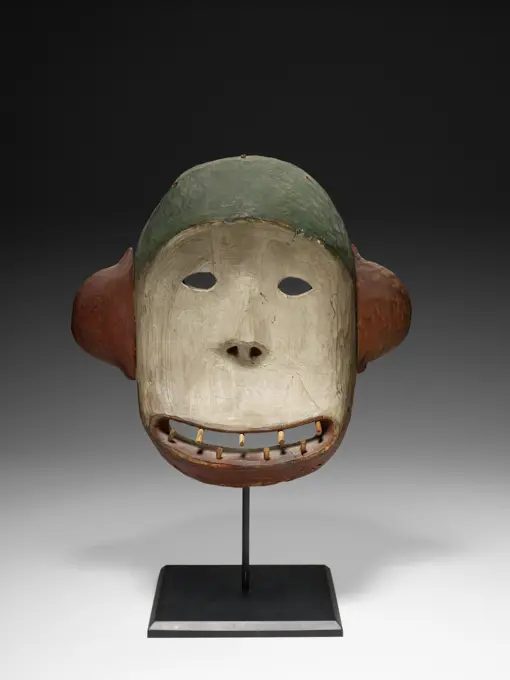
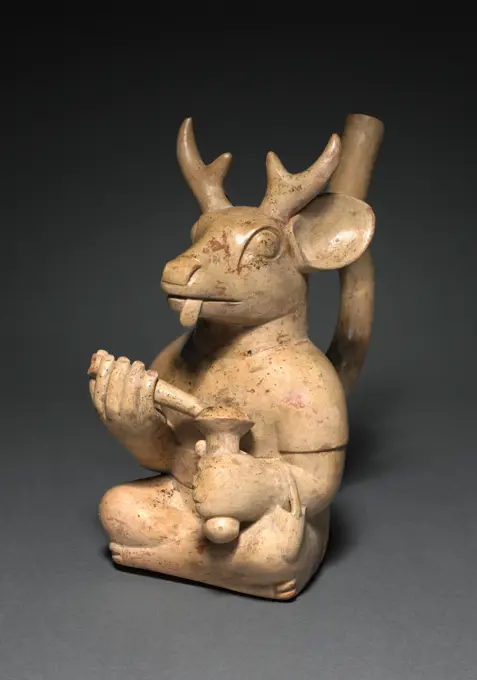
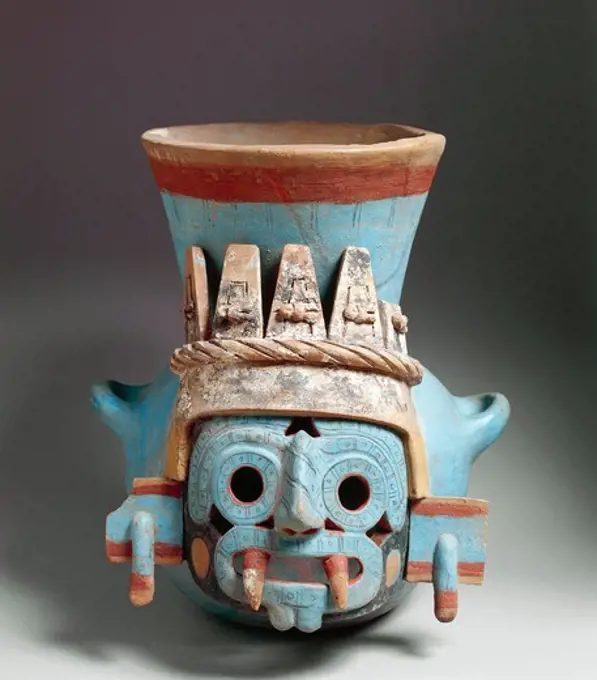
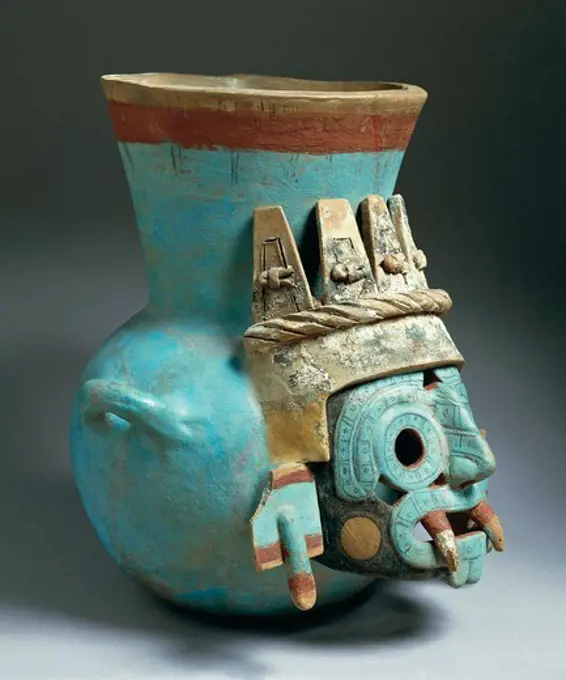
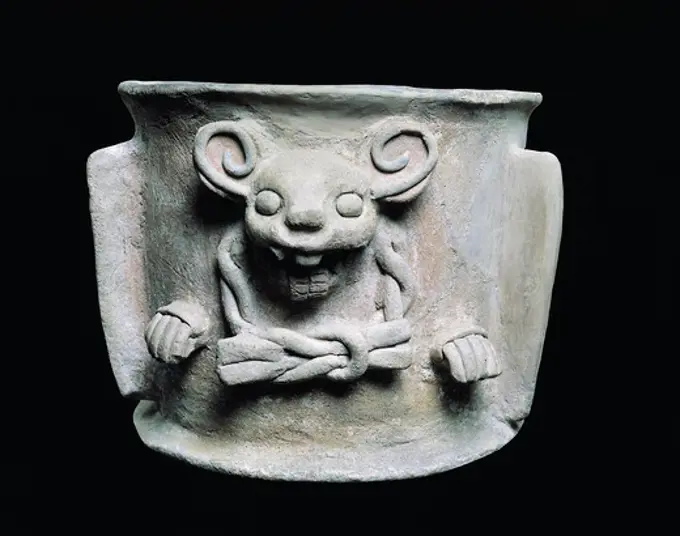
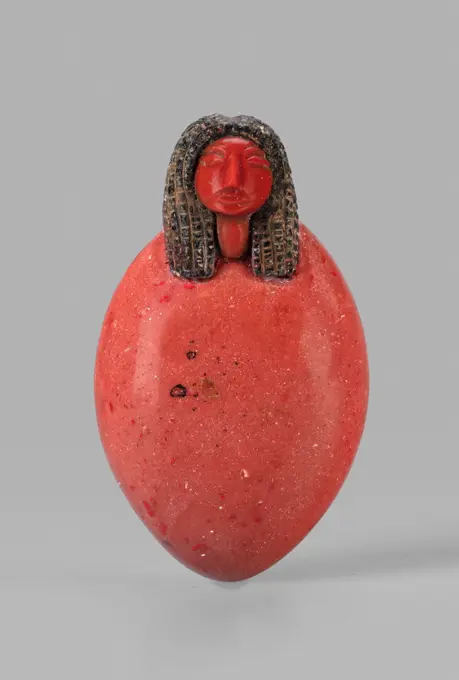
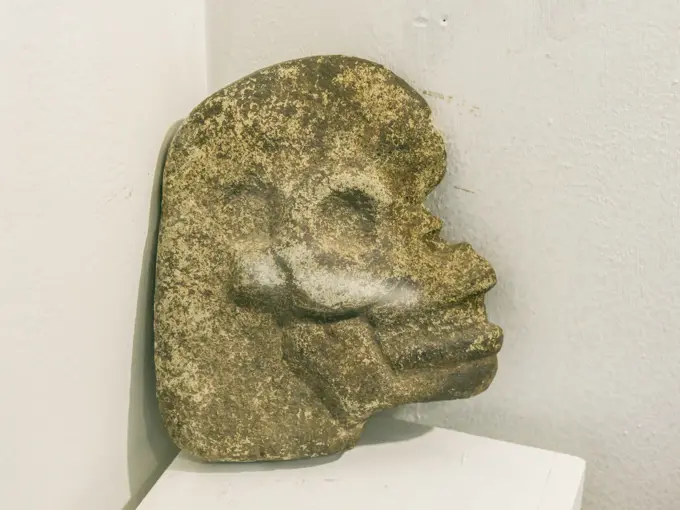
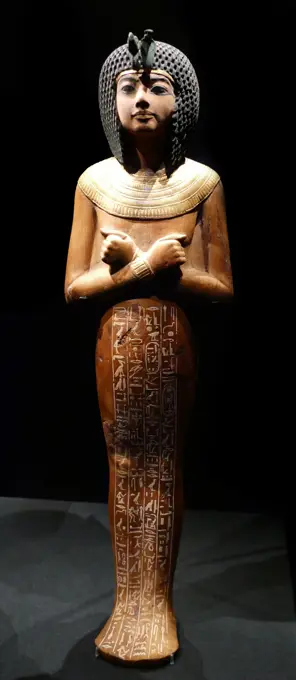
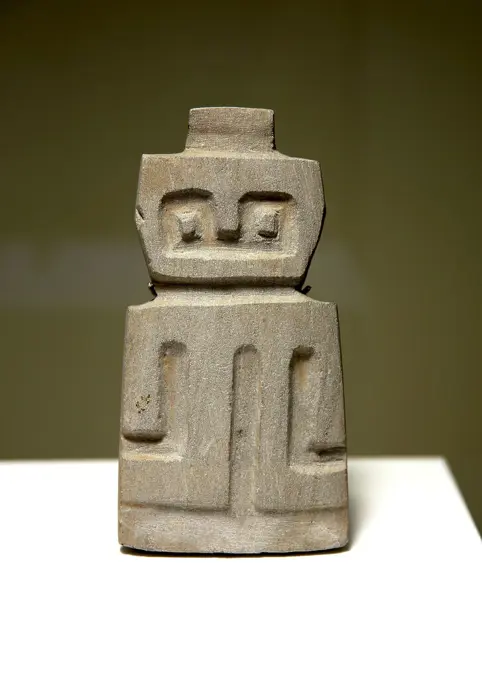
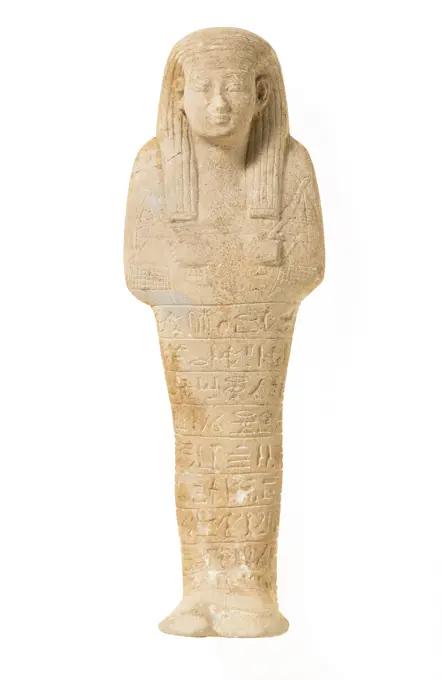
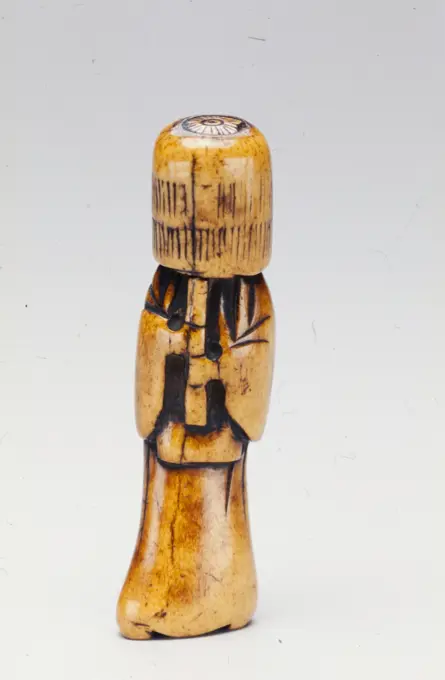
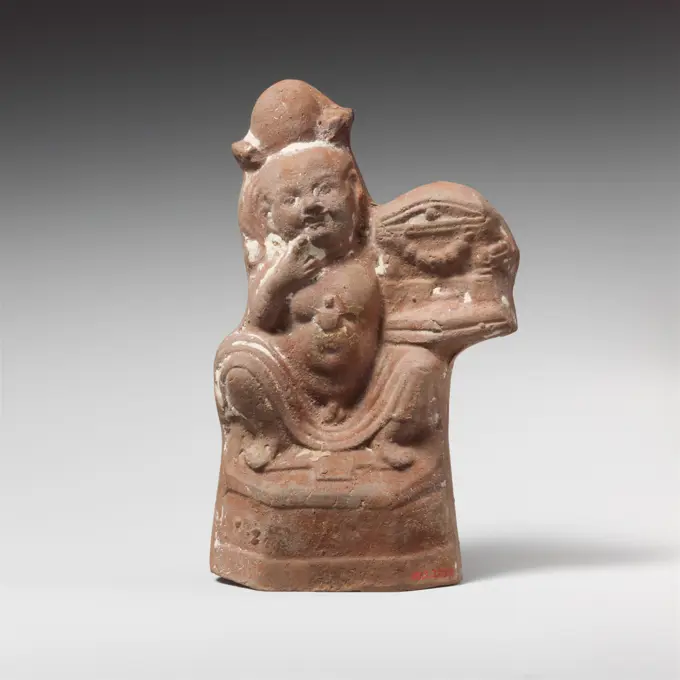
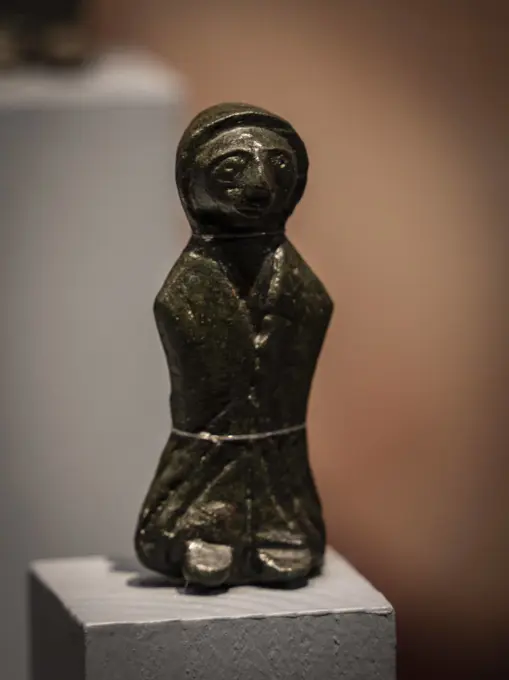
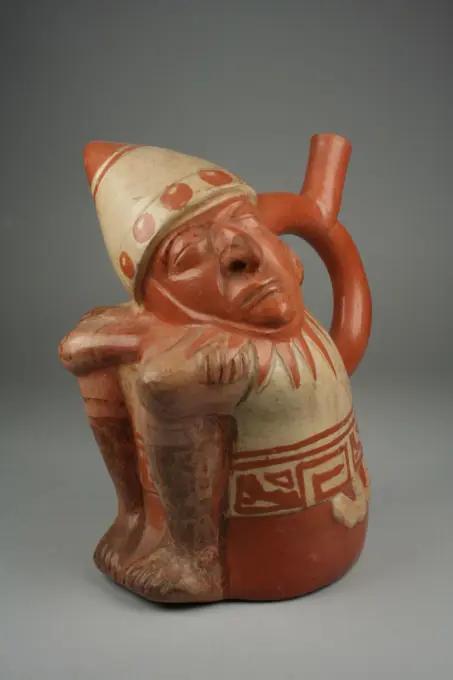
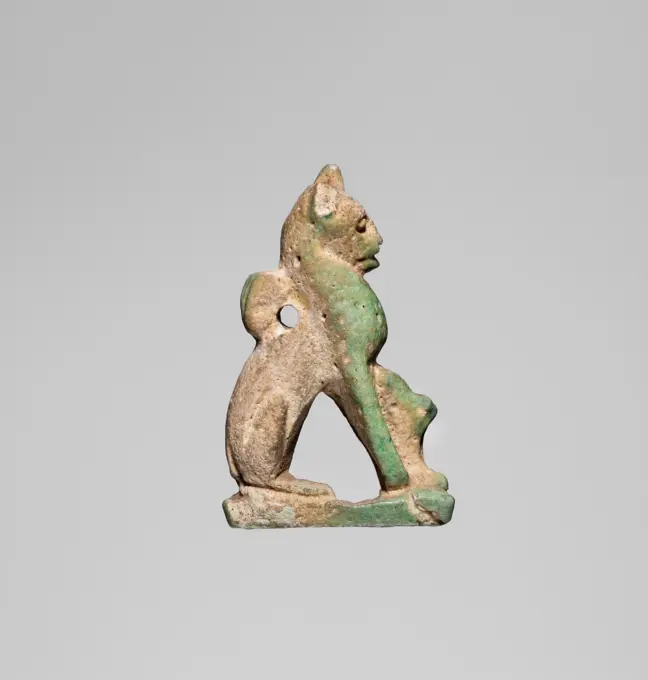
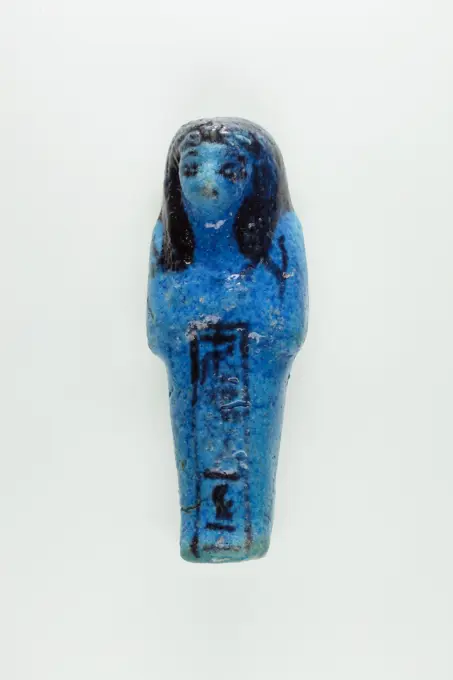
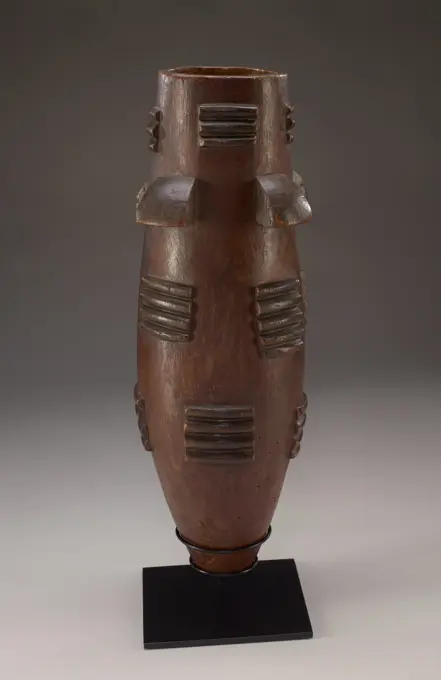
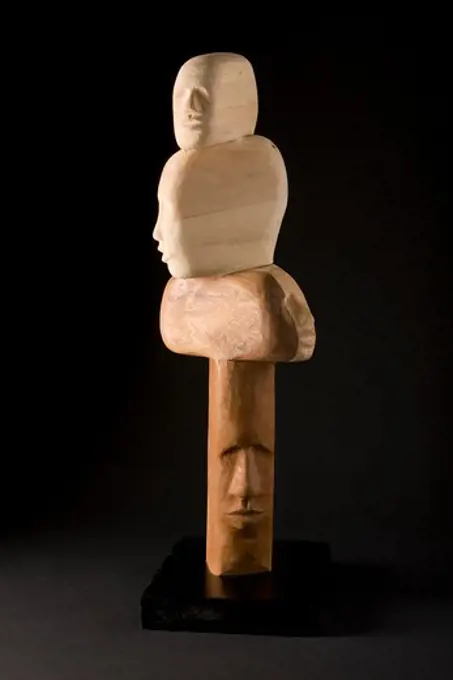
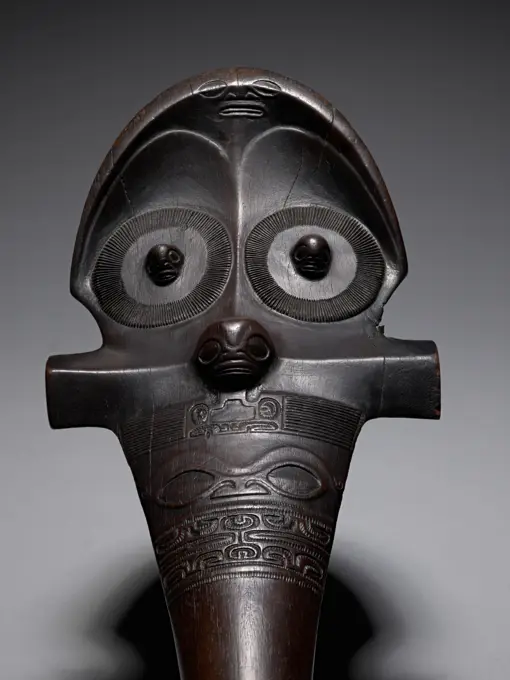
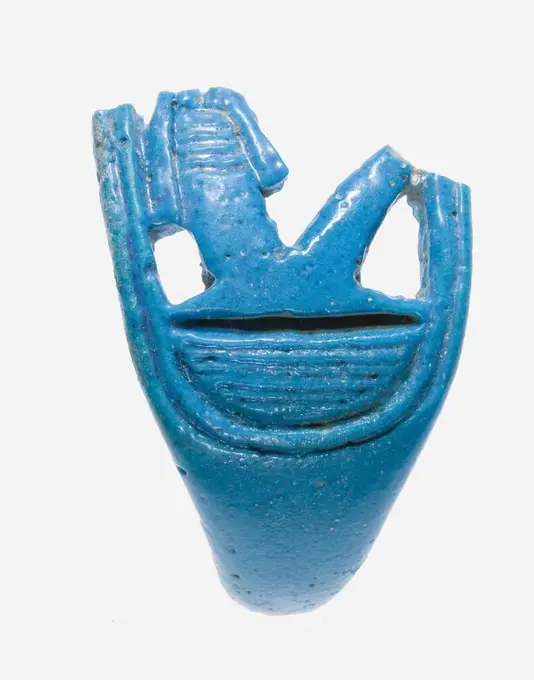
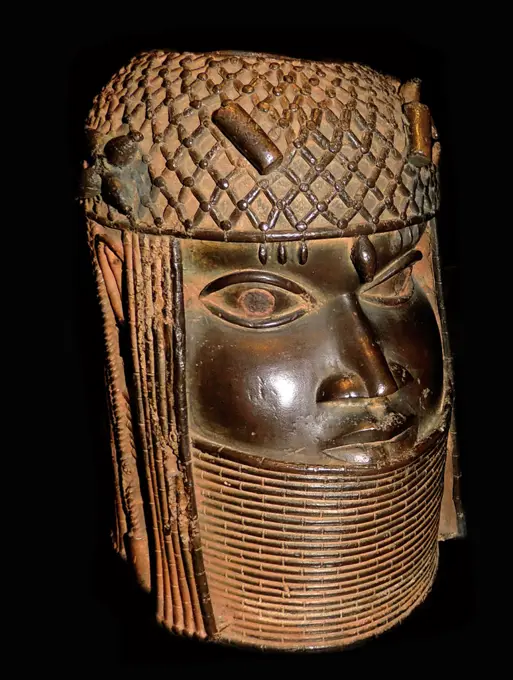
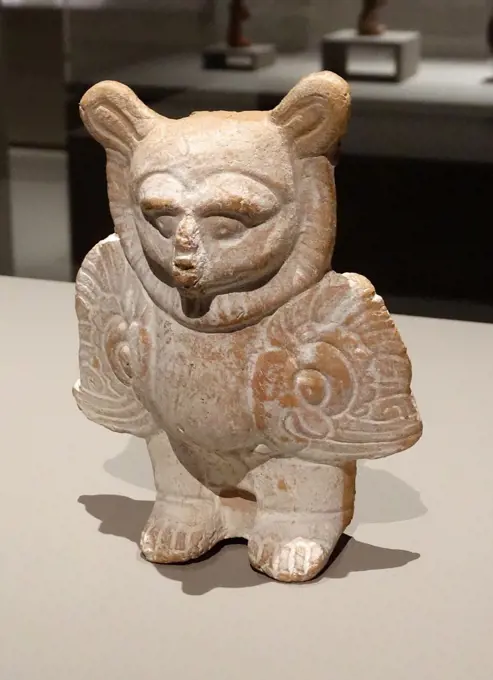
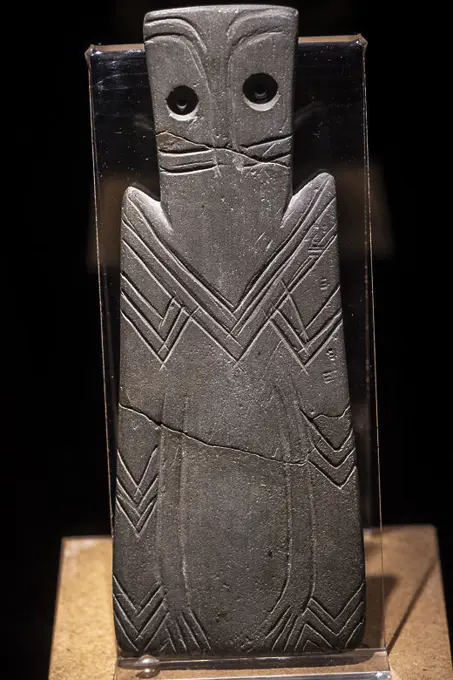
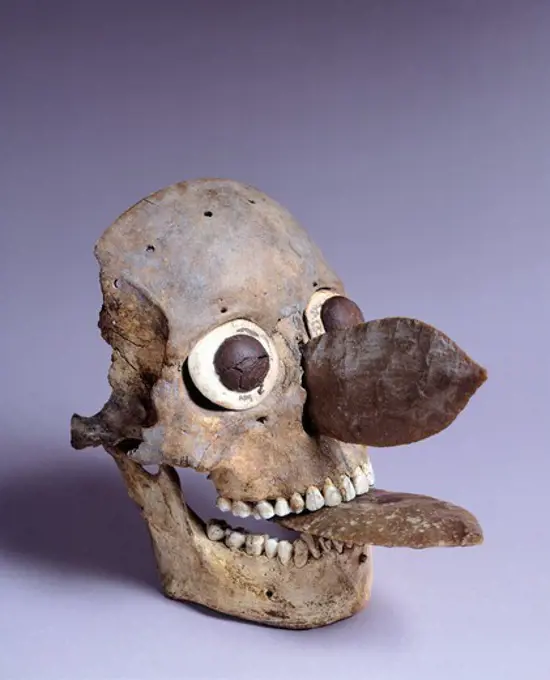
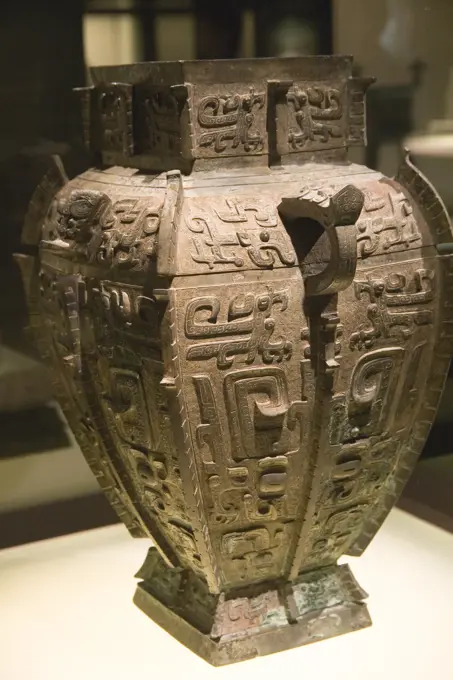
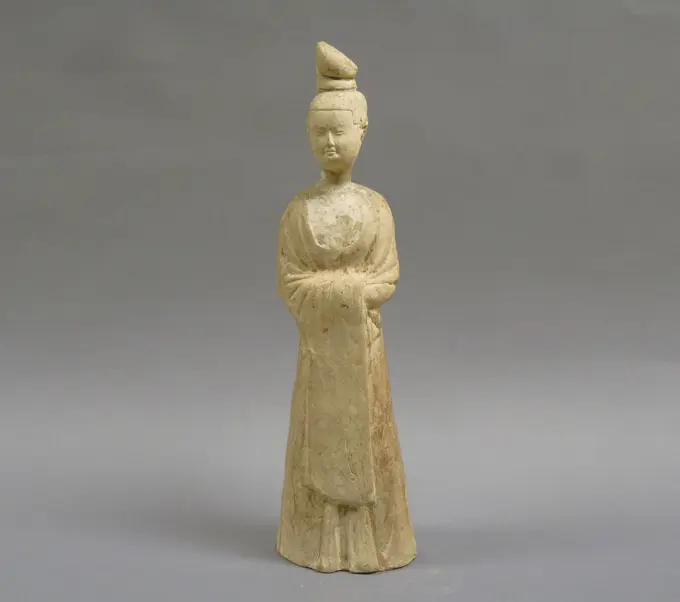
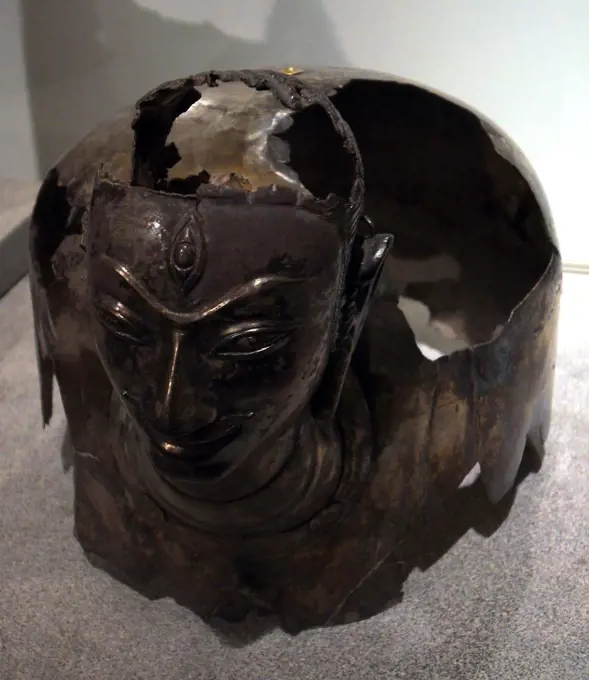
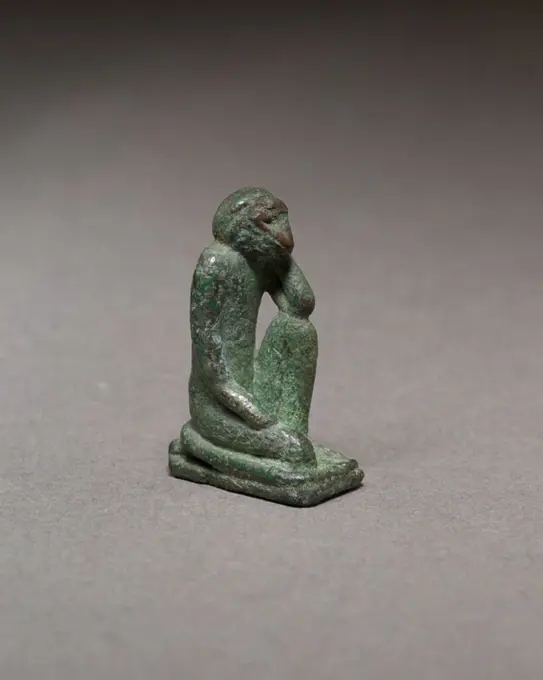
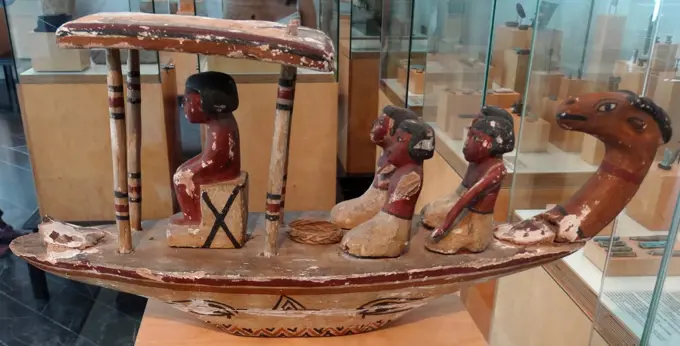
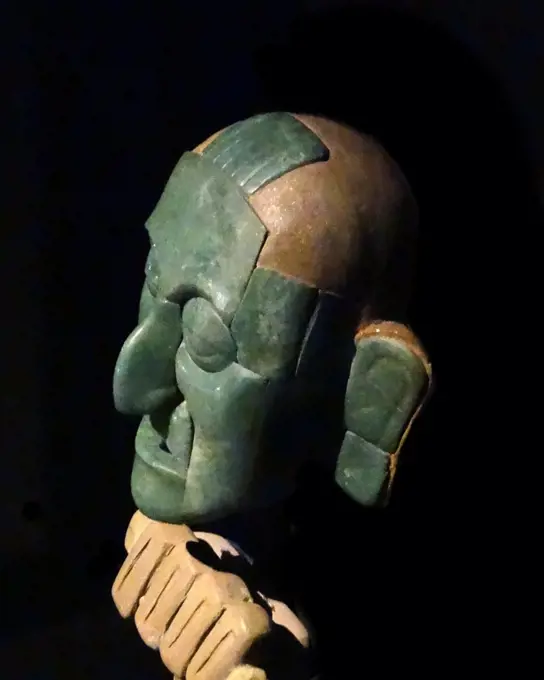
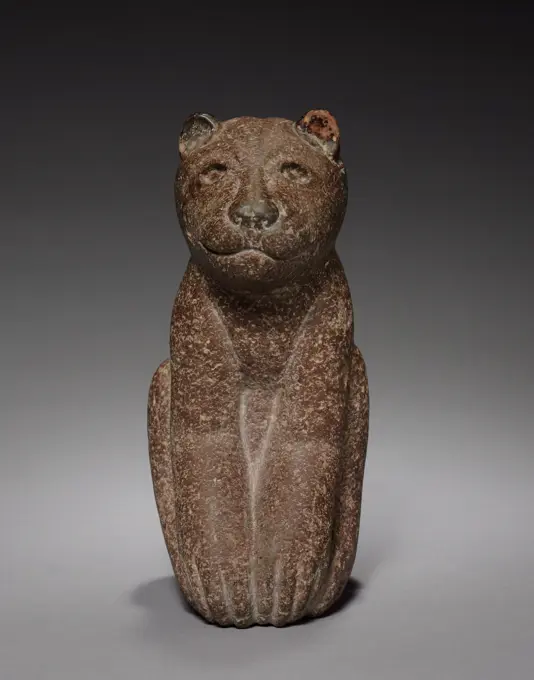
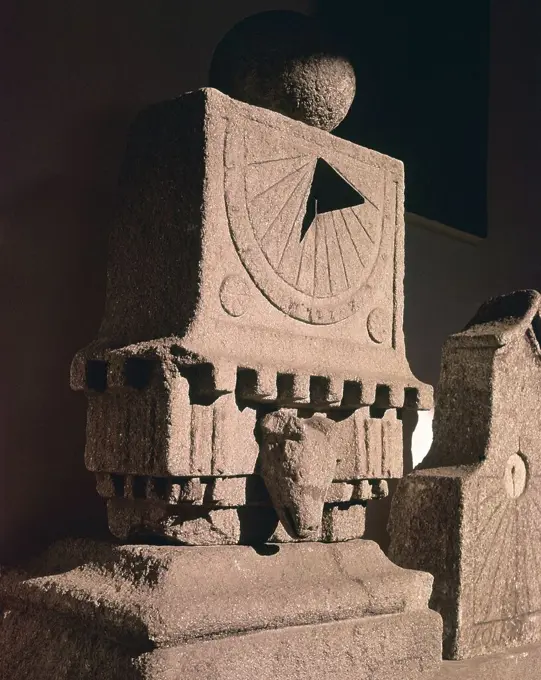
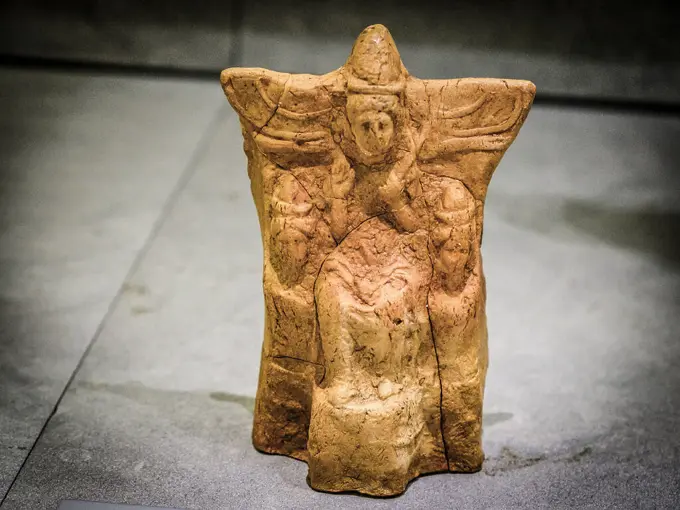
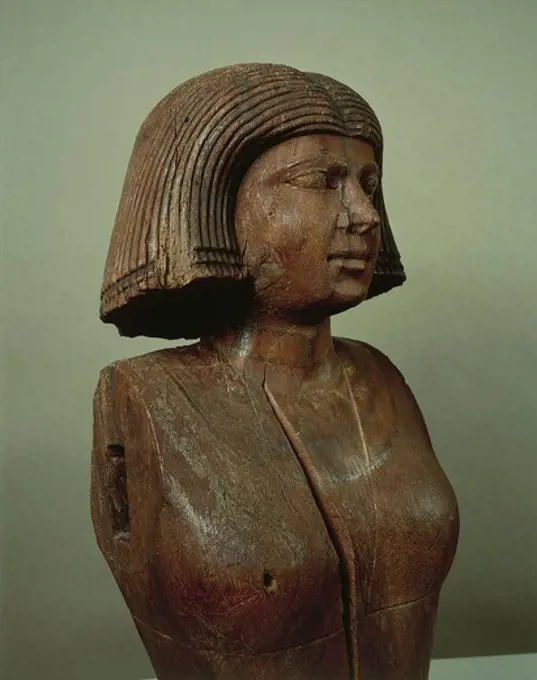
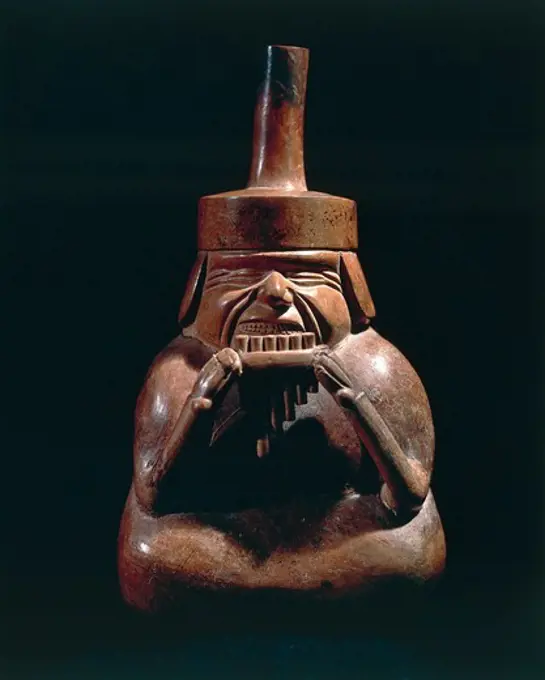
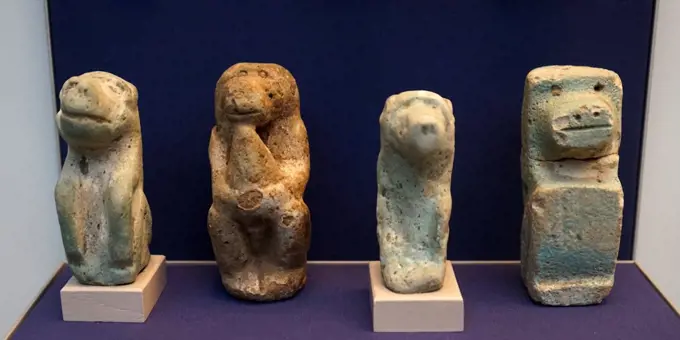
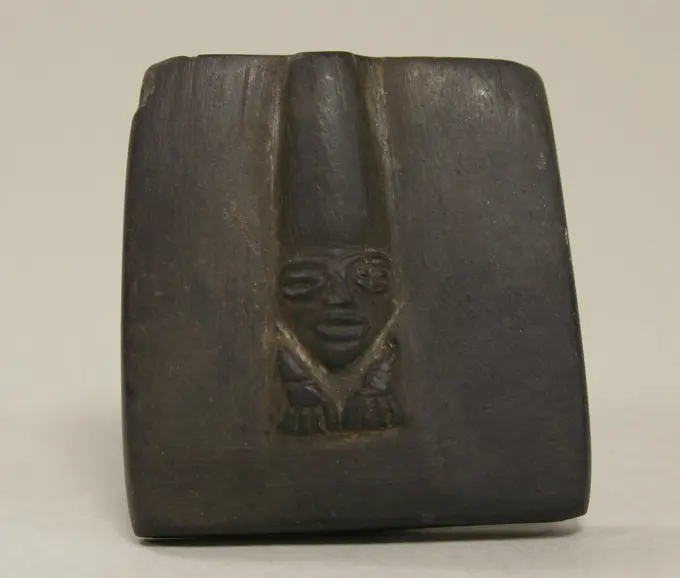
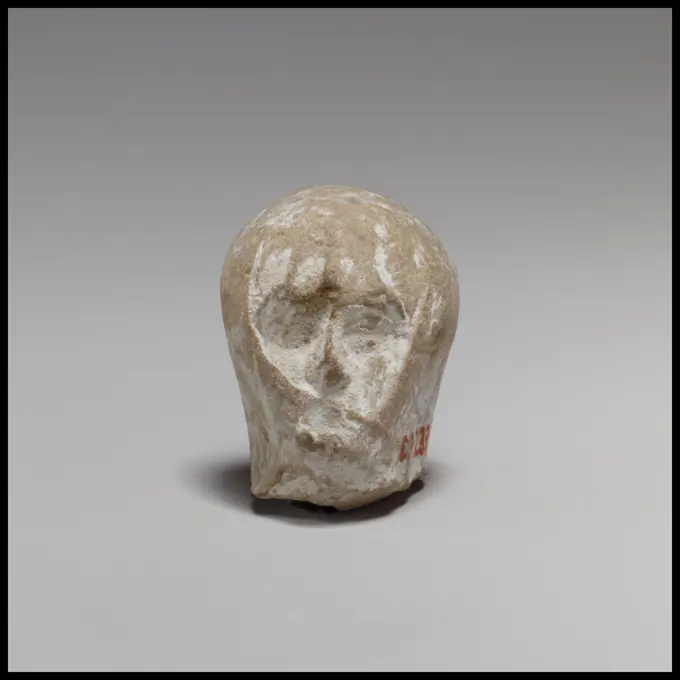
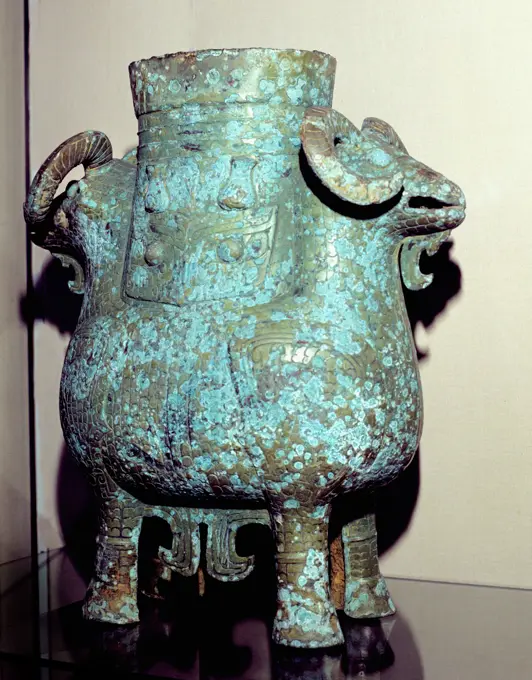
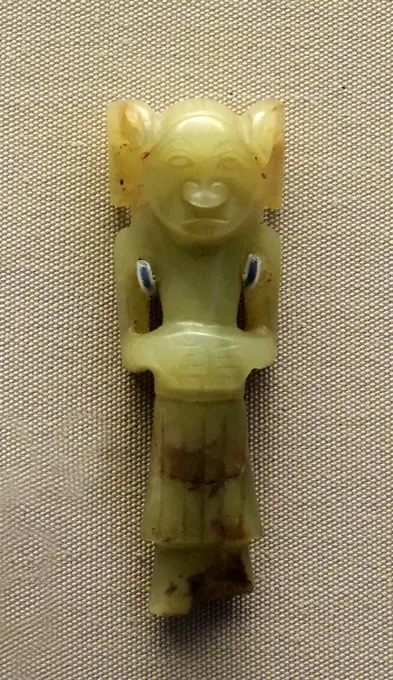
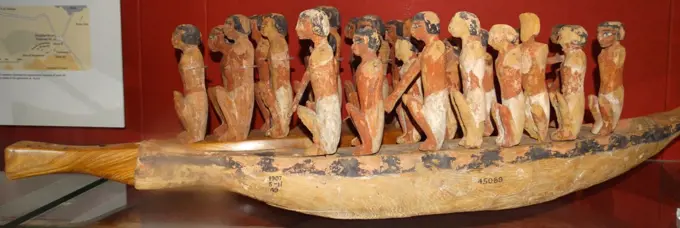
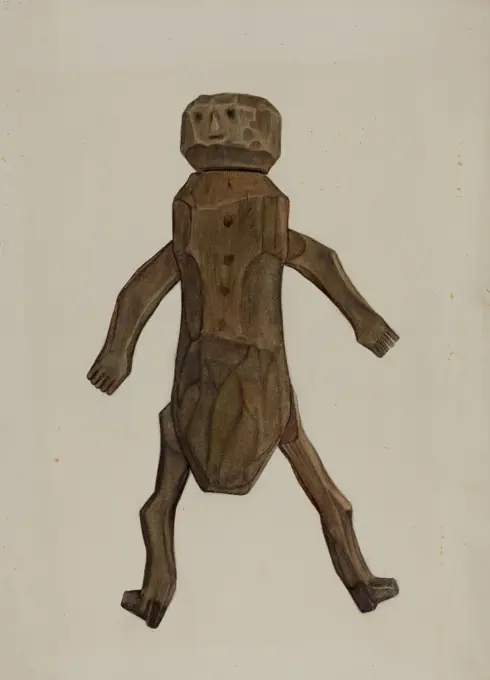
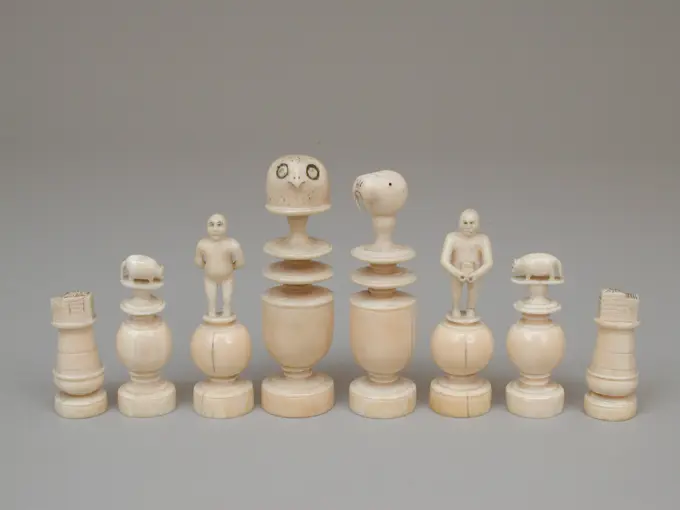
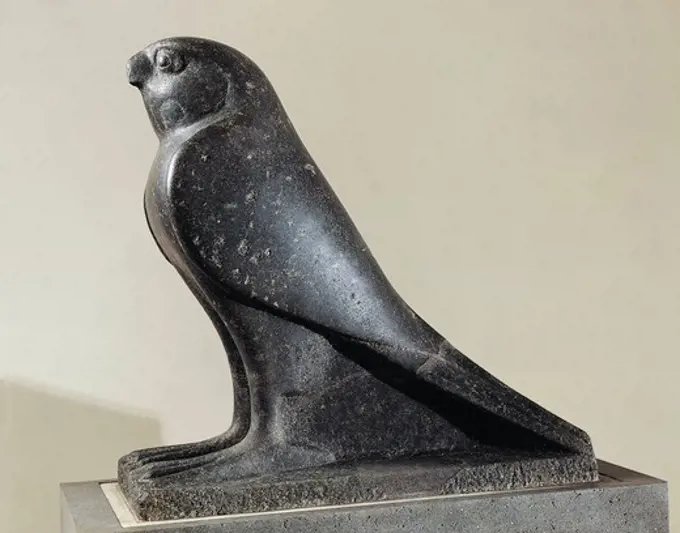
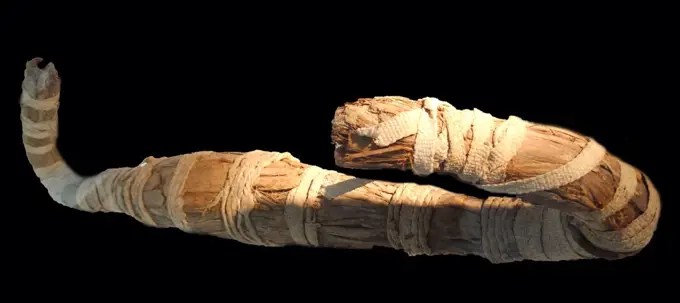
Fragment of a Buddha image, Anonymous, 1500 - 1700 Buddha head with curls and an elevation in the shape of the jewel. Thailand bronze (metal) Buddha head with curls and an elevation in the shape of the jewel. Thailand bronze (metal)Pediusir kneeling, holding a jar Late Period-Ptolemaic Period ca. 664-200 B.C. The small statuette represents a person holding a jar kneeling. On the back, the inscription reads: Osiris who causes Padiusir to live. His skull cap suggests he is a priest. View more. Pediusir kneeling, holding a jar. ca. 664-200 B.C.. Copper alloy. Late Period-Ptolemaic Period. From EgyptFigurine, Aztec, Mexico, AD 1300-1520.Amulet  SisterMask, c. 1850-1900, 11 3/16 x 11 1/2 x 3 1/8 in. (28.42 x 29.21 x 7.94 cm), Wood (probably spruce), pigments, string, United States, 19th century, Among the Yupik of the Arctic region, masks were made for ceremonial purposes, and their subjects were humans, animals, and spirits. Each mask is unique because its details are given to the carver in a dream.Deer-Headed Figure Vessel, 200-850. Central Andes, North Coast, Moche people, Early Intermediate Period. Ceramic, slip; overall: 26.5 x 14 x 25.5 cm (10 7/16 x 5 1/2 x 10 1/16 in.).Shabti Late Period-Ptolemaic Period 522-30 B.C. View more. Shabti. 522-30 B.C.. Faience. Late Period-Ptolemaic Period. From Greece, Aegean, Island of MelosAztec civilization, Mexico,, polychrome ceramic vase depicting Tlaloc, god of rain, Height 35 cm, from Templo Mayor (Main Temple) of Tenochtitlan,Polychrome ceramic amphora of Tlaloc, Rain God, from Temple Mayor, Tenochtitlan, MexicoTerracotta urn in shape of bat's head, from XochicalcoAmulet, a female heart him in;  1300 BC ; New PA 18 dynasty (-1305-00-00--1295-00-00);Scenes.gal.eg., figural decorations, female headsFigure of a Seated Musician Clapping Hands. Culture: China. Dimensions: H. 3 5/8 in. (9.2 cm).The musical instruments depicted among this group of pottery figures (36.12.1, .2, .10-.13, .16) are typical of those used in popular music of the Han period (206 B.C.-A.D. 220). The instruments all had long histories, having existed for centuries, in the case of the zither, or millennia, in the case of the flute (now missing from the figure of the flutist). Museum: Metropolitan Museum of Art, New York, USA.Limestone sphinx supporting a votive bowl late 6th or early 5th century B.C. Cypriot Sphinx supporting a votive bowl.. Limestone sphinx supporting a votive bowl 242133Anthropomorphic head Anthropomorphic head, classic, Santa Maria Nebaj, anthropology museum, department of El Quiché, Guatemala, Central America Copyright: xZoonar.com/ToloxBalaguerx 22072643painted wooden Shabti figure, with ebony Nubian wig, bronze uraeus and collar. from the reign of Tutankhamun 1336-1326 BC.bronze votive offering bronze votive offering, Iberian sanctuaries of Collado de los Jardines and Castellar de Santisteban, Iberian culture, Archeological Museum. Úbeda, Jaén province, Andalusia, Spain Copyright: xZoonar.com/BartomeuxBalaguerxRotgerx 21702750Figurine, late 1800s-early 1900s. Central Africa, Republic of the Congo, Kongo people. Wood, feathers, organic material (including resin), iron, and possibly porcelain; overall: 29.5 x 12 x 16 cm (11 5/8 x 4 3/4 x 6 5/16 in.).Valdivia idol figure ( 4000 - 2500 BC ). Valdivian culture. Coast of Ecuador. Carved Limestone. Museum of World Cultures, Barcelona. Spain.Ushabti, c. 1580-1214 BCE, 10 1/4 in. (26 cm), Limestone, Egypt, 17th-12th century BCEMaskBlue-glazed Terracotta Hippopotamus 2030 B.C. The Hippopotamus was a Symbol of Regeneration.Netsuke of a mendicant monk (komusō), 18th century, Unknown Japanese, 3 3/16 x 15/16 x 13/16in. (8.1 x 2.4 x 2.1cm), Stag horn, Japan, 18th centuryTerracotta statuette of Harpokrates ca. 2nd century A.D. Roman, Egyptian With moon headdress and curl; small decorated shrine on knee; right hand at mouth.. Terracotta statuette of Harpokrates 245512Bridge and Spout Bottle with Figure on Throne. Culture: Viru. Dimensions: Height 6-1/8 in.. Date: 2nd century. Museum: Metropolitan Museum of Art, New York, USA.bronze votive offering bronze votive offering, 4th-3rd centuries BC, archaeological museum of Seville, Andalusia, Spain Copyright: xZoonar.com/Tolox 21720843Figural Flask, c. 800-1470. Peru, North Coast, Lambayeque Valley, Sicán or Chimú, 9th-15th Century. Hammered and embossed gold alloy; overall: 8.7 x 4.2 cm (3 7/16 x 1 5/8 in.).Stirrup Spout Bottle with Sleeping Warrior 1st-4th century Moche This ceramic bottle was modeled in the shape of a sleeping warrior, with details of his attire rendered in white and reddish-brown slip (a suspension of clay and/or other colorants in water). The figure wears a conical helmet, secured to the head with a chinstrap, and embellished with what appear to be small metal disks sewn to the lower edge. The triangular elements of his necklace recall those made of metal or shell found in high-status burials (see, for example, Alva and Donnan 1993:75, fig. 74). The figures tunic features a geometrical design along the bottom; body paint (or possibly tattooing) is indicated on the calves and nose. Figures with their feet drawn up is a relatively common pose in Moche art (see, for example, accession number 64.228.34), yet the significance of this position is unclear. Is this an individual resting after an arduous battle? The interpretation of this imagery is challenged by the absence Amulet - kot. unknown, authorWorker Shabti of Nany ca. 1050 B.C. Third Intermediate Period See 30.3.26.1a, b. Worker Shabti of Nany 625705Bugaku Mask 1535-1538 Japan. Bugaku Mask 60227Milk pail, 1900-1950, 19 3/4 × 6 3/4 × 6 3/4 in. (50.17 × 17.15 × 17.15 cm), Wood, South Africa, 20th centuryWooden sculpture of heads on black backgroundARTE AFRICANO. REINOS NEGROAFRICANOS. YORUBA. Pueblo que habita en Benin, Togo y sur de Nigeria. Conocidos por su habilidad en la madera. MASCARA DE MADERA. Tallada y pintada, con decoración antropo-zoomorfa. Es utilizada en el rito "gelede". Poblado Zetu, Dahomey (pueblo yoruba). AFRICA. Museu Etnològic. Barcelona. Cataluña.Sistrum with Head ofHathorStanding female figurine late 6th-early 5th century B.C. Cypriot The figurine is mold-made and hollow. The back is handmade, with a small round vent at chest level. The veil around the head was added.. Standing female figurine 241134Figurine of the soul;  664-332 BC ; Half period (-664-00-00--332-00-00);Mask. Papua New Guinea, East Sepik Province, Lower Sepik River, Coastal Zone, circa 1909. Jewelry and Adornments; masks. Wood and traces of pigmentWar Club ('U'u), early 1800s. Polynesia, Marquesas Islands, early 19th Century. Stained ironwood; overall: 148.2 x 19.8 x 11.2 cm (58 3/8 x 7 13/16 x 4 7/16 in.). The head of this war club is carved as an abstract face, with small additional faces appearing at the eyes, nose, and forehead. Low-relief patterns encircle the club's neck. Fashioned from dense-grained ironwood (casuarina) or toa wood, the club is quite heavy. Like stilt footrests, war clubs were carved by expert artists (tahuna) and cured in the mud of a taro patch. The glossy finish is the result of regular rubbing and polishing with scented coconut oil. Similar war clubs were seen and recorded by the crew of Captain Cook's second voyage to the South Seas in 1772-75.Female Figure, 17th century, 2-1/16 x 1/2 x 3/8 in. (5.2 x 1.3 x 1.0 cm), Bone, United States, 17th centuryBracelet Fragment with the Throne Name of Amenhotep III. Dimensions: L. 6.2 cm (2 7/16 in), w. 4 cm (1 9/16 in). Dynasty: Dynasty 18. Reign: reign of Amenhotep III. Date: ca. 1390-1353 B.C.. Museum: Metropolitan Museum of Art, New York, USA.Long-nosed Mask. Japan, late 16th-mid-17th century. Jewelry and Adornments; masks. Wood, lacquerHead of an Oba, Cast brass, Benin, Nigeria, 18th century. Benin brass head belonging to the eighteenth century.Zoomorphic or anthropomorphic Mayan figurine with the head of an owl. Mexico. Guatemala or Belize 600-900 ADidol plate, schist, 3600-2500 BC, Idanha-a-Nova, Castelo Branco, Portugal, Huelva Museum, Huelva, Andalusia, Spain.Skull mask from Tempio Mayor in Tenochtitlan, Mexico. Aztec Civilization, 15th Century.Shang Bronze (15-13 Century B.C.), Shanghai MuseumFragment of a Figurine of a WomanRam-Head Drinking Vessel, c. 600 BC. Iran, Median, late 7th Century BC. Silver; overall: 30.3 x 19.8 x 18.7 cm (11 15/16 x 7 13/16 x 7 3/8 in.).Mask for the role of dōji ,, c. 1600 - c. 1850 Theater mask for the Nō theater, white with red lips, black hair, eyebrows and frame of the eyelids. Probably for the role of a young man, dōji . Japan wood (plant material). dye Theater mask for the Nō theater, white with red lips, black hair, eyebrows and frame of the eyelids. Probably for the role of a young man, dōji . Japan wood (plant material). dyeFigures 7th-8th century China. Figures 48732Mother-and-Child Figure, late 1800s-early 1900s. Central Africa, Democratic Republic of the Congo, Pende, late 19th-early 20th century. Wood, glass beads, upholstery studs, natural fiber, and pigment; overall: 53.4 x 13.1 x 14.6 cm (21 x 5 3/16 x 5 3/4 in.).Ko-Tze late 19th century Chinese. Ko-Tze 502248Gold and silver statuette of deity, from MesanoglanHanging-bowl mount in from of a man, 8-9 c, Ireland.Colombian gold work, circa 1100-1500 AD.Queen Mother Pendant Mask: Iyoba 16th century Edo peoples This ivory pendant mask is one of a pair of nearly identical works; its counterpart is in the British Museum in London. Although images of women are rare in Benin's courtly tradition, these two works have come to symbolize the legacy of a dynasty that continues to the present day. The pendant mask is believed to have been produced in the early sixteenth century for the King or ObaEsigie, the king of Benin, to honor his mother, Idia. The oba may have worn it at rites commemorating his mother, although today such pendants are worn at annual ceremonies of spiritual renewal and purification. In Benin, ivory is related to the color white, a symbol of ritual purity that is associated with Olokun, god of the sea. As the source of extraordinary wealth and fertility, Olokun is the spiritual counterpart of the oba. Ivory is central to the constellation of symbols surrounding Olokun and the oba. Not only is it white, but it is itself BeninHead of a Buddha image, anonymous, 1400 - 1600 Fragment (head) of a crowned Buddha, striker tapered headdress (paré). On a pedestal. Thailand bronze (metal) Fragment (head) of a crowned Buddha, striker tapered headdress (paré). On a pedestal. Thailand bronze (metal)Power Figure: Seated Female (Nkisi). Culture: Kusu peoples. Dimensions: H. 5 3/8 x W. 1 1/4 x D. 1 3/4 in. (13.7 x 3.2 x 4.5 cm). Date: 19th century. Museum: Metropolitan Museum of Art, New York, USA.Bowl 1st-6th century Nasca. Bowl 310357Rampin Rider, detail, circa 550 BC, France, Paris, Musee du LouvrePre-Columbian era. Ceramic bowl molded and painted in form of a fanged head. Moche style, Peru.Peru, Pre-Inca civilization,Chimu culture, Black paste vase with seated figureCase covers for a Linga (kosa). 8th century, the style of My Son A 1 (10th century). Silver from: Kham province in Tibet. The Linga is a representation of the Hindu deity Shiva used for worship in temples.Monkey kneeling and resting its head in a hand. Dimensions: H. 2.4 × W. 1.6 × D. 1.5 cm (1 5/16 × 5/8 × 9/16 in.). Date: 500-100 BC.Monkeys are popular subjects throughout Egyptian history, their playfulness and close mimicry being very compelling. This monkey seems to imitate the sorts of poses used for servants who crouch and rest while waiting. See 26.7.1411 for an Egyptian example and 74.51.1701 for a Greek example. Museum: Metropolitan Museum of Art, New York, USA.An Egyptian Funerary model of a boat. Wood. 11st-12nd Dynasties (2134-1783 BC)Buddha head, metal, ca. 15 cm, Mexico, North America, Central AmericaFigure 1st millennium B.C. Iran. Figure 325657Mummiform Horus Figure amulet Third Intermediate Period-Late Period ca. 1070-343 B.C. View more. Mummiform Horus Figure amulet. ca. 1070-343 B.C.. Wood. Third Intermediate Period-Late Period. From Egypt, Upper Egypt, Thebes, Deir el-Bahri, MMA excavations. Dynasty 21-30Seated Male Deity (Ehecatl ). Culture: Aztec. Dimensions: Overall: 12 x 10 3/4 x 9 3/4 in. (30.48 x 27.31 x 24.77 cm)Other: 10 3/4 x 9 3/4 in. (27.31 x 24.77 cm). Date: 15th-early 16th century. Museum: Metropolitan Museum of Art, New York, USA.Badly worn figurine of a black cat. Dated 20th CenturyMayan funerary death mask made with jade from a belt used for a burial. From Palenque, Mexico 600-900 ADPottery mask of grotesque face, Tolima, Colombia.Feline, c. 1200-1519. Central Mexico, Aztec, 13th-16th century. Stone; overall: 23.3 x 10.7 x 17.8 cm (9 3/16 x 4 3/16 x 7 in.).RELOJ SOLAR DE PIEDRA - GNOMON - SIGLO XIX. Location: MUSEO PROVINCIAL. LUGO. SPANIEN.enthroned deity, 400-300 BC, Archaeological Museum of Ibiza and Formentera, Ibiza, Spain.Statue portraying wife of Ka-Aper from Saqqara, circa 2475 b.c.Face Mask Ornament 6th-7th century Moche (Loma Negra). Face Mask Ornament 315112Pre-Inca anthropomorphic vessel representing musicianEgyptian Faience baboon figurines.Mold, Head 10th-16th century Muisca. Mold, Head 313238Terracotta head of a veiled woman 3rd century B.C. Greek, Cypriot The head is mold-made and solid. The back is handmade and rounded. The features are indistinct, the right eye lacking.. Terracotta head of a veiled woman. Greek, Cypriot. 3rd century B.C.. Terracotta; mold-made and handmade. Early Hellenistic. TerracottasShang Ritual vessel, zun type, Hunan, 11th-13th c. BC, China.Jade Neolithic figure from China. Circa 2500 BCModel boat with crew of paddlers, ancient Egyptian 18th Dynasty 1750 BCElmer R Kottcamp, Carved Wooden Doll, c 1940 Carved Wooden DollMexican pottery figures from burial sites, c.9th century BC. Artist: UnknownChessmen (32) ca. 1885 Eskimo, Franz Joseph Land. Chessmen (32). Eskimo, Franz Joseph Land. ca. 1885. Walrus ivory. Chess SetsBlack granite statue of god HorusAbruzzo, Alba Fucens, General views, Italy, 20th century, photo, photography, EuropeBouwfragment, anonymous, c. 1400 - c. 1499 Collar of oak or carrier of one of the wall styles of the hood over the choir of the church in Rumpt, representing a grinning man's head. See also: BK-NM-11080/11082. Northern Netherlands (possibly) wood (plant material). oak (wood)   Rumpt Collar of oak or carrier of one of the wall styles of the hood over the choir of the church in Rumpt, representing a grinning man's head. See also: BK-NM-11080/11082. Northern Netherlands (possibly) wood (plant material). oak (wood)   RumptA tribal mask from  Africa, silhouetted on white with clipping path.Pendant in the Form of a Figure. Tiwanaku-Wari; Coastal Peru or highland Bolivia. Date: 400 AD-800 AD. Dimensions: 14.2 × 9.5 cm (5 5/8 × 3 5/8 in.). Shell, stone, silver, copper, and cotton. Origin: Peru. Museum: The Chicago Art Institute, Chicago, USA.Greenland, capitol city of Nuuk. Greenland National Museum. Late Thule culture artifacts, c. 1700's. Ivory carved figures.Peru, Lima. Ceremonial Inca oil jar at the National Museum of Archeoligy, Anthropology and History of Peru.Warrior Bottle. Culture: Moche. Dimensions: Overall: 7 1/2 x 6 1/2 in. (19.05 x 16.51 cm)Other: 6 1/2 in. (16.51 cm). Date: 1st-2nd century. Museum: Metropolitan Museum of Art, New York, USA.Face Beaker 14th-15th century Chimú. Face Beaker. Chimú. 14th-15th century. Silver. Peru. Metal-ContainersGilded statuette of TutankhamenAfrican Handmade Ethnic Wooden Statue isolated with clipping pathPharaonic art jewelery from Tutankhamon's collectionFunerary model boat from an Egyptian tomb. papyrus or palm stems and textiles.. Middle Kingdom (2040-1640 B.C.).