Ancient Terracotta Sculptures

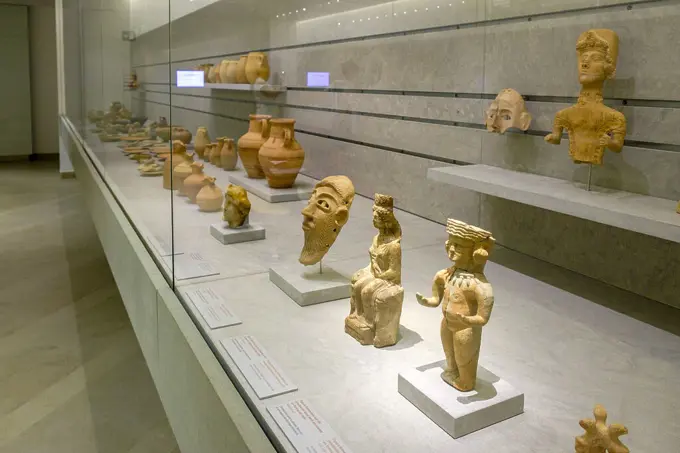
Intricate terracotta pieces showcasing historical artistry, including a griffin head, a female whistle, and a warrior bottle. Rich in cultural significance.

Antique clay Inca head, Colombia, South America
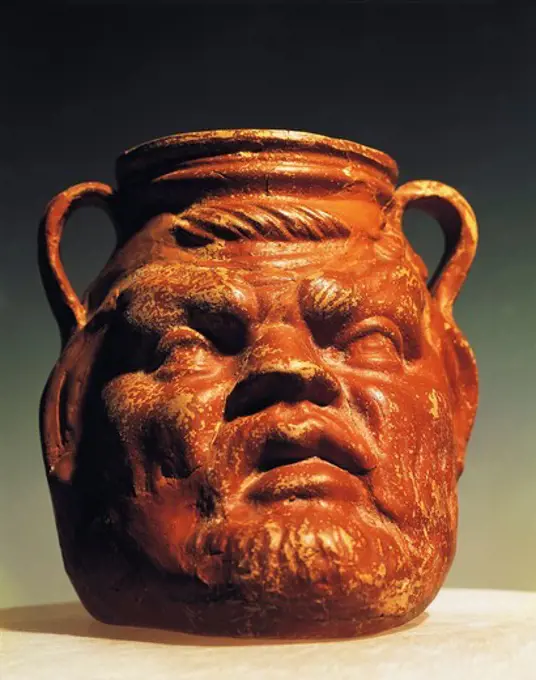
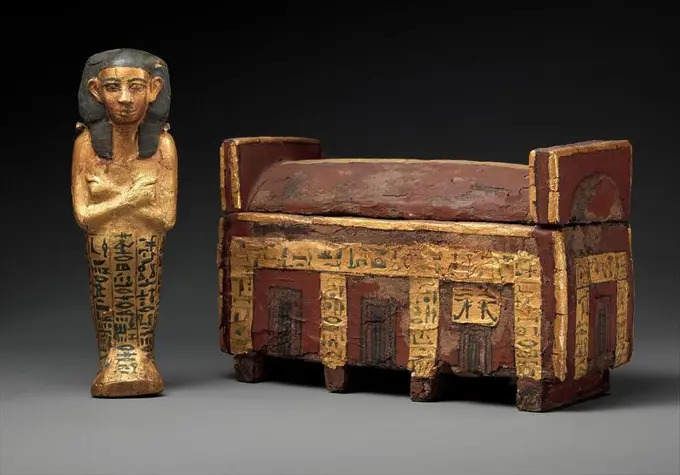
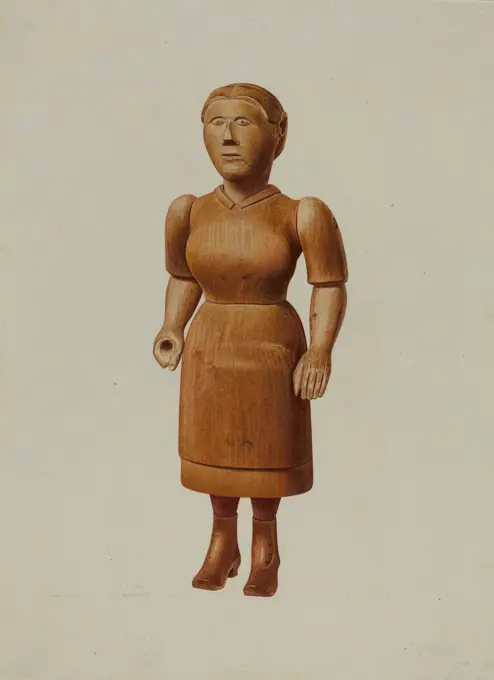
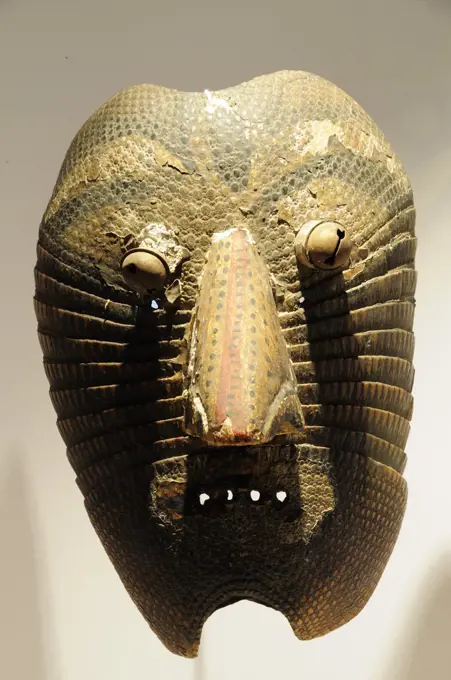
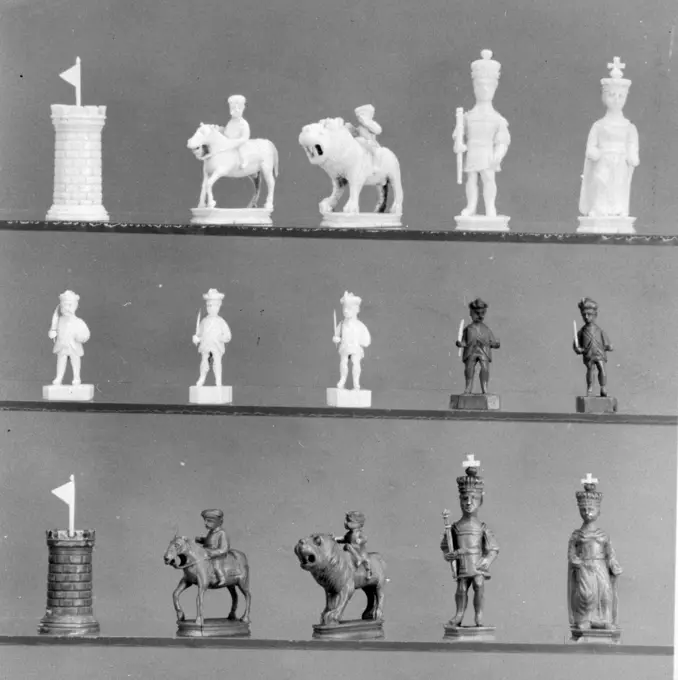
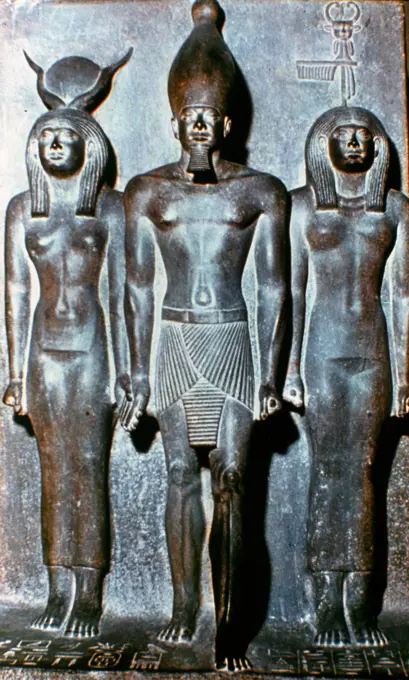
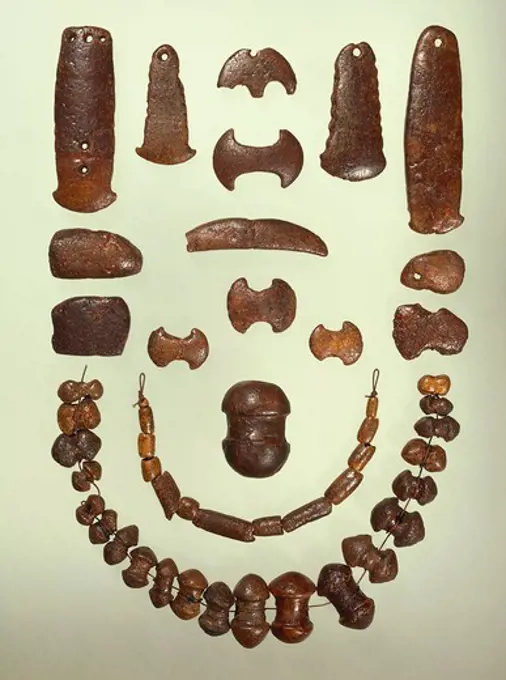
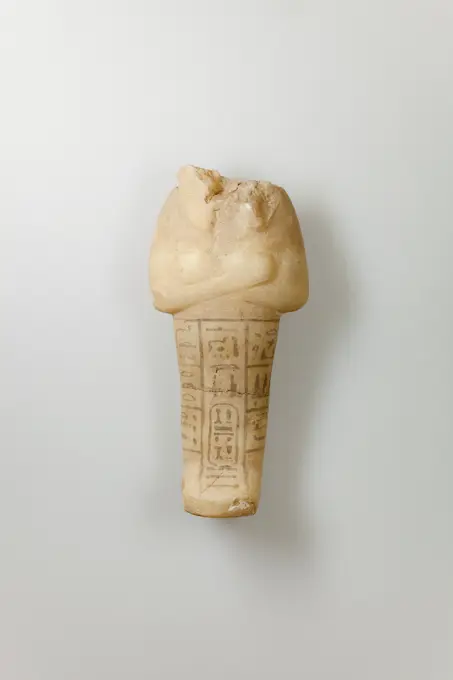
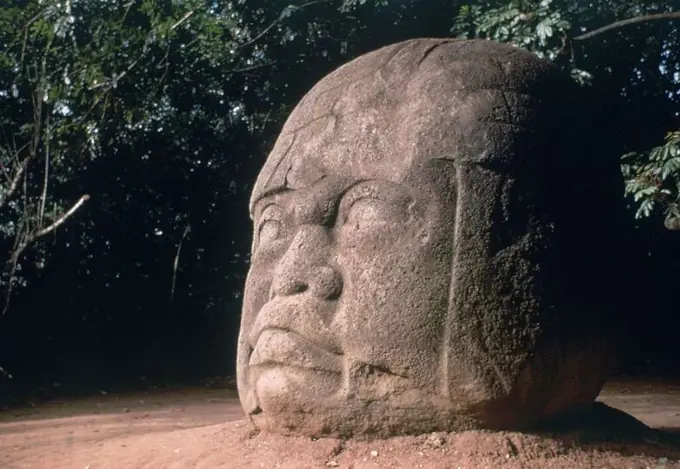
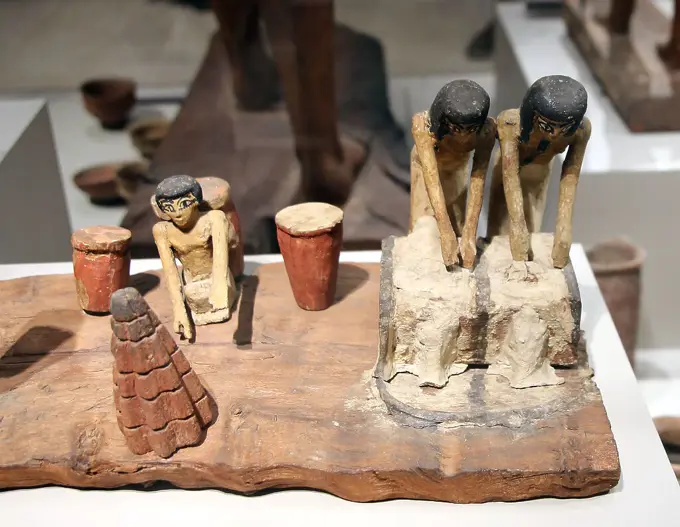
Model of bread making. Wood. Middle Kingdom, 12th Dynasty, (1939-1875 BC), Asyut. Tomb of Minhotep. Egyptian Museum, Turin.Ere Ibeji, 20th century, 12 3/4 x 4 1/2 x 4 1/16 in. (32.4 x 11.4 x 10.3 cm) (including attached wood mount), Wood, beads, thread, metal, Nigeria, 20th centuryArchaeological Museum of Ibiza and Formentera, World Heritage Site "Ibiza, biodiversity and culture", Ibiza, balearic islands, Spain.Vase in shape of Silenus' head, from Asia MinorGilded statue of King Tutankhamen, From his tomb. 1323 BC. 18th dynasty, New KingdomShabti and Coffin of the King's Son Wahneferhotep. Dimensions: 14.3.69a, b: L. 25.1 cm (9 7/8 in.) W. 10.4 cm (4 1/8 in.) H. 15.5 cm (6 1/8 in.); 14.3.70: H. 21 cm (8 1/4 in.); W. 6.8 cm (2 11/16 in.); D. 5.2 cm (2 1/16 in.). Dynasty: Dynasty 12-13. Date: ca. 1981-1640 B.C..The miniature coffin is inscribed with funerary spells as if it were an actual Middle Kingdom coffin. Inside was the shabti wearing a modified nemes, a type of head covering worn by the king. The standard spell on the shabti enabled the owner to avoid the burden of labor in the afterlife. These objects were usually placed in tombs, but this set was found near the pyramid of Senwosret I, likely as a kind of votive offering. Museum: Metropolitan Museum of Art, New York, USA.John Sullivan, Doll, c 1939 DollPotter s moulds and stamps Potter s moulds and stamps, 425-100 BC, Archaeological Museum of Ibiza and Formentera, Ibiza, Spain Copyright: xZoonar.com/Tolox 23005168Comb, mid 20th century, 7 1/4 x 1 5/16 x 11/16 in. (18.42 x 3.33 x 1.75 cm), Wood, Democratic Republic of the Congo, 20th century, Hairstyles have long reflected personal aesthetics in African and African-American cultures. And when adorned with extensions, beads, pins, or combs, they can indicate a persons status, ethnic origin, gender, profession, or even what phase of life theyre in. These three combs, from West and Central Africa, show how African artists turn even everyday objects into accomplished carvings.Mask made from an armadillo shell in the Museo Rafael Coronel.Mexico Bajio ZacatecasCeremonial Knife. Peru. Sican (Lambayeque culture). 9th-11th century. Hammered gold and turquoise inlay. Metropolitan Museum of Art. Ny. Usa.Chessmen (32) Indian 19th century View more. Chessmen (32). Indian. 19th century. Ivory. Chess SetsChessmen (32) Bohemian ca. 1895Menkaura flanked by the goddess Hathor (left) and a nome goddess Bat (right). Greywacke statue (Egyptian Museum, Cairo). Menkaure was an ancient Egyptian king (pharaoh) of the 4th dynasty during the Old Kingdom. circa 2500 BCDenmark, Copenhagen, amber necklaces and pendants from LaddenhojShabti of Siptah ca. 1194-1188 B.C. New Kingdom, Ramesside. Shabti of Siptah 559271CABEZA COLOSAL OLMECA - 1000-400 AC. Location: MUSEO DE LA VENTA. VILLAHERMOSA. CIUDAD DE MEXICO.Burial mask of pharaoh Nebkheperura Tutankhamen, from Treasure of TutankhamenStone board or clay plate with eye of Horus and Egyptian hieroglyphs cartoon vector illustration. Ancient object for recording storing information, graphical user interface for game design on white. Stone board or clay plate with eye of Horus