Ancient Terracotta Vessels

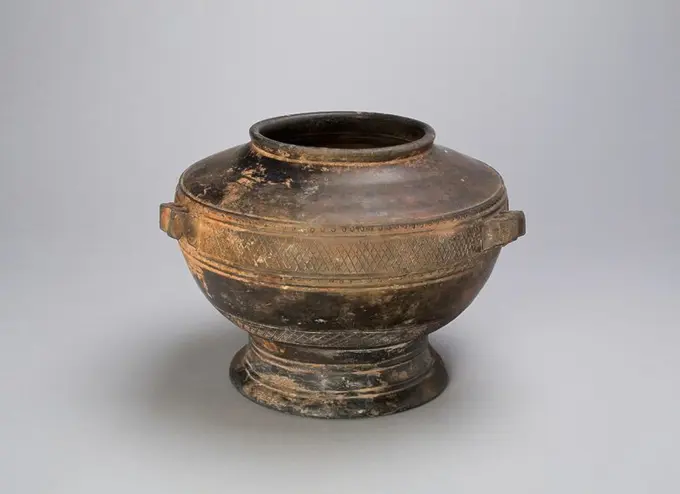
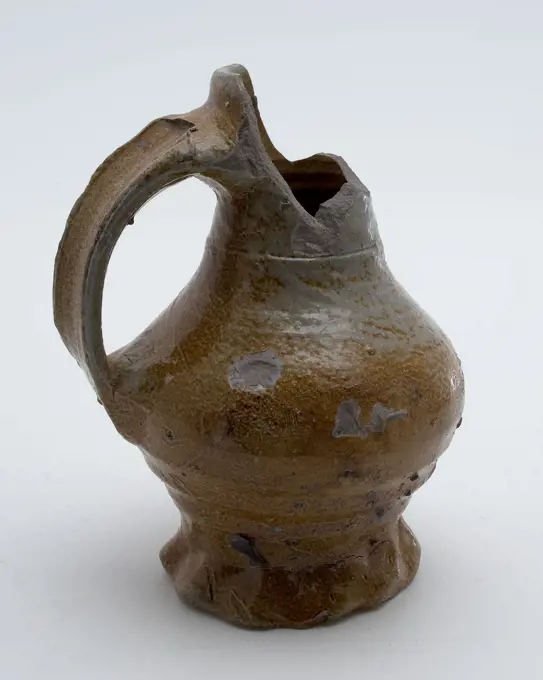
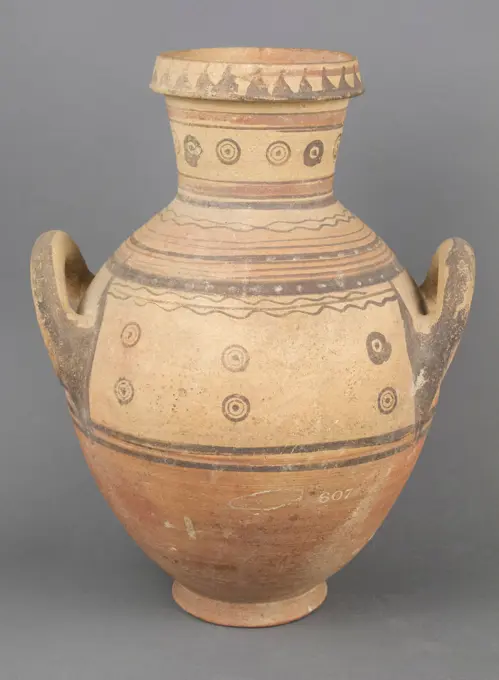
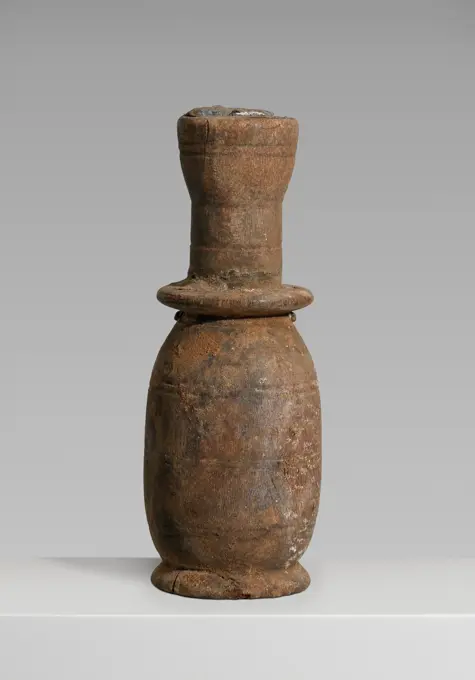
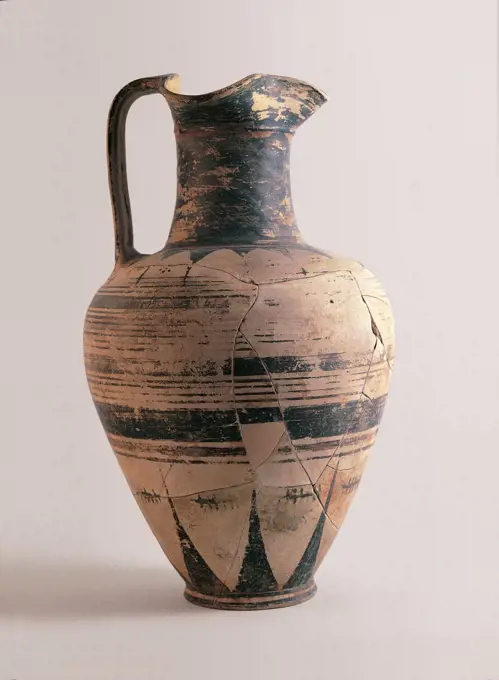
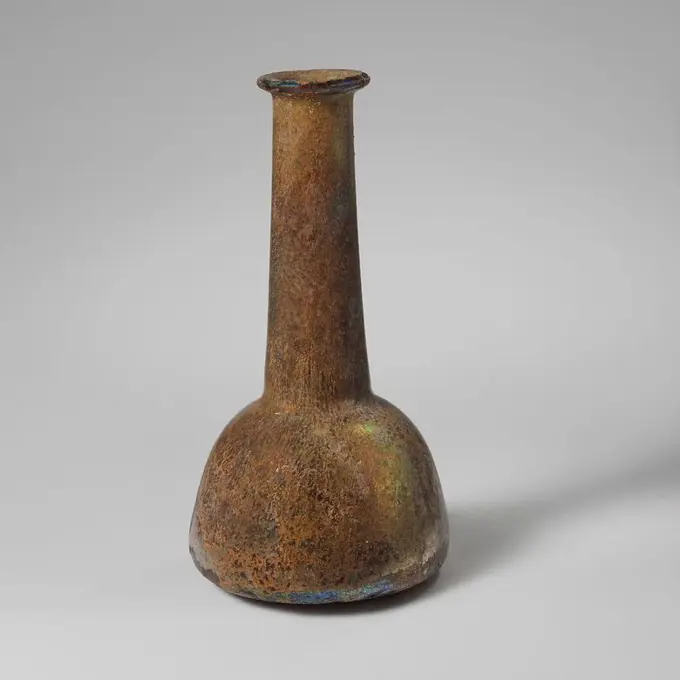
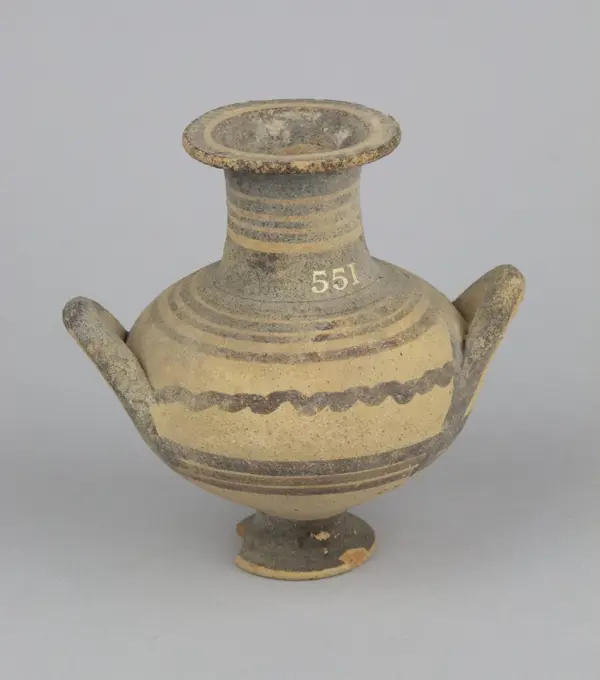
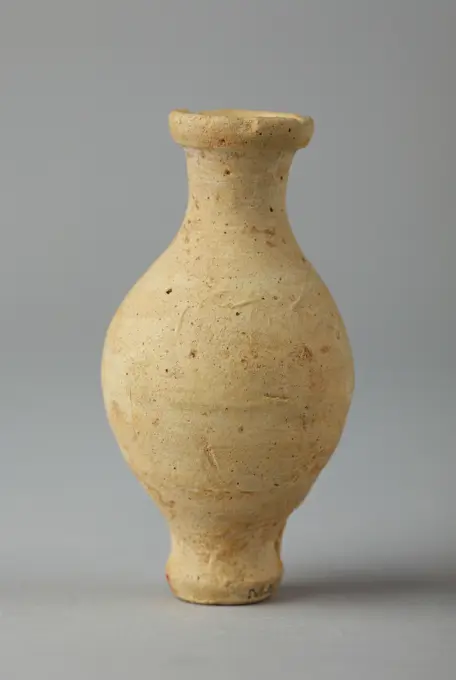
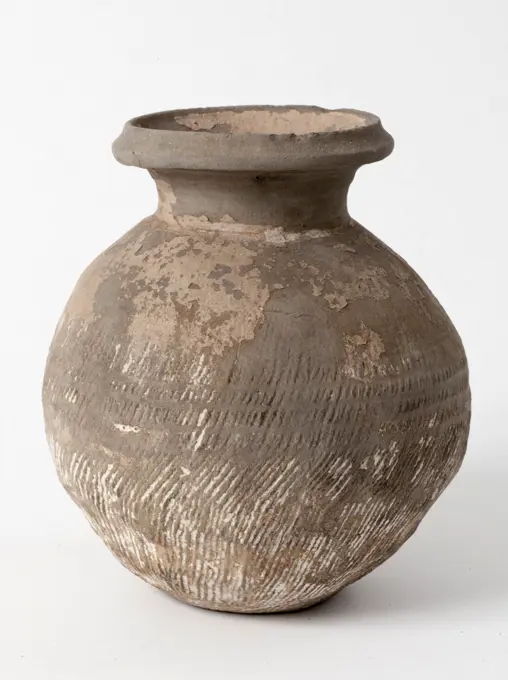
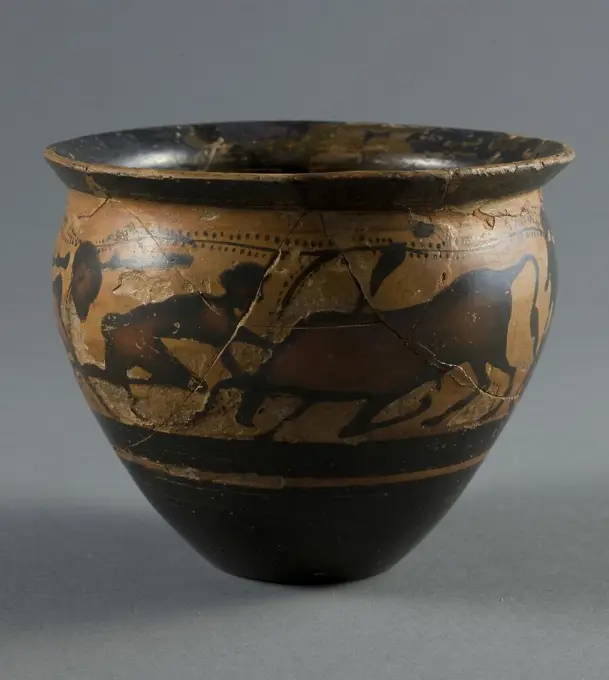
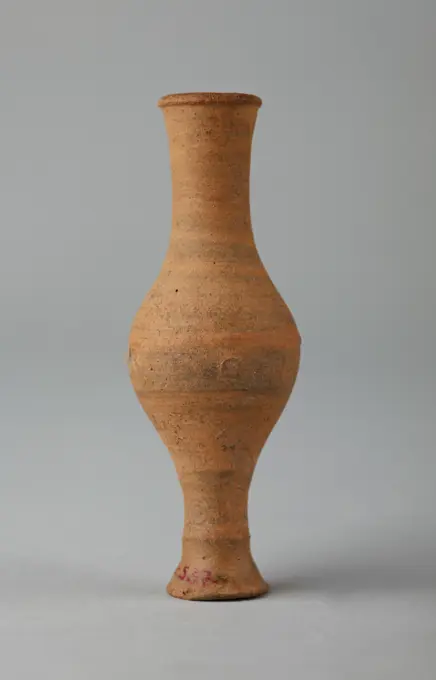
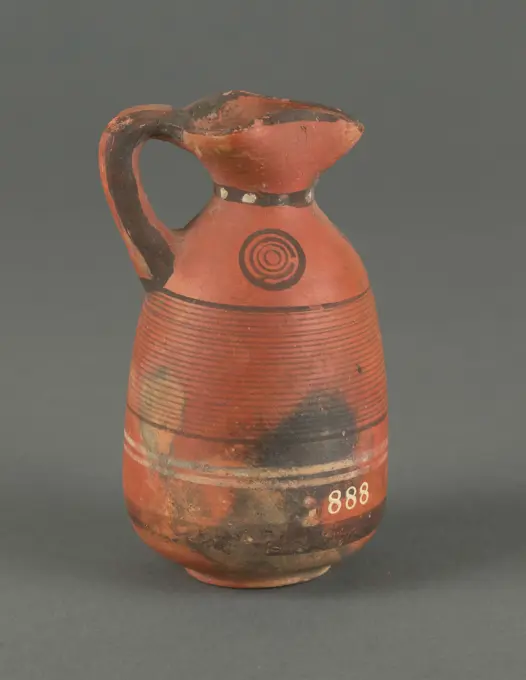
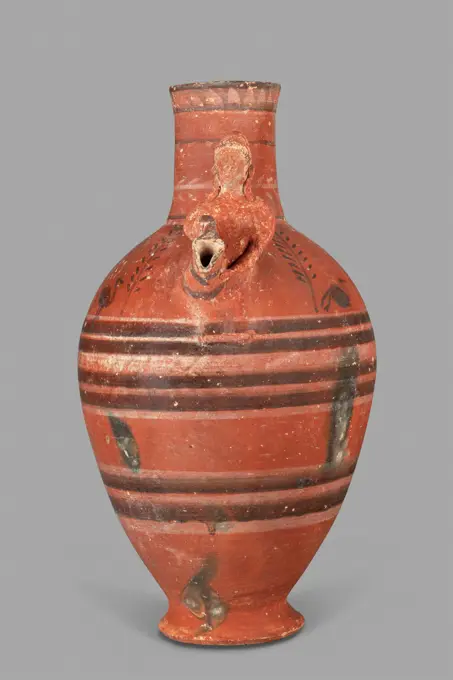
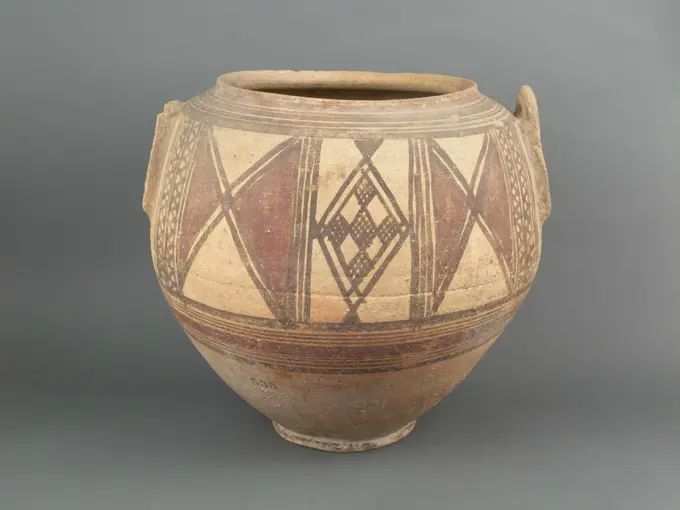
A selection of historical terracotta jars and vases from different eras, showcasing decorative motifs and traditional craftsmanship.
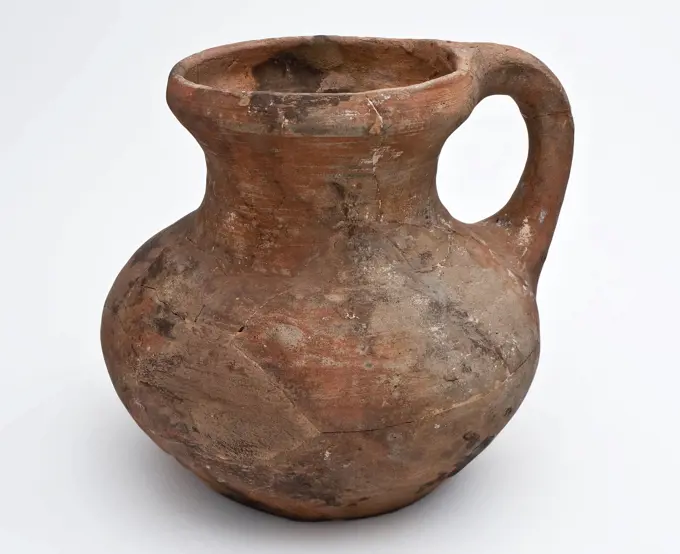
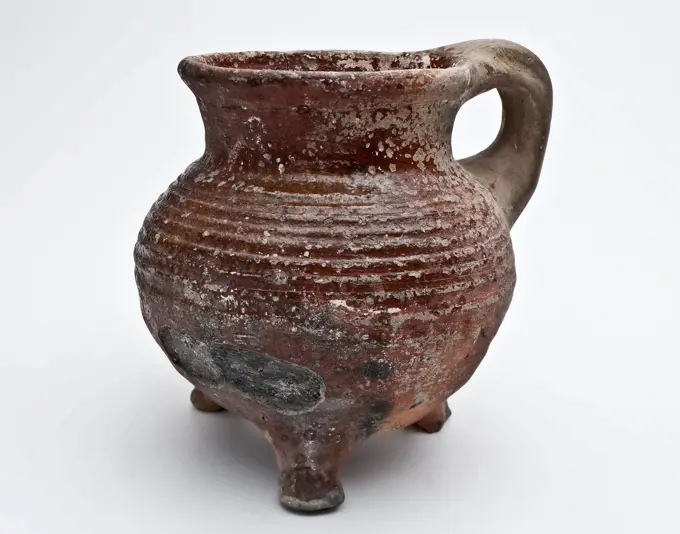
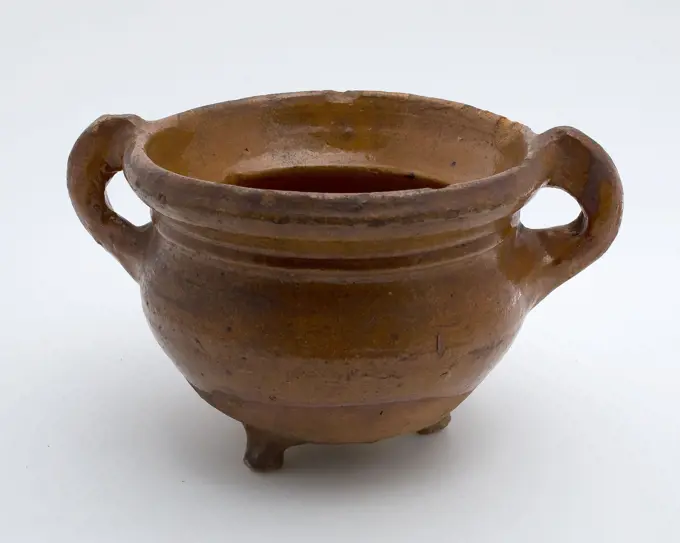
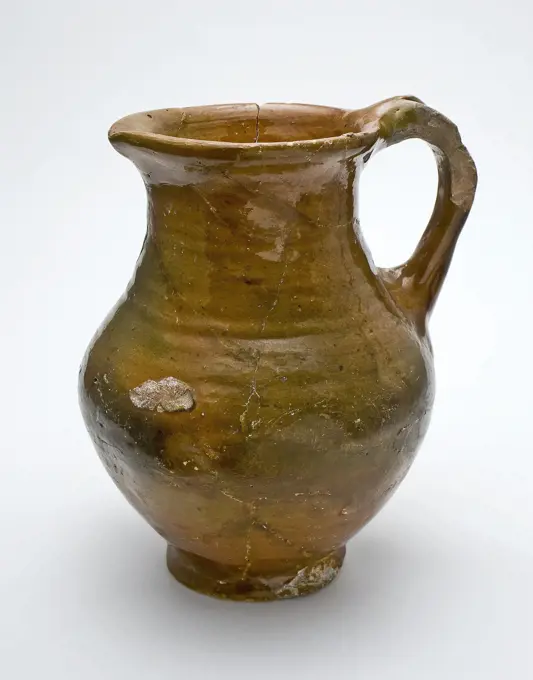
Pottery chamber pot on curved bottom, unglazed, narrow neck, pot holder sanitary earthenware ceramic pottery, belly 19,5 bottom 10,0 hand-turned baked pot brown-red earthenware unglazed vaulted bottom with soul round ear round belly long and narrow neck Shallow cuff along the neck edge. Deep finger impression next to the attachment of the ear and repair of the neck by the potter archeology Capelle aan den IJssel House in Capelle castle indigenous pottery toilet disposal night sleeping room hygiene Soil discovery: cesspool 1420-1425 house in Capelle Capelle aan den IJssel 1963.
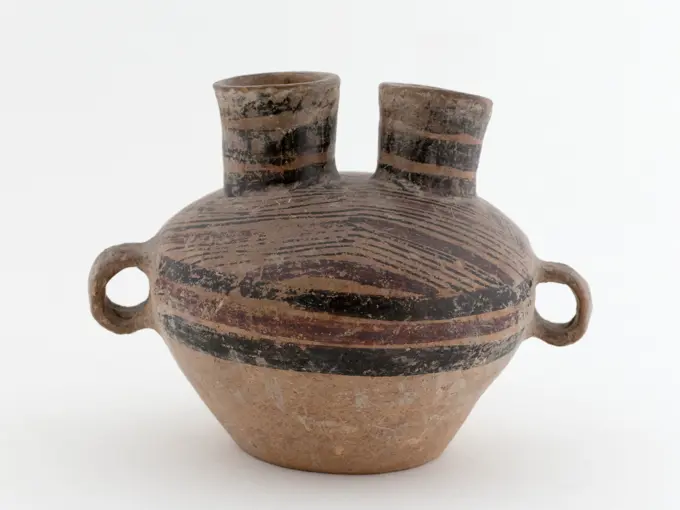
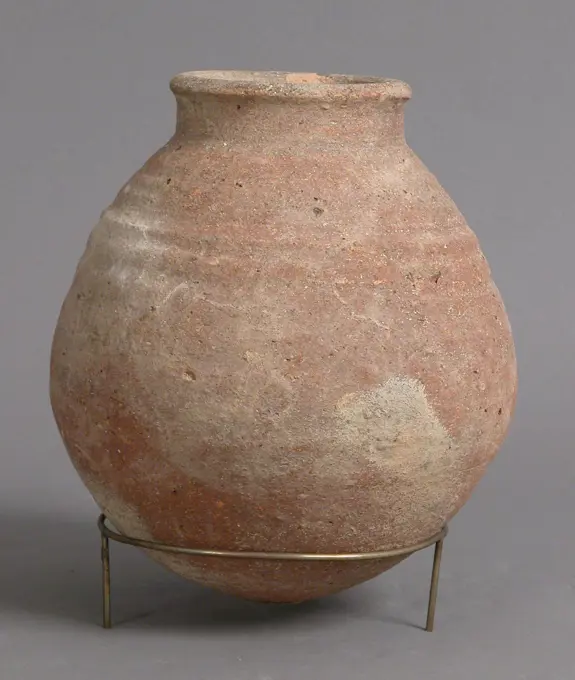
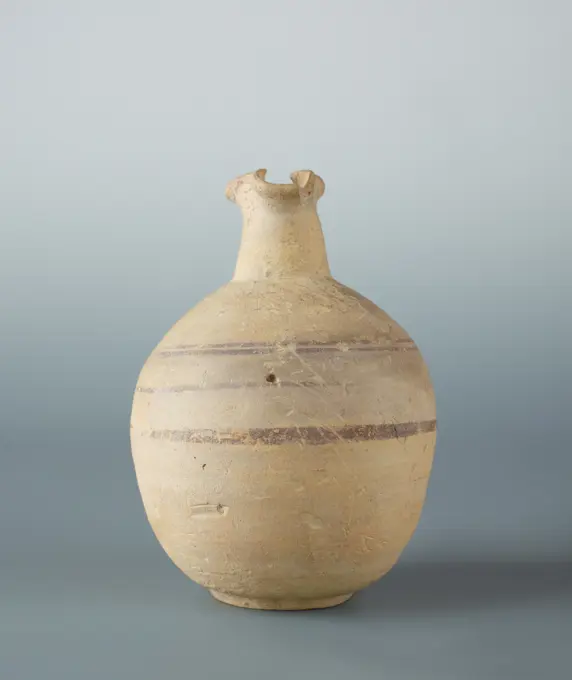
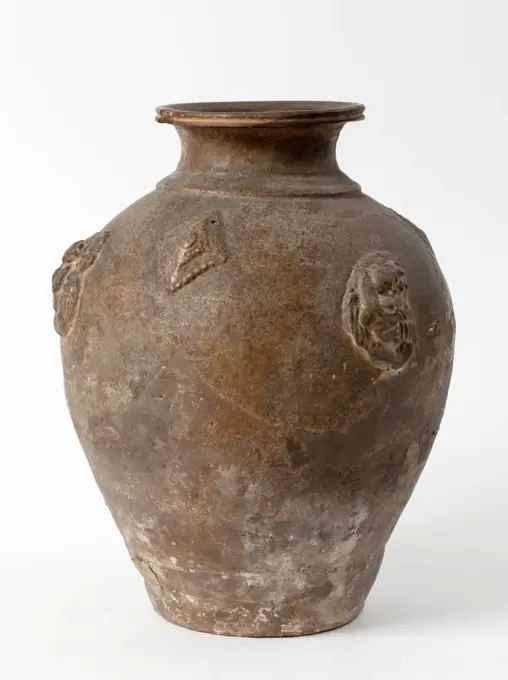
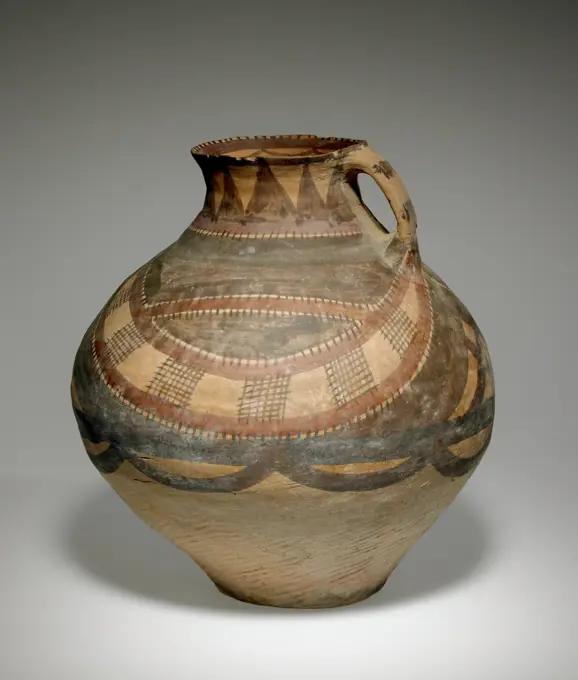
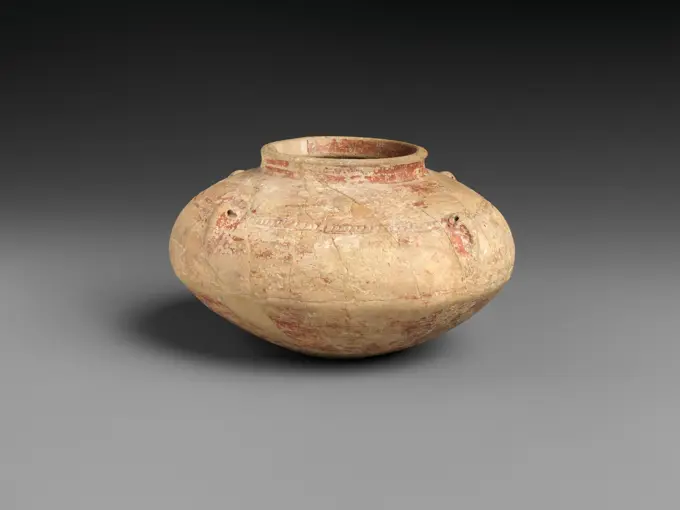
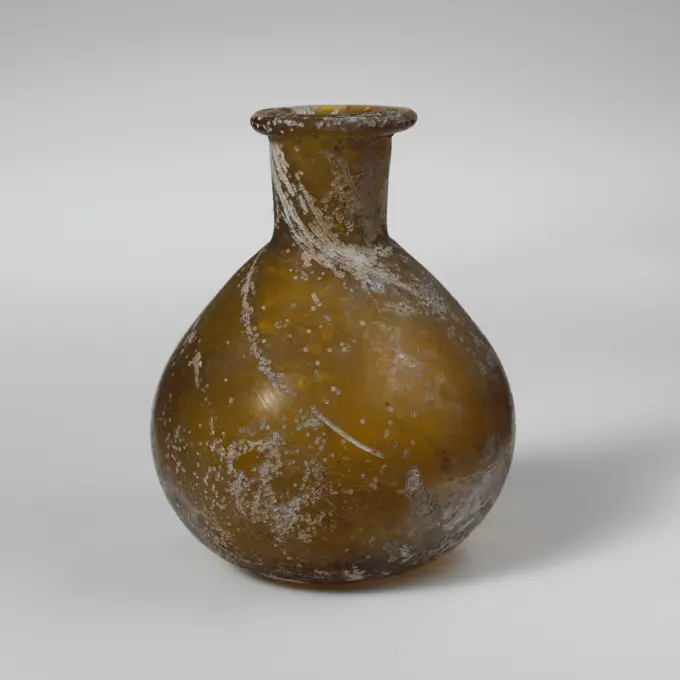
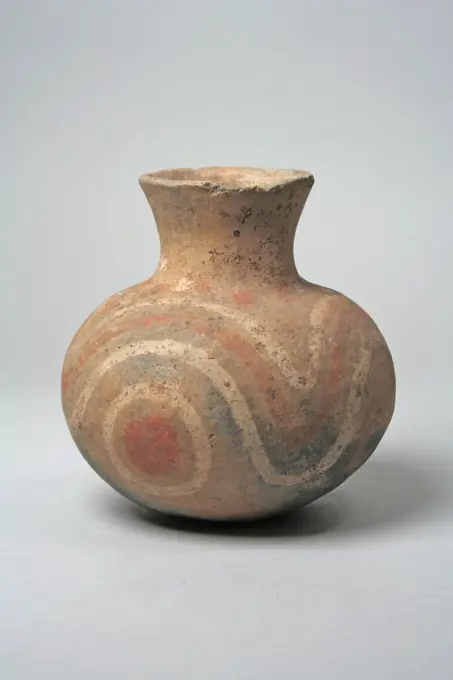
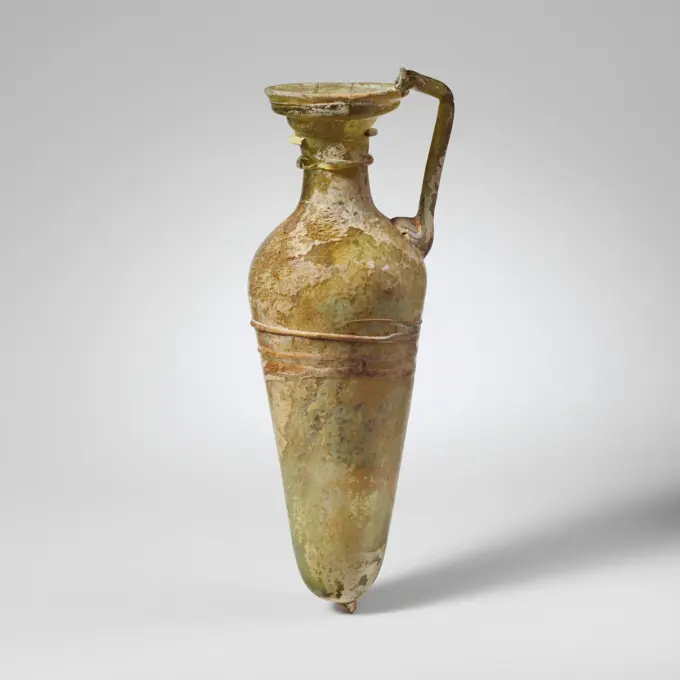
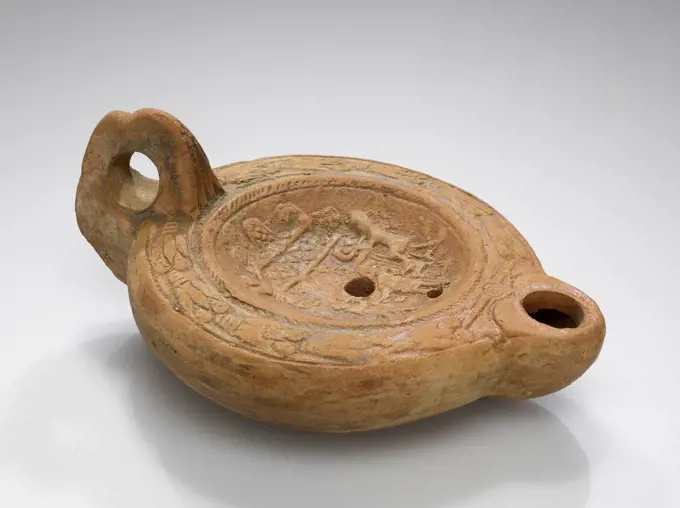
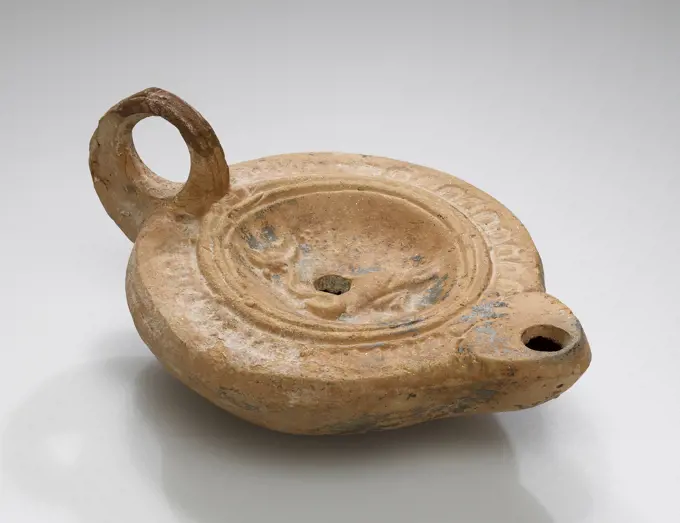
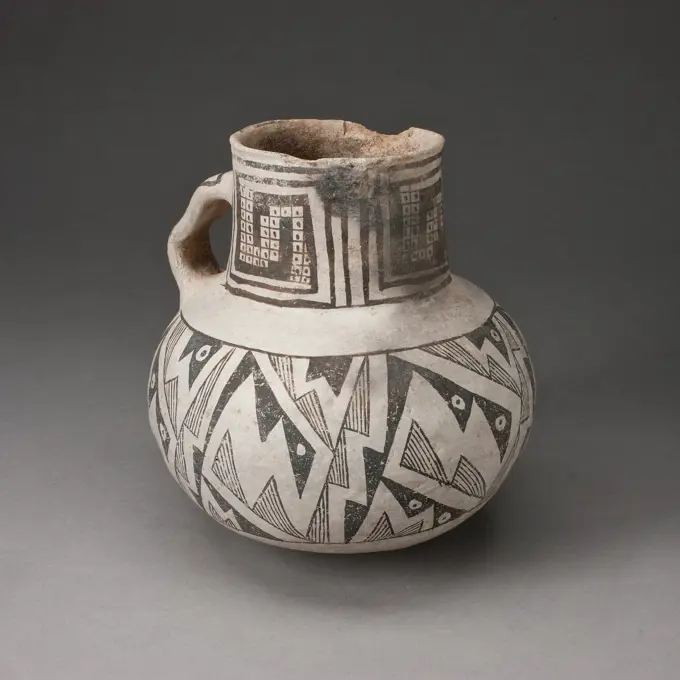
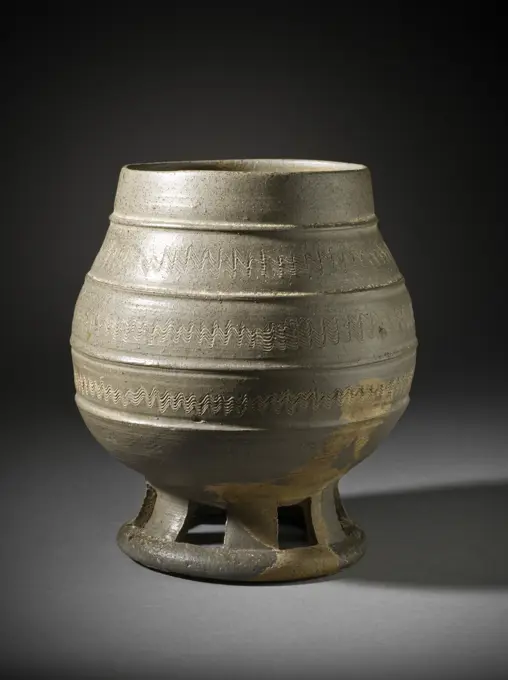
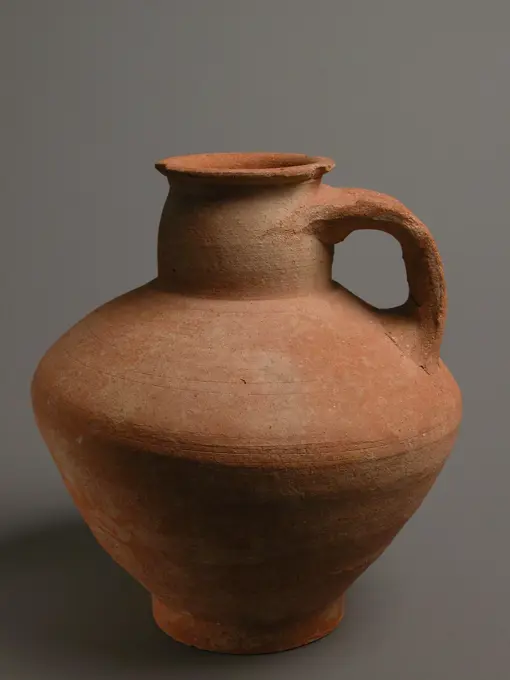
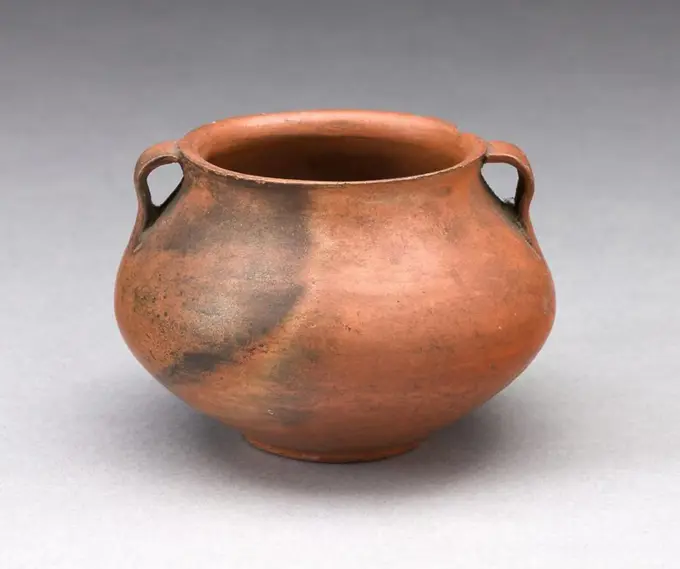
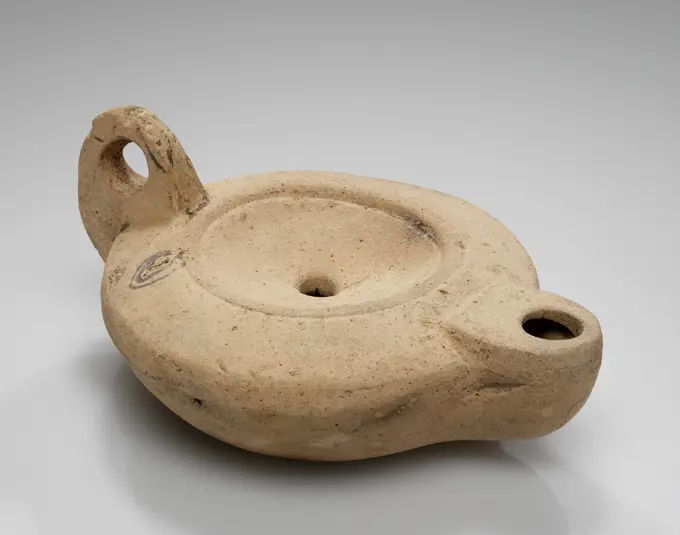
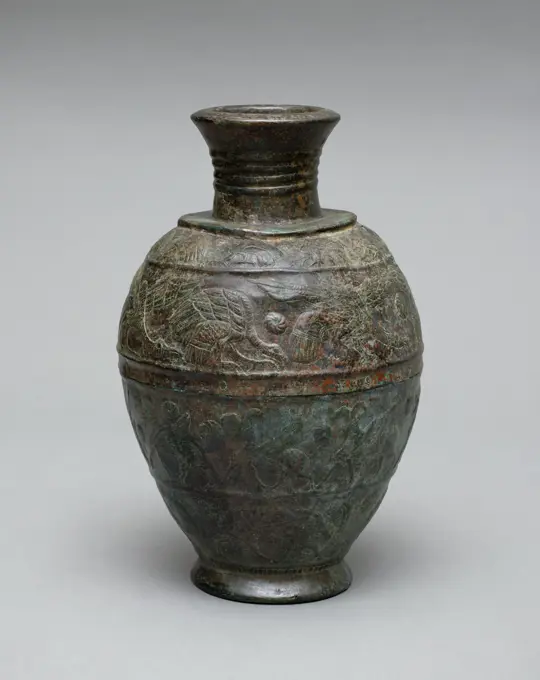
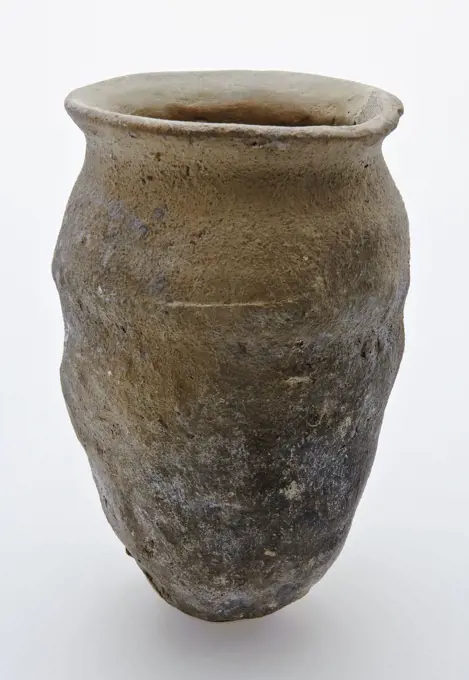
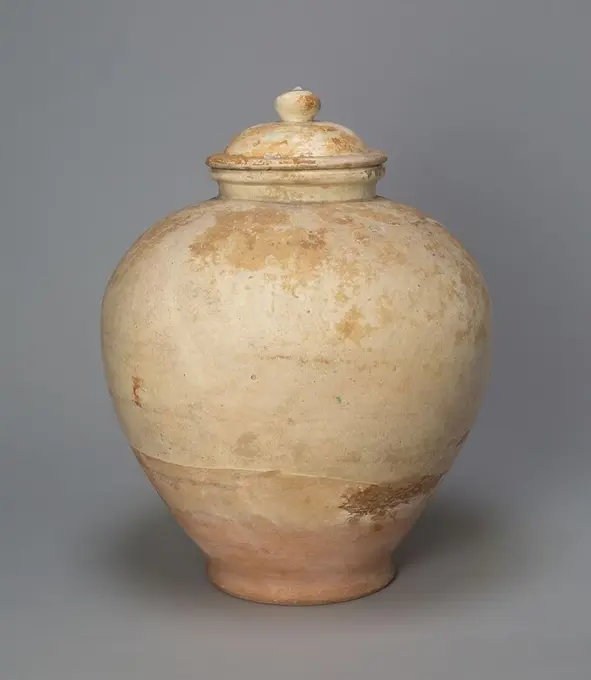
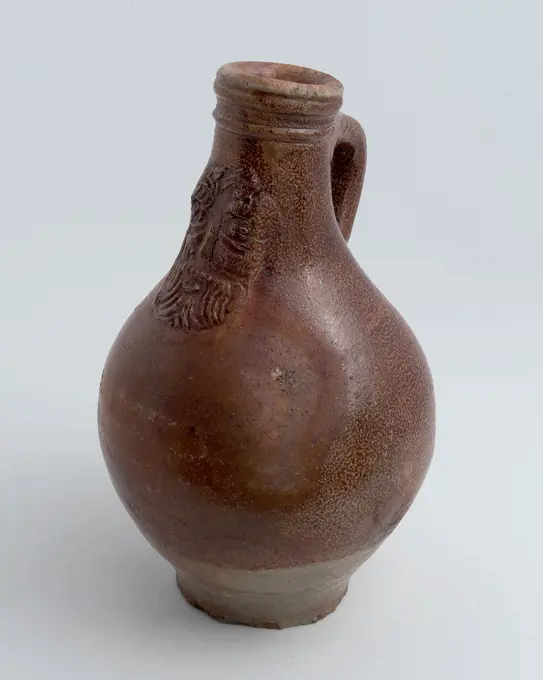
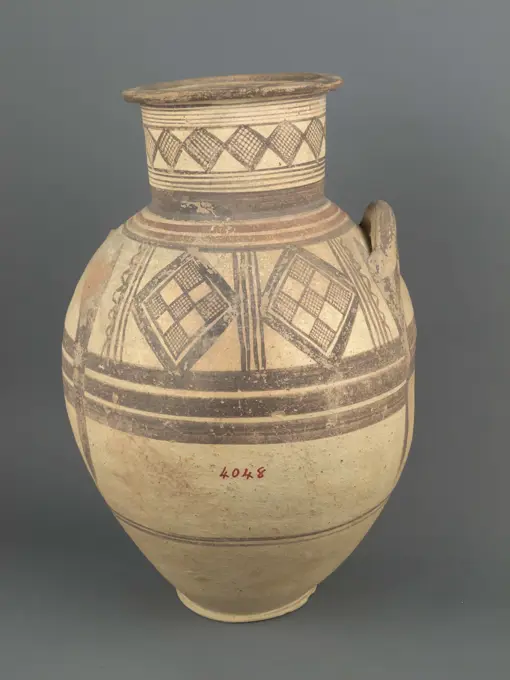
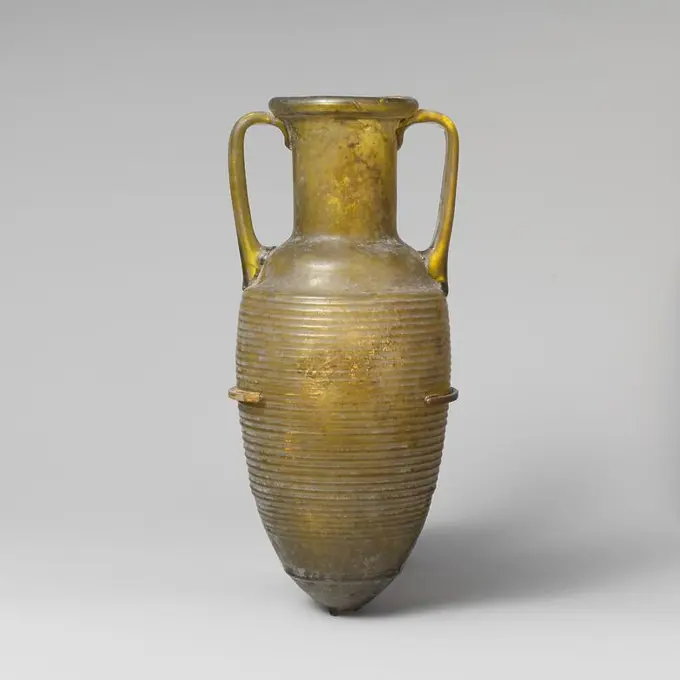
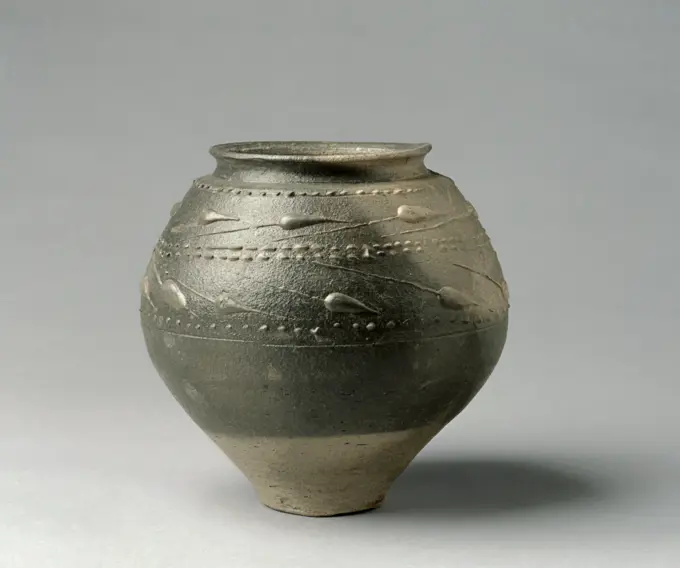
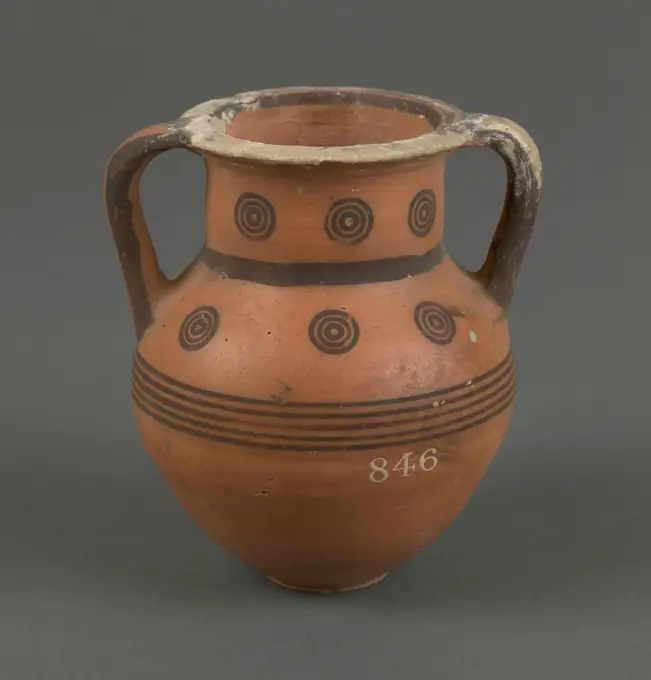
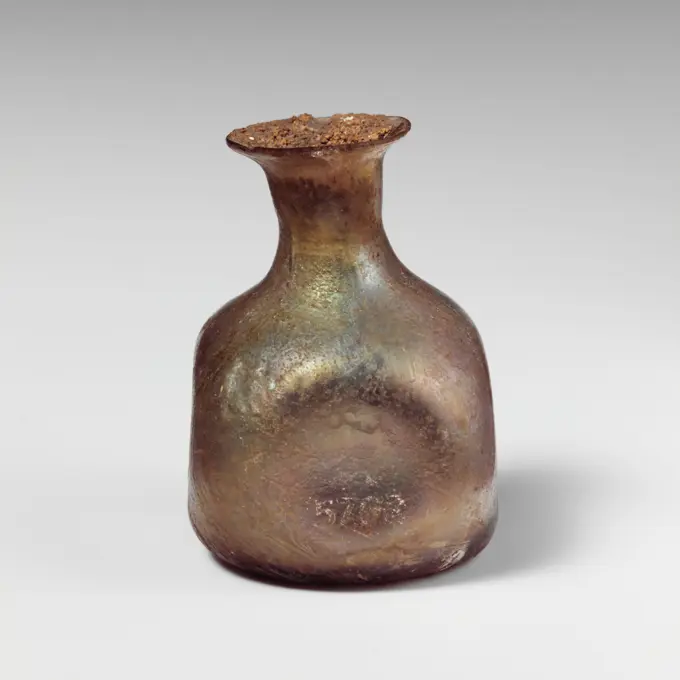
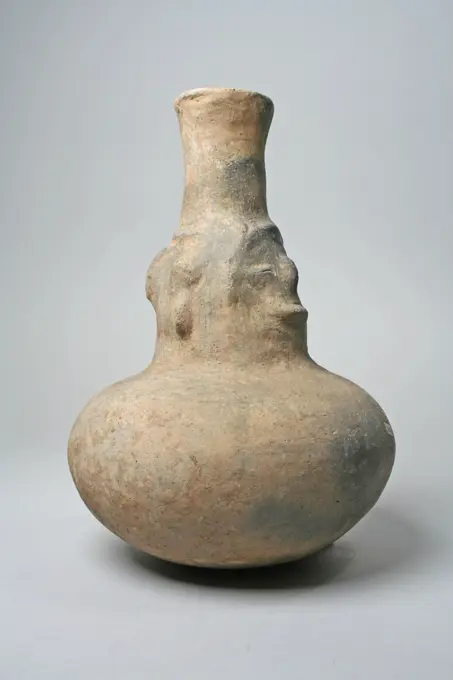
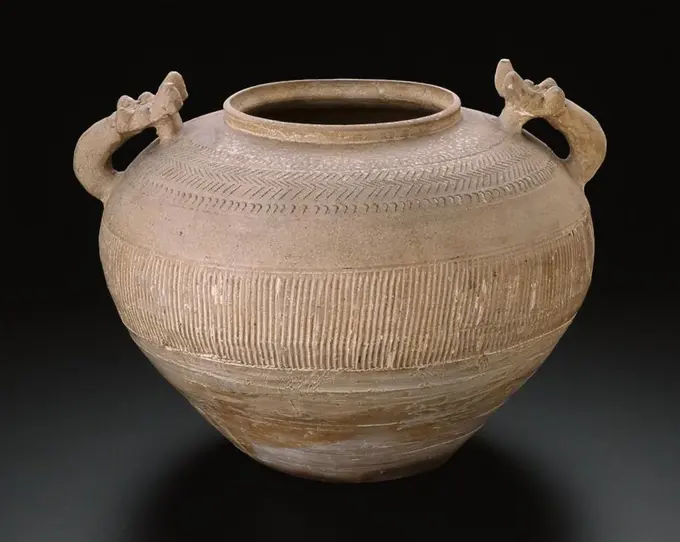
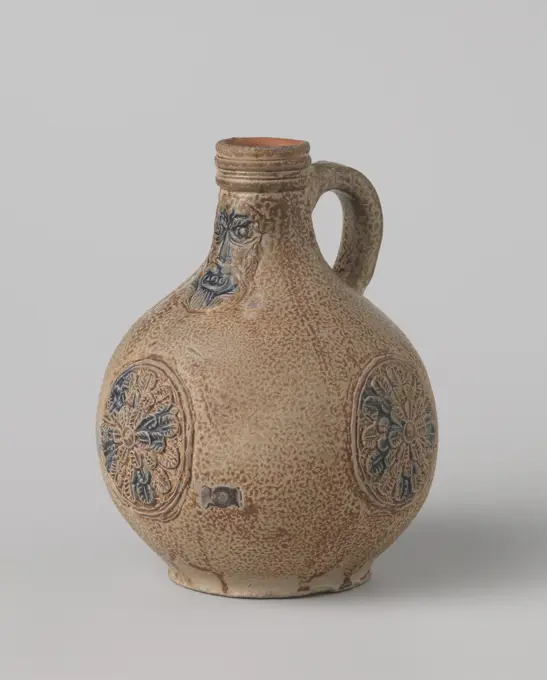
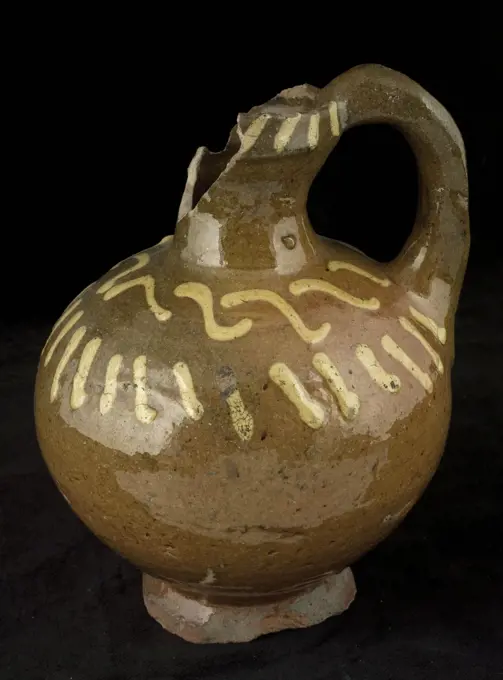
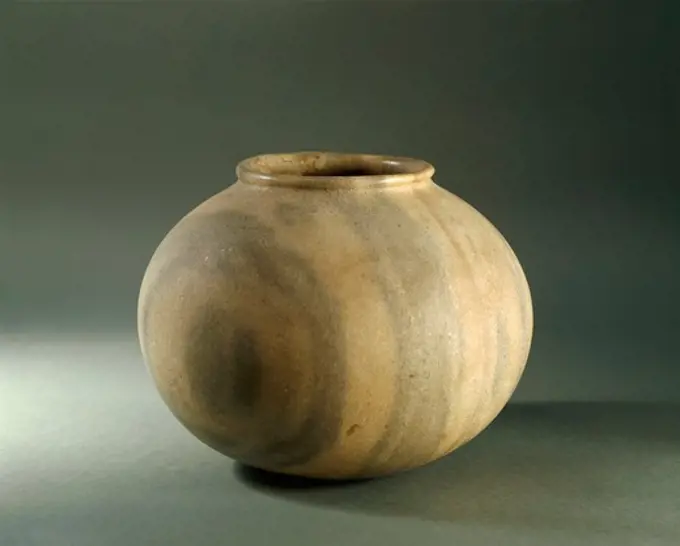
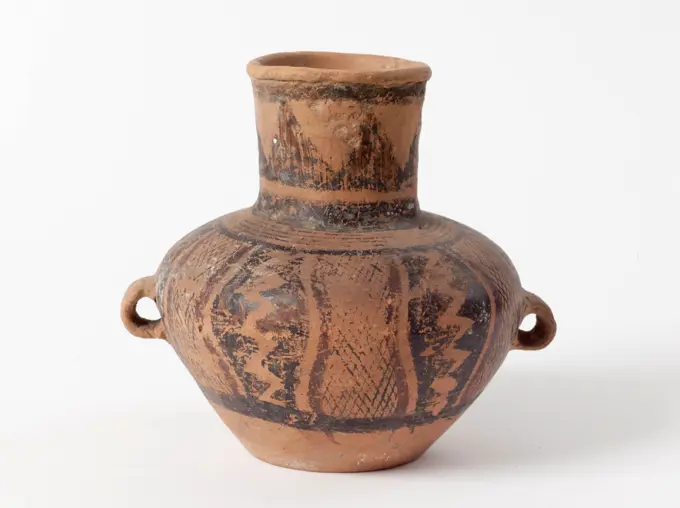
Jar ". Terracotta with polychrome paint. Neolithic period (around 8000 BC). Paris, Cernuschi museum. Anse, Chinese art, Chinese Ceramic, container, jar, decorative motif, Neolithic period, container, terracottaFooted Jar. China, possibly Henan province. Date: 1600 BC-1050 BC. Dimensions: H. 11.5 cm (4 1/2 in.); diam. 17.8 cm (7 in.). Burnished gray earthenware with carved and incised decoration. Origin: China. Museum: The Chicago Art Institute, Chicago, USA.. Vase of quartz frying goods decorated with pigeons in boxes and tendrils in brown luster on substrate of transparent alkali acid.Stoneware jug, small model in gray and brown glaze, on squeeze foot, jug crockery holder soil find ceramic stoneware glaze salt glaze, hand turned glazed baked convex belly above the pinched foot and neck constricted ear Gray-brown fully glazed archeology Rotterdam rail tunnel indigenous pottery import kitchen serving room Soil discovery: rail tunnel Rotterdam.Amphora 650-480 B.C. Cypriot Bands, wavy lines and concentric circles.. Amphora. Cypriot. 650-480 B.C.. Terracotta. Cypro-Archaic II. VasesBottle. UnknownVase. Terracotta. China, Neolithic, Banshan. Paris, Cernuschi museum. 72782-9 Anse, Asian art, banshan, decorative, neolithic motif, pottery, terracotta, Chinese vasePottery chamber pot on curved bottom, unglazed, narrow neck, pot holder sanitary earthenware ceramic pottery, belly 19,5 bottom 10,0 hand-turned baked pot brown-red earthenware unglazed vaulted bottom with soul round ear round belly long and narrow neck Shallow cuff along the neck edge. Deep finger impression next to the attachment of the ear and repair of the neck by the potter archeology Capelle aan den IJssel House in Capelle castle indigenous pottery toilet disposal night sleeping room hygiene Soil discovery: cesspool 1420-1425 house in Capelle Capelle aan den IJssel 1963.Fragment of a terracotta skyphos (deep drinking cup) 6th-5th century B.C. Lydian The incised Lydian inscription has not been read.. Fragment of a terracotta skyphos (deep drinking cup) 252847 Lydian, Fragment of a terracotta skyphos (deep drinking cup), 6th5th century B.C., Terracotta, 3 15/16in. (10cm). The Metropolitan Museum of Art, New York. Gift of The American Society for the Excavation of Sardis, 1926 (26.199.284)UnquentariumVase, 618-906, Di.8-1/2 in., Stoneware with green glaze, China, 7th-10th centuryVase 4th-7th century Coptic. Vase 476252OinochoeVase Hu ". Black terracotta. Fighter kingdoms. Paris, Cernuschi museum. Chinese art, Chinese ceramic, combatant kingdoms, black terracotta, humJar ". Terracotta, with brown-yellow glaze. China. Paris, Cernuschi museum. Asian art, Chinese art, Chinese ceramic, container, jar, container, terracotta. Jug of pottery with a spherical body and an ear, decorated with floral drinks and medallions with dots embossed without glaze.Sprinkler. Roman; Levant or Syria. Date: 101 AD-300 AD. Dimensions: 14 × 7 × 7 cm (5 1/2 × 2 3/4 × 2 3/4 in.). Glass, blown technique. Origin: Syria. Museum: The Chicago Art Institute, Chicago, USA. Author: ANCIENT ROMAN.Jar, 26th-24th century BCE, 10 3/16 x 9 9/16 x 9 9/16 in. (25.88 x 24.29 x 24.29 cm), Banshan type Earthenware, pigment, China, 26th-24th century BCEJug 4th-7th century Coptic. Jug 477275Lamp, Italy; 1st century B.C. - 1st century A.D; Terracotta; 4 × 7.5 × 11.5 cm (1 9,16 × 2 15,16 × 4 1,2 in.)Squat jar with pierced lug handles ca. 3600-3400 B.C.. Squat jar with pierced lug handles. ca. 3600-3400 B.C.. Ceramic, paint. Middle Uruk. Mesopotamia, NippurGlass perfume bottle 1st century A.D. Roman Translucent greenish yellow.Rim folded over and in to horizontal mouth; short, cylindrical neck, tapering downward; piriform body; small, slightly concave bottom. Thick, heavy glass.Intact; many bubbles and striations; pitting and weathering, with dulling and faint iridescence.. Glass perfume bottle 239641Bottle 11th-14th century Mississippian. Bottle. Mississippian. 11th-14th century. Ceramic. United States, Missouri. Ceramics-ContainersVase. Terre Civa. Vietnam. Paris, Muse Cernuschi. Vase Asian art, art of extreme orient, art of Vietnam, Vietnamese art, terracotta, dishesGlass jug 4th-5th century A.D. Roman Translucent yellow green; handle and trails in same color, but one trail of uncertain color, possibly opaque white.Rim folded over and in; oval, flaring mouth, with tooling indents; oval neck, expanding downwards; sloping shoulder; tall, slender body with straight side tapering downwards; round bottom with prominent pontil pad; rod handle attached as a large pad to shoulder, drawn up and slightly out, then turned in and dropped onto top of rim.One trail wound horizontally one and a half times around underside of mouth; another wound horizontally slightly over once around neck; another trail of uncertain color applied in overlapping strands, partially marvered, partially in relief, as a band around upper body.Broken and repaired around mouth, neck and top of handle, with two small chips in handle and trail around neck; some pinprick bubbles; dulling and whitish iridescent weathering.. Glass jug 256699Container in the Form of an Ancient Bronze Jar (hu) Made 475 BCE-221 BCE China. Earthenware .Ancient etruscan pottery on a white backgroundPot 4th-7th century Coptic. Pot 476293Amphora, c. 2000-1800 BC. Cyprus, Early Cypriot III-Middle Cypriot I. Red ware; diameter: 8 cm (3 1/8 in.); overall: 11.4 cm (4 1/2 in.).Pottery cooking pot, red shard, sparingly glazed, two vertical sausages, on three legs, cooking pot tableware holder utensils earthenware ceramics earthenware glaze lead glaze, hand turned glazed baked Pottery cooking pot grape-model red shard with sparing lead glaze two at the top pinched sausages three legs archeology indigenous pottery food preparation cooking food kitchenCovered Bowl with abstract and geometric pattern, 7th-8th century, Unknown Korean, 5 11/16 × 6 7/8 × 6 11/16 in. (14.45 × 17.46 × 16.99 cm), Stoneware, Korea, 7th-8th centuryLamp, North Africa; 1st - 4th century; Terracotta; 2.5 x 7.7 x 11 cm (1 x 3 1,16 x 4 5,16 in.)Lamp; Asia Minor; 1st - 4th century; Terracotta; 2.7 x 7 x 9.2 cm (1 1,16 x 2 3,4 x 3 5,8 in.)Lamp. UnknownPitcher with Interlocking Zigzag Motifs and Checkerboard Pattern 900 CE-1500 Arizona. Ceramic and pigment . Ancestral Pueblo (Anasazi)Footed Jar. Korea, Silla, Three Kingdoms Period (18 BCE - 668 CE), 5th-7th century. Furnishings; Serviceware. Coil-built and wheel-thrown stoneware with impressed, combed, and cut decoration and ash glazeJug with Handle 4th-7th century Coptic. Jug with Handle 477741Ewer 9th-10th century. Ewer 448986Brown AlabasterJarAmphora Cypriot Broad and narrow horizontal bands.. Amphora. Cypriot. Terracotta. Iron Age. VasesMiniature Two Handled Jug. Inca; South coast or southern highlands, Peru. Date: 1450-1532. Dimensions: 5.4 x 7.8 cm (2 1/8 x 3 1/16 in.). Ceramic. Origin: Peru, southern. Museum: The Chicago Art Institute, Chicago, USA.Lamp. UnknownOinochoe from Cerveteri, 8th Century, ceramic,Terracotta tankard. Culture: Greek, Attic. Dimensions: H. 2 1/4 in. (5.7 cm). Date: late 8th century B.C..From the Hymettos deposit (see 30.118.1). Museum: Metropolitan Museum of Art, New York, USA.Glass perfume bottle. Culture: Roman. Dimensions: 5 5/16in. (13.5cm)Other: 2 11/16 in. (6.9 cm)Diam. of rim: 1 1/8 in. (2.9 cm). Date: 2nd-3rd century A.D..Colorless with pale blue tinge.Rim folded out, over, and in, and pressed into mouth; cylindrical neck expanding downward and tooled in around base; sloping shoulder; conical body with convex sides; rounded bottom, flattened at center.Intact; pinprick bubbles; some deep pitting and brilliant iridescence; most of surface covered with creamy, iridescent weathering. Soil encrusted on interior. Museum: Metropolitan Museum of Art, New York, USA.Juglet 1050-950 B.C. Cypriot Miniature amphora with straight and wavy lines.. Juglet. Cypriot. 1050-950 B.C.. Terracotta. Cypro-Geometric I. VasesSake Bottle with Incised Design. Japan, Edo period, 1615-1868, 19th century. Ceramics. Shigaraki ware; stoneware with brown glazeSpherical ointmentJar with Decorated Registers. Northern Iran, circa 1000-650 B.C.. Furnishings; Serviceware. Bronze; repousséEarthenware pot, possibly hot pot of stove, pot holder found in the earthenware ceramic pottery, hand turned hand shaped pottery pot According to the description it is possible to use heat pot from stove. Gray shard of dark earthenware. From the shoulder irregularly shaped No stand was sunk in hole in the top of an oven archeology Rotterdam Coolhaven pottery cooking food preparation store found Coolhaven Rotterdam found during digging for the construction of the harbor before 1928.Covered Jar. China. Date: 700 AD-735 AD. Dimensions: H. 35.6 cm (14 in.); diam. 27.6 cm (10 7/8 in.). Slip-coated earthenware. Origin: China. Museum: The Chicago Art Institute, Chicago, USA.4 -handed ovode pot and lid ". Glazer terracotta. Paris, Muse Cernuschi. Asian art, extreme-East art, Vietnamese art, ceramic, terracotta, dishesSingle Spout Bottle with Incised Rings 5th-2nd century B.C. Paracas. Single Spout Bottle with Incised Rings 308704Stoneware Bartmann jug, also called Bellarmine jug, speckled glazed, sausage ear, on bottom with light soul, Bartmann jug jug crockery holder soil find ceramic stoneware glaze salt glaze, hand turned glazed baked Bartmann jug jug stoneware glazed sausage ear on bottom with light soul front neck and shoulder decorated with an embossed attached image of Bartmann jug archeology native pottery import drink kitchen room keep donatePottery pot on stand, baluster shape with short neck, used in sugar production, sugar pot pot holder soil find ceramic earthenware glaze lead glaze, hand turned glazed earthenware pot on stand. Baluster shape with round shoulder and narrow neck opening Thick and round neck edge. Red shard internally glazed Was used for the production of sugar cones archeology indigenous pottery sugar confectionery craft sugar industryAmphora 850-600 B.C. Cypriot Geometric ornament in panels on shoulder, lattice lonzenges on neck.. Amphora. Cypriot. 850-600 B.C.. Terracotta. Cypro-Geometric III-Cypro-Archaic I. VasesGlass amphora (jar). Culture: Roman. Dimensions: 8 5/8in. (21.9cm)Diameter: 3 1/2 in. (8.9 cm)Width (handles): 3 7/8 in. (9.8 cm). Date: early 1st century A.D..Translucent yellow green; handles in same colorEverted tubular rim, folded over and in; broad, cylindrical neck; convex bulging shoulder; elongated ovoid body tapering to a point; two rod handles applied as pads on shoulder, drawn up and slightly out, then turned in horizontally and pressed on to top of neck and underside of rim.Thirty-four close-set horizontal ribs, extending from shoulder to lower body, then a plain band before a narrow group comprising one prominent horizontal rib flanked above and below by another shallower rib. Base or foot missing and crack in top of one handle, otherwise intact; a few bubbles; some dulling, faint weathering, and iridescence on exterior, soil encrustation and iridescent weathering on interior.Probably made in a three-part mold, comprising two side elements extending from neck to botCERAMICA IRANI-RITON EN BARRO ROJO. Location: MUSEO ARQUEOLOGICO NACIONAL-COLECCION. MADRID. SPAIN.JugAmphoriskos. UnknownGlobular Pot, AD 25-50. Rhenish (Cologne), Gallo-Roman, 2nd quarter 1st Century. Gray ware with black burnished slip and Barbotine decoration; diameter: 21 cm (8 1/4 in.); overall: 20.5 cm (8 1/16 in.).Amphora, miniature ca. 1050-900 B.C. Cypriot. Amphora, miniature. Cypriot. ca. 1050-900 B.C.. Terracotta. Iron Age. VasesPottery cooker on three claw feet, grape, gray-red pottery, rings, grape cooking pot crockery holder kitchen utensils earthenware ceramics earthenware glaze lead glaze, belly 12.6 bottom 8.0 hand turned set glazed baked Cooking jug grape gray-red earthenware round ear restoration in plaster protruding neck thickened round edge rotations shoulder sparing lead glaze three pinched legs. Rounded belly on the underside archeology Capelle aan den IJssel House in Capelle castle indigenous pottery dinnerware tableware cooking kitchen food preparation Soil discovery: house in Capelle Capelle aan den IJssel.Glass perfume bottle 2nd-3rd century A.D. Roman Small perfume bottleColorless, but with purple streaks.Plian, rounded rim; flaring mouth; slightly funnel-shaped neck; sloping shoulder with rounded corners; roughly squared body with indented sides; pushed-in bottom, with traces of circular pontil mark.Intact, except for two small chips in rim; cracks across bottom; pinprick bubbles; dulling and iridescence; weathering and encrustion inside mouth and interior.. Glass perfume bottle 239769Bottle, Faces on Neck 11th-14th century Mississippian. Bottle, Faces on Neck. Mississippian. 11th-14th century. Ceramic. United States, Missouri. Ceramics-ContainersSpouted Bottle. Culture: Mexican. Dimensions: H x W: 8 3/4 x 8 3/4in. (22.2 x 22.2cm). Date: 5th-7th century. Museum: Metropolitan Museum of Art, New York, USA.Pottery cooking jug, grape-model with vertical band-ear, on three legs, cooking pot tableware holder kitchenware earth discovery ceramics earthenware glaze lead glaze, hand turned glazed baked Pottery cooking jug grape-model red shard partly covered with lead glaze bandoor three legs archeology indigenous pottery food prepare food cooking kitchenJar in the Form of an Ancient Bronze Container (lei). China. Date: 475 BC-221 BC. Dimensions: H. 26.6 cm (10 5/8 in.); diam. 34.0 cm (13 3/8 in.). Stoneware. Origin: China. Museum: The Chicago Art Institute, Chicago, USA.Pottery cooking pot, grape-model, red shard, glazed, two vertical bands, on three legs, cooking pot crockery holder utensils earthenware ceramics earthenware glaze lead glaze, hand-turned glazed baked Pottery cooking pot grape-model red shard with lead glaze two pinched bottoms three legs bottom unglazed archeology Rotterdam Bombazerkerk indigenous pottery food preparation cooking food cuisine Soil discovery: Bombazijne Kerkhof 1905.Jug (Bartmann jug) with a flower in a roundel, anonymous, c. 1630 - c. 1680 Jug (beard fancier bush) of stoneware on the standing surface with a spherical body and narrow neck. The C-shaped ear is attached to the neck and shoulder. Profiles on the neck. Partly covered with a brown Engobe and Kobatlblauw. On the belly three times in relief a printed and imposed medallion containing a flower. On the neck, continuously on the shoulder, a bearded man. Frechten. Cheek stoneware. glaze. cobalt (mineral). engobe vitrification Jug (beard fancier bush) of stoneware on the standing surface with a spherical body and narrow neck. The C-shaped ear is attached to the neck and shoulder. Profiles on the neck. Partly covered with a brown Engobe and Kobatlblauw. On the belly three times in relief a printed and imposed medallion containing a flower. On the neck, continuously on the shoulder, a bearded man. Frechten. Cheek stoneware. glaze. cobalt (mineral). engobe vitrificationPottery pot on stand, baluster shape, used in the sugar industry, sugar pot pot holder soil find ceramic earthenware glaze lead glaze, hand-turned glazed earthenware pot on stand. Baluster shape with round shoulder and narrow neck opening. Thick round neckline. Red shard internally glazed Blurred spindles This was where sugar cones were made archeology indigenous earthenware sugar confectionery sugar industryStorrage vessel (Bartmann jug) with a coat of arms, anonymous, c. 1580 - c. 1650 Stock jug (beard fancier bush) of stoneware on a wavy base with an egg -shaped body and wide neck. The C-shaped ear is attached to the neck and shoulder. Profiles on the neck and shoulder. Covered with a brown engobe and cobalt blue. The jug is decorated with turning rings. On belly in relief three times a printed and imposed medallion with a weapon and the edge of the Radt von Hanxler vnd ... 'and' 1582 '. On the neck, continuously on the shoulder, a bearded man. Langerwehe. Cheek stoneware. glaze. cobalt (mineral). engobe vitrification Stock jug (beard fancier bush) of stoneware on a wavy base with an egg -shaped body and wide neck. The C-shaped ear is attached to the neck and shoulder. Profiles on the neck and shoulder. Covered with a brown engobe and cobalt blue. The jug is decorated with turning rings. On belly in relief three times a printed and imposed medallion with a weapon and the edge of the RadCinerary Urn, c. 800-850. Japan, Heian period (794-1185). Stoneware with slight natural ash glaze (Sue ware); diameter: 24 cm (9 7/16 in.); overall: 22.5 cm (8 7/8 in.); without cover: 21.2 cm (8 3/8 in.); diameter without lid: 11 cm (4 5/16 in.).Pottery jug be glazed with ear and spout, protruding neck edge, water jug crockery holder soil find ceramic earthenware glaze lead glaze, belly 14.0 hand-turned glazed fired jug red shard in and externally glazed rotations stand ring spout. Standing and scalloped ear above the edge perfectly slanted Attached model with broad neck and protruding neck edge archeology Valckensteyn Poortugaal Albrandswaard indigenous pottery kitchen drink drink pour water Soil discovery: canal at kitchen castle Valckensteyn at Poortugaal now Albrandswaard 1961.Jug 480-310 B.C. Cypriot Vase with moulded ridges about neck, of unpainted clay.. Jug. Cypriot. 480-310 B.C.. Terracotta. Cypro-Classical I or II. VasesJar ". Terracotta with white coating traces. China, Zhou dynasty (approx. 1050-256 BC). Paris, Cernuschi museum. Chinese art, Chinese ceramic, container, zhou dynasty, zhou time, oval form, jar, container, terracottaEwer 12th-13th century. Ewer. 12th-13th century. Stonepaste; underglaze and luster-painted. Attributed to Syria, Raqqa. CeramicsSpherical vessel; Unknown Night -Tamanian workshop; approx. 2600 2350 BC ; Early period D Azira III (-2600-00-00--2350-00-00);CANTARO O BOCALEJA DE UN ASA CON CUELLO CILINDRICO Y ESTRECHO. Location: ALFARERIA. SPAIN.SkyphosMastoid (Drinking Cup). Greek; Athens; Attributed to the Manner of the Haimon Painter. Date: 500 BC-480 BC. Dimensions: 8.5 × 10 × 10 cm (3 2/5 × 4× 4 in.). Terra-cotta, decorated in the black-figure technique. Origin: Athens. Museum: The Chicago Art Institute, USA. Author: ANCIENT GREEK.Pot, anonymous, c. 1400 - c. 1950 Pot with convex belly, incorporated neck and protruding edge.  earthenware Pot with convex belly, incorporated neck and protruding edge.  earthenwareFluted Jar (Quan) with Loops on ShoulderPottery oil jug on stand foot with upright ear, sludge trim on neck edge and shoulder, oil jug kitchen utensils earthenware ceramics earthenware glaze lead glaze clay, foot 6.0 hand turned decorated glazed fried lemonade Pottery jug. Ball-shaped model with slender neck and standing foot Neck with cuff collar. Standing and pinched ear. Red shard Fully glazed Decorated in sludge technology Decoration consists of yellow wave lines and oblique stripes on the shoulder Yellow stripes along the cuff collar. Remains of stuck foreign pottery on the belly archeology indigenous pottery oil tear lamp illuminate serve pourGlass perfume bottle. Culture: Roman. Dimensions: Overall: 2 9/16 in. (6.5 cm)Diam.: 2 3/16 x 1 1/4 in. (5.6 x 3.2 cm). Date: 2nd-3rd century A.D..Colourless.Rounded rim, folded out, down, over, and in, and smoothed into surface of flaring mouth; cylindrical neck; squat bulbous body; bottom with pushed-in center and traces of pontil mark.Intact; many pinprick, some large and elongated bubbles, and blowing striations; dulling, iridescence, and patches of thick creamy brown weathering, with some soil encrustation on interior. Museum: Metropolitan Museum of Art, New York, USA.Juglet ca. 1st century A.D. Nabataean. Juglet 325906FOREIGN OLDJuglet 750-600 B.C. Cypriot. Juglet. Cypriot. 750-600 B.C.. Terracotta. Cypro-Archaic I. VasesA pitcher with a figure Women with a jug;  480-400 BC ; Cypriot-Classical and (-480-00-00--400-00-00) period;Cyprus, Cyprus, Arsinoe, Działyńska, Izabela (1830-1899), Hoffmann, Henri (1865-1917)-collectionJar. Culture: Nayarit (Chinesco). Dimensions: H. 7 1/4 x 9 3/4 in. (18.4 x 24.8 cm). Date: 2nd-4th century.This sizable jar has a flat bottom with strongly flaring walls which curve in at the shoulder towards the spout which is recessed into the center. The burnished surface is covered with light yellow slip. Eight pairs of vertical parallel brown lines divide the surface into even segments. Museum: Metropolitan Museum of Art, New York, USA.Dinos 850-750 B.C. Cypriot Decorated with bands and panels in black and red.. Dinos. Cypriot. 850-750 B.C.. Terracotta. Cypro-Geometric III. VasesGlass hexagonal bottle. Culture: Roman. Dimensions: H.: 3 in. (7.6 cm). Date: ca. A.D. 25-50.Opaque white.Rim folded out, round, and in, then pressed into flaring mouth; misshapen cylindrical neck; downward sloping shoulder; hexagonal body with vertical sides, then cup-shaped below; low base with rounded edge and slightly indented bottom. Mold seams run from base of neck, down sides, and meet at center of bottom.Decoration in relief in three registers: on shoulder, six downturned rays or pointed petals; on body, six rectangular panels, each decorated at top with a triangular pediment flanked by prominent but indistinct round objects, framed at sides with posts or slender columns, and bordered below by an egg-and-dart band; in each panel, a different bird perched on or flying over a nest or rock; above the base, twenty-seven upturned tongues (nine in each segment of mold).Intact; pitting, dulling, and thick creamy weathering.This bottle belongs to a type known as the Bird Series beAnonymous, HU bottle (common name), -0206. Cernuschi Museum, Asia Museum of Asia in the city of Paris.Dish;  around 2055 1650 BC ; Medium PAVessel with Cover, 13 3/8 x 15 9/16 x 13 7/8 in. (33.97 x 39.53 x 35.24 cm) (overall), Terra cotta, Burkina FasoLamp. UnknownEarthenware chamber pot with curved bottom, standing and crocheted band, pot holder sanitary soil find ceramic earthenware glaze lead glaze, hand turned glazed baked Pottery chamber pot with curved bottom. Ball-shaped shape with sloping transition to the narrow upper edge Internal completely glazed exterior only on one side of the shoulder. Thick puddle of glaze in soul on the underside Green attack. Restoration is color-repainted archeology underground pit Rotterdam City Triangle Groenendaal indigenous earthenware night bed room hygiene disposal Soil discovery: underground pit Groenendaal at 50 meters from the well. Found 1975-09-11.Lamp. UnknownBowl. Culture: Coptic. Dimensions: Overall: 2 1/16 x 3 15/16 x 3 11/16 in. (5.2 x 10 x 9.4 cm). Date: 4th-7th century. Museum: Metropolitan Museum of Art, New York, USA.Egypt, Stone jar, predynastic period