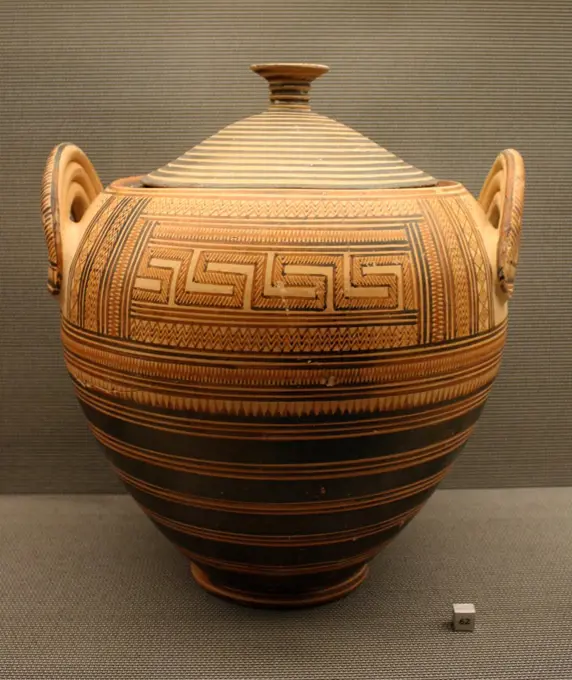
Ancient Terracotta Vessels

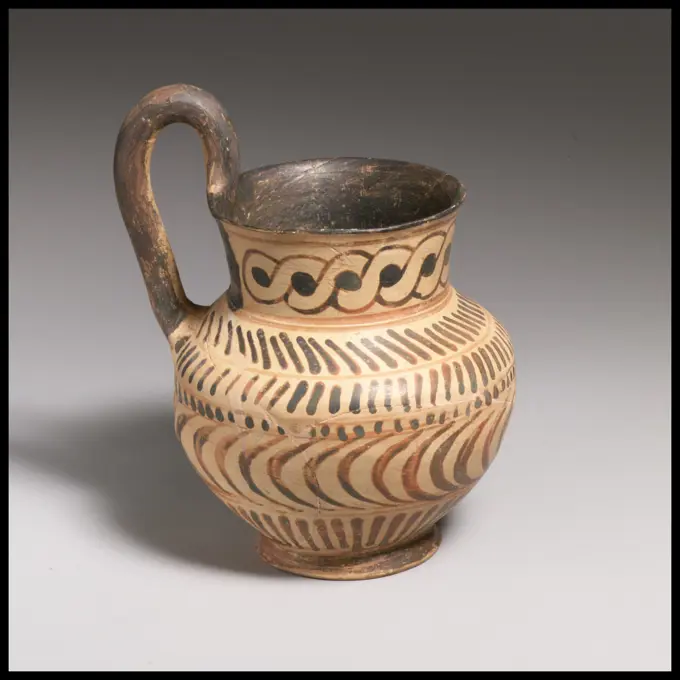
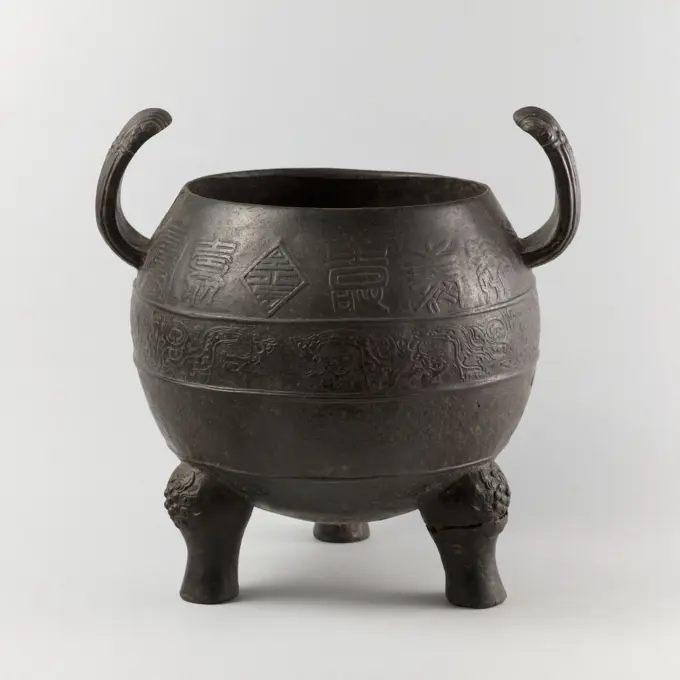
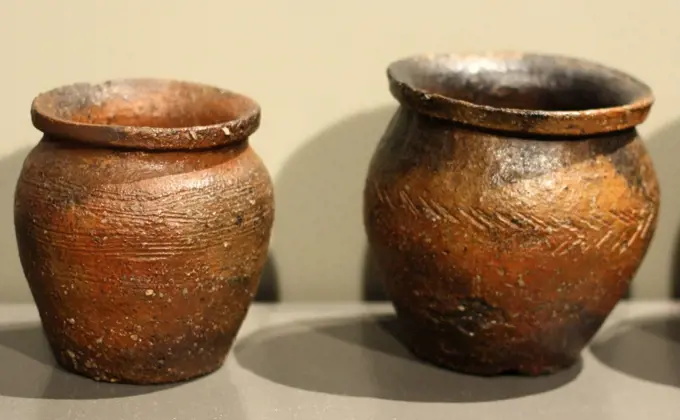
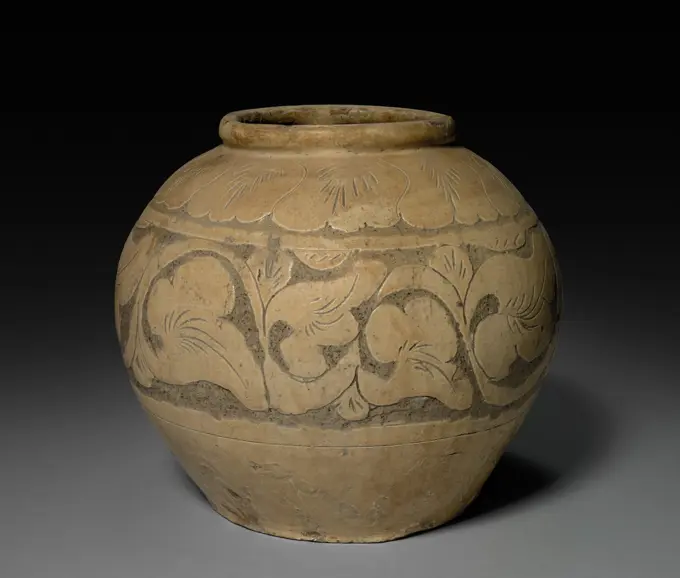
A selection of historical terracotta jars and vases from different eras, showcasing decorative motifs and traditional craftsmanship.
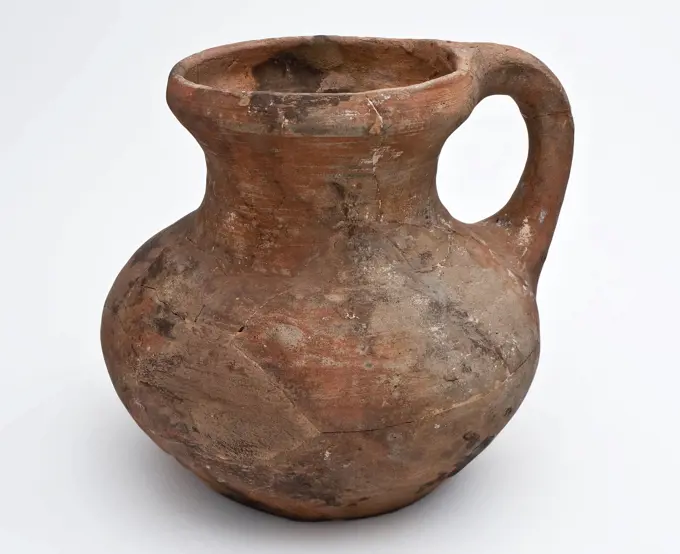
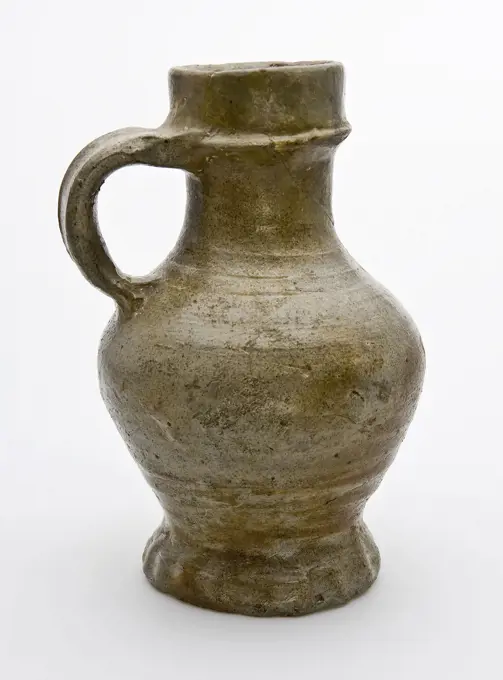
Pottery chamber pot on curved bottom, unglazed, narrow neck, pot holder sanitary earthenware ceramic pottery, belly 19,5 bottom 10,0 hand-turned baked pot brown-red earthenware unglazed vaulted bottom with soul round ear round belly long and narrow neck Shallow cuff along the neck edge. Deep finger impression next to the attachment of the ear and repair of the neck by the potter archeology Capelle aan den IJssel House in Capelle castle indigenous pottery toilet disposal night sleeping room hygiene Soil discovery: cesspool 1420-1425 house in Capelle Capelle aan den IJssel 1963.
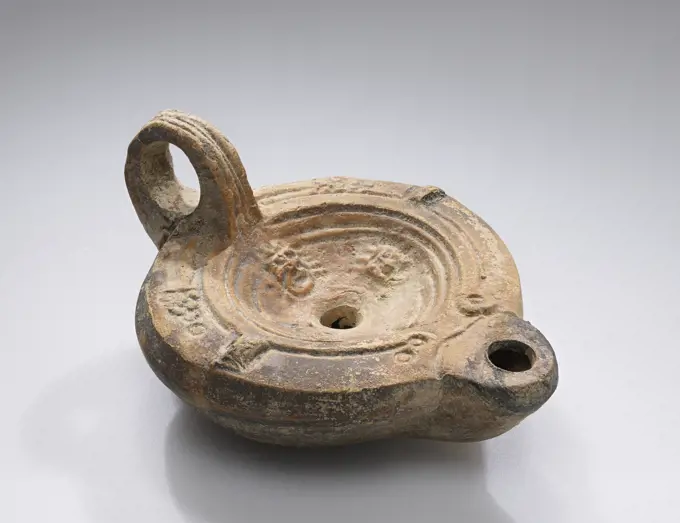
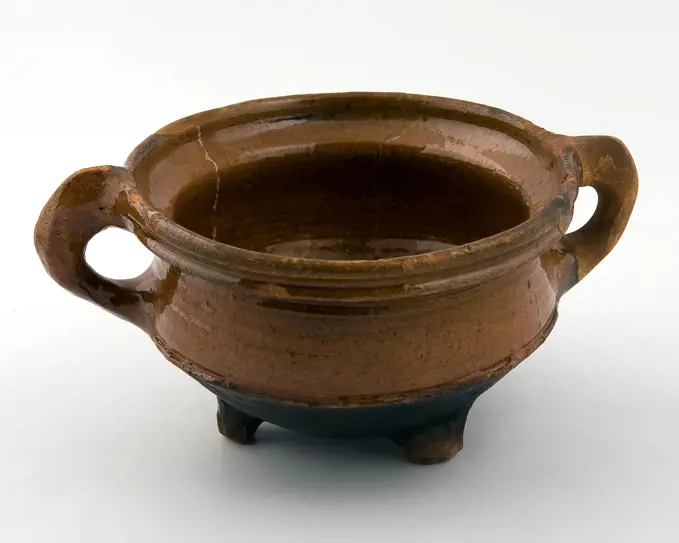
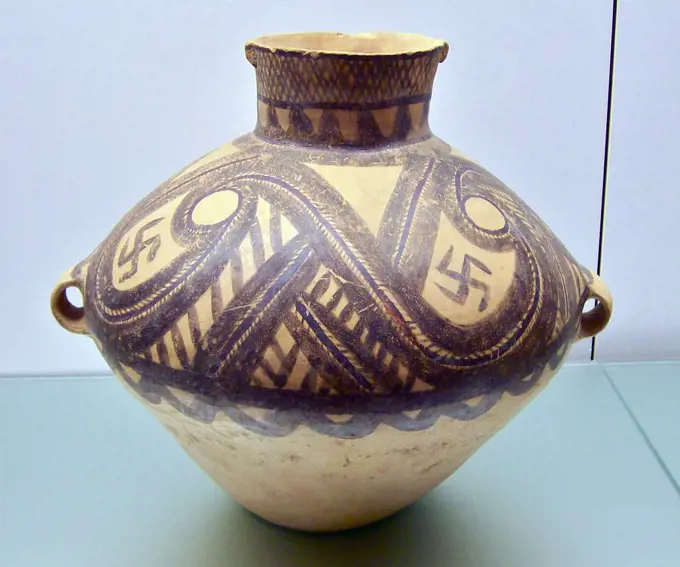
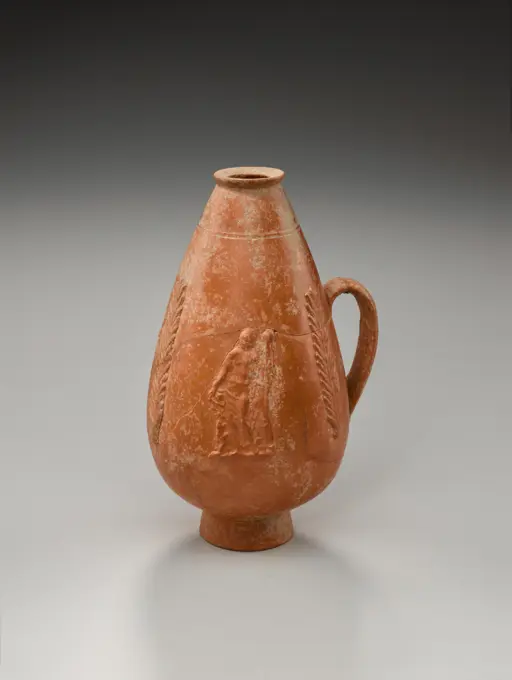
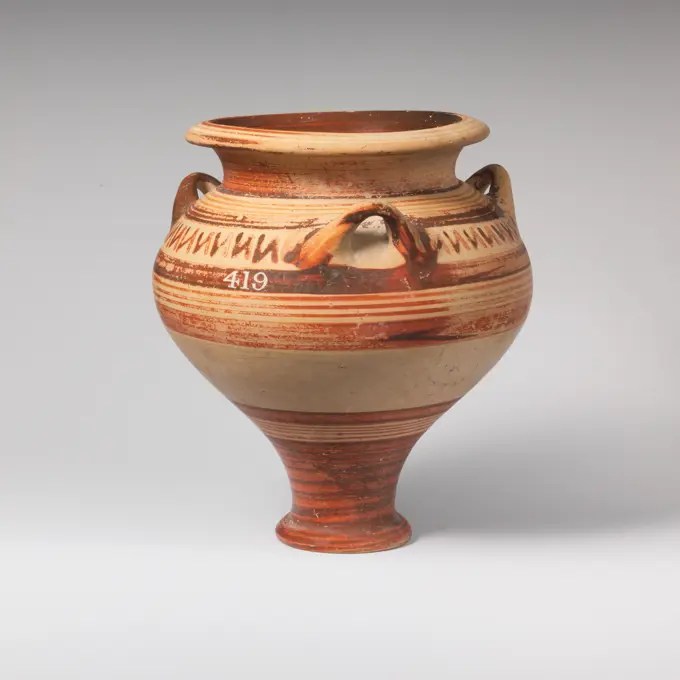
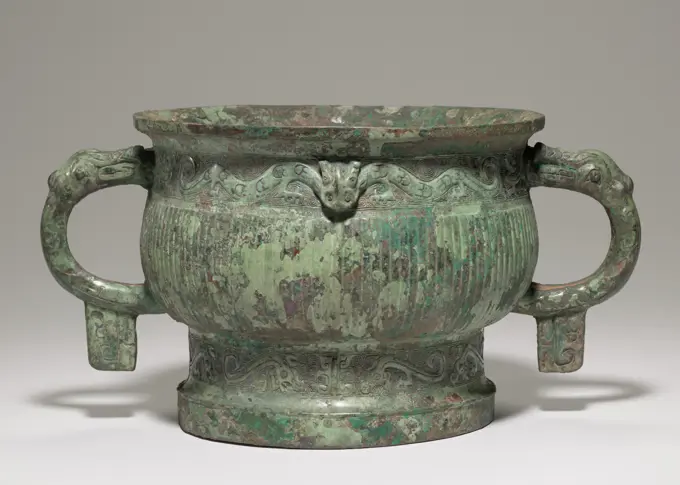
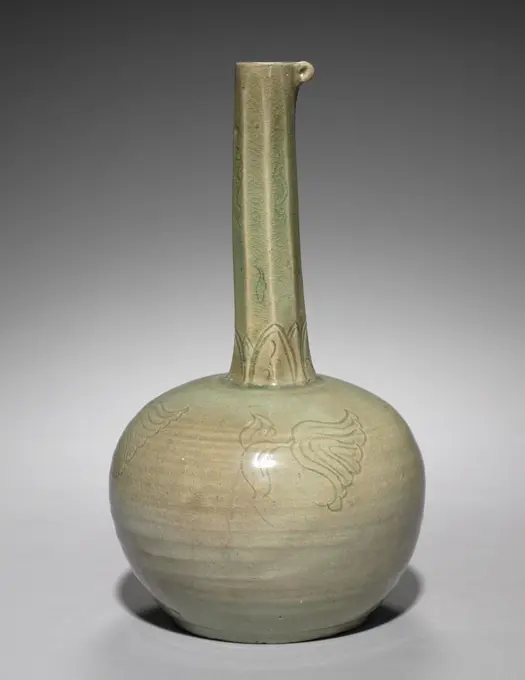
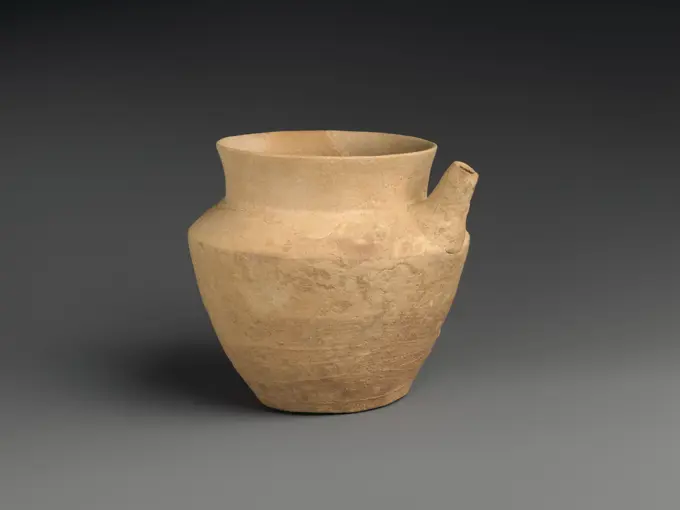
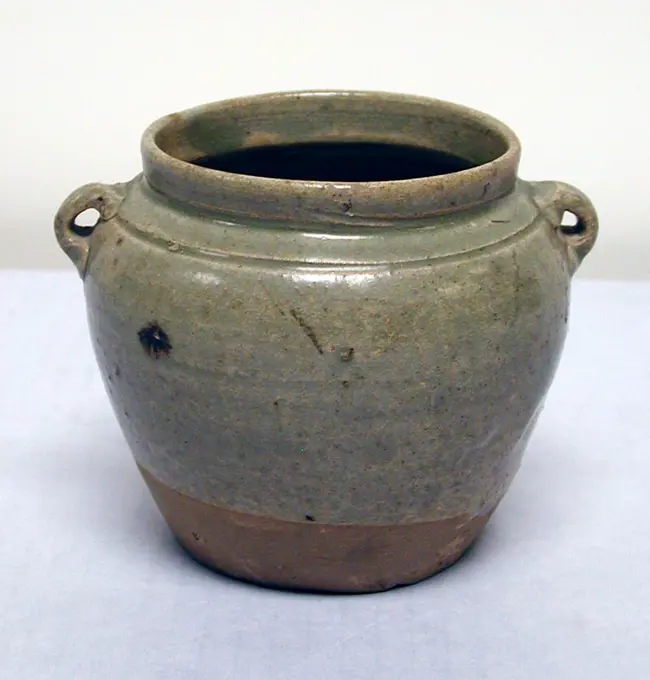
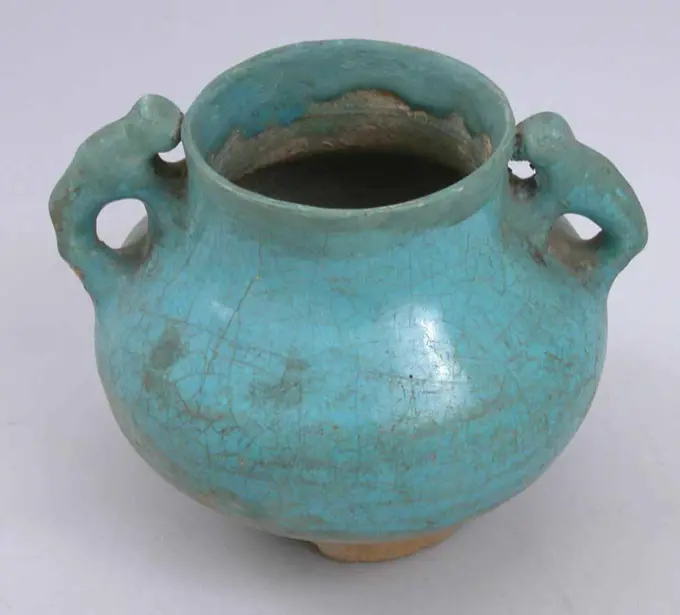
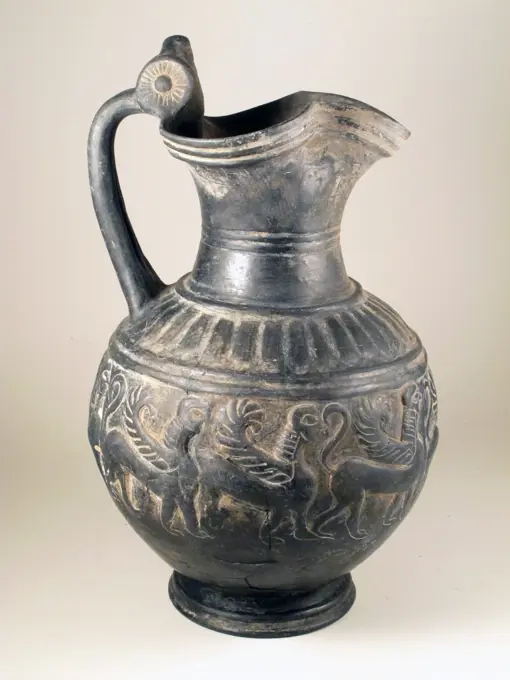
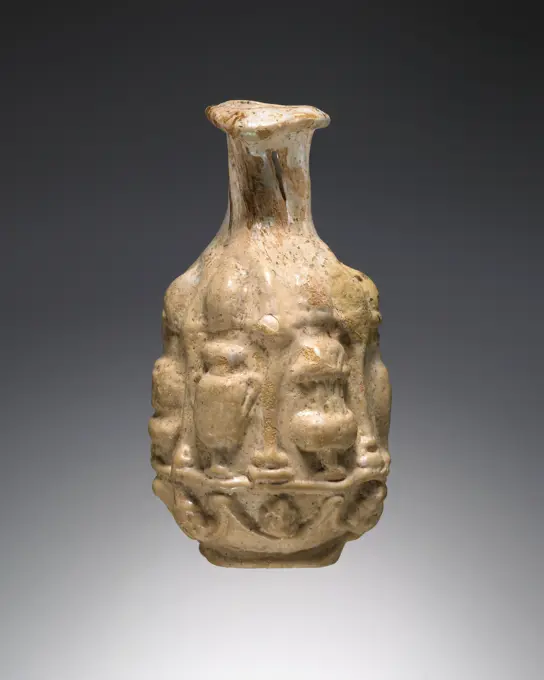
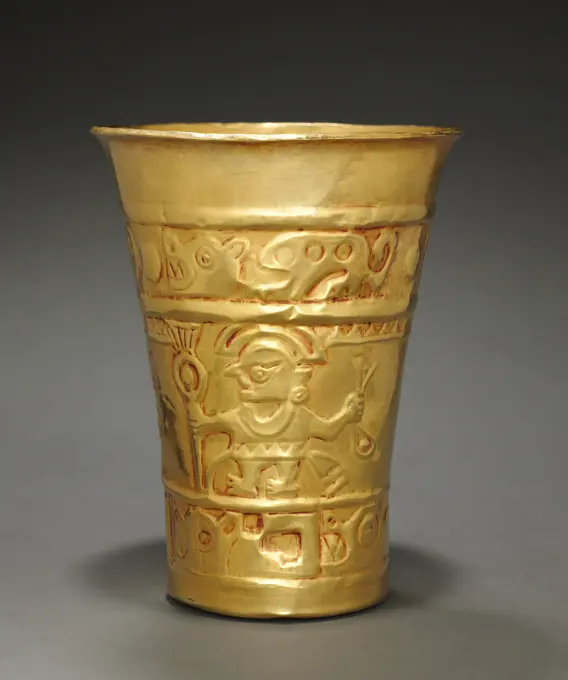
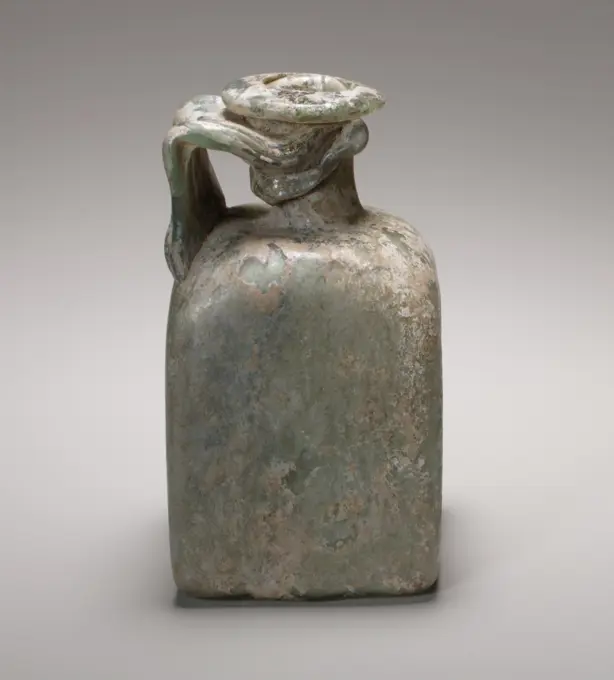
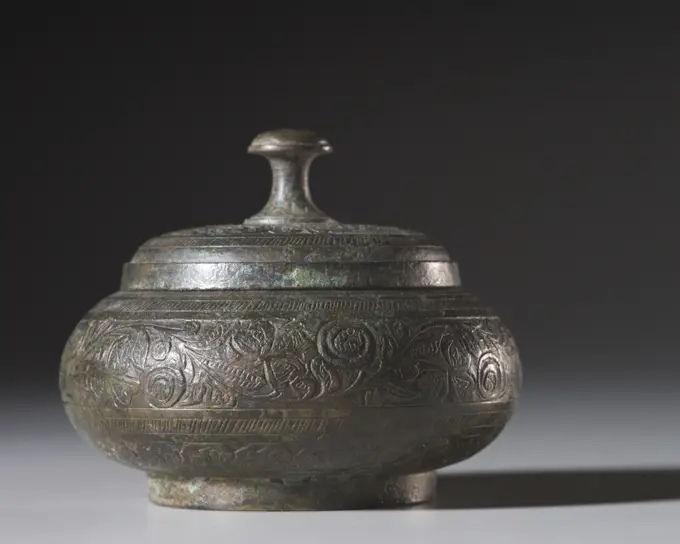
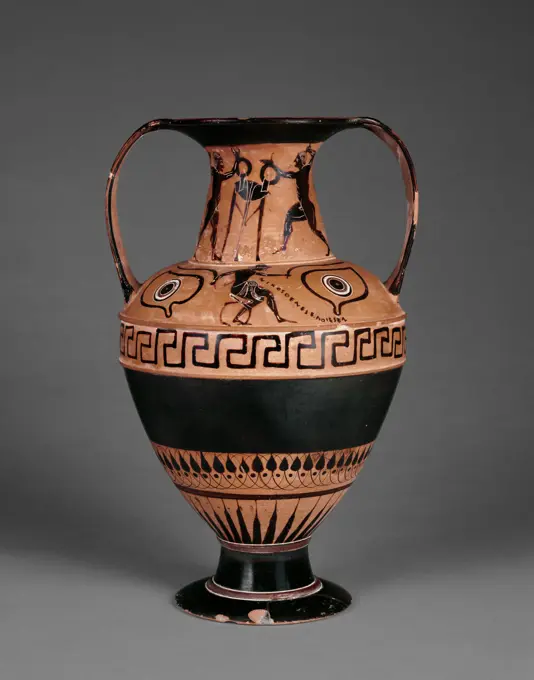
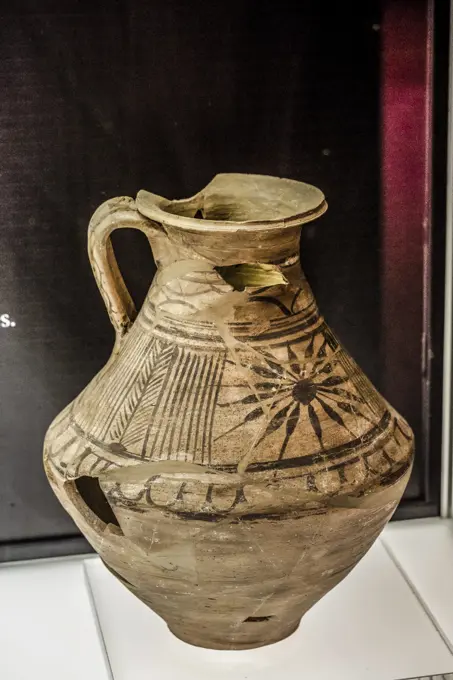
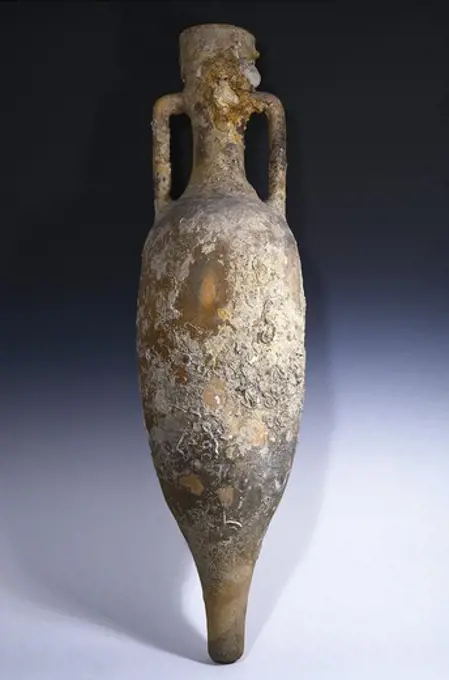
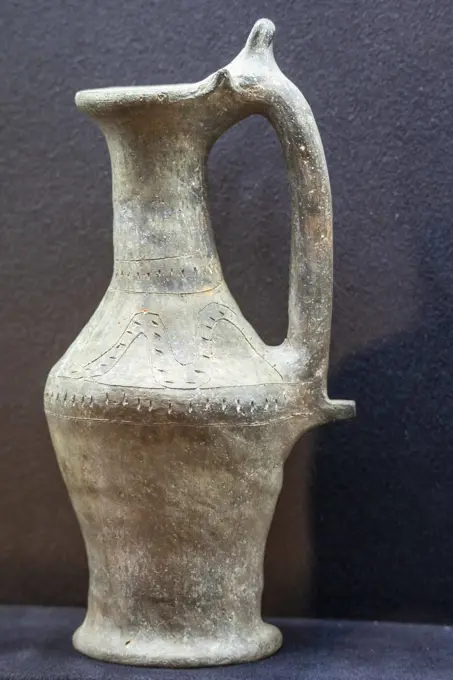
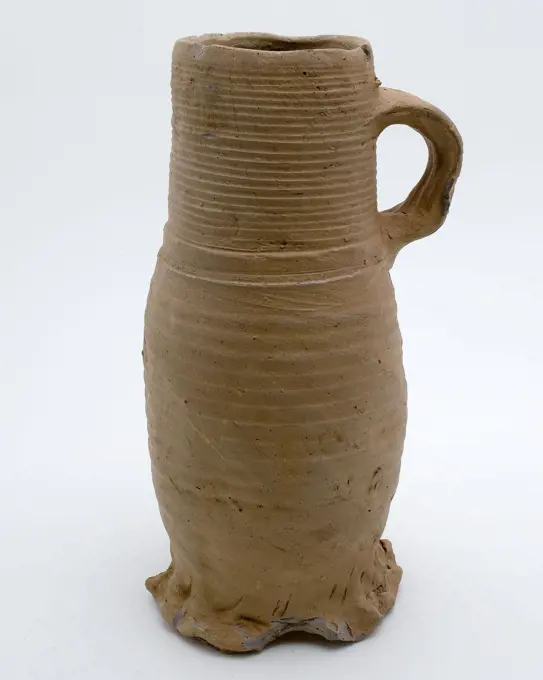
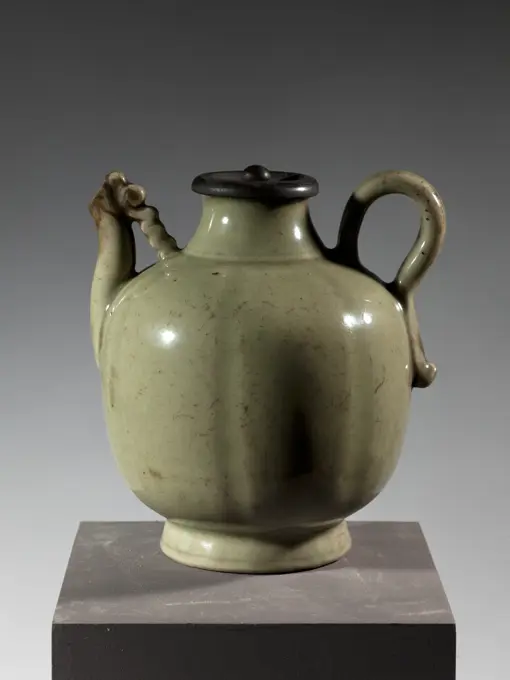
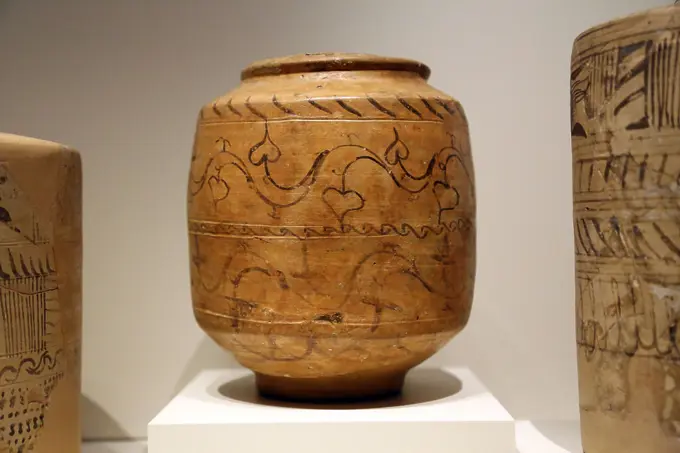
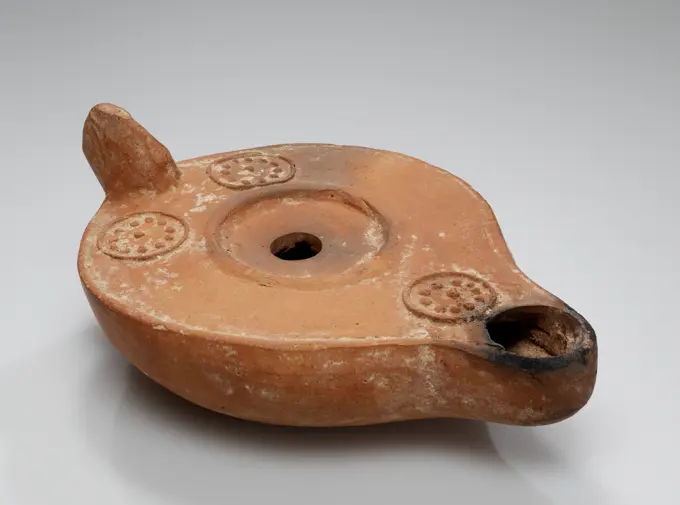
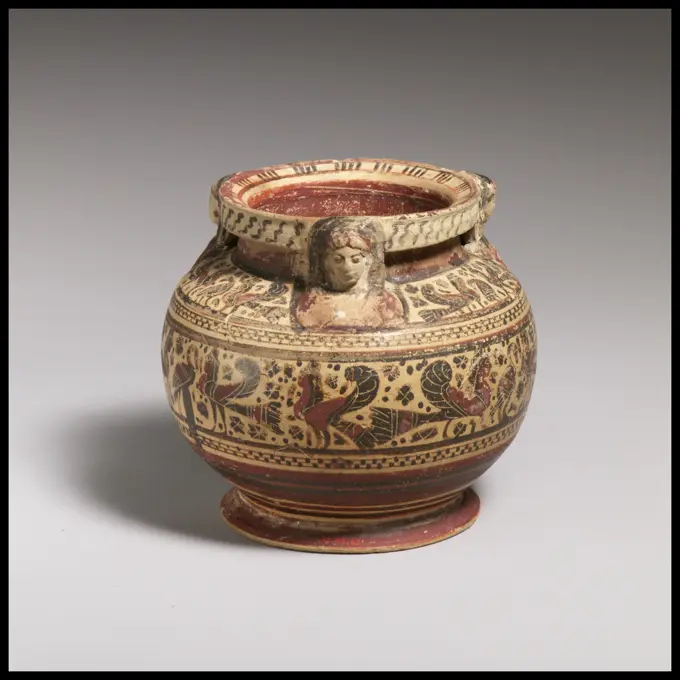
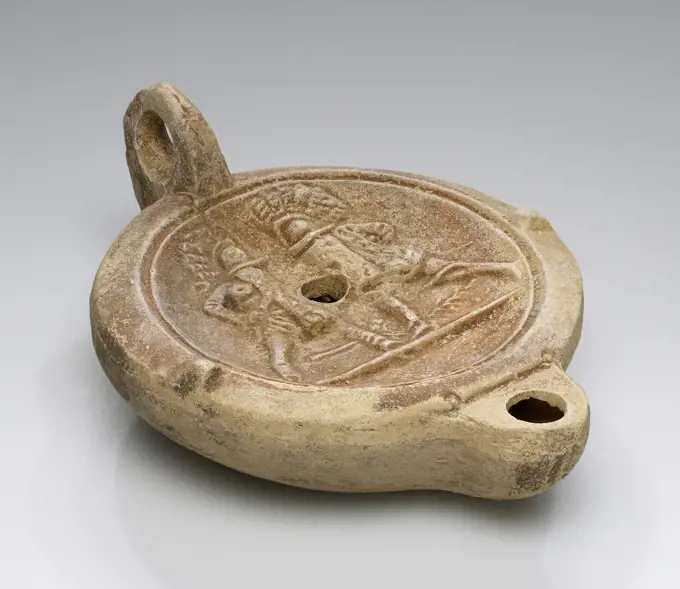
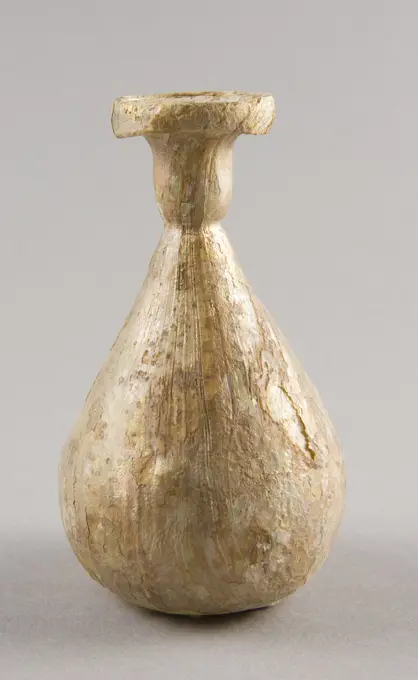
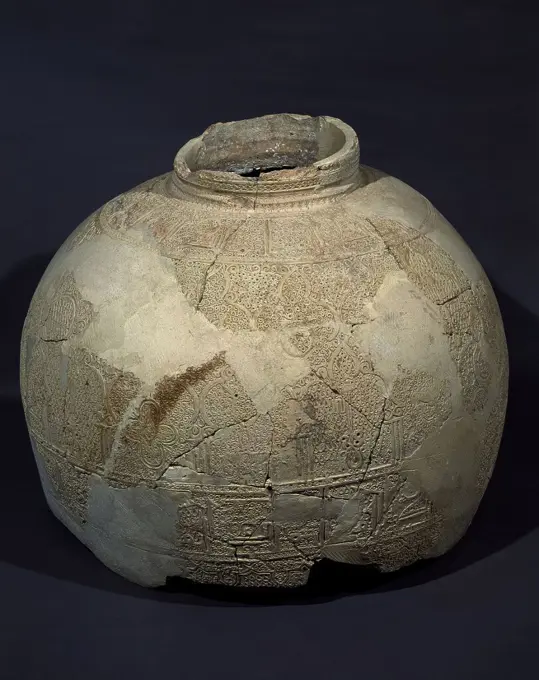
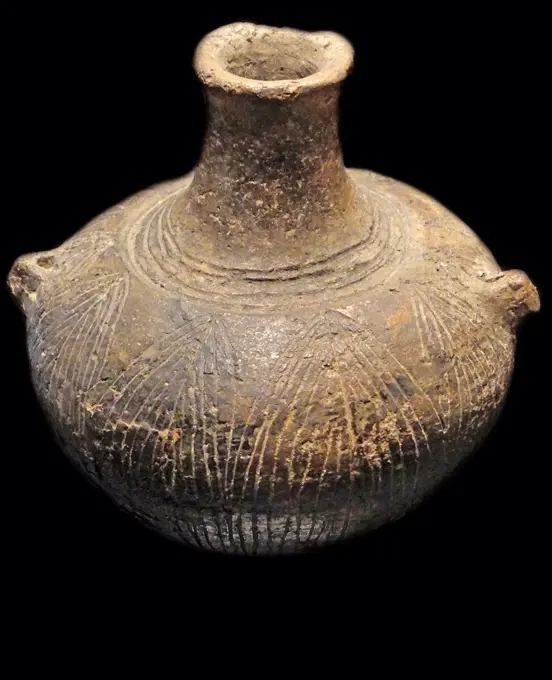
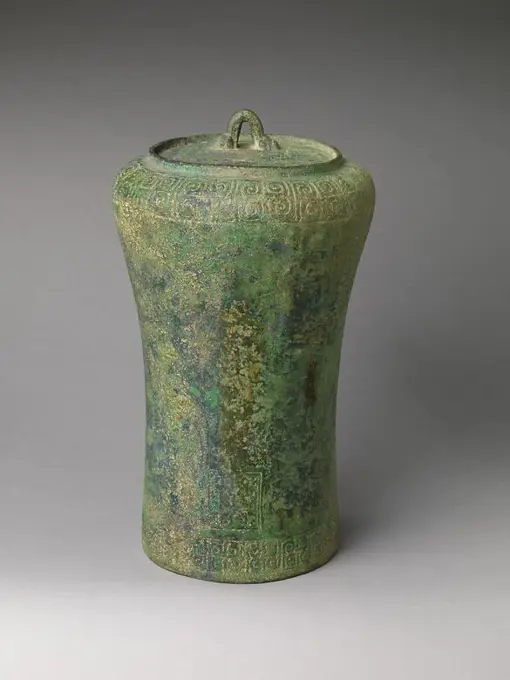
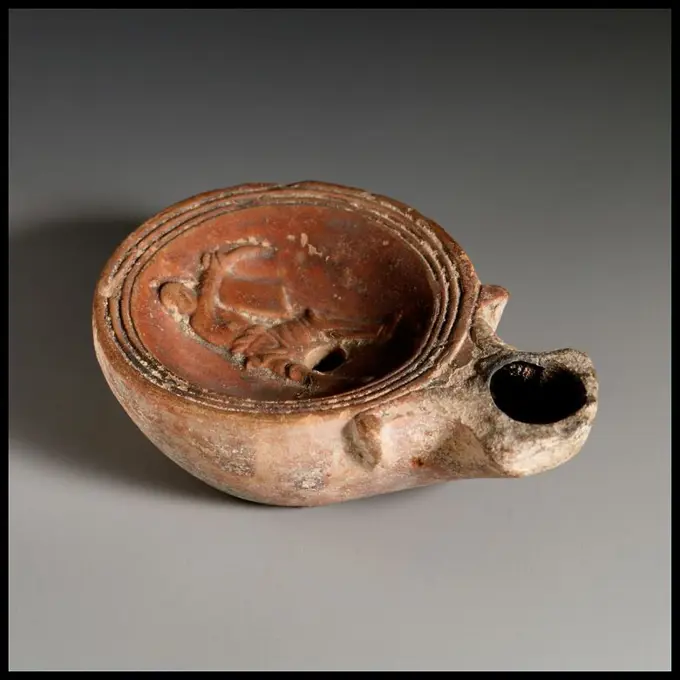
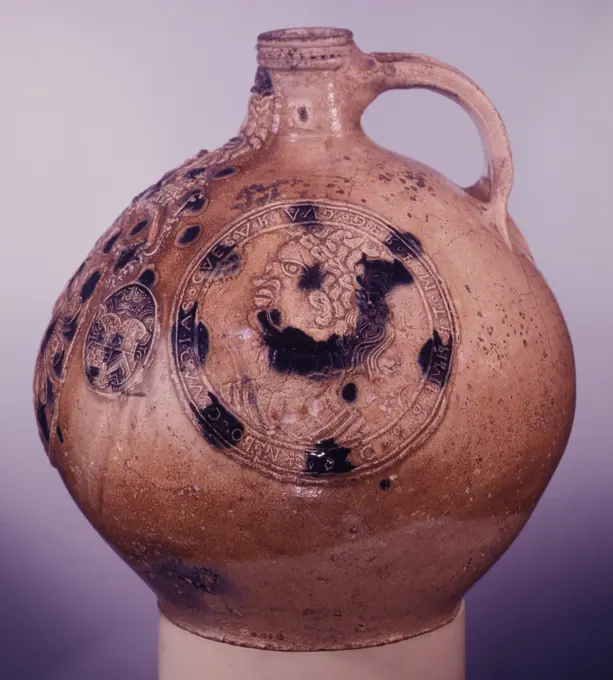
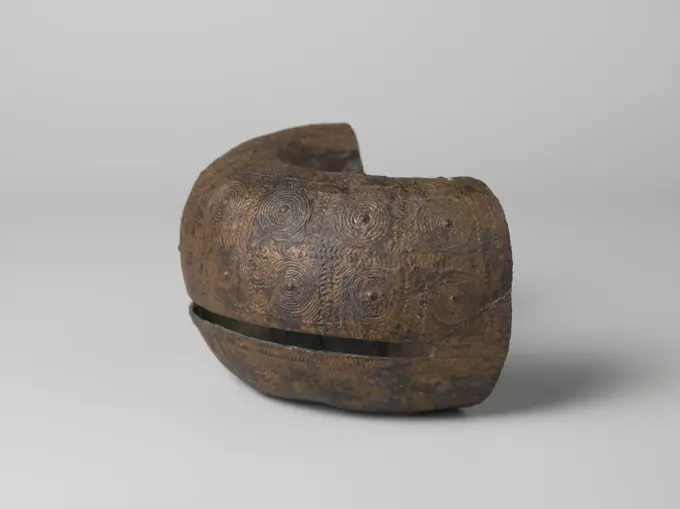
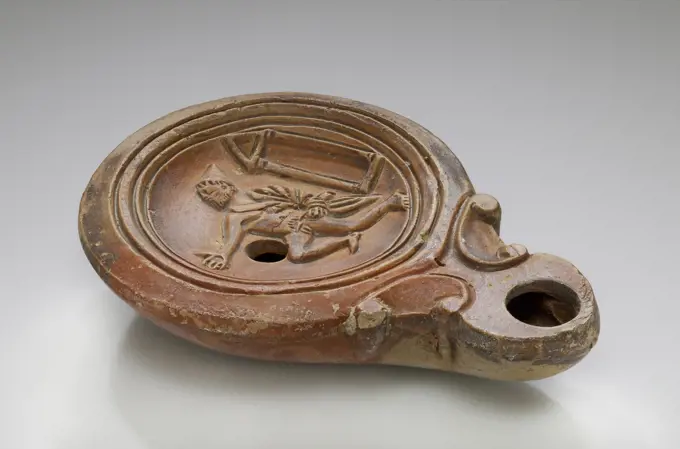
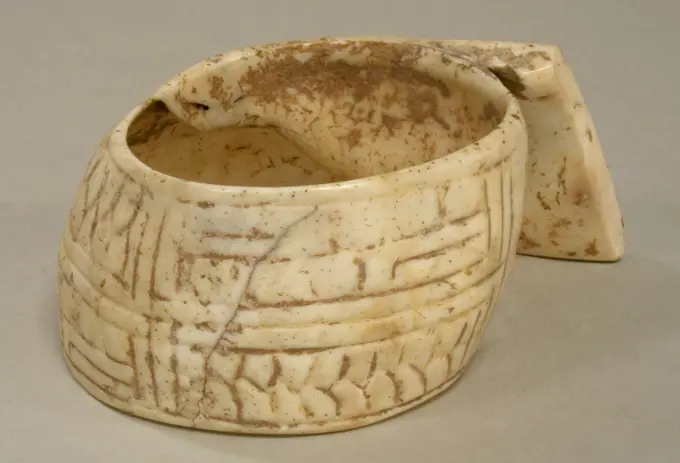
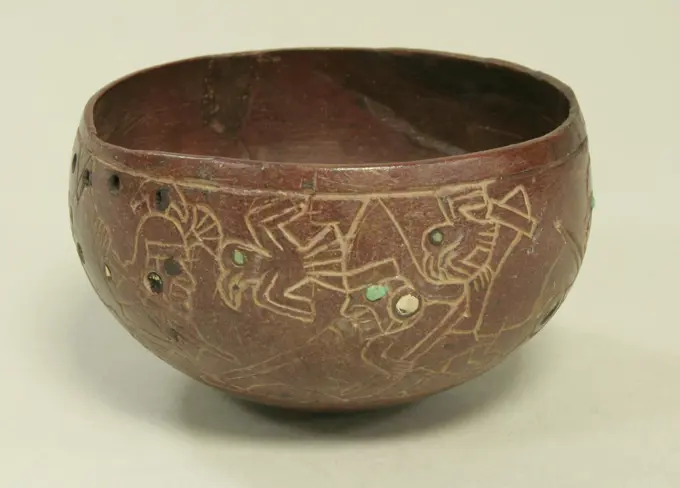
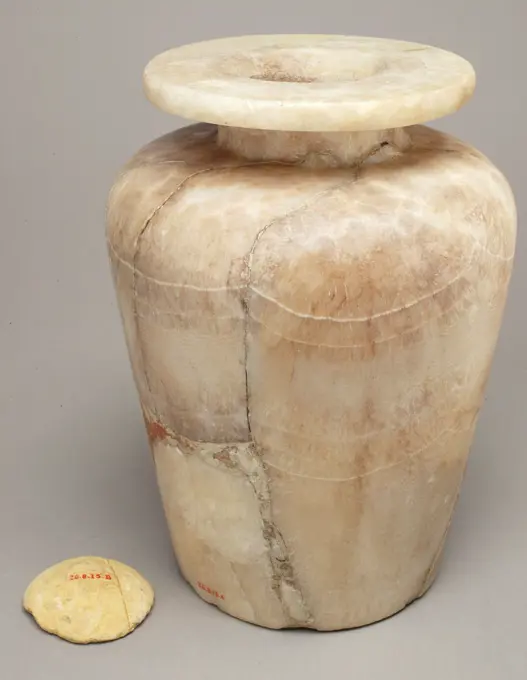
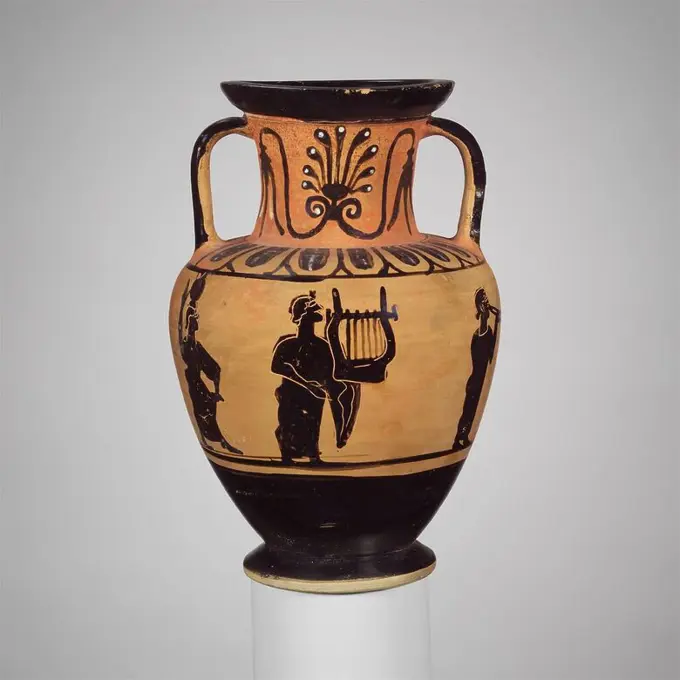
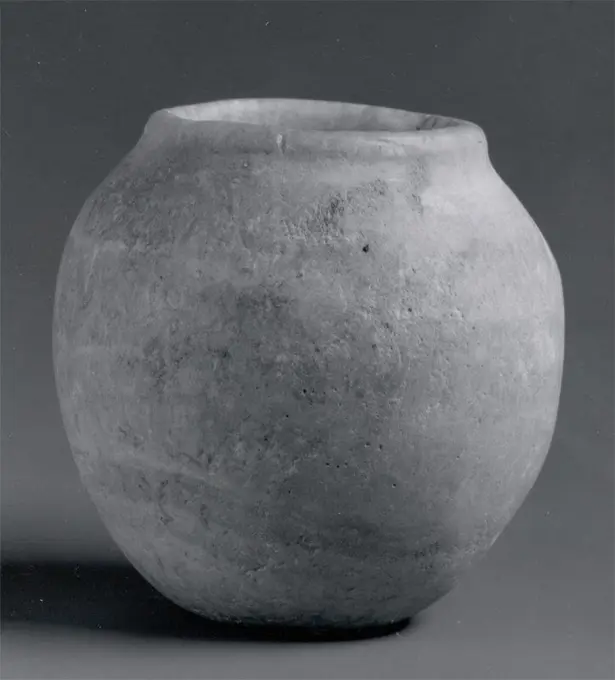
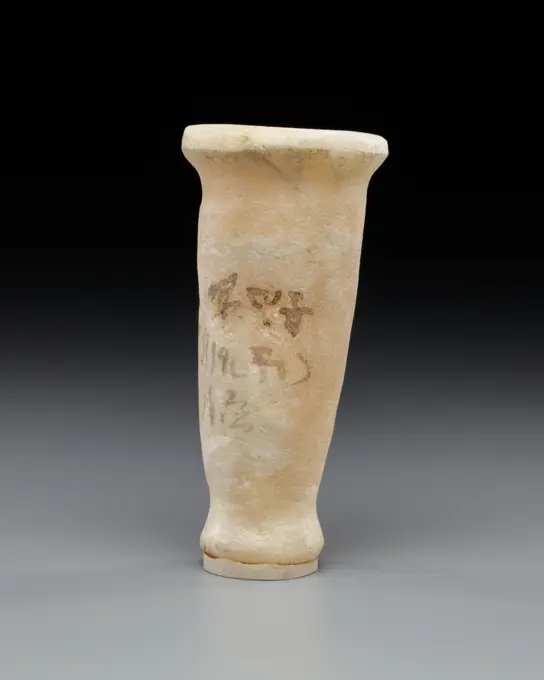
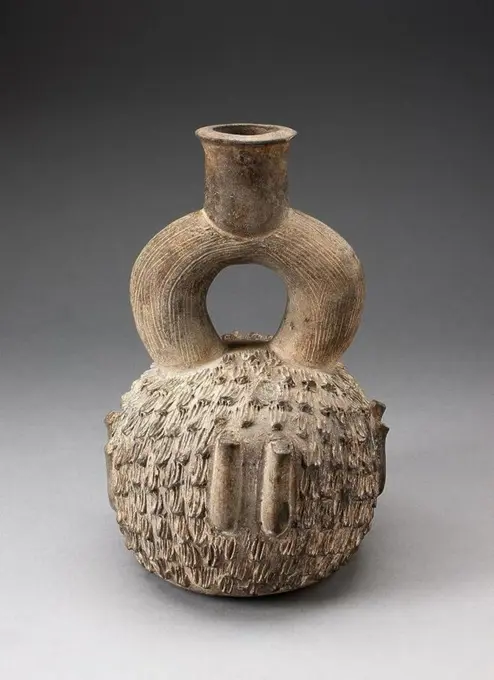
Stirrup Spout Vessel with Raised Appliques Covering the Surface. Cupisnique; North coast, Peru. Date: 1000 BC-200 BC. Dimensions: H. 24.1 cm (9 1/4 in.). Ceramic. Origin: North Coast. Museum: The Chicago Art Institute, Chicago, USA.Lamp; Italy; 2nd century; Terracotta; 4.4 × 7 × 9.5 cm (1 3,4 × 2 3,4 × 3 3,4 in.)Pottery cooking pot on three legs, with two standing bands, grape cooking pot tableware holder kitchenware earthenware ceramics pottery glaze lead glaze, hand turned glazed baked Pottery cooking pot with two pinched vertical bandors Wide top edge collar under the top edge on the outside. Internal fully glazed exterior to the shoulder lead glaze. Turning on the shoulder. Three legs. traces of use: soot on the underside and scratches on the bottom on the inside Restauration is repainted archeology underground pit Rotterdam Kralingen Muted Slaak indigenous pottery cooking kitchen food preparation of food Soil discovery underground pit Muted Slaak January 18, 1978.Neolithic pottery vessel, decorated with swastikas, Art Museum, Hong Kong, 2010.Glass hexagonal jug. Culture: Roman, Syrian. Dimensions: H.: 4 7/8 in. (12.4 cm). Date: 6th-early 7th century A.D..Translucent yellow green, with trail and handle in green.Outsplayed rim folded outward, over, and inward; funnel-shaped mouth joining cylindrical neck that expands downwards; slightly pushed-in horizontal shoulder with downward curving outer edge; hexagonal body, tapering downwards, with slightly impressed side panels; deeply pushed-in bottom, with traces of central pontil; rod handle, applied in a large pad on edge of shoulder, drawn up and outward, then curved round and trailed onto underside of mouth and rim, with trail extending above upper edge of rim.On neck, single trail applied as a pad, drawn round and down to join handle pad; on body, six rectangular panels, decorated with matching pairs of three different geometric relief patterns: two vertical lozenges with central dots and half lozenges to either side, a lattice of diamond-shaped bosses, and a stylized palmJar 9th-10th century. Jar 448727Oval-shaped vase with onehandleJar (Hu) with Two Loop Handles. China. Date: 99 BC-1 BC. Dimensions: H. 10 5/8 in. Stoneware with underglaze incised decoration and ash glaze. Origin: China. Museum: The Chicago Art Institute, Chicago, USA.Non -peak vessel;  Unspile (0-00-00-0-00-00);Offering Jar. Culture: Japan. Dimensions: H. 14 in. (35.6 cm). Date: 5th-6th century. Museum: Metropolitan Museum of Art, New York, USA.Hu wine vessel, late 9th-8th century BCE, 13 3/4 × 9 1/8 × 9 in., 11.7 lb. (34.93 × 23.18 × 22.86 cm, 5.3 kg), Bronze, China, 9th-8th century BCEJar ca. 1295-1070 B.C. New Kingdom, Ramesside. Jar 553607Terracotta oinochoe (jug) 6th century B.C. East Greek, Milesian, Fikellura Decorated with cable pattern on the neck, myrtle wreath on the shoulder and crescents and tongues on the body.. Terracotta oinochoe (jug) 255529Tripode vase. Bronze. Chine. Par musée musée malée. 70004-31 Bronze, dishes, ding vase, tripod vaseTerracotta one-handled cup ca. 1600-1450 B.C. Minoan One-handled, bands inside and on rim, dark-on-light ware.. Terracotta one-handled cup. Minoan. ca. 1600-1450 B.C.. Terracotta; Dark-on-light ware. Late Minoan I. VasesGlass jug. Culture: Roman. Dimensions: 10 13/16in. (27.5cm). Date: 4th century A.D..Translucent blue green; handle and base in same color.Rim folded out, round and in; broad, conical mouth; cylindrical neck; slender ovoid body; broad, outsplayed, applied foot ring with irregular tooling marks on upper surface; deep concave bottom with irregular tooling marks around flat center with pontil mark; broad strap handle applied to upper body, drawn up vertically, then tooled in and attached to rim and underside of mouth, and trailed off above.Intact; few bubbles in body but many elongated bubbles in handle; limy encrustation, faint weathering and iridescence.Tall, one handled green jug with flaring lip; colored blown glass. Museum: Metropolitan Museum of Art, New York, USA.Pottery vessels Ceramic.Cup 15th century French. Cup 465892 French, Cup, 15th century, Earthenware, Overall: 1 3/4 x 2 1/2 in. (4.4 x 6.4 cm). The Metropolitan Museum of Art, New York. Gift of J. Pierpont Morgan, 1917 (17.194.2205)Jar with Painted Decoration Made 3500 BCE-3200 BCE Egypt. The form of this pottery jar imitates the more costly vessels made of stone. The swirl pattern is characteristic of the late Predynastic Period.. Ceramic, pigment . Ancient EgyptianSueki ceramic Olla subovoidale, ceramic sueki, Japan. Japanese Civilisation, Kofun period, 3rd-6th century.Jar: Cizhou ware, 907-1125. China, Manchuria, Liao dynasty (916-1125). Glazed stoneware; overall: 27.4 cm (10 13/16 in.).Terracotta pithoid jar ca. 1400-1050 B.C. Mycenaean Pear-shaped vase with three handles, bands, and conventional pattern.. Terracotta pithoid jar. Mycenaean. ca. 1400-1050 B.C.. Terracotta. Late Helladic III. VasesGui (ritual food vessel), 11th-10th century BCE, 6 1/4 × 12 5/16 × 724 in. (15.88 × 31.27 × 1838.96 cm), Bronze, China, 11th-10 century BCE, This vessel form, known as gui, was used to hold food in ritual ceremonies during the Bronze Age. The band under the lip is a pair of bifurcated dragons, whose rounded, undulant double body is patterned with intaglio tulip-shaped designs. In the frieze encircling the foot two pairs of S-shaped dragons, on each side of the body, are arranged around relief ridges coaxial with the horned dragon head in the upper border. The spilt representation of dragon begins to appear in the bronze decoration during the mid-Shang dynasty (c. 15th-14th century BCE). The fascinating design was adopted to decorate vessels in various forms, yet its connotation remains mysterious. One speculation holds that the inside of the vessel would correlate with the inside of the dragon and hold all of the power associated with the dragon.Silver pitcher, from the Rozovec burial complex, Plovdiv Region, Bulgaria. Thracian Civilization, 4th Century BC.Long-necked Bottle with Incised Floral Design, 1100s-1200s. Celadon ware with incised and carved decoration; overall: 32.2 cm (12 11/16 in.); outer diameter: 18.4 cm (7 1/4 in.).Ovoid Covered Jar With A Light Blue Glaze. Lid of egg-shaped stoneware lid pot, covered with a light blue / gray-white glaze. A chip in the edge of the lid has been restored.Lamp. UnknownSpouted jar ca. 2900-2700 B.C. Sumerian. Spouted jar 325428Jar (Guan) late 4th-first half of 5th century China. Jar (Guan) 50708Jar 12th century. Jar 451618Jug with the fall of man, anonymous, c. 1560 - c. 1580 Jug of stoneware on the standing surface with an egg -shaped body and narrow neck. The C-shaped ear is attached to the neck and shoulder. Profile on the neck. The body is covered with hiring. Three printed and imposed medallions on the belly in relief. In the middle a representation of the fall, with Adam, Eve and God in Paradise. On either side of this a medallion with stylized oak ranks. Attached to the ear a pewter frame with lid. On the inside of the lid marked with a flower. Siegburg. Siegburg Stoneware. Glaze. frame: tin (metal) vitrification Jug of stoneware on the standing surface with an egg -shaped body and narrow neck. The C-shaped ear is attached to the neck and shoulder. Profile on the neck. The body is covered with hiring. Three printed and imposed medallions on the belly in relief. In the middle a representation of the fall, with Adam, Eve and God in Paradise. On either side of this a medallion with stylized oak rankOinochoe 7th-6th century B.C. Etruscan. Oinochoe. Etruscan. 7th-6th century B.C.. Terracotta. Archaic. VasesFlask. UnknownKantharos Bucchero Nero;  End of VII - the beginning of the 6th century BC (-625-00-00--575-00-00);Vase with Trumpet Foot. Egypt, Naqada I Period (4000 - 3500 BCE). Furnishings; Accessories. BasaltLamp; Roman Empire; perhaps second half of 2nd century; Terracotta; 4.4 × 8.5 × 10.7 cm (1 3,4 × 3 3,8 × 4 3,16 in.)Beaker, c. 800-1370. Peru, North Coast, Sicán. Hammered and embossed gold alloy; overall: 15.2 x 12 cm (6 x 4 3/4 in.).Glass square bottle 2nd-3rd century A.D. Roman Translucent pale blue green; handle in same color.Broad rim folded out, over, and in, flattened on top; short cylindrical neck, with tooled indent around base; partially concave shoulder with rounded, sloping corners; flat, vertical sides; slightly uneven, concave bottom; broad strap handle, with combed decoration on outer surface, attached to outer edge of shoulder, drawn up vertically, turned in a right-angle and applied in thick fold to neck below rim.Molded decoration on bottom comprising three concentric ridges.Broken and repaired but complete; pinprick bubbles; dulling, pitting, and iridescent weathering.. Glass square bottle 244599BEBEDERO DE PAJAROS - VIDRIADO EL INTERIOR Y LA BOCA - SIGLO XX. Location: ALFARERIA. Rioja. SPAIN.Reliquary Box, AD 200-400. Pakistan, Gandhara, probably Swat, late Kushan period (AD 1-320). Bronze; diameter: 8.6 cm (3 3/8 in.); overall: 7 cm (2 3/4 in.). This casket in bronze represents the great variety of reliquary caskets. It is round, has a low foot, and is covered with a lid (with raised handle) that fits over the vessel rather than being inset. It is a traditional shape frequently encountered in Gandharan reliquaries, but its slight flattening and elaborate decoration imply a slightly late date. A central band of a floral creeper decorates the main body of the box and its lid, and is framed on both sides by narrower fluted bands. This type of freehand design is characteristic of the late Kusana-early Gupta period. Similar floral patterns are found in another CMA object (1972.164), the lid of a box showing combat between a man and a lion, which also dates to a later period. There the design fills the vacant areas in the busy composition. This pattern, however, has its antecePottery cooking pot, grape-model, red shard with lead glaze, two vertical sausages, on three legs, cooking pot crockery holder kitchenware earth discovery ceramics earthenware glaze lead glaze, hand turned glazed baked Pottery cooking pot grape-model red shard with lead glaze two sausages three legs archeology indigenous pottery food prepare cooking eat cuisineMycenaean Jug. UnknownPedestalled Vessel. Culture: Thailand. Dimensions: H. 9 7/8 in. (25.1 cm); Diam. 9 in. (22.9 cm). Date: ca. 300 B.C.-A.D. 300. Museum: Metropolitan Museum of Art, New York, USA.Attic Black-Figure Nikosthenic Amphora with Boxers.Pilgrim Bottle 1352 BCE-945 BCE Egypt. Ceramic and pigment . Ancient EgyptianPainted ceramic container with an indigenous tradition painted ceramic vessel with indigenous traditionFrank Maurer, Preserving Jar, c 1936 Preserving JarHispano-Roman amphora used to carry oil, wine or cereal. It comes from the coast of Catalonia. Roman art. Early Empire. Ceramics.Greek Perfume bottle. From Aryballos, 550-500 BC.Westgoten - frühes Mittelalter Westgoten - frühes Mittelalter Copyright: xZoonar.com/Tolox 22568862Glass perfume bottle. Culture: Roman. Dimensions: 1 9/16 x 1 3/16in. (3.9 x 3.1cm)Diam. of rim: 11/16 in. (1.7 cm). Date: 1st-2nd century A.D..Small perfume bottleColorless with pale blue green tinge.Rim folded out, over, and in, and flattened unevenly into mouth; cylindrical neck, with tooling marks around base; conical body with horizontal tooling marks around convex sides; slightly concave bottom.Cracked with large hole in base of body and edge of bottom on one side; many bubbles; dulling, pitting, and brilliant iridescent weathering. Museum: Metropolitan Museum of Art, New York, USA.CANTARO CON TAPA DECORADO CON INCISIONES-S XX ARTE POPULAR. Location: ALFARERIA. TIEDRA. Valladolid. SPAIN.Stoneware jug on pinch, jug crockery holder soil find ceramic stoneware, hand-turned baked Wide cylindrical neck slightly bulging belly ear pinched foot Clear rings under the ear an extra pronounced ring Beige archeology Rotterdam rail tunnel indigenous pottery import serving table Soil discovery: rail tunnel Rotterdam.Buire. Grand in couverts conspuding transparent transparent olive. Par musée musée malée. 78842-20 Asian art, table art, drink, bun, old ceramic, covered, email, gres emaille, container, table service, vase to liquorVessels painted in the indigenous style. 1st century BC-1st century AD. Arcobriga, Zaragoza, Spain. Arcobriga, Zaragoza, Spain.Spherical ointmentBowl, 20th century, 5 1/4 x 6 1/8 in. (13.34 x 15.56 cm), Ceramic, pigment, Democratic Republic of the Congo, 20th centuryTerracotta juglet. Culture: Greek, Attic. Dimensions: H. 1 1/2 in. (3.8 cm). Date: 8th century B.C..From the Hymettos deposit (see 30.118.1). Museum: Metropolitan Museum of Art, New York, USA.Earthenware bowl, red shard, sausage ear, internal lead glaze, on stand, porcelain crockery holder earth discovery ceramics earthenware glaze lead glaze, turned glazed baked Pottery ear bowl red shard horizontal set sausage ear restoration in gypsum internal lead glaze stand ring archeology indigenous pottery food prepare crockery cooking kitchenTransport AmphoraTrefoil Oinochoe. UnknownPainted bridge and spout bottle 7th-5th century B.C. Paracas. Painted bridge and spout bottle. Paracas. 7th-5th century B.C.. Ceramic, pigment. Peru. Ceramics-ContainersStorage Jar, 17th century, Unknown Japanese, 11 9/16 × 11 1/2 × 11 1/2 in. (29.37 × 29.21 × 29.21 cm), Shodai ware; stoneware with white slip, Japan, 17th centuryCANDIL DE BRONCE CON LEON RAMPANTE. MUSULMAN. (EXPOSICION :ARTE ISLAMICO ESPAÑOL)(DEPOSITO: MUSEO DE JAEN ).Jar ca. 2nd-4th century Japan Jars, cooking vessels, and footed dishes, unearthed throughout the Japanese archipelago since 1884, are the most common forms of Yayoi pottery. This piece was coil-built and paddled; firing turned the buff-colored earthenware red and black in places. Incised crescent shapes reflect an earlier tradition of pressing patterns into clay with shells.. Jar 50305old traditional vintage pot isolated on white background, studio shotLamp. UnknownBowl-Shaped Vessel with Cover (Gui) and Pierced Collar. China. Date: 25 AD-99 AD. Dimensions: H. 16.5 cm (6 7/16 in.); diam. 25.8 cm (10 3/16 in.). Stoneware with grayish-green glaze and underglaze incised decoration, gilt bronze applied to mouth-rim. Origin: China. Museum: The Chicago Art Institute, Chicago, USA.Terracotta pyxis (box) mid-6th century B.C. Greek, Corinthian On the body, frieze of animalsOn the shoulder, frieze of animals interrupted by human bustsIn this distinctly Corinthian type of pyxis, the molded busts serve as handles. On an example exhibited on the main floor in the Belfer Court (74.51.364), an inscription gives the name of each of the women--Himero, Charita, and Iopa.. Terracotta pyxis (box) 251087 Greek, Corinthian, Terracotta pyxis (box), mid-6th century B.C., Terracotta, H. 4 1/4 in. (10.8 cm); diameter of mouth 3 3/16 in. (8.1 cm). The Metropolitan Museum of Art, New York. Rogers Fund, 1921 (21.88.63)Jug with DionysiacSymbolsGray pitcher with pinched foot edge, stoneware, profile ring around neck, jug crockery holder soil find ceramic stoneware glaze salt glaze, hand-turned glazed baked Stoneware jug or jug gray shard with salt glaze with brownish stains bandoor protruding ring around the neck pinched foot. Belly model doubly conical in shape. Blurred turn of the feathers above the foot. Ear crooked attached archeology indigenous pottery import serving serve drink wine beer packingTontopf Clay pot of manual work. It is possible to store milk or other liquid Copyright: xZoonar.com/ValeryxxSibrikovx 5406240Terracotta focolare (offering tray) ca. 525-500 B.C. Etruscan Round dish with piece cut out at front, each end of cut molded into ram's head, another at back.. Terracotta focolare (offering tray) 246238Lamp, Anatolia; 1st - 4th century; Terracotta; 2.5 x 8.5 x 11.5 cm (1 x 3 3,8 x 4 1,2 in.)Bottle 101 CE-400 CE Syria. Glass, blown technique . Ancient RomanTINAJA MURCIANA ESTILO ALMOHADE - SIGLO XIII - DECORACION ESTAMPILLADA Y APLICADA. Location: INSTITUTO VALENCIA DE DON JUAN-COLECCION. MADRID. SPAIN.Pottery bottle shaped vase with a shiny black surface and incised decoration, Cycladic, 2800-2700 BC, Found on Antiparos, GreeceARTE TARTESO. ESPAÑA. JARRA DE BRONCE procedente del TESORO DE LA JOYA. Provincia de Huelva. Andalucía.Nuragic civilization. Single-handled ceramic pitcher. From Sardinia Region.PUCHERO CON TAPA VIDRIADO EN EL INTERIOR-S XX ARTE POPULAR. Location: ALFARERIA. PERERUELA. Zamora. SPAIN.Bell (Dui). Culture: China. Dimensions: H. 20 1/2 in. (52.1 cm); Diam. 11 1/4 in. (28.6 cm). Museum: Metropolitan Museum of Art, New York, USA.Terracotta oil lamp. Culture: Roman, Cypriot. Dimensions: Overall: 1 x 3 1/8 in. (2.5 x 7.9 cm). Date: ca. 20 B.C.-A.D. 25.Loeschcke Type 1A. Mold-made. Discus: gladiator standing facing forward, wearing helmet and greaves, holding small square shield in left and short, curved sword in raised right hand, with a band of lines and grooves towards edge. Volutes flanking nozzle. Within raised base ring, slightly uneven base, with impressed letters across center: FAVSII.Intact. Museum: Metropolitan Museum of Art, New York, USA.Bottle jug 1595 German, Frechen. Bottle jug. German, Frechen. 1595. Salt-glazed stoneware. Ceramics-PotteryHalf of ankle strap, decorated with concentric circles. Half of ankle strap, decorated with concentric circles.Lamp, Anatolia; 1st - 4th century; Terracotta; 2.6 x 8.5 x 11.5 cm (1 x 3 3,8 x 4 1,2 in.)Lamp. UnknownArm Band 10th-13th century Huastec. Arm Band 313127Stone Bowl with Inlays 1st century B.C.-A.D. 7th century Moche. Stone Bowl with Inlays 312633Terracotta cup. Culture: Roman. Dimensions: 2 7/16in. (6.2cm)Other: 3 7/8in. (9.9cm). Date: ca. A.D. 100.Cup of light red clay with floral decoration in relief.Barbotine drinking cups originated in Italy but were soon copied by a number of provincial workshops, especially in western Asia Minor. Museum: Metropolitan Museum of Art, New York, USA.Terracotta jug 750-600 B.C. Cypriot Fish, swastika, and zigzag decorate this jug.. Terracotta jug 240121Terracotta oil lamp. Culture: Roman. Dimensions: Overall: 1 1/4 x 4 3/8 in. (3.2 x 11.1 cm). Date: 1st half of 1st century A.D..On discus, two gladiators. Museum: Metropolitan Museum of Art, New York, USA.Inscribed shoulder jar with cartouche of Thutmose III ca. 1479-1425 B.C. New Kingdom This broad-shouldered container has the flat base, short cylindrical neck, and very broad, flat ledge rim characteristic of the nemset jar, which is associated with purification rituals and funerary rites. This example is still full of a hardened ointment. The inscription on the side reads:"The Young God, Menkheperre, Son of Re, Thutmose Perfect of Being, given life forever."The lid currently with this jar was brought into the Museum with 26.8.20 (26.8.20c). Its original lid was moved to 26.8.22 and made 26.8.22b; it was later deacessioned. Jar 26.8.22a was re-acessioned as 1987.103, without the lid.. Inscribed shoulder jar with cartouche of Thutmose III 547629Small BowlTerracotta neck-amphora (jar). Culture: Greek, South Italian, Campanian. Dimensions: H.: 8 5/16 in. (21.2 cm). Date: 5th century B.C..Around vase, procession of figures to an altarOf the major regions in Southern Italy producing painted vases, only Campania had a significant black-figure output. As the present example indicates, the technique employs a minimum of incision, making it closer to silhouette than actual figure. While dependent on Attic models, a piece such as this one is distinct in the decoration that circles the vase rather than being divided by the handles into front and back. Museum: Metropolitan Museum of Art, New York, USA.Jar ca. late 3rd-early 2nd millennium B.C. Bactria-Margiana Archaeological Complex. Jar 326759Kantine Kantine Copyright: xZoonar.com/Tolox 22568841Model Jar from a Foundation Deposit ca. 1479-1425 B.C. New Kingdom This model ointment is from one of the foundation deposits that were placed in front of the entrance of KV 42 in the Valley of the Kings. The inscription identifies the tomb's owner as Queen Hatshepsut-Merytre, principal wife of Thutmose III, whose tomb was located nearby. The inscription painted on the side begins with the title King's Great Wife (principal queen) followed by her name, bracketed by an abbreviated cartouche, and ends with the standard funerary epithet "true of voice" (justified). Another model ointment jar and a model dish from the KV 42 foundation deposits are also in the collection.For a more complete discussion of KV 42 and its contents, see the Curatorial Interpretation below.. Model Jar from a Foundation Deposit. ca. 1479-1425 B.C.. Travertine (Egyptian alabaster), paint. New Kingdom. From Egypt, Upper Egypt, Thebes, Valley of the Kings, Tomb of Queen Hatshepsut-Merytre, KV 42, foundation deposit. Amph. Menas; Unknown Egyptian workshop; 2. PO. VI - 1. PO. VII century (551-00-00-750-00-00);Semerau-Siemianowski, Władysław (1849-1938)-collection, ampoules of St. Menas, Coptic dishes, plastic vesselsCeramic vessel Sicán-Lambayeque culture 700AC-1375AC Perú.Cinerary Pyxis or jar with lid. Greek burial jar circa 8th Century BC Athens, Greece.