Ancient Terracotta Vessels

A selection of historical terracotta jars and vases from different eras, showcasing decorative motifs and traditional craftsmanship.
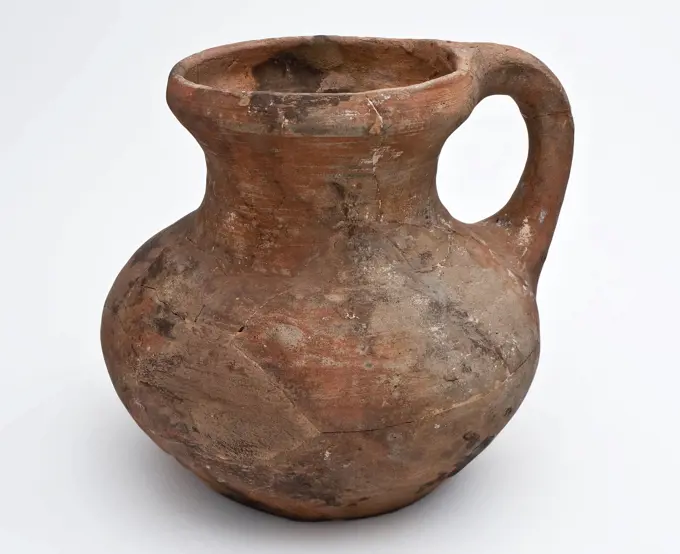
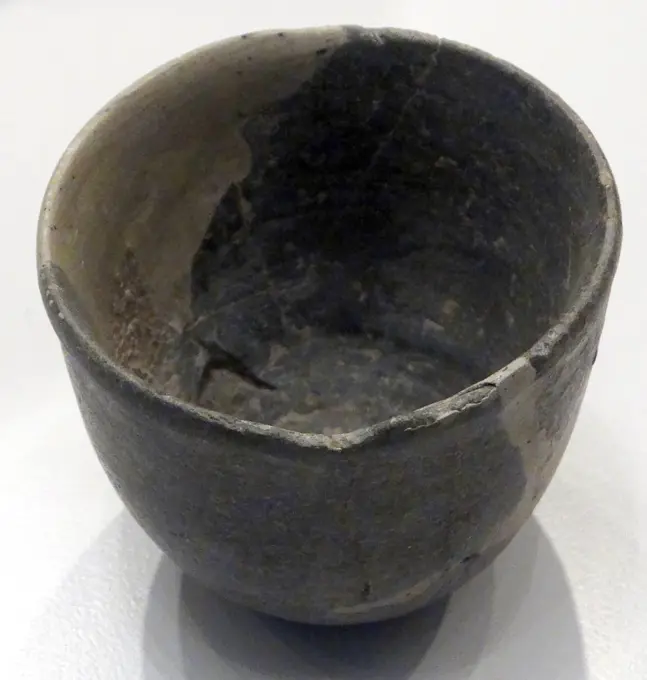
Pottery chamber pot on curved bottom, unglazed, narrow neck, pot holder sanitary earthenware ceramic pottery, belly 19,5 bottom 10,0 hand-turned baked pot brown-red earthenware unglazed vaulted bottom with soul round ear round belly long and narrow neck Shallow cuff along the neck edge. Deep finger impression next to the attachment of the ear and repair of the neck by the potter archeology Capelle aan den IJssel House in Capelle castle indigenous pottery toilet disposal night sleeping room hygiene Soil discovery: cesspool 1420-1425 house in Capelle Capelle aan den IJssel 1963.
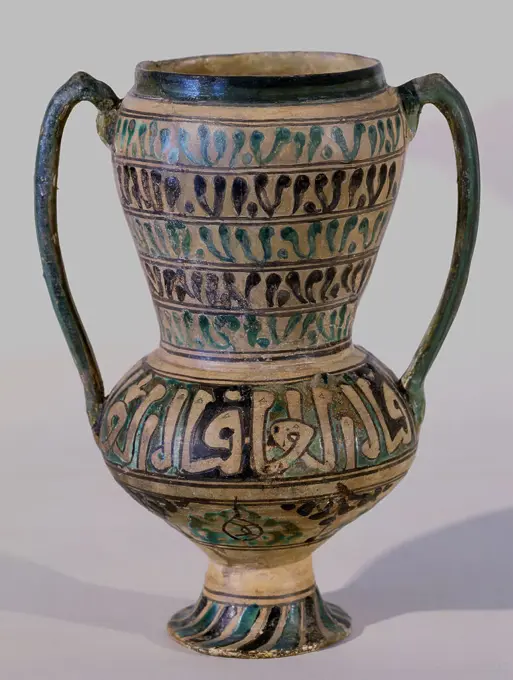
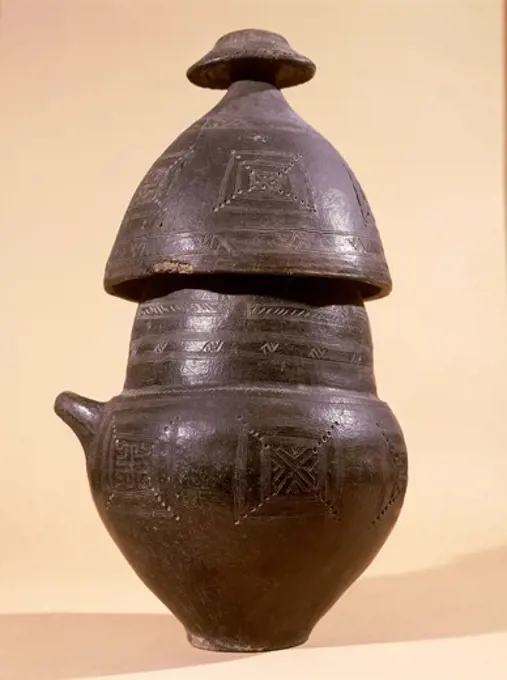
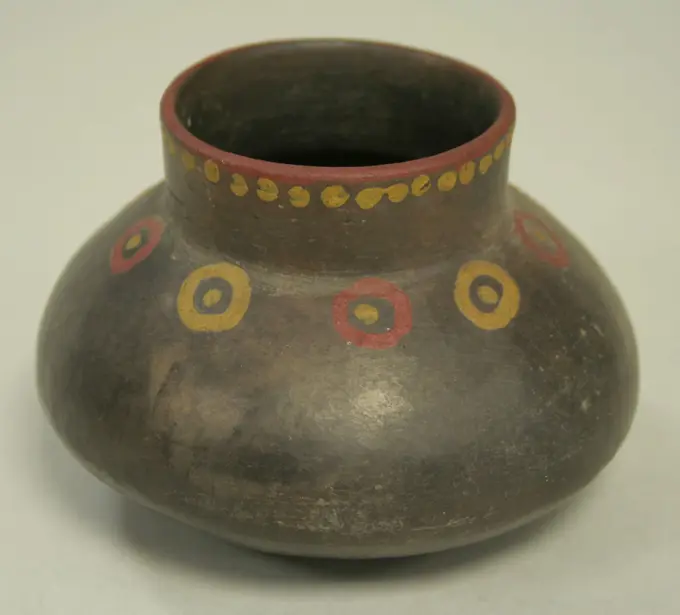
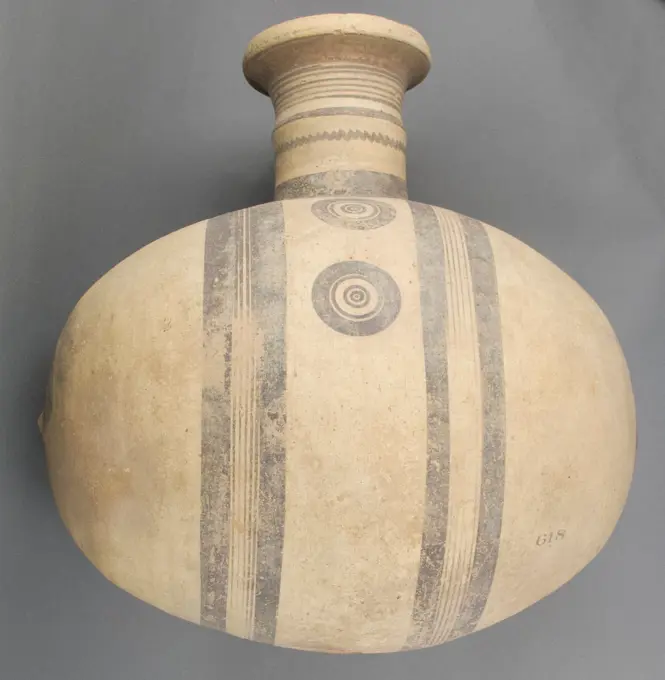
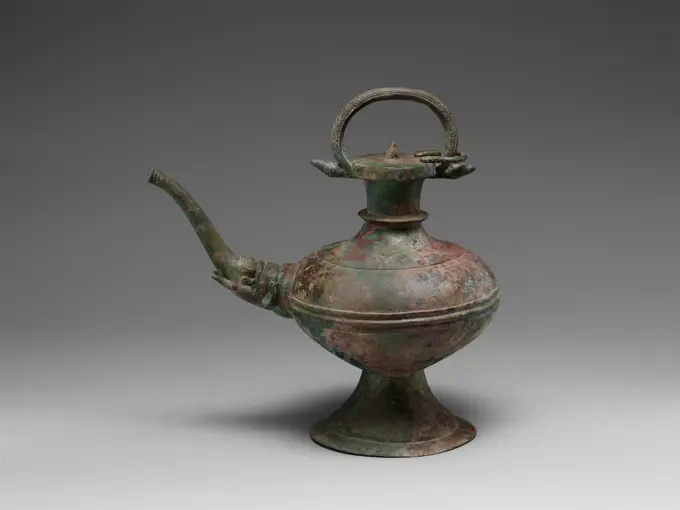
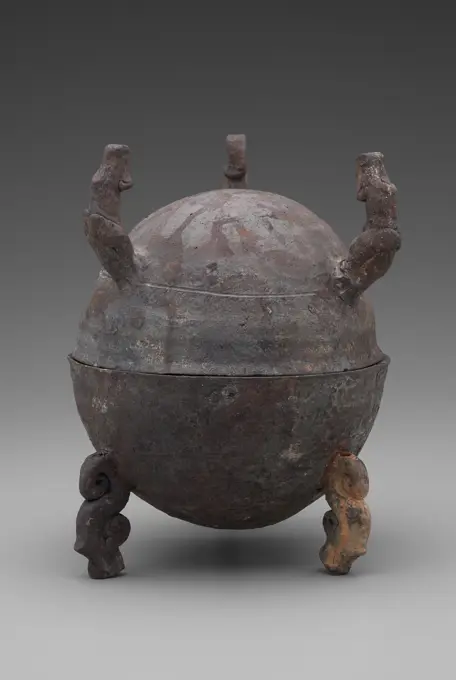
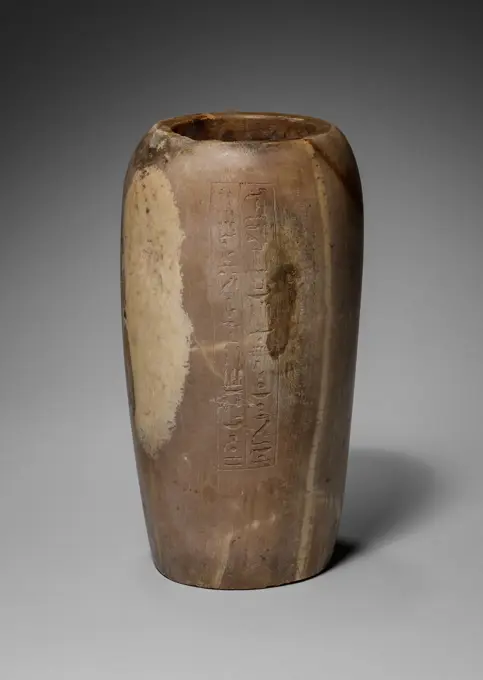
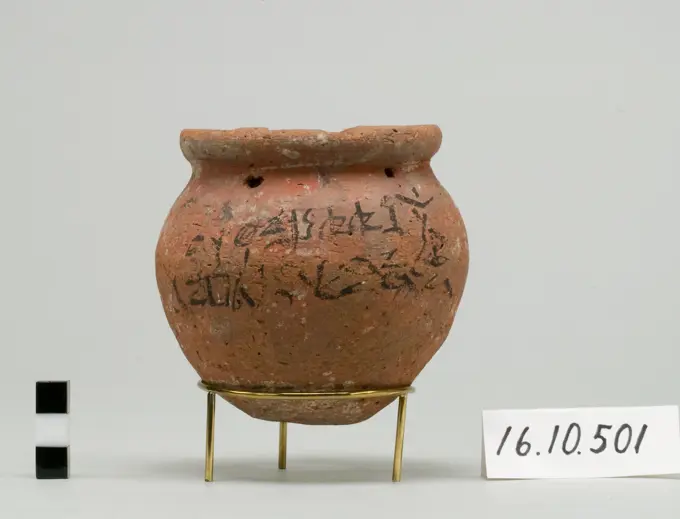
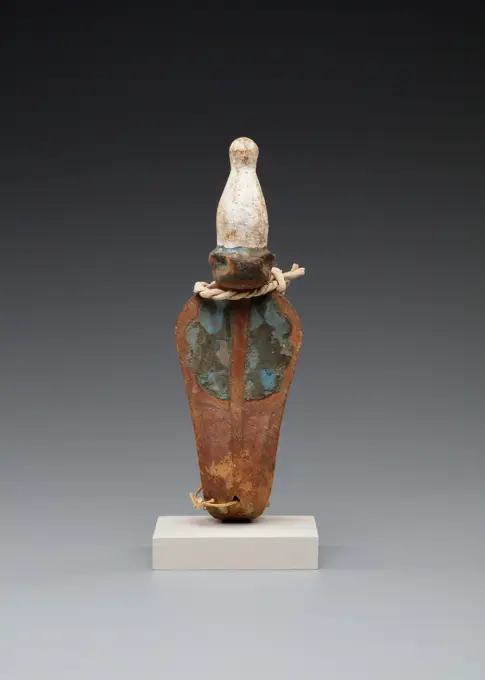
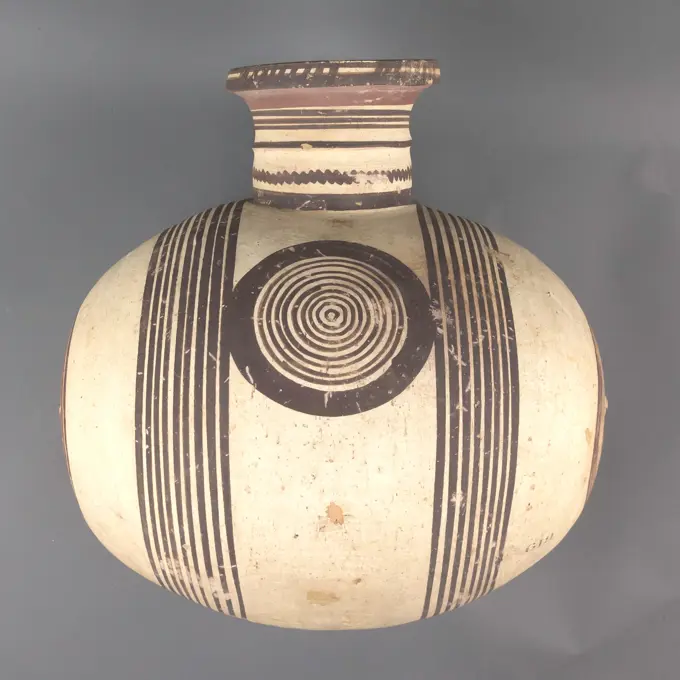
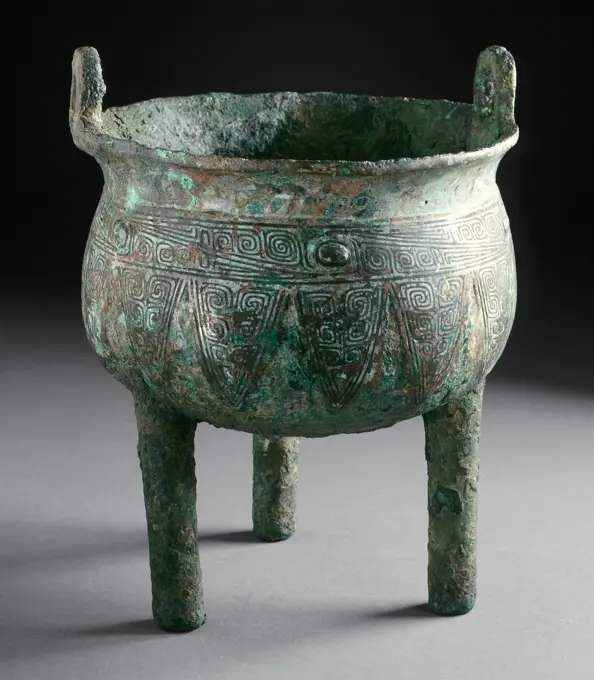
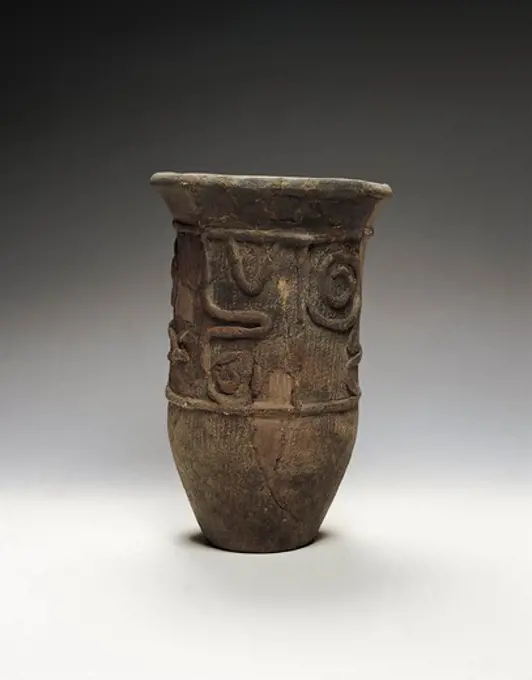
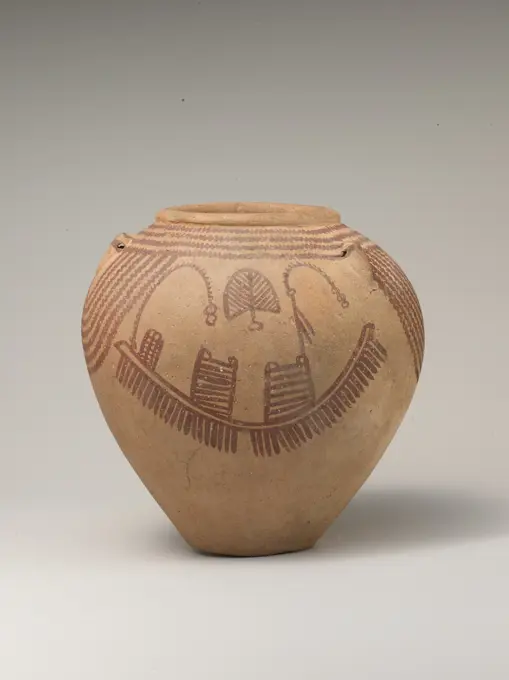
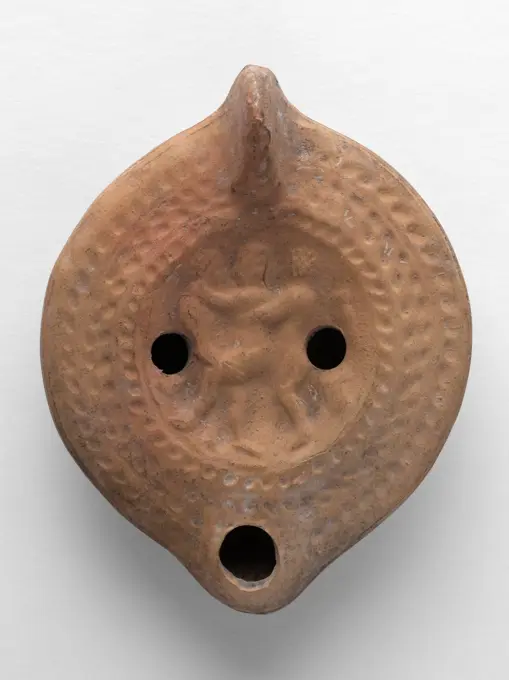
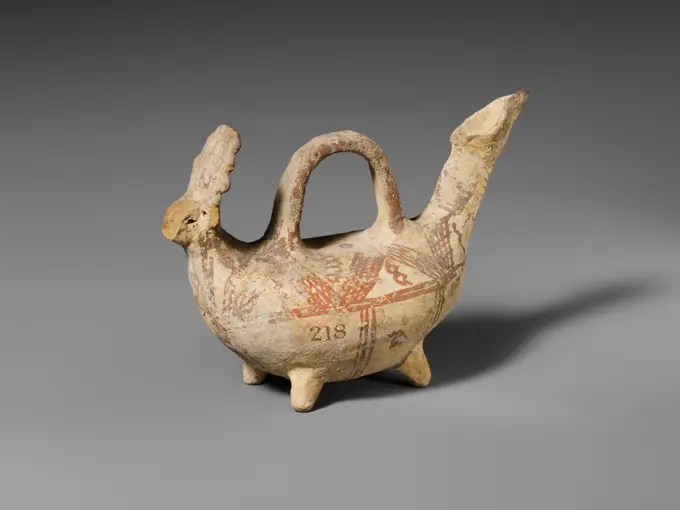
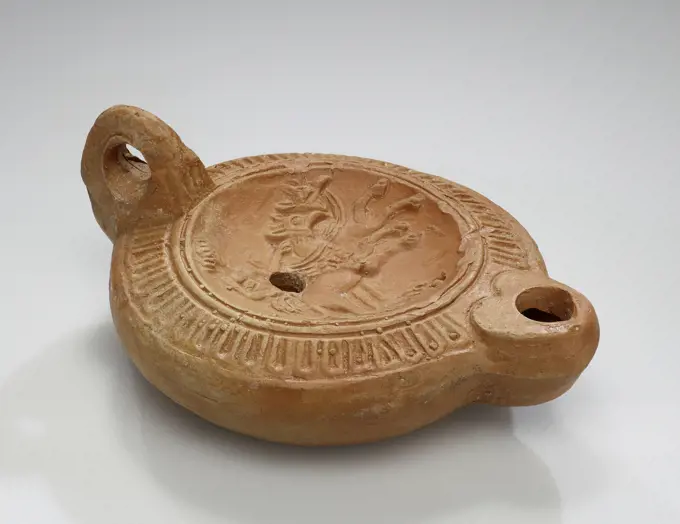
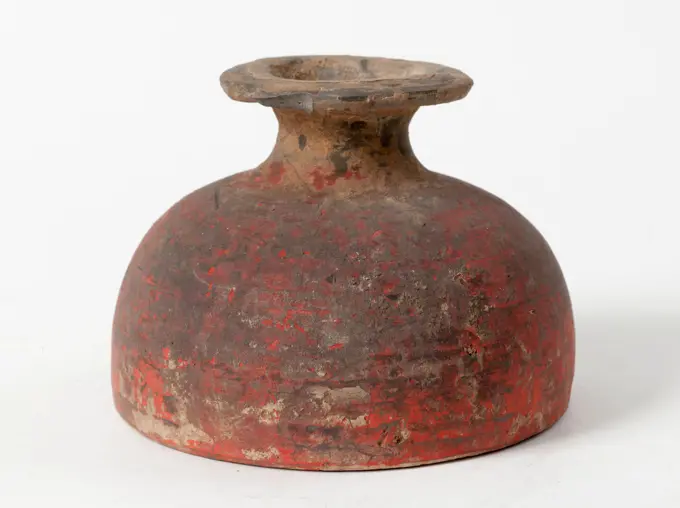
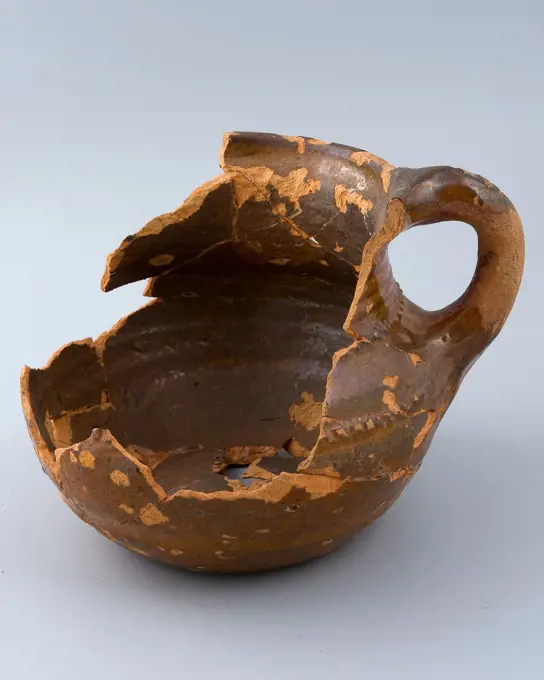
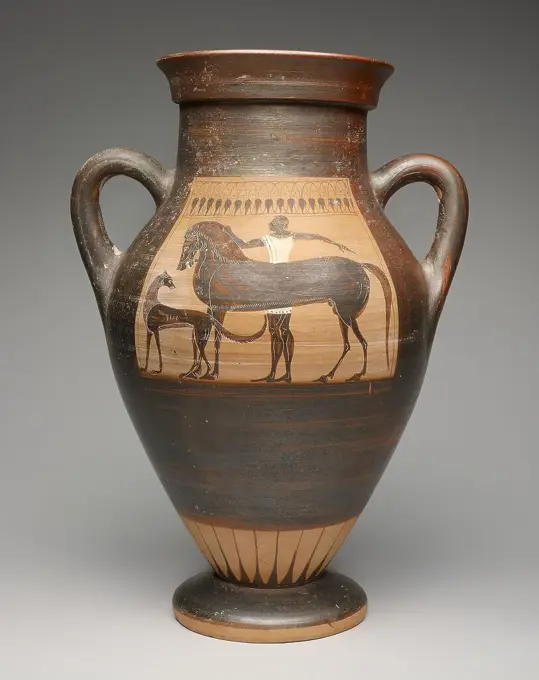
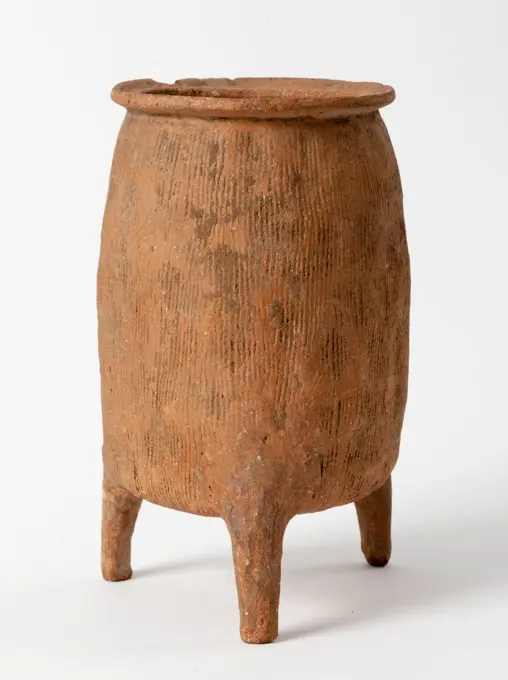
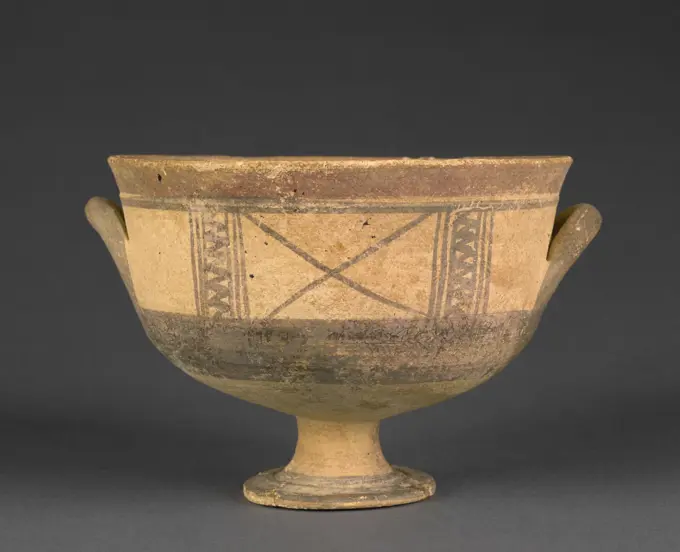
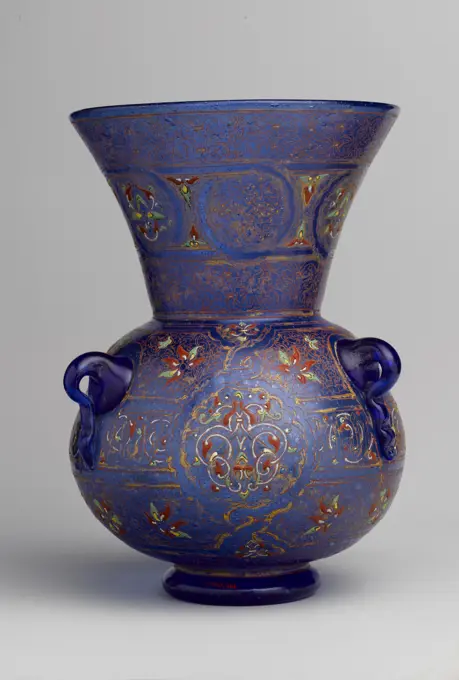
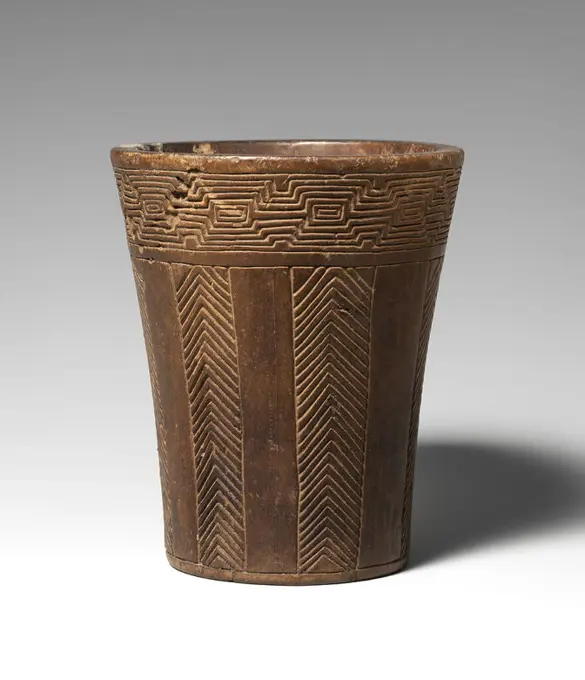
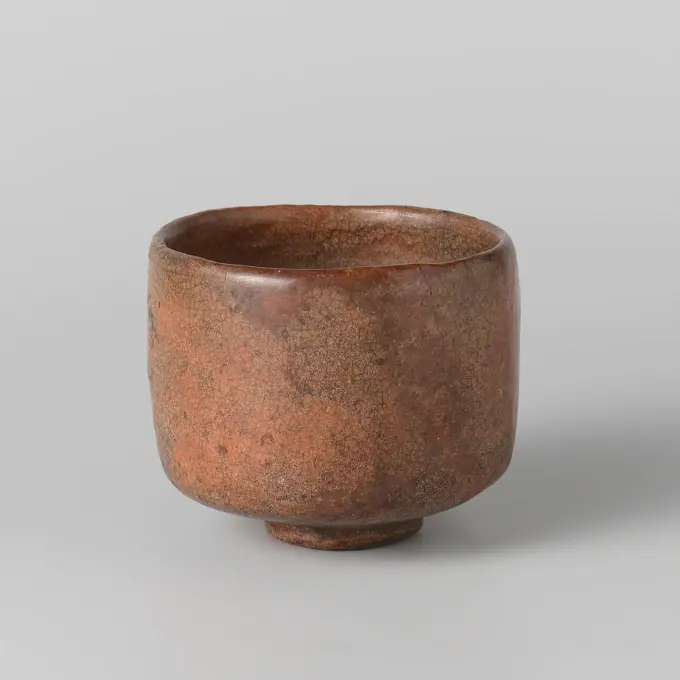
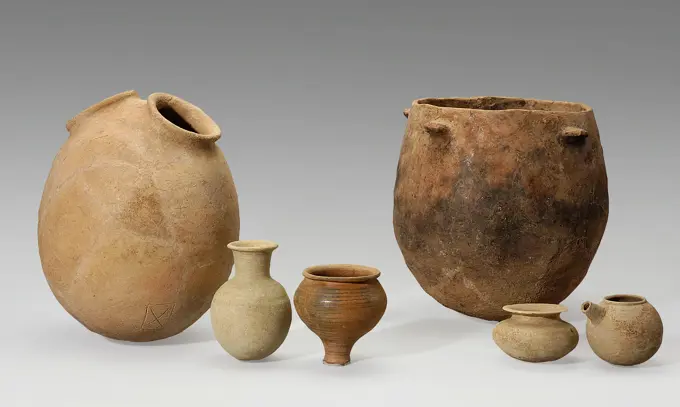
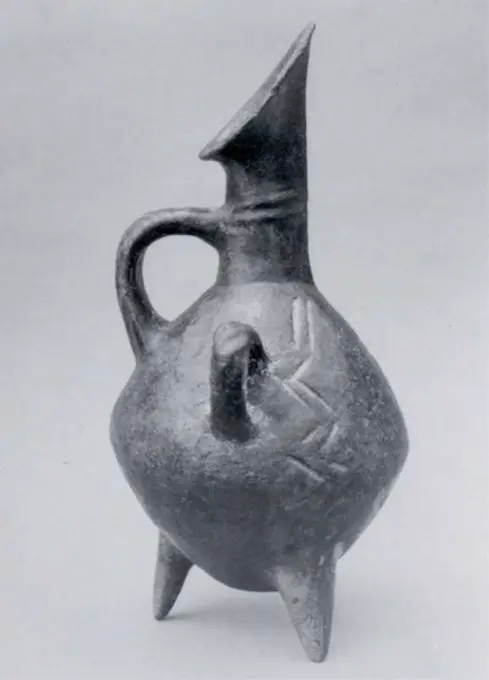
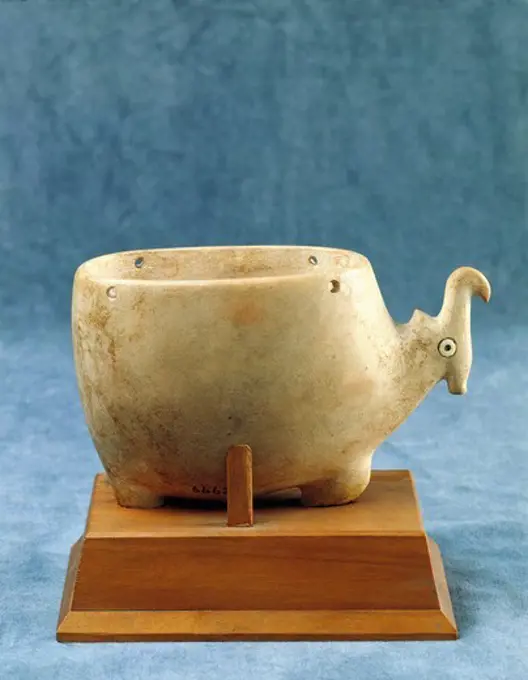
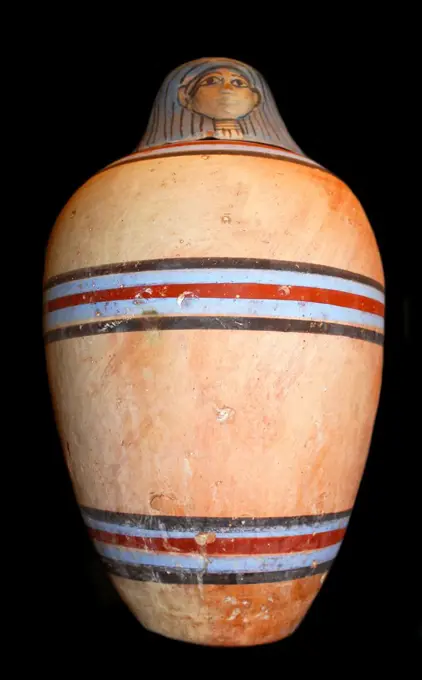
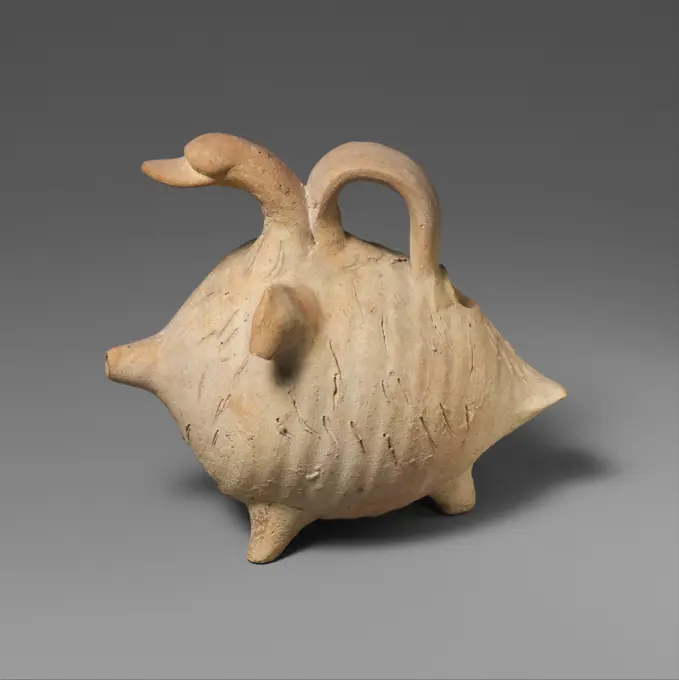
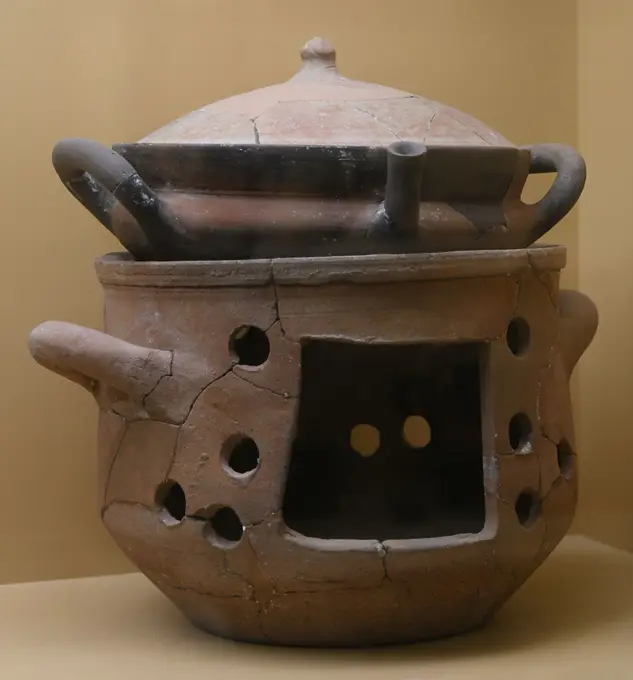
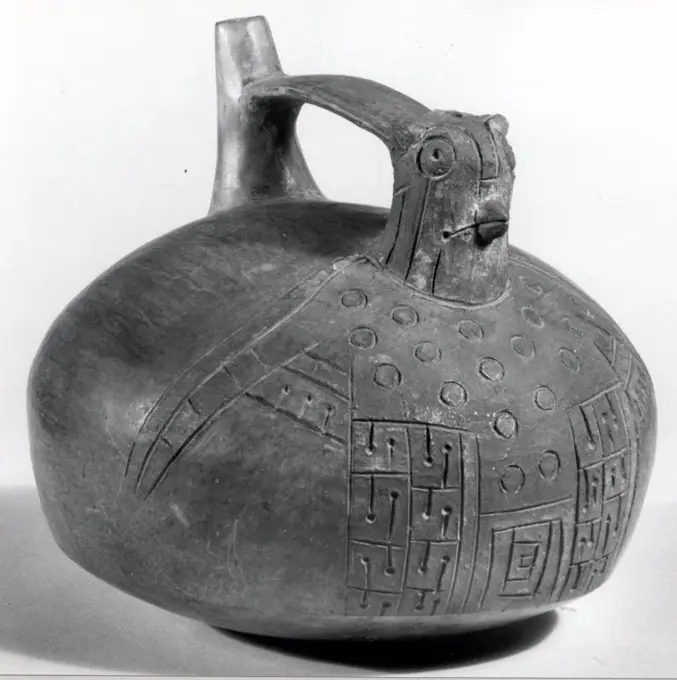
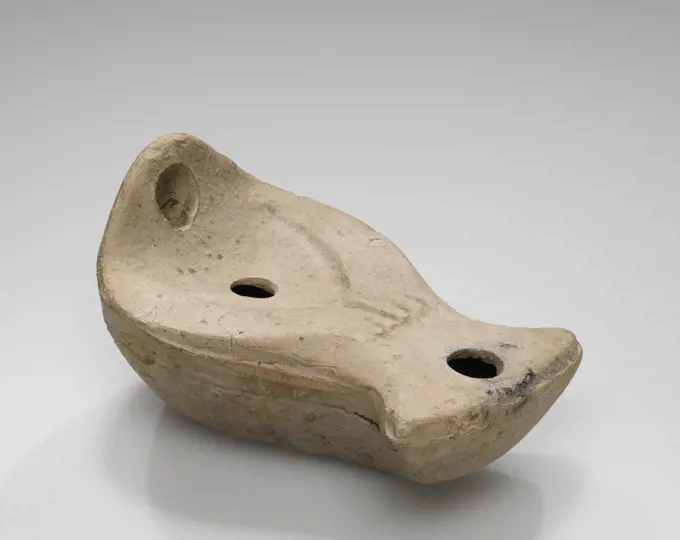
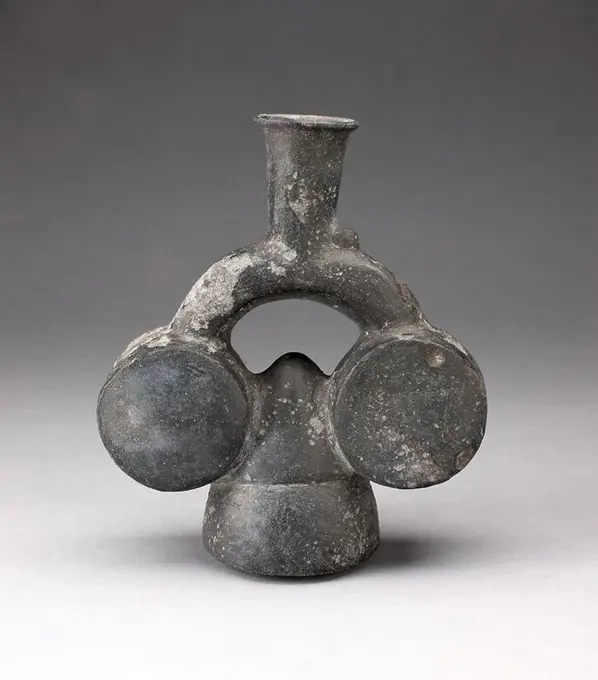
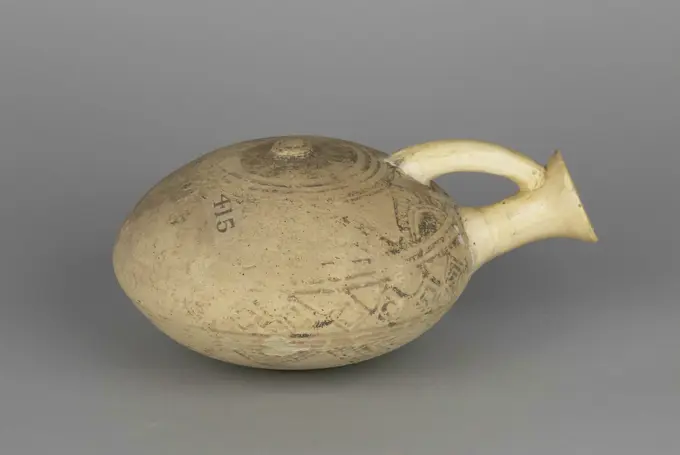
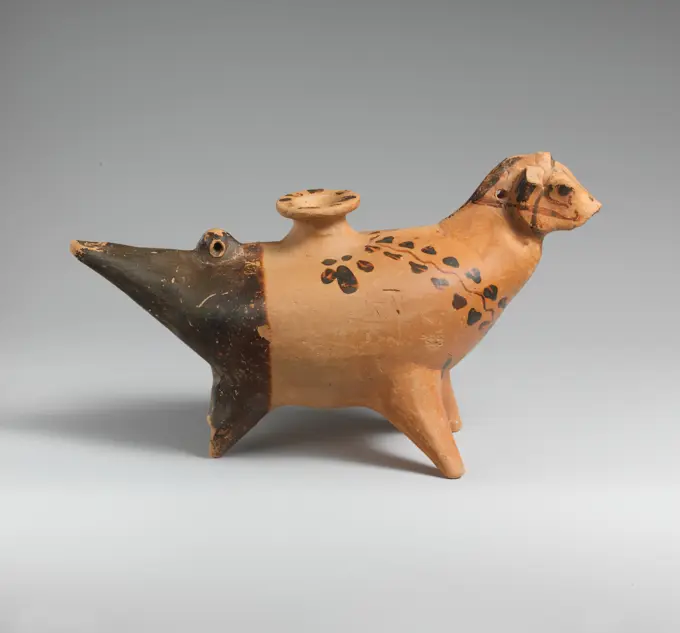
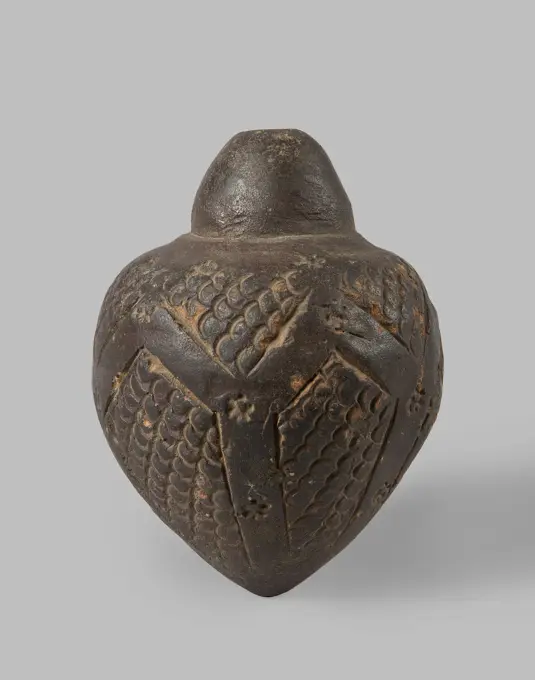
From a selection of stone vessels and other items from Kabri, Wadi Rabah culture from 7,500 years ago.Terracotta trick vase. Culture: Cypriot. Dimensions: H. 8 1/4 in. (21 cm). Date: ca. 750-600 B.C..One of the most winning pieces in the Cesnola Collection, the vase is in the form of a bull. It was filled through the hollow foot and emptied through the hole in the bull's mouth, which is a spout modified into a head. Trick vases of this kind first appear in Cypro-Geometric pottery. Museum: Metropolitan Museum of Art, New York, USA.Vessel. Egyptian. Date: 1550 BC-1295 BC. Dimensions: H. 22.2 cm (8 3/4 in.); diam. 11.7 cm (4 5/8 in.). Ceramic. Origin: Egypt. Museum: The Chicago Art Institute, Chicago, USA. Author: Ancient Egyptian.Pot. Culture: Coptic. Dimensions: Overall: 3 11/16 x 3 13/16 in. (9.4 x 9.7 cm). Date: 4th-7th century. Museum: Metropolitan Museum of Art, New York, USA.Roman art. Bronze banqueting ware. National Roman Museum. Palazzo Altemps. Rome. Italy.Terracotta aryballos, Inca civilization, PeruJARRA NAZARI DE CUERDA SECA CON DECORACION EPIGRAFICA NASJI - SIGLO XIV-XV (OTRA VISTA 70467). Location: ALHAMBRA-MUSEO-CERAMICA. GRANADA. SPAIN.Etruscan urn with helmet-shaped lid, from Necropolis of Mandrione Cavalupo at Vulci, Viterbo province, Italy, 9th Century B.C.Bowl ca. 750-480 B.C. Cypriot Two-handled cup or hard white clay, black line outside, white band inside.. Bowl. Cypriot. ca. 750-480 B.C.. Terracotta. Archaic. VasesBottle 7th-5th century B.C. Paracas. Bottle 308724Terracotta oinochoe (jug). Culture: Greek, Corinthian. Dimensions: H. 3 7/16 in. (8.7 cm). Date: late 6th century B.C..Checkerboard pattern on body. Museum: Metropolitan Museum of Art, New York, USA.Vase in the geometric style (Olpai). Greek Culture, 7 century BC. Painted and varnished. Greek workshop, Archaeological Museum Barcelona.Jug, barrel-shaped 750-600 B.C. Cypriot Broad and narrow bands and concentric circles.. Jug, barrel-shaped. Cypriot. 750-600 B.C.. Terracotta. Cypro-Archaic I. VasesAmpułka. warsztat egipski, workshopLamp. UnknownCANTARILLO CON 2 ASAS CUELLO ESTRECHO - CAPACIDAD 2 LITROS - ARTE POPULAR. Location: ALFARERIA. SPAIN.Scyphus; terra-cottaTerracotta oil lamp. Culture: Greek. Dimensions: 1 1/8 x 3 5/8 in. (2.9 x 9.2 cm). Date: mid-2nd-1st century B.C..Mold-made body, with long nozzle. Large central filling hole, surrounded by a raised lip and an incised circle; convex sloping shoulder decorated with six dolphins; squat, carinated body. Raised, flat base; on base, maker's mark in Greek.Intact. Museum: Metropolitan Museum of Art, New York, USA.Ewer with Elephant-Headed Spout late 2nd-3rd century Vietnam. Ewer with Elephant-Headed Spout. Vietnam. late 2nd-3rd century. Bronze. period of Chinese Han occupation. MetalworkServing Vessel(Dui)Canopic Jar with Falcon's Head, 664-525 BC. Egypt, Late Period, Dynasty 26. Travertine; diameter: 18.6 cm (7 5/16 in.); diameter of mouth: 10.5 cm (4 1/8 in.); overall: 45.3 cm (17 13/16 in.). In the process of mummification, the liver, lungs, stomach, and intestines were removed, separately embalmed, and stored in specialized jars known as canopic jars (after a sailor in Greek mythology, who died at the town of Canopus in the Nile Delta and was worshipped there in the form of a human-headed jar). Each organ was identified with one of four funerary deities collectively known as the Sons of Horus: the liver with Imsety (man's head), the lungs with Hapy (baboon's head), the stomach with Duamutef (jackal's head), and the intestines with Qebehsenuef (falcon's head). It was their duty to protect the deceased and restore to him his body parts in the hereafter.Element dekoracji architektonicznej z imieniem elamickiego króla Untasz-Napiriszy. nieznany warsztat elamicki, workshopBottle, before 1930. Peru, Mochica. Pottery; overall: 18.4 x 10.6 x 13.7 cm (7 1/4 x 4 3/16 x 5 3/8 in.).Jar With Hieratic Inscription ca. 1550-1458 B.C. New Kingdom. Jar With Hieratic Inscription. ca. 1550-1458 B.C.. Pottery (rough red, originally whitewashed), paint. New Kingdom. From Egypt, Upper Egypt, Thebes, Asasif, Courtyard CC 41, Tomb R 7, Radim, MMA excavations, 1915-16. Dynasty 18, earlyCylindrical vase. Bronze. Paris, Cernuschi museum. 60581-4 Bronze, cylindrical vaseUraeus in white crown Third Intermediate Period (Kushite) ca. 712-664 B.C. Wooden uraeus wearing the white crown of Upper Egypt, with an ancient papyrus cord around its neck. Decorated with the figure of a fish, this comes from the wooden inner coffin of a priest of Amun. View more. Uraeus in white crown. ca. 712-664 B.C.. Wood, paint, papyrus. Third Intermediate Period (Kushite). From Egypt, Upper Egypt, Thebes, Deir el-Bahri, Tombs 51-54, Embalmers' cache I, MMA excavations, 1927-28. Dynasty 25Jug, barrel-shaped 750-600 B.C. Cypriot Narrow bands and large concentric circles.. Jug, barrel-shaped. Cypriot. 750-600 B.C.. Terracotta. Cypro-Archaic I. VasesStemmed Kyathos. UnknownRitual Food Cauldron (Ding) with Spirals. China, probably Henan Province, Late Shang dynasty, early or middle Anyang phase, about 1300-1100 B.C.. Furnishings; Cookware. Cast bronze with black paste inlayRitual Three-legged Vessel, anonymous, c. -1700 - c. -800 Ritual barrel for food. Wide band with fabel animals with beaky pelvis and large, protruding eyes; Below triangular ornaments. China bronze (metal) Ritual barrel for food. Wide band with fabel animals with beaky pelvis and large, protruding eyes; Below triangular ornaments. China bronze (metal)Italy, Rome, Museo Nazionale d'Arte Orientale, Decorated pot from ChibaREDOMA CALIFAL CON ESCENA CORTESANA - SIGLO X -OMEYA - RESTAURADA ANTES DE PINTAR (PINTADA Nº 36013). Location: MUSEO ARQUEOLOGICO-COLECCION. CORDOBA. SPAIN.Decorated ware jar depicting boats ca. 3500-3300 B.C. Predynastic, Naqada II. Decorated ware jar depicting boats 547296CANTARO U OLLA DE BOCA ANCHA DESDE DONDE SALEN LAS DOS ASAS - SIN VIDRIAR. Location: ALFARERIA. NIÑODAGUIA. Orense. SPAIN.Oil lamp. Erotic subject. Terracotta. High Empire. Liesville collection. Paris, Carnavalet museum. Liesville collection, erosticism, high-Empire, oil lamp, erotic subject, terracottaPitcher;  around 2686- 2181 BC ; Old state (-2686-00-00--2181-00-00);Jug or jacobakan, jug with pinched foot, slender stoneware jug with twisted feathers, Jug or jacobakan jug crockery holder soil find ceramic stoneware, surface 8.0 hand-turned baked Stoneware jug gray shard dirty gray profiled neck protruding ring around transition neck shoulder rotations around the belly and pinched foot archeology import pottery serving serve to serve drinksTerracotta zoomorphic askos (vessel) 1900-1600 B.C. Cypriot Deer-shaped vase with spout, loop-handle, and lattice-bands.. Terracotta zoomorphic askos (vessel) 240411Lamp, North Africa; 1st - 4th century; Terracotta; 2.8 x 8.5 x 11.1 cm (1 1,8 x 3 3,8 x 4 3,8 in.)Double Spout Bottle 1st-6th century Nasca-Wari. Double Spout Bottle. Nasca-Wari. 1st-6th century. Ceramic, pigment. Peru. Ceramics-ContainersBottle ". Terracotta painted in red. China. Paris, Cernuschi museum. Asian art, Chinese art, Bottle, Chinese Ceramic, container, oval shape, container, terracottaVessel, cylinder; Unknown ASUA SKI workshop; after. V-PO. VI century (451-00-00-550-00-00);Bowls and lamps (2400-2000 BC) from Tiwal esh-Sharqi in the central Jordan Valley. The lamp of this period has four spouts. From analyses it has been possible to identify the fuel used as fish oil.Lamp. Dimensions: Overall: 1 1/4 x 2 3/4 in. (3.2 x 7 cm). Date: 3rd century B.C.. Museum: Metropolitan Museum of Art, New York, USA.Celtic Bronze Jug, 8th century.Goblet with geometric designs ca. early 4th millennium BCETerracotta oil lamp 1st century B.C.-1st century A.D. Roman Mold-made, with large ring handle. Discus: radiating, rounded petals, surrounding a central filling hole. Shoulder: a narrow horizontal band decorated with close-set raised lines or dots. Ornate volutes flanking angular nozzle. Broad handle, with large oval finger hole, decorated with a central groove flanked by two lines, running the length of the handle and with a horizontal bridge at the back. A broad raised base ring, and a flat base.Intact.. Terracotta oil lamp 241619Fragment of reddish-brown room ease, with slightly pinched ear, twisted lips and cable edge, pot holder sanitary earthenware ceramic earthenware glaze lead glaze, bottom, hand-turned glazed baked Fragment of earthenware chamber pot with curved bottom Wide neck opening Fully glazed Decorated with cable edges on the shoulder. Standing bandoor Red shard archeology underground pit Rotterdam City center Stadsdriehoek Groenendaal indigenous earthenware night sleeping room hygiene disposal soil founding subway Groenendaal at 20 meters and 1 meter NAP found 1975.Amphora (Storage Jar). Etruscan; Attributed to the Ivy Leaf Group. Date: 530 BC-520 BC. Dimensions: 38.7 × 27.9 cm (15 1/4 × 11 in.); diam. 19.4 cm (7 5/8 in.). Terra-cotta, decorated in the black-figure technique. Origin: Etruria. Museum: The Chicago Art Institute, USA. Author: Ancient Etruscan.Tripode Ding ". Terracotta. China. Paris, Cernuschi museum. Asian art, Chinese art, Chinese ceramic, container, container, terracotta, tripod ding, three feetCan with pour, anonymous, c. 1400 - c. 1950 Can be put out of earthenware, the neck broken down.  earthenware Can be put out of earthenware, the neck broken down.  earthenwareBelly bottle, belly bottle bottle holder soil find glass, under shoulders) to flat shoulders and rejuvenated neck with imposed circumferential wide flat glass wire with large chip and dilated flattened lip with chip archeology packagingCypriot Bichrome Ware Cup with Pedestal Foot. Unknownurna cinerària, 30 a.C-150 d.C, Museo arqueológico de Ibiza y Formentera, Patrimonio de la Humanidad «Ibiza, biodiversidad y cultura», Ibiza, balearic islands, Spain.Mosque Lamp 19th century Mamluk enameled glass was popular in nineteenth century Europe, and a number of glassmakers made copies or interpretations of the original vessels. The most renowned artists of the period were Philippe-Joseph Brocard (French, d. 1896, the brothers Joset and Ludwig Lobmeyr (Austrian, d. 1864 and 1917), and the glassworkers of the Salviati factory at Murano, Venice.. Mosque Lamp. 19th century. Glass; enameled. Attributed to possibly Syria or Europe. GlassKero. Culture: Inca. Dimensions: H. 7 x W. 3 7/8 in. (17.8 x 9.8 cm). Date: 15th-early 16th century. Museum: Metropolitan Museum of Art, New York, USA.Vase Fragment 1st century B.C.-1st century A.D. Roman Fragment of a bowl; man in a cart. Signed by Rodo as workman for D. Cornelius.. Vase Fragment. Roman. 1st century B.C.-1st century A.D.. Terracotta. Vases. Tea cup from stoneware, covered with a crackled red glaze. The wall has been broken. Raku (red).Cylinder with two strokes, bottle, cup, kitchen pot, dish; Unknown Night -Tamanian workshop; 1. PO. 3 thousand BC ; Early period of D Azira III (-3000-00-00--2501-00-00), 2. PO. 3 thousand BC ; Early period D Azira IV (-2500-00-00--2001-00-00), 1. PO. 3 thousand BC ; Early period D Azira III (-3000-00-00--2501-00-00);Al-Jazezira (geographical land in northern Mesopotamia), bottle (vessel), kitchen pots, metallic ware, dishes, non-colored vessels, two-vegetable dishes, clay dishes, spherical dishes, oils for oils and ointments, dishes with a bow, early Dżazira III period (appro Mediterranean archeology at the University of Warsaw, pottery signsSnuff Bottle China. Snuff Bottle. China. Porcelain with glass and amber stopper. Qing dynasty (1644-1911), Qianlong period (1736-95). Snuff BottlesTripod jug ca. 2700-2400 B.C. Yortan. Tripod jug 325073Green belly bottle, iridescent, crooked, belly bottle bottle holder soil find glass, free blown Circumcontent bottle of green glass with localized iridescence on the inside archeology packagingDummy Canopic Jar with the Head of Qebehsenuef. Dimensions: H. 23.3 × W. 13 × D. 15 cm, 4.1 kg (9 3/16 × 5 1/8 × 5 7/8 in., 9 lb.). Dynasty: Dynasty 25. Date: ca. 712-664 B.C..see 25.3.205a. Museum: Metropolitan Museum of Art, New York, USA.Terracotta tumbler. Culture: Minoan. Dimensions: H. 3 in. (7.6 cm.)Greatest diameter 2 15/16 in. (7.5 cm.). Date: ca. 2100-1950 B.C..Drinking cups are the most common shape of pottery from the Middle Minoan I period. Museum: Metropolitan Museum of Art, New York, USA.Spain, Madrid, three El Argar culture ceramicsLimestone antelope-shaped vaseFour-Handled Vessel. Spain, 10th-11th century. Ceramics. Earthenware, glazedVASIJA DE BARRO BLANCUZCO S XII-PERSA. Location: MUSEO ARQUEOLOGICO NACIONAL-COLECCION. MADRID. SPAIN.Canopic Jar 990 B.C. Imseti, the human-headed god, whose jar contained the liver was protected by the goddessIsisSmall Cosmetic VesselPottery ointment jar, cylindrical model, red shard, internally glazed, ointment jar pot holder soil find ceramic earthenware glaze lead glaze, hand turned glazed baked Pottery ointment jar cylindrical model red shard internal glazed Flat thin slanting inwardly directed wide top edge. Narrowing of the boiler above the stand Surface area archeology health care indigenous pottery store pharmacy sell craftKohl Jar and Stick. Dimensions: H. 6 cm (2 3/8 in.);L. of Stick: 6.2 cm (2 7/16 in.). Dynasty: Dynasty 17-Early Dynasty 18. Date: ca. 1635-1458 B.C.. Museum: Metropolitan Museum of Art, New York, USA.Terracotta duck-shaped askos (flask with spout and handle over the back) 850-750 B.C. Cypriot Shape of a duck.. Terracotta duck-shaped askos (flask with spout and handle over the back) 240428Jar with Abstract Strokes. Korea. Date: 1650-1750. Dimensions: H. 22.6 cm; diam. 21.8 cm. Stoneware painted in underglaze iron brown. Origin: Korea. Museum: The Chicago Art Institute, Chicago, USA.Chinese Jade Face, Neolithic period, c2500 BC. Artist: Unknown.Silversmith's art, Sweden, 17th century. Silver glass with coins attached.Jar with painted eagle ca. 2500-1900 B.C.. Jar with painted eagle 327350Ancient Greece. Spouted casserole (lopas) with lid, on a brazier. 4th-6th century BC. Museum of the Ancient Agora. Athens, Greece.Bell-shaped vessel. Neolithic art. Ceramics. SPAIN. CATALONIA. BARCELONA. Vic. Vic Episcopal Museum.Terracotta oil lamp. Culture: Roman. Dimensions: Overall: 1 5/8 x 3 5/8 in. (4.1 x 9.2 cm). Date: ca. A.D. 75-150.Loeschcke Type 5. Ring handle. Mold-made. Discus: two cornucopias. Museum: Metropolitan Museum of Art, New York, USA.TINAJA MURCIANA ESTILO ALMOHADE - SIGLO XIII - DECORACION ESTAMPILLADA Y APLICADA. Location: INSTITUTO VALENCIA DE DON JUAN-COLECCION. MADRID. SPAIN.Double Spout and Bridge Bottle with Falcoln 5th-3rd century B.C. Paracas. Double Spout and Bridge Bottle with Falcoln 308618Lamp, Italy; 2nd century B.C; Terracotta; 2.9 × 5.5 × 8 cm (1 1,8 × 2 3,16 × 3 1,8 in.)Ritual Grain Server (Gui) with Masks, Dragons, and Whorls. China, Early Western Zhou dynasty, about 1050-950 B.C.. Furnishings; Serviceware. Cast bronzeStirrup Spout Vessel in the Form of Two Drums. Chimú-Inca; North coast, Peru. Date: 1200-1450. Dimensions: H. 14.3 cm (6 5/8 in.). Ceramic. Origin: Peruvian North Coast. Museum: The Chicago Art Institute, Chicago, USA.Flask, lentoid 1200-1050 B.C. Cypriot Band of lozenge and lattice triangles.. Flask, lentoid. Cypriot. 1200-1050 B.C.. Terracotta. Late Cypriot IIIB. Vases"White-on-Red" Ware pithos with Lid. Workshop of the Calabresi Urn (Etruscan, active 650 - 625 B.C.)Terracotta vase in the form of a three-legged horse 6th century B.C. East Greek The askos is a bag-shaped vase that normally has a vertical spout as well as a handle over the top. The horse belongs to a class of pieces datable to the late sixth and fifth century B.C., believed to have been made in eastern Greece and found in particular numbers in Sicily and Southern Italy.. Terracotta vase in the form of a three-legged horse 255167 East Greek, Terracotta vase in the form of a three-legged horse, 6th century B.C., Terracotta, H. 5 3/4 in. (14.6 cm); length 9 15/16 in. (25.2 cm). The Metropolitan Museum of Art, New York. Rogers Fund, 1964 (64.11.11)CERAMICA ARABE-MALLORQUINA-CUENCO CON ASAS Y JARRA-PROC PALMA MALLORCA. Location: MUSEO ARQUEOLOGICO DE CATALUÑA. Barcelona. SPAIN.Ewer 9th-10th century. Ewer. 9th-10th century. Earthenware; slip-covered under monochrome glaze. Excavated in Iran, Nishapur. Attributed to Iran, Nishapur. CeramicsVase fragment Minoan. Vase fragment 247669Bowl mid 6th-5th millennium B.C. Ubaid. Bowl 324093Pottery cooking pot with two standing ears and three legs, wide top edge, cooking pot crockery holder kitchen utensils earthenware ceramics earthenware glaze lead glaze, hand-turned glazed baked Cooking pot red earthenware brown glazed two ears of which one in plaster internally and externally glazed rotations three legs of which one gypsum pinched ear cover edge Wide top edge archeology Valckensteyn Poortugaal Albrandswaard indigenous pottery cooking cuisine food nutrition food preparation Soil discovery: canal at kitchen castle Valckensteyn at Poortugaal now Albrandswaard 1961.Flower Pot. Dated: c. 1939. Dimensions: overall: 30.5 x 22.8 cm (12 x 9 in.) Original IAD Object: 6 1/4" High 5 1/4" Wide 5 1/4" Diameter(top) 4 5/8" Diameter(base). Medium: watercolor, graphite and colored pencil on paper. Museum: National Gallery of Art, Washington DC. Author: Alfred Parys.Anonymous / Hydraulic elbow, 16th century, Ceramic.A spheroconical vessel;  XIII-XIVW. (1201-00-00-1400-00-00);University of Warsaw (Warsaw - 1816-) - collection, aeolip, Mamelian bomb, ceramics, art of Islam, Polish -French excavations in Edfu (Egypt)Vase 12th century. Vase 448537Cauldron Made 1050 BCE-771 BCE China. As this monumental cauldron demonstrates, the most distinctive bronze vessels of early China represent important historical documents as well as stunningly powerful works of art. Designed to contain offerings of meat in ritual ceremonies, this vessel was cast with a lengthy inscription on its interior bowl. The text commemorates a solemn ritual ceremony at the imperial court of the Zhou, the second dynasty recorded in Chinese texts, and explains that Captain Wang, a noble official who had been rewarded for his loyal service to the Zhou king, commissioned this vessel to honor his deceased father and record the occasion for succeeding generations. Together with the inscription, the vesselís shallow profile and austere surface decor date it to the early ninth century BC. Although the monsterlike masks that project from each leg display animal imagery common on older bronzes, the two registers of hooked, ribbonlike bands that encircle the bowl preserveStirrup spout bottle with fish demon and tumi 5th-7th century Moche. Stirrup spout bottle with fish demon and tumi 308386yuca chicha vessel, Shipibo culture, Peruvian Amazon, collected in 1933-34, clay, natural pigments and varnish, Anthropology National Museum, Madrid, Spain.