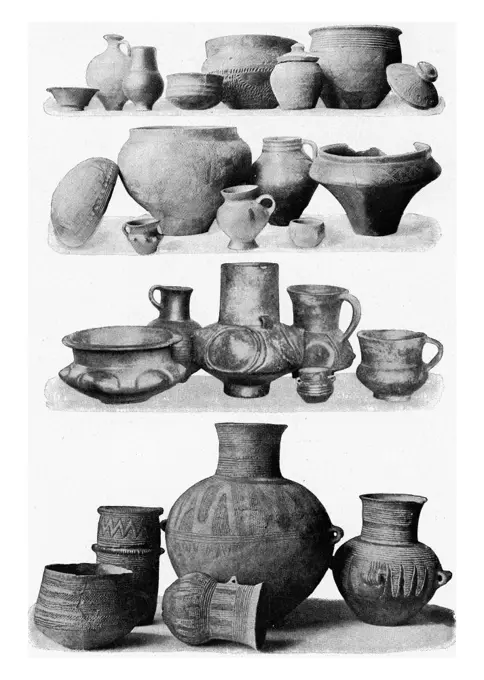
Ancient Terracotta Vessels

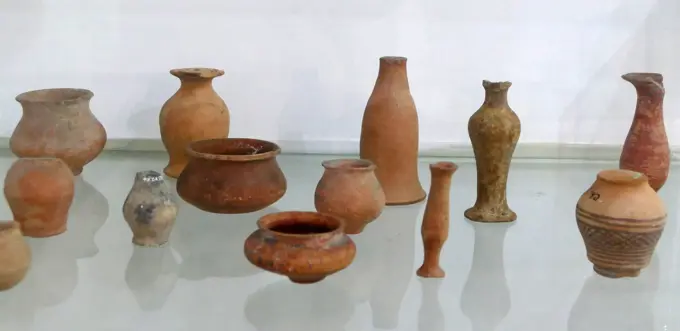
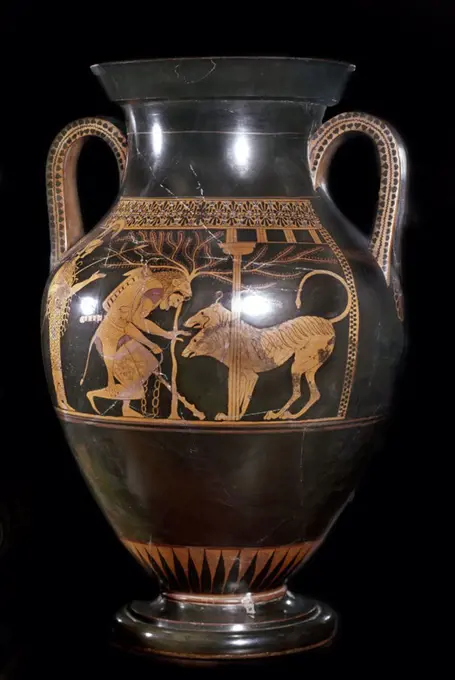
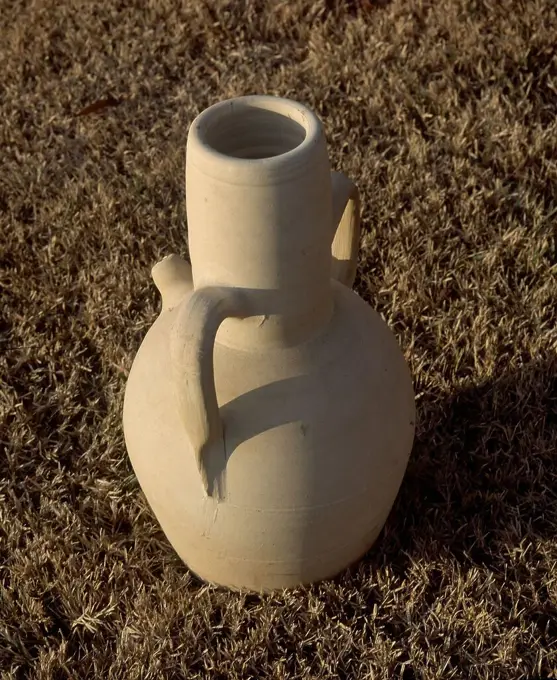
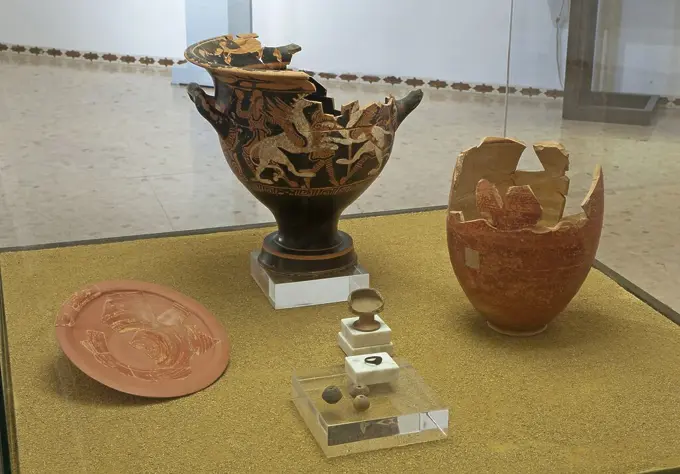
A selection of historical terracotta jars and vases from different eras, showcasing decorative motifs and traditional craftsmanship.
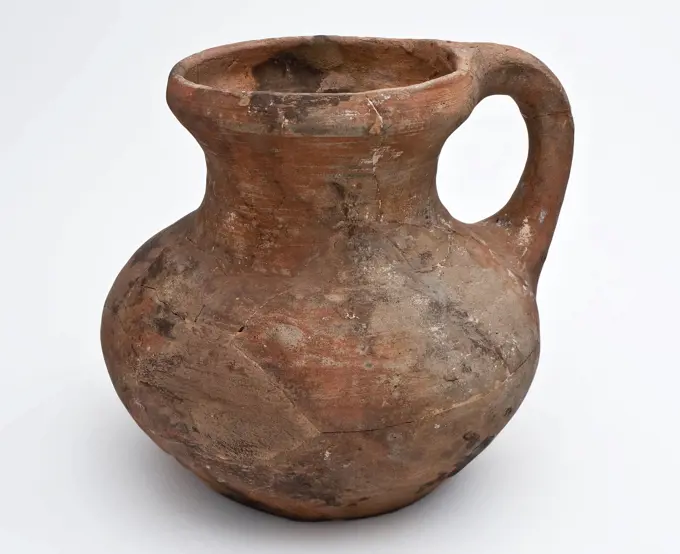
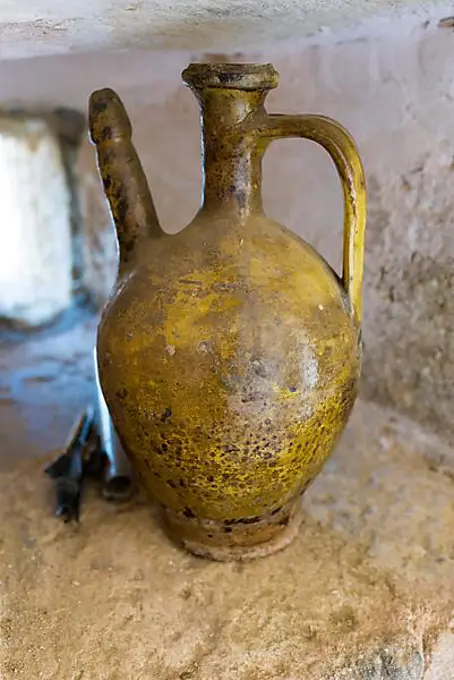
Pottery chamber pot on curved bottom, unglazed, narrow neck, pot holder sanitary earthenware ceramic pottery, belly 19,5 bottom 10,0 hand-turned baked pot brown-red earthenware unglazed vaulted bottom with soul round ear round belly long and narrow neck Shallow cuff along the neck edge. Deep finger impression next to the attachment of the ear and repair of the neck by the potter archeology Capelle aan den IJssel House in Capelle castle indigenous pottery toilet disposal night sleeping room hygiene Soil discovery: cesspool 1420-1425 house in Capelle Capelle aan den IJssel 1963.
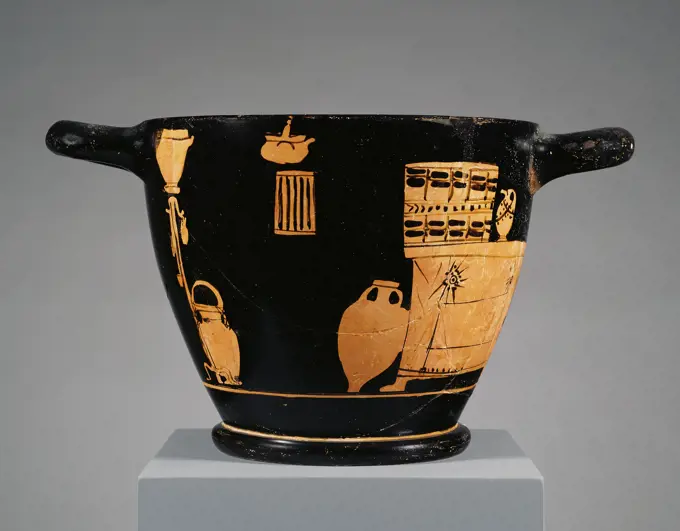
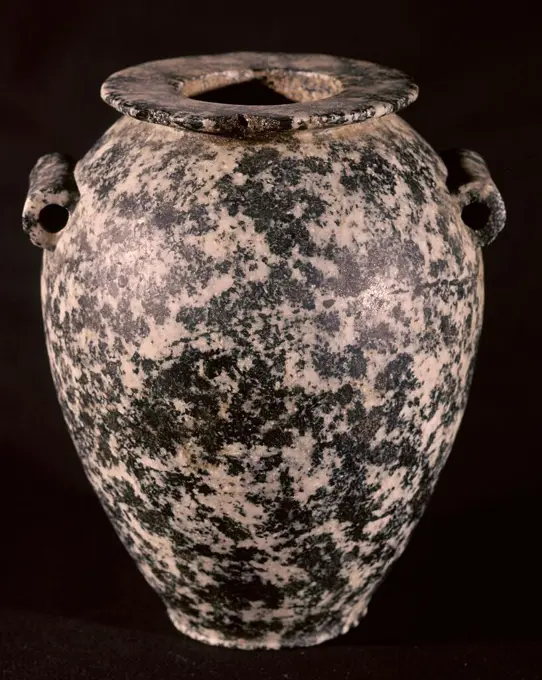
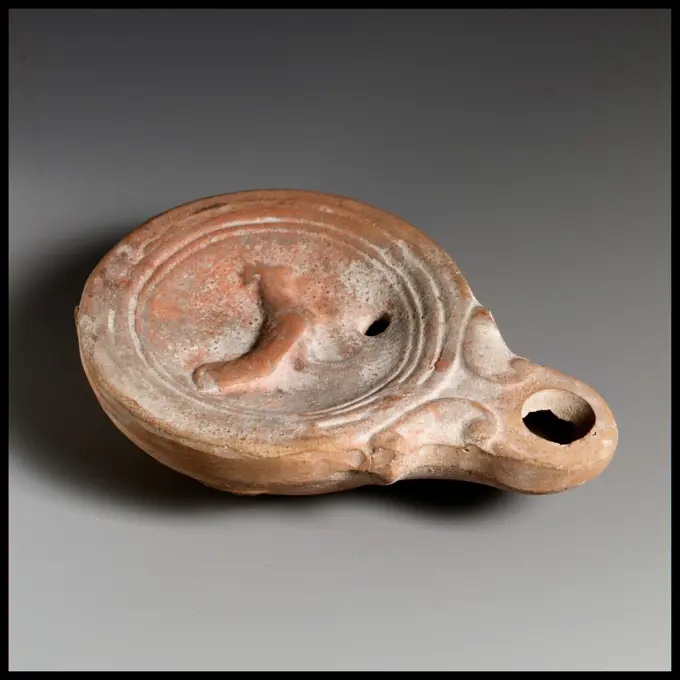
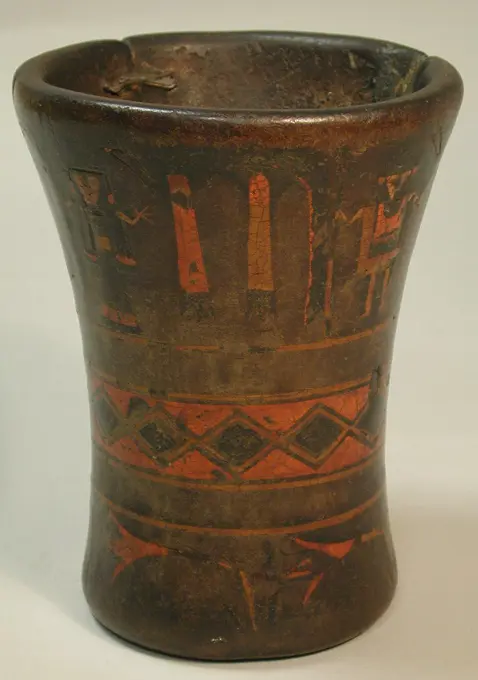
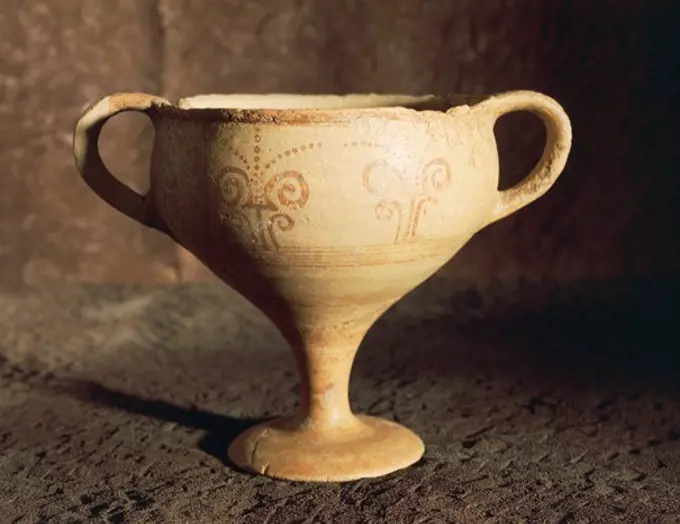
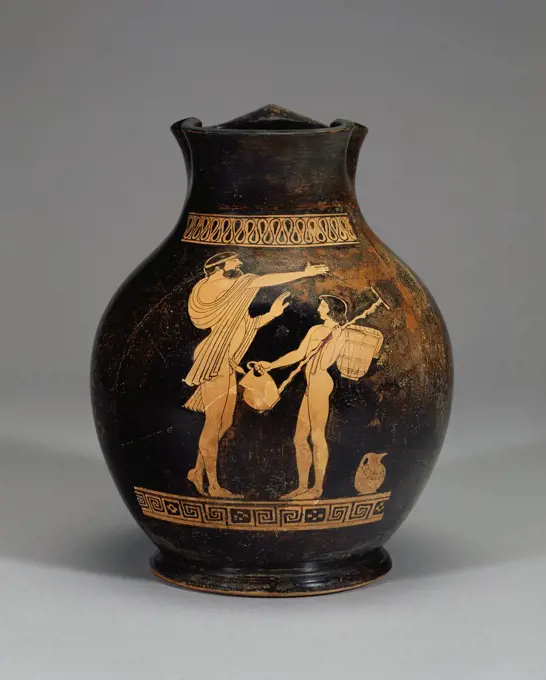
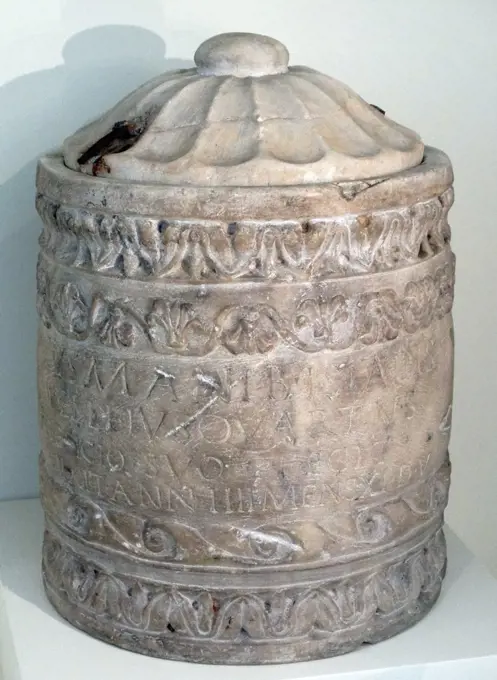
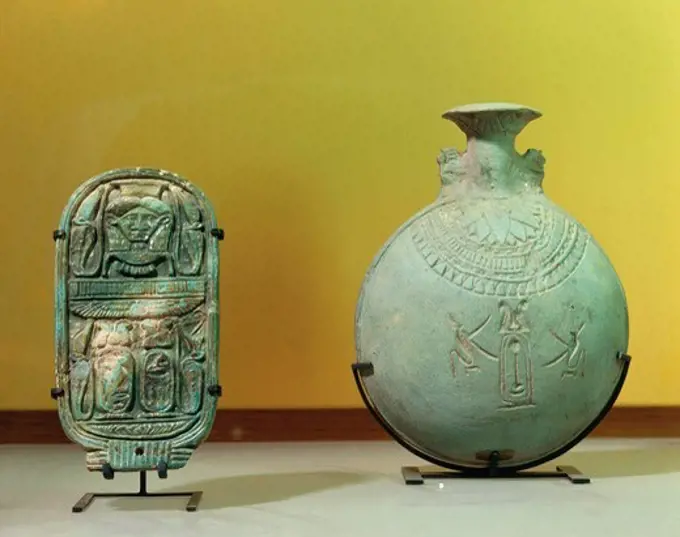
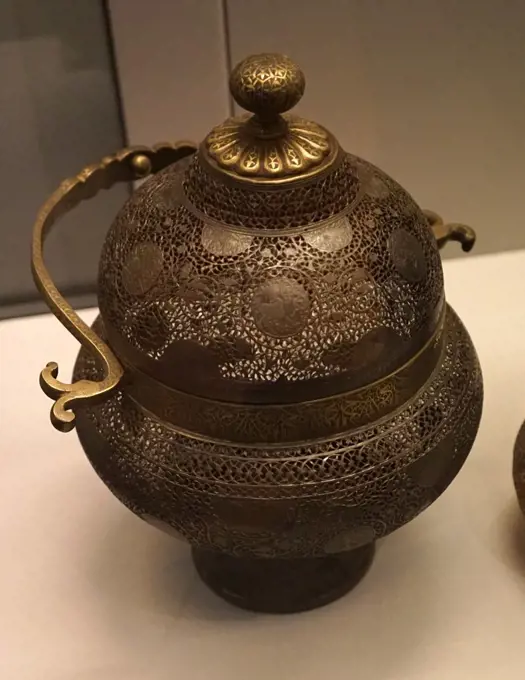
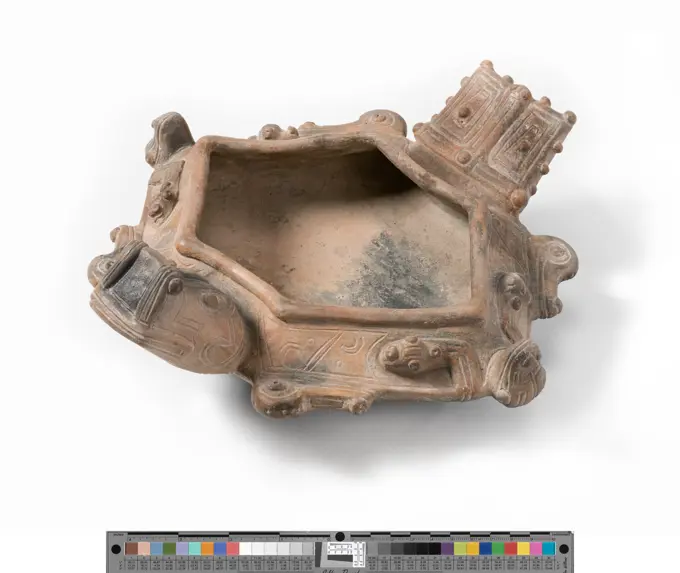
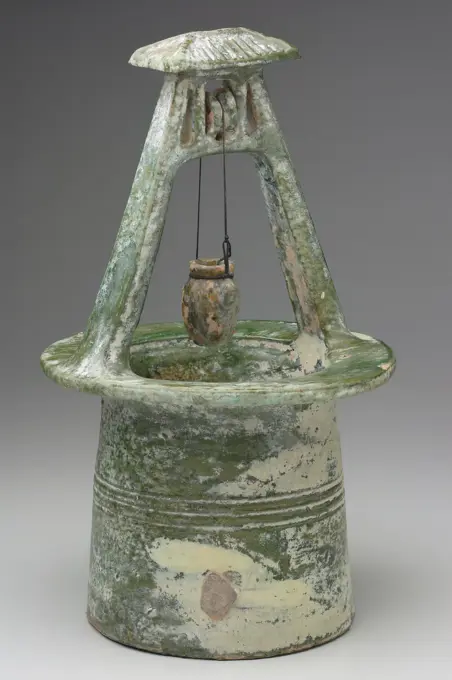
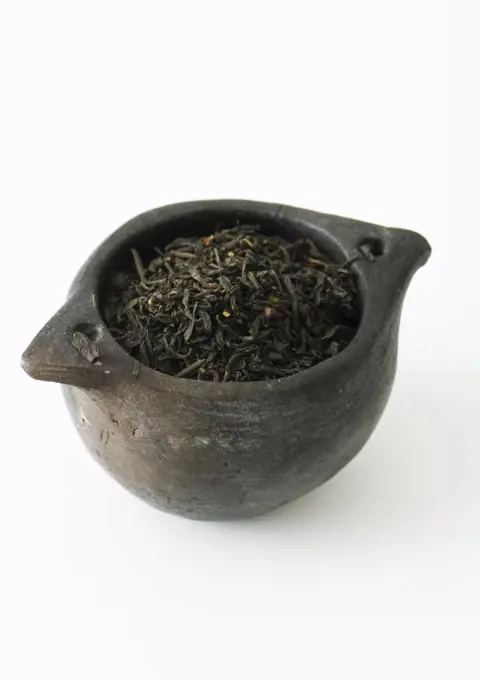
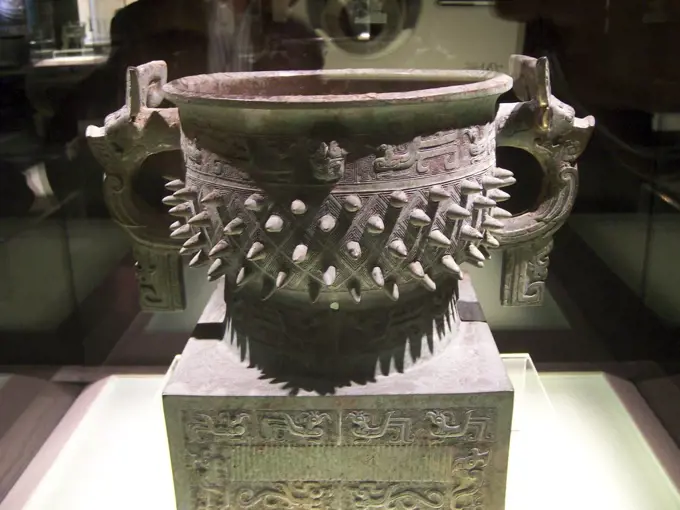
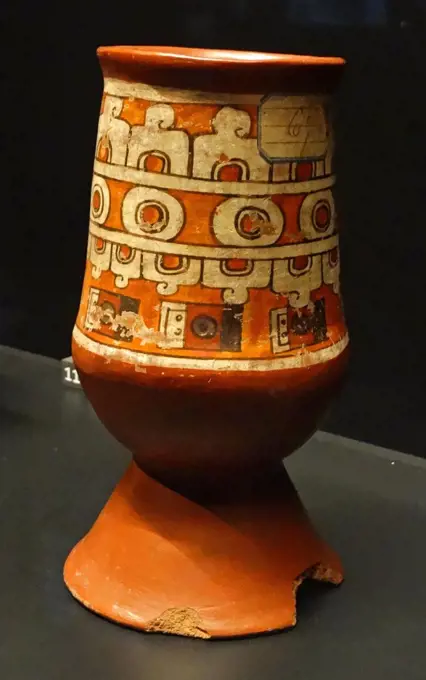
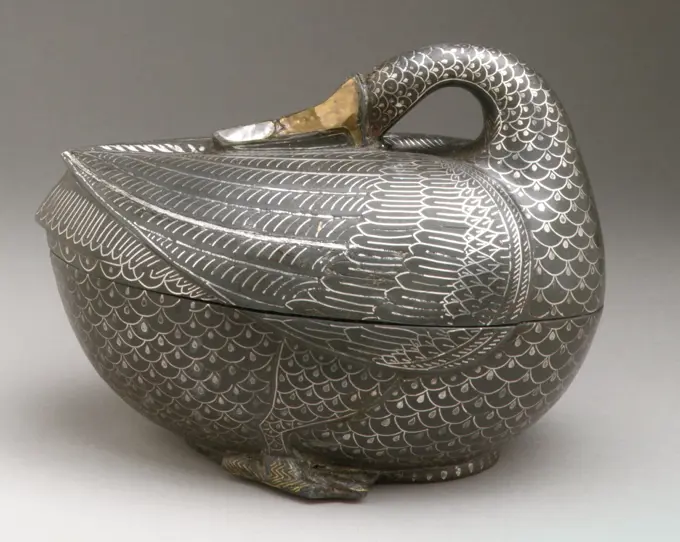
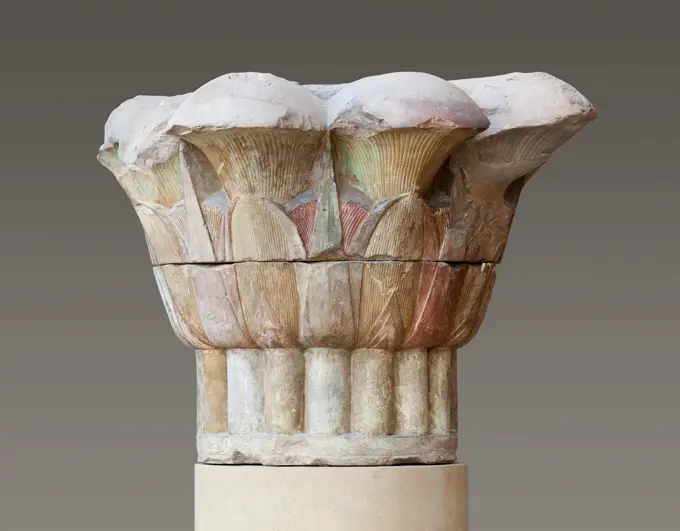
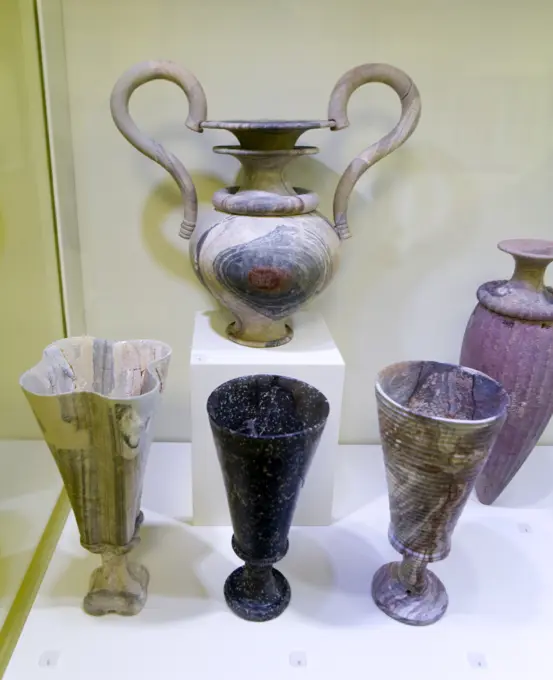
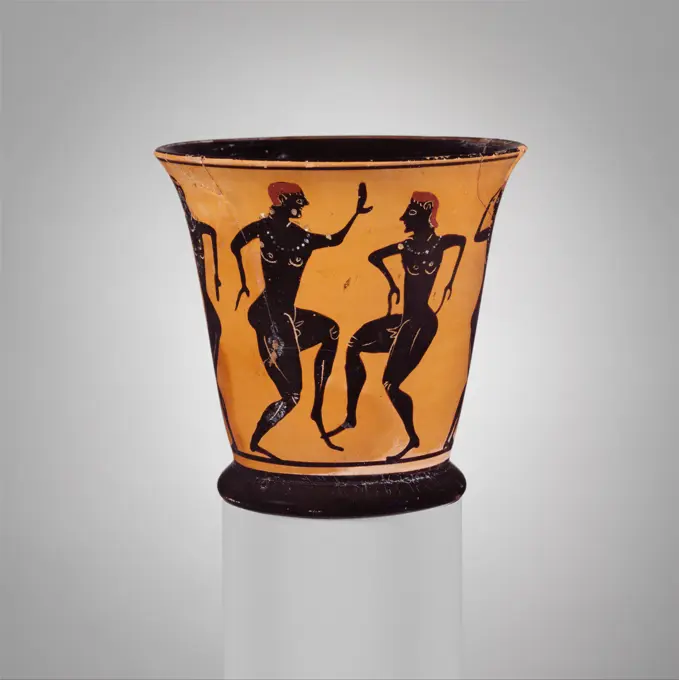
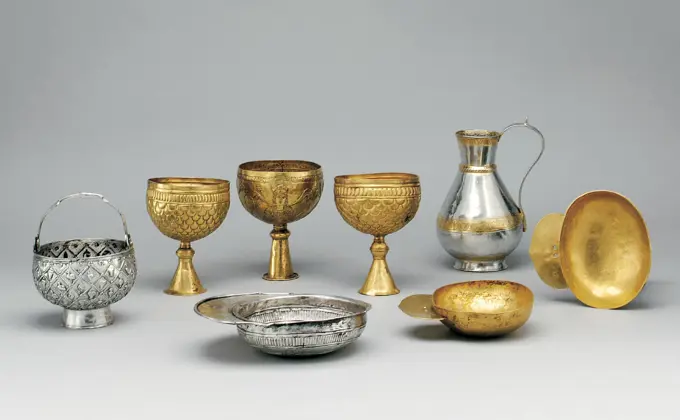
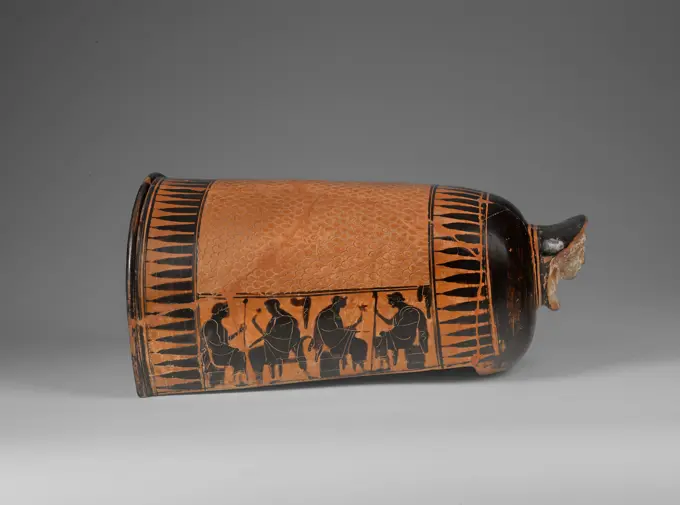
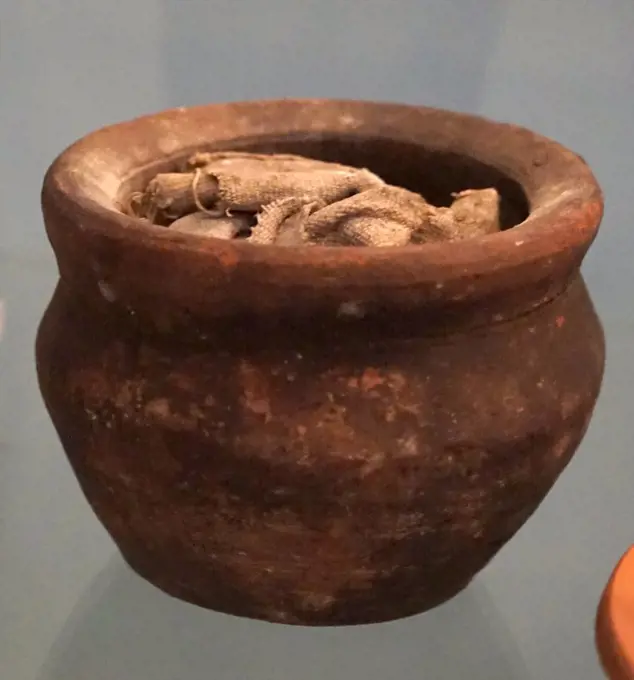
Bowl with decoration. Clay. 2nd-3rd centuries AD. Provenance unknown. National Archaeological Museum. Sofia. Bulgaria.Italy, Lazio, Rome, Crypta Balbi, glassware.Cup with a Woman Drinking in a Storeroom; Athens, Greece; about 470 - 460 B.C; Terracotta; 15.3 × 27.5 × 17.9 cm (6 × 10 13,16 × 7 1,16 in.)Artifacts and art in the Kasbah Museum of Mediterranean Cultures in the Sultan's Palace or Governor's Palace, Old Medina, Tangier, Morocco, Africa. (Editorial Use Only)VASO DE PORFIRIO. PREDINASTICO. PROCEDE DE GEBELEIN. 15,3 CM ALTO X 12 ANCHO. Location: EGYPTIAN MUSEUM. KAIRO. EGYPT.Vase, 2000 BC - 200. Peru, South Coast, Nasca. Pottery; overall: 14.5 x 14.7 cm (5 11/16 x 5 13/16 in.).Roman pottery pans from North Africa, in the Roman city, Barcelona, Spain. 2nd - 5th Century ADTerracotta oil lamp ca. A.D. 40-100 Roman, Cypriot Loeschcke Type 4. Mold-made. Discus: cockerel facing right; a single filling hole to lower right, and a broad band of concentric lines and grooves at edge. Volutes flanking nozzle. On left side of body: raised, molded letters: IT. Within impressed base ring, slightly raised base, sunken at center and inscribed with a diagonal line.. Terracotta oil lamp. Roman, Cypriot. ca. A.D. 40-100. Terracotta. Early Imperial. TerracottasSmall pot with anthropomorphic handles, Indigenous civilization of the Dominican Republic.Lazio Viterbo Viterbo Museo Civico05. Hutzel, Max 1960-1990 Views of paintings (Middle Ages through 18th c.), frescoes, a tabernacle, coffin, sculpture reliefs, portal fragments, busts, sculpture, tapestry found in the Pinacoteca, Second floor gallery and Second floor cloister sequences. Antiquities: Many views of Etruscan and Roman fragments, sculpture, sarcophagi, pottery, masks, jewelry and other objects found in the Storeroom sequence (inventory numbers on back of prints), and the Cloister, Second floor Cloister, Valle Giulia, Sala Romana and Sala Etrusca sequences. General Notes: There are eight separate numerical sequences for this location. The cloister as an architectural structure, rather than museum site, is documented in the record and file for S. Maria della Verita, Cloister, all views of which are stored in Medieval core collection. Five views from the Museo Civico Second floor cloister sequence are stored in Medieval. German-born photographer and scholar Max Hutzel (1911-Decorated ware jar with lug handles ca. 3850-2960 B.C. Predynastic Period. Decorated ware jar with lug handles. ca. 3850-2960 B.C.. Pottery, paint. Predynastic Period. From Egypt, Southern Upper Egypt, Hierakonpolis (Nekhen), MMA excavationsLarge jar from the 18th Dynasty. Made during the reign of Akhenaten. Circa 1353-1336 B. Made from fired clay and polished ochre slip. Painted with blue red and black paint. Probably from Amarna.CANTARO DE ARCILLA ROJA CON UN ASA- ARTE POPULAR- S XX. Location: ALFARERIA. SALVATIERRA DE LOS BARROS. Badajoz. SPAIN.Bowl with Circle Design. Korea, Korean, Joseon (1392-1910), 15th-early 16th century. Furnishings; Serviceware. Wheel-thrown stoneware with stamped, incised, and slip-filled decoration and pale green glazeCup with Handle 5th-7th century Korea. Cup with Handle. Korea. 5th-7th century. High-fired pottery (proto-porcelain) with traces of ash glaze. Three Kingdoms period (57 B.C.-A.D. 676). CeramicsGreek imitation scyphus cup Greek imitation scyphus cup, Iberian culture, Archeological Museum. Úbeda, Jaén province, Andalusia, Spain Copyright: xZoonar.com/BartomeuxBalaguerxRotgerx 21702843Jar sherd ca. 9th-10th century A.D. Islamic. Jar sherd 323006Base under the vessel;  around 2686- 2181 BC ; Old state (-2686-00-00--2181-00-00);Kero 16th-17th century Quechua The counterpoised figures depicted here may echo the traditional Andean worldview of balanced dichotomy. The opposing forces, male figures (in short tunics) and females (in long dresses and shawls), each hold a mace and a banner.. Kero 316844Covered Jar. Dated: c. 1939. Dimensions: overall: 27.2 x 16 cm (10 11/16 x 6 5/16 in.). Medium: watercolor, colored pencil, and pen and ink on paper. Museum: National Gallery of Art, Washington DC. Author: Alfred Parys.Prehistory, Italy, Bronze Age. Mycenaean terracotta cup from a tomb at Thapsos, Magnisi peninsula (Siracusa province).CANTARILLO DE CUELLO ALTO Y BOCA ANCHA CON DOS ASAS - BARRO ROJO SIN VIDRIAR - SIGLO XX. Location: ALFARERIA. FUENTES DE EBRO. Saragossa Zaragoza. SPAIN.ARTE GRIEGO S. VI a. C. ARIBALO antropomórfico. Cabeza de guerrero con casco. Cerámica de dos tonalidades procedente de Rodas (Grecia). Tiene 105 mm de altura y 60 mm de diámetro en la base. Museo del Perfume. Barcelona. Cataluña.Italic civilizations, Piceni, 7th century b.C. Two-handled terracotta vase.Attic Red-Figure Oinochoe, Shape 3 (Chous); Oionokles Painter, Greek (Attic), active about 470 B.C.; Athens, Greece, Europe; about 470 B.C.; Terracotta; Object: H: 23 x Diam. 18.6 cm (9 1/16 x 7 5/16 in.), Object (foot): Diam.:12.3 cm (4 13/16 in.)Old potCeltic civilization, Austria. Schnabelkanne, bronze jug from tomb 112 at Durrnberg. Detail of the handle.Marble ash-chest of Isias, a dead child, with inscription. RomeCeltic civilization, Austria. Bronze flask, from the Tomb of the Prince.SPAIN - Baix Camp (district) - Catalonia - TARRAGONA. Àmfores romanes provinents de troballes submarines. Exposició "El poblament antic a Cambrils", al Molí de les Tres Eres, seu principal del Museu d'Història de Cambrils Cambrils, Baix Camp, TarragonaLittle flask of Psamtik II made of siliceous majolica and box lid of NitocrisPitcher in the monastery Odigitrias. Monastiri Odigitrias, is an old cloister from the 14 century in south Crete. The terracotta jug is to see in an exhibition about the monastery and there monksShabti legs Middle Kingdom ca. 1850-1750 B.C. View more. Shabti legs. ca. 1850-1750 B.C.. Green faience. Middle Kingdom. From Egypt, Memphite Region, Lisht North, cemetery north of the tomb of Senwosret (758), Pit 857, MMA excavations, 1908-09. Dynasty 12, late-early 13Collection of terracotta Harappa pottery from the Indus Valley Civilisation at Mohenjo-Daro, Pakistan. The Indus Valley Civilisation was a Bronze Age culture, (33001300 BCE; mature period 26001900 BCE) mainly in the north-western regions of South Asia, extending from what today is northeast Afghanistan to Pakistan and northwest IndiaBeads. Afghanistan, 11th-12th century. Jewelry and Adornments; beads. Silver, cast in two halves, decorated with gilding, and niello inlaypatinated brass vessel in openwork with cast handles, from Iran. Dated 19th Centurybitronconic shaped ceramic glass decorated with prints of nails, Lumentxa cave, Lekeitio, Arkeologi Museoa, aqueologico museum, Bilbao, Bizkaia, Basque Country, Spain.Hexagonal Bowl Depicting a Composite Caiman Creature. Colombia, Sierra Nevada de Santa Marta, Tairona, 800-1600 CE. Ceramics. CeramicWellhead, 1st-2nd century, 15 3/4 x 8 3/4 in. (40 x 22.23 cm), Low-fired earthenware with green glaze, China, 1st-2nd century, This cylindrical wellhead has an A-frame superstructure topped with a square framed housing for a pulley, covered by a tiled hip roof. A water bucket meant for lowering into the well with the help of the pulley and rope completes the group. Nearly all essentials were provided in Han tomb furnishings. In this case, a well was the source of water for the afterlife.Jar with ledge handles and punctate decoration ca. 3500-3300 B.C.. Jar with ledge handles and punctate decoration 326492Fire Pot, anonymous, 1550 - 1700 fire pot Round earthenware pot with a short neck. The pot has three broken ears and a cork. Netherlands earthenware. cork (bark)   FlushingEarly medieval capital. Cologne (), Germany, 9th-11th century. Limestone. Schnu_tgen Museum. Cologne, Germany.Sake Decanter. Japan, Edo period, 1615-1868, 19th century. Ceramics. Seto ware; stoneware with ash glazeceramic vessels, Son Fornes archaeological museum, post-Alaayotic period room, Montuiri, Comarca de Es Pla, Mallorca, Spain.orientalizing bowl orientalizing bowl, 7th century BC, Iberian Museum of Jaén, Jaén province, Andalusia, Spain Copyright: xZoonar.com/BartomeuxBalaguerxRotgerx 21705020Hispanic terra sigillata vessels, Roman Hispania, Valladolid Museum, Community of Castile and Leon, Spain.Bowl of tea leavesBronze bowl, Shanghai Museum, China.Botella de San Menas. Barro cocido. Siglo V/VI, Abu Mena (Egipto).Mixtec terracotta vase, Pueblo state, Cholula, Mexico. 1000-1521 ADPicene calyx with a lid decorated with horses, Bucchero ware (black pottery)Pan Box in the Shape of a Duck ca. 1700 India (Deccan) This charming box stored the spices used for making pan, a mildly narcotic digestive whose main ingredients are betel nut and powdered lime. The form, of a sleeping duck, may be inspired by Chinese porcelains of this subject in circulation in eighteenth-century India.. Pan Box in the Shape of a Duck 39492Attic Red-Figure Krater Vase  Greek Art(- )  Composite Papyrus Capital 380-343 B.C. Late Period This capital was set atop one of the ten columns of a kiosk built in front of the temple of Amun at Hibis in Kharga Oasis. It is an early example of a composite capital, which included several kinds of plants combined into a design that, with time, became increasingly more elaborate and fanciful. Here, the composition is still rather simple, consisting of two cyperus species: eight plants of the common papyrus (Cyperus papyrus, above) alternating with eight foxtail flatsedge plants (Cyperus alopecuroides, below). The capital still shows remnants of its original paint.. Composite Papyrus Capital. 380-343 B.C.. Sandstone, paint. Late Period. From Egypt, Western Desert; Kharga Oasis, Hibis, Temple, Entrance kiosk, MMA excavations, 1909-10. Dynasty 30Jar 12th century. Jar 449507Cup Depicting Costumed Ritual Performer Made 180 BCE-500 CE Nazca Valley. Ceramic and pigment . NazcaGreece, Crete, Heraklion / Iraklion. Heraklion Archeological Museum. Goblets and other Minoan clay artifacts.Terracotta tumbler ca. 525-510 B.C. Greek, Attic Eight dancing youthsThese youths are descendents of the komasts, the padded dancers that originally entered Athenian iconography from Corinth. We can interpret the figures here as young men in good spirits after a symposium (drinking party).. Terracotta tumbler 254895 Greek, Attic, Terracotta tumbler, ca. 525510 B.C., Terracotta, H. 3 3/8 in. (8.5 cm) diameter 3 9/16 in. (9 cm). The Metropolitan Museum of Art, New York. Fletcher Fund, 1956 (56.171.37)CANALON:JUNTA DE BARRO EN FORMA DE EMBUDO PARA RECOGIDA DE AGUA EN TEJADOS. Location: ALFARERIA. ISLA. SPAIN.Roman Museum. Cologne. Germany.The Avar Treasure 600s (bucket)-700s Avar or Byzantine The AvarsThe Avars were a nomadic tribe of mounted warriors from the Eurasian steppe. The Byzantine emperor Justinian negotiated with them in the sixth century to protect the Empires northern border along the Black Sea. Emboldened by their subjugation of numerous tribes, they unsuccessfully attempted to seize the Empires capital, Constantinople. They remained a scourge of both Byzantium and the Western kingdoms until Charlemagne defeated them through a series of campaigns in the 790s and early 800s.All the money and treasure that the Avars had been years amassing was seized, and no war in which the Franks have ever engaged.. brought them such riches and such booty. Up to that time the Avars had passed for a poor people, but so much gold and silver was found.. that one may well think that the Franks took justly from the Avars what the Avars had formerly taken unjustly from other nations.— Einhard (ca. 770-840), biographer of the FEpinetron czarnofigurowy z przedstawieniem siedzących kobiet i mężczyzn. Grupa Golonosa (510-500 p.n.e.), workshopAncient pottery jar containing embalmers' salt. Dated 7th Century BCBronze ritual Wine Vessel from the Zhou Dynasty (1046-256 BC)Prehistoric clay vases, arranged in chronological order, vintage engraved illustration. From the Universe and Humanity, 1910.Miniature Basket, 1900-1942, 7/8 x 7/8 in. (2.22 x 2.22 cm), Plant fibers, United States, 20th centuryANFORA - HERCULES Y CERBERO. Author: Andokides. Location: MUSEO DEL LOUVRE-CERAMICA. France. HERCULES. CERBERO CAN."GANIGO" O CUENCO DE BARRO CON DOS ASAS - S XX ARTE POPULAR. Location: ALFARERIA. ISLA. GRAN CANARIA. SPAIN.LLORENS ARTIGAS , JOSE. CERAMISTA ESPAÑOL . BARCELONA 1892-1980.. CERAMICA.Greece: Two ancient Greek outflow water clocks (clepsydra) from the 5th century BCE, Ancient Agora Museum, Athens. A water clock or clepsydra is any timepiece by which time is measured by the regulated flow of liquid into (inflow type) or out from (outflow type) a vessel, and where the amount is then measured.CANTARO DE BARRO BLANCO DE CUELLO ANCHO Y ALTO CON DOS ASAS LATERALES. Location: ALFARERIA. Agost. Alicante. SPAIN.Crater and other objects of Iberian tomb, Archeological Museum, Linares, Jaen province, Region of Andalusia, Spain, Europe.Sobrio 1999 Juan Lascano (b.1947/Argentinean) Oil on board Zurbaran Galeria, Buenos Aires, ArgentinaChlorite vessel with mythological scene, from Iran. Dated Early Dynastic III (2600-2300 BC)The "Apostles" Pyx (Box), c. 980-1010. Probably by Triptych Group. Ivory; overall: 25.5 x 17.5 cm (10 1/16 x 6 7/8 in.).Vector greek amphora image and silhouettes in white and black background isolated.Greek vases silhouettes. Ancient amphoras and pots glyph illustration. Clay ceramic earthenware. Vector. Greek vases silhouettes. Ancient amphoras and pots glyph illustration. Clay ceramic earthenware. Vector.Helmet; Iran; 1750; Damascened: iron chiselled and inlaid with gold wire. The border of Arabic text on this helmet may be a quotation from the Qur'an to give strength to the soldier wearing the helmet.Bottle and drinking glass, mosaic, late 2nd century AD, Roman from pavement of a triclinium (dining room) at Thysdrus, El-Jem, Tunisia