Ancient Terracotta Vessels

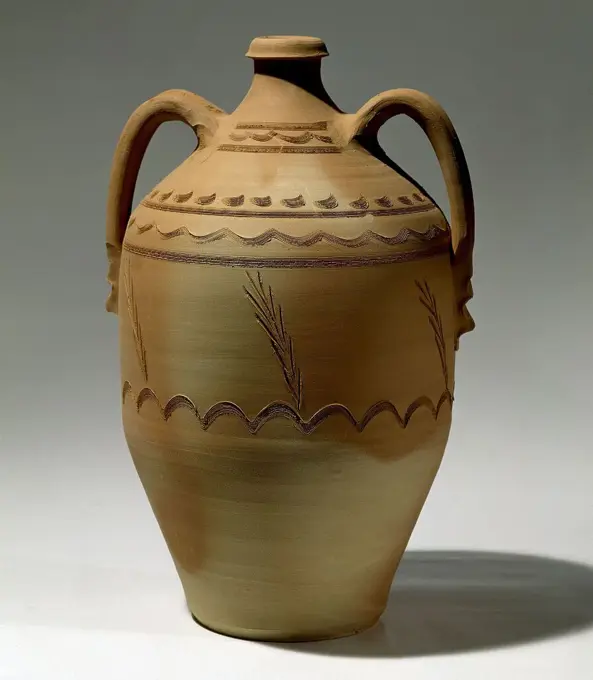
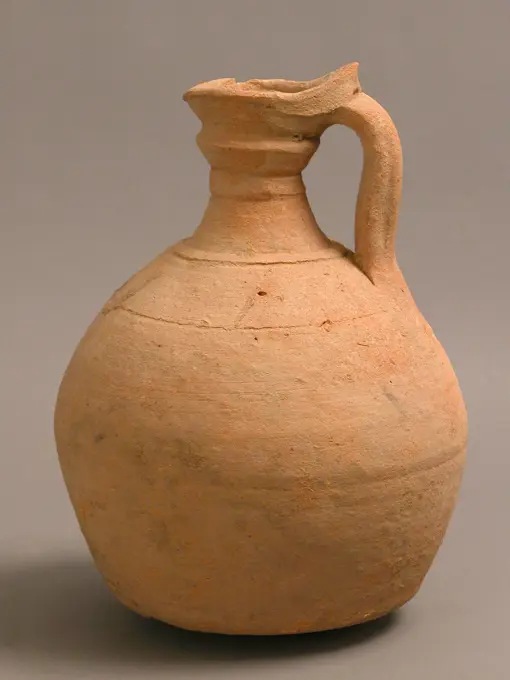
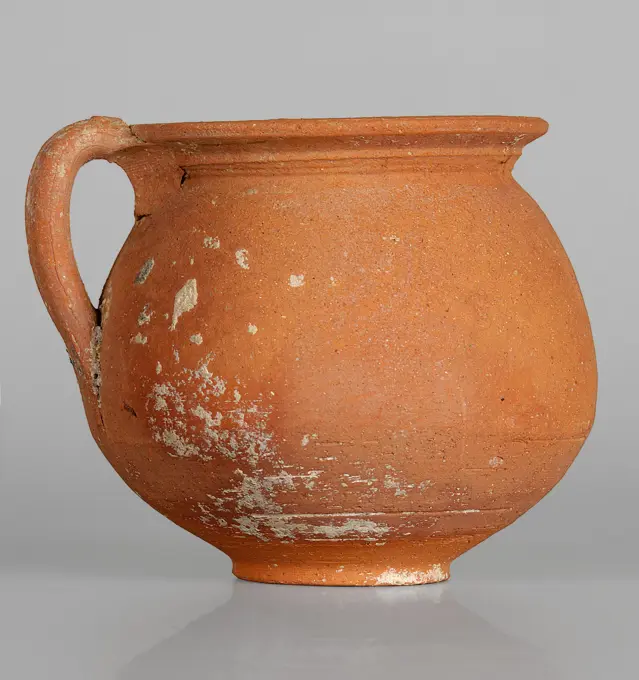
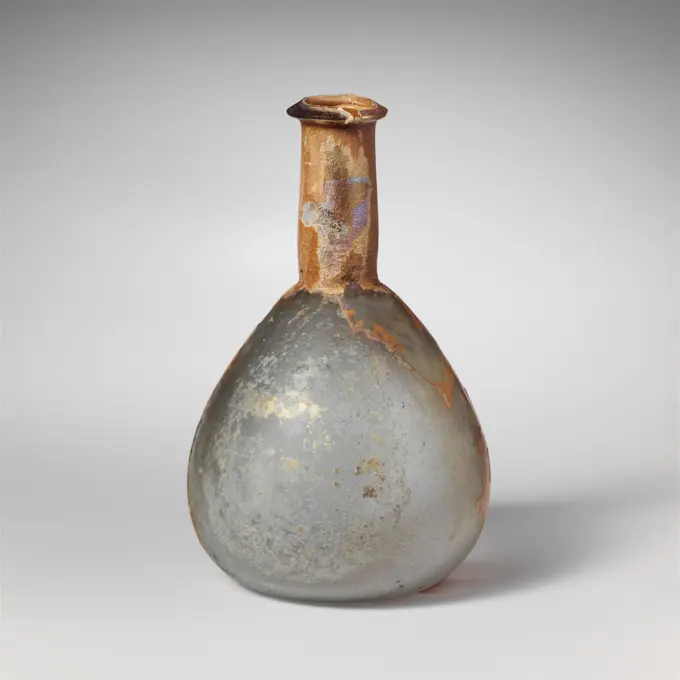
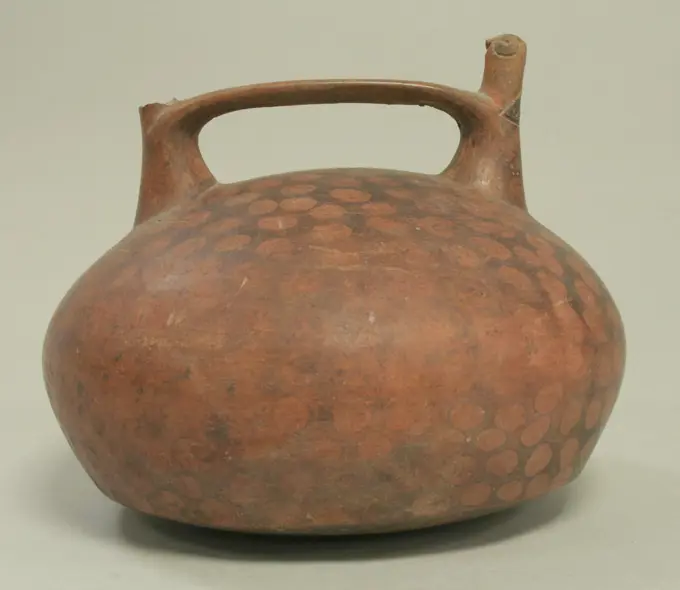
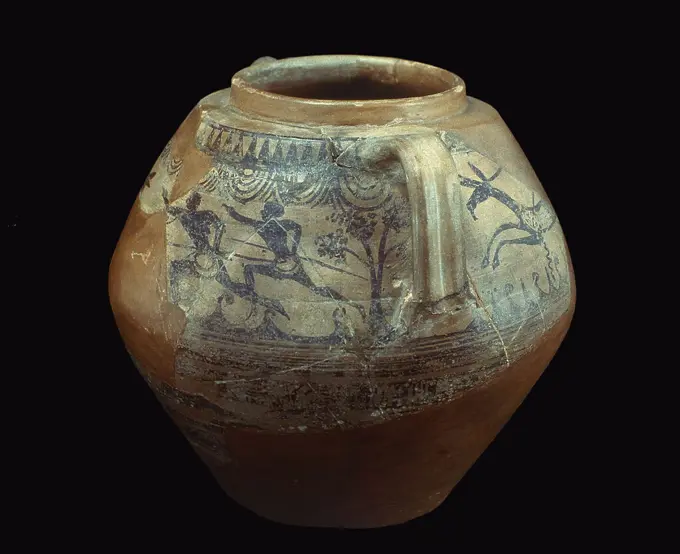
Selection of terracotta jars and flasks from various ancient cultures, displaying unique shapes and decorative styles from history.
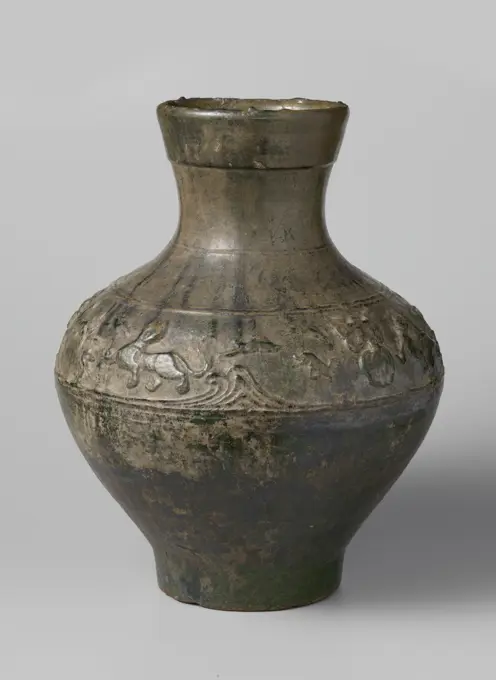
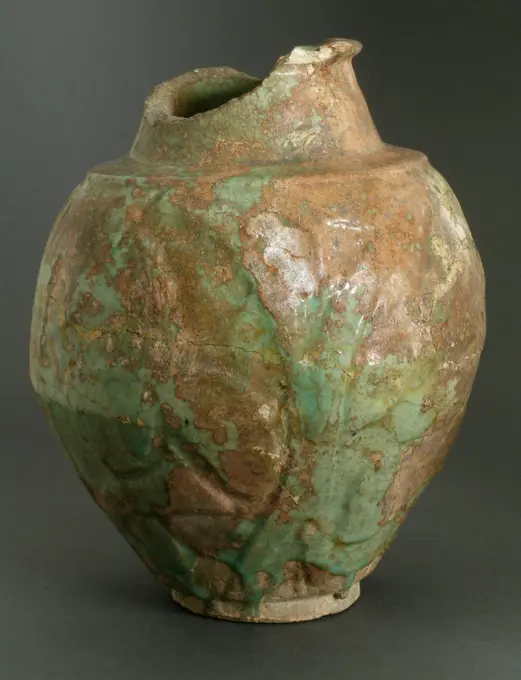
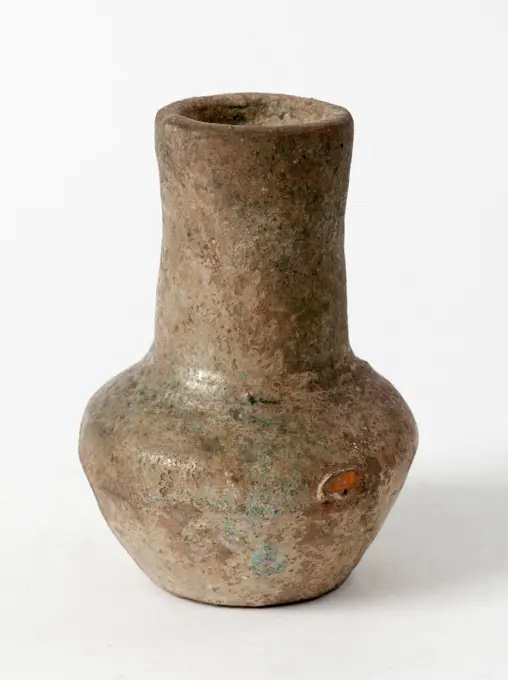
Vase, anonymous, c. -206 - c. 220 Vase of earthenware, covered with a green glaze. On the shoulder a bond with hunting scenes with human and animal figures in relief. In between twice a 'Taotie' mask with a ring. China earthenware. glaze vitrification Vase of earthenware, covered with a green glaze. On the shoulder a bond with hunting scenes with human and animal figures in relief. In between twice a 'Taotie' mask with a ring. China earthenware. glaze vitrification
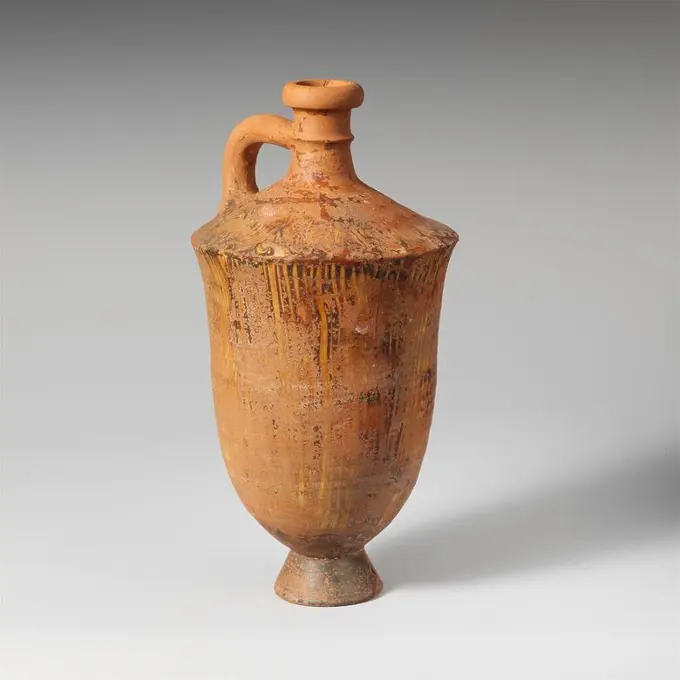
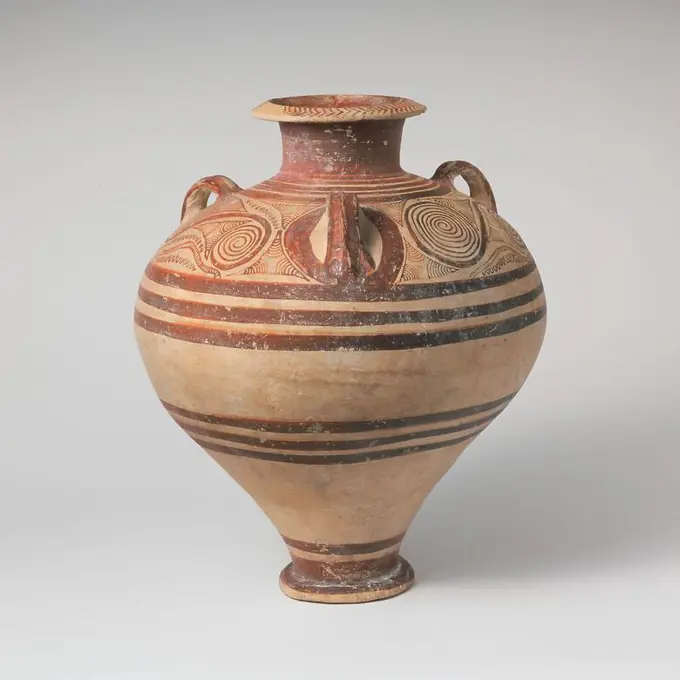
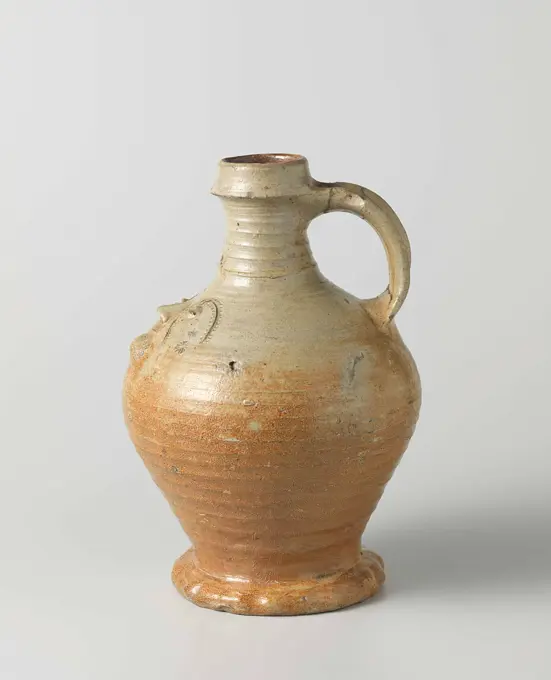
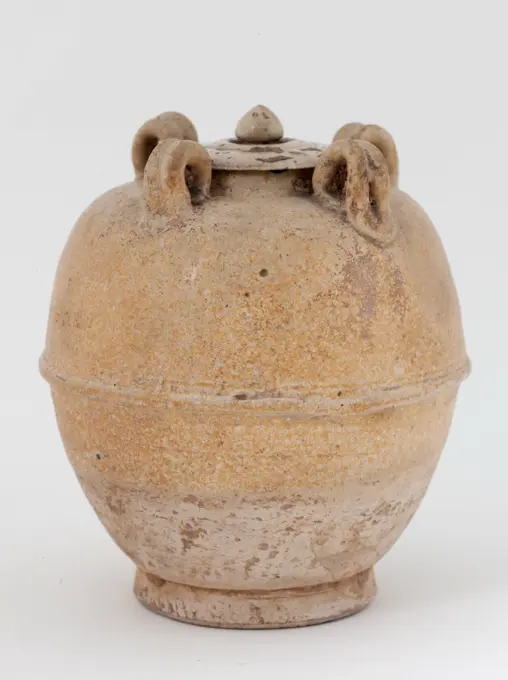
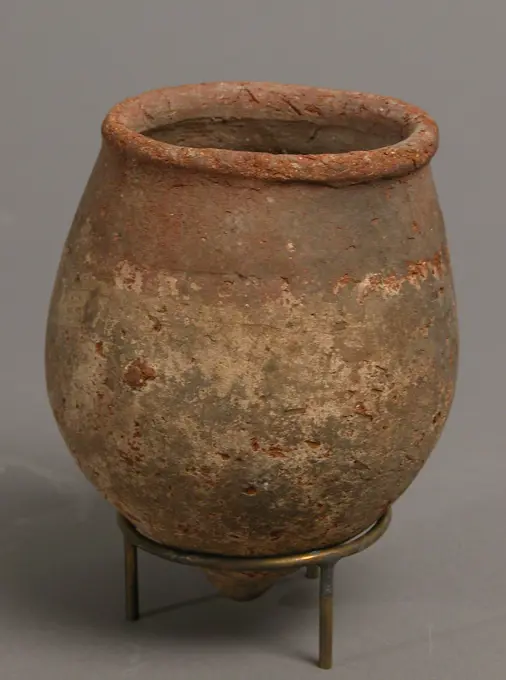
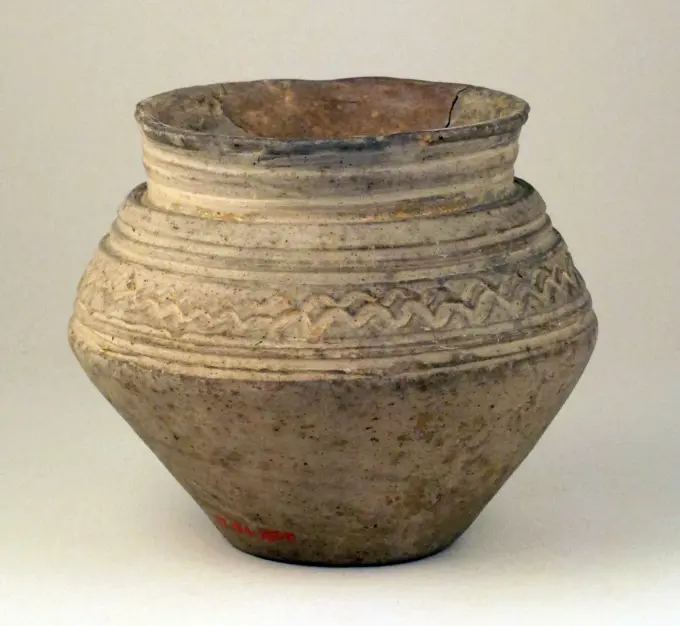
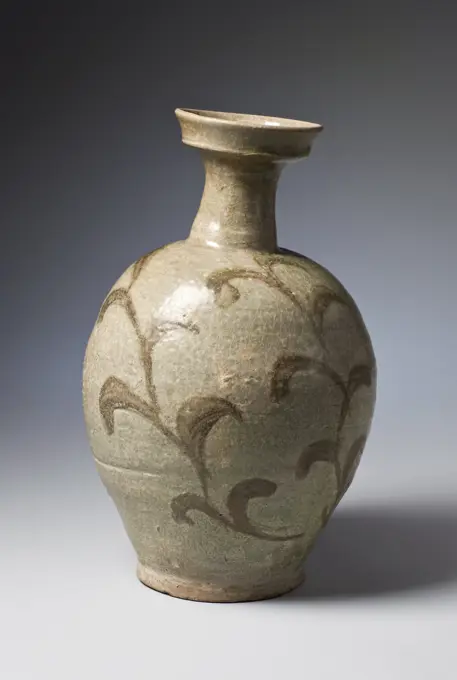
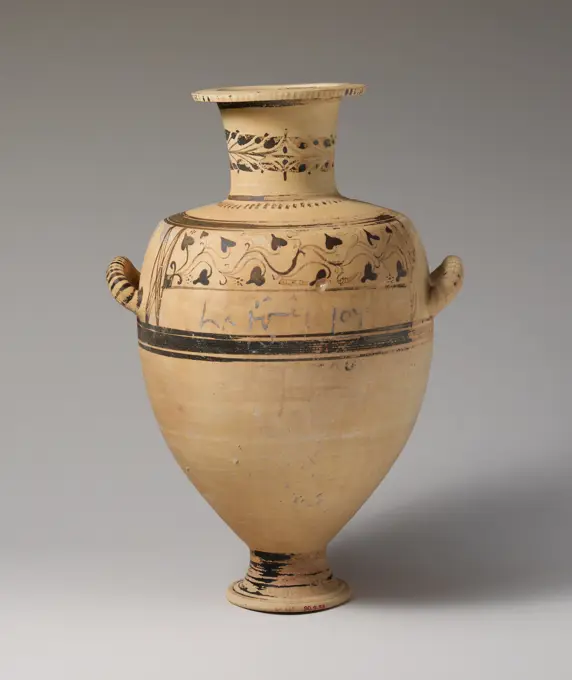
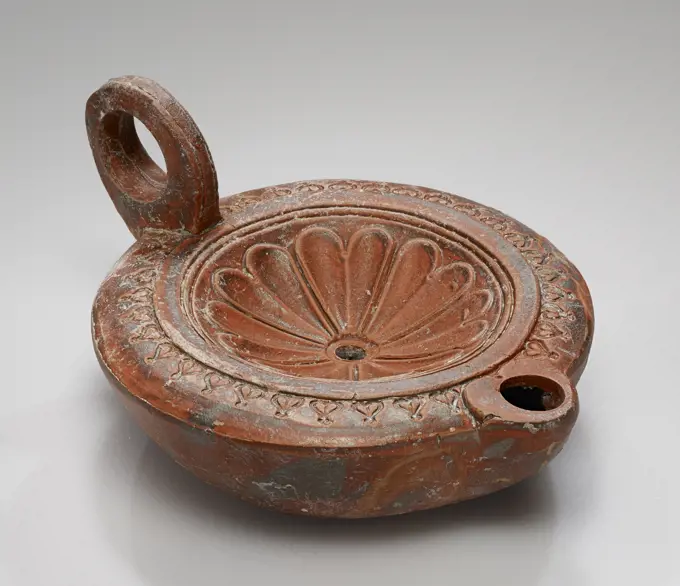
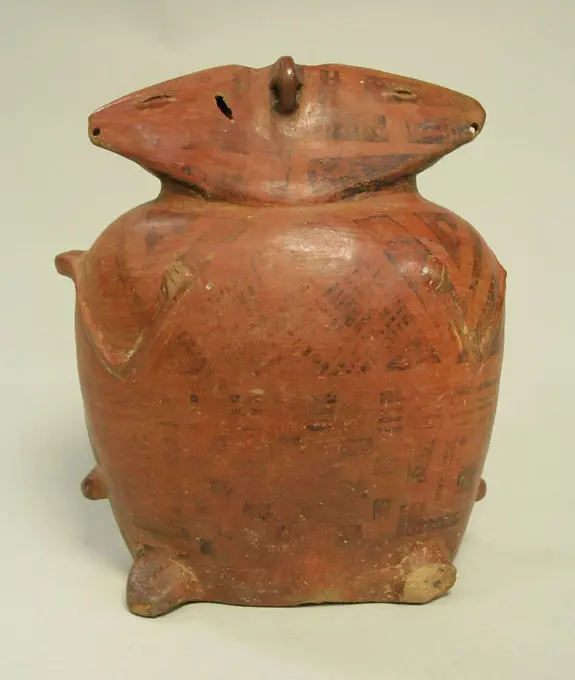
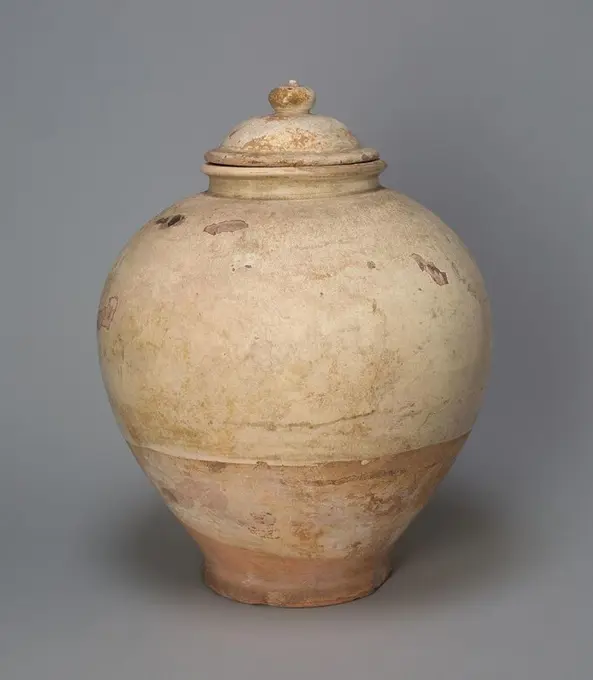
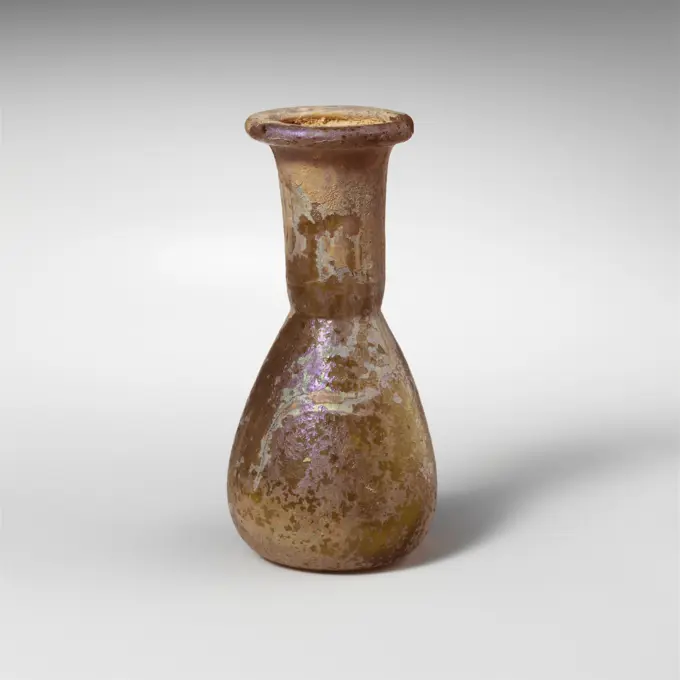
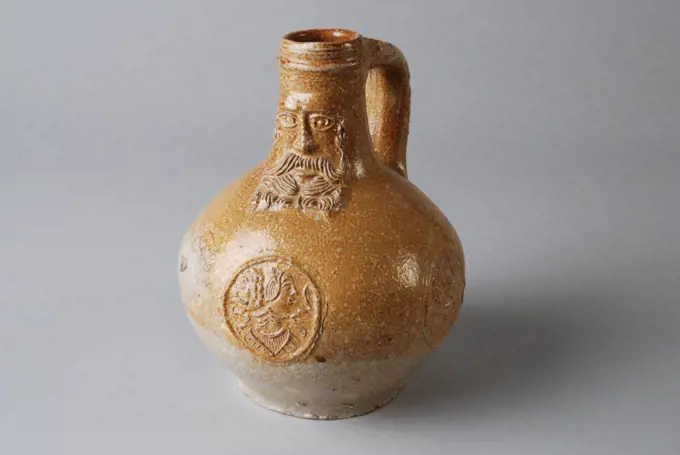
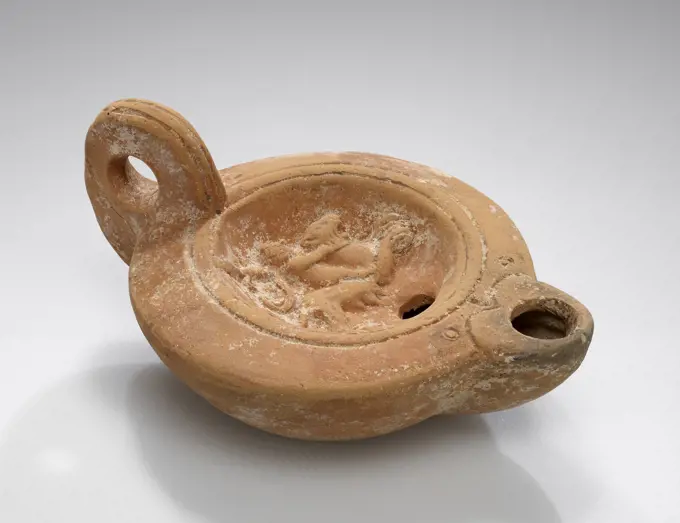
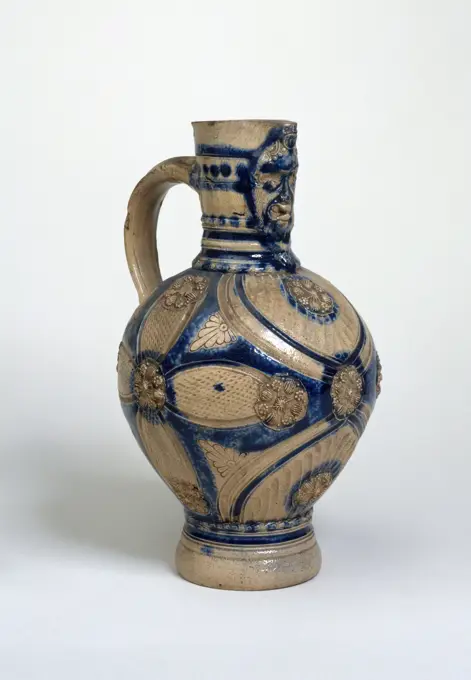
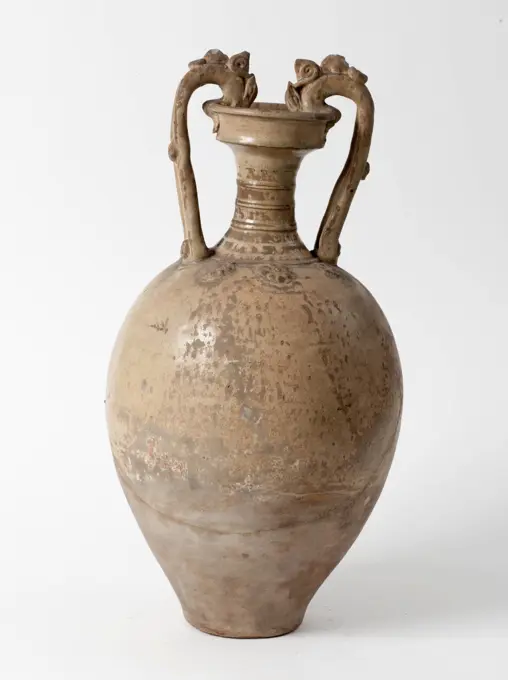
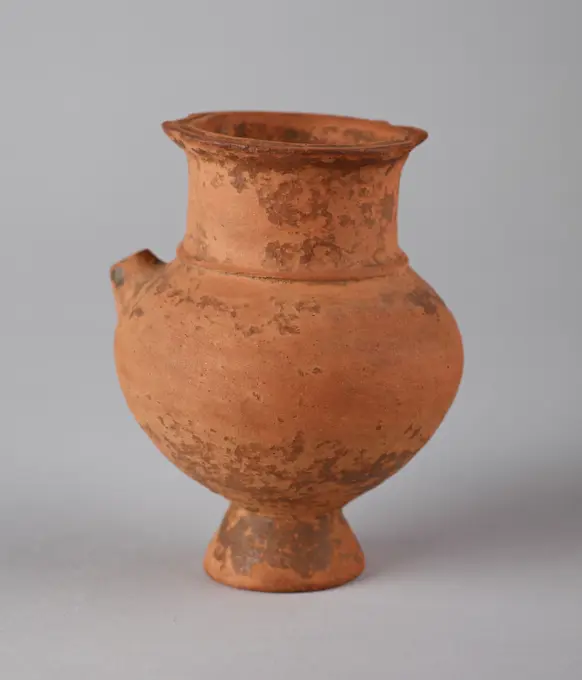
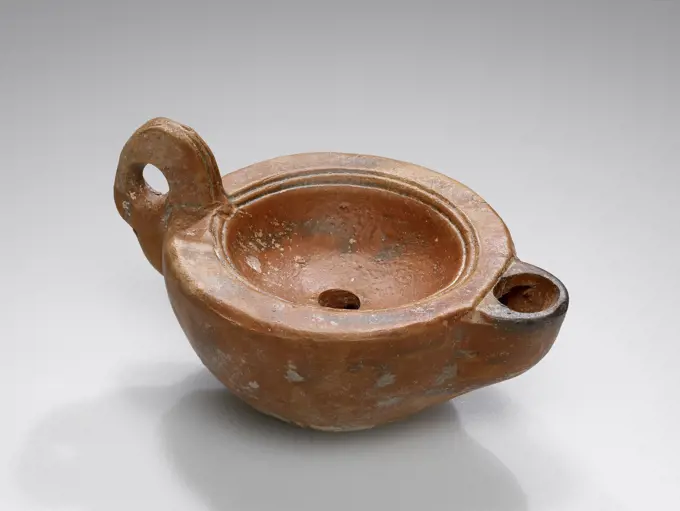
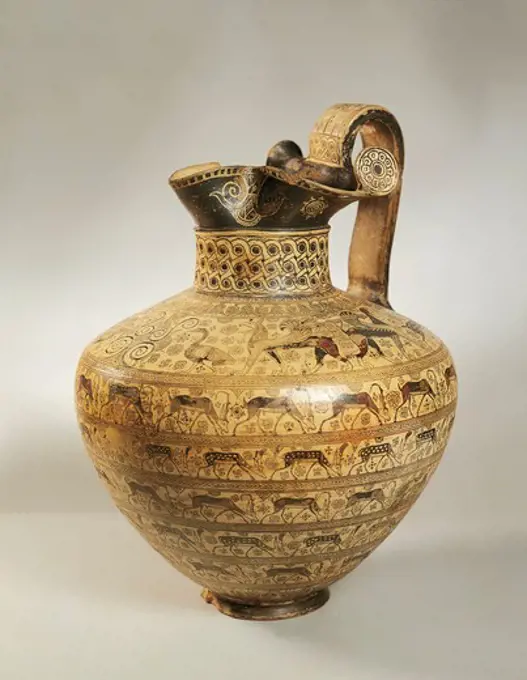
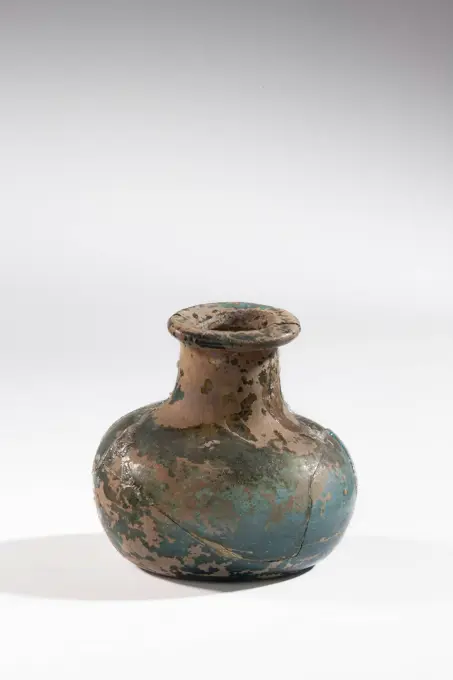
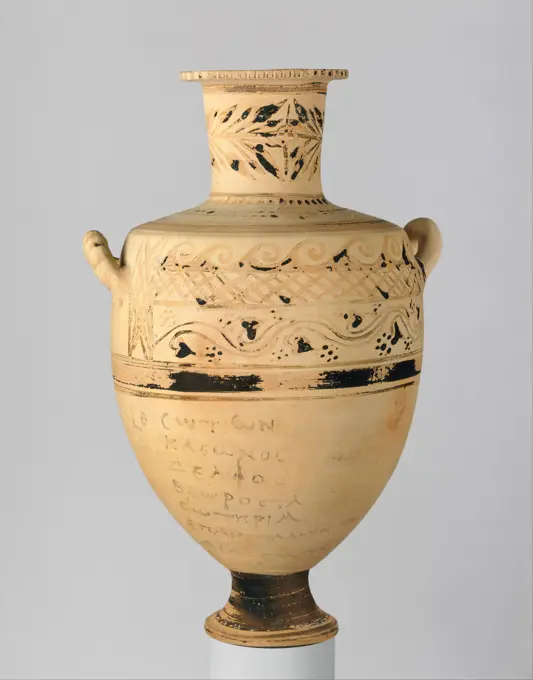
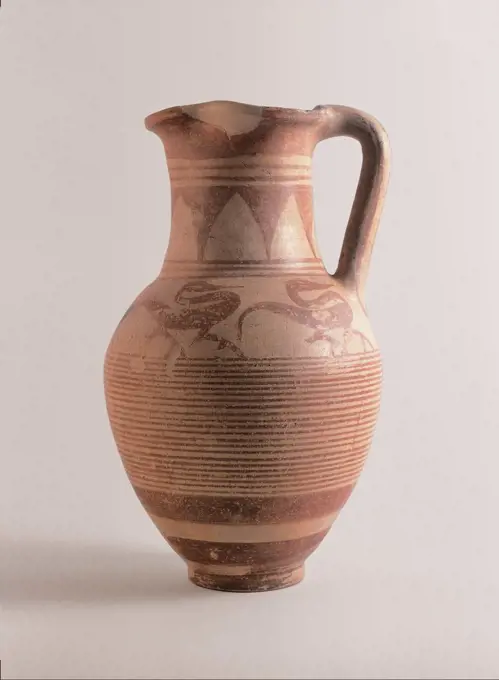
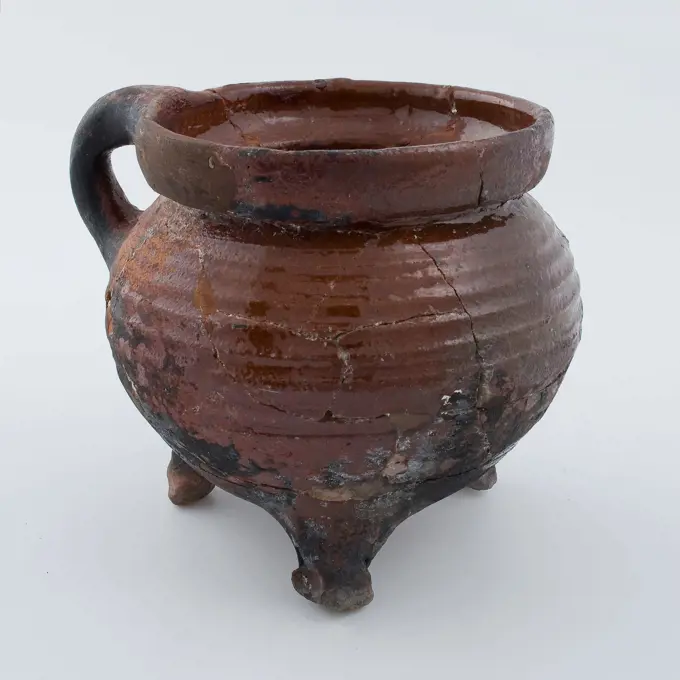
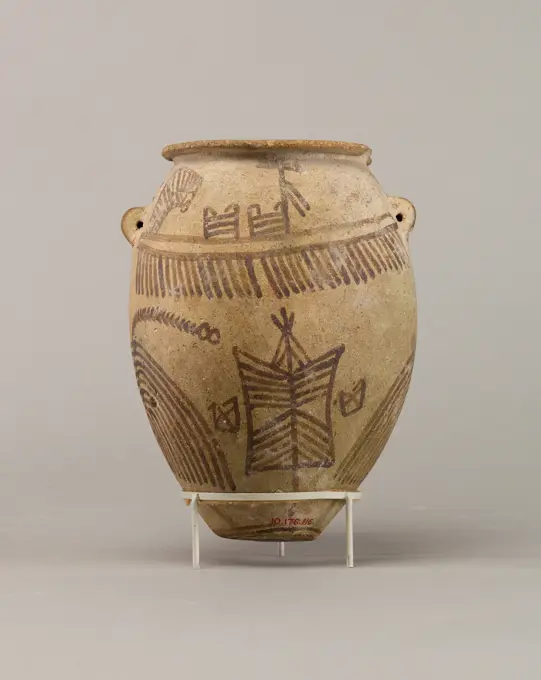
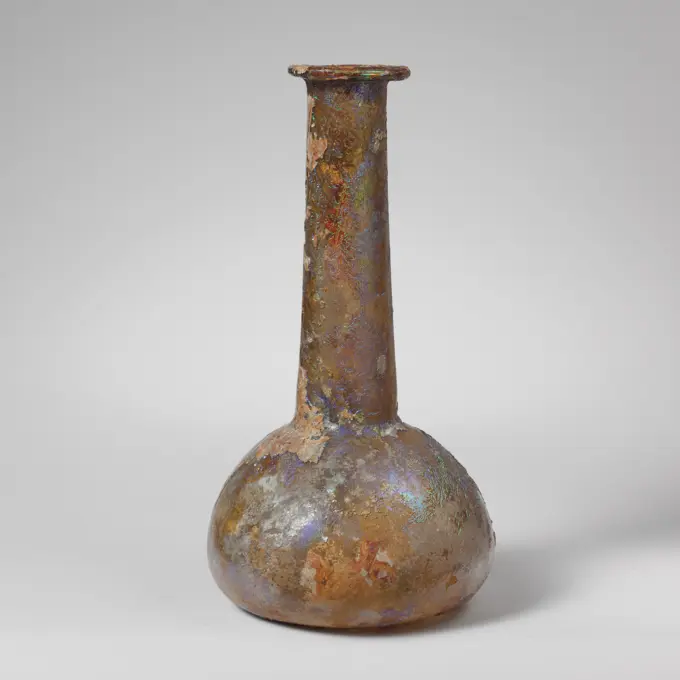
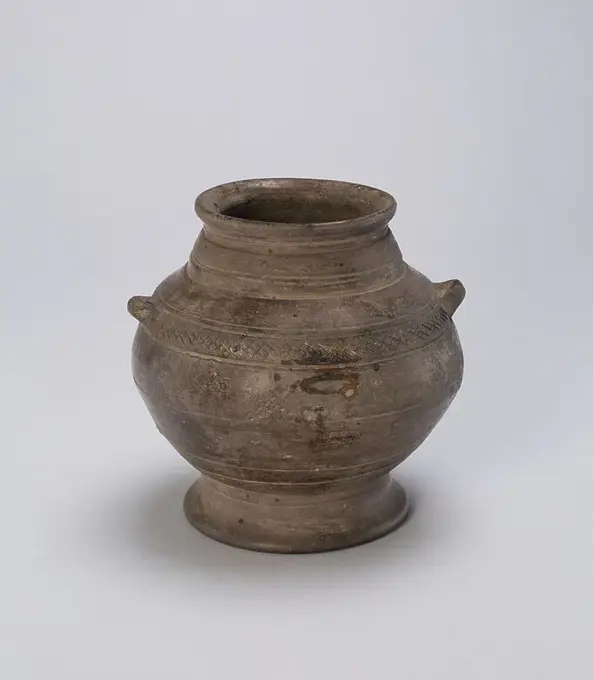
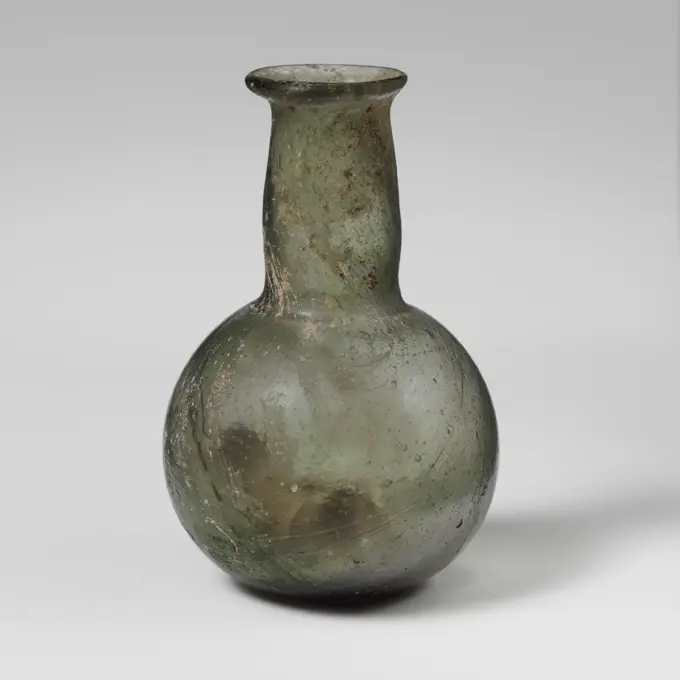
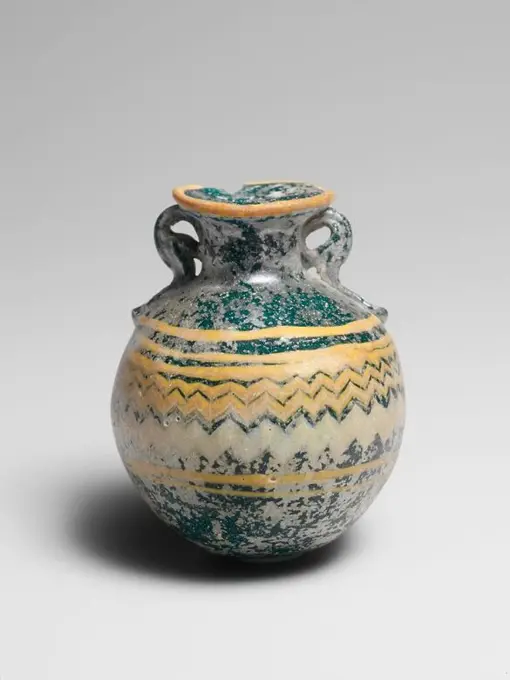
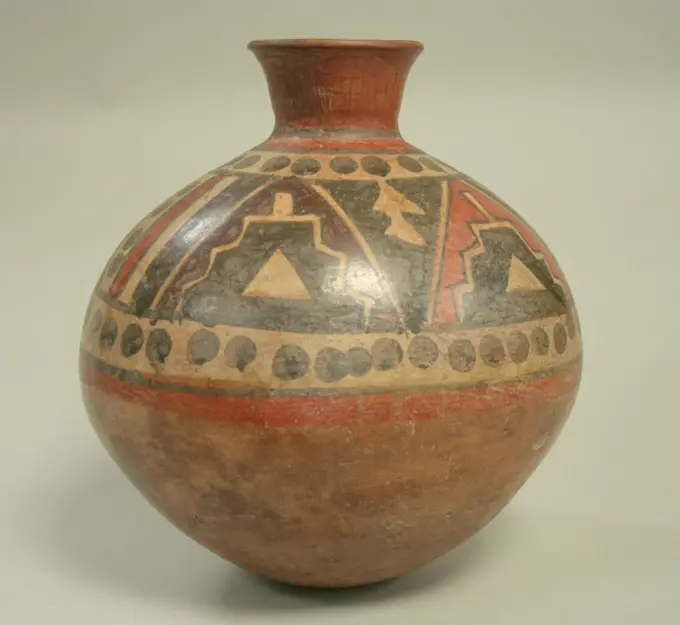
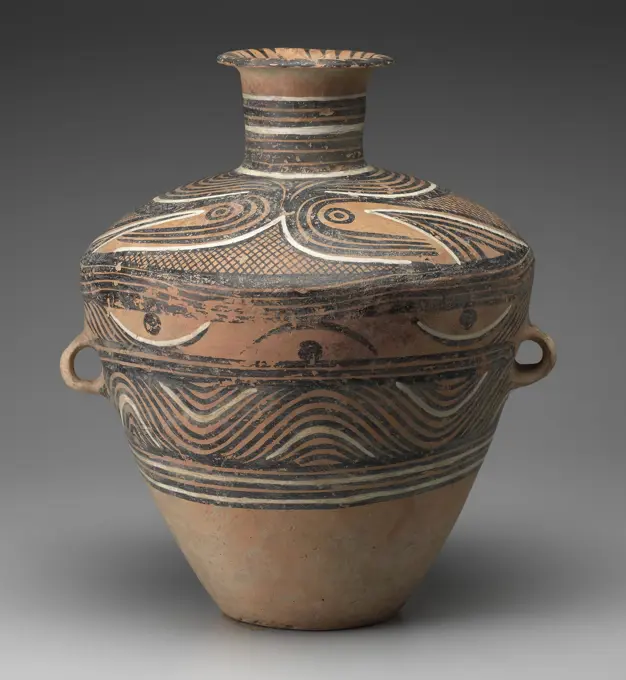
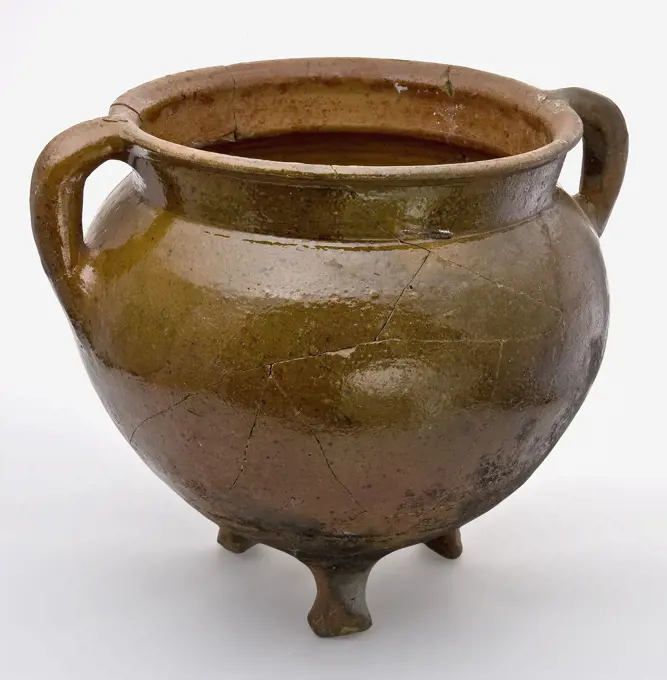
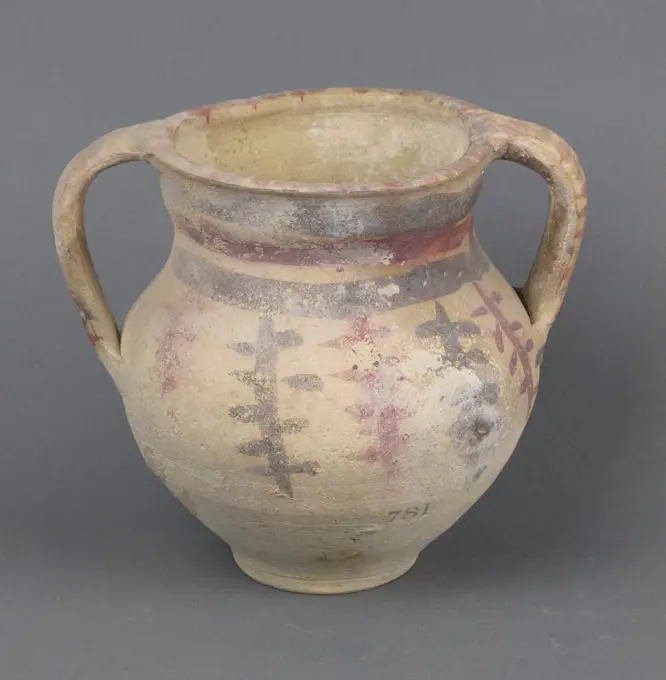
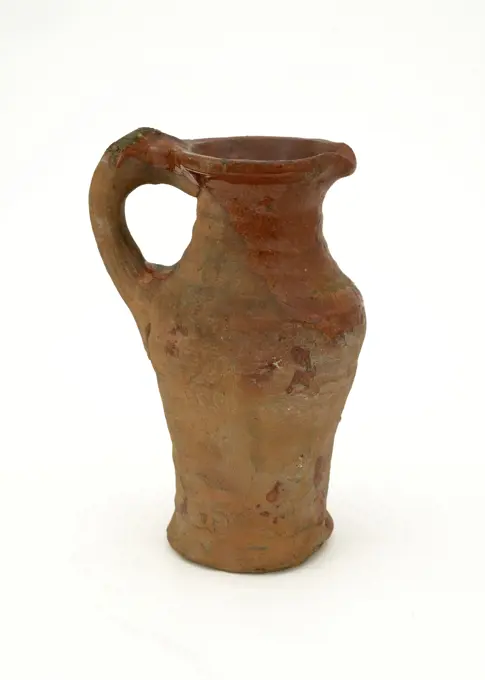
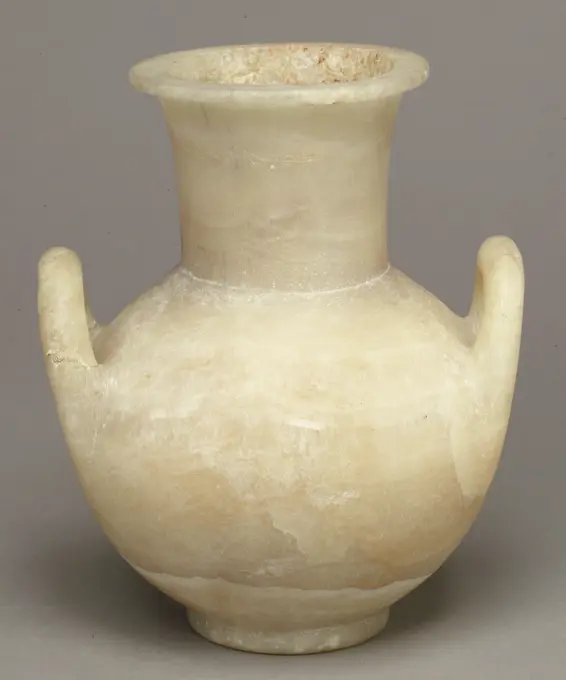
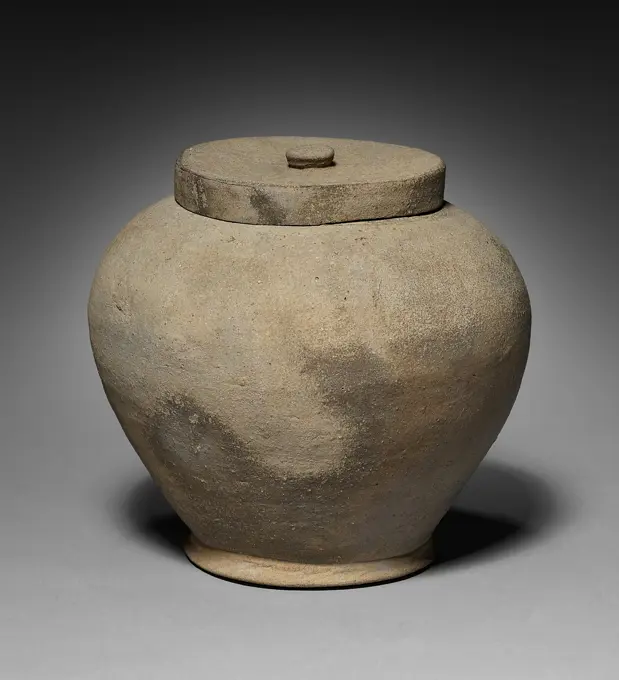
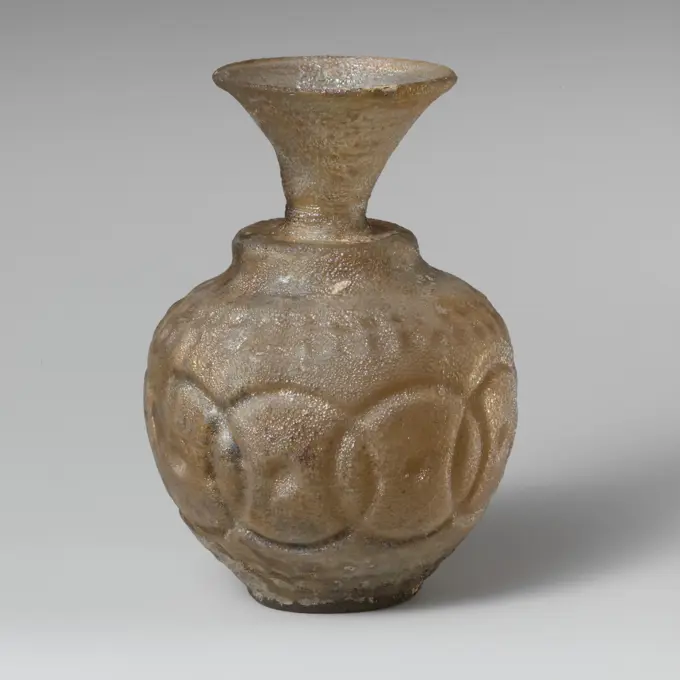
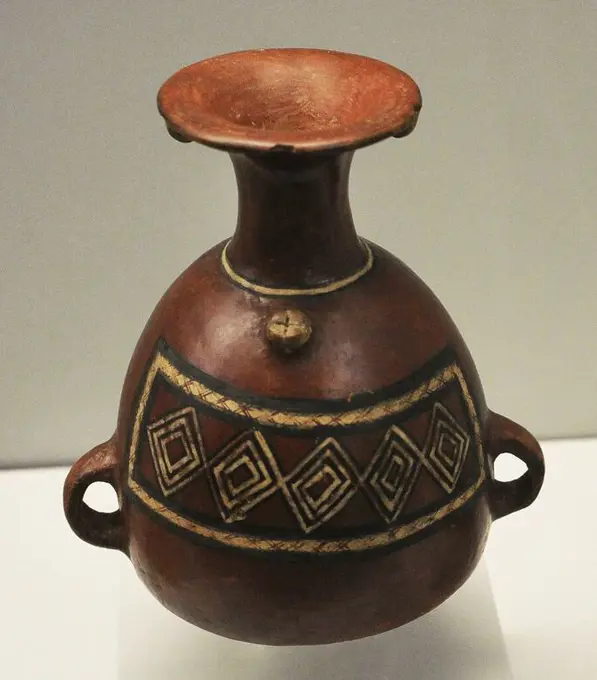
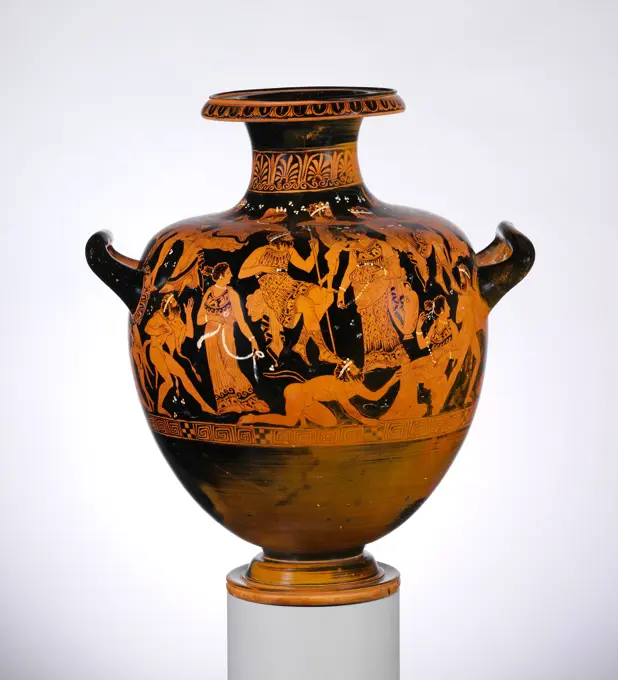
Terracotta stirrup jar. Culture: Cypriot. Dimensions: H. 5 1/2 in. (14 cm.). Date: early 11th century B.C..Broad and narrow bands and on shoulder, shaded triangles. Museum: Metropolitan Museum of Art, New York, USA.. The green glaze was a new invention during the Han period. It imitated the patina of bronze and was used only for grave goods. The colour of the glaze, which has a characteristic pearly gloss, can range from various shades of green to brownish-yellow.Terracotta lekythos (oil flask). Culture: Lydian. Dimensions: 8 1/8in. (20.6cm). Date: late 7th-6th century B.C..The decoration is a kind of marblizing that was favored for various, particularly local, shapes at Sardis. Museum: Metropolitan Museum of Art, New York, USA.Terracotta jug. Culture: Cypriot. Dimensions: H. 7 9/16 in. (19.2 cm). Date: 600-400 B.C..In relief, bull's headThe bull's head is not perforated. Thus, it served as decoration or in some symbolic capacity. Museum: Metropolitan Museum of Art, New York, USA.Trumpet-Mouthed Bottle with Abstract Floral Designs. China. Date: 907 AD-960 AD. Dimensions: H. 25.4 cm (10 in.); diam. 15.4 cm (6 1/16 in.). Yue ware; stoneware with underglaze incised decoration. Origin: China. Museum: The Chicago Art Institute, Chicago, USA.Jug. Culture: French. Dimensions: Overall: 7 1/2 x 5 3/16 in. (19 x 13.1 cm). Date: 15th century. Museum: Metropolitan Museum of Art, New York, USA.Terracotta pithoid jar. Culture: Mycenaean. Dimensions: H. 19 7/8 in. (50.5 cm.). Date: ca. 1325-1300 B.C..With three handles and decorated with conventional ornament. Museum: Metropolitan Museum of Art, New York, USA.Jar kouan. Ceramic. Paris, Cernuschi museum. Anse, Ceramic Chinese, Chinese Ceramics, Earthenware, Handle, Jarre Kouan, Kuan Jar, Vase. Brown bearded manner of stoneware. The belly is decorated with branches and rosettes in relief.Vase, anonymous, c. -206 - c. 220 Vase of earthenware, covered with a green glaze. On the shoulder a bond with hunting scenes with human and animal figures in relief. In between twice a 'Taotie' mask with a ring. China earthenware. glaze vitrification Vase of earthenware, covered with a green glaze. On the shoulder a bond with hunting scenes with human and animal figures in relief. In between twice a 'Taotie' mask with a ring. China earthenware. glaze vitrificationWine Jar (Hu). China. Date: 481 BC-221 BC. Dimensions: H. 32.4 cm (12 3/4 in.); diam. 19.7 cm (7 3/4 in.). Bronze. Origin: China. Museum: The Chicago Art Institute, Chicago, USA.Funeral jar ". Red sandstone with brown covers. China, Tang Dynasty (618-907). Paris, Cernuschi museum. Chinese art, Chinese ceramic, container, tang dynasty, funeral jar, container, terracottaFinal jug. Partially light brown colored jug of pottery. With a bullet-shaped belly on which a kneaded and in part rebel mask (prototype beard man).Jar and lid ". Terracotta, pale yellow covered. Sui. Paris, Cernuschi museum. Anse, Asian art, Chinese art, Chinese ceramic, container, lid, jar, container, terracottaEwer 8th-9th century. Ewer 449096Terracotta juglet. Culture: Cypriot. Dimensions: H. 5 5/16 in. (13.5 cm). Date: 750-480 B.C..The tubular spout at the front may have served for pouring or for use of the vase as a feeding bottle. Museum: Metropolitan Museum of Art, New York, USA.Jar, painted ca. 1500-1400 B.C. New Kingdom. Jar, painted 552351Askos; terra-cottaPot 4th-7th century Coptic. Pot 477289Footed vase with lughandlesGlass flask. Culture: Roman. Dimensions: 4 7/8 in. (12.5 cm)Other: 3 9/16 in. (9.1 cm)Diam. of rim: 1 1/2 in. (3.9 cm)Diam. of foot: 2 in. (5.1 cm). Date: 2nd-3rd century A.D..Colorless with green tinge.Rim folded over and in, with beveled outer lip; flaring mouth; concave neck; bulbous body; integral, solid base ring; pushed-in bottom, with trace of large pontil scar.Intact; many bubbles; dulling, pitting, and deep iridescent weathering.Possible traces of trail decoration around base of neck. Museum: Metropolitan Museum of Art, New York, USA.Terracotta pointed aryballos (oil flask) late 7th-early 6th century B.C. Etruscan, Italo-Corinthian During the late eighth and much of the seventh century B.C., Corinthian pottery was widely exported. The major question is whether the contents or the ceramic was more important. On the Italian peninsula, especially in Etruria, local workshops produced imitations or adaptations, of which this is an example.. Terracotta pointed aryballos (oil flask) 246116Vase Roman Grey vase with grooved wavy lines.. Vase. Roman. Terracotta. VasesBOTIJA PARA AGUA EN BARRO BLANCO SIN VIDRIAR-S XX ARTE POPULAR. Location: ALFARERIA. BAENA. CORDOBA. SPAIN.Bottle with leaves, 11th century, Unknown Korean, 9 3/4 × 5 15/16 × 6 in. (24.77 × 15.08 × 15.24 cm), Stoneware with iron-brown design under celadon glaze, Korea, 11th centuryTerracotta Hadra hydria (water jar) 227 B.C. Greek, Ptolemaic, Cretan inscribed on obverse "By Sarapion; year 20; Hegesias son of Aglophanes"inscribed on reverse "Hegesias son of  Aglophanes of Keos; year 20; Apellaios"The date of this hydria is provided by two inscriptions. The name Sarapion, an official in the court of Ptolemy III (ruled 246-221 B.C.), who supervised the funerals of those who died while on state visits to Alexandria, and the Greek letter "Kappa," which stands for the number 20 and indicates the specific year of Ptolemy's reign, 227/6 B.C.. Terracotta Hadra hydria (water jar) 245565Lamp, Roman Empire; 1st century B.C. - 4th century A.D; Terracotta; 3.6 x 11 x 13.4 cm (1 7,16 x 4 5,16 x 5 1,4 in.)Glass perfume bottle. Culture: Roman. Dimensions: Overall: 5 in. (12.7 cm)Diam.: 2 3/4 x 1 1/4 in. (7 x 3.2 cm). Date: 2nd-3rd century A.D..Translucent yellow green.Tubular rim folded out, over, and in, flattened on top; cylindrical neck, expanding downwards, with tooling marks around base; narrow horizontal shoulder; bulbous body; convex bottom.Intact; pinprick bubbles; patches of limy encrustation and iridescent weathering, with thicker soil encrustation on interior of neck. Museum: Metropolitan Museum of Art, New York, USA.Jar. Roman; Levant or Syria. Date: 201 AD-500 AD. Dimensions: H. 9.8 cm (3 7/8); diam. 10.5 cm (4 1/8 in.). Glass, blown technique. Origin: Syria. Museum: The Chicago Art Institute, Chicago, USA. Author: ANCIENT ROMAN.Figure Vessel. Culture: Quimbaya. Dimensions: Height 9-1/3 in.. Date: 9th-14th century. Museum: Metropolitan Museum of Art, New York, USA.CANTARO PARA AGUA CON DECORACION INCISA-ARTE POPULAR S XX. Location: ALFARERIA. Toledo. SPAIN.Vase. Syria, 13th century. Ceramics. Fritware, carved and glazedVase, 14 in. (35.6 cm) (height), Earthenware, pigments, China, Late Eastern Zhou dynastyAryballos (Container for Oil) 625 BCE-600 BCE Greece. Situated at the crossroads of Mediterranean trade routes, the Etruscans were avid importers of Greek vases with figural decoration. Many of these vessels survive today because they were buried with their Etruscan owners, and were discovered in tombs only during the last several centuries. This piece was made by a local artist who quickly adopted the decorative motifs and painted styles of imported wares and adapted them to local tastes in order to capture some of the market.. terracotta . Ancient GreekJug 4th-7th century Coptic. Jug 475754Minoan civilization, Decorated ceramic vaseCovered Jar. China. Date: 700 AD-735 AD. Dimensions: H. 35.4 cm (13 15/16 in.); diam. 27.7 cm (10 15/16 in.). Slip-coated earthenware. Origin: China. Museum: The Chicago Art Institute, Chicago, USA.Glass perfume bottle 1st century A.D. Roman Small unguentarium.Translucent light yellow brown.Rim folded out, over, and in; flaring mouth; cylindrical neck, tapering downwards with tooled indent around base; conical body with slightly convex sides; flattened bottom.Intact, except for chip in rim; pinprick bubbles and blowing striations; dulling, pitting and iridescent weathering, with some soil encrustation on interior.. Glass perfume bottle 244684Pot 4th-7th century Coptic. Pot 476278Stoneware barb jug, small and round ball with Bartmann jug, also called Bellarmine jug, and three portrait medallions, Bartmann juggejug tableware holder bottomfound ceramics stoneware icing saltglaze, handdrawn stamped molded glazed baked Stoneware beard jug Small ball-shaped jug on standing face conical neck with profile rings under the neck edge. Standing ribbon ear. Bartmann jug and three portrait medallions as appliqués In the medallions, double face of masculine and feminine faces facing each other. Completely brown-gray glazed archeology Rotterdam IJsselmonde indigenous earthenware import drink serve keep transport Soil discovery: IJsselmonde Castle 2, Rotterdam 2.Oinochoe (a wine jug). unknown, authorLamp, South Anatolia, Anatolia; 1st - 4th century; Terracotta; 3 x 7.5 x 10 cm (1 3,16 x 2 15,16 x 3 15,16 in.)Aiguière ", 16th century. Museum of Fine Arts in the city of Paris, Petit Palais. Acute, contain liquid, jug, decoration, art object, painted, pitcher, container endow handle, water vase, carafeVase with dragon-shaped handles ". Terracotta with cream glaze. China, Tang dynasty (618-907). Paris, Cernuschi museum. Anse Dragon, Chinese art, Chinese Ceramic, container, Tang dynasty, extended shape, amphora form, container, terracotta, vaseFeeding VesselGlass jug. Culture: Roman. Dimensions: H.: 3 1/2 in. (8.9 cm). Date: 1st-2nd century A.D..Translucent blue green; handle in same color.Rim folded out, round, and in, with beveled upper surface; cylindrical neck, with tooling indent around the base; almost horizontal shoulder; squat, bulbous body, curving in at base; hollow base ring, outsplayed on one side; shallow, pushed-in bottom; two-ribbed handle applied to shoulder, with straight tooling indent across back of pad and two claws projecting down on front, drawn up and outwards, then turned in horizontally, and pressed onto side of rim and top of neck, with vertical projecting loop as a thumb rest above rim.Intact; some pinprick bubbles and blowing striations; slight dulling, thick creamy brown weathering, and iridescence. Museum: Metropolitan Museum of Art, New York, USA.Lamp, South Anatolia, Anatolia; 1st - 4th century; Terracotta; 3.5 x 6.5 x 9 cm (1 3,8 x 2 9,16 x 3 9,16 in.)Oenochoe decorated with figures of goats fallowing deer and ibex, from Rhodes, GreeceBottle. unknown, craftsmanTerracotta Hadra hydria (water jar) ca. 213 B.C. Greek, Egypt, Alexandria-Hadra. Terracotta Hadra hydria (water jar) 245564Oinochoe from Cerveteri, 8th Century, ceramic,Small pottery cooking jug with rotations and fire stroke, on three legs, grape cooking pot crockery holder kitchenware earthenware ceramics earthenware glaze lead glaze, hand-turned glazed fried Ball-shaped cooking jug on three legs. Red shard lead glaze on the shoulder and upper edge internally largely glazed. Wide neck opening slightly slanted and short pot edge Standing sausage above the rim excellent Rotating cushions on the shoulder Footed claw feet. Gratuity on the underside Restauration is repainted archeology underground pit Rotterdam City center Stadsdriehoek Groenendaal indigenous earthenware cooking kitchen food preparation Soil discovery: underground pit Groenendaal large waste pit at ± 4 meters N..P 1977.06.27.Vase ". Terracotta with green lead glaze. Han dynasty (206 BC-220 AD). Paris, Cernuschi museum. Chinese art, Chinese ceramic, han dynasty, han time, terracotta, vaseDecorated ware jar illustrating boats ca. 3850-2960 B.C. Predynastic Period. Decorated ware jar illustrating boats. ca. 3850-2960 B.C.. Pottery, paint. Predynastic Period. From EgyptTerracotta pyxis with lid (box) late 6th century B.C. Greek, Corinthian Three handles in the form of female busts.. Terracotta pyxis with lid (box) 247205Pitcher. Roman; coast of Syria or Palestine. Date: 201 AD-400 AD. Dimensions: 19.5 × 14 × 14.1 cm (7 5/8 × 5 1/2 × 5 1/2 in.). Glass, blown technique. Origin: Syria. Museum: The Chicago Art Institute, Chicago, USA. Author: ANCIENT ROMAN.Glass perfume bottle. Culture: Roman. Dimensions: 7 7/16in. (18.9cm)Other: 2 13/16 in. (7.1 cm)Diam. of rim: 1 9/16 in. (3.9 cm). Date: 2nd-3rd century A.D..Colorless with pale blue green tinge.Thick, rounded rim, folded out, down, over, and in, with fairly broad, oval collar to mouth; cylindrical neck, expanding downward and tooled in around base; elongated piriform body; pushed-in bottom with kick and circular pontil scar.Intact; pinprick bubbles; pitting, iridescence, and creamy weathering. Museum: Metropolitan Museum of Art, New York, USA.Can be on three claw legs and tuit ending in animal head. The can, which is poured as a whole, is on three legs that are provided with claw feet. The legs are six-. The rear surface has hollowed out slightly. The object has a convex, slightly flat stomach and a high neck. The transition from the belly to the turn of the neck is marked by a rib, the middle of the neck by a rib, the termination of the neck by a collar. This has a round but slightly sharp edge. The spout, which is applied to the abdomen protected with a rib, is vertically directed. He bows with it as an animal head oriented end to the outside. The cross section of the spout is more or less five. The plane on the outside runs around. The rod, which connects the neck with the spout, has the shape of an arm with a hand. The handle is mounted with a lip-profiled lip on the abdomen and against the collar of the neck. It is straight straight and inwards around from surface. The rear leg is not originally.Krater with silhouette of horses. Geometric pottery from Civitavecchia. Etruscan Civilization, 725-700 BC.Glass perfume bottle 2nd-3rd century A.D. Roman Colorless.Rim folded out, over, and in; cylindrical neck, expanding downwards; squat, bulbous body; flat bottom.Intact, except for small hole in side of body; many bubbles; heavy iridescent weathering and pitting; some brown, gritty accretions on rim and inside neck.. Glass perfume bottle 239607Jar 9th century This ceramic jar was excavated at the site of Tepe Madrasa in Nishapur.Nishapur was a vital city in the early and middle Islamic periods, located along one of the main trajectories that connected Iran and West Asia Islamic lands with Central Asia and China. These itineraries are often referred by the term Silk routes’ but were in fact crucial to the movement of constellations of materials and objects, as well as people and ideas. The diverse population of Nishapur and its surroundings, from the better-researched elite groups of merchants, land-owning aristocracy, and literates, to the less-known artisans, farmers, miners, and servants, were instrumental in adapting global cultural trends to create their own distinctive visual languages. This is seen in the material remains of everyday life in medieval Nishapur - from pots and pans to lighting devices, inkwells, textiles and trimmings, jewelry, games and toys, talismanic devices, weapons, coins, and architectural fragmeJar 206 CE-220 CE China. Stoneware with lead green glaze and underglaze molded decoration .Jug ca. 3rd-7th century A.D. Sasanian. Jug 323024Jug, c. 1450-1200 BC. Cyprus, Late Cypriot II. White slip ware; diameter: 7.1 cm (2 13/16 in.); overall: 14.6 cm (5 3/4 in.); diameter of rim: 4.3 cm (1 11/16 in.).Glass flask. Culture: Roman. Dimensions: 3 5/8in. (9.2cm). Date: ca. 2nd-3rd century A.D..Translucent blue green.Everted rim, with folded lip flattened into inside of funnel-shaped mouth; cylindrical neck, tooled in around base; horizontal shoulder; squat, globular body; thick, slightly pushed-in bottom with pontil scar.Around lower body, two horizontal rows of irregular short pinched fins, five in upper row and four in lower.Intact; some pinprick and larger bubbles; faint dulling and iridescence on exterior, patches of brown weathering on interior. Museum: Metropolitan Museum of Art, New York, USA.Jar with Grooved Bands and Loop Handles. China. Date: 1100 BC-1000 BC. Dimensions: H. 11.4 cm (4 1/2 in.); diam. 11.7 cm (4 5/8 in.). Earthenware with molded and incised decoration. Origin: China. Museum: The Chicago Art Institute, Chicago, USA.Glass globular bottle. Culture: Roman. Dimensions: H.: 7 1/16 in. (18 cm). Date: late 1st-early 2nd century A.D..Translucent blue green.Collared rim, folded out, down, round, and up, with slight raise lip to mouth; tall cylindrical neck, expanding downwards; globular body; base with rounded edge and concave bottom. One continuous mold seam around body and across bottom, extending to base of neck and forming a raised line across bottom.Body decorated in matching relief designs on the two sides: a central twelve-petalled rosette within two concentric circles, and six pelta-like crescents with curling finials and central triangles together with bosses, flanked by a vertical line. The lowest of the crescents on each side is partially obscured by the base.Broken and repaired at middle of neck, and base chipped and cracked on one side; some bubbles, elongated in neck; one side with soil encrustation and dulling on exterior, whitish weathering and iridescence on interior.With modern inscGlass perfume bottle 1st century A.D. Roman Small perfume bottleTranslucent green.Plain, rounded rim; flaring mouth; slightly convex neck, tooled in around base; globular body; flattened bottom with traces of a large, circular pontil mark in relief.Intact; many pinprick and small bubbles, with blowing striations; faint iridescence with small patches of pitting and weathering.. Glass perfume bottle 239762Glass aryballos (perfume bottle). Culture: Greek, Eastern Mediterranean. Dimensions: H.: 2 3/16 in. (5.6 cm). Date: late 6th-5th century B.C..Semi opaque turquoise green, with same color handles; trails in opaque yellow and possibly opaque turquoise blue. Uneven inward-sloping rim-disk; cylindrical neck; broad angular shoulder; almost spherical body; convex bottom, with linear tooling indent across it; two vertical ring handles with knobbed tails, applied over trail decoration, extend from top of body to underside of rim-disk; handles are not directly opposite each other but rather more to one side.A yellow trail applied to outer edge of rim-disk; another yellow trail applied on shoulder and wound spirally, at first in horizontal lines, then tooled into a close-set zigzag pattern around central section of body, where another broader trail is added to the zigzag, mingling with the yellow; below, a fine yellow trail wound horizontally twice around body.Complete except for chip in rimPainted Single Spout Bottle 15th-16th century Peruvian. Painted Single Spout Bottle 318618Pot 4th-7th century Coptic. Pot 476274Storage Jar, c. 3000 BCE, 20 1/2 x 16 3/4 x 15 1/4 in. (52.07 x 42.55 x 38.74 cm), Majiayao type Burnished earthenware with painted décor, China, 31st-30th century BCE, Located in the far northwest of China, the Majiayao culture (c. 3800-2000 BCE) produced an accomplished painted pottery tradition. Although originally derived from the Yangshao culture, Majiayao is now considered a culture of its own. Many of its tomb sites in Qinghai and Gansu provinces were richly furnished with decorative pottery.Large earthenware grape on three legs, ovoid with wide neck and two ears, smoothly finished, grape casserole tableware container kitchenware earth finding ceramics earthenware glaze lead glaze, hand-turned glazed baked Pottery grape on three legs High and ovoid model with wide neck opening Red shard sparingly glazed Two standing sausage ears Slightly outstanding top edge on almost vertical neck. Deep thumb impressions on the inside at the place of the attachment of the ears. Very uniform in shape and smooth finish. traces of use soot on the underside and scratches of cleaning on the inside archeology Landpoortstraat Geervliet Bernisse indigenous pottery cooking kitchen nutrition food preparation Soil discovery: Geervliet waste pit barn Landpoortstraat 1 September 1983.Water Vessel, c. 1930, 12 3/16 x 8 1/2 x 9 in. (30.96 x 21.59 x 22.86 cm), Ceramic, pigment, Nigeria, 20th centuryAmphoriskos 850-750 B.C. Cypriot. Amphoriskos. Cypriot. 850-750 B.C.. Terracotta. Cypro-Geometric III. TerracottasSub-geometric amphora - Peucetian, 7th Century, ceramic,RENGETSU. Vase. Ceramic, celadon. Paris, Cernuschi museum. 55305-3 Celadon, Ceramic, Rengetsu, VaseAmphoriskos 600-480 B.C. Cypriot Wide-mouthed amphora with broad bands on neck, trees on shoulder.. Amphoriskos. Cypriot. 600-480 B.C.. Terracotta. Cypro-Archaic II. VasesTerracotta amphoriskos (oil flask). Culture: East Greek, Milesian, Fikellura. Dimensions: H. 9 5/16 in. (23.7 cm). Date: ca. 550-525 B.C..WaterbirdsAfter the amphora, tall slender amphoriskoi were the most popular Fikellura shape. Museum: Metropolitan Museum of Art, New York, USA.Crock. Dated: c. 1939. Dimensions: overall: 40.5 x 30.4 cm (15 15/16 x 11 15/16 in.) Original IAD Object: 13" High. Medium: watercolor, graphite, and colored pencil on paperboard. Museum: National Gallery of Art, Washington DC. Author: Elsie Wein.Jug (Bartmann jug) with portraits, leaves and an inscription, anonymous, c. 1540 - c. 1560 Jug (beard fancier bush) of stoneware on the standing surface with a spherical body and narrow neck. The C-shaped ear is attached to the neck and shoulder. Profiles on the neck. Covered with a brown Engobe. On the belly in relief a printed and imposed decorative bond with the inscription 'Tontdrne of esgot nitvrgs' . On either side of the inscription medallions with portraits and profil and leaf motifs. On the neck, continuously on the shoulder, a bearded man. Attached to the ear a pewter frame with lid. Frechten. Cheek Stoneware. Glaze. Engobe. frame: tin (metal) vitrification Jug (beard fancier bush) of stoneware on the standing surface with a spherical body and narrow neck. The C-shaped ear is attached to the neck and shoulder. Profiles on the neck. Covered with a brown Engobe. On the belly in relief a printed and imposed decorative bond with the inscription 'Tontdrne of esgot nitvrgs' . On eiPottery jug from the sugar industry, syrup jug, jug crockery holder soil find ceramic earthenware glaze lead glaze, hand-turned glazed baked Pottery can be called 'Amsterdammertje' heavy red shard coarsely modeled inside and part outside (neck and shoulder) covered with lead glaze schenklip worstoor spindles standring archeology Waal indigenous pottery donate sugar confectionery sugar industry craft industry Soil discovery: from the river Waal.Two-Handled Ointment Jar ca. 1479-1425 B.C. New Kingdom. Two-Handled Ointment Jar 544020Cinerary Urn, c. 800-850. Japan, Heian period (794-1185). Stoneware with slight natural ash glaze (Sue ware); diameter: 24 cm (9 7/16 in.); overall: 22.5 cm (8 7/8 in.); without cover: 21.2 cm (8 3/8 in.); diameter without lid: 11 cm (4 5/16 in.).Jug;  Kon. I - early century A.D. (100-00-00-110-00-00);Antical art collection, giftGlass perfume bottle 1st century A.D. Roman Translucent pale blue green.Rim folded out, over, and in, beveled on top and with slight vertical inner lip around mouth; cylindrical neck with tooled indent around base; ovoid body; slightly concave bottom.Intact; pinprick bubbles; dulling, slight pitting, and iridescence with patches of thick creamy brown weathering.. Glass perfume bottle 244647Jug 15th century French. Jug 465883 French, Jug, 15th century, Earthenware, Overall: 4 1/2 x 5 1/8 x 6 3/4 in. (11.5 x 13 x 17.2 cm). The Metropolitan Museum of Art, New York. Gift of J. Pierpont Morgan, 1917 (17.194.2196)Double Spout and Bridge Bottle with Bird 5th-2nd century B.C. Paracas. Double Spout and Bridge Bottle with Bird 308640Miniature alabaster amphora (jar) late 4th-3rd century B.C. Cypriot With long neck and two small handles.. Miniature alabaster amphora (jar) 244009Terracotta Hadra hydria (water jar). Culture: Greek, Egypt, Alexandria-Hadra. Dimensions: Overall: 13 1/2 x 11 1/4 in. (34.3 x 28.6 cm). Date: 3rd century B.C.. Museum: Metropolitan Museum of Art, New York, USA.EwerGlobular Jar with Loop Handles and Medallions 700 CE-799 CE China. Earthenware with green glaze and underglaze molded decoration .VASO CAZURRO PROCEDENTE DE AMPURIAS (GERONA) - CERAMICA IBERICA. Location: MUSEO ARQUEOLOGICO Ver Monasterio S Pedro Galligan. SPAIN.Glass flask decorated with intersecting circles 2nd-3rd century A.D. Roman Translucent colorless with pale yellow green tinge.Plain rounded rim; upper half of neck funnel-shaped, then more cylindrical but still tapering downwards, with tooling indents around base; horizontal but slightly pushed-in shoulder, above vertical collar; spherical body; low base with rounded edge and concave bottom; no pontil mark. Body blown into a four-part mold of three vertical sections, joined to a shallow, disk-shaped base section.On body, sunken relief design of nine interlocking circles with a dot at the center of each circle, bordered above and below by a double row of smaller dots; on bottom, two faint raised circles around a small central knob.Intact; deep pitting, weathering, and brilliant iridescence.. Glass flask decorated with intersecting circles. Roman. 2nd-3rd century A.D.. Glass; blown in a four-part mold. Imperial. GlassRed -purital kalpis; Leningrad painter (approx. 480-460 BC); around 470 BC (-475-00-00--465-00-00);Jarra gótica. s.XV.Vessel or aryballos, used to contain or transport water or chicha (corn beer). Inca culture. Late Horizon (1400-1532 AD). Peru. Museum of the Americas. Madrid, Spain.Jug 4th-7th century Coptic. Jug 477278CorinthianolpeTerracotta hydria: kalpis (water jar) early 4th century B.C. Attributed to the Meleager Painter Poseidon and Amymone with Amphitrite, Aphrodite, Dionysos, satyrs, and maenadsThe subject here is the same as on the hydria 56.171.55, and the general composition is similar. Interesting differences include the greater prominence of Amymone and the presence of Amphitrite, Poseidon's consort.. Terracotta hydria: kalpis (water jar) 254915 : Attributed to the Meleager Painter, Terracotta hydria: kalpis (water jar), early 4th century B.C., Terracotta, H. 17 3/16 in. (43.6 cm); diameter of mouth 6 9/16 in. (16.7 cm); diameter of foot 6 1/16 in. (15.4 cm). The Metropolitan Museum of Art, New York. Fletcher Fund, 1956 (56.171.56)