Ancient Terracotta Vessels

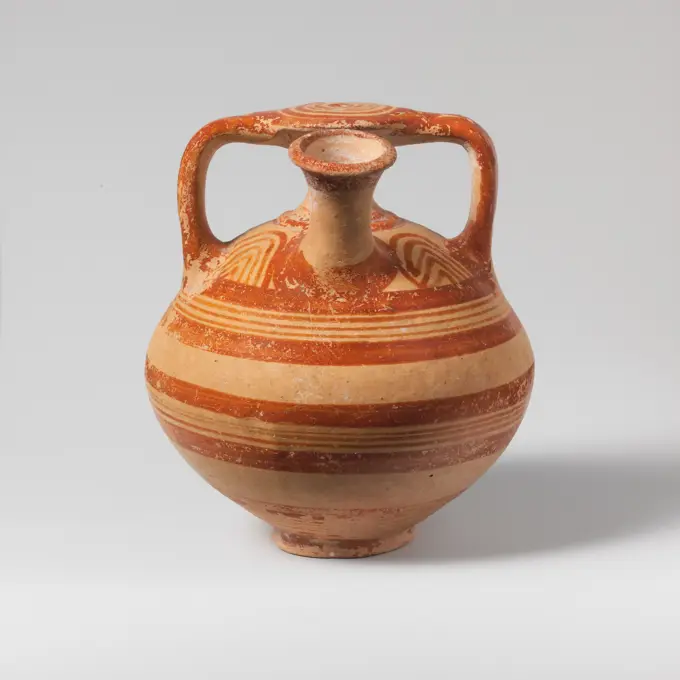
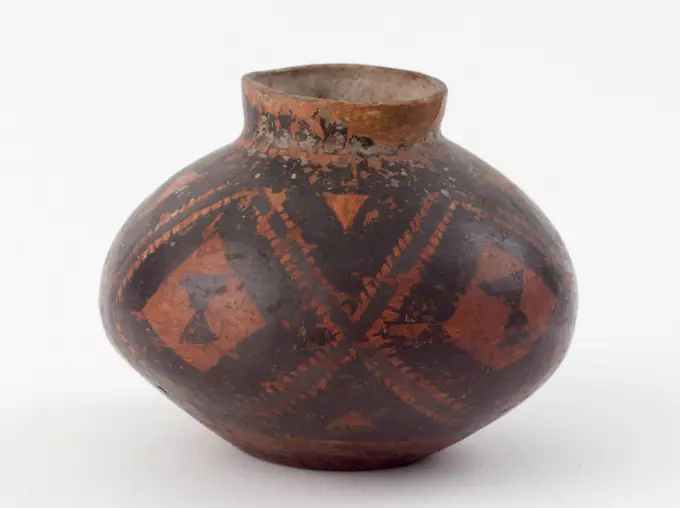
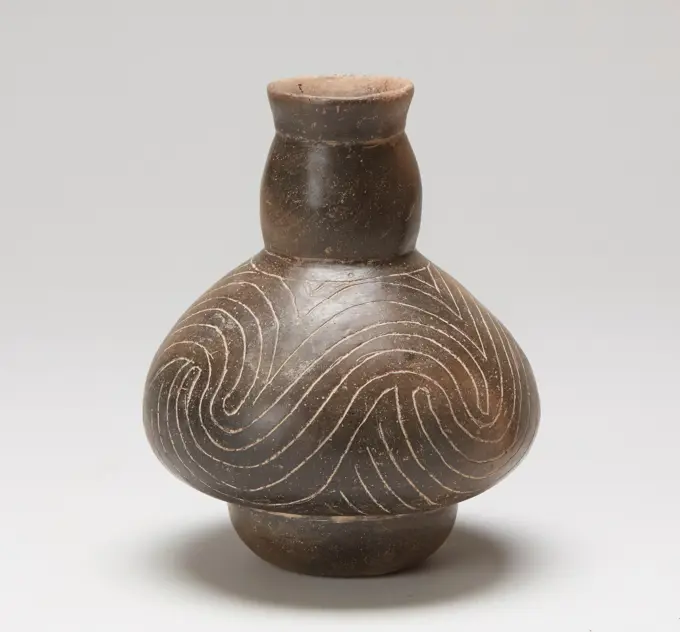
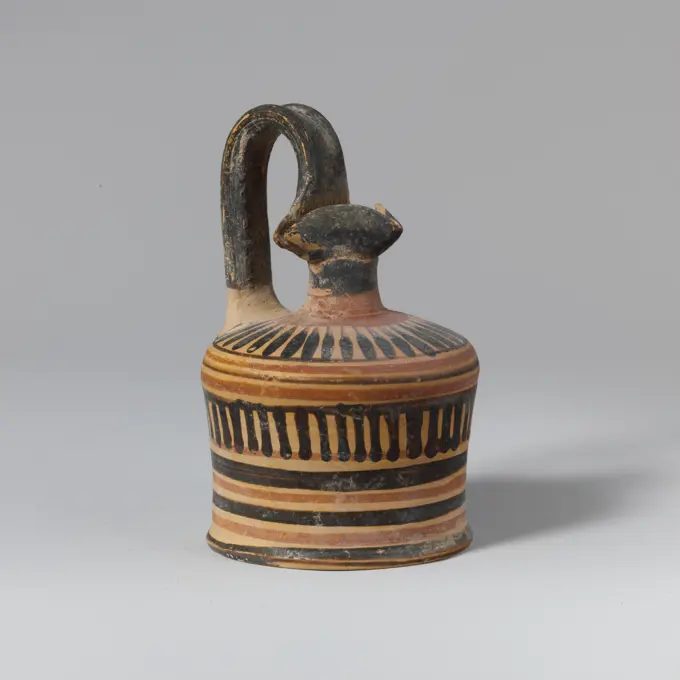
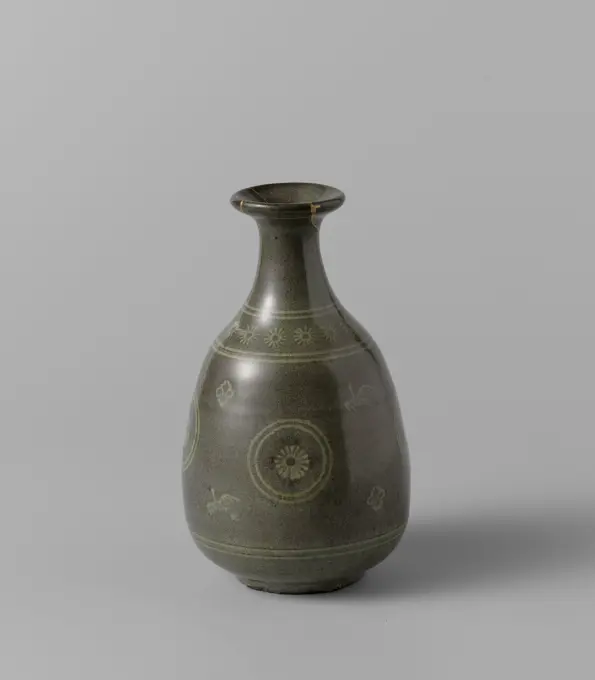
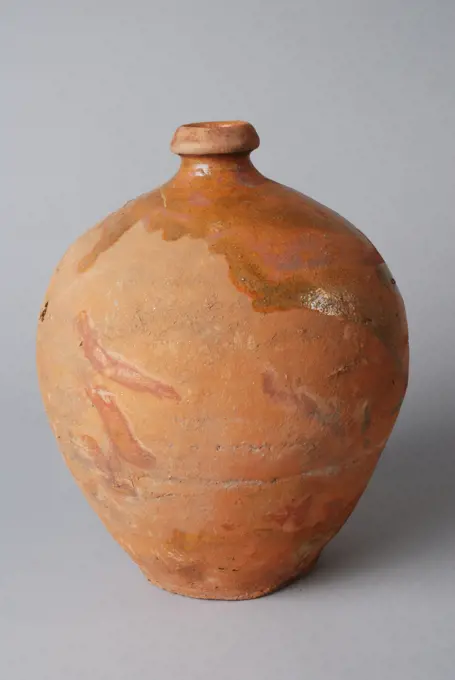
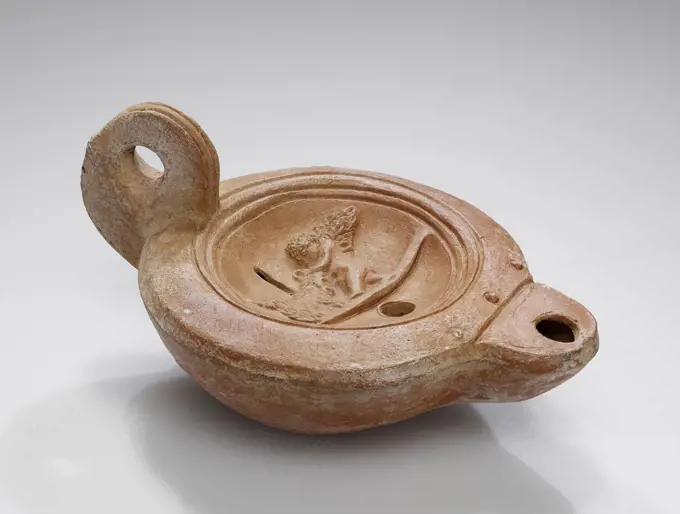
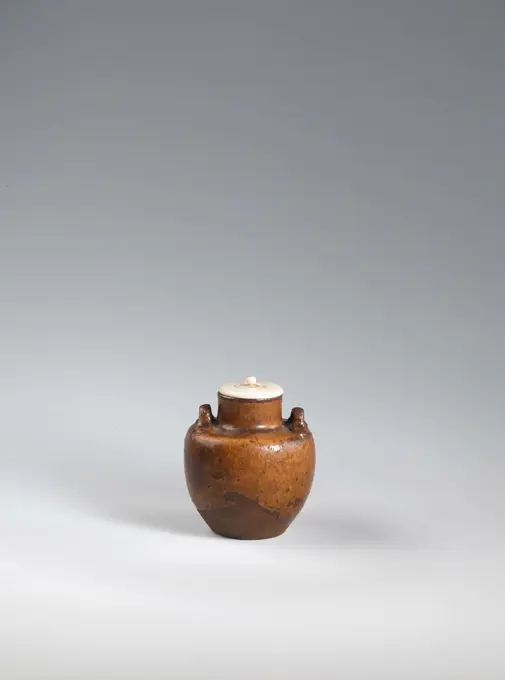
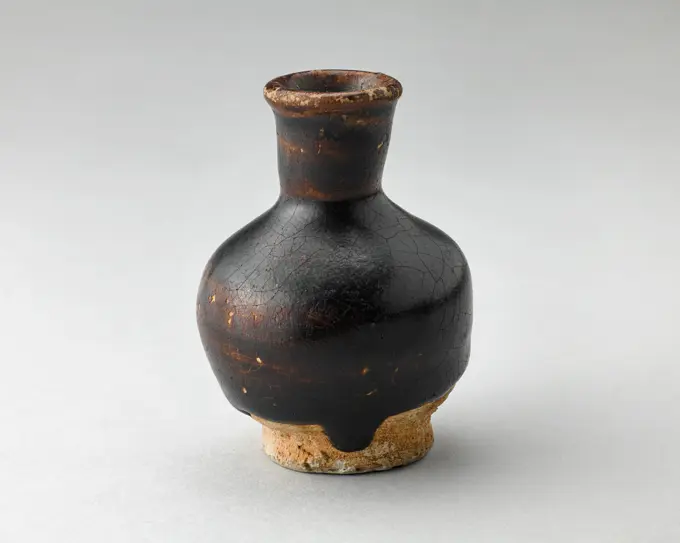
Selection of terracotta jars and flasks from various ancient cultures, displaying unique shapes and decorative styles from history.
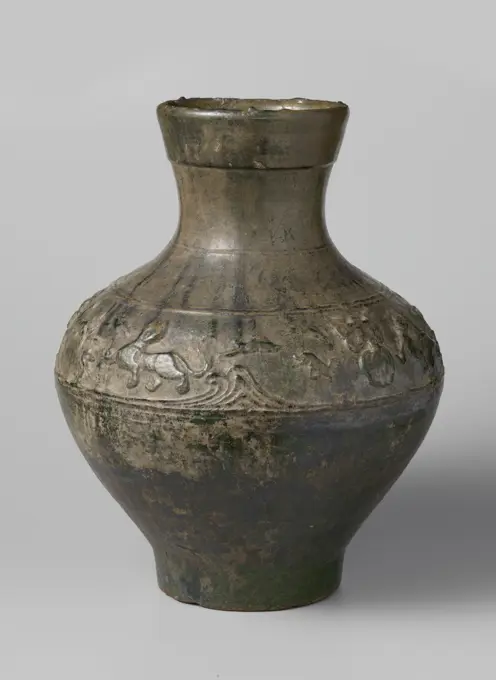
Vase, anonymous, c. -206 - c. 220 Vase of earthenware, covered with a green glaze. On the shoulder a bond with hunting scenes with human and animal figures in relief. In between twice a 'Taotie' mask with a ring. China earthenware. glaze vitrification Vase of earthenware, covered with a green glaze. On the shoulder a bond with hunting scenes with human and animal figures in relief. In between twice a 'Taotie' mask with a ring. China earthenware. glaze vitrification
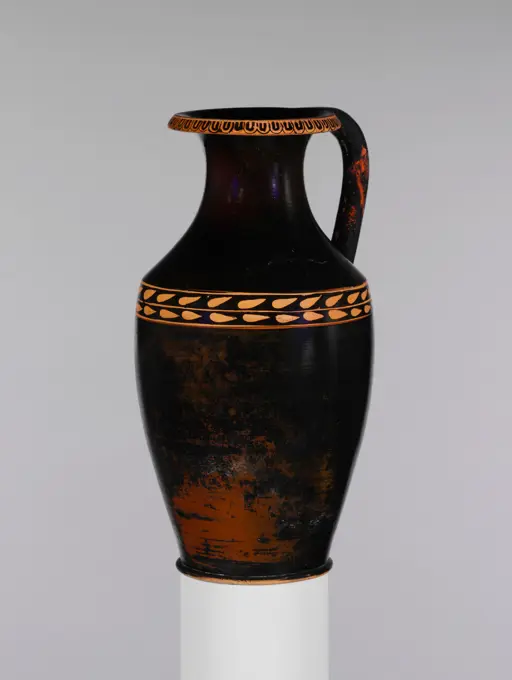
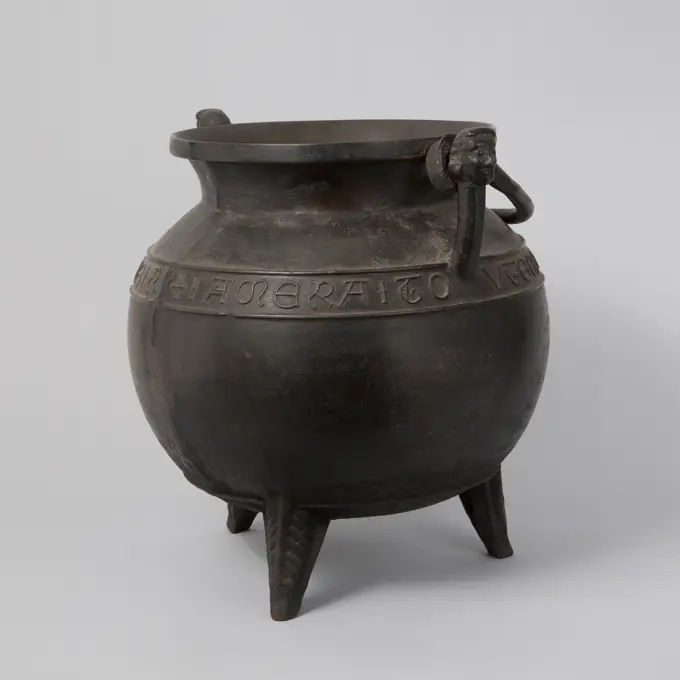
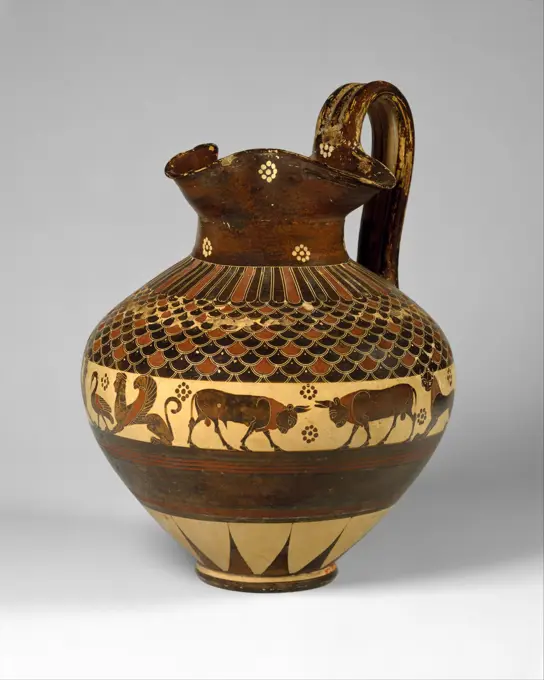
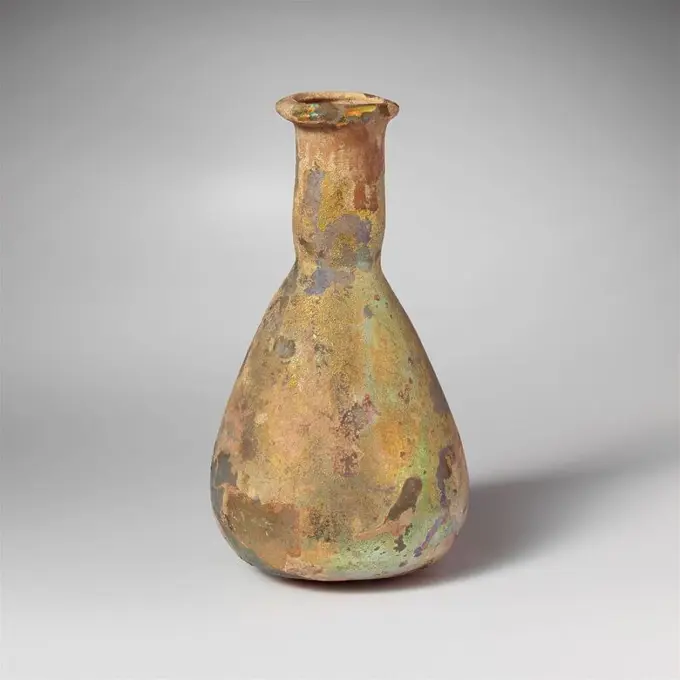
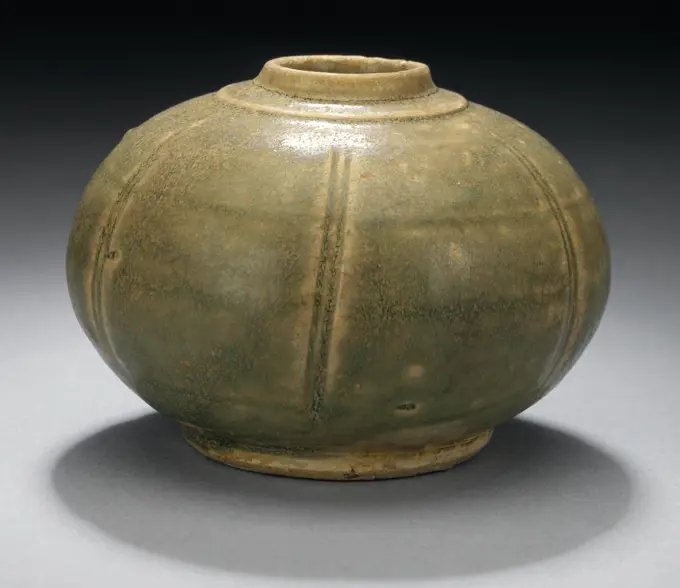
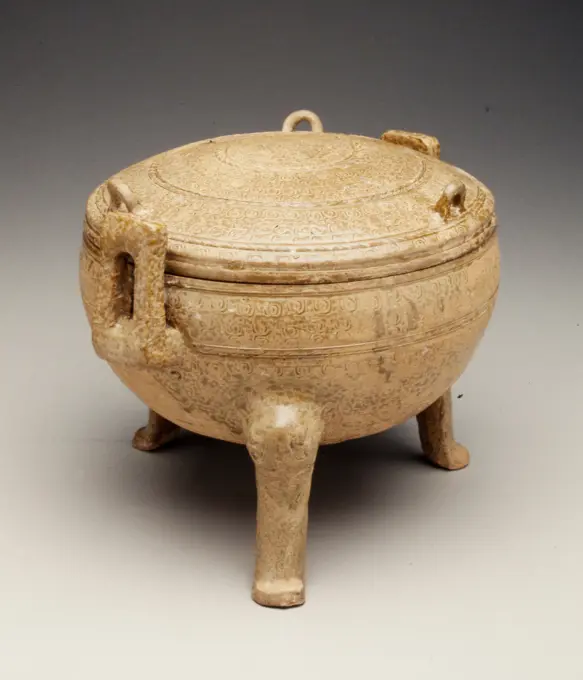
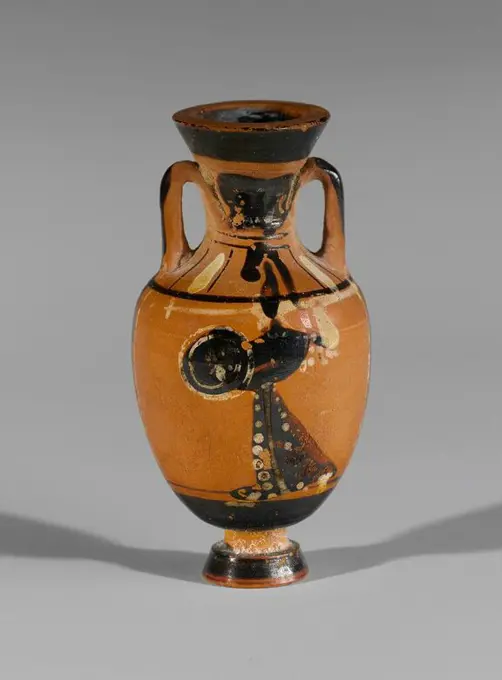
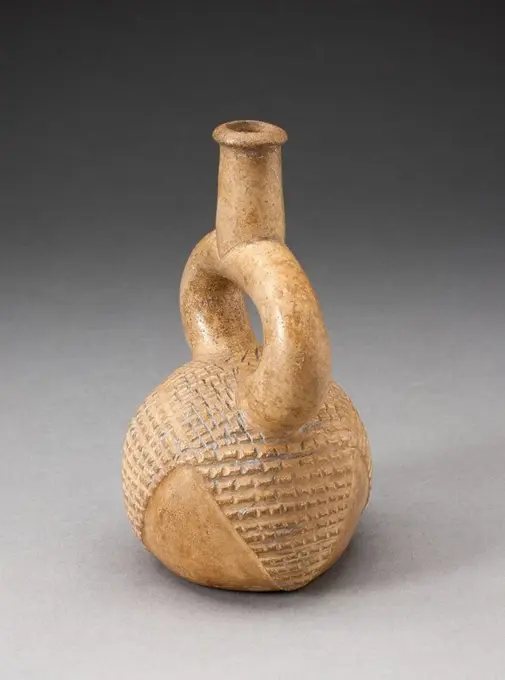
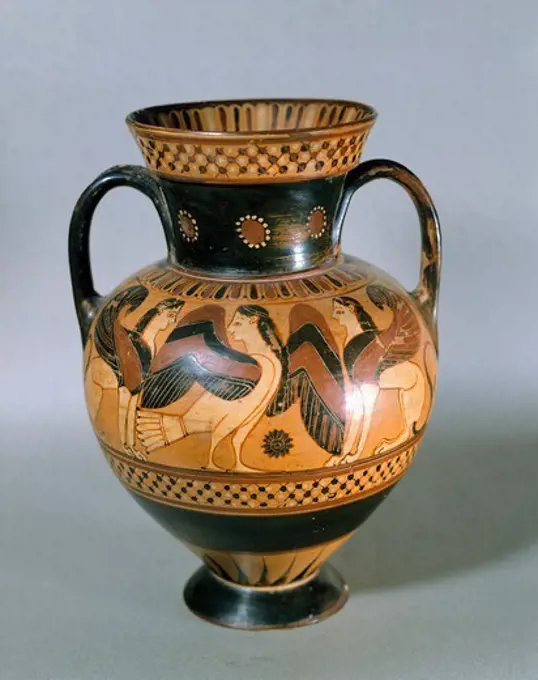
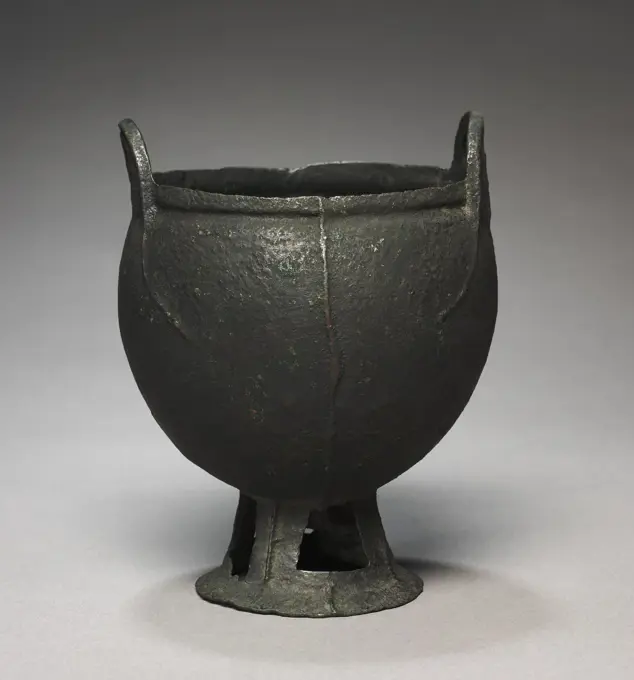
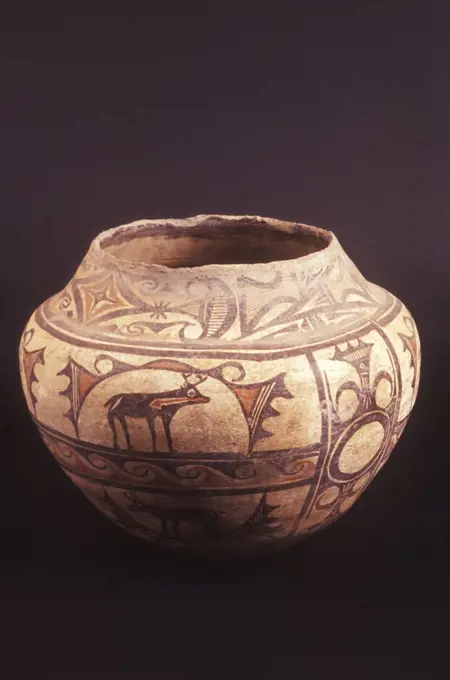
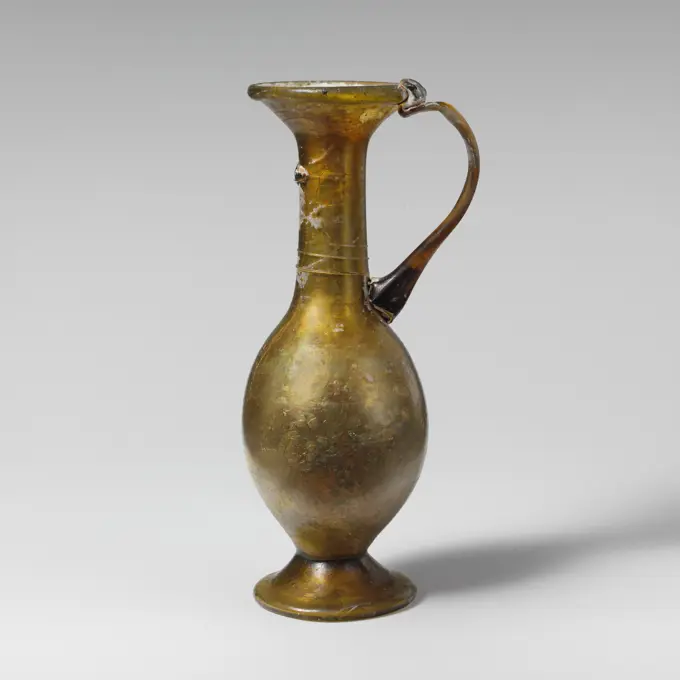
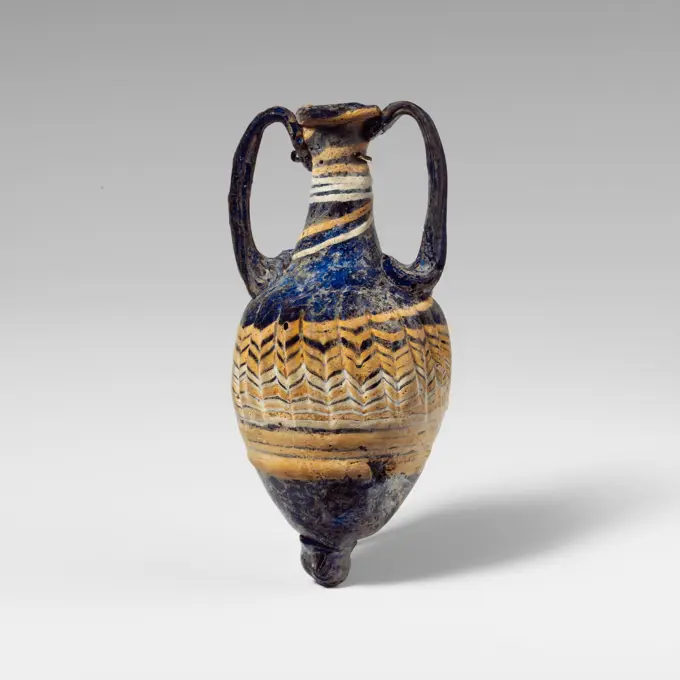
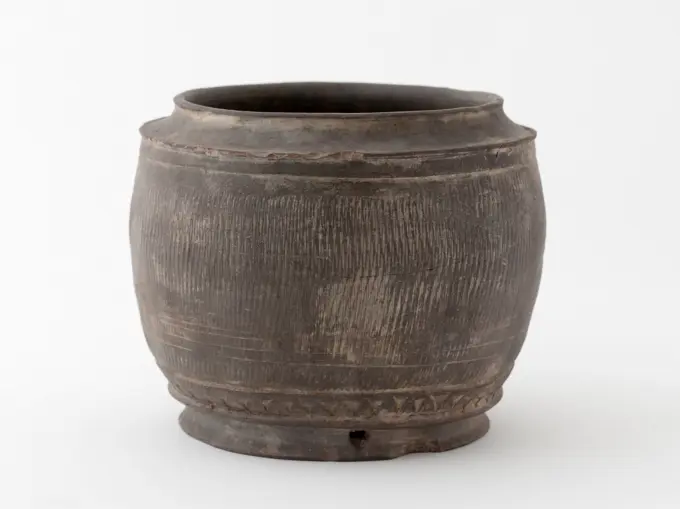
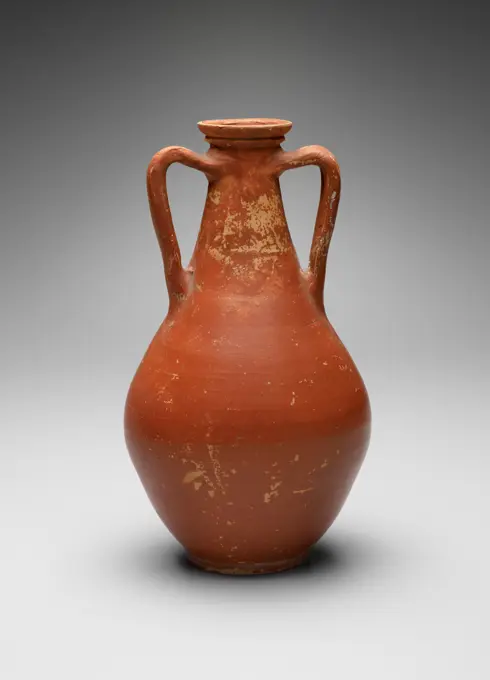
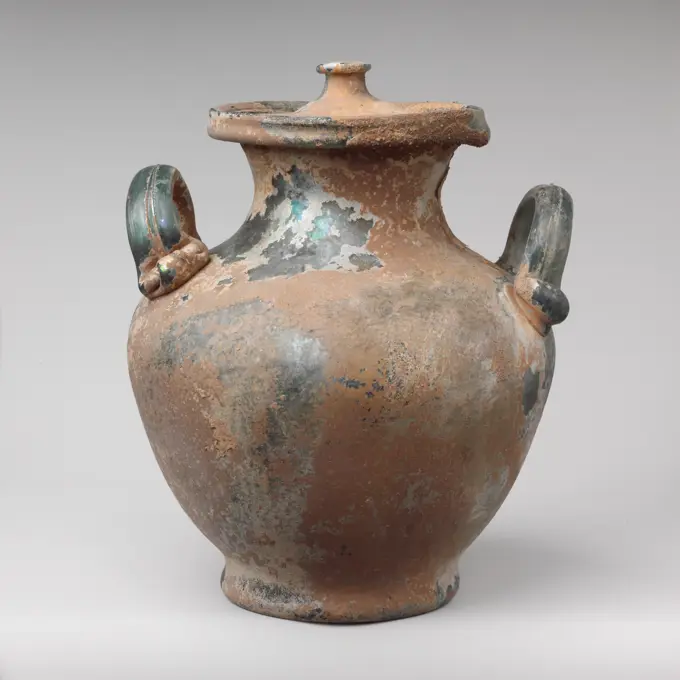
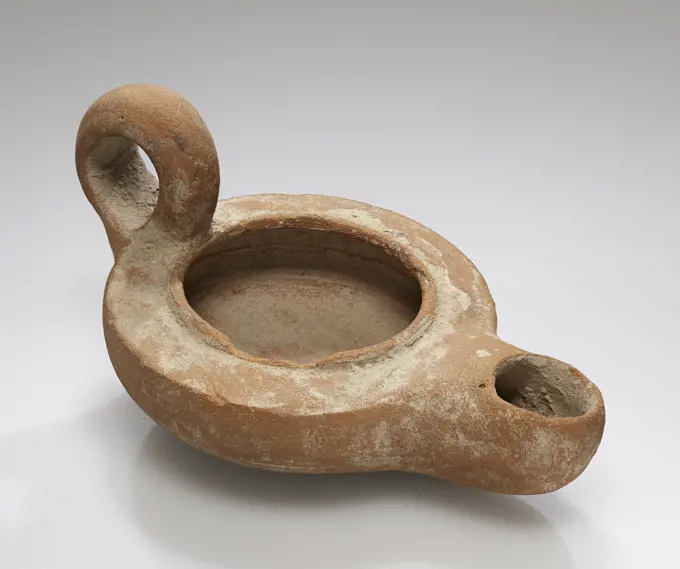
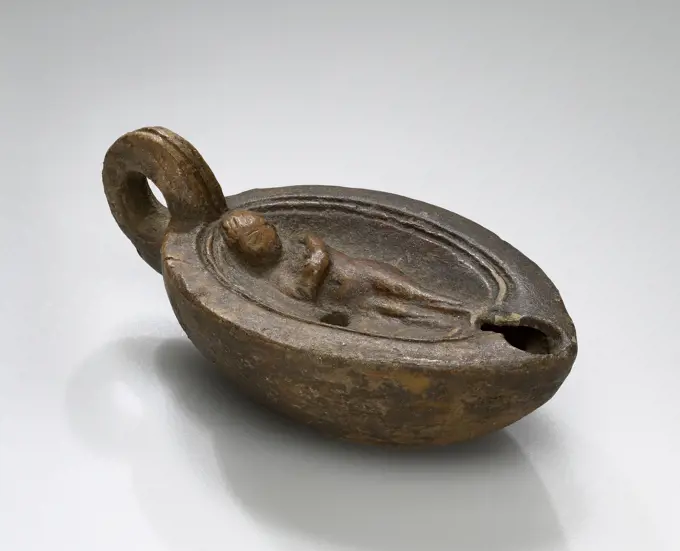
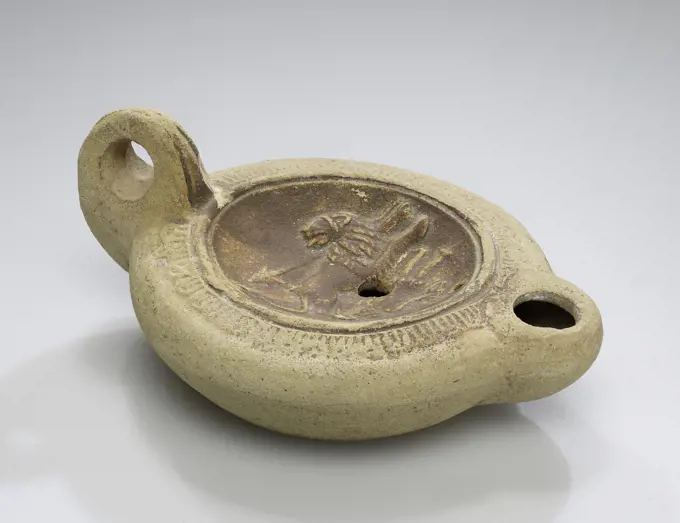
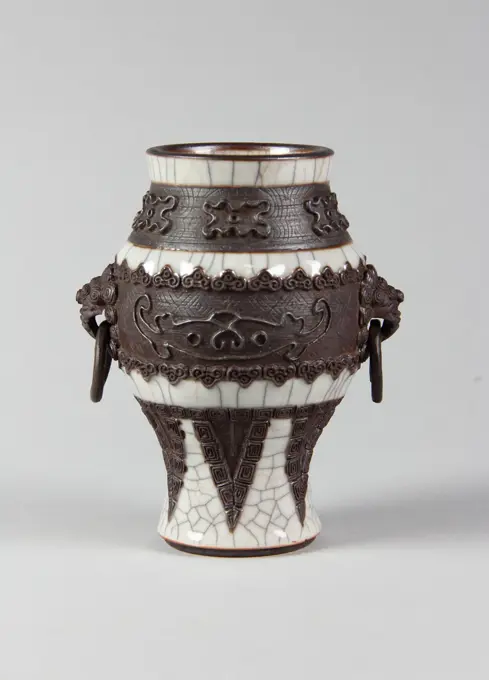
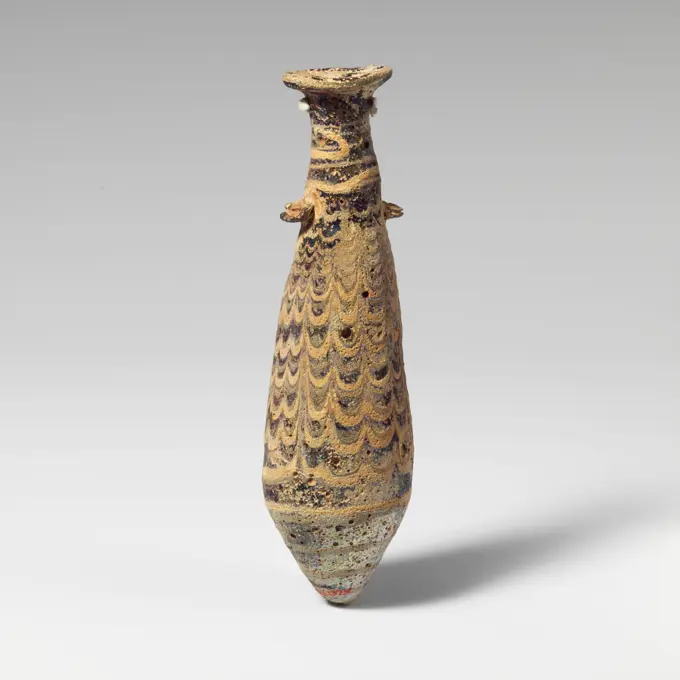
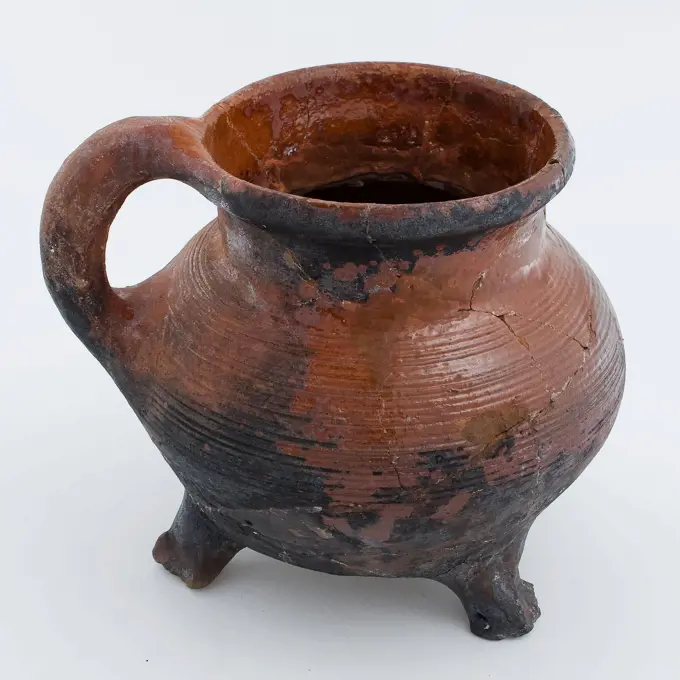
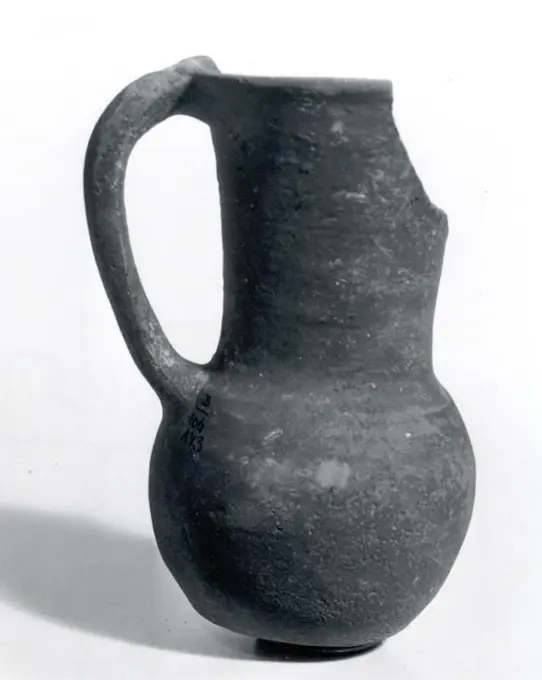
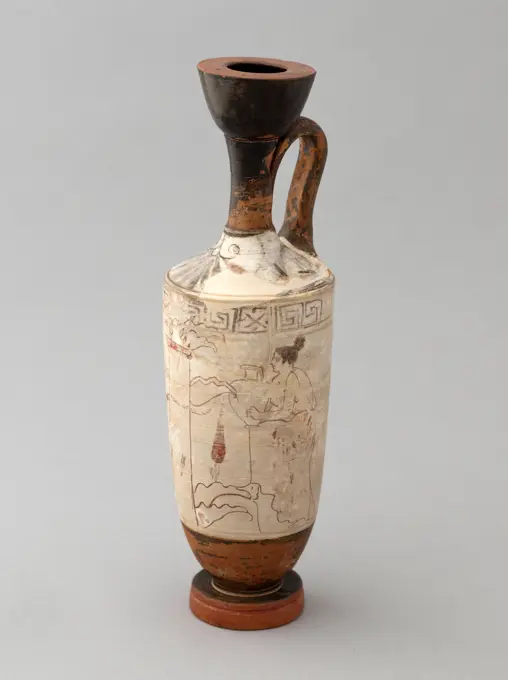
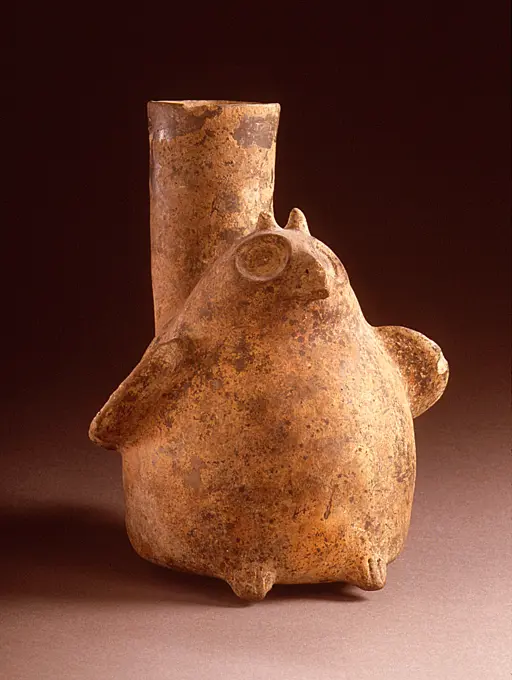
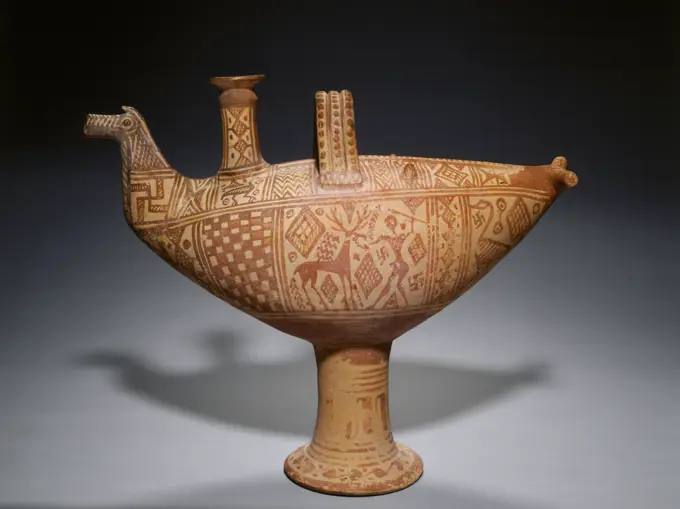
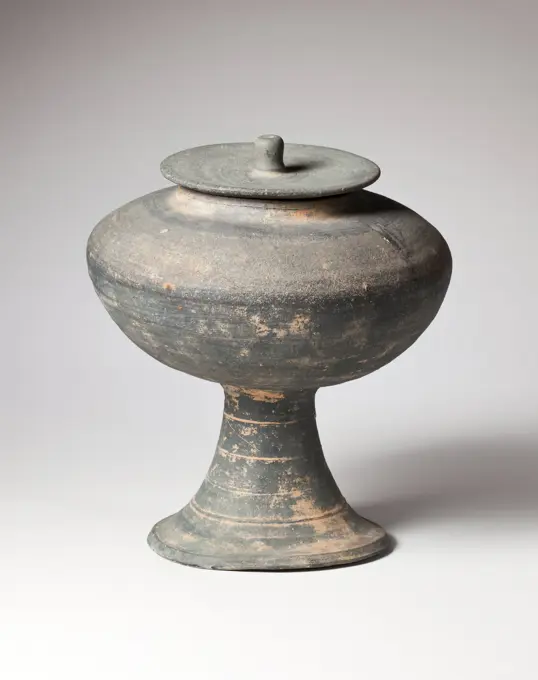
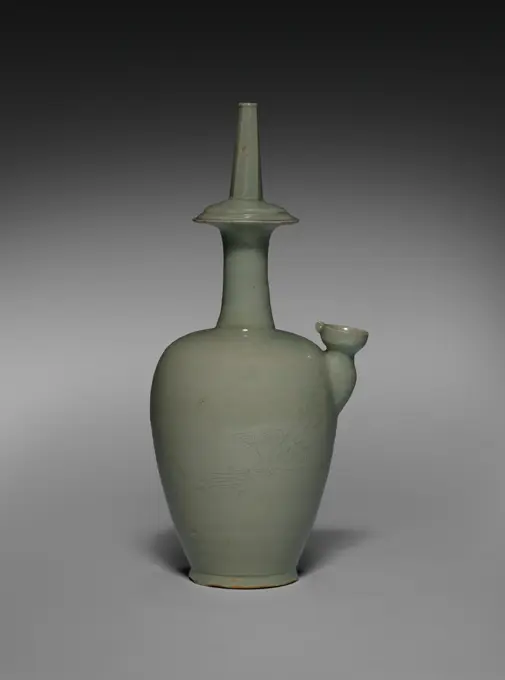
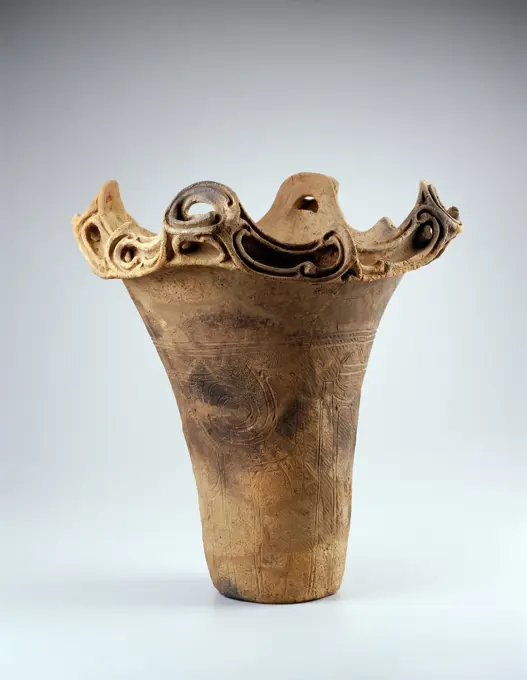
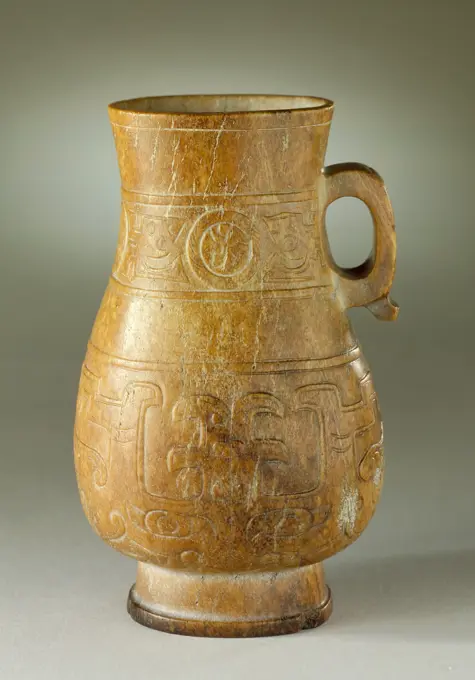
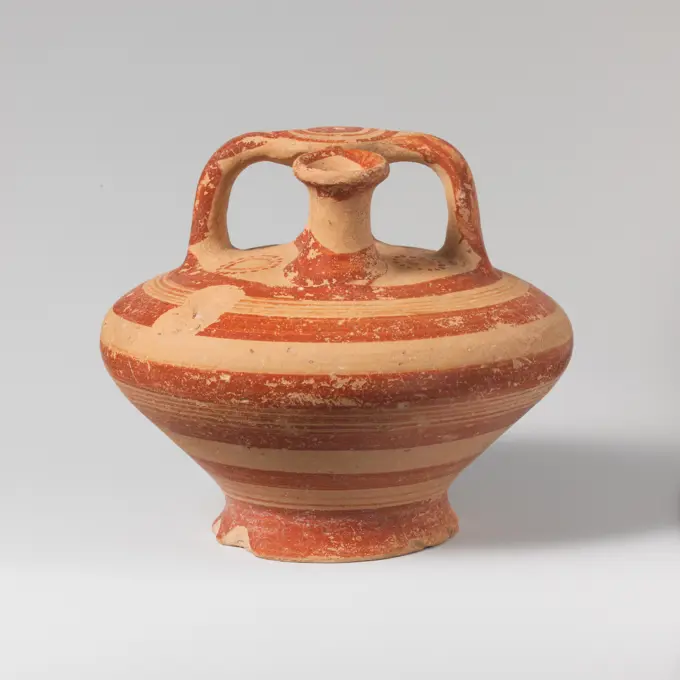
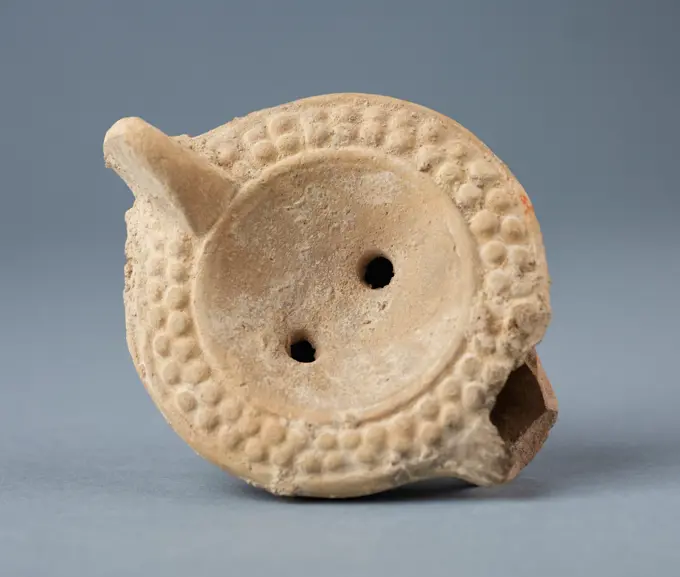
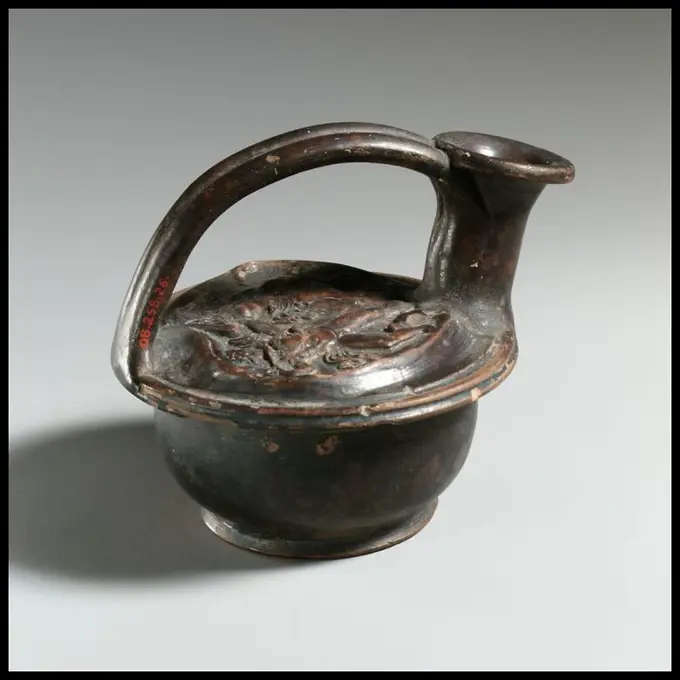
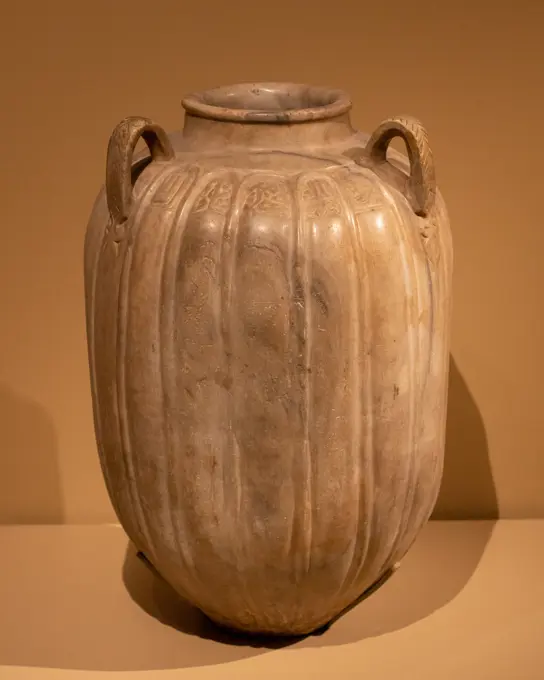
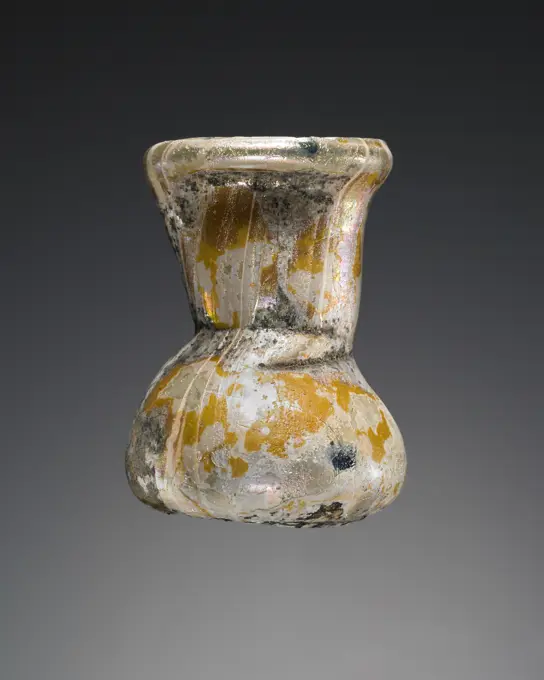
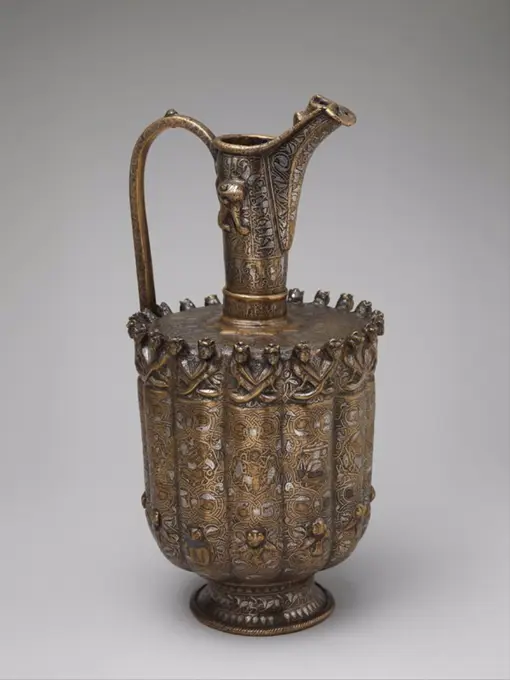
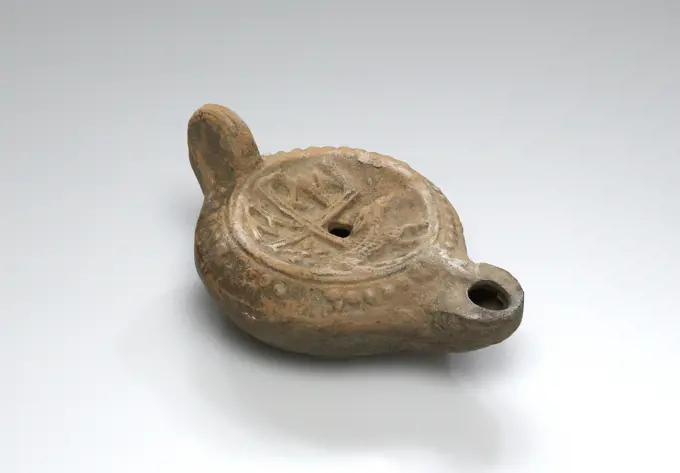
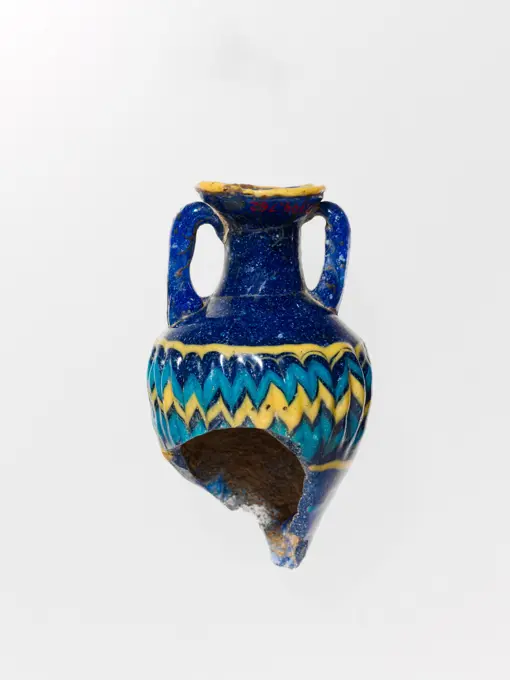
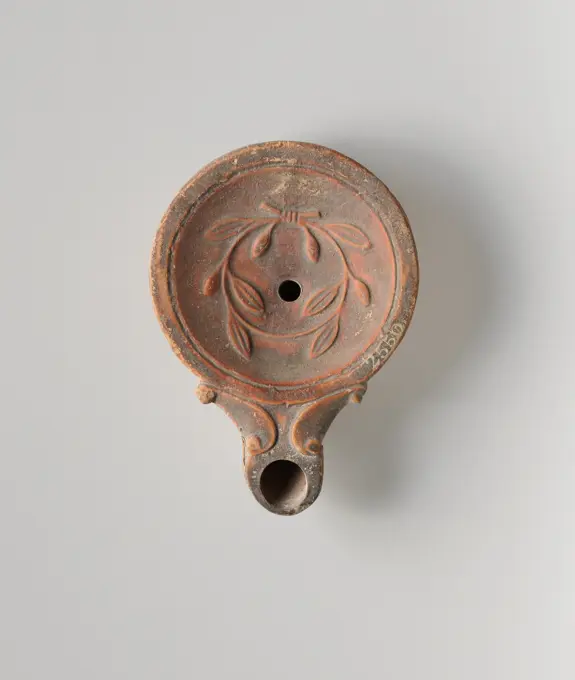
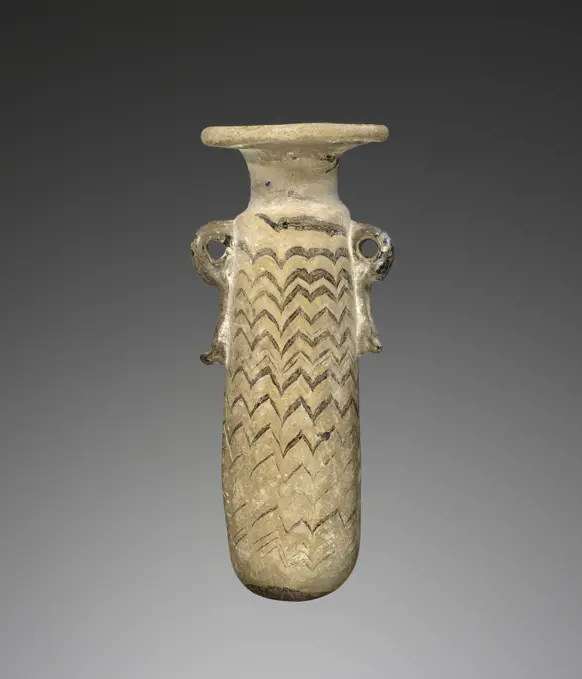
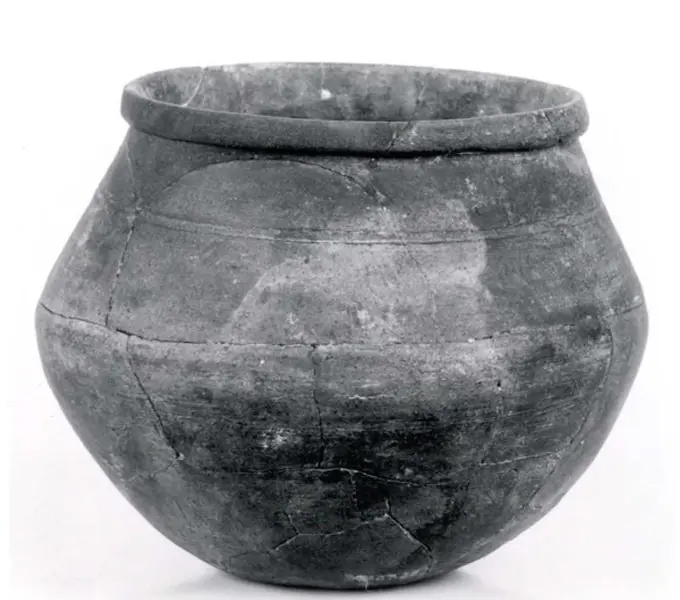
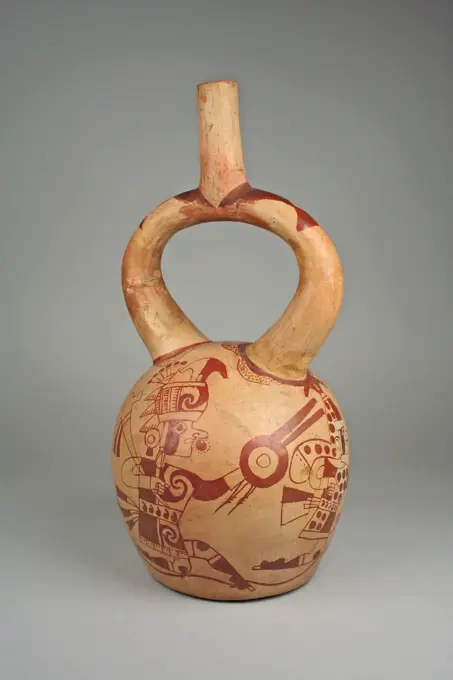
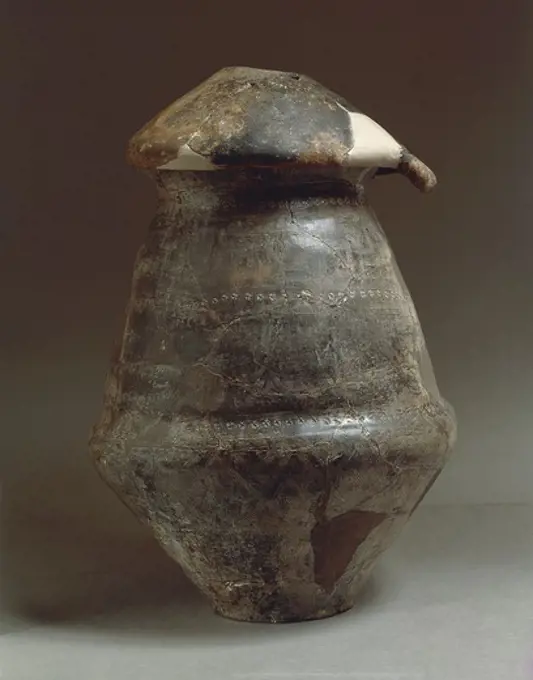
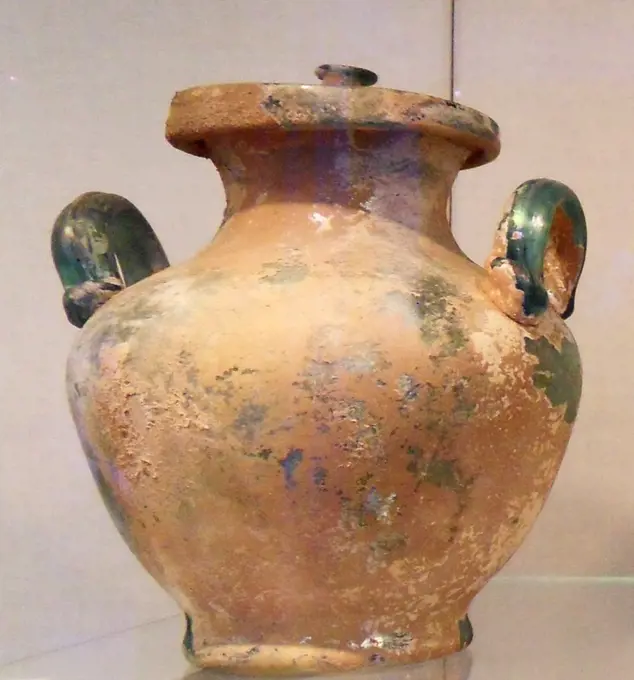
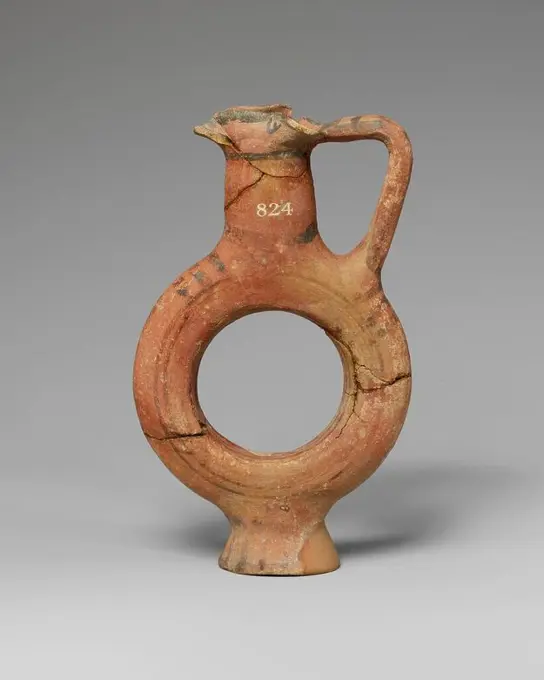
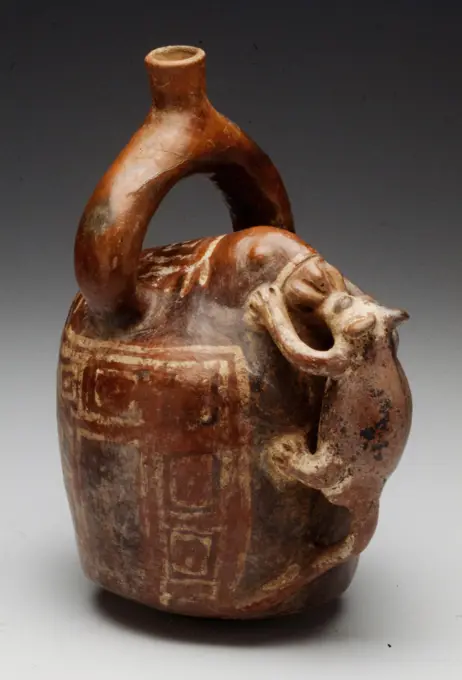
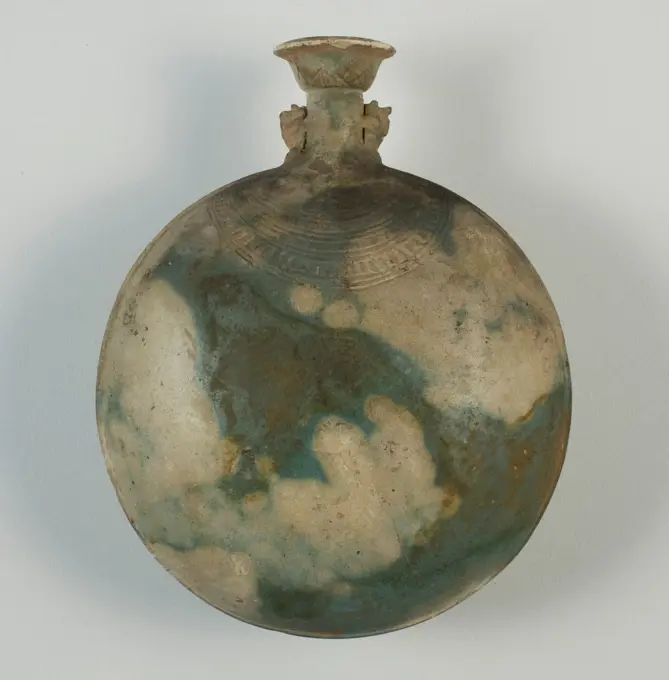
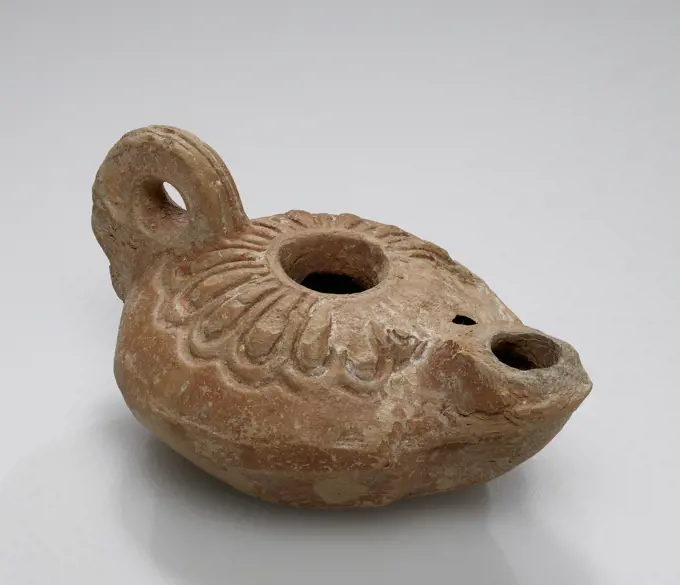
Lamp, South Anatolia, Anatolia; 1st - 4th century; Terracotta; 3.5 x 5.2 x 7.5 cm (1 3,8 x 2 1,16 x 2 15,16 in.)Jug ca. 1780-1580 B.C. Canaanite. Jug 323142Terracotta oinochoe: olpe (jug) ca. 460-440 B.C. Greek, Attic The handle terminates flush with a circular mouth, double band of leaves on shoulder; tongues around mouth. The shoulder is offset.. Terracotta oinochoe: olpe (jug). Greek, Attic. ca. 460-440 B.C.. Terracotta; black-glaze. Classical. VasesCaldron 13th or 14th century French or South Netherlandish Cauldrons and cooking pots of all sizes were standard kitchen equipment of wealthy houses in which the lord was responsible for feeding the entire household and its staff. In more modest domestic circumstances, an entire meal could be cooked in one large pot by carefully wrapping the various foods and then suspending them in the pot, placing them at different levels, or adding them at different times. However, by the fourteenth and fifteenth centuries, medieval cookery had become sufficiently sophisticated as to require a variety of sizes of pots even in the average household.Almost all metal cooking vessels were equipped either with legs so that they could be placed directly into the fire or with handles so that they could be suspended from the trammel. The trammel, a device from which pots and other equipment would be hung at varied heights, was standard equipment in almost every kitchen fireplace. Frequently cooking vessels Terracotta oinochoe (wine jug) ca. 625 B.C. Attributed to the Chigi Group On the mouth and neck, rosettes; on the shoulder, above, red and black tongues; below, red and black scales. Around the belly, bulls, birds, panthers, stags and a lion. Rays above the foot.. Terracotta oinochoe (wine jug). Greek, Corinthian. ca. 625 B.C.. Terracotta. Protocorinthian. VasesTwo-Handled Jar early 15th century Italian The lobed leaf pattern, found on many early Florentine vessels, was likely inspired by local silks and linens.. Two-Handled Jar 468166Vase, 618-906, Di.4-3/4 in., Porcelain, China, 7th-10th centuryGlass perfume bottle. Culture: Roman. Dimensions: Overall: 3 1/4in. (8.3cm)Diam.: 1 13/16 x 7/8 in. (4.6 x 2.2 cm). Date: 1st century A.D..Colorless with pale blue tinge.Rim folded out, over, and in, flattened on top and tooled on one side to form spout; short cylindrical neck, with tooled indent around base; conical body with rounded curve to slightly convex bottom.Intact; few pinprick bubbles; pitting, dulling. and iridescent weathering, with some soil encrustion on interior. Museum: Metropolitan Museum of Art, New York, USA.Footed Urn mid-11th-12th century Cambodia. Footed Urn 37432Jarlet. Vietnam, late 14th century. Furnishings; Serviceware. Wheel-thrown stoneware with incised decoration and celadon glazeDing Tripod with Cover, 5th century BCE, 7 1/4 x 9 1/2 x 8 1/8in. (18.4 x 24.1 x 20.6cm), Stoneware with impressed and applique decor under a light yellow-green glaze, China, 5th century BCE, Three-legged ceremonial bronze vessels called ding were frequently copied in less expensive celadon glazed stoneware during the Warring States period. Intended for burial with the deceased, the vessel probably contained food intended for the afterlife. The stamped, spiral patterns of the lid, upright loop-handles, and legs are done in rather close approximation of contemporary bronze vessels. Lidded tripods similar to this one have been recovered from Warring State tombs at Chongxian, Zhejiang province, an important region in the early development of celadon.Terracotta miniature Panathenaic amphora. Culture: Greek, Attic. Dimensions: H. 3 1/4 in. (8.3 cm); diameter 1 5/8 in. (4.2 cm). Date: ca. 400 B.C..Obverse, AthenaReverse, athlete seated with a race torchThe seated athlete on the reverse is holding a special kind of torch used in races; it is designed to protect the hand of the runner. Museum: Metropolitan Museum of Art, New York, USA.Miniature Stirrup Spout Vessel with Incised Hatched Motif. Cupisnique; North coast, Peru. Date: 1000 BC-200 BC. Dimensions: 13.7 x 8.3 cm (5 3/8 x 3 1/4 in.). Ceramic. Origin: Peruvian North Coast. Museum: The Chicago Art Institute, Chicago, USA.Amphora 4th-7th century Coptic. Amphora 476250ANFORA FUNERARIA ABORIGEN CANARIA - CERAMICA GUANCHE. Location: ARCHAEOLOGICAL MUSEUM. LAS PALMAS. GRAN CANARIA. SPAIN.Corinthian amphora, pottery from Caere, now Cerveteri, Italy. Greek Civilization, 7th-5th Century BC.Double Spout and Bridge Bottle with Bird Head 5th-2nd century B.C. Paracas. Double Spout and Bridge Bottle with Bird Head 308600Pot of red -baking clay, with colorless lead glaze on the inside and outside, damaged, anonymous, 1500 - 1799   earthenware. lead glaze   earthenware. lead glazeCauldron on High Rounded Foot, 2nd-1st Century BC. China, Ordos Region, Han dynasty (202 BC-AD 220). Bronze; overall: 19.8 cm (7 13/16 in.).Zuni jar, E6733, Museum of Northertn Arizona, Flagstaff, ArizonaPrehistory, China, Neolithic. Dawenku culture. Terracotta vessel in the shape of a pig.Terracotta oinochoe (jug) late 5th century B.C. Greek, Attic Undecorated.. Terracotta oinochoe (jug). Greek, Attic. late 5th century B.C.. Terracotta; black-glaze. Classical. VasesGlass jug 4th-5th century A.D. Roman Translucent greenish yellow; handle and trail in same color.Rim folded out, over, and in; flaring mouth; cylindrical neck, expanding downwards; slender bulbous body; splayed tubular foot, made by folding; small flat bottom with pontil scar; handle applied as a claw pad to base of neck and top of body, drawn up and out in a curve, then turned in and trailed onto underside and edge of rim.On neck a single fine trail, applied in a large pad and drawn down in a spiral, ending at handle.Intact, but part of trail missing; many bubbles and blowing striations; thick creamy weathering, mostly flaked off on exterior, and brilliant iridescence.. Glass jug 256708Terracotta stirrup jar ca. 1400-1050 B.C. Mycenaean Parallel circles, chevrons.. Terracotta stirrup jar 244751Jar ". Terracotta with painted decor in black. Neolithic period (around 8000 BC). Paris, Cernuschi museum. Chinese art, Chinese ceramic, container, jar, decorative motif, neolithic period, container, terracottaPrehistory, Italy, Iron Age. Golasecca culture. Urn decorated with engravings. From the Cava Frangi in the necropolis of Ca' Morta, surroundings of Como.Jug (Bartmann jug) with floral scrolls, anonymous, c. 1520 - c. 1560 Jug (beard fancier bush) of stoneware on a high base with a spherical body and wide neck. The C-shaped ear is attached to the neck and shoulder. Profiles on the neck. Covered with a brown Engobe. The belly with flower vines printed and imposed in relief. On the neck, continuously on the shoulder and belly, a bearded man. Cologne/Frechen. Cologne (possibly) stoneware. glaze. engobe vitrification Jug (beard fancier bush) of stoneware on a high base with a spherical body and wide neck. The C-shaped ear is attached to the neck and shoulder. Profiles on the neck. Covered with a brown Engobe. The belly with flower vines printed and imposed in relief. On the neck, continuously on the shoulder and belly, a bearded man. Cologne/Frechen. Cologne (possibly) stoneware. glaze. engobe vitrificationVessel, c. 1300-1600, 7 1/8 × 5 7/8 × 5 7/8 in. (18.1 × 14.92 × 14.92 cm), Clay, United States, 15th-17th centuryOvoid Jar With Two Handles. Egg-shaped pot of stoneware, partly covered with a green-brown glaze. The lower part of the pot in unglazed. Two semicircular ears from the shoulder attached to the neck. Old label on the bottom with 'W023'. A chip in the edge.Jug. Culture: Cypriot. Dimensions: 10 1/4in. (26cm). Date: 400-310 B.C..Vase with incised body and moulded neck; of unpainted clay. Museum: Metropolitan Museum of Art, New York, USA.Terracotta oinochoe (jug) late 6th century B.C. Greek, Corinthian Pattern-work on body and shoulder.. Terracotta oinochoe (jug) 255102 Greek, Corinthian, Terracotta oinochoe (jug), late 6th century B.C., Terracotta, H. 3 9/16 in. (9 cm). The Metropolitan Museum of Art, New York. Purchase, Mrs. Helen H. Mertens Gift, 1961 (61.11.12)Terracotta oinochoe (jug). Culture: Etruscan. Dimensions: H. 8 1/16 in. (20.5 cm). Date: ca. 300 B.C..The type, which clearly imitates more expensive metal vessels, is associated with Volterran workshops. In this case, a definite source of inspiration was Gnathian pottery from Southern Italy. Like this jug, Late Gnathian oinochoai are often ribbed and have elegantly curved handles that terminate in a satyr-head attachment and decorative borders in added color at the shoulder. Museum: Metropolitan Museum of Art, New York, USA.Glass amphoriskos (perfume bottle) 3rd century B.C. Greek, Eastern Mediterranean or Italian Translucent cobalt blue, with handles and base-knob in same color; trails in opaque yellow and opaque white.Irregular oval-shaped horizontal rim with tooling marks on top surface; tall conical neck; uneven sloping shoulder; large ovoid body, tapering downwards; applied coil base-knob; strap handles applied in a large pads to shoulder, drawn up and slightly outward, then curving in and pressed on to top of neck under rim. Irregular tooling indents and weathered scars around lower body.White trail applied to middle of neck, drawn across shoulder, then tooled into a close-set zigzag pattern around upper half of body, formed by uneven vertical tooling indents, and ending in a horizontal line around center of body; yellow trail applied on rim and wound down neck in spiral over white trail, drawn across shoulder, then mingling with white trail in zigzag pattern, and continuing five times around lower POT ". GRASS. Vietnam-XE-Xive s. Paris, museum berried. 72187-35 GRES, Vietnamese object, potPelikeGlass cinerary urn with lid 1st-early 2nd century A.D. Roman Urn: Translucent blue green; handles in same color.Collar rim, folded out, down, round, up, and in, and smoothed into side of mouth; funnel-shaped neck; sloping shoulder; piriform body; splayed hollow foot; deep concave bottom; two vertical, arched, inverted U-shaped handles, attached on opposite sides of upper body, each made of a thick trail, applied as a large circular pad, drawn across body from left to right, and trailed off back along top of handle.Intact; few bubbles; slight dulling, limy encrustation, and iridescent weathering.Lid: Translucent blue green.Horizontal, rounded rim; outer side flat, then cone-shaped, extending into short, hollow cylindrical stem; circular knob at top with downturned projecting flange and irregular hole at center.Intact; a few pinprick bubbles; slight dulling, limy encrustation, and iridescent weathering.The lid fits snugly in the mouth of the urn and has the same weathering, suggesting thBottle vase with a stylized flowers in medallions, birds and ornamental borders, anonymous, anonymous, c. 1600 - c. 1800 Bottle-shaped vase of stoneware, covered with white inserted with a celladongroen glaze. The vase has an egg -shaped body and a narrow, upwards. On the belly four times a stylized flower in a medallion with a bird and a leaf in between. On the shoulder a band with stylized flowers. The vase has some cracks that have been restored with gold lacquer. Karatsu. Japan stoneware. glaze inlay (process) / painting / vitrification Bottle-shaped vase of stoneware, covered with white inserted with a celladongroen glaze. The vase has an egg -shaped body and a narrow, upwards. On the belly four times a stylized flower in a medallion with a bird and a leaf in between. On the shoulder a band with stylized flowers. The vase has some cracks that have been restored with gold lacquer. Karatsu. Japan stoneware. glaze inlay (process) / painting / vitrificationPottery, ovoid jar, with short neck, lead glaze on the shoulder, jug holder kitchen utensils earthenware ceramics earthenware glaze lead glaze, hand-turned glazed baked earthenware jug coarse red shard in proportion very small narrow neck with cuff-shaped mouth rim shoulder partly covered with green lead glaze. Egg-shaped model on stand surface Standing surface sandy of structure archeology indigenous pottery import store packaging store cellar kitchenLamp, Asia Minor; 1st - 4th century; Terracotta; 3 x 6.8 x 9.8 cm (1 3,16 x 2 11,16 x 3 7,8 in.)Tea jar (chaire) of the mimitsuki type. Seto, factoryVase 12th-13th century. Vase 447139VesselLamp, Sicily, Italy; 5th century B.C; Terracotta; 3.5 x 8.2 x 13 cm (1 3,8 x 3 1,4 x 5 1,8 in.)Lamp, North Africa; 1st - 4th century; Terracotta; 2.5 x 5.1 x 9 cm (1 x 2 x 3 9,16 in.)Glass Vessel. Dimensions: H. 16 cm (6 5/16 in.). Dynasty: Dynasty 19-20. Date: ca. 1295-1070 B.C..Egyptian glassmaking, which had reached a high level of virtuosity in late Dynasty 18, continued to be practiced in the Ramesside Period; however, the quality, as well as quantity, of it production dropped off sharply in Dynasty 20. The "feathered" decoration of this vessel was achieved by winding thin colored glass rods around it and pressing them onto the surface of the vessel while it was still soft, and then drawing the rods up or down with a metal instrument. Museum: Metropolitan Museum of Art, New York, USA.Jar Decorated with Boats ca. 3450-3350 B.C. Naqada IIc-d1. Jar Decorated with Boats. ca. 3450-3350 B.C.. Pottery, paint (Decorated Ware). Naqada IIc-d1. From EgyptChangsha (ceramic production center), miniature vase (common name), 0618. Brown covered. Cernuschi Museum, Asia Museum of Asia in the city of Paris.Proto-Corinthian Ovoid Aryballos. Attributed to Fighting Rams Group (Greek, active about 670 - 630 B.C.)Lekyt czarnofigurowy z przedstawieniem wojownika i rydwanu. unknown, authorLamp, North Africa; 1st - 4th century; Terracotta; 2.5 x 7.6 x 10.6 cm (1 x 3 x 4 3,16 in.)Vase with archaistic decoration first half of the 19th century China. Vase with archaistic decoration. China. first half of the 19th century. Porcelain with crackled glaze and brown biscuit-relief decoration simulating bronze (Jingdezhen ware). Qing dynasty (1644-1911). CeramicsLamp. UnknownGlass alabastron (perfume bottle) 2nd-mid 1st century B.C. Greek, Eastern Mediterranean Translucent blue, with handles in same color; trails in opaque white and opaque yellow.Rim-disk, uneven with slight inward taper; short, funnel-shaped cylindrical neck; tall, straight-sided fusiform body expanding downward, then tapering in to pointed bottom; two horizontal lug handles applied over trail at top of body.White trail attached near bottom, drawn up in a spiral to point of carination; yellow trail attached at carination wound slightly over once round in an upward spiral; both trails then drawn up body, tooled into a festoon pattern with fourteen upward strokes, and wound round again in spiral; yellow ending in a backward loop on top of body, and white ending on lip of rim.Intact; some dulling, severe pitting, and brilliant iridescent weathering.. Glass alabastron (perfume bottle) 245765Jug with Madonna and Child, anonymous, c. 1430 - c. 1500 Can (fopkan) of stoneware on corrugated foot with an egg -shaped abdomen and openwork neck with a short spout on the edge. The C-shaped ear is attached to the neck and shoulder. At the bottom of the jug there is a hole on the inside, so that the liquid can flow out through the spout through a tube in the wall, ear and edge. Covered with a brown Engobe. On the belly in relief four times a medallion with Mary with child. Siegburg. Siegburg stoneware. glaze. engobe vitrification Can (fopkan) of stoneware on corrugated foot with an egg -shaped abdomen and openwork neck with a short spout on the edge. The C-shaped ear is attached to the neck and shoulder. At the bottom of the jug there is a hole on the inside, so that the liquid can flow out through the spout through a tube in the wall, ear and edge. Covered with a brown Engobe. On the belly in relief four times a medallion with Mary with child. Siegburg. Siegburg stoneware. glaze. enPottery cooker on three legs, rings on the shoulder and pinched sausage ear, grape cooking pot tableware holder kitchenware floor finding ceramic earthenware glaze lead glaze, hand-turned glazed baked Pottery cooking jug on three legs Large shaped legs with hollow stand. Funnel-shaped upper edge with round thickening along the outside. Fine turns on the shoulder. Red shard sparingly glazed Externally only on the shoulder internally only few drops of enamel on the bottom under the neck opening Heavy soot deposits partially removed by hand and sanded away to number the jug Pinched standing sausage ear crooked on the inside. Restoration is repainted archeology underground pit Rotterdam City Triangle Groenendaal indigenous pottery cooking kitchen food preparation Soil discovery: underground pit Groenendaal large waste pit at ± 4 meters - N..P 1977.06.27.Jarlet in the Form of a Melon with Cursive Floral Sprays. Vietnam, early 15th century. Furnishings; Serviceware. Wheel-thrown stoneware with cream slip, underglaze blue painted decoration, and clear glazeLamp. UnknownJug ca. late 8th-7th century B.C. Israelite. Jug 323151Pitcher. Iran, Sialk B, 900-700 B.C. Furnishings; Serviceware. Buff clay with dark red decorationLondon painter D 79. Lécythe with white background. Polychromy. 430-420 BC. AD Museum of Fine Arts of the City of Paris, Petit Palais. 58666-2 Anse, antiquity, funeral art, ceramic, woman, perfume oil, jar, lecythe with white background, ritual object, offering, funeral offering, polychromy, character representation, funeral rite, ancient scene, body care, ancient vase, funeral vase, 5th 5th 5th century AV.JCOwl. Mexico, Colima, Colima, 200 BCE-500 CE. Ceramics. Burnished ceramic with slipDish;  around 2055 1650 BC ; Medium Pa (-2055-00-00--1650-00-00);Italo-Geometric Bird Askos (Oil Vessel): Hunter (Herakles) and Stag, c. 700 BC. Attributed to Bisenzio Class. Ceramic; overall: 33.5 x 15.5 cm (13 3/16 x 6 1/8 in.); diameter of foot: 11.9 cm (4 11/16 in.).Bottle, Feline Face 5th-2nd century B.C. Paracas. Bottle, Feline Face 308628Footed dish with Cover, first half 6th century, Unknown Korean, 8 1/2 × 7 1/4 × 7 1/4 in. (21.59 × 18.42 × 18.42 cm), Stoneware, Korea, 6th century, The swollen body of this dish is supported by a tall, narrow foot decorated with thin horizontal lines. Vessels of this type are typical of stoneware produced in Gaya and Silla in southeast Korea, although it is unclear whether they were used in the home or in service to the dead. In the latter case, it would have been used in the ritual presentation of food to the deceased.Water Ewer for Rituals with Incised Parrot Design, 1100s. Korea, Goryeo period (918-1392). Stoneware with celadon glaze, incised and carved decoration; overall: 36.2 x 14 cm (14 1/4 x 5 1/2 in.). This distinctively shaped celadon vessel is a kundika. With a spout on one side, this type of vessel is often used in Buddhist purification rituals. Unlike most existing examples that have an image of a willow tree, this work has a rare flying phoenix design incised on its surface.Lidded Square Wine Jar (Fanghu) with Natural and Supernatural Creatures. China, probably Shanxi Province, ancient state of Jin, Late Eastern Zhou dynasty, early Warring States period, about 481-400 B.C.. Furnishings; Serviceware. Cast bronzeDeep Bowl with Four Projections, 2500-1500 BCE, Unknown Japanese, 21 1/4 x 22 in. (53.98 x 55.88 cm), Earthenware, Japan, 25th-15th century BCE, Japans first ceramic culture, the Jōmon (14,000-300 bce), produced strongly tactile pottery over 3,500 years ago. This lavishly decorated bowl was probably used during religious ceremonies. Its flamboyant rim, a typical feature of the middle period of Jōmon pottery, is known as the 'fire-flame' type, because the coils of clay resemble leaping flames. The word jōmon, after which the historical period is named, means 'cord markings' and derives from the distinctive patterns produced by rolling a rope-wrapped stick across the surface of the clay. The lower portion of this vessel bears these markings, together with whimsical designs carved into the surface of the clay.Glas, (possibly), c. 1000 - c. 1099 Light yellow-green vase on a foot ring with an egg-shaped body and a slender neck that runs into a wide mouth. A flat handle from mouth to shoulder. Glassblower: Iranyriëegypt glass Light yellow-green vase on a foot ring with an egg-shaped body and a slender neck that runs into a wide mouth. A flat handle from mouth to shoulder. Glassblower: Iranyriëegypt glassVessel in the Shape of a HuTerracotta stirrup jar ca. 1300-1200 B.C. Mycenaean The stirrup jar is one of the most common Mycenaean shapes used to contain liquids such as oil or wine.. Terracotta stirrup jar 244776Urn. Thailand, Ban Chiang culture, 4th-3rd century, B.C.. Furnishings; Accessories. Earthenware with painted decorationOil LampUrn Painted with a Geometric Textile-like Pattern 1100-1500 Carchi. Ceramic and pigment . CarchiTerracotta askos (flask with a spout and handle over the top). Culture: Greek, South Italian, Campanian. Dimensions: H. 3 1/2 in. (8.9 cm). Date: 4th century B.C..On the top, a Greek fighting an Amazon. Museum: Metropolitan Museum of Art, New York, USA.Marble Jar of Zayn al-Din Yahya Al-Ustadar ca. 1444 Large marble jars were used to store drinking water, either for use in a private residence or, as is probably the case with this example, a public building. The inscription on this jar indicates that it was an endowment by the amir Zain alDin Yahya alUstadar, who served as majordomo during the reign of Sultan Jaqmaq (r. 1438-53) and subsequent rulers. The jar was perhaps intended for use at the mosque that he commissioned in 1444, which still stands in Cairo.. Marble Jar of Zayn al-Din Yahya Al-Ustadar. ca. 1444. Marble; carved. Made in Egypt, Cairo. StoneMiniature Ointment Flask. UnknownEwer. Dimensions: H. 15 3/4 in. (40 cm)Diam 7 1/2 in. (19.1 cm). Date: ca. 1180-1210.This ewer comes from a group of silver-inlaid brass vessels of similar shape and size decorated with a variety of imagery. While most of the examples have fluted sides and repoussé lions on their neck, the crowned harpies on the shoulder of this piece and the astrological imagery on its body heighten the auspiciousness of its ornament. Set in medallions of twisting vines terminating in rabbits' heads, each zodiac sign appears with its ruling planet, enhancing its cosmic message. Museum: Metropolitan Museum of Art, New York, USA.Lamp, Asia Minor; 500 - 600; Terracotta; 2.5 x 7.8 x 10 cm (1 x 3 1,16 x 3 15,16 in.)Vase. Syria or Egypt, 13th century. Ceramics. Fritware, underglaze-paintedGlass amphoriskos (perfume bottle) late 6th-5th century B.C. Greek, Eastern Mediterranean Translucent cobalt blue, with handles in same color; trails in opaque yellow and opaque turquoise blue.Inward-sloping rim-disk, with radiating tooling marks on upper surface; cylindrical neck, expanding downwards with fine tooling line around base; sloping shoulder; top-shaped body; two vertical strap handles applied to shoulder, drawn up and in, and pressed onto underside of rim-disk and top of neck.A fine yellow trail attached at edge of rim-disk; another thick yellow trail applied on edge of shoulder, tooled into a close-set zigzag pattern on upper half of body, where a turquoise blue trail is added, mingling with the yellow, forming vertical ridges in sides; below, a yellow and a turquoise blue trail wound horizontally around body.Broken with part of lower body and all of base-knob missing, and one small weathered chip in rim-disk; slight pitting and some encrustation around handles.This brokeTerracotta oil lamp ca. A.D. 40-100 Loeschcke Type 4. Mold-made. Deep, broad concave discus: myrtle wreath; a single filling hole slightly off-center; single groove around edge; narrow, undecorated shoulder. Volutes flanking nozzle with large wick hole. Incised base ring, and slightly raised base, concave at center.Complete, but scroll on back end of right volute missing.. Terracotta oil lamp. ca. A.D. 40-100. Terracotta. Early Imperial. TerracottasJug. Culture: American. Designer: Possibly designed by C. A. Lawrence. Dimensions: H. 4 7/8 in. (12.4 cm); Diam. 1 7/8 in. (4.8 cm). Manufacturer: Manufactured by Beverly Pottery. Date: 1875-80. Museum: Metropolitan Museum of Art, New York, USA.Ovode 4 -handed pot ". Terracotta white transparent glazing. Paris, Muse Cernuschi. Vietnamese art, Vietnamese collection, transparent glacide, Ovolid pot, four handles, white terracotta, archeological vestigeJug with a representation of the electors, Jan Baldems Mennicken (attributed to workshop of), c. 1602 - c. 1620 Can be made of stoneware on high foot with a cylindrical body, round shoulder and narrow neck with a pinched spout. The C-shaped ear is attached to the neck and shoulder. Profiles on the neck, belly and foot. Partly covered with cobalt blue. On the belly in relief a printed and laid bond with arches. A Elector with his respective weapon is depicted under each bow. In one box the date '1602'. The lower part of the abdomen runs slanted to the foot and is covered with entered courses with a stamped flower drink. The shoulder is slightly narrower than the belly and is decorated with tires with different stamped decorations. The front of the neck with a beard man. Curl on the ear. Raeren. Rae stoneware. glaze. cobalt (mineral) vitrification Can be made of stoneware on high foot with a cylindrical body, round shoulder and narrow neck with a pinched spout. The C-shaped ear is attachAlabastron; Olbia (perhaps), Ukraine; 6th - 4th century B.C; Glass; 8.7 cm (3 7,16 in.)Kantharos. unknown, authorCooking pot ca. 3rd-7th century A.D. Sasanian. Cooking pot 323001Fragment earthenware oil lamp, upper bowl with ear and pouring clip, oil lamp lamp lighting fixture soil find ceramic earthenware glaze lead glaze, hand turned hand shaped glazed Fragment earthenware oil lamp upper shell with poulet and suspension eye pink shard covered with lead glaze Rupture on the column is carefully polished probably the lamp is used further by placement for example, in the neck of jug of archeology Rotterdam City Center Cool Eendrachtsstraat Westzeedijk lighting indigenous pottery oil room relieving reuse Soil discovery: corner Eendrachtsstraat Westzeedijk 1953.Bottle, Warriors 3rd-5th century Moche This ceramic vessel depicts four warriors running over an undulating line that may represent hills. Created by artists of Perus Moche culture, the style of painting is called “fineline,” so named for the detailed compositions delicately painted in red slip (a suspension of clay and/or other colorants in water) on a white ground. Each warrior wears a helmet surmounted by a crescent-shaped finial and tied under the chin (see Sawyer, 1966: 42-23, for a rollout drawing of the painting on the vessel). The crescents likely represent actual silver or gold ornaments; one pair of combatants may sport bimetallic crescents. Two of the helmets have feathers projecting from the back. The decorations on three of the helmets mirror the pattern on the wearers cinched tunics. The belts are decorated with a teardrop-shaped motif representing an ulluchu fruit (McClelland, 2008). The warriors without bimetallic helmet crescents wear bimetallic back flaps (a type ofRitual wine vessel, anonymous, c. -1046 - c. -256  China bronze (metal)  China bronze (metal)Jug - Inconnu / UnknownPrehistory, Italy, Iron Age. Villanovan culture. Biconical ossuary. From Emilia Romagna Region.Glass cinerary urn with lid. Roman 1st century A.D.Mixtec civilization, Postclassic period (900-1521). Tripod terracotta vase with head and feet of an eagle. from San Pablo HuitzoTerracotta oinochoe (jug). Culture: Greek, South Italian, Campanian. Dimensions: H. 11 1/4 in. (28.6 cm). Date: 4th century B.C..Black glazed jug with no decoration. Museum: Metropolitan Museum of Art, New York, USA.Bottle, Warriors. Culture: Moche. Dimensions: Overall: 12 1/4 in. (31.12 cm)Other: 6 1/8 in. (15.54 cm). Date: 3rd-5th century. Museum: Metropolitan Museum of Art, New York, USA.Terracotta flask with ring-shaped body. Culture: Cypriot. Dimensions: H. 6 3/4 in. (17.1 cm). Date: 850-600 B.C..Annular body, a vertical row of concentric circles on front. Museum: Metropolitan Museum of Art, New York, USA.Jug with animal relief, 5th century BCE - 2nd century CE, 10 1/8 x 7 3/8 x 5 5/8 in. (25.7 x 18.7 x 14.3 cm), Polychromed earthenware, Peru, 5th century BCE - 2nd century CENew Year's Vessel (Pilgrim Bottle) 664 BCE-525 BCE Egypt. Faience . Ancient Egyptian