Ancient Terracotta Vessels

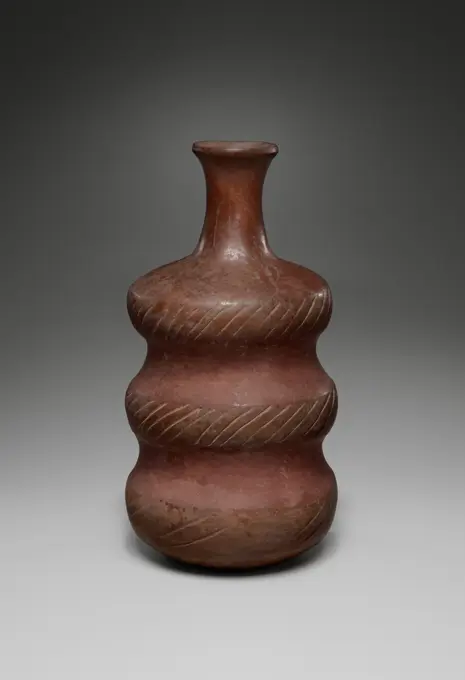
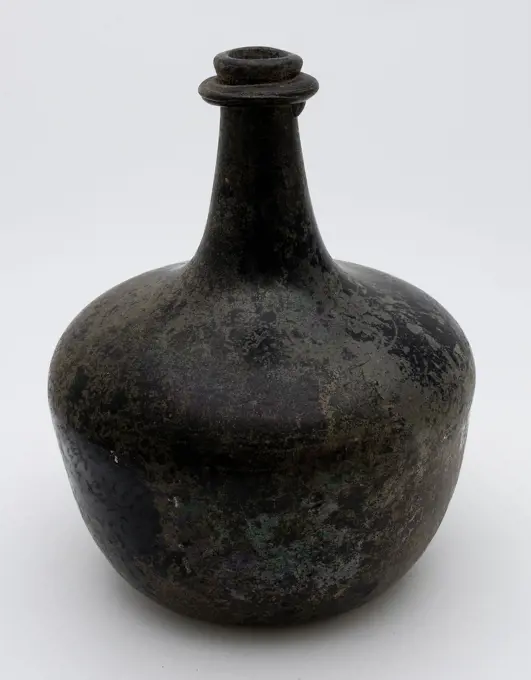
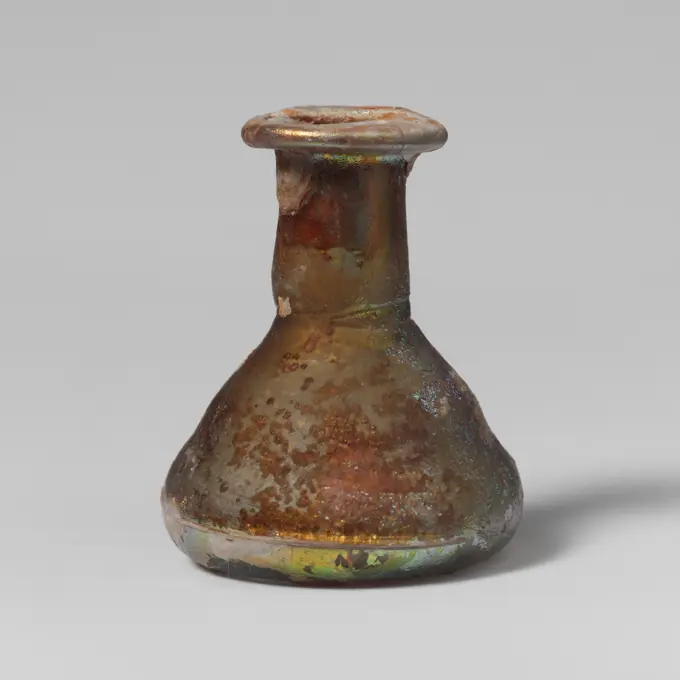
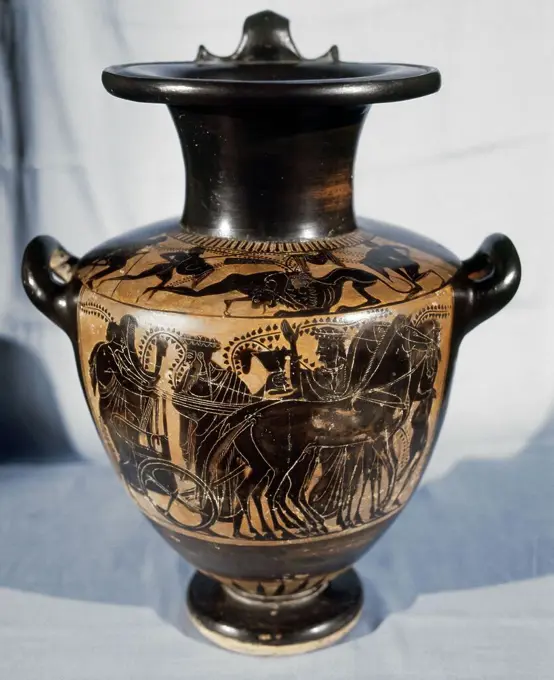
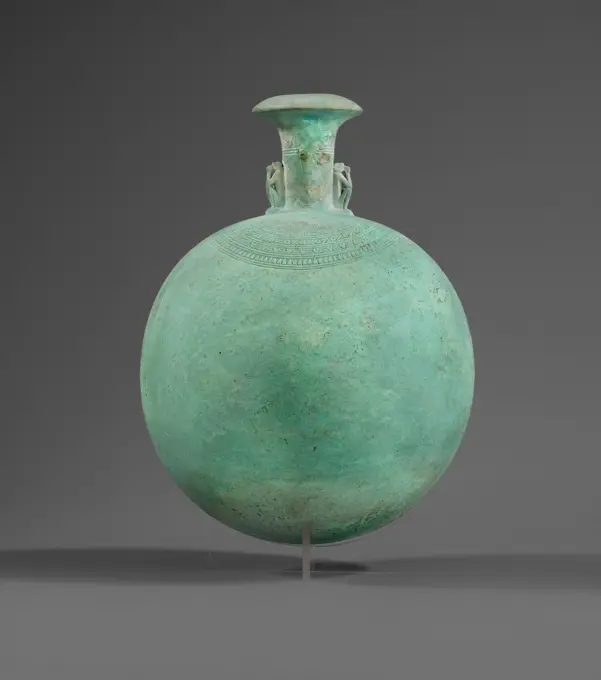
Selection of terracotta jars and flasks from various ancient cultures, displaying unique shapes and decorative styles from history.
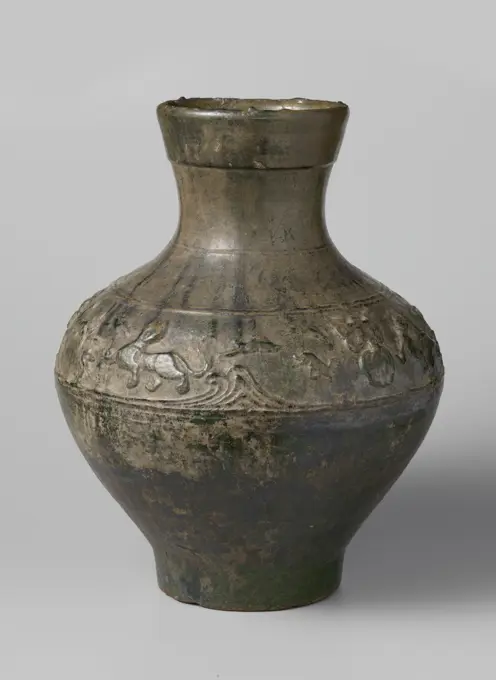
Vase, anonymous, c. -206 - c. 220 Vase of earthenware, covered with a green glaze. On the shoulder a bond with hunting scenes with human and animal figures in relief. In between twice a 'Taotie' mask with a ring. China earthenware. glaze vitrification Vase of earthenware, covered with a green glaze. On the shoulder a bond with hunting scenes with human and animal figures in relief. In between twice a 'Taotie' mask with a ring. China earthenware. glaze vitrification
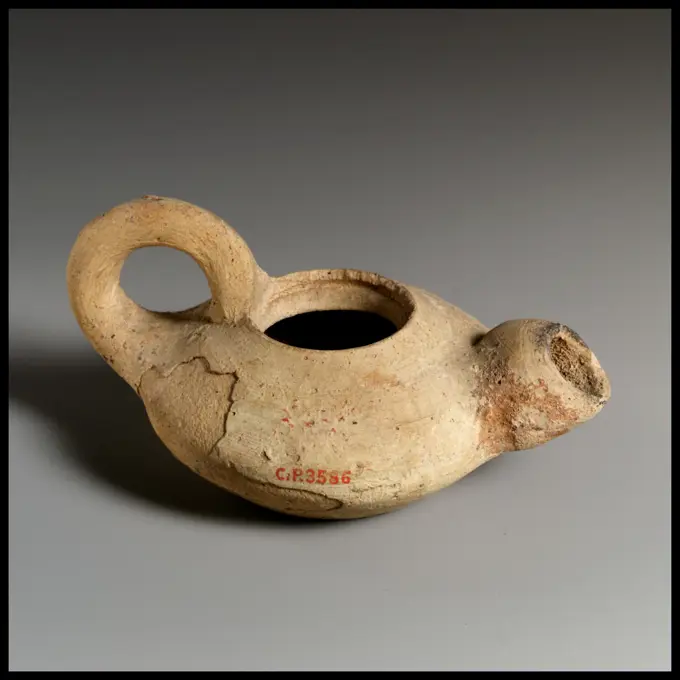
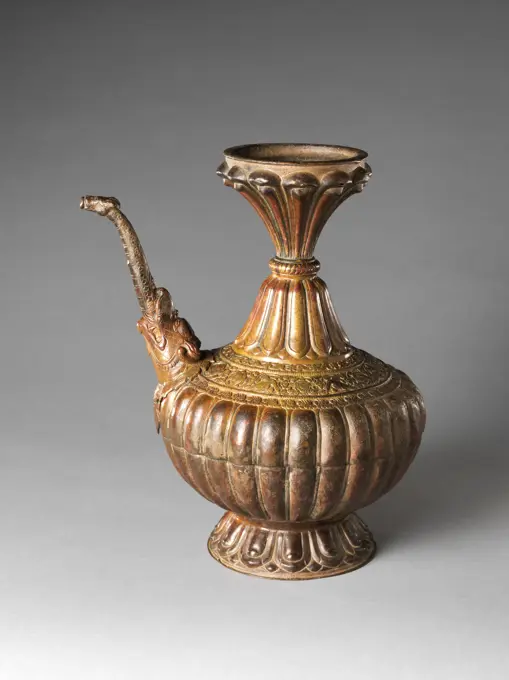
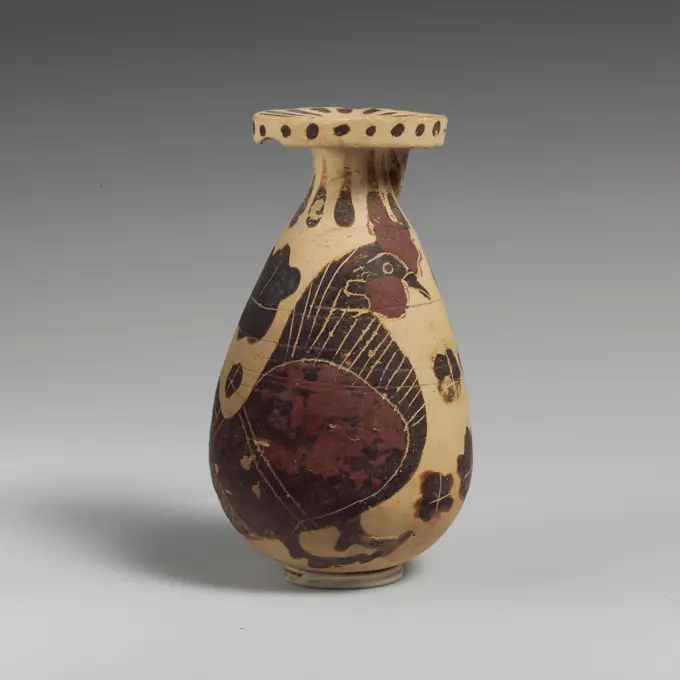
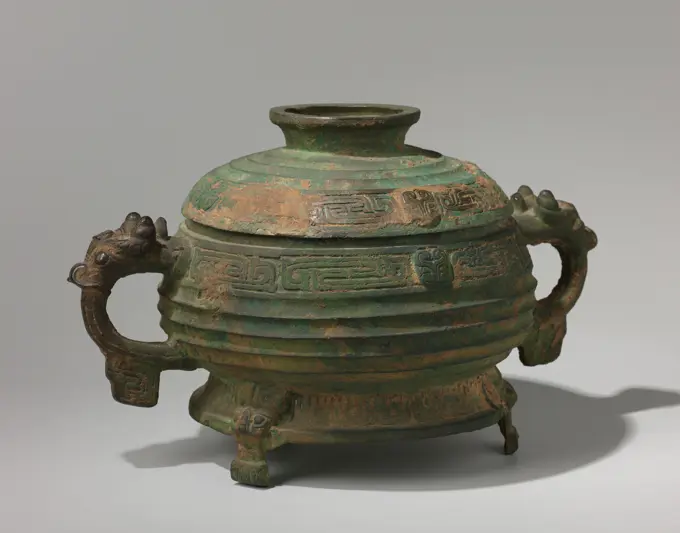
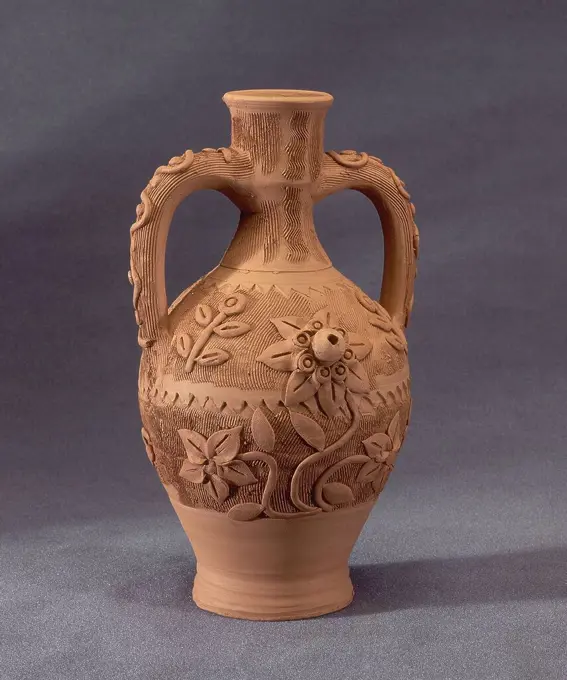
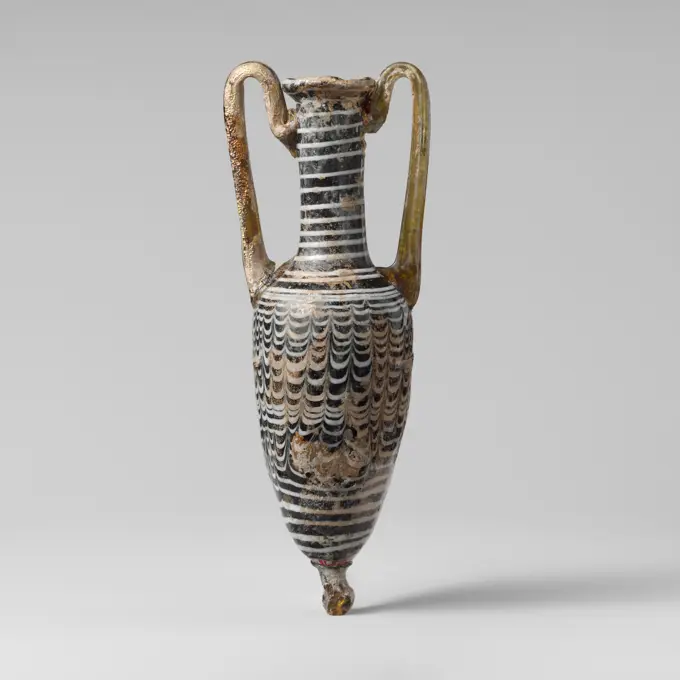
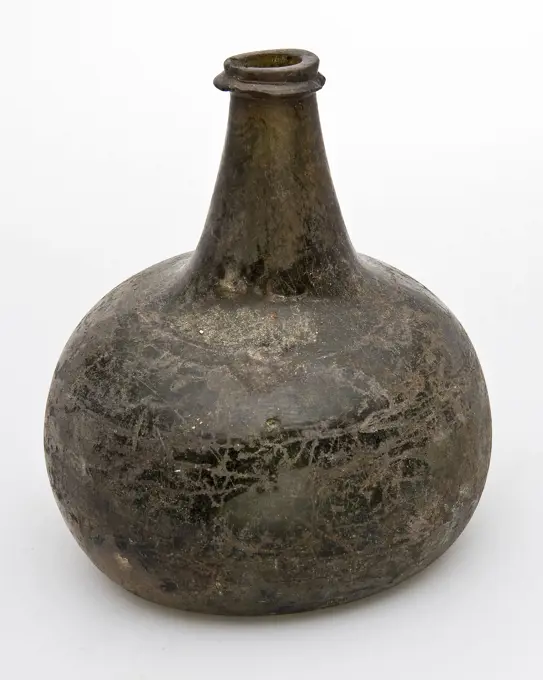
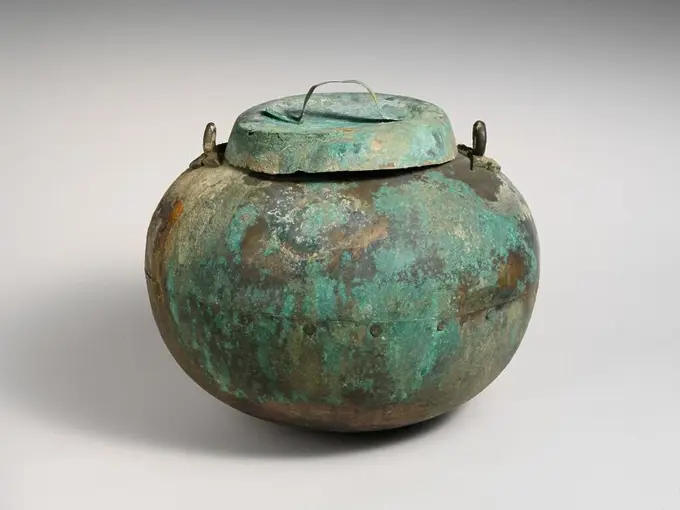
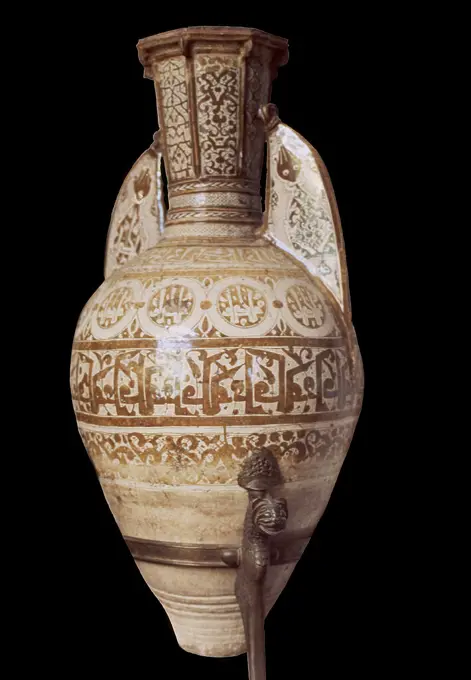
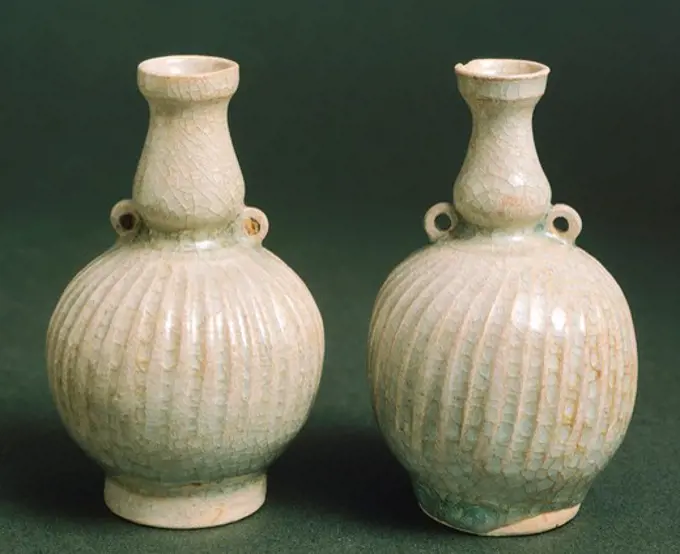
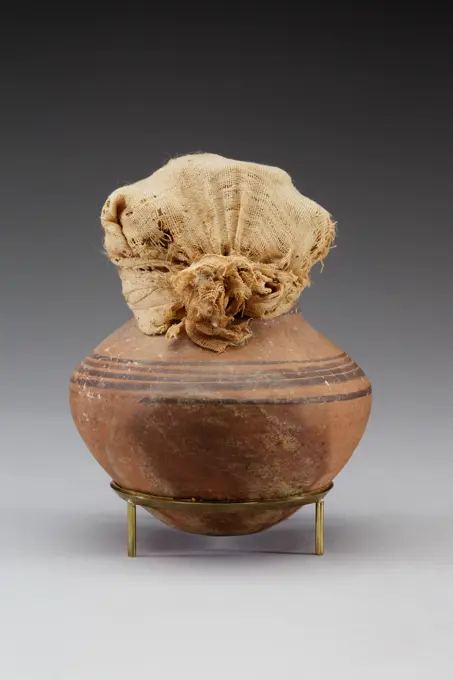
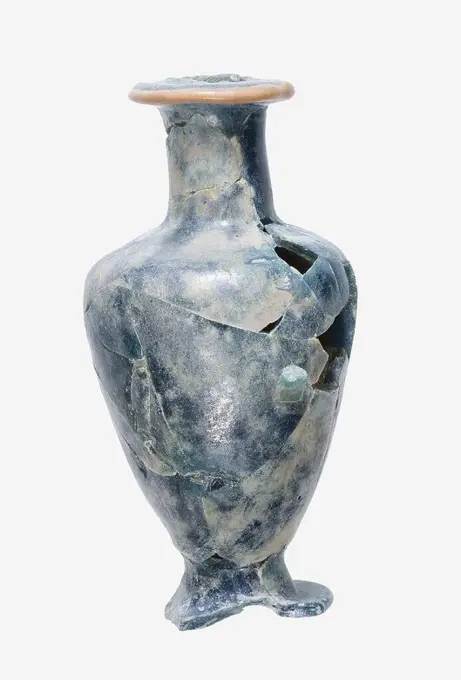
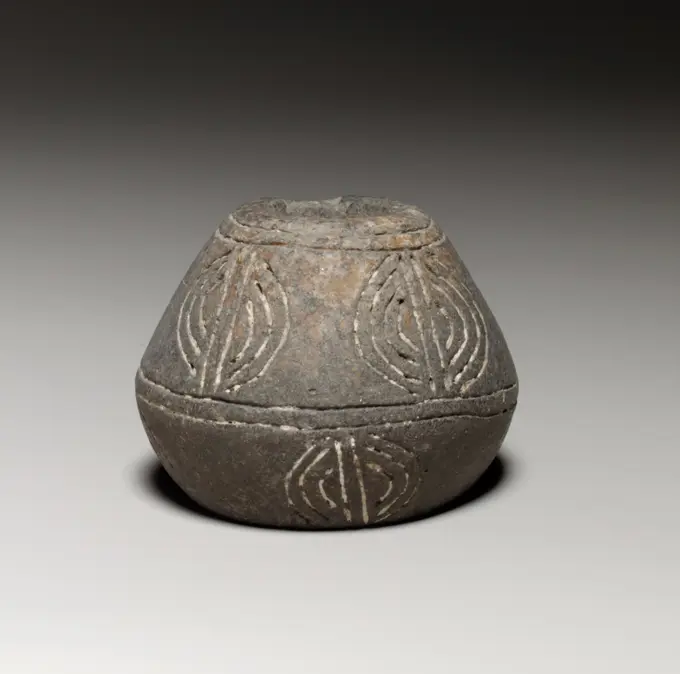
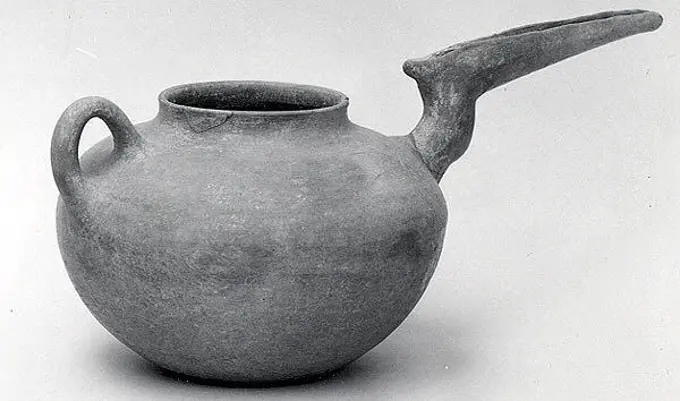
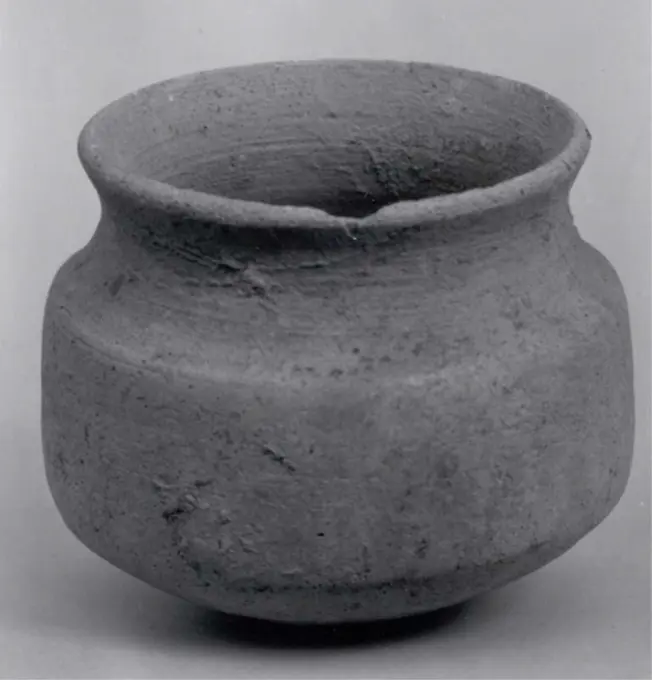
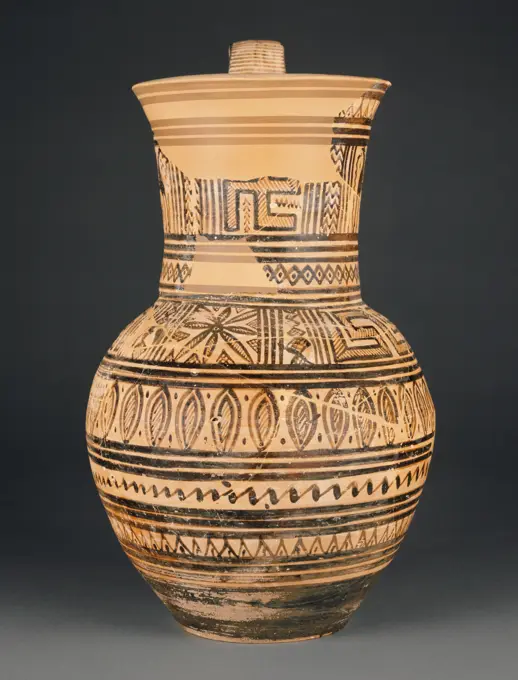
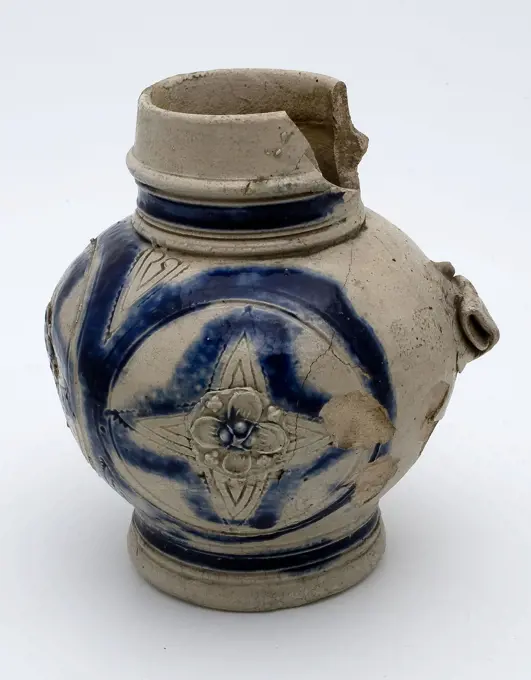
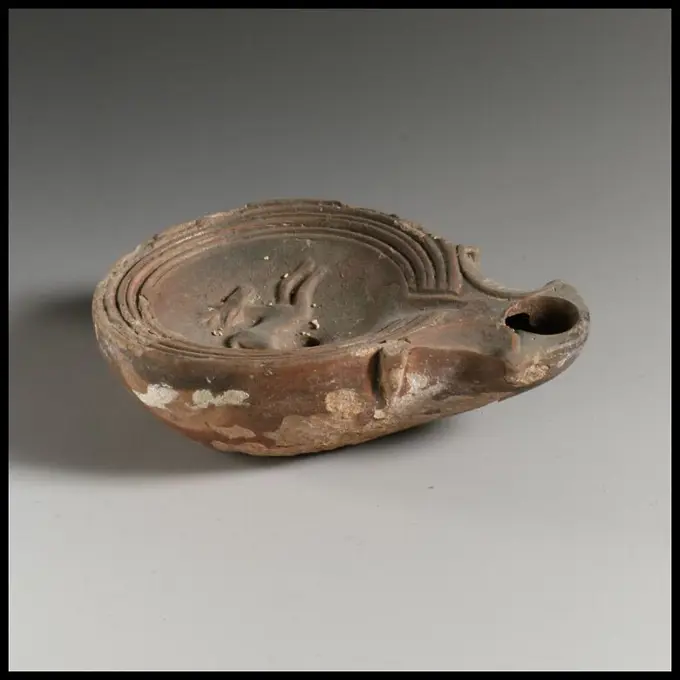
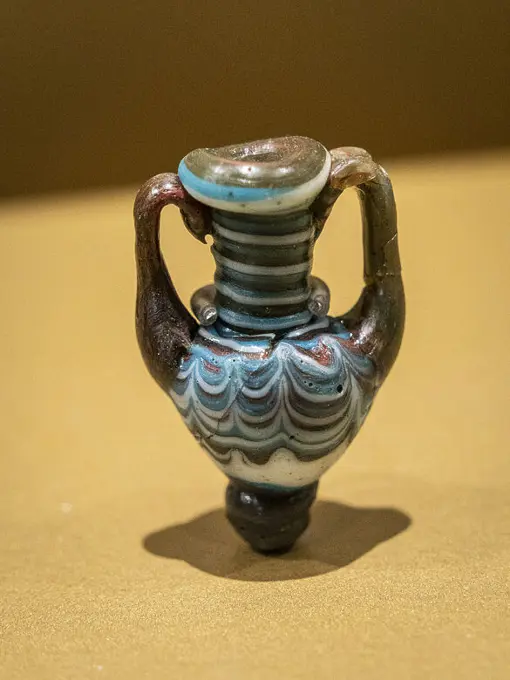
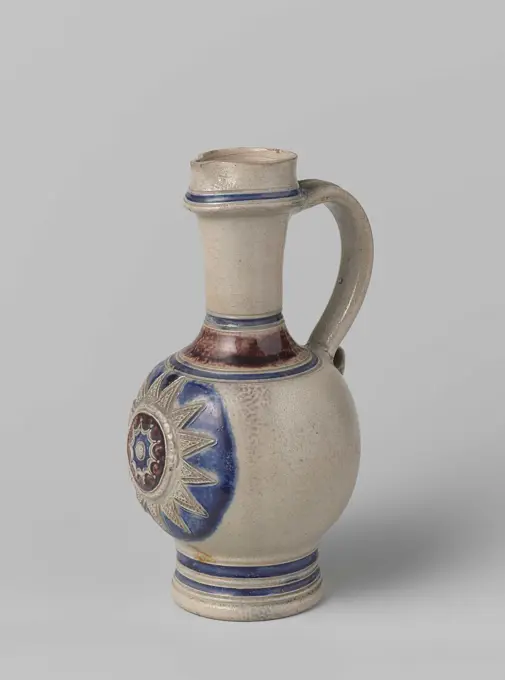
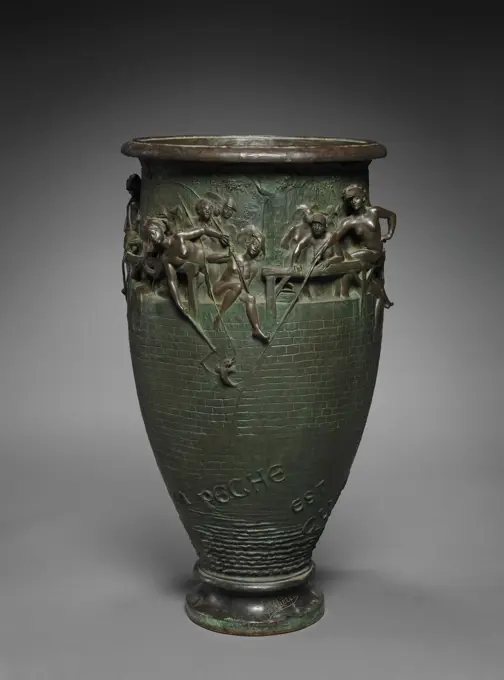
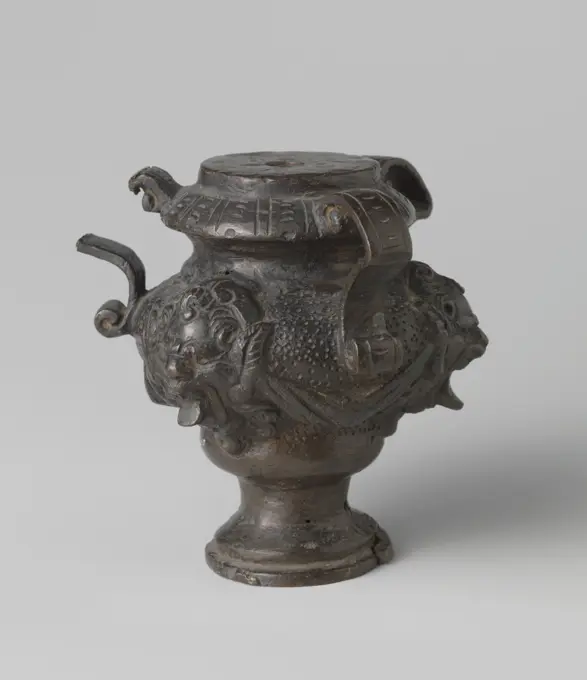
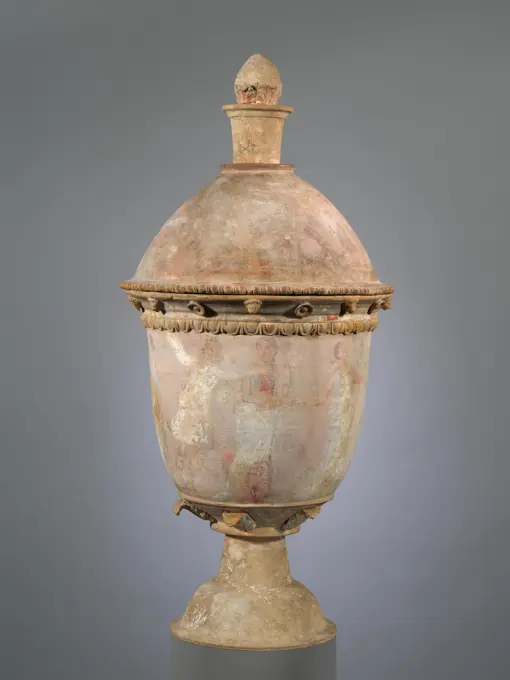
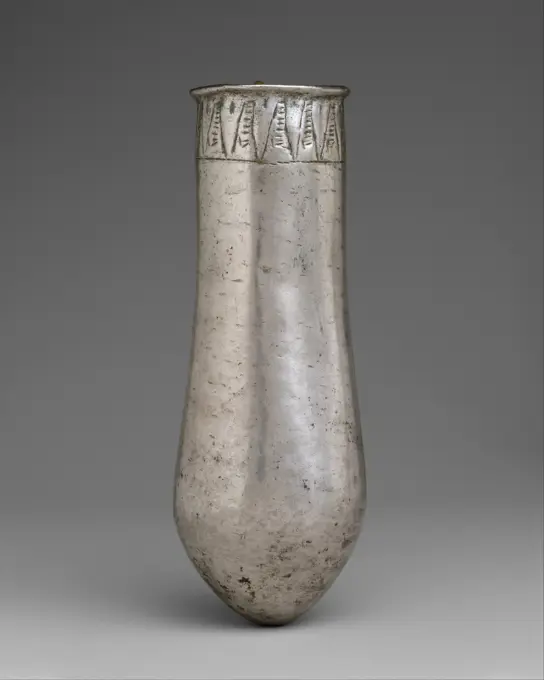
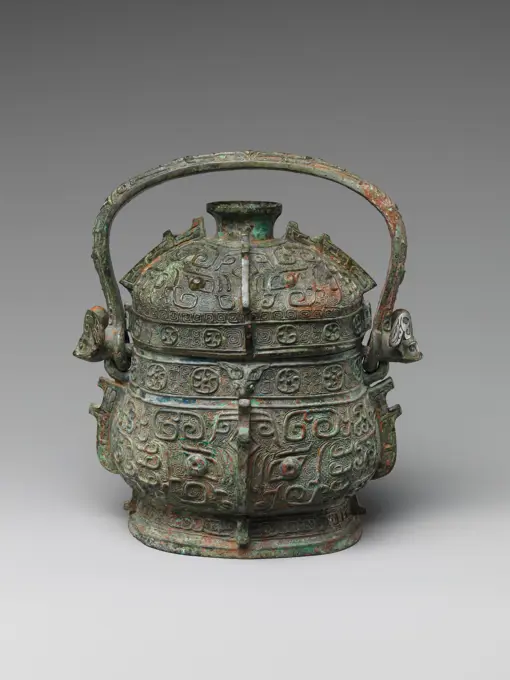
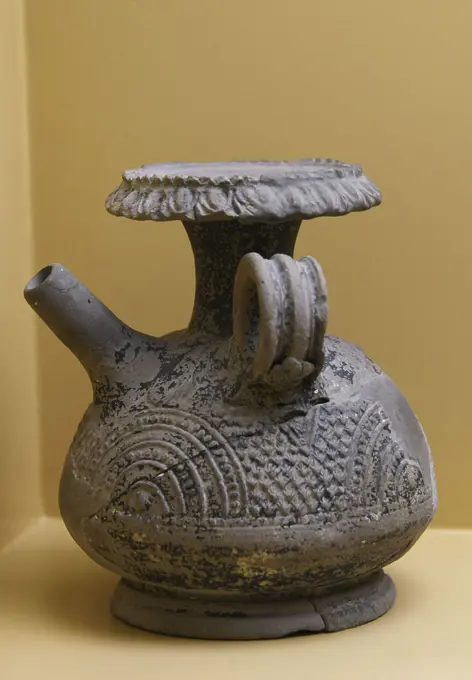
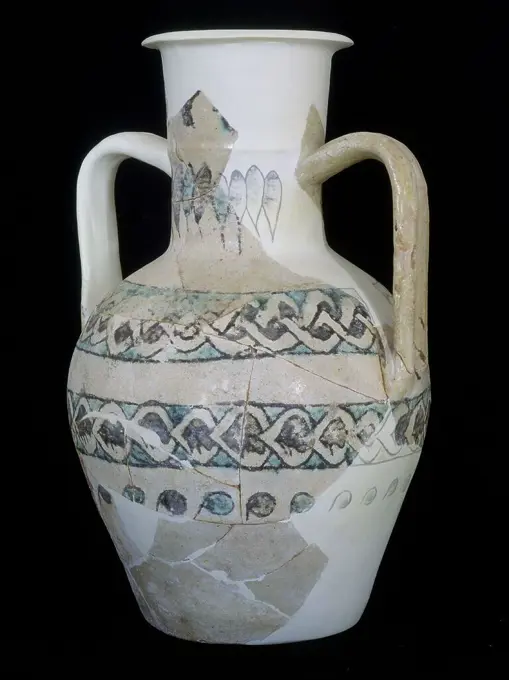
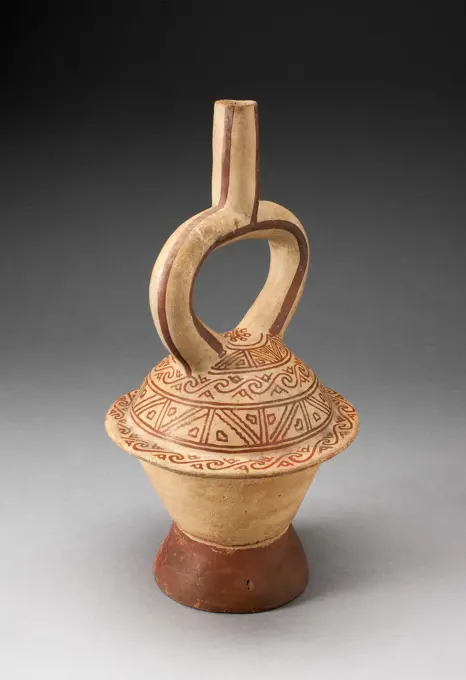
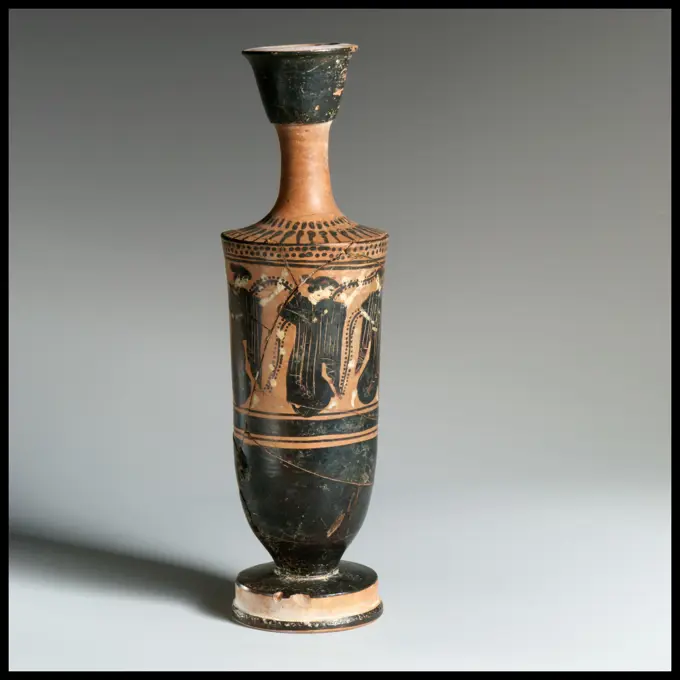
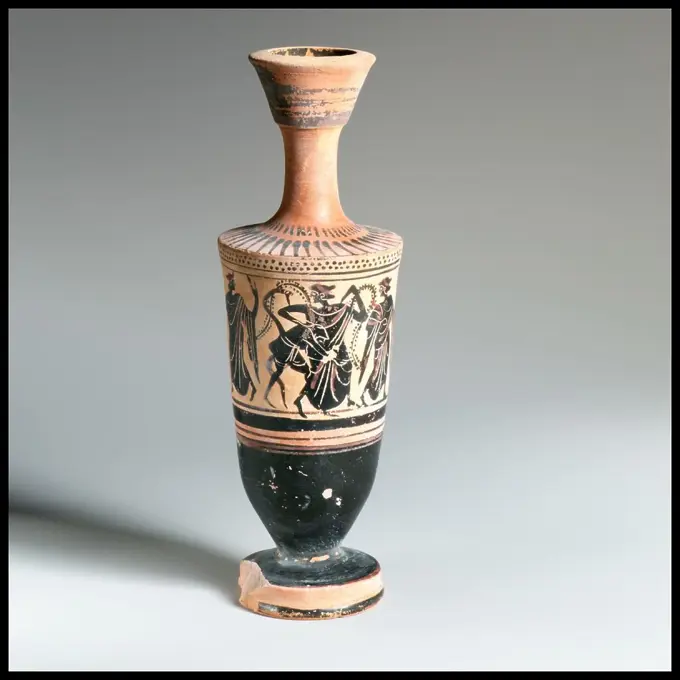
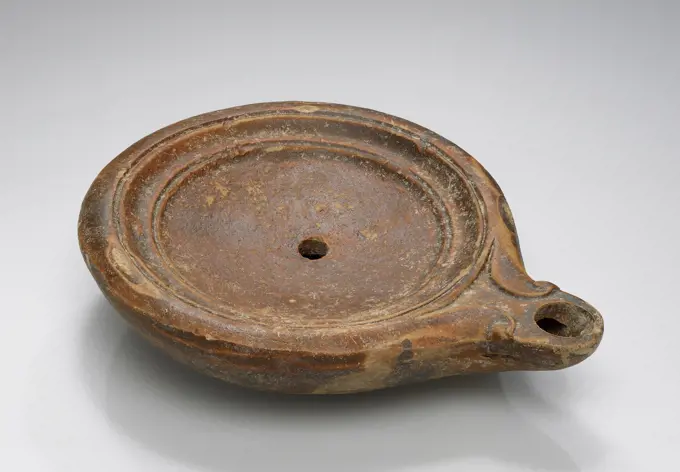
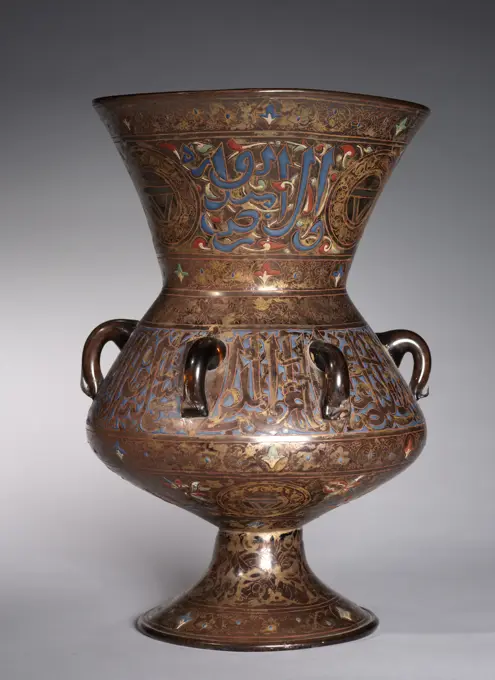
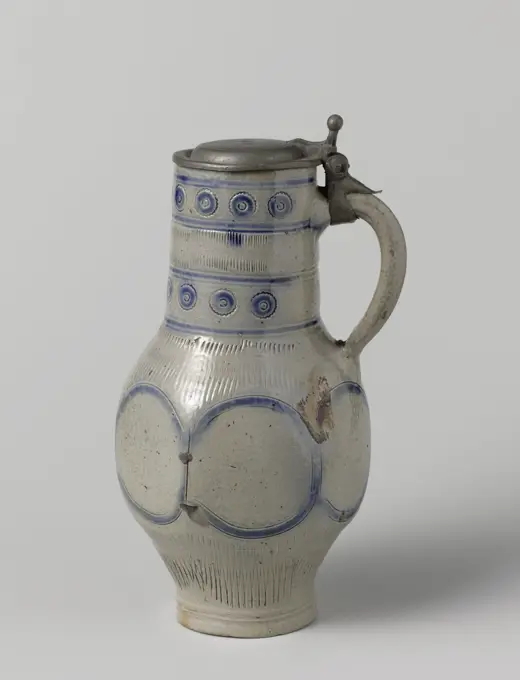
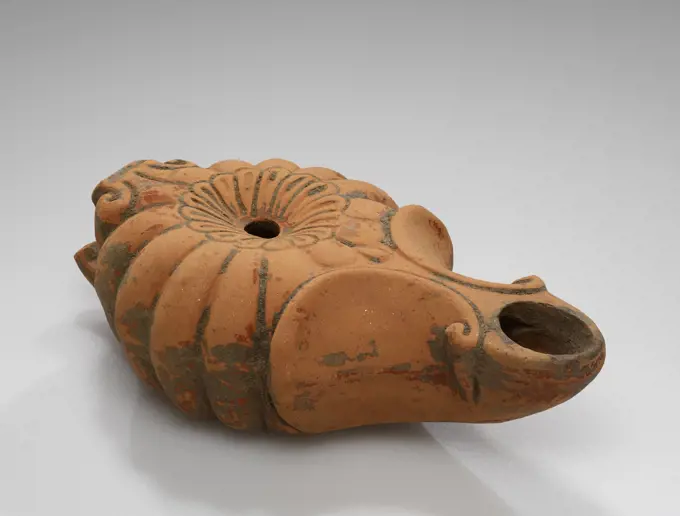
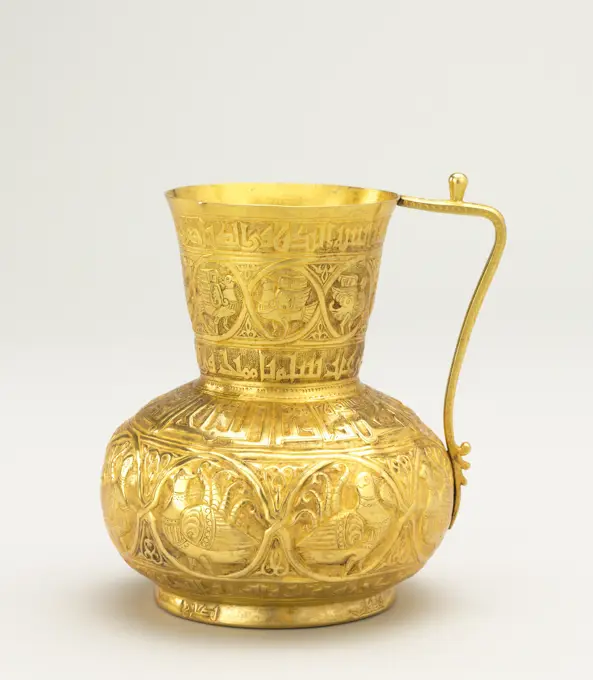
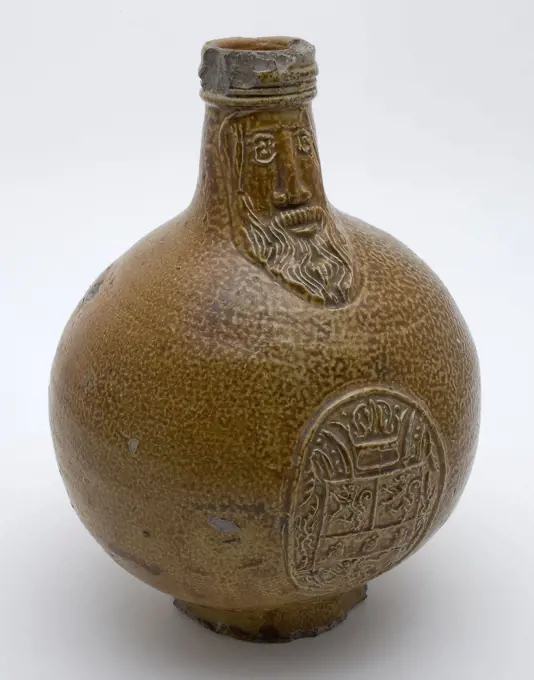
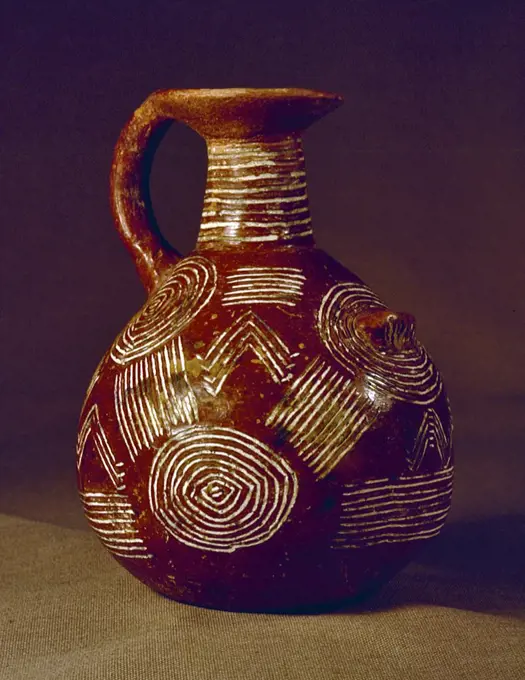
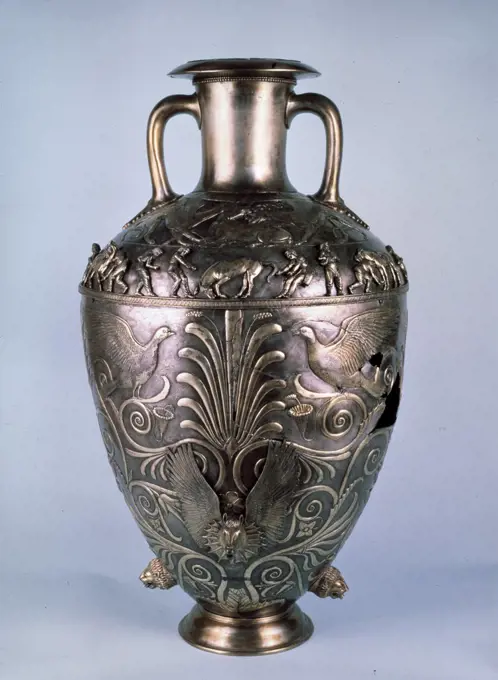
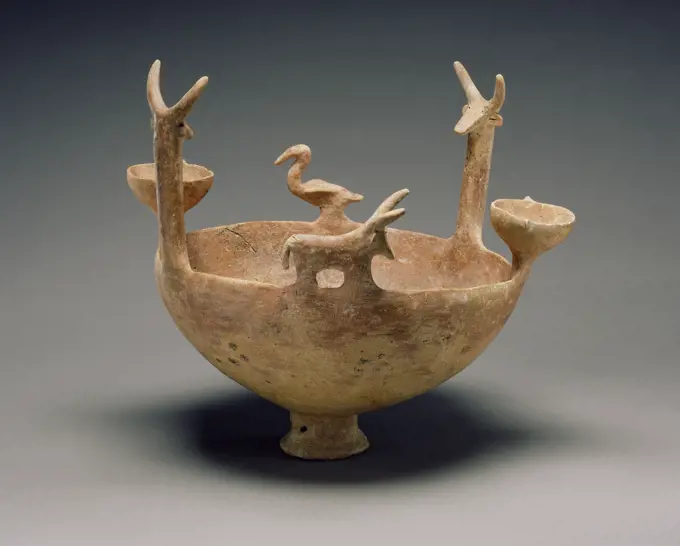
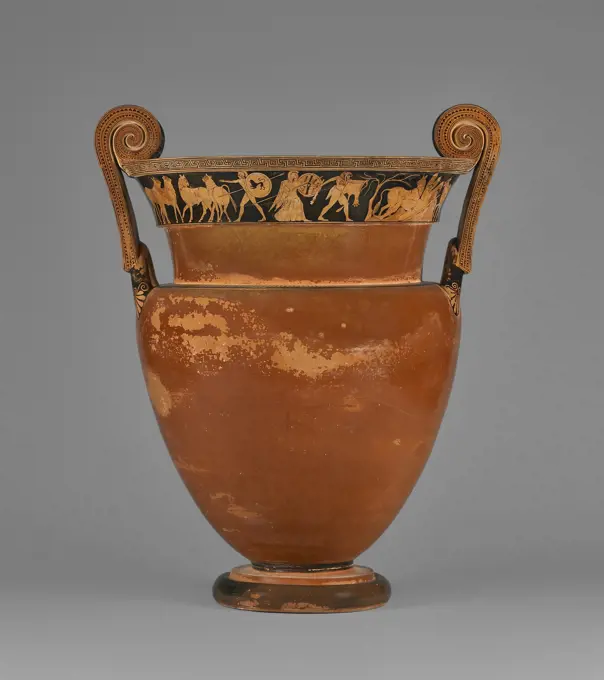
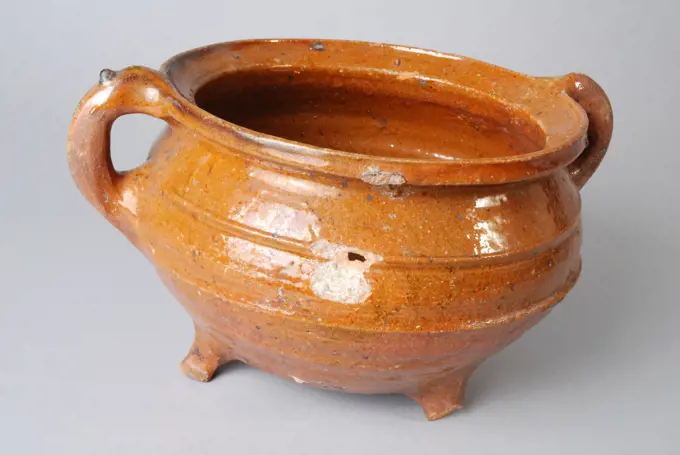
OINOCHOE PUNICO CON DECORACION PINTADA PROCEDENTE DE LA NECROPOLIS DE COLL DE CALA D'HORT. Location: MUSEO ARQUEOLOGICO / MUSEO DE PUIG DES MOLINS. SPAIN.Ceramic vase decorated with geometric pattern, Apulia, Italy. Peucetian Civilization, 4th-3rd Century BC.. Charcoal burner of stoneware on three short legs and with two handles, covered with a green, squacious glaze. Old label on the inside with 'Ki Seto / Auction Breuer'. Ki Seto.Vase. Culture: China. Dimensions: H. 15 1/4 in. (38.7 cm). Museum: Metropolitan Museum of Art, New York, USA.Terracotta oil lamp ca. 5th-7th century A.D. Roman Wheel-made, with ring handle and short, rounded nozzle. Large, central filling hole with raised lip; wide, sloping shoulder and squat, carinated body with low carination. Flat base.Intact, but some loss of surface.. Terracotta oil lamp. Roman. ca. 5th-7th century A.D.. Terracotta. Late Imperial or Early Byzantine. TerracottasRitual Ewer with Makara Spout Dated by inscription to 1675 Nepal, Bhaktapur An inscription engraved around the foot records that this ewer was donated in 1675, presumably to the royal shrine, by the king of Bhaktapur Jitamitra Malla (r.1673-96), and his younger brother Ugra Malla. Both were devotees of Vishnu and renowned for their religious benefaction. Jitamitras Mallas legacy includes the Pasupati and Narayana temples. The unnamed tutelary deity in whose honor this vessel was gifted can be assumed to be Vishnu Narayana.. Ritual Ewer with Makara Spout. Nepal, Bhaktapur. Dated by inscription to 1675. Brass. SculptureAnonymous, Vase Ding dit Le Shang Ding (common name), 0900. Cernuschi museum, Asia Museum of Asia in the city of Paris.Terracotta alabastron (perfume vase) ca. 620-590 B.C. Greek, Corinthian A rooster; in the field, rosettes.. Terracotta alabastron (perfume vase) 247185Cupisnique stirrup spout vessel, from Peru, USA, Florida, Jacksonville, Museum of Modern Art, Pre-Columbian Art, Circa 200 B.C.Glass perfume bottle 1st century A.D. Roman Colorless with green tinge.Rim folded out, over, and in; flaring mouth; cylindrical neck expanding downward, with slight tooling around base; elongated piriform body with convex sides; concave bottom.Intact; many bubbles; deep weathering and pitting; brilliant iridescence.. Glass perfume bottle 239623Bronze perirrhanterion (sprinkler). Culture: Greek. Dimensions: H. 6 1/2 in. (16.5 cm). Date: 2nd half of the 4th century B.C..Perirrhanteria of this shape, with a separate stopper and a tongue ornament on the body, are well attested in the fourth century B.C. They are believed to have been used during funerary rituals. Museum: Metropolitan Museum of Art, New York, USA.Terracotta volute-krater (container for mixing wine and water) ca. 330-290 B.C. Attributed to the Bolsena Group Fluted body. On shoulder and neck, figures and grape garland in relief.. Terracotta volute-krater (container for mixing wine and water) 246239Cover of ritual sacrificial scale, anonymous, -800 --500 Ritual lid for food with one decorative band and circles in relief over the wall. China bronze (metal) Ritual lid for food with one decorative band and circles in relief over the wall. China bronze (metal)Prehistory, Italy, Iron Age. Golasecca culture. Pottery vessels.Jar 10th-12th century View more. Jar. 10th-12th century. Earthenware; monochrome glazed, applied decoration. Attributed to Syria, Raqqa. CeramicsBOTIJA CON ADORNOS FLOREADOS E INCISIONES EN RELIEVE - SIN VIDRIAR - SIGLO XX. Location: ALFARERIA. Castellón. SPAIN.Glass amphoriskos (perfume bottle) 1st century B.C. Greek, Cypriot Translucent green, appearing black; one handle and base-knob in yellow brown, the other handle in yellow green; trail in opaque white.Inward-sloping rim-disk, with tooling indent underneath; tall, slightly concave, cylindrical neck; sloping shoulder; elongated piriform body; large applied base-knob; two rod handles applied in pads across shoulder, drawn up and slightly out to above rim, then looped in and down, and attached to neck below rim in a double fold over trail decoration.Single white trail applied around lip of rim and then wound in a spiral around neck and shoulder to body, then tooled into a festoon pattern with twenty-eight upward strokes, continuing in a plain spiral around lower part of body, ending under base-knob.Intact, except for part of knob; areas of deep pitting and dulling, with brilliant iridescence and creamy brown weathering.. Glass amphoriskos (perfume bottle). Greek, Cypriot. 1st century B.C..Circumcial bottle in clear colorless light green glass, cat's head, bottle bottle wine bottle stock bottle bottle holder soil find glass, approximately 12.0 free blown and shaped glass application Circular bottle in clear olive green glass. Pontil mark at the bottom (3.2 cm) raised at the bottom. High rising soul (5 cm). Round belly to round shoulders and strongly rejuvenated short neck. Sharp glass-laid glass thread under mouth. Flattened narrow mouth (inside size 02 cm) archeology packaging Rotterdam education Academy of Fine Arts and Technical Sciences Cool Coolvest Dijkzigt G.J. de Jonghweg City Triangle Blaak Academy of Fine Arts and Technical Sciences Rotterdam.Bottle.   Maker: UnknownBronze cauldron. Culture: Etruscan. Dimensions: H.: 11 5/16 in. (28.7 cm)Diam.: 15 5/8 in. (39.7 cm). Date: ca. 550 B.C..Made of two large hemispherical bronze sheets carefully riveted together at the belly's midpoint. Heavy circular attachments, perhaps from swinging handles, flank the mouth. Museum: Metropolitan Museum of Art, New York, USA.Prehistory, China, Bronze Age. Bronze tripod in Ordos styleVASO DEL SALAR - SIGLO XIV - CERAMICA NAZARI -LLAMADO JARRON DE LA ALHAMBRA. Location: MUSEO ERMITAGE-COLECCION. ST. PETERSBURG. RUSSIA.Pedestal Pot. Thailand, Ban Chiang culture, circa 300 B.C.-A.D. 200. Furnishings; Cookware. Wheel-thrown earthenware with painted decorationCeramic perfume vessels, Thailand. Thai Civilisation, 15th century.Gray Earth Goblet Gray cup. Bas-empire. Ceramic.Sealed Jar ca. 1479-1458 B.C. New Kingdom This decorated pottery jar was inside the coffin of Harmose (36.3.172), near the mummy's head. The mouth of the jar is covered with an upturned saucer that is held in place with a small piece of linen cloth, a standard mode of sealing a pottery container.. Sealed Jar. ca. 1479-1458 B.C.. Pottery, paint, linen. New Kingdom. From Egypt, Upper Egypt, Thebes, Sheikh Abd el-Qurna, Tomb of Senenmut (TT 71), below, burial of Singer Harmose, inside coffin, MMA excavations, 1935-36. Dynasty 18Terracotta zoomorphic askos (vessel). Culture: Cypriot. Dimensions: H. 3 13/16 in. (9.7 cm). Date: 1900-1600 B.C..Deer-shaped vase with spout, loop-handle, and lattice-bands. Museum: Metropolitan Museum of Art, New York, USA.Vase. Dimensions: H. 11 cm (4 5/16 in), Diam. 5.5 cm (2 3/16 in). Dynasty: Dynasty 18. Reign: reign of Amenhotep III. Date: ca. 1390-1353 B.C.. Museum: Metropolitan Museum of Art, New York, USA.Terracotta biconical spindle-whorl Cypriot ca. 1900-1600 BCE Spindle whorls aided in the making of cloth for garments and bedding. They were placed in tombs, perhaps so that the deceased could continue to spin wool in the afterlife.Umbria Perugia Trevi Palazzo Communale, Pinacoteca0. Hutzel, Max 1960-1990 Views of the 15th century facade of the Palazzo Communale and the Piazza Mazzini. Views of the fine collection of Umbrian painting, sculpture, metal work and Deruta Maiolica in the Pinacoteca. Of special note is a sculptural group which is an excellent example of the great 19th century sculptor Cesare Aureli. The photos also show the encycolpedic collection of Umbrian paintings (14th-16th centuries) highlighted by works of Giovanni Spagna, Giusto di Grand and Pinturricchio. Object Notes: Hutzel shot this campaign in 1984. General Notes: Prints H-35, 37, 46 and 48 were erroneously attributted to Benozzo Gozzoli by Hutzel. German-born photographer and scholar Max Hutzel (1911-1988) photographed in Italy from the early 1960s until his death. The result of this project, referred to by Hutzel as Foto Arte Minore, is thorough documentation of art historical development in Italy up to the 18th century, including objectSpouted jar ca. 1400-1200 B.C.. Spouted jar 324314Terracotta oil lamp. Culture: Roman. Dimensions: Overall: 1 x 3 1/4 in. (2.5 x 8.3 cm). Date: early 1st century A.D..Discus: head of African, facing right. Shoulder: continuous band of four lines and grooves. Volutes flanking nozzle. Raised base ring; slightly concave base inscribed: I·A·G (). Museum: Metropolitan Museum of Art, New York, USA.Jar ca. 2600-2300 B.C. Iran This jar has a flat base, bulging body, carinated shoulder and everted rim. It is made of a buff clay. It was found at Kamterlan I, a mound in Luristan in the Zagros Mountains of western Iran that was the site of both settlement and burials. The shape of the jar parallels that of bronze vessels, called inkwells’ by archaeologists, which have been found in burials elsewhere in Luristan, as well as in Elam; in fact, the carinated shoulder is a feature of metalwork but not of pottery. Although their purpose is unclear, bronze inkwells attest to interaction and exchange between the elites of Elam and Luristan during the Bronze Age. This ceramic version suggests that its owner aspired to elite status.It is often thought that the inhabitants of Luristan in this period were pastoral nomads, who moved with their herds from the high valleys of the Zagros during the summer to lowland pastures in the winter. This theory arises from the dearth of evidence for settlemenLazio Viterbo Viterbo Museo Civico86. Hutzel, Max 1960-1990 Views of paintings (Middle Ages through 18th c.), frescoes, a tabernacle, coffin, sculpture reliefs, portal fragments, busts, sculpture, tapestry found in the Pinacoteca, Second floor gallery and Second floor cloister sequences. Antiquities: Many views of Etruscan and Roman fragments, sculpture, sarcophagi, pottery, masks, jewelry and other objects found in the Storeroom sequence (inventory numbers on back of prints), and the Cloister, Second floor Cloister, Valle Giulia, Sala Romana and Sala Etrusca sequences. General Notes: There are eight separate numerical sequences for this location. The cloister as an architectural structure, rather than museum site, is documented in the record and file for S. Maria della Verita, Cloister, all views of which are stored in Medieval core collection. Five views from the Museo Civico Second floor cloister sequence are stored in Medieval. German-born photographer and scholar Max Hutzel (1911-Stoneware oil jug, small model, ears with small round hole in the middle, oil jug jar holder soil find ceramic stoneware glaze salt glaze h 8.3 neck 3.5 belly 5.2 standing area 4.3 hand turned baked glazed stoneware jug gray shard brown salt glaze widened neck opening two ears traces on the underside Bolle jug small model on stand Footing made archeology import pottery wool spinning wool spinning oil grease craft Rotterdam City Triangle Delftsevaart Soil discovery of the partial reclamation of the Delftse Vaart from here for the purpose of making the lift over the Vaart in the summer of 1928.Terracotta oil lamp. Culture: Roman, Cypriot. Dimensions: Overall: 7/8 x 3 1/2 in. (2.2 x 8.9 cm). Date: ca. A.D. 40-100.Loeschcke Type 4. Mold-made. Discus: radiating petals around two raised circles with a central filling hole; two incised concentric lines towards edge. Volutes flanking nozzle. Within impressed base ring, slightly raised, flat base, with raised, molded letters: N at center, and I near edge below nozzle. Museum: Metropolitan Museum of Art, New York, USA.VASO CAMPANIFORME DE BURIZ -LUGO-CERAMICA PREHISTORICA. Location: UNIVERSIDAD LETRAS. SANTIAGO DE COMPOSTELA. A CORUÑA. SPAIN.Bucchero Chalice. Unknown late 7th-early 6th century B.C.Double pithoi, geometric patterned terracotta from Milos, Greece. Cycladic civilization, 3500-1050 BC.Belly bottle, German shaft & globe, bottle holder groundfound glass cork, flat shoulders and rejuvenated, neck with round horizontal thick glass thread and flattened lip archaeological packagingFragment of a black -refreshed bowl;  III-II century BC (-300-00-00--101-00-00);Bednarek-06, Dar, Etruria, Antical Art Collection, DarBucchero Chalice. UnknownComposite Tripod Vessel, 5 x 8 3/4 x 8 3/4 in. (12.7 x 22.2 x 22.23 cm), Earthenware, Costa Rica, Pre-ColumbianGlass perfume bottle 1st-2nd century A.D. Roman Small perfume bottleColorless with pale blue green tinge.Rim folded out, over, and in, and flattened unevenly into mouth; cylindrical neck, with tooling marks around base; conical body with horizontal tooling marks around convex sides; slightly concave bottom.Cracked with large hole in base of body and edge of bottom on one side; many bubbles; dulling, pitting, and brilliant iridescent weathering.. Glass perfume bottle 239752HYDRIA ATICA S XV. Location: AYUNTAMIENTO. MONFORTE DE LEMOS. LUGO. SPAIN.Manierka noworoczna. unknown, authorVessel with Bulbous Body ca. 1000-300 B.C. Thailand. Vessel with Bulbous Body. Thailand. ca. 1000-300 B.C.. Earthenware with buff slip and incised red oxide decoration. late Neolithic period. CeramicsAttic Geometric Oinochoe. UnknownSmall stoneware bell-jug with three circles on the belly in which partially profiled star motif, bulletbayer jug crockery holder soil find ceramic stoneware glaze salt glaze, hand turned stamped molded sgraffito glazed baked Stoneware bulletbay tin light gray shard with salt glaze profiled neck and foot curled tail archeology import pottery serve serving serve drinking wine beerTerracotta oil lamp. Culture: Roman. Dimensions: Length: 3 5/8 in. (9.2 cm)Height: 1 1/16 in. (2.7 cm). Date: 1st century B.C.-1st century A.D..Loeschcke Type 1A. Mold-made. Discus: stag springing to right; a single filling hole below his body, with a broad band of lines and grooves at edge, interrupted at front by a funnel-shaped channel. Volutes flanking angular nozzle. Raised base ring, and flat base. Museum: Metropolitan Museum of Art, New York, USA.Animal Bottle A.D. 200-900 Moche (). Animal Bottle 309485Paul Gauguin (1848-1903). "Vase". Partially enameled and painted terracotta. 1887-1888. Museum of Fine Arts of the City of Paris, Petit Palais. 74732-1 Ceramic, pottery, terracotta emaillee, vase, 19th 19th 19th 19th 19th 19th centuryglass unguentary, 5th to 3rd century BC, Santaella, Iberian Museum of Jaén, Andalusia, Spain.New Year's manner;  664-525 BC ; Half period, 26 dynasty (-664-00-00--525-00-00);Can. Can be from stoneware. The spherical can have a long, to the curved neck. A star-shaped ornament in blue and purple on the belly.Vase, c. 1890. Gustave-Joseph Chéret (French, 1838-1894). Bronze; diameter: 43.2 cm (17 in.); overall: 79.2 cm (31 3/16 in.).Fragment of a jug with a coat of arms and an inscription, Jan Emens Mennicken, c. 1580 - c. 1610 Fragment of a jug of stoneware on stand ring with a cylindrical body with round shoulder. Neck and part of the ear are missing. Profiles on the abdomen and foot. Covered with a brown Engobe. On the cylindrical part of the belly in relief a printed and laid bond with the inscription 'Lyfden goat above ale derck nein spricks that penninck ickben soe lyf and soe that ider ger'. The inscription is interrupted by a weapon in relief with the edge writing 'Pace et Ivstitia'. Above the weapon it with 'i.e.'. The lower part of the abdomen runs slanted to the foot and, like your shoulder, is divided into courses with entry lines. Raeren. Rae stoneware. glaze. engobe vitrification Fragment of a jug of stoneware on stand ring with a cylindrical body with round shoulder. Neck and part of the ear are missing. Profiles on the abdomen and foot. Covered with a brown Engobe. On the cylindrical part of the beVase -shaped part ,, 1575 - 1600 On the belly, which is, three lion heads, interconnected by three 'clothguirles'. Above three ears, formed from broken, band-shaped S-Voluten. Venice bronze (metal) On the belly, which is, three lion heads, interconnected by three 'clothguirles'. Above three ears, formed from broken, band-shaped S-Voluten. Venice bronze (metal)Jug ca. 1780-1580 B.C. Canaanite. Jug 323121Terracotta vase 3rd-2nd century B.C. Greek, Sicilian, Centuripe On the body, three women and a boyThe lid on this Centuripe vase is separate from the body. Because of the fragility of the technique, the decoration that is still visible on the body is no longer legible on the lid.. Terracotta vase. Greek, Sicilian, Centuripe. 3rd-2nd century B.C.. Terracotta. Hellenistic. VasesSitula with floral decoration ca. 1279-1213 B.C. New Kingdom, Ramesside Wine was a coveted drink starting in Egypts earliest days, though wine services do not have a long history there, as strainers were not found before the New Kingdom. The importance of wine grew during that period, as intoxicating drinks played a prominent role in festivals and in communal celebrations. When associated with Bastet and other feline goddesses, these drinks helped partakers emulate the drunkenness that brought about the goddesses pacification. Such practices probably occurred in festivals for Bastet in Tell Basta, where this and other vessels were found. The vessels were buried in two caches close to the temple, along with silver and gold jewelry, ingots, and lesser objects. Rare in antiquity, most silver and gold vessels were later melted down and reused for new projects. The Tell Basta hoards are thus exceptional finds.Situlae formed part of wine-drinking sets, apparently used for sipping wine. ThiWine Vessel (You) 10th-9th century B.C. China. Wine Vessel (You). China. 10th-9th century B.C.. Bronze. Western Zhou dynasty (1046-771 B.C.). MetalworkAskos with mould-made body and a satyr mask at the base of the handle, 150-86 BC. Museum of the Ancient Agora. Athens, Greece.Vase-shaped component. On the abdomen, which is located, three lion heads, interconnected by three 'doekguirlandes'. Above three ears, formed from knotted, band-shaped S volutes.MUSEO- JARRA CON DECORACION VERDE Y NEGRO- ARTE CALIFAL- S X-XI. Location: MEDINA AZAHARA / MADINAT AL-ZAHRA-MUSEO-CERAMICA. PROVINCIA. CORDOBA. SPAIN.Geometric Oinochoe. UnknownStirup Spout Vessel in Form of a Covered Bowl with Geometric Patterning Made 100 BCE-500 CE North Coast. Ceramic and pigment . MocheLekythos ca. 480 B.C. Attributed to the Haimon Group. Lekythos. Greek, Attic. ca. 480 B.C.. Terracotta; black-figure. Classical. VasesPa. German Pitcher. Dated: c. 1937. Dimensions: overall: 30.2 x 22.4 cm (11 7/8 x 8 13/16 in.) Original IAD Object: 9 1/2" high. Medium: watercolor, graphite, and gouache on paperboard. Museum: National Gallery of Art, Washington DC. Author: Yolande Delasser.Celtic Pot from Manching Oppidm near Ingolstadt, Germany, 1st century BC. Artist: Unknown.Lekythos. Culture: Greek, Attic. Dimensions: Height: 6 7/16 in. (16.4 cm)Diameter: 2 3/16 × 1 7/16 × 1 3/4 in. (5.5 × 3.7 × 4.5 cm). Date: ca. 480 B.C..Peleus and Thetis. Museum: Metropolitan Museum of Art, New York, USA.Lamp 13th-14th century. Lamp 442910Lamp, Asia Minor; 1st - 4th century; Terracotta; 2.5 x 8.6 x 10.8 cm (1 x 3 3,8 x 4 1,4 in.)Terracotta lamp. Culture: Roman, Cypriot. Dimensions: Overall: 7/8 x 3 13/16 in. (2.2 x 9.7 cm). Date: 1st century B.C.-1st century A.D.. Museum: Metropolitan Museum of Art, New York, USA.Glass jug. Culture: Roman. Dimensions: H.: 2 3/4 in. (7 cm)Diam.: 2 3/16 x 7/8 in. (5.6 x 2.2 cm). Date: 1st-2nd century A.D..Translucent light blue green, with same color handle.Rim folded out, over, and in, with beveled upper surface; cylindrical neck; squat, globular body; small, slightly uneven bottom; ribbed handle applied in large pad with claws to upper part of body, drawn up and outward, then folded in and attached in neck below rim with vertical, flat thumb rest above.Intact; many bubbles; some iridescence and weathering on exterior, soil encrustation on interior of neck and iridescent weathering on inside of body. Museum: Metropolitan Museum of Art, New York, USA.Carved Conch with Lakshmi-Narayana 11th-12th century India (possibly West Bengal) or Bangladesh The central medallion shows Narayana, a form of Vishnu, seated in a pavilion with his consort Lakshmi.. Carved Conch with Lakshmi-Narayana. India (possibly West Bengal) or Bangladesh. 11th-12th century. Shell with silver additions. Pala period. ShellVase, c. 1850. Josiah Wedgwood and Sons (British, Staffordshire, est. 1759). Jasper ware with relief decoration; overall: 29.9 cm (11 3/4 in.). Wedgwood's tricolor jasperware first became popular in the 1770s during a period of fascination with neoclassical decoration. This vase was probably made around 1850 during the period when this type of decoration was revived. The relief medallions depict two versions of the Greek god Apollo, the god of music, next to his harp or lyre.Vase with the decoration of two artistic dragons unknownMosque Lamp, late 1800s. France. Glass with enameled and gilded decoration; overall: 39.5 cm (15 9/16 in.).Jug with a hexagonal body and medallions, anonymous, c. 1750 - c. 1849 Jug of stoneware with stand ring with a hexagonal abdomen and a wide, long neck. The C-shaped ear is attached to the neck and shoulder. Decorated in cobalt blue with horizontal, lines and stamped medallions. On the neck a band with a pressed zigzag line (Knibis). A pewter frame with a lid is attached to the ear. Engraved in the lid the letters 'P v e'. Westerwald. Westerwald (possibly) Stoneware. Glaze. Cobalt (Mineral). frame: tin (metal) vitrification Jug of stoneware with stand ring with a hexagonal abdomen and a wide, long neck. The C-shaped ear is attached to the neck and shoulder. Decorated in cobalt blue with horizontal, lines and stamped medallions. On the neck a band with a pressed zigzag line (Knibis). A pewter frame with a lid is attached to the ear. Engraved in the lid the letters 'P v e'. Westerwald. Westerwald (possibly) Stoneware. Glaze. Cobalt (Mineral). frame: tin (metal) vitrificationLamp, Central Anatolia, Anatolia; 1st century B.C; Terracotta; 4 × 6.8 × 12.5 cm (1 9,16 × 2 11,16 × 4 15,16 in.)Stirrup Spout Vessel with Raised Geometric Scroll Motif 1000 BCE-200 BCE North Coast. Ceramic . CupisniqueApulian vase with horses, Greek ArtJug, 900s. Iran or Iraq, Baghdad, Buyid Period, reign of Samsam al-Dawla (985-998 AD). Gold with repoussé and chased and engraved decoration; overall: 12.5 x 10.2 cm (4 15/16 x 4 in.); diameter of base: 7 cm (2 3/4 in.).Brown Bartmann jug, also called Bellarmine jug, jug with beard mask medallion with crowned coat of arms, Bartmann jug crockery holder soil find ceramic stoneware clay engobe glaze salt glaze h 18.0 neck 3.3 belly 13.8 standing surface 6.8 hand turned stamped glazed glazed baked Stoneware Bartmann jug jug gray shard with brown brindled salt glaze underneath the mouth rim profiled bandoor with short pointy tail deduction traces at the bottom archeology heraldry import pottery drink transport package donateJug with round base and round spout, Incised Red Polished Ware, Early Bronze Age, 2000 BC. from Cyprus.Terracotta guttus (flask with handle and vertical spout). Culture: Greek, South Italian, Campanian. Dimensions: 5 1/4in. (13.3cm). Date: 4th century B.C..On top, head of Athena, in relief. Museum: Metropolitan Museum of Art, New York, USA.John Tarantino, Crock, c 1940 CrockVase with animal pattern by unknown artist, silver, gilded , 4th century BC, Russia, St Petersburg, State Hermitage, 70Bowl with Bird. Indonesia, Eastern Java, 13th century. Sculpture. TerracottaLamp. UnknownBird Shaped As Drinking Vessel. Iran, Modern. Furnishings; Serviceware. CeramicLebes gamikos Attributed to the Washing Painter ca. 430-420 BCE View more. Lebes gamikos. Attributed to the Washing Painter. Greek, Attic. ca. 430-420 BCE. Terracotta; red-figure. Classical. VasesSung/ Song Dynasty ceramic in floral design, 11th-12th c. China.Bowl with Cattle and a Vulture; Cyprus; 2300 - 1900 B.C; Terracotta; 34.6 x 30 cm (13 5,8 x 11 13,16 in.)Beaker. Iran, circa 1000-650 B.C.. Furnishings; Serviceware. Bronze, hammeredVessel with Herakles and Alkyoneus; Attributed to Kleophrades Painter and a pupil (Greek (Attic), active 505 - 475 B.C.); Athens, Greece; 480 - 470 B.C; Terracotta; 56.7 × 37.4 cm (22 5,16 × 14 3,4 in.)Pot to base round et col igasé. URNE. Perse,, Iran, Nehavend. Par musée musée malée. 35407-10 Rounded base, Col Evase, Geometric Decor, Painted Decor, Nehavend, Pot, Oblique Strie, Terracotta, UrNEcooking pot crockery holder kitchenware earth discovery ceramics earthenware glaze lead glaze, hand-turned glazed baked Pottery cooking pot grape-model red shard covered with lead glaze two at the top pinched sausages three legs underside partially unglazed with some carbon footprints Some rotating around the shoulder archeology indigenous pottery food prepare cooking eat cuisineLazio Viterbo Viterbo Museo Civico09. Hutzel, Max 1960-1990 Views of paintings (Middle Ages through 18th c.), frescoes, a tabernacle, coffin, sculpture reliefs, portal fragments, busts, sculpture, tapestry found in the Pinacoteca, Second floor gallery and Second floor cloister sequences. Antiquities: Many views of Etruscan and Roman fragments, sculpture, sarcophagi, pottery, masks, jewelry and other objects found in the Storeroom sequence (inventory numbers on back of prints), and the Cloister, Second floor Cloister, Valle Giulia, Sala Romana and Sala Etrusca sequences. General Notes: There are eight separate numerical sequences for this location. The cloister as an architectural structure, rather than museum site, is documented in the record and file for S. Maria della Verita, Cloister, all views of which are stored in Medieval core collection. Five views from the Museo Civico Second floor cloister sequence are stored in Medieval. German-born photographer and scholar Max Hutzel (1911-