Ancient Terracotta Vessels

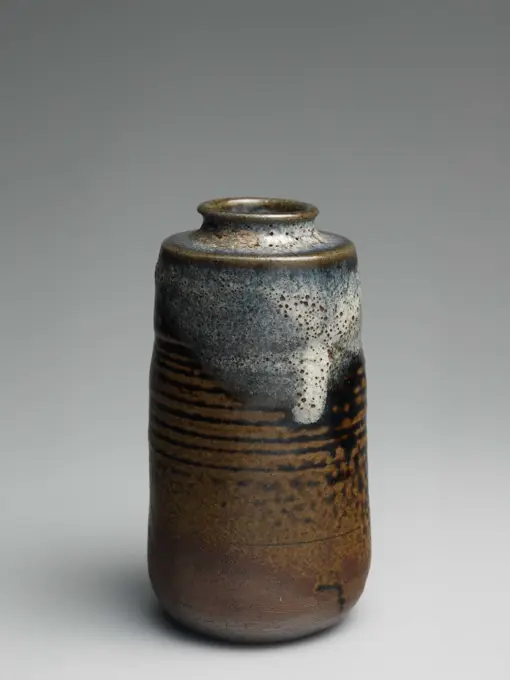
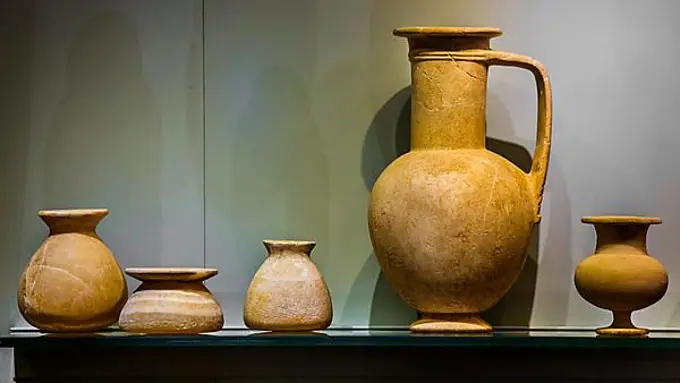
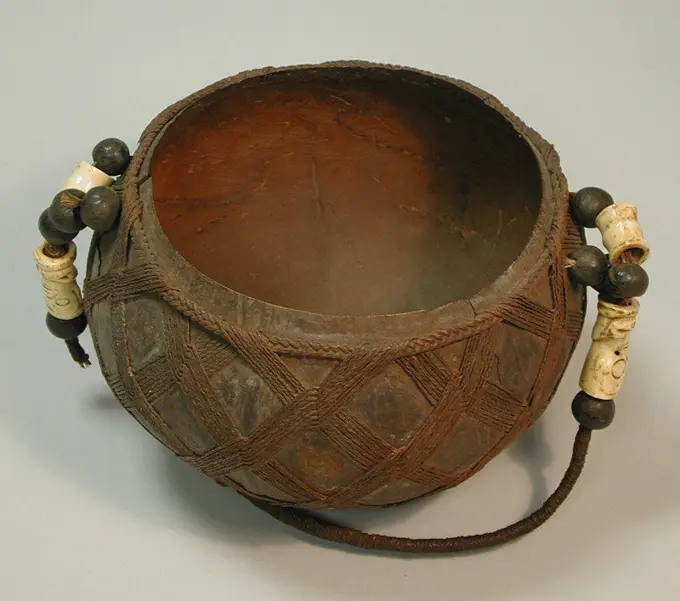
Selection of terracotta jars and flasks from various ancient cultures, displaying unique shapes and decorative styles from history.
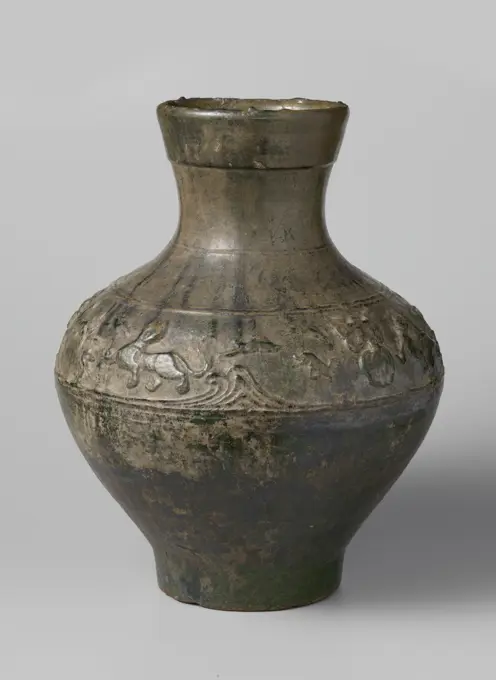
Vase, anonymous, c. -206 - c. 220 Vase of earthenware, covered with a green glaze. On the shoulder a bond with hunting scenes with human and animal figures in relief. In between twice a 'Taotie' mask with a ring. China earthenware. glaze vitrification Vase of earthenware, covered with a green glaze. On the shoulder a bond with hunting scenes with human and animal figures in relief. In between twice a 'Taotie' mask with a ring. China earthenware. glaze vitrification
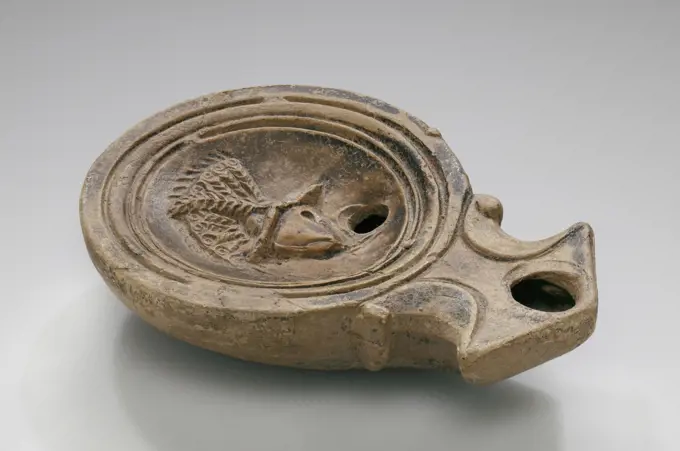
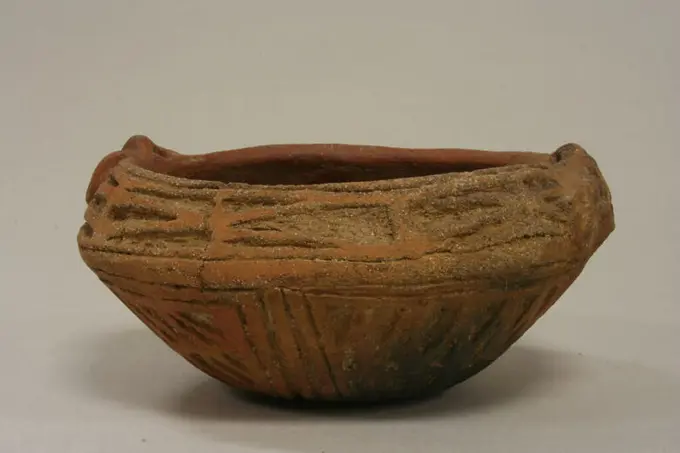
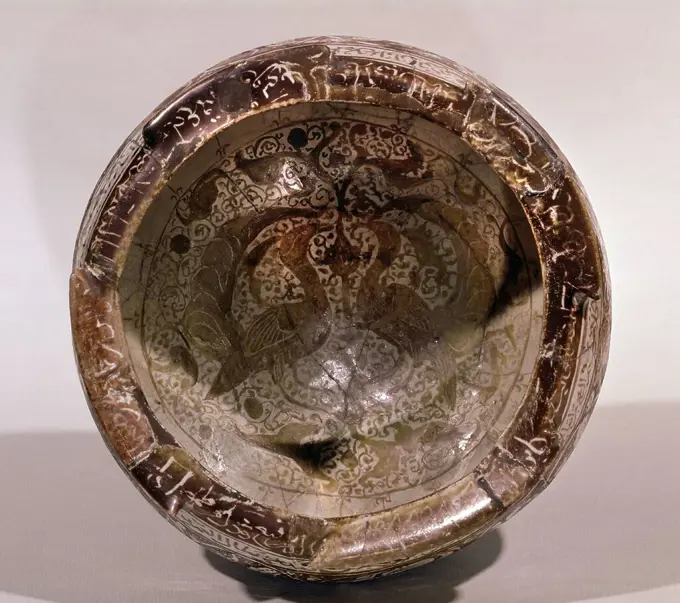
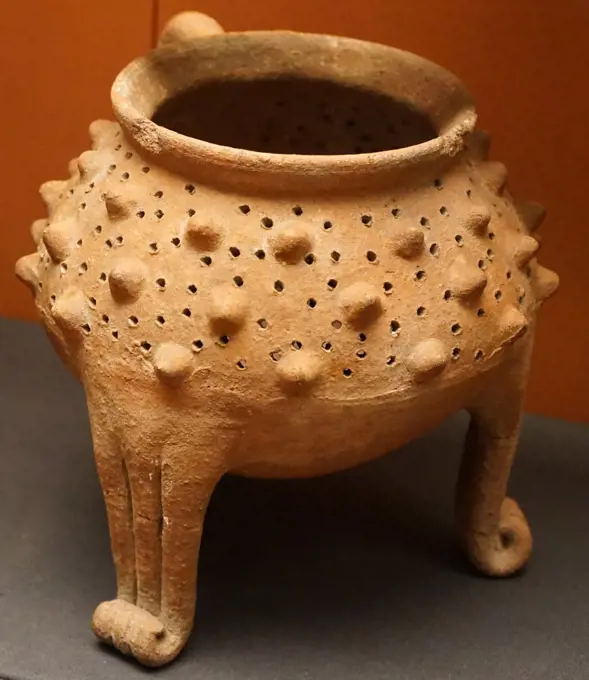
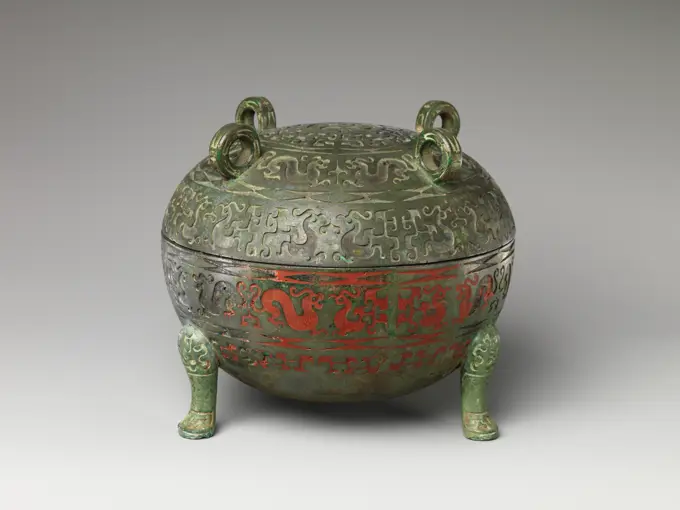
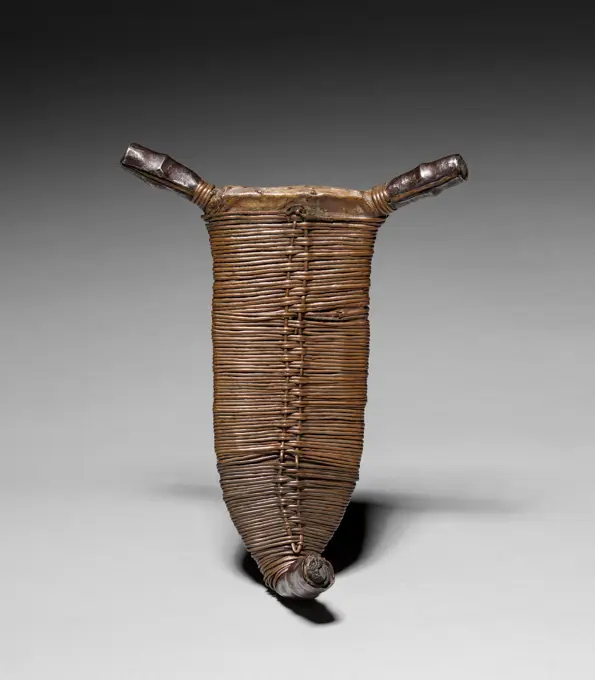
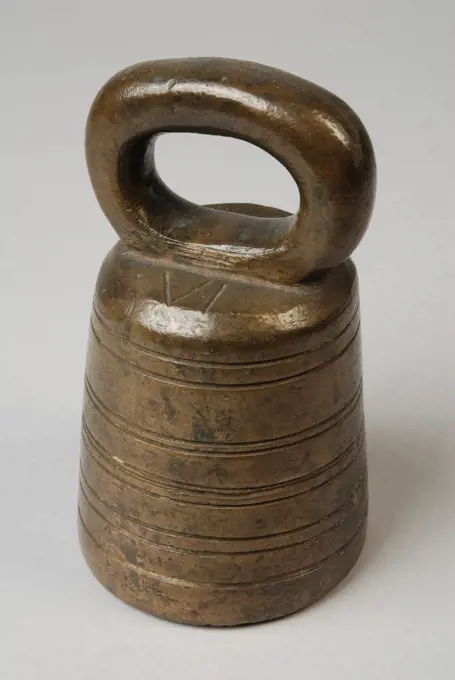
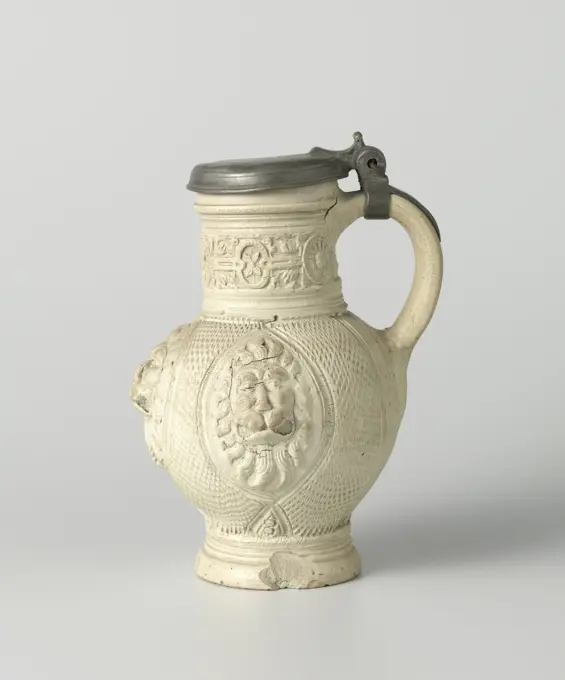
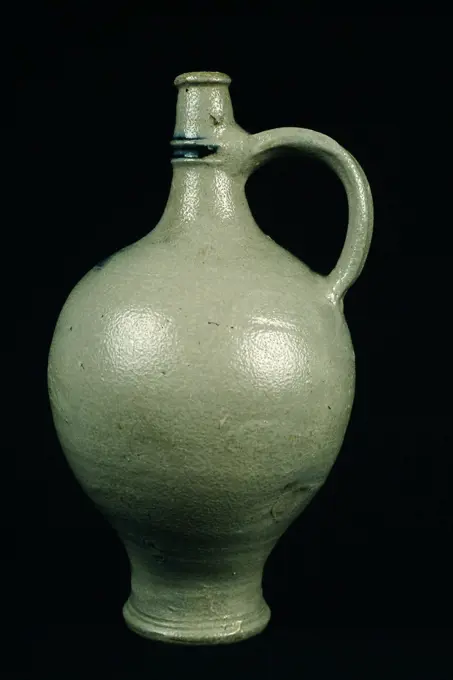
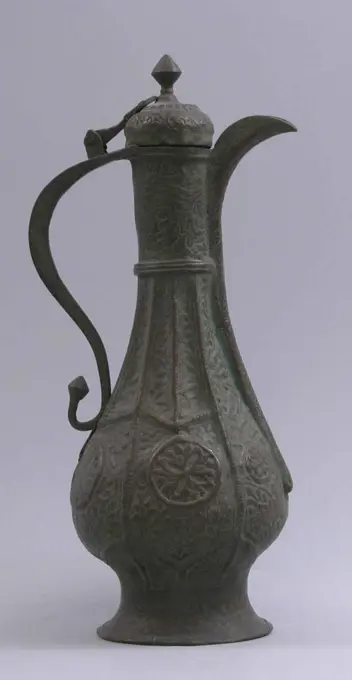
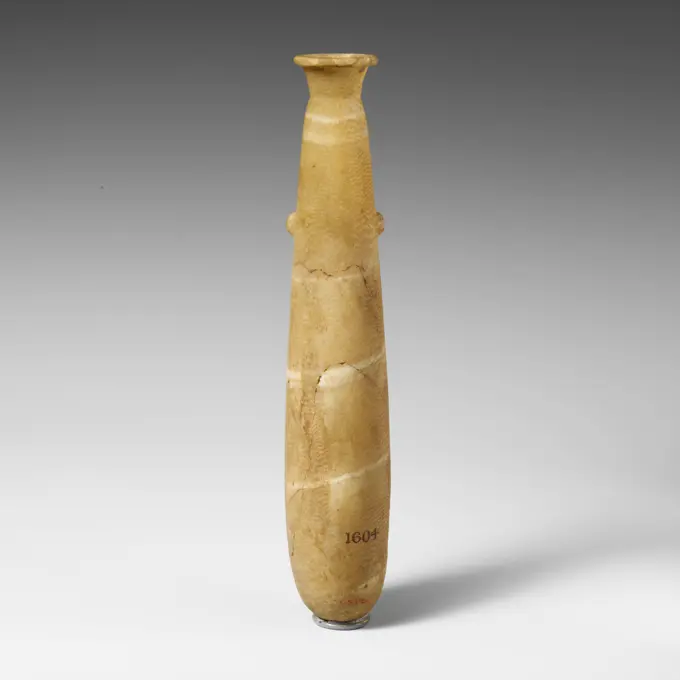
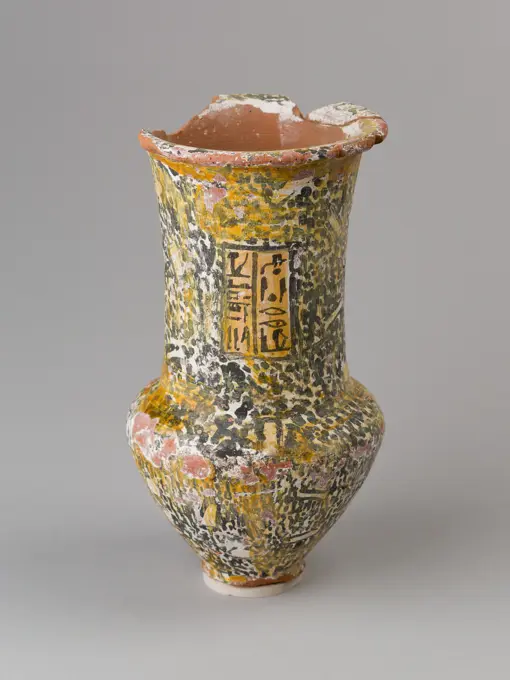
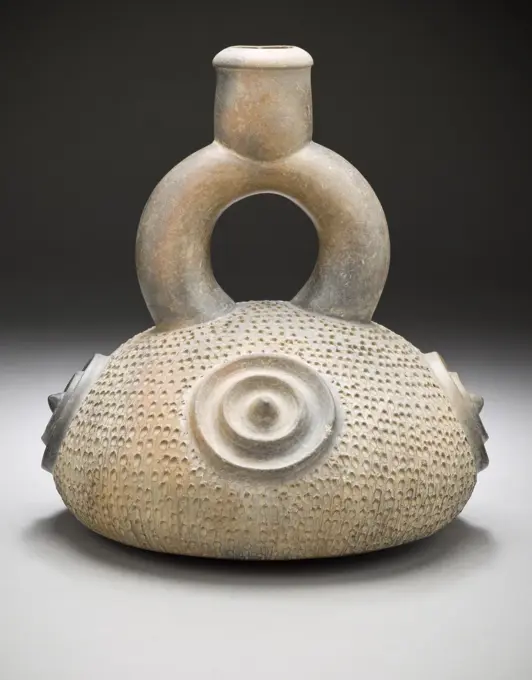
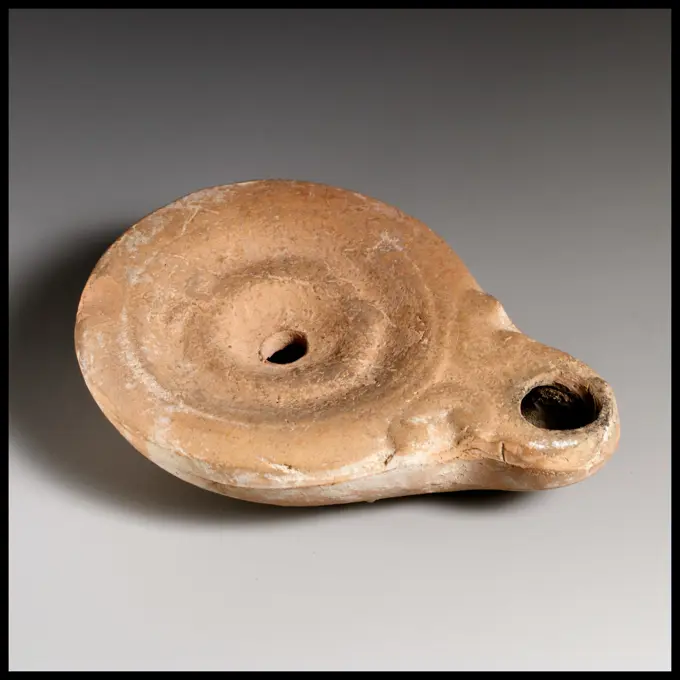
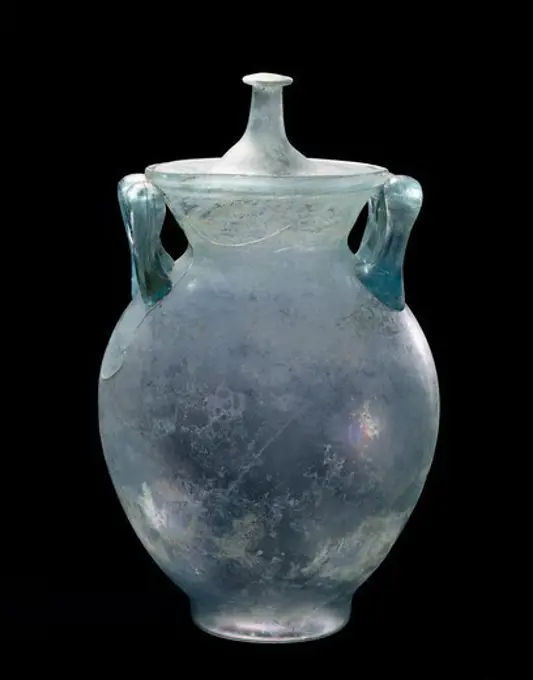
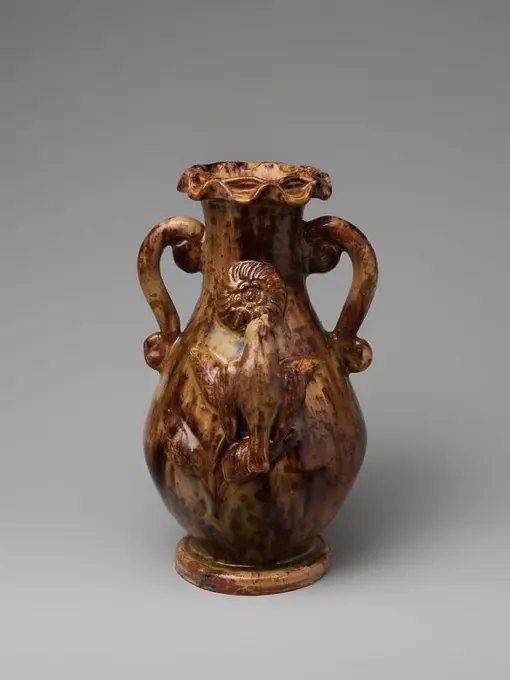
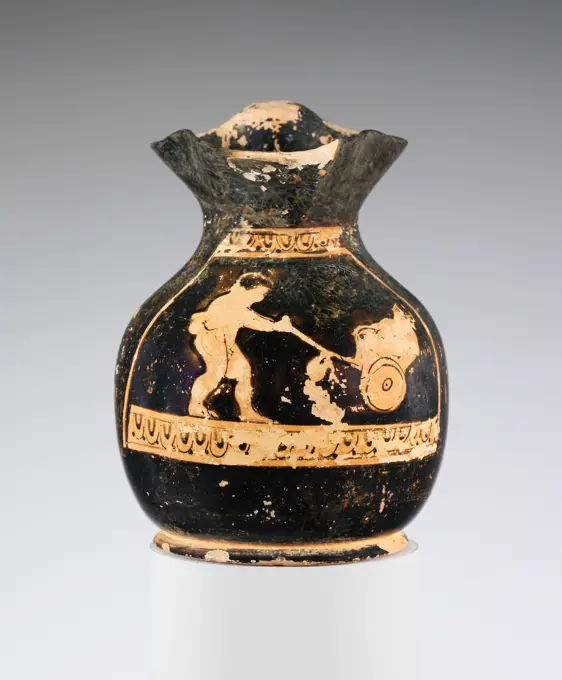
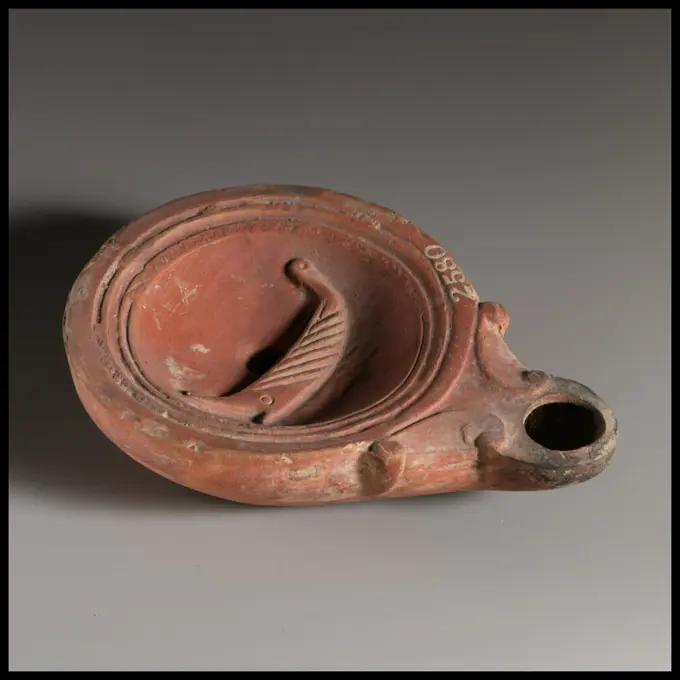
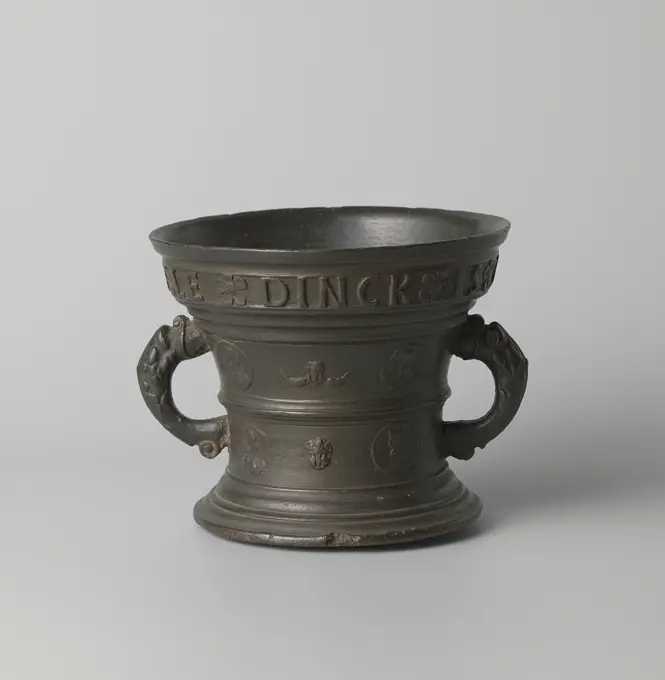
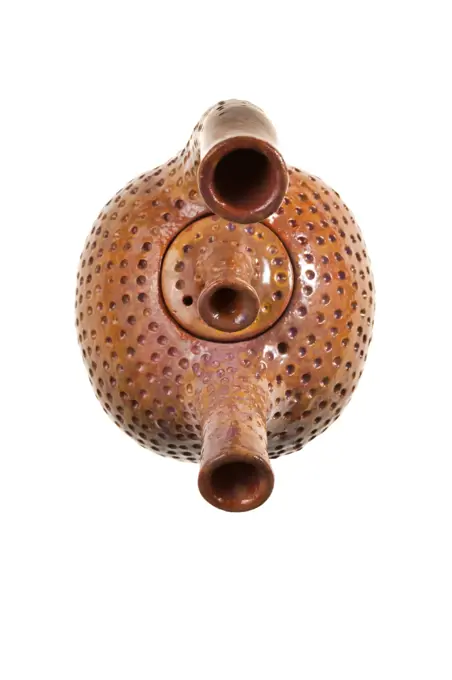
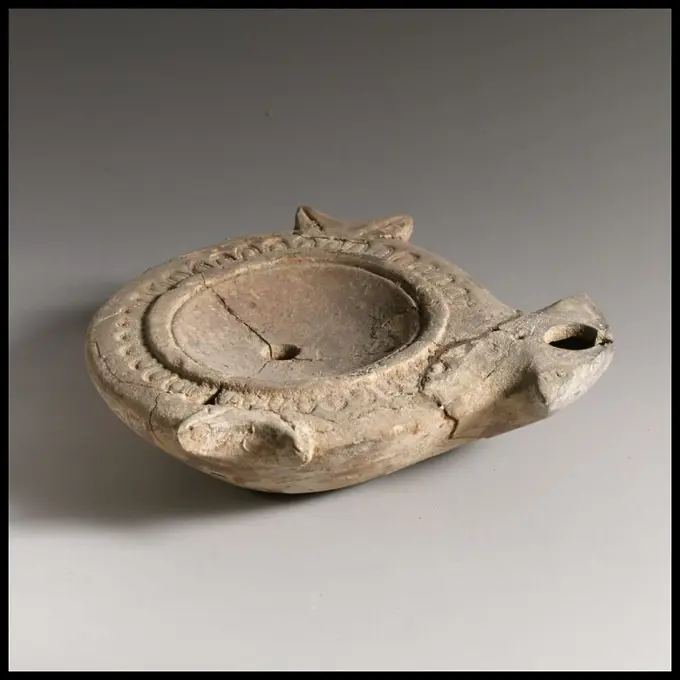
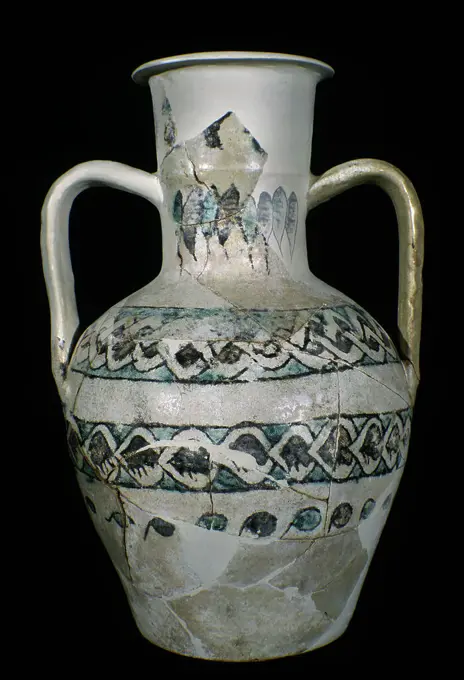
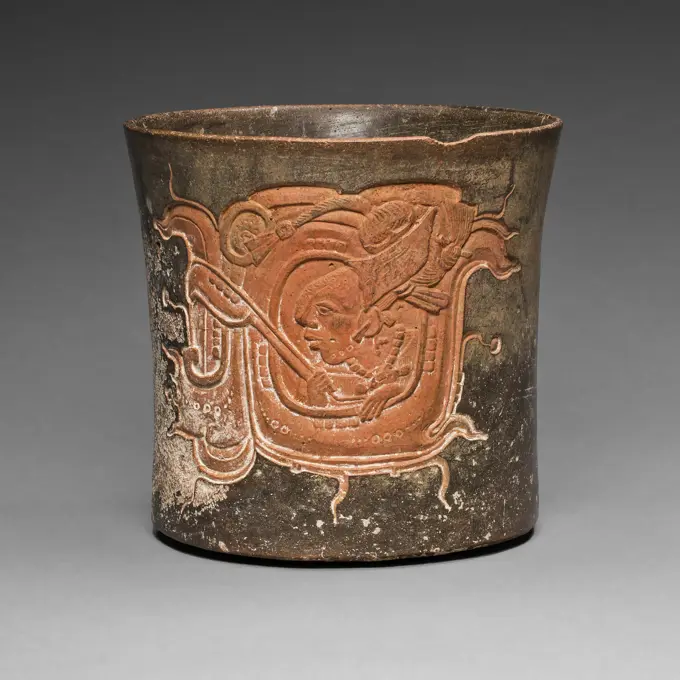
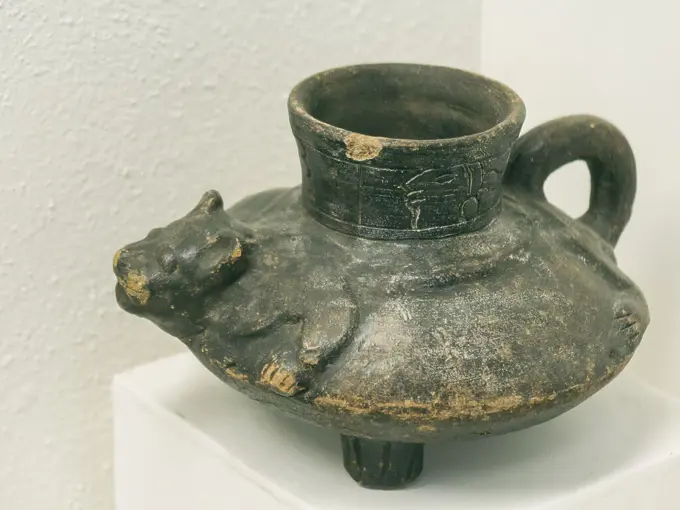
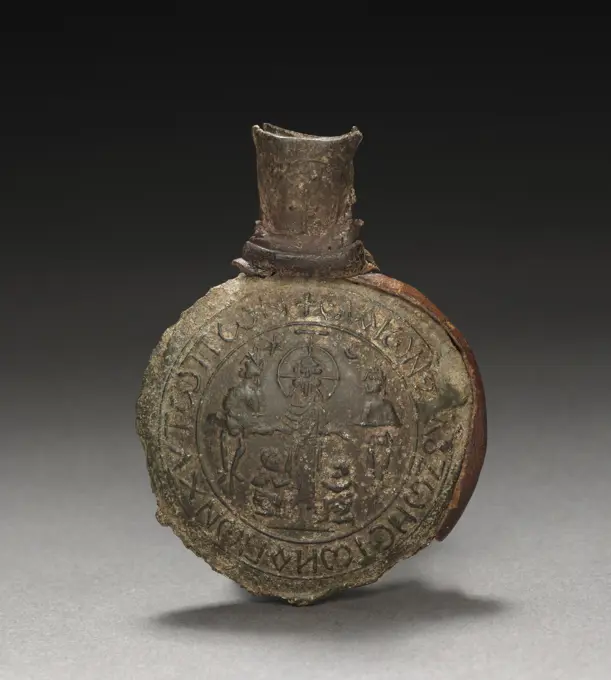
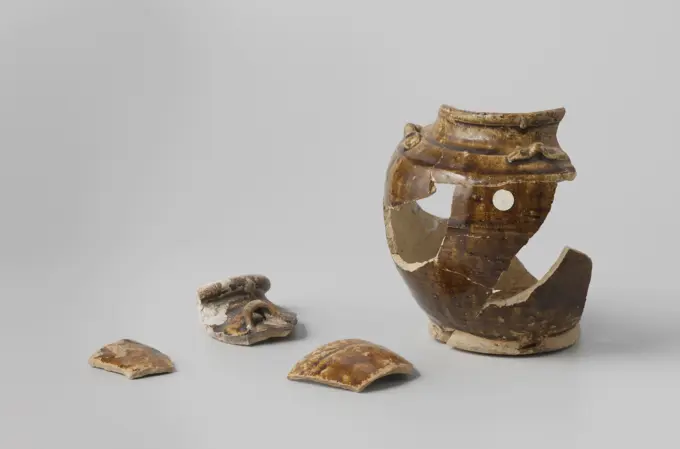
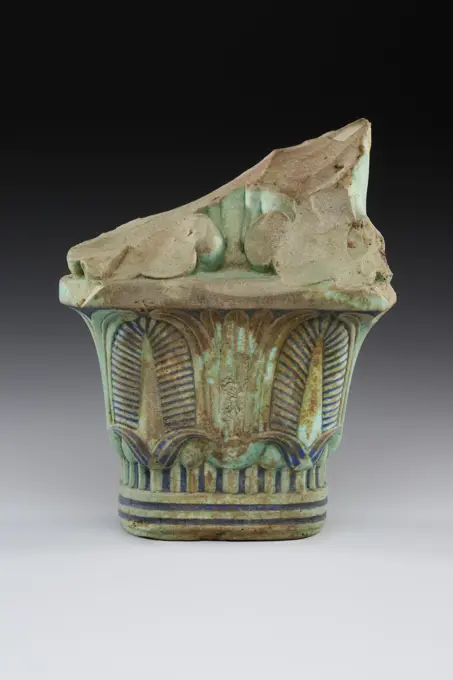
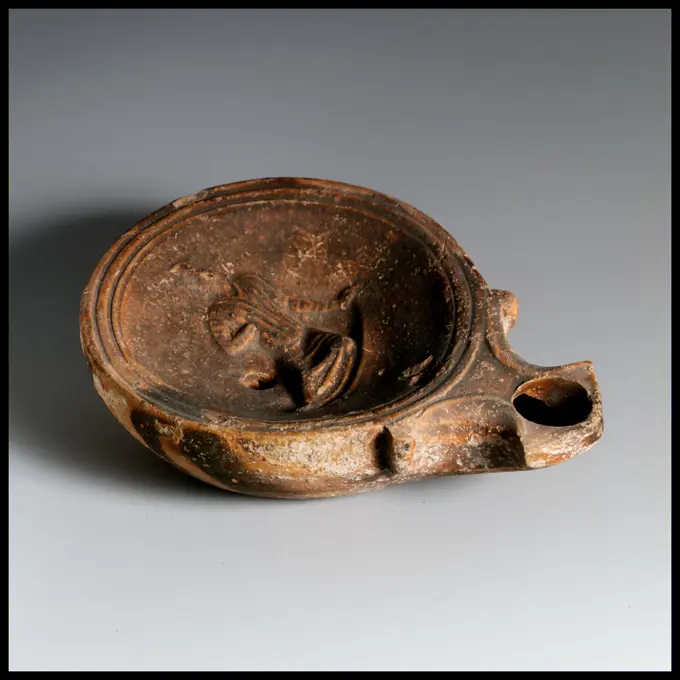
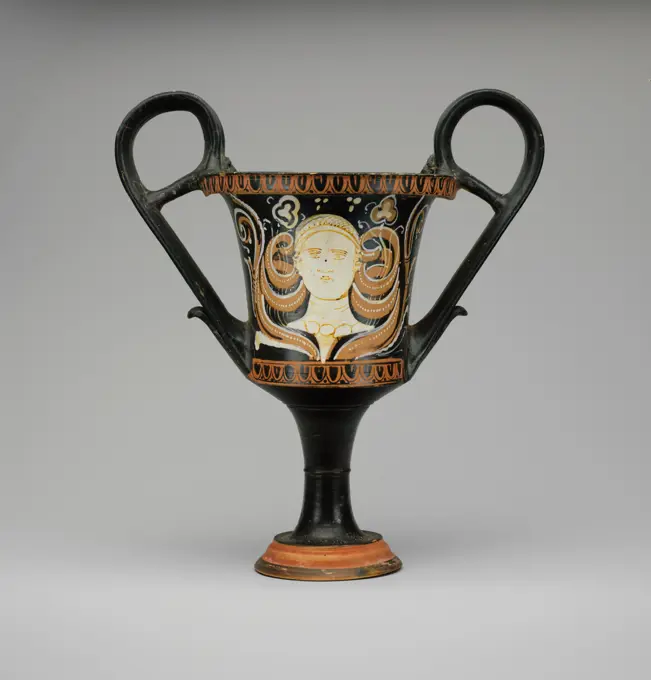
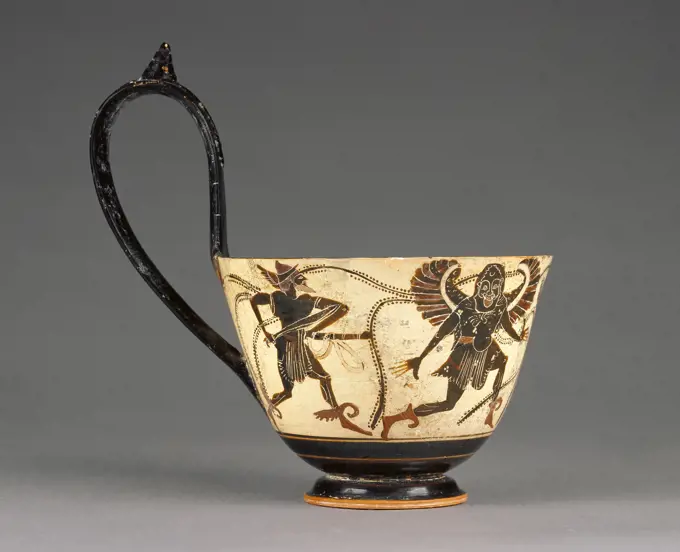
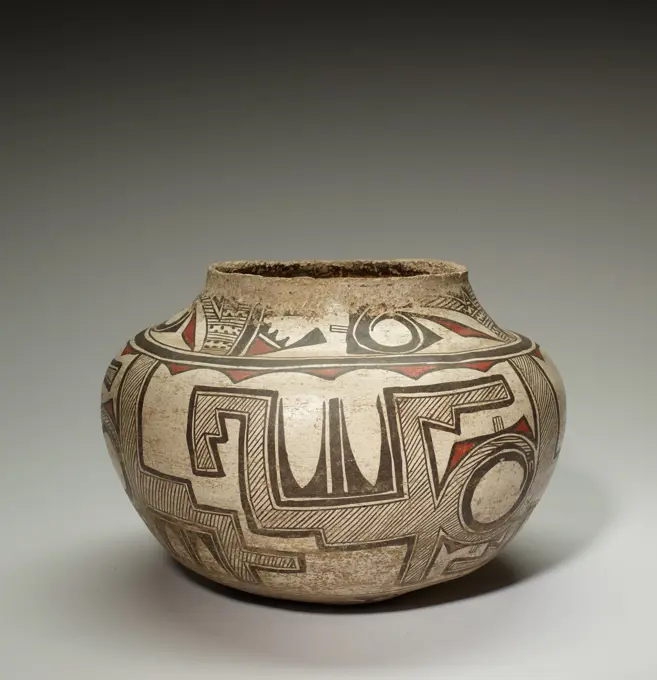
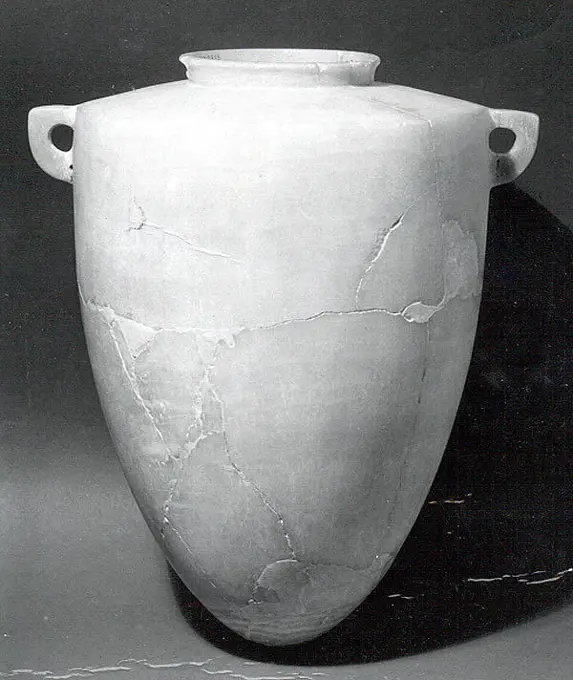
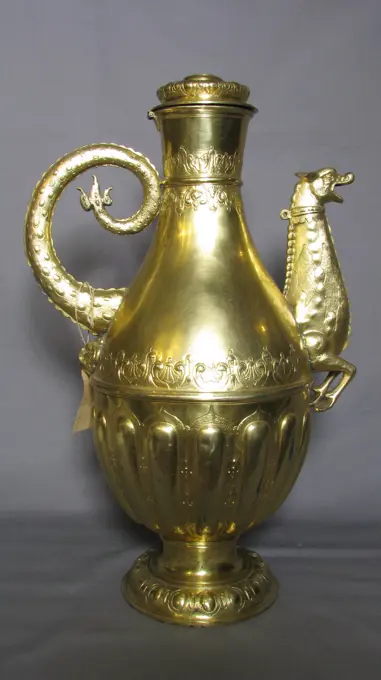
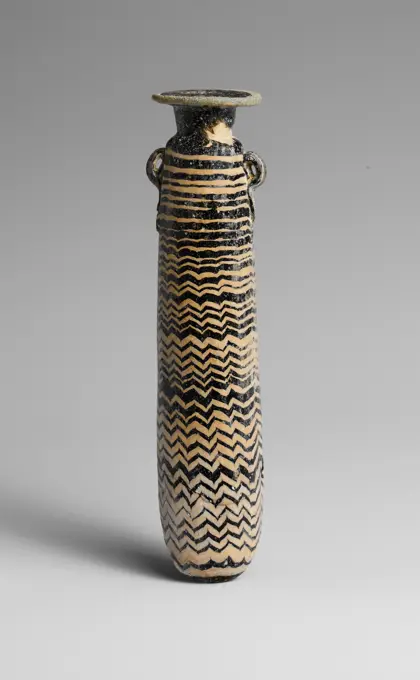
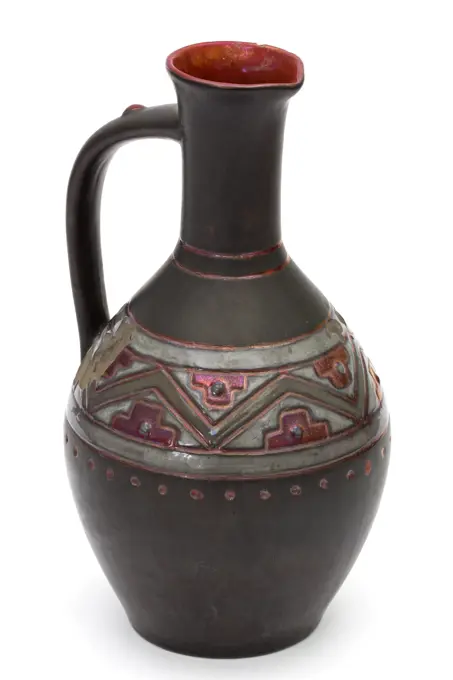
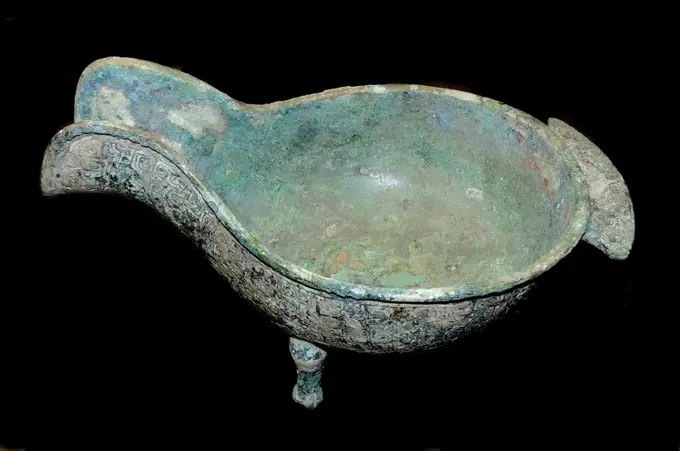
Lamp. UnknownCampania Napoli Naples S. Lorenzo Maggiore87. Hutzel, Max 1960-1990 Medieval: Sculpture, architecture, architectural sculpture (including Roman spolia) 13-14th century Chapter house; sarcophagi, gravestones; wall painting. Fragment of mosaic; sculptural fragments in the Sala Capitolare. Post-medieval: Architecture, architectural sculpture, ceiling painting fresco cycle; prints depicting Venice c. 1845 (4), sculpture; life-size creche figures dressed in original Neapolitan costume Church restored in 1882, 1926, 1944; excavations under the transept undertaken between 1958-1962, and in the cloister in 1976, have revealed remains of a Roman macellum (market), street, and the paleochristian basilica of the 6th c. AD. Antiquities: Pottery: black-glazed, archaic banded, domestic wares, bucchero; architectural terracottas, statuettes, lamps, sculpture fragments Object Notes: 3 color negatives with no prints at the end. General Notes: Most objects/paintings/frescoes unidentified. Three batches Lamp, North Africa, Tunisia; 1st - 4th century; Terracotta; 2.2 x 6.7 x 9.2 cm (7,8 x 2 5,8 x 3 5,8 in.)Jar 1200-1400 French. Jar 465874Lamp. Culture: Roman. Dimensions: 1 in. × 3 3/8 in. (2.5 × 8.6 cm). Date: 1st century B.C.-1st century A.D.. Museum: Metropolitan Museum of Art, New York, USA.Vaccean funerary urn, necropolis of the Ruedas, Padilla de Duero, Valladolid Museum - Provincial Museum of Antiquities, Autonomous Community of Castile and Leon, Spain.Bell-shaped vase. Chalcolithic. Ventosa cave. Piera, Catalonia, Spain. Archaeology Museum of Catalonia. Barcelona. Spain.Black-figurealabastron.  Artist: Emporion Painter, Greek, Attic, ca. 475 - 460 B.C.BottleGourd-shaped Sake Bottle with Crab Design. Japan, Edo period, 1615-1868, 19th century. Ceramics. Seto ware; stoneware with slip ground, clear ash glaze and iron glaze decorationBowl with Stippled Designs. Culture: Quimbaya. Dimensions: Height 2-1/8 in.. Date: 9th-14th century. Museum: Metropolitan Museum of Art, New York, USA.CERAMICA IRANI-CUENCO DE BARRO S XIII. Location: MUSEO ARQUEOLOGICO NACIONAL-COLECCION. MADRID. SPAIN.Vessel and Lid with FantasticReptile. Artist: UnknownMycenaean pottery brazier, from Ialysos, Rhodes. Dated 1200 BCJar ca. 7th-8th century A.D. Sasanian or Islamic. Jar 322948Vessel 6th-9th century Maya. Vessel 313241Unknown photographer, St. Godehard, Hildesheim. Reliquary container (27.02.1962): View of the container (found during the renovation) from a chapter of the northern central nave markers. Photo, 18.2 x 13.4 cm (including scan edges) unbek. Fotograf : St. Godehard, Hildesheim. Reliquienbehälter (27.02.1962). Ritual wine barrel with lid with handle. Decorative table around neck body with stylized fable animals; Two samples on this list as well as on the lid.Basket 1880-90. Basket. 1880-90. Pressed purple marble glass. Made in EnglandPitcher 1833 Sèvres. Hard-paste porcelain with dark blue ground and gilding . Manufacture nationale de Sèvres (Manufacturer)Vessel 18th-19th century Edo peoples At its origins, the centralized city-state of Benin was founded by Edo-speaking peoples. The accounts by official court historians and descriptions provided by visitors evoke a vibrant cultural center continually redefined by its leadership through shifting internal and external power dynamics. According to oral tradition, circa 1300, Edo chiefs are reputed to have reached out to the leader of neighboring Ife, Oranmiyan, to establish a new divinely sanctioned royal dynasty. Since then, the investiture of Benins rulers to the title of obas has conferred upon them at once a role of chief priest officiating in important religious ceremonies and presiding over an elaborate structure of palace officials. During the fifteenth century reign of Oba Ewuare, Benins armies were formed and the fortification of its capital with a massive wall undertaken. In parallel, delegations of Portuguese traders assiduously sought to secure exclusive commercial treaties wVASO DE LAS CABRAS - NECROPOLIS DE EL CABECICO DEL TESORO DE VERDOLAY (MURCIA) - S III/I AC. Location: MUSEO ARQUEOLOGICO-COLECCION. MURCIA. SPAIN.Fragment of a lamp or candle stick, anonymous, c. 1650 - c. 1750 Fragment of a lamp  Or candlestick of stoneware covered with a green glaze. Germany (possibly) stoneware. glaze vitrification Fragment of a lamp  Or candlestick of stoneware covered with a green glaze. Germany (possibly) stoneware. glaze vitrificationGrain Serving Vessel (Dui) ca. 5th century B.C. China This vessels deeply reserved ornamentation was meant to be filled with colored inlay. The lid, when inverted, functions as a serving dish.. Grain Serving Vessel (Dui) 61041Egyptian glass bottle for medicinal or perfume use, II Mill BC.Sheath, c. 1900. Africa, Democratic Republic of the Congo, Ngbandi, late 19th-early 20th century. Copper alloy and rawhide;Bottle with Tall Neck 5th-7th century Korea. Bottle with Tall Neck. Korea. 5th-7th century. High-fired pottery (proto-porcelain). Three Kingdoms period (57 B.C.-A.D. 676). CeramicsStool weight with year letter S and weight indication VI, handle weight weight bronze, Weight slightly conical with hollowed-out lines all around. Inscription in top year letter S Roman numeral VIJug with three lion heads and masks, anonymous, c. 1580 - c. 1610 Jug of stoneware on a high base with spherical body and wide neck. The C-shaped ear is attached to the neck and the shoulder. Profiles on the neck and the foot. The belly is covered with a notch cut containing three printed and imposed medallions with a lion's head in relief. A small compartment with two stamped rosettes. On the neck a band in relief with concatenated medallions with masks or a flower, surrounded by leaf vines. Attached to the ear a pewter frame with lid. On the inside a brand with the letters 'N.I'. Siegburg. Siegburg Stoneware. Glaze. frame: tin (metal) vitrification Jug of stoneware on a high base with spherical body and wide neck. The C-shaped ear is attached to the neck and the shoulder. Profiles on the neck and the foot. The belly is covered with a notch cut containing three printed and imposed medallions with a lion's head in relief. A small compartment with two stamped rosettes. On the neck a banStoneware mineral water pitcher with round belly, narrow neck and foot, mineral pitcher pitcher pitcher container soil find ceramics stoneware enamel salt glaze, hand turned fried glazed stoneware mineral pitcher dark gray shard with salt glaze bandoor sparingly decorated with cobalt blue. Egg-shaped model on stand foot. Profile rings around the foot and the neck. Blue band around the neck. Close neck. Turning on the shoulder archeology health care import pottery packing water drink medicine drug pharmacyTerracotta strainer. Culture: Greek, Attic. Dimensions: H. 1 3/8 in. (3.5 cm). Date: early 4th century B.C..In relief, spout in the form of a lion's head. In red-figure, body of the lion, two birds, head of a womanThe strainer fills a small hole at the top of the vase; the liquid flowed out through the lion's head. This uncommon vase belongs to a small group of Attic and South Italian examples. Museum: Metropolitan Museum of Art, New York, USA.George Loughridge, Pitcher, c 1937 PitcherCoffee Pot 19th century. Coffee Pot 444802Pot ca. 3rd-7th century A.D. Sasanian. Pot 322430Bronze ritual water vessel, he. Shang dynasty 13th-12th century BC.Alabaster alabastron (perfume vase) 6th-5th century B.C. Cypriot The very elongated alabastron has two small lugs, a flaring neck, and a convex lip.. Alabaster alabastron (perfume vase) 243975Phallic vase. 4th c. BC. Etruscan art. Ceramics. ITALY. LAZIO. ROME. Cerveteri. National Etruscan Museum of Archaeology.Urn. Culture: British. Dimensions: Height: 8 3/8 in. (21.3 cm). Date: last quarter 18th century. Museum: Metropolitan Museum of Art, New York, USA.Jar 10th-15th century Mexican. Jar 314636Blue Faience 18th Dynasty vessel found in the Tomb of Tutankhamen. Egyptian, circa 1323 BC. found in Tutankhamen's tomb by English archaeologist and Egyptologist, Howard Carter in 1922. Open-mouth Jar Inscribed for the Storehouse-Keeper of Amun Mery ca. 1479-1390 BC New Kingdom. Open-mouth Jar Inscribed for the Storehouse-Keeper of Amun Mery 554669Stirrup Spout Vessel. Peru, Cupisnique, 500-250 BCE. Ceramics. Ceramic with appliqué and punctuate design, Janabarriu styleBowl with Incised and Painted Zigzag Motif Made 650 BCE-150 BCE Peru. Ceramic and pigment . ParacasCANTARO DE BOCA ENTRECHA Y CORTA CON UNA SOLA ASA - ARTE POPULAR S XX. Location: ALFARERIA. Guadalajara. SPAIN.Head Flask; Unknown; Roman Empire; 4th - 5th century; Glass; Object: H: 17.2 x W: 8 cm (6 3/4 x 3 1/8 in.)Terracotta oil lamp Roman, Cypriot Loeschcke Type 4. Mold-made. Discus: indistinct wreath around central filling hole, with small taenia opposite nozzle. Plain shoulder. Volutes flanking nozzle. On left side of body: raised, molded letters in retrograde: ZW. Slightly raised base ring and flat base.. Terracotta oil lamp. Roman, Cypriot. Terracotta. Early Imperial. TerracottasKothon or pyxis. Culture: Greek, Attic. Dimensions: Overall: 1 9/16in. (4cm)Other (height with cover): 2 1/16in. (5.3cm)Other (height of box): 1 9/16in. (4cm)Diameter: 2 1/4 × 1 9/16 in. (5.7 × 4 cm). Date: 5th century B.C..Tongue pattern and dots. Museum: Metropolitan Museum of Art, New York, USA.Terracotta spinning top in shape of lion's headUrn with lid. 1st-2nd c. Roman art. Early Empire. Glass and Crystal. SPAIN. MADRID (AUTONOMOUS COMMUNITY). Madrid. National Museum of Archaeology. Proc: ITALY. CAMPANIA. NAPLES. Pompeii.Double Medusa HeadFlaskVASO DE MAZZARA DEL VALLO - SIGLO XIV/XV - CERAMICA NAZARI - LLAMADO JARRON DE LA ALHAMBRA. Location: INSTITUTO VALENCIA DE DON JUAN-COLECCION. MADRID. SPAIN.Vase. Culture: American. Dimensions: H. 9 1/2 in. (24.1 cm). Maker: Anthony W. Baecher (1824-1889). Date: 1880-89.A German immigrant considered one of the most accomplished of the Shenandoah Valley potters, Baecher produced this vase in a primitive Rococo-style scheme. Although he repeatedly employed lowrelief pinwheel flowers and sculptural feeding birds as decoration on his hollow ware, archaeological findings reveal that simple storage jars were the mainstay of his production. Museum: Metropolitan Museum of Art, New York, USA.Triogen with relief decoration with a dragon motif with a pearl unknownTerracotta oinochoe: chous (jug) ca. 440-420 B.C. Greek, Attic Boy pushing a child in a cartAt the Anthesteria, the festival of the new wine that took place in the autumn, children participated. The small choes made for their use are often decorated with games and playthings.. Terracotta oinochoe: chous (jug). Greek, Attic. ca. 440-420 B.C.. Terracotta; red-figure. Classical. VasesTerracotta oil lamp ca. A.D. 40-100 Roman, Cypriot Loeschcke Type 4. Mold-made. Discus: oared galley facing left, with stylized waves below; a single filling hole at center, immediately above galley, and band of lines and grooves towards edge. Volutes flanking nozzle. Broad, raised base ring within incised circle, and flat but slightly uneven base.Intact.. Terracotta oil lamp. Roman, Cypriot. ca. A.D. 40-100. Terracotta; mold-made. Early Imperial. TerracottasCeremonial Vessel Korea. Ceremonial Vessel 50447Double-Chambered Strap Vessel with Sculpted Bird Head Made 1200-1450 North Coast. Ceramic . ChimúVase 7th-17th century. Vase 446287Pug with inscription: Ale Dinck is Bi God 1557. The cast round mortar widens upwards, has a high-wearing profiled edge and a flared profiled foot, and has two handles. On the edge in Latin Majuskels The inscription Ale Dinck is Bi God 1557 with interpunctions consisting of a five-leaf rose (four times) and a point (four times). Around the middle of the wall a profiled rib. On the upper and lower fries on both sides two medallions with a women's or men's head, between which a winged angel head, a ram head or a cherub head. The handles have the shape of a dolphin.Silver vase decorated with Bacchic scenes, from Apahida, Romania. Dacian-Roman Civilization, 5th Century.brown ceramic teapot isolated on whiteSugar bowl. Culture: American. Dimensions: H. 6 in. (15.2 cm). Maker: James C. Mackley (1843-1916). Date: 1875-80.Mackley worked with Anthony W. Baecher before the latter moved to Virginia. The close similarity of the work of the two potters is seen here in the applied stylized leaves and the floral elements in high relief. Museum: Metropolitan Museum of Art, New York, USA.Terracotta oil lamp. Culture: Roman. Dimensions: Length: 3 7/8 in. (9.9 cm)Height: 1 1/16 in. (2.7 cm). Date: 1st century B.C.-1st century A.D.. Museum: Metropolitan Museum of Art, New York, USA.Jar Decorated with a six-tentacle octopus and murex shells 1450. GreekTerracotta oil lamp ca. A.D. 40-100 Roman, Cypriot Loeschcke Type 4. Mold-made. On discus: maenad carrying large, double-ended thyrsos on shoulder and tympanum in right hand; a single filling hole to right of figure, with a band of lines and grooves towards edge. Volutes flanking nozzle. Within incised base ring, slightly uneven, pushed-in base.Intact.. Terracotta oil lamp. Roman, Cypriot. ca. A.D. 40-100. Terracotta. Imperial. TerracottasMUSEO-JARRA CON DECORACION VERDE Y NEGRO-CALIFAL S X-XI. Location: MEDINA AZAHARA / MADINAT AL-ZAHRA-MUSEO-CERAMICA. PROVINCIA. CORDOBA. SPAIN.Carved Vessel Depicting a Lord Wearing a Water-Lily Headdress 600 CE-800 CE Mexico. Ceramic and pigment . MayaVessel with a hieratic inscription;  around 2686- 2181 BC; Old state (-2686-00-00--2181-00-00);pichel tripode con engobe, clásico, Santa María Nebaj,museo de antropologia, departamento de El Quiché, Guatemala, Central America.Pilgrim's Ampulla with the Crucifixion (front), c. 600. Byzantium, Palestine, early Byzantine period, early 7th Century. Tin-lead alloy with leather fragments; overall: 6.3 x 4.6 x 1.5 cm (2 1/2 x 1 13/16 x 9/16 in.). The images found on the sides of surviving lead pilgrims' ampullae include scenes relating to the life of Christ, and by extension to the holy sites (loca sancta) where the events took place. Cast into the sides of this ampulla are scenes of Christ's Crucifixion on the front and the Ascension on the back. The use of such sacred images on these vessels illustrates the early Christian belief that images were carriers of divine power. This ampulla is known as a "Monza" or "Bobbio" type after caches of similar examples discovered in those two Italian towns.Shards of Martavanen from V.O.C. ship De 'Witte Leeuw', Anonymous, Before 1613  Shards of Martavanen from V.O.C. ship De 'Witte Leeuw'. Kanton (possibly) stoneware. porcelain. glaze   Sint-HelenaLower part of furniture leg with lion feet and frustrum 664-30 B.C. Late Period-Ptolemaic Period This is the lower part of a lion furniture leg like 1977.170, made to slot onto another piece of furniture probably of wood. The fine modeling of the lion's foot and the contrast of the turquoise and dark blue colors convey the fine quality of the original piece.Furniture legs formed from the body and head of a lion conveyed an exalted status in Egyptian tradition. Here the fragile material and form indicate the piece may have adorned a low funerary bed on which the coffin or mummy of a deceased rested, or perhaps a stool intended to hold funerary items in the tomb.. Lower part of furniture leg with lion feet and frustrum. 664-30 B.C.. Faience. Late Period-Ptolemaic Period. From Egypt; Probably from Memphite Region, Memphis (Mit Rahina)Tea Jar 18th century Japan. Tea Jar. Japan. 18th century. Clay covered with glaze (Satsuma ware). Edo period (1615-1868). CeramicsVASIJAS ROMANAS - SIGILLATA GALICA. Location: MUSEO ARQUEOLOGICO-COLECCION. Oviedo. ASTURIAS. SPAIN.Red-figured Apulian Nestoris (wine jar), by Unknown artist, 4th Century, . Italy: Campania: Naples: National Archaeological Museum. Detail. Side teeth wolf tray warrior lance/spear shield pilos phiale fish polyp sepiaTerracotta oil lamp early 1st century A.D. Roman, Cypriot Loeschcke Type 1A. Mold-made. Discus: figure in long tunic with many folds, seated facing forward, leaning on his left arm and right folded towards chest; his legs bent below him to his right, with a band of concentric lines and grooves towards edge. Single filling hole to left of figure and small air hole at edge behind nozzle. Volutes flanking nozzle. Within raised base ring, flat base, with the raised letter E towards one side.Intact, except for small chip in edge of shoulder; patches of encrustation on side of body.. Terracotta oil lamp. Roman, Cypriot. early 1st century A.D.. Terracotta. Early Imperial. TerracottasTwo animals pulling a chariot, terracotta from a tomb in Volos, in Thessaly, Greece. Greek Civilization, 6th Century BC.Gray Stone Jar. Dated: c. 1940. Dimensions: overall: 35.5 x 26.7 cm (14 x 10 1/2 in.) Original IAD Object: 10 3/4" High 7 1/2" Dia.(top) 7 3/4" Dia.(center) 6 1/2" Dia.(bot). Medium: watercolor, colored pencil, and gouache on paperboard. Museum: National Gallery of Art, Washington DC. Author: John Price.Asymmetrical Ritual Wine Container (Hu) 8th century B.C. China Increased contact with the nomadic peoples living along the Zhou dynastys northern borders brought about new vessel types inspired by leather flasks.. Asymmetrical Ritual Wine Container (Hu). China. 8th century B.C.. Bronze. Western Zhou (1046-771 B.C.)-Eastern Zhou (770-256 B.C.) dynasty. MetalworkGreece, Pylos, Palace of Nestore, Pithos with coverTripod bowl 2nd millennium B.C.. Tripod bowl 324315AcrobatTerracotta trick vase. Culture: Cypriot. Dimensions: H. 10 1/2 in. (26.7 cm). Date: 750-600 B.C..The spout and neck are in the form of a woman's head. The "trick" in the vase consists of a hole in the underside of the foot. When the opening was unplugged, the contents of the vase would flow out. Museum: Metropolitan Museum of Art, New York, USA.Terracotta kantharos (drinking cup with high handles) ca. 325-300 B.C. Attributed to the Painter of Bari 5981 Obverse, frontal head emerging from blossom surrounded by tendrils and other flowers. Reverse, a woman carrying kalathos flanked by heavy tendrils.. Terracotta kantharos (drinking cup with high handles) 247396incised jar, Visigoth - early medieval, Valladolid Museum , Castile and Leon, Spain.Bowl with Swimmer Motifs, 100 BCE - 600 CE, 5 1/2 x 5 1/2 x 5 1/2 in. (13.97 x 13.97 x 13.97 cm), Clay, pigments, Peru, 1st century BCE - 7th century CELadle with Perseus Chasing Gorgons; Attributed to near the Theseus Painter (Greek (Attic), active about 510 - about 490 B.C.); Athens, Greece; about 510 - 500 B.C; Terracotta; 14.7 × 7.9 × 11 cm (5 13,16 × 3 1,8 × 4 5,16 in.)Chalice 9th-10th century India (Bihar). Chalice 37672Clay vessels, Archaeological Museum with most important finds of the Minoan culture, Heraklion, Crete, Heraklion, Crete, Greece, EuropeOlla, c. 1880-1895, 8 1/4 x 12 in. (20.96 x 30.48 cm), Ceramic, pigment, United States, 19th century, In the early 19th century, the A'shiwi (Zuni) were among the first Pueblo communities to integrate the black-on-white style of the Ancient Puebloan potsherds into their contemporary wares. The black-on-white style refers to the black designs painted onto the white body of the vessel. The design on this pot first appeared on A'shiwi water jars or ollas in the early 19th century and became popular in the 1870s. Each bend, curve and stroke was carefully copied onto hundreds of A'shiwi pots. The swirling spiral element of the design represents an extremely stylized and abstracted bird, which is commonly called a rain bird.Jar of Egyptianizing type ca. 7th century B.C. Assyrian. Jar of Egyptianizing type 324406Attic Red-Figure Oinochoe (Shape III, Chous). Attributed to Group of Boston 10.190Flagon with cover 19th century, after 17th century original British, after Russian original This electrotype is after a seventeenth-century original at Uspenski Sobor (Cathedral Church of the Assumption), Moscow, at the time of reproduction.. Flagon with cover 186612Square WineVesselGlass alabastron (perfume bottle) 5th century B.C. Greek, Eastern Mediterranean Translucent dark purple, appearing black, with handles in same color; trails in opaque white and opaque turquoise blue.Broad slightly uneven horizontal rim-disk; cylindrical neck with downward taper; rounded shoulder; straight-sided cylindrical body with upward taper and curving in at bottom; two vertical ring handles with tails, applied over trail decoration.Turquoise blue trail attached at edge of rim-disk; a white trail applied to bottom of neck, wound in a spiral around top of body, then tooled into an irregular, close-set zigzag pattern, with slight vertical ribbing around sides.Broken and repaired, with most of bottom and part of lower body missing, several holes and chips in lower body, and knobs at bottom of handle tails also missing; dulling, pitting, and iridescent weathering.. Glass alabastron (perfume bottle) 245457JARRAS. Location: PRIVATE COLLECTION. MADRID. SPANIEN.Old pitcher, isolated on white background Old pitcher, isolated on white background Copyright: xZoonar.com/OleksandrxKostiuchenkox 8897610Turban Helmet. Culture: Turkish, possibly Istanbul, in the style of Turkman armor. Dimensions: H. 11 7/8 in. (30.2 cm); Diam. 9 in. (22.9 cm); Wt. 3 lb. 12.9 oz. (1272.9 g). Date: late 15th-16th century.Helmets of this type are usually called turban helmets becuase of their large bulbous shape and the flutings that imitate the folds of a turban. Because certain dervish groups wore turbans wound with a prescribed number of folds to represent an important mystical number, it is likely that turban helmets were regarded not merely as armor but also as a kind of religious insignia, their very shape marking the wearer as a fighter in a Holy War.Turban helmets, together with mail-and-plate armor of matching decoration, were intended for the heavy cavalry and are recorded as early as the fourteenth century. The examples exhibited here appear to have belonged to the dynasty of Ak-Koyunlu (White Sheep Turkoman) that ruled northwestern Iran and Anatolia in the fifteenth century. The inscriptionBronze ritual vessel, yi. Early Eastern Zhou, 7th - 6th century BC.Suspended Bowl early to mid-19th century Marquesan (Enata) people. Suspended Bowl 313826