Ancient Textile Fragments

Various historical textile fragments featuring intricate patterns and motifs, showcasing artistry from different periods, including geometric shapes and animal designs.
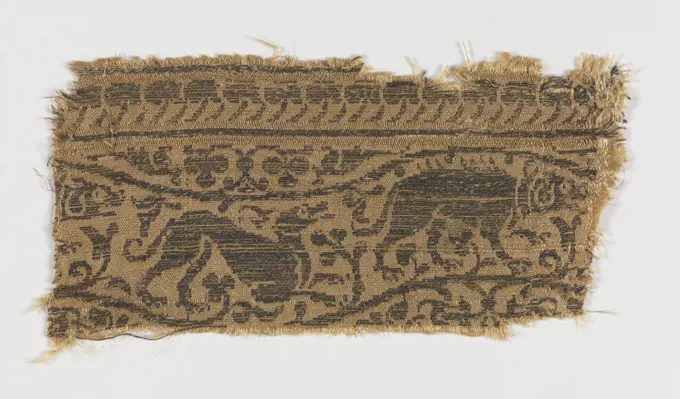
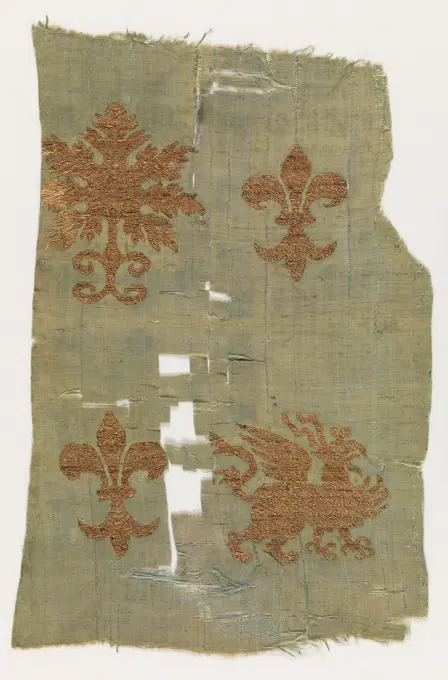
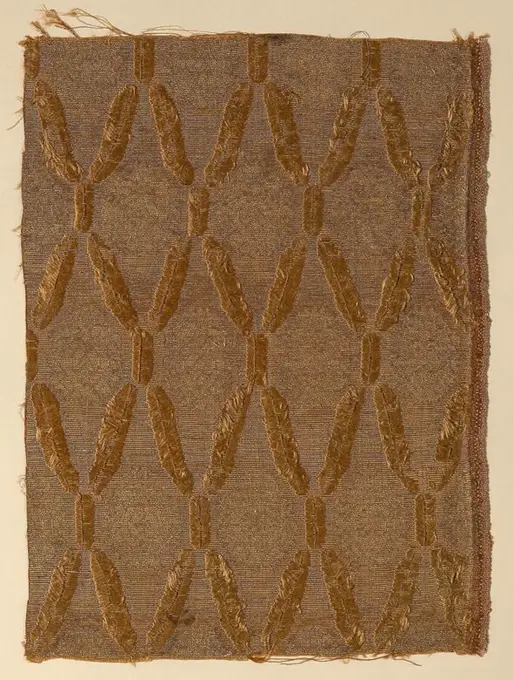
Fragment, Medium: silk, metallic Technique: 2/1 twill pattern by plain weave, Two different animals within curving band., Italy, 14th-15th century, woven textiles, Fragment
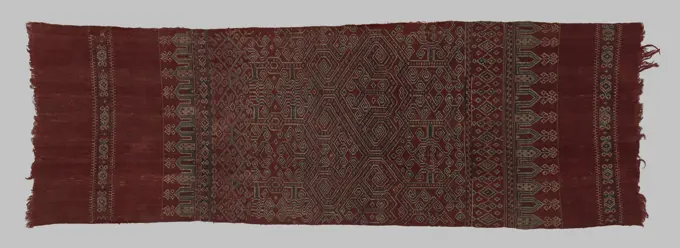
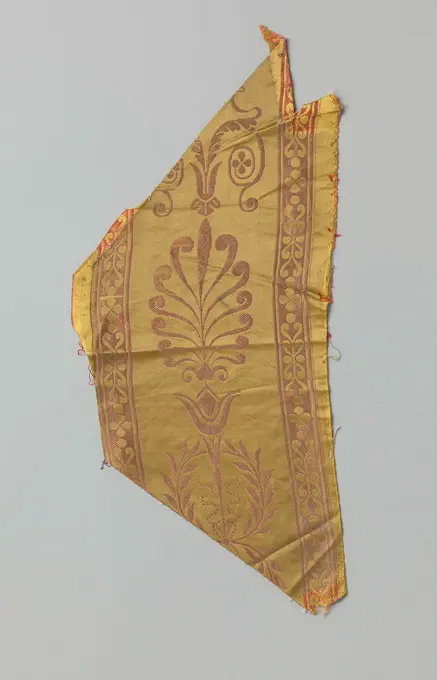
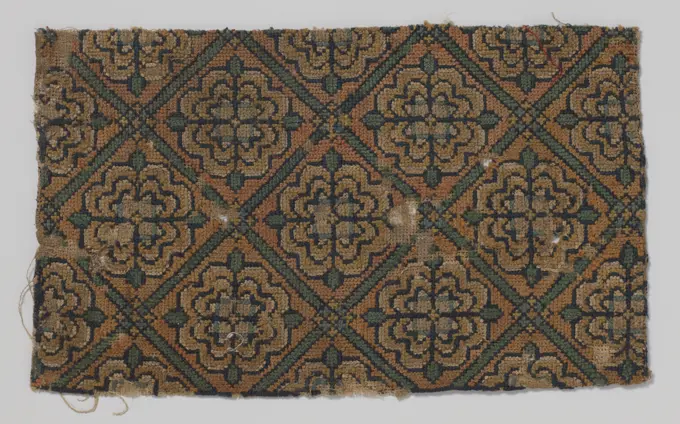
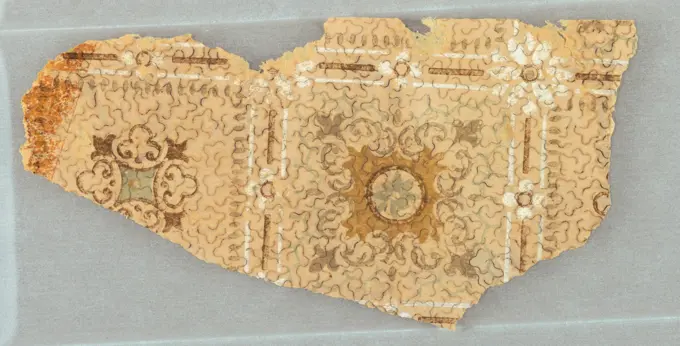
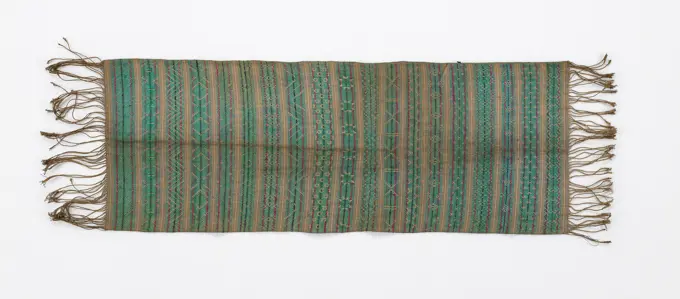
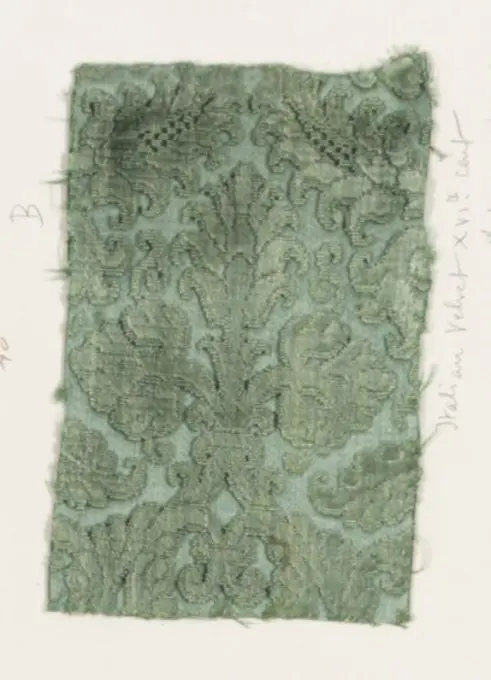
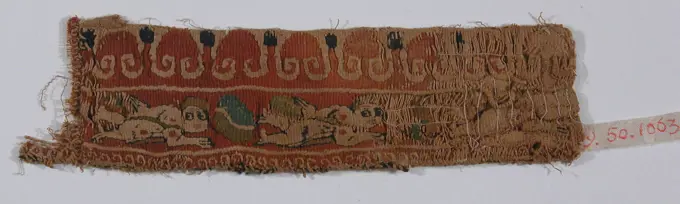
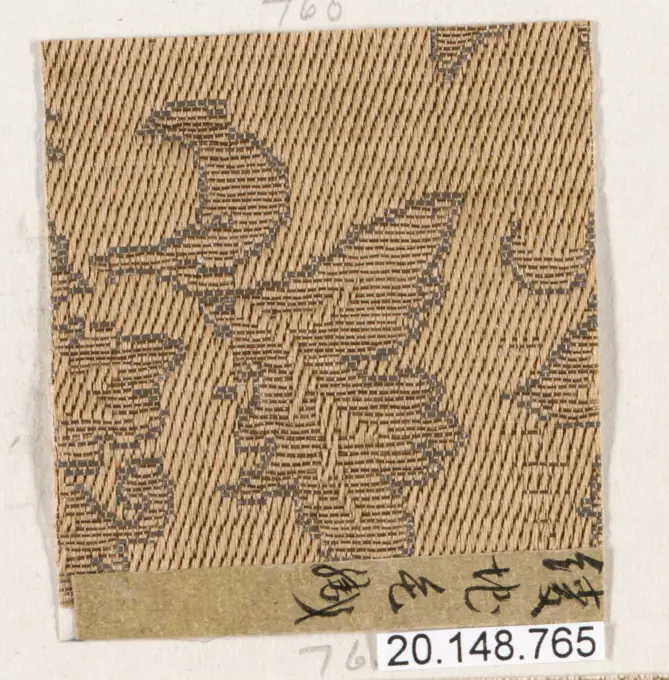
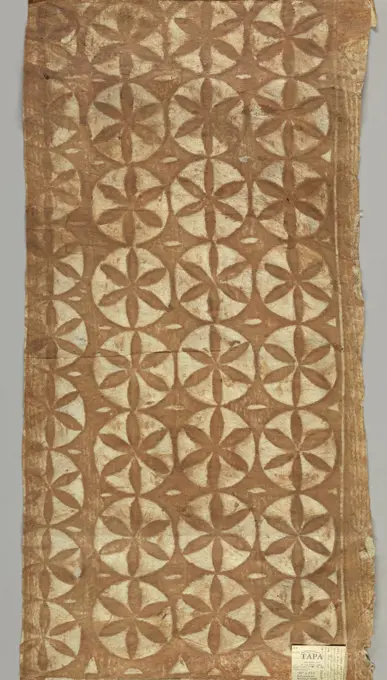
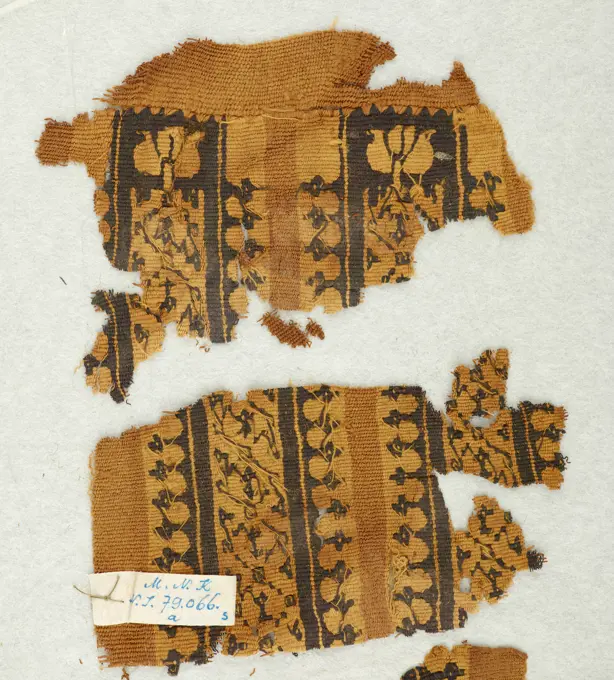
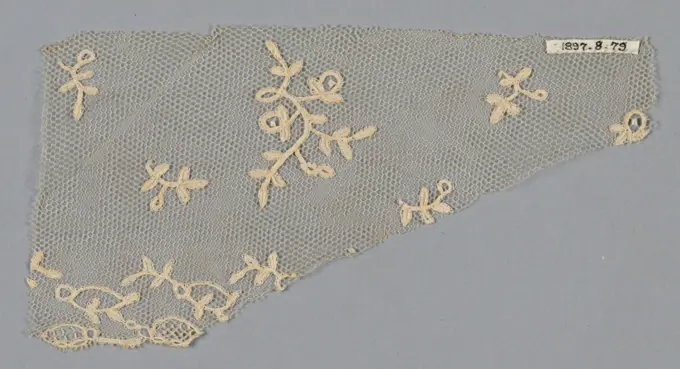
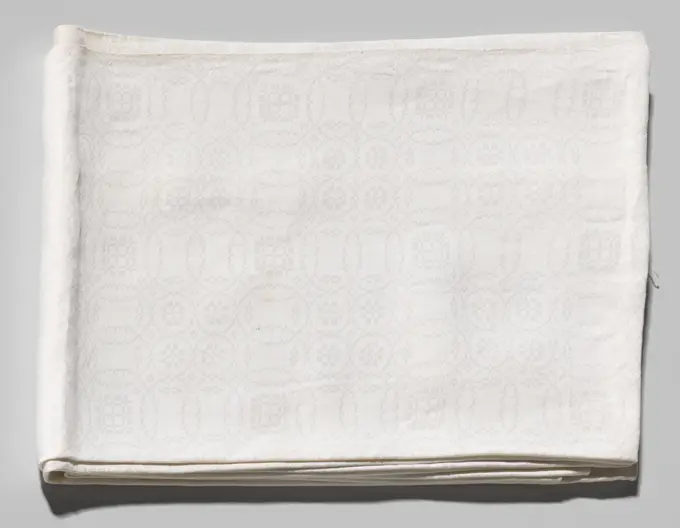
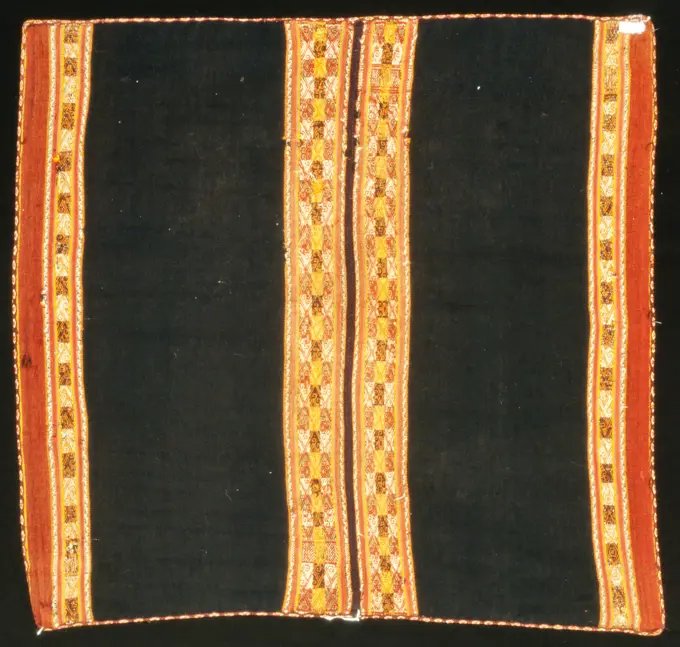
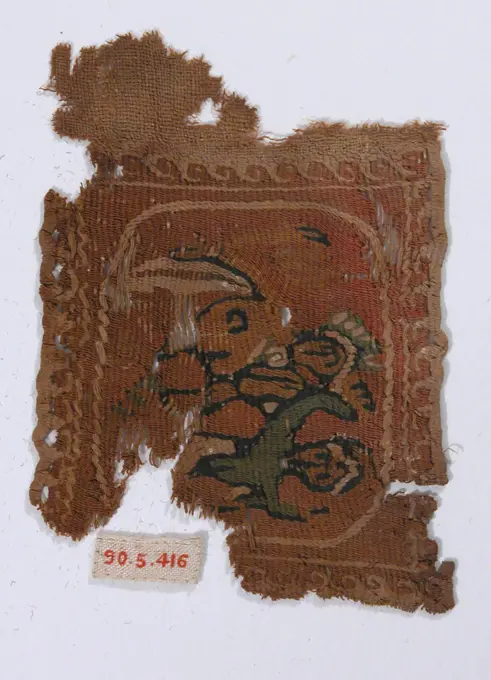
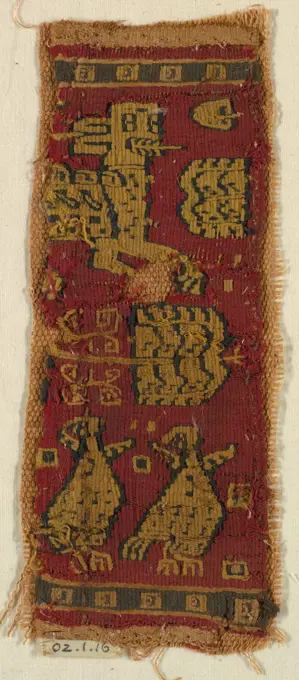
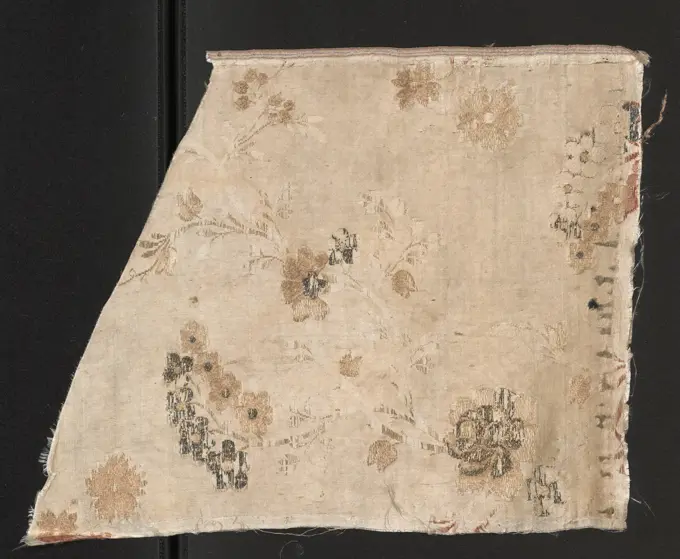
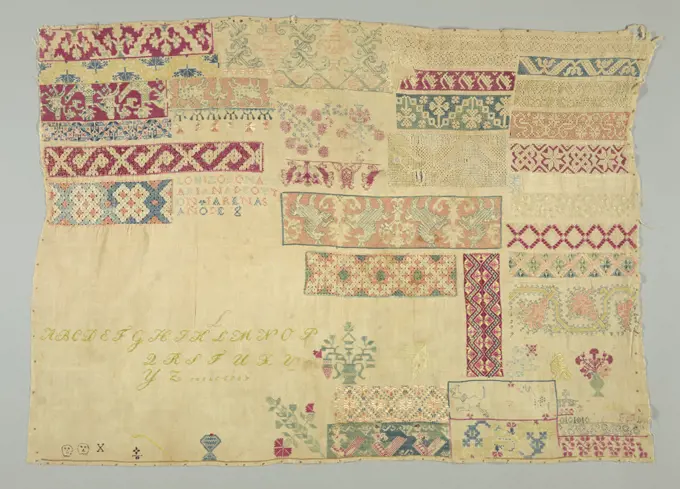
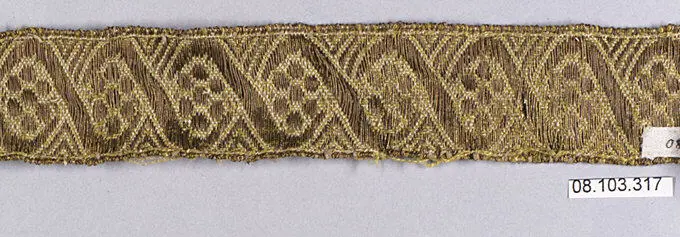
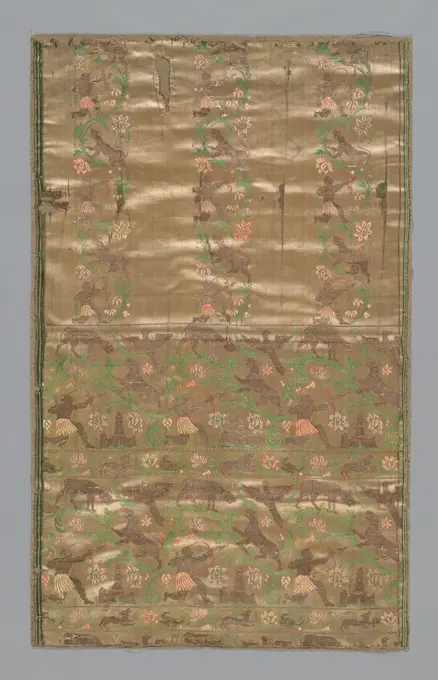
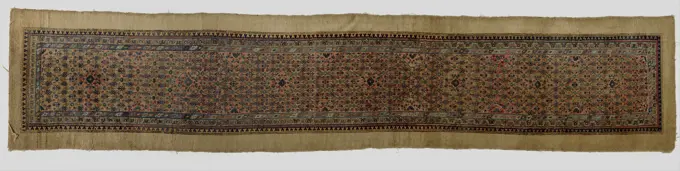
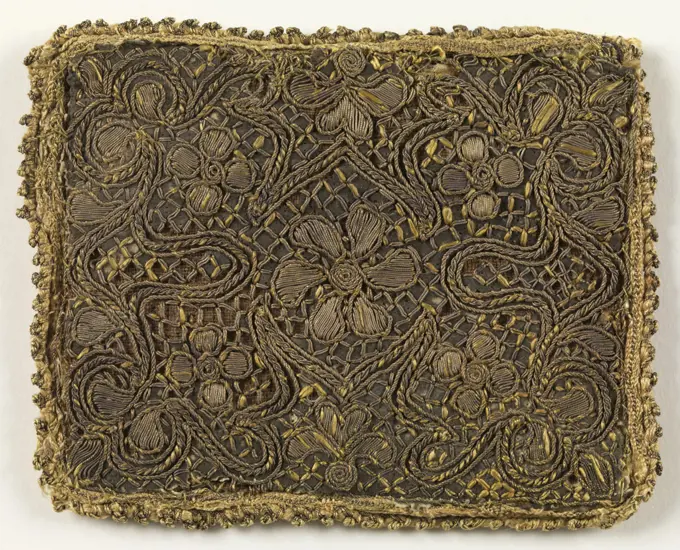
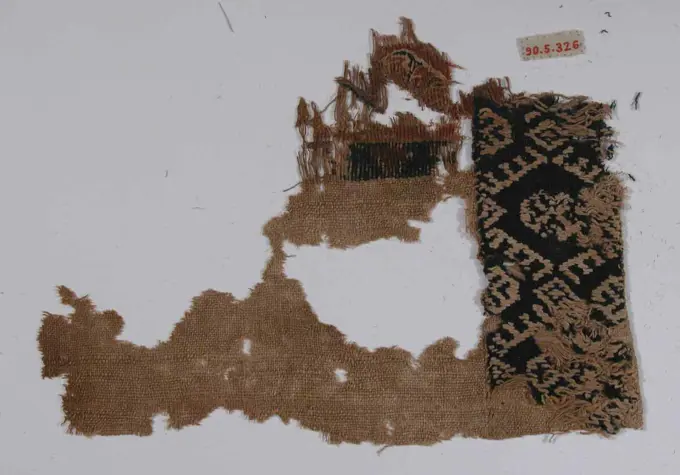
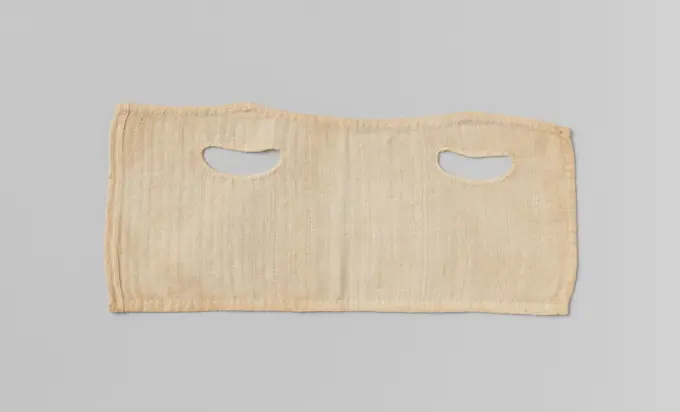
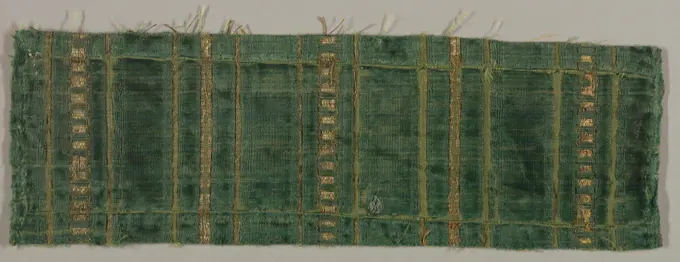
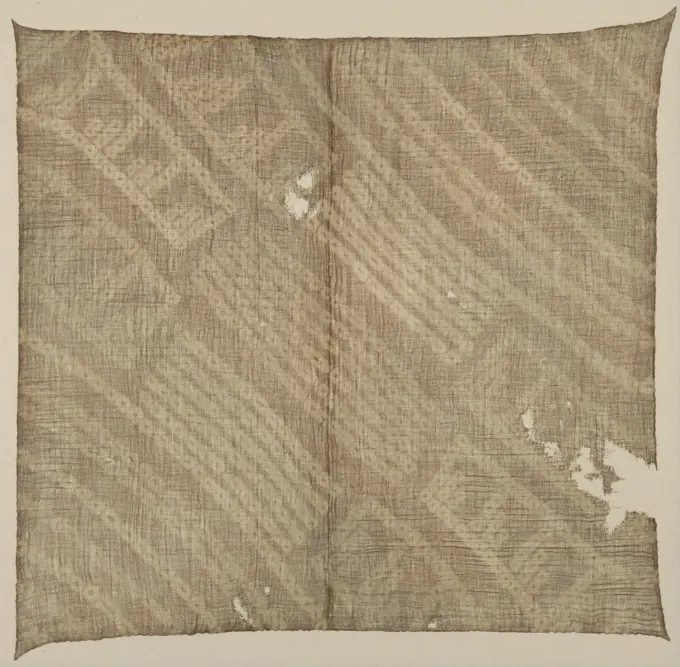
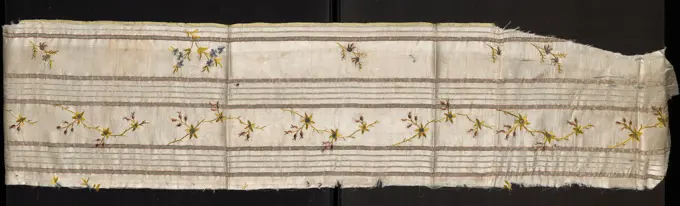
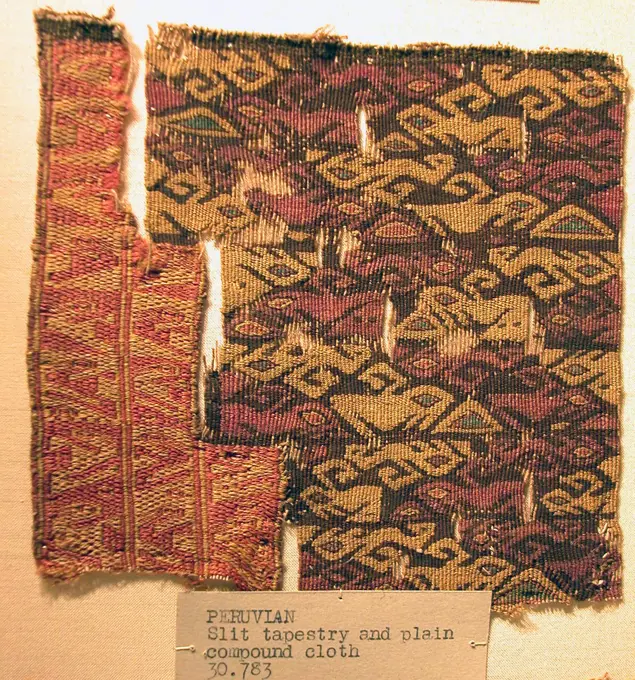
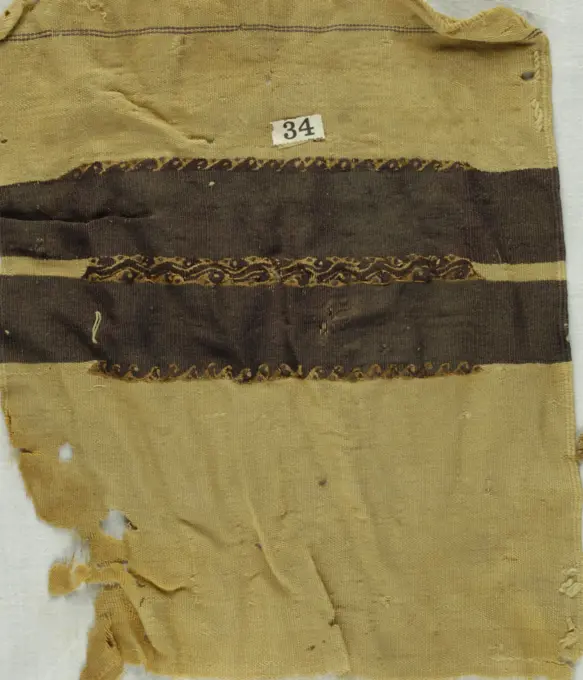
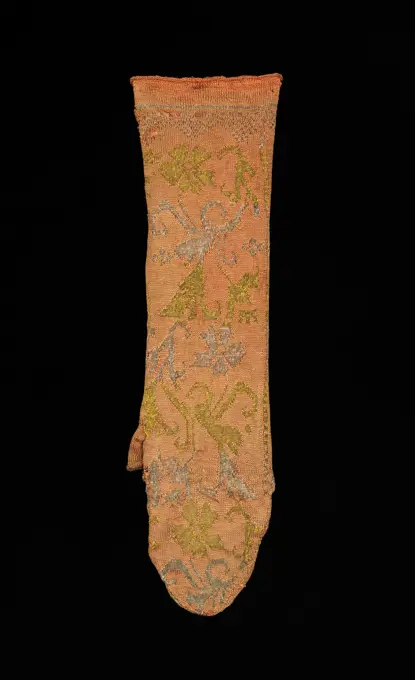
Fragment of Shoulder Band 6th-7th century. Fragment of Shoulder Band 443991Fragment, Medium: silk, metallic Technique: 2/1 twill pattern by plain weave, Two different animals within curving band., Italy, 14th-15th century, woven textiles, FragmentRitual Textile (Pua Sungkit) early to mid-19th century Iban people This ceremonial textile (pua sungkit) from the Iban people of northern Borneo is adorned with geometric motifs executed in supplementary weft. The central field is dominated by three large S-shaped motifs surrounded by angular tendril-like forms, all rendered in light blue and white. The central field is bounded above and below by a row of repeating peaked forms in blue and white, which alternate between forms with plain red centers and forms infilled with white with small diamond shaped motifs. The central field is bordered above and below by a broad plain red border decorated with a single row of diamond shaped motifs, each with four projecting tendril like forms which is situated roughly midway between the central field and the upper and lower edges.. Ritual Textile (Pua Sungkit). Iban people. early to mid-19th century. Cotton. Malaysia, Borneo. Textiles-WovenFragment (Italy), 17th century; linen and cotton; Warp x Weft: 15.3 x 31.9 cm (6 x 12 9/16 in.)Textile Fragment 5th-6th century. Textile Fragment 444039Fragment silk tissue of a seat cladding .. Fragment yellow silk tissue, of a chair covering. The pattern has pink palmets and arabesken on a yellow ground. The fragment belongs to thirteen fragments with Invnr. BK-1992-18-A T / M BK-1992-18-m.Fragment late 17th century Italian. Fragment 230440Fragment (Italy); linen, silver threadFragment; linenMesh, fragment, with green windows in which a rosette on yellow -brown surface, anonymous, 1480 Gaas, fragment, with green windows in which a rosette on yellow -brown soil. Embroidered with a kind of brand stitch. The Netherlands.  . Gaas, fragment, with green windows in which a rosette on yellow -brown soil. Embroidered with a kind of brand stitch. The Netherlands.  .Fragment of a Sleeve 5th century. Fragment of a Sleeve 443785Textile Fragment 18th century. Textile Fragment 454592Ceremonial Textile(Bidak)Textile Fragment 4th century. Textile Fragment 444094Sidewall (USA); block-printed; 19.5 x 10 cm (7 11/16 x 3 15/16 in.)Textile Fragment 5th-6th century. Textile Fragment 444031Sampler, Medium: cotton Technique: embroidered in running stitch on plain weave foundation, Tightly-worked smocking with eleven bands of pattern including animals, birds and geometric ornament in white on a red foundation fabric., Mexico, 19th century, embroidery & stitching, SamplerFragment, 6th-16th century. India, 6th-16th century. Velvet; overall: 53.5 x 17.5 cm (21 1/16 x 6 7/8 in.).Fragment, Medium: cotton Technique: printed on plain weave, Natural coarse plain cloth ground with all-over print of small rosettes in red., India, 14th-15th century, printed, dyed & painted textiles, FragmentTextile Fragment 6th-7th century. Textile Fragment. 6th-7th century. Wool, linen; plain weave, embroidered. Attributed to Egypt. TextilesFragment (Italy); silkTextile, Medium: wool, linen Technique: complementary weft, Coarse wool and hand-spun linen in brown, yellow, red, and white. Patterning of simple geometric bands and lozenges. Patterned by weft floats that hide warps entirely. Heavy woolen wefts used two at a time in contrasting colors rise from the face to back of fabric in a compound weft satin., Sweden, 19th century, woven textiles, TextileFragment, Medium: linen Technique: plain weave embroidered with deflected element work, Fragment of a woven linen border with scallops forming scrolls. Beneath scrolls are four different types of flowers., possibly France, possibly Italy, 18th century, embroidery & stitching, FragmentMantle, Fragment or Tunic, Fragment Coastal or Moche Wari. Mantle, Fragment or Tunic, Fragment, 600-1000. Cotton, camelid fiber, 14 3/16 x 28 3/8 in. (36 x 72.1 cm).   Arts of the Americas 600-1000Fragment of a Band, 600s - 700s. Egypt, Umayyad period (661-750). Tapestry weave: wool; overall: 15.7 x 25.2 cm (6 3/16 x 9 15/16 in.).Valance (For a Bed) Made 1701-1800 Cyprus. Linen, plain weave; embroidered with silk in cross and long-armed-cross stitches; needlemade edging of Antwerp edge stitches and countered two-strand warp twining with extended warp fringe .Fragment (Italy); silk, gold foil on gut wrapped around silk coreFragment Made 1501-1600 Italy. silk and linen .Textile; linen, silkFragment Silk Luwel with palmets and leaves, Anonymous, 1500 - 1599 Fragment Silk flows with on yellow soil a pattern in violet of palmets and leaves on symmetrical tifles. Italy silk Velvet chiseled Fragment Silk flows with on yellow soil a pattern in violet of palmets and leaves on symmetrical tifles. Italy silk Velvet chiseledHead Scarf, 30 1/2 x 9 1/4 in. (77.47 x 23.5 cm) (length including fringe), Cotton, ChinaFragment 17th century Italian. Fragment 230498Shirt 19th century Greek. Shirt 85886Fragment of a Band 5th-6th century. Fragment of a Band 445683Piece 16th-17th century Italian. Piece 224424Piece 17th century Japan. Piece 71754Band, Medium: linen Technique: withdrawn element work, Zigzag bands in brown and white., Italy, 17th century, embroidery & stitching, BandMantle, Fragment or Hanging, Fragment Chimú. , 1000-1532. Cotton, camelid fiber, 13 5/8 × 8 1/4 in. (34.6 × 21 cm).   Arts of the Americas 1000-1532Fragment of embroidered chasuble orphrey unknownFragment. Italy. Date: 1625-1675. Dimensions: 26.3 x 36 cm (14 x 10 1/4 in.) (old card). Silk, plain compound cloth; brocaded. Origin: Italy. Museum: The Chicago Art Institute, Chicago, USA.Piece 18th-19th century Japan. Piece 67397Textile Fragment 4th century. Textile Fragment 443473Fragment (Italy), 16th-17th century; linen, cotton; Warp x Weft: 8.8 x 29.4 cm (3 7/16 x 11 9/16 in.)Woman's Skirt, 20th century, 45 1/2 x 57 1/4 in. (115.6 x 145.4 cm), Cotton; painted and dyed (bogolanfini), Mali, 20th centuryTable Mat (Italy); linenCope 16th century Spanish. Cope 227559Towel fragment, Medium: cotton Technique: twill with supplementary wefts forming pattern, Bands of pattern containing a double-headed eagle and a castle with peacocks., Italy, 17th-18th century, woven textiles, Towel fragmentFragment Made 1625-1675 Italy. silk .Tapa cloth, Medium: paper mulberry bark Technique: beaten, printed and painted, Tapa cloth printed in design of brown daisies on white circles on brown ground., Samoa, 1800-1850, non-woven textiles, Tapa clothFragment (Netherlands); linenFragments of Coptic fabric unknownTextile Swatches Onondaga Silk Company, Inc. (1925-1981). , 1948-1959. Silk, 47 1/4 x 17 1/4 in. (120 x 43.8 cm).    1948-1959Fragment of the fabric; Egyptian workshop; VII-VIII century (601-00-00-800-00-00);Doshalla, 19th century, L.109-1/4 x W.53 in., wool, cotton, India, 19th centuryFragment; linenPellet pattern napkin ,, 1700 - 1800 Napkin made of white Linnamast with fine peel pattern. Infinite report of right and next to each other arranged, cut each other -cutting circles, filled with huge corners and cross of cubes. Marked in Open Matsteek T.R. Northern Netherlands (Possible) linen (material) damask Napkin made of white Linnamast with fine peel pattern. Infinite report of right and next to each other arranged, cut each other -cutting circles, filled with huge corners and cross of cubes. Marked in Open Matsteek T.R. Northern Netherlands (Possible) linen (material) damaskFragment, 1100s - 1300s. India, 12th-14th century. Plain cloth, resist dyed; cotton; overall: 28 x 15.6 cm (11 x 6 1/8 in.).Carder rips side with blue lines with sequins and two fake bags, formed by an embroidered "party hat" motif with sequins, silver wire and blue stones, anonymous, c. 1795 - c. 1805 Hen's vest of cream -colored silk embroidered with blue and rose silk, silver thread, silver sequins and sharpened glass stones. Standing board, closure by means of 9 knots. Netherlands silk. silver thread. paillette. glass. linen (material) Hen's vest of cream -colored silk embroidered with blue and rose silk, silver thread, silver sequins and sharpened glass stones. Standing board, closure by means of 9 knots. Netherlands silk. silver thread. paillette. glass. linen (material)Shawl (Llklla), 1940-1950, 40 x 40 in. (101.6 x 101.6 cm), Wool, Bolivia, 20th centuryTextile Fragment 5th century. Textile Fragment 443902Fragment (Egypt); warp; s-spun linem z-twisted, (2 ply). wefts; s-spun linen, s-spun woolsFragment of the fabric;  18th century (1701-00-00-1800-00-00);Bobińska, Jadwiga (1862 - 1940) - collection, gift (provenance), fabricsSampler, Maria Nadeouton, Medium: silk and metal-wrapped silk on cotton Technique: embroidered in satin, back, long-armed cross, knot, stem, double running, cross, and aztec stitch (withdrawn element) on plain weave foundation, Unfinished sampler with bands of pattern., Mexico, early 19th century, embroidery & stitching, SamplerGalloon 17th-18th century Unknown. Galloon 213814Fragment of a Border of a Shawl, 19th century. India, Kashmir, 19th century. Twill weave, brocaded; wool; overall: 57 x 56.5 cm (22 7/16 x 22 1/4 in.).Dante Chair back. Culture: Italian or Spanish. Dimensions: Including fringe: 73 x 33 cm ( 28 3/4 x 13 in). Date: 17th century. Museum: Metropolitan Museum of Art, New York, USA.Fragment; woolTwo Confronted Animals from a Tunic, 700s-800s. Egypt, Islamic period, Abbasid, 8th - 9th century. Plain weave with slit-tapestry weave, applied; dyed wool, undyed linen; overall: 14 x 18.7 cm (5 1/2 x 7 3/8 in.); mounted: 22.2 x 29.5 cm (8 3/4 x 11 5/8 in.).Panel Made 1675-1725 Portugal. Silk, silvered-metal-strip-wrapped silk, warp-float faced 7 1 satin weave with supplementary brocading wefts and self-patterned by ground wefts .Textile Fragment 300-600 Coptic. Textile Fragment 475281Band Fragments; linen, silkFragment (Japan)Fragment (from Obi) Made 1700-1800 Japan. Plain compound twill, silk and gilt paper; 3 strips to m.m. .Fragment of Coptic fabric unknownOriental carpet ,, 1850 - 1900 Eastern carpet of knotted wool, carpet format. In midfield diamond -shaped patterns with rosettes and medallions. Around four edges. Hamad wool Eastern carpet of knotted wool, carpet format. In midfield diamond -shaped patterns with rosettes and medallions. Around four edges. Hamad woolFragment 16th century Italian. Fragment 213078Fragments, Medium: silk, metallic thread Technique: two integrated structures: 5-harness satin patterned by plain weave (lampas), A broad red stripe in the center has large block Arabic letters in gold; formerly, there were multi-colored arabesques in the interspaces between the letters, now mostly worn away. This is flanked by narrower patterned bands, which are separated by guard stripes of white, green, and very fine stripes of red, white, and dark blue., Spain, 15th-16th century, woven textiles, FragmentsBand Fragment and Roundel with Botanical and Geometric Decoration Coptic. Band Fragment and Roundel with Botanical and Geometric Decoration, 5th-7th century C.E. Wool, 6 1/4 x 7 3/4 in. (15.9 x 19.7 cm).   Egyptian, Classical, Ancient Near Eastern Art 5th-7th century C.E.Fragment (Italy); silkFragment of embroidery unknownFragment Made 1767-1799 Italy. .Galloon late 18th-early 19th century European. Galloon 224967Purse, Medium: silk, wool, metallic thread Technique: embroidered, Small case covered with embroidery in an allover design of four-petal flowers in compartments and against trellis. Picot edging., Spain, 18th century, costume & accessories, PurseFragment of a Sleeve 5th-6th century. Fragment of a Sleeve 443812Lower body with chilled stripe pattern, anonymous, c. 1750 - c. 1800 A body of cotton with a clamped stripe pattern; Rectangular piece with two horizontal crescent holes. Netherlands cotton (textile) A body of cotton with a clamped stripe pattern; Rectangular piece with two horizontal crescent holes. Netherlands cotton (textile)Silk Fragment, 1350-1399. Italy, second half of 14th century. Lampas weave, brocaded; silk and gold thread; overall: 23.4 x 14.5 cm (9 3/16 x 5 11/16 in.).Bag 16th century Colonial. Bag. Colonial. 16th century. Cotton, camelid hair. Peru. Textiles-WovenFragment (Italy); silk; Bequest of Richard Cranch Greenleaf in memory of his mother, Adeline Emma Greenleaf; 1962-56-93Fragment, Medium: linen Technique: bobbin lace (early Valenciennes ground), 18th century, lace, FragmentCovering Cloth Made 1000-1476 Peru. The two panels of this covering cloth are woven from delicate cotton threads, their exceptional fineness evidence of Chancay spinning expertise. The oblique bands are composed of groups of smaller resist-dyed squares, creating a dynamic interplay between positive and negative space. This strong diagonal pattern resembles designs painted upon Chancay ceramics, where they often appear on garments worn by human figures.. Cotton, plain weave; tie dyed . ChancayFragment of the fabric;  18th century (1701-00-00-1800-00-00);gift (provenance), fabricsThree Waist Wrapper Fragments(Sarung)Fragment, Medium: wool, linen Technique: tapestry eave, Square of woven textile in dark purple wool and undyed linen. The design shows a water-fowl within a circle and square. Border of quatrefoils, scrolls and dots. The square has been mounted onto another piece of undyed woven linen., Egypt, 7th century, woven textiles, FragmentWool Fragment, 3rd century. Syria, 3rd century. Tapestry with sehna loops: wool; average: 15.3 x 13.4 cm (6 x 5 1/4 in.).Fragment Made 1000-1476 Peru. Slit tapestry and plain compound cloth .Tunic Fragment with Band Decoration Coptic. Tunic Fragment with Band Decoration, 5th-7th century C.E. Wool, 9 1/2 x 11 3/4 in. (24.1 x 29.8 cm).   Egyptian, Classical, Ancient Near Eastern Art 5th-7th century C.E.Tissue fragment with Tabula. Folded ocher-colored tissue fragment with woven tabula in dark blue wool. Centrally a hard-to-identify figure in a circle inside a square, around which a wide edge of winding spanking with three-lawy leaves with flying wire technique. Framed frame by pearl edge.Letter bag in rectangular shape of light brown silk is deposited with a border of gold edge and decorated with metal lovers and gold thread, on which embroidered 'anno' and '1781'. Letter bag in rectangular shape of light brown silk, deposited with a border of gold edge. The bag is double folded. The exterior is identically decorated as the inside: a winding edge of contiguous silver lovers, secured with silver thread, along with stylized flowers in colored metal lovers. In this frame a garland and a bow a medallion within which is embroidered on the outside of the bag 'Anno' and '1781'. On the inside of the bag 'your Suis discret' and 'pour l'Amitie' in the same way. The two inside boxes are lined with a ponjé side.Mitts late 17th century European Knitted in the round with no seams, this mitt is among a finite number of extant 17th century silk and metallic knit objects. Fine workmanship was required to incorporate the rigid metallic yarns into the silk stockinette without distorting the pattern. The brocade lining at top of this piece adds both beauty and stability to the knitted extension.. Mitts 157528Sidewall (United States or England); machine-printed (); 76 x 30 cm (29 15/16 x 11 13/16 in.)