Ancient Tools and Artifacts

A selection of ancient items such as arrowheads, collar pieces, and pot shards, reflecting early craftsmanship and design from Greek to Egyptian periods.
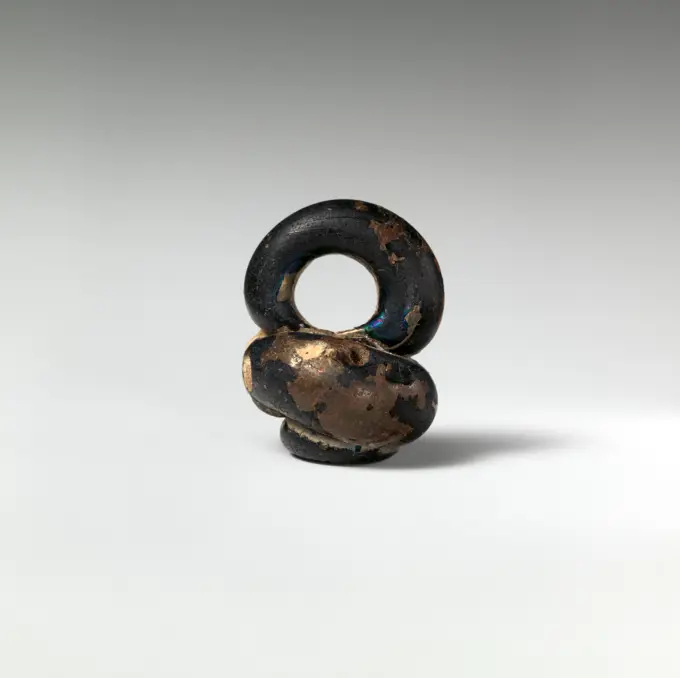
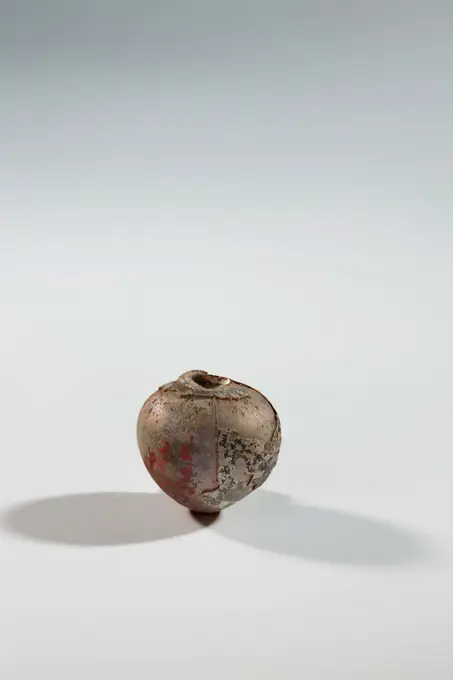
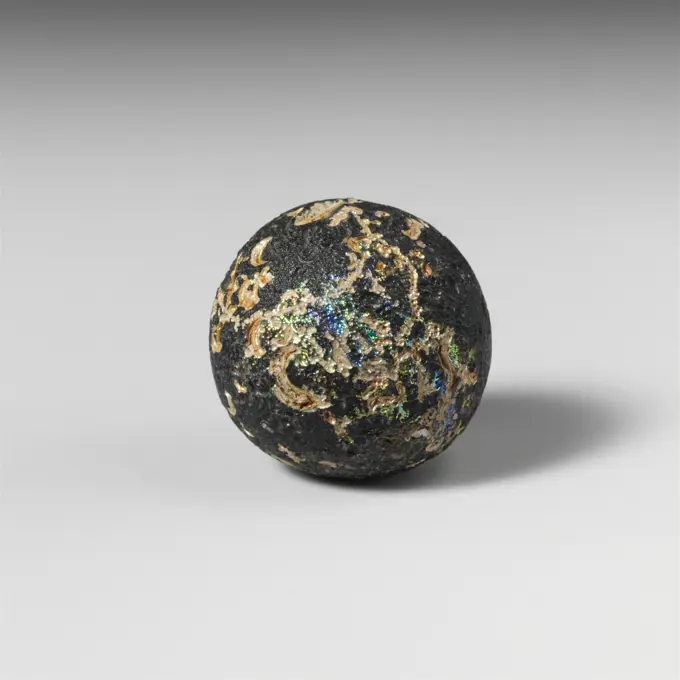
Glass pendant in the form of a miniature jar late 3rd-4th century A.D. Roman Uncertain color, appearing black, with same color pad base and loop handle; applied blobs in opaque white.Large rounded loop at top for suspension; very squat globular body; pad base with rounded edge and flat bottom.Body decorated with a few marvered blobs of varying sizes and one unmarvered blue blob.Intact; dulling, some deep pitting, and patchy black weathering.. Glass pendant in the form of a miniature jar. Roman. late 3rd-4th century A.D.. Glass; rod-formed, blobbed, and tooled. Late Imperial. Glass
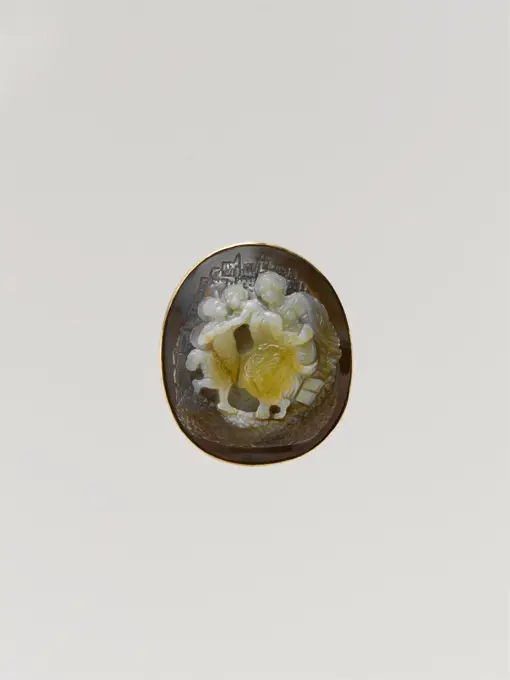
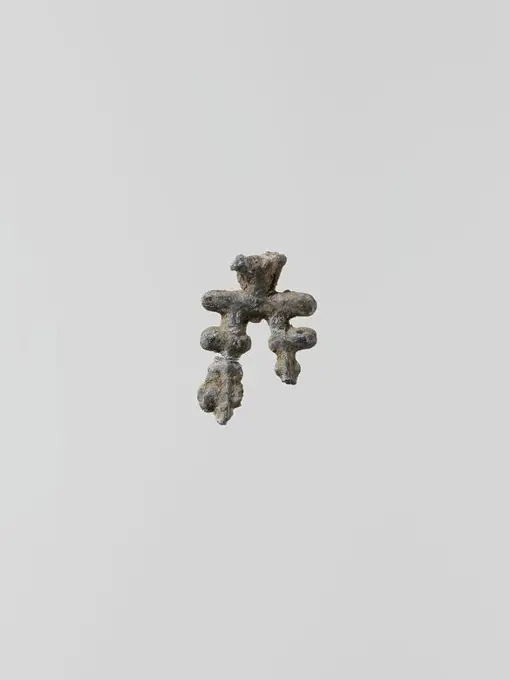
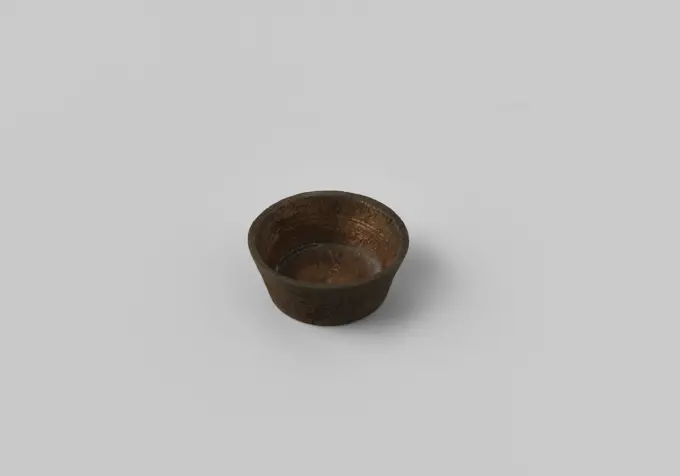
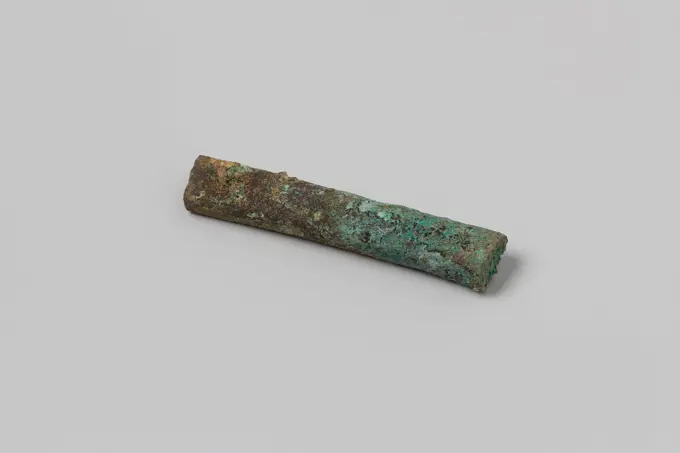
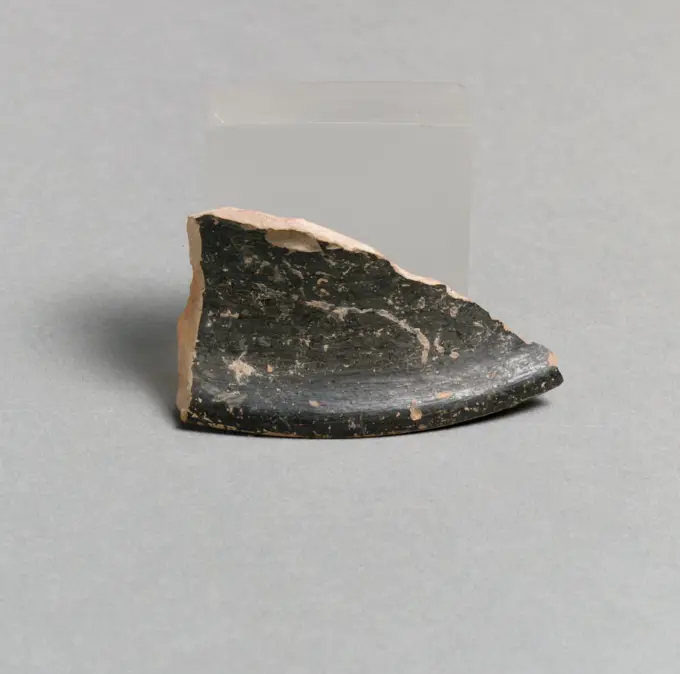
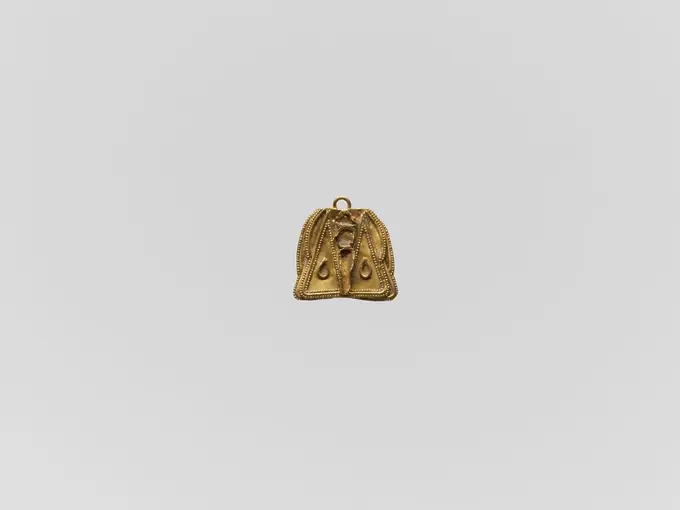
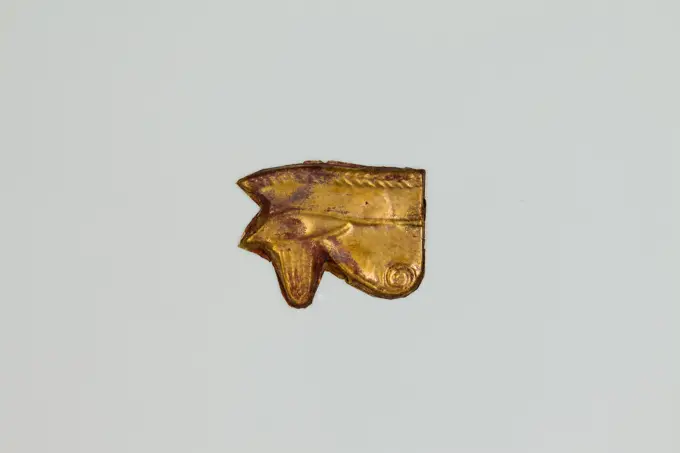
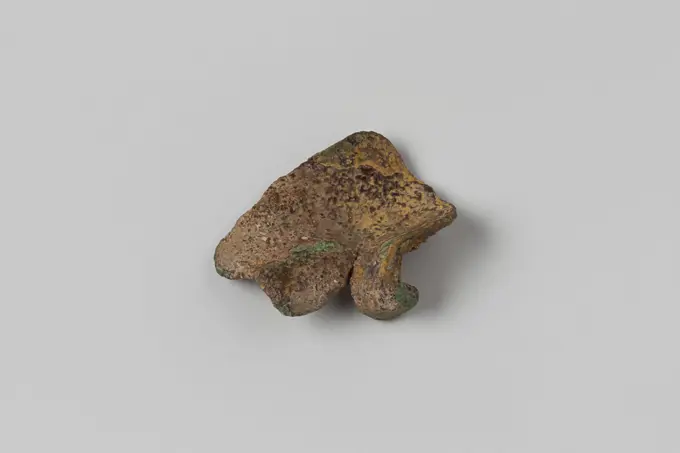
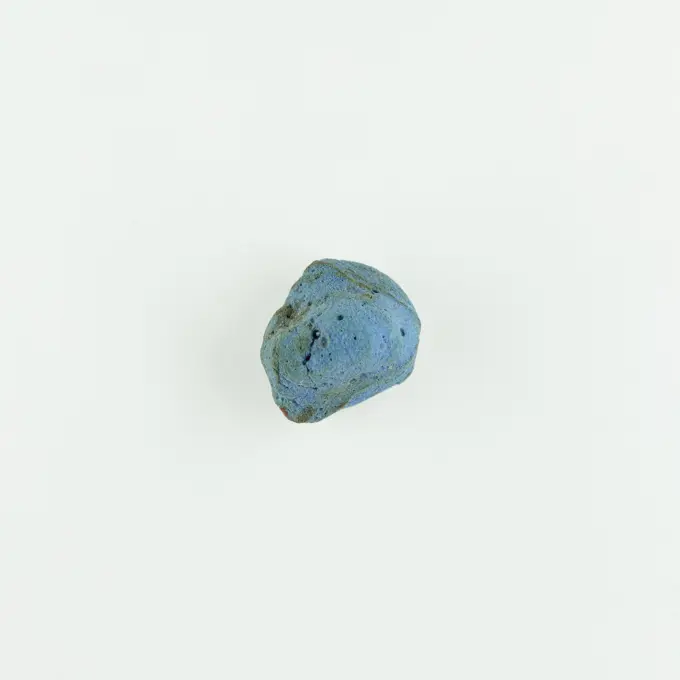
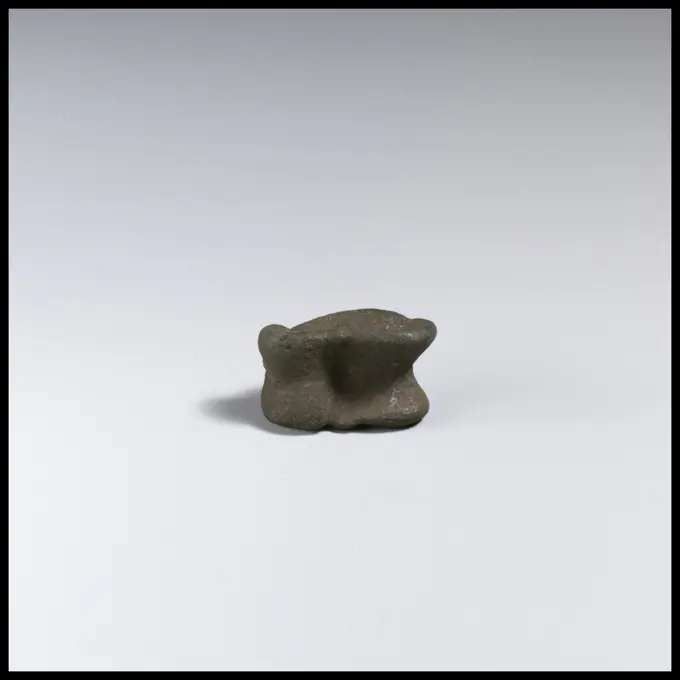
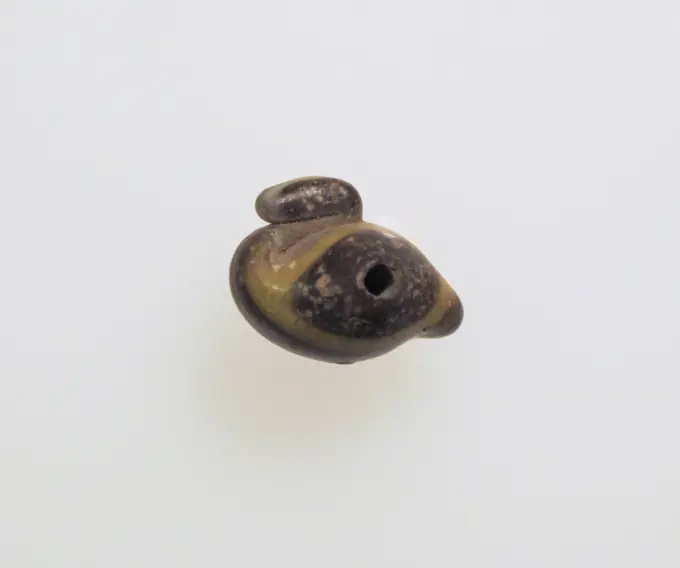
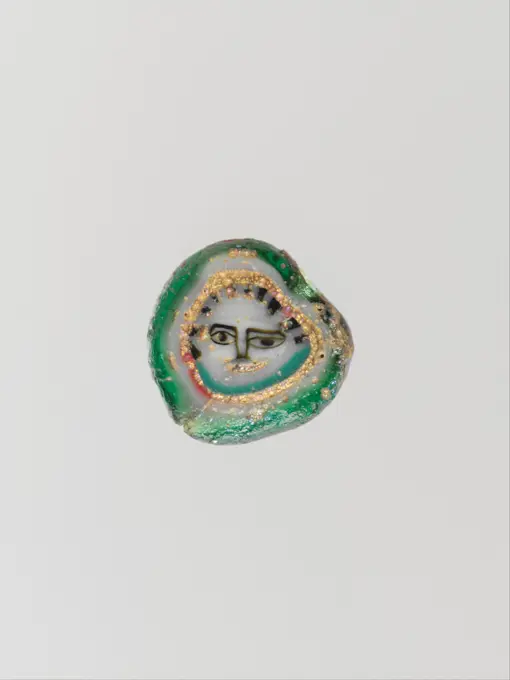
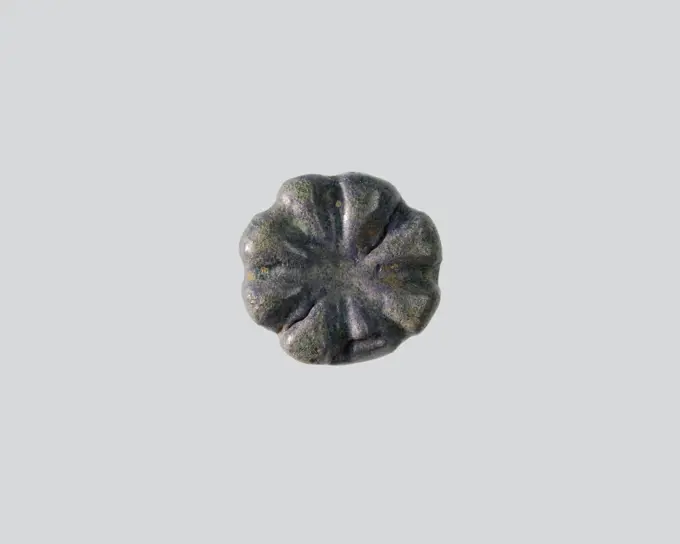
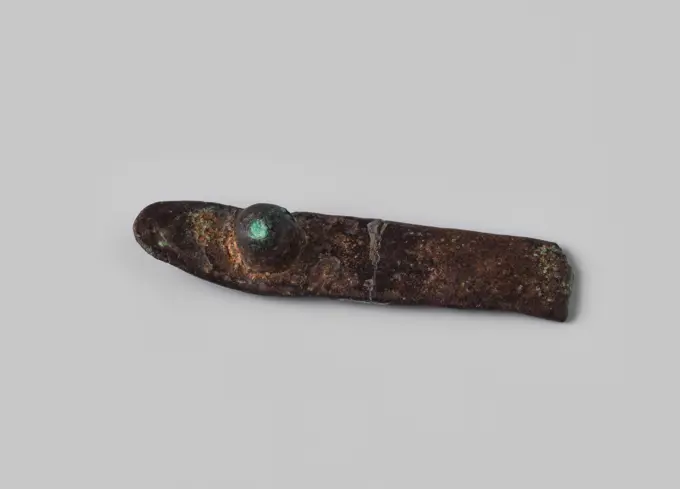
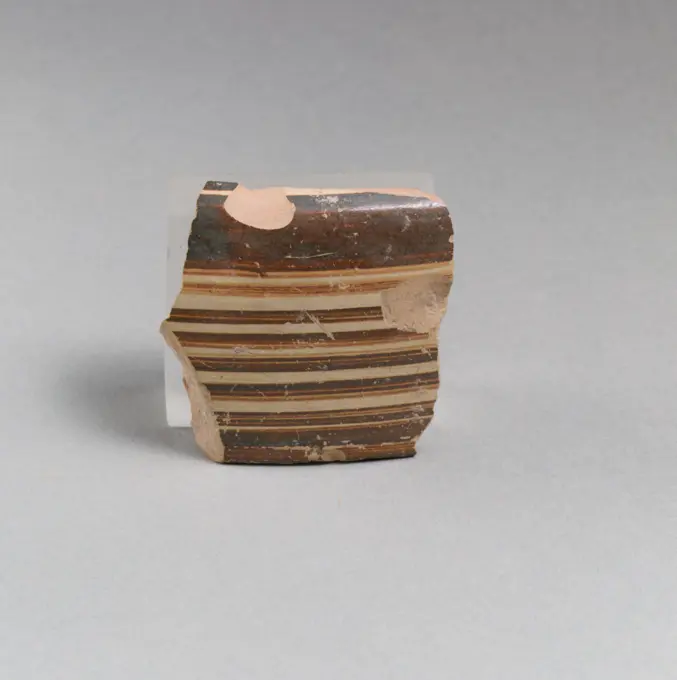
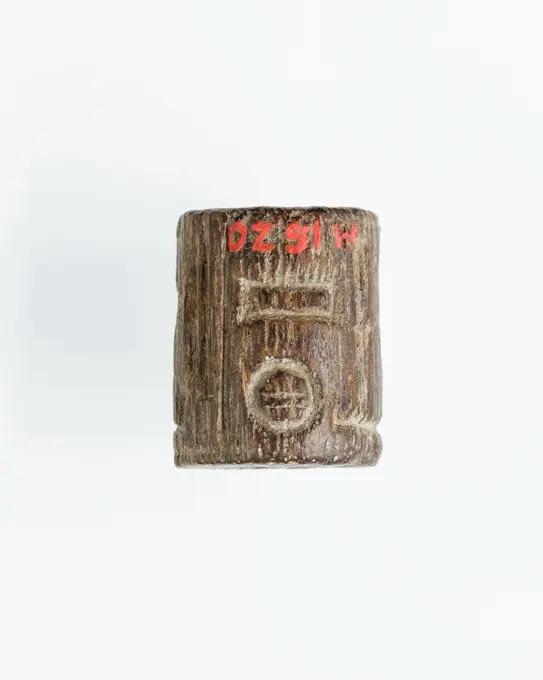
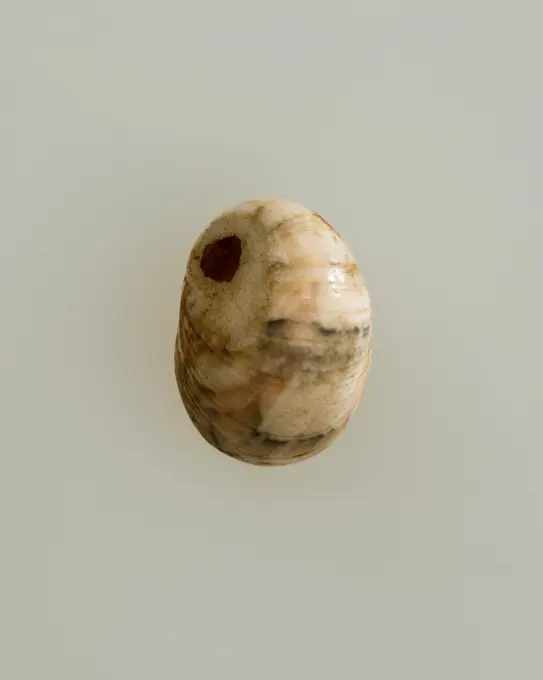
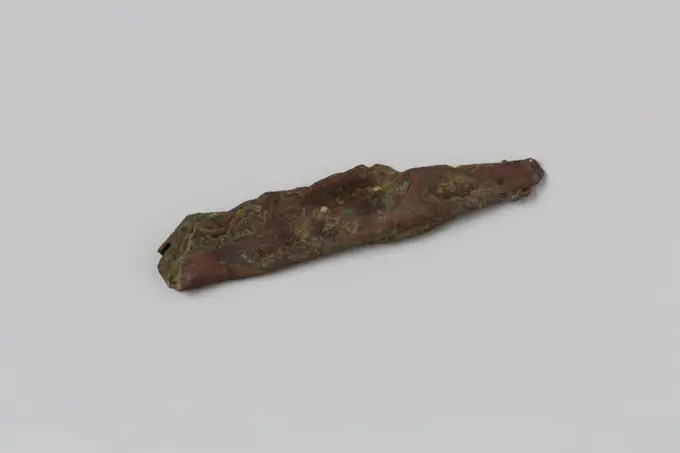
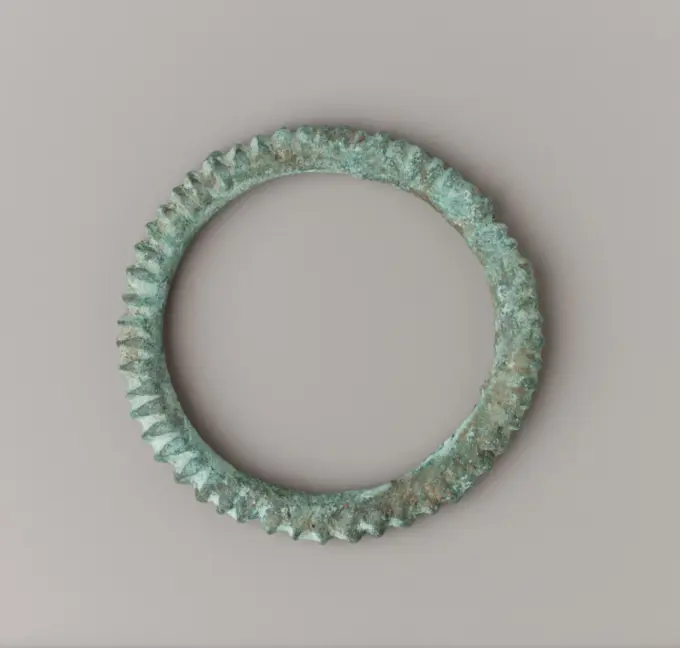
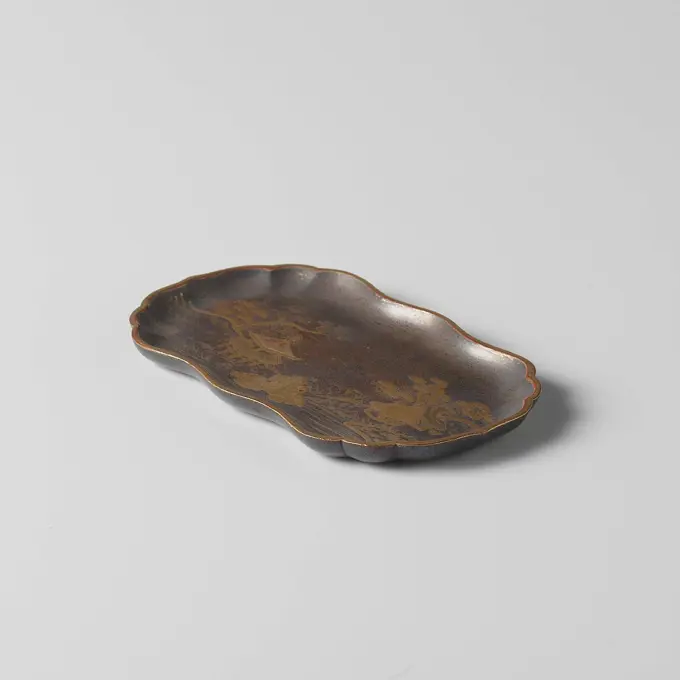
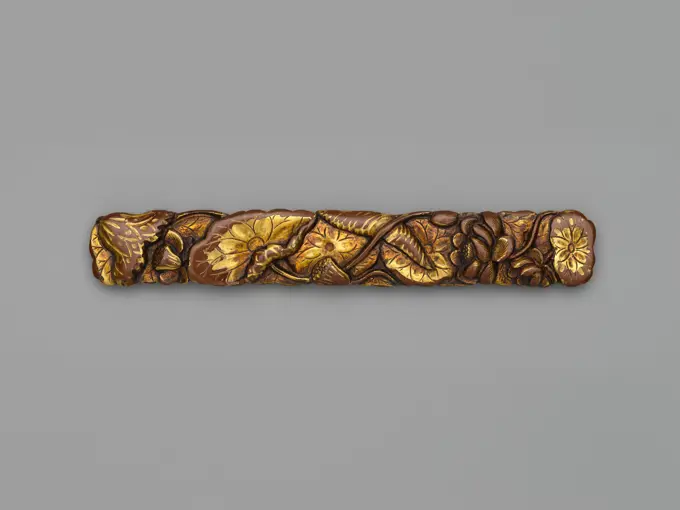
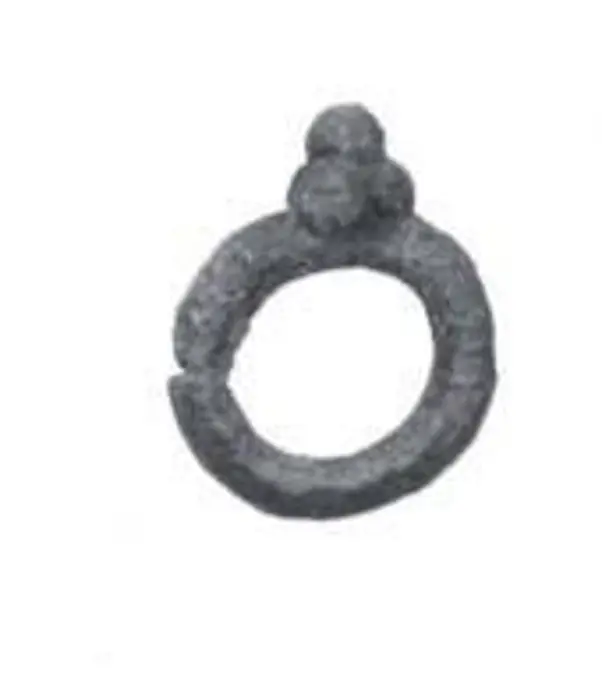
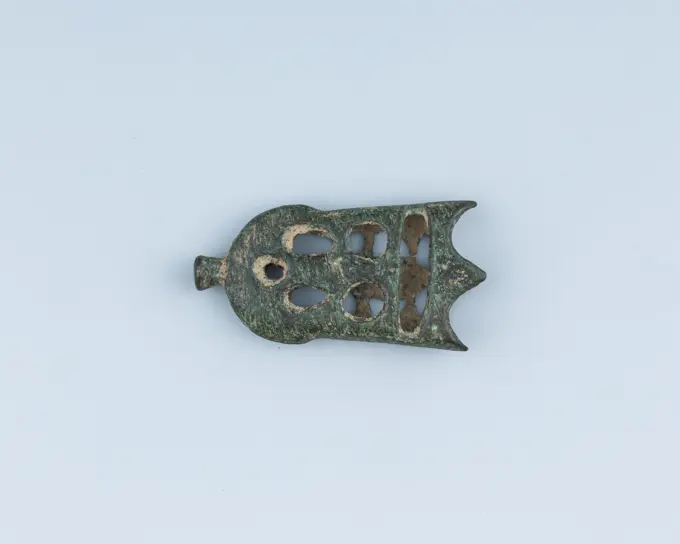
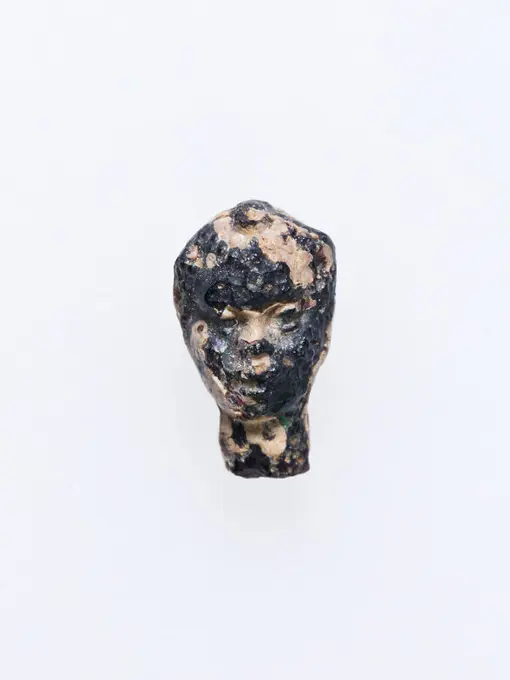
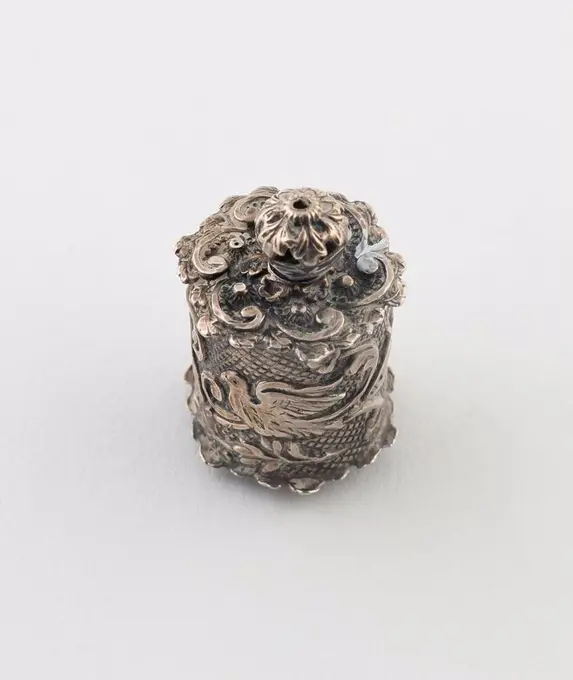
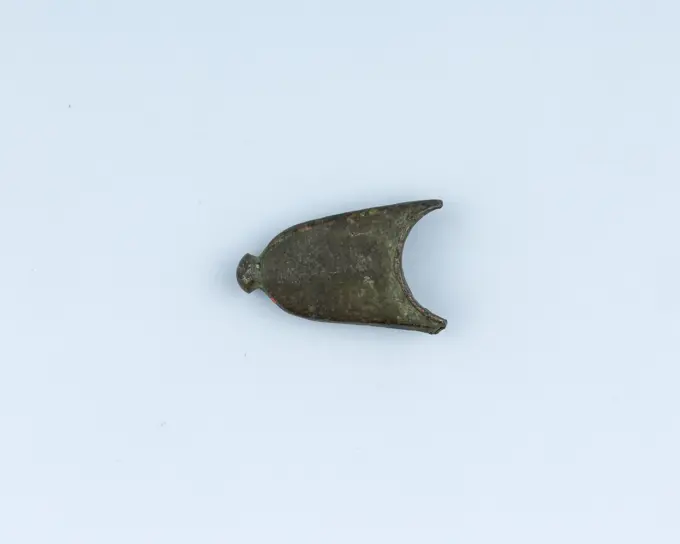
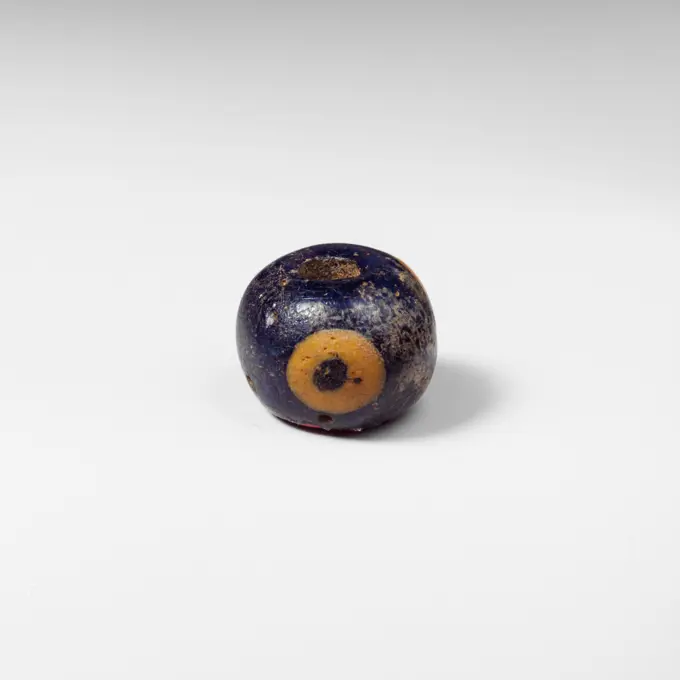
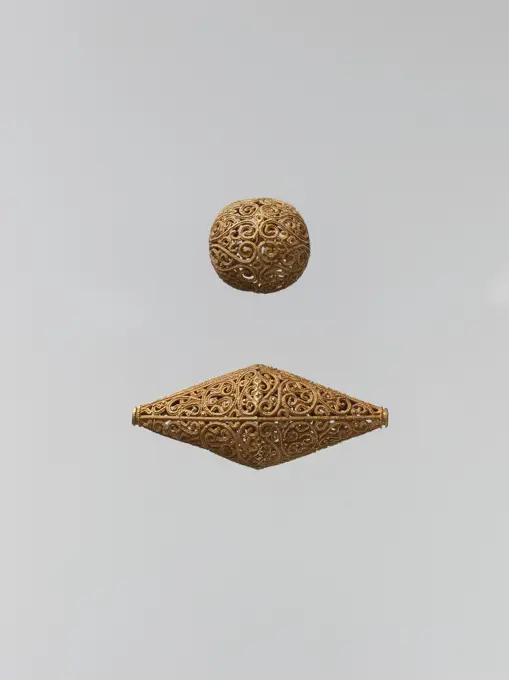
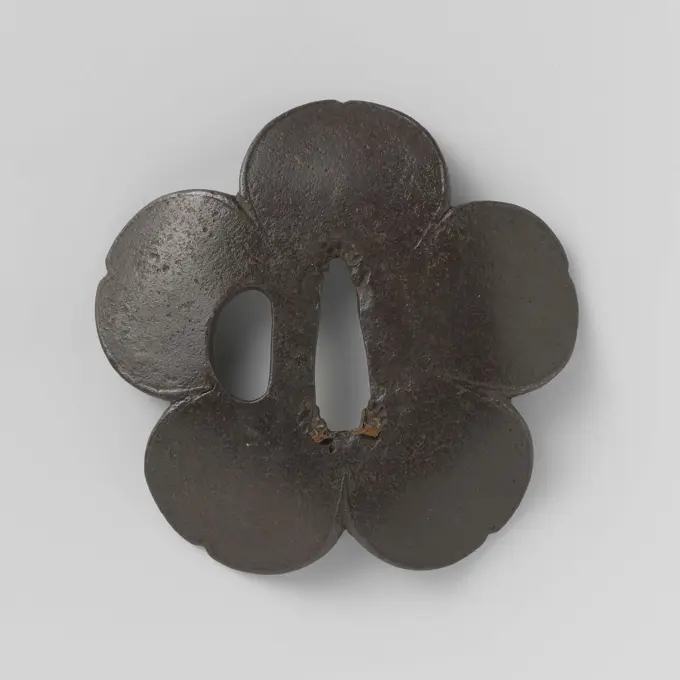
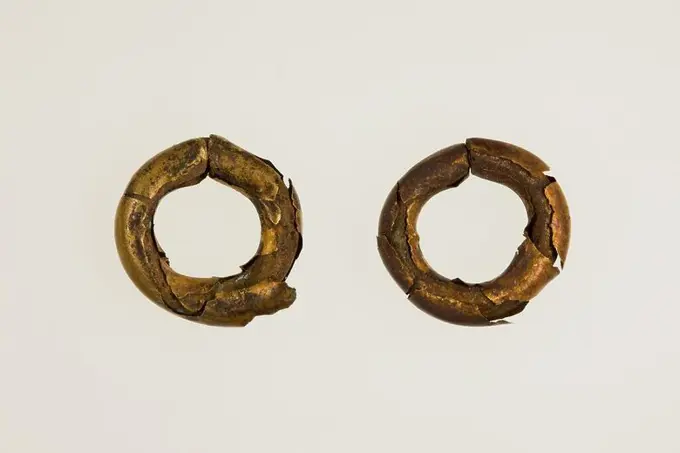
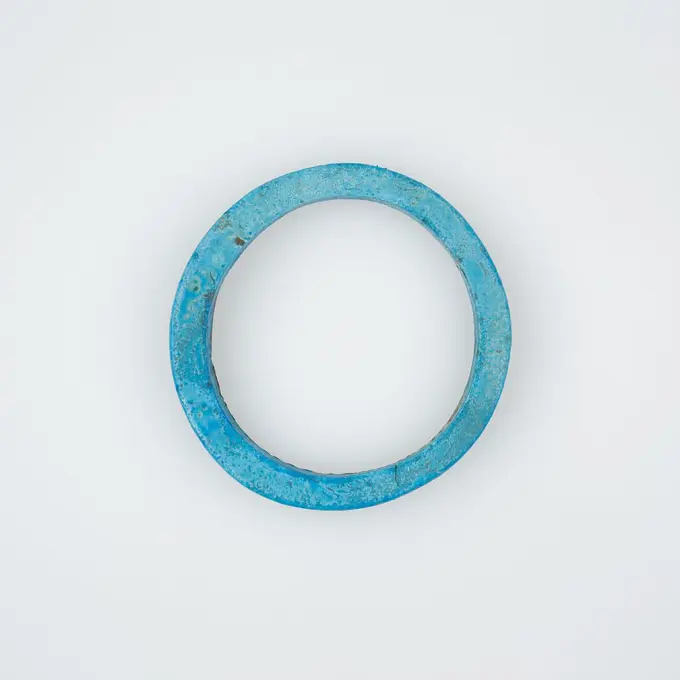
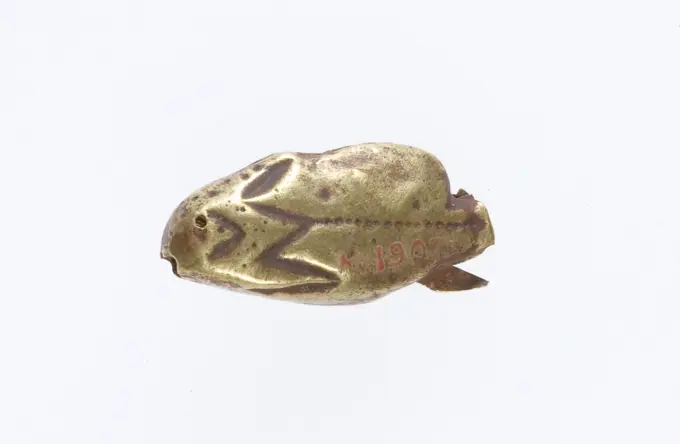
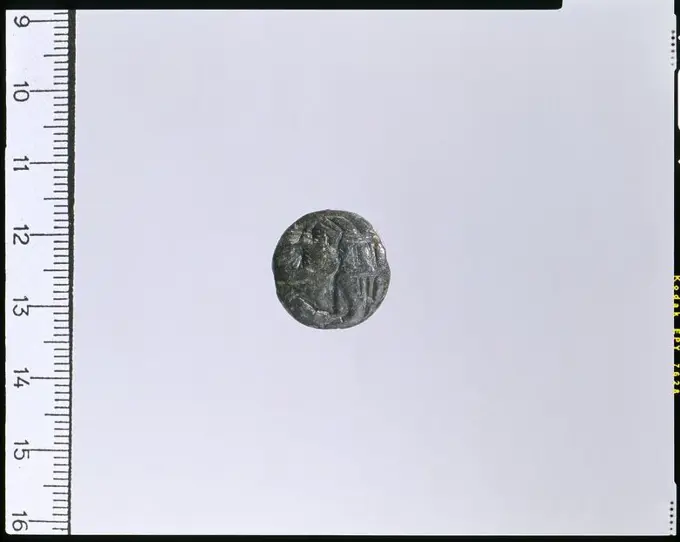
Bronze arrowhead 6th-4th century B.C. or later Greek or Achaemenid With midrib and socket.. Bronze arrowhead 252858 Greek or Achaemenid, Bronze arrowhead, 6th4th century B.C. or later, Bronze, Other: 1 1/4 in. (3.2 cm). The Metropolitan Museum of Art, New York. Gift of The American Society for the Excavation of Sardis, 1926 (26.199.295)Broad Collar piece (). Dimensions: H. 2 cm (13/16 in). Dynasty: Dynasty 12-13, late. Date: ca. 1850-1640 B.C.. Museum: Metropolitan Museum of Art, New York, USA.Pinhead. Pinhead. Glass. GlassBroad Collar piece () ca. 1850-1640 B.C. Middle Kingdom. Broad Collar piece () 560883Shard of a pot from the wreck of the East India Hollandia.Stoneware, Rhenish, Westerwald, Pot; or body, sim. NG 1980-27H2624R.Ring Roman. Ring. Roman. Glass. GlassVirgin and Child with Saint John the Baptist in front of a townscape ca. 1520-30 Italian, Milan The group echoes the new harmonies that Raphael and his school brought to painting. Suggestive comparisons exist in Raphael-esque Madonnas engraved by Giulio Bonasone and Gian Giacomo Caraglio (who doubled as an engraver of hardstones), but the graceful composition is apparently unique to this piece. The cityscape in the background is executed in intaglio. The irregular chestnut-hued translucent band around the edge of the stone is void, probably because it was meant to be embedded in a gold setting.. Virgin and Child with Saint John the Baptist in front of a townscape 198265Blade for a Model Axe from a Foundation Deposit ca. 1479-1458 B.C. New Kingdom. Blade for a Model Axe from a Foundation Deposit. ca. 1479-1458 B.C.. Bronze or copper alloy. New Kingdom. From Egypt, Upper Egypt, Thebes, Deir el-Bahri, Tomb of Senenmut (TT 353), Foundation deposit 3 and 5a, MMA excavations, 1926-27. Dynasty 18Glass pendant in the form of a miniature jar late 3rd-4th century A.D. Roman Uncertain color, appearing black, with same color pad base and loop handle; applied blobs in opaque white.Large rounded loop at top for suspension; very squat globular body; pad base with rounded edge and flat bottom.Body decorated with a few marvered blobs of varying sizes and one unmarvered blue blob.Intact; dulling, some deep pitting, and patchy black weathering.. Glass pendant in the form of a miniature jar. Roman. late 3rd-4th century A.D.. Glass; rod-formed, blobbed, and tooled. Late Imperial. GlassSmall bottle. unknown, craftsmanLead ornament, possibly imitating jewelry. Culture: Greek, Laconian. Dimensions: Height: 9/16 in. (1.4 cm). Date: 6th-5th century B.C..Small flat votive figurines of cast lead have been found in great quantities at the ancient sanctuaries of Laconia; over one hundred thousand, dating from the seventh century B.C. to the Classical period, were dedicated to the goddess Artemis Orthia in Sparta. Museum: Metropolitan Museum of Art, New York, USA.False Coin, Władysław Jagiełło (1386 1434), Kwartalnik Mały (Ternar); 1399/1400 unknownGlass bead ca. 2nd-4th century A.D. Roman Mosaic glass bead, white and blue in color.. Glass bead. Roman. ca. 2nd-4th century A.D.. Glass. Imperial. GlassBrown coin; Chersonez; 390-370 BC (390-00-00-370-00-00);Artemida (Mitol.), Chynowski, Józef (1833 -Ca 1915), Chynowski, Józef (1833 -Ca 1915) - collections, Nadczarzyorze, Society of Encouragement of Fine Arts (Warsaw - 1860-1940) - collection, weapon (iconogr.), Maczuga (army), fish, weapons (iconogr.)Tray from the wreck of the East Indies Princesse Maria, A.J. Van Keulen, 1660 - 1686 weight Round copper container for arrow or closing weights. With brand of the Amsterdam calibration master A.J. van Keulen. Netherlands copper (metal)Denar - Brakteat; approx. 1327/1328-OK. 1337/1338 (1327-00-00-1338-00-00);Drohiczy seal;  XI-XIII century (1090-00-00-1110-00-00);guild seals, customs seals, touches, seals of customs chambers, official seals, seals with a crossPilgrim's Badge 14th-16th century French. Pilgrim's Badge. French. 14th-16th century. Lead. Metalwork-LeadCarnavalet museum, tokens collectionFragment stem from fork or spoon from the wreck of the East Indiesman Hollandia. Cutlery, fragment: voice or fork or spoon; Fragm, Sim. NG 1980-27H536A.Scarab amulet 664-380 B.C. Late Period. Scarab amulet 561559Vase fragment ca. 3000-2200 B.C.. Vase fragment 251318 Vase fragment, ca. 30002200 B.C., Terracotta, 1 15/16 x 1in. (5 x 2.5cm). The Metropolitan Museum of Art, New York. Gift of Gisela M. A. Richter, 1923 (23.121.18)Ivory die ca. 1st-3rd century A.D. Roman Cubical in form.. Ivory die 246447Virgin Mary (), Fragment with the Left Shoulder and Two Locks of Hair, anonymous, anonymous, c. 1425 - c. 1550  Northern Netherlands terracotta (clay material)  Northern Netherlands terracotta (clay material)Gold pendant or clasp. Culture: Greek. Dimensions: H.: 1/2 x 9/16 in. (1.3 x 1.4 cm). Date: 3rd century B.C..This intriguing object has a loop for attachment only at the top. In addition to decoration with gold wire, there are three vertically aligned cloisons that have lost their inlays. Museum: Metropolitan Museum of Art, New York, USA.Wedjat eye amulet 664-380 B.C. Late Period. Wedjat eye amulet. 664-380 B.C.. Gold sheet. Late Period. From Egypt, Memphite Region, Saqqara. Dynasty 26-29Cista, foot. Dimensions: H. 5.11 cm.. Museum: Metropolitan Museum of Art, New York, USA.Fragment of buyer from the wreck of the East India Hollandia.parts or artifacts; eroded fragments: Materials; Copper.Sharf of ross -baking earthenware, with blue glaze at the top, on which in brown and yellow stripes and a corrugated edge, and on the flat part of a plant with two yellow leaves, anonymous, 1600 - 1650  Northern Netherlands earthenware. glaze majolica  Northern Netherlands earthenware. glaze majolicaLump of Blue Paste ca. 1479-1458 B.C. New Kingdom This small lump is Egyptian blue, a synthetic pigment made from sand, lime, an alkali such as potash or natron, and a copper compound. The components were mixed together and heated in a furnace, producing blue lumps like this one, which could be ground into a pigment. The lump was in a wooden box (36.3.199) together with a bead, a piece of rock salt, and five berries. The box belonged to the burial of an elderly woman (for her coffin, see 36.3.184).. Lump of Blue Paste. ca. 1479-1458 B.C.. Paste. New Kingdom. From Egypt, Upper Egypt, Thebes, Sheikh Abd el-Qurna, Tomb of Senenmut (TT 71), below, burial 2, in box, MMA excavations, 1935-36. Dynasty 18Bronze astragalus (knucklebone) ca. 3rd century B.C.-2nd century A.D. Greek or Roman In antiquity, one of the most popular games of chance was played with astragaloi, knucklebones of sheep and goats. They could be used like dice or like jacks, thrown in the air and caught on the back of the hand. Knucklebones have been found in tombs where they must have been intended to help the deceased while away endless time.. Bronze astragalus (knucklebone) 256765Glass monochrome inlay fragment 1st half of 1st century A.D. Roman Semi translucent turquoise blue.Fragment of thick, flat block, with parts of two original sides and beveled corner; rounded edge to underside along one side.Many large chips on edges of underside; polished upper surface; some pitting of surface bubbles on upper surface; dulling and iridescent creamy weathering on underside and original sides.Probably used as wall revetment or floor tile.Semi translucent turquoise blue.. Glass monochrome inlay fragment. Roman. 1st half of 1st century A.D.. Glass; cast. Early Imperial, Julio-Claudian. GlassGlass pendant in the form of a bird 1400-1300 B.C. Egyptian Semi-opaque purple, with trails in opaque white and yellow.Bead with hole pierced horizontally through body from side to side, shaped like a stylized bird (duck), with neck curving backwards and long head, forming S shape, and a small round tail.Central white trail running around bead from head to tail, flanked by two parallel yellow trails.Intact; slight dulling and faint weathering.. Glass pendant in the form of a bird. Egyptian. 1400-1300 B.C.. Glass. New Kingdom, 18th-19th Dynasties. GlassStater - a counterfeit of Becker; Becker, Carl Wilhelm (Fa Specific coins; 1772-1830); 1. PO. 19th century (1801-00-00-1850-00-00);State Art collections (Warsaw - 1922-1939) - collections, Kantaros, depressed square (numism.), Transfer (provenance)Planets-manager. Cornalet Collection Sites 2013-2016. Numismatic.Glass pendant with dolphins Roman. Glass pendant with dolphins. Roman. Glass. GlassFinger stall ca. 1479-1425 B.C. New Kingdom. Finger stall 553240Glass mosaic face bead 1st century B.C.-1st century A.D. Roman, Eastern Mediterranean Translucent deep blue green ground, with details in opaque white, red, and grayish green, and translucent purple, appearing black.Section of an irregular oval mosaic composite bar; flat with rough edges; hole diagonally through bead.Circular face, with variations on either side; hair rendered as alternating vertical black and white stripes on forehead; almond-shaped eyes, eyebrows, nose, and slit mouth in black; green stripe around chin with traces of red; circular frame in white.Intact; pitting and severe weathering of some details.. Glass mosaic face bead 254703 Roman, Eastern Mediterranean, Glass mosaic face bead, 1st century B.C.1st century A.D., Glass, Diam.: 1/2 in. (1.2 cm). The Metropolitan Museum of Art, New York. Rogers Fund, 1952 (52.11.11)Ring. UnknownRound bowl with handle and pour, made of red -baking earthenware, damaged, c. 1500 - c. 1899 fragment. dish   earthenware. glazeButton from the East Indiesman Hollandia.knoop wreck, with green stone. (1) Conical Base, Float Hanging Rim, Ribbed (1.1D), Faceted Conical Green Stone-Setting, Key-ShankCornflower Pendant ca. 1390-1353 B.C. New Kingdom. Cornflower Pendant. ca. 1390-1353 B.C.. Faience. New Kingdom. From Egypt, Upper Egypt, Thebes, Malqata, Palace of Amenhotep III, MMA excavations, 1910-11. Dynasty 18Excerpt of copper from the wreck of the East Indians Hollandia, 1700 - in or before 1743 fragment Varied parts or fragments, strips and strip-shaped fragments; fragm. Netherlands copper (metal)   SecondDenar - Brakteat; approx. 1317/1318-OK. 1327/1328 (1317-00-00-1328-00-00);Ring. Ring 256670Attic Red-Figure Cup Fragment. UnknownVase fragment ca. 3000-2200 BCECarnavalet museum, medal collection Bust law of Mgr Denis Affre on the right; Reverse registration on seven lines.Tower 2, Saar de Swart, 1923 - 1925 Standing figure with staff. sculptor: Capricaster: Naples bronze (metal). patina: cuprous oxide casting Standing figure with staff. sculptor: Capricaster: Naples bronze (metal). patina: cuprous oxide castingCover for eye or belly button. Dimensions: l. 1.2 cm (1/2 in.) × h. 0.5 cm (3/16 in.). Dynasty: Dynasty 26-29. Date: 664-380 B.C.. Museum: Metropolitan Museum of Art, New York, USA.Fragment of buyer from the wreck of the East India Hollandia.parts or artifacts; eroded fragments: Materials; Copper.Fragments Sampler from the wreck of the East Indieschief Hollandia. Divider; Fragment or semicircular rings, very ioded, sim. NG 1979-195H2692, Lower Ends Broken off.Die Ptolemaic Period 332-30 BC View more. Die. 332-30 BC. White Faience. Ptolemaic Period. From EgyptFragment handle from crockery from the wreck of the East Indieschief Hollandia. Vessel part, handle; Fragm, Sim. NG 1980-27H1299.Bead in the Shape of an Elephant, c. 6th-8th century, 5/16 x 1/2 x 1/4 in. (0.8 x 1.3 x 0.6 cm), Stone, Myanmar (Burma), 5th-9th centuryGold head of a lion ca. 450-400 B.C. Greek, Cypriot Because it has no back or loop, it is unclear whether the object was originally a finial or part of a pendant.. Gold head of a lion. Greek, Cypriot. ca. 450-400 B.C.. Gold. Gold and SilverCylinder seal ca. 2960-2649 B.C. Early Dynastic Period. Cylinder seal. ca. 2960-2649 B.C.. Wood. Early Dynastic Period. From Egypt. Dynasty 2-3Ring. UnknownFurniture, Anonymous, c. 1400 - c. 1950 Leaf with a scalloped edge, decorated with landscapes and water. See also: BK-NM-6258-B. Northern Netherlands (possibly)Netherlands (possibly) wood (plant material) Leaf with a scalloped edge, decorated with landscapes and water. See also: BK-NM-6258-B. Northern Netherlands (possibly)Netherlands (possibly) wood (plant material)Stew, oval, with five holes in the top, anonymous, c. 1740 - c. 1760 Stew of mahogany, oval, with five holes in the top. Amsterdam (possibly) mahogany (wood) Stew of mahogany, oval, with five holes in the top. Amsterdam (possibly) mahogany (wood)False coin, crown shilIIng, John II Casimir (1649 1668)Stand ring, soil and part of the wall of a woodpecker, anonymous, c. 1600 - c. 1650 Hospiter of gray glass on pinched stand ring. Wall with waffle pattern. Germany glass   Slot Loevestein Hospiter of gray glass on pinched stand ring. Wall with waffle pattern. Germany glass   Slot LoevesteinPlanets-manager. Cornalet Collection Sites 2013-2016. Numismatic.Shell pendant or bead ca. 3850-2960 B.C. Predynastic Period. Shell pendant or bead 571030Excerpt of copper from the wreck of the East Indians Hollandia, 1700 - in or before 1743  Parts of artefacts; eroded fragments: materials; copper. Netherlands copper (metal)   SecondBracelet 11th-16th century Middle Niger civilization A copper-alloy adornment, this bracelet was created in the ancient center of Jenne. Jenne's central location on numerous pivotal trade routes contributed to its prosperity and the development of a complex and highly urbanized social structure. Copper metallurgy is believed to be an important antecedent to the iron technologies that were transforming West Africa and the Mande kingdom during this period. Terracotta figures from the thirteenth and fourteenth centuries from this region depict individuals wearing similar items of jewelry.In West Africa, jewelry is worn for multiple purposes beyond mere adornment. It can be used to indicate one's role in society, as having a particular profession or rank, as well as to indicate belonging to a specific family, clan, or village. A form of wealth, it is also intrinsically valuable and therefore worn by itinerants who must travel with all their worldly possessions. Often there are particular r. Leaf with a scalloped edge, decorated with landscapes and water. See also: BK-NM-6258-A.Amulet of a Djed Pillar 1070 BCE-656 BCE Egypt. Faience . Ancient EgyptianFragment of a dish decorated with geometric ornaments, anonymous, c. 1675 - c. 1725 Fragment of a dish of earthenware, at the top with tinglaze, covered at the rear with lead glaze, decorated with geometric ornaments in blue and light green on white soil. Excavated in London, Middlesex Street. England (possibly) earthenware. tin glaze majolica Fragment of a dish of earthenware, at the top with tinglaze, covered at the rear with lead glaze, decorated with geometric ornaments in blue and light green on white soil. Excavated in London, Middlesex Street. England (possibly) earthenware. tin glaze majolicaFalse coin, crown shilIIng, John II Casimir (1649 1668)Hasp Cypriot. Hasp. Cypriot. Bronze. BronzesBadge or Harness Pendant 14th century Spanish Heraldry, or coat-of-arms, were vitally important in Europe throughout the Middle Ages and the Renaissance. Heraldic emblems were used to identify noble families, cities, regions, and even countries. In addition to being displayed on shields and flags, heraldry was incorporated into architectural decoration on the interior and the exterior of buildings, on furniture, works of art, clothing, and horse equipment. Harness pendants, like this example, would have been attached to a headstall, bridle, or other straps making up the tack of a horse ridden by a nobleman or noblewoman, or a member of their household. Many harness pendants also have decoration that is simply ornamental, or have symbols that are not specifically heraldic in nature.. Badge or Harness Pendant. Spanish. 14th century. Copper, gold, enamel. Miscellaneous-BadgesKnife Handle (Kozuka) With Lotus Motif () 19th century Japanese The upper plate of this kozuka is of copper and carved in high relief, representing lotus, whose leaves and seeds are highlighted in gold. The reverse is of shibuichi, polished, and decorated with file marks (yasurime).A kozuka is a handle of a by-knife that is part of a sword mounting. It is kept in a slot on the reverse of a katana scabbard, often with a matching kgai (hairdressing tool).. Knife Handle (Kozuka) With Lotus Motif (). Japanese. 19th century. Copper, copper-silver alloy (shibuichi), gold. Sword Furniture-KozukaRing ca. 3rd-7th century A.D. Sasanian. Ring. Sasanian. ca. 3rd-7th century A.D.. Silver. Sasanian. Iran, Qasr-i Abu NasrUszebti. unknown, authorMordant 15th-17th century European. Mordant. European. 15th-17th century. Bronze. Miscellaneous-Buckles & OrnamentPlaque with Dragon Design 800 BCE-600 BCE China. Jade .Inlay ca. 8th-7th century B.C. Iran. Inlay 324221Hellenistic-style head. Dimensions: H. 1.6 × W. 0.9 cm (5/8 × 3/8 in.). Date: 200 BC-100 AD.This head in dark glass probably represents an "Ethiopian", popular subject matter in the Greco-Roman Period. Museum: Metropolitan Museum of Art, New York, USA.Earring Japan By the Middle Jmon period, the food supply in Japan had stabilized enough that the Jmon people could focus their activities more on crafts and spiritual life. This led to the development of a wide variety of body ornaments, such as the earring seen here, some of which feature very elaborate designs. It is speculated that body ornamentation may have served a religious or spiritual purpose, but it may also have represented social rank and status.. Earring. Japan. Bone. Final Jmon period (ca. 1000-300 B.C.). BoneScarab ca. 1900-1850 B.C. Middle Kingdom. Scarab. ca. 1900-1850 B.C.. Green feldspar. Middle Kingdom. From Egypt, Memphite Region, Lisht North, cemetery south of pyramid House area A3:1, Pit 356 Chamber C, MMA excavations, 1920-22. Dynasty 12, midMirror with Pair of Birds and Chrysanthemum Pattern, 1392-1573. Japan, Muromachi period (1392-1573). Bronze; diameter: 11 cm (4 5/16 in.).FALSE COIN, ARCHAmulet - pierścionek z okiem udżat. unknown, authorDrum with Tape Measure. Continental Europe. Date: 1885-1895. Dimensions: H. 2.5 cm (1 in.). Silver. Origin: Europe. Museum: The Chicago Art Institute, Chicago, USA.Mordant 15th-17th century European. Mordant. European. 15th-17th century. Bronze. Miscellaneous-Buckles & OrnamentGlass eye bead ca. 330-70 B.C. Phoenician Translucent deep blue; trails in opaque yellow.Globular; sides decorated with three opaque yellow eyes with central dot.Intact; some dulling and pitting; slight iridescent weathering.. Glass eye bead 239598Spherical and Biconical Gold Beads 11th century These beads feature superb patterns of scrolling vines whose bifurcations elegantly extend the design to fit the required space. The patterns recall those of the beveled style of the ninth century, although these possess clearer lines, perhaps owing to the medium.. Spherical and Biconical Gold Beads. 11th century. Gold; filigree and granulation. Made in Egypt or Syria. JewelryStatuette of a warrior-10. Culture: Greek, Laconian. Dimensions: Height: 1 5/16 in. (3.3 cm). Museum: Metropolitan Museum of Art, New York, USA.. Tsuba in the form of a church blossom with five rising leaves.Plain Ring 7th century Frankish. Plain Ring 465802 Frankish, Plain Ring, 7th century, Copper alloy, Overall: 1 1/16 x 1/8 in. (2.7 x 0.3 cm). The Metropolitan Museum of Art, New York. Gift of J. Pierpont Morgan, 1917 (17.193.76)Pair of Earrings (with 16.10.313). Dimensions: Diam. 2.3 cm (7/8 in); H. 0.4 cm (3/16 in). Dynasty: Dynasty 17-Early Dynasty 18. Date: ca. 1635-1458 B.C.. Museum: Metropolitan Museum of Art, New York, USA.heller. Krosno, issuerTwo bronze spirals ca. 2900-1050 B.C. Minoan Coiled-two pieces.. Two bronze spirals 252393 Minoan, Two bronze spirals, ca. 29001050 B.C., Bronze, Diam. 3/4 in. (1.9 cm). The Metropolitan Museum of Art, New York. Bequest of Richard B. Seager, 1926 (26.31.472a, b)Bliżej KulturyArmlet of Amenhotep. Dimensions: Diam. 11 cm (4 5/16 in.); Th. 1 cm (3/8 in.). Dynasty: Dynasty 18. Reign: Joint reign of Hatshepsut and Thutmose III. Date: ca. 1479-1458 B.C..Inside the coffin of the child Amenhotep, two faience armlets had been placed on either side of the mummy's head (36.3.155, 36.3.156). These wide bands were made to been worn on the upper arm of of a grown man, not a child, and they may have been a parting gift from the boy's father. A faience necklace of lentoid beads was found lying on top of the coffin's lid.Gold necklaces of lentoid beads (shebiu-collars) and arm bands (a'a-armlets) were part of the honor jewelry presented by the king to important officials other highly valued individuals. Combinations of gold and blue armlets are depicted in tomb paintings (see the detail of facsimile 30.4 106 above), and it is possible that the faience versions of the gold jewelry were part of the sets, not just imitations. Museum: Metropolitan Museum of Art, New York, USA.Excerpt of a pipe head from the wreck of the East Indians' t Vliegend Hart, WS, 1700 - 1735  Head without a stem of an earthen Goudse Pijp, blue and white yellowish in color. Heel brand ws. Lightly damaged. Fragments of Bowls and Stems. Gouda pipe clayGlass marble 1st-4th century A.D. Roman Translucent turquoise greenish blueSolid sphere.Numerous small crescent-shaped impressions in surface, combined with a few circles and possible letters.Intact, but with interior cracks; dulling and pitting, with areas of brilliant iridescent weathering.. Glass marble 239913Amulet, fish ca. 1981-1550 B.C. Middle Kingdom-Second Intermediate Period. Amulet, fish. ca. 1981-1550 B.C.. Gold. Middle Kingdom-Second Intermediate Period. From Egypt. Dynasty 12-17Serpentine Lentoid. Culture: Minoan. Dimensions: Diam.: 5/8 in. (1.6 cm). Date: ca. 1600-1450 B.C..structure and tree beside human figure. Museum: Metropolitan Museum of Art, New York, USA.