Ancient Tools and Artifacts

A selection of ancient items such as arrowheads, collar pieces, and pot shards, reflecting early craftsmanship and design from Greek to Egyptian periods.
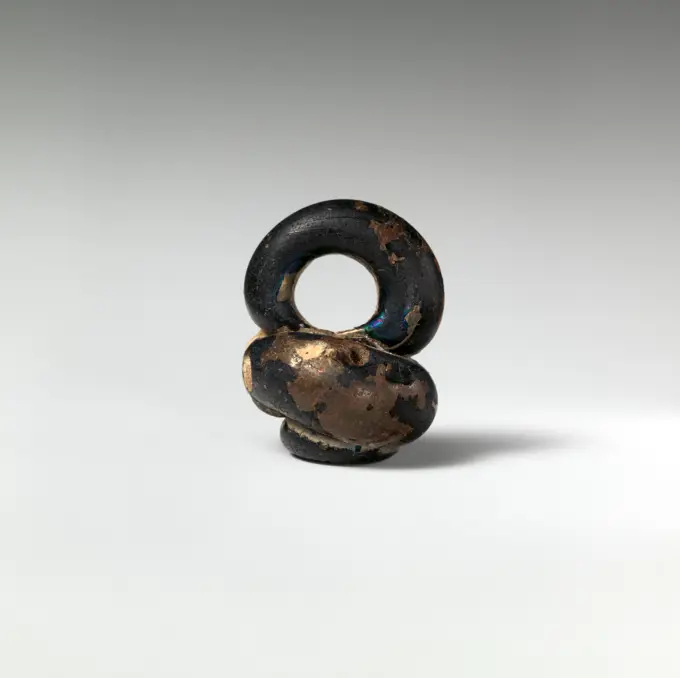
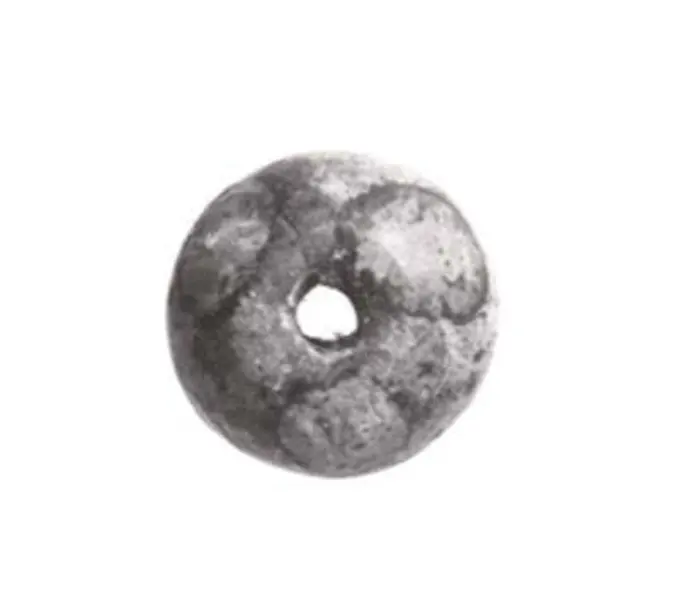
Glass pendant in the form of a miniature jar late 3rd-4th century A.D. Roman Uncertain color, appearing black, with same color pad base and loop handle; applied blobs in opaque white.Large rounded loop at top for suspension; very squat globular body; pad base with rounded edge and flat bottom.Body decorated with a few marvered blobs of varying sizes and one unmarvered blue blob.Intact; dulling, some deep pitting, and patchy black weathering.. Glass pendant in the form of a miniature jar. Roman. late 3rd-4th century A.D.. Glass; rod-formed, blobbed, and tooled. Late Imperial. Glass
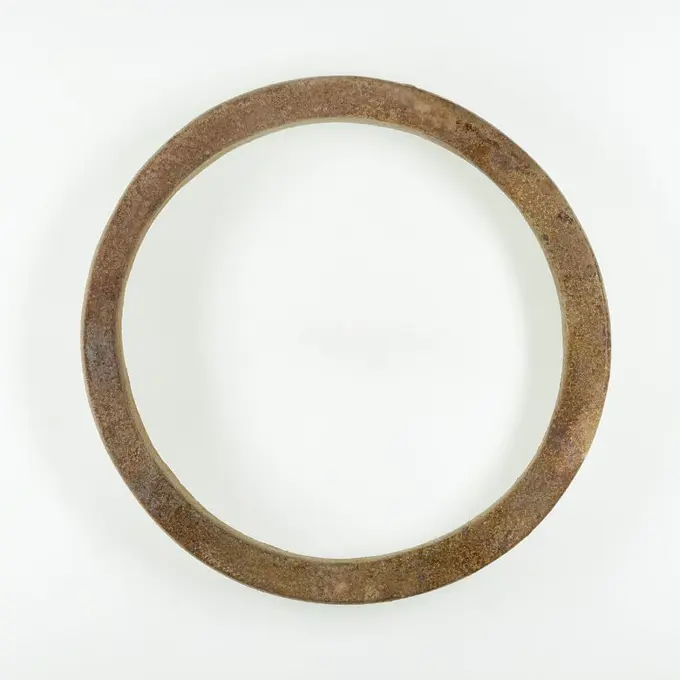
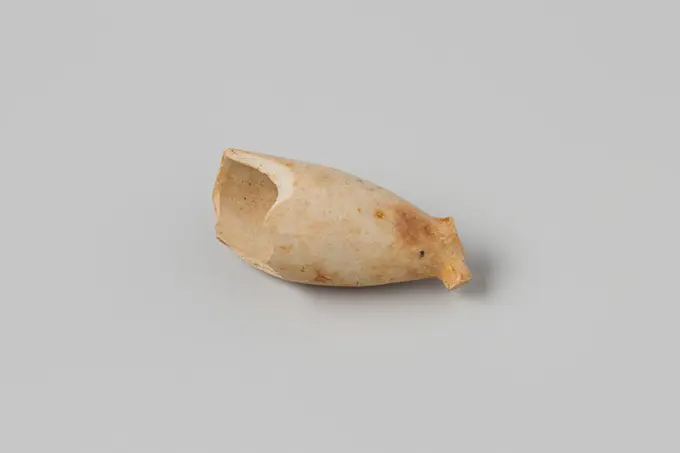
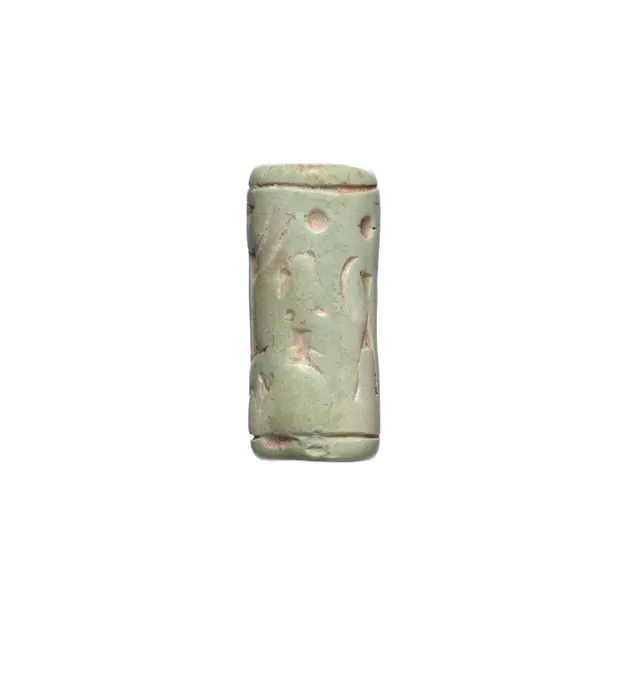
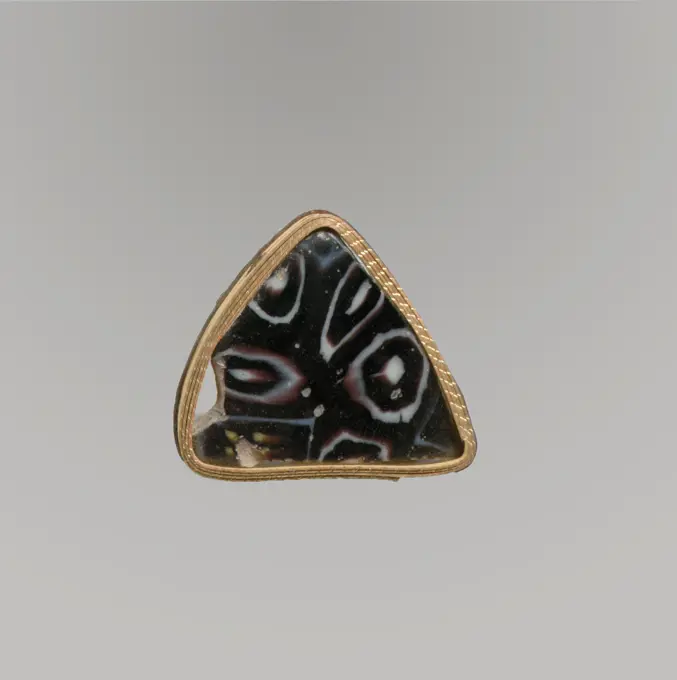
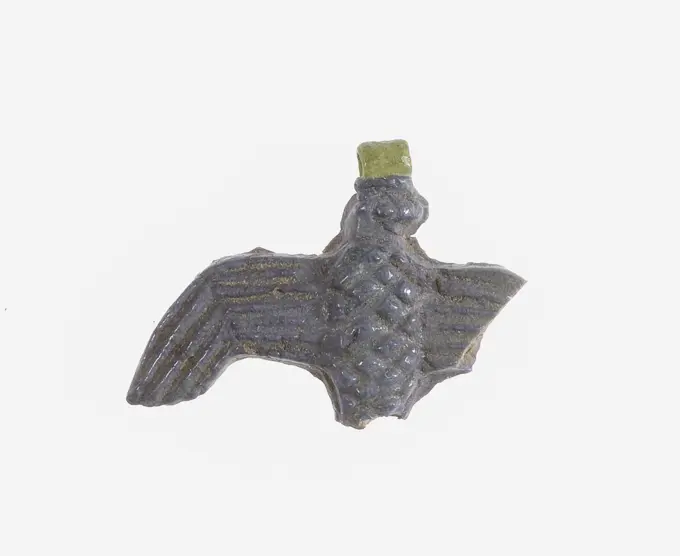
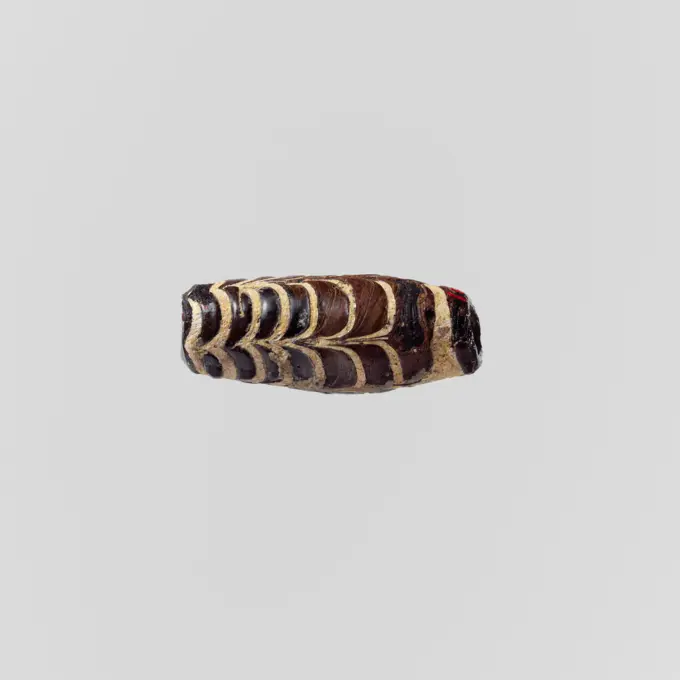
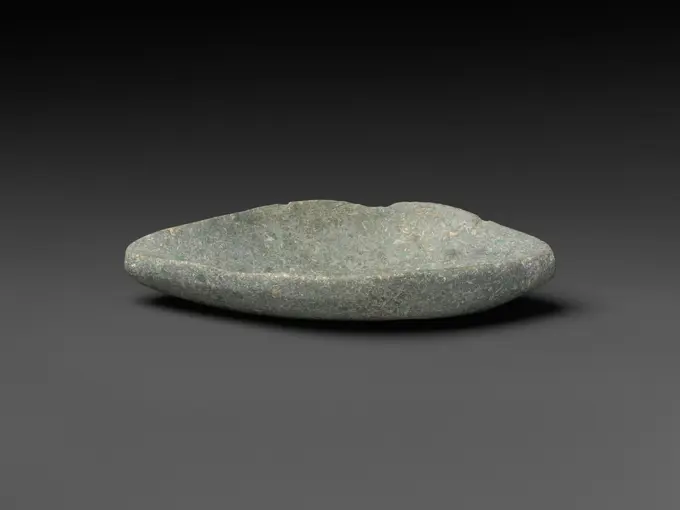
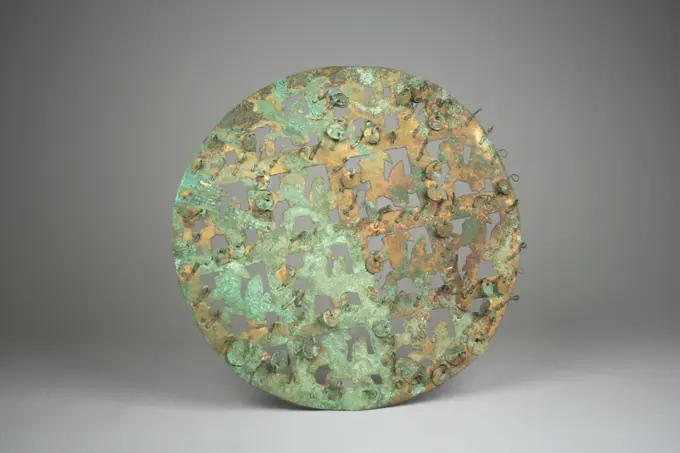
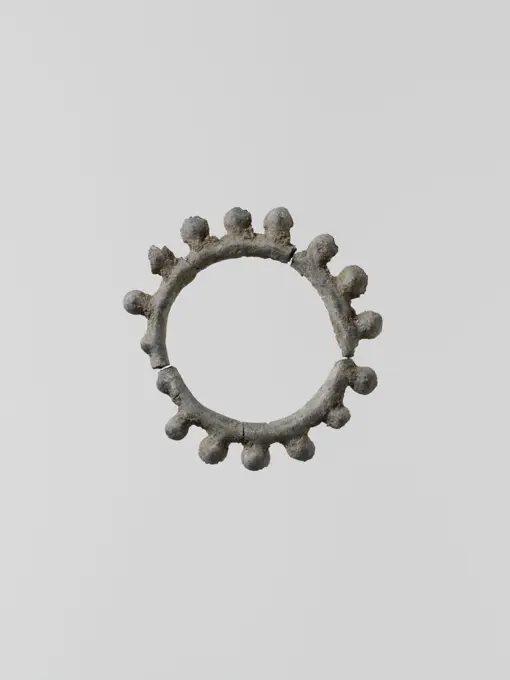
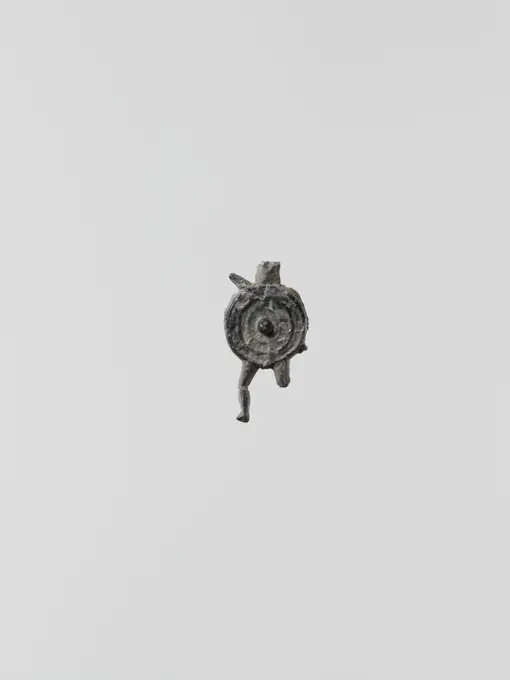
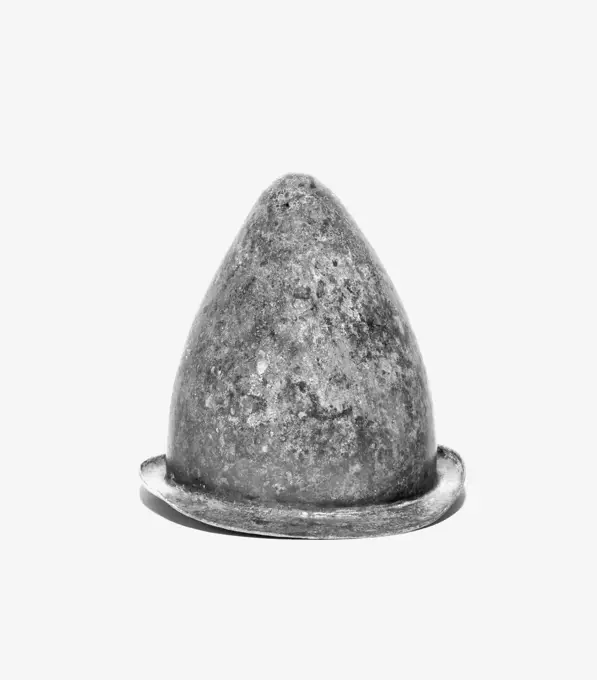
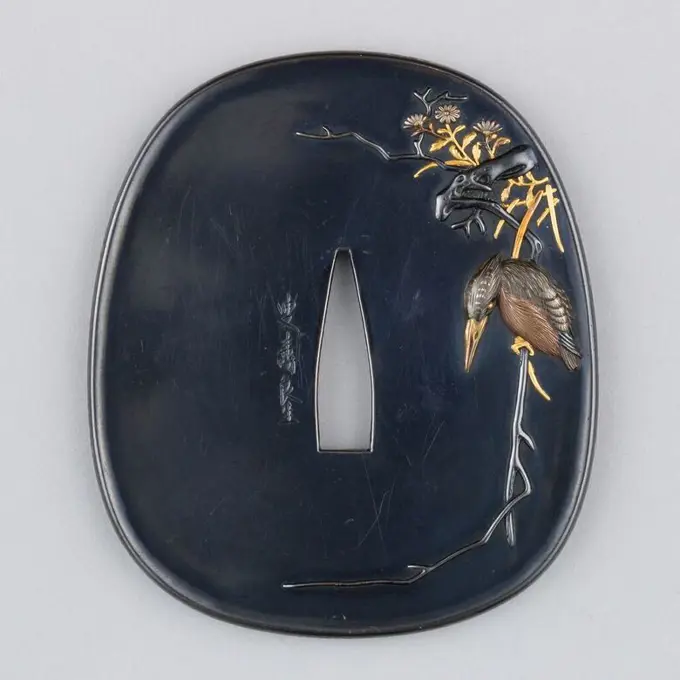
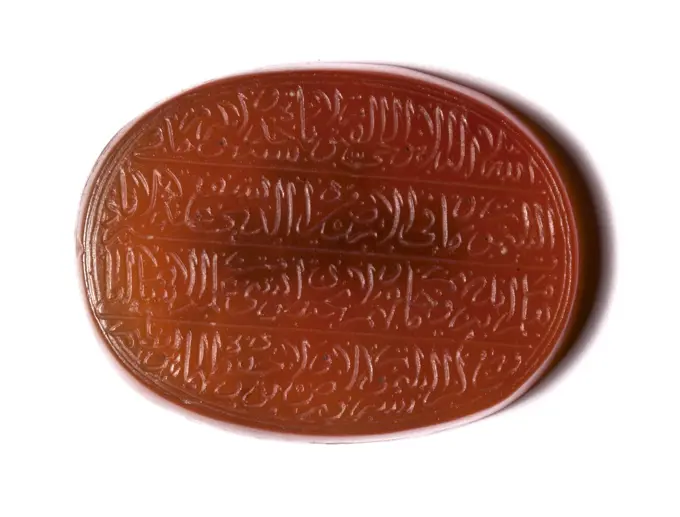
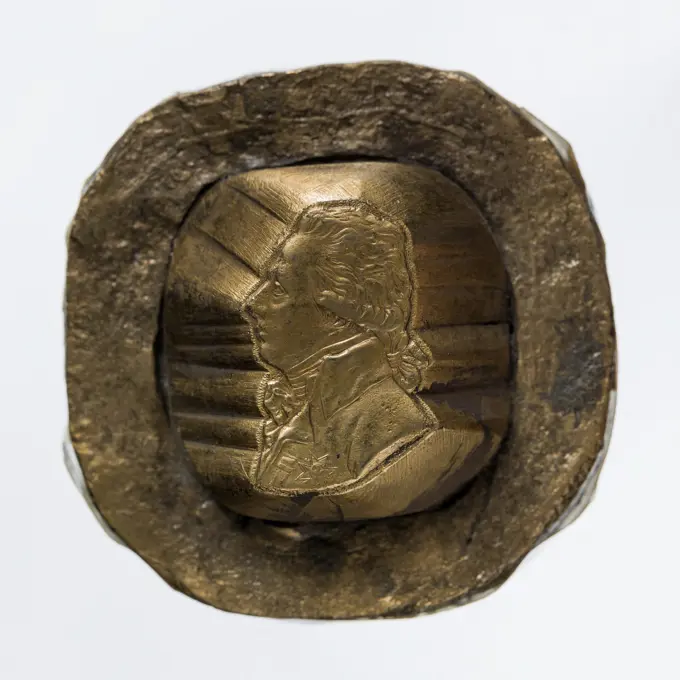
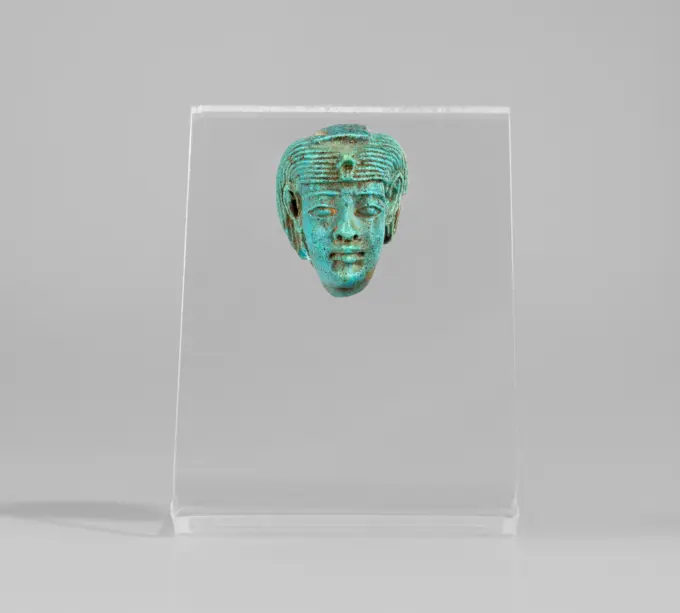
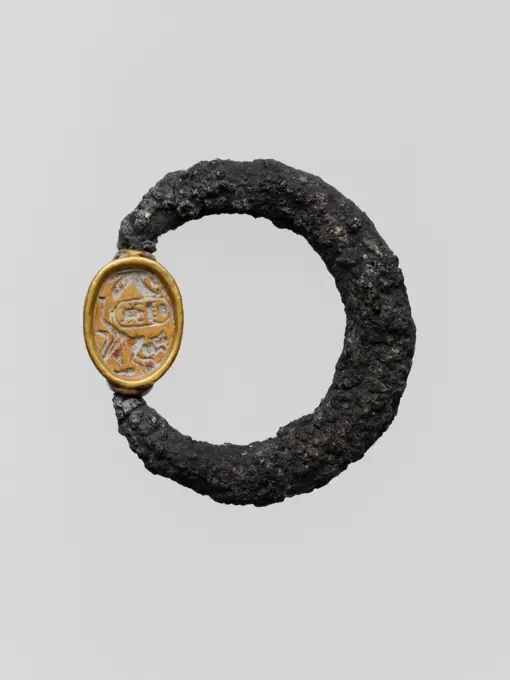
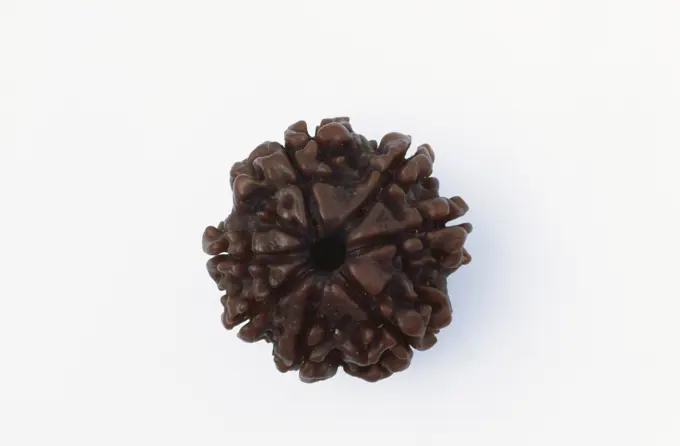
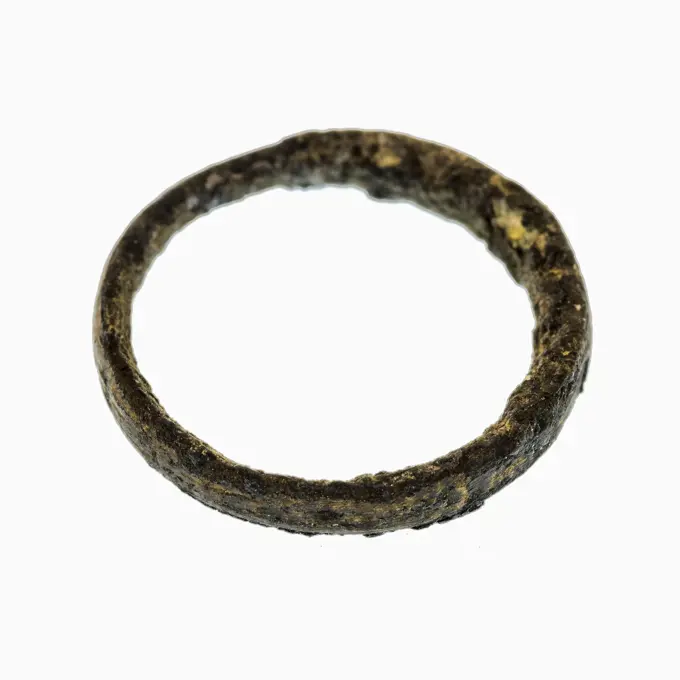
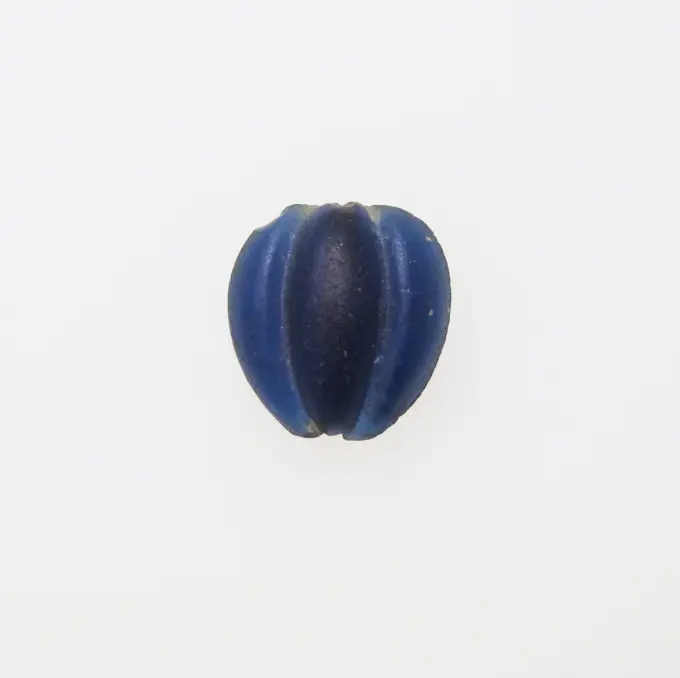
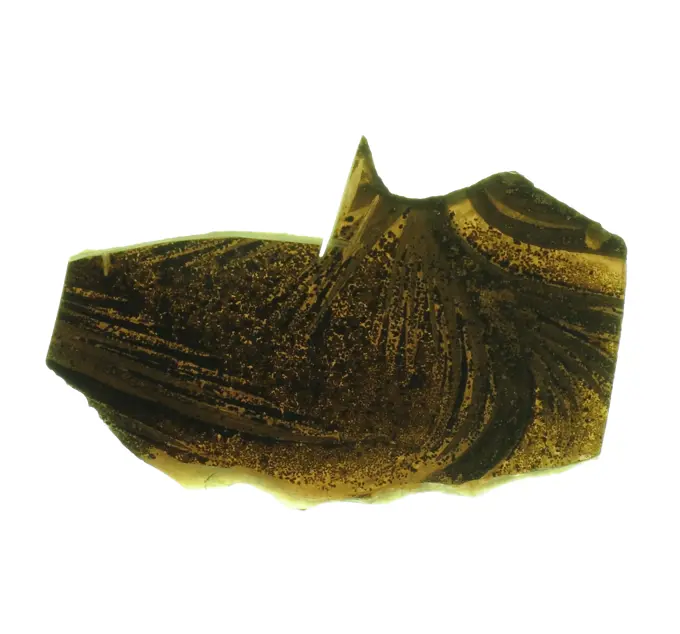
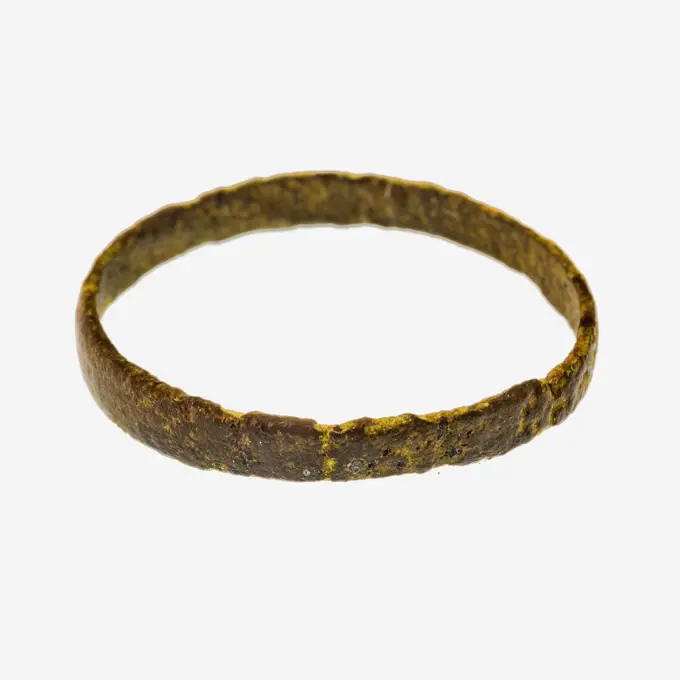
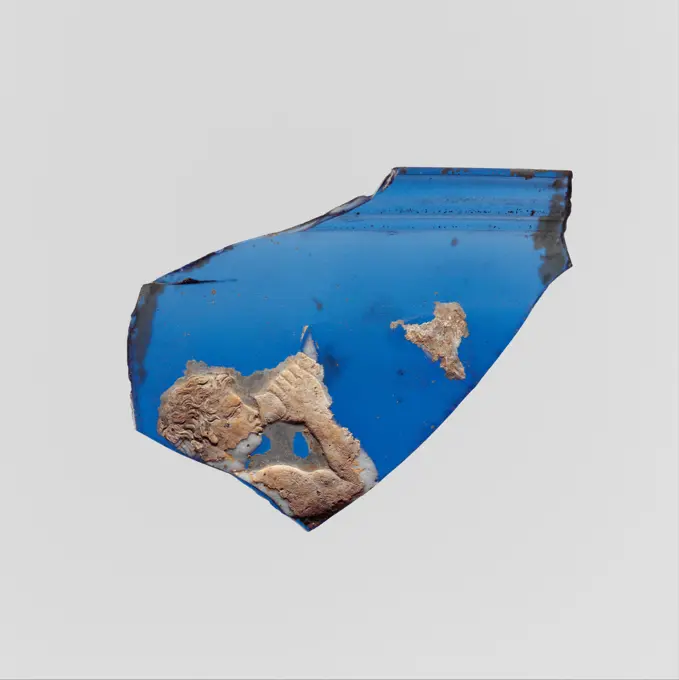
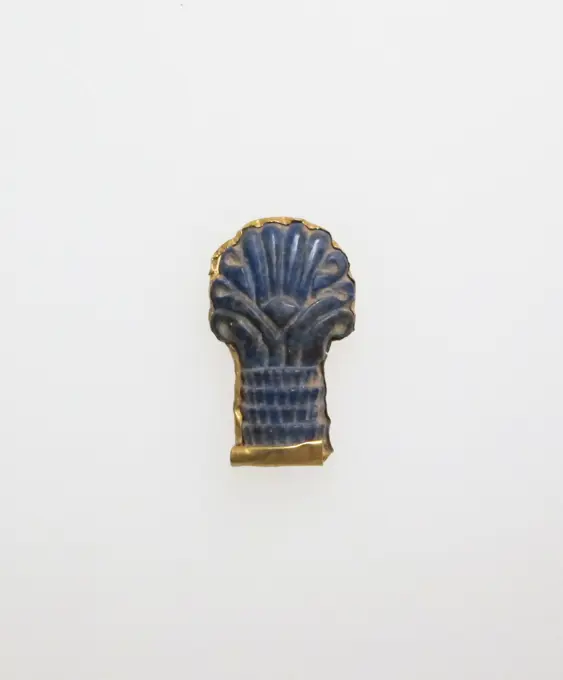
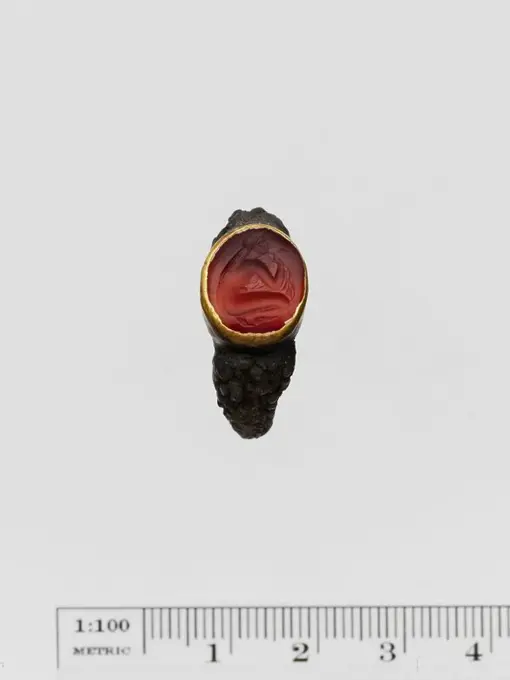
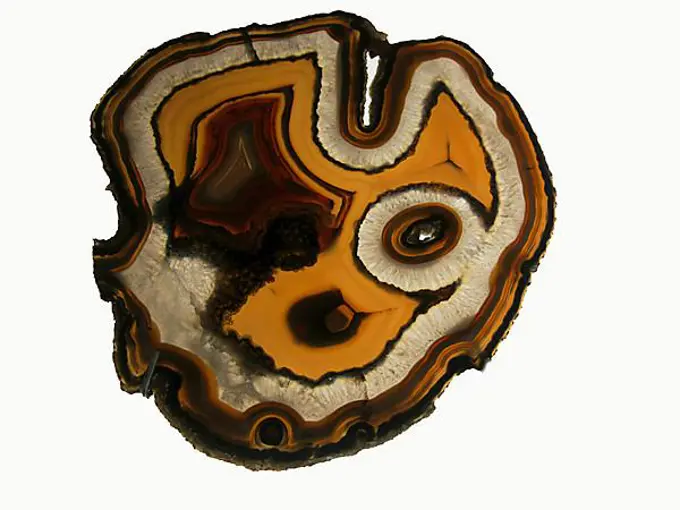
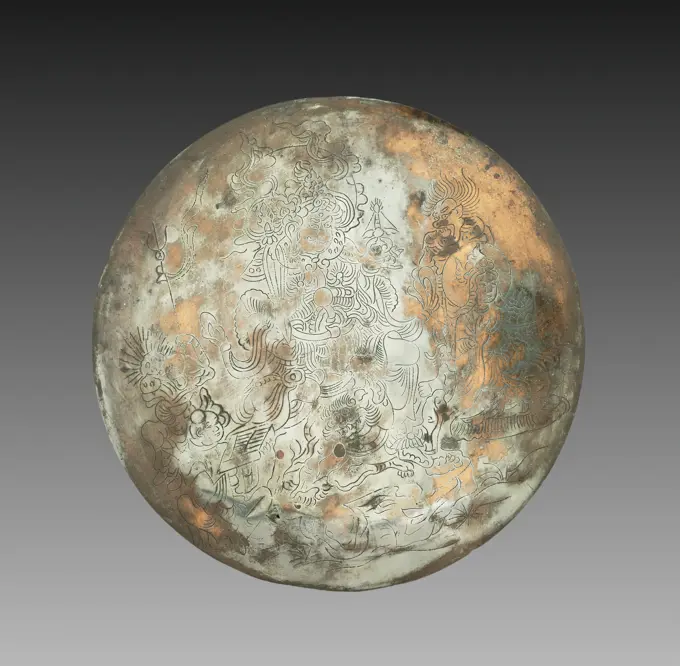
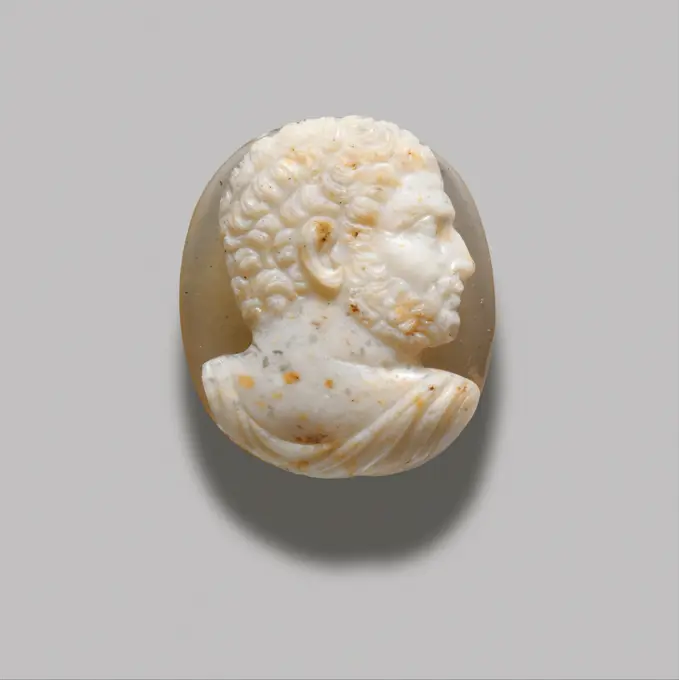
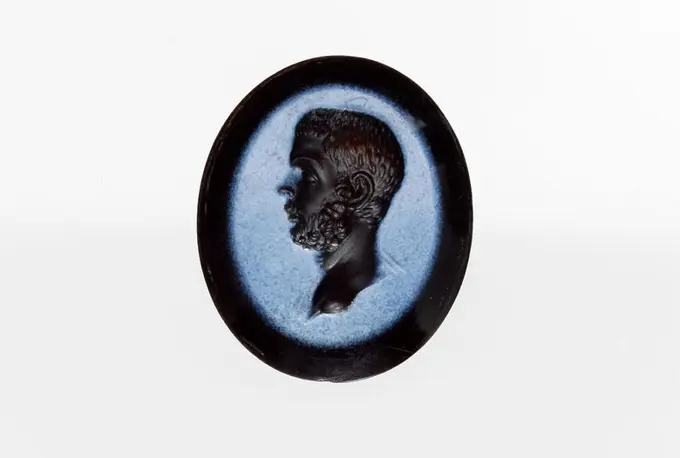
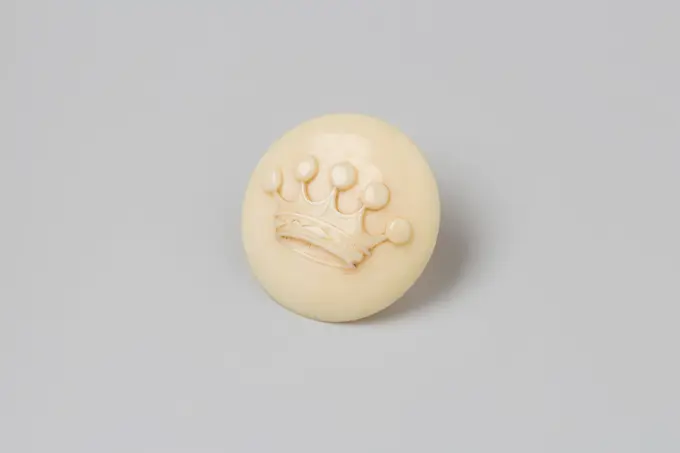
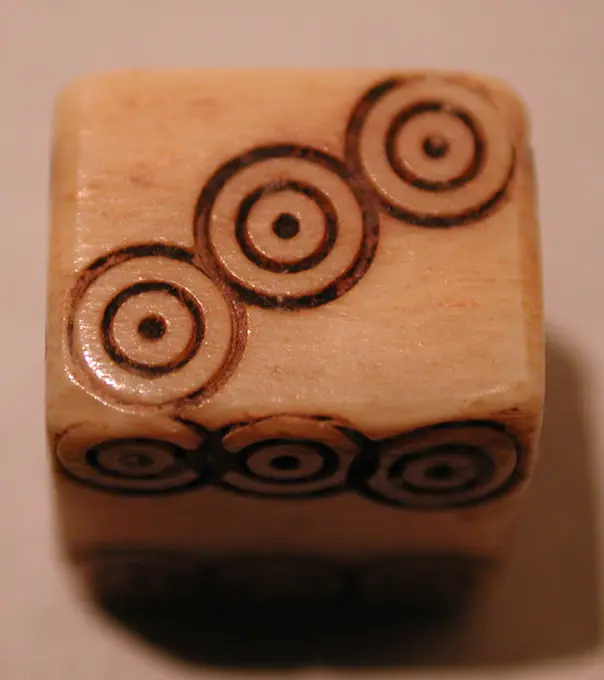
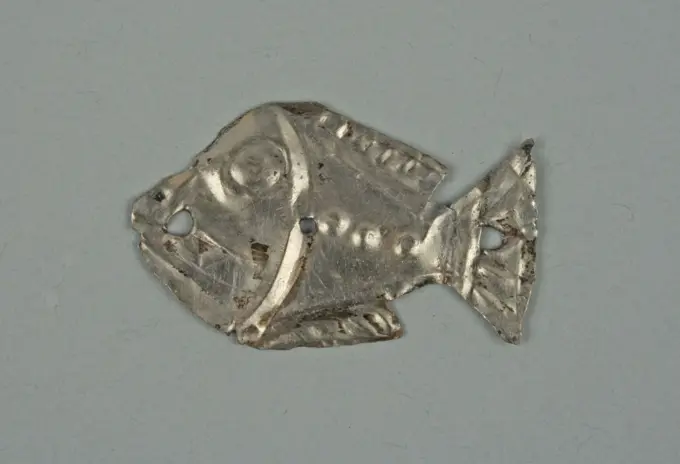
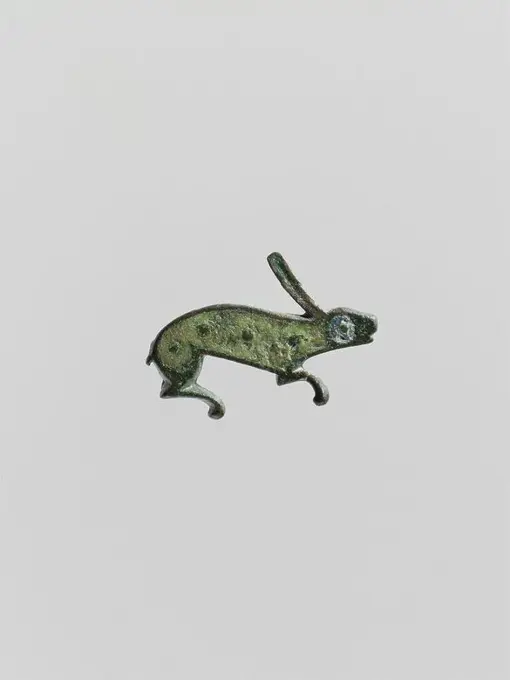
Carnavalet museum, medal collectionKey, c. 1400 - c. 1950 Key whose handle proposes a Roman warrior. The beard consists of an open quadrush. Rome bronze (metal) Key whose handle proposes a Roman warrior. The beard consists of an open quadrush. Rome bronze (metal)Bead ca. 3rd-7th century A.D. Sasanian. Bead. Sasanian. ca. 3rd-7th century A.D.. Glass. Sasanian. Iran, Qasr-i Abu NasrHeart Scarab ca. 1070-664 B.C. Third Intermediate Period or later. Heart Scarab. ca. 1070-664 B.C.. Blue paste. Third Intermediate Period or later. From Egypt, Upper Egypt, Thebes, Deir el-Bahri, MMA excavations, 1922-24. Dynasty 21-25Bransoleta. unknown, craftsmanSnuif box from the wreck of the East Indians Hollandia, Anonymous, 1700 - in Or Before 1743  Snuffbox; box, oval, partly damaged: five-lugged "stand-away" hinge, with lid, moulded double-reeded vertical rim, engraved decoration of foliage pattern around triangle with letter M () at base. Netherlands copper (metal)   SecondBracelets or Anklets of Neferkhawet (3). Dimensions: Diam. 10.1 cm (3 15/16 in.); inner diam. 8.3 cm (3 1/4 in.); Th. 0.8 cm (5/16 in.); D. 1.2 cm (1/2 in.). Dynasty: Dynasty 18, early. Reign: reign of Thutmose I-early sole Thutmose III. Date: ca. 1504-1447 B.C.. Museum: Metropolitan Museum of Art, New York, USA.Fragment of a vessel. A low curvature of the glass fragment allows the assignment to a vessel, possibly a shell. Within a honeycomb grid of white lines, a flower in millefiori technology is ever recognizable. To recognize a white core with red contour, yellow points can be seen in a green circumferential band. The space between blossom and white honeycomb is violet.For the production differed colored glasses to tubes and rods were shaped. These were compressed and heated, causing a long bar. The glass sliced now had different amorphous or floral patterns. Thereafter, several of these platelets were folded together, heated again and pressed into the vascular shape. Burry for the elaborate manufacturing process and its fragility was one of the luxury articles of antiquity.Buckle dated 1490 Spanish. Buckle. Spanish. dated 1490. Brass. Miscellaneous-Buckles & OrnamentFragment blowjob from the wreck of the East India Hollandia.Pipe, Bowl, Healmar: Crowned 47; Fragment, 2HSM3.Fragments of Cornflower Pendant ca. 1390-1353 B.C. New Kingdom. Fragments of Cornflower Pendant. ca. 1390-1353 B.C.. Faience. New Kingdom. From Egypt, Upper Egypt, Thebes, Malqata, Palace of Amenhotep III, MMA excavations, 1910-11. Dynasty 18Buckle Loop 15th century French. Buckle Loop. French. 15th century. Bronze, patina. Miscellaneous-Buckles & OrnamentMetal foot of rotting, anonymous, c. 1779 - c. 1800  A metal base of rotting belonging to NG-2004-57-1. Indonesia metal   IndonesiaPieczęć cylindryczna ze sceną rytualną. nieznany warsztat cypryjski, workshopRing. UnknownEar of a peer from the wreck of the East Indiesman Hollandia. Stoneware, Rhenish, Westerwald, Pot; or handle, sim. NG 1980-27H2412 With Relieved Decoration.Container (lid), early 1900s. Japan, Meiji period (1868-1912) or Taishō period (1912-26). Brass; diameter: 4.1 x 9.5 cm (1 5/8 x 3 3/4 in.).Glas shard and cork of a wine bottle from the wreck of the East Indians' t Vliegend Hart, Anonymous, 1700 - 1735 cork (stopper) The brown cork and the green glass fragment were once part of a wine bottle. Middelburg cork (bark).Glass mosaic bowl fragment late 1st century B.C.-early 1st century A.D. Roman Thin-walled body fragment of bowl.Translucent purple, opaque white and yellow.Convex curving side.Mosaic pattern formed from sections of two canes: one in purple ground with a central white dot within a white circle, the other in purple ground outlined in white with a circle of yellow dots.Polished exterior; pitting of surface bubbles on exterior; pitting and creamy weathering on interior and jagged edges.. Glass mosaic bowl fragment. Roman. late 1st century B.C.-early 1st century A.D.. Glass; cast. Early Imperial. GlassFalcon Amulet ca. 1390-1353 B.C. New Kingdom. Falcon Amulet. ca. 1390-1353 B.C.. Faience. New Kingdom. From Egypt, Upper Egypt, Thebes, Malqata, Palace of Amenhotep III, MMA excavations, 1910-11. Dynasty 18Glass bead ca. 750-300 B.C. Cypriot Uncertain color, appearing black; trail in opaque white ().Elongated and slightly convex; pierced lengthwise; uneven edge at one end; spiral trail decoration, tooled into a festoon pattern.Intact; weathering of trail; slight iridescence.. Glass bead 239596Grahal-Manzara. Carnavalet 2013-2016 collection sites. Numismatics.Dish ca. 2600-2500 B.C. Sumerian. Dish. Sumerian. ca. 2600-2500 B.C.. Stone. Early Dynastic IIIa. Mesopotamia, NippurCutout Disk 6th-7th century Moche (Loma Negra) This gilded copper disk features deer within a grid pattern, possibly representing prey caught in a net. The ornament was originally cut from a larger sheet of hammered copper and was subsequently gilded. Deer and deer hunting is a subject depicted on Moche ceramics, where men are illustrated driving deer into nets (Donnan, 1997; Donnan and McClelland, 1999). Here the silhouette of the deer with legs bent yields a dazzling image of trapped animals bounding in terror, further enhanced by the many dangles suspended by copper wires attached to the back of the disk. The Moche (also known as the Mochicas) flourished on Perus North Coast from A.D. 200-850, centuries before the rise of the Incas (Castillo, 2017). Over the course of some six centuries, the Moche built thriving regional centers from the Nepeña River Valley in the south to perhaps as far north as the Piura River, near the modern border with Ecuador, developing coastal deserts into Wreaths, 6 Greek, Laconian. Wreaths, 6 251735 Greek, Laconian, Wreaths, 6, Lead, fragmented 3 pieces. The Metropolitan Museum of Art, New York. Gift of A. J. B. Wace, 1924 (24.195.169)Amulet of winged scarab with falcon head Late Period-Ptolemaic Period 525-30 BC Starting in the later Late Period and continuing through the Ptolemaic Period, a type of glass amulet cast by pressing the glass into a shallow open mold appears. The back was left rough, and the amulets may look ragged because glass overflowed the mold around the edges. The earlier amulets are monochrome, bi- or multicolor amulets supplement the repertoire during the Ptolemaic Period.Some of the amulets can be specifically tied to spells of the Book of the Dead - for example, acc. no. 17.194.2526 - and most are clearly funerary amulets, presumably meant to be wrapped between the bandages of the mummy where the presence of the amulet would do its job irrespective of its degree of finish. View more. Amulet of winged scarab with falcon head. 525-30 BC. Glass. Late Period-Ptolemaic Period. From EgyptStatuette of a warrior-11 Greek, Laconian. Statuette of a warrior-11 251645 Greek, Laconian, Statuette of a warrior-11, Lead, Height: 3/4 in. (1.8 cm). The Metropolitan Museum of Art, New York. Gift of A. J. B. Wace, 1924 (24.195.79)Amulet of a Heart Made 1550 BCE-1295 BCE Egypt. Glass . Ancient EgyptianDolphin Amulet; Eastern Mediterranean; 4th century; Glass; 2.6 cm (1 in.)Denar - Brakteat; approx. 1327/1328-OK. 1337/1338 (1327-00-00-1338-00-00);Scarabs ca. 1492-1473 B.C. New Kingdom This scarab was found with twenty-three other scarabs and seal-amulets in the coffin of a young woman who was buried in Hatnefer's tomb (see 36.3.1 and 36.3 26). The base is inscribed with a decorative pattern that resembles a stylized djed-pillar (symbolizing endurance).. Scarabs 560220Helmet; South Italy; late 6th century B.C; Bronze; 22 cm (8 11,16 in.)Pair of Sword-Grip Ornaments (Menuki). Culture: Japanese. Dimensions: L. of each 1 1/2 in. (3.8 cm); Wt. of each 0.4 oz. (11.3 g). Date: 18th century. Museum: Metropolitan Museum of Art, New York, USA.Three fragments of a vessel. A low curvature of the three combined glass fragments allows the assignment to a vessel. They show on dark violet background two flower forms in Millefiori technique: one consists of a yellow spiral that springs in a yellow center. The others consist of a green point with yellow contour to lie the yellow-edged green petals. For the production, different colored glasses were shaped to tubes and rods. These were compressed and heated, causing a long bar. The glass sliced now had different amorphous or floral patterns. Thereafter, several of these platelets were merged, heated again and shaped. Burry for the elaborate manufacturing process and its fragility included glass of the luxury articles of antiquity.Sword Guard (Tsuba). Culture: Japanese. Decorator: Inscribed by Toshiyoshi (Japanese, recorded 1865-84). Dimensions: H. 2 3/4 in. (7 cm); W. 2 3/8 in. (6 cm); thickness 3/16 in. (0.5 cm); Wt. 4.3 oz. (121.9 g). Fittings maker: Inscribed by Kano Natsuo (Japanese, 1828-1898). Date: mid-19th century.Kano Natsuo, the last great maker of sword fittings, decorated the front; his co-worker Toshiyoshi decorated the reverse. The commissioner of the tsuba is identified as Shirase. It features a design of a kingfisher on a branch. Museum: Metropolitan Museum of Art, New York, USA.Jasper intaglio: Head of Medusa ca. 2nd-3rd century A.D. Roman Head of Medusa.. Jasper intaglio: Head of Medusa 245156Statuette of a snake. Culture: Roman. Dimensions: length 4.50 cm.. Museum: Metropolitan Museum of Art, New York, USA.Oval amulet with Quranic inscription. unknown, craftsmanBransoleta. unknown, craftsmanFrançois-Alexandre-Frédéric, Duke de la Rochefoucauld-Liancourt (1747-1827), Member of Parliament (1789-1791) (use name) Anonymous. François-Alexandre-Frederick, Duke of La Rochefoucauld-Liancourt (1747-1827), Member of Parliament at the National Assembly (1789-1791). Steel (Apers).Głowa bogini Izydy. unknown, authorRing. Ring 256681Silver swivel ring with ivory scarab in gold setting 7th-early 5th century B.C. Cypriot or Phoenician Swivel ring with Egyptian ivory scarab; cartouche of Men-kheper-ra between a winged ureus, and a crowned king who kneels and makes an offering.. Silver swivel ring with ivory scarab in gold setting. Cypriot or Phoenician. 7th-early 5th century B.C.. Silver, ivory. ArchaicSeven mukhi Rudraksha Price Rs.400 botanically Elaeocarpus Ganitrus Roxb, English Utrasum Copyright: xMxAmirtham/DinodiaxPhotoxCylinder seal and modern impression: seated "pigtailed ladies" and pots. Dimensions: H. 3/4 in. (1.9 cm). Date: ca. 3300-2900 B.C..Although engraved stones had been used as early as the seventh millennium B.C. to stamp impressions in clay, the invention in the fourth millennium B.C. of carved cylinders that could be rolled over clay allowed the development of more complex seal designs. These cylinder seals, first used in Mesopotamia, served as a mark of ownership or identification. Seals were either impressed on lumps of clay that were used to close jars, doors, and baskets, or they were rolled onto clay tablets that recorded information about commercial or legal transactions. The seals were often made of precious stones. Protective properties may have been ascribed to both the material itself and the carved designs. Seals are important to the study of ancient Near Eastern art because many examples survive from every period and can, therefore, help to define chronological phases. Often. Stock market, consisting of two hearts of thin plate silver in which driven representation of two putten putti and "reality combat HEUEUX", connected to green silk and gold thread. Model: Two plates silver, pierced around with holes, leaving green silk passing element and green silk fabric with silk yarn. The plates are lined with a green side that protrudes to both sides. Two round holes were drilled in the tip of one of the plates. Decoration: In the middle of the heart a curved circle within which two driven putti. The putto on the left wears a pipeline on a cord diagonally over the shoulder, while with both hands he points a tense bow with arrow on the right putto. The right putto has lifted his right arm with bow and is hit by an arrow in his armpit. He also has an arrow sleeve on a cord diagonally over the shoulder. Around the show a double lying circle within which the text 'Disease fight Combat Heureux'. This is a spreading dottle of acanthus leaves surrounded by a heart-shapScarab Finger Ring of Neferkhawet ca. 1504-1447 B.C. New Kingdom. Scarab Finger Ring of Neferkhawet. ca. 1504-1447 B.C.. Silver, glazed steatite. New Kingdom. From Egypt, Upper Egypt, Thebes, Asasif, Tomb of Neferkhawet (MMA 729), west chamber B, Burial of Neferkhawet (I), 3rd finger, left hand, MMA excavations, 1934-35. Dynasty 18, earlySmall copper ring, smooth-walled, ring jewel clothing accessory clothing item soil find copper metal d 0,3, Copper ring Smooth wall. Irregular of width of archeology Rotterdam connecting rail tunnel wearing child adornment Soil discovery: Railway tunnel 1988-1993.Glass bead early 1st century A.D. Roman Translucent cobalt blue.Plano-convex oval with beveled edge; slightly convex underside. Pierced vertically with one small hole.Three ribs in high relief.Complete except for small chip in edge; dulling and slight weathering.. Glass bead. Roman. early 1st century A.D.. Glass. Early Imperial. GlassGlass Fragment 12th-14th century French. Glass Fragment. French. 12th-14th century. Pot-metal glass, vitreous paint. Glass-StainedLacquer Comb with Maple Leaves mid-19th century Japan. Lacquer Comb with Maple Leaves 58437Mordant ca. 1600 German. Mordant. German. ca. 1600. Brass. Miscellaneous-Buckles & OrnamentOrnament of Horse Trapping 14th century Spanish. Ornament of Horse Trapping. Spanish. 14th century. Copper alloy, enamel. Miscellaneous-Buckles & OrnamentFragment. Culture: European or Middle Eastern. Dimensions: L. 2 1/2 in. (6.4 cm). Date: ca. 1150-ca. 1250. Museum: Metropolitan Museum of Art, New York, USA.Copper ring, ring ornament clothing accessory clothing soil find copper metal, Two rings (1-2): narrow undecorated shone archeology Rotterdam railway tunnel adorn prosperity status Soil discovery: trajectory rail tunnel Rotterdam.Glass cameo bowl fragment late 1st century B.C.-mid-1st century A.D. Roman Translucent cobalt blue with overlay in opaque white.Outsplayed rim with flat upper edge; cylindrical body with slightly convex curving side.On interior, horizontal groove immediately below rim and another at top of side, forming a slightly convex band around inside of rim; on exterior, two raised horizontal lines at junction of rim and side. Also on exterior, in relief in white, head of youthful satyr, tipped slightly backward and drinking from a rhyton held in raised proper right hand; on the right, part of a leafy spray or branch.Rim fragment with large chip at left, broken at sides and bottom; dulling, slight pitting, creamy weathering, especially on and around white overlay, and faint iridescence.Rotary grinding marks on interior.. Glass cameo bowl fragment 249603Omphale figure 100 BC-300 AD Ptolemaic or Roman Period Long termed Baubo figures, figures of a woman with legs raised to expose her genitals have recently been identified as Ompahle. Omphale was a figure of Greek mythology whose liaison with Herakles gave her power over the womb and the travails of childbirth and, by extension, over rebirth after death.. Omphale figure. 100 BC-300 AD. Carnelian. Ptolemaic or Roman Period. From EgyptHousehold ring ca. 1295-1070 B.C. New Kingdom, Ramesside. Household ring 559492Pinhead. Pinhead. Glass. GlassHathor or Isis () amulet 664-380 B.C. Late Period. Hathor or Isis () amulet. 664-380 B.C.. Gold sheet. Late Period. From Egypt, Memphite Region, Saqqara. Dynasty 26-29Bead ornament with lapis lazuli Roman. Bead ornament with lapis lazuli. Roman. Gold, Lapis lazuli. Gold and SilverWedjat eye from string of amulets ca. 1070-945 B.C. Third Intermediate Period Nine amulets of various materials were found threaded together in a tight group around the throat of the Lady Djedmutesankh; two of these, of green glass, disintegrated after they were discovered. This is a wedjat, the mythological eye of Horus that was wounded and then magically made whole. It was thus considered a powerful symbol of healing and regeneration.For the amulet group, see 25.3.169-related.. Wedjat eye from string of amulets 551037Grahal-Manzara. Carnavalet 2013-2016 collection sites. Numismatics.Scarabs ca. 1492-1473 B.C. New Kingdom This scarab was found with twenty-three other scarabs and seal-amulets in the coffin of a young woman who was buried in Hatnefer's tomb (see 36.3.1 and 36.3 26). The base is inscribed with a decorative spiral pattern.. Scarabs 560222Small copper ring, unadorned, ring jewelry clothing accessory clothing soil find copper metal, d 0,3 Copper ring. Flat and smooth-walled on the inside Halfrond over the outside archeology Rotterdam carrying rail tunnel adorn prosperity status Soil discovery: Railway tunnel 1988-1993.Carnelian ring stone with gold band set in a silver ring. Culture: Greek. Dimensions: Length: 9/16 in. (1.5 cm). Date: ca. 3rd century B.C..Carnelian ringstone in gold band setting, mounted in a silver ring; woman crouching. Museum: Metropolitan Museum of Art, New York, USA.Agate slicelancet, shagreen, Europe, mid-18th century, Decorative Arts, lancetCylindrical case (common name), -276. Copper alloy sheet. Carnavalet museum, history of Paris.Spindle Whorl Spindle Whorl, 1000-1532. Ceramic   Arts of the Americas 1000-1532Bishamonten Ritual Mirror, 1000s-1100s. Japan, Heian period (794-1185). Silvered bronze with incised design; diameter: 15.3 cm (6 in.).Onyx cameo bust of Caracalla ca. A.D. 211-217 Roman Caracalla succeeded to the imperial throne when his father, Septimius Severus, died in Eburacum (modern York, England) in A.D. 211. After disposing of his brother and co-emperor, Geta, Caracalla embarked on a number of military campaigns that took him to the Rhine and Danube frontiers. In A.D. 216, he launched a major expedition against Parthia, but he died in mysterious circumstances near Carrhae (modern Harran, Turkey) the following year.. Onyx cameo bust of Caracalla. Roman. ca. A.D. 211-217. Onyx. Mid-Imperial, Severan. GemsBust of a womanNicolo ring stone. Culture: Roman. Dimensions: L. 2.3 cm. Date: ca. mid-3rd century A.D..Portrait head of a bearded man. Museum: Metropolitan Museum of Art, New York, USA.Fragment. Culture: European or Middle Eastern. Dimensions: L. 3 1/4 in. (8.3 cm). Date: ca. 1150-ca. 1250. Museum: Metropolitan Museum of Art, New York, USA.BeadsCarnelian ring stone with gold band set in a silver ring ca. 3rd century B.C. Greek Carnelian ringstone in gold band setting, mounted in a silver ring; woman crouching.. Carnelian ring stone with gold band set in a silver ring. Greek. ca. 3rd century B.C.. Carnelian, gold, silver. HellenisticLivreiknoop van Ivory, relieved with five-pointed crown with pearls (Knights Crown). Livreiknoop van Ivory, relieved with five-pointed crown with pearls (Knights Crown). Model: round, with a smaller fixed counter button.. Stoneware (jasperware) . James Tassie (Manufacturer)Dice 9th-10th century This object was excavated at Nishapur.Nishapur was a vital city in the early and middle Islamic periods, located along one of the main trajectories that connected Iran and West Asia Islamic lands with Central Asia and China. These itineraries are often referred to by the term Silk routes’ but were in fact crucial to the movement of constellations of materials and objects, as well as people and ideas. The diverse population of Nishapur and its surroundings, from the better-researched elite groups of merchants, land-owning aristocracy, and literates, to the less-known artisans, farmers, miners, and servants, were instrumental in adapting global cultural trends to create their own distinctive visual languages. This is seen in the material remains of everyday life in medieval Nishapur - from pots and pans to lighting devices, inkwells, textiles and trimmings, jewelry, games and toys, talismanic devices, weapons, coins, and architectural fragments.Nishapur lost its poTextile Ornament 14th-15th century Chimú. Textile Ornament 308749Brooch in the Form of a Rabbit. Culture: Roman. Dimensions: Overall: 13/16 x 1 3/16 x 5/16 in. (2 x 3 x 0.8 cm). Date: 100-300.Small brooches, often in whimsical animal forms, were worn both by Roman soldiers stationed in the provinces and by the native population. Though brooches in these forms appear throughout the Roman world, the distribution of finds and the archaeological remains of workshops suggest that the major centers of production were Britain and Gaul. Museum: Metropolitan Museum of Art, New York, USA.A dead fly