Ancient Tools and Blades

An assortment of ancient knives, blades, and tools made from iron and wood, highlighting archaeological finds with historical value.

Shovel for fire, shovel scoop soil find iron metal, Rectangular shovel shank is round in cross section at scoop shovel flat and handle flat. End handle an open curved eye hook engraved in flat sections of stem: six horizontal lines archeology Rotterdam railway tunnel creation Soil discovery: rail tunnel Rotterdam.
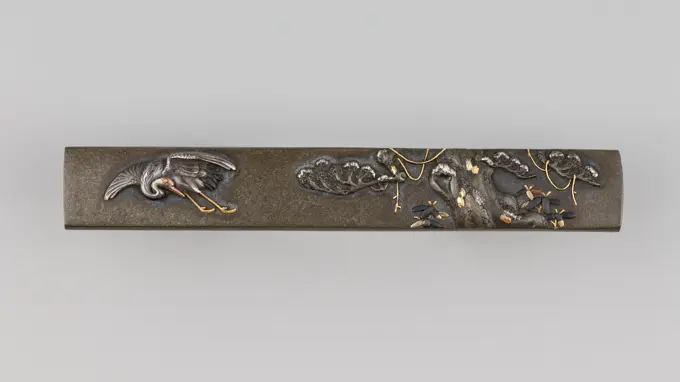
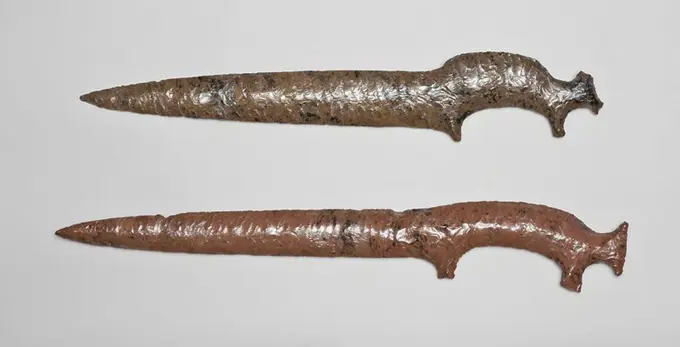
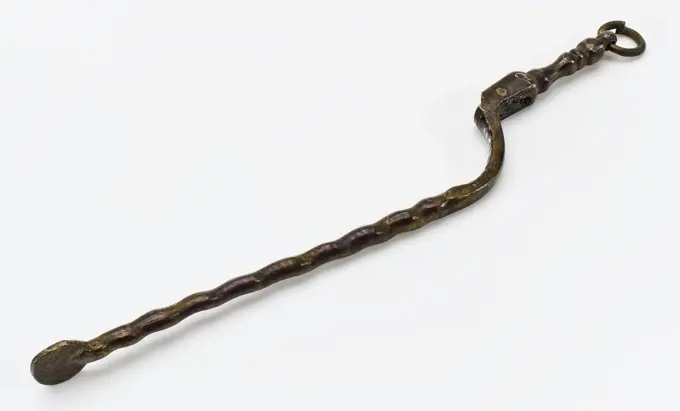
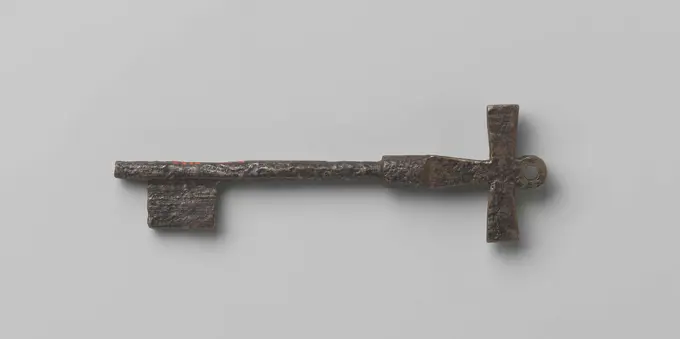
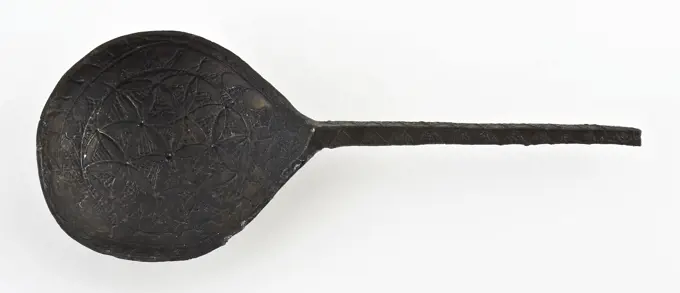
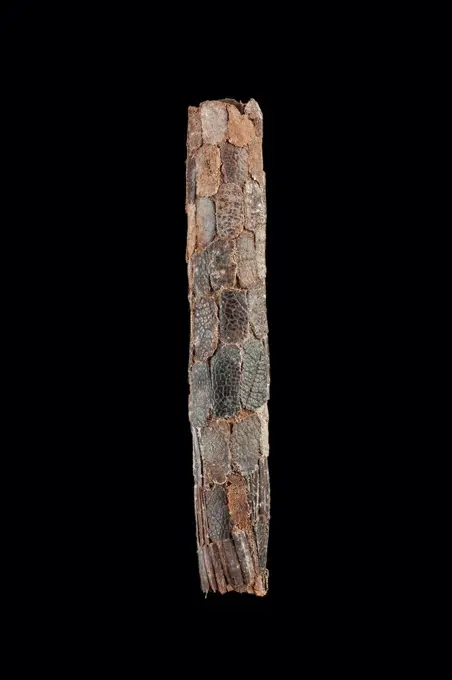
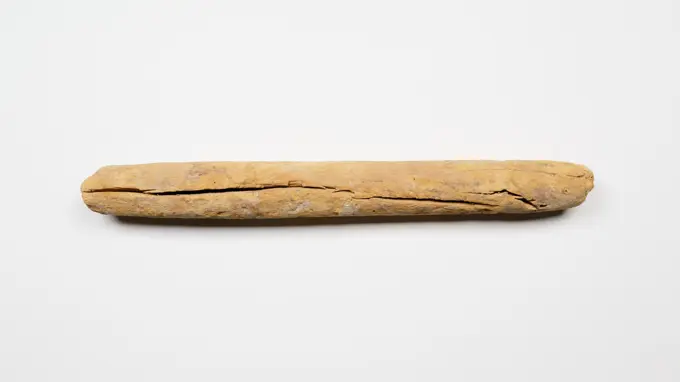
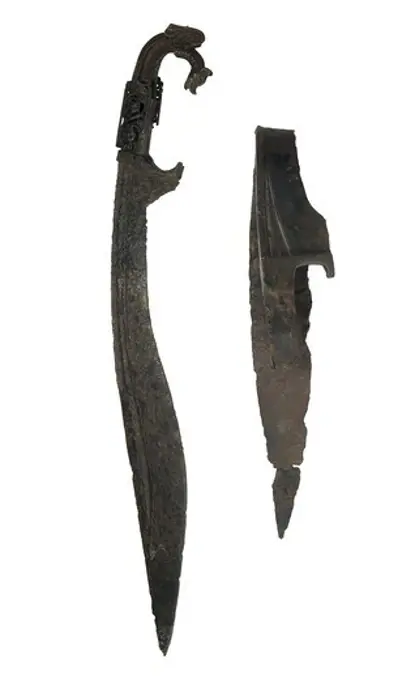
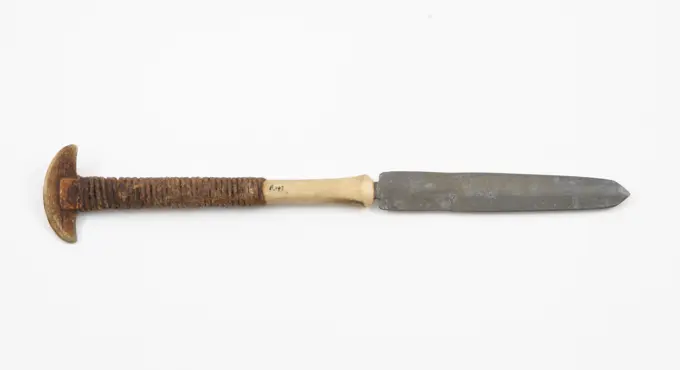
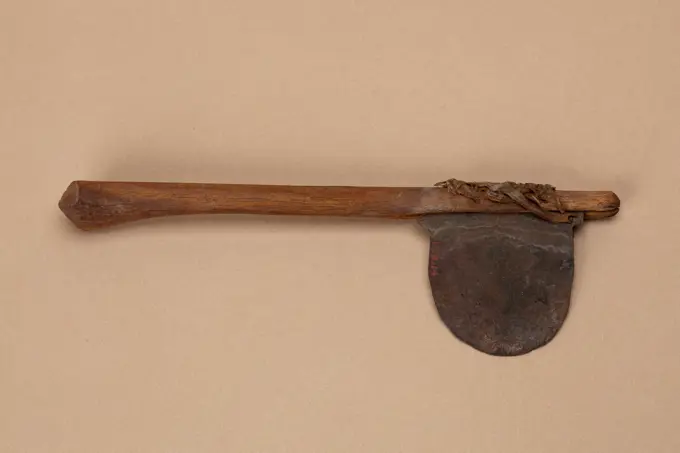
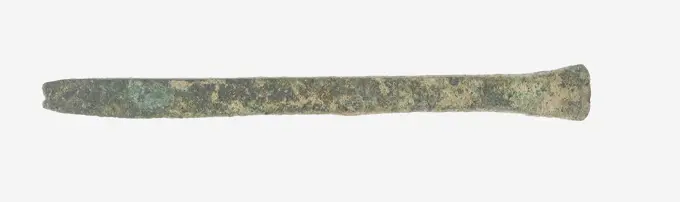
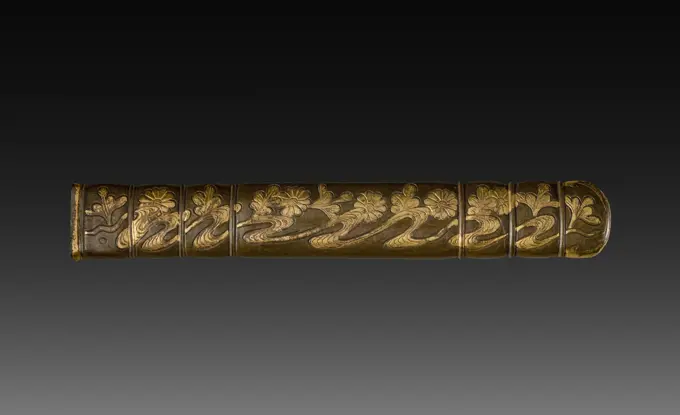
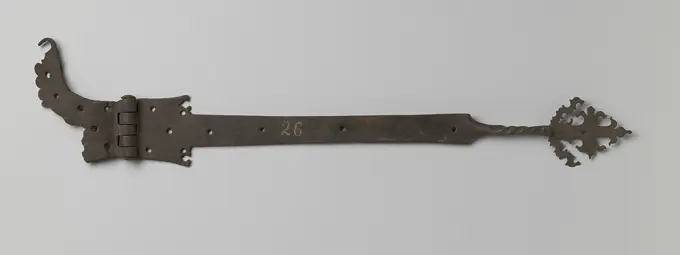
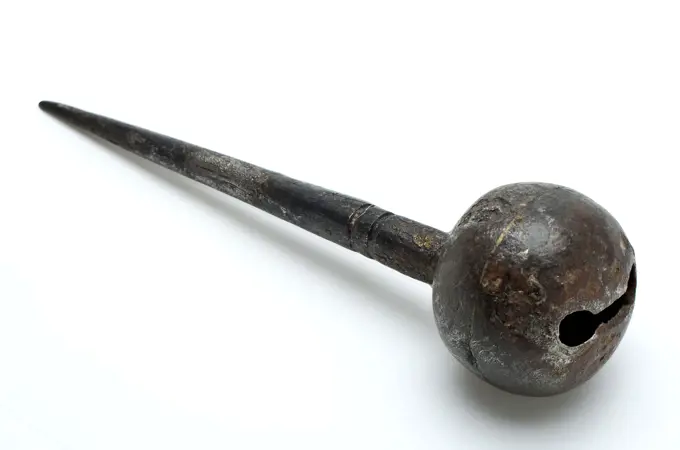
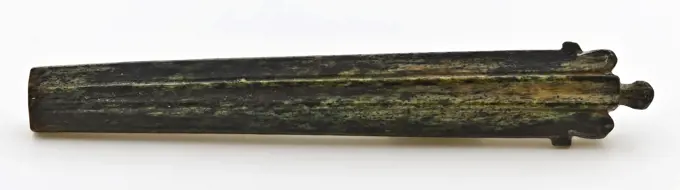
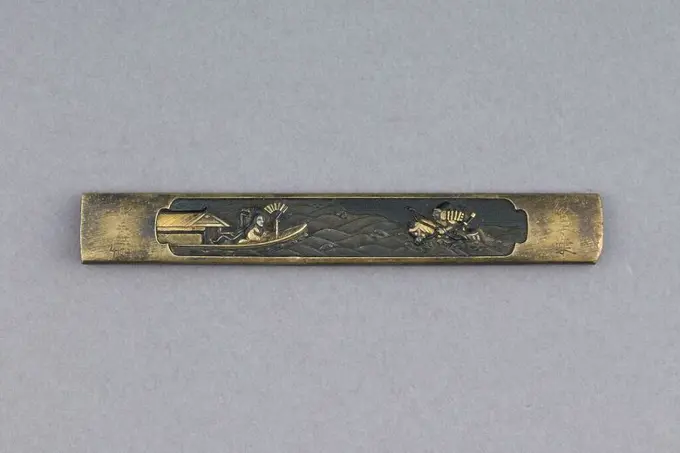
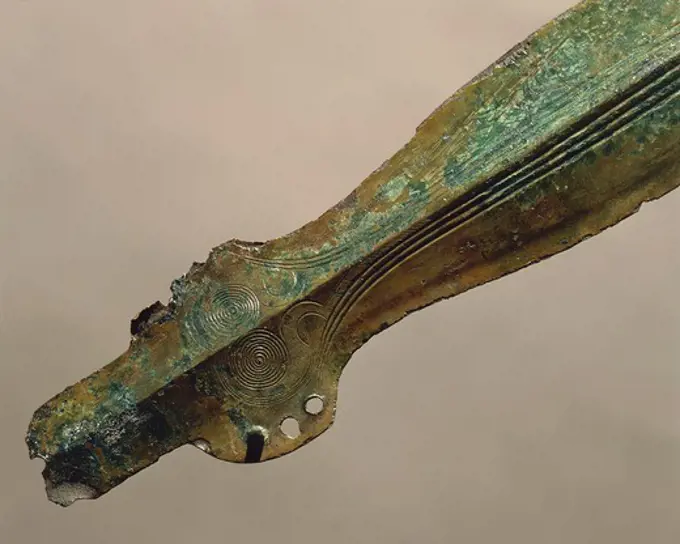
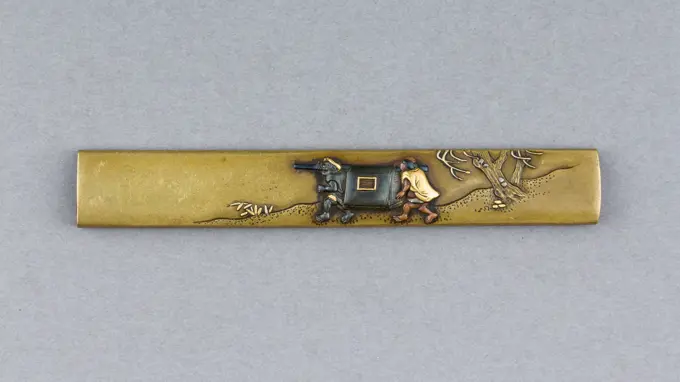
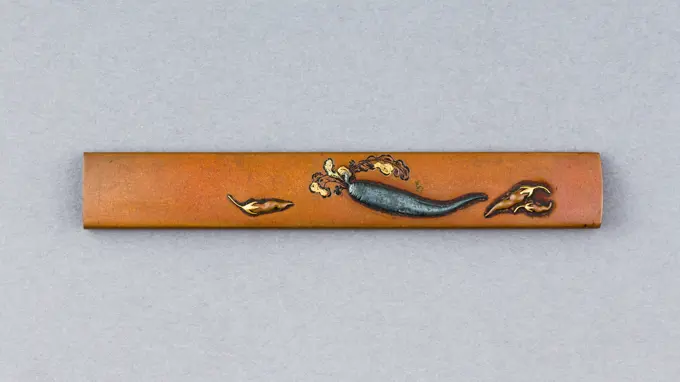
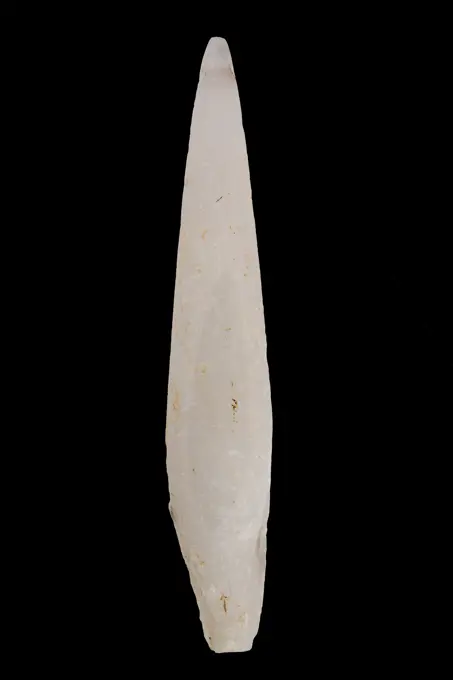
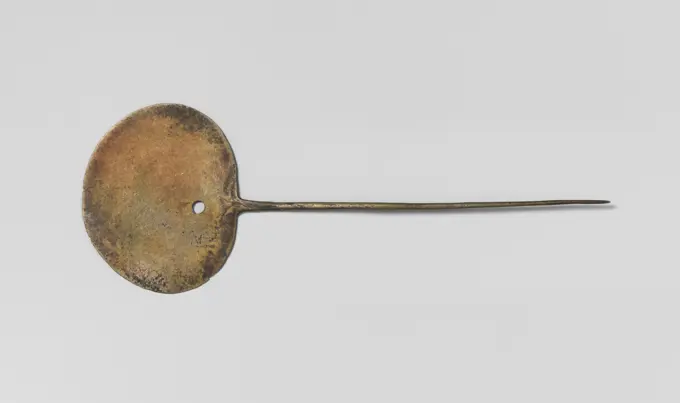
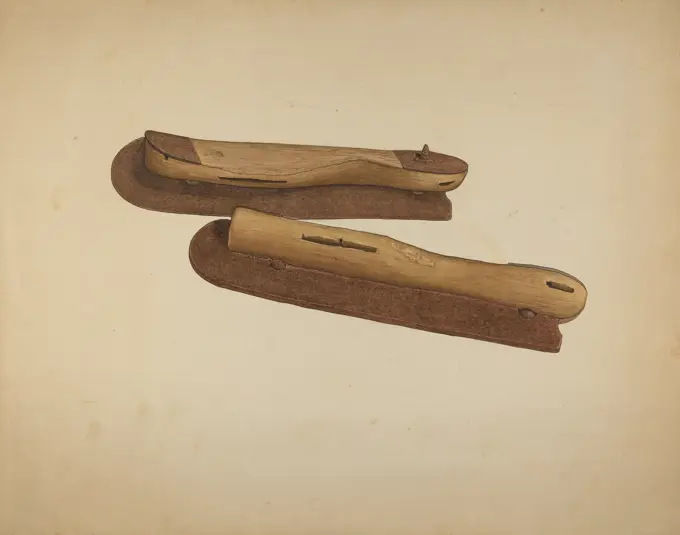
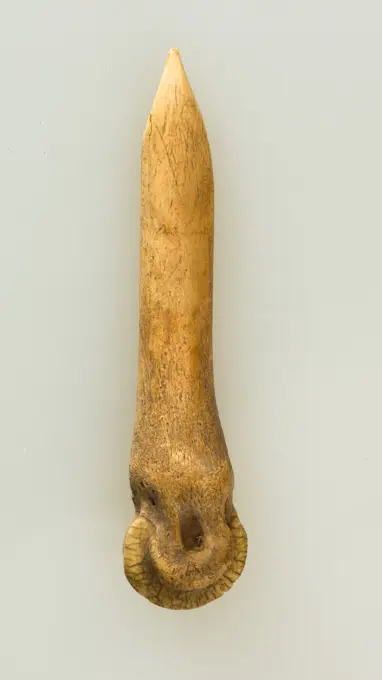
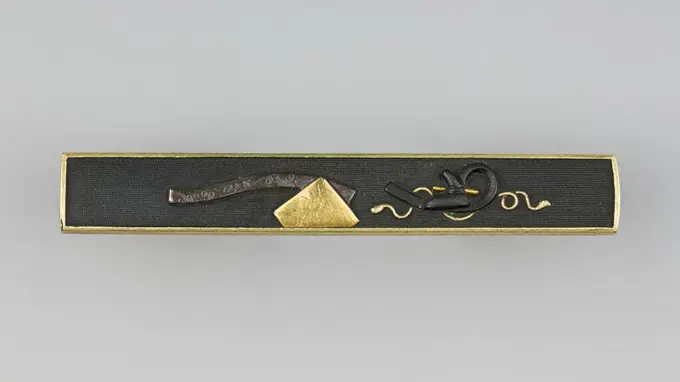
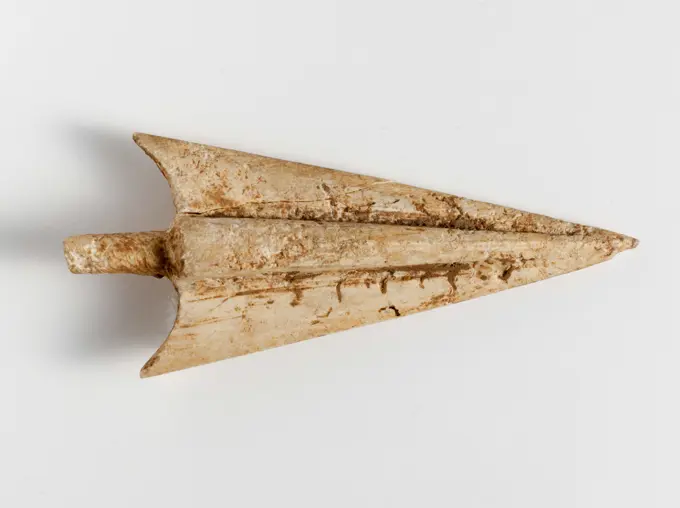
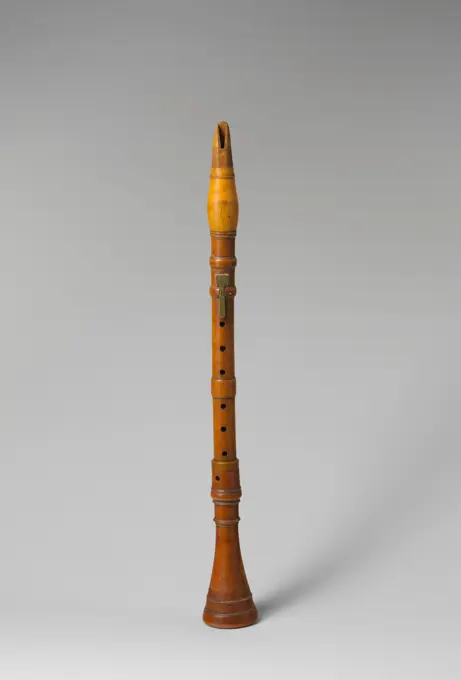
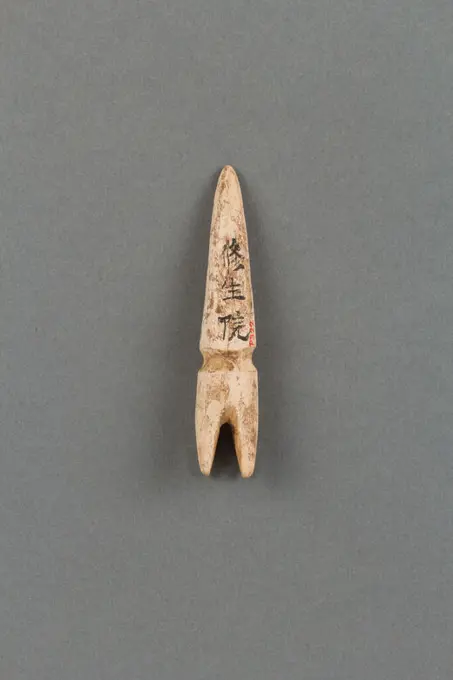
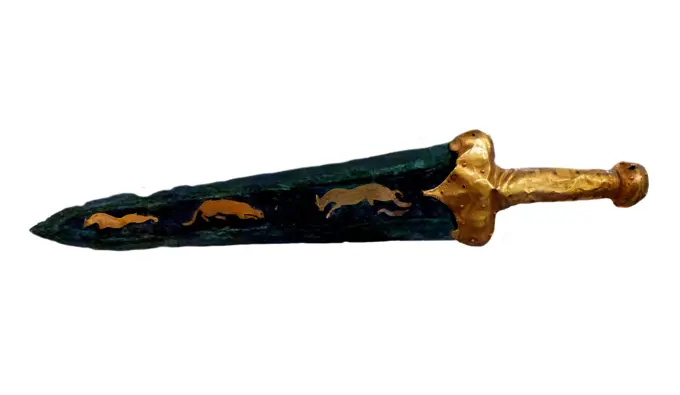
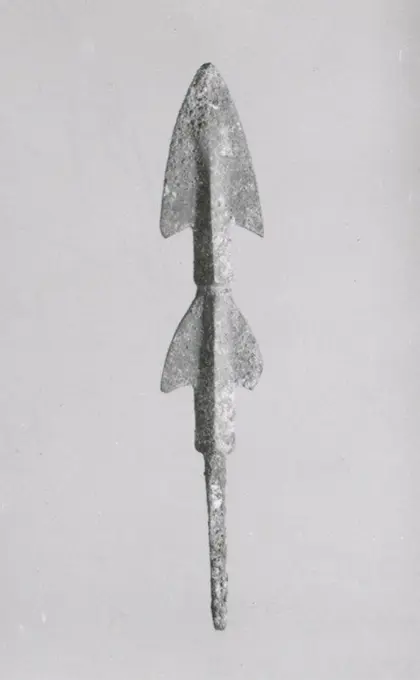
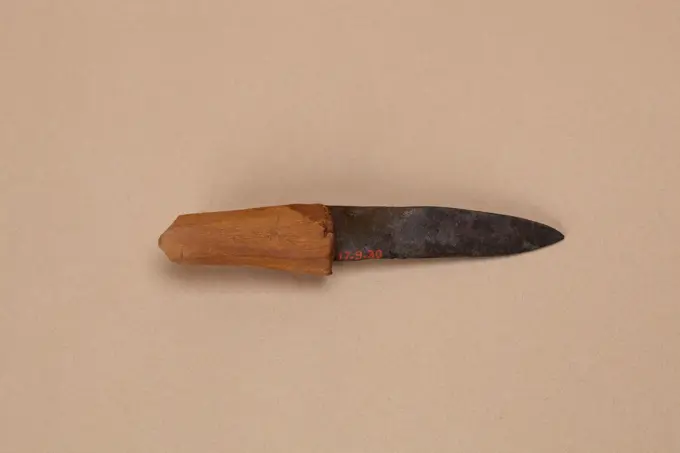
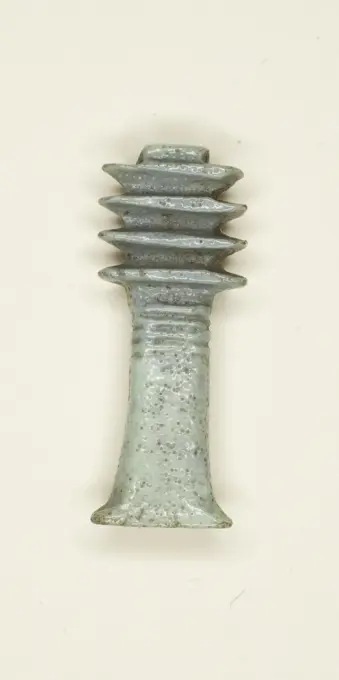
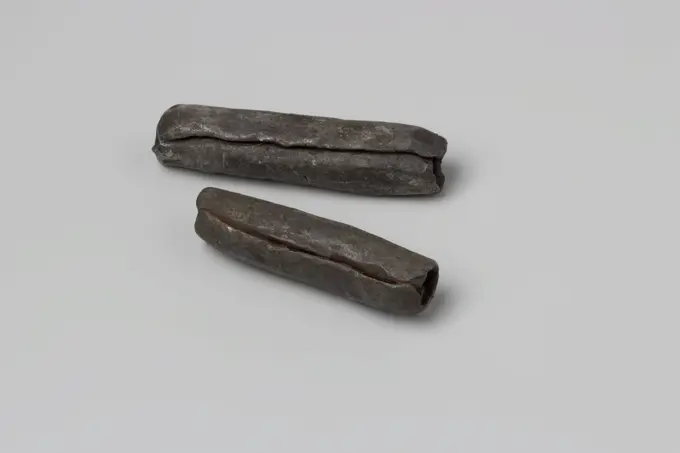
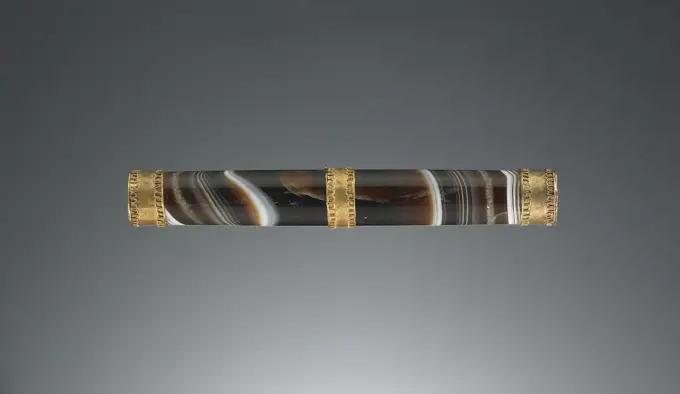
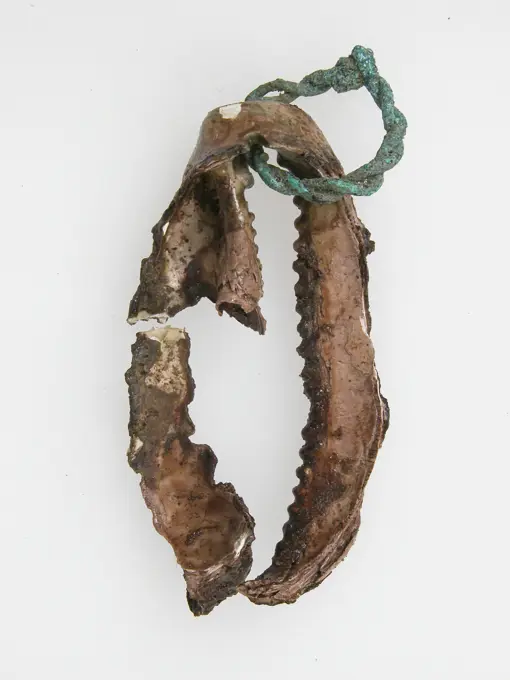
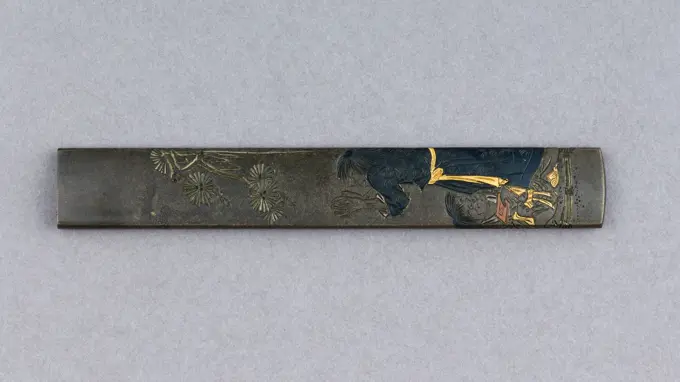
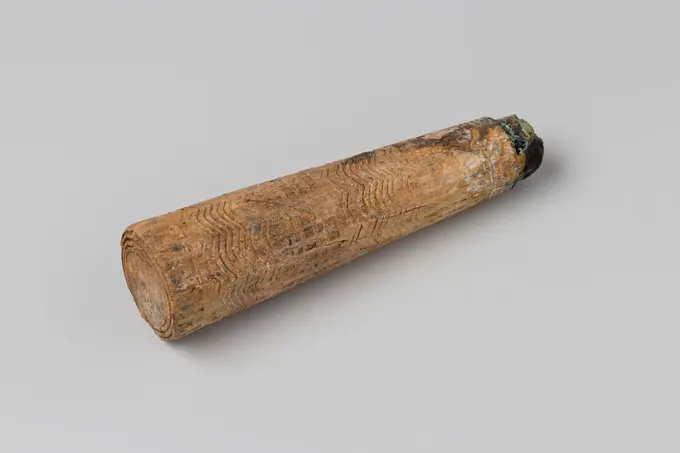
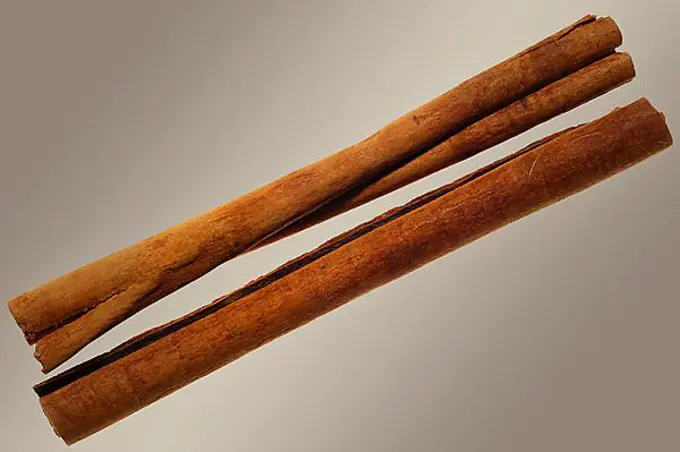
Cinnamon sticks (Cinnamonum)Knife Handle (Kozuka) dated 1829 Japanese A kozuka is a handle of a by-knife that is part of a sword mounting. It is kept in a slot on the reverse of a katana scabbard, often with a matching kgai (hairdressing tool).. Knife Handle (Kozuka). Japanese. dated 1829. Copper-silver alloy (shibuichi), gold, silver, copper. Sword Furniture-KozukaCeremonial Knife. Colima; Colima, Mexico. Date: 100 AD-300 AD. Dimensions: 52.4 × 8.9 × 2.5 cm (20 5/8 × 3 1/2 × 1 in.). Obsidian. Origin: Colima. Museum: The Chicago Art Institute, Chicago, USA.Twisted mouth of copper tongs, with ring through end, pliers tools equipment foundations copper metal, cast Copper pliers Short handle with suspension eye at the end Under the handle hinge Long jaw ending in flat circle shape. Bek corrugated and puckered handle in three places constricted archeology Rotterdam railroad tunnel metal processing tackle Soil discovery: Rotterdam tunnel trajectory.Amenemhat's Razor. Dimensions: Blade: L. 14.3 cm (5 5/8 in.); W. 4.6 cm (1 13/16 in.); Greatest th. 0.1 cm (1/16 in.). Dynasty: Dynasty 18, early. Reign: reign of Thutmose I-early sole Thutmose III. Date: ca. 1504-1447 B.C.. Museum: Metropolitan Museum of Art, New York, USA.Sleutel.Key with a handle in the shape of an anthonius cross () And crowned by an eye. Thin handle and massive beard.Fragment stem from fork or spoon from the wreck of the East Indiesman Hollandia. Cutlery, fragment: voice or fork or spoon; Fragm, flat, widening, corroded.Fragment (from a altar cabinet); (possibly) belonging to the Retable of Soest. .Five Arrowheads 800 Norwegian. Five Arrowheads. Norwegian. 800. Iron. Archery Equipment-ArrowheadsSmall pewter spoon, drop-shaped bowl and square stem, decorated whole spoon in relief, spoon cutlery soil find tin metal, archeologymetal hammer over white background The old metal hammer with the wooden handle lies on a white background Copyright: xZoonar.com/AlexanderxStrelax 3904686Caddis Fly (Phryganea bipunctata) case made of bark fragments and sticks, GermanyLint, anonymous, c. 1800 - c. 1899 A narrow ribbon of cotton, green with imposed black and white tire. Europe silk. cotton (textile) A narrow ribbon of cotton, green with imposed black and white tire. Europe silk. cotton (textile)lanza de bronce, cueva de Arenaza, Galdames, Arkeologi Museoa, museo aqueologico, Bilbao, Bizkaia, Pais Vasco, Spain.Roller ca. 2124-1504 B.C. Middle Kingdom The wooden roller was found under a limestone sarcophagus, and was likely used to aid in its transport.. Roller. ca. 2124-1504 B.C.. Sycomore wood. Middle Kingdom. From Egypt, Upper Egypt, Thebes, Khokha, Tomb MMA 830, MMA excavations. Dynasty 11Falcatas. Iberian art. SPAIN. MADRID (AUTONOMOUS COMMUNITY). Madrid. National Museum of Archaeology. Proc: SPAIN. ANDALUSIA. CORDOBA. Almedinilla. El Cerro de la Cruz.Pointer (moré or yad) of openwork silver with vegetal motifs and Hebrew inscription. Used to follow the reading of the Torah (Jewish Law). Dated in the 20th century. Made in Morocco. Sephardic Museum. Toledo. Castile-La Mancha. Spain.Two excerpts rope from the wreck of the East Indians Hollandia, 1700 - in Or Before 1743 rope Varied parts or fragments; unidentified and miscellaneous parts or fragments; fragm. Netherlands rope   SecondFragmentary Fibula. UnknownKnife -Knife ca. 1802-1700 B.C. Middle Kingdom. Knife. ca. 1802-1700 B.C.. Bronze or copper alloy. Middle Kingdom. From Egypt, Memphite Region, Lisht North, Tomb 954, Burial 954E, MMA excavations, 1921-22. Dynasty 13 to 1700 B.C.Model ax ca. 1981-1802 B.C. Middle Kingdom. Model ax. ca. 1981-1802 B.C.. Copper, wood, animal hide. Middle Kingdom. From Egypt, Middle Egypt, Asyut (Lykopolis), Tomb of Ankhef (Tomb 9), Khashaba excavations. Dynasty 12Fibula. UnknownCoupon white parasol cotton with gray -green stripes on either side, Gustav Schnitzler, c. 1910 - c. 1940 Coupon white parasol cotton with gray -green stripes on either side. Nijmegen cotton (textile) Coupon white parasol cotton with gray -green stripes on either side. Nijmegen cotton (textile)Dugong Hunting Charm 19th century Kiwai people Many western Pacific peoples hunt dugongs, large marine mammals related to the manatee. To provide supernatural aid in the capture of the often elusive animals, peoples in the Torres Strait Islands and some Kiwai groups on the south coast of New Guinea, formerly created dugong hunting charms. By day, dugongs were hunted from canoes. The charms, mounted in the bow, were said to attract or point in the direction of the quarry. In some areas, dugong were hunted at night from offshore platforms on which the hunter stood, harpoon in hand. A dugong charm, suspended beneath the platform, helped to lure the animals within range. This charm depicts a dugong, with its drooping muzzle, together with the head of a bird, possibly the totemic species of its owner.. Dugong Hunting Charm 311211Pijpje with stamp v.o.c., anonymous, 1600 - 1800 pipe. fragment Piece of stem with legs of white clay, slightly discolored at the head. Marked; At the bottom of the pipe head: stamp "VOC" on either side a shield with two rows of three balls on it and an "s" above it. Netherlands clayWarriors KnifePaper Knife. Dated: c. 1938. Dimensions: overall: 35.5 x 23.4 cm (14 x 9 3/16 in.). Medium: watercolor and graphite on paperboard. Museum: National Gallery of Art, Washington DC. Author: Max Fernekes.Fragment of iron from the wreck of the East India Hollandiaia. Parts or artifacts; eroded fragments: Materials; Iron.Metalworker's Chisel ca. 1390-1353 B.C. New Kingdom. Metalworker's Chisel. ca. 1390-1353 B.C.. Bronze. New Kingdom. From Egypt, Upper Egypt, Thebes, Malqata, Palace of Amenhotep III, MMA excavations, 1911-12. Dynasty 18Molding; wood, carvedKey Handle 1st-7th century Roman. Key Handle 462905Knife Handle (Kozuka), c 1800s. Japan, Edo period (1615-1868). Inlaid bronze; overall: 1.4 cm (9/16 in.).Door mixture of iron. Door shipment of iron.Knife -Messenheft from the wreck of the East Indians Hollandia, Anonymous, 1700 - in Or Before 1743  Knife, handle, cylindrical: tapering; id. NG 1979-403H, ferrules id. NG 1980-27H426. Netherlands wood (plant material)   SecondTypes of traditional axes of the Golo people, Democratic Republic of the Congo. Africa. Heart of Africa Three years travels and adventures in the unexplored regions of Central Africa by Georg August Schweinfurth, 1868-1871Rattle or bell of harness at pin, fastening, bell ornament batter soil find iron copper metal, forged soldered Pen with bubble round bell. Part of the closure of horse harness very likely. Two circumferential grooves around the pen under the bell archeology Rotterdam City Triangle Groenendaal underground pit adornments rinkle horse ringing rattles archaeological find in the soil Rotterdam underground pit Groenendaal 1977.Hammer, elevated viewCarved elephant tusk with intricate detail. From the Congo, The Republic of the Congo, Central Africa. Dated 19th CenturySnow knife -Messen Lifts from the wreck of the East Indians Hollandia, Anonymous, 1700 - in Or Before 1743  Knife, handle, cylindrical: tapering; id. NG 1979-403H, ferrules, id. NG 1980-27H426. Netherlands wood (plant material). copper (metal)   SecondLeather awl -Fragment of dagger or sword (title awarded). Bronze. Carnavalet museum, history of Paris.Worked knife blade with top small button, green discolored, knife handle knife cutlery soil find leg, sawn cut drilled blade. Leg Somewhat conical shape hexagonal section with grooves in the longitudinal direction. Finishing in small button at the top of two barges and two small protruding points Partially green discolored Remains of rusty sting still present archeology Rotterdam IJsselmonde knife cutting Soil discovery: Castle IJsselmonde pit 2 Rotterdam 1972.cartoon pointing armKnife Handle (Kozuka). Culture: Japanese. Dimensions: L. 3 13/16 in. (9.7 cm); W. 9/16 in. (1.4 cm); thickness 1/4 in. (0.6 cm); Wt. 1.3 oz. (36.9 g). Date: 18th century. Museum: Metropolitan Museum of Art, New York, USA.Knitting Needle Holder. Dated: c. 1936. Dimensions: overall: 28.5 x 22.2 cm (11 1/4 x 8 3/4 in.). Medium: graphite and colored pencil on paper. Museum: National Gallery of Art, Washington DC. Author: Janet Riza.Messenheft from the wreck of the East Indians Hollandia, Anonymous, 1700 - in Or Before 1743  Knife, handle, cylindrical: tapering; id. NG 1979-403H. Netherlands wood (plant material)   SecondSpindle ca. 1295-1070 B.C. New Kingdom, Ramesside. Spindle. ca. 1295-1070 B.C.. Wood. New Kingdom, Ramesside. From Egypt, Memphite Region, Lisht North, Cemetery, MMA excavations. Dynasty 19-20Prehistory, Italy, 15th century b.C. Bronze sword. From Castions di Strada, province of Udine.Knife Handle (Kozuka). Culture: Japanese. Dimensions: L. 3 13/16 in. (9.7 cm); W. 9/16 in. (1.4 cm); thickness 3/16 in. (0.5 cm); Wt. 1.2 oz. (34 g). Date: ca. 1615-1868. Museum: Metropolitan Museum of Art, New York, USA.Iron knife . Length 13 .7 cms Thickness 0, 4 cms.( 5 th - 8 th Ce ) - Visigoth period, from " El Espartal " - Archaeological site of Complutum in Alcalá de Henares ( Madrid ). SPAIN.Knife Handle (Kozuka) ca. 1615-1868 Japanese A kozuka is a handle of a by-knife that is part of a sword mounting. It is kept in a slot on the reverse of a katana scabbard, often with a matching kōgai (hairdressing tool).. Knife Handle (Kozuka) 34679Bronze arm belonging to a Roman statue found in the city of Valeria, province of Cuenca. Archaeological Museum of Cuenca. Castile la Mancha. Spain.old rotten carrot white background. old rotten carrot white background    Knife Handle (Kozuka) ca. 1615-1868 Japanese A kozuka is a handle of a by-knife that is part of a sword mounting. It is kept in a slot on the reverse of a katana scabbard, often with a matching kōgai (hairdressing tool).. Knife Handle (Kozuka) 34598Labret in rock crystal. Mali, Neolithic. 9,2 cm.Prehistory, Italy. Staghorn horse bit. From Friuli-Venezia Giulia Region.Tupu Before 17th century Wari or Inca () This object is a tupu, a Quechua term for pin (pithu in Aymara and alfiler in Spanish). Women in the Andes have used these pins to fasten textile garments, such as the acsu or lliclla (please see below for further discussion of these garments). Tupus have a basic form that consists of a head and a stem, but there is wide variation in their design. In this case, the head is large and almost elliptical: the head’s width (~6 cm) is noticeably greater than its length (~5 cm). There is a circular perforation in the lower portion of the head, closer to the stem. The perforation is found on the central lengthwise axis of the tupu, in line with the stem. The tupu’s head is significantly thinner than its stem. Circular in cross section, the stem terminates in a point. Records in the Department of the Arts of Africa, Oceania, and the Americas at the Metropolitan Museum note that, on its accession to the Museum’s collections, this tupu was identified as mKnife Handle (Kozuka). Culture: Japanese. Dimensions: L. 3 13/16 in. (9.7 cm); W. 9/16 in. (1.4 cm); thickness 1/4 in. (0.6 cm); Wt. 1.2 oz. (34 g). Date: ca. 1615-1868. Museum: Metropolitan Museum of Art, New York, USA.Harley Kempter, Ice Skates, c 1940 Ice SkatesClay pipe, unnoticed with smooth handle, clay pipe smoking equipment smoking ground find ceramics pottery, pressed finished baked Clay pipe with smooth handle unnoticed Rad decoration under lip on large part of perimeter top edge archeology Rotterdam City center Cool Schiedamse Vest Mainland City Triangle Runway indigenous earthenware smoking tobacco craft Soil discovery: Vasteland-Baan Schiedamse Vest Rotterdam complex of materials from pastry shop, pipe maker and household waste from the 17th century.Implement ca. 3850-2960 B.C. Predynastic Period. Implement. ca. 3850-2960 B.C.. Bone. Predynastic Period. From Egypt; Said to be from Northern Upper Egypt, Nag el-DeirMessenheft from the wreck of the East Indiesman Hollandia.knife-Handle, Cylindrical: taper id. NG 1979-403H.Dagger of Prince Wadj-Mose. Egypt, 18th Dynasty, reign of Thutmose I or later, 1525-1410 B.C.. Arms and Armor; daggers. BronzeKnife Handle (Kozuka). Culture: Japanese. Dimensions: L. 3 13/16 in. (9.7 cm); W. 9/16 in. (1.4 cm); thickness 1/4 in. (0.6 cm); Wt. 1.2 oz. (34 g). Date: 18th century. Museum: Metropolitan Museum of Art, New York, USA.Kohl tube and stick ca. 1550-1500 B.C. New Kingdom. Kohl tube and stick. ca. 1550-1500 B.C.. Wood, ebony. New Kingdom. From Egypt, Upper Egypt, Thebes, Sheikh Abd el-Qurna, below the Tomb of Senenmut (TT 71), inside coffin at head end, anonymous burial 1, MMA excavations, 1930-31. Dynasty 18Presentation with three birds on a branch that lies on the grong; A fourth bird is adjacent and a fifth is sitting on the edge of a basket, which is under a bean. (wrs green bean).Pointe de Flche ". OS. Dynasty of Shang (1765 - 1122 BC), China. Paris, Muse Cernuschi. Asian art, Chinese art, extreme-East art, Shang dynasty, prehistoric time, Shang time, bone, prehistory, prehistoryClarinet in D 1750-70 German The clarinet was invented by J. C. Denner of Nuremberg around the year 1700. The first form of the instrument had two keys, like those found on this clarinet (which are modern replacements). The two-keyed version of the instrument survived until about 1770. Two-keyed clarinets are extraordinarily rare, and this is the only known example in the western hemisphere. The body of this instrument is made of three boxwood sections, the mouthpiece and barrel, an undivided middle section, and the stock and bell. The instrument is unsigned, and the mouthpiece and barrel section are probably from another instrument though of the same period and were probably joined with the other sections at an early date.. Clarinet in D. German. 1750-70. Boxwood, brass. Germany. Aerophone-Reed Vibrated-single reed cylindricalPrinting roller, F. E. James Co., New York, New York, Wood, brass, felt, Close-set, repeating floral medallions. The complete design is drawn on the flat portions of the cylinder. Made for same paper as 1943-54-3., USA, 1850-55, Wallcoverings, Printing rollerArrowheads, needles, hooks and harpoons. Culture: Japan. Dimensions: W. 1/2 in. (1.3 cm); L. 2 5/8 in. (6.7 cm). Museum: Metropolitan Museum of Art, New York, USA.Banner with the genealogy of the deceased on the mummy cover,  Spatzeit 746-332Drumstick -Rusted old screw isolated on white backgroundRitual tool for the "Opening of the Mouth" ceremony ca. 1479-1458 B.C. New Kingdom. Ritual tool for the "Opening of the Mouth" ceremony. ca. 1479-1458 B.C.. Wood. New Kingdom. From Egypt, Upper Egypt, Thebes, Deir el-Bahri, Temple of Hatshepsut, Foundation Deposit 3 (C), MMA excavations, 1923-24. Dynasty 18Mycenaean bronze dagger from 16-14th century BCArrowhead Iran 1st millennium BCEFragment Tobacco Pipe, Gerrit Hollands/Hollander and widow Debora de Ruyter, 1750 - 1790 Fragment tobacco pipe with a crown and the letters g h l and n. Of the excavations on the Hofstede Arentsburg 1827-1831 under the supervision of Professor Reuvens. Schoonhoven pipe clay Fragment tobacco pipe with a crown and the letters g h l and n. Of the excavations on the Hofstede Arentsburg 1827-1831 under the supervision of Professor Reuvens. Schoonhoven pipe clayKnife -Model chisel ca. 1981-1802 B.C. Middle Kingdom. Model chisel. ca. 1981-1802 B.C.. Copper, wood. Middle Kingdom. From Egypt, Middle Egypt, Asyut (Lykopolis), Tomb of Ankhef (Tomb 9), Khashaba excavations. Dynasty 12Amulet 1840-60 Tlingit. Amulet 313220Two-piece bronze mold for bottom of liquid sizes of 12 liters, cast molding tool tools base metal bronze, cast twisted Two-piece bronze mold for pouring the bottom of liquid size of 12 liters Rotterdam tin foundry tin pewter Meeuws Druy craft Forms originate from the origin 18th century Rotterdam tinnegieter J Druy. The large molds that were not signed or dated were the property of the tinker guild and were rented to the small tin caster.Model Canoe and Paddles, 1900s. Africa, 20th century. Wood; overall: 12.8 cm (5 1/16 in.).Spade from Board ofRevenueAntique Shotgun Isolated Side view antique musket shotgun isolated on white background Copyright: xZoonar.com/DanielxFerreira-LeitesxCiccarinox 13929064Knife Handle (Kozuka). Culture: Japanese. Dimensions: L. 3 13/16 in. (9.7 cm); W. 9/16 in. (1.4 cm); thickness 3/16 in. (0.5 cm); Wt. 1.1 oz. (31.2 g). Date: ca. 1615-1868. Museum: Metropolitan Museum of Art, New York, USA.Amulet of a Djed Pillar 1070 BCE-656 BCE Egypt. Faience . Ancient EgyptianLead Role from the wreck of the East Indies' t Vliegend Hart ,, 1700 - 1735 lead Tubes rolled plates. Black-gray in color. Roll of Lead. Middelburg lead (metal)Pendant for a Chain; Iran (); 2nd - 1st century B.C; Agate, dark stone, rock crystal and gold;Shop rod in the form of snake, anonymous, c. 1400 - c. 1950 Shop rod made of wood in the form of a snake, to hang store supplies such as bags, scales, rope and the like. Painted green. Netherlands wood (plant material) cutting Shop rod made of wood in the form of a snake, to hang store supplies such as bags, scales, rope and the like. Painted green. Netherlands wood (plant material) cuttingAwl 1600-1699 Germany. Wood, pewter, brass, and iron .Fragments Pipe states from the wreck of the East India Hollandia.Pipe, voice.Model of A Buoy, 's Rijks General Concrete Magazine (Possible), 1873 demonstration model Model of a buoy with a conical body with a sharp bottom end and flat round top, where a pole protrudes. Like a barrel, she is composed of stuff and hoops. At the bottom of a long point is an eye for the anchor chain. Marked with crossed anchors. Scale 1:10 (archive). Enkhuizen (Possible) wood (plant material). iron (metal)Shell with wire ring 6th-7th century Frankish. Shell with wire ring. Frankish. 6th-7th century. Shell, copper alloy ring. Made in Niederbreisig, Germany. Miscellaneous-ShellKnife Handle (Kozuka) ca. 1615-1868 Japanese A kozuka is a handle of a by-knife that is part of a sword mounting. It is kept in a slot on the reverse of a katana scabbard, often with a matching kōgai (hairdressing tool).. Knife Handle (Kozuka) 34517Spoon Decorated with a Duck's Head ca. 1550-1295 B.C. New Kingdom. Spoon Decorated with a Duck's Head. ca. 1550-1295 B.C.. Bronze or copper alloy. New Kingdom. From Egypt. Dynasty 18Knife lift from the wreck of the East Indiesman Hollandia.knife, Handle, Cylindrical: tapering; ID. NG 1979-403H, Ferrule, ID. NG 1980-27H426.Material sample -