Ancient Tools and Blades

An assortment of ancient knives, blades, and tools made from iron and wood, highlighting archaeological finds with historical value.

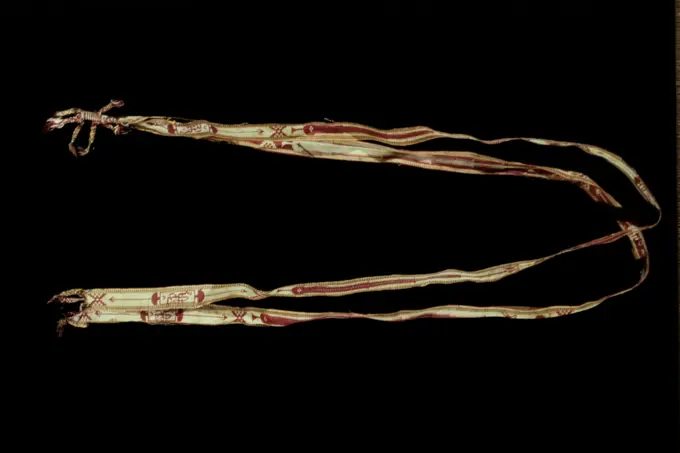
Shovel for fire, shovel scoop soil find iron metal, Rectangular shovel shank is round in cross section at scoop shovel flat and handle flat. End handle an open curved eye hook engraved in flat sections of stem: six horizontal lines archeology Rotterdam railway tunnel creation Soil discovery: rail tunnel Rotterdam.
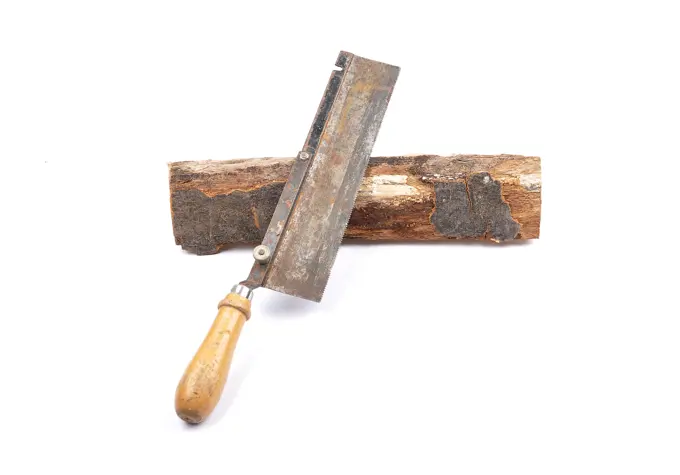
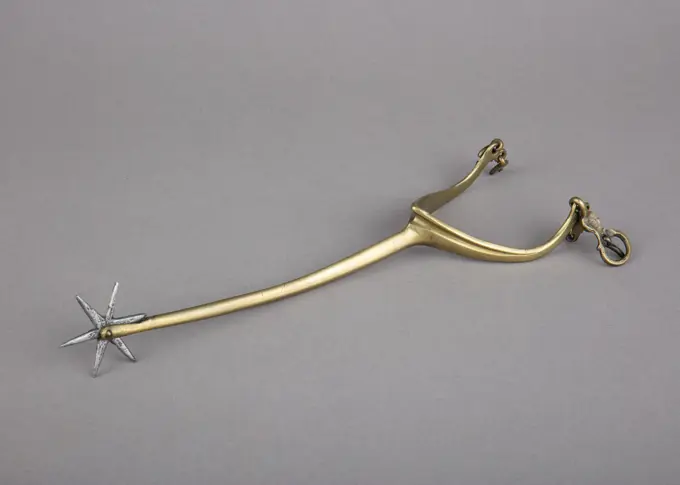
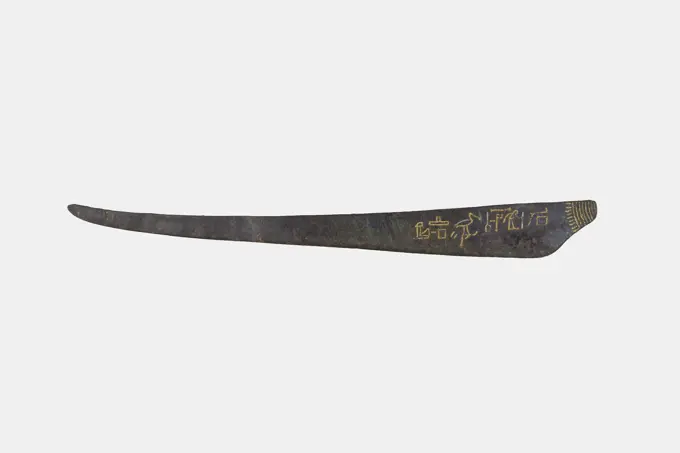
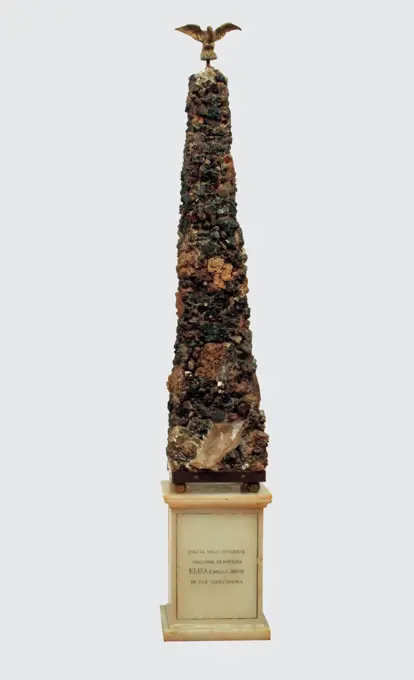
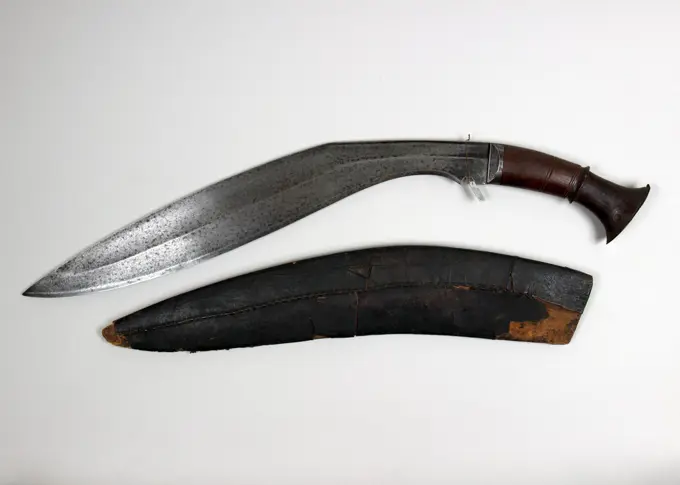
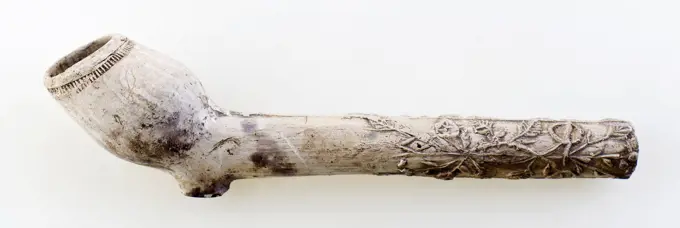
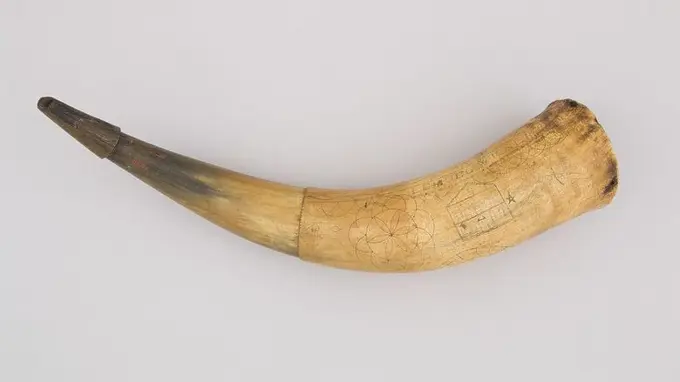
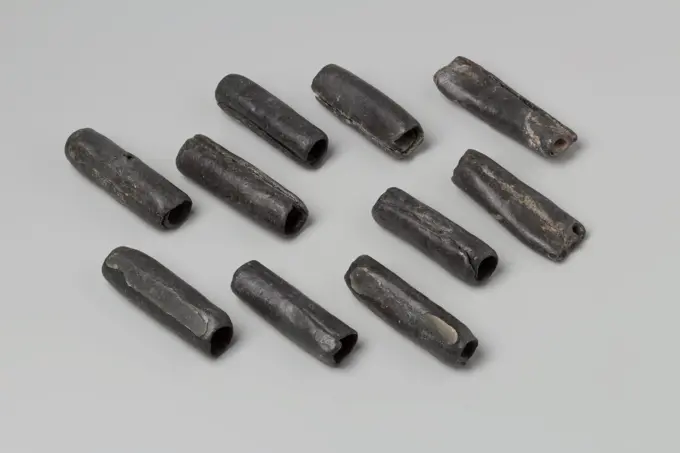
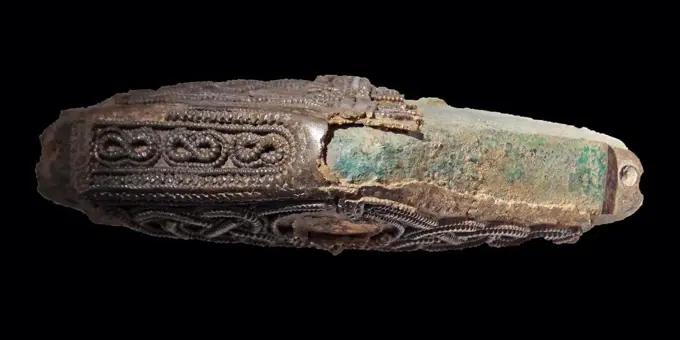
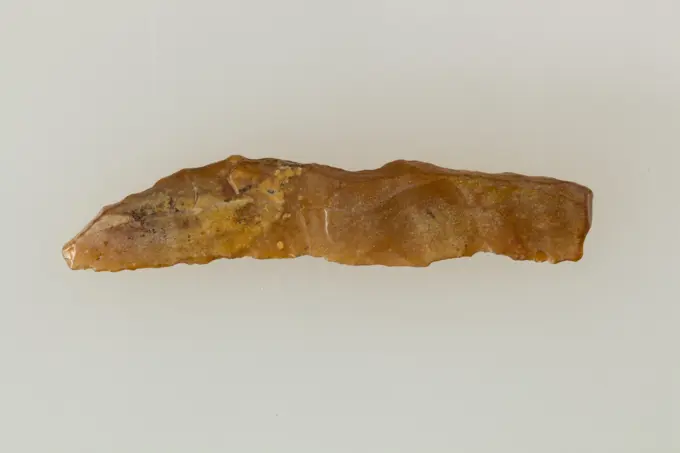
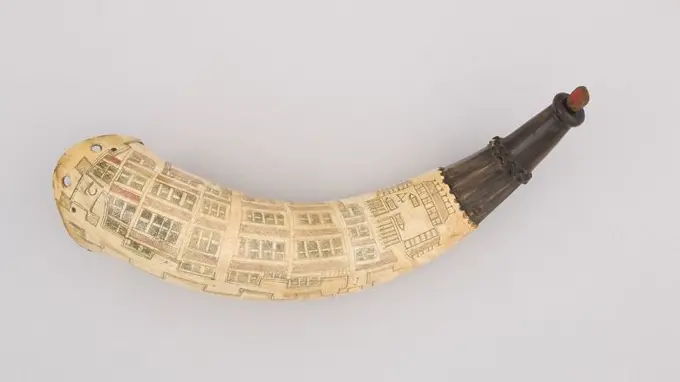
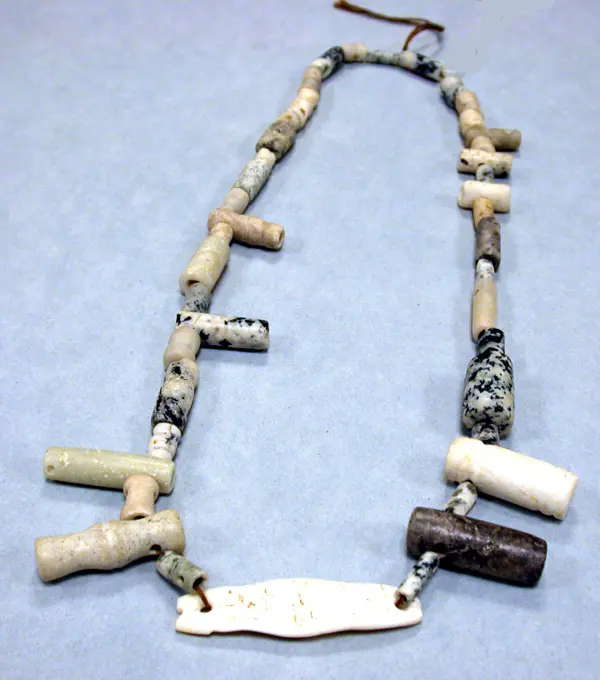
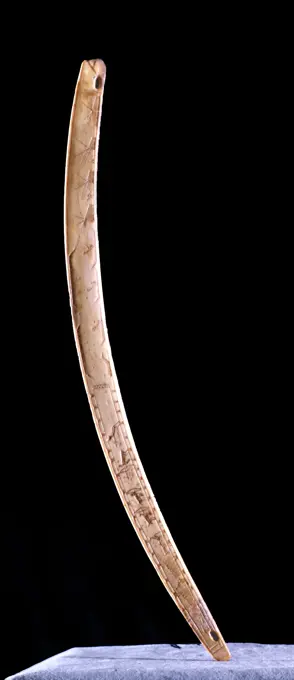
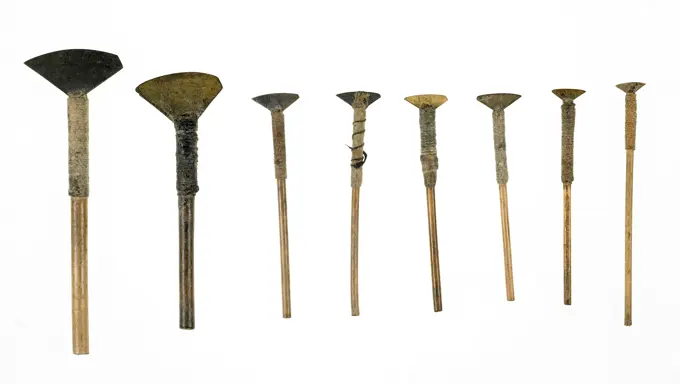
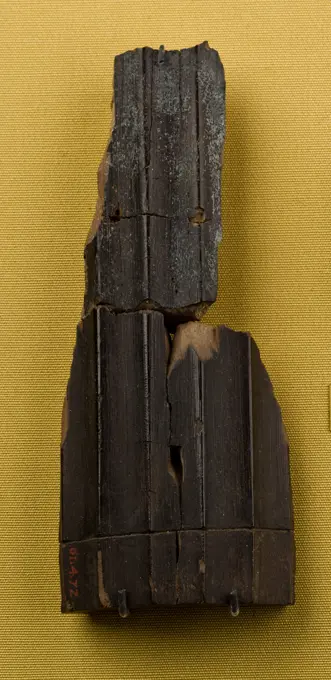
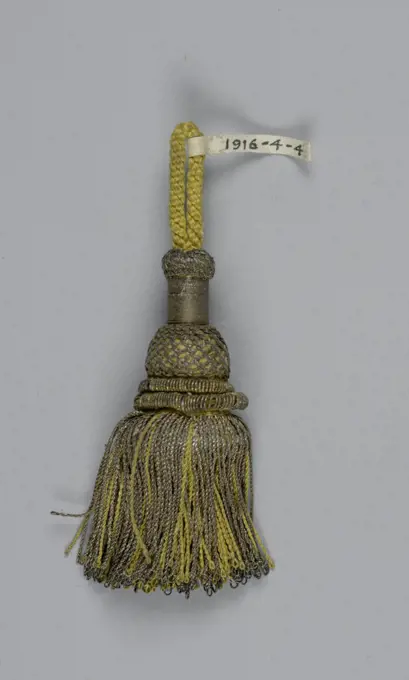
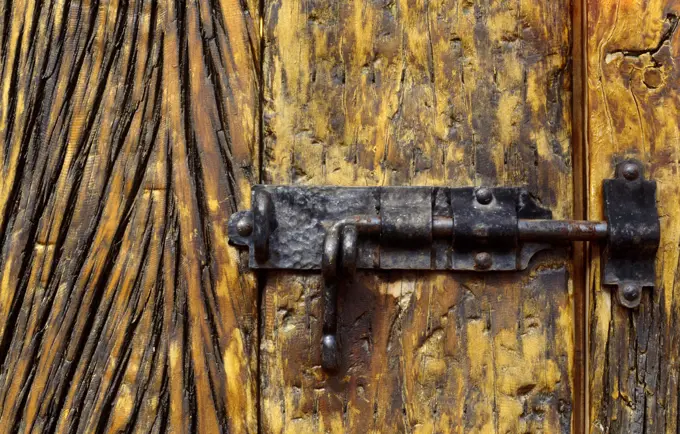
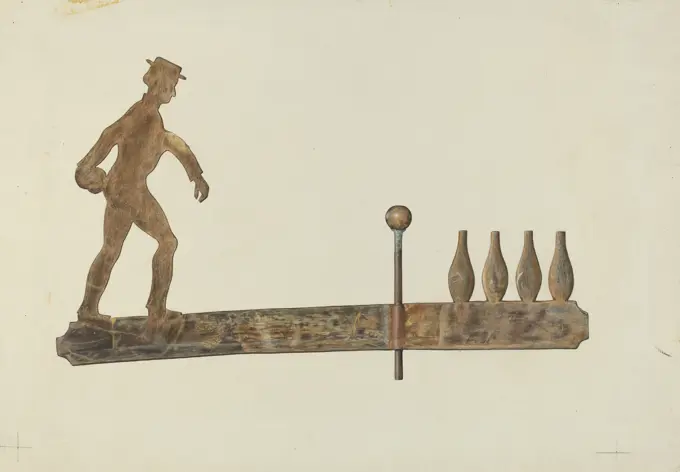
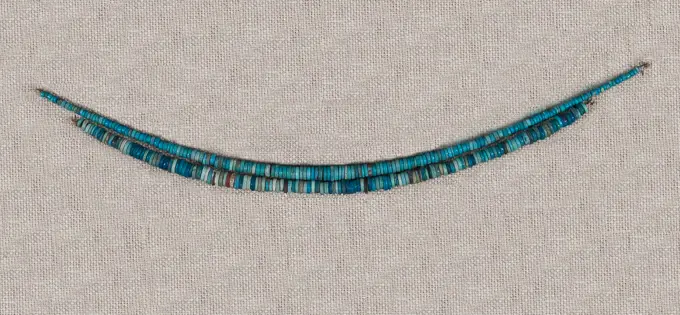
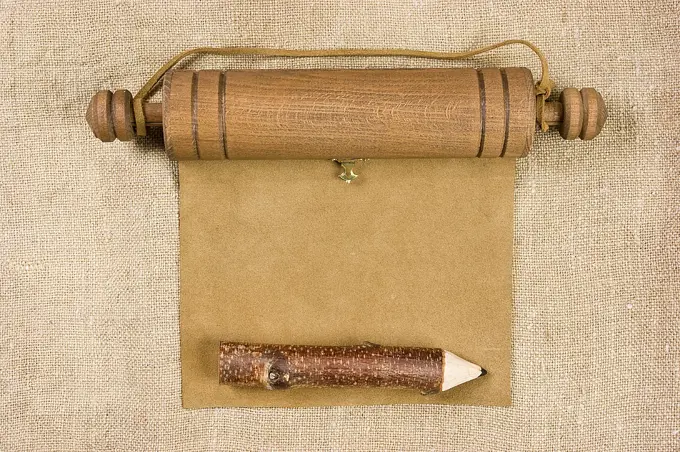
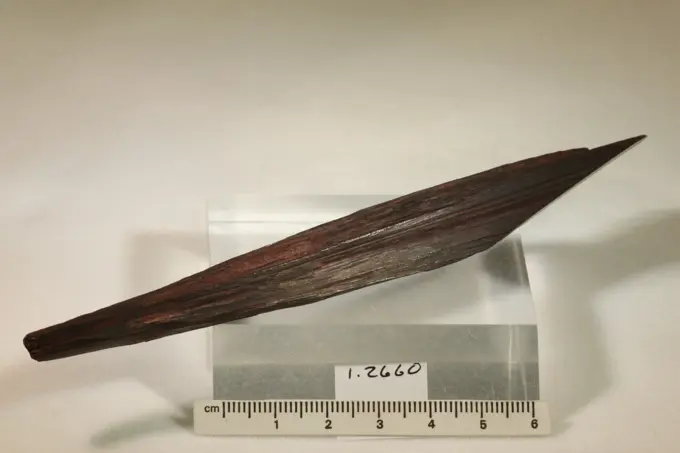
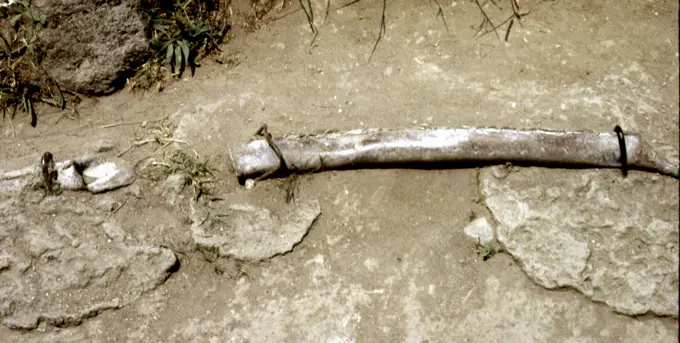
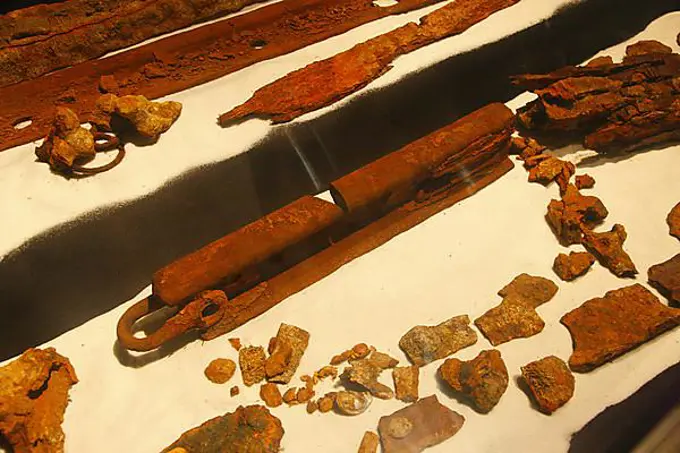
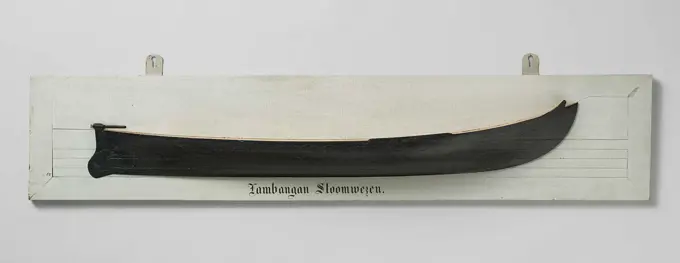
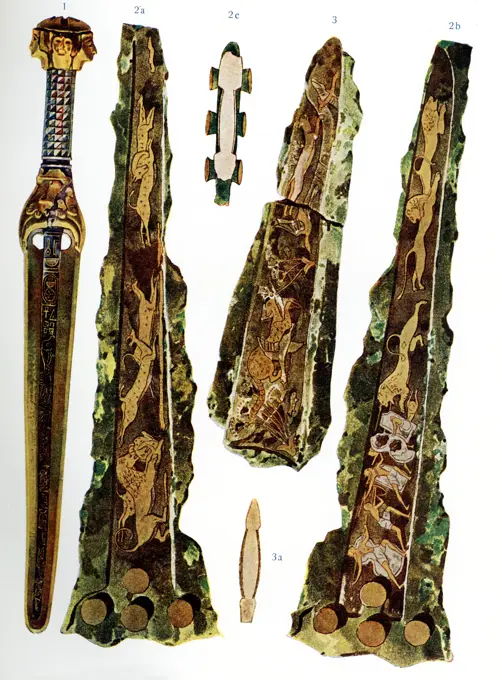
This illustrations shows daggers from ancient Egypt (1) and from the late Bronze Age Greek city of Mycenae (2 and 3) with inlaid designs. These are  early 1900s illustrations of uncovered finds.Heft, anonymous, 1525 - 1575 Messenheft from copper, inlaid with rosewood. The crown is decorated on one side with banderole, the other side shows a women's portrait. West-Europa copper (metal). rosewood (wood) engraving / inlay (process) Messenheft from copper, inlaid with rosewood. The crown is decorated on one side with banderole, the other side shows a women's portrait. West-Europa copper (metal). rosewood (wood) engraving / inlay (process)Sickle Blade, 1980-1801 BC. Egypt, Middle Kingdom, Dynasty 12. Flint; overall: 5 cm (1 15/16 in.).Saege mit Holz - Saw on wood Saege mit Holz - Saw on wood Copyright: xZoonar.com/lantapixx 7204071PILLOWS - 1996-1997. Author: JOSE MARIA SICILIA. Location: PRIVATE COLLECTION.Ancient Cutting Knife with Modern Inscription. Egypt, probably New Kingdom (1569 - 1081 BCE) or later. Arms and Armor; knives. BronzeRod vase. .Rowel Spur (Right) mid-15th century British In the 15th century, rowel spurs with very long necks were of common use in western Europe. At this period, the elevated war saddles and the very specific riding style, with long stirrup leathers and legs extended forward, had the consequence of taking away the riders feet from the horses flank. Thus, these long necks gave them easier access without having to disturb the riders position. As well as being necessary equestrian instruments, spurs were one of the symbols of knightly status, and were among the objects given to the knight during his knighting.. Rowel Spur (Right). British. mid-15th century. Copper alloy, iron. Equestrian Equipment-SpursScribal kniife of the Chief Steward Djehutyhotep ca. 1479-1458 B.C. New Kingdom. Scribal kniife of the Chief Steward Djehutyhotep. ca. 1479-1458 B.C.. Bronze or copper alloy. New Kingdom. From Egypt, Upper Egypt, Thebes, Deir el-Bahri, area around Cook's Rest House, MMA excavations, 1930s. Dynasty 18Rod of an antler of a deer, found in 1724 during work in the Hillegommerbeek, Anonymous, Before 1724 antler (material) Rod of a deer. The points of the crown are partly demolished. Netherlands horn (animal material)   HillegomStocking from the East India Dresser wreck. Large part of a silk stocking, calf. Round woven designed textile, repeated times recovered, greenish.Figurehead from the "Diadem". Dated: c. 1938. Dimensions: overall: 27.8 x 38.2 cm (10 15/16 x 15 1/16 in.). Medium: watercolor, graphite, and pen and ink on paperboard. Museum: National Gallery of Art, Washington DC. Author: Hazel Hyde.Obelisk with Minerals from the Island of Elba, by Tuscany workmanship, 1814, 19th Century, . Private collection. Whole artwork. Obelisk base inscription eagle power mineralsKnife (Kukri) with Sheath 18th-19th century Nepalese. Knife (Kukri) with Sheath. Nepalese. 18th-19th century. Wood. KnivesStatuette of the Goddess Wadjet 664 BCE-525 BCE Egypt. Copper alloy . Ancient EgyptianMaterial sample -Spear Head. Northeastern Afghanistan, 2200-1800 B.C.. Arms and Armor; spears. BronzeString of 7 Beads 1st to 2nd Century A.D. Roman Period. String of 7 Beads. 1st to 2nd Century A.D.. Glass. Roman Period. From EgyptClay pipe, marked, with floral decoration embossed on stem, clay pipe smoking equipment smoking ground find ceramic earthenware, pressed finished baked clay pipe marked with floral decoration embossed on stem Decoration consists of intertwined plant branches with flowers and leaves. Baroque pipe. Heel mark. heel mark: Tudor rose under crown in shield shaped stamp field archeology indigenous pottery import smoking tobacco baroqueOrnament ca. 8th-7th century B.C. Iran. Ornament. Iran. ca. 8th-7th century B.C.. Bone. Iron Age III. Iran, said to be from ZiwiyeArm Guard 18th century Indian. Arm Guard 31929tumbled tholeiite rock isolated macro shooting of geological collection mineral - tumbled tholeiite magmatic basalt, Tholeiitic basalt rock isolated on white background Copyright: xZoonar.com/ValeryxVoennyyx 10387509Knife Handle (Kozuka). Culture: Japanese. Dimensions: L. 3 13/16 in. (9.7 cm); W. 9/16 in. (1.4 cm); thickness 1/4 in. (0.6 cm); Wt. 1.2 oz. (34 g). Date: ca. 1615-1868. Museum: Metropolitan Museum of Art, New York, USA.Cigar holder caseHalberd 15th century Swiss. Halberd 29013Powder Horn. Culture: Colonial American. Dimensions: L. 14 in. (35.6 cm); Diam. 3 in. (7.6 cm); Wt. 8.8 oz. (249.5 g). Date: ca. 1775. Museum: Metropolitan Museum of Art, New York, USA.Sculpture model, anonymous, 1800 - 1900 Sculpture model: cutting, test model or example of a profile list with flower and leaf work. Netherlands linden. pine (wood) cutting / gluing Sculpture model: cutting, test model or example of a profile list with flower and leaf work. Netherlands linden. pine (wood) cutting / gluingElement of aHeaddressLead Role from the wreck of the East Indies' t Vliegend Hart ,, 1700 - 1735 lead Tubes rolled plates. Black-gray in color. One is marked. Roll of Lead. Middelburg lead (metal)Fragment pin out of the wreck of the East Indians Hollandia, Anonymous, 1700 - in Or Before 1743  Tools and instruments, sewing and sailmaking, pin; fragm of bow, id. NG 1980-27H3265. Netherlands copper (metal)   SecondA Old rope breaking, focus in the breaking pointLead Role from the wreck of the East Indies' t Vliegend Hart ,, 1700 - 1735 lead Tubes rolled plates. Black-gray in color. Roll of Lead. Middelburg lead (metal)Artefact from the Staffordshire Hoard of Anglo-Saxon gold and silver metalwork. Discovered in a field near the village of Hammerwich, near Lichfield, in Staffordshire, England, on 5 July 2009, it consists of over 3,500 items from the Anglo-Saxon kingdom of Mercia.Fragment of red earthenware, partly glazed, fragment crockery holder kitchen utensils earthenware ceramics earthenware glaze lead glaze, hand-formed hand turned glazed fried Fragments of red pottery Frying pans jugs pots of grass and bottom of small jug Spicy or only partly glazed with lead glaze archeology Rotterdam Stadscentrum Stadsdriehoek Hoogstraat indigenous pottery water washing cooking nutrition food preparation handicraft pottery Soil discovery Hoogstraat Rotterdam 15 June 1983.Tool ca. 3850-2960 B.C. Predynastic Period. Tool. ca. 3850-2960 B.C.. Flint. Predynastic Period. From Egypt, Fayum, BSAE/Caton-Thompson excavations, 1924-26Powder Horn and Wampum Shoulder Belt. Culture: American, Charleston, South Carolina. Dimensions: Powder horn (a); L. 11 in. (27.9 cm); Diam. 3 in. (7.6 cm); Wt. 7.1 oz. (201.3 g); shoulder belt (b); L. 42 in. (106.7 cm). Date: Horn 1770; Belt, probably early 19th century. Museum: Metropolitan Museum of Art, New York, USA.Figure 9th-17th century Mali. Figure. Mali. 9th-17th century. Copper alloy. Mali, Inland Niger Delta region. Metal-SculptureIncised Shell Pendant for Necklace 10th-15th century Taíno Stone zemí images also appear in reduced scale amulets, worn by leaders and healers. Zemí (or cemí) is a term used by Taíno peoples, the diverse societies that inhabited the Antilles archipelago before European contact, that linguistically relates to a quality akin to sweetness. Zemí refers not to an object or image but to an immaterial, spiritual, and vital force pertaining to deities and ancestors. There are several known zemí identities recorded by the Spanish, some of which have been linked to archaeological images.. Incised Shell Pendant for Necklace. Taíno. 10th-15th century. Shell. Dominican Republic, Caribbean. Shell-OrnamentsCorn Knife. Dated: 1938. Dimensions: overall: 27.9 x 35.4 cm (11 x 13 15/16 in.). Medium: watercolor, graphite, and colored pencil on paper. Museum: National Gallery of Art, Washington DC. Author: Herman O. Stroh.Native Indian wooden arc or ornament. decorated, Eskimo, (Inuit). Canada 1870Batik Tool, from a set of eight, 3 7/8 x 1 3/8 x 3/8 in. (9.84 x 3.49 x 0.95 cm), Metal, bamboo, string, ChinaFragment of burned ivory furniture ca. 3100-2900 B.C. Early Dynastic Period. Fragment of burned ivory furniture. ca. 3100-2900 B.C.. Ivory. Early Dynastic Period. From Egypt, Northern Upper Egypt, Abydos, Umm el-Qaab, Tomb of Djer, Egypt Exploration Fund excavations. Dynasty 1Fragment tobacco pipe. Fragment tobacco pipe with a crown and letters G H I and N shown. Of the excavations at the Hofstede Arentsburg 1827-1831 under the supervision of professor Reuvens.Tassel, Medium: silk and metallic thread on a wood core, Tassel with a turned wooden core (cylinder, bulb and flange) covered with yellow silk and gilt threads in wrapping, trellis, and twisted rolls. Skirt of twisted yellow silk and gold threads. Loop of yellow silk cord at top., Spain, 18th century, trimmings, TasselCellar door, Cape Wine Route, Western CapeHazel Hyde, Bowling Weather Vane, c 1938 Bowling Weather VaneString of blue faience disk beads ca. 1981-1295 B.C. Middle Kingdom-Early New Kingdom. String of blue faience disk beads. ca. 1981-1295 B.C.. Blue faience. Middle Kingdom-Early New Kingdom. From Egypt, Memphite Region, Lisht North, Cemetery, Debris, MMA excavations, 1920-22. Dynasty 12-18Folding measureBlank parchment manuscript and pencilClavos de gancho, siglo XVII/XVIII. Museu Etnogràfic de Ripoll.Tassel French 18th-19th centuryShadow Puppet (Wayang Kulit) of Gada TengalaRicikanCostume Ornament. Culture: Peru; central coast (). Dimensions: Overall: 1 1/4 in. (3.18 cm). Date: 11th-12th century. Museum: Metropolitan Museum of Art, New York, USA.Hematite. minerals. Europe; Germany; Saxony, EibenstockLead piping. Roman water pipe. 1st cent AD. Pompeii. Italy.Museum display case, Villa Grimaldi, torture center, Santiago de Chile, Chile, South AmericaHalf Model of a Tambangan.Black and white stack model (starboard) of a canoe. He has two pointed ends. The curved venison comes up considerably and is equipped with a cleat. A straight covered with rounded bootblad and tiller.Headband, 19th century, 80 x 3/4 in. (203.2 x 1.9 cm), Linen, Iran, 19th centuryCase (Inr) with Design of Boats, Waves and Reeds (Tale of Genji) 19th century Japan. Case (Inr) with Design of Boats, Waves and Reeds (Tale of Genji). Japan. 19th century. Brushed wood with gold and silver hiramakie sprinkled and polished lacquer and pewter and mother-of-pearl inlay; Interior: plain; Ojime: quartz bead; Netsuke: carved wood badger. Edo period (1615-1868). InrGlass Negative of Kerite (Shop)Ritual axe-head in the shape of a leopard Artist: Unknown