Ancient Tools and Implements

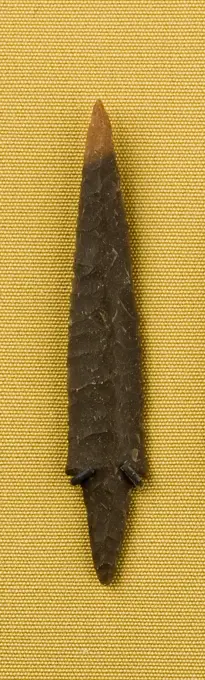
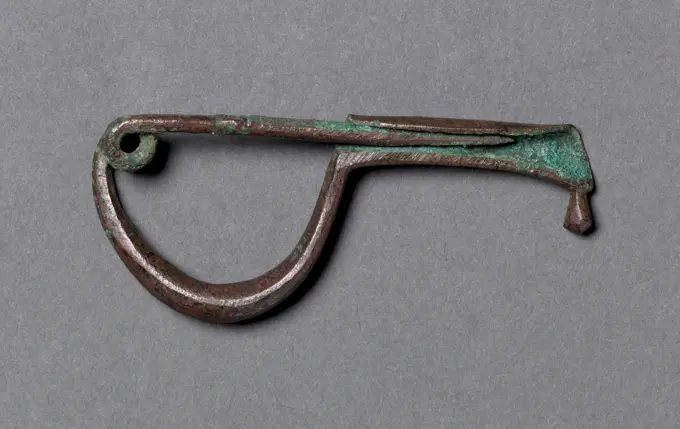
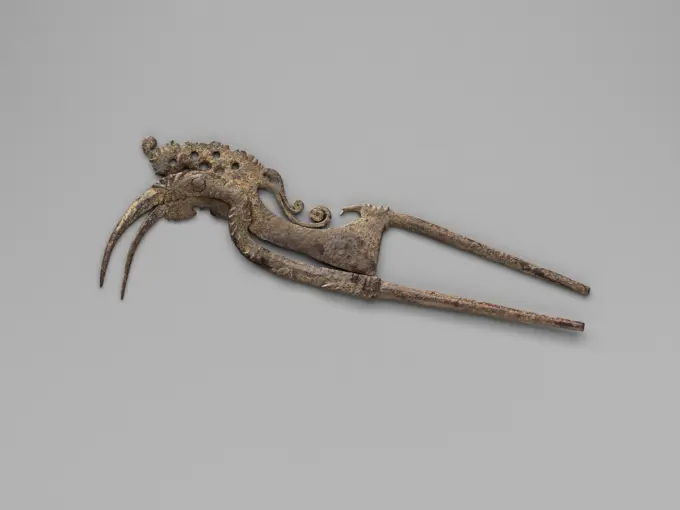
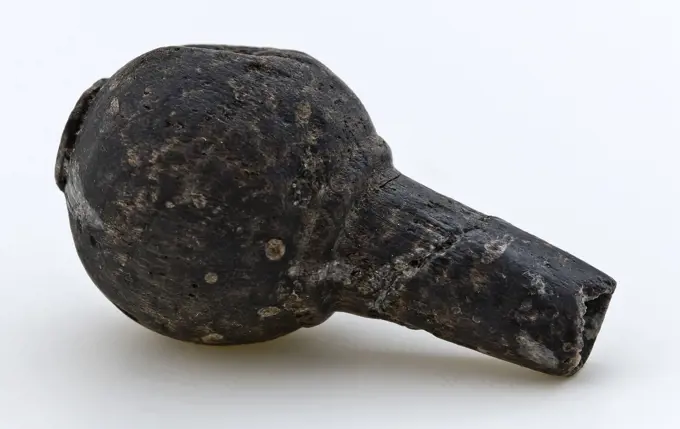
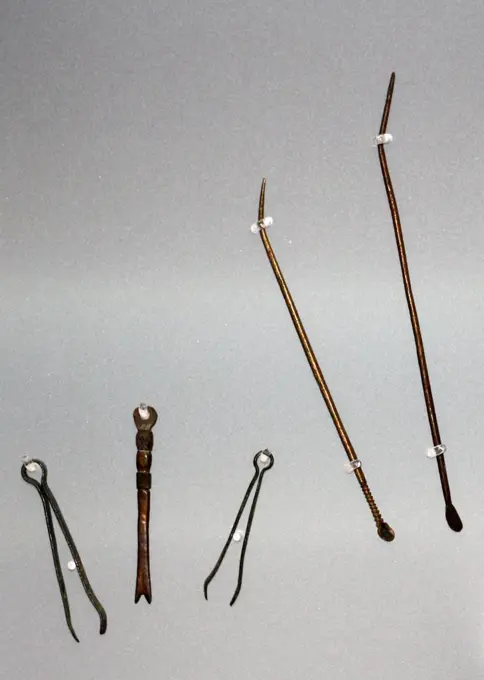
A collection of ancient tools including a razor-knife, file, bronze chisel, lancer point, and a tin fragment, showcasing historical craftsmanship and materials.
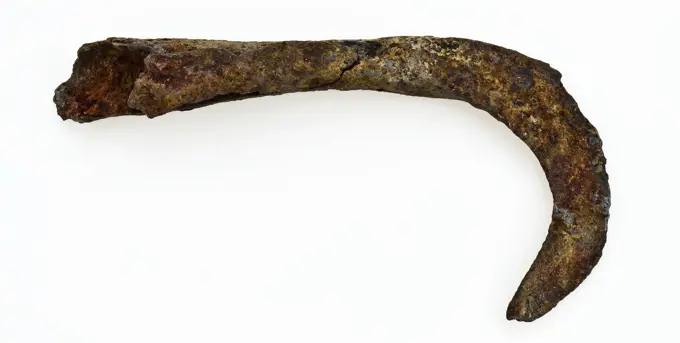
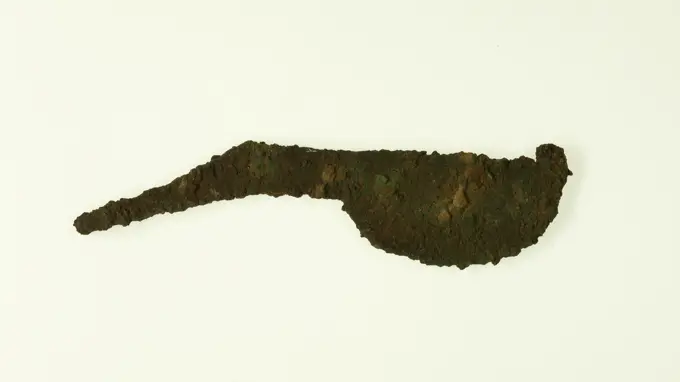
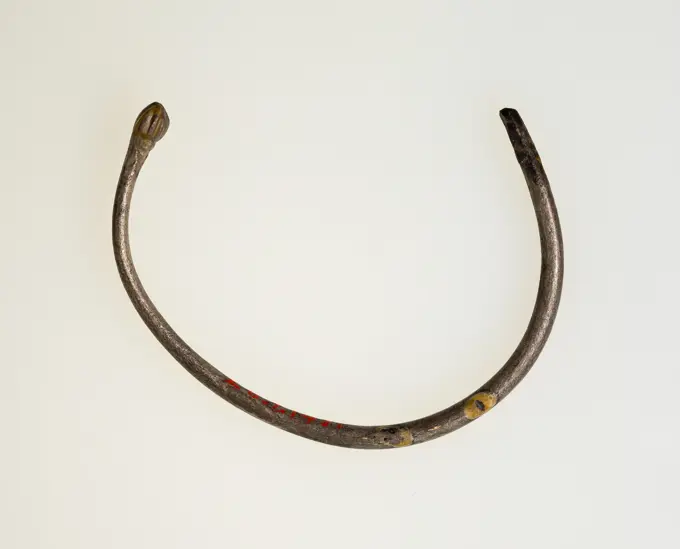
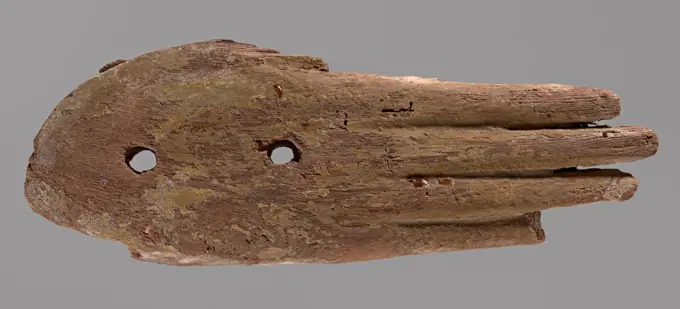
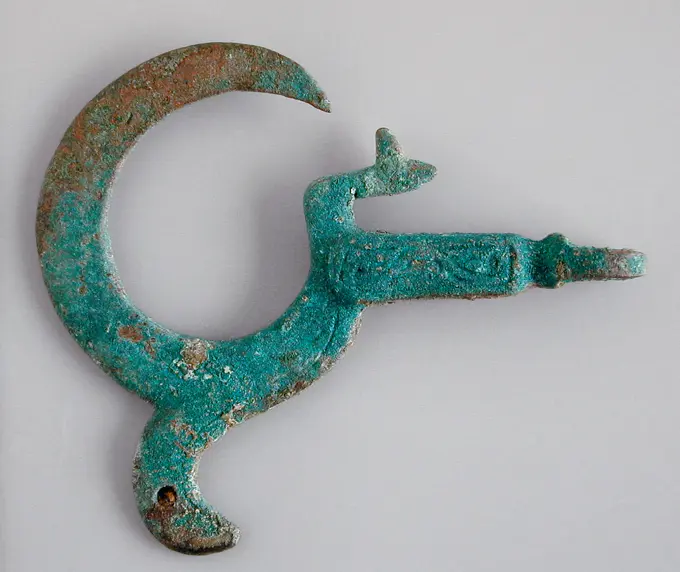
Scraper with sickle-shaped, rounded blade and forged, hollow connector to handle, knife cutting tool soil found iron metal, Sick shaped blade with tapered, forged hollow connector to handle. Probably double-edged archeology Rotterdam rail tunnel craft cutting Soil discovery: rail tunnel Rotterdam.
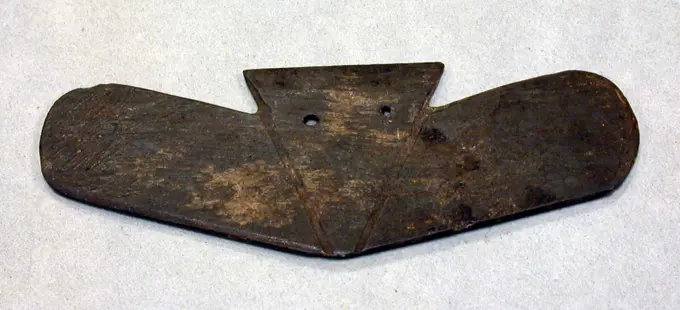
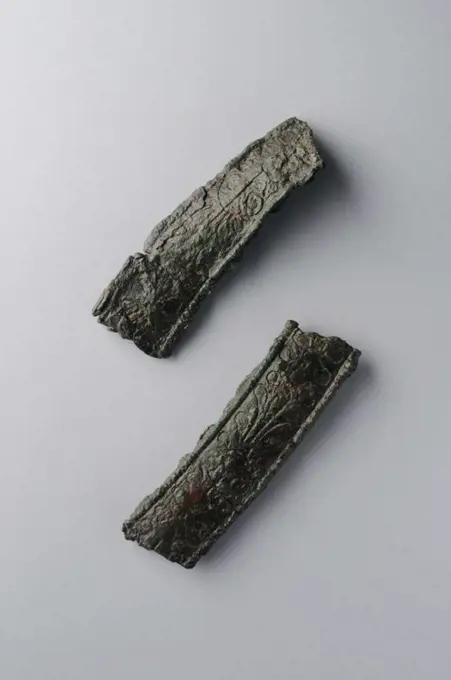
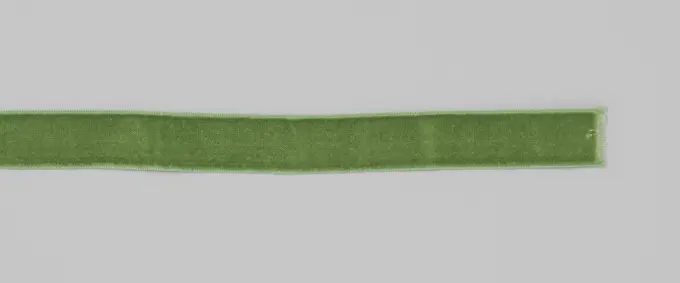
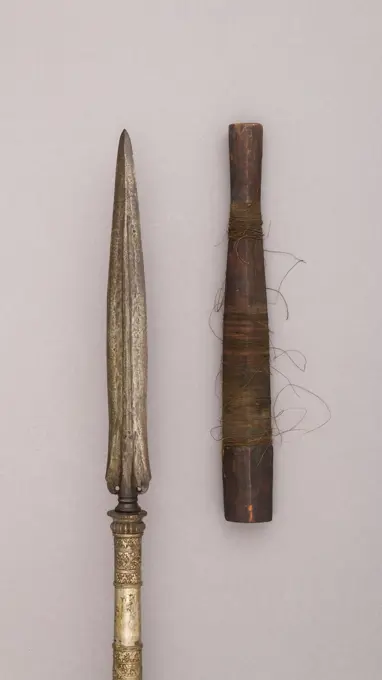
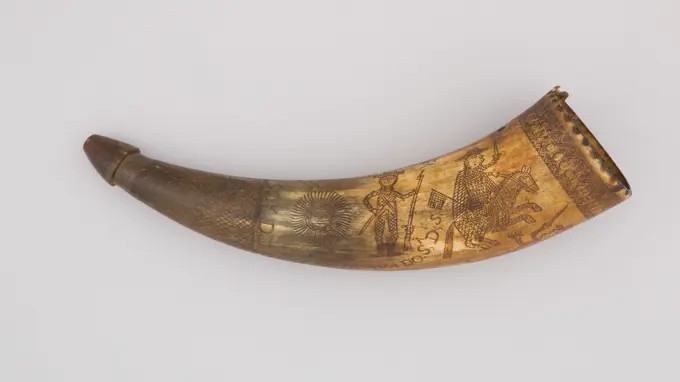
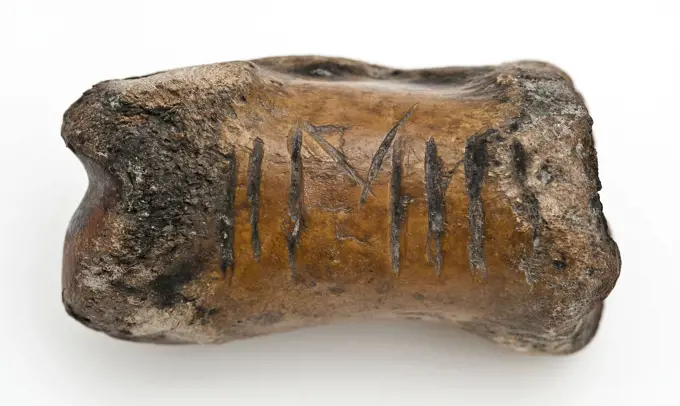
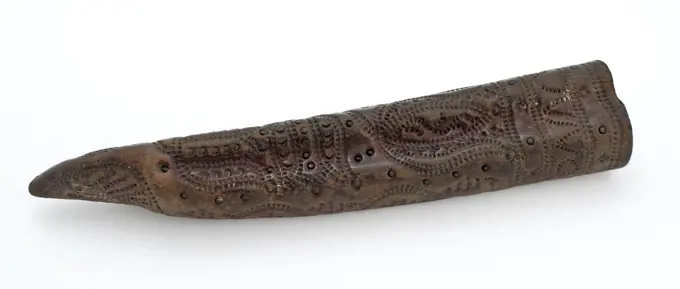
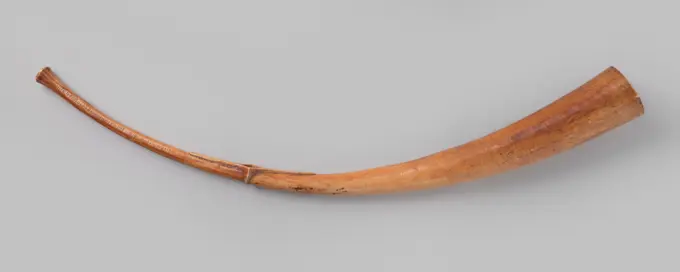
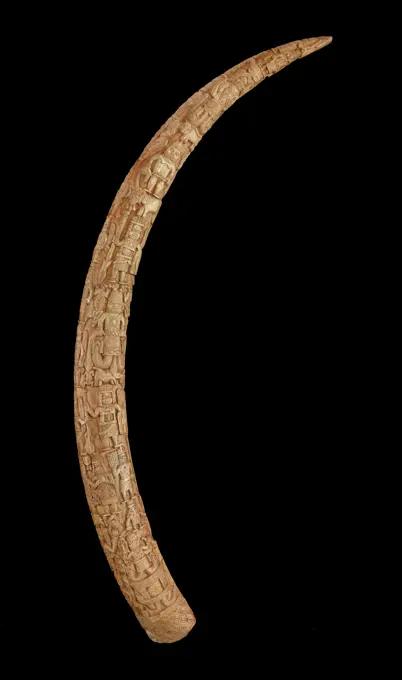
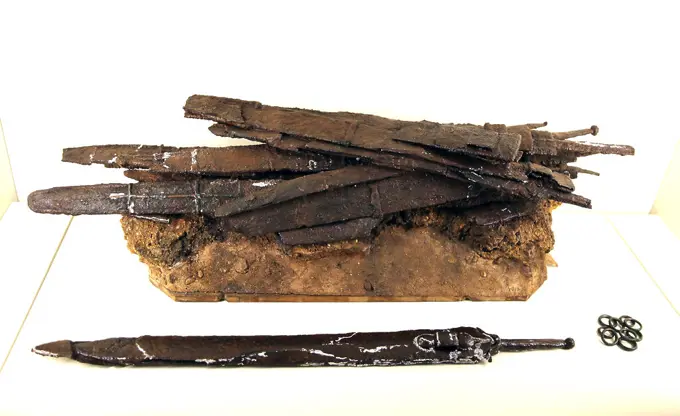
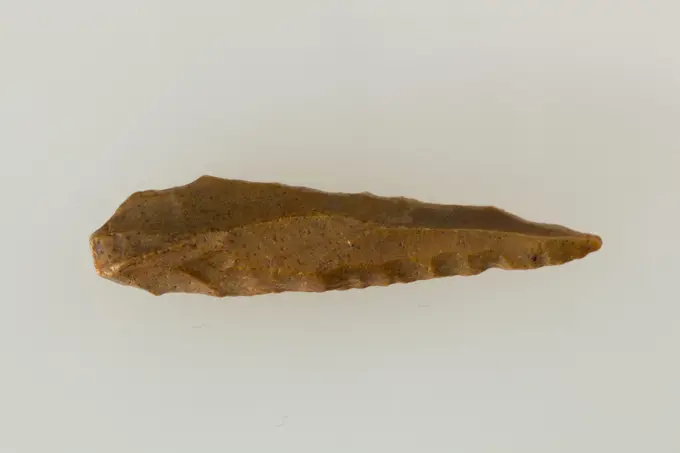
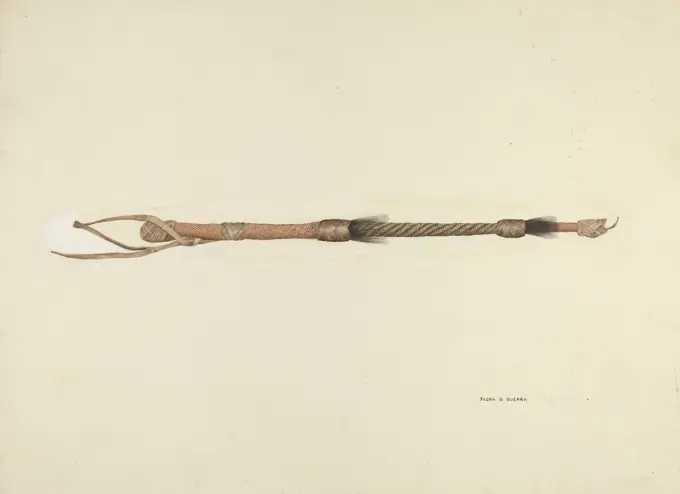
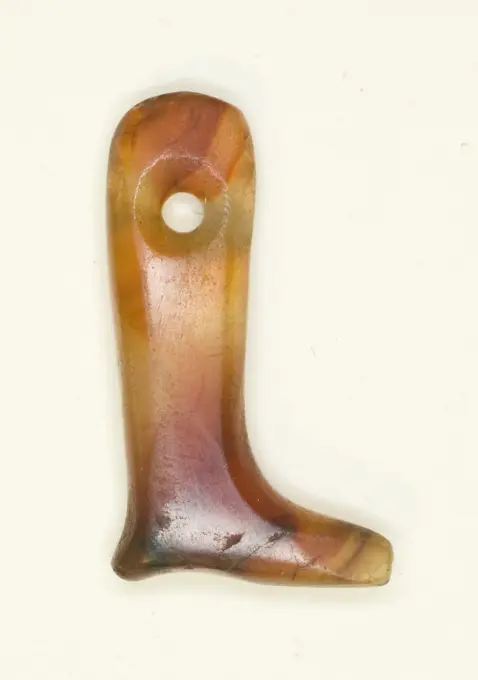
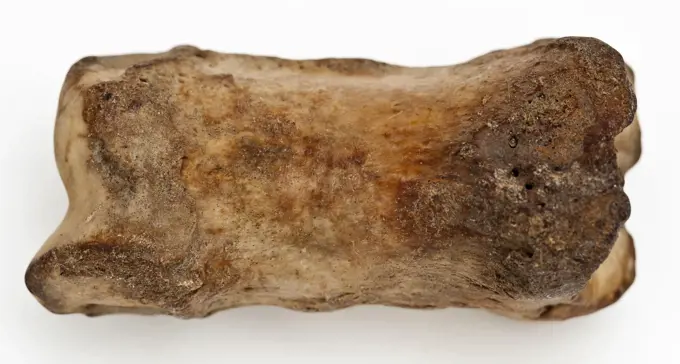
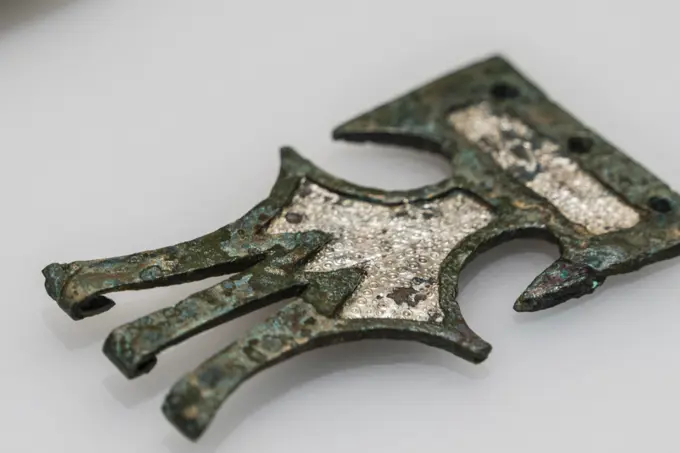
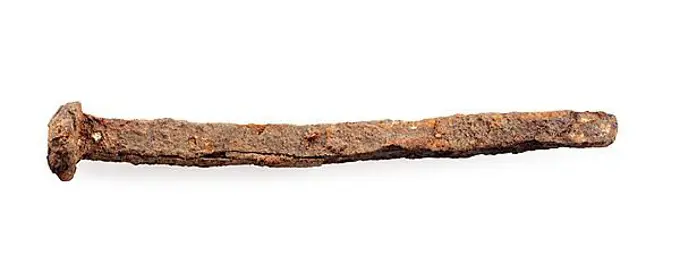
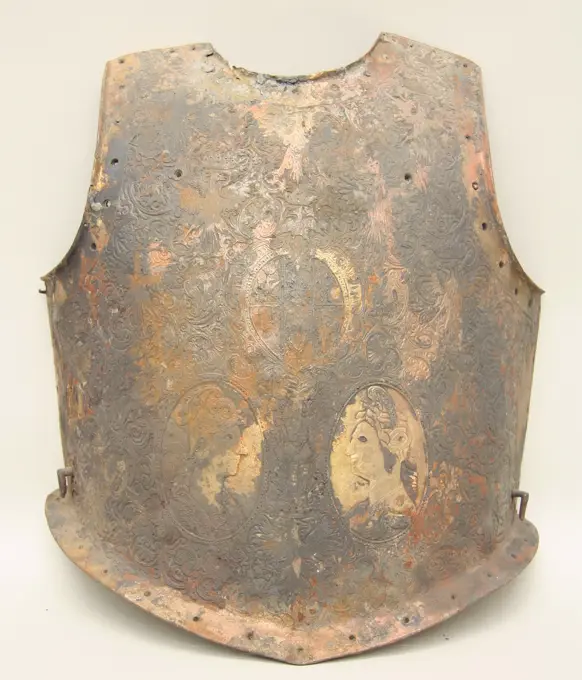
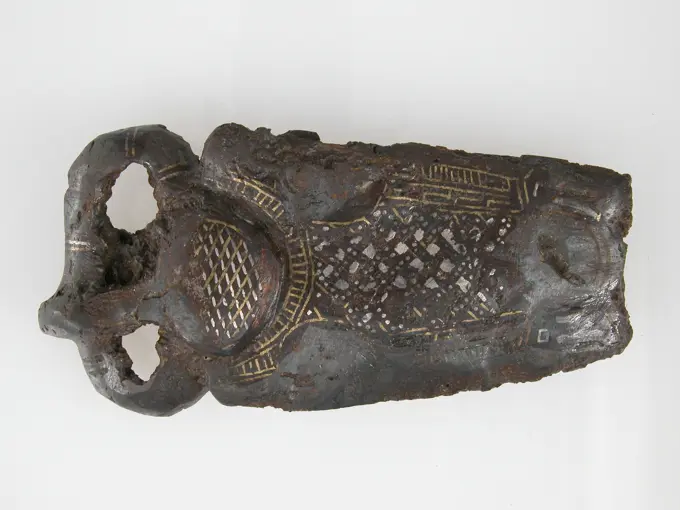
Arrowhead (Yanone) 18th century Japanese Although today Japanese warriors are renowned most for their swordsmanship, archery, especially from horseback, has been an essential part of samurai warfare and culture for centuries. Arrows were fitted with heads of varying shape according to their intended use in war, the hunt, or target practice. Arrowheads made for use on the battlefield incorporated different designs intended for specialized purposes such as the piercing of armor or to cause maximum damage to horses and unarmored personnel.Large arrowheads, pierced and elaborately chiseled with landscapes, birds, flowers, dragons, and Buddhist divinities, were created to be admired for the beauty of their metalwork and design rather than for use in archery. Such highly elaborate examples may have been made for presentation or as a votive offerings to a shrine.. Arrowhead (Yanone). Japanese. 18th century. Steel. Archery Equipment-ArrowheadsIron machaira (sword) 5th-4th century B.C. Greek Also known as a kopis, the machaira was introduced into Greek weaponry during the late sixth century B.C.. Iron machaira (sword). Greek. 5th-4th century B.C.. Iron. Classical. Miscellaneous-IronKey piece with gothic frame, anonymous, c. 1400 - c. 1950 Key piece of oak with gothic frame. Northern Netherlands (possibly) iron (metal). paint (coating). oak (wood) Key piece of oak with gothic frame. Northern Netherlands (possibly) iron (metal). paint (coating). oak (wood)RECIPIENTE CIRCULAR EN FORMA DE LEON DE PASTA AZUL S X AC. Location: MUSEO BASTAN. Teheran. IRAN.Winged Pendant before 16th century Tairona. Winged Pendant. Tairona. before 16th century. Stone. Colombia. Stone-OrnamentsBronze plate decorated with plant and grain at the edges. Largo 7, 9 Thickness 0, 6 cm Weight 58, 9 grams ( 1 St - 3 rd CE ) - Roman period, from the " House of Hyppolytus "- Archaeological site of Complutum in Alcalá de Henares ( Madrid ). SPAIN.Pipe of white soil with loosely figures with two lilies, anonymous, c. 1400 - c. 1950 Pipe of white soil with loosely figures with two lilies.  earthenware. pipe clay Pipe of white soil with loosely figures with two lilies.  earthenware. pipe clayBelt Buckle Loop 4th-7th century Frankish or Burgundian. Belt Buckle Loop 469805Fresh horseradish root isolated on white background. Fresh horseradish root isolated on the white background. Copyright: xZoonar.com/JirixHERAx 21241294Ribbon of light green velvet, anonymous, c. 1400 - c. 1950 Llint of light green velvet. West-Europa velvet (fabric weave) Llint of light green velvet. West-Europa velvet (fabric weave)Dagger blade ca. 3000-2000 B.C. Cypriot. Dagger blade 244182Spear with Sheath 18th-19th century Malayan. Spear with Sheath 30643Axehead Cypriot. Axehead 244272Powder Horn dated March 10, 1809 Mexican An inscription on this powder horn identifies its owner and probable maker as Benito Pérez Gómez. Dated 1809, the horn is crudely engraved with skirmishing soldiers, including one holding a musket and another on horseback. The archangel St. Michael, patron and protector of soldiers, is shown battling the devil. Inscriptions give thanks to God and praise Jesus and Mary.. Powder Horn 35176Legs leg, part of throwing game: chaps, koot spelstuk relaxant bottomfound leg, Bone weighted with lead and marked, three lying grooves cross four lying grooves archeology Rotterdam railroad play show Soil discovery: trajectory rail tunnel Rotterdam.Leather knife blade or case for knife, richly decorated and dated, sheath sheath holder leather, tanned cut sewn Leather knife sheath or sheath Eight-shaped cross section probably intended for two knives or for knife and fork. Richly decorated with stamped lines in the form of tulips. Dated Under the opening circulating text and year: ANNO 1742 transport store knife forkWalter Praefke, Corn Knife, 1939 Corn KnifeLarge Crossbow (Ganze Rüstung) of Johann Georg, Baron von Rechenberg dated 1663 German, probably Dresden. Large Crossbow (Ganze Rüstung) of Johann Georg, Baron von Rechenberg 33741Post-Talaiotic culture. Ear of bull. 5th-3rd centuries BC. Bronze. From the Shrine of Predio de Son Corro (Costitx, Majorca, Balearic Islands, Spain). National Archaeological Museum. Madrid. Spain.Horn (side-blown horn), anonymous, c. 1850 - c. 1896 Dwarshoorn from an elephant position from Congo. Congo ivory Dwarshoorn from an elephant position from Congo. Congo ivoryHead of a Janissary Hammer 16th century Turkish. Head of a Janissary Hammer 30817Dagger-Axe (ge). China. Date: 1600 BC-1046 BC. Dimensions: 26.4 × 7.4 × 0.8 cm (10 3/8 × 2 15/16 × 5/16 in.). Bronze. Origin: China. Museum: The Chicago Art Institute, Chicago, USA.Ceremonial Blade, 4 3/4 x 1 11/16 in. (12.07 x 4.29 cm), Copper, MexicoCopper alloy dagger blade ca. 2200-1800 B.C. Cypriot Leaf-shaped blade with tang and two rivet-holes in base of blade.. Copper alloy dagger blade 244172Ornament for the wooden handle of a ge. Ornament for the wooden handle of a (ko), bright green and gray green patina, decorated with a sampling head on a fond of close up fine dots. It is equipped with a hole.Peg for a Bookbinding 5th-7th century. Peg for a Bookbinding. 5th-7th century. Bone; incised, tinted and inlaid with paint. Attributed to Egypt. Ivories and BoneMessenheft from the wreck of the East Indians Hollandia, Anonymous, 1700 - in Or Before 1743  Knife, handle deformed: unclassifiable; fragm, sim. NG 1980-27H1678, ferrule, id. NG 1980-27H426. Netherlands wood (plant material). copper (metal)   SecondSpachtel - Putty knife on white Spachtel - Putty knife on white Copyright: xZoonar.com/lantapixx 7185365Roller. Dimensions: L. 65 cm (25 9/16 in.). Dynasty: Dynasty 11. Date: ca. 2124-1504 B.C..The wooden roller was found under a limestone sarcophagus, and was likely used to aid in its transport. Museum: Metropolitan Museum of Art, New York, USA.KombuBrigandine Plate 1400-1450 Italian This is part of a large find of medieval armor discovered in 1840 in the ruins of the fortress of Chalcis, on the Greek island of Euboea (then a Venetian colony called Negroponte). The fortress had been captured and destroyed by the Turks in 1470. Now divided largely between the Ethnological Museum, Athens, and The Metropolitan Museum of Art, the Chalcis hoard contains many rare and unusual elements of fourteenth- and fifteenth-century armor. Of particular importance are the variety of headpieces and the many fragments of brigandines (armor for the torso constructed of small plates riveted to layers of fabric), some of which retain portions of their original velvet covering. The Chalcis armor provides a unique picture of the armament used in the Aegean, one of the easternmost military outposts of the Venetian empire.. Brigandine Plate 27685Bellows, 1500-1600. Pair of Italian, ornately carved walnut and bronze bellows, made in the sixteenth century. Bellows were needed to pump air into the embers to coax the fire to life. Most of them were plain and ordinary objects. However, some bellows, especially from Italy and France were elaborately carved by master craftsmen. The deeply carved winged figures, together with the grotesque carvings of the satyr's head on the bellow's handles, were popular features on carvings in the second half of the 16th century... Purchased from Edward H Pinto, 1965. .Pattern sleeve with bullet from the wreck of the East Indians Hollandia, Anonymous, 1700 - in or before 1743 cartridge shell Cartridge case, tube; fragm, squashed, bent, id. NG 1979-205H549 with lead shot. Netherlands copper (metal). lead (metal). concretionary stone   SecondMiser's Purse (France); silk, metal; L: 32 cm (12 5/8 in.)Egyptian mummy. National Archaeology Museum. Madrid. Spain.Curved swords sacrificed in a bog. C. 1550 BC. Bronze Age. Made in Scandinavia. From Rorby, western Zealand. National Museum of Denmark. Copenhagen. Denmark.Ceremonial Knife (Tumi) 1st-mid-8th century Moche. Ceremonial Knife (Tumi) 309095Plate and Nail 15th-16th century European. Plate and Nail. European. 15th-16th century. Iron. Metalwork-IronExcerpt of copper from the wreck of the East Indians Hollandia, 1700 - in or before 1743  Parts of artefacts; eroded fragments: materials; copper. Netherlands copper (metal)   SecondScissors 7th-9th century China. Scissors 42184Fragments Varkensbot from the wreck of the East Indians Hollandia, 1700 - in or Before 1743  Faunal remains: bones; pig bones (Sus); tibia (part of hind leg), distal end unfused, proximal and eroded, fragm of tibia (part of hind leg), proximal and eroded.  bone (material)   SecondChegah-Skah-Hdah (dance wand) 19th century Native American (Sioux) A product of European trade items, this rattle has three crotal brass bells and fifty-nine rolled-metal conical jingles. Each bell or jingle is attached to the shaft of the rattle by a small strip of Native-tanned leather inserted at its apex and tied, or, in the case of the conical jingles, compressed between the metal walls. The shaft of the rattle has a wooden core covered in stitched Native-tanned leather, allowing the small pieces attached to the bells and jingles to be stitched to the leather covering. Rolled-metal cones like these are often found on the dresses of women dancers in the Great Plains culture region; the dresses are worn for a special type of dancing, known as Jingle Dancing. It is common to see jingles formed from the reused lids of cut chewing tobacco canisters. Rattles like this would be employed during the dance, held in the hand and made to sound along with the movement of the dancer.. Chegah-SkScribe's knife ca. 1295-1070 B.C. New Kingdom, Ramesside. Scribe's knife. ca. 1295-1070 B.C.. Bronze. New Kingdom, Ramesside. From Egypt, Memphite Region, Lisht North, Cemetery, MMA excavations, 1906-07. Dynasty 19-20Bow harp ca. 2030-1640 B.C. Middle Kingdom The harp, called benet in ancient Egyptian, was one of the most popular musical instruments throughout pharaonic history. This bow harp, among the oldest to have survived, is characterized by a long, curving neck and a shovel-shaped sound box. Originally covered by parchment or animal skin, the sound box would have resonated when the instruments five strings were plucked. Harpers played either alone or in ensembles with singers and other musicians.. Bow harp. ca. 2030-1640 B.C.. Wood, paint. Middle Kingdom. From Egypt, Upper Egypt, Thebes, Asasif, MMA excavations, 1918-19. Dynasty 12Knife with Zoomorphic Decoration 6th century B.C. Eastern Central Asia. Knife with Zoomorphic Decoration. Eastern Central Asia. 6th century B.C.. Bronze. MetalworkModel of a 44-Gun Ship of the Line, anonymous, c. 1700 - c. 1800 ship model. hull model Rull model of a two -tinker, plays above the waterline. 42 guns have been applied over the length of two decks. Hek, Mirror and Wulf are missing. Netherlands (possibly) wood (plant material)Costume Ornament 11th-12th century Peru; central coast (). Costume Ornament 308684Messenheft from the wreck of the East Indians Hollandia, Anonymous, 1700 - in Or Before 1743  Knife, handle, cylindrical: tapering; id. NG 1979-403H, ferrules id. NG 1980-27H426. Netherlands wood (plant material)   SecondCopper Ladle 12th-15th century Chimú (). Copper Ladle. Chimú (). 12th-15th century. Copper (cast). Peru. Metal-ImplementsLeft Breastplates from Two Brigandines ca. 1400-1425 Italian Both retain some of their original textile covering, and one (acc. no. 29.150.103) has notched stop-ribs to protect the throat and armpit areas of the wearer.. Left Breastplates from Two Brigandines 23154Fragment of jaws. Caucasus. 4th century BC. Paris, Cernuschi museum. 35407-6 BRONZE, FRAGMENT, MORSProjectile Point ca. 3100-2900 B.C. Early Dynastic Period. Projectile Point. ca. 3100-2900 B.C.. Flint. Early Dynastic Period. From Egypt, Northern Upper Egypt, Abydos, Umm el-Qaab, Tomb of Djer, Egypt Exploration Fund excavations. Dynasty 1Fragment Pijpenkop from the wreck of the East Indians Hollandia, Anonymous, 1700 - in Or Before 1743  Pipe, bowl, whole market illegible; Fragment, no HSM. Netherlands pipe clay   SecondFibula, 900-700 BC. Italy. Bronze; overall: 5.2 cm (2 1/16 in.).Wrought Iron Sickle. Dated: c. 1940. Dimensions: overall: 31.7 x 46.3 cm (12 1/2 x 18 1/4 in.) Original IAD Object: 19 1/2" long. Medium: watercolor, graphite, and gouache on paper. Museum: National Gallery of Art, Washington DC. Author: Frank Gray.Messenheft from the wreck of the East Indians Hollandia, Anonymous, 1700 - in Or Before 1743  Knife, handle, cylindrical: tapering; id. NG 1979-403H, ferrules id. NG 1980-27H426. Netherlands wood (plant material)   SecondBlood bag pin -Powder Horn. Culture: Colonial American. Dimensions: L. 12 3/8 in. (31.4 cm); Diam. 2 1/2 in. (6.4 cm); Wt. 4.8 oz. (136.1 g). Date: 1753. Museum: Metropolitan Museum of Art, New York, USA.Betel NutCutterWooden stopper in the shape of sphere with conical, hollow pin, stop closure part ground find wood, sawn drilled twisted wooden stopper In the form of sphere with conical hollow pin Flattened pedestal at the top Rotation ring at the transition from ball to pin. Pen is oval in shape probably deformed by dehydration archeology Rotterdam IJsselmonde indigenous woodwork store storage close dosing Soil discovery: Castle IJsselmonde pit 1 Rotterdam 1972.Bangle 304 B.C.-A.D. 364 Ptolemaic or Roman Period. Bangle. 304 B.C.-A.D. 364. Silver. Ptolemaic or Roman Period. From Egypt, Central Delta, Tell el-Balamun (Diospolis Inferior), Carnarvon/Carter excavations, 1913Souvenir after Henry Siemiradzki  handle or plugFragment 14th-15th century. Fragment 445160Earring 3rd-12th century. Earring 446239Key Handle. Culture: Roman. Dimensions: Overall: 3 1/2 x 1 7/16 in. (8.9 x 3.6 cm). Date: 1st-7th century. Museum: Metropolitan Museum of Art, New York, USA.Tusk, 1775-1777, 43 x 71 x 17 1/2 in. (109.2 x 180.3 x 44.5 cm), Ivory, Nigeria, 18th century, The kings (obas) of the Benin Kingdom and the high-ranking chiefs who served them displayed ivory tusks on altars to honor their ancestors. This tusk was commissioned by Ekeneza in 1775, the year he became ezomo, or military commander, under King Akengbuda (r. 1750-1804). The size of the tusk and complexity of the images, meant to be read from bottom to top, rival altar tusks created for an oba. The intricate carvings that cover the entire surface of the tusk were accomplished by several members of the royal ivory-carvers guild, who used small tools to chip, smooth, and scrape away ivory. Motifs include deified kings, courtly women, and important commanders from the past; Portuguese soldiers, identified by their skirts, long hair, and beards; and leopards, elephants, reptiles, and mudfish—all symbolic animals in Benin imagery.Warehouse of iron swords, 2nd-1st cent. BC. Neapolis of Emporion. Archaeology Museum of Catalonia, Barcelona, Spain.Tool ca. 3850-2960 B.C. Predynastic Period. Tool. ca. 3850-2960 B.C.. Flint. Predynastic Period. From Egypt, Fayum, BSAE/Caton-Thompson excavations, 1924-26Typical and traditional villagers knife from Walcheren Island, Netherlands, Europe. Trip to the Zeeland 1873, by Charles De Coster. Old engravingPipes from the wreck of the East Indieschief Hollandia. Two pipe heads with the weapon of Gelderland.Talon axe and rings, bronze, Monte Betaio, Turtzios, Arkeologi Museoa, museo aqueologico, Bilbao, Bizkaia, Pais Vasco, Spain.Right hand, fragment of the sarcophagus;  indefinite (0-00-00-0-00-00);Flora G Guerra, Quirt, c 1939 QuirtPowder Horn 1776 Colonial American This powder horn is engraved with a church and a sailing vessel.. Powder Horn 29578Amulet of a Leg and Foot Made 2494 BCE-2055 BCE Egypt. Small-scale Egyptian figurines, known as amulets, were thought to promote health and good luck. Amulets were such an important part ofEgyptian religious beliefs that they were worn by both the living and the dead. They could be mounted on rings or strung as bracelets or necklaces and were placed among the mummy wrappings to secure the deceasedís rebirth and well-being in the afterlife. There are many varieties of amulets, including figures of deities, parts of the human (ordivine) body, animals, plants, and objects of daily life. The leg and foot were thought to provide the deceased mobility in the afterlife. A few examples of these types of amulets have been found on the ankles of mummies.. Carnelian . Ancient EgyptianDigit from cow's leg, part of throwing game: hocks, koot game piece relaxant soil find lead leg metal, drilled cast Bone: in one of the short side hole filled with lead Werpkoot unnoticed archeology Rotterdam rail tunnel play game child's play werpkoot kootspel koot Soil discovery: trajectory Rotterdam rail tunnel.Bronze belt plate with three hooks Bronze belt plate with three hooks, decorated with silver damascening, 5th-3rd century BC, Cerro Maquiz, Mengibar, Iberian culture, Iberian Museum of Jaén, Andalusia, Spain Copyright: xZoonar.com/BartomeuxBalaguerxRotgerx 21704839Double-Sided Comb 7th century Frankish. Double-Sided Comb 465535 Frankish, Double-Sided Comb, 7th century, Bone, iron pins, Overall: 5 1/16 x 1 3/4 x 9/16 in. (12.8 x 4.5 x 1.4 cm). The Metropolitan Museum of Art, New York. Gift of J. Pierpont Morgan, 1917 (17.193.215)macro shooting of natural mineral stone - tumbled Hydrogoethite gemstone from Crimea isolated on white backgroundBronze spear-heads Greek, about 5th century BC From Olympia.Old big rusty nail isolated on whiteToggle -Breastplate Italian, probably Brescian ca. 1650-1700Bone Fragment with Arabic Inscription. Egypt, 640 - 1200 CE. BoneCrescent Moon Amulet ca. 1390-1353 B.C. New Kingdom. Crescent Moon Amulet. ca. 1390-1353 B.C.. Faience. New Kingdom. From Egypt, Upper Egypt, Thebes, Malqata, Palace of Amenhotep III, MMA excavations, 1910-11. Dynasty 18Knife with a sheathGaming stick -Belt Buckle 6th-7th century Frankish. Belt Buckle 465634 Frankish, Belt Buckle, 6th7th century, Iron, traces of silver and brass inlay, Overall: 3 3/4 x 1 3/4 x 5/8 in. (9.6 x 4.5 x 1.6 cm). The Metropolitan Museum of Art, New York. Gift of J. Pierpont Morgan, 1917 (17.193.302a)Bird-shaped Attachment. Unknown location, no date. Arms and Armor. Bronze, castCoin fromOlbia.  Mint: OlbiaFragment Messenheft from the wreck of the East Indians Hollandia, Anonymous, 1700 - in or before 1743 fragment Knife, handle, cylindrical: tapering; fragm, id. NG 1979-403H. Netherlands wood (plant material)   SecondDried vanilla podsCoffee Spoon ca. 1795 David Vinton. Coffee Spoon 19094Knife lift from the wreck of the East India Hollandia. Knife, handle deformed: Unclassifiable; Slightly pistol grip-shaped.Sword knife hilt with chess pieces, anonymous, c. 1750 - c. 1850 Decoration with chess pieces with characters in gold, on an iron surface; Three out of five have a border. Japan iron (metal). gold (metal) Decoration with chess pieces with characters in gold, on an iron surface; Three out of five have a border. Japan iron (metal). gold (metal)Silver bracelet from the Treasure of 'Perotito'. Iberian art. Jewelry. SPAIN. MADRID (AUTONOMOUS COMMUNITY). Madrid. National Museum of Archaeology. Proc: SPAIN. ANDALUSIA. JAEN. Santisteban del Puerto.Roman Bracelets and finger rings - Bracelets were only worn by women, although both men and women wore finger rings. Circa 1st-4th century AD.Prehistory, Italy, Iron Age. Golasecca culture. Sword hilt, 5th century b.C.Half ring -shaped fragment from the wreck of the East Indians Hollandia, Anonymous, 1700 - in Or Before 1743 fragment Varied parts or fragments, rings and ring-shaped fragments; fragm, broken, corroded; curved, originally circular, circular in section. Netherlands tin (metal)   SecondAxe-head from Camerton, Somerset. Dated 1st Century AD