Ancient Tools and Implements

A collection of ancient tools including a razor-knife, file, bronze chisel, lancer point, and a tin fragment, showcasing historical craftsmanship and materials.
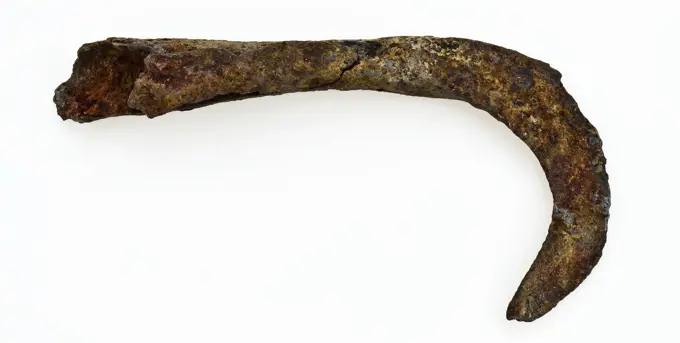
Scraper with sickle-shaped, rounded blade and forged, hollow connector to handle, knife cutting tool soil found iron metal, Sick shaped blade with tapered, forged hollow connector to handle. Probably double-edged archeology Rotterdam rail tunnel craft cutting Soil discovery: rail tunnel Rotterdam.
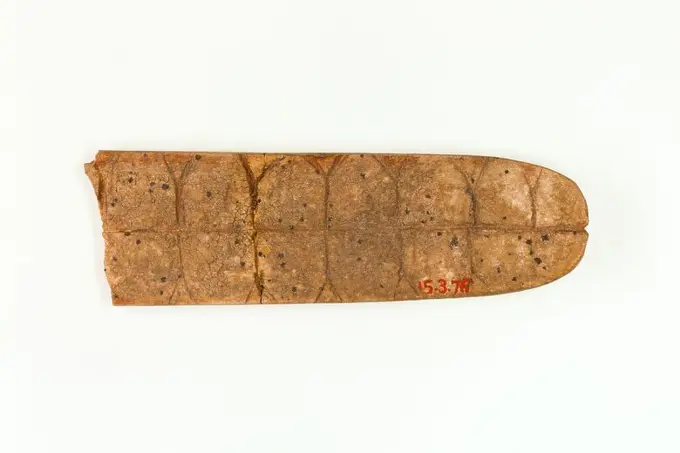
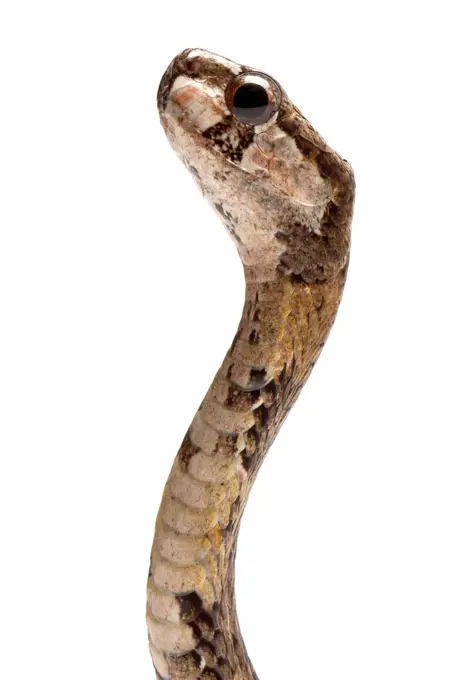
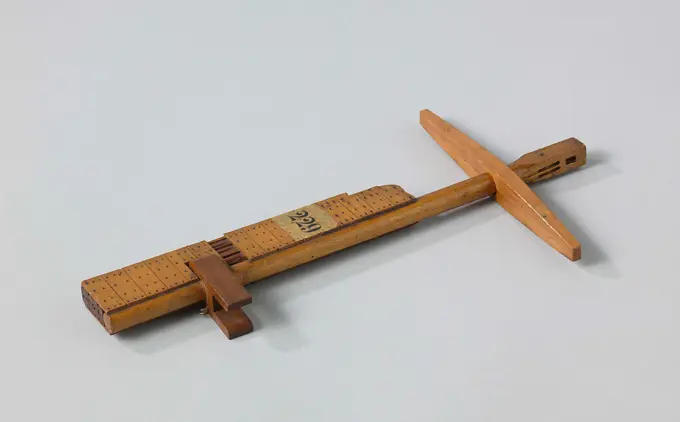
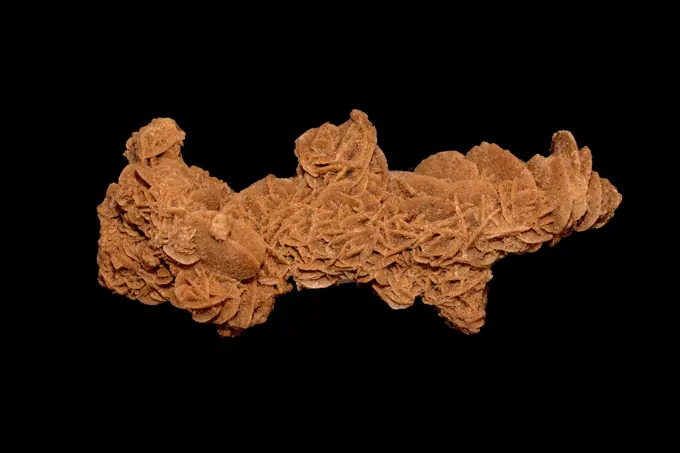
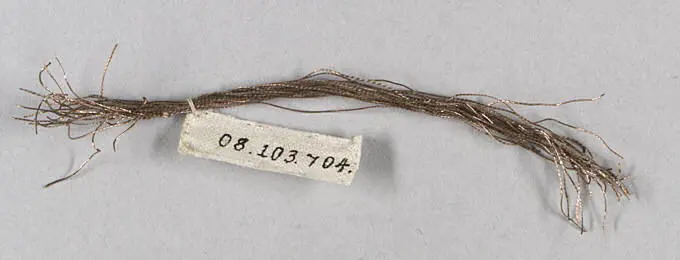
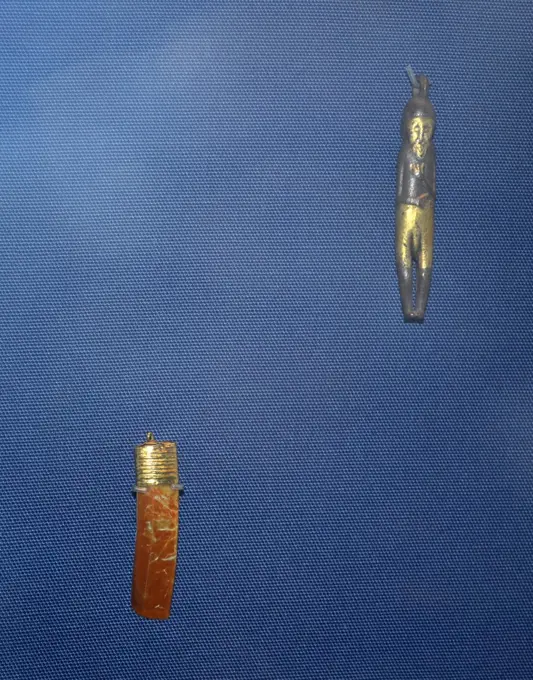
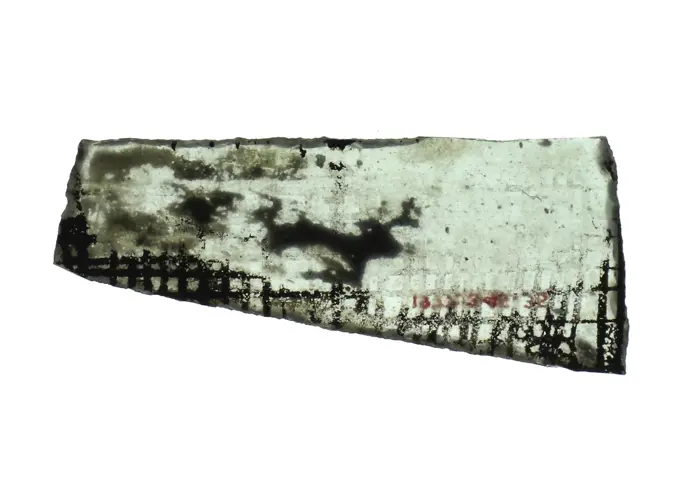
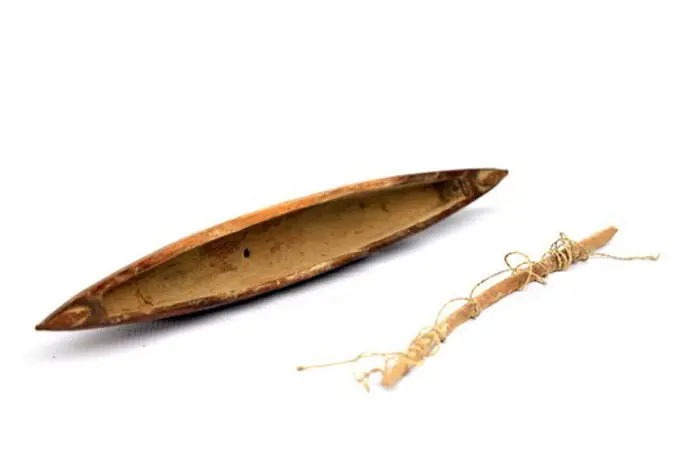
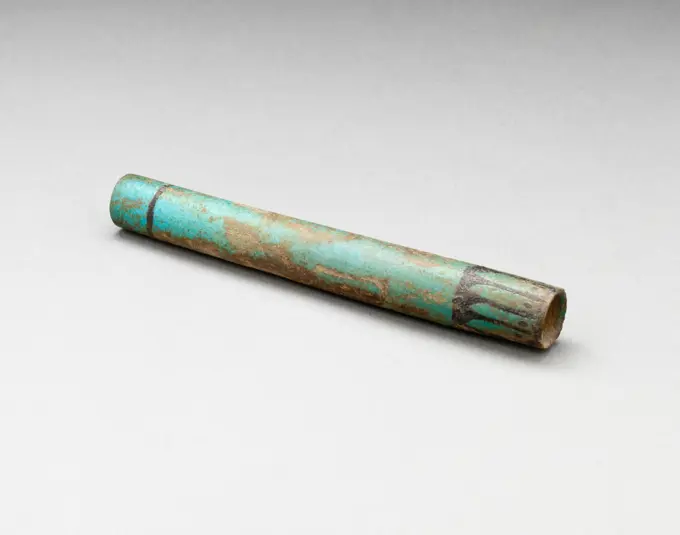
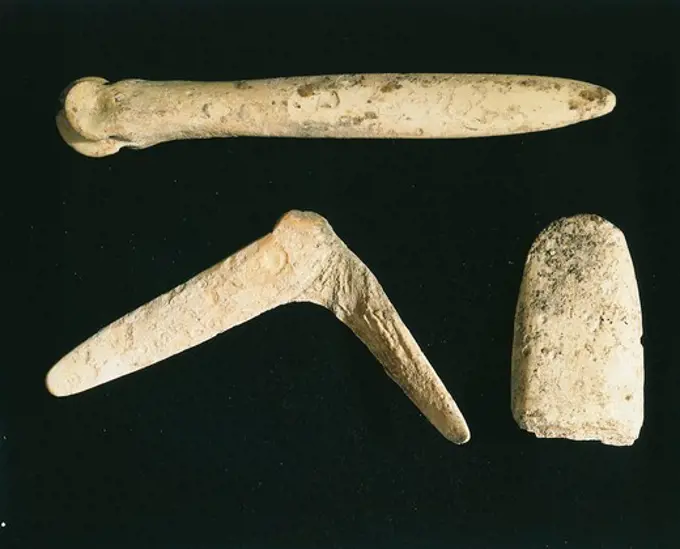
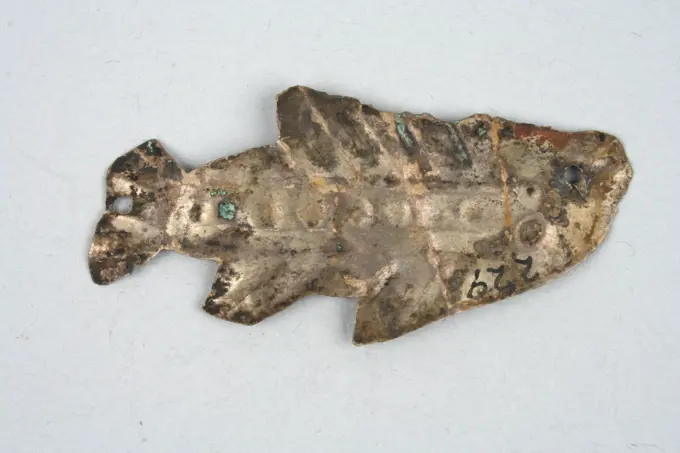
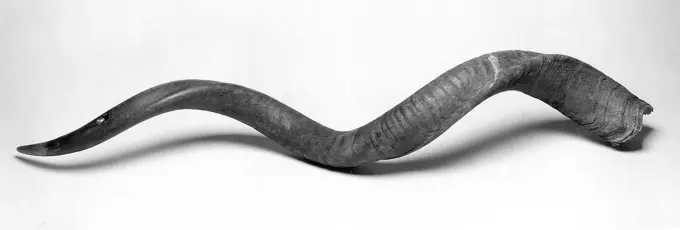
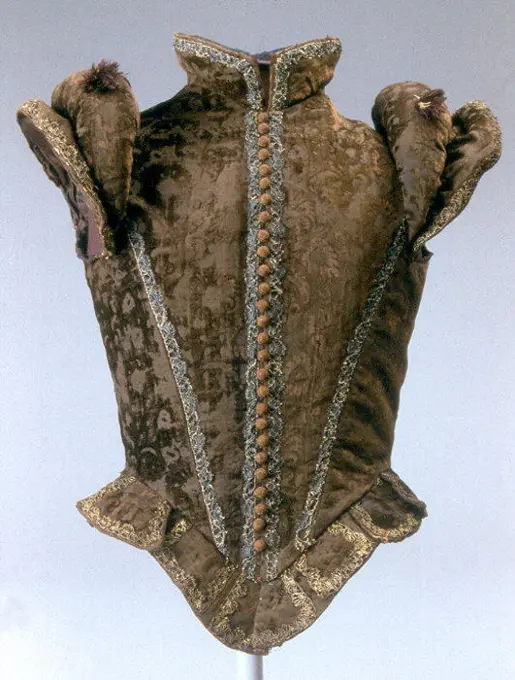
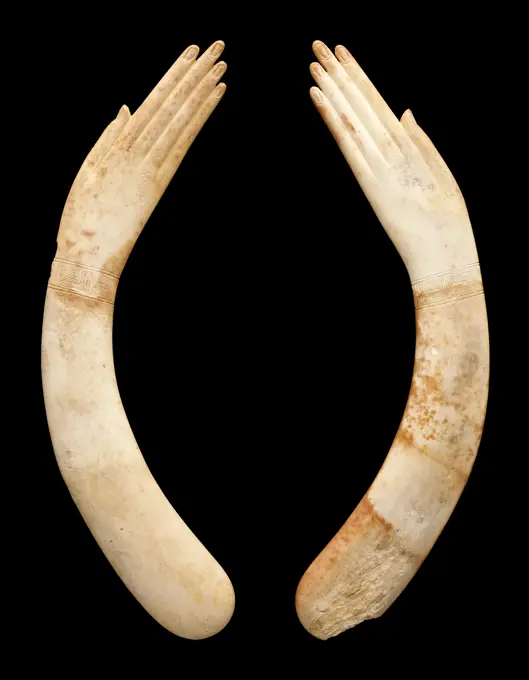
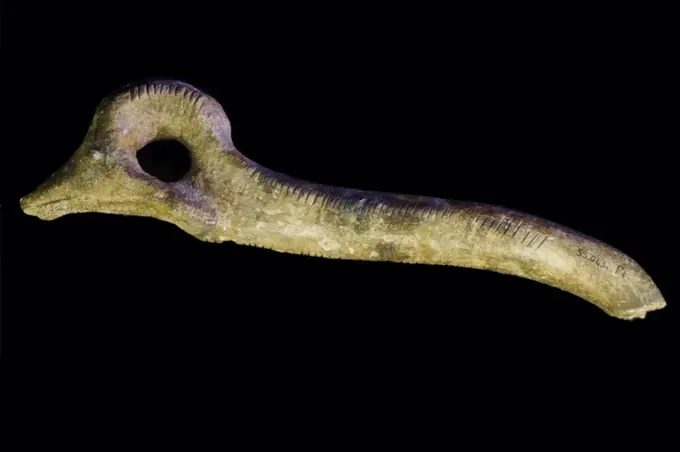
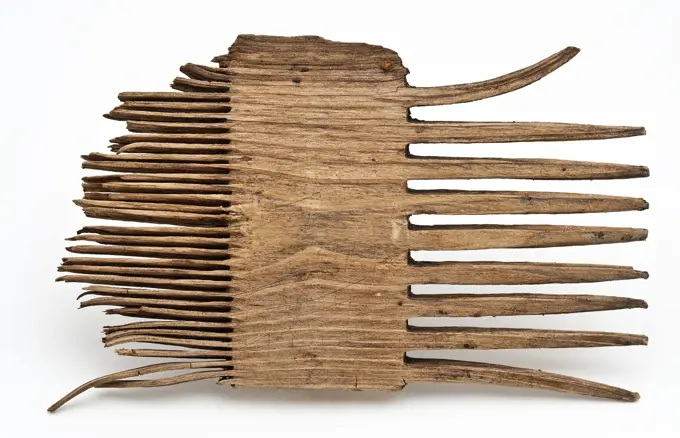
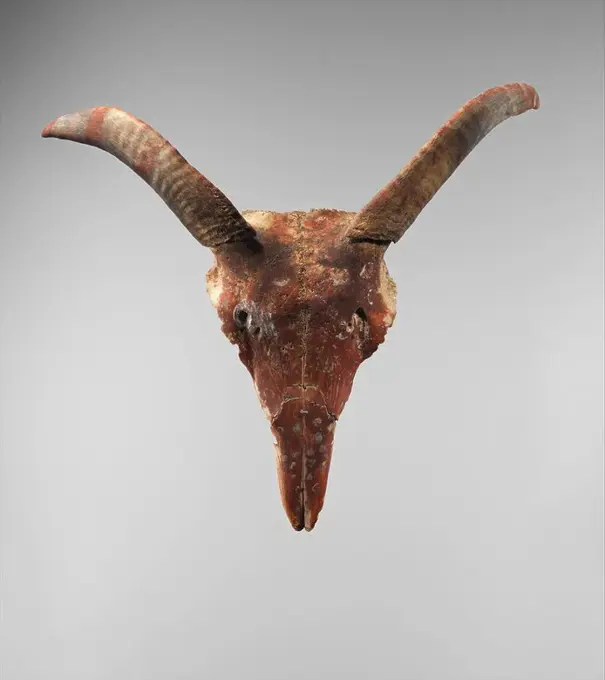
Dress on the image of the Mother of God with the Child  the sleeve of the Mother of God dressesTwo dagger-axes.This kind of broad, dagger-like blade was affixed at a right angle to the end of a long pole, forming a weapon that was probably carried by foot soldiers. The turquoise inlay, however, shows that these were no ordinary weapons. Their chief function may have been symbolic, to emphasize the status of high-ranking officers.Twelve Arrows 16th-18th century Tibetan. Twelve Arrows 35844Plaque (). Dimensions: L. 6.8 cm (2 11/16 in). Dynasty: Dynasty 12-13. Date: ca. 1850-1640 B.C.. Museum: Metropolitan Museum of Art, New York, USA.Blunthead Slug Snake in studio on white backgroundGold hilt from sword, Second circle of Royal tombs at Mycenae, Goldsmith artModel or a jury rudder.model from a slip rudder with a stem as king. The leaf is composed of lap wood covered and a donkey head as stirring hook around the king. An anchor stick is mounted around the steng.Hook (common name). Wild boar tooth. Carnavalet museum, history of Paris.Sand Selenite desert rose     Date: beige trim tie rolled up on a white backgroundPrehistoric Italy. Pre-roman period. Necropolis. (9th-7th century BC). Spear. Via Laurentina.Cord 17th-18th century probably European. Cord 214195Fish Flask; Roman Empire; 3rd century; Glass; 8 x 21 cm (3 1,8 x 8 1,4 in.)Small figurine Amulets 600 A.D. Thought to have fertility properties. Made from beaver teeth with a gold setting. Anglo Saxon. Axe head ca. 6th-5th century B.C. Scythian. Axe head 325704Fragment 12th-14th century French. Fragment. French. 12th-14th century. Pot-metal glass, vitreous paint. Glass-StainedOld objects weaving shuttleBrown bracelet  subject money, West Africa  Mali; 1st half 20th century unknownKohl Tube. Egypt, New Kingdom, 1550-1070 B.C.. Tools and Equipment; containers. FaienceIberian culture Iberian culture, Archeological Museum. Úbeda, Jaén province, Andalusia, Spain Copyright: xZoonar.com/BartomeuxBalaguerxRotgerx 21702805Saint-Germain-en-Laye, France , 1921 - Seine -et -Oise - Auguste Léon - (June) (French - Saint-Germain-en-Laye , France). Museum, archaeological vestige, sculpture, accessory, prehistory, sculpted decor, Habitat , architecture, art, clothing, France, St Germain-en-Laye, Museum: 2 sticks of Commt 55038 with notch 55043Fish Ornament 11th-12th century Peru; central coast (). Fish Ornament 308826old rusty horseshoe on a wood backgroundBone tools from Belvedere Natural Archaeological Park nearby Cetona (province of Siena)Cigar holder in caseGreece, Sarmacja, Olmia, V The beginning of the 4th century BC, Dolphin money, AE MintCostume Ornament 11th-12th century Peru; central coast (). Costume Ornament 308683Kudu Horn late 19th century South African Said to inspire the vuvuzela, the distinctive twisted kudu antelope horn of South Africa was used both for music and to signal.This horn was once used in the southeast province of Kaffraria, South Africa.. Kudu Horn. South African. late 19th century. Horn. South Africa. Aerophone-Lip Vibrated-hornCotton coin of 1 Bida or Kampua = 1/10 Gang of the island of Buton, south -west of Sulawesi ,, 1800 - 1870 coin Cotton mint, made from a piece of coarse, cotton fabric, where the front and the downside consist of threads of different colors.  cotton (textile)HUESO CON CABEZA DE CIERVO GRABADA-PALEOLITICO-PREHISTORIA. Location: MUSEO ARQUEOLOGICO NACIONAL-COLECCION. MADRID. SPAIN.Jerkin 1570-80 European Working in tandem, curators and conservators combine theory and science to produce a more complete understanding of historical artifacts. Testing on this sixteenth century jerkin by Conservator Christine Paulocik has shown that all of the applied adornment - including the padding at the shoulders, silk tufts, and metallic bobbin lace - is original to the garment. Decorative buttons made of boxwood at center front give the illusion of a closure, when in reality the wearer would have required help getting dressed due to the laced closure located at the center back. The use of boxwood buttons turned on a lathe is consistent with technology and materials of the period. The loss of velvet pile is likely a result of an iron mordant used in the dying process.. Jerkin. European. 1570-80. silk, metal threadTextile Fragment, undetermined or Textile Fragment, undetermined, Tassel Chancay (). , 1400-1532. Cotton, camelid fiber, 6 3/16 × 1 1/4 in. (15.7 × 3.2 cm).   Arts of the Americas 1400-1532Loden role from the wreck of the East Indiesman 't flying heart. To tubularly loden pictures. Black-gray in color. Roll or lead.Messenlift ring from the wreck of the East Indians Hollandia, Anonymous, 1700 - in Or Before 1743  Knife-handle, ferrule; id. NG 1980-27H426. Netherlands copper (metal). wood (plant material)   Secondtop view burnt matches arrangementGold alloy torc with cast cushion terminals. Dated 1st CenturyPair of clappers, about 1550-1292 BCE, 9 9/16 x 3 x 7/16 in. (24.29 x 7.62 x 1.11 cm) (each, approx.), Hippopotamus ivory, Egypt, 16th-13th century BCE, These delicately carved forearms, found in a three-thousand-year-old ancient Egyptian tomb, are percussive instruments. Their curved shape and matching growth lines show that they were made from a single hippopotamus tusk, sawed down the middle into two equal pieces. Music was an important part of ceremonies and banquets in ancient Egypt, and the noise of clapping, banging, and rattling was thought to drive away hostile forces. While we will never know exactly how ancient Egyptian music sounded, there are hieroglyphs and wall paintings that show us how these clappers were played: struck together just as one would clap hands.old rusty horseshoe on a wood backgroundAnimal mummy from Egypt. Dated 300 BCIron weapons of a warrior (5th-4th c. BC). Iron Age. SPAIN. MADRID (AUTONOMOUS COMMUNITY). Madrid. National Museum of Archaeology. Proc: SPAIN. CASTILE AND LEON. SORIA. Alpanseque.PANDERETA USADA POR SANTA TERESA - SIGLO XVI. Location: CONVENTO DE SAN JOSE. Toledo. SPANIEN.Kingdom of Urartu. (9th-8th c. BC). Three arrowheads and six arrowheads conglomerated into solid mass. Iron. 7th century BC. The State Hermitage Museum. Saint Petersburg. Russia.Pair of bronze jambs which belonged to gladiator of Thracian origin, decorated with reliefs depicting head of Gorgon, From HerculaneumPIEZAS DE LA EXPOSICION "ARTE SIN ARTISTAS": BASTON PERFORADO, DE LA CUEVA DE PLACARD. VILHONNEUR, CHARENTE (FRANCIA). DECORADA CON GRABADO DE CABEZA DE CABRA MONTES, SOBRE ASTA DE RENO. MAGDALENIENSE.Swiss steel helmet (pattern 1918/43)Saint-Germain-en-Laye, France , 1921 - Seine -et -Oise - Auguste Léon - (June) (French - Saint-Germain-en-Laye , France). Museum, animal represented , fantastic animal, picking , hunting, archaeological vestige, sculpture, accessory, prehistory, weapon, sculpted decor, Animal, economic activity, housing , architecture, art, clothing, France, St Germain-en-Laye, Museum: 1 COMT stick with bouquetin head and horses (mas d 'azil) 47183, 1 propellant, bouquetin seen from front 47025, (brassempouy) propellant 47259Old And Worn  Alligator SkinDouble-Sided Comb 7th century Frankish. Double-Sided Comb 464963 Frankish, Double-Sided Comb, 7th century, Ivory, Overall: 4 x 2 5/16 x 3/8 in. (10.2 x 5.9 x 0.9 cm). The Metropolitan Museum of Art, New York. Gift of J. Pierpont Morgan, 1917 (17.191.258)Wooden comb with coarse teeth on one side and fine teeth on the other side, comb soil finds timber, sawn Fragment wooden comb with coarse and fine teeth archeology Rotterdam City center Stadsdriehoek Groenendaal underground pit combing hair care personal care hairdressing Ground discovery underground pit Groenendaal Rotterdam.Stone tools, scraper, burin, gimlet, bifacial point, from Late Magdalenian period, FranceKarte von Zentralamerika auf rostigem Metall - Map of Central America on rusty metal Karte von Zentralamerika auf rostigem Metall - Map of Central America on rusty metal Copyright: xZoonar.com/lantapixx 10633040Bucranium. Dimensions: overall h. 22.2 cm (8 3/4 in); h. of skull 15.5 cm (6 1/8 in); w. of antlers 24.8 (9 3/4 in). Dynasty: Dynasty 14-17. Date: ca. 1640-1550 B.C.. Museum: Metropolitan Museum of Art, New York, USA.Coffin and Mummy of the Estate Manager Khnumhotep ca. 1981-1802 B.C. Middle Kingdom Khnumhotep was an estate manager or steward during life, but both his mummy and coffin are designed to associate him with divinity and kingship in the afterlife. The elegant gold funerary mask on his mummy, still in its original condition, exhibits royal attributes such as the uraeus, transforming Khnumhoteps body into an avatar of Osiris, king of the afterlife and god of resurrection. The inscriptions on the coffin proclaim that he is worthy of association with various deities. The coffin features a series of elaborate palace-facade motifs, an already ancient pattern that was believed to replicate early constructions made of organic materials.. Coffin and Mummy of the Estate Manager Khnumhotep 544322Bag, Fragments or Textile Fragments, Undetermined Nasca-Wari. , 200-1000 C.E. Camelid fiber, Longest one: 5 1/4 × 3/16 in. (13.3 × 0.5 cm).   Arts of the Americas 200-1000 C.E.