Ancient Vessels

A collection of historical glass and ceramic vases, showcasing intricate designs and diverse shapes from different cultures.

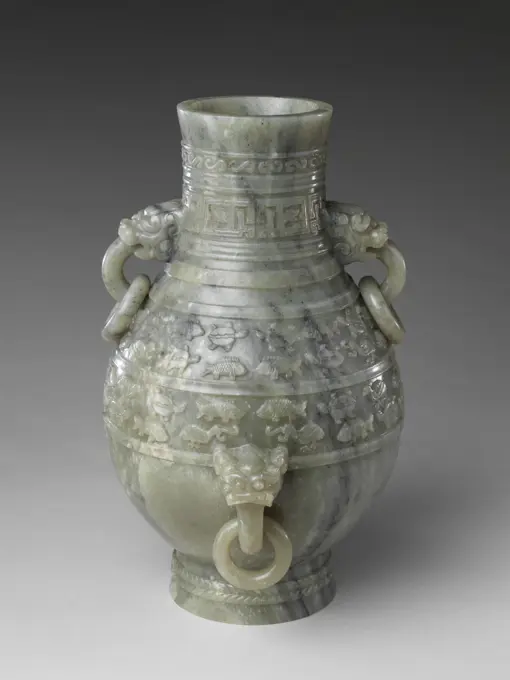
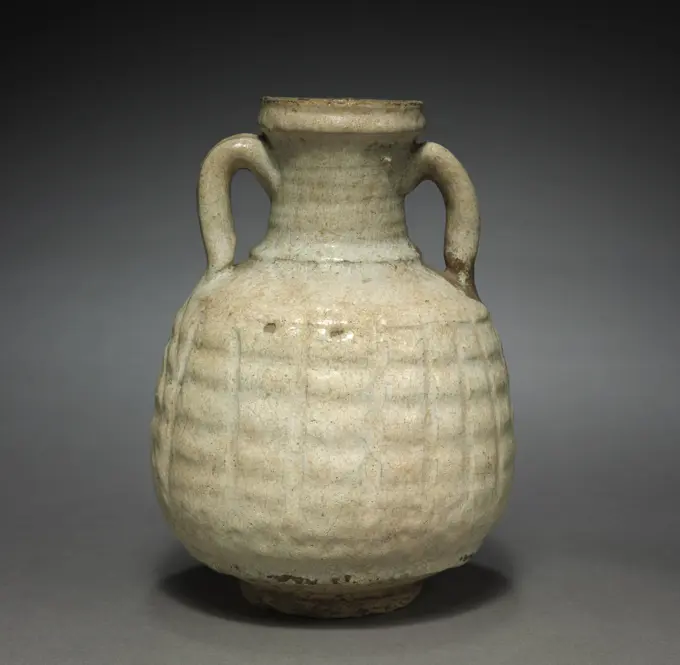
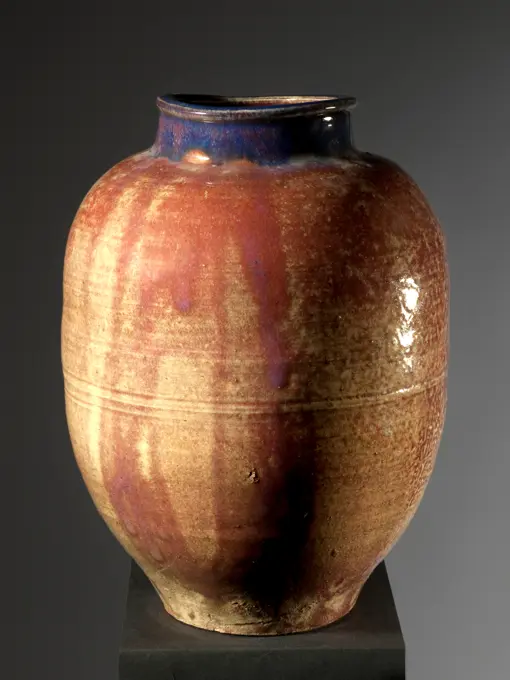
Vase bottle (usual name), 1400. Gray cover sandstones. Cernuschi Museum, Asia Museum of Asia in the city of Paris.
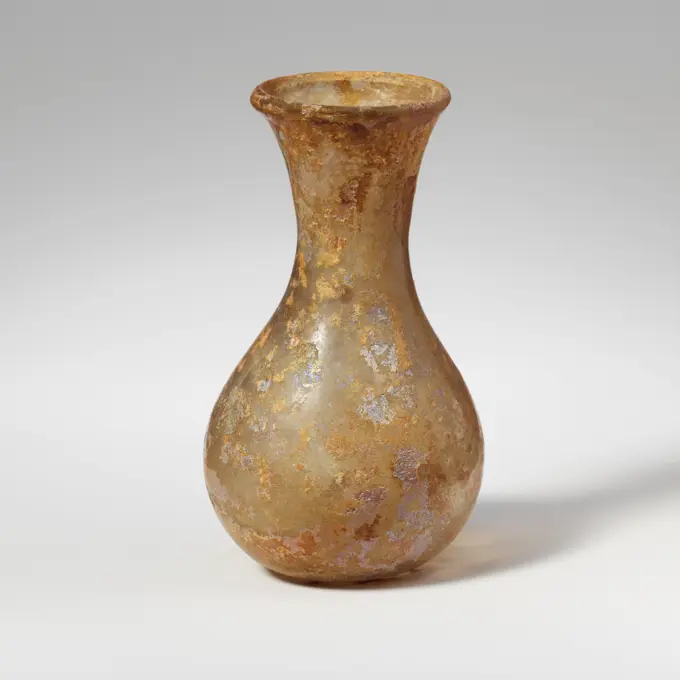
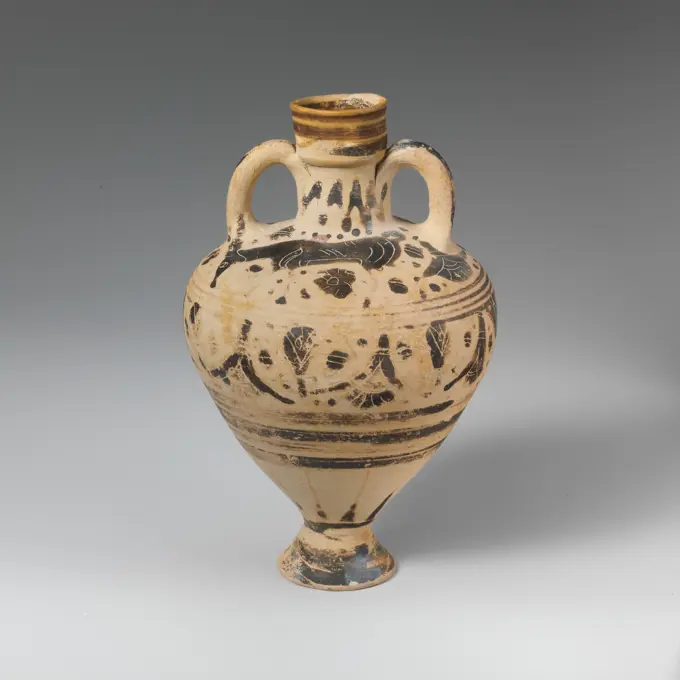
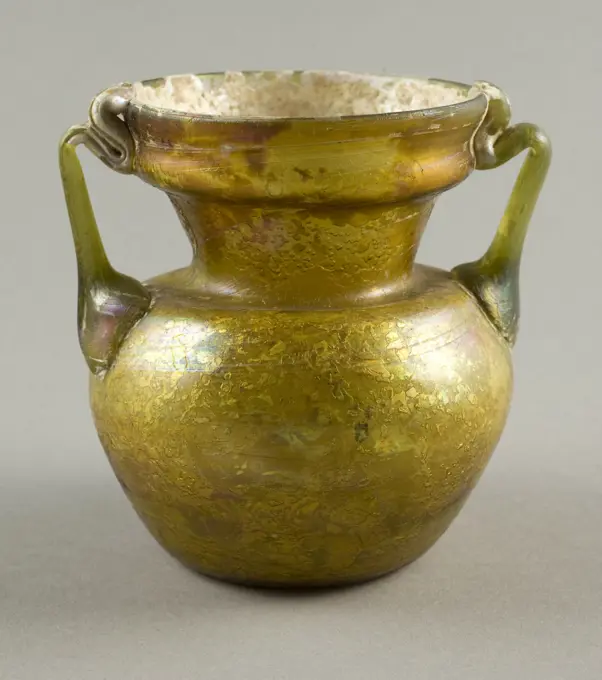
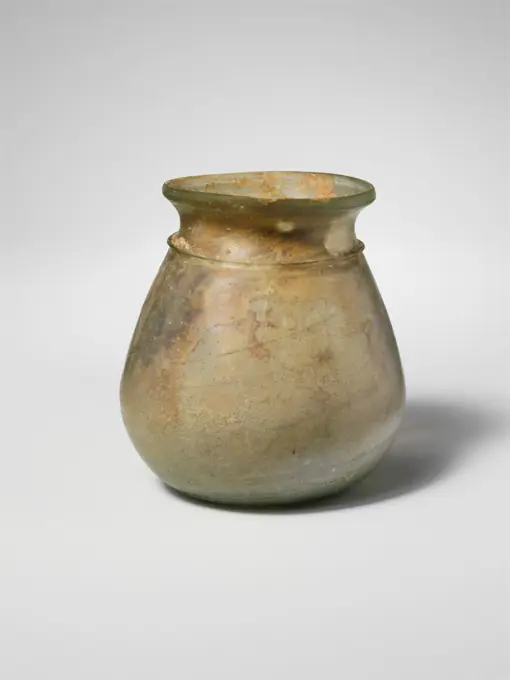
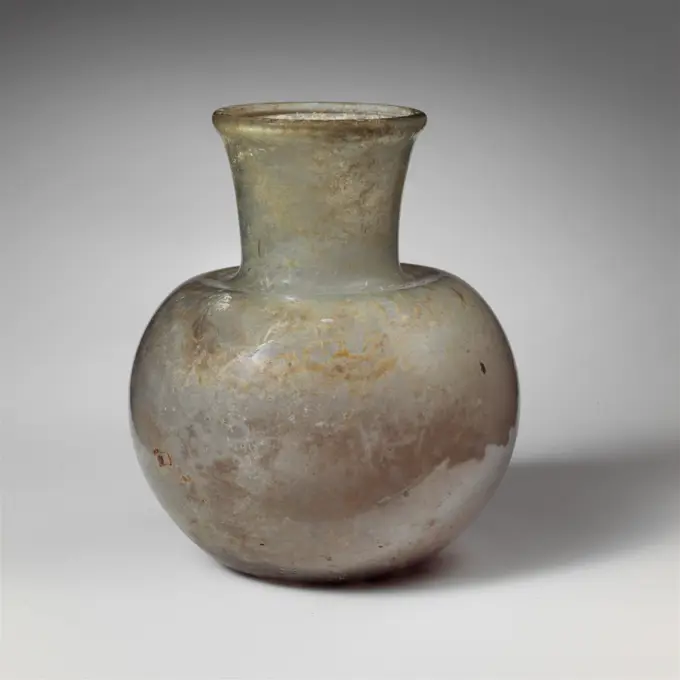
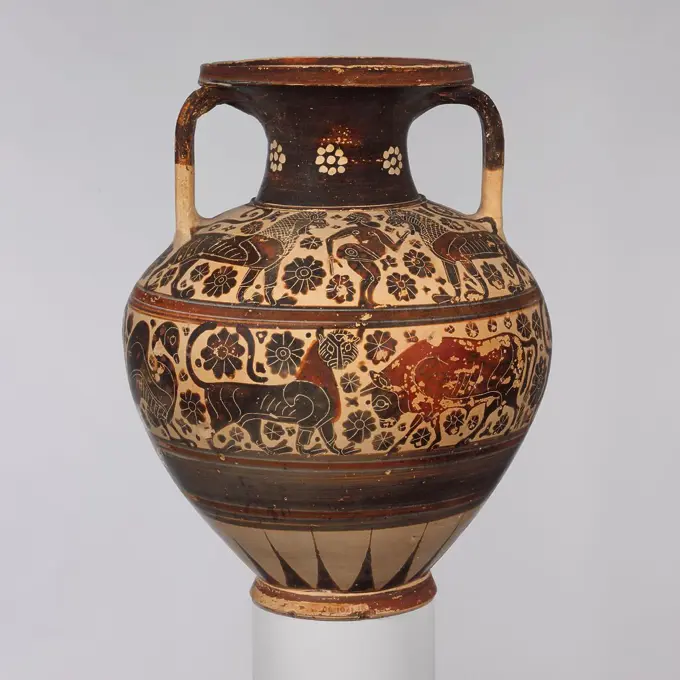
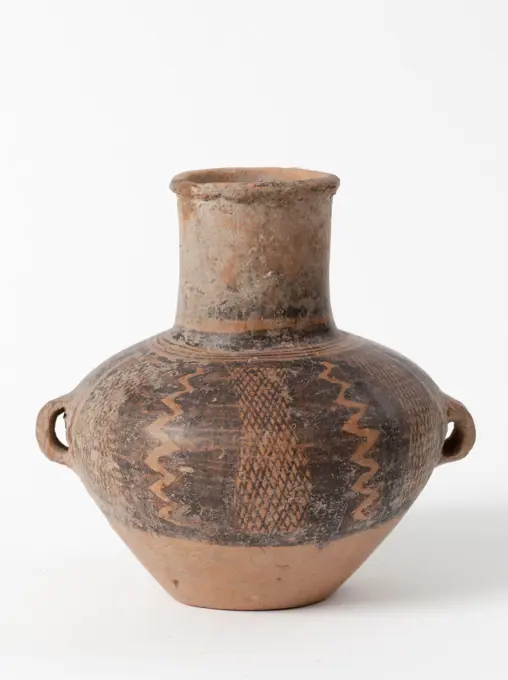
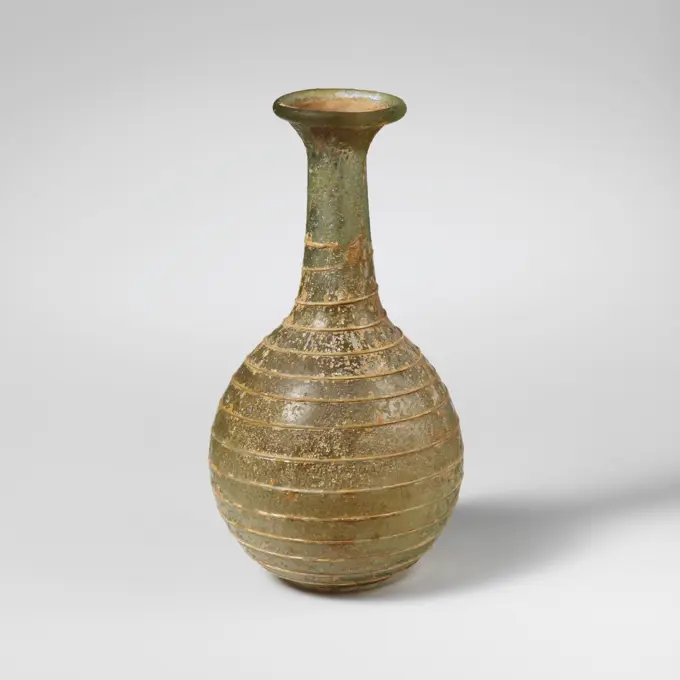
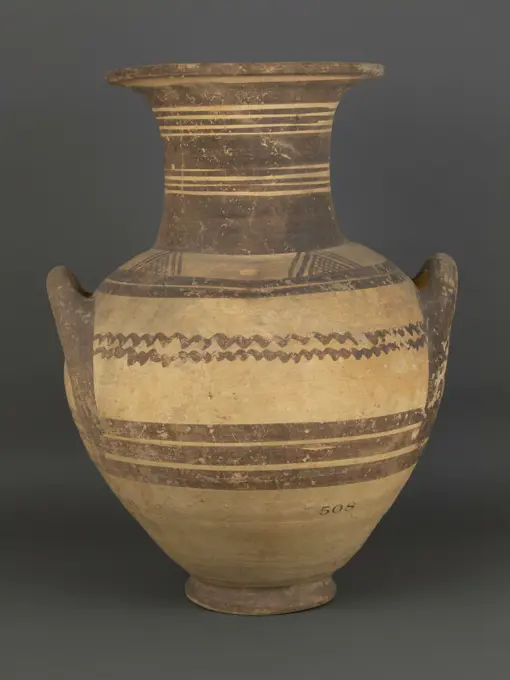
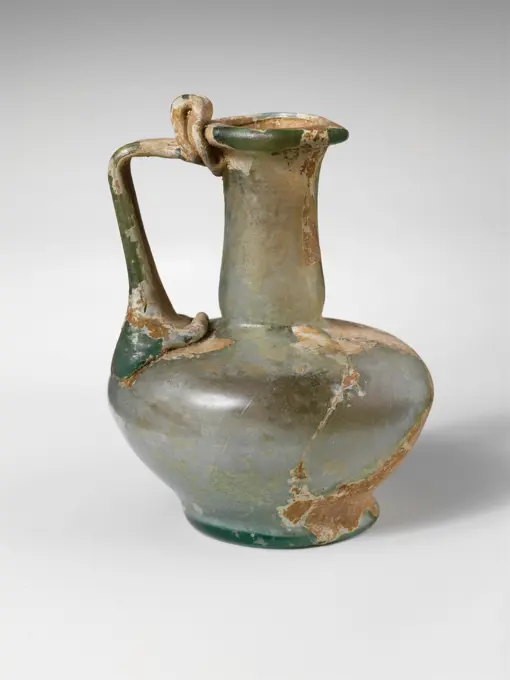
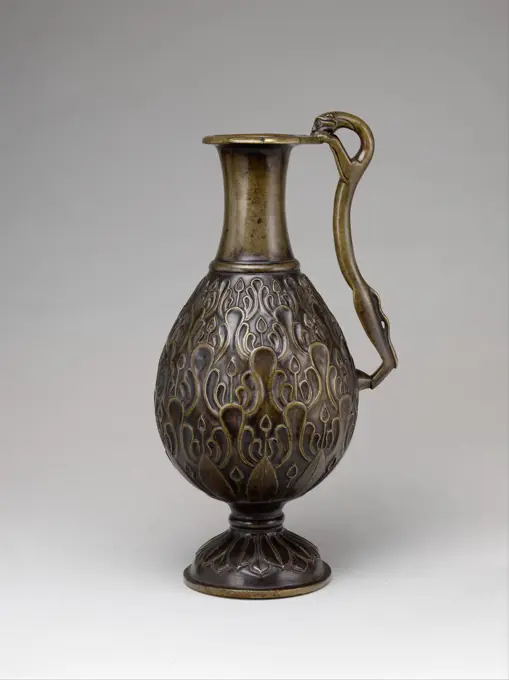
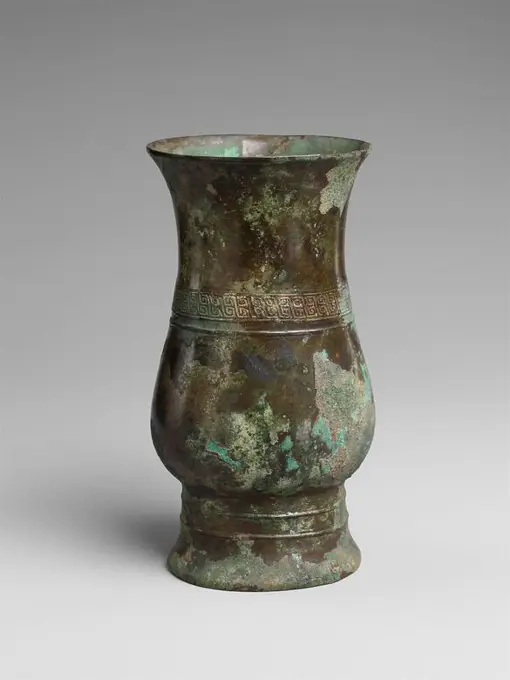
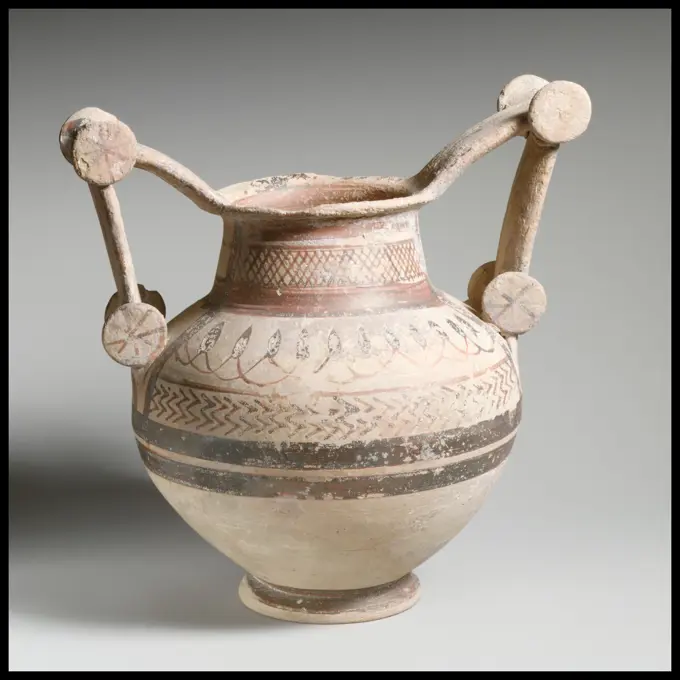
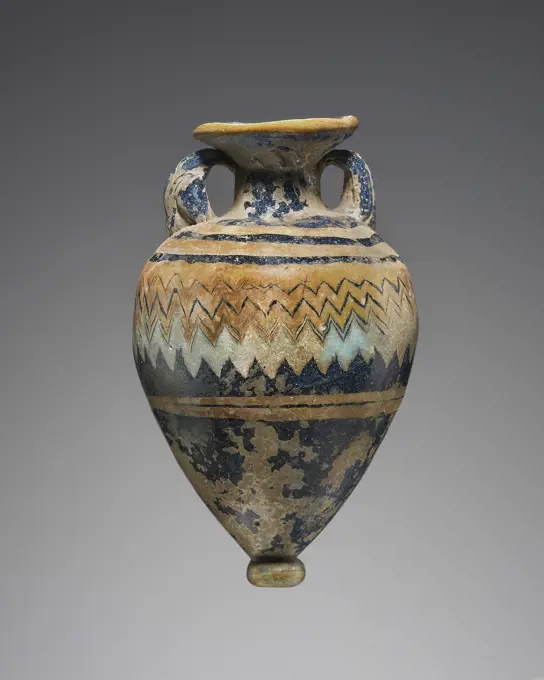
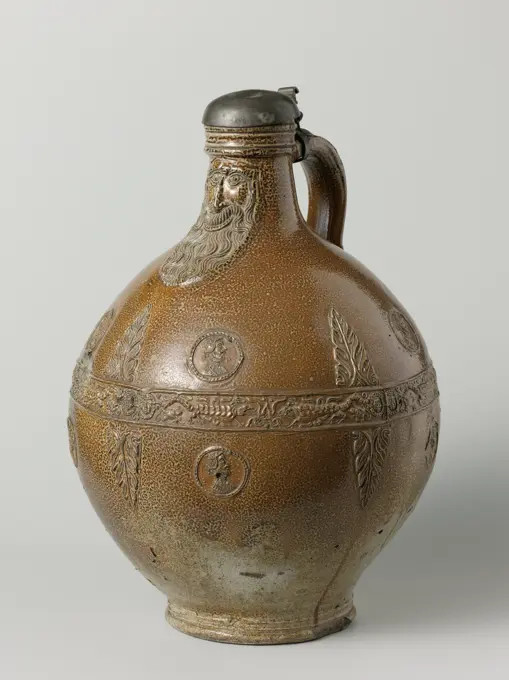
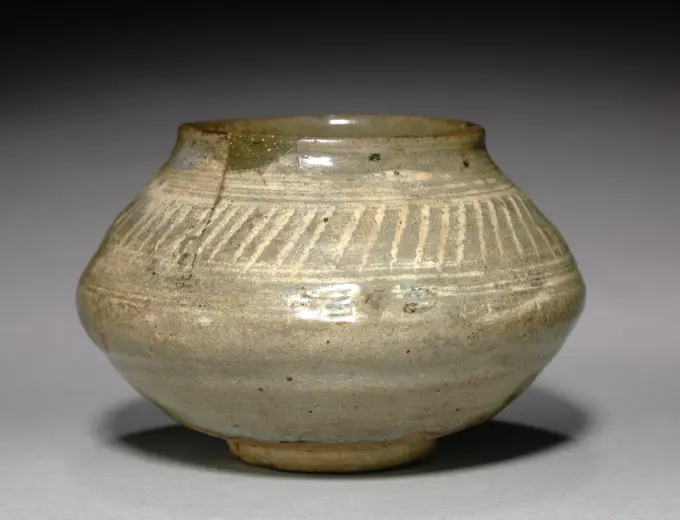
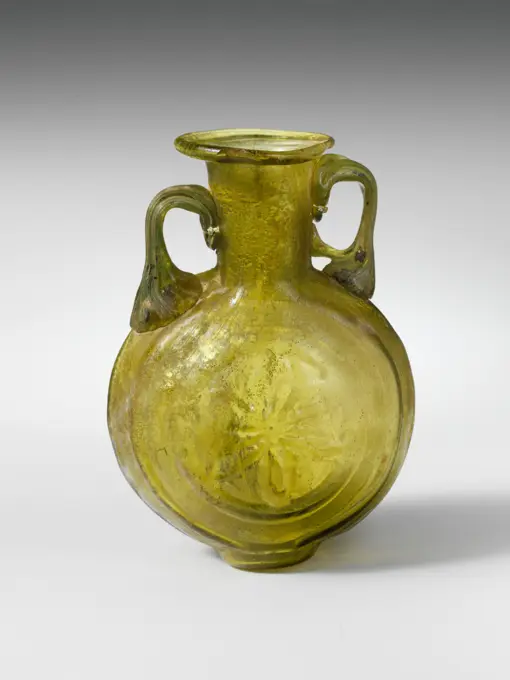
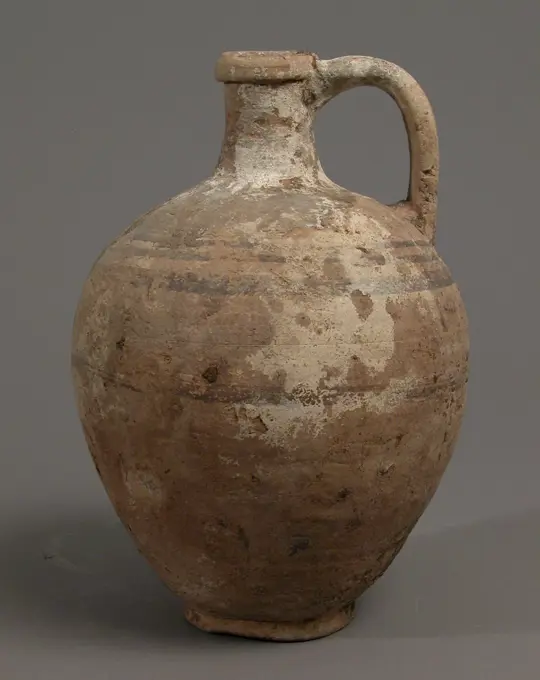
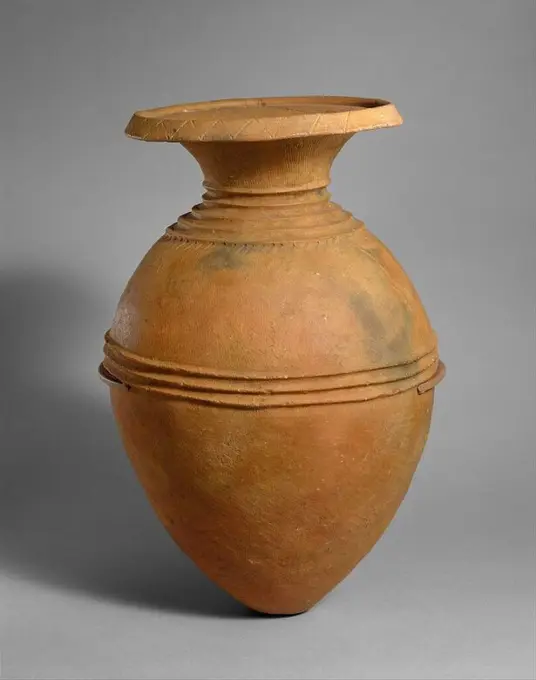
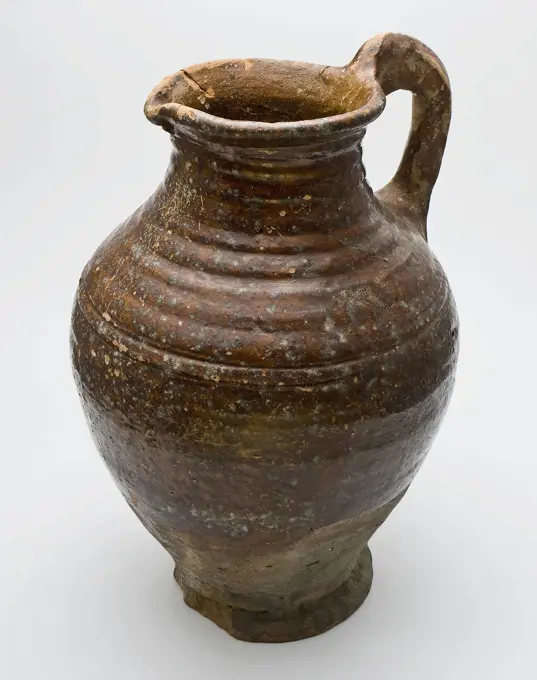
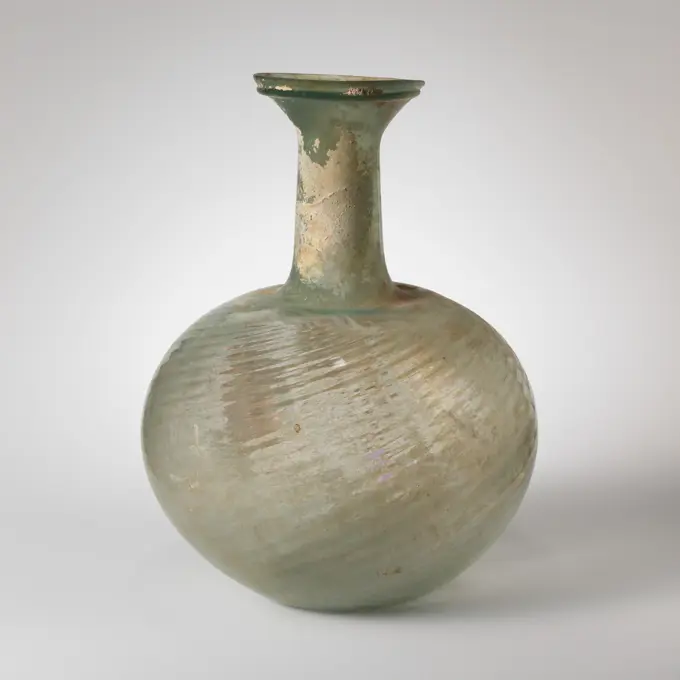
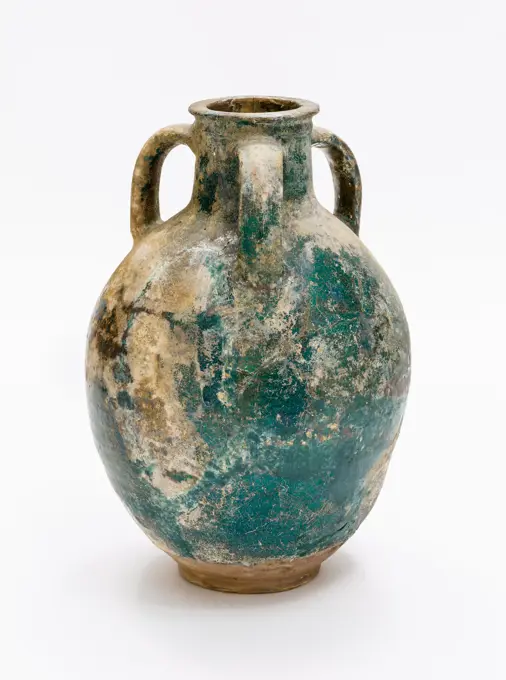
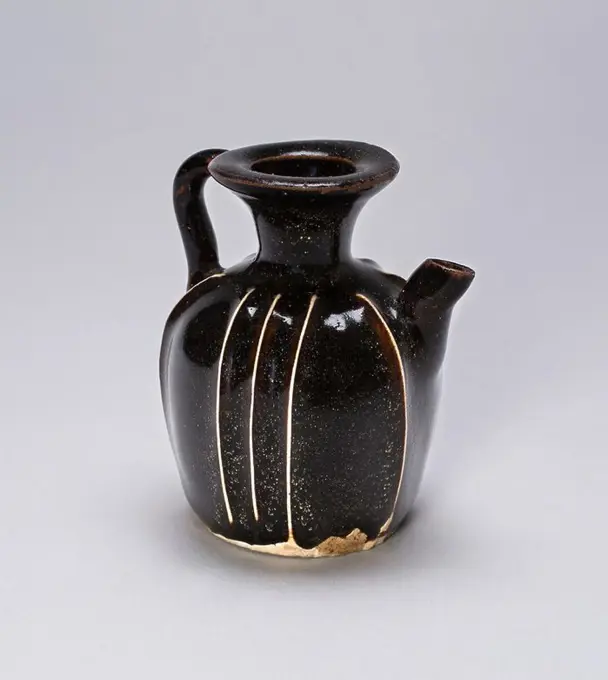
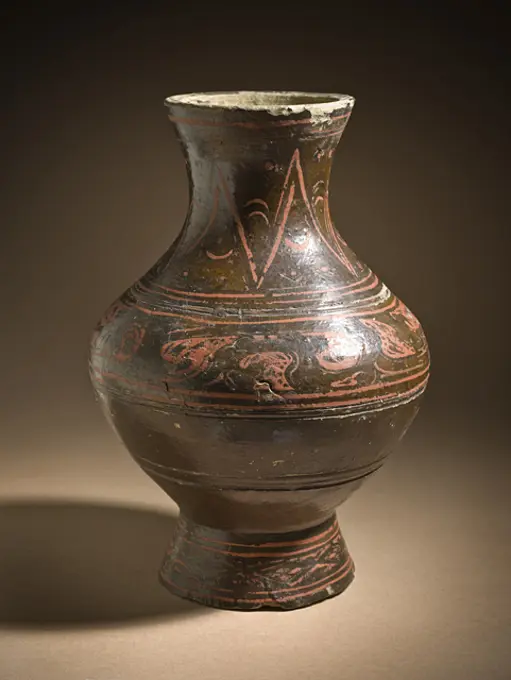
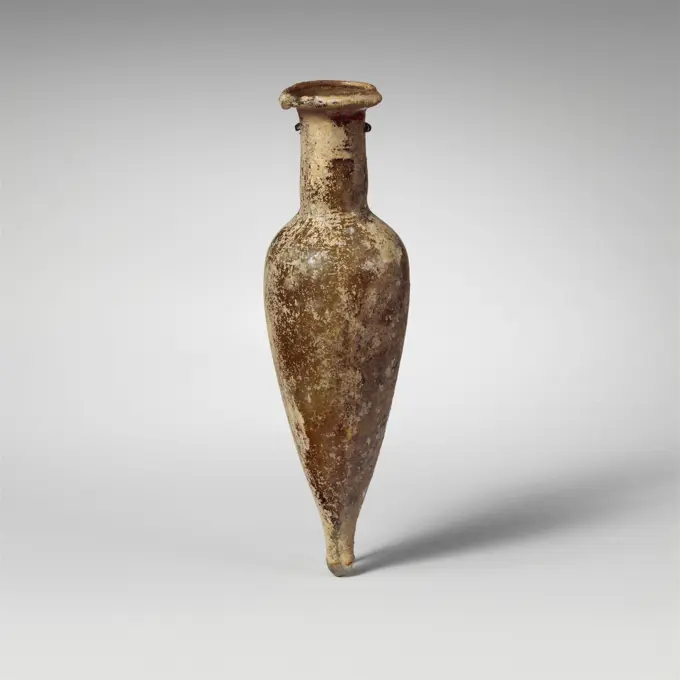
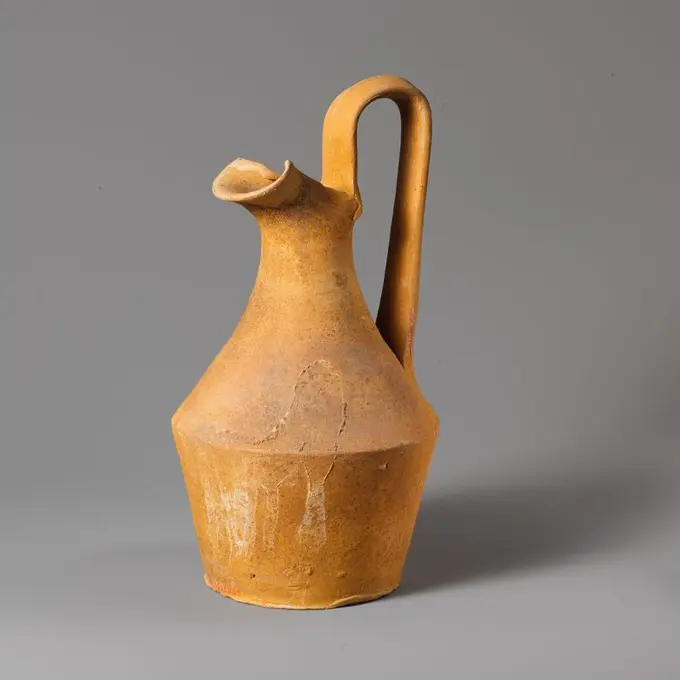
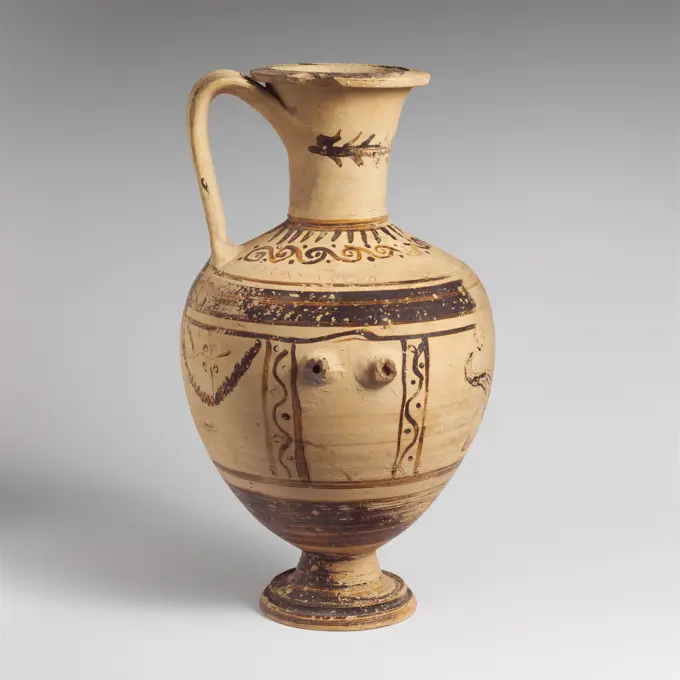
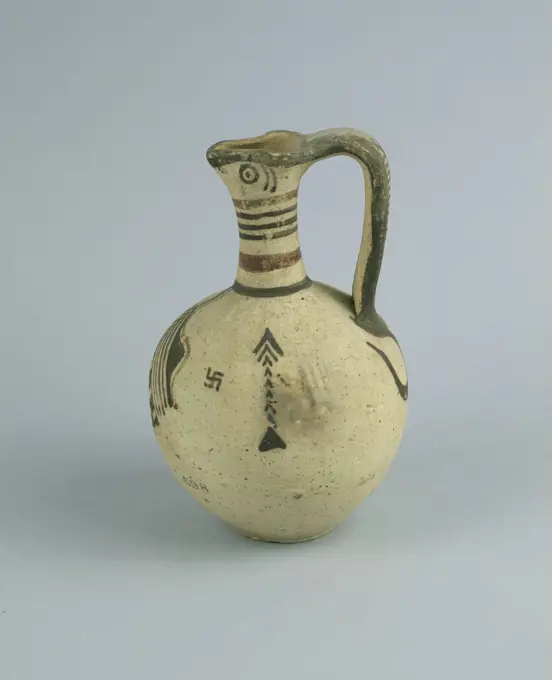
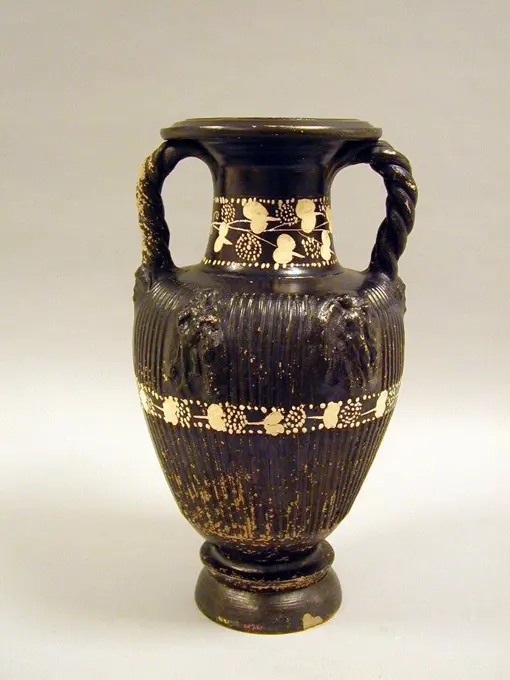
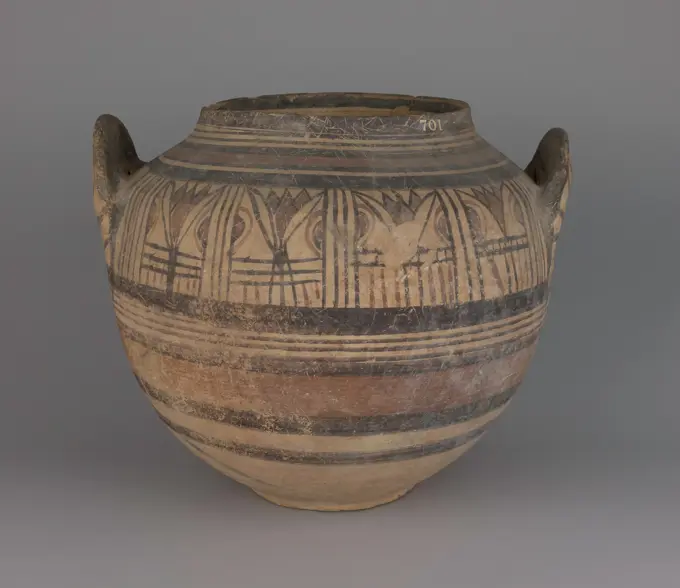
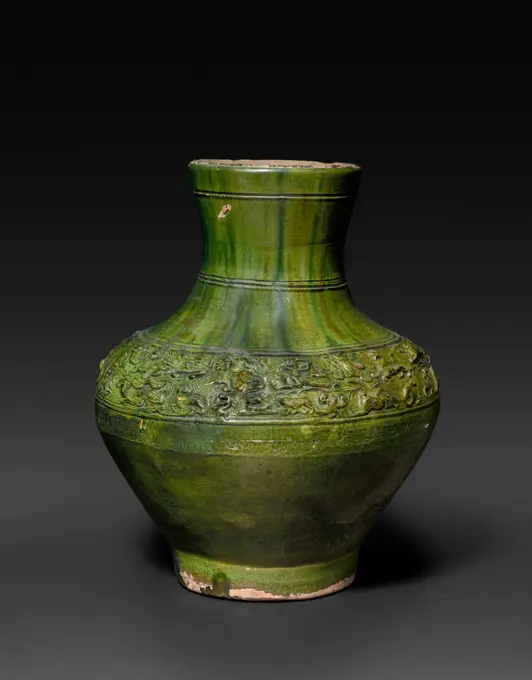
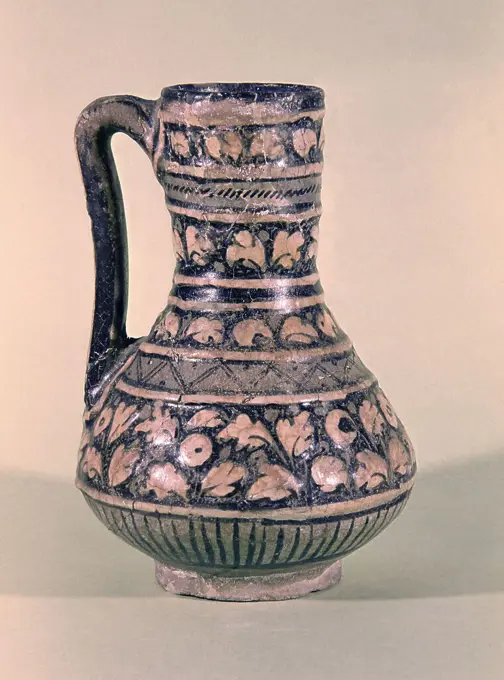
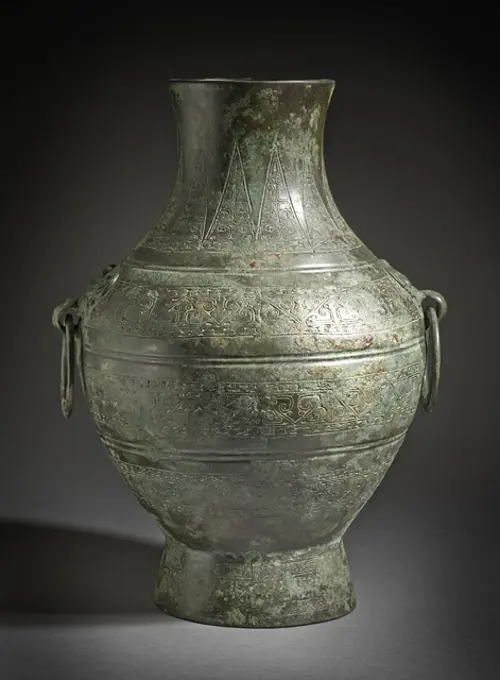
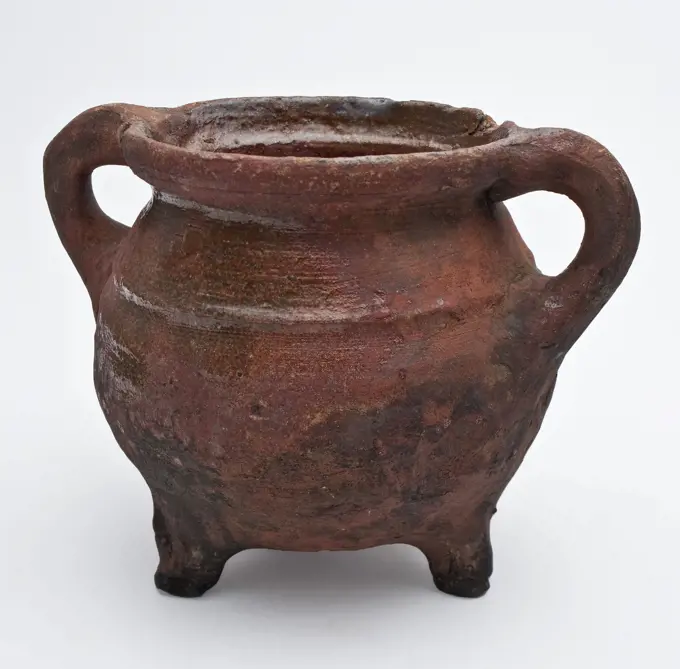
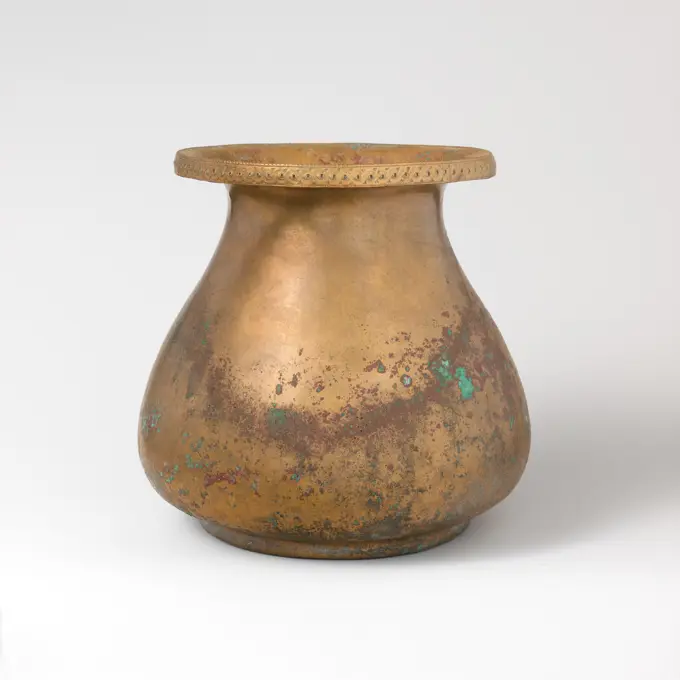
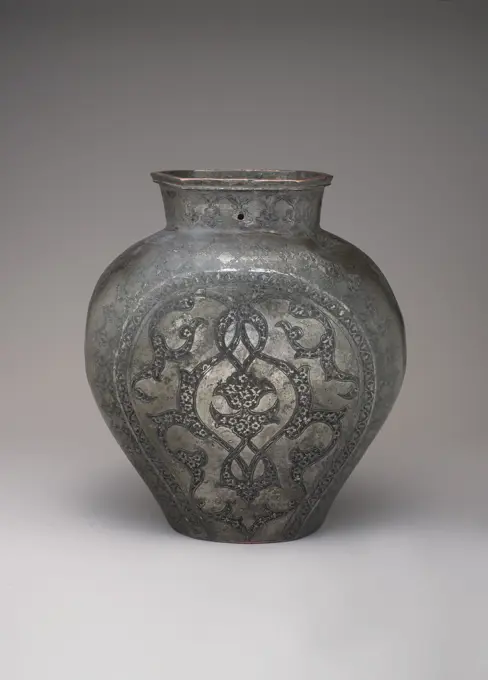
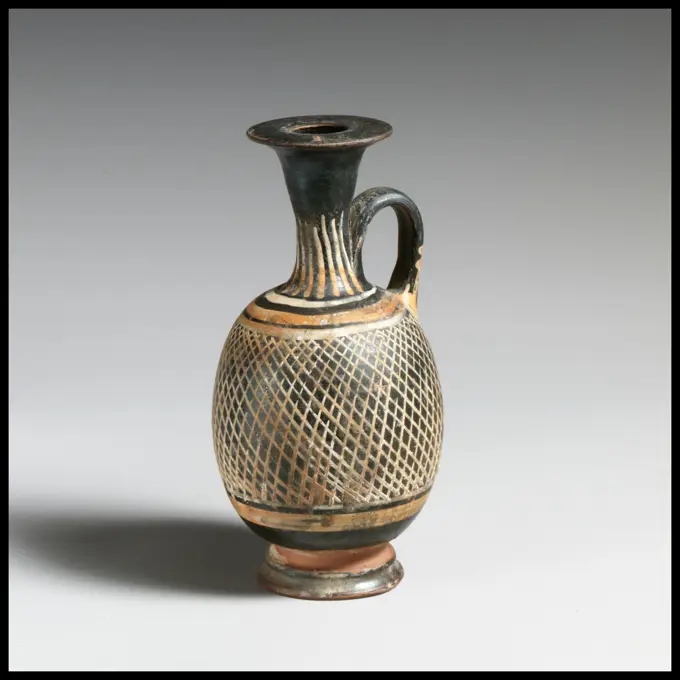
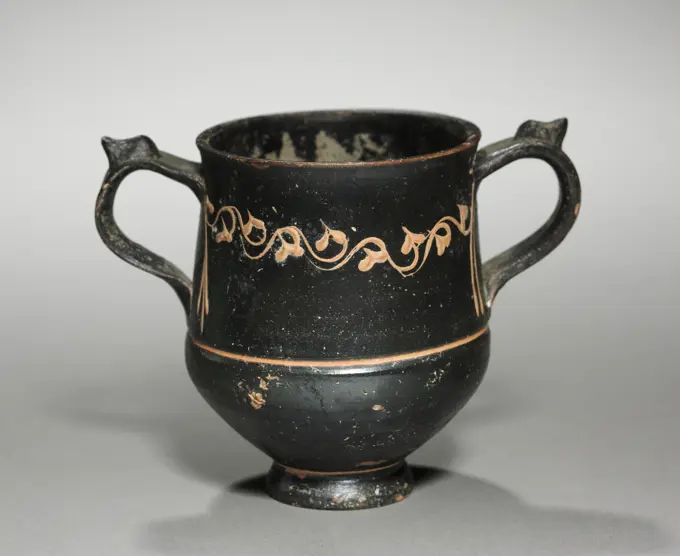
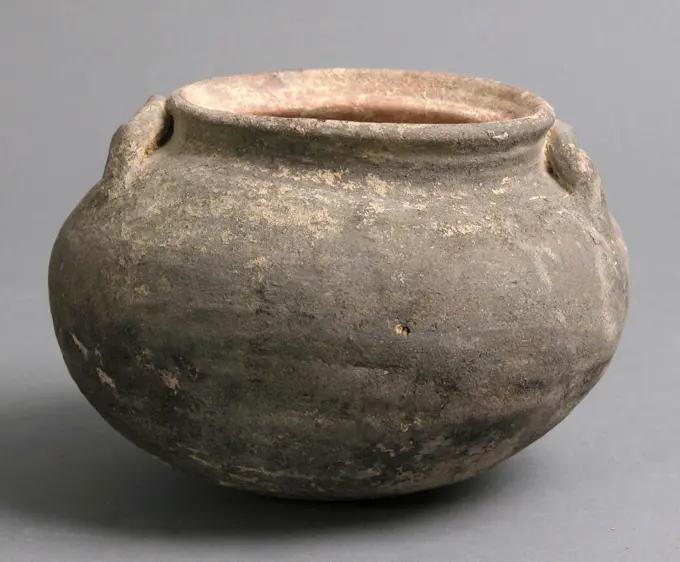
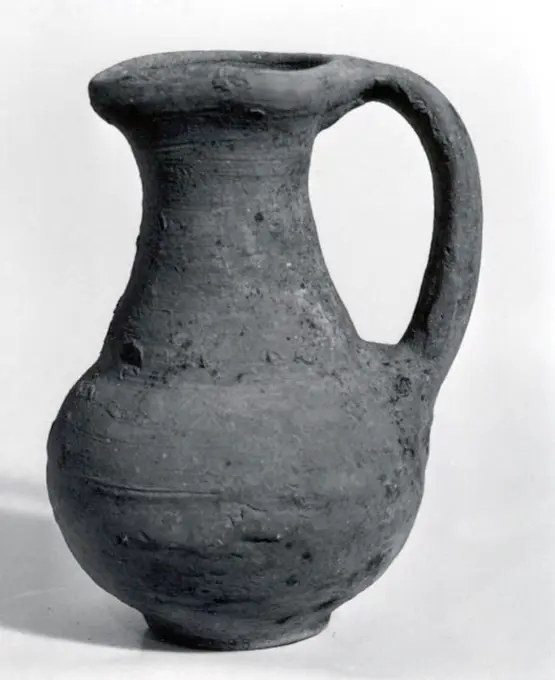
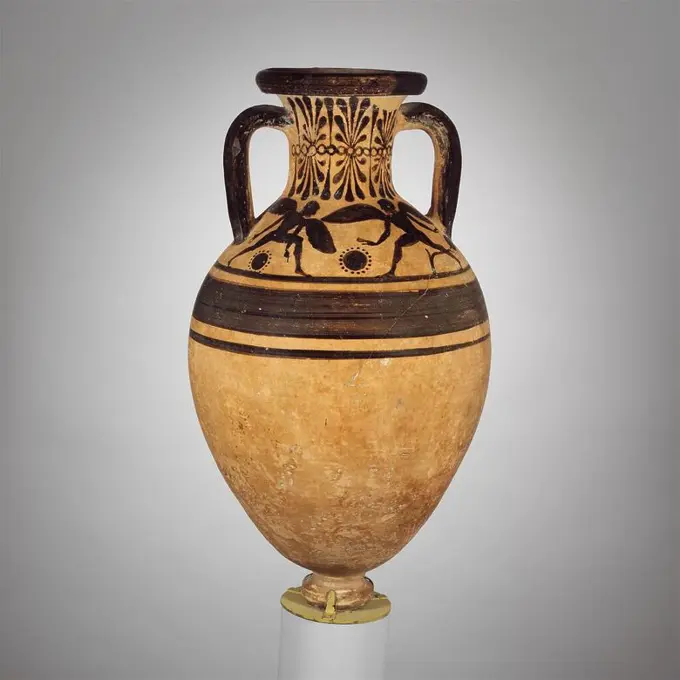
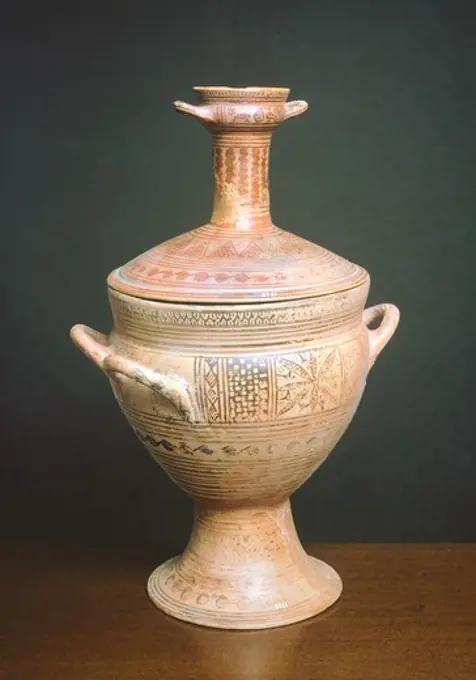
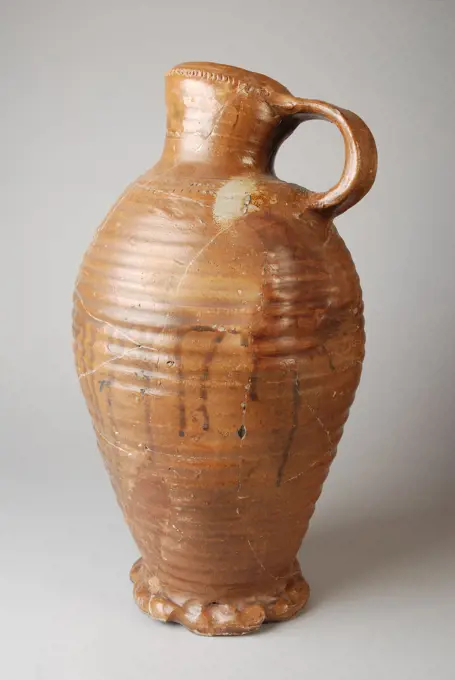
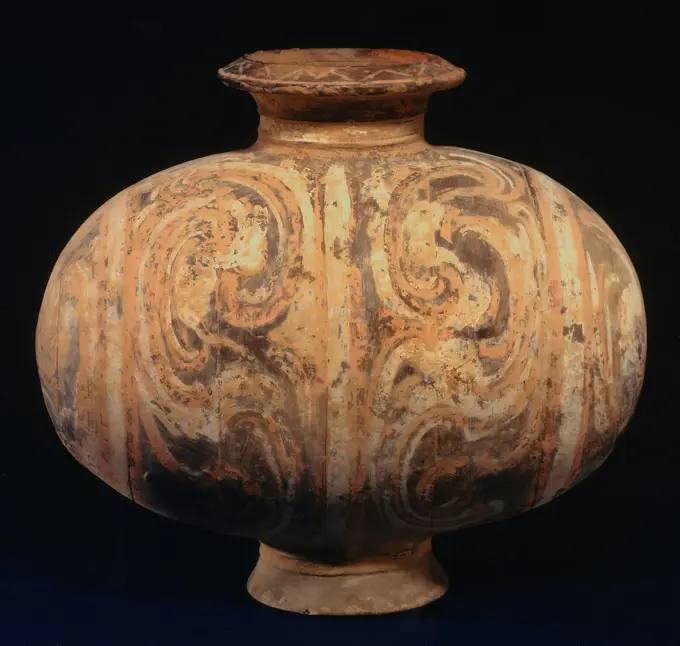
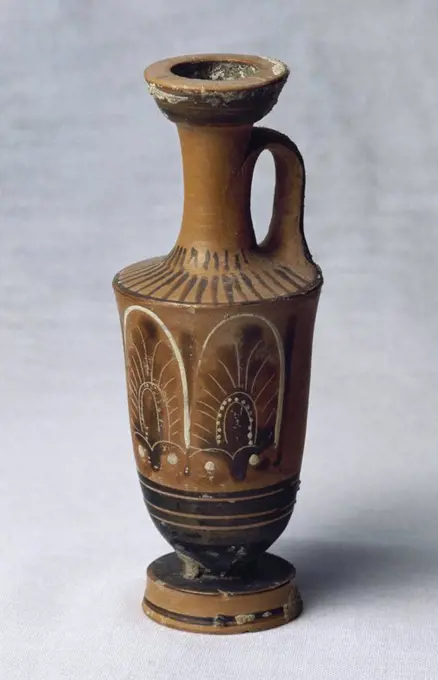
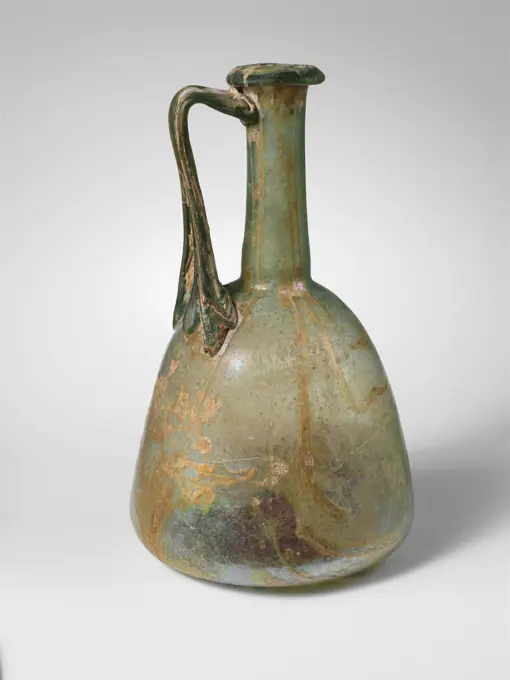
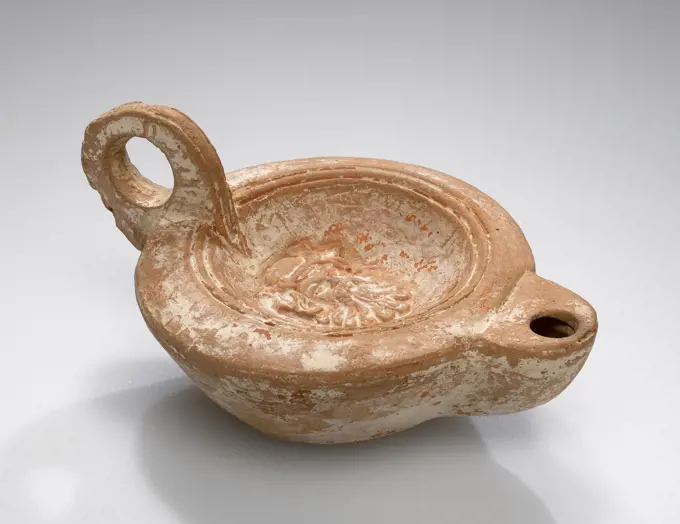
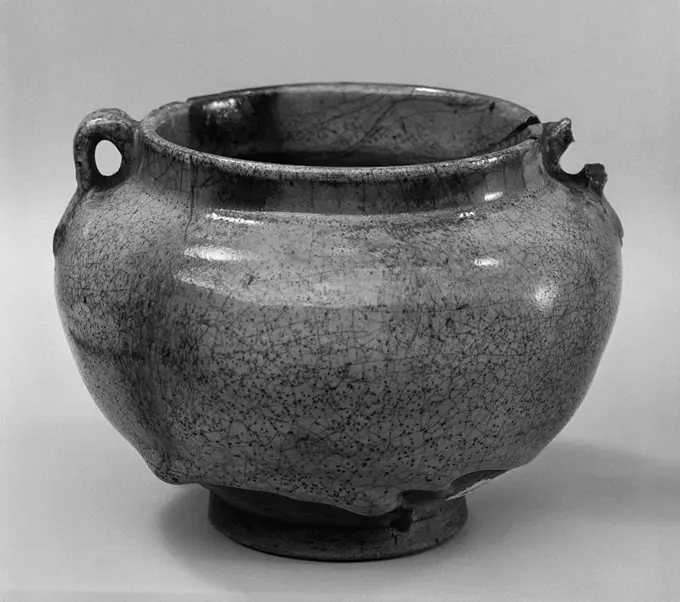
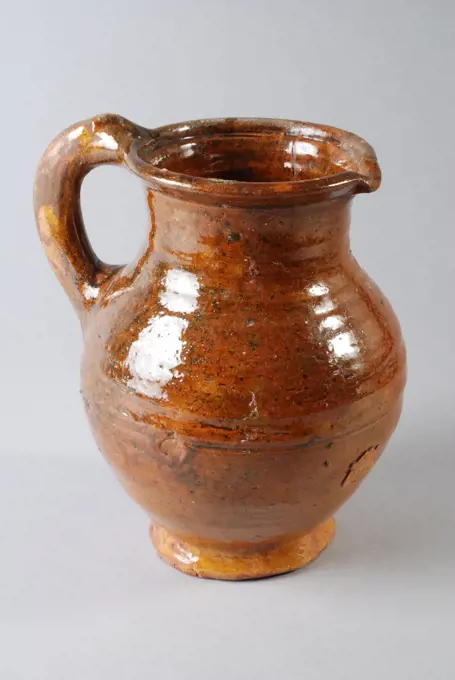
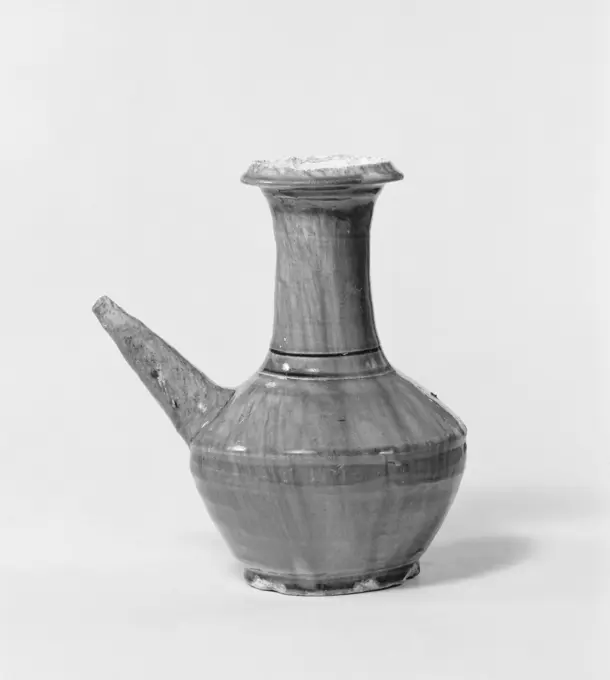
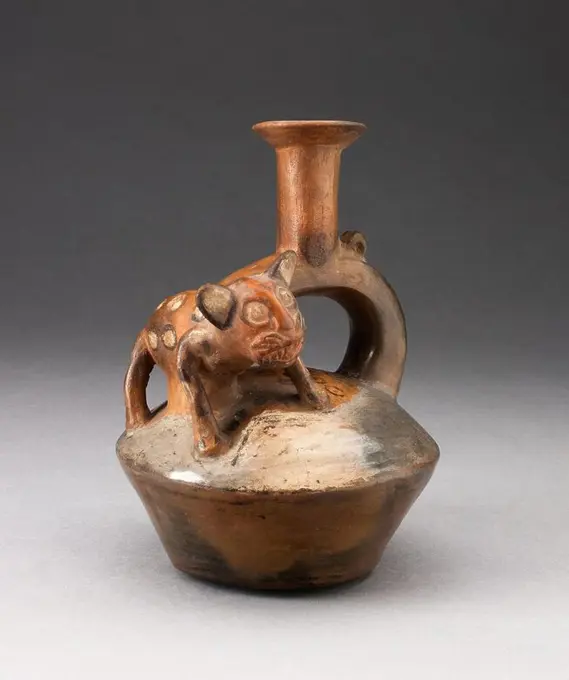
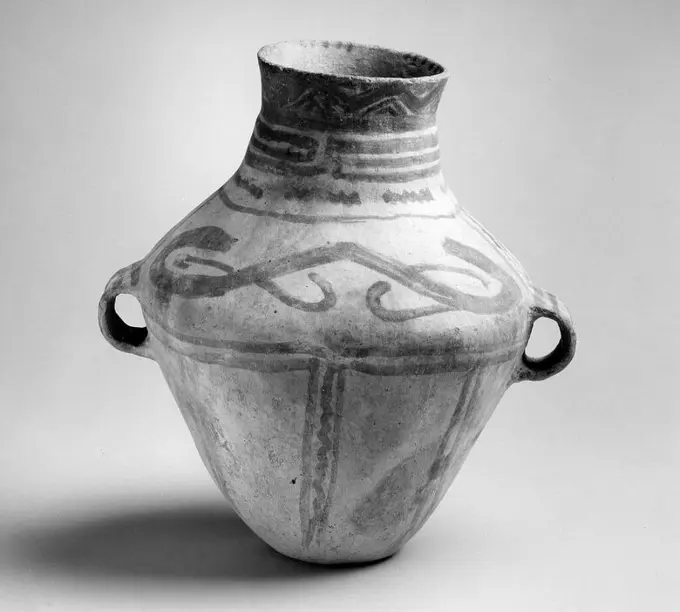
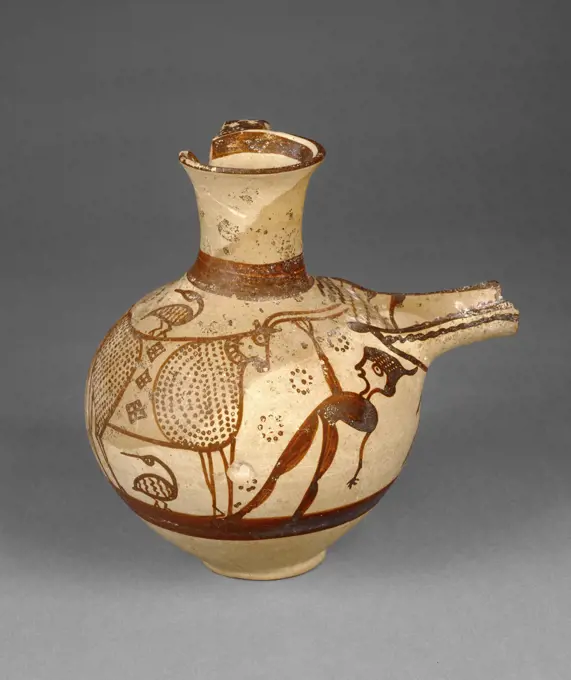
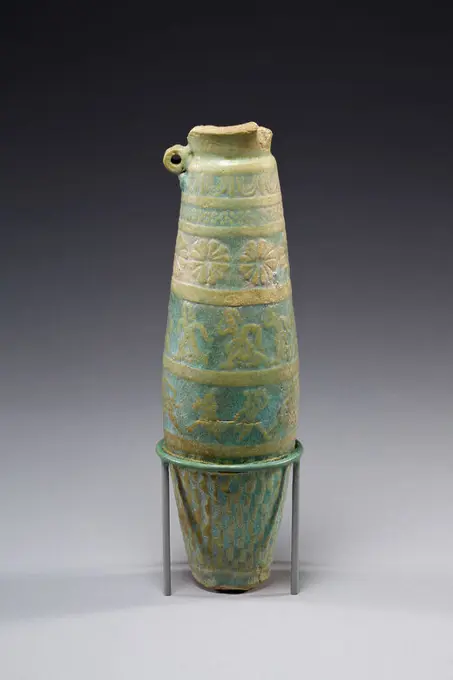
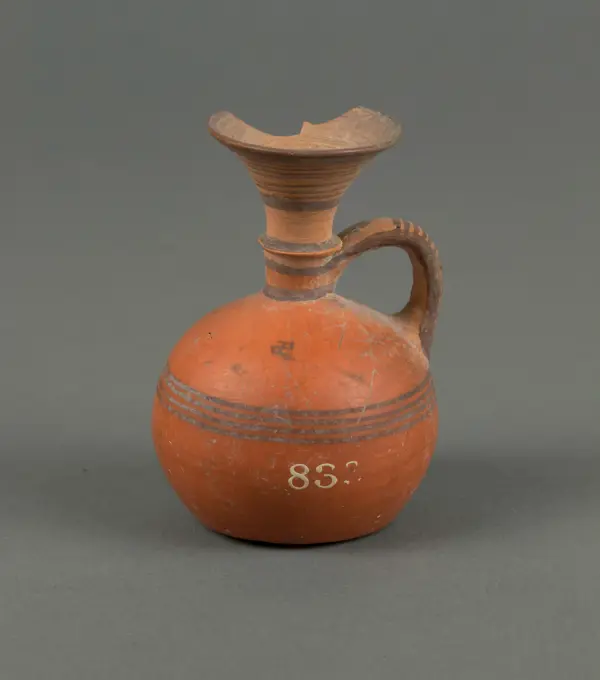
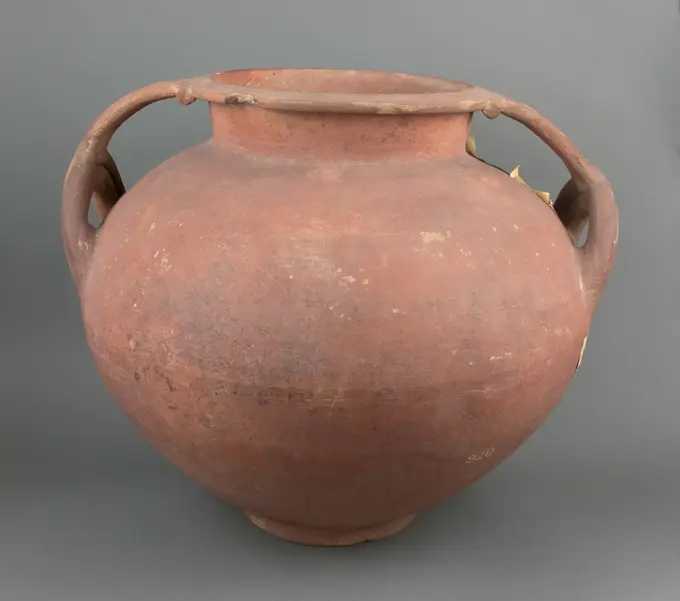
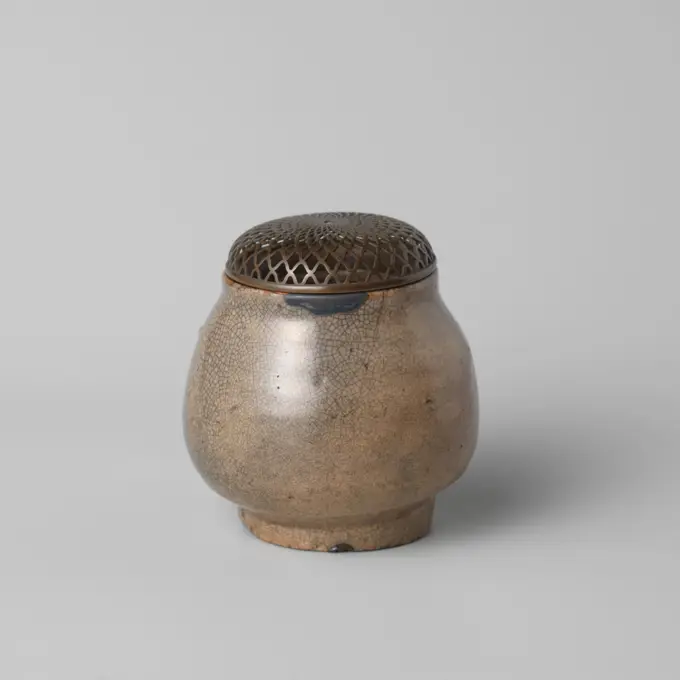
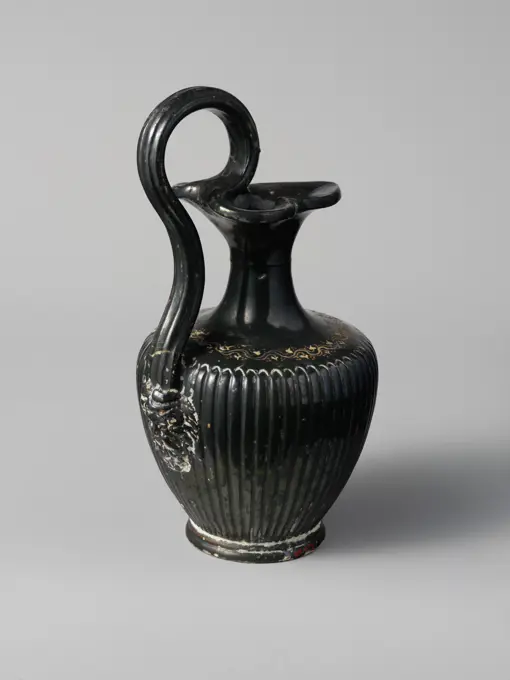
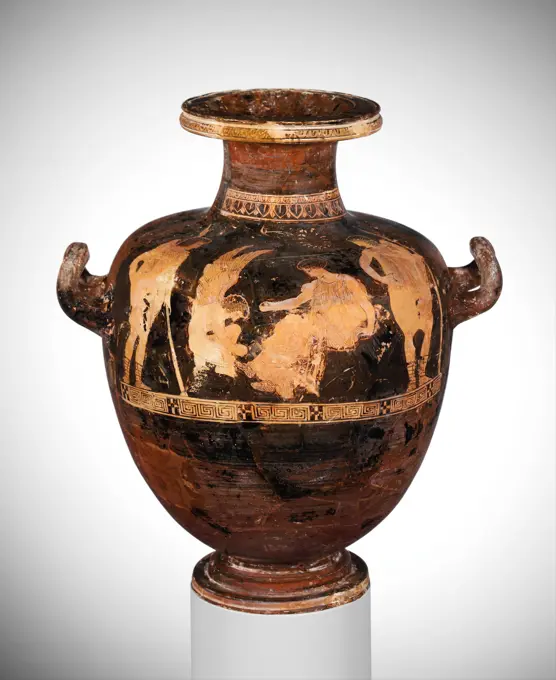
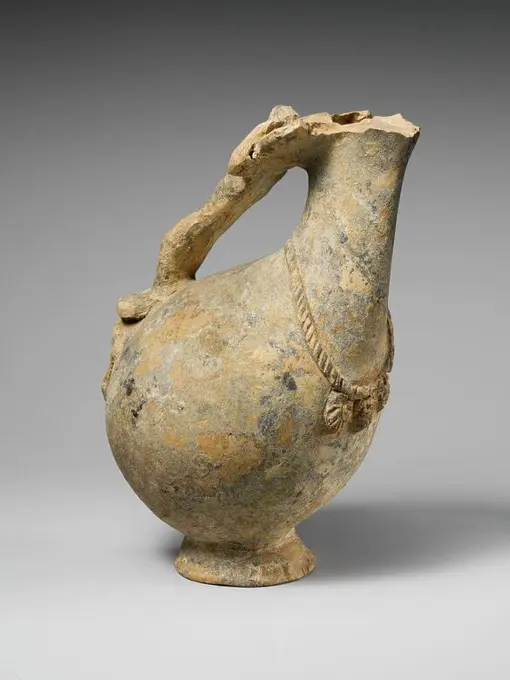
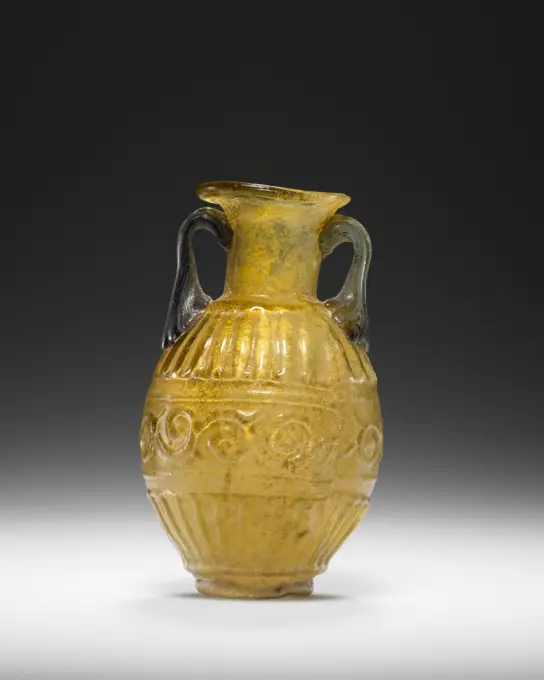
Amphoriskos. UnknownGlass flask 3rd-4th century A.D. Roman Small flaskColorless with pale yellow green tinge.Rounded rim, slightly inverted on one side; flaring mouth; concave neck; bulbous body; small, flattened bottom.Intact; pinprick bubbles; pitting, iridescence, and patches of brown enamel-like weathering.. Glass flask 239663Vase. Culture: China. Dimensions: H. 7 1/4 in. (18.4 cm). Date: 18th-19th century. Museum: Metropolitan Museum of Art, New York, USA.Terracotta pointed aryballos (oil flask) ca. 640-625 B.C. Greek, Corinthian This vase is representative of the mastery achieved by Corinthian artists of the seventh century B.C. There is utmost precision in both the potting and the execution of the scale pattern.. Terracotta pointed aryballos (oil flask). Greek, Corinthian. ca. 640-625 B.C.. Terracotta. Protocorinthian. VasesGlass flask. Culture: Roman. Dimensions: Height: 3 3/4 in. (9.5 cm)Diam.: 3 1/4 x 1 3/4 in. (8.3 x 4.4 cm). Date: ca. 3rd century A.D..Translucent blue green.Rounded rim, folded out, over, and in; cylindrical neck, tapering downwards; pushed-in shoulder; globular body; small bottom with shallow kick at center and traces of pontil mark.Intact; a few pinprick and larger bubbles; exterior almost unweathered, soli encrustation and whitish limey weathering on interior. Museum: Metropolitan Museum of Art, New York, USA.Terracotta amphoriskos (oil flask) ca. 575-500 B.C. Greek, Corinthian On the shoulder, duck and deer. Terracotta amphoriskos (oil flask) 244759Jar 201 CE-500 CE Syria. Glass, blown technique . Ancient RomanVase bottle (usual name), 1400. Gray cover sandstones. Cernuschi Museum, Asia Museum of Asia in the city of Paris.Glass jar 3rd-4th century A.D. Roman Colorless with pale green tinge; same color trail.Plain rounded rim; flaring mouth; short concave neck; sack-shaped body; kick at center of bottom with traces of pontil scar.Trail wound once around top of body.Intact; pinprick bubbles and blowing striations; dulling and traces of weathering on exterior; soil encrustation and patches of creamy brown weathering on interior.. Glass jar 244714Glass flask ca. 3rd century A.D. Roman Translucent blue green.Rounded rim, folded out, over, and in; cylindrical neck, tapering downwards; pushed-in shoulder; globular body; small bottom with shallow kick at center and traces of pontil mark.Intact; a few pinprick and larger bubbles; exterior almost unweathered, soli encrustation and whitish limey weathering on interior.. Glass flask 244629Terracotta neck-amphora (storage jar). Culture: Greek, Corinthian. Dimensions: H.: 11 1/2 in. (29.2 cm). Date: ca. 620-590 B.C..Corinthian potters and painters invented a technique of silhouetted forms that would evolve into the black figures of Athenian vase painting. Typically, their vessels, like this neck amphora, are decorated with tapestry-like patterns of small animals and plant motifs. A variety of animals- bulls, lions, birds and goats march around the belly of this vase, and multiple rosettes fill the background. Above the queue of exquisite animals is a padded dancer, who stands between two lions. Museum: Metropolitan Museum of Art, New York, USA.Jar ". Terracotta with painted decor in black. Neolithic period (around 8000 BC). Paris, Cernuschi museum. Anse, Chinese art, Chinese Ceramic, container, bottleneck, jar, decorative motif, Neolithic period, container, terracottaGlass perfume bottle 1st century A.D. Roman Translucent blue green, with trail in same color.Rim folded out, round, and in; short, flaring mouth; cylindrical neck, expanding downward; globular body; slightly flattened bottom.Single trail applied to neck and drawn downward in a spiral, ending on bottom.Intact; pinprick bubbles; pitting and iridescent weathering.. Glass perfume bottle 239798Storage Jar (Aryballus) 15th-early 16th century Inca. Storage Jar (Aryballus). Inca. 15th-early 16th century. Ceramic. Peru. Ceramics-ContainersAmphora 1050-950 B.C. Cypriot. Amphora. Cypriot. 1050-950 B.C.. Terracotta. Cypro-Geometric I. VasesASSES Verseuse (common name), 1400. Covered sandstone. Cernuschi Museum, Asia Museum of Asia in the city of Paris.Glass jug 1st-2nd century A.D. Roman Translucent blue-green; handle in same color.Rim folded out, round, and in, with beveled upper surface; cylindrical neck, with tooling indent around the base; almost horizontal shoulder; squat, bulbous body, curving in at base; hollow base ring, outsplayed on one side; shallow, pushed-in bottom; two-ribbed handle applied to shoulder, with straight tooling indent across back of pad and two claws projecting down on front, drawn up and outwards, then turned in horizontally, and pressed onto side of rim and top of neck, with vertical projecting loop as a thumb rest above rim.Intact; some pinprick bubbles and blowing striations; slight dulling, thick creamy brown weathering, and iridescence.. Glass jug 245411Ewer with a Feline-Shaped Handle 7th century This ewer demonstrates a continuation of Parthian and Sasanian forms during the early Islamic period in Iran. The lobed forms represent mountains and the vertical lines surmounted by budlike shapes are probably plants. Its overall composition and motifs demonstrate the transition from a figural style to a growing taste for rhythmic repeating patterns. The handle is shaped like an elongated cat peering at the heads of two birds depicted on the rim of the vessel, as though about to pounce.. Ewer with a Feline-Shaped Handle. 7th century. Bronze; cast, chased, and inlaid with copper. Attributed to Iran. MetalWine Vessel. Culture: China. Dimensions: H. 6 in. (15.2 cm); W. 3 1/8 in. (7.9 cm): Diam. 2 3/4 in. (7 cm). Museum: Metropolitan Museum of Art, New York, USA.Terracotta trozella (two-handled jar) late 5th-early 4th century B.C. Native Italic, Apulian, Messapian The Messapian trozella was the precursor of the nestoris, a two-handled jar produced by Lucanian and Apulian workshops. Examples of nestorides are on view in nearby cases.. Terracotta trozella (two-handled jar). Native Italic, Apulian, Messapian. late 5th-early 4th century B.C.. Terracotta. Classical. VasesAmphoriskos; Eastern Mediterranean; 6th - 4th century B.C; Glass; 8 cm (3 1,8 in.)Terracotta lebes gamikos (jar) and lid late 3rd century B.C. Greek, Ptolemaic, Cretan The decorative motifs on this lebes gamikos are similar to those painted on the so-called Hadra hydriai, examples of which are on display in this case. Like the hydriai, lebetes gamikoi have also been discovered in Alexandrian cemetaries, in particular the necropolis at Sciatbi, which has yielded several vases of this shape, presently in the collection of the Alexandria Museum.. Terracotta lebes gamikos (jar) and lid 245581Jug (Bartmann jug) with portraits, leaves and an ornamental border, anonymous, c. 1550 - c. 1580 Jug (beard fancier bush) of stoneware on a high base with a spherical body and narrow neck. The C-shaped ear is attached to the neck and shoulder. Profiles on the neck and foot. Covered with a brown Engobe. On the belly in relief a printed and imposed decorative bond with masks in medallions and scorpions. On either side of the inscription medallions with portraits and profil and leaf motifs. On the neck, continuously on the shoulder, a bearded man. Attached to the ear a pewter frame with lid. Cologne/ Frechen. Cologne (possibly) Stoneware. Glaze. Engobe. frame: tin (metal) vitrification Jug (beard fancier bush) of stoneware on a high base with a spherical body and narrow neck. The C-shaped ear is attached to the neck and shoulder. Profiles on the neck and foot. Covered with a brown Engobe. On the belly in relief a printed and imposed decorative bond with masks in medallions and scorpions. Jar with Stamped Decoration, 1400s. Korea, early Joseon dynasty (1392-1910). Stoneware with incised design, white slip, and overglaze; outer diameter: 14 cm (5 1/2 in.); overall: 9.1 cm (3 9/16 in.).Archaic-style vase with fish and birds China. Archaic-style vase with fish and birds. China. Jade (nephrite). Qing dynasty (1644-1911), Qianlong mark and period (1736-95). JadeGlass lentoid amphoriskos 1st century A.D. Roman Translucent greenish yellow; handles in a slightly greener color.Tubular rim, folded out, over, and in, with irregular inner lip; flaring mouth; cylindrical neck; lentoid body; small circular base with rounded edges and flat bottom; two rod handles of unequal length applied to shoulder in pads (one also with part of trail attached to lower neck), drawn up, tooled in, and pressed onto neck below top of handle. One continuous mold seam around body and across bottom, extending to base of neck, slightly misaligned and forming a ridge across bottom.On each side of body, a six-petaled rosette in raised outline, bordered by two concentric raised bands.Intact, except for small, slightly weathered chip in rim; many pinprick bubbles and a few white impurities; dulling, faint iridescence, and patchy weathering on exterior, encrustation, whitish weathering and brilliant iridescence on interior.Sidonian vase of yellow glass.. Glass lentoid amphoriskoJug 1st century B.C.-4th century A.D. Coptic. Jug 477280Storage jar. Culture: Japan. Dimensions: H. 16 in. (40.6 cm); Diam. of rim 8 3/4 in. (22.2 cm); Diam. 11 in. (27.9 cm); Diam. of base 1 1/2 in. (3.8 cm).Contributions from Chinese and Korean immigrants enhanced the cultural complex--including wet-rice agriculture, bronze technology, spinning and weaving techniques, and a new ceramic aesthetic--that defines the Yayoi period in Japan. The elegant form of this jar was built of clay coils and then smoothed to an even base. Used for grains or liquid, this capacious jar is enhanced by bands of clay. The small tapered bottom indicates that this jar was supported either with a separate base or by inserting it into a depression in the ground. Museum: Metropolitan Museum of Art, New York, USA.Pottery jug be done with ear and spout, neck and shoulder with rings, water jug crockery holder soil find ceramic earthenware glaze lead glaze, hand turned glazed fried jug red shard brown and mottled glaze just below the belly foot and stand ring not glazed one ear pouring spout pinched stand ring rotations three holes in the abdomen Ovoid model with wide neck and protruding neck edge Ear protrudes above the edge archeology Valckensteyn Poortugaal Albrandswaard indigenous pottery water washing food prepare kitchen drink pouring Soil discovery: canal at kitchen castle Valckensteyn at Poortugaal now Albrandswaard 1961.Jug from the cover;  19th century (1801-00-00-1900-00-00);Glass flask 4th century A.D. Roman Translucent blue green.Rounded rim with folded projecting ridge below; flaring mouth; cylindrical neck, slightly expanding downwards; narrow, pushed-in shoulder; globular body; concave bottom.On body, shallow ribs descending in a spiral from right to left from shoulder to mid-point down side, then fading below.Intact; some pinprick and slanting elongated bubbles; dulling, limy encrustation, creamy brown weathering, and iridescence.. Glass flask. Roman. 4th century A.D.. Glass; blown using a dip mold. Late Imperial. GlassSmall stoneware jug be carved with carved ornament and stamped decoration, neck with rings, jug crockery holder soil find ceramic stoneware glaze salt glaze, hand turned stamped glazed glazed baked Stoneware jug gray shard irregular brown salt glaze bandoor with long tail profiled neck and foot archeology import pottery serve serve drink wine beerShort-necked Storage Jar, 600s-300s BC. Korea, Bronze Age (1000-300 BC). Earthenware; outer diameter: 25.1 cm (9 7/8 in.); overall: 25.1 cm (9 7/8 in.).Glass jug. Culture: Roman. Dimensions: H.: 6 3/4 in. (17.1 cm)Diam.: 4 1/4 x 1 7/8 x 2 3/16 in. (10.8 x 4.8 x 5.6 cm). Date: 4th century A.D..Translucent pale blue green; handle, foot ring, and trails in same color.Rounded, vertical rim; funnel-shaped neck at top, then cylindrical, expanding slightly downwards; pushed-in horizontal shoulder; bulbous body; outsplayed coiled foot ring, applied as an irregular oval shape; kick in bottom, with thick pontil scar; three-ribbed strap handle, applied as a large pad with tooling indent across inside and short claws on outside, drawn up and slightly outwards, then turned in horizontally, folded up, down and onto top of neck over trails, with thumb rest projecting above rim.Thick trail wound once around top of neck; a finer trail applied to neck and wound up in a spiral three times, ending under thick trail; another trail wound in a spiral around middle of neck over the other, forming a short cross pattern; a third finer trail wound once arouStorage jar. Syria, 12th century. Ceramics. Fritware, glazed turquoiseVase, 1-200. Parthian, 1st-2nd Century. Terracotta; overall: 18.2 cm (7 3/16 in.).Handled Ewer with Vertical Ribs. China. Date: 1100-1299. Dimensions: H. 7.0 cm (2 13/16 in.); diam. 6.3 cm (2 1/2 in.). Northern blackware, Cizhou type; light grey stoneware with white trailed slip under dark brown glaze. Origin: China. Museum: The Chicago Art Institute, Chicago, USA.Funerary Jar (Hu) with Triangles and SpiralsGlass perfume bottle 1st century A.D. Roman Colorless with pale blue green tinge.Rim folded out, round, and up, with vertical lip; cylindrical neck, slightly tooled in around base; elongated piriform body, tapering to solid knob base.Rim tooled on one side into small spout.Intact; few pinprick bubbles; dulling, pitting, and iridescent weathering.. Glass perfume bottle 244626Terracotta oinochoe (jug). Culture: Greek, South Italian, Apulian. Dimensions: H. with handle 9 1/2 in. (24.1 cm). Date: late 4th-early 3rd century B.C..Yellow-slipped pottery is unusual in Apulia but typically occurs in pairs of oinochoai and paterae. The jug served to pour liquids and the patera was one of several shapes used for offerings. The handle of the patera is in the shape of a youth with hands raised; two rams form the transition to the bowl; and a ram's head appears below the youth's feet--a convention for bronze handles since the Archaic period. Museum: Metropolitan Museum of Art, New York, USA.Aryballos (oil jar); Eastern Mediterranean; 6th century; Glass; 8.5 cm (3 3,8 in.)Vase. Green covered sandstone with red and blue drips. Paris, Cernuschi museum. 78839-18 Asian art, Chinese art, gres, container, vaseTerracotta Hadra hydria (water jar) 216 B.C. Greek, Ptolemaic On body, front: two dolphins, conventional ornament between; on back: garlands; on shoulder: spirals; on neck: foliage.. Terracotta Hadra hydria (water jar) 245572Jug 850-750 B.C. Cypriot Geometric ornament including eyes and swastikas.. Jug. Cypriot. 850-750 B.C.. Terracotta. Cypro-Geometric III. VasesTerracotta amphora (jar) ca. 275-250 B.C. Attributed to the Group with Horizontal Ivy Leaves Applied decoration: on the shoulder, left, Herakles; right, Eros with cornucopia; below the handles, headsThis elaborate vessel with appliqué reliefs, twisted handles, and vertical ribbing emulates more expensive metal versions of the same shape. Found in the Hadra cemetery of Alexandria, Egypt, it was, like most of the Hadra hydriai (water jars used as cinerary urns), probably the product of a workshop in western Crete and imported to Egypt.. Terracotta amphora (jar) 245541Dinos 750-600 B.C. Cypriot. Dinos. Cypriot. 750-600 B.C.. Terracotta. Cypro-Archaic I. VasesPottery cup, Apulia, Italy. Daunia Civilization, 5th-4th Century BC.Large Jar, 206 BC - AD 220. China, Han dynasty (202 BC-AD 220). Earthenware with impressed and molded decoration; diameter: 35.6 cm (14 in.); overall: 44.5 cm (17 1/2 in.).JARRO DE BARRO BLANCUZCO S XIV-PERSA. Location: MUSEO ARQUEOLOGICO NACIONAL-COLECCION. MADRID. SPAIN.Jar (Hu) with Triangles and SpiralsPottery grape on three legs, sparing lead glaze, two ears, grape cooking pot tableware holder utensils earthenware ceramics earthenware glaze lead glaze, twisted turned pinched glazed baked Pottery grape on three legs Two standing sausage ears. Ball-shaped body Coarse turning around the shoulder. Very sparingly glazed Steep lid slot in the upper edge Roetsporen archeology Capelle aan den IJssel House in Capelle castle indigenous pottery food preparation kitchen cooking Soil discovery: House in Capelle canal south side Capelle aan den IJssel.Bronze jug ca. 1st century B.C.-1st century A.D. Roman The molding on the lip is inlaid with silver.. Bronze jug. Roman. ca. 1st century B.C.-1st century A.D.. Bronze. Late Republican or Imperial. BronzesVase 17th-18th century Objects like this vase were typically displayed in open niches in reception rooms of upper-class Syrian residences during the Ottoman period. Vase. 17th-18th century. Copper; tinned. Attributed to Iran. MetalSquat lekythos ca. 350-300 B.C. Greek, South Italian, Apulian. Squat lekythos 244855Black-Gloss Kantharos (Drinking Cup), c. 300-275 BC. Greece, Attic. Ceramic; overall: 9.3 cm (3 11/16 in.).Oinochoe, 325-300 BC. From South Italy. An Ancient Greek wine jug - also spelled 'oenochoe' - characterised by its curved handle and trefoil-shaped mouth.Vase, c. 700. Central Asia or Tibet, early 8th century. Silver with gilding; overall: 22.9 cm (9 in.).Small stoneware jug, low belly and long, slender neck, jug crockery holder soil find ceramic stoneware clay engobe glaze salt glaze, hand turned glazed fried stoneware jug gray shard salt glaze brown engobe protruding ring around the neck below the mouth rim rotations Lage belly and long conical neck archeology import pottery serve drink store packageVase. Emile Lenoble; French, 1875-1940. Date: 1910-1920. Dimensions: H: 20.5 cm (8 1/16 in.); diam. 15.2 cm (6 in.). Glazed stoneware. Origin: France. Museum: The Chicago Art Institute, Chicago, USA.Stoneware goblet, glazed, with small bandoor, on squeeze foot, cup holder tableware holder soil find ceramic stoneware glaze salt glaze, hand-turned baked Stoneware goblet glazed with small band ear on squeeze foot. Gray shard of gray and brown glazed. Spindles on the outside except for the finished mouth rim archeology Rotterdam Spangen castle indigenous pottery import drink room table Soil discovery: Castle Spangen Spaanse Polder Rotterdam.Terracotta oinochoe (jug). Culture: Etruscan. Dimensions: H. 13 9/16 in. (34.5 cm). Date: ca. 550-500 B.C..Trefoil mouth, frieze of lions in relief. Museum: Metropolitan Museum of Art, New York, USA.Pot 5th-9th century Coptic. Pot 476303Spherical body urn with cover (one of a pair) ca. 1770-1820 possibly Italian The timeless’ Neo-Classical design of this fine pair of spherical Imperial porphyry urns makes their dating particularly difficult. They are likely to have been produced between 1770 and 1820 and could have been acquired by a grand tourist to Italy around that time. While earlier, more elaborately designed urns gave the carver the opportunity to display their artistic virtuosity, this plainer example puts the emphasis on the mesmerizing color of the porphyry stone. This particular example shows variations of light pink and black speckles.. Spherical body urn with cover (one of a pair). possibly Italian. ca. 1770-1820. Imperial red porphyry, gilt bronze. Natural SubstancesGlass oinochoe (perfume jug) late 4th-early 3rd century B.C. Eastern Mediterranean or South Italian Translucent cobalt blue, with handle and pad-base in same color; trails in opaque yellow, opaque white, and opaque turquoise blue.Applied trefoil rim-disk with long spout; cylindrical neck; narrow angular shoulder; straight-sided cylindrical body, expanding downward, and then curving in to applied low circular pad-base with uneven flattish bottom; strap handle attached in pad to upper body over trail decoration, drawn up and round in a loop, arching above the rim-disk, and pressed onto back of rim-disk and top of neck.A fine yellow trail attached at edge of rim-disk; another unmarvered yellow trail wound spirally five and a quarter times around neck; a third yellow trail, marvered, begun on shoulder and wound round on body, tooled into a feather pattern and extending as far as the point of greatest diameter; mingling with it in alternating bands, turquoise blue and white trails in nine vJug ca. late 8th-7th century B.C.. Jug 323149Miniature terracotta jug late 9th century B.C. Greek, Attic From the Hymettos deposit (see 30.118.1). Miniature terracotta jug 253137 Greek, Attic, Miniature terracotta jug, late 9th century B.C., Terracotta, H. 2 3/16 in. (5.5 cm). The Metropolitan Museum of Art, New York. Gift of the Greek Government, 1930 (30.118.2)Terracotta neck-amphora (jar). Culture: Etruscan. Dimensions: H.: 20 1/8 in. (51.1 cm). Date: early 5th century B.C..Obverse and reverse, on the shoulder, two winged figures, ErotesThis idiosyncratic vase reflects influence of both black-figure and red-figure prototypes. The general shape and the ornament on the neck are derived from Attic black-figure neck-amphorae. The decoration, however, reflects the freer drawing of red-figure during the first decades of the fifth century B.C. Museum: Metropolitan Museum of Art, New York, USA.Glass perfume bottle. Culture: Roman. Dimensions: Height: 2 in. (5.1 cm)Diam.: 1 1/2 x 13/16 in. (3.8 x 2.1 cm). Date: 1st century A.D..Translucent cobalt blue.Plain rounded rim; flaring mouth folded out, over, and in; cylindrical but slightly convex neck; globular body; flattened, concave bottom.Complete except for large chip in rim and top of neck with wethered breaks; pinprick bubbles and blowing striations; deep pitting, brilliant iridescence, and patches of thick creamy brown weathering. Museum: Metropolitan Museum of Art, New York, USA.Euboean krater showing geometric patterns, 720 BC, from Pescia, Tuscany, Italy. Italic Civilization, 8th Century BC.Large stoneware jug, light brown glaze, rad stamping, water jug crockery holder soil find ceramic stoneware glaze salt glaze, twisted radstamp decoration glazed fried Large stoneware jug light brown glaze some gray spots crooked slightly collapsed neck one radstamp decoration on the rim and two just below the neck flat ear pinched foot two dents left and right below the ear rotations from about the middle of the belly emerged sagged dark brown glaze drops archeology Capelle aan den IJssel House in Capelle castle crockery utensils tableware packaging Soil discovery: house in Capelle Capelle aan den IJssel 1966.Can. Gray-brown can with a long spout. The spout is connected to the neck by a teared rod. The belly is pear-shaped. Only the spout is slightly decorated.Cocoon-shaped Jar, 3rd-early 2nd century BCE, 12 1/8 x 13 1/4 x 8 1/2in. (30.8 x 33.7 x 21.6cm), Earthenware with traces of pigment, China, 3rd-2nd century BCE, Silk production, from the rearing of silkworms to weaving silk cloth, was an important source of income to Chinese farming families. This type of jar with its elegant cocoon shape was extremely popular during the Chin (221-206 b.c.) and Western Han periods (206 b.c.-a.d. 25). Plain grey earthenware was often painted during Han. The colors used were red, brown, green, yellow, black, white, orange, and blue. Jars like this may have been used in the ritual practices of sericulture as the rearing of silkworms was fraught with superstitions during the Han period.Greek pottery. Lekythos. Decorated with palmette. Red figure. 4th century BC. From Greece. Museum of Perfume. Barcelona. Spain.Glass jug 1st-2nd century A.D. Roman Translucent blue green; handle in same color.Rim folded out, down, round, and in, with beveled upper edge; tall, slender cylindrical neck, expanding slightly downwards, with tooling indent around the base; conical body with curving side; almost flat bottom; three-ribbed strap handle with three claws extending downwards applied to top of body, drawn up and slightly outwards, turned in horizontally, and trailed onto top of neck and underside of rim.Complete, but with a large crack around body and another across handle; some bubbles and blowing striations; dulling, pitting, and iridescent weathering on exterior, large patches of soil encrusted weathering and brilliant iridescence on interior.. Glass jug 245401Dish;  around 2055 1650 BC ; Medium Pa (-2055-00-00--1650-00-00);Vase with figures in panels, c. 1170 - c. 1200 Vase of quartz-fritgoed covered with a opaak white tin-lood-alkalaplaze on which a decor in luster with people in cartouches surrounded by geometric motifs. is the earthenware. glaze. luster (textile) painting / vitrification Vase of quartz-fritgoed covered with a opaak white tin-lood-alkalaplaze on which a decor in luster with people in cartouches surrounded by geometric motifs. is the earthenware. glaze. luster (textile) painting / vitrificationGlobular Jar with Repeated Abstract Motifs in Sprial Design 600 CE-1000 Bolivia. Ceramic and pigment . TiwanakuLamp, Anatolia; 1st - 4th century; Terracotta; 3 x 7 x 9.7 cm (1 3,16 x 2 3,4 x 3 13,16 in.)Stoneware Jar from 6-7th century Three Kingdoms Period of KoreaEwer 19th centuryStoneware jug with loom band around belly, shoulder with two surfaces with kerfsneded decor, jug crockery holder soil find ceramic stoneware glaze salt glaze, hand turned stamped molded glazed baked carved Stoneware jug gray shard with salt glaze neck and ear lack curled tail archeology import pottery serving drink pouring beer wineJar with two lugs 13th-14th century China. Jar with two lugs 48451AryballosPottery jug, with revolving spindles, ear, pouring lip, completely glazed, water jug crockery holder soil find ceramic earthenware glaze lead glaze, hand-turned glazed baked earthenware jug red shard fully glazed except for the stand foot shank standing sausage ore. Ball-shaped shape with smooth transition to the neck Neck with protruding upper edge archeology indigenous pottery serve serve water table room kitchenVessel (Kendi) 11th-13th century China. Vessel (Kendi) 49921D.E., Stoneware jug round three medallions with borders and coat of arms, slim model, signed, jug crockery holder soil find ceramic stoneware glaze salt glaze, hand-turned baked glazed Stoneware jug gray shard rust brown salt glaze tail profiled neck and foot curves in weapon medallions: RODDOBIO. EQUES. ANTONIO. BERIONE DE archeology heraldry import pottery serving serve drinking beer wineStirrup Spout Vessel with Spotted Feline Standing on Top. Chimú-Inca; North coast, Peru. Date: 1200-1470. Dimensions: 15.1 x 11.44 cm (5 15/16 x 4 1/2 in.). Ceramic and pigment. Origin: North Coast. Museum: The Chicago Art Institute, USA.Jug ca. 590-540 B.C. Etruscan One handle and flaring lip; without decoration.. Jug. Etruscan. ca. 590-540 B.C.. Terracotta; bucchero. Archaic. VasesJar (Guan). Culture: China. Dimensions: H. 10 1/2 in. (26.7 cm). Date: 3200-2000 B.C.. Museum: Metropolitan Museum of Art, New York, USA.Jug with a Man and a Bull; Attributed to Painter 20 (Mycenaean, active 1250 B.C. - 1225 B.C.); Tiryns (), Greece; 1250 - 1225 B.C; Terracotta; 16.6 × 17.3 × 13 cm (6 9,16 × 6 13,16 × 5 1,8 in.)Biconical alabastron with zones of bichrome decoration including floral elements, dancers, and Bes-like figures. Dimensions: H. 11.8 × Greatest diam. 3.1 cm (4 5/8 × 1 1/4 in.). Date: 332-30 B.C..The rim is broken away, but the body decoration is preserved. Registers of garlands, a vine () pattern, and rosettes, are followed by two figural registers. The upper registers depicts figures with shoulder length hair curled up at the rear and wearing long flowing garments. They appear to be dancing or running. The lower figural register depicts figures with feathers, broad faces, and tails - apparently Bes-images. Some figures are running, others are gathered around a vessel on a stand on one side, and on the other what appears to be a cauldron or stove. Beneath the figural registers the body of the vessels is covered with a weave pattern. Museum: Metropolitan Museum of Art, New York, USA.Jug 850-750 B.C. Cypriot. Jug. Cypriot. 850-750 B.C.. Terracotta. Cypro-Geometric III. VasesAmphora 750-600 B.C. Cypriot. Amphora. Cypriot. 750-600 B.C.. Terracotta. Cypro-Archaic I. VasesHu storage jar, 4th-3rd century BCE, 14 1/2 × 11 in. (36.8 × 27.94 cm), Burnished earthenware with incised decor, China, 4th-3rd century BCE, Late Zhou potters freely borrowed ritual bronze vessel shapes. Animal and geometric designs are incised into the sides of this clay vessel. These, along with the applied mask handles, imitate a type of inlaid bronze hu associated with northern fifth and fourth century BCE bronze workshops.. Quartz frying goods can be decorated with riders and flower rinks in luster on surface of opal white tin-lead-alkali acid.Water Jug with Arms of Jülich-Cleves-Berg 1574 Germany. Salt-glazed stoneware and pewter . Anno KnütgenIncense burner with a copper cover, anonymous, c. 1600 - c. 1699 Open worked, copper lid of incense burner from Steengoed. Four engraved characters in the edge. Old label on the bottom with 'W137' and 'Korea 33/ Vente Bing  226'. Korea copper (metal) vitrification Open worked, copper lid of incense burner from Steengoed. Four engraved characters in the edge. Old label on the bottom with 'W137' and 'Korea 33/ Vente Bing  226'. Korea copper (metal) vitrificationTerracotta oinochoe (jug) ca. 300 B.C. Attributed to the Group of Vienna O.565 The type, which clearly imitates more expensive metal vessels, is associated with Volterran workshops. In this case, a definite source of inspiration was Gnathian pottery from Southern Italy. Like this jug, Late Gnathian oinochoai are often ribbed and have elegantly curved handles that terminate in a satyr-head attachment and decorative borders in added color at the shoulder.. Terracotta oinochoe (jug) 247091Terracotta hydria: kalpis (water jar) ca. 430-420 B.C. Attributed to the Washing Painter Between two youths, Eros tying a woman's sandalsThe Washing Painter appears at his best on large vases. The charming depiction here shows Eros squatting on the ground to help a seated lady with her particularly elaborate sandals. The protagonists are usually identified as Helen flanked by her brothers, the Dioskouroi, Kastor and Polydeukes (Latin: Castor and Pollux).. Terracotta hydria: kalpis (water jar) 250900 : Attributed to the Washing Painter, Terracotta hydria: kalpis (water jar), ca. 430420 B.C., Terracotta, H. 12 in. (30.5 cm); diameter 11 1/8 in. (28.2 cm). The Metropolitan Museum of Art, New York. Rogers Fund, 1919 (19.192.86)Terracotta askos (flask with a spout and handle over the top). Culture: Etruscan. Dimensions: H.: 9 in. (22.9 cm). Date: ca. 300-250 B.C..The askos shape is unusual. This example has a handle in the form of a youth and a rope-like band with pendants around the neck. Museum: Metropolitan Museum of Art, New York, USA.