Ancient Vessels

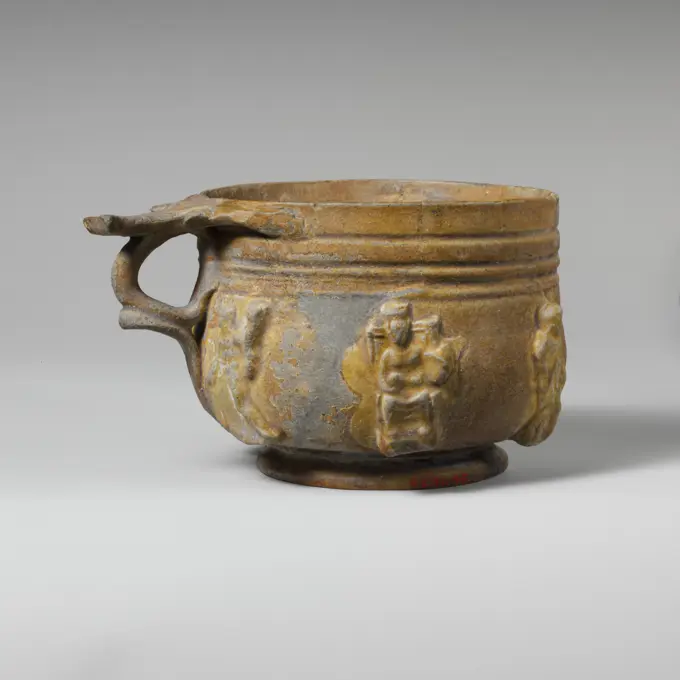
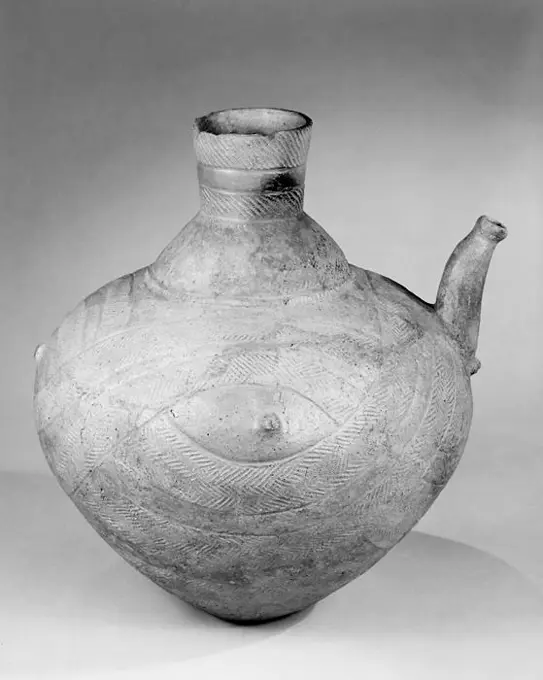
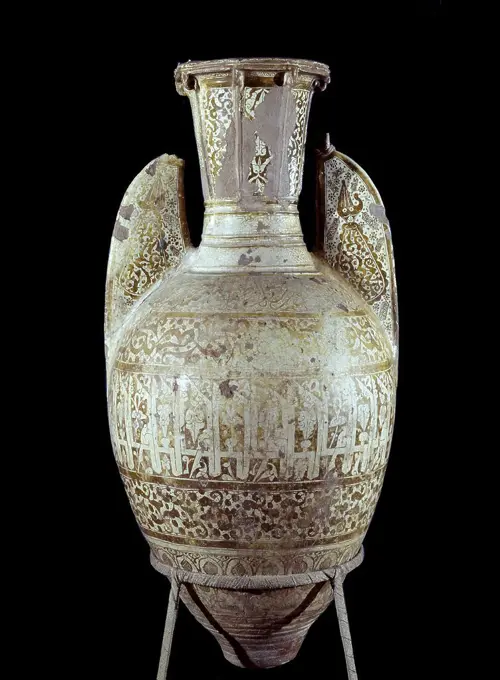
A collection of historical glass and ceramic vases, showcasing intricate designs and diverse shapes from different cultures.

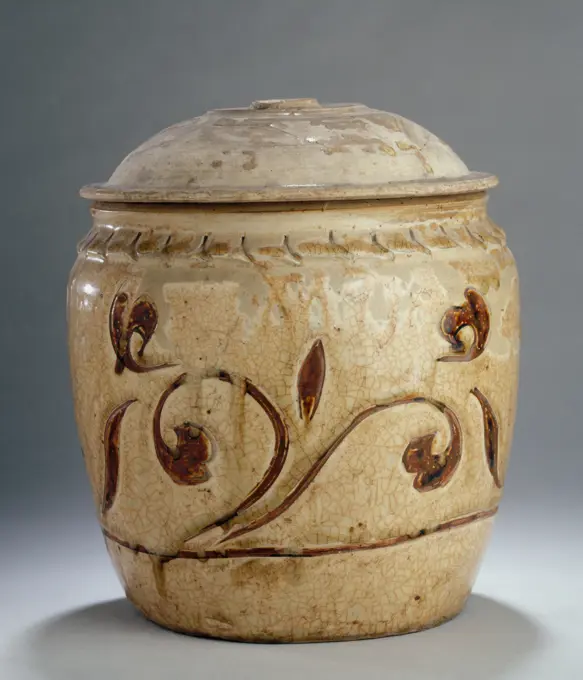
Vase bottle (usual name), 1400. Gray cover sandstones. Cernuschi Museum, Asia Museum of Asia in the city of Paris.
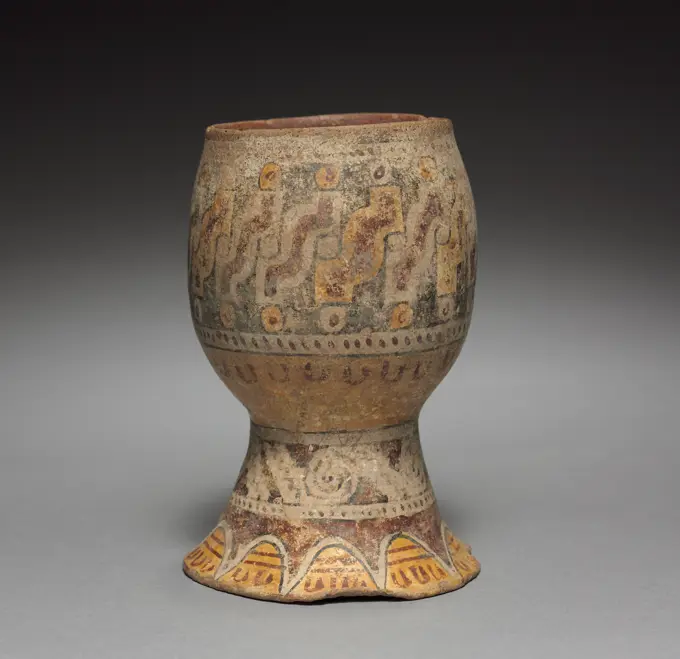
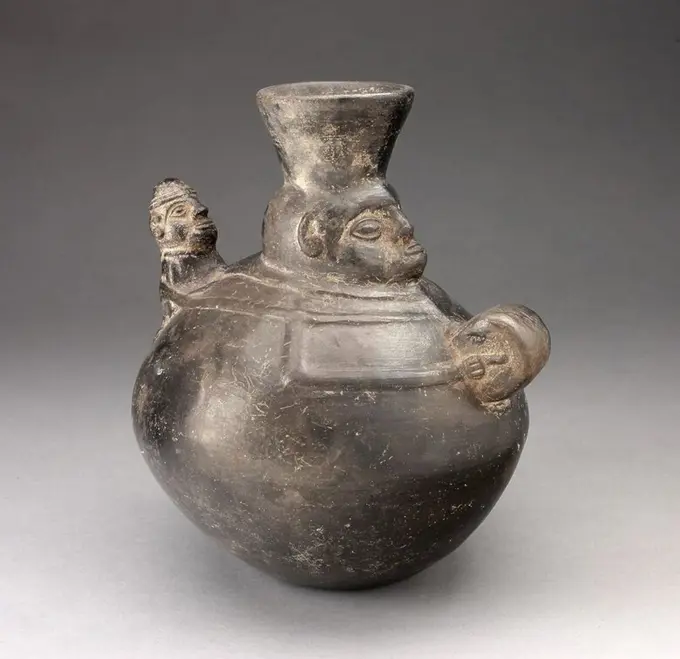
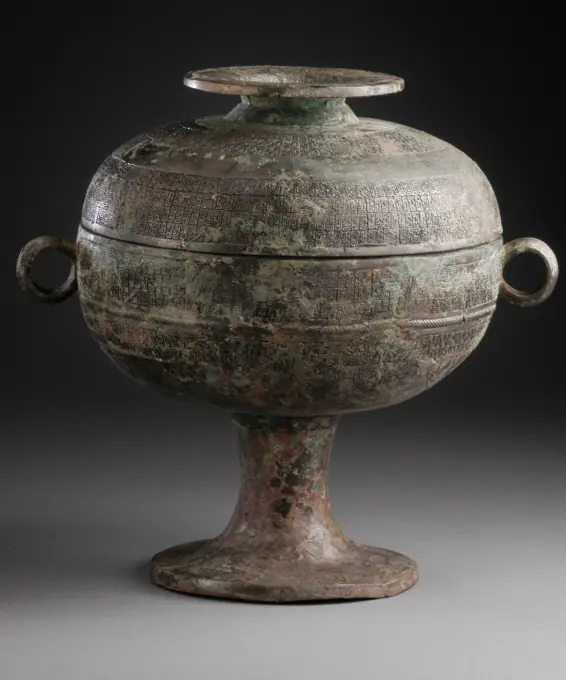
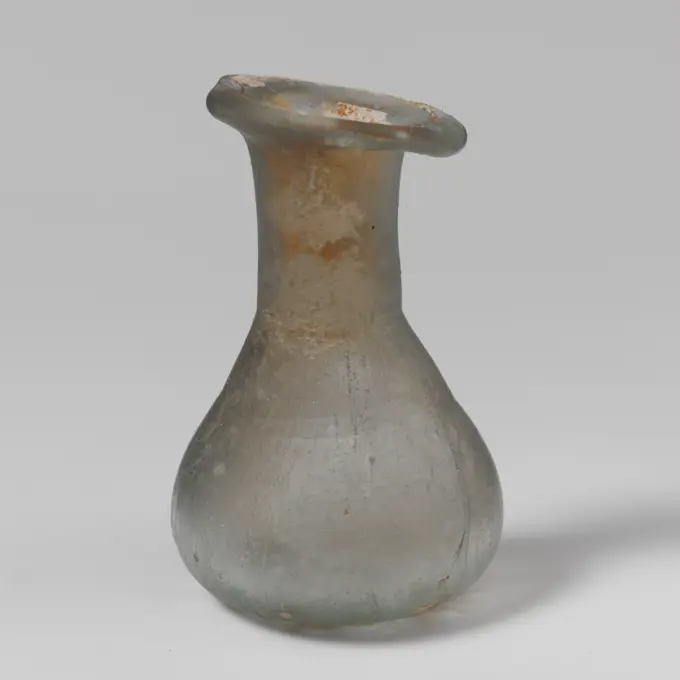
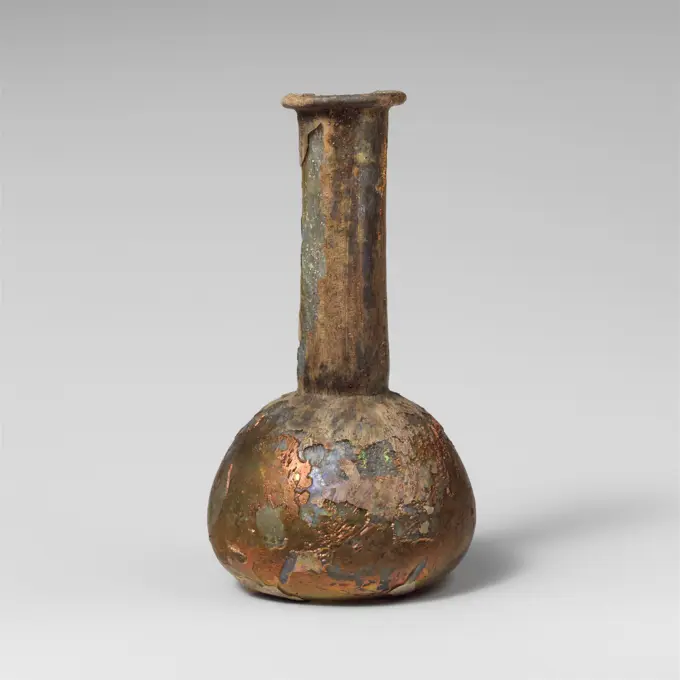
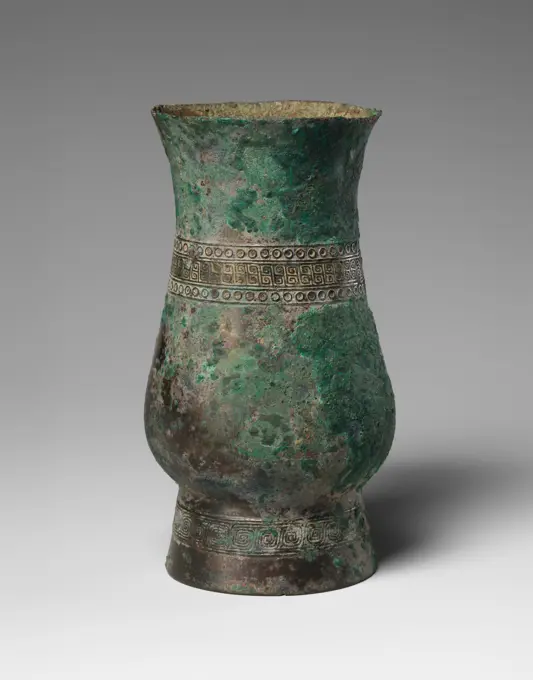
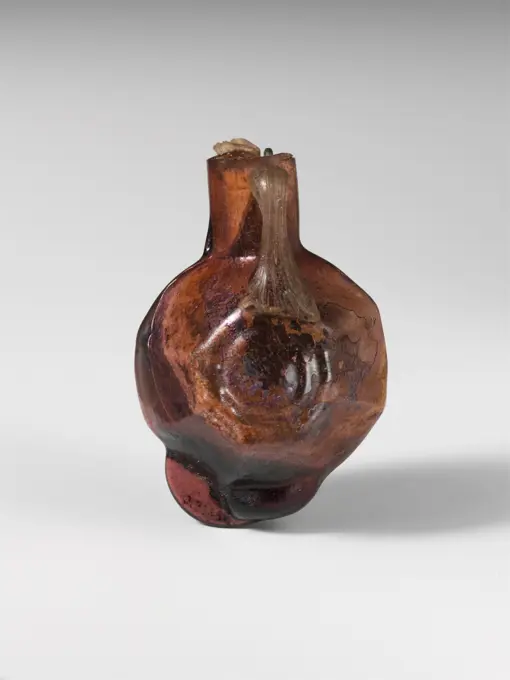
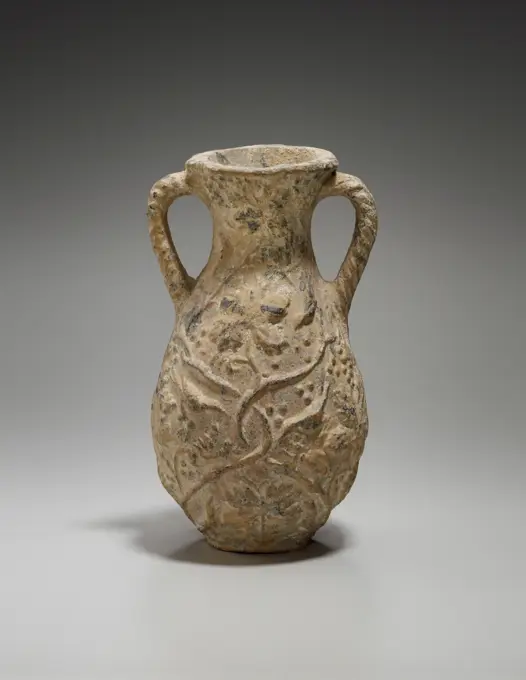
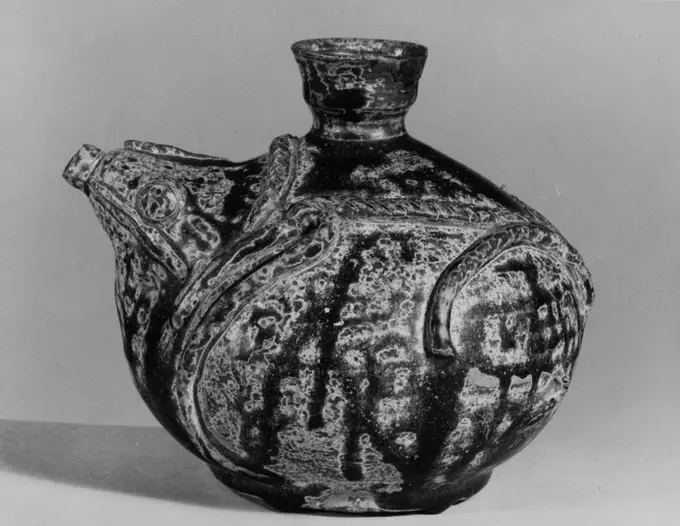
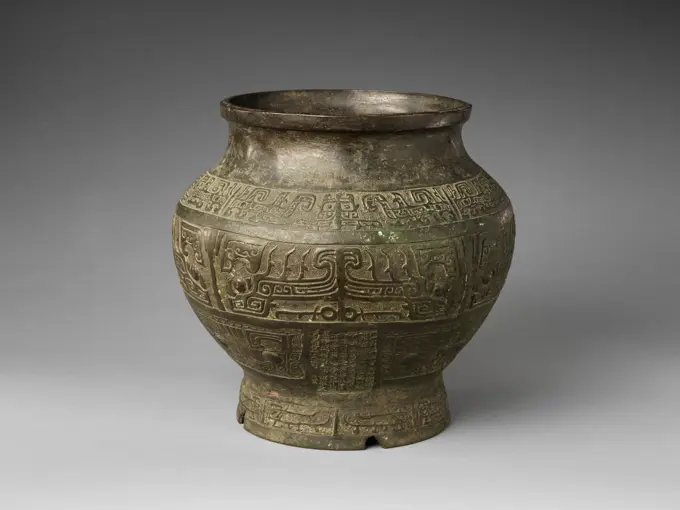
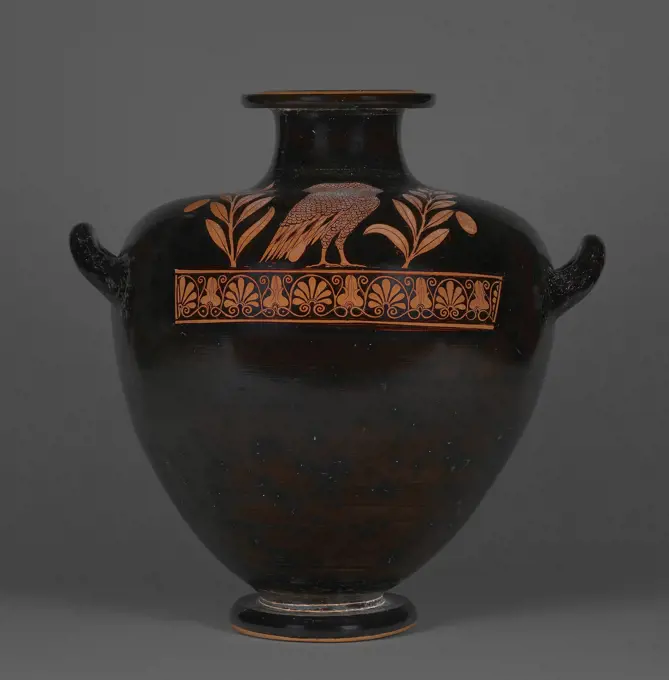
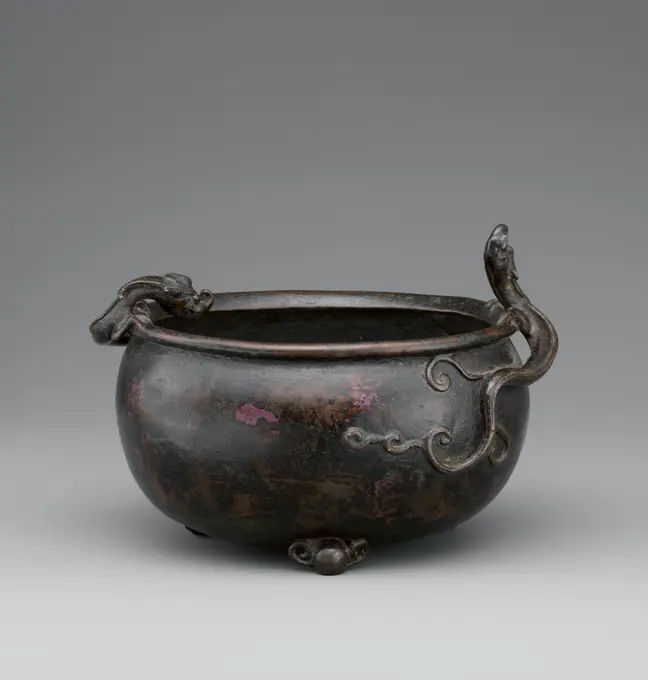
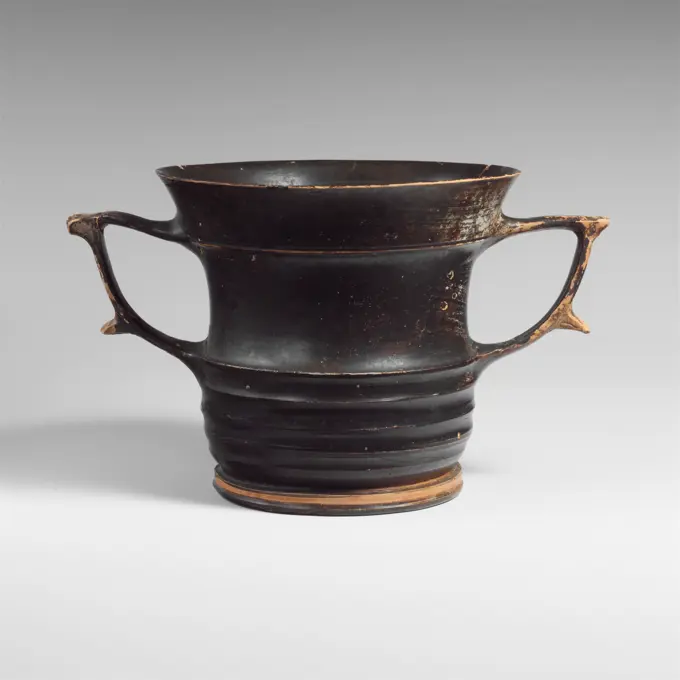
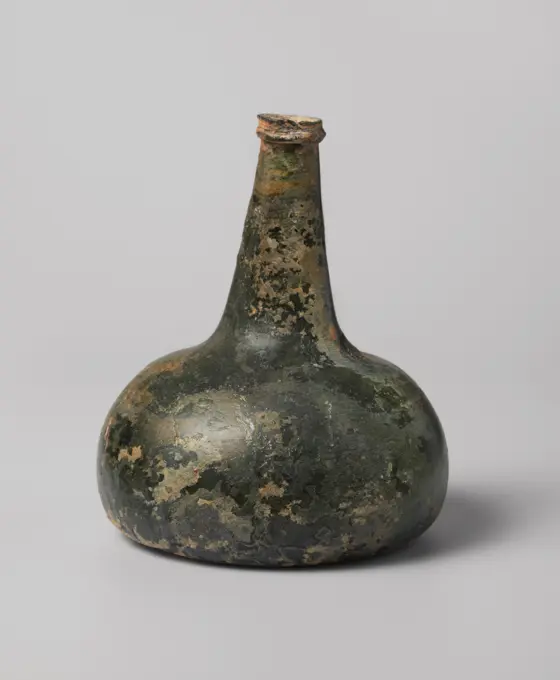
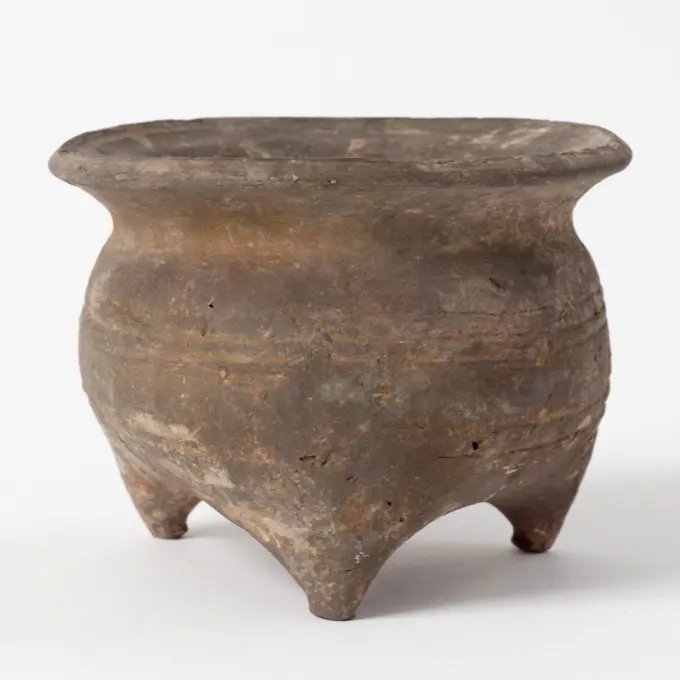
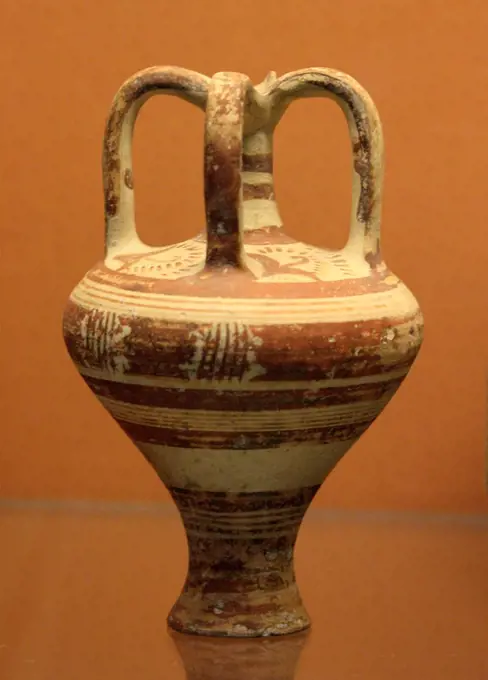
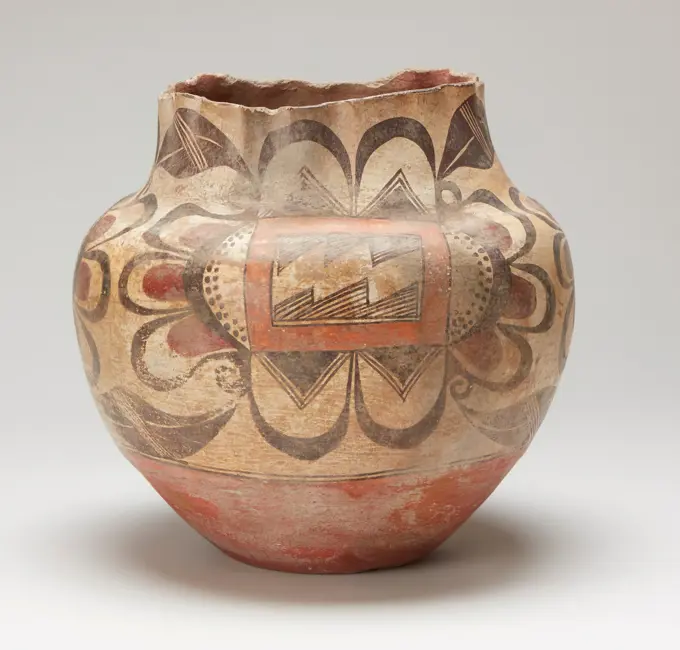
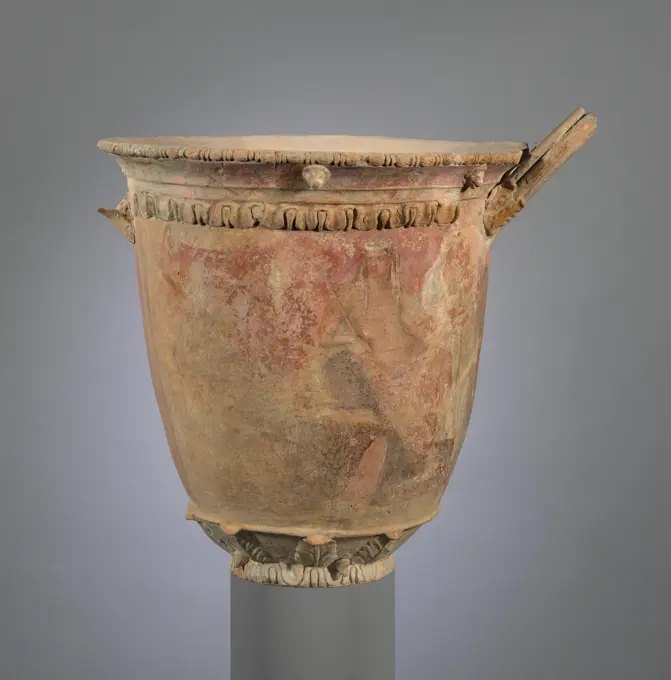
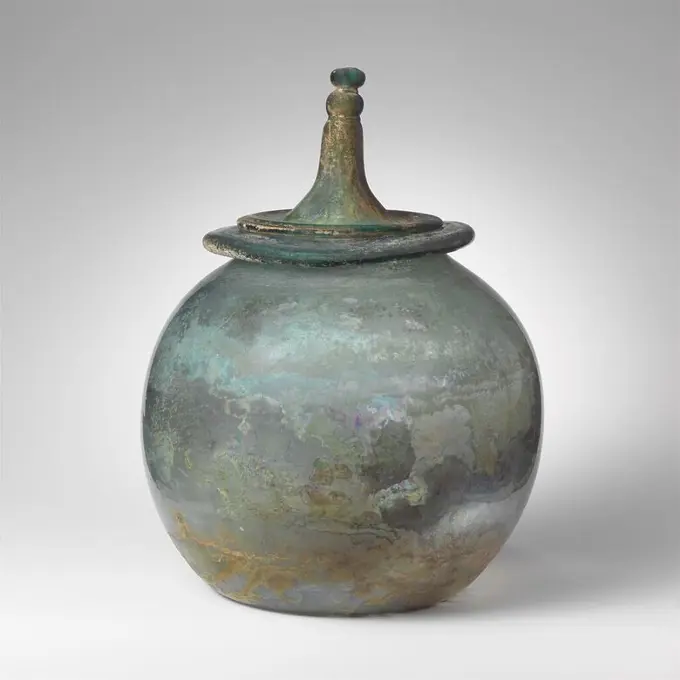
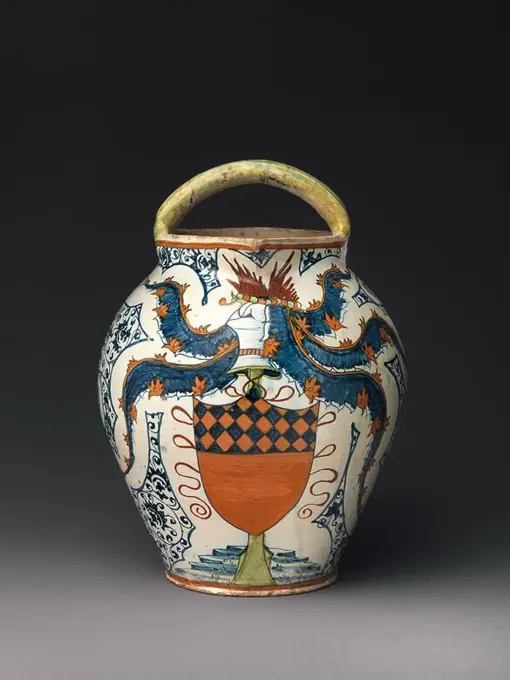
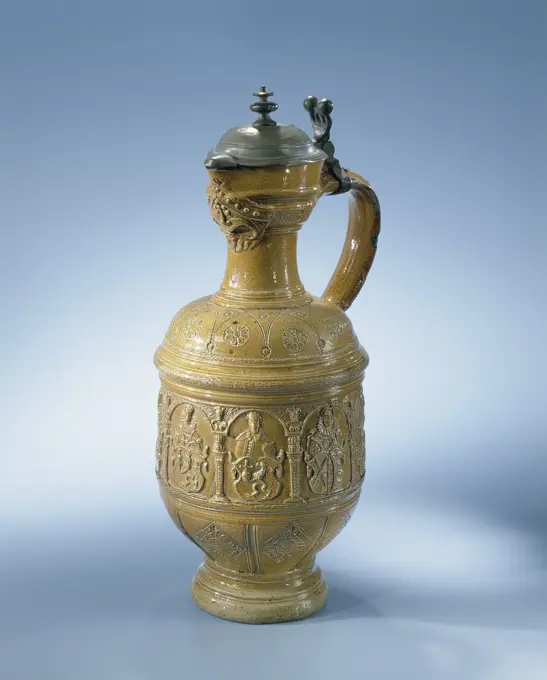
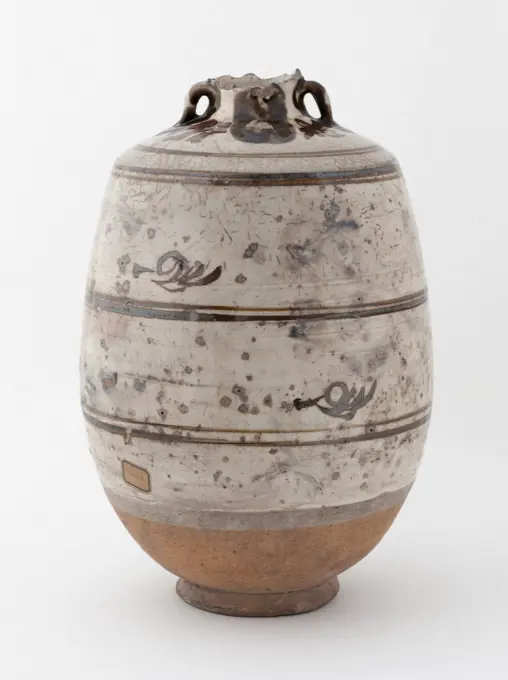
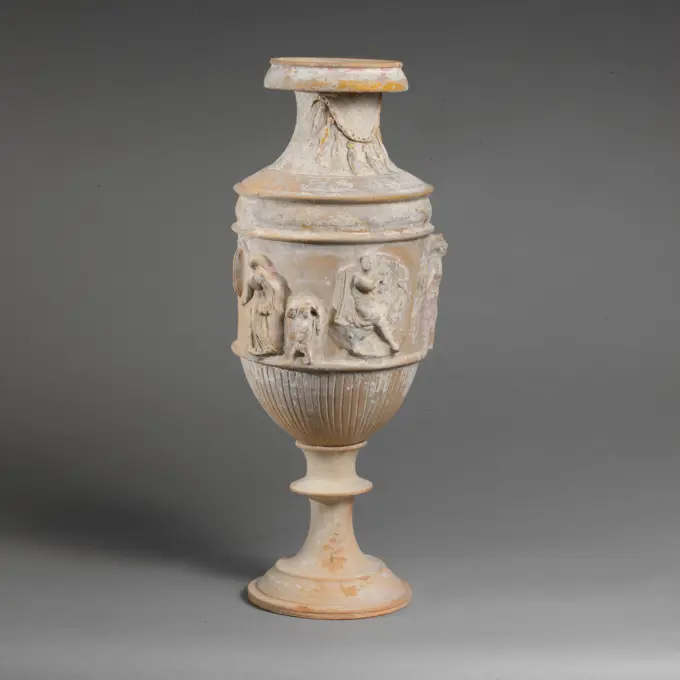
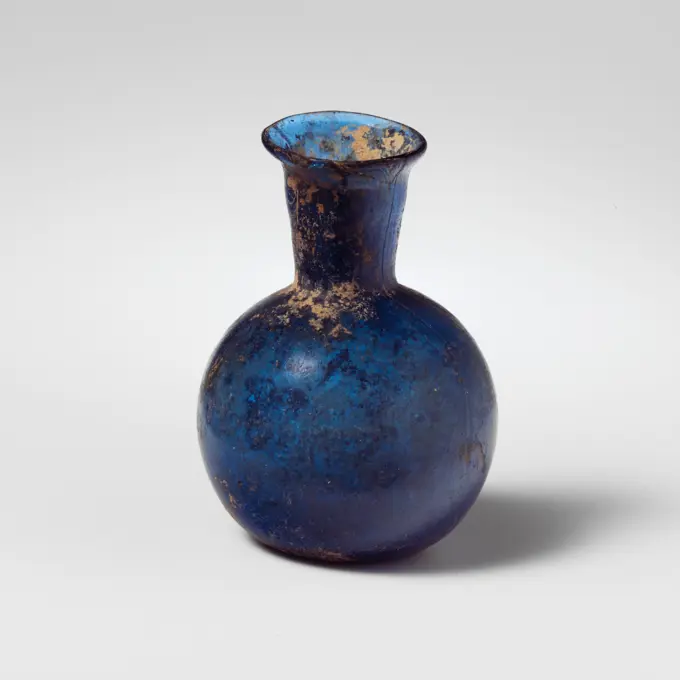
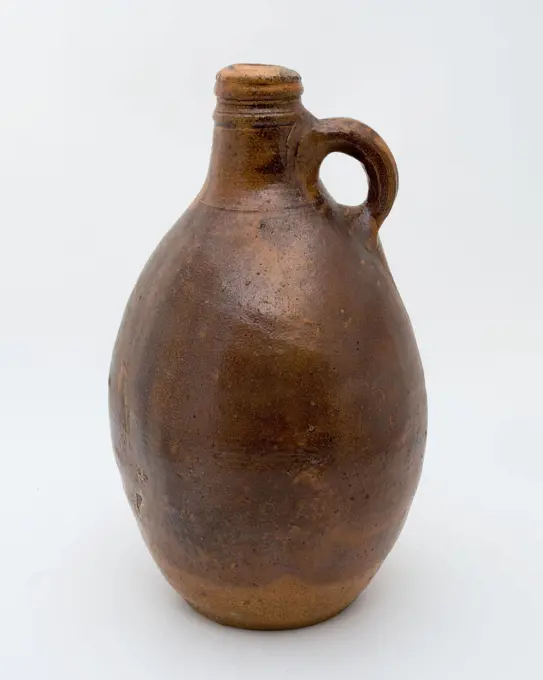
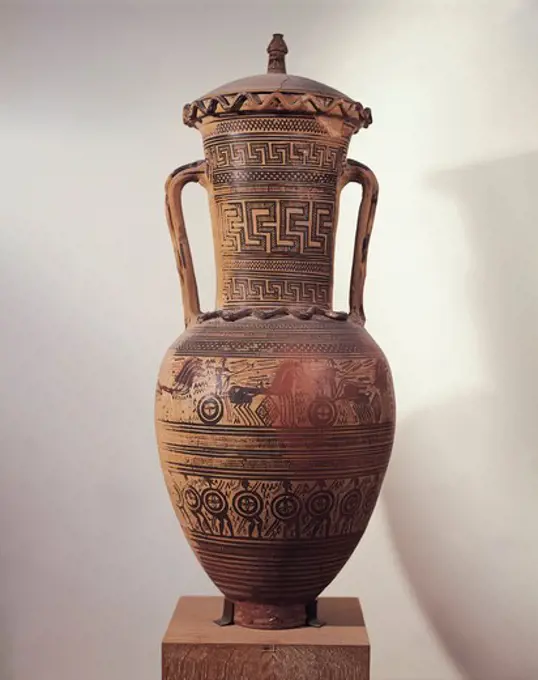
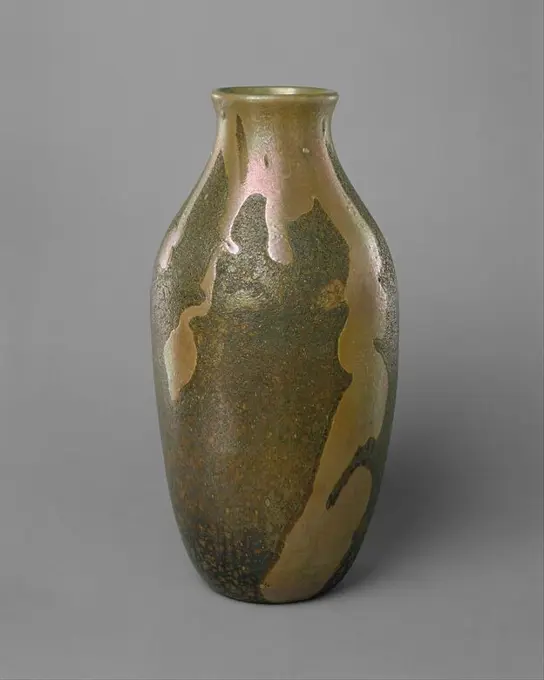
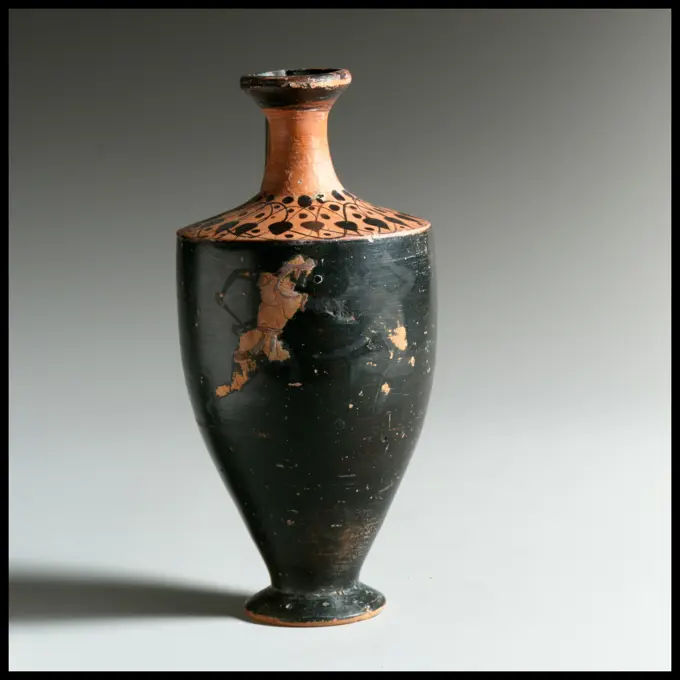
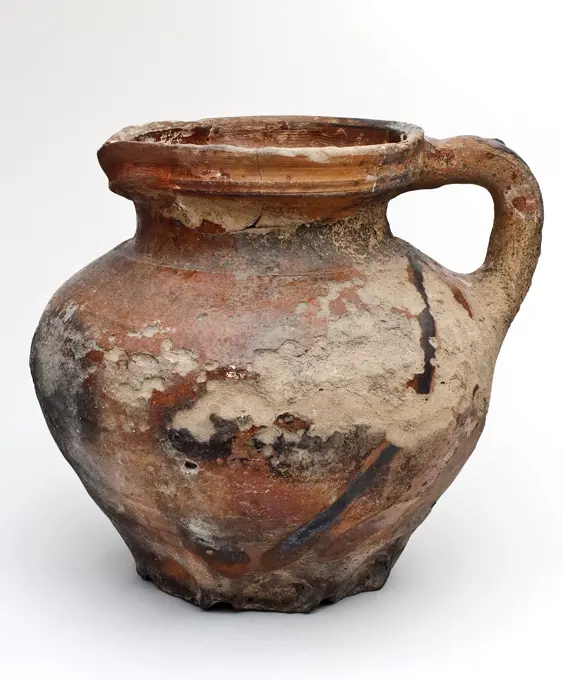
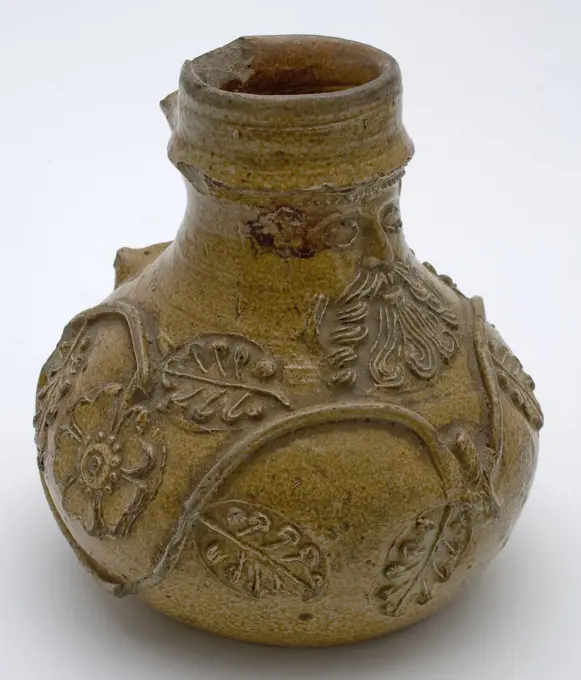
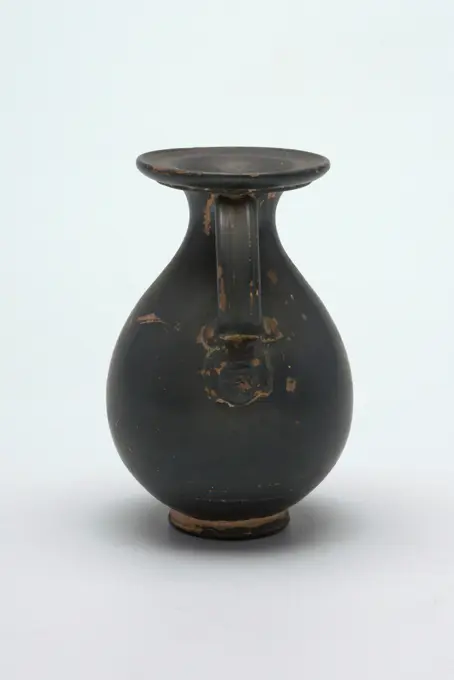
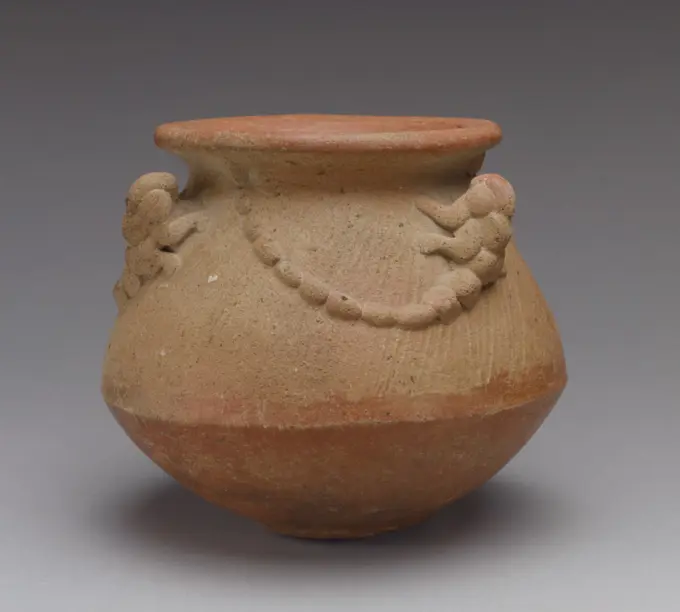
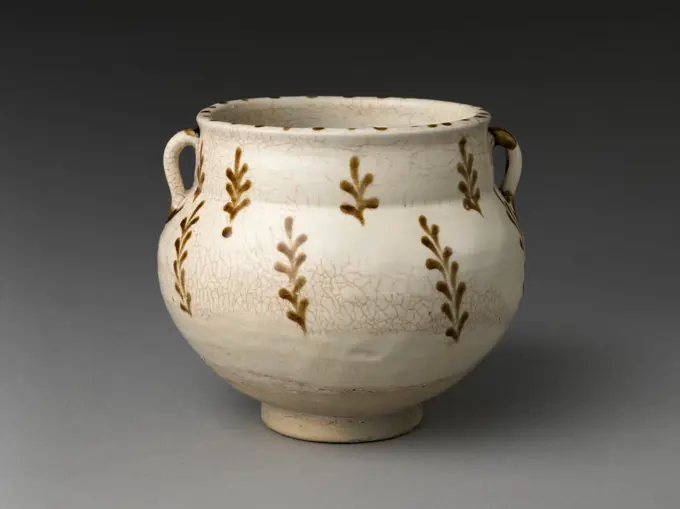
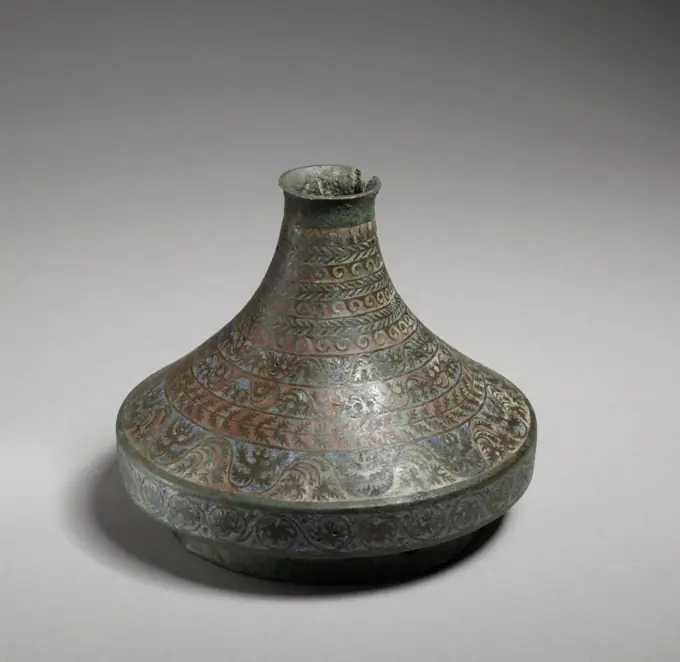
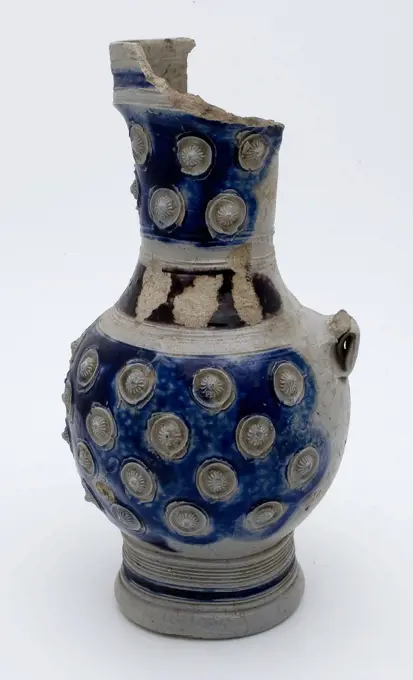
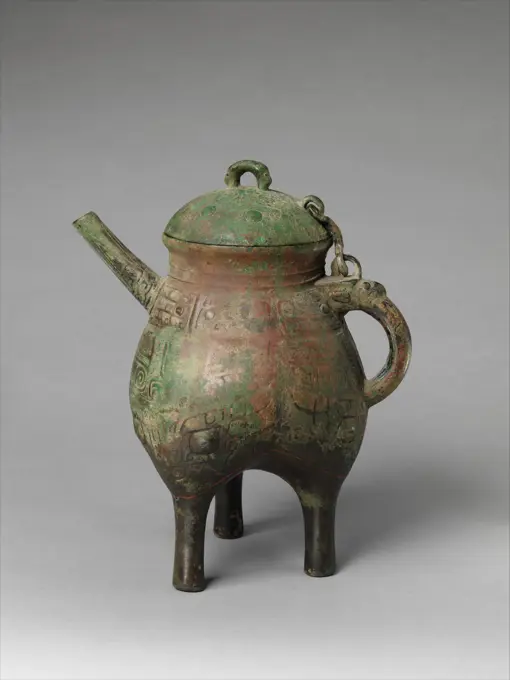
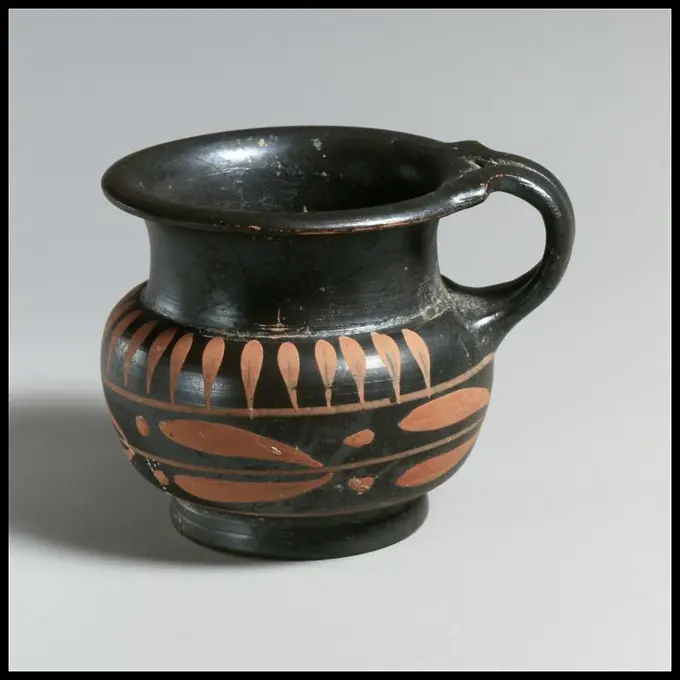
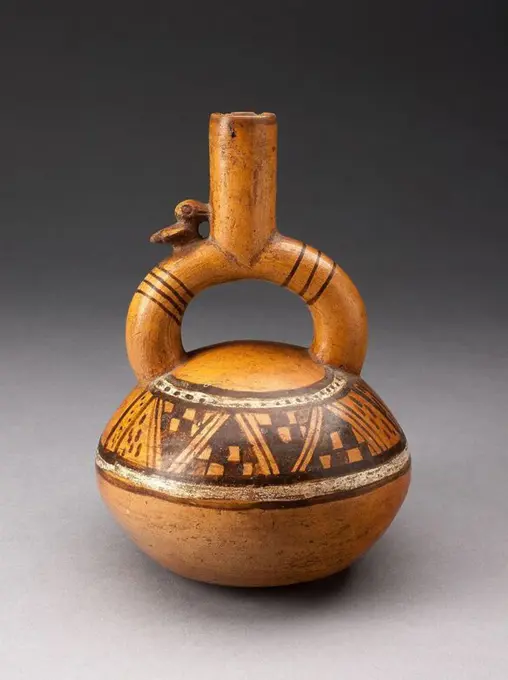
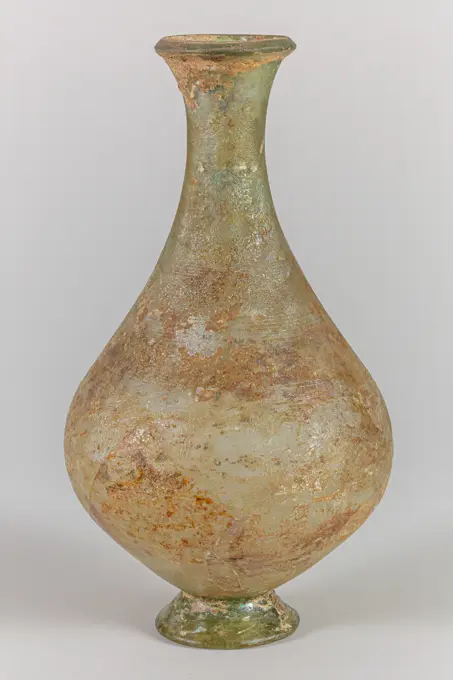
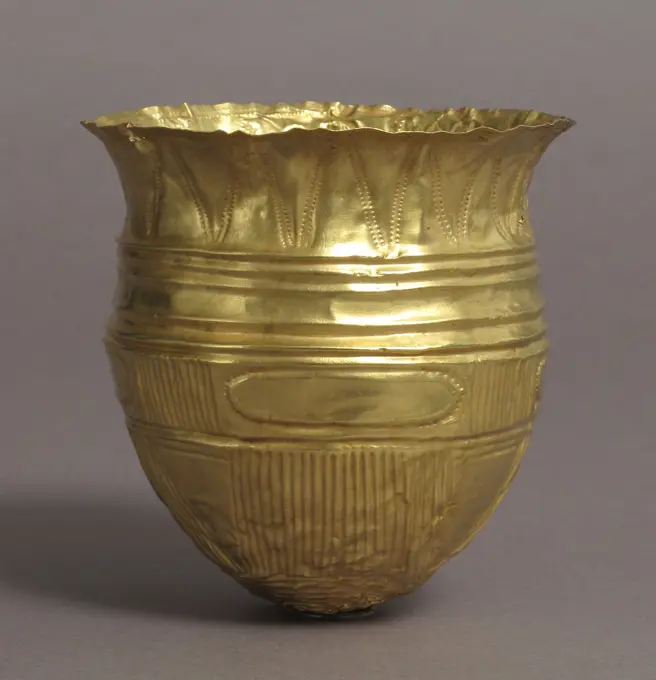
Aryballos (perfume jar) Late Period 6th century BC View more. Aryballos (perfume jar). 6th century BC. Faience. Late Period. From Egypt. Dynasty 26Beaker 13th century South German. Beaker 462877Brown stoneware jug with diamond-shaped stamps and flutes, jug crockery holder soil find ceramic stoneware clay engobe glaze salt glaze, hand turned stamped carved glazed baked Stoneware jug gray shard brown engobe and salt glaze with metallic glow bandoor with short tail profiled neck and foot. Round belly and cylindrical neck archeology import pottery serve serve drink wine beerBronze oinochoe (jug). Culture: Etruscan. Dimensions: H. 14 in. (35.6 cm). Date: early 3rd century B.C..The escutcheon at the base of the handle is modeled into an elegant plant resembling an acanthus leaf, common in Apulian pottery of this period. "Suthina" is inscribed in Etruscan letters on the neck, indicating this object was made for the tomb. Museum: Metropolitan Museum of Art, New York, USA.Champagne coolerAmphora vase. Manises (ośrodek ceramiczny ; ca 1400- ), potter's workshopDrinking Cup, 900-1519. Mexico, Cholula(), Mixteca-Puebla style. Pottery with burnished, colored slips; overall: 12.5 x 8.5 cm (4 15/16 x 3 3/8 in.).Vase. Culture: Japan. Dimensions: H. 6 1/2 in. (16.5 cm). Date: 18th century. Museum: Metropolitan Museum of Art, New York, USA.Terracotta Hadra hydria (water jar). Culture: Greek, Egypt, Alexandria-Hadra. Dimensions: Overall: 15 1/4 x 11 7/16 in. (38.7 x 29.1 cm). Date: 3rd century B.C.. Museum: Metropolitan Museum of Art, New York, USA.ARTE ROMANO. ESPAÑA. "URCEOLUM". Jarrita de vidrio blanco con una franja de hileras moradas. Tiene asa y un pequeño pie. Se ignora su procedencia. Museu Episcopal de Vic. Provincia de Barcelona. Comarca de Osona. Cataluña.Jar in the Form of a Figure Holding a Drum and Carrying a Child. Possibly Chimú-Inca; North coast, Peru. Date: 1200-1450. Dimensions: H. 21 cm (8 1/4 in.). Ceramic. Origin: Peruvian North Coast. Museum: The Chicago Art Institute, Chicago, USA.VesselGlass perfume bottle. Culture: Roman. Dimensions: 2 in. (5.1 cm)Diameter: 1 3/8 x 3/4 in. (3.5 x 1.9 cm). Date: 1st century A.D..Small perfume bottleTranslucent cobalt blue.Plain, rounded rim; flaring mouth; funnel-shaped neck; globular body; slightly cncave bottom.Intact; pinprick and small bubbles, with blowing striations; faint iridescence with small patches of pitting and weathering; some soil encrustation. Museum: Metropolitan Museum of Art, New York, USA.Lidded Tureen (Dou) with Interlaced Dragons. China, Early Eastern Zhou dynasty, Spring and Autumn period, 771-481 B.C.. Furnishings; Serviceware. Cast bronzeJug with the coat of arms of Amsterdam and Saxony, Hubert Schiffer, c. 1860 - c. 1880 Jug of stoneware on high foot with a cylindrical body, round shoulder and wide, ribbed neck. Profiles on the body and the foot. Covered with a brown Engobe. On the belly in relief a printed and imposed band, divided by pilasters into courses in which the Wapen van Amsterdam alternately, flanked by griffins, and the weapon of Saxony. The lower part of the abdomen runs slanted to the foot and has canelures. On the shoulder semicircular compartments with notch cutting between which a stamped, stylized flower drink. The neck with a band of flower vines interrupted by masks in a medallion. Attached to the ear a pewter frame with lid. Copy based on the 16th century Raerense type. Raeren. Raeren (possibly) Stoneware. Glaze. Engobe. frame: tin (metal) vitrification Jug of stoneware on high foot with a cylindrical body, round shoulder and wide, ribbed neck. Profiles on the body and the foot. Covered with a broGlass perfume bottle 1st-2nd century A.D. Roman Small perfume bottleColorless with pale blue green tinge.Rim folded out, over, and in, and partlially pressed into lobsided, slanting mouth; cylindrical neck, with faint tooling marks around base; slanting shoulder, with tooling marks below; squat body with rounded sides; flattened bottom.Intact, except for small chip in rim; many pinprick bubbles; dulling, faint iridescence, and patches of creamy weathering on interior.. Glass perfume bottle 239756Prehistory, Bulgaria, Bronze Age. Vase shaped as a bird with graffiti decorations. From Orsoya.Vase with cover. Ceramics, Vietnam, Song era, between 960 and 1279. Paris, Cernuschi Museum. 34993-1 Ceramic, cover, decor, Song time, dishes, vase, VietnamGlass perfume bottle 2nd-3rd century A.D. Roman Colorless with pale blue green tinge.Rim folded out, over, and in, flattened on top; cylindrical neck with tooling marks around base; squat, bulbous body; slightly concave bottom.Complete except for part of rim (ancient loss); pinprick bubbles; deep pitting, dulling, and brilliant iridescent weathering on exterior; thicker soil encrustation on interior of neck and inside body.. Glass perfume bottle 244595Painted Animal Vessel 10th-13th century Huastec. Painted Animal Vessel 310603One-handled Cup; Eastern Mediterranean; about 2nd century; Glass; 12.8 cm (5 1,16 in.)Bottle 19th century Japan. Bottle. Japan. 19th century. Clay covered with a transparent glaze (Takatori ware). Edo (1615-1868) or Meiji period (1868-1912). CeramicsRitual Wine Cup (Zhi) late 11th century B.C. China This elaborate set of wine vessels provides an idea of the splendor of Shang and early Zhou ritual ceremonies. The set is said to have come from a tomb uncovered in 1901; shortly thereafter, it entered the collection of Duan Fang, a senior Manchu official and one of the preeminent antiquarians of the late Qing period. The pieces vary in style and execution. Although eleven of the vessels are inscribed, only one grouping shares identical inscriptions: the two wine containers, or you (nos. 2, 3) and the tall wine container, or zun (no. 4). A second grouping has largely comparable inscriptions: the spouted water vessel, or he (no. 5) and one cup, or zhi (no. 11).A partial reconstruction of the sets arrangement in the tomb may be established from corrosion outlines on the three principal vessels—the two wine containers, or you, and the central tall wine container, or zun—that were etched onto the surface of the altar table. The diagram shGlass multi-sided bottle 1st century A.D. Roman Translucent purple, with handles in greyish colorless glass streaked with purple.Cylindrical neck; lentoid body comprising seven slanting panels surrounding a central vertical face on each side; projecting hollow base pad; handles to top of body in a pad, drawn up, turned in and down, and pressed onto neck. Continuous mold seam runs from base of neck, down edge of sides, and across bottom, with a gap between the two halves of the mold causing a flat, solid, rounded pad to form on one edge between lower body and bottom.On body, two concentric circles and central dot in relief on the vertical face.Broken around top of neck, rim and most of one handle missing, with hole in side where bottom of handle was attached; some bubbles, especially in handle; slight dulling and iridescence on exterior, thick soil encrustation and brilliant iridescent weathering on interior.. Glass multi-sided bottle 245808AmphoraVessel in the Form of a Frog 14th-15th century Thailand. Vessel in the Form of a Frog. Thailand. 14th-15th century. Earthenware. CeramicsRitual water vessel (lei) China 1359 This vessel is a rare and important example of a Yuan dynasty dated ritual bronze for an official Confucian temple. This vessels archaistic décor is typical of bronzes made from the thirteenth to the fourteenth century.The shape is loosely based on ancient ritual wine container pou. But this vessel type underwent a functional change due to the ritual reforms that took place during the Southern Song period (1127-1279), when it was repurposed as a water container lei (or xilei) based on the Confucian ritual manual composed by the famous Confucian Zhu Xi (1130-1200). Its 75-character inscription states that it was cast in 1359 under governmental supervision for the Confucian school of Songjiang Prefecture (now a suburb district of Shanghai). The inscriptions long list of local officials names demonstrates this vessels commemorative significance and attests to the official respect and political importance accorded to Confucianism at this time. This is hSugar Bowl. Culture: American. Dimensions: H. 4 in. (10.2 cm). Date: ca. 1790. Museum: Metropolitan Museum of Art, New York, USA.Water Jar with an Owl; Group of the Floral Nolans (Greek (Attic), active about 470 B.C.); Athens, Greece; 480 - 470 B.C; Terracotta; 36 × 29.6 cm (14 3,16 × 11 5,8 in.)Vase. Culture: China. Dimensions: H. 10 1/4 in. (26 cm). Date: first half of the 19th century. Museum: Metropolitan Museum of Art, New York, USA.Brush washer with twin dragons 13th-14th century China This charming brush washer has a compressed globular body that rests on three short, cloud-shaped feet. Its exterior is finely cast with a pair of chi dragons clambering sinuously with their paws on the mouth rim: one with its head arched upwards, the other peering into the interior of the washer. The entire vessel is covered with a warm variegated patina with no trace of being buried underground.. Brush washer with twin dragons. China. 13th-14th century. Bronze. Yuan dynasty (1271-1368). MetalworkGlass perfume bottle Roman first half of 1st century CE Translucent turquoise blue.Everted rim with rounded outer lip; cylindrical neck; squat piriform body; concave bottom.Body complete, but missing two-thirds of rim; pinprick and some large bubbles; pitting, small patches of whitish weathering, and iridescence on exterior, soil encrustation and whitish weathering on interior. View more. Glass perfume bottle. Roman. first half of 1st century CE. Glass; blown. Early Imperial. GlassTerracotta kantharos: karchesion (deep cylindrical drinking cup) 4th century B.C. Greek, Attic or Boeotian Black glaze cup with handles and ribbing around the base.. Terracotta kantharos: karchesion (deep cylindrical drinking cup) 254691 Greek, Attic or Boeotian, Terracotta kantharos: karchesion (deep cylindrical drinking cup), 4th century B.C., Terracotta, H.: 4 9/16 in. (11.6 cm). The Metropolitan Museum of Art, New York. Gift of Dietrich von Bothmer, 1951 (51.179)Wine bottle from the wreck of the East Indies Hollandia, Anonymous, 1700 - in or before 1743  Wine bottle without cork, a shard is missing. Wine Bottle, Continental Production, Onion-Shaped, Complete; (1) Eroded (17h, Belly 14.2D, Base 10D), VS-String Rim, TCS-Kick-Up. Netherlands .   SecondTripode li ". Terracotta. Neolithic period (around 8000 BC). Paris, Cernuschi museum. Chinese art, Chinese ceramic, container, neolithic period, container, terracotta, tripod li, three feetPottery three-handled jug decorated with a flower motif. Mycenaean,1350-1300 BC Found at Enkomi, CyprusVase. Bronze. Chine. Par musée musée malée. 70002-1 Chinese art, bronze, decorative motif, vaseAmphoriskos; Eastern Mediterranean; 2nd - 1st century B.C; Glass; 16 cm (6 5,16 in.)Pot, c. 1850-1860, 10 5/8 × 11 × 11 in. (26.99 × 27.94 × 27.94 cm), Clay, pigments, United StatesBody of a terracotta vase 3rd-2nd century B.C. Greek, Sicilian, Centuripe Polychrome; Dionysos and female figure.. Body of a terracotta vase. Greek, Sicilian, Centuripe. 3rd-2nd century B.C.. Terracotta. Hellenistic. VasesCan with two angulated ears. Spherical pot of blue painted majolica, with a short cylindrical neck and two angular ears. On the can, on both sides, a running dog is painted between stylized leafs.Terracotta beaker. Culture: Roman. Dimensions: H. 3 3/8 in. (8.5 cm). Date: ca. 1st-2nd century A.D..As well as the floral relief decoration, the beaker has a stamped inscription in Greek that reads, "Gift of Gorgios". Museum: Metropolitan Museum of Art, New York, USA.Bottle Vase: Ding ware, 12th Century. China, Jin dynasty (1115-1234). Glazed white porcelain; overall: 28.3 cm (11 1/8 in.).Fragment of jug with cuff collar, fully glazed, jug crockery holder soil find ceramic earthenware glaze lead glaze, hand turned glazed fried Fragment earthenware jug. Belly model neck edge with profiled cuff and lid slot Pretty slim standing ear. Light shard of red-gray hard-baked earthenware Thin-walled Completely glazed greenish Rotary curves over the abdomen archeology Rotterdam IJsselmonde indigenous pottery water washing pouring food preparation serving serve Soil discovery: IJsselmonde castle well 1 Rotterdam 1972.Glass cinerary urn with lid. Culture: Roman. Dimensions: H.: 12 1/8 in. (30.8 cm). Date: 1st-early 2nd century A.D..Jar (A):Translucent blue green.Broad, tubular rim, folded out, down, and in, forming uneven, wavy upper surface; globular body; concave bottom.Complete, but one crack in rim and upper side; pinprick and a few larger bubbles; some pitting, dulling, and iridescent weathering on exterior, brilliant iridescence and creamy weathering on interior. A band of irregular horizontal lines is scratched onto top part of body just below the rim, presumably from use.Lid (B):Translucent blue green.Thick horizontal rim, folded down and in, with rounded edge and beveled ridge on upper surface; oval body with concave side, then conical, rising to a hollow stem, tapering upwards, tooled into two vertical, round knobs.Intact; pinprick and a few elongated bubbles; dulling, slight pitting, iridescence, and creamy brown weathering.The lid does not fit well on mouth of jar. Museum: MetroDouble-spouted pitcher with arms of the Antinori family. Culture: Italian, Montelupo. Dimensions: Overall (confirmed): 12 7/8 × 9 × 9 in. (32.7 × 22.9 × 22.9 cm). Date: ca. 1505-15.Storage vessels were among the most frequently produced maiolica wares in late medieval and Renaissance Italy. Made in fairly standard shapes, they were designed to fit with dozens of others on a shelf, often in a pharmacy or shop. Their handles therefore tend to fit within the vessel's profile, and the cylindrical albarello type is generally narrower at the middle than at the top or bottom, making it easy to grip. Other common features include inscriptions indicating contents and flanged lips to help secure cloth or paper seals. The decoration, usually more elaborate on one side than the other, can sometimes link pieces to a known dispensary or specific workshop or artist. Museum: Metropolitan Museum of Art, New York, USA.Glass jug. Culture: Roman. Dimensions: 3 1/16 in. (7.9 cm)Other: 2 9/16 in. (6.5 cm)Diam. of rim: 1 1/16 in. (2.7 cm). Date: 2nd-3rd century A.D..Uncertain color (colorless); handle in same glass.Rim folded out, down, round, up, and in, forming collar with vertical lip above mouth; slender, cylindrical neck, with tooling marks around base; squat, globular body; small concave bottom; handle applied as a large pad with three outward claws, drawn up and out, curved in, and trailed on to top of neck with vertical thumb-rest up rim.Intact, except for small part of rim, and crack in body; dulling and brilliant iridescence on exterior; creamy weathering on interior; some soil encrustation around handle. Museum: Metropolitan Museum of Art, New York, USA.Oinochoe. UnknownJug with a representation of the electors, Jan Baldems Mennicken (attributed to workshop of), c. 1602 - c. 1620 Can of stoneware on high foot with a cylindrical body, round shoulder and narrow neck with pinched spout. Profiles on the neck, the body and the foot. Covered with a brown Engobe. On the belly in relief a printed and laid bond with arches. A Elector with his respective weapon is depicted under each arch, with his title in the arch. The date '1602' in the right -wing box. The lower part of the abdomen runs slanted to the foot and has entered sections with stamped flower vines in a window. Bent with rosettes on the shoulder. The front of the neck with a mask. Raeren. Rae Stoneware. Glaze. Engobe. frame: tin (metal) vitrification Can of stoneware on high foot with a cylindrical body, round shoulder and narrow neck with pinched spout. Profiles on the neck, the body and the foot. Covered with a brown Engobe. On the belly in relief a printed and laid bond with arches. A Elector witGlass jug 1st-2nd century A.D. Roman Translucent light blue green, with same color handle.Rim folded out, over, and in, with beveled upper surface; cylindrical neck; squat, globular body; small, slightly uneven bottom; ribbed handle applied in large pad with claws to upper part of body, drawn up and outward, then folded in and attached in neck below rim with vertical, flat thumb rest above.Intact; many bubbles; some iridescence and weathering on exterior, soil encrustation on interior of neck and iridescent weathering on inside of body.. Glass jug 244659Jar ". Sandstone clothed with a creamy slip, painted in brown under transparent cover. Paris, Cernuschi museum. Anse, Chinese art, Chinese Ceramic, Ebrecher, ENGOBE CREME, GRES, JARRETerracotta vase with relief decoration 1st half of the 2nd century B.C. Greek, South Italian, Tarentine Erotes, Athena, Nike, and lyre-playersDuring the third century B.C. Tarentum fell under the hegemony of Rome. It was directly involved in the conflicts between Rome and the Carthaginians under Hannibal until finally losing its sovereignty to Rome in 209 B.C. The changed cultural environment led to changes in artistic production. One innovation is represented by vases such as these, built up of various sections, decorated with subjects in relief, and brightly painted.. Terracotta vase with relief decoration 246675Terracotta scyphus (drinking cup) late 1st century B.C.-early 1st century A.D. Roman Skyphos with applique figures.. Terracotta scyphus (drinking cup). Roman. late 1st century B.C.-early 1st century A.D.. Terracotta; lead-glazed ware. Early Imperial, Augustan. VasesCauldron ("Bobrinsky cauldron"), Iranian master  Jar ca. 6th-8th century A.D. Sasanian or Islamic. Jar. Sasanian or Islamic. ca. 6th-8th century A.D.. Ceramic. Sasanian-early Islamic. Iran, Qasr-i Abu NasrWine Vessel (Jia), c. 1700-1500 BC. China, probably Henan province, Erlitou culture (c. 1900-1500 BC). Bronze; overall: 24 cm (9 7/16 in.).Spouted Vessel Japan Listen to experts illuminate this artwork's story Listen Play or pause #8800. Spouted vessel Supported by Bloomberg Philanthropies We're sorry, the transcript for this audio track is not available at this time. We are working to make it available as soon as possible.. Spouted Vessel 44817Terracotta tankard. Culture: Cypriot. Dimensions: H. 4 9/16 in. (11.6 cm). Date: ca. 1600-1200 B.C..Wide-mouthed tankard with horned handle and two bands in relief on neck. Museum: Metropolitan Museum of Art, New York, USA.VASO DE LA CARTUJA DE JEREZ - JARRON GRANADINO - TIPO ALHAMBRA - SIGLO XIV - NAZARI. Location: MUSEO ARQUEOLOGICO NACIONAL-COLECCION. MADRID. SPAIN.Glass perfume bottle 1st century A.D. Roman Small perfume bottleTranslucent cobalt blue.Plain, rounded rim; flaring mouth; funnel-shaped neck; globular body; slightly cncave bottom.Intact; pinprick and small bubbles, with blowing striations; faint iridescence with small patches of pitting and weathering; some soil encrustation.. Glass perfume bottle 239768Brown jar with ear, jug crockery holder soil find ceramic stoneware glaze salt glaze, hand turned baked glazed stoneware jug gray shard with dark brown red brown salt glaze profile rings below the mouth rim small profiled sausage ear archeology import pottery serving drinkAmfora panatenajska. Malarz Warszawskiej Panatenajskiej (ok. 520 p.n.e.), authorVase, 2nd-3rd century A.D., Free-blown glass, transparent light green, 6.67 × 2.54 cm (2 5/8 × 1in.), Roman,Gaulish, Roman, Containers -GlassVessel ca. 9th century B.C. Iran. Vessel 325805Pyxis with lid. Culture: Greek, Boeotian. Dimensions: Diameter: 5 × 4 1/2 × 3 7/8 in. (12.7 × 11.4 × 9.8 cm)Height: 6 1/4 in. (15.9 cm)Diameter (Lid): 4 11/16 in. (11.9 cm)Height (height of lid): 2 9/16 in. (6.5 cm). Date: late 5th century B.C..Decorated with palmettes. Museum: Metropolitan Museum of Art, New York, USA.Naczynie z dekoracją rytą. warsztat cypryjskiGeometric ceramic Attic amphoraJug ca. 1800-1840 American The mottled green glaze with dark spots is typical of New England potteries. The orange areas resulted from inconsistencies in the firing.. Jug 4566Vase. Culture: American. Designer: Designed by Louis Comfort Tiffany (American, New York 1848-1933 New York). Dimensions: 16 1/8 x 8 1/4 in. (41 cm). Maker: Tiffany Studios (1902-32); Tiffany Glass and Decorating Company (American, 1892-1902) or. Date: ca. 1900-1905. Museum: Metropolitan Museum of Art, New York, USA.Terracotta lekythos (oil flask) 2nd half of the 6th century B.C. Greek, Attic Theseus slaying the MinotaurThe lekythos is decorated in Six's technique, in which the background is in black glaze and the figures appear with incised contours through the black glaze or with applied white, red, or brown paint.. Terracotta lekythos (oil flask). Greek, Attic. 2nd half of the 6th century B.C.. Terracotta; Six's technique. Late Archaic or Early Classical. VasesPottery cooker or water jug on stand fins, cuff around the neck, pouring lip, cooking jug water jug crockery holder soil find ceramic earthenware glaze lead glaze, belly 20.8 bottom 12.3 hand turned glazed fried jug red earthenware sparingly glazed nipped foot with nine toes edge with pouring lip and lid slot around ear. Egg-shaped model. Neck edge with cuff collar profiled on the outside. Extremely large attack on the inside Roetsporen archeology Capelle aan den IJssel House in Capelle castle indigenous pottery tableware kitchenware tableware water washing food preparation Soil discovery: southern canal house in Capelle ± 1395-1500 Capelle aan den IJssel 1963.Pitcher British 19th centuryPear-shaped can of stoneware. Pear-shaped can of stoneware. On the abdomen are printed in flat relief, largely on a part of manganese, half blue, semi-uncoloured decorations in 5 vertical jobs.Krater, miniature 600-480 B.C. Cypriot Deep bowl on high foot with horizontal bands and concentric circles.. Krater, miniature. Cypriot. 600-480 B.C.. Terracotta. Cypro-Archaic II. VasesHookah Base in the form of a Mango and Parrot. India, Rajasthan or Delhi, 18th century. Tools and Equipment; hookahs. SilverBartmann jug, also called Bellarmine jug, stocky model, Bartmann jug, also called Bellarmine jug, mask and oak leaves, tendrils and flowers, Bartmann juggeruik tableware holder soil find ceramic stoneware clay engobe glaze salt glaze, hand turned stamped baked baked glazed stoneware jug gray shard brown-yellow salt-glaze bandoor. Excellent ring around the neck under the mouth rim also place of attachment of the ear. Bartmann jug mask on the neck on the belly rank with oak leaves and two flowers archeology import pottery drink serve beer wine storeAryballi (Italy); terracotta, black varnishBowl with Lizards 1st-5th century Atlantic Watershed The simple shape of this wide-mouthed jar is elaborated by the presence of three-dimensional bodies of abstract lizards or alligators presented as an identical repeated form around the vessel body. The segmented reptilian creatures were added to the finished jar after its upper surface received an allover patterning of diagonal grooves. The three lizards are formed by individual pieces of clay appliquéd to the vessel, creating bodies that crawl up the wall and tails that curve around and terminate on the underside of the flared lip. The jar is slipped on the lower portion of the exterior, on the lip, and in the interior. Although the reptilian forms are abstract, there is a degree of reality, as they appear to rest in stillness like those that soak up the midday sun.. Bowl with Lizards 316768Jar with Leaf Decoration 12th century China A large number of related kilns throughout north China produced ceramics for popular use that are generally known as Cizhou wares, after Ci, the name of a county in Hebei Province where many such wares were produced. Cizhou wares are characterized by their bold shapes and by the numerous techniques, including painting, used to decorate them.. Jar with Leaf Decoration. China. 12th century. Stoneware painted in brown on white slip under transparent glaze (Cizhou ware). Northern Song dynasty (960-1127). CeramicsBronze kylix (drinking cup) 4th-3rd century B.C. Greek With long slender handles; the body, which is mounted on a short broad foot, supports a deep bowl with convex sides and a wide rim.. Bronze kylix (drinking cup) 248484POTE O VASIJA CON TAPA - PINTADA Y VIDRIADA. Location: ALFARERIA. FREGENAL DE LA SIERRA. Badajoz. SPAIN.Terracotta cup with appliqués. Culture: Greek, Pergamene. Dimensions: H. 3 1/8 in. (8 cm); diameter 4 in. (10.2 cm). Date: ca. 150-100 B.C..Applied decoration: the infant Herakles strangling the snakes, amphora with a lid, Eros holding a torchPergamene appliqué pottery, with its lustrous glaze and large repertoire of applied mold-made reliefs, is one of the finest ceramic creations of the Hellenistic period. Even as a baby, Herakles possessed great strength. The snakes he is strangling in this image were sent by the goddess Hera to kill him when she found out that his father, Zeus, had been unfaithful to her with the mortal Alkmene of Thebes. Museum: Metropolitan Museum of Art, New York, USA.You wine vessel, 12th century BCE, 12 1/16 × 6 1/8 × 5 1/2 in., 4.9 lb. (30.64 × 15.56 × 13.97 cm, 2.2 kg), Bronze, China, 12th century BCEWild Goat style Ionian jug, 640 BC. Greek vase painting.Vase. unknown, craftsmanFunnel-Shaped Mount 2nd-3rd century Roman This object may have been the central decorative element of the yoke of a ceremonial chariot. Objects of similar shape have been found with ensembles of yoke and harness ornaments, such as the adjacent pieces in this case, suggesting that this piece too may have been part of a larger group of enamels.. Funnel-Shaped Mount 468220Stoneware jug be put on the belly with small imposed rosettes, purple band around the neck, jug crockery holder soil find ceramic stoneware glaze salt glaze, hand twisted stamped glazed glazed baked stoneware jug gray shard with salt glaze neck with clovers ear with curled tail archeology import pottery serve serve serve wine drink beerEwer early 13th century. Ewer 451881Jug. Gray with blue jug with seven scenes with the booklets and an unreadable inscription. Dated 1597.Spouted Ritual Water Vessel (He) with Attached Lid late 11th century B.C. China This elaborate set of wine vessels provides an idea of the splendor of Shang and early Zhou ritual ceremonies. The set is said to have come from a tomb uncovered in 1901; shortly thereafter, it entered the collection of Duan Fang, a senior Manchu official and one of the preeminent antiquarians of the late Qing period. The pieces vary in style and execution. Although eleven of the vessels are inscribed, only one grouping shares identical inscriptions: the two wine containers, or you (nos. 2, 3) and the tall wine container, or zun (no. 4). A second grouping has largely comparable inscriptions: the spouted water vessel, or he (no. 5) and one cup, or zhi (no. 11).A partial reconstruction of the sets arrangement in the tomb may be established from corrosion outlines on the three principal vessels—the two wine containers, or you, and the central tall wine container, or zun—that were etched onto the surface of thMug. Culture: Greek, South Italian, Apulian. Dimensions: Other (width w/ handle): 2 13/16 × 3 9/16 in. (7.2 × 9.1 cm)Diameter: 3 × 2 7/8 × 2 1/16 in. (7.7 × 7.4 × 5.2 cm). Date: 4th century B.C.. Museum: Metropolitan Museum of Art, New York, USA.Beaker; Roman Empire; 1st - 2nd century; Glass; 12.5 x 8 cm (4 15,16 x 3 1,8 in.)Vessel in Shape of ArchaicHuAmphoriskos; Eastern Mediterranean; 2nd - 1st century B.C; Glass; 12.5 cm (4 15,16 in.)Stirrup Spout Vessel with Textile-like Pattern on Shoulder. Chimú-Inca; North coast, Peru. Date: 1200-1470. Dimensions: 6 1/16 x 4 9/16 in. Ceramic and pigment. Origin: North Coast. Museum: The Chicago Art Institute, Chicago, USA.Glass flask 3rd-4th century A.D. Roman Colorless with light green tinge.Thick, outsplayed rim with beveled outer edge; concave, cylindrical neck; piriform body; applied outsplayed, hollow base ring; small, flat bottom.Six horizontal bands of wheel-cut fine lines: narrow band on neck, then four broad bands extending down body to just below point of greatest diameter, and another narrow band on lower body.Broken and repaired, with areas of fill and small holes; pinprick bubbles; deep pitting, dulling, creamy brown weathering, and iridescence.. Glass flask. Roman. 3rd-4th century A.D.. Glass; blown and cut. Late Imperial. GlassJug with a coat of arms, anonymous, c. 1550 - c. 1599 Jug of stoneware on a high base with a spherical body and wide, ribbed neck. The C-shaped ear is attached to the neck and shoulder. Profiles closely. On the abdomen in relief three times a printed and imposed weapon (poorly visible) with the inscription 'P s m k'. Raeren. Rae stoneware. glaze vitrification Jug of stoneware on a high base with a spherical body and wide, ribbed neck. The C-shaped ear is attached to the neck and shoulder. Profiles closely. On the abdomen in relief three times a printed and imposed weapon (poorly visible) with the inscription 'P s m k'. Raeren. Rae stoneware. glaze vitrificationVessel ca. 1750-1500 B.C. Early Bronze Age. Vessel. Early Bronze Age. ca. 1750-1500 B.C.. Gold. Made in Central Europe. Metalwork-GoldPot, cylindrical in shape, with inscription: "Scamoneia", anonymous, c. 1475 - c. 1500 Cylindrical pot with concave walls, from multicolored painted majolica. The pot has the inscription "Scamoneia" in the middle of the abdomen and is painted above the inscription with a bond with scaly motifs and a band with leaf motifs under the inscription. Tuscan earthenware. tin glaze. lead glaze majolica Cylindrical pot with concave walls, from multicolored painted majolica. The pot has the inscription "Scamoneia" in the middle of the abdomen and is painted above the inscription with a bond with scaly motifs and a band with leaf motifs under the inscription. Tuscan earthenware. tin glaze. lead glaze majolicaBeaker. Roman. Date: 201 AD-400 AD. Dimensions: 12.7 × 8.6 × 8.6 cm (5 × 3 3/8 × 3 3/8 in.). Glass, mold-blown technique. Origin: Syria. Museum: The Chicago Art Institute, Chicago, USA. Author: ANCIENT ROMAN.