Ancient Vessels

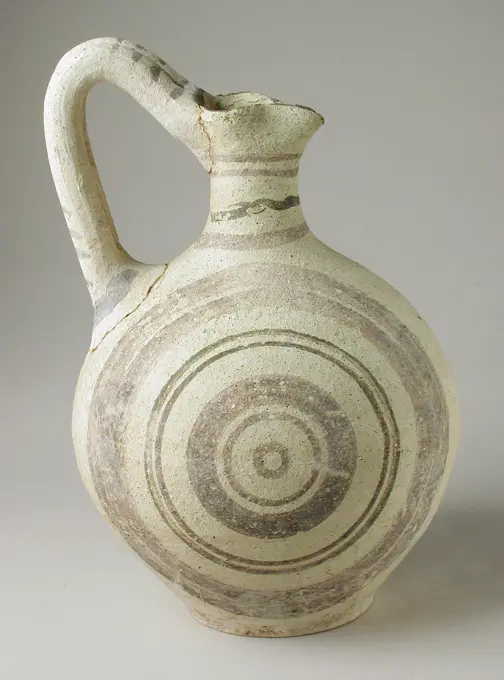
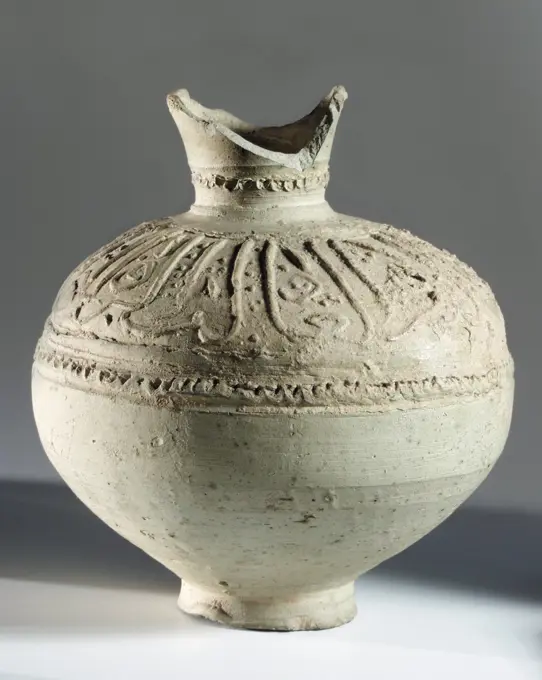
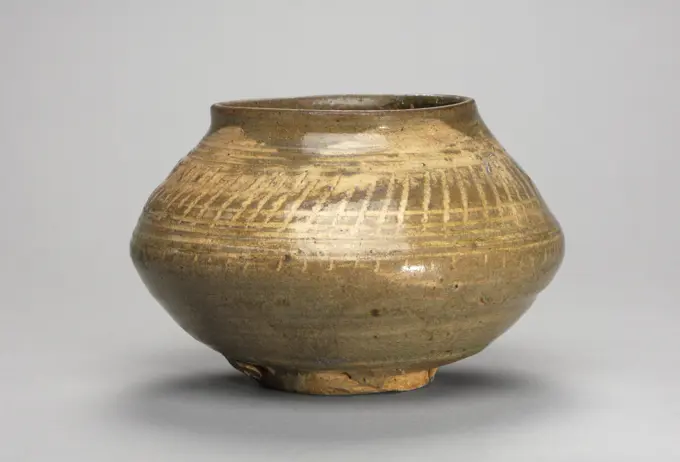
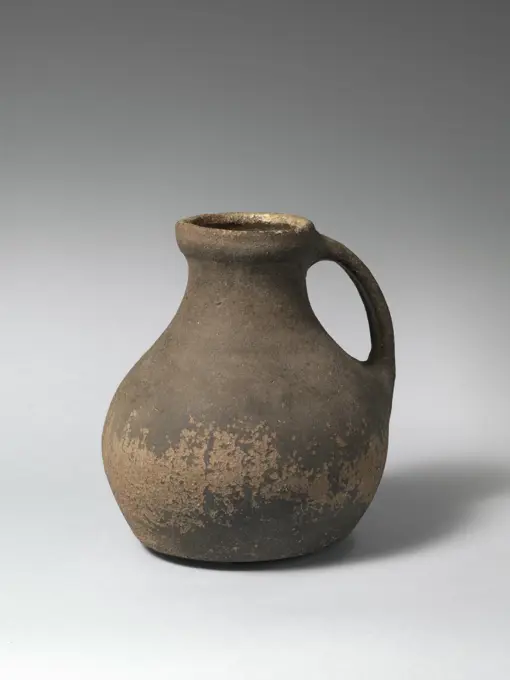
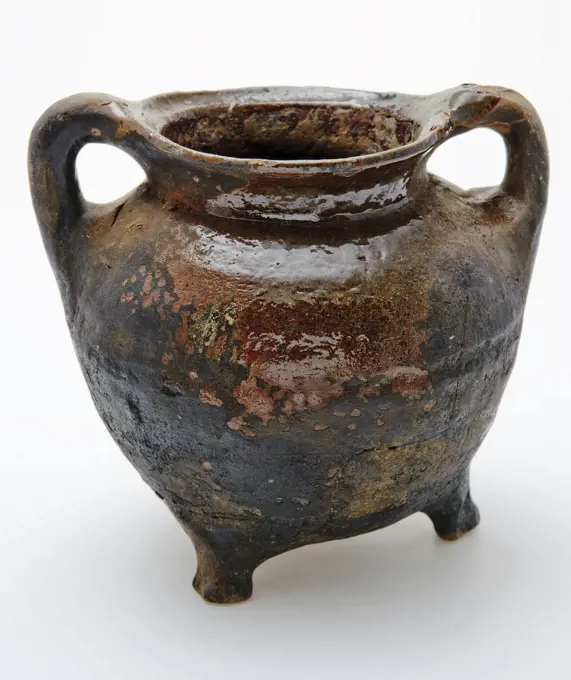
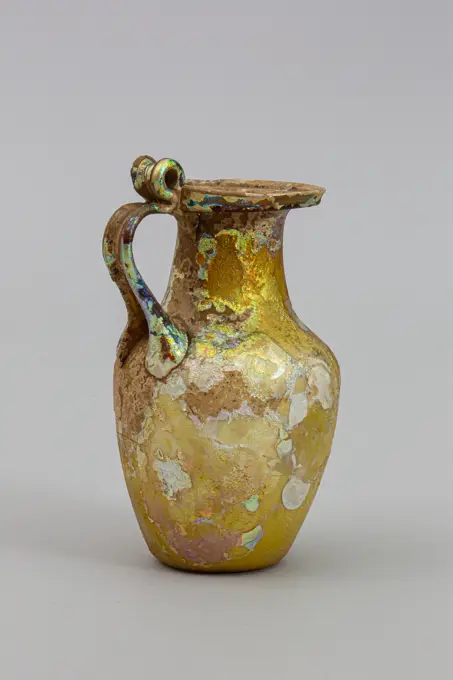
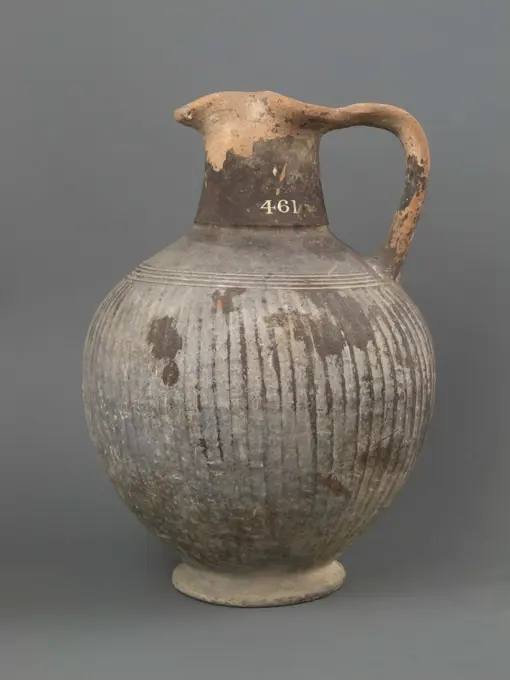
A variety of ancient pottery and ceremonial vessels showcasing intricate designs and textures, reflecting rich historical significance across different cultures.

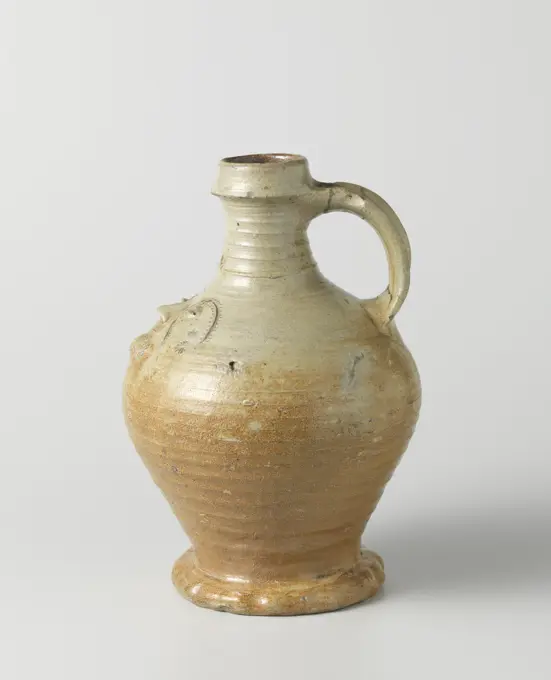
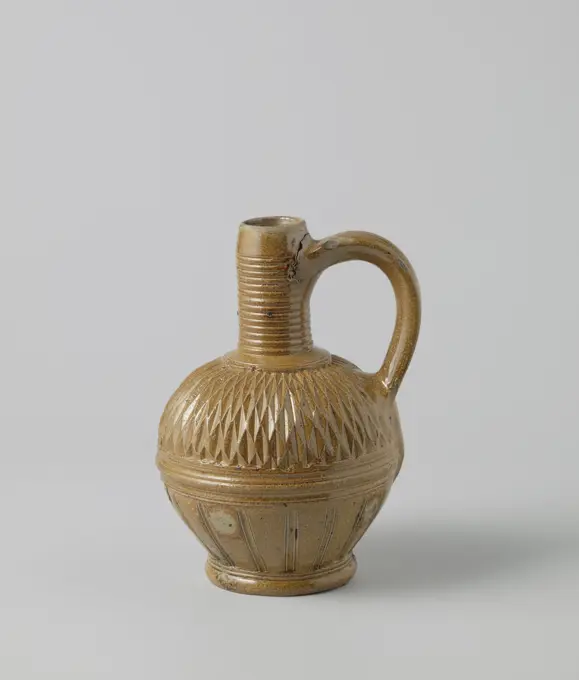
Jug with a mask and incised borders, anonymous, c. 1550 - c. 1599 Can be made of stoneware on the stand ring with a spherical body and narrow neck with a pinched spout. The C-shaped ear is attached to the neck and shoulder. Some profiles and a printed and imposed mask on the neck in relief. Covered with a brown glaze. On the abdomen vertical, taken tires. The neck and foot with horizontal tires. Raeren. Rae stoneware. glaze vitrification Can be made of stoneware on the stand ring with a spherical body and narrow neck with a pinched spout. The C-shaped ear is attached to the neck and shoulder. Some profiles and a printed and imposed mask on the neck in relief. Covered with a brown glaze. On the abdomen vertical, taken tires. The neck and foot with horizontal tires. Raeren. Rae stoneware. glaze vitrification
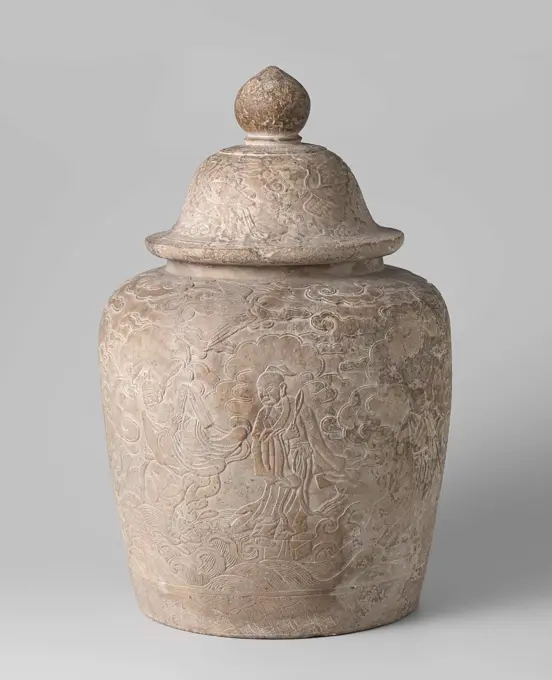
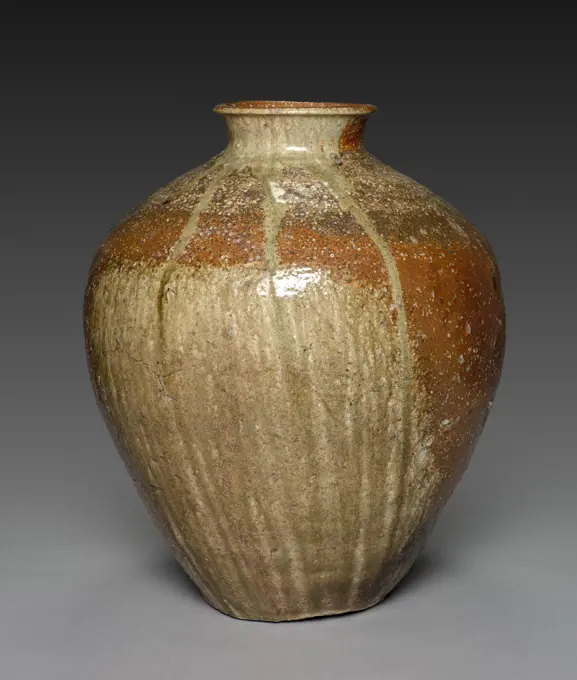
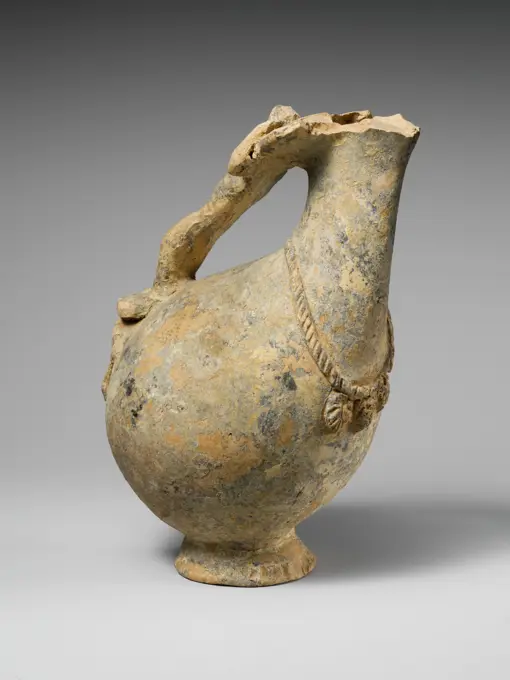
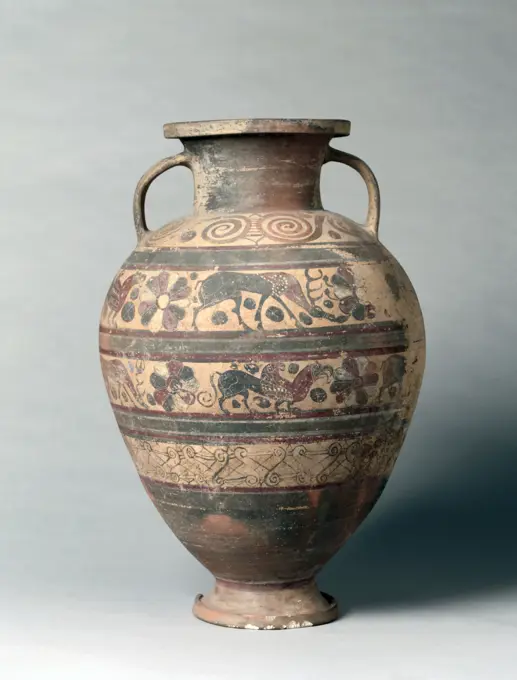
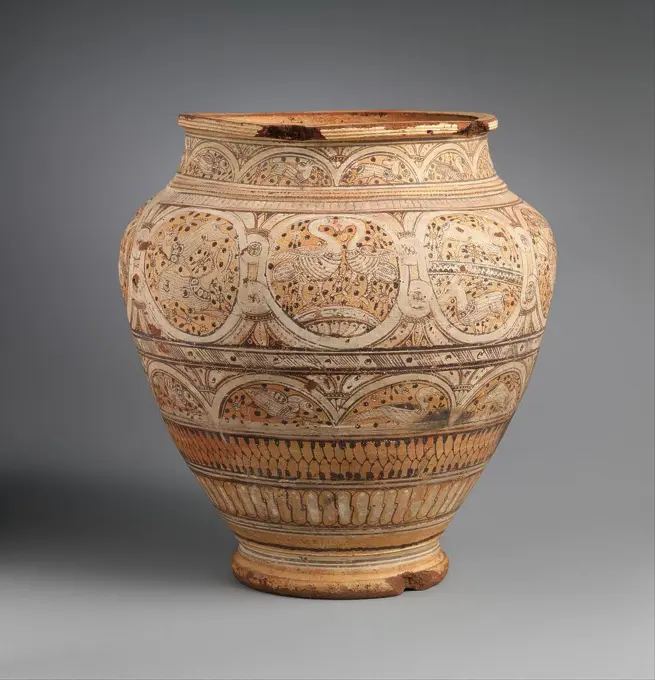
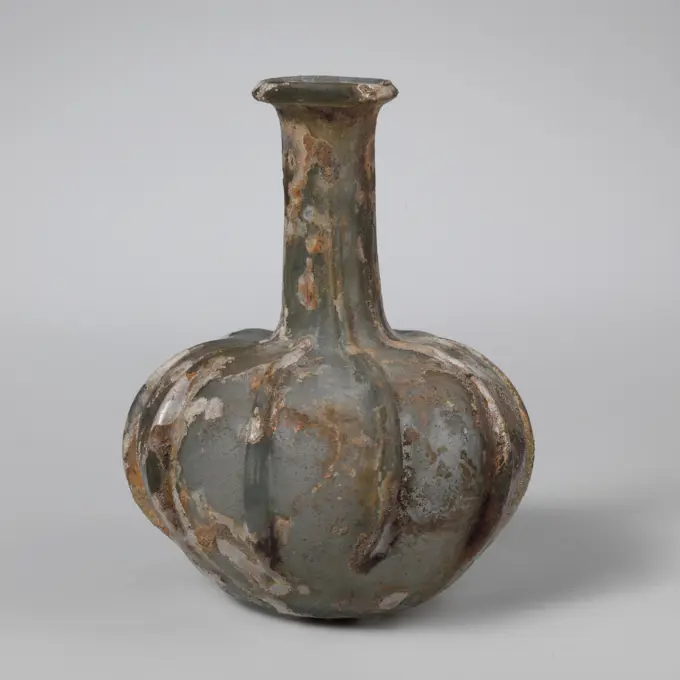
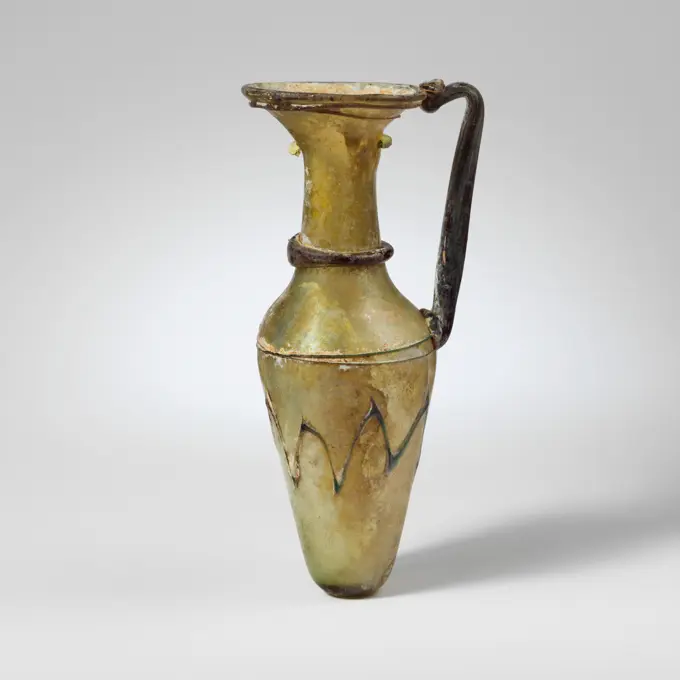
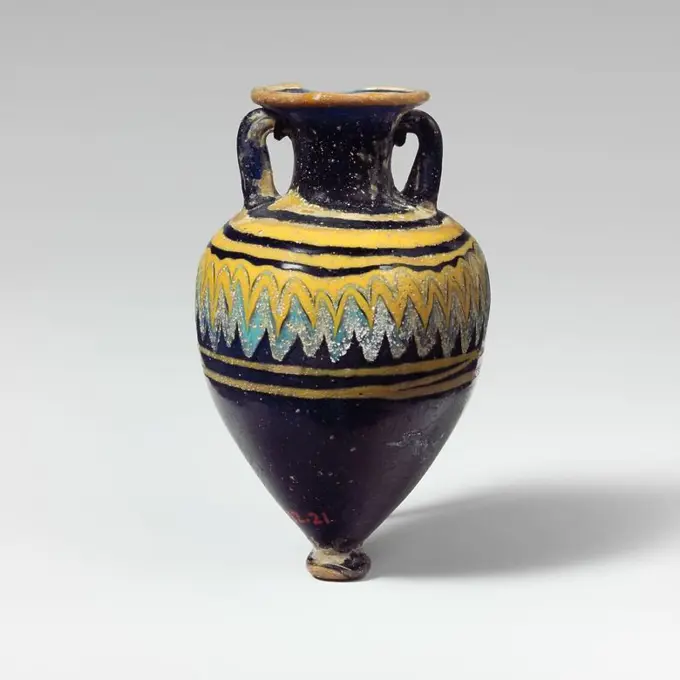
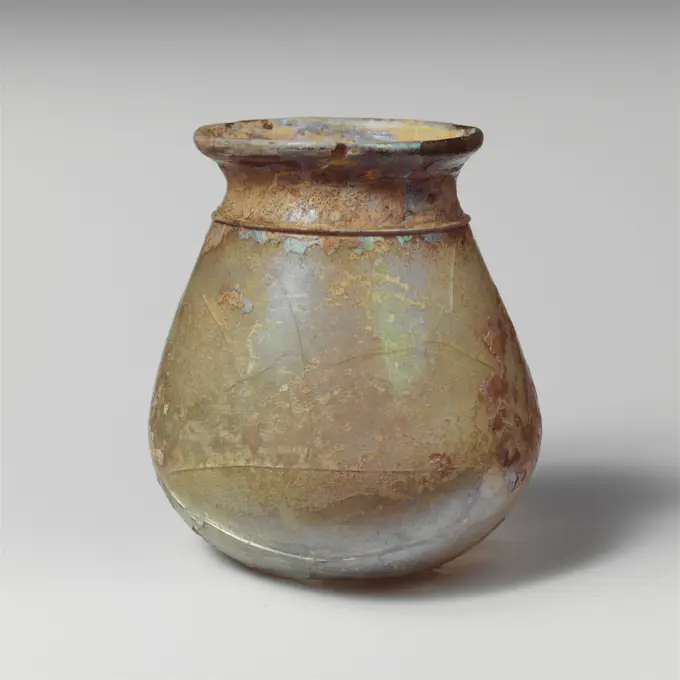
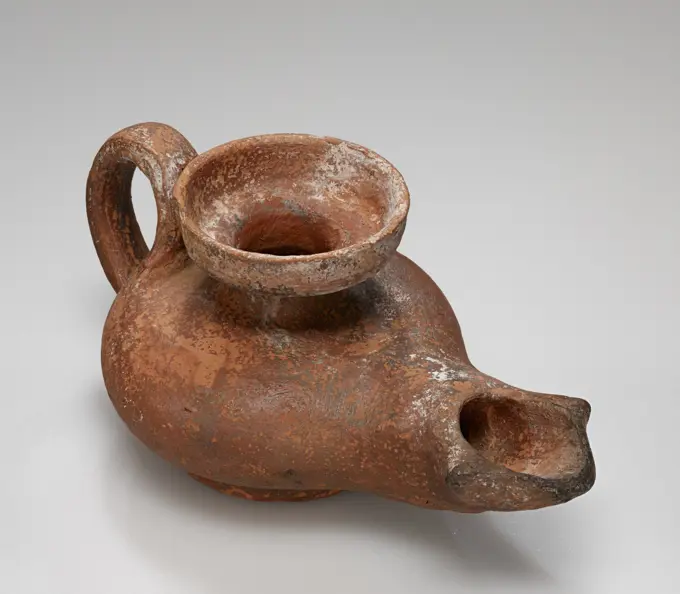
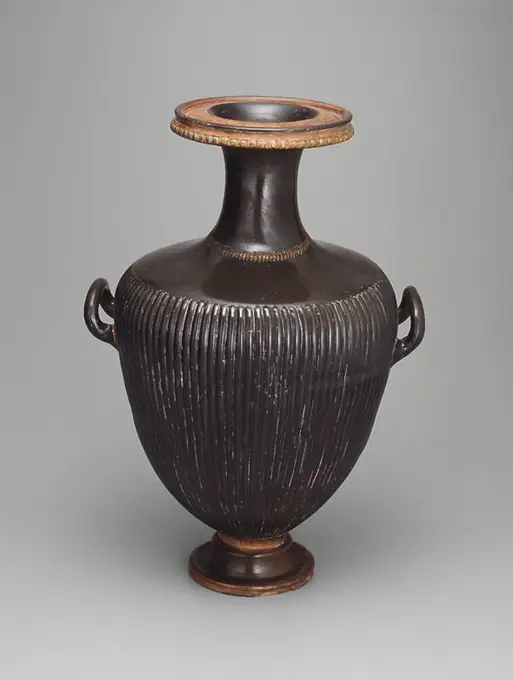
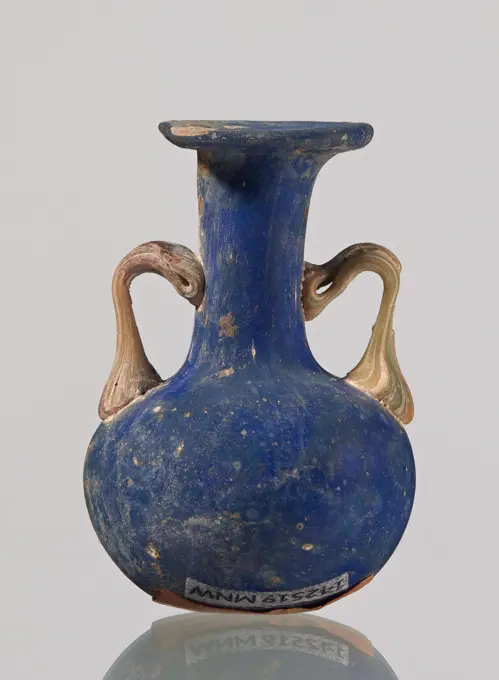
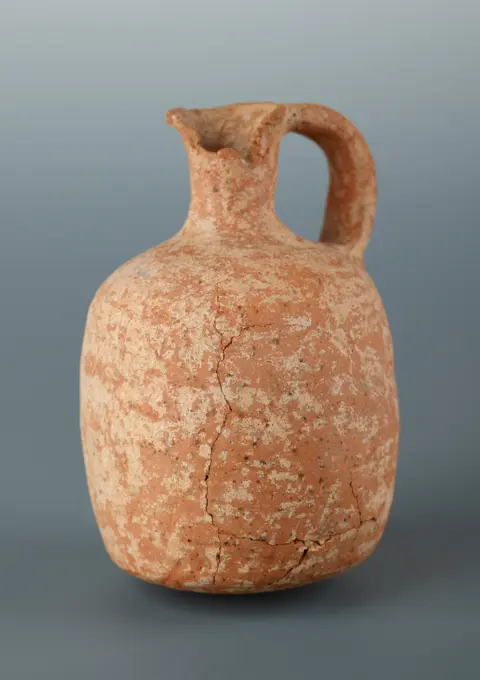
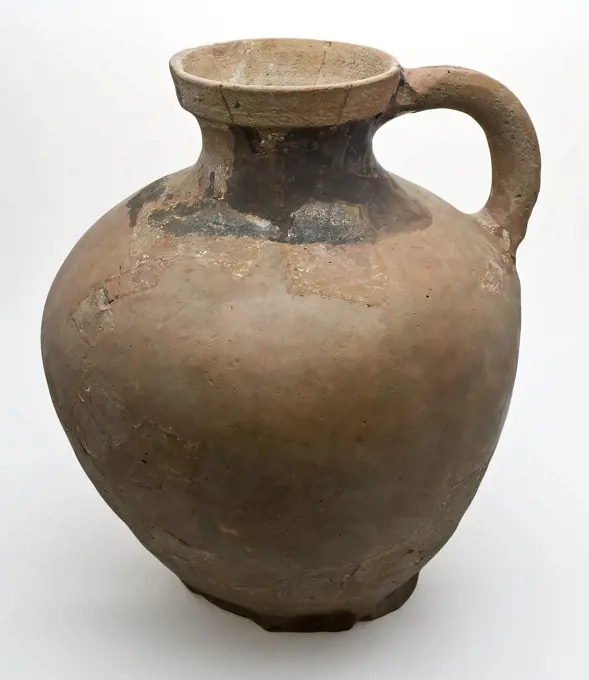
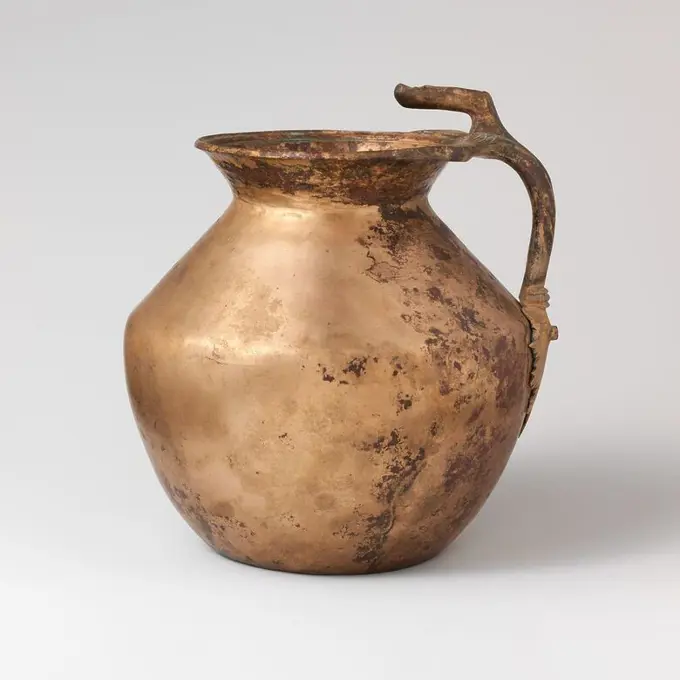
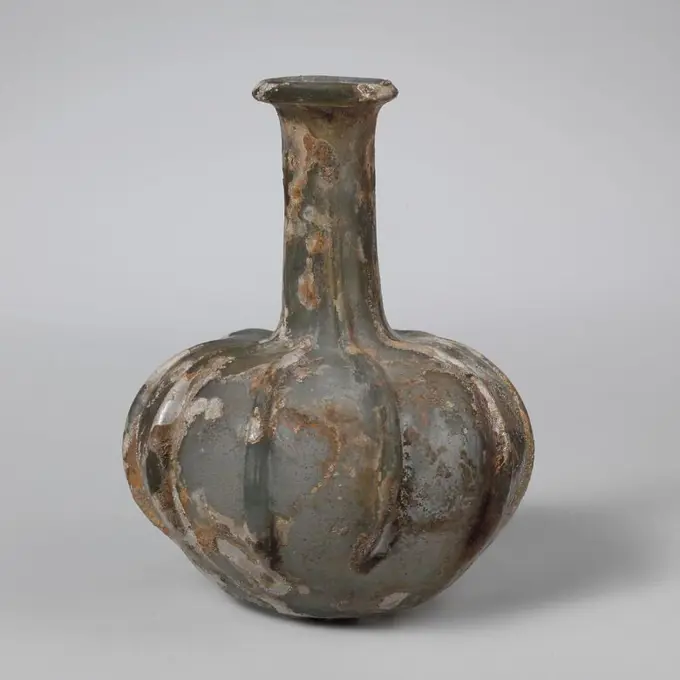
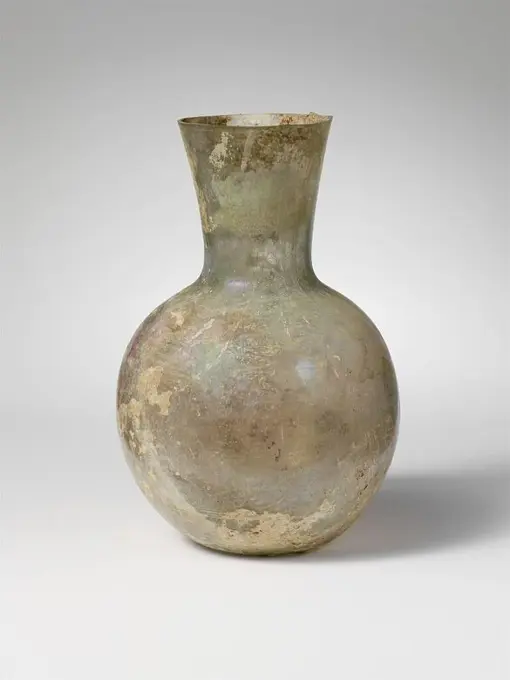
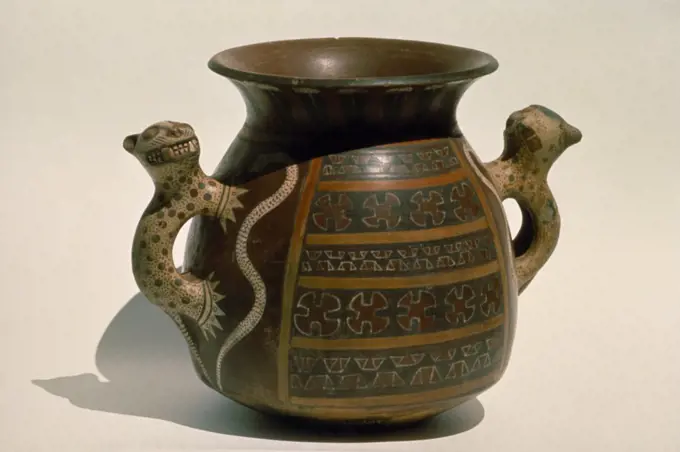
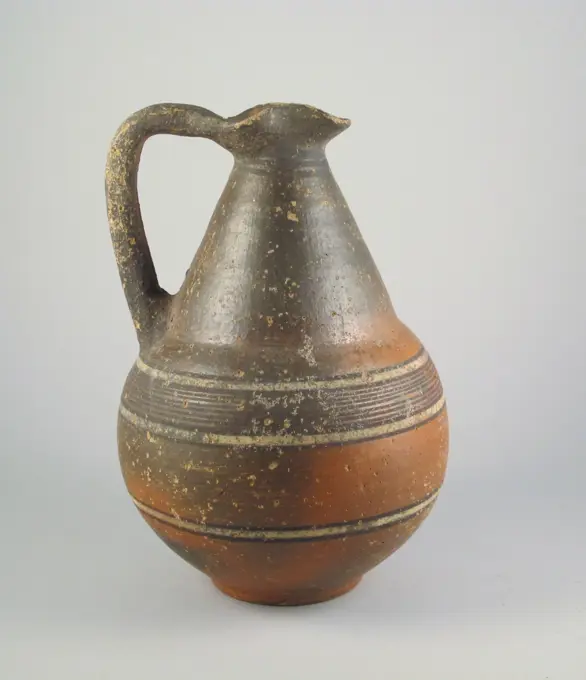
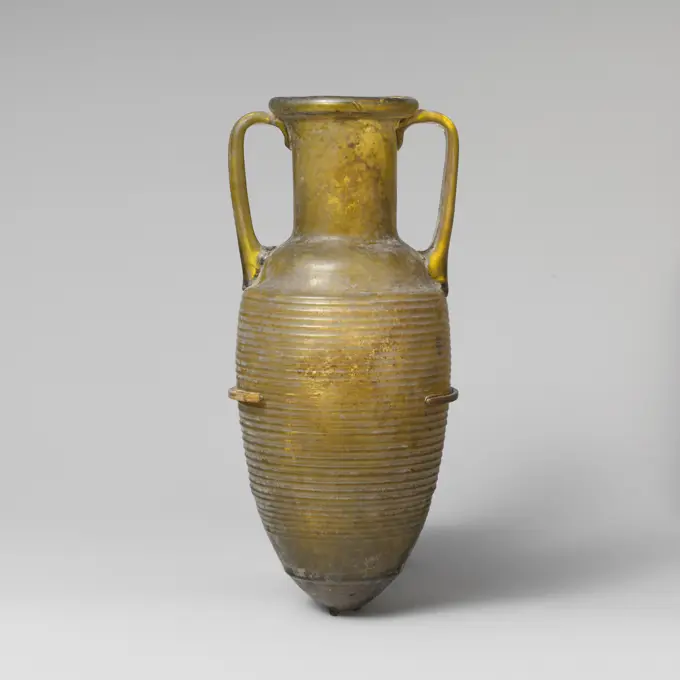
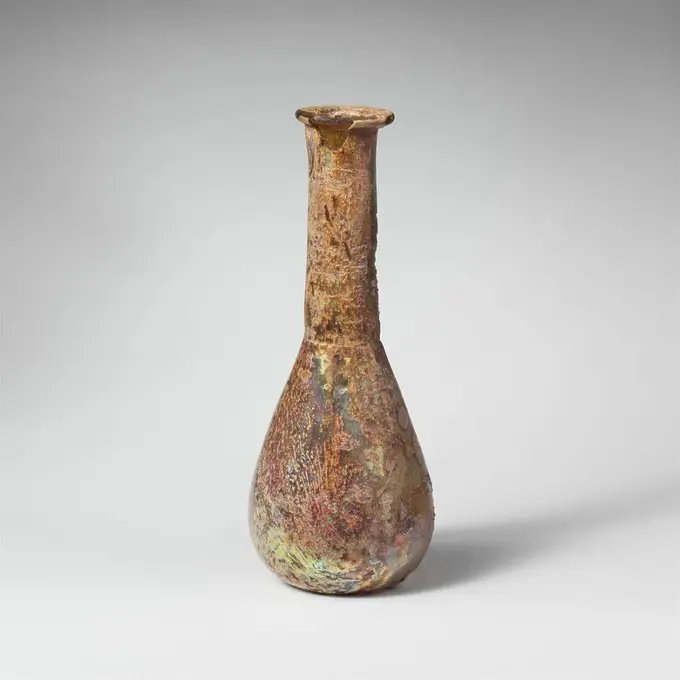
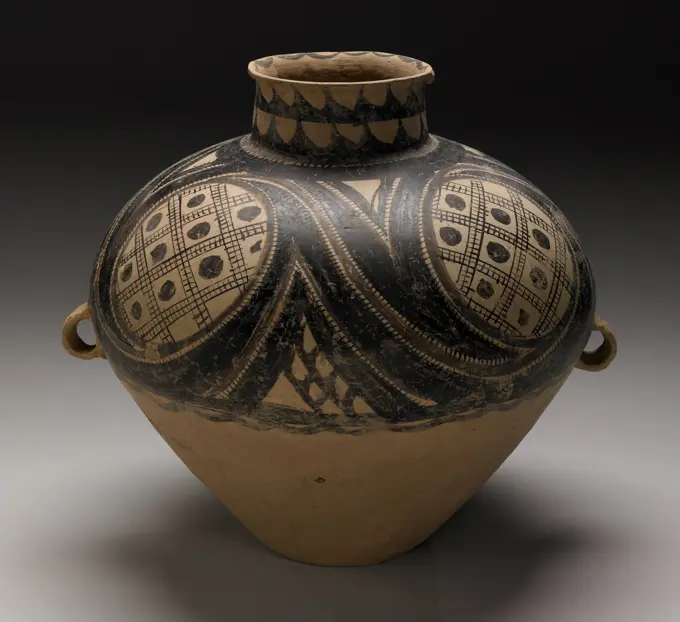
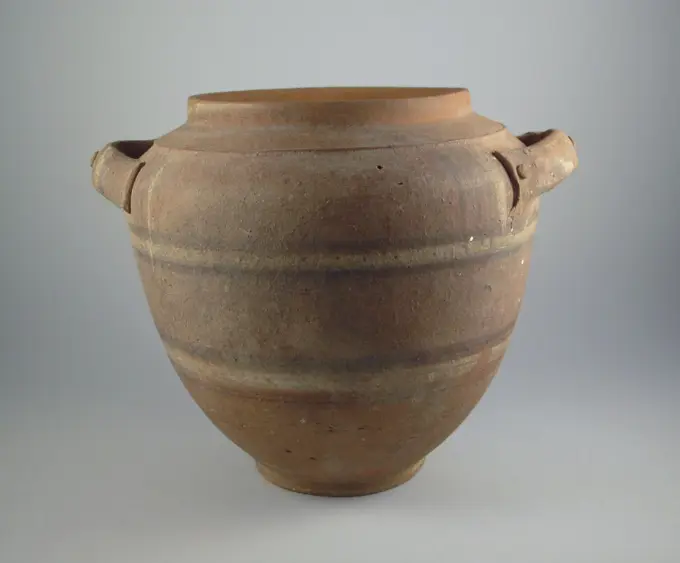
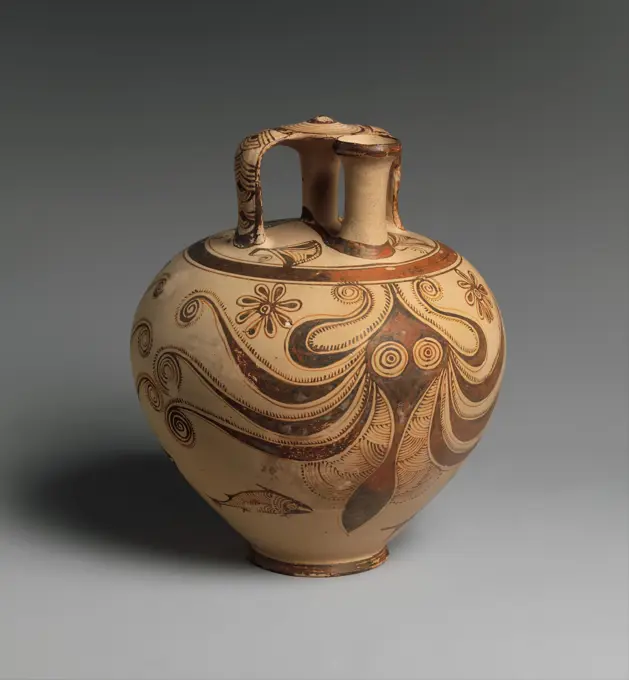
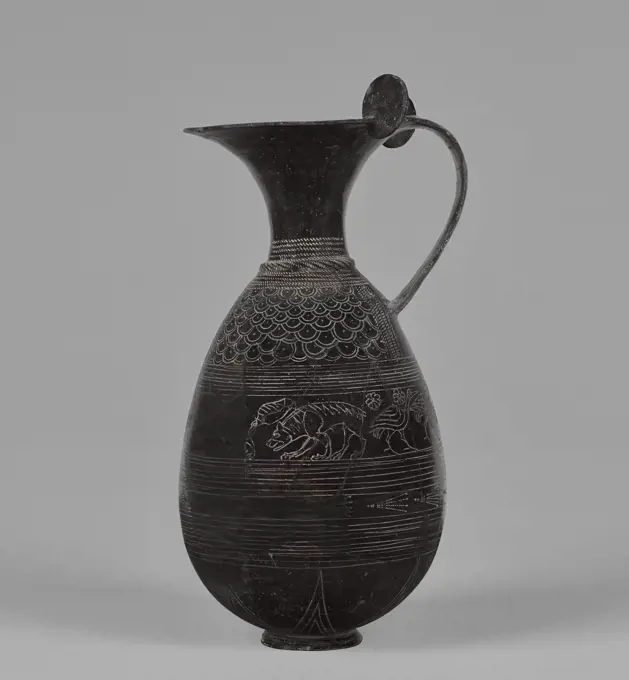
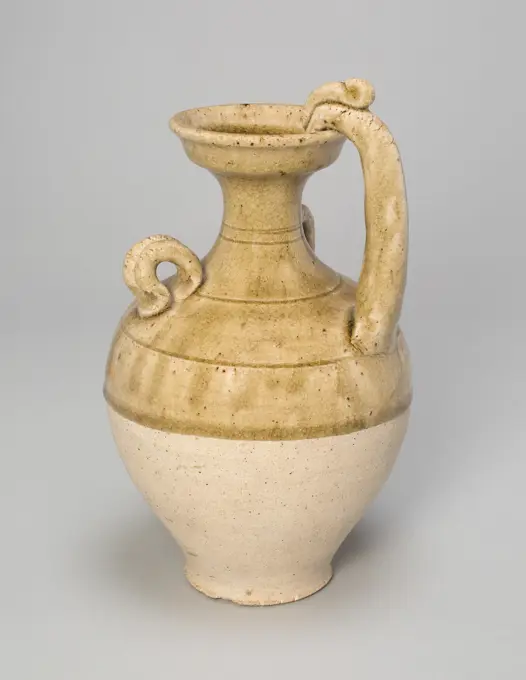
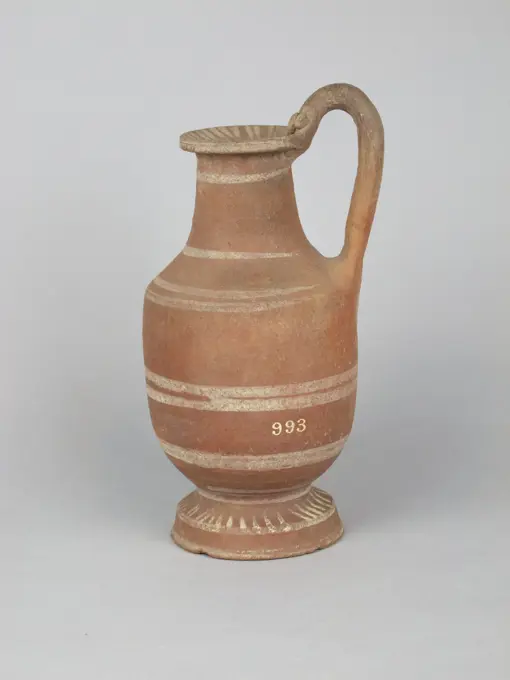
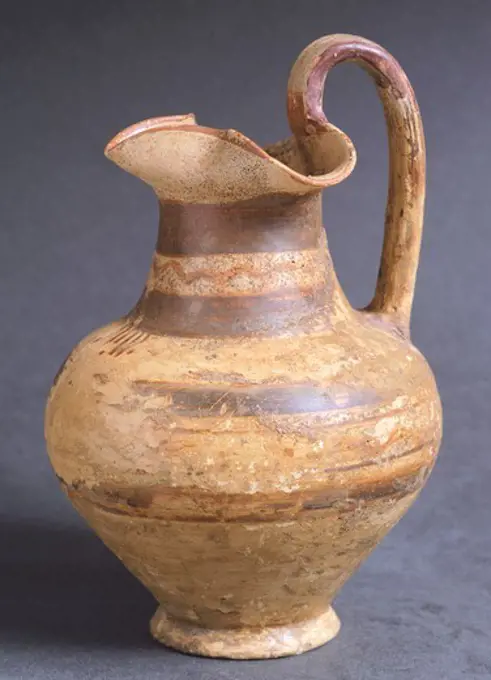
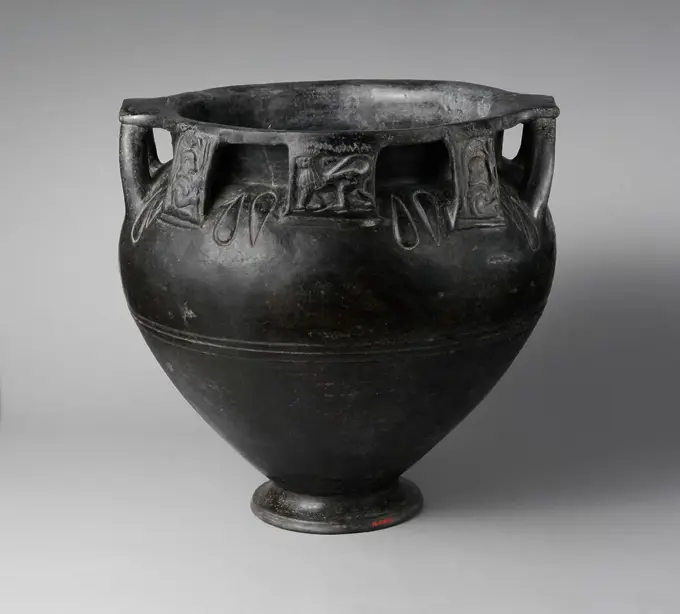
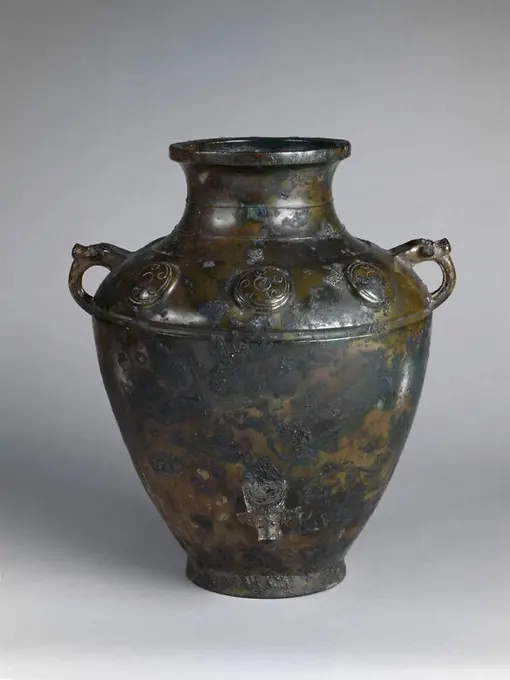
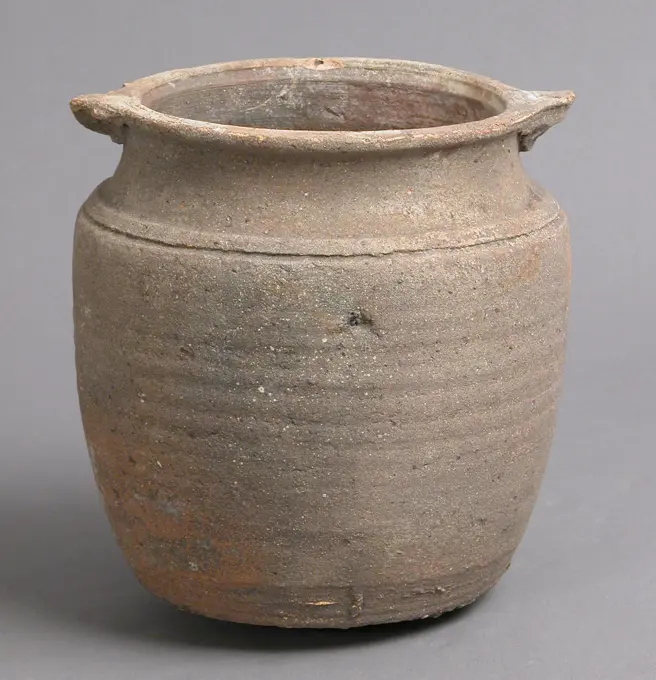
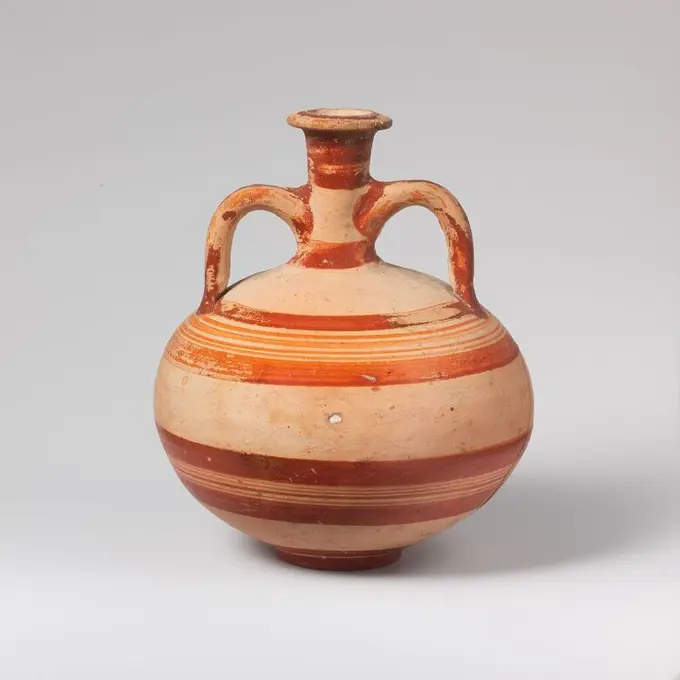
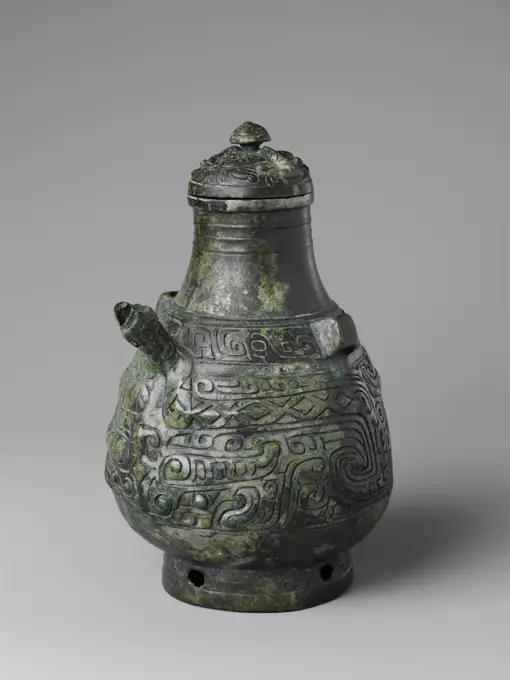
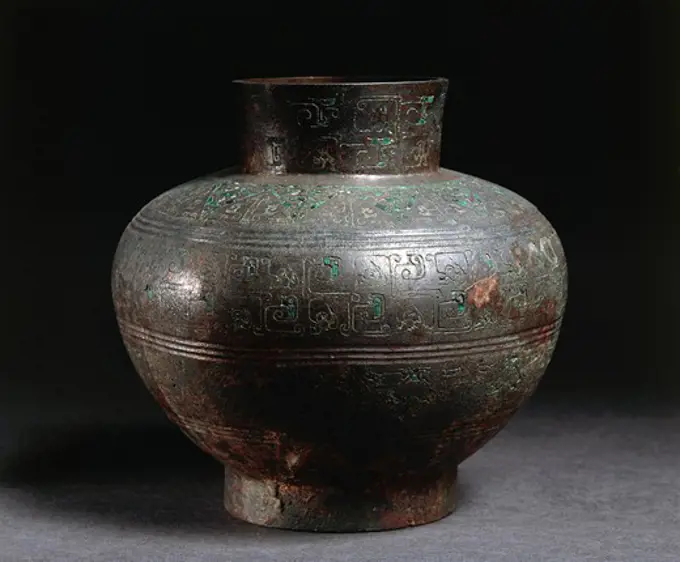
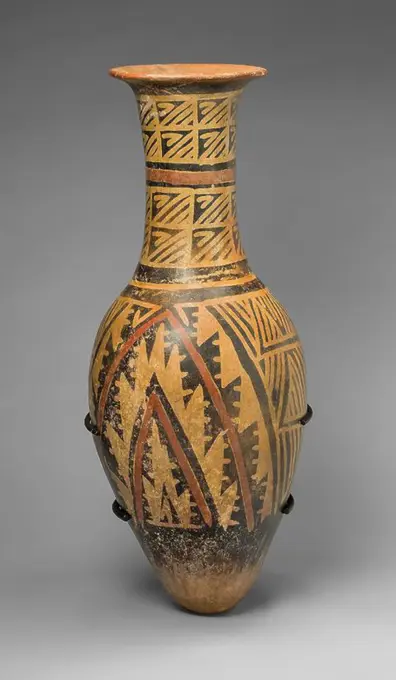
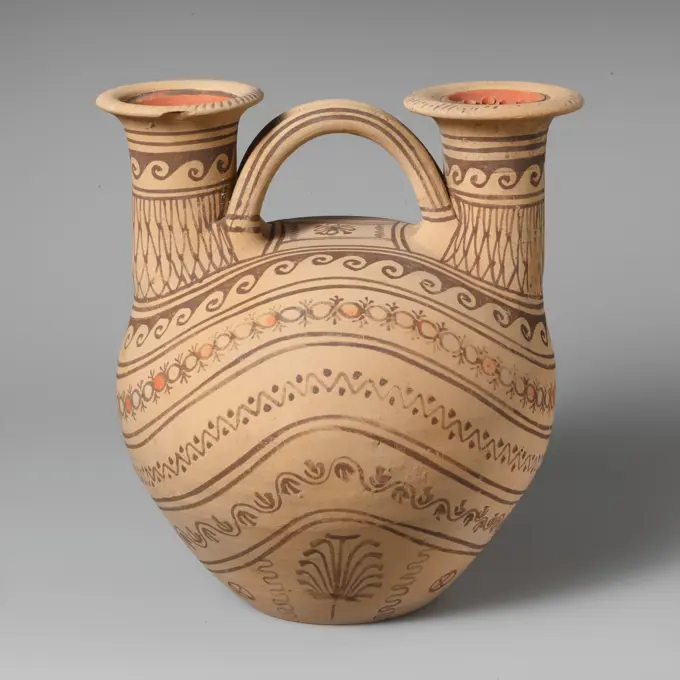
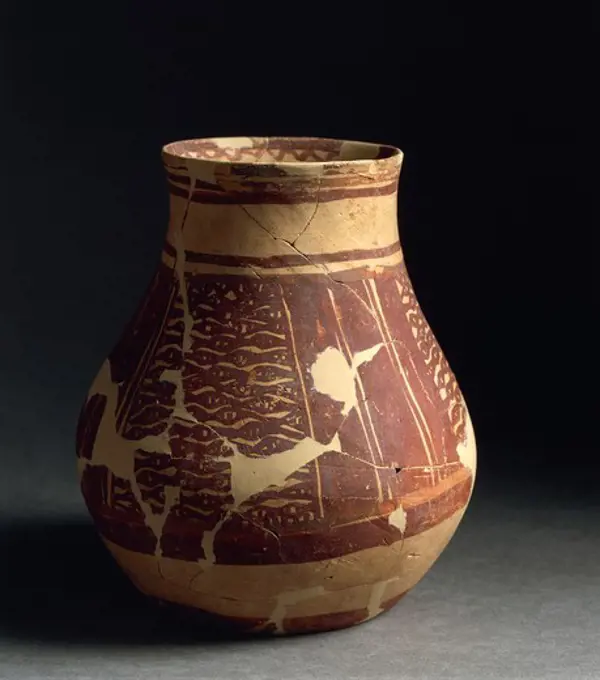
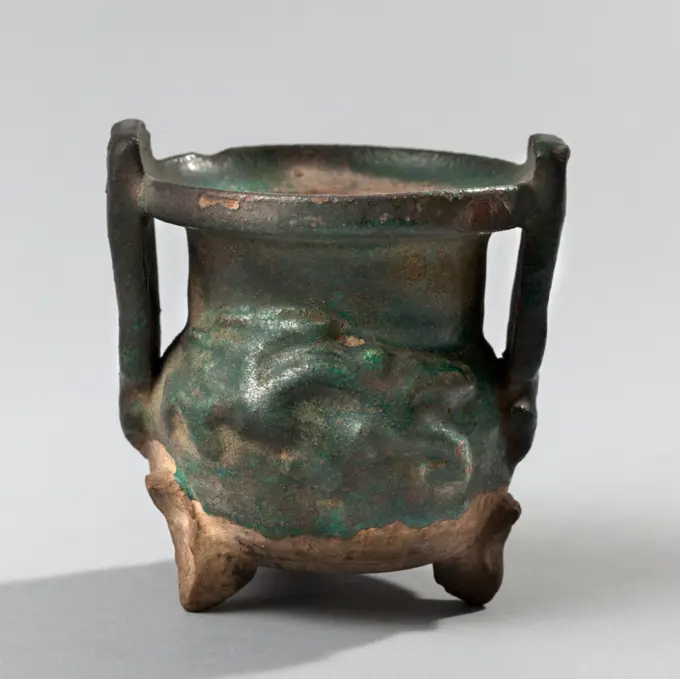
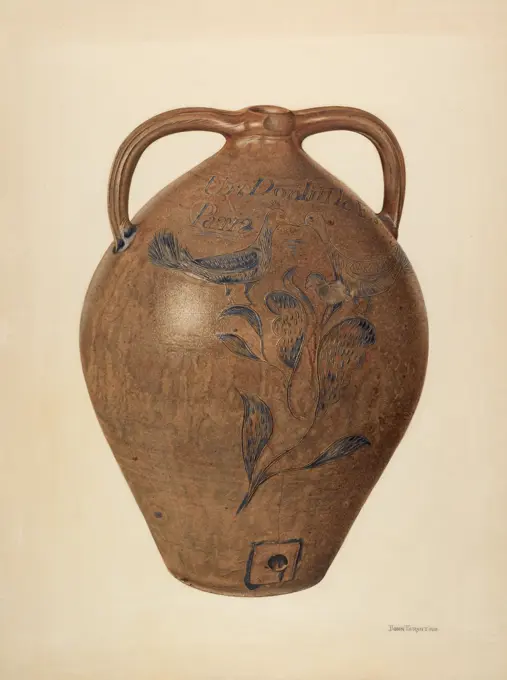
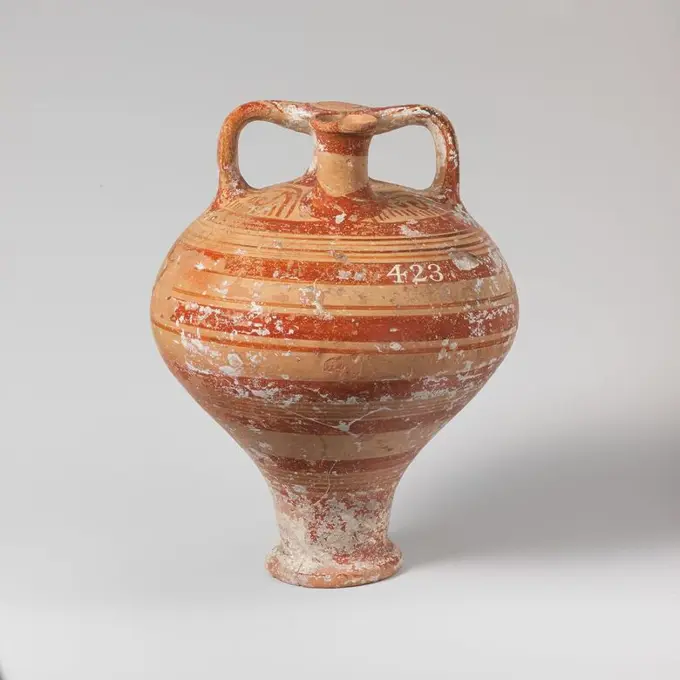
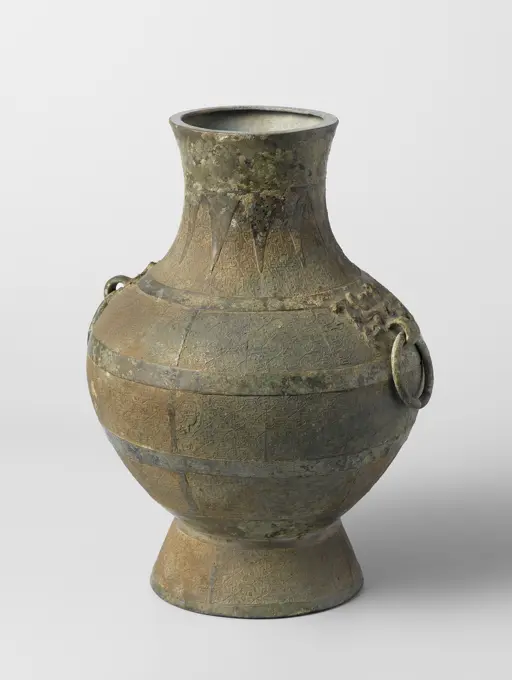
Ritual wine vessel, anonymous, -500 - -200 Ritual wine barrel; With a distribution into five ornamented zones and a point collar around the neck; Green, gray and brown patina. China bronze (metal) casting Ritual wine barrel; With a distribution into five ornamented zones and a point collar around the neck; Green, gray and brown patina. China bronze (metal) castingVAE BOTTLE (common name), 1400. Gray coverage sandstone. Cernuschi Museum, Asia Museum of Asia in the city of Paris.Terracotta stirrup jar ca. 1400-1050 B.C. Mycenaean The stirrup jar is one of the most common Mycenaean shapes used to contain liquids such as oil or wine.. Terracotta stirrup jar. Mycenaean. ca. 1400-1050 B.C.. Terracotta. Late Helladic III. VasesBlack-Figure Neck-Amphora (Storage Vessel): Animal Friezes, c. 600-580 BC. Attributed to St. Louis Painter (Etruscan, active at Vulci, c. 600-580 BC). Ceramic; overall: 63.2 cm (24 7/8 in.). Although seemingly simple in design, this amphora populated with animals (some mythological) and vegetal ornaments speaks to complex cultural intermingling in the ancient world. Known as Etrusco-Corinthian,” the vase was made in Vulci, an Etruscan site with local workshops influenced by the Greek pottery imported there. These imports, especially from the ancient city of Corinth, helped to bring certain motifs and creatures borrowed from the Near East—such as the griffins here—to the Italian peninsula. Among several lively Etruscan elements on this vase are flowering rosettes, including one about to be eaten by a stag foraging in the upper band.Terracotta amphora (jar) 1050-950 B.C. Cypriot The dark slip and the vertical grooves may reflect the influence of metal vases.. Terracotta amphora (jar). Cypriot. 1050-950 B.C.. Terracotta. Cypro-Geometric I. VasesPrehistory, Spain, Neolithic. Decorated pottery jar. From Cova de l'Or, Beniarres.Jug with a mask and incised borders, anonymous, c. 1550 - c. 1599 Can be made of stoneware on the stand ring with a spherical body and narrow neck with a pinched spout. The C-shaped ear is attached to the neck and shoulder. Some profiles and a printed and imposed mask on the neck in relief. Covered with a brown glaze. On the abdomen vertical, taken tires. The neck and foot with horizontal tires. Raeren. Rae stoneware. glaze vitrification Can be made of stoneware on the stand ring with a spherical body and narrow neck with a pinched spout. The C-shaped ear is attached to the neck and shoulder. Some profiles and a printed and imposed mask on the neck in relief. Covered with a brown glaze. On the abdomen vertical, taken tires. The neck and foot with horizontal tires. Raeren. Rae stoneware. glaze vitrificationFunerary Urn; terra-cottaGlass jug mid-1st-2nd century A.D. Roman Small one-handled jugTranslucent yellow green; handle in same color.Lopsided rim folded out, round, and in, and pressed in to flaring mouth; short, cylindrical neck, expanding at base to join imperceptibly with squat, bulbous body; concave bottom; strap handle applied to top of body with two claw pads, drawn up and out, turned in horizontally, and trailed on to top of neck and underside of rim, with vertical fold above forming thumb rest.Intact; some bubbles; patches of dulling, faint iridescence, and weathering.. Glass jug 239729Storage Jar. Dimensions: H. 19 7/16 in. (49.4 cm)Max. Diam. 18 1/2 in. (47 cm)Diam. of Rim (interior): 11 5/8 in. (29.5 cm) Diam of Foot: 9 1/4 in. (23.5 cm). Date: 7th century.The painted patterns on this large storage jar are arranged to emphasize the swelling shape of the vessel. The animal, bird, and plant motifs are closely related to those found on contemporary textiles. Museum: Metropolitan Museum of Art, New York, USA.Glass bottle 2nd century A.D. Roman Translucent pale blue green.Rim folded out, over, and in, with beveled outer lip; cylindrical neck; bulbous body, tapering downward; small, concave bottom.Ten slanting, vertical ribs, placed evenly around body, some extending on to neck and all ending on lower part of body.Intact, except for chip in rim, and hole in side of body; pinprick bubbles; patches of iridescent weathering and pitting; some dulling.. Glass bottle 239622Jar 7th-8th century. Jar 447789Glass jug 4th century A.D. Roman Translucent yellow green; handle in blue green streaked with red; two trails in yellow green streaked with red on mouth and neck, and another in turquoise blue on body.Rim folded over and in; broad, flaring mouth; cylindrical neck, expanding downwards; sloping shoulder; tall, slender body with straight side tapering downwards; thick round bottom with pontil mark; rod handle attached as a claw to lower edge of shoulder, drawn up and slightly out, then turned in and down, and folded onto lip of rim over trail.One trail applied to underside of mouth, drawn up to lip, turned back in opposite direction and wound horizontally one and a half times around underside of mouth; another thicker trail wound horizontally slightly over once around bottom of neck; another fine trail applied to body and drawn from right to left in an irregular zigzag pattern once round side, then drawn upwards and wound two and a half times around top edge of body.Intact, except for oneGlass amphoriskos (perfume bottle). Culture: Greek, Eastern Mediterranean. Dimensions: H. 3 1/8 in. (8 cm). Date: late 6th-5th century B.C..Translucent blue, with handles in same color; trails in opaque yellow and opaque turquoise blue.Broad, slightly inward-sloping rim-disk; cylindrical neck with concave sides; broad sloping shoulder; top-shaped body; small circular base-knob with flat bottom; two vertical strap handles applied to shoulder, drawn up, and pressed onto neck and underside of disk-rim.A yellow trail attached at edge of rim-disk; another thick yellow trail applied at base of neck, wound down in a spiral across shoulder and around top of body, then tooled into an uneven close-set zigzag pattern on upper half of body, where a turquoise blue trail is added, mingling with the yellow; below, a fine yellow trail wound horizontally twice around middle of body.Complete, except for large chip in rim-disk; slight dulling and pitting, and small patches of creamy brown iridescent Glass jar 3rd century A.D. Roman Colorless with pale blue green tinge; trail in same glass.Thickened, rounded rim; flaring mouth; short, concave neck; bulbous body, turned in to small pushed-in bottom.Trail applied on neck and wound 1 1/2 times around top of body.Broken and repaired, with small holes on body; many bubbles; deep pitting, dulling, and brilliant iridescence, with some patches of creamy brown weathering.. Glass jar 244604Trefoil Oinochoe. UnknownLamp. UnknownHydria (Water Jar). Greek; Campania, Italy. Date: 350 BC-330 BC. Dimensions: 50 × 35 × 28.5 cm (19 11/16 × 13 3/4 × 11 1/4 in.). Terra-cotta, black-glaze technique, with gilded raised clay decoration and ribbing. Origin: Puglia. Museum: The Chicago Art Institute, Chicago, USA. Author: ANCIENT GREEK.Oenochoe. Cyprus, 1350-550 B.C.. Furnishings; Serviceware. CeramicA cylinder with an inscription;  XIII century (1201-00-00-1300-00-00);gift (provenance), inscriptions, Naschi, Persian (culture), art of IslamTea Caddy with Stamped Floral Decoration, 1600s. Korea, Joseon dynasty (1392-1910). Glazed stoneware with stamped and incised inlaid white slip decoration; overall: 8 cm (3 1/8 in.).Glass jug mid-1st-2nd century A.D. Roman Translucent blue green; handle in same color.Collar rim folded out, down, up, and out, with horizontal outer lip; slightly funnel-shaped cylindrical neck, with slight tooling indent around base; squat, globular body; concave bottom; strap handle applied to shoulder in two large claw pads at sides and smaller central rib, drawn up and out, then turned in and down, trailed on to top of neck and up rim with end on top edge of outer lip.Intact; few bubbles in body but some black and glassy impurities in handle; dulling, weathering, and iridescence, with most of surfaces covered with limy encrustation.. Glass jug 239713Jug 13th-14th century British This bulbous jug is fitted with an applied strap handle that seamlessly attaches to the flared mouth rising from the tapered neck. The lip is slightly raised and grooved and is marked with a slightly pinched spout. The pitting of the lower part of the vessel has been attributed to either frost action or salt activity.. Jug. British. 13th-14th century. Unglazed earthenware. Made in Wiltshire, England. Ceramics-PotteryHellenistic Lagynos. Eastern Mediterranean, Cyprus, 325-50 B.C.. Furnishings; Serviceware. CeramicGlass pendant in the form of a miniature jug 4th-early 5th century A.D. Roman Translucent blue, with base and handle in same color.Flaring rim; tall concave neck; bulbous body; applied pad base with flaring, rounded edge and flat bottom; rod handle applied to body and drawn up to rim.Complete, except for weathered chip in base; dulling, pitting, and most of surfaces covered with iridescent creamy weathering. During manufacture a horizontal gap was left on the neck in the trail that formed the vessel.. Glass pendant in the form of a miniature jug. Roman. 4th-early 5th century A.D.. Glass; rod-formed and tooled. Late Imperial. GlassAmforka. unknown, authorJug. Brown jug with thin ribbed neck. On the spherical belly 3 large medallions in which Roman emperors.Small JugPottery jug be placed on circle of stand fins, protruding neck and grooved ear, water jug tableware holder soil find ceramic earthenware glaze lead glaze, hand-turned glazed fried jug of red earthenware cuff-shaped upper edge to which thick round ear with groove and three Thumb impressions stand on nine consecutively large fins, two of which are in gypsum glaze just under the neck archeology Valckensteyn Poortugaal Albrandswaard indigenous pottery stock packaging kitchen water washing food preparation Soil discovery: canal under bridge Valckensteyn castle at Poortugaal now Albrandswaard 1962.Bronze jug. Culture: Roman. Dimensions: H. of vase 7 3/4 in. (19.7 cm); H. with finger 8 13/16 in. (22.4 cm). Date: ca. 1st century B.C.-1st century A.D..The handle ends in a palmette below and two birds' heads above between which is a finger. Museum: Metropolitan Museum of Art, New York, USA.Glass bottle. Culture: Roman. Dimensions: 3 7/16 in. (8.7 cm)Other: 2 11/16 in. (6.8 cm)Diam. of rim: 15/16 in. (2.4 cm). Date: 2nd century A.D..Translucent pale blue green.Rim folded out, over, and in, with beveled outer lip; cylindrical neck; bulbous body, tapering downward; small, concave bottom.Ten slanting, vertical ribs, placed evenly around body, some extending on to neck and all ending on lower part of body.Intact, except for chip in rim, and hole in side of body; pinprick bubbles; patches of iridescent weathering and pitting; some dulling. Museum: Metropolitan Museum of Art, New York, USA.Glass flask. Culture: Roman. Dimensions: H. 4 5/8 in. (11.7 cm). Date: 3rd-4th century A.D..Colorless with slight greenish tinge.Knocked-off, uneven rim; funnel neck; globular body; slightly concave bottom.On body, three evenly-spaced bands of horizontal wheel-abraded lines.Intact; many bubbles and blowing striations; slight dulling, patches of whitish weathering, and iridescence, with traces of soil encrustation on interior. Museum: Metropolitan Museum of Art, New York, USA.Recumbent vessel with long neck, 7th century, Unknown Japanese, 10 × 7 1/16 × 6 7/16 in. (25.4 × 17.94 × 16.35 cm), Sue ware; stoneware with natural ash glaze, Japan, 7th century, Molten ash from the wood fire of the kiln pooled on the surface of this jar, creating a pleasing mottled effect on its shoulders and a pattern of drips along part of its irregular, bulging body. Likely intended for storing sake (rice wine), the jars body is asymmetrical—it was meant to be placed on its side. Known as a 'recumbent vessel,' or yokobe, examples can be found throughout the history of Sue ware.Peru, Archaeology, Inca Ceremonial Ceramic Vessel With Handles Carved In The Form Of Jaguars.Footed jar mid-5th century Korea Vessels of this typefeaturing a long neck with an incised wave design and a bulbous body on a perforated foothave been unearthed at various Silla sites. This example is representative of those found in the capital city of Gyeongju.. Footed jar 39506Ovoid vase. unknown, craftsmanOinochoe. UnknownCan goated on stenced foot and with squeezed spout. Can from multi-colored painted majolica. The can have a squeezed spout and a flat ear and stands on a stenced foot. On the belly is a wide job in which leaf branches painted. Under the spout is a compartment in which a star-shaped ornament painted on either side of the box is a compartment in which a green stylized leaf or tree.Jar 12th century. Jar. 12th century. Earthenware; glazed. Made in Syria, Raqqa. CeramicsJug 4th-7th century Coptic. Jug. Coptic. 4th-7th century. Earthenware. Made in Kharga Oasis, Byzantine Egypt. CeramicsJug 750-600 B.C. Cypriot Funnel-shaped neck and horizontal bands in black and white.. Jug. Cypriot. 750-600 B.C.. Terracotta. Cypro-Archaic I. VasesGlass amphora (jar) early 1st century A.D. Roman Translucent yellow green; handles in same colorEverted tubular rim, folded over and in; broad, cylindrical neck; convex bulging shoulder; elongated ovoid body tapering to a point; two rod handles applied as pads on shoulder, drawn up and slightly out, then turned in horizontally and pressed on to top of neck and underside of rim.Thirty-four close-set horizontal ribs, extending from shoulder to lower body, then a plain band before a narrow group comprising one prominent horizontal rib flanked above and below by another shallower rib. Base or foot missing and crack in top of one handle, otherwise intact; a few bubbles; some dulling, faint weathering, and iridescence on exterior, soil encrustation and iridescent weathering on interior.Probably made in a three-part mold, comprising two side elements extending from neck to bottom of main ribbing on body and a cup-shaped bottom. It is uncertain whether the vessel had a knob base or a foot, butCANTARO VIDRIADO DE BOCA ANCHA Y CUELLO CORTO CON ASA ANCHA-CERAMICA ANTIGUA. Location: ALFARERIA. Aranda de Duero. BURGOS. SPAIN.Glass perfume bottle. Culture: Roman. Dimensions: 4 7/8 × 1 15/16 in. (12.5 × 4.9 cm)Diam. of rim: 1 in. (2.5 cm). Date: 1st century A.D..Colorless with pale blue tinge.Rim folded out, over, and in, flattened on top with irregular opening to mouth; cylindrical neck, with tooling marks around base; tall conical body with rounded curve to slightly concave bottom.Intact; some pinprick bubbles, blowing striations, and a few glassy inclusions; deep pitting and iridescent weathering. Museum: Metropolitan Museum of Art, New York, USA.Bottle 1200-1400 Caddoan. Bottle 319180Terracotta jug with trough spout 850-750 B.C. Cypriot Jug with trough-spout and geometric ornament in black and red.. Terracotta jug with trough spout 240086Storage Jar, c. 2400 BCE, 14 5/8 x 15 3/4 in. (37.15 x 40.01 cm), Banshan type Earthenware with painted spiral decor, China, 25th-24th century BCE, The striking visual similarites between Neolithic Pan-Shan and Ancient Pueblo jars is remarkable. Both cultures have taken a globular earthenware vessel designed for storage of water or food and highly decorated them with pigmented slips. Each has central medallions carefully spaced around the surface. Intricate linear designs have been added leading the eye in a circular swirling path around the jars. The high level of craftsmanship and attention to detail in the painted patterns indicates that these were highly treasured possessions. Examples from both cultures have been found in burial sites. Time and geography have prevented either culture from influencing the other making the similarites even more intriguing.Terracotta jug ca. 2500-1900 B.C. Cypriot One-handled with incised bands and incised zigzags.. Terracotta jug. Cypriot. ca. 2500-1900 B.C.. Terracotta; Black Polished Ware. Early Bronze Age. VasesKrater 750-600 B.C. Cypriot Two-handled vase with horizontal bands in black and white.. Krater. Cypriot. 750-600 B.C.. Terracotta. Cypro-Archaic I. VasesCanaanite jar ca. 1500-1400 B.C. Canaanite. Canaanite jar. Canaanite. ca. 1500-1400 B.C.. Ceramic. Late Bronze Age. LevantGilded bronze oenochoe from Glanum, France, Greek civilizationEarthenware cooking pot, grape-model, red shard, sparingly glazed, two sausages on three legs, cooking pot tableware holder kitchenware earthenware ceramics earthenware glaze lead glaze, hand-turned glazed baked Pottery cooking pot grape-model red shard low-energy glazed dark green two vertical sausors on three legs. Roetsporen outside caked material on the inside archeology inn The Heart Geervliet Bernisse indigenous pottery cooking kitchen food Soil discovery: Geervliet Dorpsplein 1 demolition Trouw put 5 city inn 't Hart 1985.Jar, 26th-24th century BCE, 10 11/16 x 10 x 10 in. (27.15 x 25.4 x 25.4 cm), Banshan type Earthenware, pigment, China, 26th-24th century BCEJug with a face, anonymous, c. 1520 - c. 1550 Jug (facial jug) of stoneware on wavy base with an egg -shaped body and narrow neck. The C-shaped ear is attached to the neck and shoulder. Covered with a brown Engobe. The jug is decorated with hikes and on the shoulder with a face. The face is partially input, stamped and printed and imposed in relief. Aachen/ Raeren. Aken (possibly) stoneware. glaze. engobe vitrification Jug (facial jug) of stoneware on wavy base with an egg -shaped body and narrow neck. The C-shaped ear is attached to the neck and shoulder. Covered with a brown Engobe. The jug is decorated with hikes and on the shoulder with a face. The face is partially input, stamped and printed and imposed in relief. Aachen/ Raeren. Aken (possibly) stoneware. glaze. engobe vitrificationPot 4th-7th century Coptic. Pot 476298Dark brown bearded jug with three weapon medallions on belly, four-lobed ear as tail, Bartmann jug jug crockery holder soil find ceramic stoneware clay engobe glaze salt glaze, hand turned stamped glazed glazed baked stoneware jug gray shard brown engobe and salt glaze partially dark brown brindled bandoor with four lobed finger impressions on the attachment with the belly profiled cuff shaped mouth rim profiled foot archeology Rotterdam City Triangle Zandstraat Town Hall heraldry import pottery drink serve serve wine beer Soil discovery Rotterdam: excavated on the site intended for the Raadhuisbouw on the Coolvest former Zandstraat (January 1915).Glass jug (olpe) Roman 1st-2nd century CE Translucent pale yellow; handle in uncertain color.Collared rim with upward flaring lip and solid horizontal roll on underside; broad, concave neck, expanding downwards to sloping shoulder; convex side to body, tapering downwards; pushed-in bottom; strap handle with two projecting ribs and downward fins, applied as a broad pad to shoulder, drawn up and out, then curved round and in, with hollow roll above rim, and trailed onto outer edge of rim and down to top of neck.Intact; many pinprick and some larger bubbles; heavily pitted and weathered with brilliant iridescence and patches of thick creamy brown weathering. View more. Glass jug (olpe). Roman. 1st-2nd century CE. Glass; blown. Early to Mid Imperial. Glass. Egg-shaped jar of quartz frying with a long neck, covered with a monochrome turquoise alkalilation.Jug 1050-950 B.C. Cypriot Grooved body, light clay under dark slip.. Jug. Cypriot. 1050-950 B.C.. Terracotta. Cypro-Geometric I. VasesTerracotta stirrup jar with octopus ca. 1200-1100 B.C. Helladic, Mycenaean The shape takes its name from the configuration of the spout and the two attached handles. Such jars were commonly used to transport liquids. Mycenaean artists adopted the marine motifs from Minoan antecedents. Listen to experts illuminate this artwork's story Listen Play or pause #1003. Terracotta Stirrup Jar with Octopus Supported by Bloomberg Philanthropies We're sorry, the transcript for this audio track is not available at this time. We are working to make it available as soon as possible.. Terracotta stirrup jar with octopus. Helladic, Mycenaean. ca. 1200-1100 B.C.. Terracotta. Late Helladic IIIC. VasesBottle. Ancient Mediterranean. Date: 801 AD-1100. Dimensions: 9.8 × 7.6 × 7.6 cm (3 7/8 × 3 × 3 in.). Glass, blown technique. Origin: Mediterranean Region. Museum: The Chicago Art Institute, FLORENCIA, USA.Pitcher with Incised Decoration; Etruria; 640 - 620 B.C; Terracotta; 23.9 × 10.7 cm (9 7,16 × 4 3,16 in.)Vase with Dragon-Shaped Handle and Two Loop Handles 581 CE-618 CE China. Stoneware with olive-green glaze .Jug 480-310 B.C. Cypriot One-handled jug of red clay decorated with white.. Jug. Cypriot. 480-310 B.C.. Terracotta. Cypro-Classical I or II. VasesBeaker with Cursive Floral Scroll. Vietnam, late 14th century. Furnishings; Serviceware. Wheel-thrown stoneware with cream slip, underglaze brown painted decoration, and clear glazeOinochoe showing geometric pattern, clay, from Loreto Aprutino, Abruzzo, Italy. Piceno Civilization, 9th-3rd Century BC.Small terracotta jar with four handles. Culture: Minoan. Dimensions: H. 2 7/8 in. (7.3 cm). Date: ca. 1800-1750 B.C..Handled pot with black and white decoration. Museum: Metropolitan Museum of Art, New York, USA.Bottle 801 CE-1100 Mediterranean Region. Initially affordable only among the wealthy, glass was used in ancient Rome to create tableware and containers for oils and perfume. The variety of glass-making techniques reveals the changing tastes and fashions over the centuries. During the 1st century, cast glass was a novel form and a luxury for Roman households. By the end of the century, however, innovations in technique allowed for cheaper and less labor-intensive production, making it affordable to people of lesser means. Blown glass nearly supplanted ceramic and even bronze wares in popularity. This prestige carried well into the Byzantine period.. Glass, blown technique . Ancient MediterraneanPot 4th-7th century Coptic. Pot 476284Terracotta column-krater (bowl for mixing wine and water). Culture: Etruscan. Dimensions: H. 16 1/8 in. (41 cm); diameter of mouth 13 9/16 in. (34.5 cm). Date: ca. 560-500 B.C..Large column-kraters with decorative straps bridging the gap between shoulder and rim are typical of bucchero workshops in the Vulci area during the sixth century B.C. This bucchero pesante (heavy bucchero) example is unusual in that it has six straps, rather than the normal two, and the largest are decorated with striding lions, not human masks. A truncated warrior, equipped with crested helmet, armor or cloak, and two large spears, appears on the four smaller straps. The shape is ultimately derived from Corinthian metallic and ceramic models. When they have human masks, the straps may derive from a type of Corinthian pyxis (cosmetics jar). Thus, the Etruscan potter, although inspired by Greek models, has created an entirely new hybrid. Museum: Metropolitan Museum of Art, New York, USA.Wine Vessel. Culture: China. Dimensions: H. 17 1/2 in. (44.5 cm); W. 15 in. (38.1 cm). Date: ca. 1523-900 B.C.. Museum: Metropolitan Museum of Art, New York, USA.Pot 4th-7th century Coptic. Pot 476270Terracotta globular flask. Culture: Mycenaean. Dimensions: H. 5 in. (12.7 cm.). Date: ca. 1400-1050 B.C..Two handles and broad and narrow bands. Museum: Metropolitan Museum of Art, New York, USA.Spouted Wine Vessel (He) late 14th century B.C. China. Spouted Wine Vessel (He) 53946 China, Spouted Wine Vessel (He), late 14th century B.C., Bronze, H. 8 1/2 in. (21.6 cm); W. 5 5/8 in. (14.3 cm). The Metropolitan Museum of Art, New York. Gift of Ernest Erickson Foundation, 1985 (1985.214.1a, b)Ding, a bronze ritual vase, China. Chinese Civilisation, Shang Dynasty, 14th-11th century BC.Urn Painted with a Geometric Textile-like Pattern. Carchi; Carchi province, Ecuador. Date: 1100-1500. Dimensions: H. 78.7 cm (31 in.). Ceramic and pigment. Origin: Carchi. Museum: The Chicago Art Institute, Chicago, USA.CANTARO POPULAR DE DOS ASAS ESMALTADO. Location: ALFARERIA. Nijar. Almería. SPAIN.Vessel with Youths and Their Dogs; Attributed to Kleophrades Painter (Greek (Attic), active 505 - 475 B.C.); Athens, Greece; 500-480 B.C; Terracotta; 40.6 × 38.4 × 31 cm (16 × 15 1,8 × 12 3,16 in.)Terracotta askos (flask) with two spouts 3rd century B.C. Native Italic, Daunian, Canosan The addition of a second spout and the more varied polychromy are features of late Daunian askoi.. Terracotta askos (flask) with two spouts 247409Jug 1815-22 George Benton and Levi Stewart. Jug. American. 1815-22. Stoneware. Made in Hartford, Connecticut, United StatesBronze wine cup, China. Chinese Civilisation, Zhou Dynasty, 9th century BC.Vase Roman Period A.D. 2nd-3rd century View more. Vase. A.D. 2nd-3rd century. Glass. Roman Period. From Egypt, FayumEwer with VegetalDesignPrehistory, Iraq, Halaf culture. Painted ceramic vessel, late 5th millennium b.C. From Tell Hassan.Tripod burn-brurge. Terracotta, green glaze. Paris, Cernuschi museum. 78844-18 Asian art, burn-brurge, old ceramic, covered, email, glacide, refinement, terracotta, terracotta emailleeJohn Tarantino, Jug (for Wine, Cider, or Vinegar), c 1941 Jug (for Wine, Cider, or Vinegar)Vase, 2nd-3rd century, 11 7/8 x 5 3/4 in. (30.16 x 14.61 cm), Buff colored stoneware with applied decor, China, 2nd-3rd centuryJug with chip carving and ribbed neck, anonymous, c. 1590 - c. 1610 Jug of stoneware on stand ring with spherical body and narrow, ribbed neck. The C-shaped ear is attached to the neck and shoulder. Covered with a brown Engobe. The lower part of the abdomen is divided into courses by entered and separated with a profile from the shoulder decorated with cerempic -cut. Raeren. Rae stoneware. glaze. engobe vitrification Jug of stoneware on stand ring with spherical body and narrow, ribbed neck. The C-shaped ear is attached to the neck and shoulder. Covered with a brown Engobe. The lower part of the abdomen is divided into courses by entered and separated with a profile from the shoulder decorated with cerempic -cut. Raeren. Rae stoneware. glaze. engobe vitrificationLamp, South Anatolia, Anatolia; 1st - 4th century; Terracotta; 2.7 x 7.3 x 9.2 cm (1 1,16 x 2 7,8 x 3 5,8 in.)Terracotta one-handled vase with strainer mid-5th century B.C. Native Italic, Daunian A ritual function has been identified for this distinctive shape with one handle at the side, an everted lip containing a strainer, and a standing human figure.. Terracotta one-handled vase with strainer 251160 Native Italic, Daunian, Terracotta one-handled vase with strainer, mid-5th century B.C., Terracotta, H. 3 3/4 in. (9.5 cm) length 4 3/4 in. (12.1 cm). The Metropolitan Museum of Art, New York. Gift of Mrs. Albert Gallatin, 1921 (21.150)Pitcher 4th millennium B.C. Iran. Pitcher 323708Beaked Vessel, c. 1000 BCE, 6 1/2in. (16.5cm), Earthenware, Iran, 10th century BCELekythosTerracotta jug. Culture: Cypriot. Dimensions: H. 11 1/2 in. (29.21 cm). Date: 6th-5th century B.C..Oinochoe with bull in white at front, horizontal, vertical, and concentric circles. Museum: Metropolitan Museum of Art, New York, USA.Lead-Glazed Jug; Roman Empire; 50 B.C. - A.D. 50; Terracotta; 15.7 × 4.6 cm (6 3,16 × 1 13,16 in.)Lidded vase with the immortals. This vase, carved from limestone, has the same form as a terracotta or porcelain vessel. It is decorated in fine relief with representations of the eight Immortals, characters from Chinese folk religion. The Immortals represent a long life, prosperity and fertility. They became particularly popular from the Ming dynasty.Storage Jar (Tsubo), late 1400s. Japan, Muromachi period (1392-1573). Stoneware with natural ash glaze (Shigaraki ware); diameter: 43 cm (16 15/16 in.).. Egg-shaped pot on high, spreading foot of pottery with a wide, flared neck, painted in red. On the belly a spiral pattern with thin lines; On the shoulder a narrow band with three wavy lines. The foot and neck with a stylized leaf pattern. The foot has been broken down; A chip in the edge and in the foot.Terracotta askos (flask with a spout and handle over the top) ca. 300-250 B.C. Attributed to the Bolsena Group The askos shape is unusual. This example has a handle in the form of a youth and a rope-like band with pendants around the neck.. Terracotta askos (flask with a spout and handle over the top) 246552Terracotta stirrup jar. Culture: Mycenaean. Dimensions: H. 6 7/8 in. (16.4 cm.). Date: ca. 1300-1190 B.C..Groups of broad and narrow lines, conventional design on shoulder. Museum: Metropolitan Museum of Art, New York, USA.