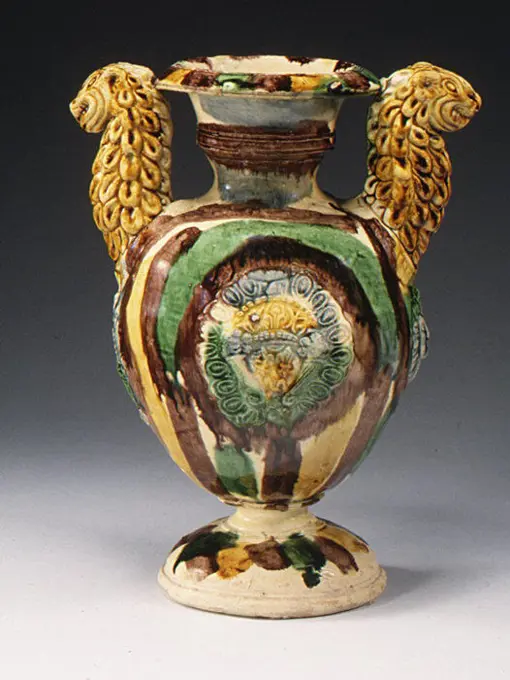
Ancient Vessels

A variety of ancient pottery and ceremonial vessels showcasing intricate designs and textures, reflecting rich historical significance across different cultures.

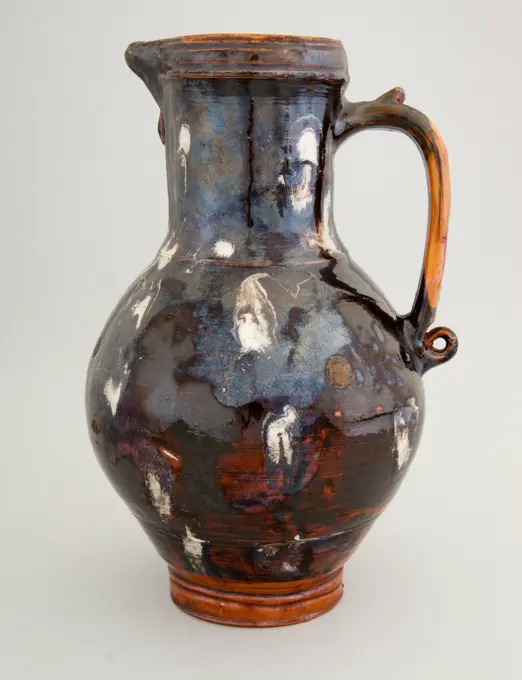
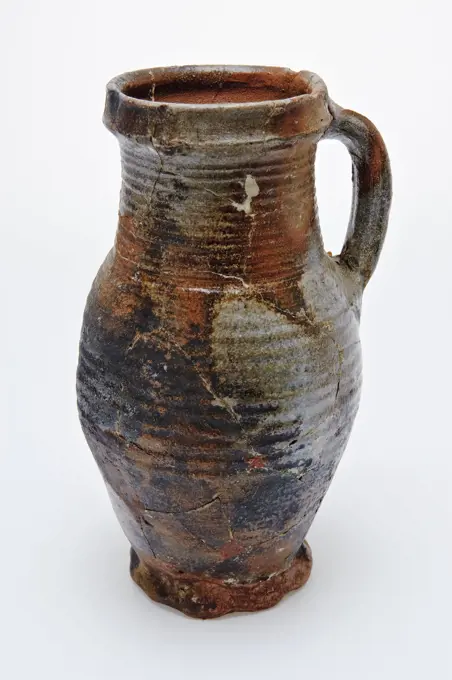
Jug with a mask and incised borders, anonymous, c. 1550 - c. 1599 Can be made of stoneware on the stand ring with a spherical body and narrow neck with a pinched spout. The C-shaped ear is attached to the neck and shoulder. Some profiles and a printed and imposed mask on the neck in relief. Covered with a brown glaze. On the abdomen vertical, taken tires. The neck and foot with horizontal tires. Raeren. Rae stoneware. glaze vitrification Can be made of stoneware on the stand ring with a spherical body and narrow neck with a pinched spout. The C-shaped ear is attached to the neck and shoulder. Some profiles and a printed and imposed mask on the neck in relief. Covered with a brown glaze. On the abdomen vertical, taken tires. The neck and foot with horizontal tires. Raeren. Rae stoneware. glaze vitrification
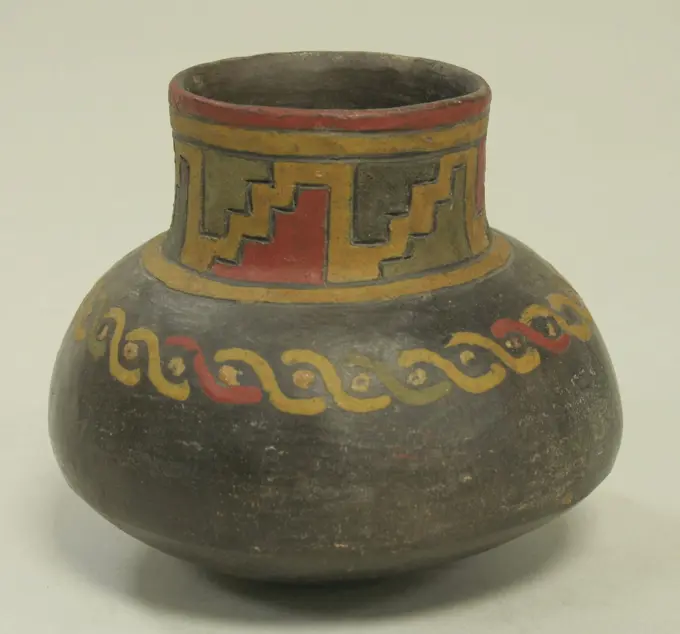
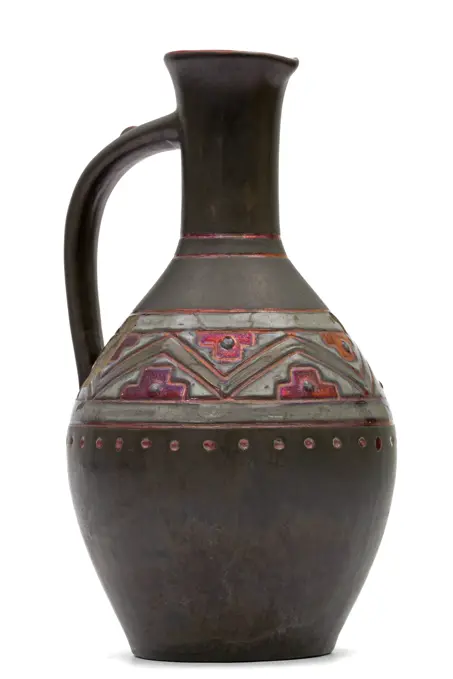
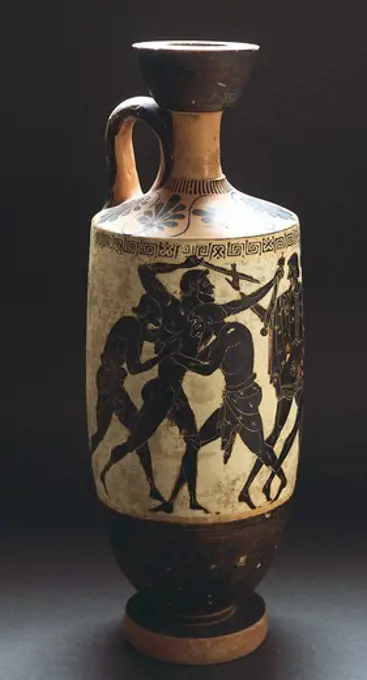
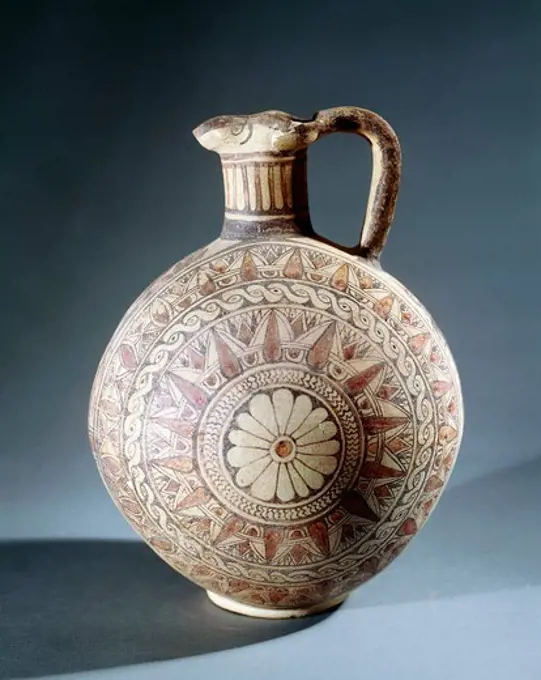
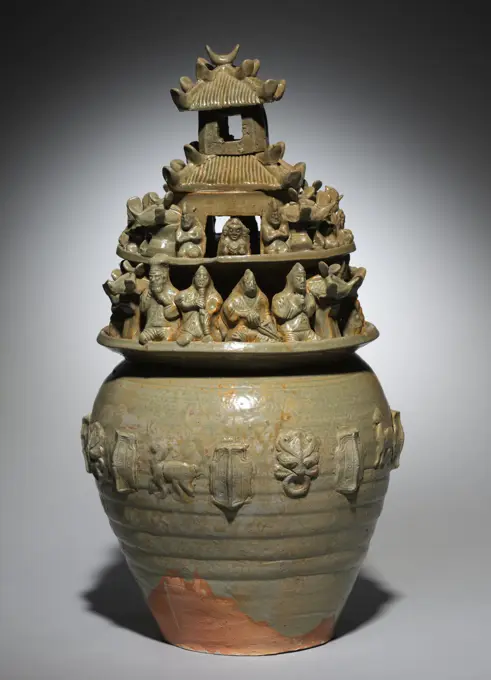
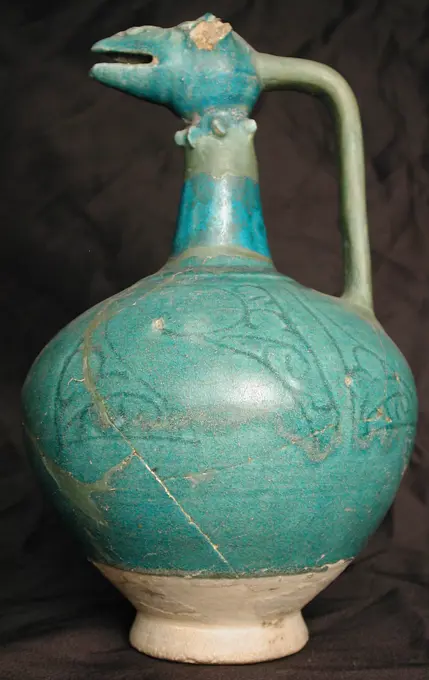
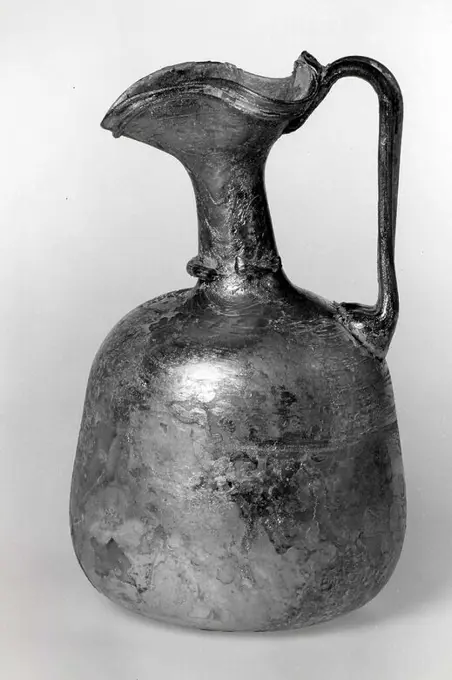
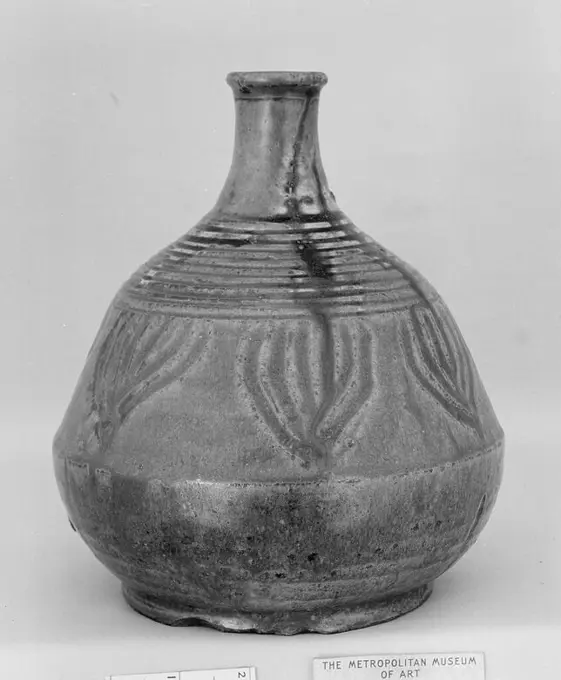
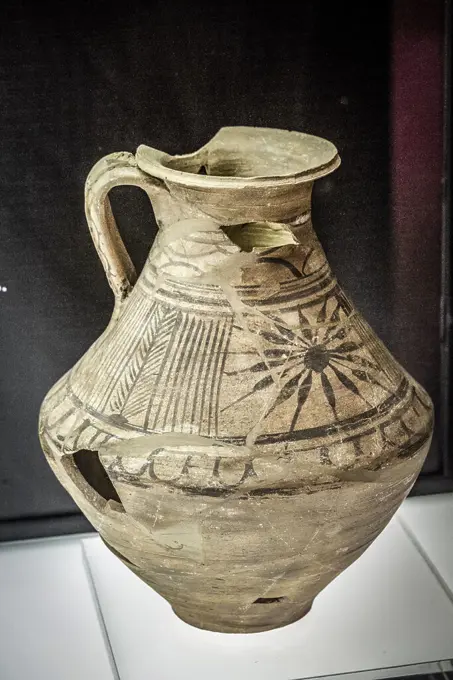
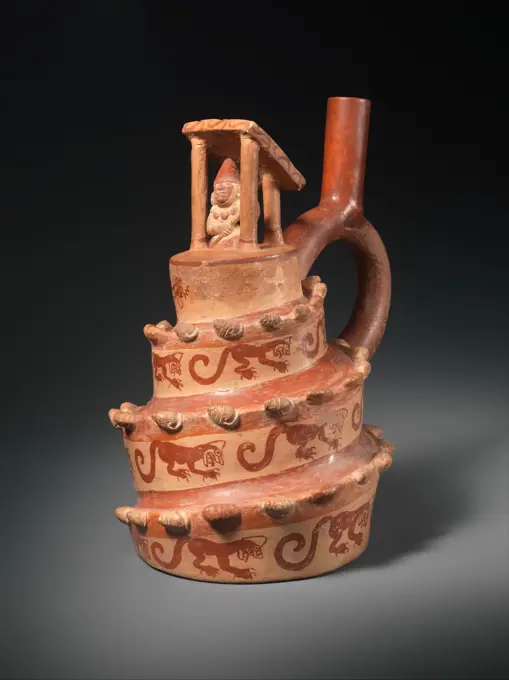
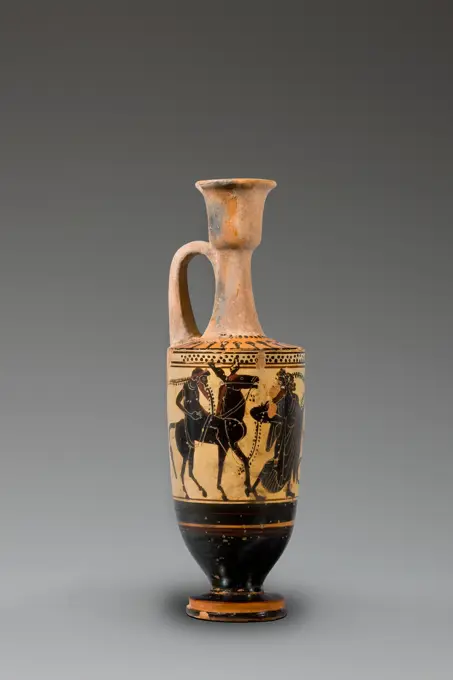
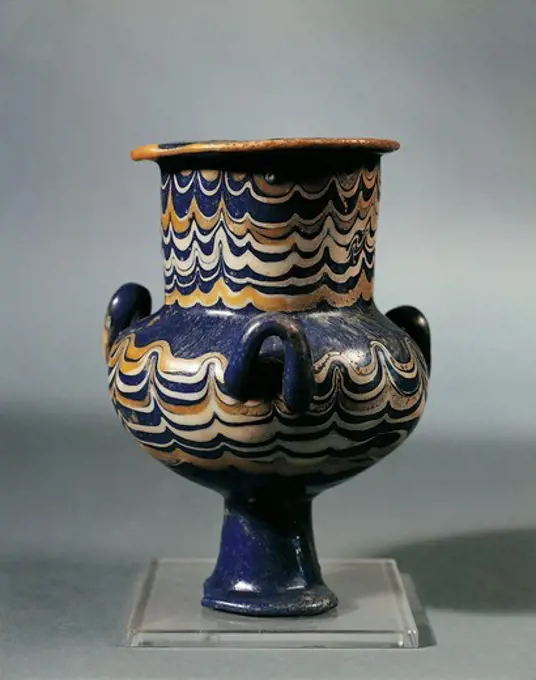
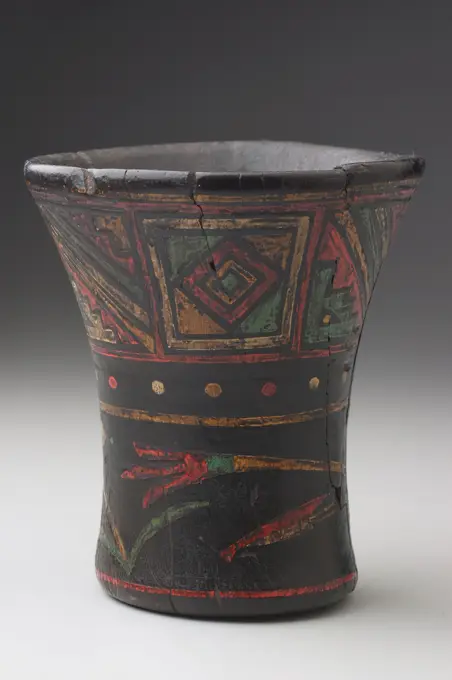
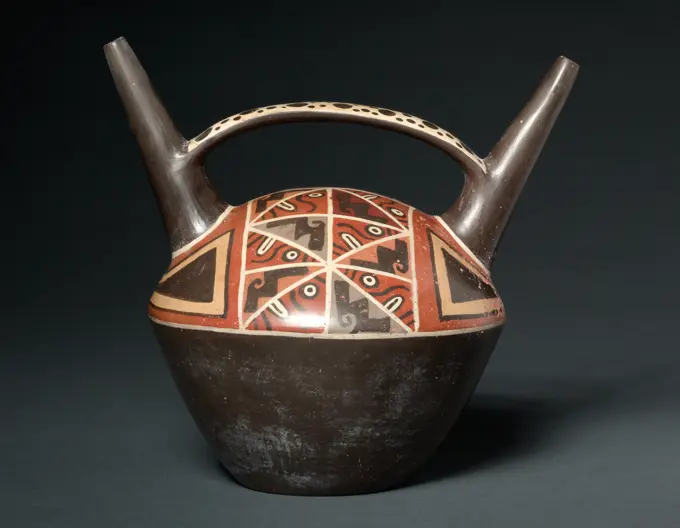
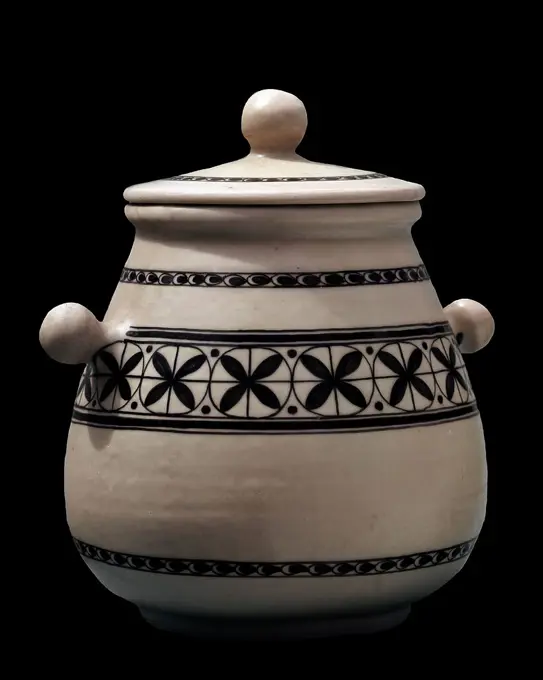
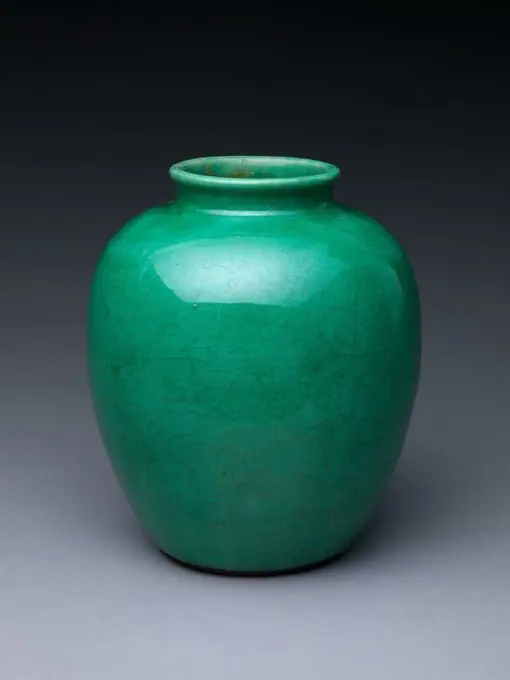
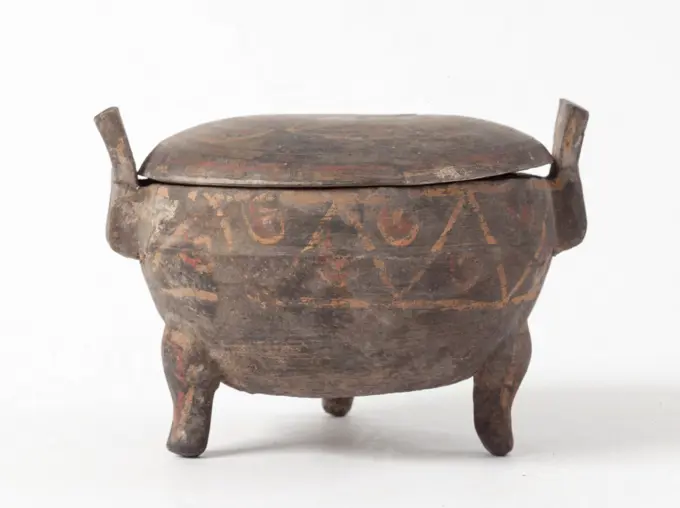
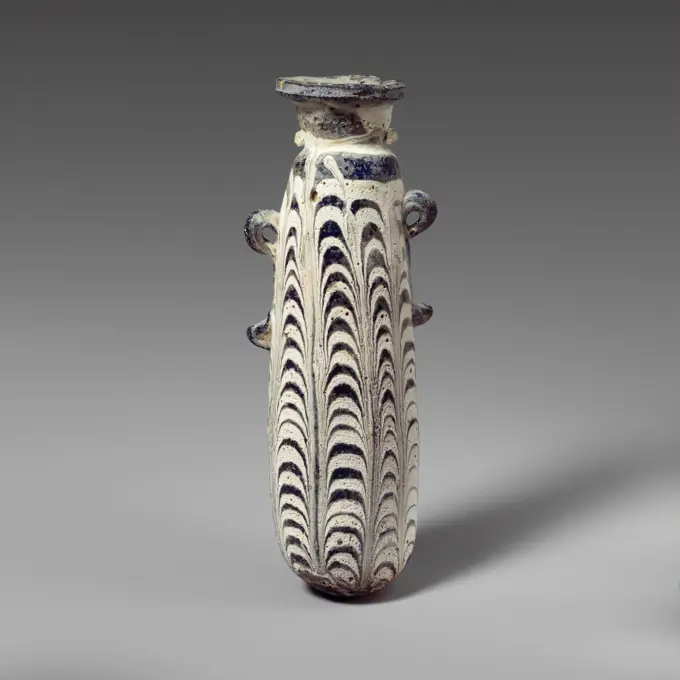
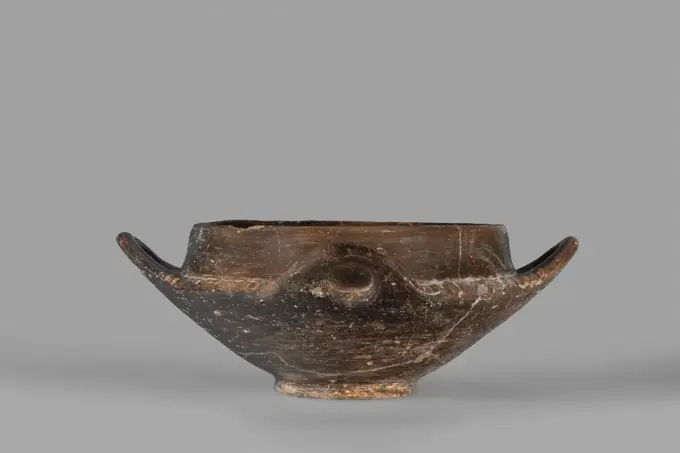
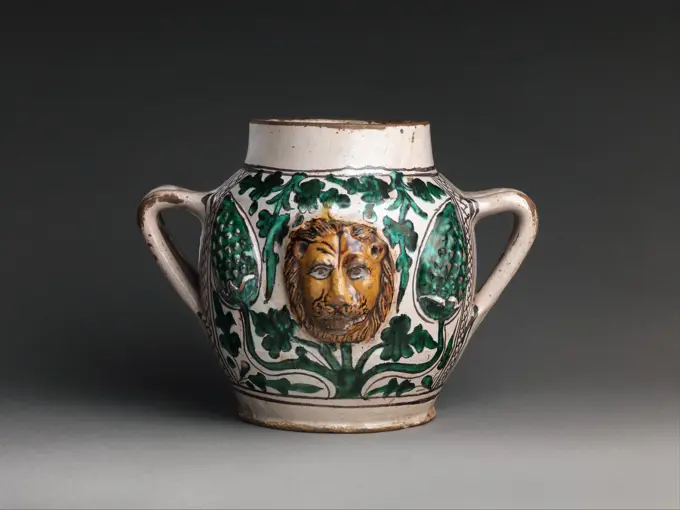
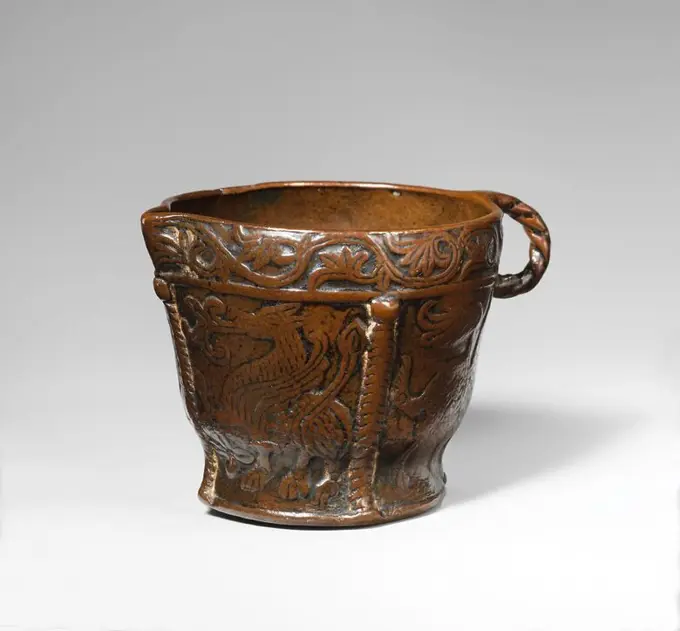
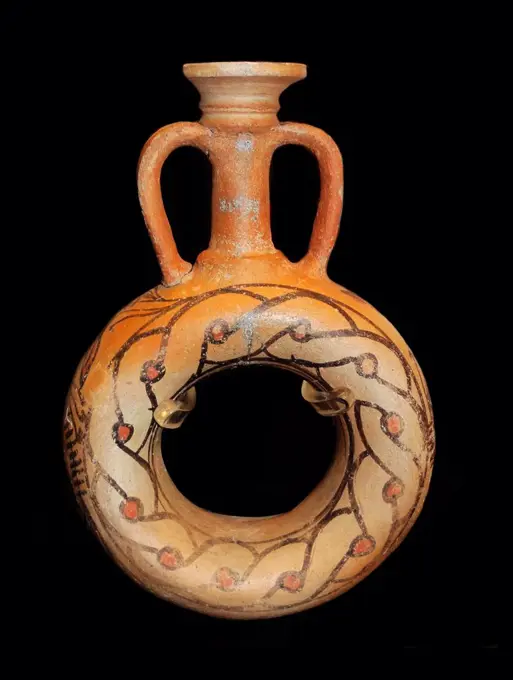
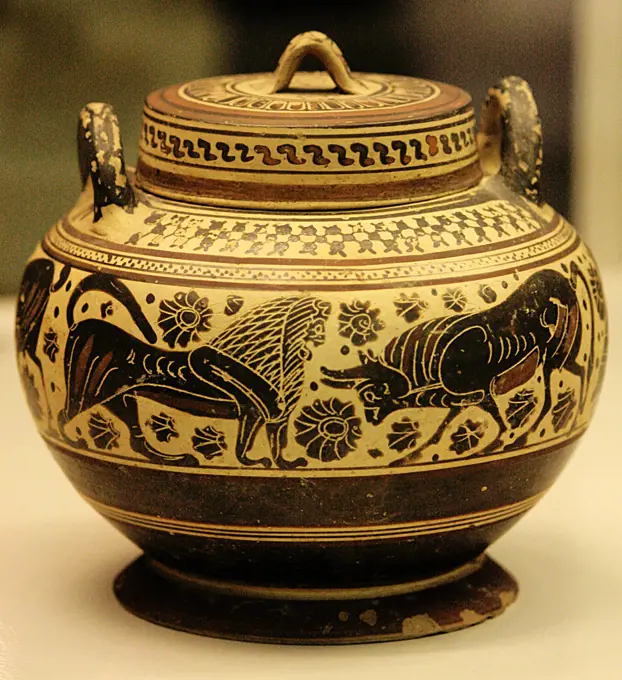
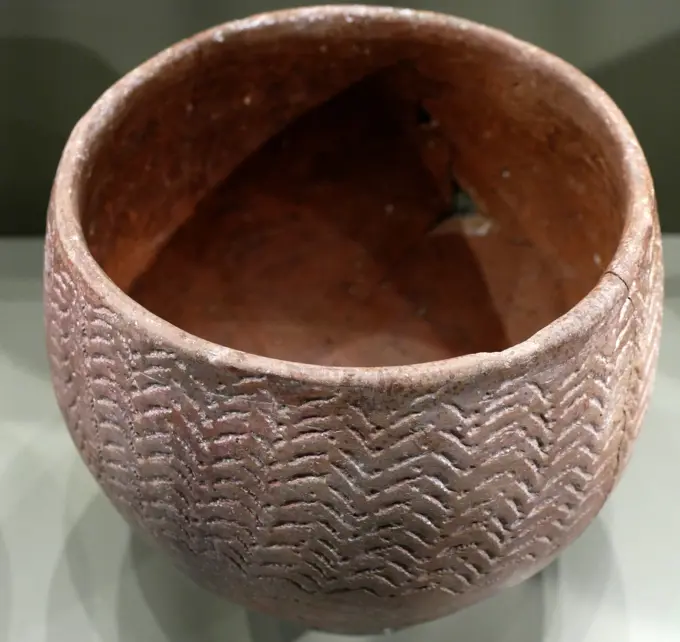
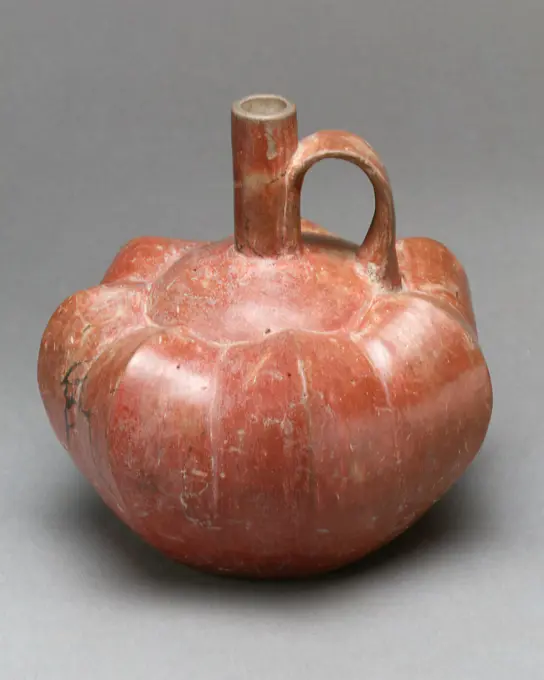
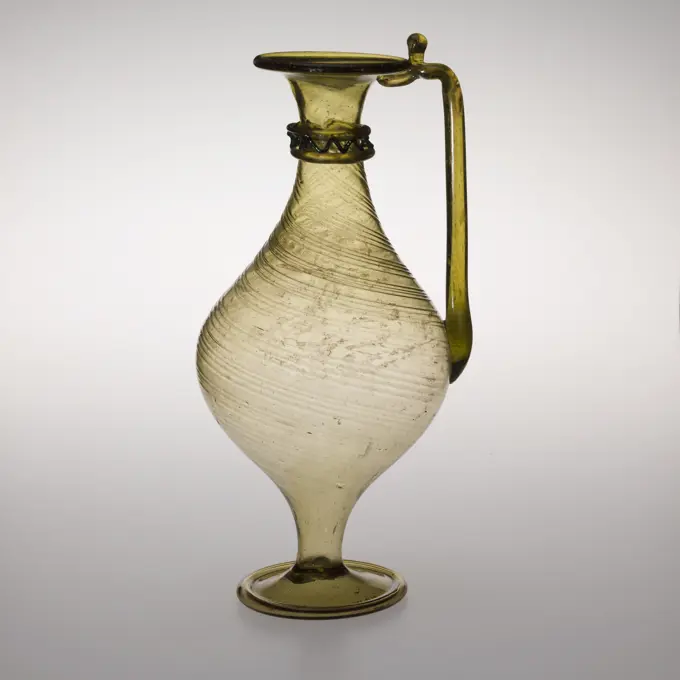
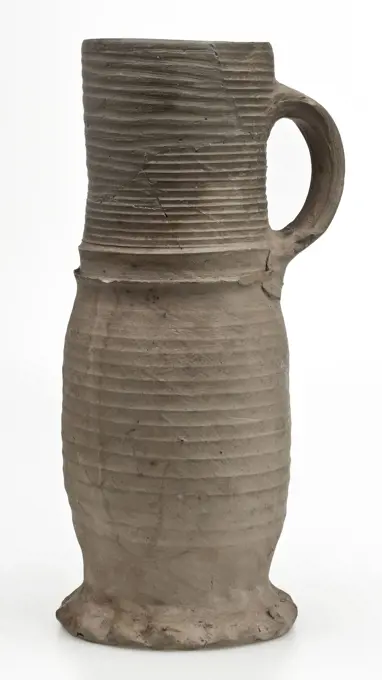
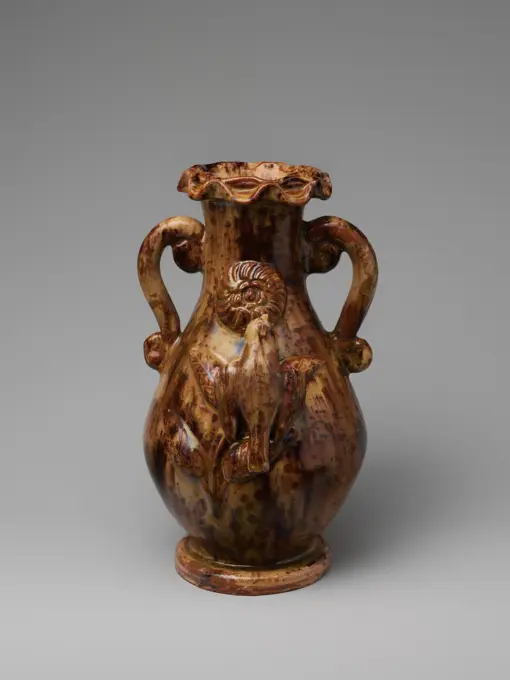
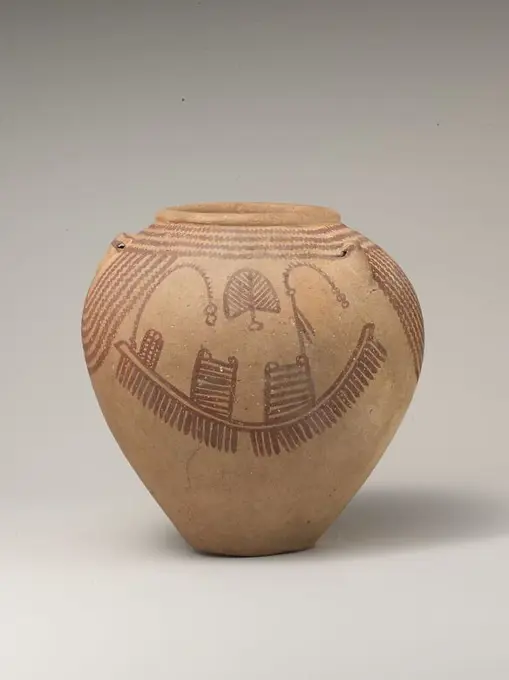
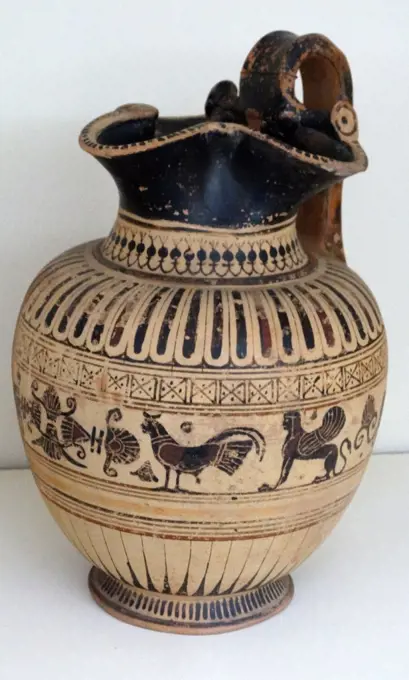
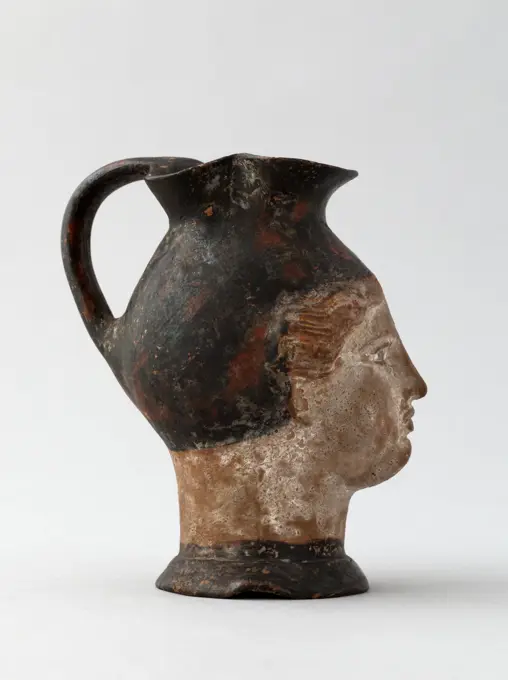
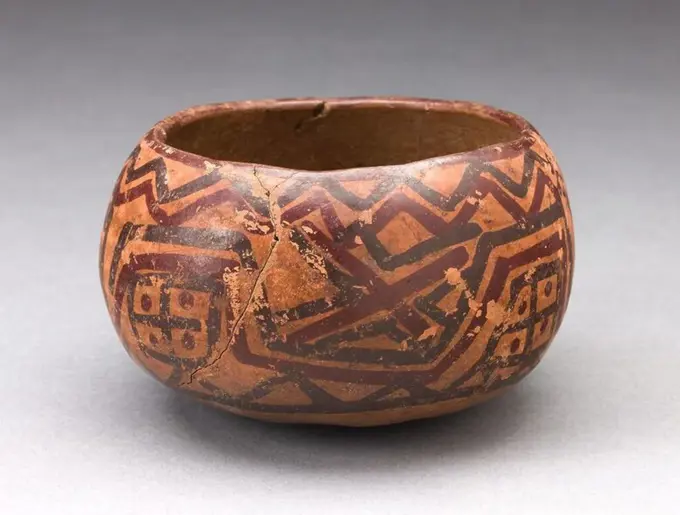
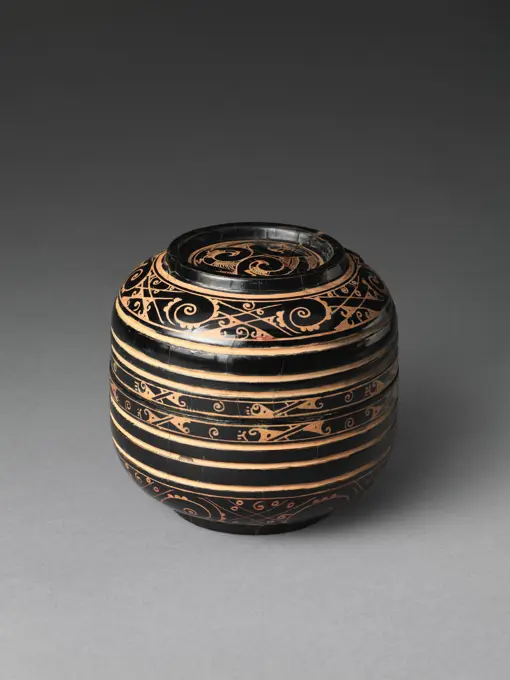
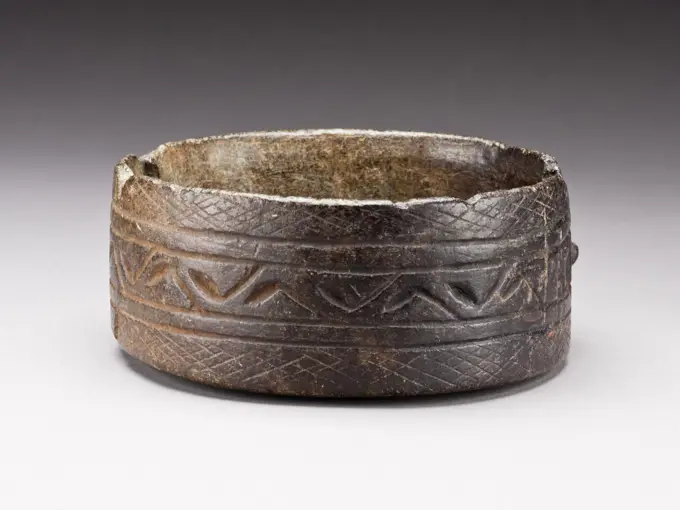
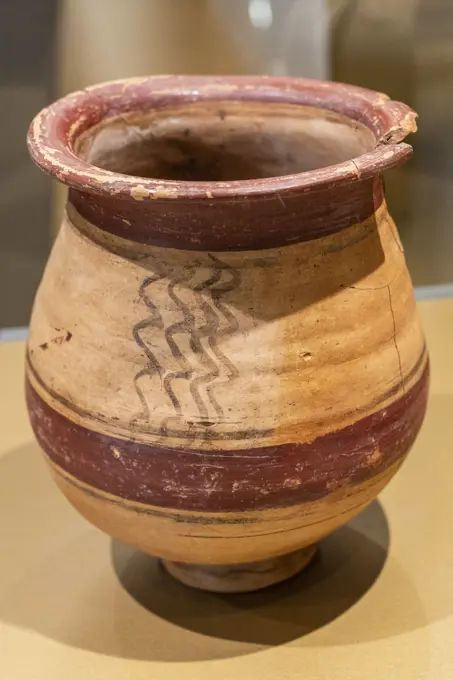
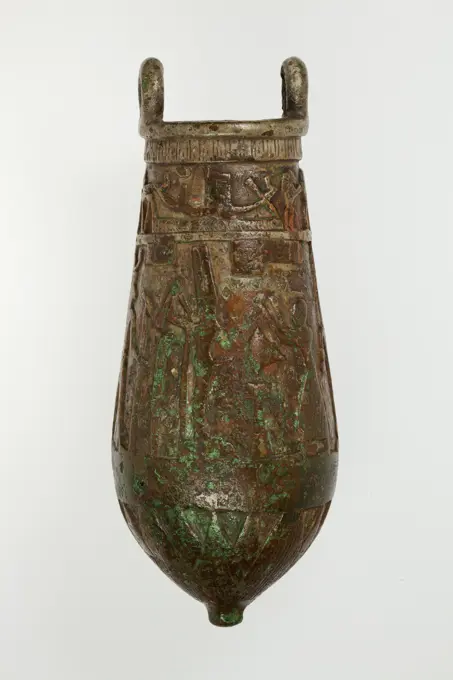
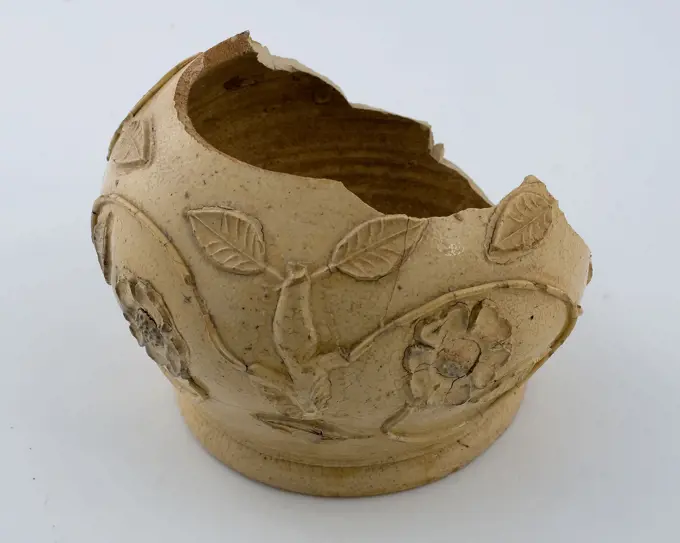
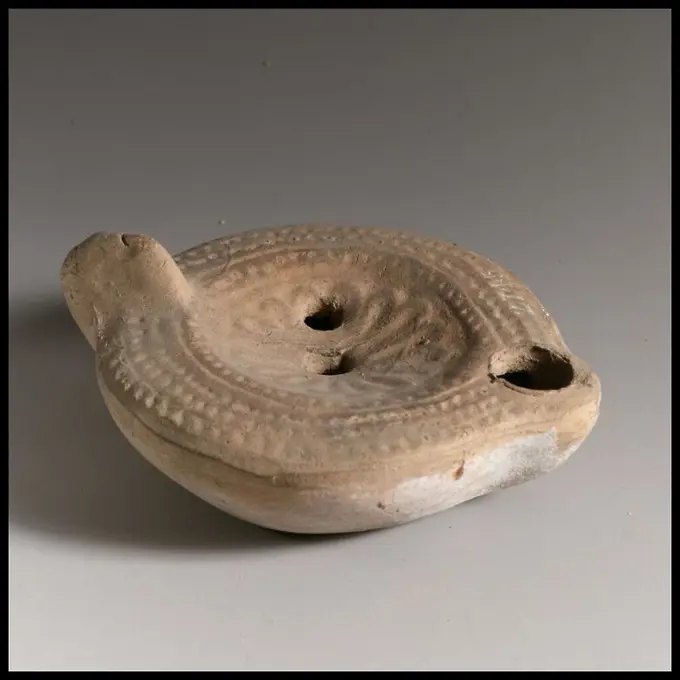
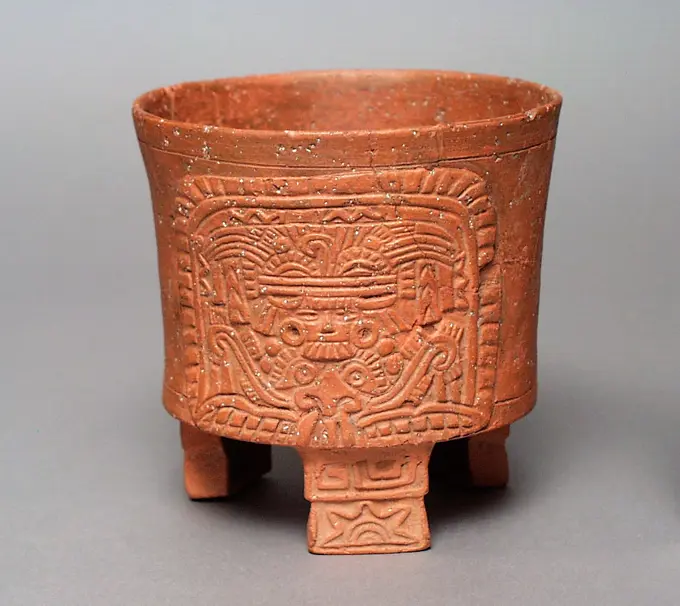
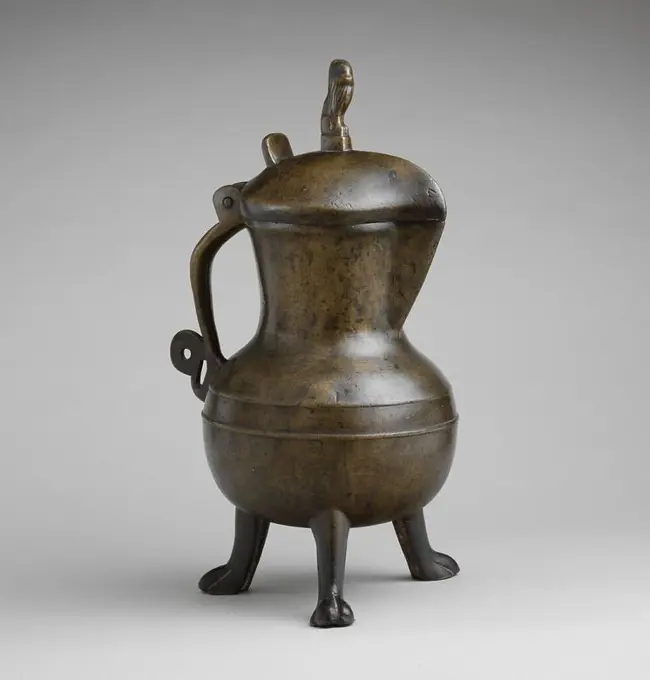
Bridge and Spout Bottle with Seated Prisoner 1st-3rd century Vicús. Bridge and Spout Bottle with Seated Prisoner 314698Jug with polychrome geometric decorationFunerary Urn (Hunping), late 200s. China, Western Jin dynasty (265-316). Green-glazed stoneware with molded and sculpted decoration; diameter: 28.8 cm (11 5/16 in.); overall: 52.1 cm (20 1/2 in.).Ewer 12th-13th century. Ewer 447277Bottle, 7th-9th Century. Early Islamic, Eastern Mediterranean. Glass; overall: 10.5 cm (4 1/8 in.).Crab Demon Bottle. Culture: Moche. Dimensions: H. 10 1/4 x Diam. 6 1/2 in. (26 x 16.5 cm). Date: 4th-7th century. Museum: Metropolitan Museum of Art, New York, USA.Near East. Middle Ages. Ampulla. Globular bottle with two handles. Used for holy water or holy oil (pilgrimages). The State Hermitage Museum. Saint Petersburg. Russia.Pedestalled Bowl 5th-7th century Korea. Pedestalled Bowl. Korea. 5th-7th century. High-fired pottery (proto-porcelain) with traces of ash glaze. Three Kingdoms period (57 B.C.-A.D. 676). CeramicsEwer. Culture: Roman. Dimensions: H. 22 cm; diam. 13.5 cm. Date: 4th century. Museum: Metropolitan Museum of Art, New York, USA.Bottle. Culture: Japan. Dimensions: H. 8 in. (20.3 cm). Date: 18th century. Museum: Metropolitan Museum of Art, New York, USA.Painted ceramic jar of indigenous tradition, Carratiermes Necropolis, 1st century AD, Tiermes Archaeological Site Museum, Soria, Spain.Architectural Vessel A.D. 400-600 Moche This vessel is modeled in the shape of a spiral platform surmounted by an open-sided structure with a figure inside. The vessel itself is a bottle, with a spout in the shape of a stirrup, a characteristic shape on Perus north coast from the first millennium B.C. through the later part of the first millennium A.D. The spiral platform is ornamented with a procession of snails, sculpted in high relief, and felines, painted in red slip, ascending to the summit where a figure is depicted within a four-posted, roofed structure on a circular podium. The figure wears a conical headdress, ear ornaments, and a beaded collar, and holds a war club across his chest. Finely made and delicately painted, this bottle would most likely have been used in Moche ceremonial contexts before its ultimate deposition in a burial. The Moche culture flourished on Perus north coast from A.D. 200 to 800. Powerful men, and sometimes women, ruled over regional centers in the Small vessel small vessel copyright: xzoonar.com/tolox 22568952Nicholas Amantea, Water or Cider Jug, c 1939 Water or Cider JugBlack -of -inch leek; Unknown attic workshop; early 5th century BC (400-00-00-410-00-00);Działyńska, Izabela (1830-1899), Działyńska, Izabela Elżbieta née Czartoryski (1830-1899)-collection, Działyński, Jan (1829-1880), Hephajstos (mitol.), Painted vessels, archaic periodEgypt, small glass paste krater with three handles, eighteenth dynastyStoneware peasant's jug, with frieze on top of tattered beach, dated, farmer's pitcher crockery holder fragment soil find ceramic stoneware clay engobe glaze salt glaze, hand turned stamped glazed glazed baked stoneware jug gray shard brown engobe and salt glaze tail profiled foot top fries: GERET DU MUS DAPR BLASEN SO DANCING DEI NEIGHBORS AS WEATHER SEI RASEN FRI UF SPRICHT BASTOR ICH VER DANS KAPMITTEN KAR; date 1583 archeology import pottery serving drink pouring beer wine wedding marriage party dancingQero (kero), 1300-1550, 5 11/16 x 5 1/8 in. (14.45 x 13.02 cm), Wood, pigment, Peru, 14th-16th century, The geometric symbols or tocapu encircling the top of this qero indicate it likely belonged to a high ranking member of society. This visual language of geometric emblems communicated information about rank and status. While much is yet to be learned about specific tocapu meanings, they have been found in tunics and objects belonging to elites in the Inka and Wari empires. Like other qeros, this one would have been used for chicha, or maize beer. Since qeros were designed for social drinking, artists placed the most important visual symbols in a place of prominence near the top, so they could be easily seen.Clay pitcher for wine on white background. Studio Photo. Clay pitcher for wine on white backgroundPrehistory, Iraq, Halaf culture. Painted ceramic pot, late 5th millennium b.C. From Tell Hassan.JARRO VOTIVO CON INSCRIPCION PUNICA HALLADO EN LA NECROPOLIS DE PUIG DES MOLINS. Location: MUSEO ARQUEOLOGICO / MUSEO DE PUIG DES MOLINS. IBIZA. SPAIN.Double-Spouted Vessel, 500-900. Peru, Wari style, 6th-10th century. Ceramic, slip; diameter: 21.7 x 23.1 x 17.6 cm (8 9/16 x 9 1/8 x 6 15/16 in.); overall: 20.3 cm (8 in.).VASO DE CERAMICA DE AZAILA-EDAD DE HIERRO. Location: MUSEUM OF FINE ARTS. SARAGOSSA. Saragossa Zaragoza. SPAIN.CERAMICA DEL ALFAR DE LA MENORA-TARRO O PUCHERO CON TAPA-PINTADO EN NEGRO. Location: ALFARERIA. TALAVERA DE LA REINA. Toledo. SPAIN.Glass alabastron (perfume bottle). Culture: Greek, Eastern Mediterranean. Dimensions: H.: 3 13/16 in. (9.7 cm). Date: 5th century B.C..Uncertain, appearing opaque black, with handles in same color; trails in opaque turquoise blue.Broad horizontal rim-disk with rounded, raised lip around mouth; slanting cylindrical neck, tapering downwards; narrow rounded shoulder; straight-sided cylindrical body; lopsided convex bottom; two large vertical ring handles with knobbed tails, applied over trail decoration; one longer than the other.A trail attached at edge of rim-disk; another trail applied to top of body, wound in a close-set, regular spiral down body, ending around bottom.Intact; some limy encrustation down one side, and rest covered with iridescent creamy white weathering. Museum: Metropolitan Museum of Art, New York, USA.Neck of a bottle from V.O.C. ship De 'Witte Leeuw', Before 1613  Neck of a bottle from V.O.C. ship the 'Witte Leeuw', built with a clay hose. The shard is made of hard gray earthenware. The neck runs upwards and the lip has turned outside. Geometric decoration.  earthenware   Sint-HelenaJar. Culture: China. Dimensions: H. 9 in. (22.9 cm). Museum: Metropolitan Museum of Art, New York, USA.Tripode ding ". Terracotta, traces of polychromy. Han dynasty (206 BC-220 AD). Paris, Cernuschi museum. Chinese art, Chinese ceramic, cover, han dynasty, han time, container, terracotta, tripod ding, three feetMarble funerary lekythos. Culture: Greek, Attic. Dimensions: H. as restored 40 1/2 in. (102.9 cm). Date: ca. 375-350 B.C..The monument was presumably erected in memory of the young long-haired girl who clasps her father's hand while her seated mother presents a bird to her little sister. Museum: Metropolitan Museum of Art, New York, USA.Prehistory, Italy. Vase decorated with engravings. From Torre Galli, province of Vibo Valentia.Glass alabastron (perfume bottle) late 6th-5th century B.C. Greek, Eastern Mediterranean Translucent cobalt blue, with handles in same color; trail in opaque white.Inward-sloping rim-disk, with radiating tooling marks on upper surface; cylindrical neck, tapering downwards; small rounded shoulder; straight-sided cylindrical body, tapering upwards; convex bottom; two vertical ring handles with knobbed tails, applied over trail decoration, one higher than the other.A thick white trail applied on neck, wound down across shoulder one and a half times, then tooled into an inverted close-set festoon pattern, with nine downward strokes.Complete, except for chips in rim and one small hole in upper body; a trail probably decorated the edge of the rim-disk but this is now completely missing, leaving a weathered beveled edge; dulling, pitting, and iridescent milky weathering.. Glass alabastron (perfume bottle). Greek, Eastern Mediterranean. late 6th-5th century B.C.. Glass; core-formed, Group I. CAmphora atica. Geometric period. Upper fringe decorated with horses. C. 8th century BC. National Archaeological Museum of Athens. Greece. Misa impasto. warsztat etruskiTwo-Handled Jar with Lions' Heads early 15th century Italian This jar, made early in the fifteenth century, includes bold relief ornament of pine cones or grapes and impressive lion masks. It may have been made near Florence, or further south near the towns of Viterbo or Orvieto.. Two-Handled Jar with Lions' Heads 467634CANTARO- BARRO CON MUCHA MICA Y RUSTICO (SIN PULIR)- DECORACION INCISA. Location: ALFARERIA. PERERUELA. Zamora. SPAIN.Maebyeong with chrysanthemums, 11th-12th century, Unknown Korean, 10 3/8 × 6 1/2 × 6 1/2 in. (26.35 × 16.51 × 16.51 cm), Porcelaneous stoneware with iron oxide designs under celadon glaze, Korea, 11th-12th century, Korean potters adopted various scrolling floral designs from imported Chinese ceramics, but the origins of such patterns can be traced to Central Asia, India, Persia, and as far away as Greece and Egypt. Goryeo celadons with scrolling patterns in iron oxide, such as this one, are prized for the exuberant, painterly quality of their brushwork.Lamp. UnknownSingle Spout Painted Jar 7th-5th century B.C. Paracas. Single Spout Painted Jar 307621Pitcher. Culture: South Italian. Dimensions: Overall: 3 7/16 x 4 7/8 x 3 9/16 in. (8.7 x 12.4 x 9.1 cm). Date: ca. 1100-1150.The griffins and lions decorating this pitcher attest to the popularity of Islamic designs on luxury goods made during the 1100s in southern Italy, where Byzantine, Muslim, and Western styles of art comfortably coexisted under the patronage of Norman kings. Museum: Metropolitan Museum of Art, New York, USA.Jar. Yangshao culture, From Banpocun. 4500 BC. Shaanxi. China.Terracotta oli lamp. Culture: Roman, Cypriot. Dimensions: Overall: 1 1/8 x 3 3/4 in. (2.9 x 9.5 cm).Loeschcke Type 1B. Mold-made. Deep, concave discus: man facing left, bending over animal, with a band of close-set lines and grooves at edge. Volutes flanking nozzle. Within raised base ring, flat base, with impressed letters across center: FAVSTI.Intact.The maker's stamp is read, unusually, from the back of the lamp. Museum: Metropolitan Museum of Art, New York, USA.Terracotta tankard. Culture: Greek, Attic. Dimensions: H. with handle 4 in. (10.1 cm). Date: late 8th century B.C..From the Hymettos deposit (see 30.118.1). Museum: Metropolitan Museum of Art, New York, USA.Ring flask with guilloche patterns and floral motifs. This is the only known example from the Meroitic period. Meroitic relates to the kingdom of Meroe in pre-Islamic Sudan. approximately 300 BC to 400 AD.Ceramic vase, Neolithic pottery ( C. 6000 BC ) La Fou de Bor, Pyrenees, Lleida. Archaeological Museum of Catalonia, Barcelona, Spain.Pyxis (Cosmetic box) with lions, a goat, a bull and a swan. Middle Corinthian, about 600-575 BCFragmentary terracotta scyphus (drinking cup). Culture: Roman. Dimensions: H. 6 1/2 in. (16.5 cm); width with handles 10 5/8 in. (27 cm). Date: 1st half of 1st century A.D..The sides of this very large drinking cup are decorated with various appliqués, including heads, sea monsters, rosettes, and leaves. Museum: Metropolitan Museum of Art, New York, USA.Sudanese clay bowl 2nd-4th Century AD. Polish National MuseumAnonymous / 'Porphyry vase'. Ca. 1650. Porphyry. Museum: Museo del Prado, Madrid, España.Flash;  664-332 BC ; Half period (-664-00-00--332-00-00);Spouted Bottle 12th-4th century B.C. Chorrera This bottle in the form of a squash is typical of Chorrera ceramics in its minimalist, idealized depiction of the vegetable. Produced in southwestern Ecuador during much of the first millennium B.C., Chorrera ceramics reached a high level of technical mastery. Thin-walled construction and burnished surfaces were characteristic of these ceramics, as were simple, elegant shapes. Forms taken from the flora and fauna of the natural world often appear on Chorrera bottles, for instance, where the defining characteristics are meaningfully emphasized. The vertical ridges of the squash depicted here have been rendered clearly, thereby making the body of the vessel a collection of abstract ridges and curves. The burnished surface of the bottle, achieved by polishing with a rock or shell before firing, shines and is reminiscent of the skin of a squash.. Spouted Bottle 316000Glass jug 4th century A.D. Roman Translucent olive green; handle and one trail in same color, another trail in deep turquoise blue.Everted, horizontal rim with rounded lip; flaring mouth and short cylindrical neck; bulbous, biconical body, then tapering to hollow stem; large splayed foot with thick tubular edge made by folding; concave bottom with small kick at center and large pontil scar; rod handle to side of body at point of greatest diameter, drawn up vertically, turned in with pinched fold above rim, and trailed off under rim.Body decorated with bands of four closely spaced shallow ribs in a downward spiral from left to right, extending from neck to mid-point down side and then fading on lower body; thick trail wound three times from left to right around neck, forming a double band; over and between this band, a fine trail has been wound, forming an irregular zigzag.Broken and repaired with one small impact hole in side; pinprick and a few larger bubbles, including many elongatedVessel, 20th century, 9 5/8 x 11 in. (24.45 x 27.94 cm), Ceramic, Cameroon, 20th centuryStirrup spout bottle with figure 6th-7th century Moche. Stirrup spout bottle with figure 308382Vessel;  III/II century BC -1st century (-225-00-00-100-00-00);Gray Jug or jacobakan, stoneware jug on pinched foot, Jug or jacobakan jug crockery holder soil find ceramic stoneware, hand-turned baked Stoneware jug be decorated with rings Two strongly protruding rings on the transition from belly to neck pinched foot gray flamed from color archeology Valckensteyn Poortugaal Albrandswaard indigenous pottery import drink drink donate kitchen Soil discovery: castle Valckensteyn in Poortugaal now Albrandswaard 1962.Vase 1880-89 Anthony W. Baecher A German immigrant considered one of the most accomplished of the Shenandoah Valley potters, Baecher produced this vase in a primitive Rococo-style scheme. Although he repeatedly employed lowrelief pinwheel flowers and sculptural feeding birds as decoration on his hollow ware, archaeological findings reveal that simple storage jars were the mainstay of his production.. Vase 9315Amphoriskos. UnknownAncient China: Food bowl with beast handles (Gui), Shang Dynasty; 1600 - 1027 BC; BronzeDecorated ware jar depicting boats. Dimensions: h. 20 x w. 19 cm (7 7/8 x 7 1/2 in.)diam (of rim): 10.5 cm (4 1/8 in.)diam (of opening): 8.5 cm (3 3/8 in.). Date: ca. 3500-3300 B.C.. Museum: Metropolitan Museum of Art, New York, USA.Terracotta miniature jar with two handles 7th-6th century B.C. Greek, Laconian Two handles, traces of white paint.. Terracotta miniature jar with two handles 251763 Greek, Laconian, Terracotta miniature jar with two handles, 7th6th century B.C., Terracotta, H. 1 5/8 in. (4.1 cm). The Metropolitan Museum of Art, New York. Gift of A. J. B. Wace, 1924 (24.195.197)Wine-jug decorated with a siren and sphinx. Laconia, Greece. Dated 550 BCOenochoé in the shape of a woman's head. Molded terracotta. Apulie, first half of the 4th century BC. AD Museum of Fine Arts of the City of Paris, Petit Palais. 58798-10 Boisson, ceramic, jug, woman, large Greece, 4th 4th 4th 4th 4th century Av.jc, molding, oenochoe, ancient period, character, pitcher, container, terracotta, head, wineMiniature Bowl with Abstract Red and Black Geometric Patterns. Inca; South coast or southern highlands, Peru. Date: 1450-1532. Dimensions: 5.6 x 9.5 cm (2 3/16 x 3 3/4 in.). Ceramic and pigment. Origin: Peru, southern. Museum: The Chicago Art Institute, Chicago, USA.Mixing Vessel with Youths and Horses; Attributed to Myson (Greek (Attic), active 500 - 475 B.C.); Athens, Greece; about 480 B.C; Terracotta; 34 × 31.2 cm (13 3,8 × 12 5,16 in.)Miniature Jar in the Form of a Figure Wearing a Tunic. Tiwanaku-Wari; South coast Peru or northern Bolivia. Date: 600 AD-1000. Dimensions: 9.5 × 5.7 cm (3 3/4 × 2 1/4 in.). Ceramic and pigment. Origin: Bolivia. Museum: The Chicago Art Institute, USA.Covery Bratin Fraliness he was heRound Box and Cover 2nd-3rd century China. Round Box and Cover. China. 2nd-3rd century. Lacquer. Eastern Han dynasty (25-220). LacquerCylindrical Bowl. Northern Syria, circa 9th-8th century B.C.. Furnishings; Serviceware. SteatiteVessel in the Form of a Figure with Geometric Face and Body Paint 500 BCE-100 CE México. Ceramic and pigment . ChupícuaroVessel with handle. Syria, 13th century. Ceramics. Fritware, underglaze-paintedPitcher Ilnicki, Dymitrurn with decoration painted in red urn with decoration painted in red, necropolis of Los Ventorrillos, Lucena, 2nd to 1st century BC, Iberian Museum of Jaén, Andalusia, Spain Copyright: xZoonar.com/BartomeuxBalaguerxRotgerx 21714821Situla 600 BC-100 AD Ptolemaic Period Situlae are vessels for libations.The type to which this one belongs is encircled with a particular arrangement of gods and scenes, and is frequently found, often with its loop handle still affixed. Examples are mostly rather small. Some examples with provenance (see 1976.63.3) seem to have been temple dedications. Unless there is excavation information, the objects cannot be closely dated but seem to relate to iconography popular from the Saite into early Roman periods.The scenes seen at the rim and in the central field on this object recur with minor variations on almost all situlae of this type. In the top register the sun-god in his day-bark is adored by baboons, while his night-bark is drawn by jackals. In the wider middle field the deceased is seen behind an offering table with a large lotus worshiping a number of deities led by the ithyphallic Amen-Re, who is followed by here by Horus, Isis and Nephthys, Ptah, Sakhmet and the Nefertum fetishFragment stoneware jug with embossed roses and flowers, jug crockery holder soil find ceramic stoneware glaze salt glaze, hand turned stamped glazed glazed baked Stoneware jug on stand surface with traces of deduction. Gray glazed. Ball-shaped Model On the belly swinging rose branches and flowers in relief applied. Some profile ring above the foot archeology underground pit Rotterdam Stadscentrum Stadsdriehoek Groenendaal foreign pottery import donate drinking table Soil discovery: underground pit Groenendaal from large waste pit 1977.06.10.Lamp. UnknownInlaid Powder Horn 18th century A powder horn, which typically was made of cow or buffalo horn, refers to any personal container that was used for gunpowder. This flask is made of wood, but shaped to resemble a nautilus shell. The floral decoration that makes up the body is inlaid with horn, mother of pearl, and ivory. The two silver hooks would have attached to a strap worn over the shoulder, allowing the user to easily access the gunpowder by lifting the lid off the top.. Inlaid Powder Horn 452814Bowl 10th century. Bowl 449642Roman civilization, fictile oil lampEwer early 14th century. Ewer 444571Wine Container. China; Shaanxi province. Date: 1050 BC-900 BC. Dimensions: H. 29 cm (11 7/16 in.); diam. 21.6 cm (8 1/2 in.). Bronze. Origin: China. Museum: The Chicago Art Institute, Chicago, USA.Beaker 15th century French. Beaker 467078Stoneware pot on pinched foot, mottled brown glaze, Drinking jug cup drinking utensils tableware holder soil find ceramic stoneware clay engobe glaze salt glaze, hand-turned glazed baked stoneware pot jug on pinched foot braided sidewall and cylindrical neck Swivel spindles over the entire height. Mottled brown glaze archeology Poortugaal Albrandswaard indigenous pottery import serving serve drinking wine beer Soil discovery Poortugaal.Ancient Greece. Kylix from Ampurias. Red-figure pottery. Archaeological Museum of Catalonia. Barcelona, Spain.Terracotta oil lamp Roman 1st century BCE-1st century CE Loeschcke Type 4. Mold-made. Shallow discus: a circular frieze of gladiatorial weapons and armor, comprising pairs of swords, helmets, shields, and greaves; single filling hole at center, surrounded by two concentric lines, with a band of lines and grooves toward the edge. Volutes flanking nozzle. Incised base ring, and a broad, flat base.Complete, except for weathering chip in right edge of shoulder. View more. Terracotta oil lamp. Roman. 1st century BCE-1st century CE. Terracotta; mold-made. Early Imperial. TerracottasVase 16th-17th century China. Vase 46725Pitcher British 19th centurySigisbert-François Michel (1728-1811). Vase model. Terracotta. Paris, Cognacq-Jay museum. 101701-12Lamp. Culture: Roman. Dimensions: Length: 3 5/16 in. (8.4 cm)Height: 1 5/16 in. (3.3 cm). Date: 2nd century A.D.. Museum: Metropolitan Museum of Art, New York, USA.Tripod VesselCovered Vessel. Culture: South Netherlandish. Dimensions: Overall: 17 3/4 x 10 3/4 x 9 7/8 in. (45.1 x 27.3 x 25.1 cm). Date: 14th-15th century.The legs on this vessel resemble those on contemporary cooking pots, suggesting that this sturdy jug was used both for heating and for serving. The area around Dinant was renowned for such domestic brasswork, which was then exported throughout Northern Europe. Museum: Metropolitan Museum of Art, New York, USA.Brocca jug with Hebrew inscription. Civilisation of Palestine, 8th Century BC.Glass perfume bottle. Culture: Roman. Dimensions: H.: 3 x 2 11/16 x 2 1/16 in. (7.6 x 6.8 x 5.2 cm). Date: 2nd-3rd century A.D..Spindle-shaped unguentarium.Translucent pale blue green.Horizontal rounded rim with slight vertical lip on top edge; broad mouth; cylindrical neck with tooled indent around base; low, conical body with thick rounded edge at base; pushed-in bottom with central pontil mark.Intact, but crack running from rim to lower body; many bubbles and blowing striations; pitting, dulling, and brilliant iridescence with patches of brown enamel-like weathering. Museum: Metropolitan Museum of Art, New York, USA.Mug;  around 1550-1295 BC ; New PAVase late 16th-early 17th century Saintonge/La Chapelle des Pots. Vase. French, Normandy. late 16th-early 17th century. Lead-glazed earthenware. Saintonge/La Chapelle des Pots. Ceramics-PotteryTOYA (VASO IBERICO PINTADO) - PROCEDENTE DE PEAL DEL BECERRO (JAEN). Location: MUSEO ARQUEOLOGICO NACIONAL-COLECCION. MADRID. SPAIN.JARRA PINTADA Y ESGRAFIADA-ALMOHADE S XII-XIII. Location: ARCHAEOLOGICAL MUSEUM. Almería. SPAIN.Old pitcher, isolated on white background Old pitcher, isolated on white background Copyright: xZoonar.com/OleksandrxKostiuchenkox 8897682Attic vase, black-figure pottery , Italy. Ancient Greek civilization, Magna Graecia, 5th Century BC.Teapot with grapevines and squirrels, anonymous, c. 1675 - c. 1699 Teapot of red stoneware on a high, openwork base and the curved spout, C-shaped ear and lid button in the shape of knots branches. The wall is covered with grape vines and three squirrels in relief: one above the spout and two at the ear. The spout has a silver frame. Yixing. China Stoneware. frame: Silver (Metal) Teapot of red stoneware on a high, openwork base and the curved spout, C-shaped ear and lid button in the shape of knots branches. The wall is covered with grape vines and three squirrels in relief: one above the spout and two at the ear. The spout has a silver frame. Yixing. China Stoneware. frame: Silver (Metal)Stirrup Spout Bottle with Felines 1st century B.C.-A.D. 2nd century Salinar (). Stirrup Spout Bottle with Felines 314692