Ancient Vessels

A variety of ancient pottery and ceremonial vessels showcasing intricate designs and textures, reflecting rich historical significance across different cultures.

Jug with a mask and incised borders, anonymous, c. 1550 - c. 1599 Can be made of stoneware on the stand ring with a spherical body and narrow neck with a pinched spout. The C-shaped ear is attached to the neck and shoulder. Some profiles and a printed and imposed mask on the neck in relief. Covered with a brown glaze. On the abdomen vertical, taken tires. The neck and foot with horizontal tires. Raeren. Rae stoneware. glaze vitrification Can be made of stoneware on the stand ring with a spherical body and narrow neck with a pinched spout. The C-shaped ear is attached to the neck and shoulder. Some profiles and a printed and imposed mask on the neck in relief. Covered with a brown glaze. On the abdomen vertical, taken tires. The neck and foot with horizontal tires. Raeren. Rae stoneware. glaze vitrification
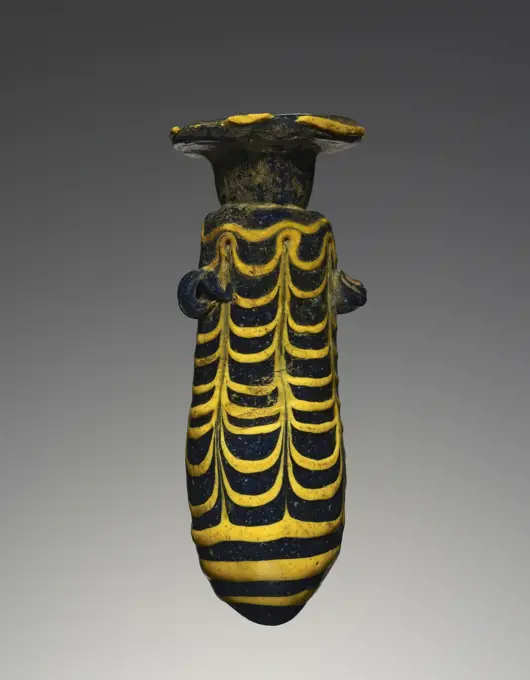
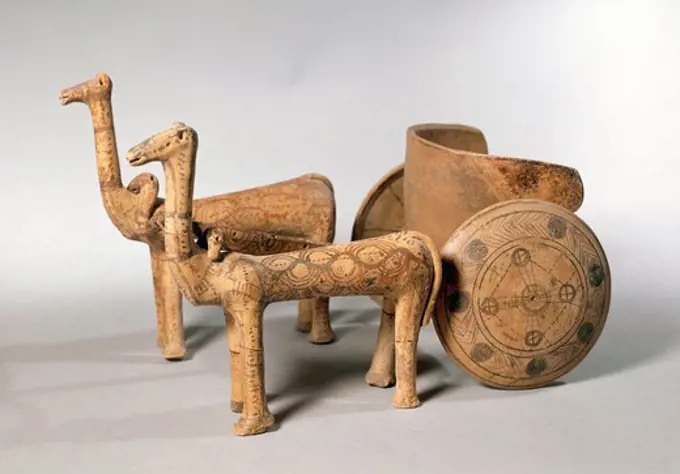
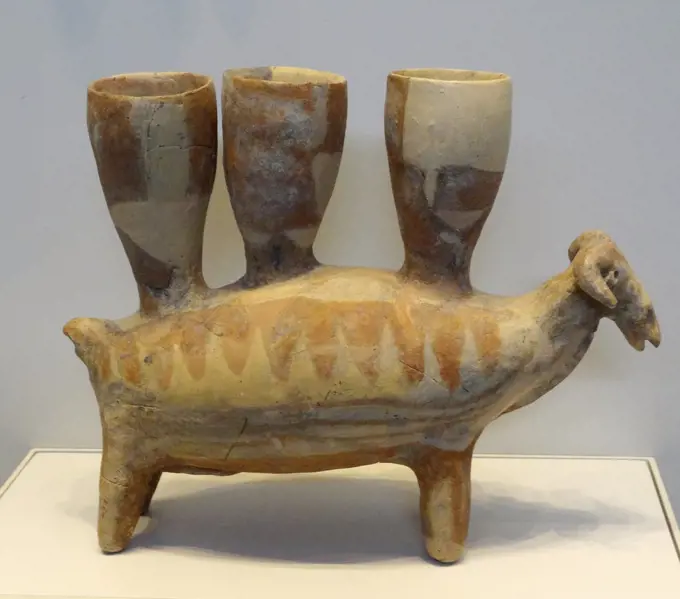
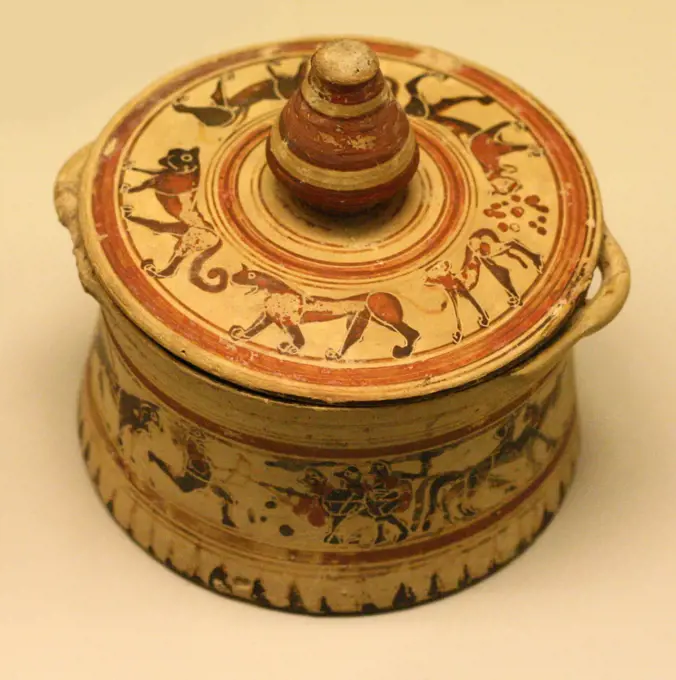
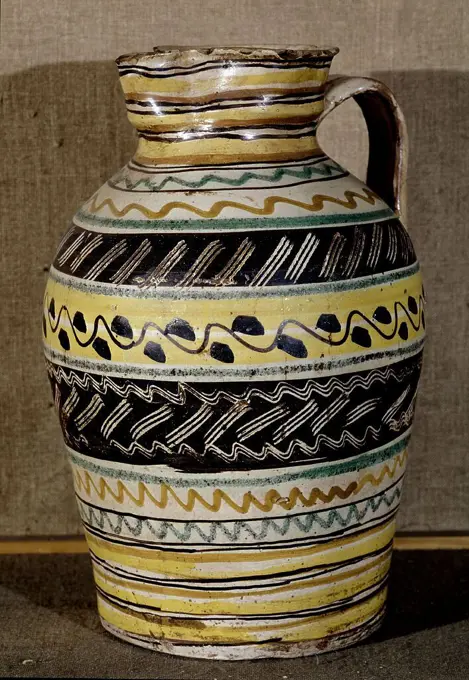
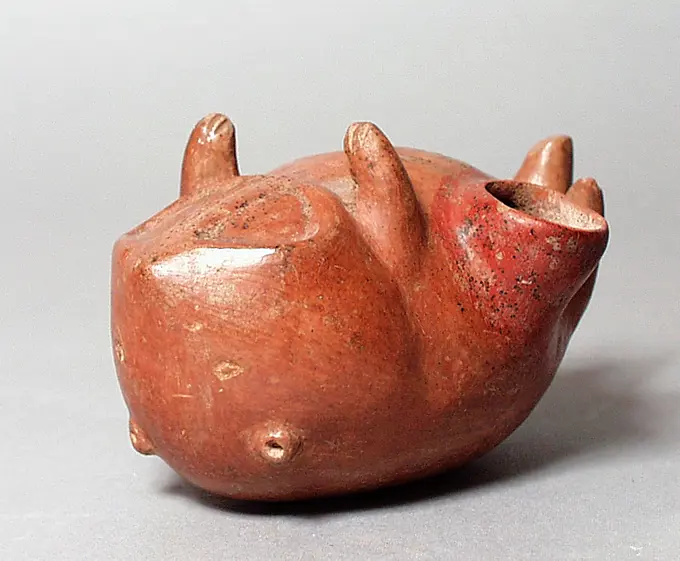
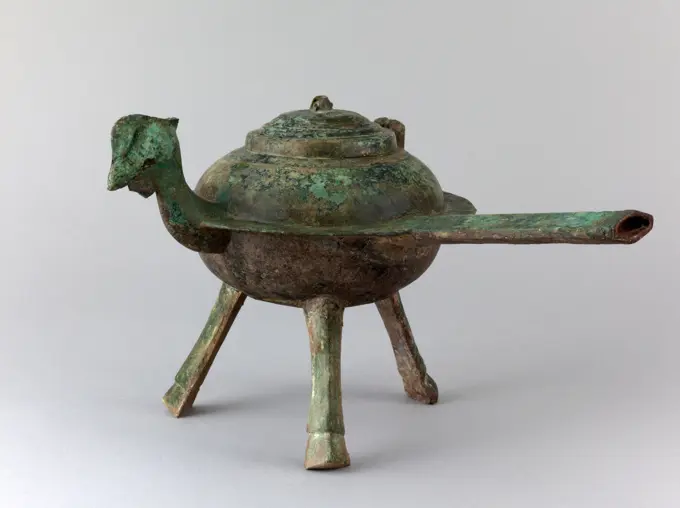
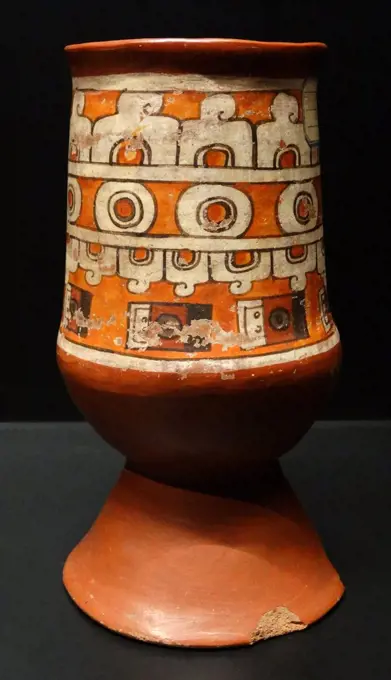
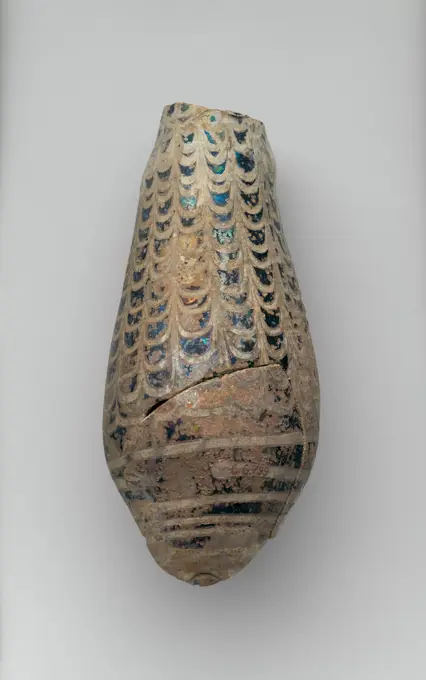
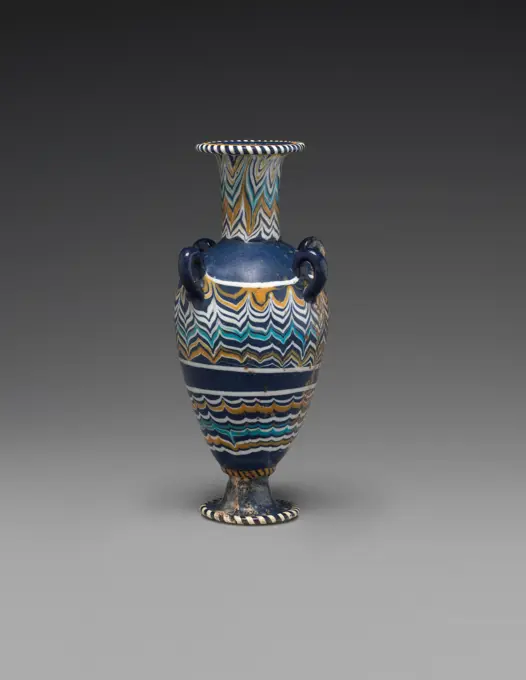
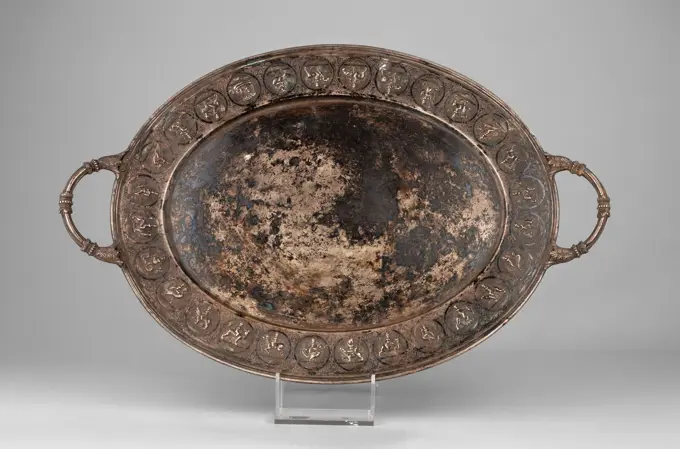
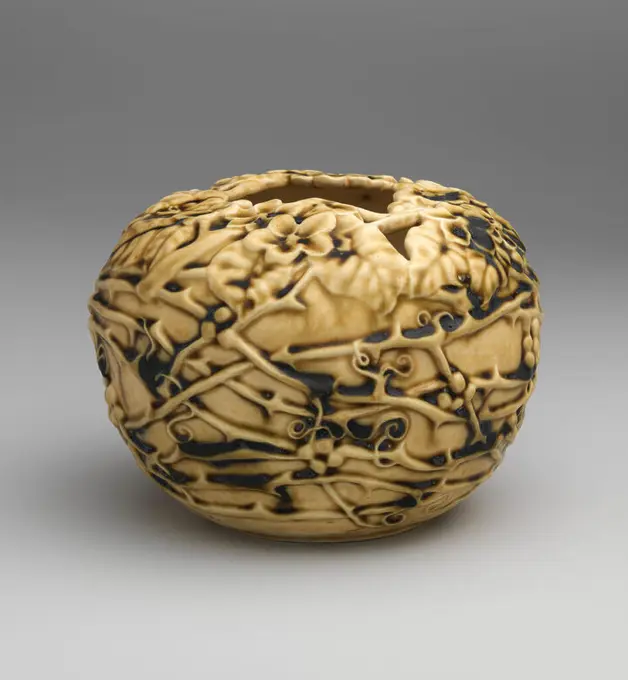
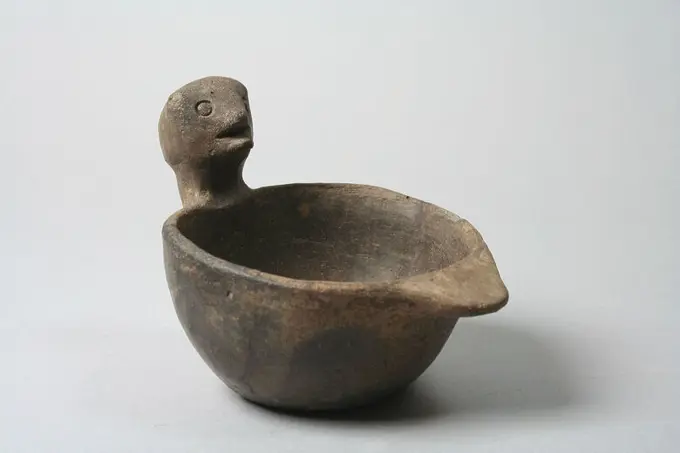
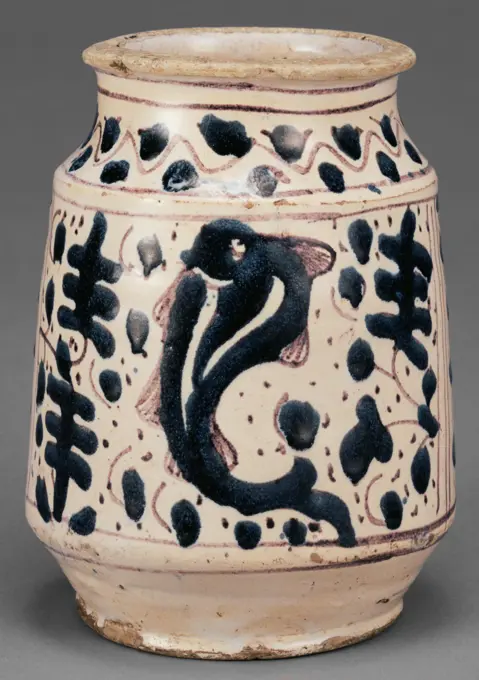
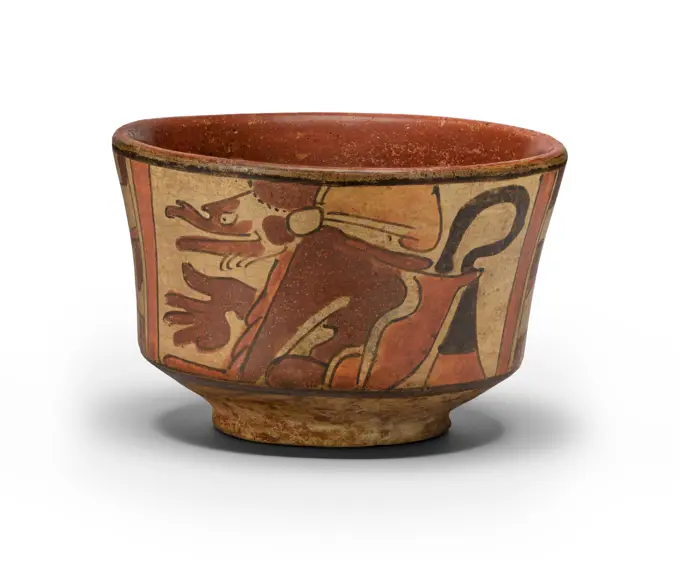
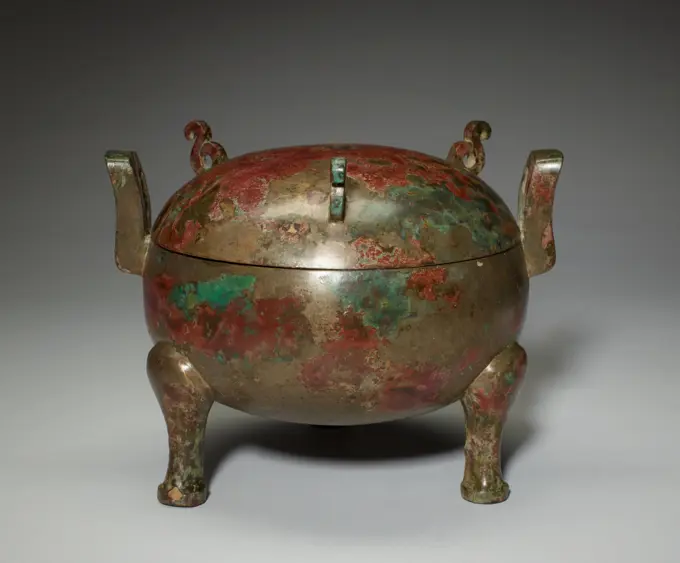
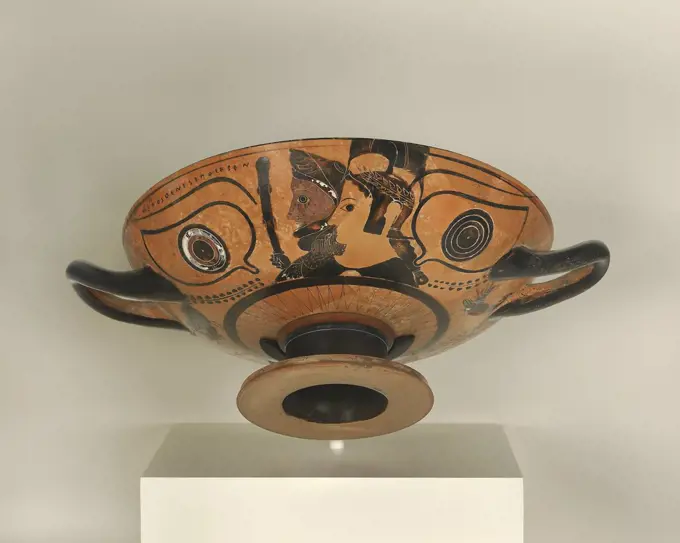
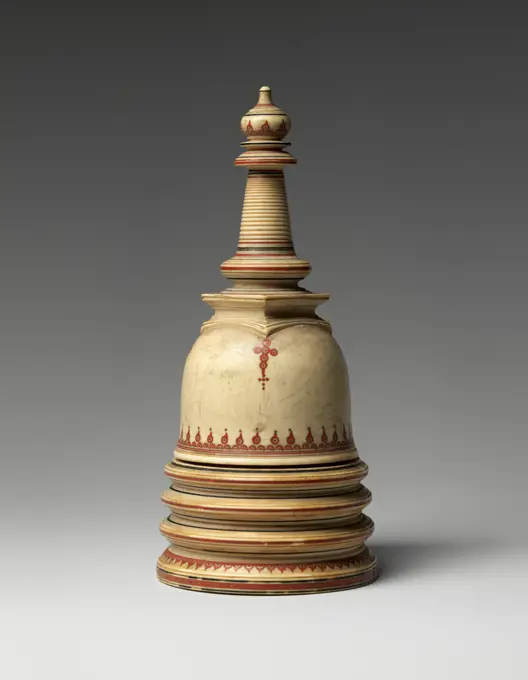
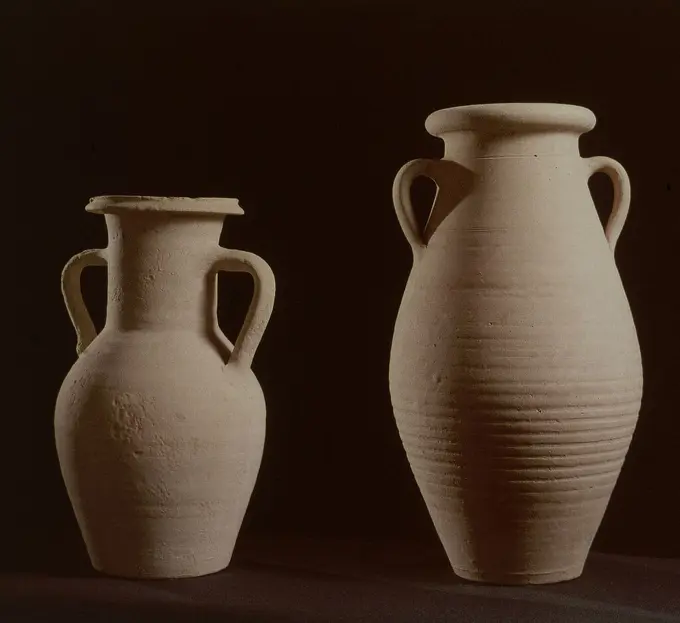
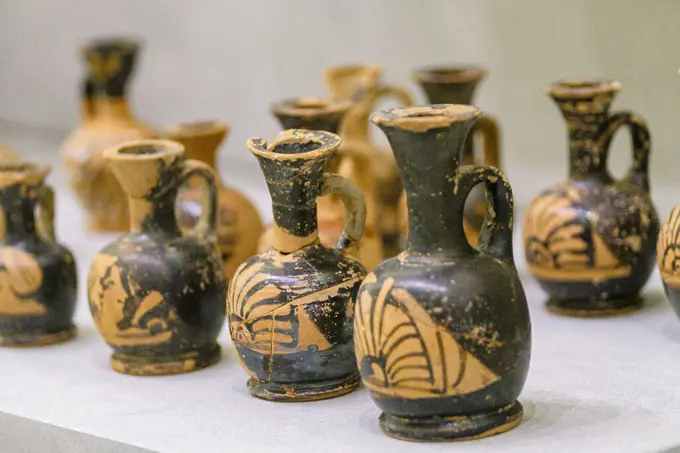
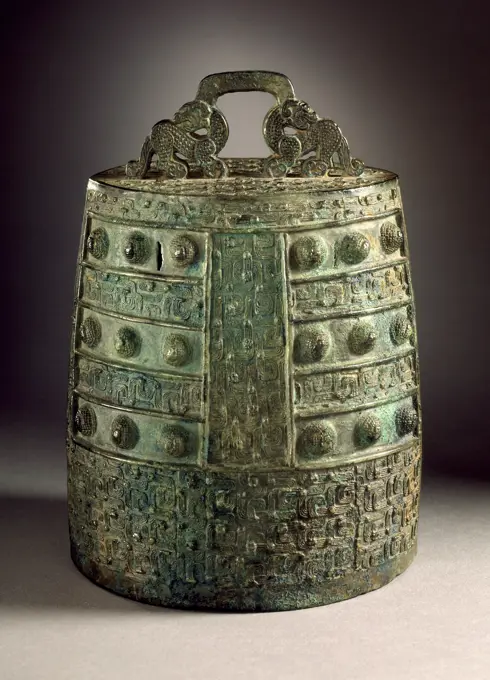
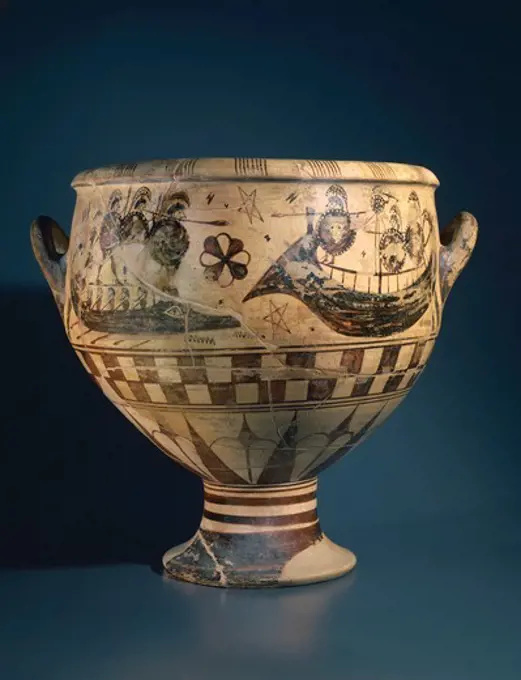
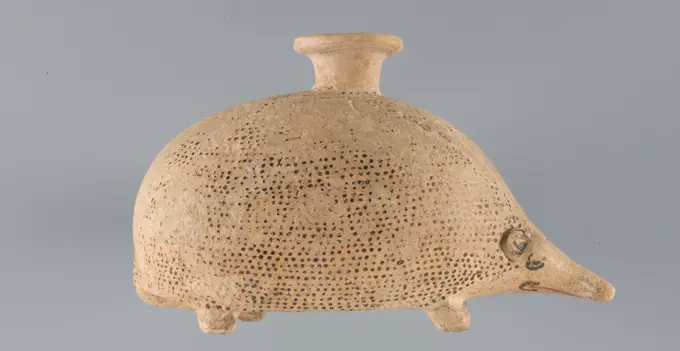
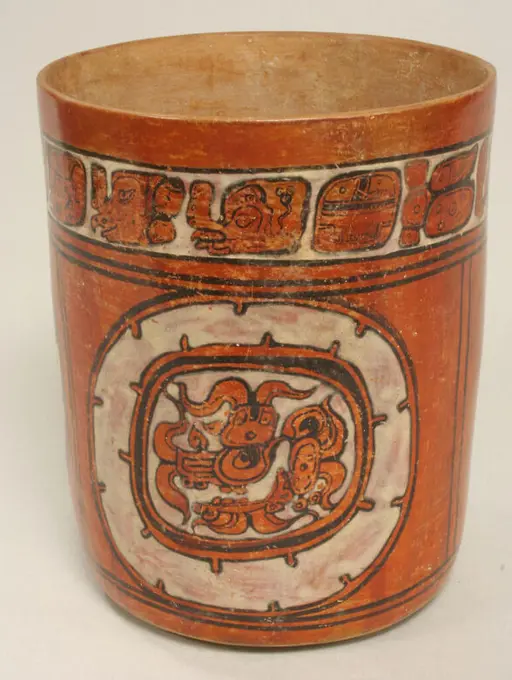
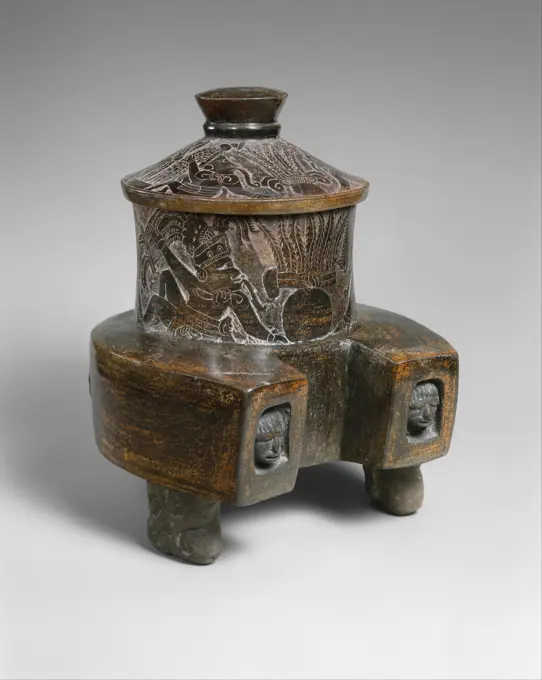
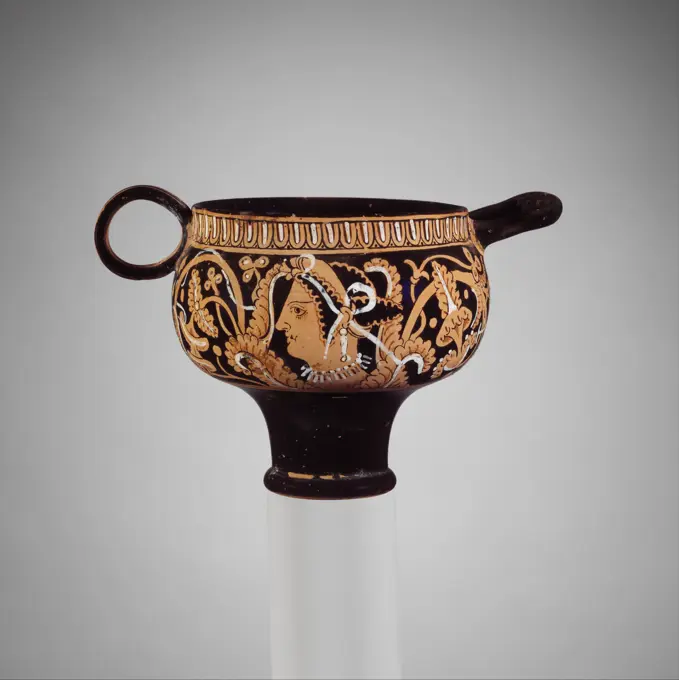
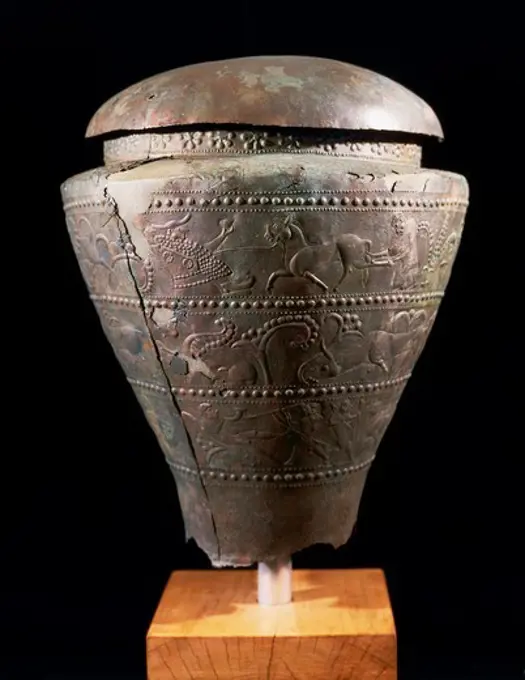
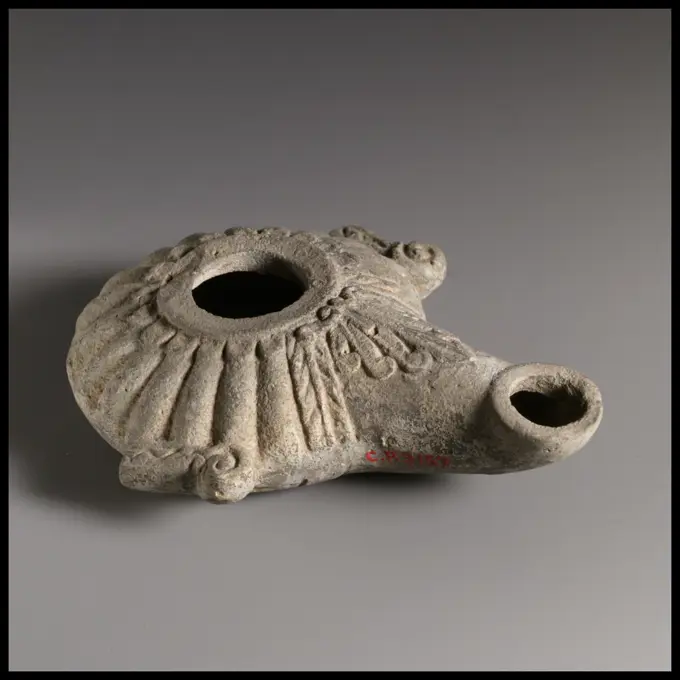
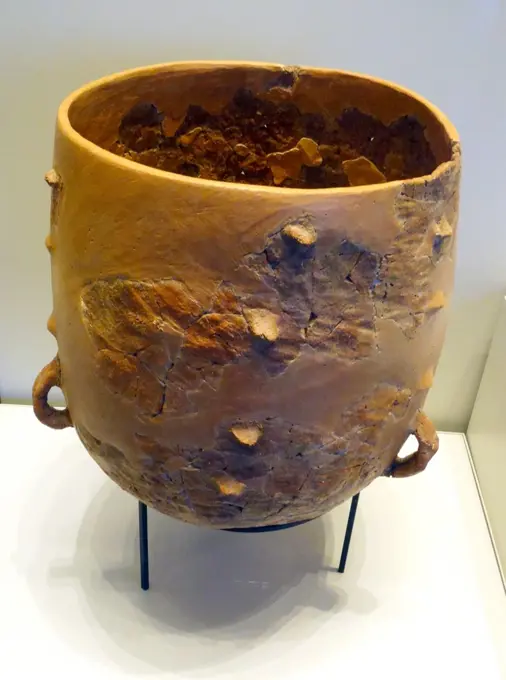
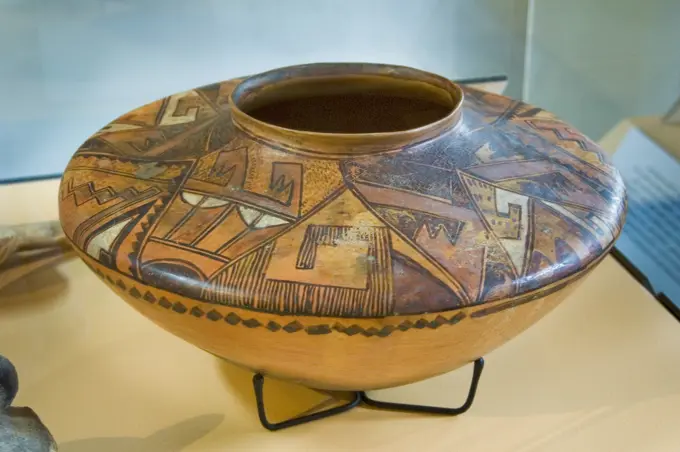
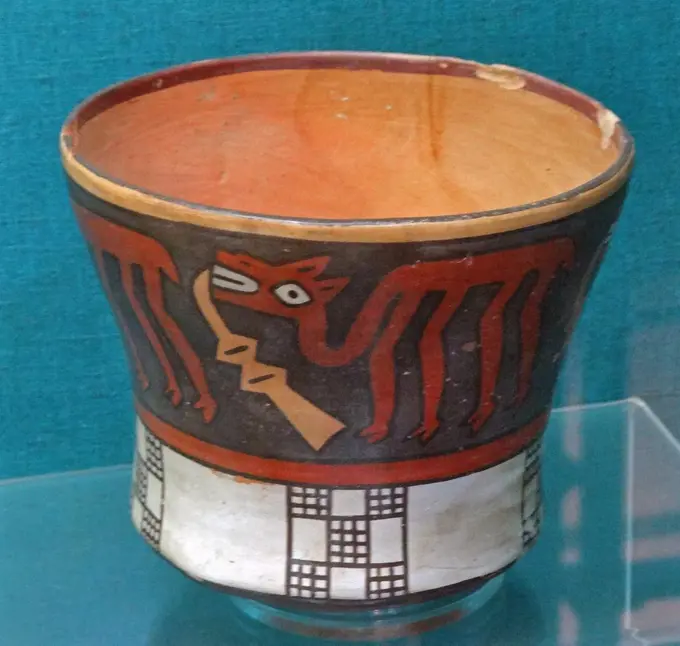
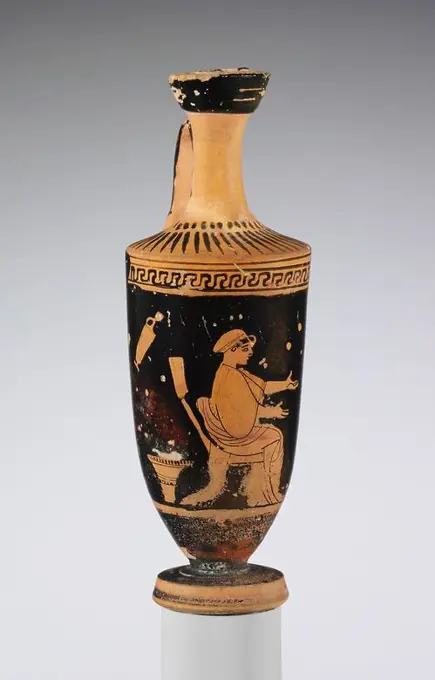
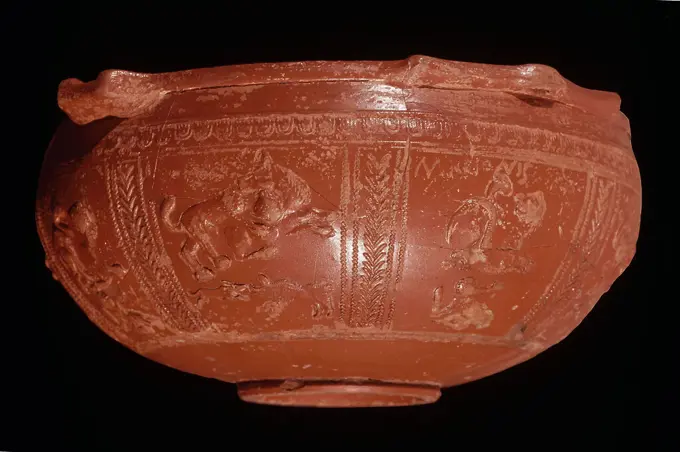
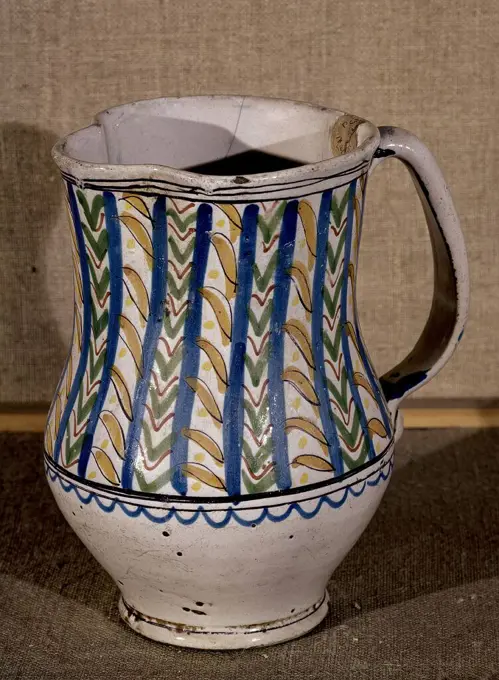
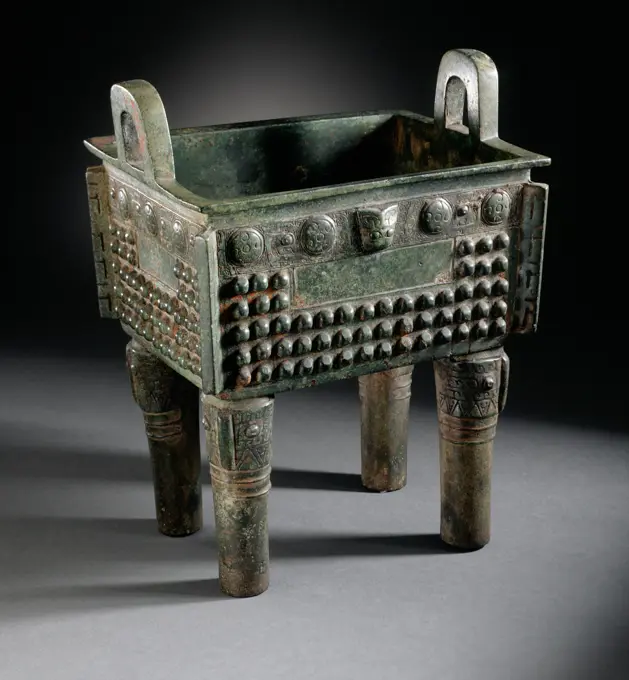
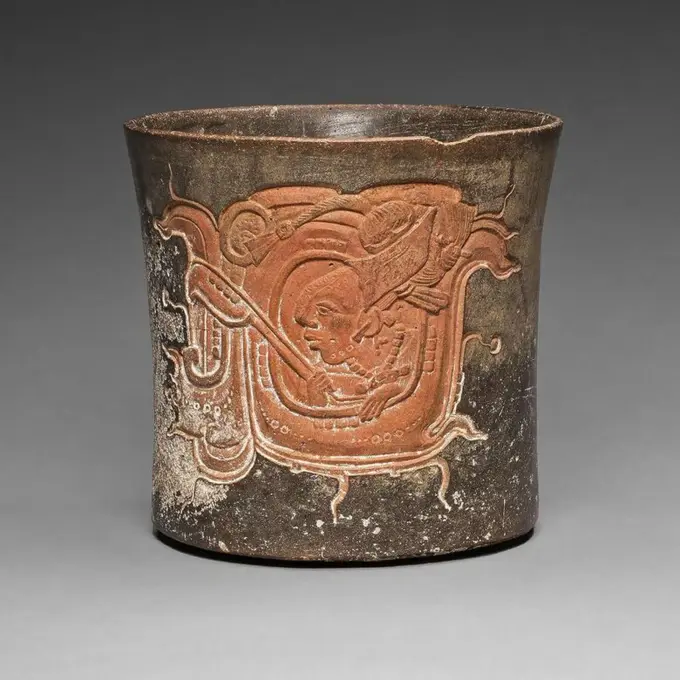
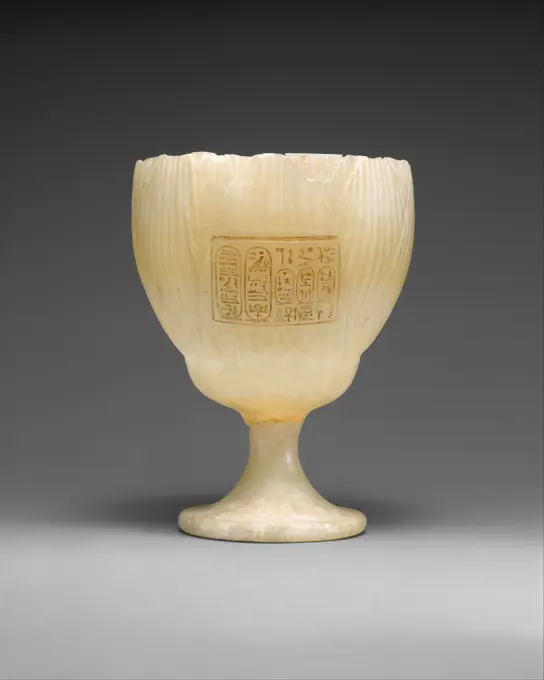
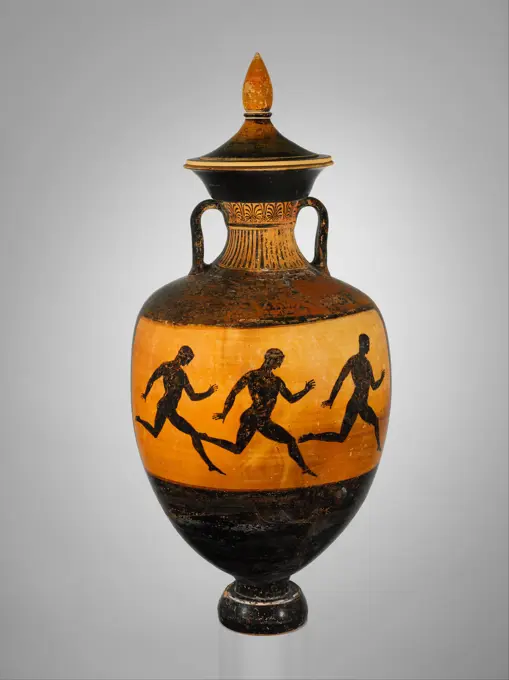
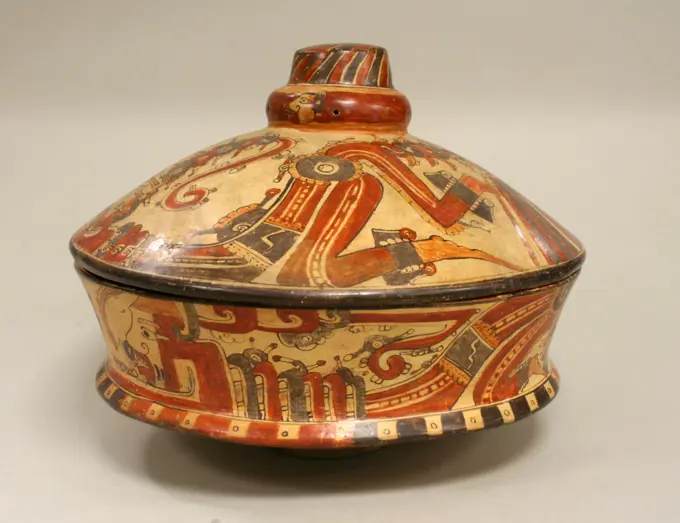
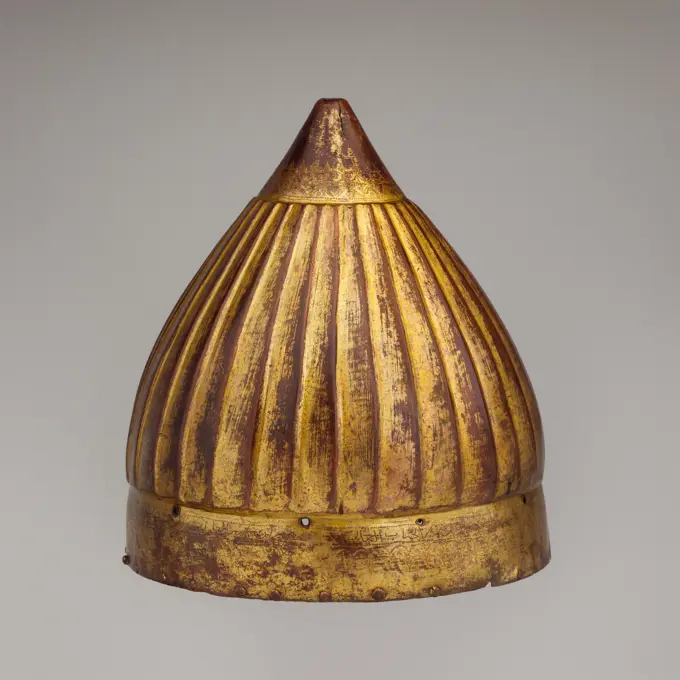
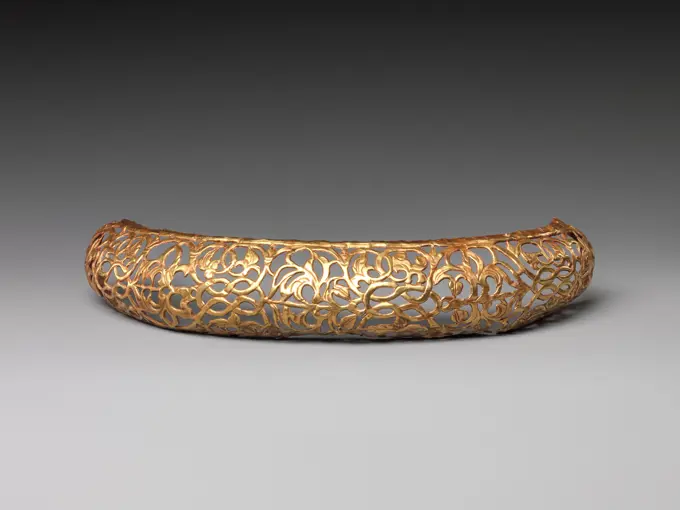
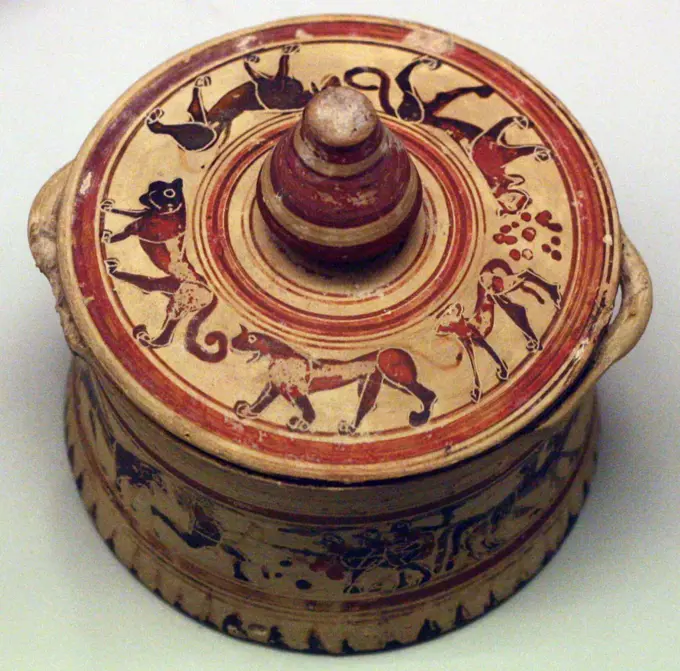
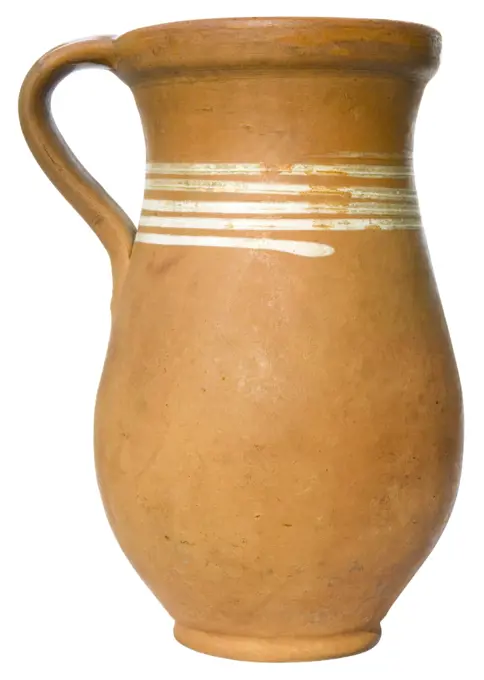
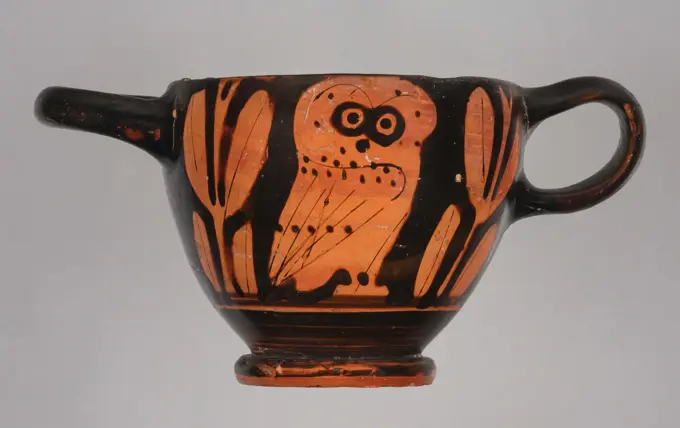
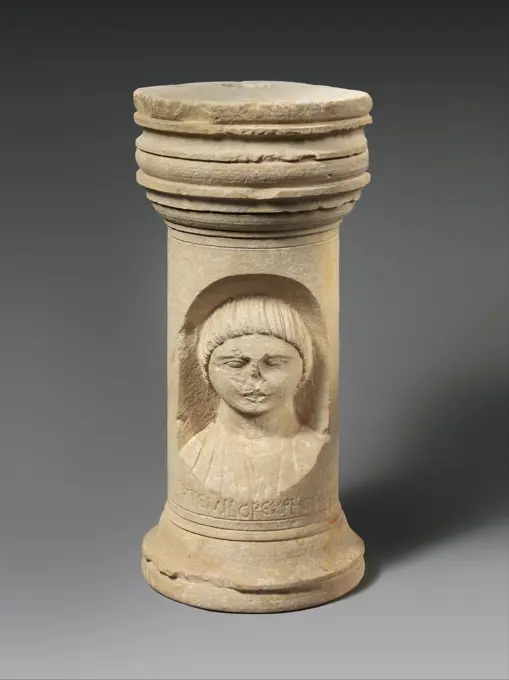
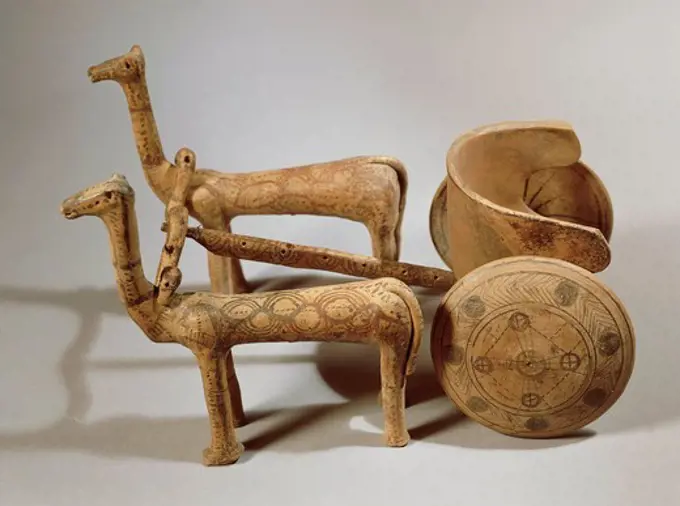
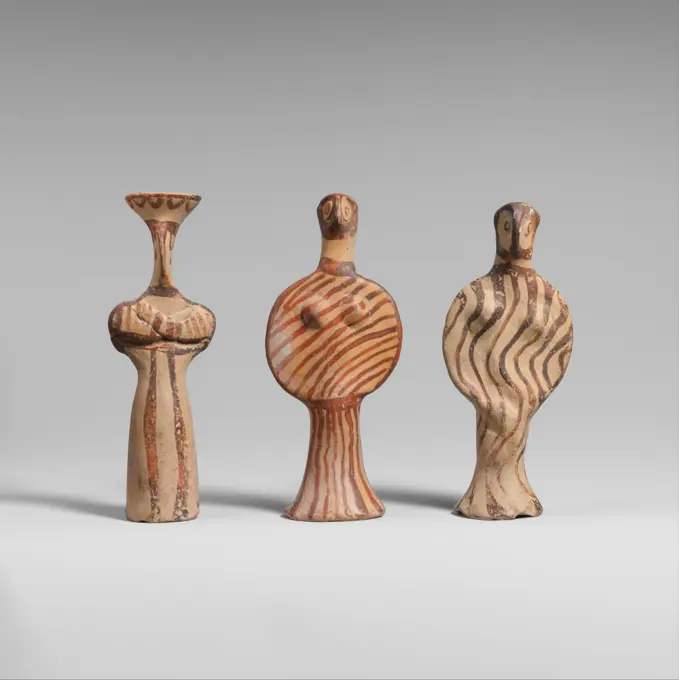
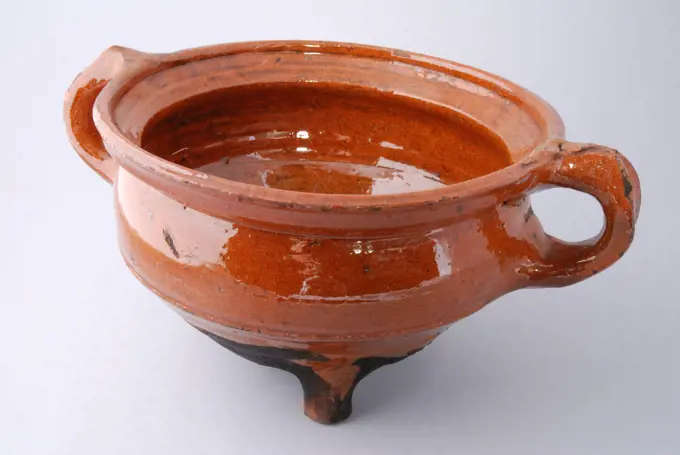
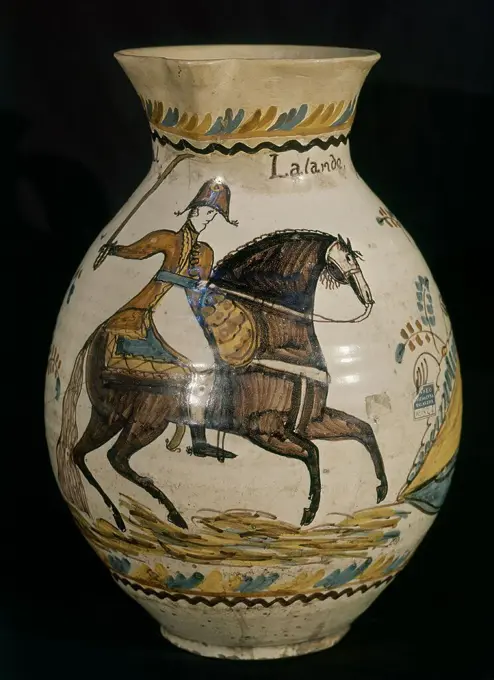
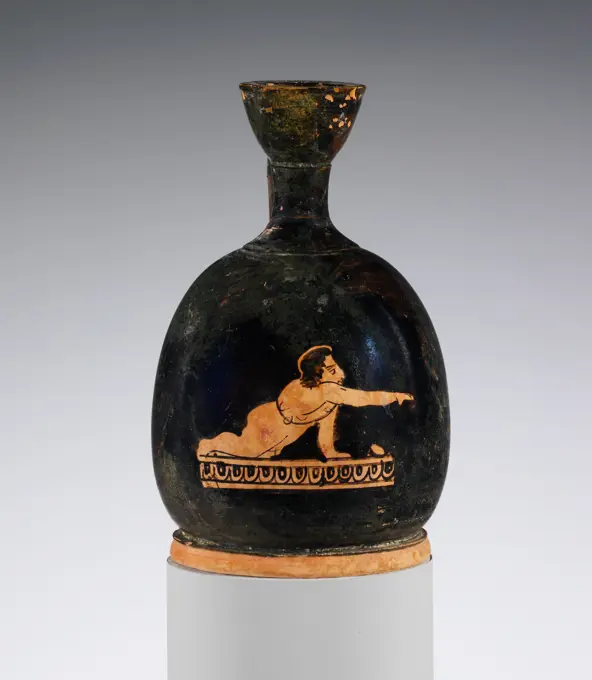
Terracotta squat lekythos (oil flask) late 5th century B.C. Greek, Attic Crawling child.. Terracotta squat lekythos (oil flask) 254957 Greek, Attic, Terracotta squat lekythos (oil flask), late 5th century B.C., Terracotta, H. 4 11/16 in. (11.9 cm). The Metropolitan Museum of Art, New York. Gift of Ernest Brummer, 1957 (57.12.19)Panathenaic Prize Amphora with Lid.Kuei vase, 1122-771, bronze, cm 18 x 32Alabastron; Workshop in the Mediterranean, perhaps Italy; 4th - 1st century B.C; Glass; 5.5 cm (2 3,16 in.)Painted terracotta figure of chariot, from tomb at ancient Iolkos (Volos), Greece, 6th Century B.C.Vessel in the shape of a ram carrying cornets. From Gilgat, Negev, over 6,500-5,500 years ago, made from pottery.Greek cosmetic box, or 'pyxis' depicting Heracles fighting triple-bodied monster Geryon. Protocorinthian, made circa 680-650 BC in Corinth. From Phaleron, near Athens.Terracotta vase in the form of a siren ca. 550-500 B.C. East Greek, Rhodian Vase in the shape of a siren.. Terracotta vase in the form of a siren 247207Amphoriskos. East Mediterranean, 2nd - first half of 1st century B.C.. Furnishings; Serviceware. Core-formed glassLong-necked BottleJARRA DE PUENTE DEL ARZOBISPO (TOLEDO). Location: MUSEO DEL PUEBLO ESPAÑOL, MADRID, SPAIN.Jug ca. late 8th-7th century B.C. Israelite. Jug 323152OtterDecorated jug. Free Field Style. Pottery. 8th-6th centuries BC. From Cyprus. Neues Museum. Berlin. Germany.Amphoriskos; Eastern Mediterranean; 6th - 4th century B.C; Glass; 7.5 cm (2 15,16 in.)Architectural ModelTripod beak tripod in the shape of a rooster head. Bronze. Janne excavations. Lach Truong, burial 3. Paris, Cernuschi museum. 60213-6 Beak, bronze, lach truong, Vietnamese object, Sepulture 3, Tete Coq, Tripod poucherOinochoe. Culture: Greek, South Italian, Apulian. Dimensions: H. 16.79 cm.. Date: 4th century B.C.. Museum: Metropolitan Museum of Art, New York, USA.Mixtec terracotta vase, Pueblo state, Cholula, Mexico. 1000-1521 ADGlass alabastron 2nd -1st century B.C. Greek Translucent cobalt blue, appearing black; opaque white trail.Two conjoining fragments of straight-sided fusiform body expanding downward, then tapering in to bottom.Single white trail wound in a spiral around body and tooled into a festoon pattern with sixteen upward strokes, continuing in a plain spiral in two turns around lower part of body; another white trail applied vertically below, drawn up and then round in a downward spiral in five turns ending around bottom.Broken with weathered edges on both fragments, missing rim, neck, bottom, and handles; dulling, pitting, and iridescent weathering. Thin coating a red core material on interior.. Glass alabastron. Greek. 2nd -1st century B.C.. Glass; core-formed, Group III. Late Hellenistic. GlassTerracotta amphoriskos (oil flask) 4th century B.C. Greek, Attic The vase is in the shape of an almond. Almonds were important to the Greeks for their fruit and oil, which also served as a binder for perfumes.. Terracotta amphoriskos (oil flask). Greek, Attic. 4th century B.C.. Terracotta. Classical. VasesAmphora-shaped perfume bottle ca. 1390-1336 BC New Kingdom The tall ovoid vessel has a long neck, a pedestal foot, and four vertical pommel handles. The dark blue body color is attributable to cobalt, which provides a deeper blue than the alternative copper based colorant. Canes of white, yellow and turquoise were applied, dragged, and marvered (smoothed) to create three zones of decoration, gradually relaxing from top to bottom: tight chevrons on the neck, broader chevrons between the shoulder and waist, and shallow festoons around the hip. Twisted white and blue canes have been applied to create striped top and bottom rims, and twisted yellow and blue canes where the body joins the foot.The manufacture of glass vessels was a new art form in Eighteenth Dynasty Egypt. Egyptian craftsmen quickly perfected the art of winding molten glass around a core to form perfume bottles, cosmetic vessels, and drinking cups. Extensive remnants of the manufacture of glass vessels have been found at boTray. unknown, craftsmanTerracotta oil lamp in the shape of a boat 2nd century A.D. Roman, Egyptian Lamp in the form of a boat.. Terracotta oil lamp in the shape of a boat 250457 Roman, Egyptian, Terracotta oil lamp in the shape of a boat, 2nd century A.D., Terracotta, length 6 1/4in. (15.9cm). The Metropolitan Museum of Art, New York. Gift of J. Pierpont Morgan, 1917 (17.194.2116)Bowl with flowering vine. Culture: American. Dimensions: 5 5/8 × 10 × 7 5/8 in. (14.3 × 25.4 × 19.4 cm). Manufacturer: Tiffany Studios (1902-32). Date: ca. 1904-9. Museum: Metropolitan Museum of Art, New York, USA.Pedestal Bowl 9th-15th century Isla de Sacrificios. Pedestal Bowl 307755Stirrup Spout Bottle with Pumas 300-150 B.C. Moche. Stirrup Spout Bottle with Pumas. Moche. 300-150 B.C.. Ceramic, slip, pigment. Peru. Ceramics-ContainersBowl, Head on Rim. Culture: Mississippian. Dimensions: Height 3-3/4 in.. Date: 11th-14th century. Museum: Metropolitan Museum of Art, New York, USA.Relief-Blue Jar with a Fish. UnknownVessel: Footed Base 18th-19th century Dogon peoples. Vessel: Footed Base 310387Bowl with Anthropomorphic VulturesDing food vessel, 3rd century BCE, 6 3/4 × 8 3/4 × 7 7/16 in., 3.7 lb. (17.1 × 22.2 × 18.9 cm, 1.7 kg), Bronze, China, 3rd century BCE, The food cauldron, known as a ding, was the most prominent type of ritual vessel during Chinas Bronze Age. It was used to cook, hold, and season meat during ceremonies devoted to ancestral spirits. The vertical handles allowed the vessel to be lowered and removed from an open fire. As part of the funerary practices, such bronze ding were buried with the deceased. The number of ding constituting a set depended on the status of the tomb occupant. Rulers were supposed to be buried with nine ding.Bird Bottle. Culture: Moche. Dimensions: Overall: 8 5/8 in. (21.91 cm)Other: 6 1/2 in. (16.51 cm). Date: 7th-8th century. Museum: Metropolitan Museum of Art, New York, USA.JARRA NAPOLEONICA DE PLATA. Location: MUSEO DEL ROMANTICISMO-OBJETOS VARIOS. MADRID. SPAIN.Attic Black-Figure Eye Cup; Painter of the Villa Giulia 63613, Greek, active about 530 - 510 B.C., Signed by Nikosthenes, Greek (Attic), active Athens, Greece 540 - 510 B.C.; Athens, Greece, Europe; about 530 B.C.; Terracotta; Object (restored): H: 11.3 to 11.4 x W (handles): 34.4 x Diam. (bowl): 27.3 to 27.4 cm (4 7/16 to 4 1/2 x 13 1/2 x 10 3/4 to 10 13/16 in.)Reliquary in the Shape of a Stupa 18th century Sri Lanka (Kandy district) Miniature stupas were used in Sri Lankan Buddhism as relic containers. A hierarchy of relics, ranked by their closeness, both physically and in time, to the person of the Buddha himself, was acknowledged in early Buddhism. The Buddha's corporeal remains were the highest form of relic, and over time, those associated with revered teachers assumed a similar, if lesser, status. Stupa reliquaries of this type were used to house the ashes of revered monks.. Reliquary in the Shape of a Stupa. Sri Lanka (Kandy district). 18th century. Ivory with engraved and painted design. Kandyan period (1480-1815). IvoriesJARRAS DE DOS ASAS PUNICAS-S III Y II A CRISTO. Location: MUSEO ARQUEOLOGICO / MUSEO DE PUIG DES MOLINS. IBIZA. SPAIN.Greek Lecythos, 400-300 BC, Archaeological Museum of Ibiza and Formentera, Ibiza, Spain.Mexico, Nayarit. Pottery on display.Bell with Suspension Loop (Bo) and Coiled and Interlaced Dragons. China, probably Shanxi Province, ancient state of Jin, Mid. Eastern Zhou dyn., late Spring and Autumn per. or early Warring States per., about 500-450 B.C.. Tools and Equipment; musical instruments. Cast bronzeItaly, Lazio, Cerveteri, Oriental style krater (vase used to mix wine and water) depicting a ship battle known as the Krater of Aristonothos, circa 650 B.C.Philistine pottery, Israel.Vase, 1885. Adolf Hjorth Lauritz (Danish, 1834-1912). Terracotta with black and white transparent glaze; overall: 24.8 x 18.6 cm (9 3/4 x 7 5/16 in.).Balsamarium w kształcie jeża. unknown, authorCylindrical Vessel. Culture: Maya. Dimensions: H. 7 7/8 x Diam. 6 1/4 in. (18.1 x 15.9 cm). Date: 6th-9th century.This polychrome cylindrical vessel is identified by the text around the rim as a Classic Maya (ca. a.d. 250-900) "drinking cup." The design layout is less common than the full figure scenes and deity depictions seen on many Maya vessels. The interpretation of the well drawn profile deity head is that it may be one of many forms of a watery serpent creature, a common image in Maya art, often with smoke clouds issuing from the top, bottom, left and right side of the head. The split scroll motifs could also be read as representing vegetal forms linking the deity to agriculture, spring, and the concept of regeneration and regrowth. Museum: Metropolitan Museum of Art, New York, USA.Satsuma (Ceramic Production Region) Flower vase (Hana-ike) (usual name), 1750. Inlay under the cover. Cernuschi Museum, Asia Museum of Asia in the city of Paris.Capital with Leaves 6th-7th century In the 500s Apa (Father) Jeremias founded a Coptic monastery at Saqqara, the ancient Egyptian necropolis (cemetery) of the city of Memphis, near the oldest pyramids. He and the earliest monks lived in tombs at the site. As the monastery grew, several grand churches with lavish decoration were built, as well as many chapels, public buildings, and complexes of cells (rooms) for each monk. The monastery continued to grow after the Arab conquest with materials from early Byzantine tomb structures being reused for additional monastic structures. Inscriptions record prayers to numerous holy figures. Sculptural elements from Saqqara are often carved with deeply undercut patterns to intensify the play of light and shadow and to mask the solidity of the architecture. This sculptural style was popular throughout the Byzantine world in the 500s.. Capital with Leaves 446119Yoke-Form Vessel mid-4th-mid-5th century Maya This unique tripod drinking vessel, made by Maya artists in a style associated with the great Central Mexican city of Teotihuacan, features a multi-layered visual narrative of the Mesoamerican ballgame. The three bulbous feet are incised with spiral motifs, which may refer to Teotihuacan depictions of extracted human hearts. Resting on the feet is a large u-shaped element, that represents an effigy ballgame belt or waist-guard (often referred to as a yoke”). At each end of the u-shape, a head emerges from squared depressions; their closed eyes and vacant expressions suggest that they represent disembodied heads of vanquished enemies. On the main arc of the u-shape is a modeled element of a raised fist, which could refer to the removal of hands of captives as shown in other contexts. Though the versions of the ballgame varied throughout time and from place to place, sacrifice seems to have been a widespread feature.Contiguous with the innerTerracotta skyphos (deep drinking cup) ca. 325-300 B.C. Attributed to the Tondo Group 07.286.33: floral ornaments with maenad heads; 51.11.1: floral tendrils with duckRogers Fund, 1951 (51.11.1)The imaginative rendering of lyrical tendrils and flowers is reminiscent of similar motifs on Greek pottery of Southern Italy, especially Apulia.. Terracotta skyphos (deep drinking cup). Etruscan. ca. 325-300 B.C.. Terracotta; red-figure. Hellenistic. VasesChinese Bronze Ritual Wine Vessel, late Shang Dynasty 12th-11th century BC. Artist: Unknown.""Benvenuti"" situla, laminated bronze situla with embossed and engraved decoration from Este, Northern Necropolis, Villa Beneventi, tomb 126, (Veneto region, Italy). circa 600 B.C.Terrracotta oil lamp Greek Mold-made. Shallow, carinated body. Large central filling hole, surrounded by a plain, horizontal band. Sloping shoulder, decorated with a narrow band of ovules around discus and seventeen radiating, rounded lines in relief; two large matching knobs at sides, each with a swirl at front; two patterned bands flanking nozzle. Two small scrolls at back of nozzle; large palmette on back of long, tapering nozzle, ending with a large, round wick hole. Incised circle around broad, raised base ring, and small, concave base; a pair of two incised lines at front flanking underside of nozzle.Intact.. Terrracotta oil lamp 241443Early pottery vessels including storage vessels, jars, cooking pots, bowls, chalices, spoons and other miniature vessels. From Munhata, Tel Teo, Tel Kiri and Herzlia from the Yarmukian culture from over 8,000 years ago. Made from pottery and pigments.Large Awatovi polychrome jar from Sikyatki on the First Mesa Place of Chasms c. 1450-1600's. Museum of Northern Arizona, Flagstaff AZCovered Urn, c. 1800. Wedgwood Factory (British). Jasper ware with relief decoration; overall: 19.7 cm (7 3/4 in.).Pot painted with llamas, Nasca, Peru, AD 125-250. Llamas were important domestic animal in Peru. They were kept for wool and meat and their bones were used to make tools and flutes.Terracotta lekythos (oil flask). Culture: Greek, Attic. Dimensions: H. 6 3/4 in. (17.2 cm); diameter 2 5/16 in. (5.9 cm). Date: 2nd quarter of 5th century B.C..Woman jugglingThe lekythos suspended on the wall and the kalathos (wool basket) on the floor identify the setting as the women's quarters of a house. The seated lady is juggling, a pastime that is commonly depicted on lekythoi. Museum: Metropolitan Museum of Art, New York, USA.2nd Century roman glass flasks from Ravenna, Bristol Museum, EnglandVASO DE MICCIO-CISTULO(JAEN)CERAMICA SIGILATA HISPANOROMANA-S I. Location: MUSEO ARQUEOLOGICO NACIONAL-COLECCION. MADRID. SPAIN.Inscribed Cup with a PalmetteBandCylinder Vessel with Deities, 600-900. Guatemala, Kixpek, Maya (Chamá) style (250-900). Earthenware with colored slips; diameter of mouth: 15.5 x 16.5 cm (6 1/8 x 6 1/2 in.); overall: 16.6 cm (6 9/16 in.).Pitcher c 1830-1860 New Jersey. Earthenware . Artist unknownceramica policroma, postlate classic, museo de la plaza central, Chichicastenango , Municipio del departamento de El Quiché, Guatemala, Central Americ...CERAMICA DE MANISES (VALENCIA) - JARRA. Location: MUSEO DEL PUEBLO ESPAÑOL. MADRID. SPAIN.Square Ritual Food Cauldron (Fangding) with Dragons, Whorls, and Knobs. China, Early Western Zhou dynasty, about 1050-950 B.C.. Furnishings; Cookware. Cast bronzeCarved Vessel Depicting a Lord Wearing a Water-Lily Headdress. Late Classic Maya, Chocholá; Yucatán or Campeche, Mexico. Date: 600 AD-800 AD. Dimensions: H. 15.2 cm (6 in.). Ceramic and pigment. Origin: Mexico. Museum: The Chicago Art Institute, Chicago, USA.Roman civilization, portable terracotta stove, from PompeiiKylix. A Woman with a Mirror. Attic pottery, Art of Ancient Rome, Attican Art  Goblet Inscribed with the Names of King Amenhotep IV and Queen Nefertiti ca. 1353-1336 B.C. New Kingdom, Amarna Period This graceful, translucent drinking cup in the form of a white lotus blossom is treasured both for its beauty and its historical interest. The throne name (Nefer-kheperu-Re, beloved of Re) and personal name of Amenhotep IV are inscribed in the small panel on the side, between two cartouches surrounding the early titulary of the Aten (left) and a cartouche naming the principal queen, Nefertiti (right). Thus, the vessel must have been made before Year 5 of the king's reign, when he changed his name to Akhenaten.. Goblet Inscribed with the Names of King Amenhotep IV and Queen Nefertiti 545756British Neolithic beaker from Lambourne, Berkshire, England. Artist: UnknownGold tableware from graves in MycenaeJug late 4th-2nd century B.C. Ptolemaic Period Many artworks of the Roman Period in Egypt represent the taste of wealthy urban merchant and rich farming classes of Roman Egypt. Wide trade of luxury works is evident, and Greco-Roman style dominates. Since Egyptian pharaohs had first authorized Greek trading colonies and employed Greek mercenaries in the seventh century BC., there was a considerable Greek presence in Egypt. With Alexander's conquest, Macedonian Greek Ptolemies ruled as successors to the pharaohs, and Ptolemaic Greek and eastern Mediterranean soldiery was heavily settled in parts of Egypt. Although the Ptolemaic kings maintained traditional Egyptian religious and political forms, elite society, of mixed Greek and Egyptian descent, aspired to Greek culture in many respects. With the replacement of a Ptolemaic pharaoh in Memphis and Alexandria by a Roman emperor in Rome, the status of Greek culture and art, if anything, increased. However, multiple cultural influences were Salero de pastor. Museu Català de les Arts i Tradicions Populars.Terracotta Panathenaic prize amphora ca. 366/365 B.C. Attributed to a painter of the Kittos Group Obverse, AthenaReverse, footraceOfficial prize amphorae in the Panathenaic games are always identified by an inscription. Beginning in the early fourth century B.C., an additional inscription gives the name of the archon, the civil magistrate during whose tenure the oil for the succeeding festival was harvested. Because other sources provide the dates of their tenures, the vases can be dated exactly. The archon named here is Polyzelos, who held office in 367/366 B.C. This vase is also important for having its lid.. Terracotta Panathenaic prize amphora 254864 : Attributed to a painter of the Kittos Group, Terracotta Panathenaic prize amphora, ca. 366/365 B.C., Terracotta, H. with lid 34 in. (86.3 cm); H. without lid 27 3/4 in. (70.5 cm); diameter of mouth 9 in. (22.9 cm); diameter of foot 5 1/2 in. (14 cm). The Metropolitan Museum of Art, New York. Fletcher Fund, 1956 (56.171.6a, b)Mycenaean pottery rhyton in the shape of a Bull's Head, 14th century BC. Artist: UnknownStirrup Spout Bottle with Pumas. Culture: Moche. Dimensions: Overall: 6 1/4 in. (15.88 cm)Other: 5 7/8 in. (14.91 cm). Date: 300-150 B.C.. Museum: Metropolitan Museum of Art, New York, USA.Bottle 18th-19th century. Bottle 444592Lidded Vessel 3rd-4th century Maya This large, lidded polychrome bowl has an anular base, a basal flange, and a rattle handle. The artist decorated the surface in a cream slip and a complex scene involving anthropomorphic acrobats in red, orange, and blue-green, outlined in black. The inner base of the bowl is also decorated with the image of a standing figure in costume. Disembodied heads line the base of the lids handle, which is also decorated with spiraling lines of green and red. The fugitive green pigment on this vessel faded to a gray-ish shade at present.Two acrobats on the wall of the main bowl chamber and two on the sloping lid strike poses with their torsos on the ground, arms extended in front of them, while lifting one leg into the air and placing the other knee on the ground. They are adorned with jewelry, body paint, and elaborate headdresses. Acrobats such as these, often reaching their feet towards their heads, appear in Mesoamerican art from the 1st millennium B.C., Helmet early 17th century Turkish There appeared in the sixteenth century a new type of armor worn by the Ottoman warrior that was unlike any seen elsewhere in the Islamic world: helmets, shields and shaffrons (horse's head defenses) made entirely of gilt copper, tombak in Turkish. The medium was employed purely for its colorful effect and ostentation, so that the armor can have been intended only for ceremonial use, possibly for the sultan's bodyguard. Until recently, the Metropolitan possessed two incomplete helmets (acc. nos. 36.25.125, 1974.118) and three shaffrons (acc. nos. 21.102.3, 36.25.496, and 36.25.507) in tombak. While the present helmet is a modest example of this genre, and, like many Ottoman helmets, has since lost its applied brim, nasal bar, and suspended nape defense and cheekpieces, not to mention its finial, it nevertheless is a welcome addition to our collection of Islamic arms because of its unusual form and its inscription.While the majority of Turkish helmets aSaddle Pommel 7th-9th century China (Xinjiang Autonomous Region, Central Asia) The nomadic communities of Central Asia used such plaques to embellish clothing and horse trappings. As these nomadic cultures herded animals and were constantly moving, their artistic production was expressed in portable objects that marked the wearers status and wealth. The outstanding preservation of these fragile ornaments suggests they were used in conjunction with burials, where the body was aggrandized with valuable textiles and augmented with gold. Although it is difficult to date and place these objects geographically, their presence in Central Asia and has a long, established history.. Saddle Pommel 65331SERIE DE PESAS JUNTO AL RECIPIENTE DONDE SE GUARDAN.LECYTHE BLANCOS COLOREADOS. Location: MUSEO ARQUEOLOGICO-CERAMICA. ATHENS. GREECE.Greek cosmetic box, or 'pyxis' depicting Heracles fighting triple-bodied monster Geryon. Protocorinthian, made circa 680-650 BC in Corinth. From Phaleron, near Athens.Clay pitcher isolated with clipping pathKotyle czerwonofigurowa. unknown, authorOwlSkyphos. Artist, attributed to: Johnson’s Group II, Greek, Attic, ca 450-430 B.C.Limestone funerary cippus (tomb marker) 2nd-3rd century A.D. Roman, Cypriot Only a handful of funerary cippi from Roman Cyprus decorated with portrait busts are known. The deceased shown here as a youth is identified by the Greek inscription below that reads: Good Artemidoros, farewell.”. Limestone funerary cippus (tomb marker) 241968Ancient Greek vase, Athens, GreecePainted terracotta figure of chariot, from tomb at ancient Iolkos (Volos), Greece, 6th Century B.C.Jug with floral scrolls, anonymous, c. 1730 - c. 1800 Can be made of stoneware on the stand ring with a hexagonal, egg -shaped belly and narrow neck with a pinched spout. The C-shaped ear is attached to the neck and shoulder. Partly covered with cobalt blue. On the abdomen six courses formed by printed and imposed ties with dots in relief. In the courses a breached leaf or flower drink. Between the courses a fan -shaped, pressed zigzag line (Knibis) with stamped dots. On the neck flower vines saved in blue. Put the foot with a tire. Attached to the ear a pewter frame whose lid is missing. Westerwald. Westerwald (possibly) Stoneware. Glaze. Cobalt (Mineral). frame: tin (metal) vitrification Can be made of stoneware on the stand ring with a hexagonal, egg -shaped belly and narrow neck with a pinched spout. The C-shaped ear is attached to the neck and shoulder. Partly covered with cobalt blue. On the abdomen six courses formed by printed and imposed ties with dots in relief. In the course3 Terracotta female figures ca. 1400-1300 B.C. Helladic, Mycenaean These terracotta female figurines are referred to as phi (35.11.17-.18), tau (35.11.16), or psi figurines, for their resemblance in shape to those Greek letters. They generally wear a long, enveloping garment, perhaps a kind of robe. Their long hair is usually drawn back in a plait or "ponytail," with some loose locks over the forehead. Often, they are adorned with a polos, a tall headdress associated with divinities, and a necklace.The two phi-type figurines depicted here have circular bodies completely covered with painted wavy lines, perhaps indicating folds of drapery. Breasts are indicated, although the arms are little more than bulges hanging down at the sides. Their faces are typically pinched, with eyes applied as separate slips of clay. The tau-type figurine has the conventional hollow, columnar stem with the head rendered somewhat larger in proportion to the body. Characteristically, the figure is high waistedPottery cooking pot, red shard, covered with lead glaze, two vertical bands, on three legs, cooking pot crockery holder kitchenware earthenware ceramics earthenware glaze lead glaze, hand-turned baked glazed earthenware cooking pot grape-model red shard covered with lead glaze two at the top pinched sausages three legs underside unglazed and blackened black archeology indigenous pottery food prepare cooking food cuisineCERAMICA DE ARAGON - JARRA TRAMPA. Location: MUSEO DEL PUEBLO ESPAÑOL. MADRID. SPAIN.JARRA CERAMICA. Location: MUSEO RUIZ DE LUNA. TALAVERA DE LA REINA. Toledo. SPAIN.