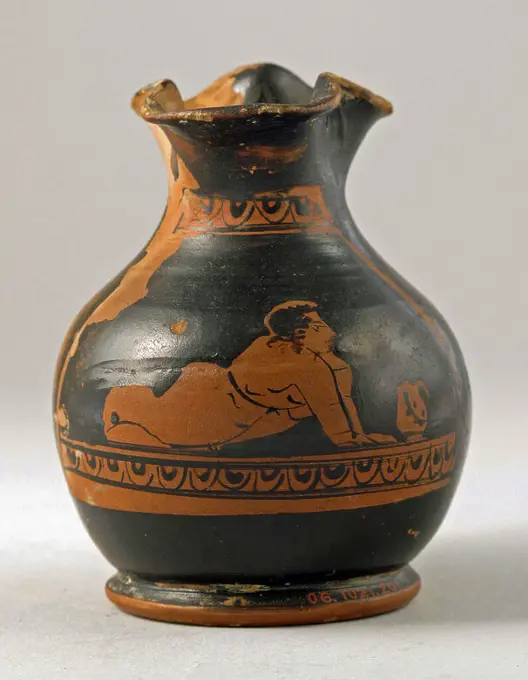
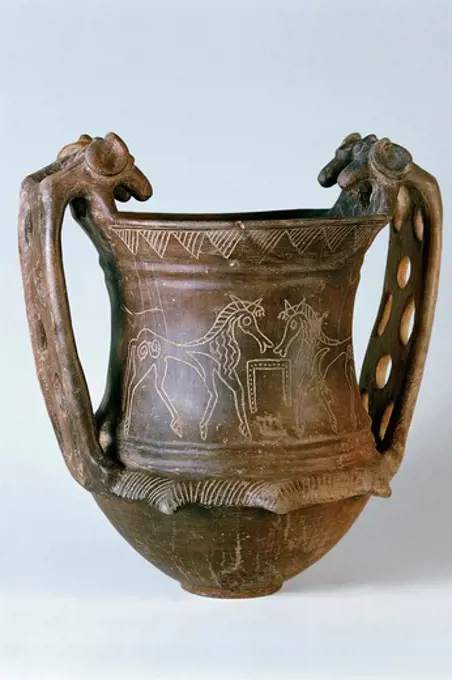
Ancient Vessels

A collection of historical glass and ceramic vases, showcasing intricate designs and diverse shapes from different cultures.

Vase bottle (usual name), 1400. Gray cover sandstones. Cernuschi Museum, Asia Museum of Asia in the city of Paris.
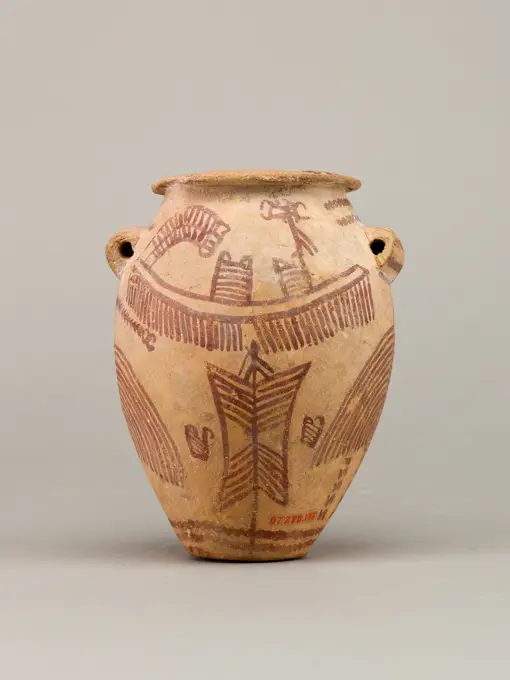
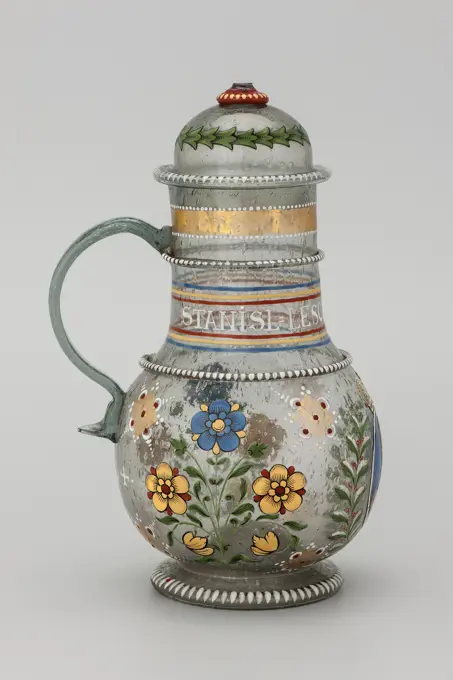
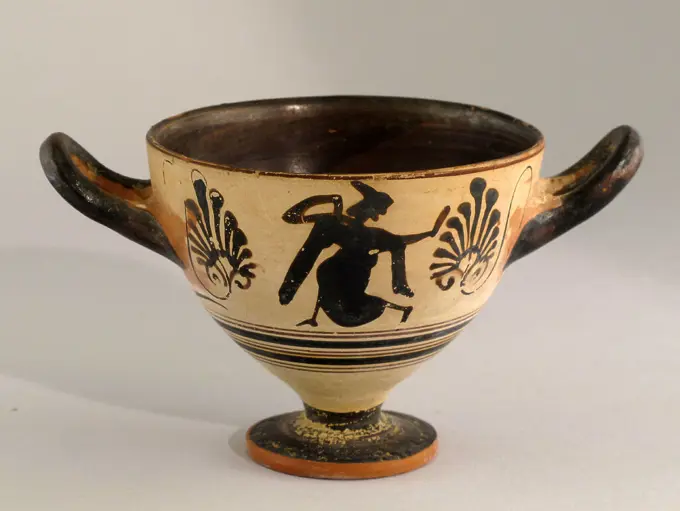
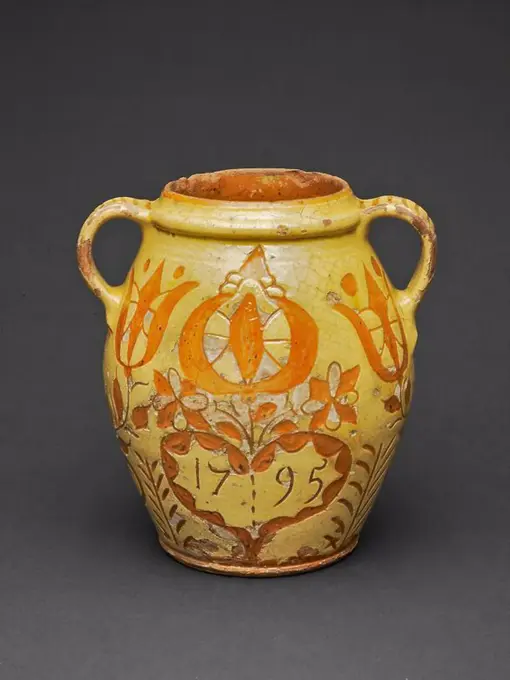
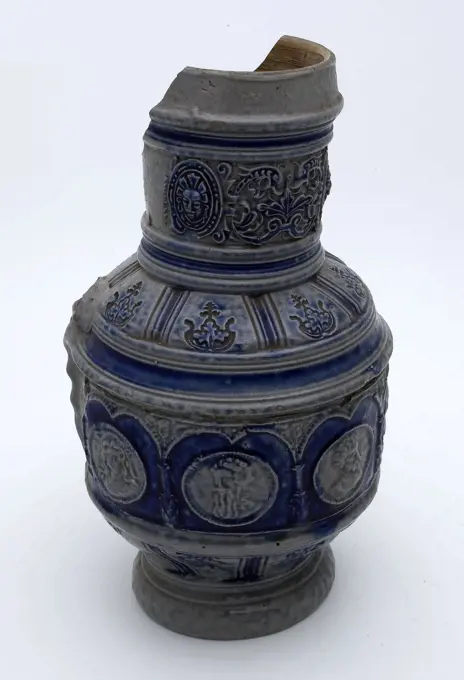
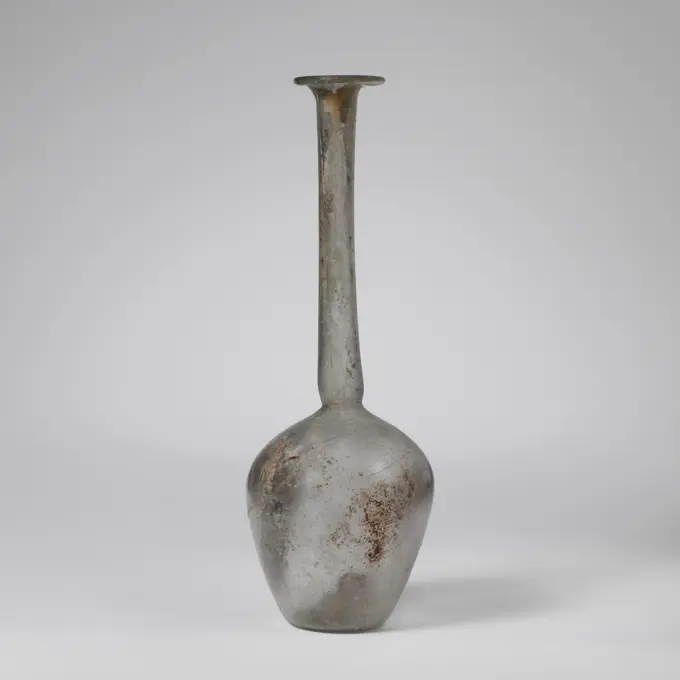
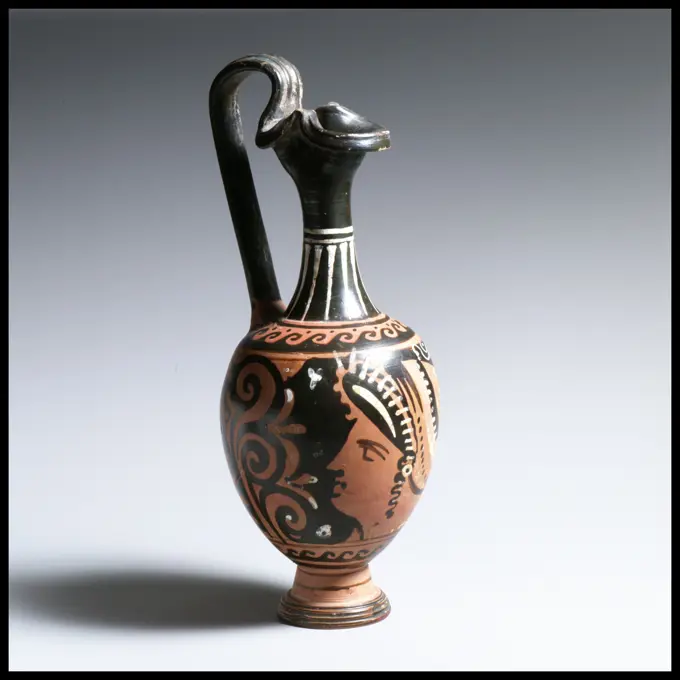
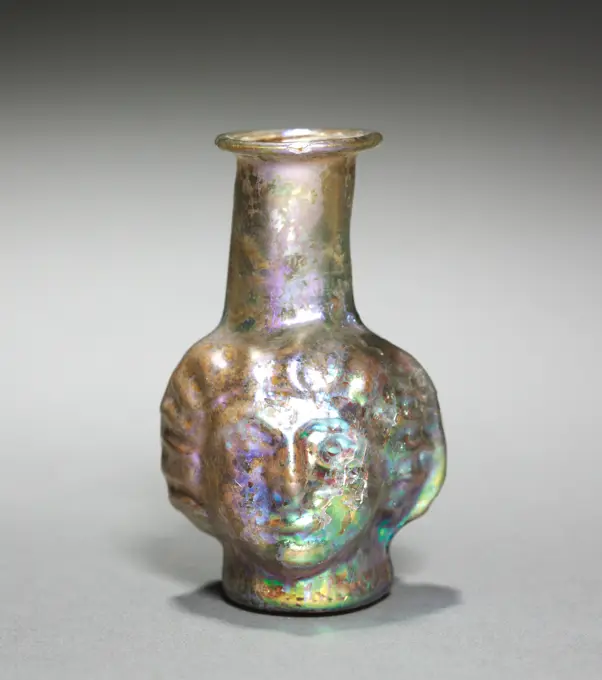
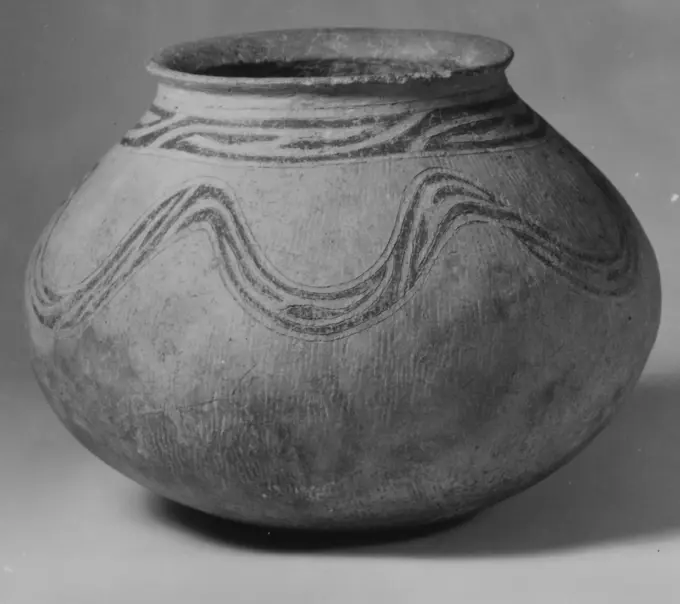
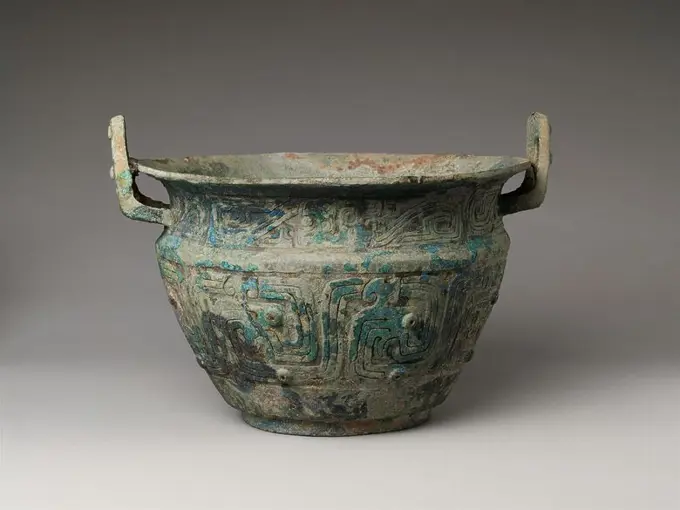
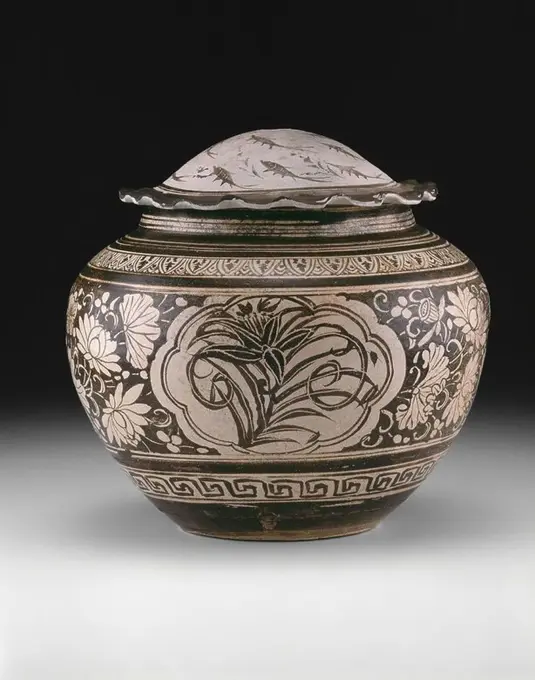
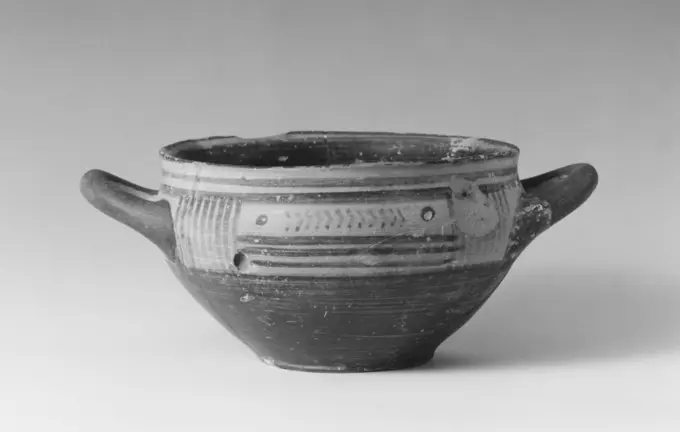
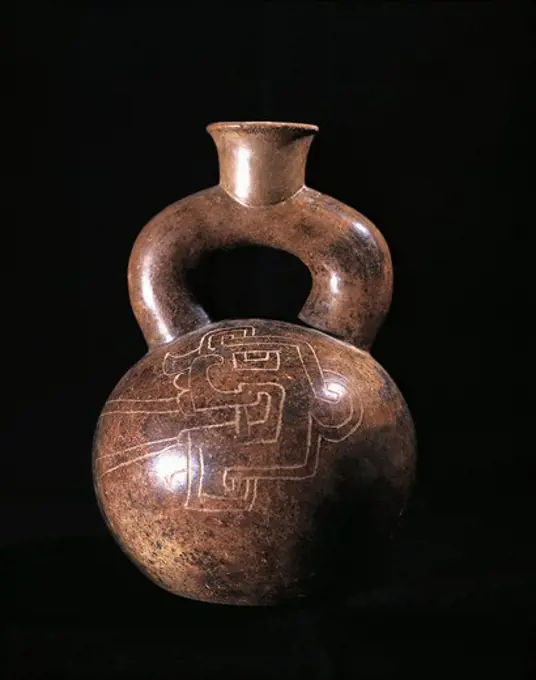
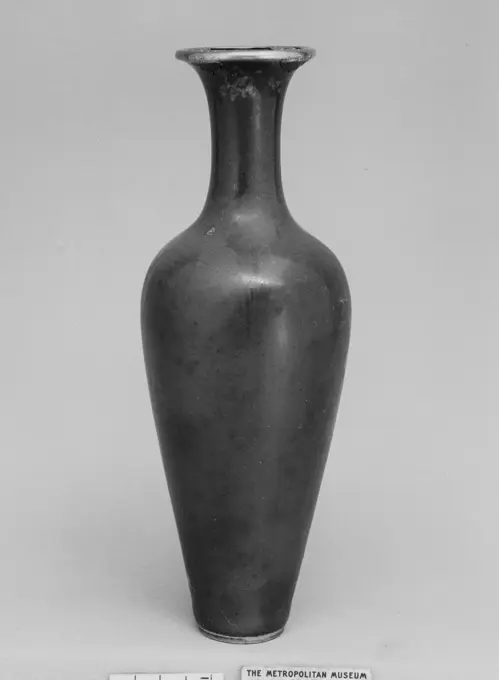
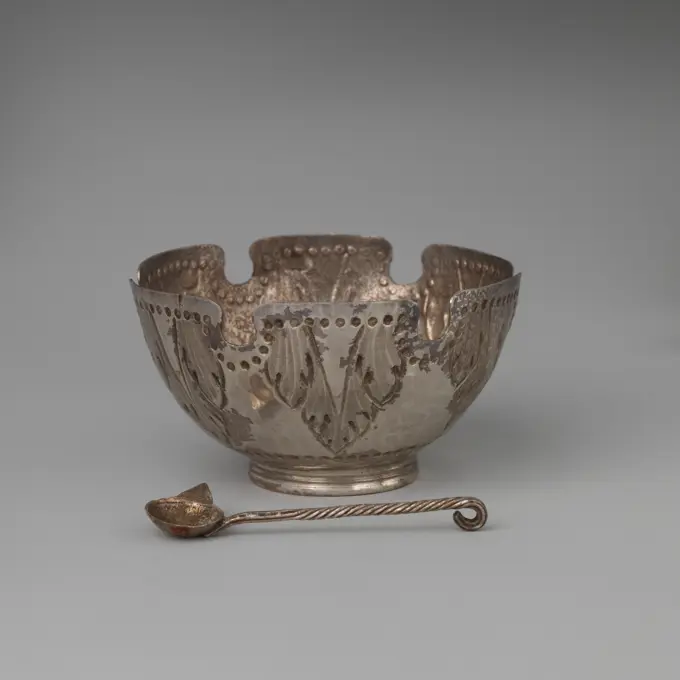
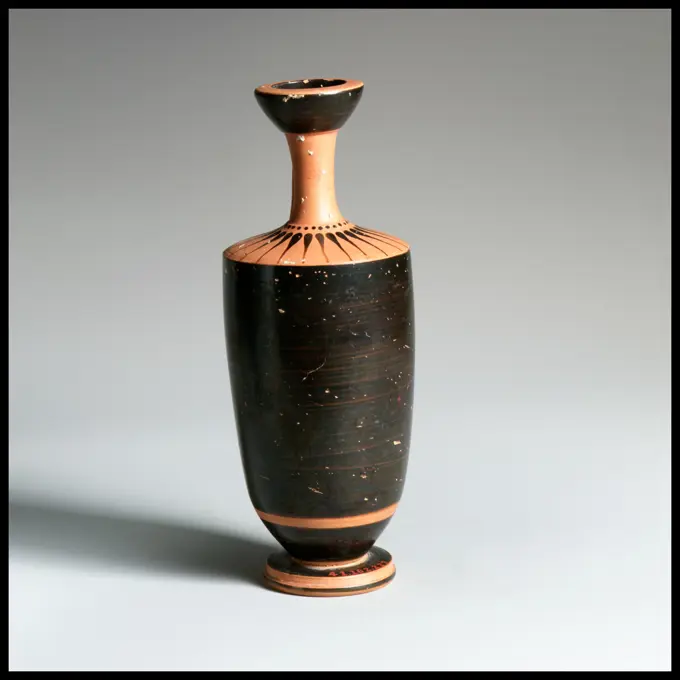
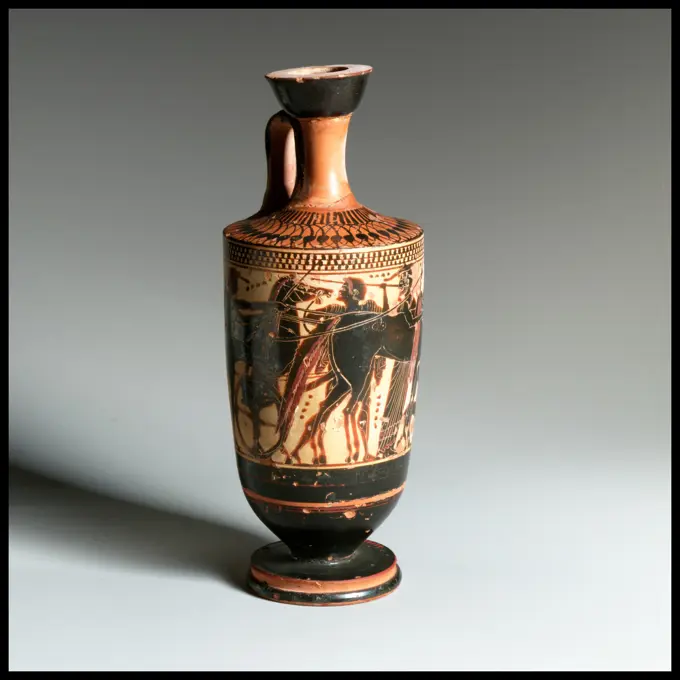
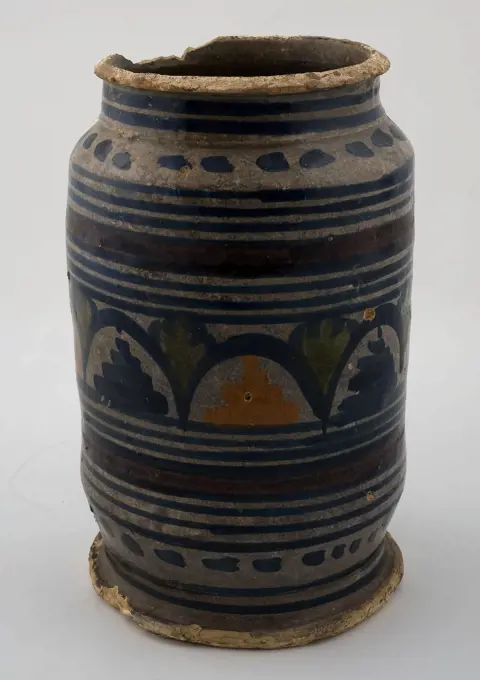
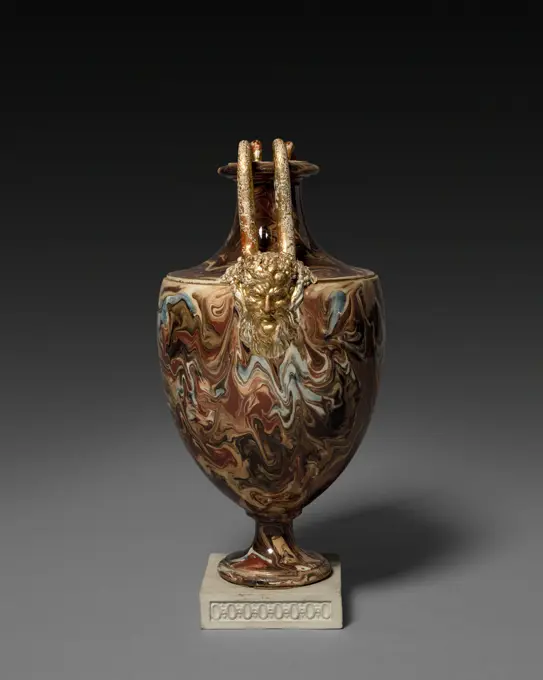
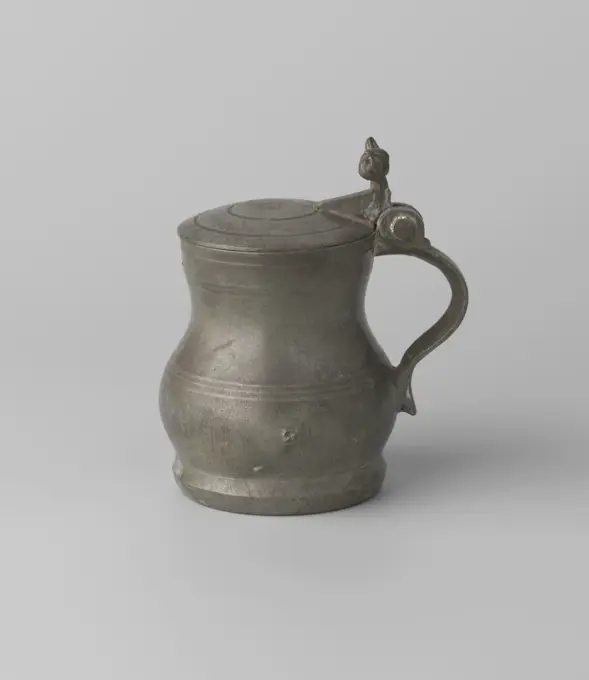
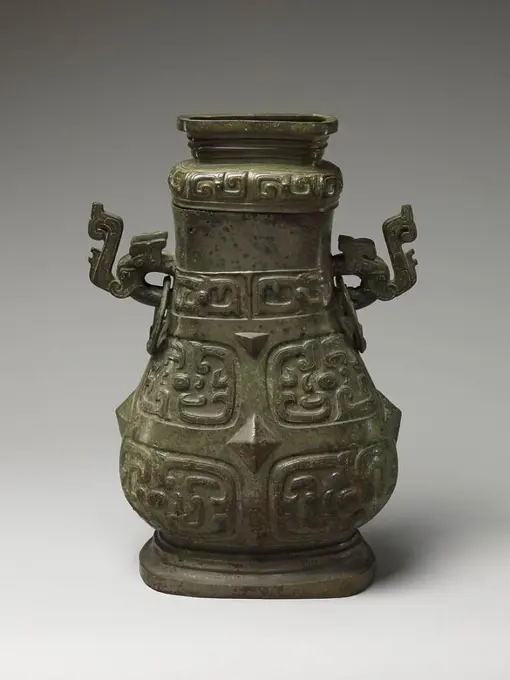
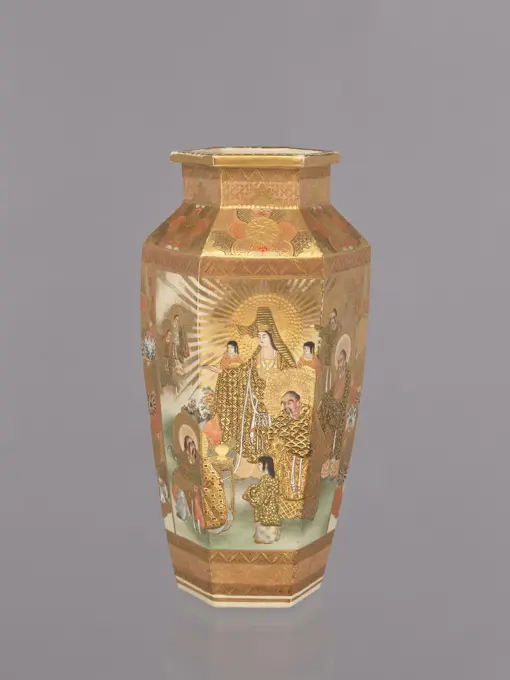
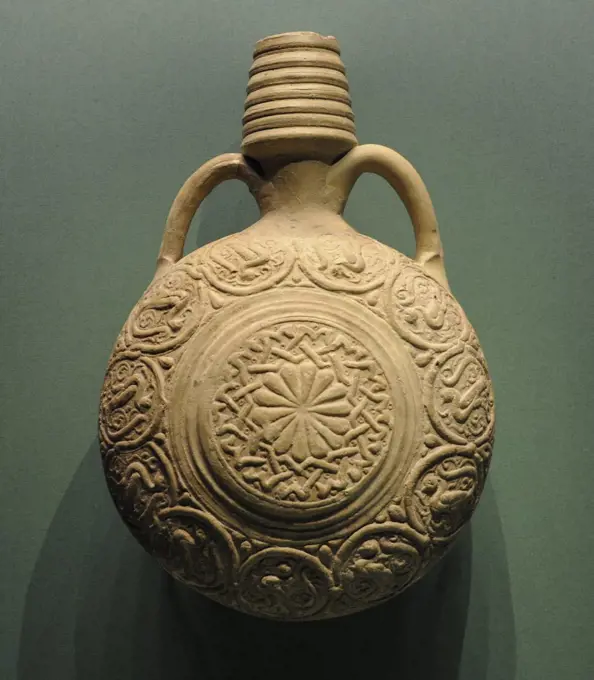
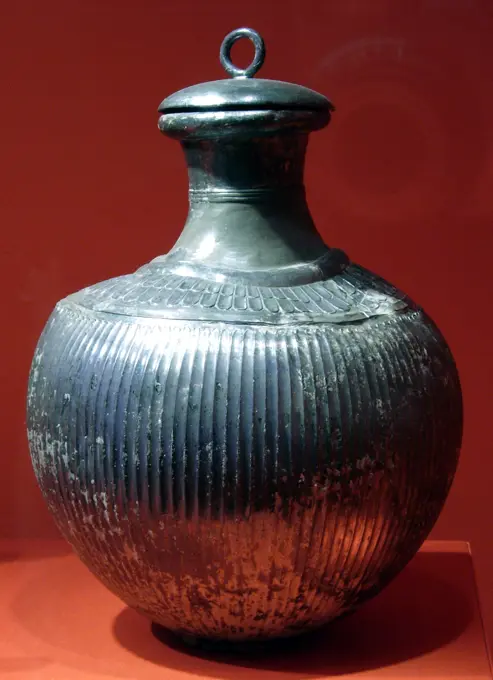
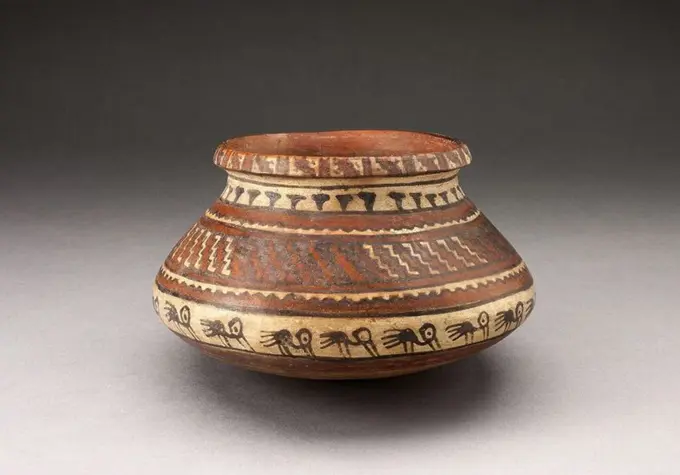
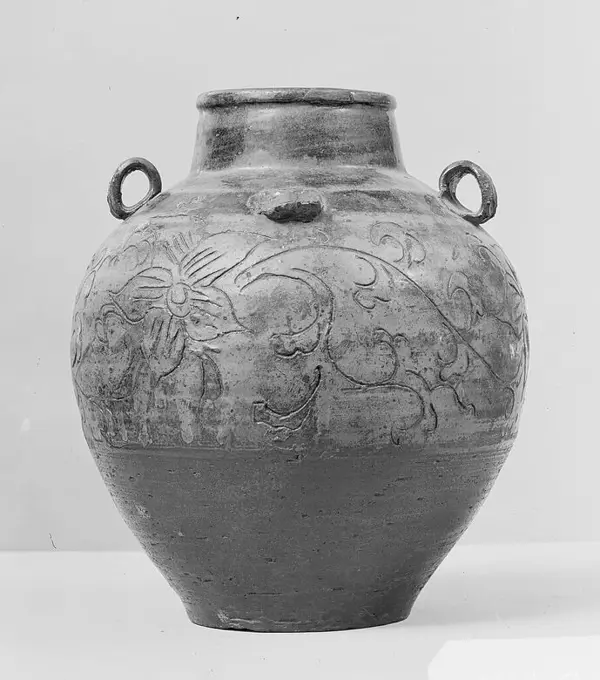
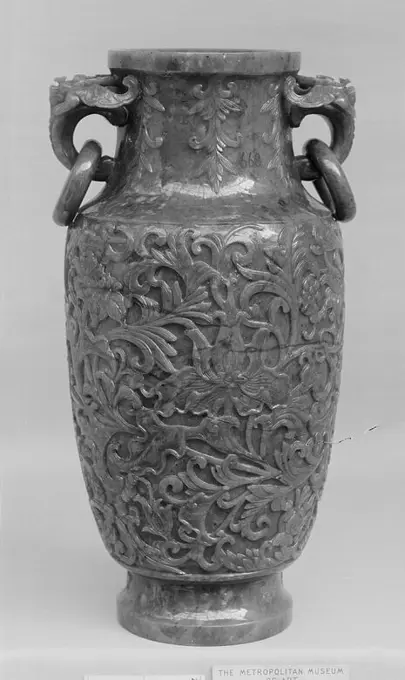
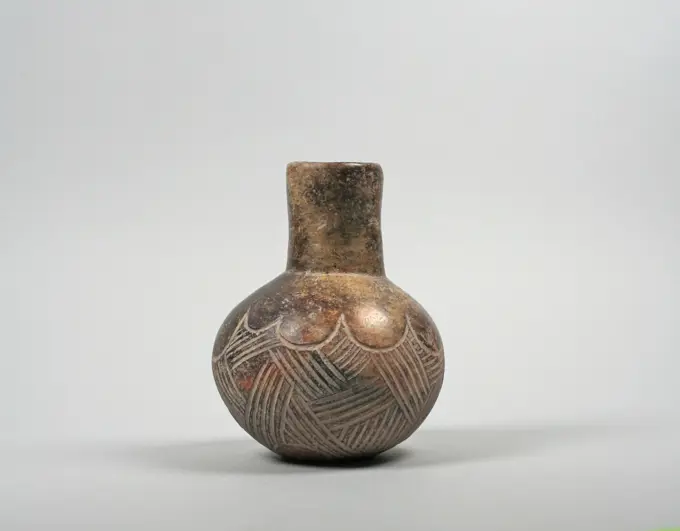
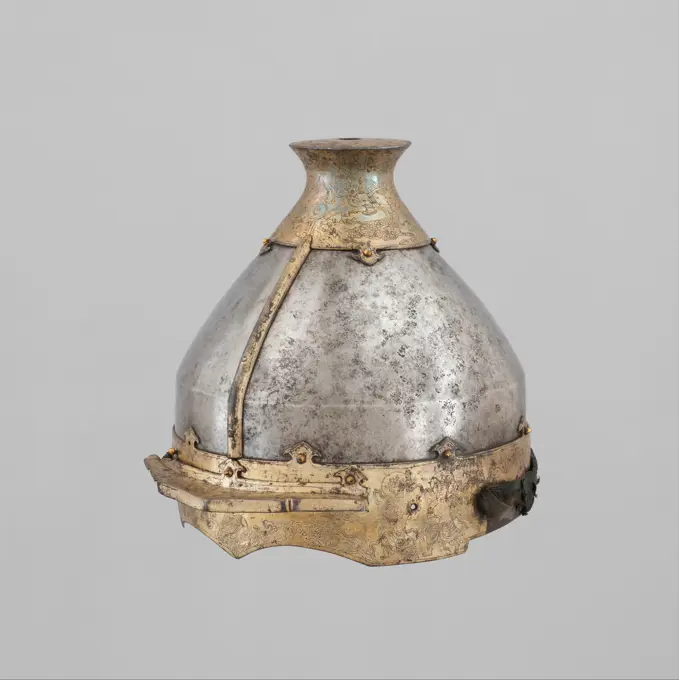
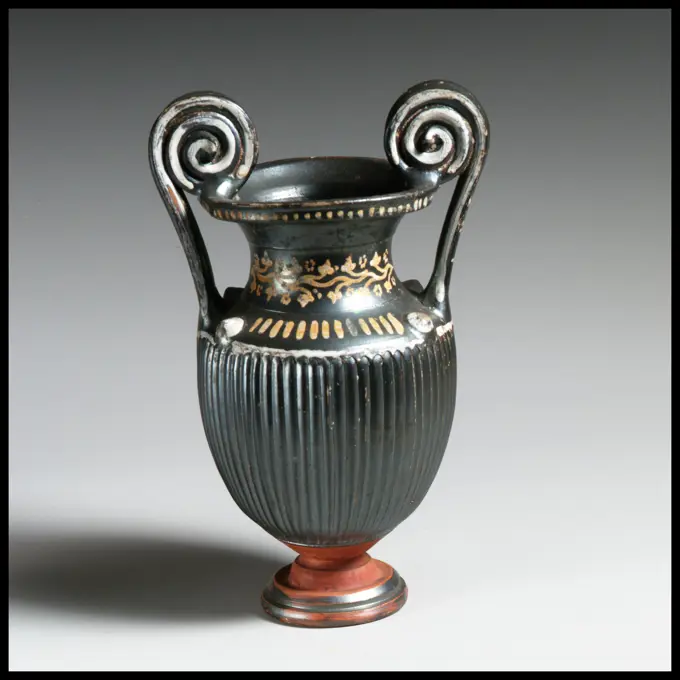
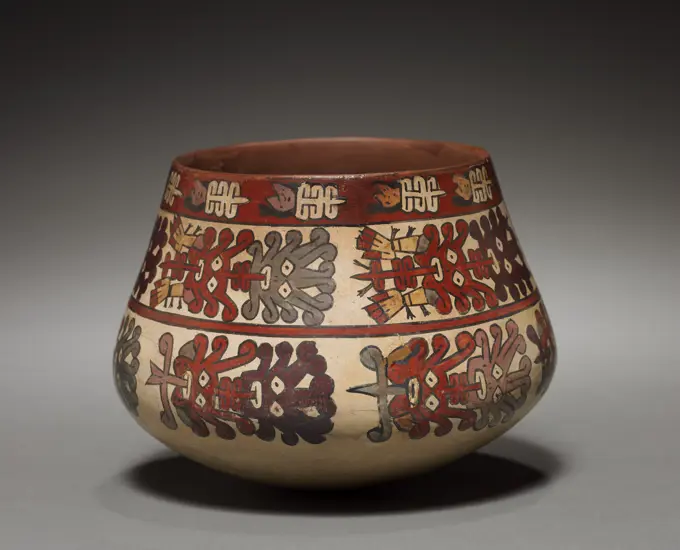
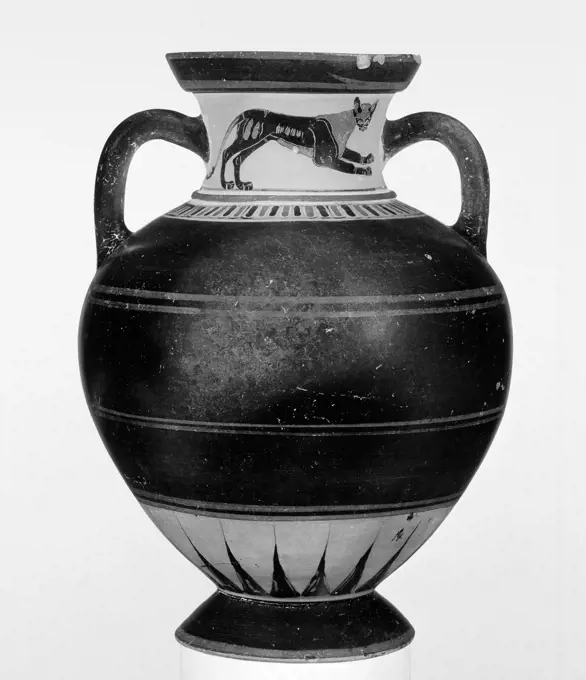
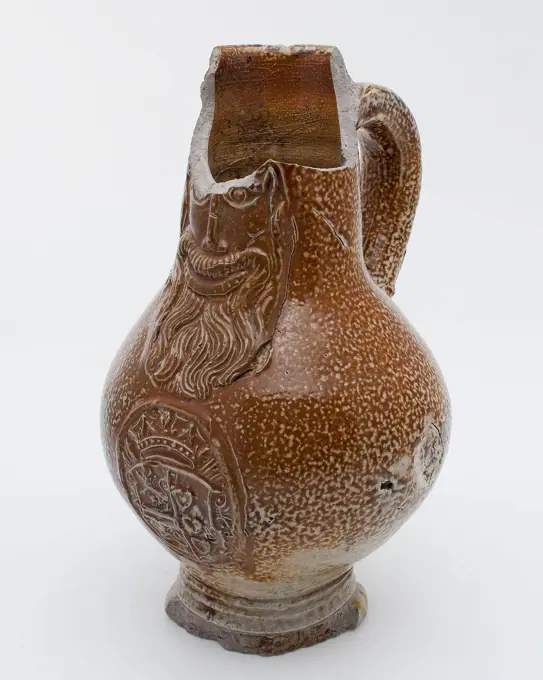
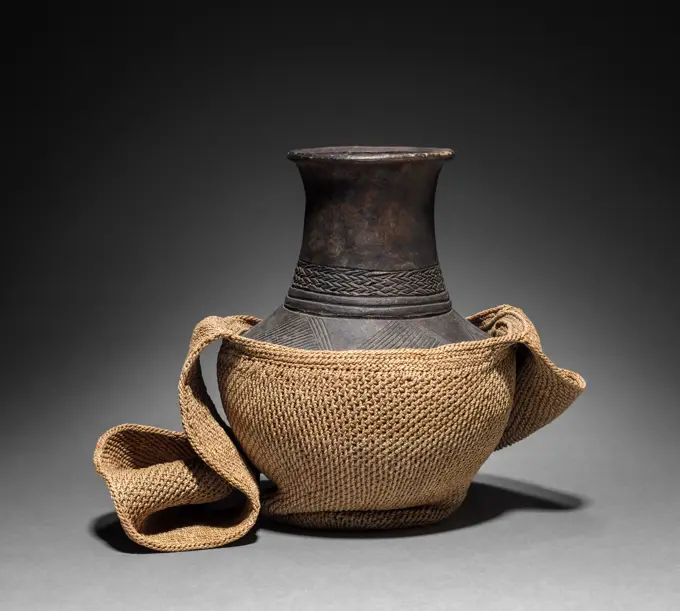
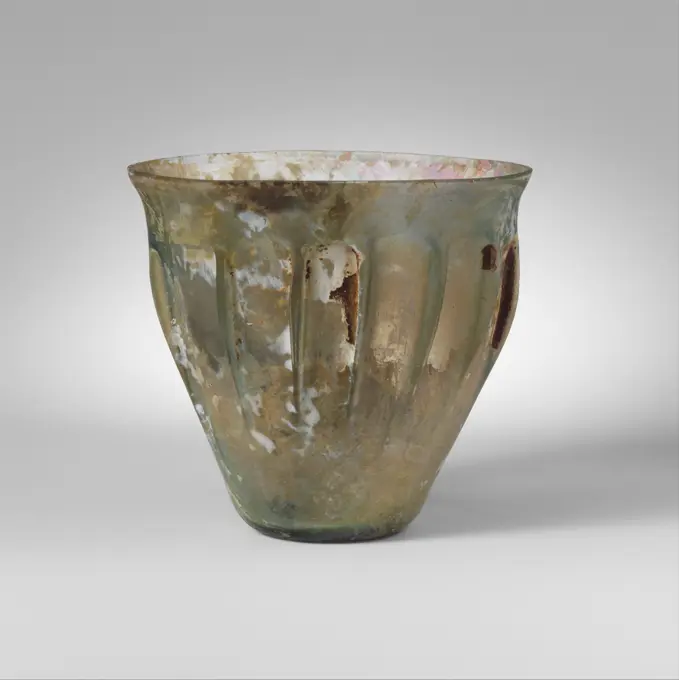
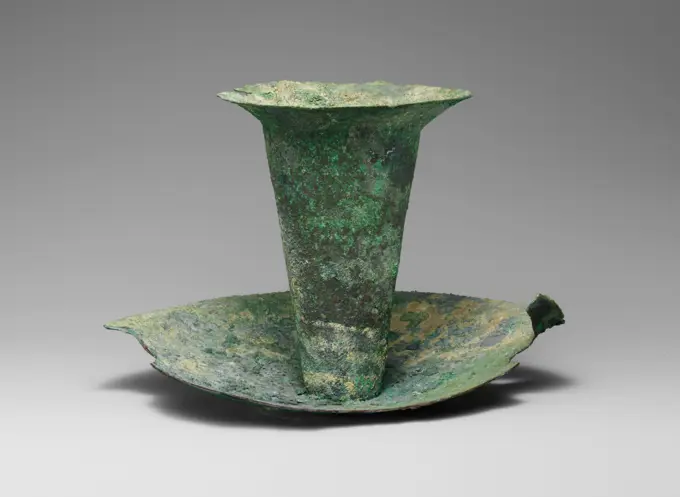
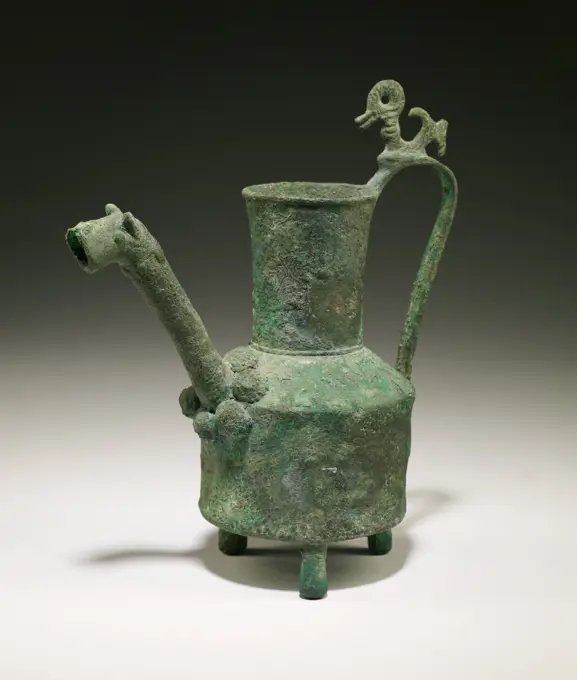
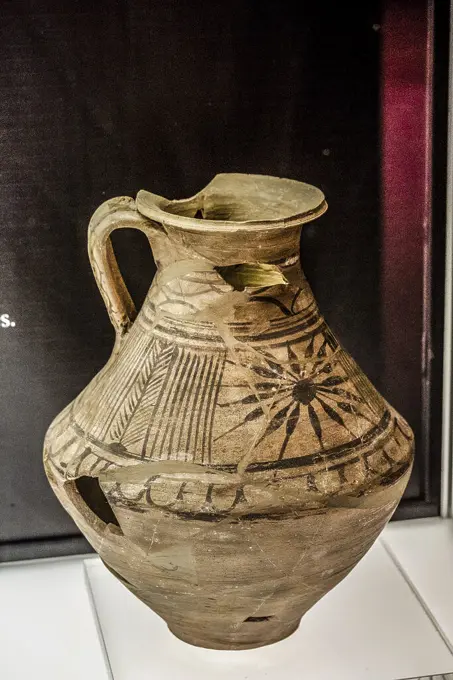
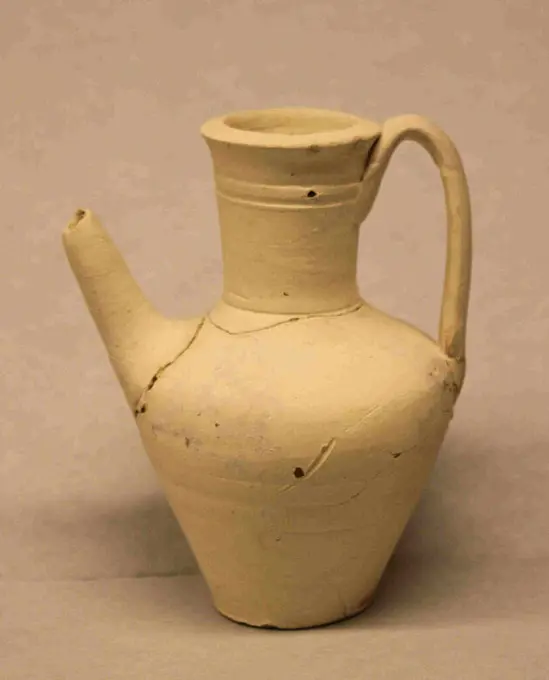
Ewer. Date: 9th century. Museum: Metropolitan Museum of Art, New York, USA.Jar 18th century China. Jar. China. 18th century. Porcelain with crackled green glaze (Jingdezhen ware). Qing dynasty (1644-1911). CeramicsGlass aryballos (oil bottle) 1st-3rd century A.D. Roman, Eastern Mediterranean Translucent pale green; handles in same color.Collared rim folded out, down, round, and up, and flattened on top, with projecting outer flange; short cylindrical neck; globular body; rounded bottom; two small handles applied to top of body in round pads, drawn up, and trailed on to neck and underside of rim.Intact; some bubbles and a few black impurities, with pitted and scratched surface on bottom; one patch of pitting on body, and faint iridescent weathering.. Glass aryballos (oil bottle) 245409Jar for Sweets 1840 Japan. Jar for Sweets. Japan. 1840. White porcelain decorated with gold on crackled ground (Awaji ware). Edo period (1615-1868). CeramicsLazio Viterbo Viterbo Museo Civico38. Hutzel, Max 1960-1990 Views of paintings (Middle Ages through 18th c.), frescoes, a tabernacle, coffin, sculpture reliefs, portal fragments, busts, sculpture, tapestry found in the Pinacoteca, Second floor gallery and Second floor cloister sequences. Antiquities: Many views of Etruscan and Roman fragments, sculpture, sarcophagi, pottery, masks, jewelry and other objects found in the Storeroom sequence (inventory numbers on back of prints), and the Cloister, Second floor Cloister, Valle Giulia, Sala Romana and Sala Etrusca sequences. General Notes: There are eight separate numerical sequences for this location. The cloister as an architectural structure, rather than museum site, is documented in the record and file for S. Maria della Verita, Cloister, all views of which are stored in Medieval core collection. Five views from the Museo Civico Second floor cloister sequence are stored in Medieval. German-born photographer and scholar Max Hutzel (1911-Jar. American; Southeastern Pennsylvania. Date: 1795. Dimensions: 18.2 × 17.8 × 15.6 cm (7 3/8 × 7 × 6 1/8 in.). Redware. Origin: Pennsylvania. Museum: The Chicago Art Institute, Chicago, USA.Stoneware jug with around belly arcade with portrait medallions, ear with pinched tail, cylindrical neck, jug crockery holder soil find ceramic stoneware glaze salt glaze, hand turned stamped glazed glazed baked Stoneware jug dark gray shard with salt glaze narrow pointy tail with finger impressions archeology import pottery serve serve serve beer wineCorn Popper with Incised Geometric Motif. Paracas; Ica Valley, south coast, Peru. Date: 650 BC-150 BC. Dimensions: 10.8 x 17.5 cm (4 1/4 x 6 7/8 in). Ceramic and pigment. Origin: Peru. Museum: The Chicago Art Institute, Chicago, USA.Skyfos z dekoracją dwukolorową. unknown, authorBell-krater ca. 360-330 B.C. Attributed to the Painter of Oxford 1945.73 Obverse, head of a woman to left; reverse, head of a young satyr to left.. Bell-krater 254434 : Attributed to the Painter of Oxford 1945.73, Bell-krater, ca. 360330 B.C., Terracotta, Overall: 7 1/2 in. (19.1 cm) Diameter: 5 3/8  7 3/8  3 3/16 in. (13.7  18.7  8.1 cm). The Metropolitan Museum of Art, New York. Rogers Fund, 1941 (41.162.263)Glass perfume bottle 2nd-3rd century A.D. Roman Translucent pale blue green.Rim folded out, over, and in, with broad, uneven mouth; slender, slightly concave cylindrical neck, tooled in around base; sloping shoulder; convex sides to body, tapering downward; pushed-in bottom with deep kick and trace of pontil scar.Intact; many bubbles, elongated in neck; dulling and iridescence.. Glass perfume bottle 239637Oil Container in the Shape of a Woman; Crete, Greece; first half of 7th century B.C; Terracotta; 7.6 × 4.1 × 3 cm (3 × 1 5,8 × 1 3,16 in.)Flask. UnknownOinochoe ca. 325-300 B.C. Attributed to near the Painter of Vatican Y 5 and 6. Oinochoe 247389Vase with a green glaze and two handles, anonymous, anonymous, c. 1700 - c. 1899 Vase of stoneware with two ears on the shoulder, partly covered with a celadongroen glaze. The abdomen is cylindrical and slightly gone to the foot. The neck has a spherical thickening and short, raised edge. The back and the lower part of the vase are unglazed. A baking tear in the wall. I go. Japan stoneware. glaze vitrification Vase of stoneware with two ears on the shoulder, partly covered with a celadongroen glaze. The abdomen is cylindrical and slightly gone to the foot. The neck has a spherical thickening and short, raised edge. The back and the lower part of the vase are unglazed. A baking tear in the wall. I go. Japan stoneware. glaze vitrificationMugTripod Caldron (Ding) 206 BCE-9 CE China. Under the Han dynasty (206 B.C.-A.D. 220), dynastic stability and affluence broadened the clientele for burial goods from aristocratic families to officials and landowners. Clay replicas of costly vessels of bronze and lacquer met the wider demand for tomb furnishings by middle-income patrons. This caldron, modeled after a common bronze shape, is covered with a lid molded to depict a sinuous dragonóa design executed most naturally in lacquer painting.. Gray earthenware with mold-impressed decoration .Janiform Head Flask, AD 100-400. Roman, probably Eastern Mediterranean. Glass, mold-blown; diameter: 4.6 cm (1 13/16 in.); overall: 6.4 cm (2 1/2 in.).Bowl ca. 1600-1000 B.C. Thailand. Bowl 37405Tea Jar 17th century Japan. Tea Jar. Japan. 17th century. Clay covered with glaze (Seto ware). Momoyama (1573-1615) or Edo period (1615-1868). CeramicsPart of a Steamer (Zeng). Culture: China. Dimensions: H. 9 1/4 in. (23.5 cm); W. at handles 13 5/8 in. (34.6 cm); Diam. of rim 12 1/4 in. (31.1 cm). Date: late 9th-early 8th century B.C.. Museum: Metropolitan Museum of Art, New York, USA.Armorial jug (boccale) late 15th century Italian, possibly Florence or Faenza. Armorial jug (boccale) 460134Wine Container (Hu). Culture: North and northwest China. Dimensions: H. 16 3/8 in. (41.6 cm); Diam. 5 1/4 in. (13.3 cm). Date: late 11th-early 10th century B.C.. Museum: Metropolitan Museum of Art, New York, USA.Jar with Sprays of Peony, Lily, and Plum and Lid with Small Fish. China. Date: 1201-1250. Dimensions: H. 22.8 cm (9 in.); diam. 24.1 cm (9 1/2 in.). Jizhou ware; stoneware painted in underglaze iron slip, with incised detail. Origin: Jiangxi. Museum: The Chicago Art Institute, Chicago, USA.Skyphos ca. 800-750 B.C. Greek, Attic Three bands at the lip followed by nine vertical lines on either side of a reserved panel which has three horizontal bands and twelve chevrons with a dot on each end.. Skyphos 252849Bottle with stirrup handle, from Chavin de Huantar archaeological site, PeruDish;  around 2055 1650 BC ; Medium Pa (-2055-00-00--1650-00-00);One-handled Jug; Eastern Mediterranean; end of 1st - beginning of 2nd century; Glass; 13.2 cm (5 3,16 in.)cauldron unknownVase China. Vase. China. Porcelain. Qing dynasty (1644-1911), Kangxi period (1662-1722). CeramicsMiniature ladle 1693-94 Probably by George Manjoy British. Miniature ladle. British, London. 1693-94. Silver. Metalwork-Silver-MiniatureOinochoe, miniature. Culture: Greek, Attic. Dimensions: 1 3/4in. (4.4cm). Date: early 4th century B.C.. Museum: Metropolitan Museum of Art, New York, USA.Wine Pot 13th century Korea. Wine Pot. Korea. 13th century. Clay. Goryeo dynasty (918-1392). CeramicsVase 14th century. Vase 445268Nasca FigurineHydria czerwonofigurowa z przedstawieniem Apolla z kitharą i fiale oraz muz z wieńcem laurowym, oinochoe i kwiatem. Malarz Providence (ok. 470-460 p.n.e.), workshop, warsztat attycki, workshopDecorated ware jar depicting boats and plants ca. 3850-2960 B.C. Predynastic Period. Decorated ware jar depicting boats and plants. ca. 3850-2960 B.C.. Pottery, paint. Predynastic Period. From EgyptJug with a cover;  End of the 19th century (1880-00-00-1900-00-00);Jan (Fl. Ca 1936), Kobylański, Stanisław Leszczyński (King of Poland - 1677-1766), Dar (provenance), souvenirs, portraits, rulers, Silesia (Prussia - 1740-1918)Green bell-shaped bottle, 'belly', belly bottle bottle holder soil find glass, free blown Aspiring bottle of green glass that is affected and irridescent archeology packagingTerracotta lekythos (oil flask) 1st quarter of 5th century B.C. Greek, Attic The application of glaze to an Attic shape effectively articulates the various parts and gives it a formal, finished appearance. Attic black-figured and black-glazed lekythoi persisted well after the introduction of the red-figure technique about 530 B.C.. Terracotta lekythos (oil flask). Greek, Attic. 1st quarter of 5th century B.C.. Terracotta; black-figure. Late Archaic. VasesJar late 12th-first half 13th century. Jar. late 12th-first half 13th century. Stonepaste; polychrome painted under transparent glaze. Made in Syria. CeramicsTerracotta lekythos (perfume flask) early 5th century B.C. Attributed to near the Sappho Painter Harnessing of a chariot.. Terracotta lekythos (perfume flask). Greek, Attic. early 5th century B.C.. Terracotta; black-figure, white-ground. Late Archaic. VasesHigh majolica ointment jar or albarello with polychrome decoration on white background, albarello holder soil find ceramic earthenware glaze tin glaze lead glaze h 19.2 hand-turned baked glazed painted baked High ointment jar or albarello Two constrictions below the upper edge and above the standing surface slightly narrowing of the cylindrical side wall Polychrome decor on white ground. Tire decor and in the belly frieze and niches decor with green accents in the nests of the niches. Cascading lying lines in blue and orange Internally covered with lead glazing archeology Rotterdam health care pottery pharmacy handicraft ointment care store packaging Soil discovery Rotterdam 1942.Agateware Vase, c. 1770. Wedgwood and Bentley (British, Staffordshire, 1769-1780). Marbled earthenware (agateware) with gilt decoration; overall: 28 cm (11 in.).Funerary Urn. 4th-2nd c. BC. Iberian art. Ceramics. SPAIN. ANDALUSIA. Cordoba. Archaeological Museum of Cordoba. Proc: SPAIN. ANDALUSIA. CORDOBA. Almedinilla. El Cerro de la Cruz.Colander for Food Steamer (Xian) China. Colander for Food Steamer (Xian) 53634Holy water vessel Bacia, FranciszekPot ca. 1635-1458 B.C. Second Intermediate Period-Early New Kingdom. Pot. ca. 1635-1458 B.C.. Pottery (buff), paint. Second Intermediate Period-Early New Kingdom. From Egypt, Upper Egypt, Thebes, Asasif, Courtyard CC 41, Tomb R 3, Burial C 2, In coffin, MMA excavations, 1915-16. Dynasty 17-Early Dynasty 18Tin drinking jug with the Ave Maria on the bottom, Anonymous, 1400 - 1500 Tin drinking jug. The stand ring wears a wide, baluster -shaped body that is decorated with a profiled band. The lip edge runs straight up and is also decorated with a profiled band. The light vaulted lid is decorated with two circular grooves. The thumb rest is formed by two bird cups and runs into the handle through a one -cash hinge. On the inside, a medallion is applied to the bottom with a cross and the Ave Maria. the Bosch tin (metal) casting Tin drinking jug. The stand ring wears a wide, baluster -shaped body that is decorated with a profiled band. The lip edge runs straight up and is also decorated with a profiled band. The light vaulted lid is decorated with two circular grooves. The thumb rest is formed by two bird cups and runs into the handle through a one -cash hinge. On the inside, a medallion is applied to the bottom with a cross and the Ave Maria. the Bosch tin (metal) castingWine Vessel (Hu). Culture: China. Dimensions: H. 21 1/2 in. (54.6 cm); W. 14 3/4 in. (37.5 cm). Date: late 9th-early 8th century B.C..As the Shang animal mask lost its symbolic meaning under the Zhou, it dissolved into an ornamental pattern, as here, where an "eye" is encircled by curving hooked lines. Museum: Metropolitan Museum of Art, New York, USA.Vase. Kinkôzan, Sôbei VII (1867-1927), ceramistBrown kettle on three legs with fixed handle, lid rim and round spout, kettle soil found ceramic earthenware glaze lead glaze, hand turned glazed baked kettle with handle red shard external dark manganese purple glaze internal light brown glaze lid edge pouring spout three legs of which two replacement in gypsum rings Light flame structure in the glaze layer. Pouring spout is in the base of the handle archeology Valckensteyn Poortugaal Albrandswaard indigenous pottery kitchen drink beverage tea water heating pouring Soil discovery: canal at kitchen castle Valckensteyn at Poortugaal now Albrandswaard 1961.Cider Jug. Dated: c. 1939. Dimensions: overall: 45.8 x 37.9 cm (18 1/16 x 14 15/16 in.) Original IAD Object: 16 1/2" High. Medium: watercolor, colored pencil, and graphite on paperboard. Museum: National Gallery of Art, Washington DC. Author: John Tarantino.Near East. Middle Ages. Ampulla. Globular bottle with two handles. Used for holy water or holy oil (pilgrimages). The State Hermitage Museum. Saint Petersburg. Russia.Fluted bottle with ring-handled lid 100 B.C.-A.D. 100 Ptolemaic or Roman Period Many artworks of the Roman Period in Egypt represent the taste of wealthy urban merchant and rich farming classes of Roman Egypt. Wide trade of luxury works is evident, and Greco-Roman style dominates. Since Egyptian pharaohs had first authorized Greek trading colonies and employed Greek mercenaries in the seventh century BC., there was a considerable Greek presence in Egypt. With Alexander's conquest, Macedonian Greek Ptolemies ruled as successors to the pharaohs, and Ptolemaic Greek and eastern Mediterranean soldiery was heavily settled in parts of Egypt. Although the Ptolemaic kings maintained traditional Egyptian religious and political forms, elite society, of mixed Greek and Egyptian descent, aspired to Greek culture in many respects. With the replacement of a Ptolemaic pharaoh in Memphis and Alexandria by a Roman emperor in Rome, the status of Greek culture and art, if anything, increased. However, mConical ointmentStorage Jar, Trophy-Head Deity 2nd-1st century B.C. Paracas. Storage Jar, Trophy-Head Deity. Paracas. 2nd-1st century B.C.. Ceramic. Peru. Ceramics-ContainersNaczynie podwójne. unknown, authorJar with Bands of Geometric Motifs and Abstract Birds. Inca; South coast or southern highlands, Peru. Date: 1450-1532. Dimensions: 10.2 x 16.5 cm (4 x 6 1/2 in.). Ceramic and pigment. Origin: Peru, southern. Museum: The Chicago Art Institute, Chicago, USA.Kero 17th century Quechua. Kero 316848Ewer 11th century. Ewer 449608Ewer 12th-13th century Some of the finest ceramics were made in Rayy, Iran, an important center of lusterware production until the Mongol destruction of the city in the thirteenth century. This densely decorated ewer features several bands of figural and vegetal decoration. The vessel's most prominent, central scene shows six seated figures holding cups. A hare, a leopard, and dog race around the neck of the vessel in the band just above the central register.. Ewer 452025Museo Archeologico Patroni in Pula, Sardinia, Italy, EuropeJARRA NAZARI CON DECORACION DE FLORONES EN MANGANESO SIN FUNDETE,SOBRE JUAGUET - SIGLO XIV. Location: MUSEO ARQUEOLOGICO NACIONAL-COLECCION. MADRID. SPAIN.Jar. Culture: Japan. Dimensions: H. 11 in. (27.9 cm); Diam. of rim 4 1/8 in. (10.5 cm); Diam. 9 in. (22.9 cm); Diam. of base 4 3/4 in. (12.1 cm). Date: 18th century. Museum: Metropolitan Museum of Art, New York, USA.Lamp ca. 1220-71 Crusader The solid green glaze on this lamp, which was probably made locally, was found on many of the numerous pottery fragments at Castle Montfort/Starkenberg.. Lamp 26460Celtiberian jug, 4th-1st century BC, Cerro de San Miguel, Arnedo, Museum of Romanization, Calahorra, La Rioja, Spain, Europe.Vase. Culture: China. Dimensions: H. 10 7/16 in. (26.5 cm); W. 5 7/16 in. (13.8 cm). Museum: Metropolitan Museum of Art, New York, USA.Drinking jar of tin with lid and an agnus dei on the bottom. Drinking jar of tin. There is a pear-shaped body on the stand ring, the lip edge of which has profiled. It is concluded with a slightly vaulted lid. The thumb trust is formed by two bullets and passes through a single-case hinge into the handle, which curls out at the bottom of light. On the inside a pile can be seen at the top of the jug. The inside of the lid is decorated with a medallion. The bottom is decorated with an agnus dei.Lazio Viterbo Viterbo Museo Civico78. Hutzel, Max 1960-1990 Views of paintings (Middle Ages through 18th c.), frescoes, a tabernacle, coffin, sculpture reliefs, portal fragments, busts, sculpture, tapestry found in the Pinacoteca, Second floor gallery and Second floor cloister sequences. Antiquities: Many views of Etruscan and Roman fragments, sculpture, sarcophagi, pottery, masks, jewelry and other objects found in the Storeroom sequence (inventory numbers on back of prints), and the Cloister, Second floor Cloister, Valle Giulia, Sala Romana and Sala Etrusca sequences. General Notes: There are eight separate numerical sequences for this location. The cloister as an architectural structure, rather than museum site, is documented in the record and file for S. Maria della Verita, Cloister, all views of which are stored in Medieval core collection. Five views from the Museo Civico Second floor cloister sequence are stored in Medieval. German-born photographer and scholar Max Hutzel (1911-They weigh; Radziwi , Micha Piotr (1853-1903); End of the 19th century (1870-00-00-1900-00-00);Bottle 12th-9th century B.C. Olmec. Bottle. Olmec. 12th-9th century B.C.. Ceramic. Mexico, Mesoamerica. Ceramics-ContainersFountain. Sandstone. Cernuschi Museum, Asia Museum of Asia in the city of Paris.Vase 19th century Japan. Vase 59843Helmet probably mid- to late 17th century Chinese This helmet is distinctive both for the quality of its workmanship and for the lively character of its engraved and gilt decoration. Because of its overall form and the style of its ornament, it appears to be an early example of helmet types that are usually associated either with the later part of the Ming dynasty (1368-1644) or the more familiar ceremonial helmets of the Qing dynasty (1644-1911).The gilding of the fittings consists of two layers: silver foil burnished onto a crosshatched ground, over which a layer of gold was applied, probably by mercury gilding. This unusual two-stage technique gives the gilding its deep golden yellow luster. It also serves to highlight the crisply engraved ornament, which embellishes the helmet's finial, brim, and brow plate. In the center of the brow is the figure of Buddha Shakyamuni seated on a lotus throne. The Buddha is flanked by the four lokapala, the heavenly guardians of the four directionsCeramic pitcher with large handleTerracotta miniature volute-krater (mixing bowl) ca. 325-300 B.C. Greek, South Italian, Apulian, Gnathian Ribbing characterizes the latest Gnathian pottery.. Terracotta miniature volute-krater (mixing bowl) 254354 Greek, South Italian, Apulian, Gnathian, Terracotta miniature volute-krater (mixing bowl), ca. 325300 B.C., Terracotta, H. 5 7/8 in. (14.9 cm). The Metropolitan Museum of Art, New York. Rogers Fund, 1941 (41.162.183)Mortar with Rope-shaped Handle. Dated: early 16th century. Dimensions: overall: 15.3 x 17 cm (6 x 6 11/16 in.). Medium: bronze//Medium brown patina. Museum: National Gallery of Art, Washington DC. Author: Italian 16th Century.Jar ca. 3rd-7th century A.D. Sasanian. Jar 322400Vessel with Abstract Heads, 100 BC-AD 700. Peru, South Coast, Nasca style (100 BC-AD 700). Earthenware with colored slips; overall: 10.4 x 14 cm (4 1/8 x 5 1/2 in.).Attic Black-Figure Neck Amphora (Ovoid); Athens, Greece; about 570 - 560 B.C; Terracotta; 33.1 × 14.4 cm (13 1,16 × 5 11,16 in.)Bartmann jug, also called Bellarmine jug, with coat of arms in medallion under beard mask, bearded jug tableware holder soil find ceramic stoneware clay engobe glaze salt glaze, hand turned stamped molded glazed baked stoneware jug gray shard brown brindled salt glaze bandoor profiled mouth rim and foot archeology heraldry import pottery drink pouring wine beerWater Jug and Carrying Strap, early 1900s. Africa, early 20th century. Terracotta and plant fiber; overall: 64.8 cm (25 1/2 in.); diameter of mouth with rim: 17.8 x 8.9 cm (7 x 3 1/2 in.).Anonymous / 'Case for citrine quartz vase in the shape of an oil lamp'. 1650 - 1711. Leather, Wood, Cloth. Museum: Museo del Prado, Madrid, España.Terracotta krateriskos (small mixing bowl). Culture: Etruscan. Dimensions: H. 9 1/2 in. (24.1 cm). Date: ca. 300 B.C..The distinctive ring handles are in the form of two snakes whose heads and tails are modeled carefully in relief. Snakes were often connected with death and rebirth in the ancient Mediterranean world. At least one vase of this specific type is known to have been used as a cremation urn. Museum: Metropolitan Museum of Art, New York, USA.Glass ribbed beaker mid-1st century A.D. Roman Translucent pale blue-green.Knocked-off, uneven, outsplayed rim; short concave neck; side bulging at top, then tapering downwards; thick, concave bottom.Side tooled into thirteen irregular, long, vertical ribs.Intact; some pinprick bubbles and blowing striations; dulling, deep pitting, brilliant iridescence, and thick brown weathering.Blown beaker with ribbed body.. Glass ribbed beaker 253462 Roman, Glass ribbed beaker, mid-1st century A.D., Glass, H.: 3 9/16 in. (9 cm) Diam.: 3 7/8 in. (9.8 cm). The Metropolitan Museum of Art, New York. Gift of Mrs. Elias Kempner, 1934 (34.132.36)Pilgrim's Flask with Nimbed Figure, c. 400-600. Byzantium, Syria-Palestine, Byzantine period, 5th-7th Century. Opaque glass with paint; overall: 10.5 x 6.9 cm (4 1/8 x 2 11/16 in.).Bronze thymiaterion (incense burner) 6th century B.C. Cypriot This example represents the typical Cypriot form of incense burner, attested in terracotta as well as bronze. The shape was known in Cyprus during the Late Bronze Age and was evidently reintroduced during the Archaic period by the Phoenicians.. Bronze thymiaterion (incense burner). Cypriot. 6th century B.C.. Bronze. Cypro-Archaic II. BronzesSmall stoneware room comfort or room pot with imprinted decor of floral motifs, blue and gray, pot holder sanitary soil found ceramic stoneware glaze salt glaze, hand turned stamped glazed baked Small stoneware room pot gray shard with salt glaze profile rings and blue bands around neck and bottom of the hull archeology import pottery drains night sleeping child care room hygienePitcher, 600 BCE, 8 1/4 x 7 1/8 in. (21 x 18.1 cm), Bronze, Persia (Iran), 6th century BCEVase. Wedgwood & Bentley (England, Staffordshire, 1769-1780). England, circa 1770-1780. Furnishings; Accessories. Stoneware with metallic-oxide stain, black basaltJar in the Form of a Warrior Holding a Club and Other Weapons Made 180 BCE-500 CE Peru. Ceramic and pigment . NazcaAnonymous, goblet (common name), -0206. Polychromy terracotta (white, red on a black background). Cernuschi Museum, Asia Museum of Asia in the city of Paris.Painted ceramic jar of indigenous tradition, Carratiermes Necropolis, 1st century AD, Tiermes Archaeological Site Museum, Soria, Spain.Oinochoe, chous. Culture: Greek, Attic. Dimensions: 2 5/8 × 2 in. (6.7 × 5.2 cm)Diam. of foot: 1 9/16 in. (4 cm). Date: ca. 420 B.C.. Museum: Metropolitan Museum of Art, New York, USA.Lazio Viterbo Viterbo Museo Civico68. Hutzel, Max 1960-1990 Views of paintings (Middle Ages through 18th c.), frescoes, a tabernacle, coffin, sculpture reliefs, portal fragments, busts, sculpture, tapestry found in the Pinacoteca, Second floor gallery and Second floor cloister sequences. Antiquities: Many views of Etruscan and Roman fragments, sculpture, sarcophagi, pottery, masks, jewelry and other objects found in the Storeroom sequence (inventory numbers on back of prints), and the Cloister, Second floor Cloister, Valle Giulia, Sala Romana and Sala Etrusca sequences. General Notes: There are eight separate numerical sequences for this location. The cloister as an architectural structure, rather than museum site, is documented in the record and file for S. Maria della Verita, Cloister, all views of which are stored in Medieval core collection. Five views from the Museo Civico Second floor cloister sequence are stored in Medieval. German-born photographer and scholar Max Hutzel (1911-Skyphos, Pistian. Culture: Greek, Attic. Dimensions: Overall: 2 9/16 x 4 9/16in. (6.5 x 11.5cm)Other: 2 15/16in. (7.5cm)Other (width with handles): 4 9/16in. (11.5cm). Date: 1st quarter of 5th century B.C..A and B, women dancing with krotala between palmettes. Museum: Metropolitan Museum of Art, New York, USA.Terracotta tankard ca. 1600-1150 B.C. Cypriot White slip ware with wide-neck, handle, lattice and chain ornament.. Terracotta tankard. Cypriot. ca. 1600-1150 B.C.. Terracotta; White slip ware. Late Cypriot I-IIIA. VasesItaly, Civita Castellana, Falerii Veteres, Falisci tribe, Kantharos (deep vessel) decorated with horses. Light green glass on a foot ring with a layer but widely flared body with rounded shoulders. A straight, wide neck and a ribbed, flat handle.