Ancient Vessels

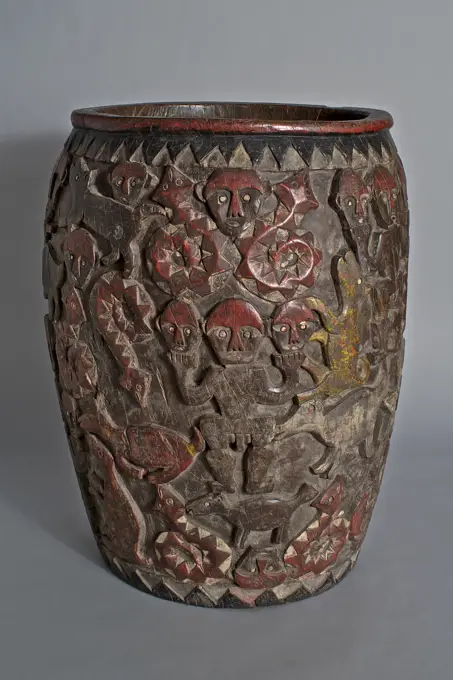
A collection of historical glass and ceramic vases, showcasing intricate designs and diverse shapes from different cultures.

Vase bottle (usual name), 1400. Gray cover sandstones. Cernuschi Museum, Asia Museum of Asia in the city of Paris.
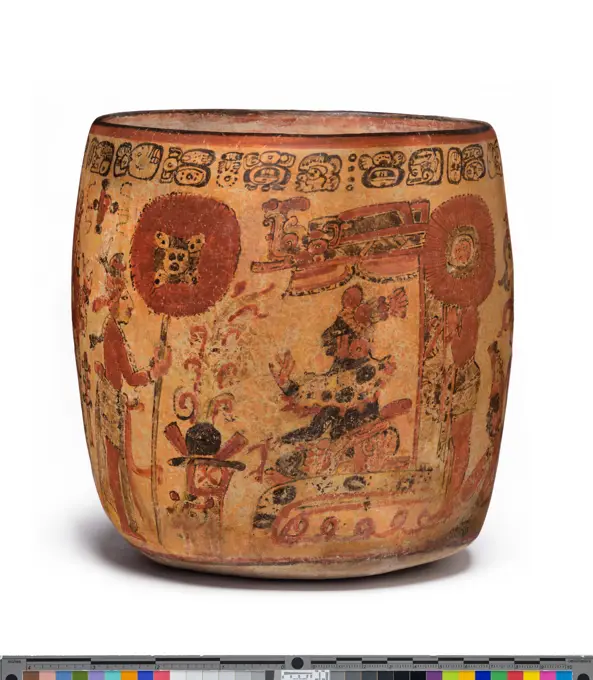
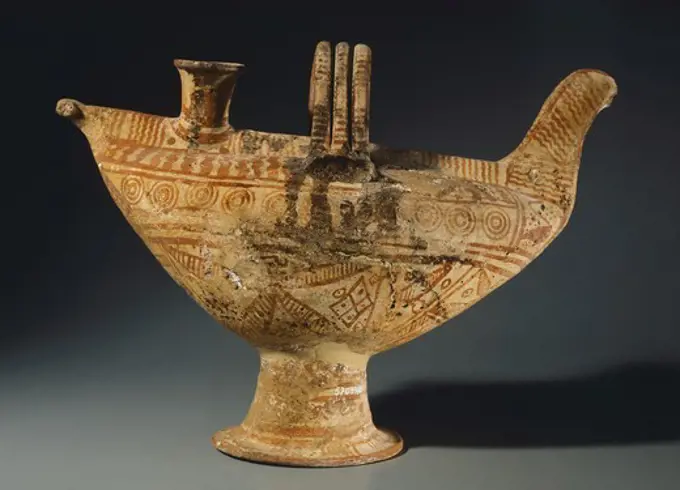
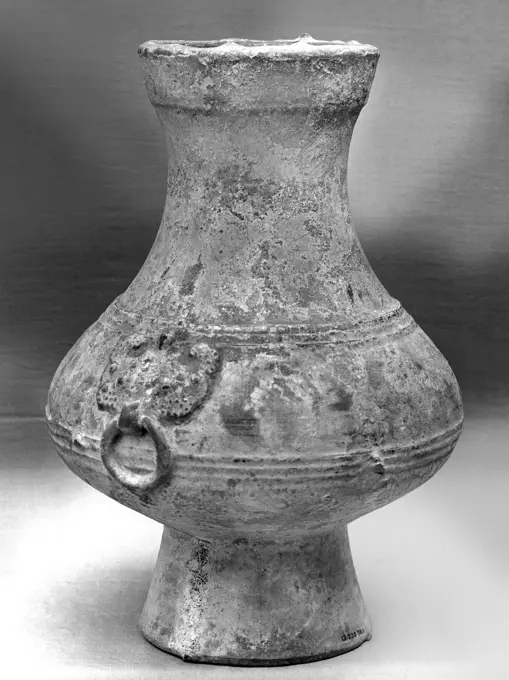
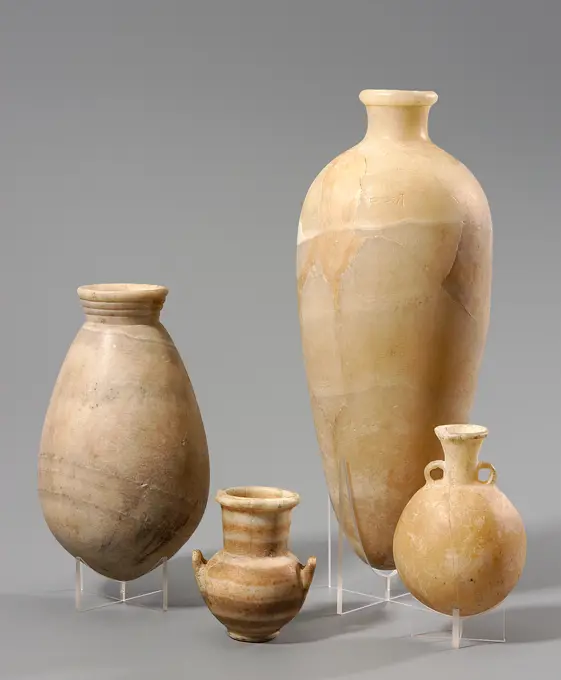
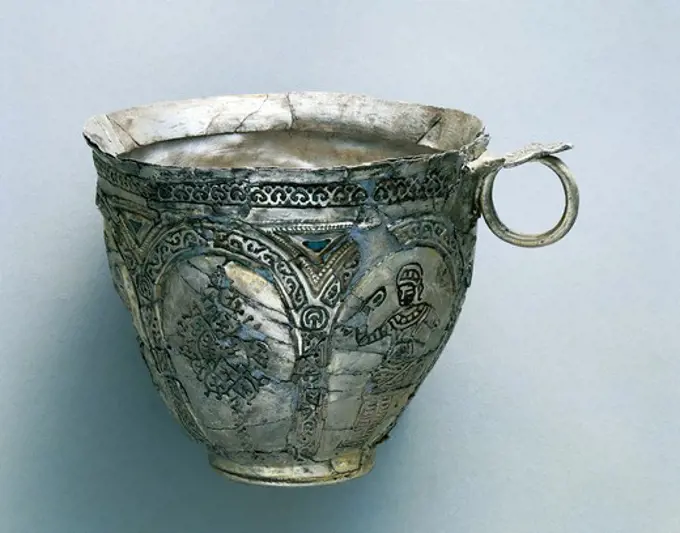
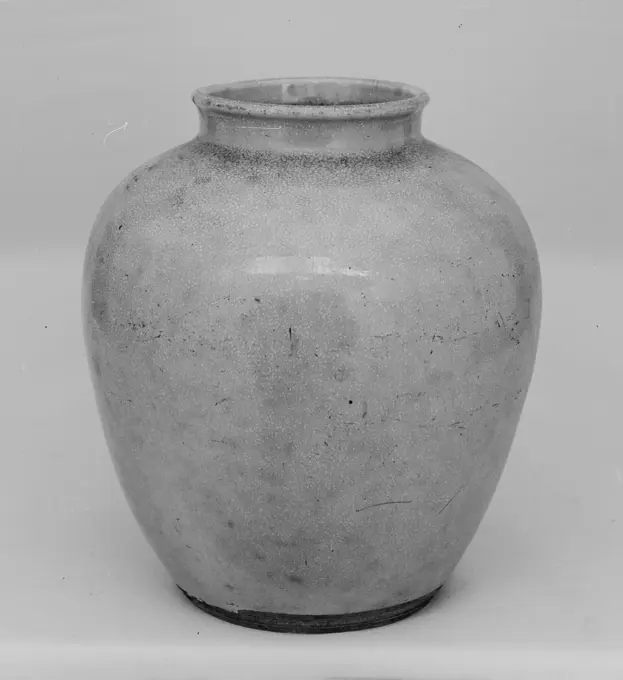
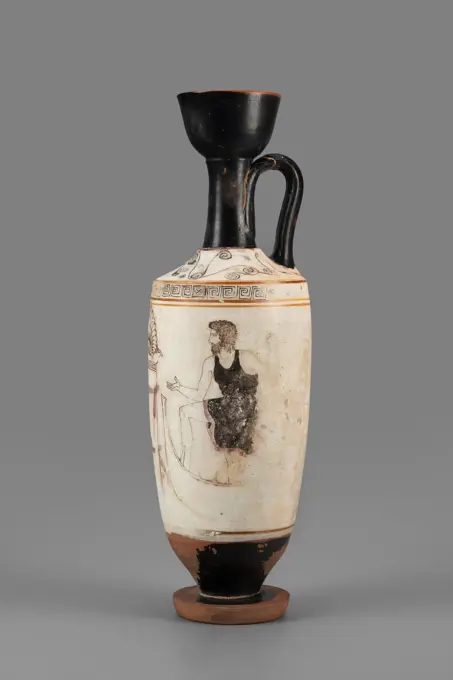
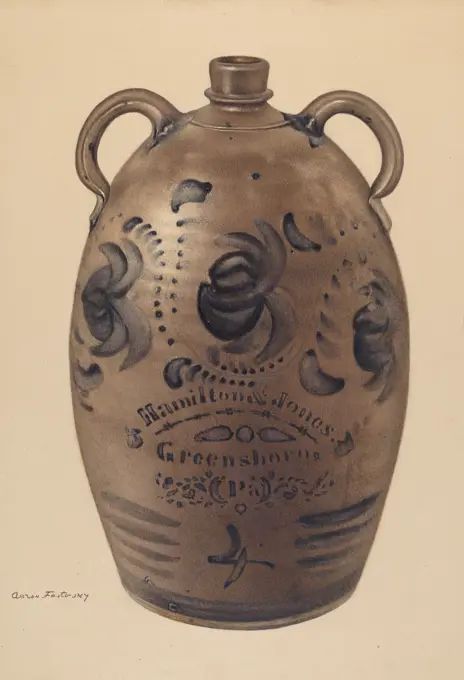
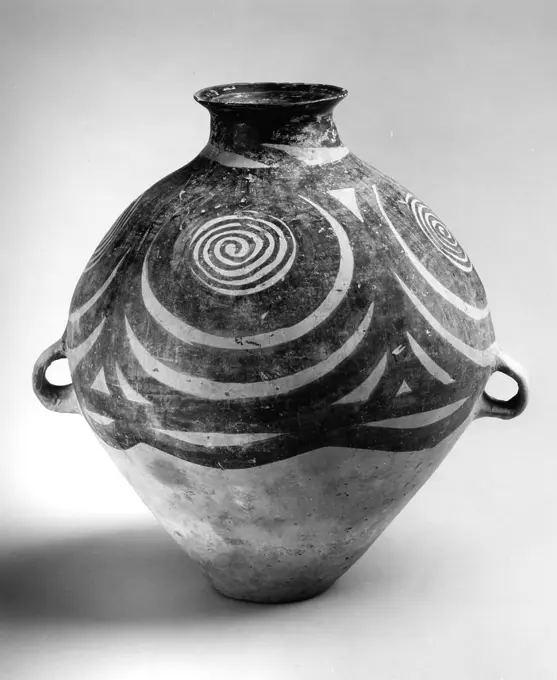
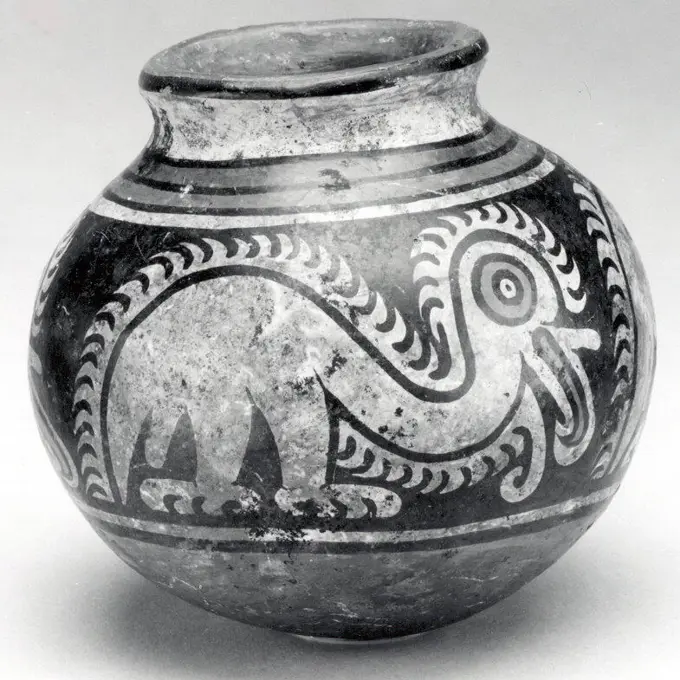
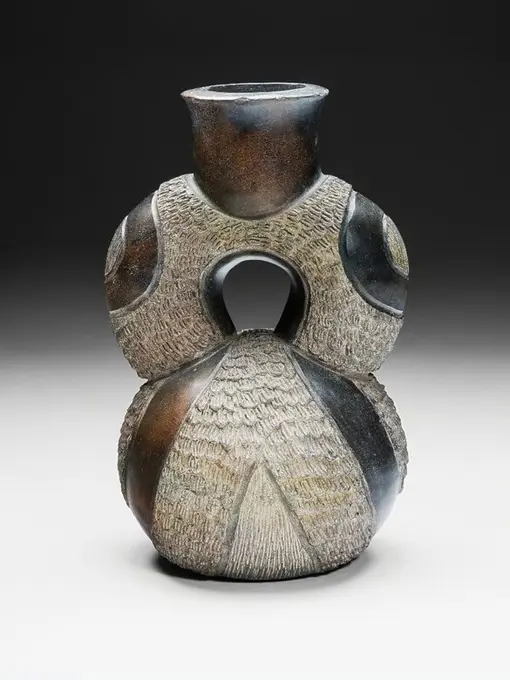
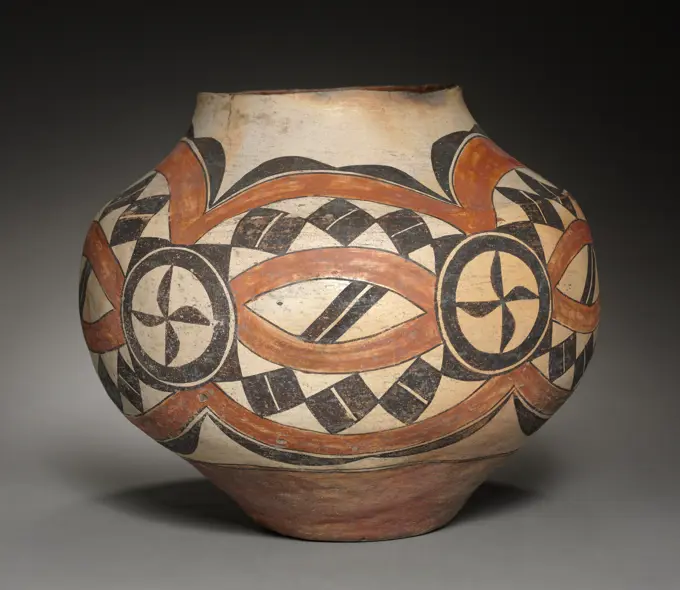
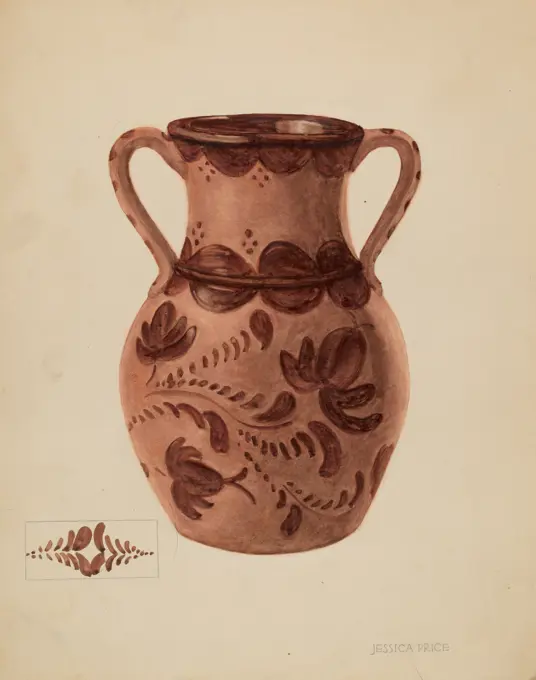
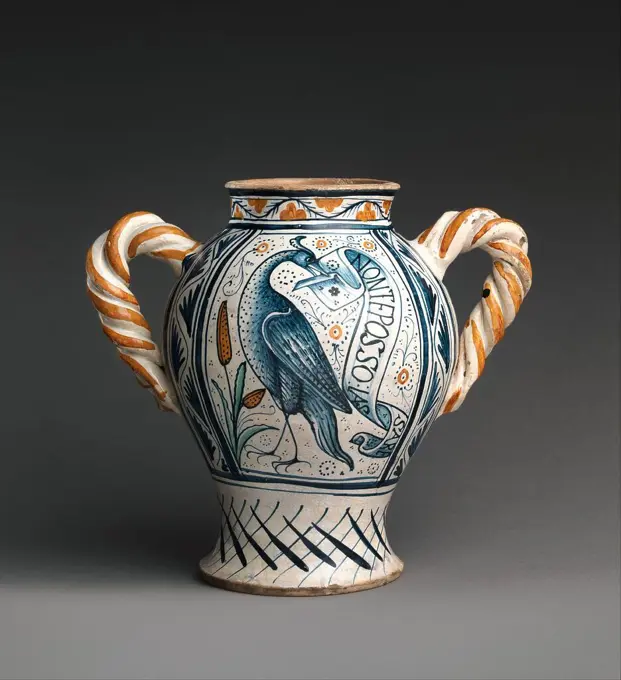
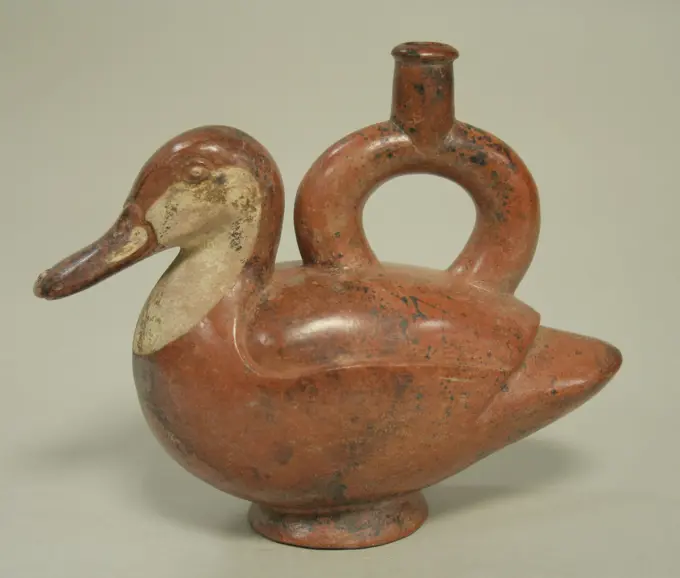
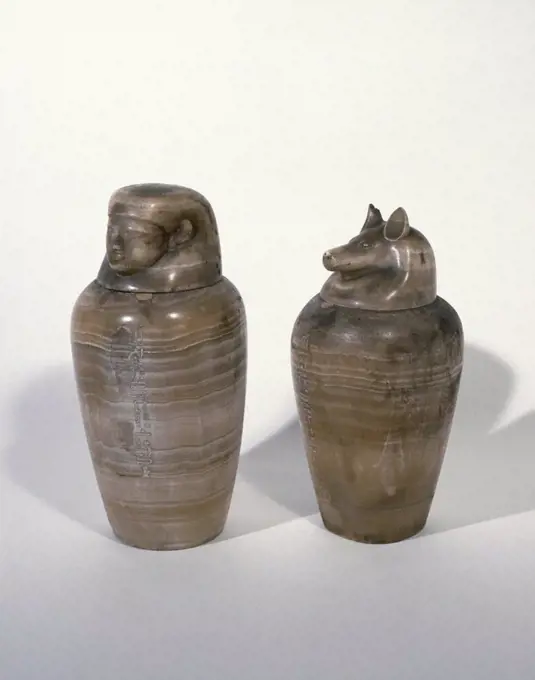
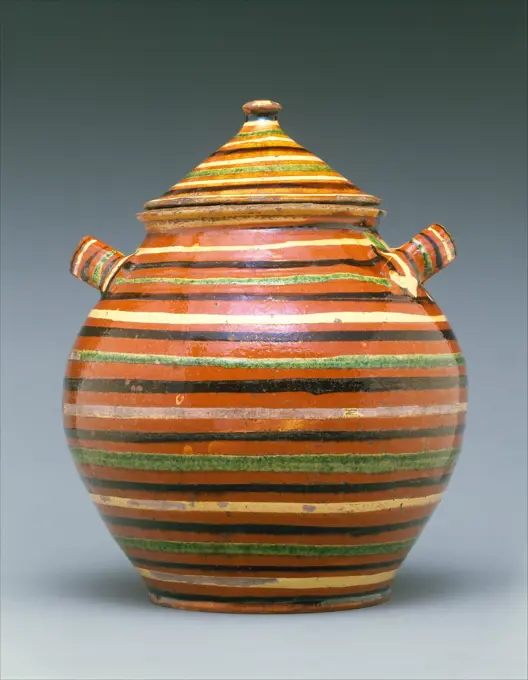
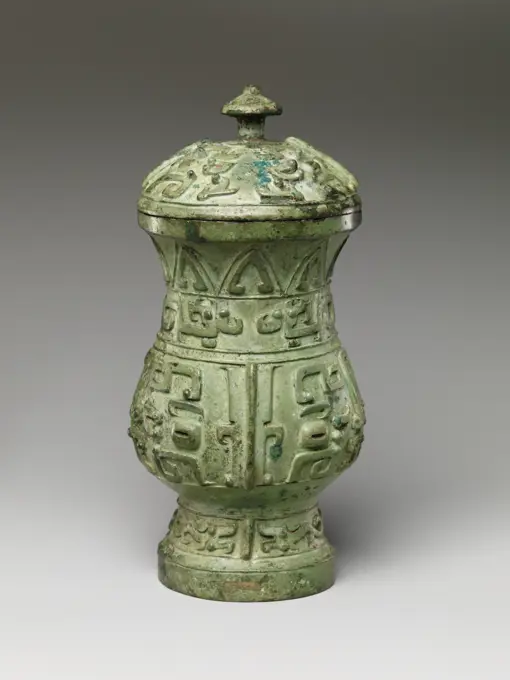
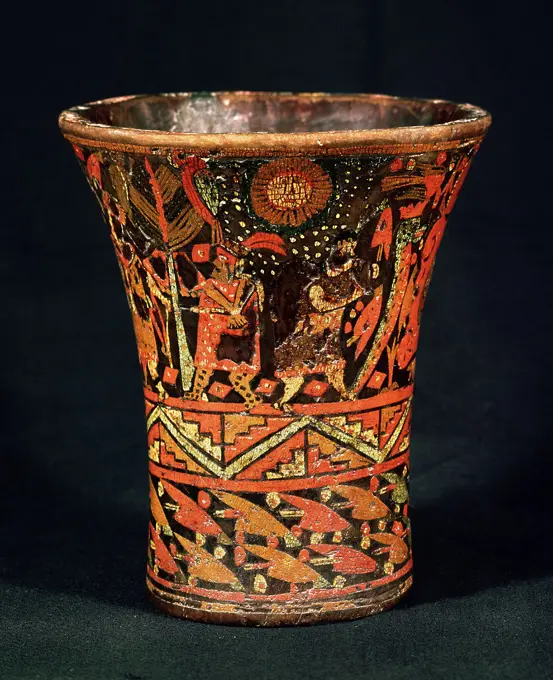
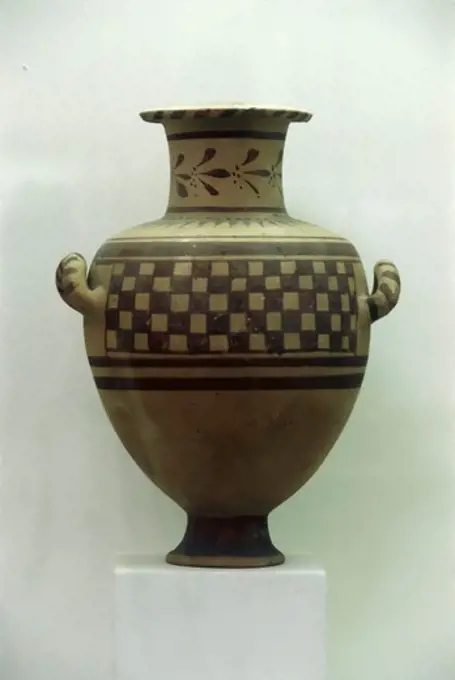
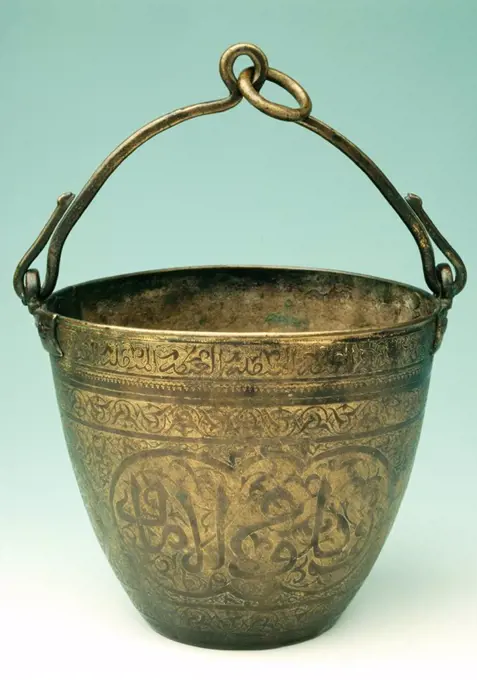
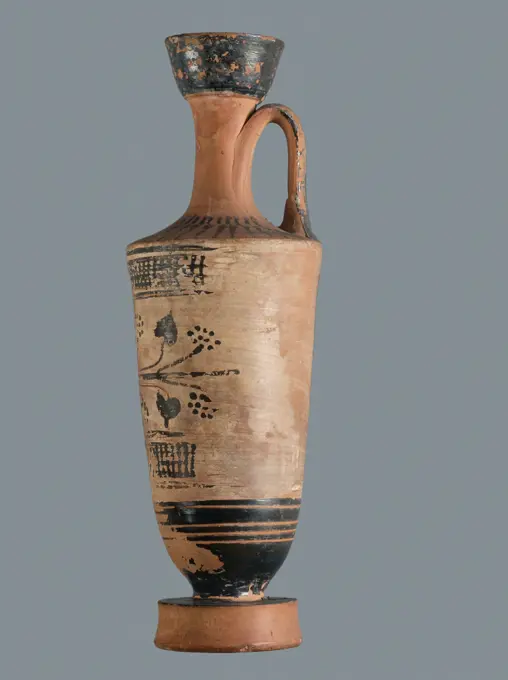
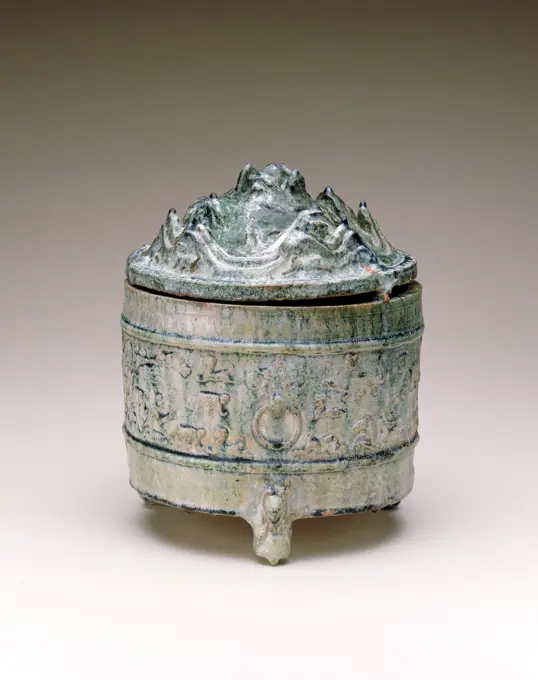
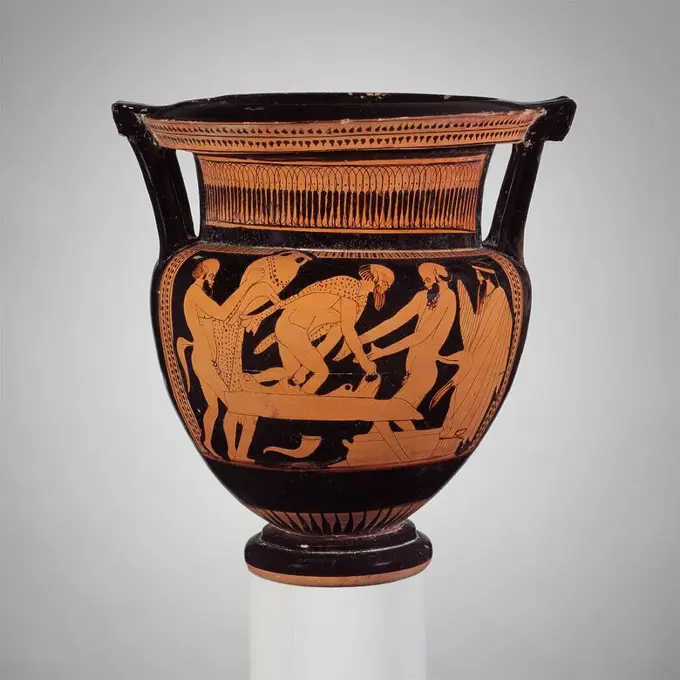
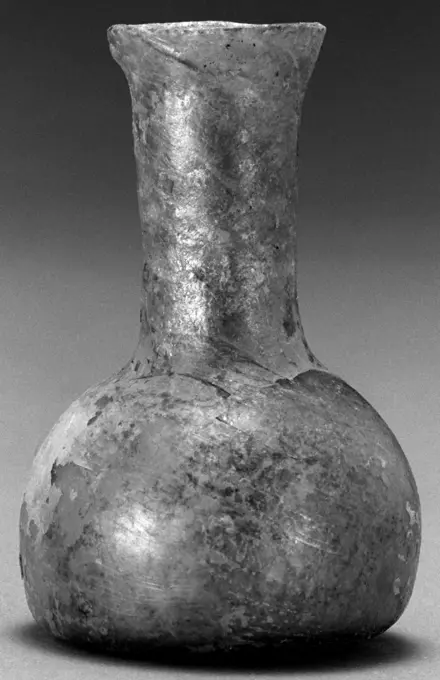
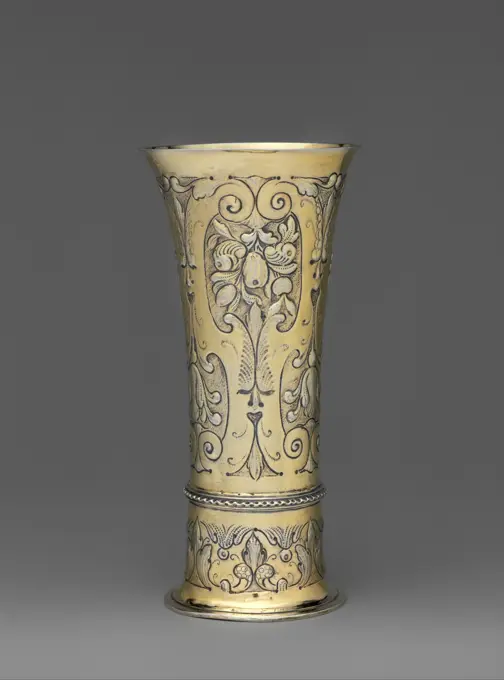
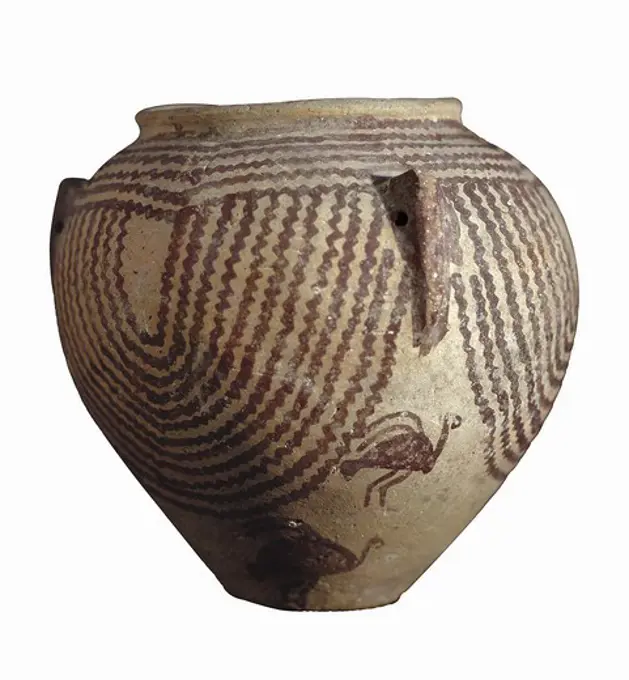
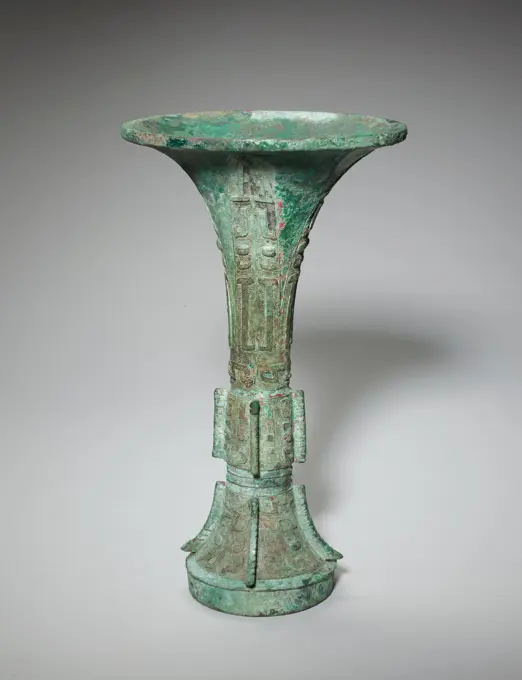
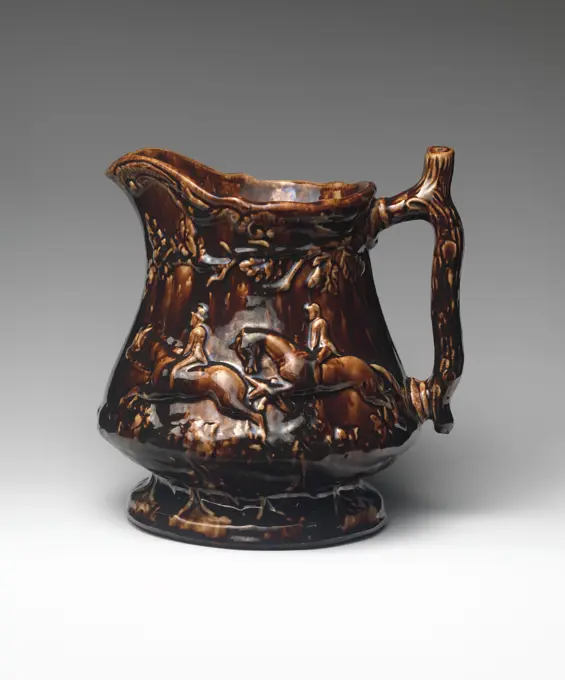
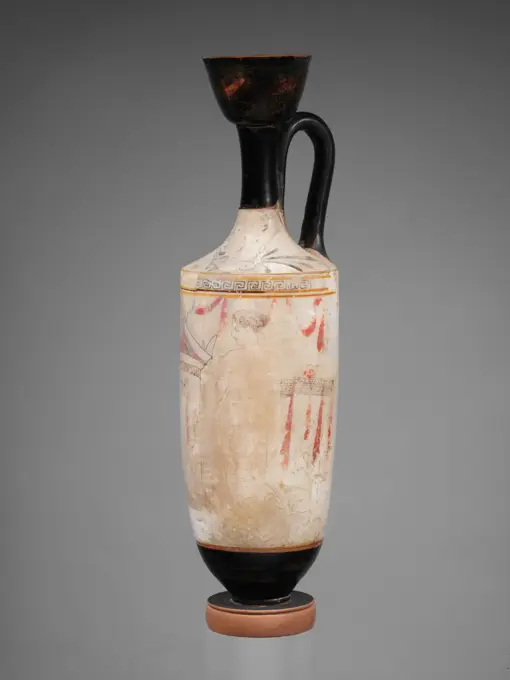
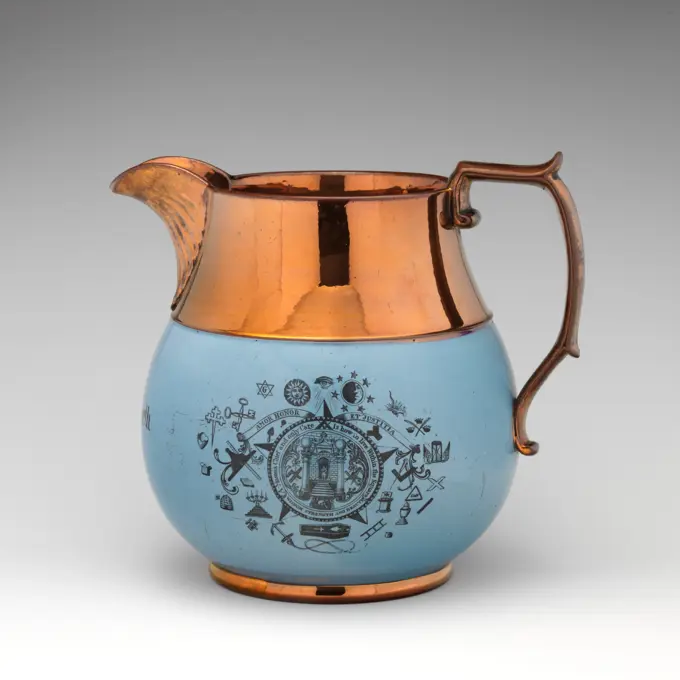
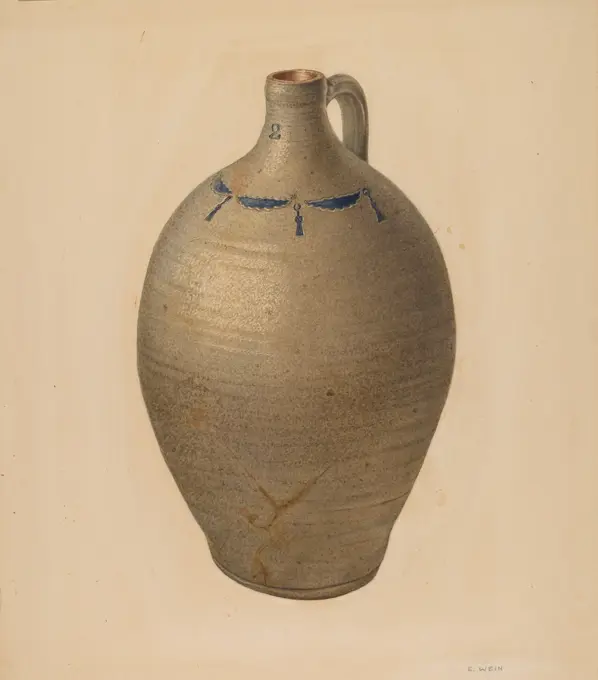
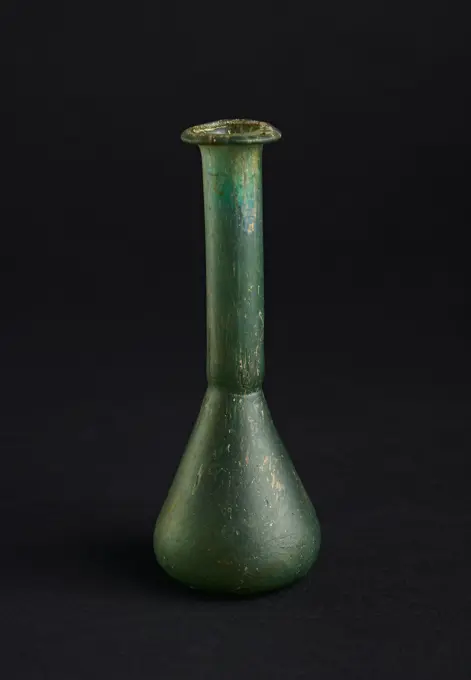
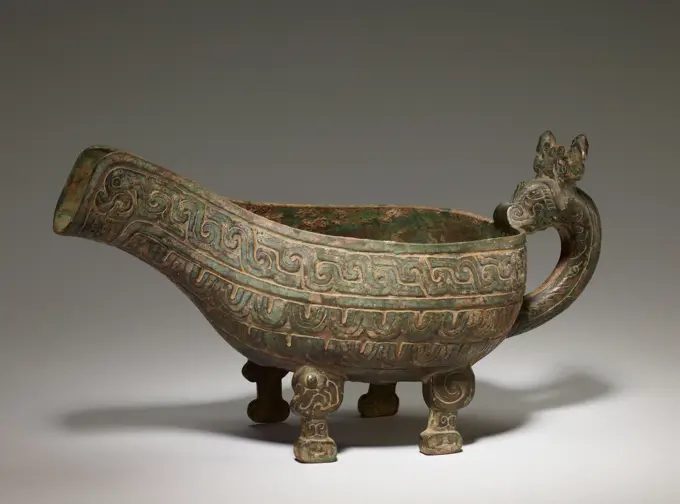
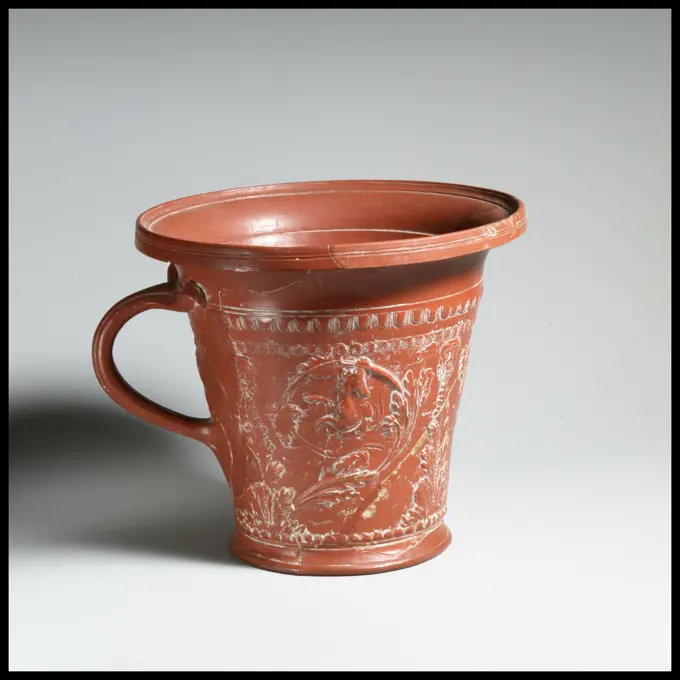
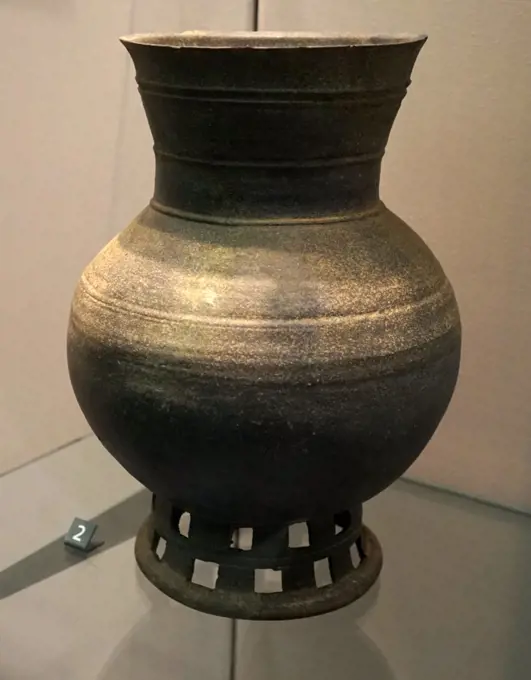
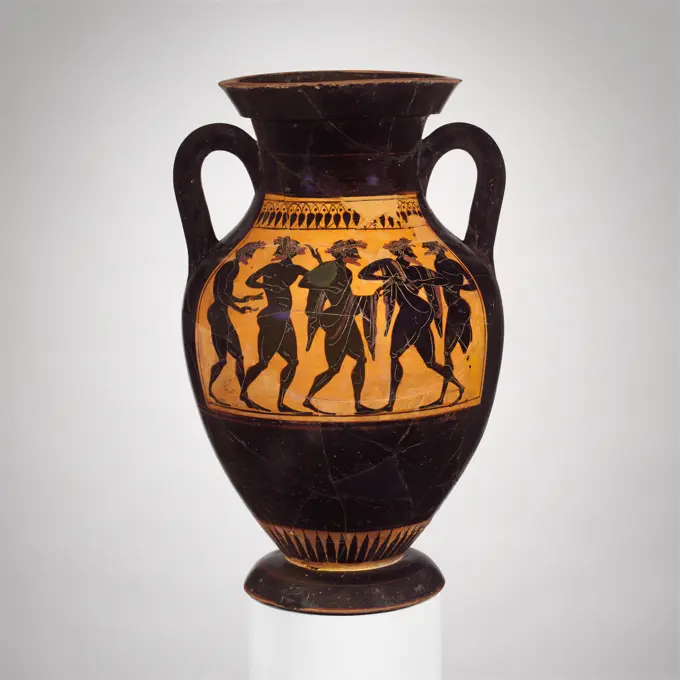
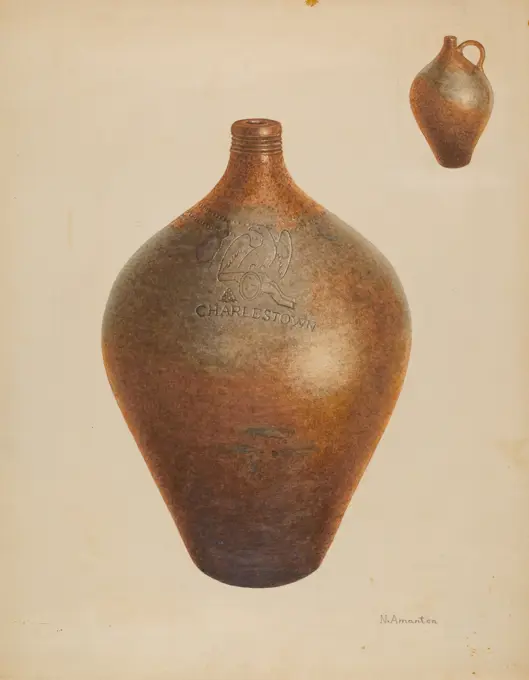
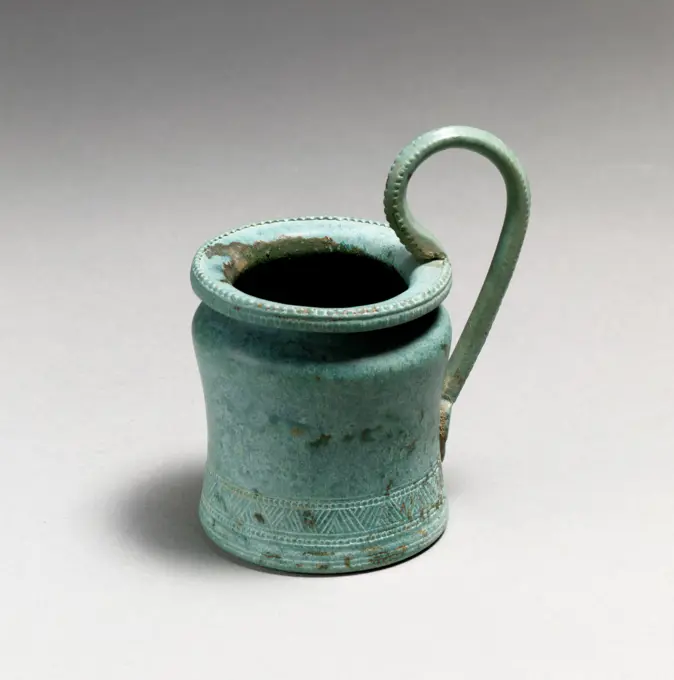
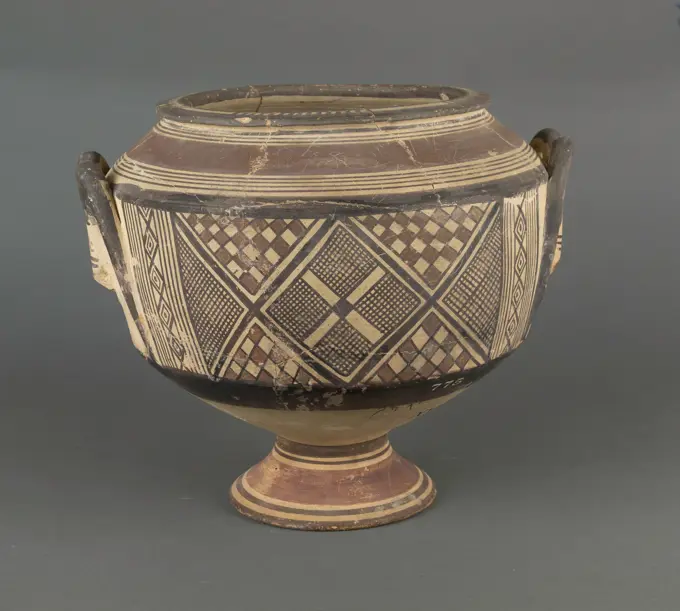
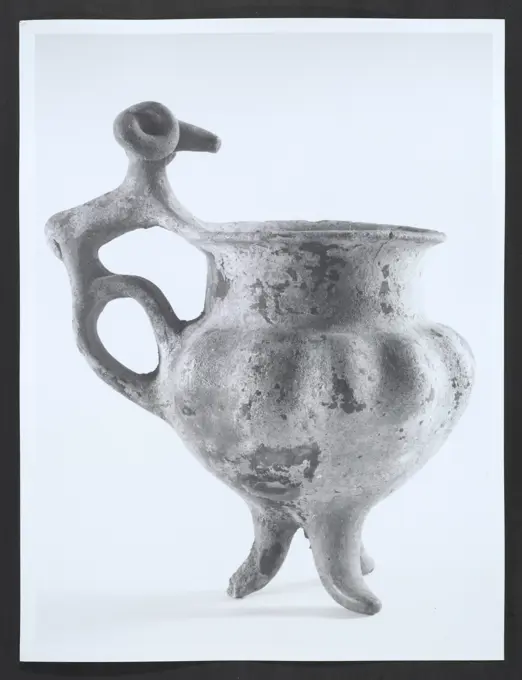
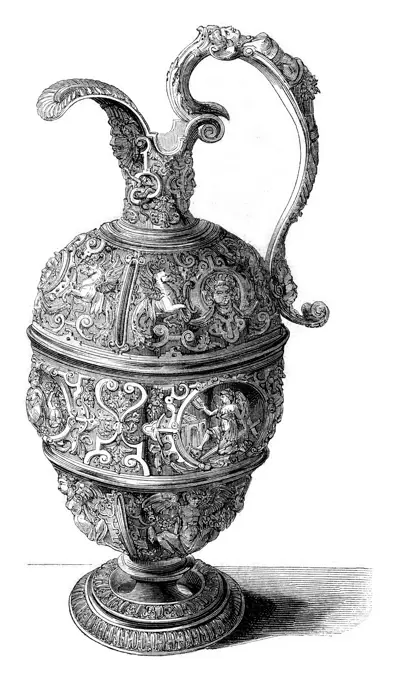
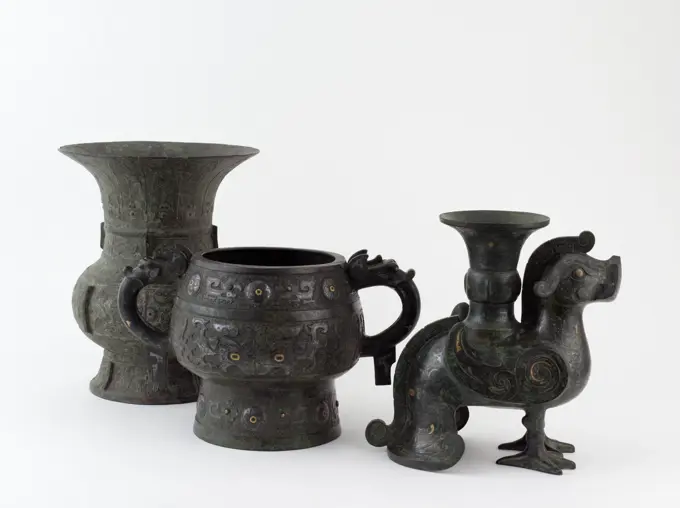
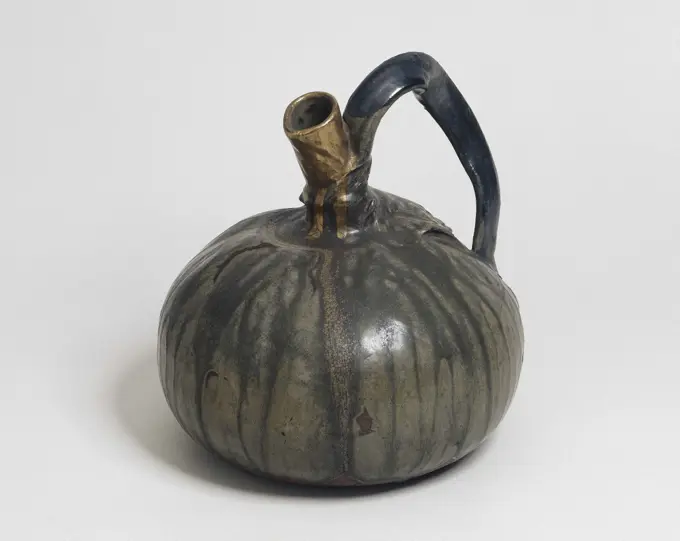
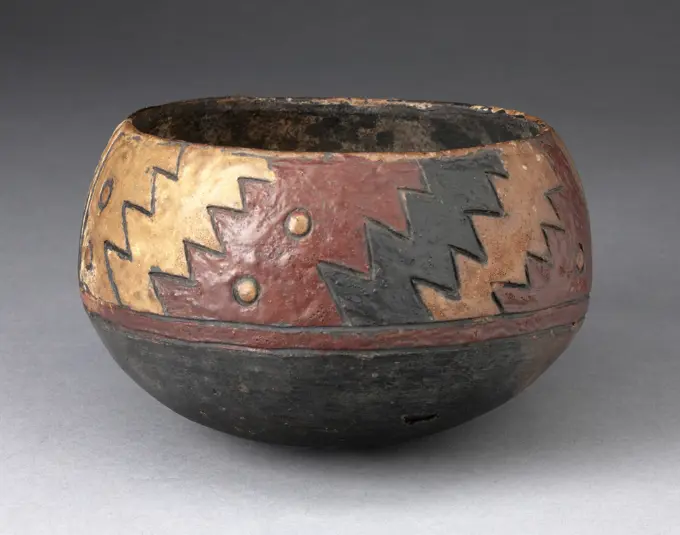
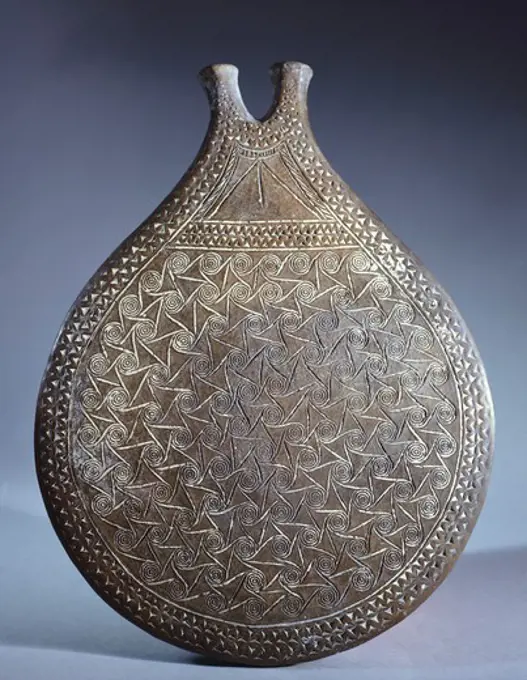
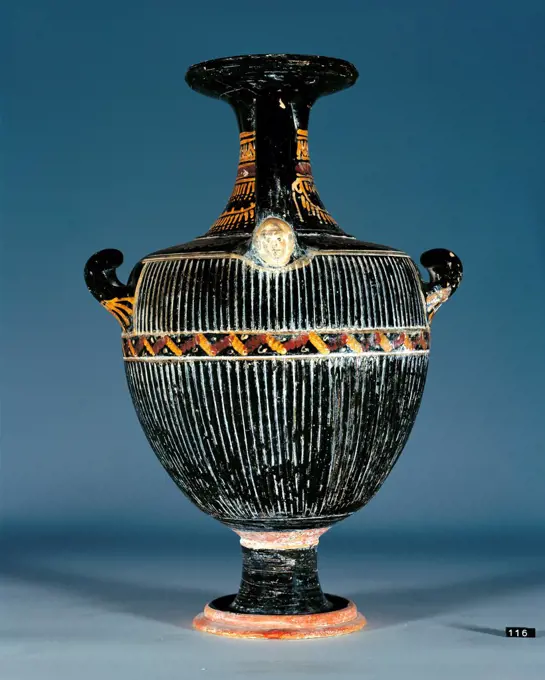
Bottle, Fish 1st-6th century Nasca. Bottle, Fish 309730Stoneware jar with ear on narrow foot, drinking cup drinking utensils holder soil find ceramic stoneware glaze salt glaze, hand-turned glazed baked Pot of stoneware one ear restoration in plaster gray glazed thickened edge lid trench three horizontal ridges internal rotations. Curved body on narrow foot and receding neck archeology Valckensteyn Poortugaal Albrandswaard indigenous pottery import tableware kitchenware serving Soil discovery: castle Valckensteyn in Poortugaal now Albrandswaard.Vase China. Vase 52679Bottle 19th century Japan. Bottle. Japan. 19th century. Clay covered with colored glazes. Edo (1615-1868) or Meiji period (1868-1912). CeramicsVase, Apulia, Italy. Messapian Civilization, 4th-3rd Century BC.Ewer decorated with concentric circles ca. 2700-2000 B.C. Hattian. Ewer decorated with concentric circles 329070Kylix. Culture: Cypriot. Dimensions: 5 3/8in. (13.7cm)Other: 7 1/2in. (19.1cm). Date: 850-750 B.C..Kylix with a zone of elaborate geometric ornament. Museum: Metropolitan Museum of Art, New York, USA.Bottle 1 CE-100 CE Syria. Initially affordable only among the wealthy, glass was used in ancient Rome as containers for oils, perfume, and tablewares. The variety of glass-making techniques reveals the changing tastes and fashions over the centuries. During the 1st century A.D., cast glass was a novel form that was a luxury for the Roman household, but by the end of the century, the innovation of blown glass allowed for less labor-intensive and less expensive production, which meant people of lesser means could afford it. Blown glass became so popular it nearly supplanted ceramic and even bronze wares in the home.. Glass, mold-blown technique . Ancient RomanEwer 13th century. Ewer 451621Shino-Ware Ewer 1601-1700 Japan. Glazed stoneware .Cylinder Vessel with Scenes of Warfare and Offerings. Guatemala, Petén, Naranjo or vicinity, Maya, 546-629 CE. Ceramics. Slip-painted ceramicAskos as a bird. Geometric pottery from Campi Bisenzio (Tuscany). Etruscan Civilization, 700-725 BC.Hu container with animal-masks 3rd-2nd century B.C. China. Hu container with animal-masks. China. 3rd-2nd century B.C.. Earthenware with lead green glaze. Han dynasty (206 B.C.-A.D. 220). CeramicsWine Vessel (Zun), c. 1000 BC. China, early Western Zhou dynasty (c. 1046-771 BC). Bronze; overall: 29.5 cm (11 5/8 in.).Butla. unknown, authorDish, amphora on the foot, a dish in the manner's shape;  around 1985-m 1650 BC ; Pahu (0-00-00-0-00-00), approx. 1550-1186 BC ; New PA ; Pahu, 12-13 dynasty (0-00-00-0-00-00), approx. 1550-OK. 1186 BC ; New PADeposit of the University of Warsaw from 1937-1939, scenes.gal.g., Stone vessels, Polish-French excavations in Edfu (Egypt)Silver single-handled cup, Ukraine. Cuman Civilization, 10th-13th Century.Jar 19th century Japan. Jar. Japan. 19th century. Clay covered with a light speckled glaze (Awata ware). Edo (1615-1868) or Meiji period (1868-1912). CeramicsLekyt z przedstawieniem Charona w łodzi, wyciągającego rękę w stronę zmarłej. unknown, authorHandless Jar. UnknownAaron Fastovsky, Jug, c 1939 JugJar with Spiral Decoration. Culture: China. Dimensions: H. 13 1/2 in. (34.3 cm). Date: Machang type (ca. 2350-2050 B.C.).Based in the northwest, the Majiaoyao represents one phase of the extensive Yangshao culture of north China during the Neolithic period. Museum: Metropolitan Museum of Art, New York, USA.CandlestickUnguentariumTerracotta vase with relief decoration. Culture: Greek, South Italian, Tarentine. Dimensions: H. with lid 21 in. (53.4 cm)H. without lid 18 5/16 in. (46.5 cm). Date: 1st half of the 2nd century B.C..Erotes, Athena, Nike, and lyre-playersDuring the third century B.C., Tarentum fell under the hegemony of Rome. It was directly involved in the conflicts between Rome and the Carthaginians under Hannibal until finally losing its sovereignty to Rome in 209 B.C. The changed cultural environment affected artistic production. One innovation is represented by vases such as these, built up of various sections, decorated with subjects in relief, and brightly painted. Museum: Metropolitan Museum of Art, New York, USA.Tontopf Clay pot of manual work. It is possible to store milk or other liquid Copyright: xZoonar.com/ValeryxxSibrikovx 5406238Jar 8th-12th century Coclé (Macaracas). Jar 316782Terracotta neck-amphora of Panathenaic shape (jar). Culture: Greek, Attic. Dimensions: H. 17 9/16 in. (44.6 cm)diameter 11 7/16 in. (29 cm). Date: ca. 480-470 B.C..Obverse, youth carrying wide, shallow bowl and branchesReverse, youth with branchesThe distinctive shape of the Panathenaic prize amphora, with its broad shoulder and sharply tapering body, was adopted on a smaller scale for other vases. The interpretation of the subject and of the function of this vase depends upon the identification of the bowl carried by the youth on the obverse. He may be a victorious athlete with a prize vase or simply a participant in the Panathenaic games. Museum: Metropolitan Museum of Art, New York, USA.Stirrup Vessel with Textured Surface. Chavín; North coast, Peru. Date: 850 BC-750 BC. Dimensions: 21.6 × 12.7 × 12.7 cm (8 1/2 × 5 × 5 in.). Ceramic and pigment. Origin: North Coast. Museum: The Chicago Art Institute, Chicago, USA.Jar (Olla), 1875. Southwest, Pueblo, Acoma, Laguna, Post- Contact Period,19th century. Pottery; overall: 29 x 33.5 cm (11 7/16 x 13 3/16 in.).Bottle 19th century Scythian. Bottle 468777Vase. Culture: China. Dimensions: H. 3 3/4 in. (9.5 cm); W. 2 3/8 in. (6 cm); L. 1 1/8 in. (2.9 cm). Museum: Metropolitan Museum of Art, New York, USA.Jessica Price, Vase, c 1937 VaseVase with love motifs. Culture: Italian, Deruta. Dimensions: Overall (confirmed): 10 1/8 × 7 1/2 × 11 1/4 in. (25.7 × 19.1 × 28.6 cm). Date: ca. 1470-90.Amorous symbols decorate this vessel. On one side, a graceful bird clutches a scroll inscribed with a romantic dedication: Non te posso lassar (I cannot leave you). This declaration of fidelity is paired, on the opposite side, with the image of an arrow piercing a heart from which flowers and acorns bloom. The broad span of the handles and the two-sided design suggest that it was intended more for display than for storage--possibly as a gift between lovers. Museum: Metropolitan Museum of Art, New York, USA.CERAMICA POPULAR DE SEGORBE (CASTELLON).Stirrup Spout Bottle 2nd-5th century Moche. Stirrup Spout Bottle 317749Egyptian Art. Canopic jars. Used by the egyptians during the mummification to preserve the viscera. It represents god Duamutef (jackal head) and god Imset (human head). 31st Dynasty. Initial Late Period. Second Egyptian Satrapy. Memphis. Egypt.Sugar pot 1820-40 American This is one of a small group of distinctive vessels from the Central Piedmont region of North Carolina. With its exuberant slip decoration and ample size, it is one of the finest of the known surviving pots from that area. Sugar pot 2408Covered Wine Vessel (Zhi) or early Western Zhou dynasty (1046-771 B.C.), 11th-10th B.C. China. Covered Wine Vessel (Zhi) 61240Lazio Viterbo Viterbo Museo Civico34. Hutzel, Max 1960-1990 Views of paintings (Middle Ages through 18th c.), frescoes, a tabernacle, coffin, sculpture reliefs, portal fragments, busts, sculpture, tapestry found in the Pinacoteca, Second floor gallery and Second floor cloister sequences. Antiquities: Many views of Etruscan and Roman fragments, sculpture, sarcophagi, pottery, masks, jewelry and other objects found in the Storeroom sequence (inventory numbers on back of prints), and the Cloister, Second floor Cloister, Valle Giulia, Sala Romana and Sala Etrusca sequences. General Notes: There are eight separate numerical sequences for this location. The cloister as an architectural structure, rather than museum site, is documented in the record and file for S. Maria della Verita, Cloister, all views of which are stored in Medieval core collection. Five views from the Museo Civico Second floor cloister sequence are stored in Medieval. German-born photographer and scholar Max Hutzel (1911-Terracotta bell-krater (bowl for mixing wine and water). Culture: Greek, Attic. Dimensions: H. 12 5/8 in. (32.1 cm)diameter 13 3/8 in. (33.9 cm)width with handles 14 5/16 in. (36.3 cm). Date: late 5th century B.C..Obverse, sacrifice at an altarReverse, three youthsThe altar is stacked with wood to burn the meat offering, prepared on skewers and being carried by attendants on either side. The other two attendants carry a tray and a basket. The recipient of the sacrifice is not identified. The laurel tree behind the altar might indicate Apollo. Museum: Metropolitan Museum of Art, New York, USA.Chess Piece, Probably a Pawn 11th-12th century. Chess Piece, Probably a Pawn. 11th-12th century. Ivory. Attributed to Western Islamic Lands. Gaming piecesMiniature Vase, 1800s. Japan, Edo period (1615-1868) to Meiji period (1868-1912). Overglaze porcelain; overall: 5.3 x 2.9 cm (2 1/16 x 1 1/8 in.).Pre-Columbian Inca Kero (jar). Madrid, Museum of America. Location: MUSEO DE AMERICA-COLECCION. MADRID. SPAIN.Egypt, Alexandria, Hydria with geometrical patterns, baked clayVase late 19th-early 20th century China. Vase 50043Hydria miniaturowa. unknown, authorACETRE NAZARI O SITULA DE LA ALHAMBRA DE GRANADA, S.XIV (Nº INV. 50888). CALDERO, CUBO O VASIJA. ALTURA 17 CM. MUSULMAN. (EXPOSICION: ARTE ISLAMICO ESPAÑOL) (DEPOSITO: MUSEO ARQUEOLOGICO NACIONAL).Lekyt czarnofigurowy białogruntowany. unknown, authorLian (Cosmetic Container), 1st century, 10 1/8 x 7 7/8 x 7 7/8 in. (25.72 x 20 x 20 cm), Earthenware with molded decor under green glaze, China, 1st century, The cover of this jar depicts sacred mountains populated with animals of Han mythology, mainly dragons, tigers and bears. Around the main register is a landscape scene with hunters on horseback pursuing wild animals. Lian jars were used to store small items, especially cosmetics. The mountain peaks seen here and on the bo shan lu censer are inspired by popular Daoism and its fixation on immortality.Teapot with grapevines and squirrels. Teapot of red stoneware on a high, opened foot and the curved spout, C-shaped ear and lid knob in the form of gnarled branches. The wall is covered with grape vines and three squirrels in relief: one above the spout and two with the ear. The lid with leaf raft; The lid knob is in the form of a chilong (corneless dragon). The spout is equipped with a silver frame. Yixing.Vessel, 300-799, 7 1/2 x 8 in. (19.05 x 20.32 cm), Ceramic, pigment, Costa Rica, 4th-8th century. Jug of stoneware with pewter lid. Decorated with partly enamelled and gold-plated line ornament and rosettes.Terracotta column-krater (bowl for mixing wine and water). Culture: Greek, Attic. Dimensions: H. 32.51 cm.. Date: ca. 460-450 B.C..Obverse, satyrs treading grapes in the presence of DionysosReverse, satyrs and maenadThis scene is another in which satyrs perform human tasks; here is one for which they are particularly qualified. The representation is significant as an illustration of the equipment that was used in ancient Attica. Museum: Metropolitan Museum of Art, New York, USA.Glass alabastron (perfume bottle). Culture: Greek, Eastern Mediterranean. Dimensions: H.: 3 13/16 in. (9.7 cm). Date: late 6th-5th century B.C..Opaque red brown, with handles in same color; trails in opaque white.Broad horizontal rim-disk; very short cylindrical neck; narrow rounded shoulder; slightly convex sides to body, tapering upwards; convex bottom; two vertical ring handles with knobbed tails, applied over trail decoration.A trail attached at edge of rim-disk; another trail applied to neck, wound in a spiral around body, tooled into a close-set zigzag pattern with alternate upward and downward strokes, and ending in a circle around bottom.Broken and repaired, with one chip in rim-disk and several large holes and cracks in body; dulling, pitting, but very little weathering. Museum: Metropolitan Museum of Art, New York, USA.Bottle probably 18th-19th century. Bottle 444722Belly bottle, bottle bottle wine bottle bottle holder soil find glass, bottom Body with almost vertical ascending wall to convex shoulders and rejuvenated neck with imposed all-round sharp glass thread of which 34 broken and flattened lip whose origins are archeology packagingFlask. UnknownZodiac Beaker, anonymous, 1355 - 1356 Zodiac cup with bronze lid. Dated. East Java bronze (metal) Zodiac cup with bronze lid. Dated. East Java bronze (metal)Large Pear-Shaped Jar 18th-19th century Japan. Large Pear-Shaped Jar. Japan. 18th-19th century. Pottery decorated at the neck in polychrome enamels (Seto ware). Edo period (1615-1868). CeramicsNaczynie do odciągania mleka z piersi. unknown, authorFooted beaker ca. 1680 Hungarian On this beaker, bold auricular scrolls form cartouches with bundles of foliage and fruits. It seems that the goldsmith intended the points where the scrolls meet to evoke a grotesque mask, with punched pyramidal eyebrows above the nostrils, and an open, heart-shaped mouth from which a leaf-shaped tongue emerges.LiteratureImportant English and Continental Silver. Sale cat., Sothebys, New York, April 16, 1997, p. 60, no. 122. (Unidentified makers mark P.?; perhaps similar to Elemér Kőszeghy. Magyarországi ötvösjegyek a középkortól 1867-ig / Merkzeichen der Goldschmiede Ungarns vom Mittelalter bis 1867. Budapest, 1936, no. 878.)[Wolfram Koeppe 2015. Footed beaker 237201Decorated vessel. 3600 BC. Ceramics from the neolithic Negade II culture, from Predynastic Egypt. Neolithic art. Ceramics. EGYPT. CAIRO. Cairo. Egyptian Museum. Proc: EGYPT. Abydos.Gu wine vessel, 12th-11th century BCE, 11 3/4 × 6 5/8 in., 3.3 lb. (29.85 × 16.83 cm, 1.5 kg), Bronze, China, 12th-11th century BCE, The gu is a tall wine beaker with an unusually taut and graceful silhouetteits trumpet-shaped top tapers to a slim center section before widening again to a slightly flared base. Archaeological evidence reveals that bronze gu first appeared during the Erligang period (c. 1500-1300 BCE) of the Shang dynasty. The gu enjoyed its greatest popularity during the Shang dynasty (c. 1600-1046 BCE), but became less popular in the early Western Zhou (c. 1046-977 BCE), before gradually disappearing during the Eastern Zhou dynasty (770-256 BCE). The gradual decline of the wine vessel may have something to do with the Zhou king’s deprecation of alcohol consumptionhe believed that overindulgence in alcohol resulted in the collapse of Shang. This gu is decorated with variations of the taotie (composite animal) mask. The background pattern of tight spirals, found all ovCovered Jar 14th-ca. mid-16th century Thailand (Si Satchanalai). Covered Jar 37477Pitcher 1830-70 American. Pitcher 5666Glass rectangular bottle. Culture: Roman. Dimensions: H.: 5 1/16 in. (12.9 cm). Date: 2nd century A.D..Translucent deep blue green; handles in same color.Rim folded out, round and in, with broad, flattened upper surface; cylindrical neck, slightly tapering downward, with horizontal tooling marks around the base; horizontal shoulder with rounded corners; rectangular body with flat sides, tapering downward on short sides; thick, concave bottom with circular pontil scar; two broad handles, each with three ribs, applied as a long pad to short edge of shoulder, drawn up vertically, then bent in and down, and attached to neck with upward trail extending to underside of rim.Intact, except for one weathered chip in rim; pinprick and a few larger bubbles; dulling and pitting, thin patches of weathering on exterior, and greater iridescence on interior.Rectangular two-handled bottle with round neck. Museum: Metropolitan Museum of Art, New York, USA.Terracotta lekythos (oil flask) ca. 420-410 B.C. Attributed to the Painter of Berlin 2464 Youth and woman, each holding basket with fillets, bringing offerings to a tomb.. Terracotta lekythos (oil flask). Greek, Attic. ca. 420-410 B.C.. Terracotta; white-ground. Classical. VasesJug ca. 1810 British. Jug. British. ca. 1810. Lustreware. Ceramics-PotteryElsie Wein, Jug, c 1938 JugMinature double gourd bottle 18th century China. Minature double gourd bottle. China. 18th century. Porcelain with light blue glaze (Jingdezhen ware). Qing dynasty (1644-1911). CeramicsTerracotta vase in the form of a basket. Culture: Greek, Attic. Dimensions: H. 2 1/4 in. (5.7 cm). Date: late 8th century B.C..From the Hymettos deposit (see 30.118.1)It is not certain whether the vase originally had a handle. Museum: Metropolitan Museum of Art, New York, USA.. Zodiac cup with bronze lid. Dated.FOREIGN OLDCharlotte Sperber, Jug, 1937 JugYi water vessel, 9th-8th century BCE, 6 5/16 × 11 7/8 × 5 5/8 in., 4.2 lb. (16 × 30.2 × 14.3 cm, 1.9 kg), Bronze, China, 9th-8th century BCE, This gourd-shaped vessel is known as a yi and was used as a water container. Yi first appeared during the mid-Western Zhou dynasty (c. 976-886 BCE), and were prevalent in the later Western Zhou and Spring and Autumn periods (c. 885-476 BCE). Before conducting a ritual activity or sitting down to a ceremonial feast, nobility would wash their hands with water poured from a yi like this one. Archaeological excavations reveal that yi were often paired with pan basins. Later, in the Warring States period (c. 475-221 BCE), yi evolved from a footed vessel with rich decoration and an animal-mask handle, such as this one, to a simple flat-bottomed vessel with restrained decoration and a ring handle. The charming features of this vessel include the handle, surmounted by a horned dragon head, and legs, each one a seahorse-like dragon silhouette.Bottle 17th century Korea. Bottle 57502Terracotta modiolus (drinking cup) ca. A.D. 5-40 Roman Fore-parts of horses, leaves, arabesques, satyr masks.. Terracotta modiolus (drinking cup). Roman. ca. A.D. 5-40. Terracotta. Early Imperial, Julio-Claudian. VasesStoneware jar on a perforated pedestal. Dated 5th CenturyTerracotta amphora (jar) ca. 520-510 B.C. Attributed to the Acheloös Painter Obverse and reverse, revelersDrinking plays a large part in Attic vase-painting. Many of the shapes were made for the symposium, and their decoration depicts varied aspects of the gatherings. This amphora shows two groups of men, wreathed with vine leaves and because they stand firmly, probably at the beginning of the evening.. Terracotta amphora (jar) 251361 : Attributed to the Achelos Painter, Terracotta amphora (jar), ca. 520510 B.C., Terracotta, H. 15 3/4 in. (40 cm). The Metropolitan Museum of Art, New York. Rogers Fund, 1923 (23.160.17)Nicholas Amantea, Jug, c 1937 JugToilet jar ca. 1850-1750 B.C. Middle Kingdom. Toilet jar. ca. 1850-1750 B.C.. Limestone. Middle Kingdom. From Egypt, Memphite Region, Lisht North, cemetery north of the tomb of Senwosret (758), Pit 828, MMA excavations, 1908-09. Dynasty 12, late-early 13Bronze kyathos (ladle) 450-400 B.C. Etruscan Small bronze and terracotta vessels of this Sant'Anatolia type are common in Etruscan tombs from about 450 to about 250 B.C. Often deposited in groups of three to seven of slightly different sizes, they were likely used to ladle wine from larger vessels or perhaps to measure water when mixing it with wine. Falerii (Civita Castellana) has been suggested as the location for the workshop that produced these kyathoi as well as the beaked jugs in this case.. Bronze kyathos (ladle) 248648Belly amphora (Artemis and Actaion / Argos and IO). The storage vessel obtained except for the lost lid, which reveals the safe hand of a significant potter, protrudes most comparable vessels Spätarchaisch-Early Classical Time. Like the gable fields of a temple, the two necklines are sitting high above the simplicity black vascular body. On the bottom of the foot a "Graffitto", probably the trademark of an exporter. The image representations on pages A and B of the neck are equivalent in the content of the content and care of the representation. The pictures on both sides show the killing of the hunter Aktaion and the Giant Argos, both children of the Godvaters Zeus.seite A: Artemis, dressed in a long, richly pleated chiton with polka dots and a long scarf over his shoulders, wearing the hair with one Binding rear to a knot bound; On their ears hang earrings. She hurries from left and points with arrow and bow in her outstretched right hand on Actaion. This carries a stagfish whose heaAmphora 7th century B.C. Cypriot. Amphora. Cypriot. 7th century B.C.. Terracotta. Cypro-Archaic I. VasesAn Apache Pictorial Coiled Storage Jar Native American Art Jar, 10 11/16 × 12 1/8 × 12 1/8 in. (27.15 × 30.8 × 30.8 cm), Ceramic, pigments, United StatesLazio Viterbo Viterbo Museo Civico6. Hutzel, Max 1960-1990 Views of paintings (Middle Ages through 18th c.), frescoes, a tabernacle, coffin, sculpture reliefs, portal fragments, busts, sculpture, tapestry found in the Pinacoteca, Second floor gallery and Second floor cloister sequences. Antiquities: Many views of Etruscan and Roman fragments, sculpture, sarcophagi, pottery, masks, jewelry and other objects found in the Storeroom sequence (inventory numbers on back of prints), and the Cloister, Second floor Cloister, Valle Giulia, Sala Romana and Sala Etrusca sequences. General Notes: There are eight separate numerical sequences for this location. The cloister as an architectural structure, rather than museum site, is documented in the record and file for S. Maria della Verita, Cloister, all views of which are stored in Medieval core collection. Five views from the Museo Civico Second floor cloister sequence are stored in Medieval. German-born photographer and scholar Max Hutzel (1911-1Museum of Cluny, Pewter Ewer, vintage engraving. Museum of Cluny, Pewter Ewer, vintage engraved illustration. Magasin Pittoresque 1852. Copyright: xZoonar.com/PatrickxGuenettex 10673640Zun vase / burnt-sparkle / stylized bird. Bronze. China. Paris, Cernuschi museum. 71127-17 Anse, Chinese art, bronze, burn-brush, decorative motif, stylise bird, zun vaseJean Carriès (1855-1894). "Pumpkin -shaped handle". Enamelled sandstone, gold and silver drips, between 1875 and 1894. Museum of Fine Arts of the city of Paris, Petit Palais. 24205-18 Handle, ceramic, pumpkin, shape, emaille, potBowl with Thickly-Painted Polychrome Zigzag Motif 650 BCE-150 BCE Peru. Ceramic and pigment . ParacasACETRE NAZARI DE BRONCE - SIGLO XIV - 20x16 cms. Location: MUSEO ARQUEOLOGICO NACIONAL-COLECCION. MADRID. SPAIN.Vase; Szewczyk Franciszek; around 1882 (1877-00-00-1887-00-00);Treasure of Tanis, Golden pot of the king Sheshonq from the royal tombs, Third Intermediate Period, Dynasty XXI-XXIIVase (usual name). Cernuschi Museum, Asia Museum of Asia in the city of Paris.Ewer 12th-13th century. Ewer 447185Vase with incised decoration, Greece. Cycladic civilization, 3500-1050 BC.Apulian hydria in the Gnathia style, by Alexandria group, III Century, 300-250, cm 39 diamentro orlo 12.1 cm - piede 12.2 cmBeaker. China. Date: 1600 BC-1050 BC. Dimensions: H: 32.4 × diam. 16.5 cm (12 3/4 × 6 1/2 in.). Bronze. Origin: China. Museum: The Chicago Art Institute, Chicago, USA.Container