Ancient Vessels

A collection of historical glass and ceramic vases, showcasing intricate designs and diverse shapes from different cultures.

Vase bottle (usual name), 1400. Gray cover sandstones. Cernuschi Museum, Asia Museum of Asia in the city of Paris.
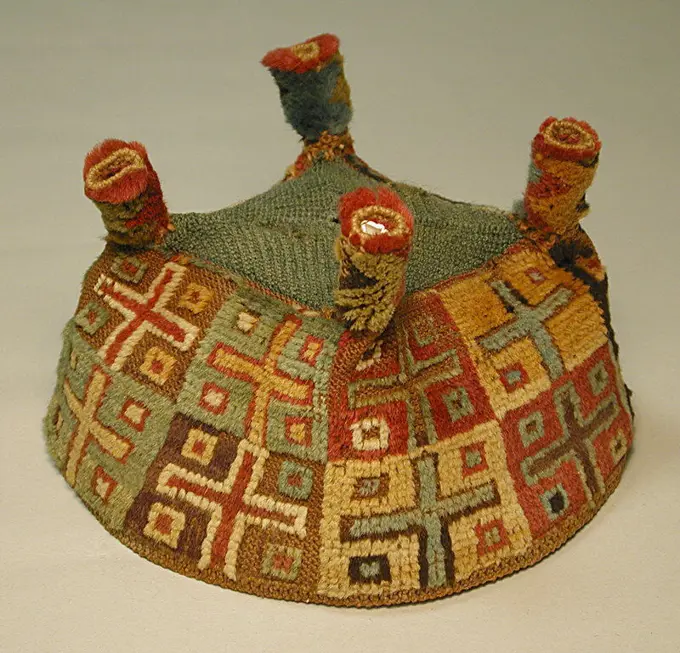
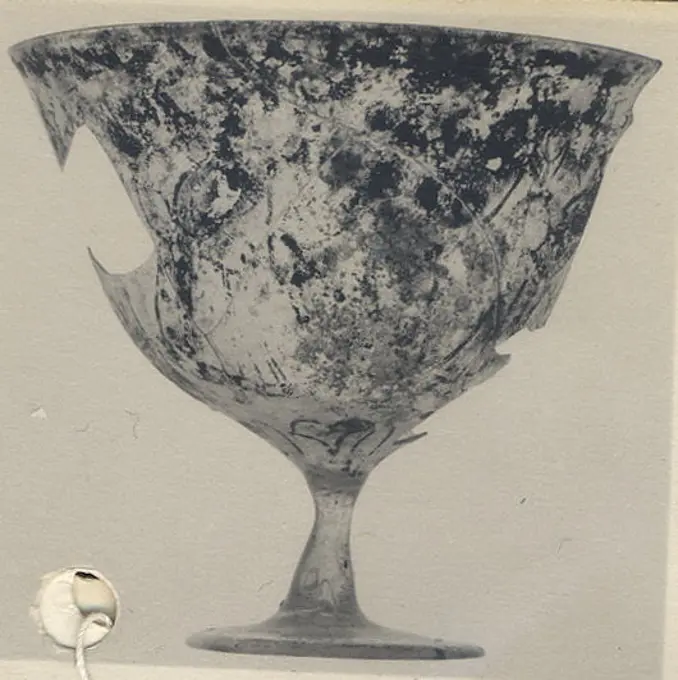
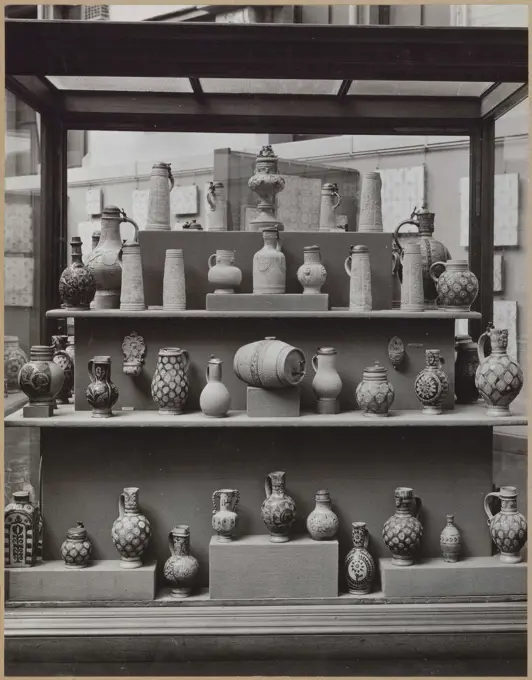
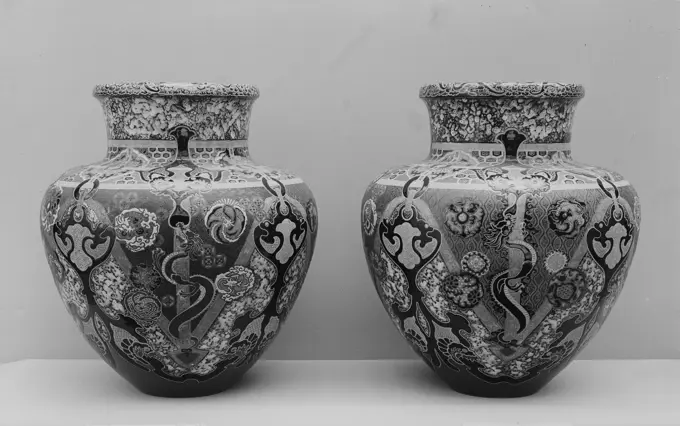
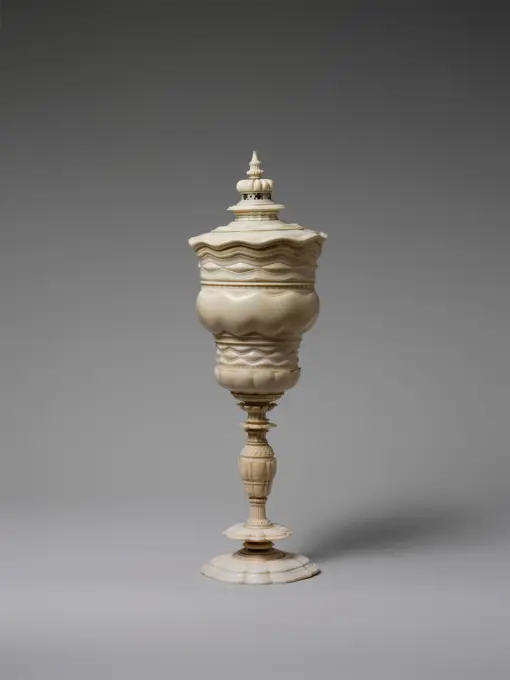
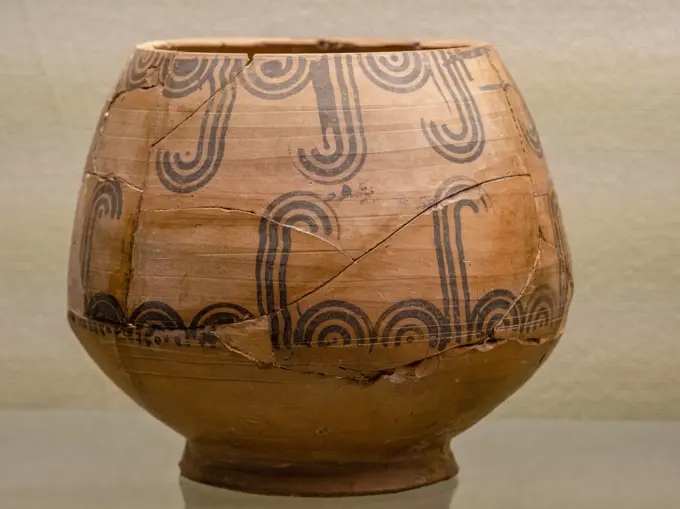
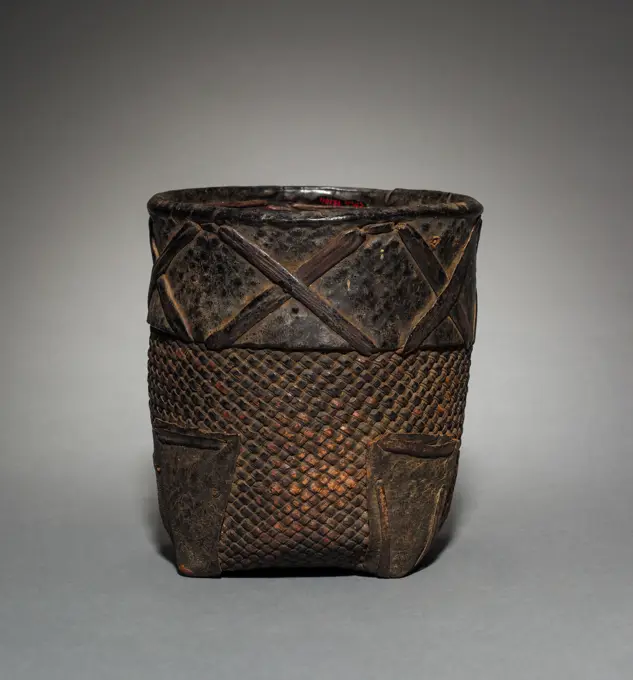
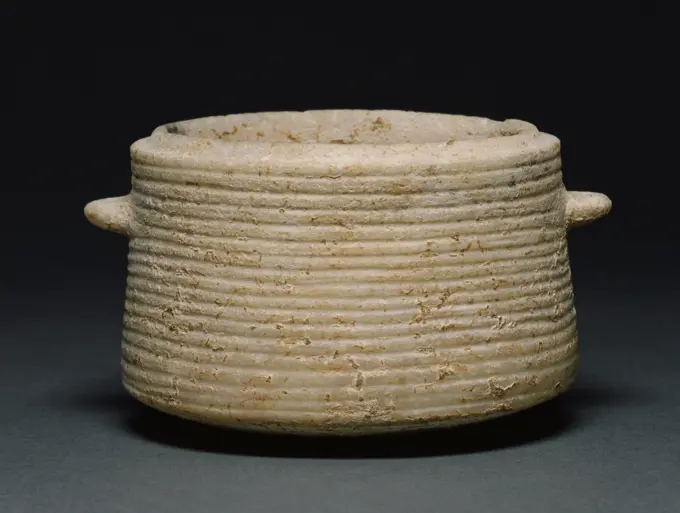
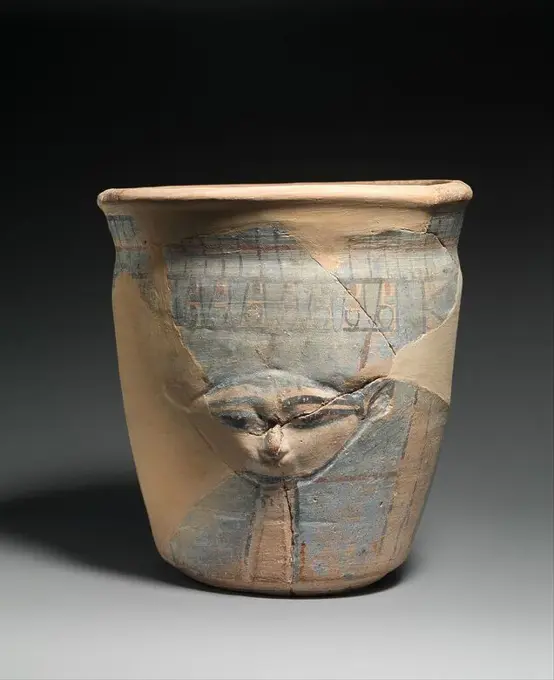
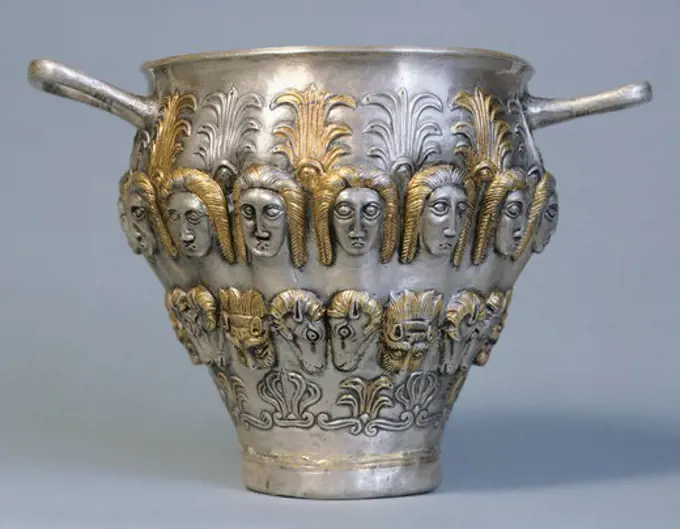
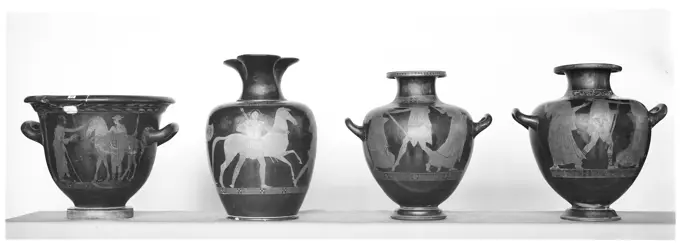
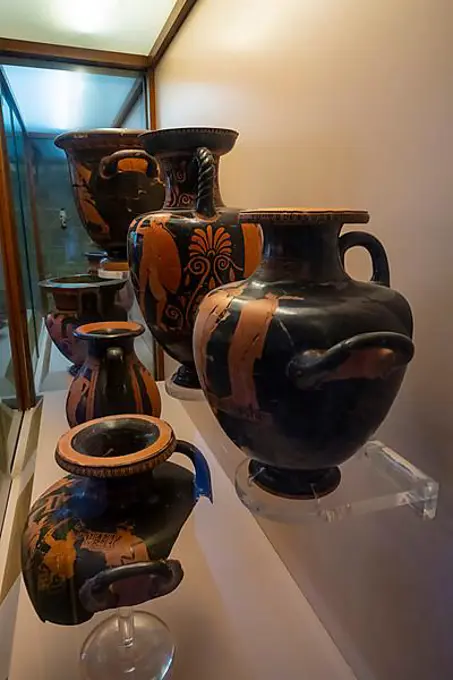
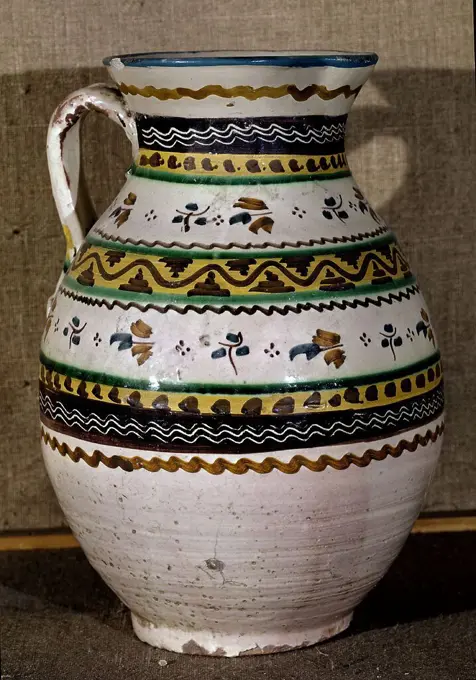
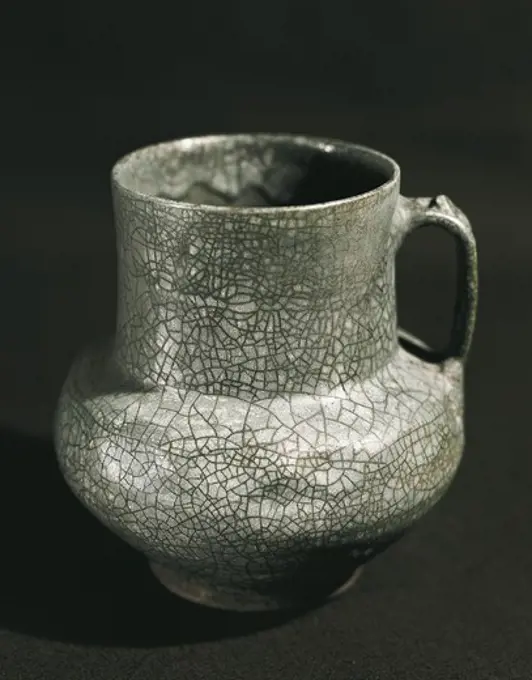
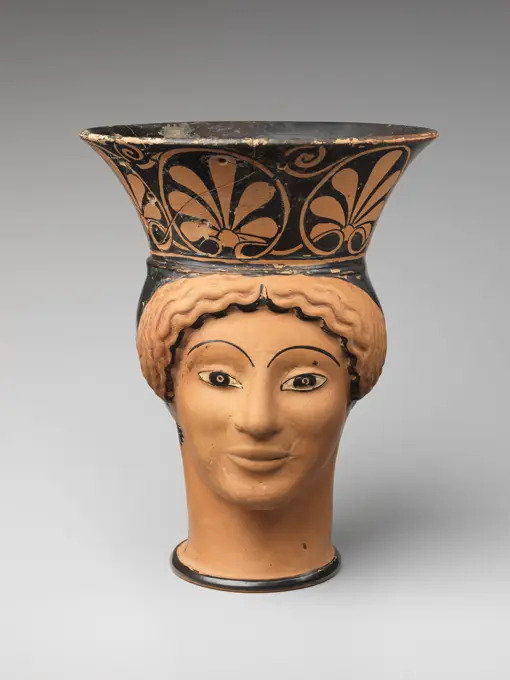
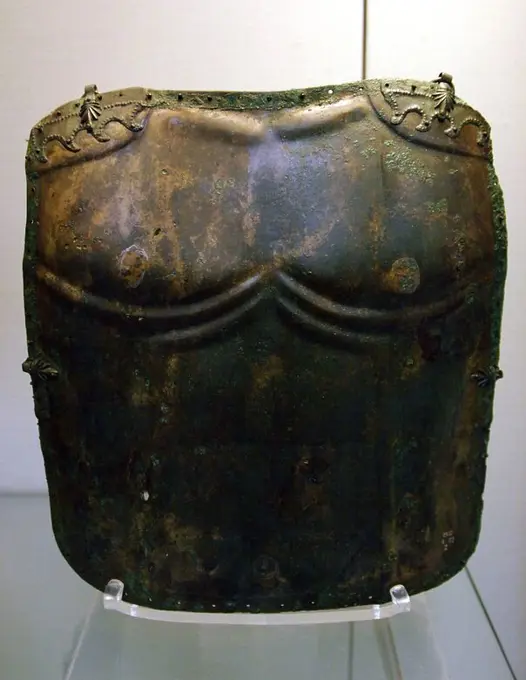
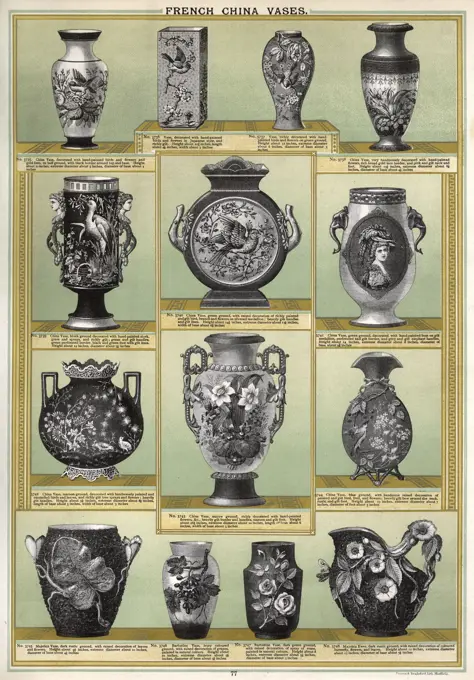
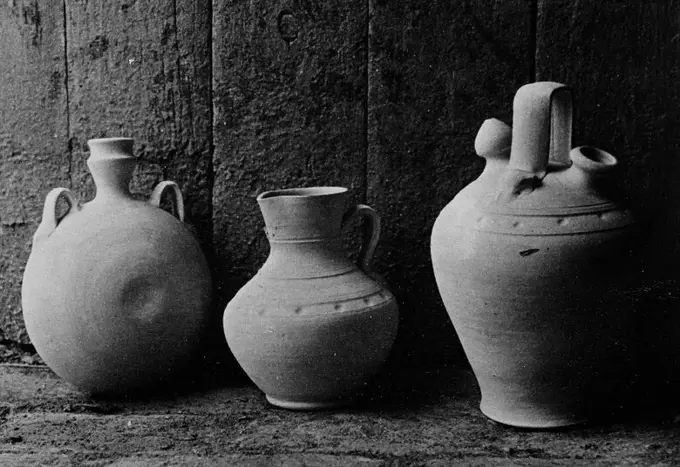
Tea pitcher;  19th century (1801-00-00-1900-00-00);Bottle with cover (one of a pair) ca. 1675 Attributed to Thomas Jenkins. Bottle with cover (one of a pair). British, London. ca. 1675. Gilded silver. Metalwork-SilverVase 19th century Tsuruzawa Tanzan. Vase. Tsuruzawa Tanzan (Japanese, 1655-1729). Japan. 19th century. Clay decorated with slip under a transparent glaze andcolored enamels (Nabeshima ware). Edo (1615-1868) or Meiji period (1868-1912). CeramicsTwo handled bowl decorated with long necked birds and a large stylised lotus flower. Dated 750 B.C.Standing cup with cover 17th century Possibly by workshop of Lorenz Zick The technique of forming objects on a lath, or turning, reached a high degree of complexity in the Renaissance and Baroque eras, when French, Italian, and Central European workshops produced paper-thin hollowed-out shapes from single blocks of ivory. Clerics and noblemen embraced turning as a hobby. Among the rulers who collected masterpieces of turning for their Kunstkammern and practiced the art themselves were the Holy Roman Emperors Maximilian II (r. 1564-76), Rudolf II (r. 1576-1612), and Ferdinand III (r. 1619-37). The eccentric form of one of these cups exemplifies Mannerist taste in Central Europe, though the most challenging aspect of its creation was concocting the lacy hollows that form the stem and spire.. Standing cup with cover 191621Keltische Vase Celtic vase, Museum of the Romanization, Calahorra, La Rioja , Spain, Europe Copyright: xZoonar.com/BartomeuxBalaguerxRotgerx 22946461One of Ten Nesting Wedding Baskets, c. 1900s . Africa, Western Sudan, Burkina Faso, Lobi, 20th century (). Plant fiber and leather; diameter of mouth with rim: 16.6 x 15.2 cm (6 9/16 x 6 in.).Lazio Roma Grottaferrata Museo39. Hutzel, Max 1960-1990 German-born photographer and scholar Max Hutzel (1911-1988) photographed in Italy from the early 1960s until his death. The result of this project, referred to by Hutzel as Foto Arte Minore, is thorough documentation of art historical development in Italy up to the 18th century, including objects of the Etruscans and the Romans, as well as early Medieval, Romanesque, Gothic, Renaissance and Baroque monuments. Images are organized by geographic region in Italy, then by province, city, site complex and monument.Aztec painted clay drinking vessels, from Mexico, 15th CenturyIncense burner China. Incense burner 42359Egypt, Bowl depicting a crocodile, terracottaDecorated stoneware jug, 10th cent. AD. IRAQ.Wine Pot 1750 Japan. Wine Pot 62870Cylindrical Pyxis. UnknownProbably French 17th Century, Mortar with Busts and Draped Venus Figures, c 1600 Mortar with Busts and Draped Venus FiguresUpper sectoin of a blue-painted Hathor Jar from Malqata. Dimensions: H. 24.5 (9 5/8 in.); diam. 25 cm (9 13/16 in.). Dynasty: Dynasty 18. Reign: reign of Amenhotep III. Date: ca. 1390-1353 B.C..This is the upper part of a jar that would have been over twice the height. A complete jar would have a complex profile, somewhat similar to a figure 8, with this beaker shaped upper section joined at the waist to a wide slightly shouldered jar. The piece has an overall white slip, and then is painted mainly with vegetal motifs in blue, with touches of black and red, characteristic of Egyptian "blue-painted ware" of this period.The preserved neck has a relief Hathor emblem on opposite sides. The goddess face was probably formed by pressing the clay into a mold formed for the purpose - the pressure of fingers can be seen on the interior of the jar. The Hathor face wears a blue straight wig, bound at intervals by red ribbon. On the other sides are bound papyrus motifs between animal-headed sceptSilver gilt skyphos, from Strelca, Pazardjik Region, Bulgaria. Goldsmith art. Thracian Civilization, 5th Century BC.Terracotta bell-krater (bowl for mixing wine and water) ca. 440 B.C. Attributed to the Polydektes Painter Obverse, horseman leaving homeReverse, youths. Terracotta bell-krater (bowl for mixing wine and water). Greek, Attic. ca. 440 B.C.. Terracotta; red-figure. Classical. VasesHistorical artefacts, exhibits, Archaeological Museum in the former Order of St John Hospital, 15th c., Old Town, Rhodes Town, Greece, EuropeGreek cosmetic box, or 'pyxis' depicting Heracles fighting triple-bodied monster Geryon. Protocorinthian, made circa 680-650 BC in Corinth. From Phaleron, near Athens.Glass cup with deer's sloughing, by Unknown, 1921 - 1923, 20th Century, Unknow. Italy, Lombardy, Gardone Riviera, Brescia, The Vittoriale. Cup gold blue sloughing of the deer horns Centaur.Bowl second half 14th century. Bowl 449025Ivory pyxis (box with lid) 1st century A.D. Roman The box is decorated with playful cupids, and the lid with a portrait bust of a woman.. Ivory pyxis (box with lid). Roman. 1st century A.D.. Ivory. Early ImperialClay candlestick isolated on white background.JARRA DE TALAVERA (TOLEDO). Location: MUSEO DEL PUEBLO ESPAÑOL. MADRID. SPAIN.Tall Painted Bowl 1st-6th century Nasca. Tall Painted Bowl 309739Jug. 12th-13th c. Islamic art. Ceramics. Private Collection. Proc: IRAN.Terracotta mug in the form of a woman's head ca. 500-490 B.C. Attributed to Class G: The London Class of Head Vases The ease with which Attic potters and painters moved between shapes and between figural and foliate iconography is evident in this work. Above the head is a cuff embellished with a palmette ornament typical of cups and pots at the turn of the fifth century B.C. In the present context, the effect is that of a floral diadem or polos (headdress).. Terracotta mug in the form of a woman's head. Greek, Attic. ca. 500-490 B.C.. Terracotta; red-figure. Archaic. VasesBronze breastplate. 375-325 BC. British Museum. London. England. United Kingdom.Skyfos (kubek do picia) czerwonofigurowy. unknown, authorThe Grimani Oinoche. Peloponnesian bronze jug. C. 460-450 BC. Museum of Fine Arts. Budapest. Hungary.Water clock from Karnak Temple. 1415 BC. Amenhotep III period. Egypt.Cup 18th century Italian or German. Cup 2780French China Vases, Plate 77, showing ornately decorated vases in different shapes and styles.      Date: circa 1880sJohn Tarantino, Crock, c 1939 CrockFour-Cornered Hat 7th-9th century Wari Finely woven, brightly colored hats, customarily featuring a square crown, four sides, and four pointed tips, are most frequently associated with two ancient cultures of the Andes: the Wari and the Tiwanaku. The Wari Empire dominated the south-central highlands and the west coastal regions of what is now Peru from 500-1000 A.D. The Tiwanaku occupied the altiplano (high plain) directly south of Wari-populated areas around the same time, including territory now part of the modern country of Bolivia. The cultures not only developed and flourished as contemporaries, but also occupied adjacent lands for nearly four centuries. A Wari ceremonial center called Cerro Baúl was located a mere five miles from Tiwanaku-settled fields in the Moquegua Valley of Peru. The two cultures likely encountered each other at Cerro Baúl and elsewhere, but the nature of these interactions remains largely unknown. Four-cornered hats from both the Wari and the Tiwanaku were Goblet 4th century. Goblet 451666Showcase with jugs and jugs of german stoneware, a keg in the middle; West. Courtyard. .pottery jar isolatedVASO DE MAZZARA DEL VALLO - DETALLE DEL GOLLETE CON SEBQA Y EPIGRAFIA CUFICA - SIGLO XIV. Location: INSTITUTO VALENCIA DE DON JUAN-COLECCION. MADRID. SPAIN.Double Column. Culture: French. Dimensions: Overall (a: Capital): 16 3/4 x 21 1/2 x 12 3/4 in. (42.5 x 54.6 x 32.4 cm)Overall (b: Base): 8 3/4 x 19 3/8 x 10 3/4 in. (22.2 x 49.2 x 27.3 cm). Date: 13th-14th century. Museum: Metropolitan Museum of Art, New York, USA.PILA BAUTISMAL. Location: ERMITA DE LA VIRGEN DE LA ROSA. Beteta. CUENCA. SPAIN.Blue Glass Vessels, National Archaeological Museum, Villa Cassis Faraone, UNESCO World Heritage Site, important city in the Roman Empire, Aquileia, Friuli, Italy, Aquileia, Friuli, Italy, EuropeALFARERIA BLANCA DE LA RAMBLA - CORDOBA - BOTIJO JARRA Y GARRAFA.Seamless Pattern with Ancient Greek Vases and Jars Set. Ceramic Vases Collection. Cartoon Vector Print. Antique Style Pottery Clay Jars