Ancient Weaponry and Armor

Historical weapons and armor pieces, including a sword, helmet, and breastplate, reflecting craftsmanship from different time periods and regions.
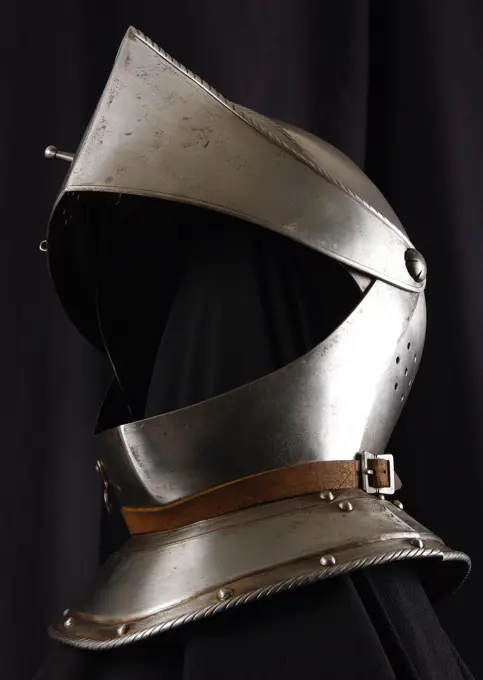
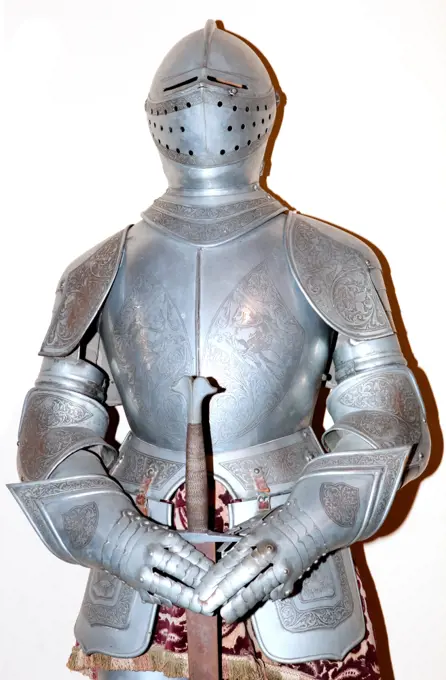
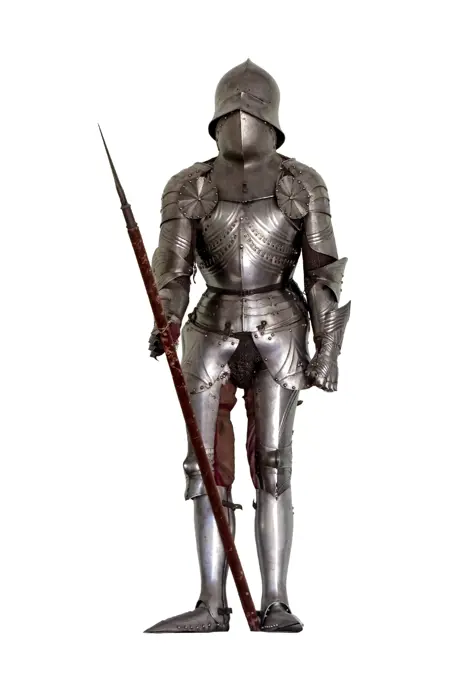
Armour Armour of the medieval knight. Metal protection of the soldier against the weapon of the opponent Copyright: xZoonar.com/ValeryxxSibrikovx 2474695
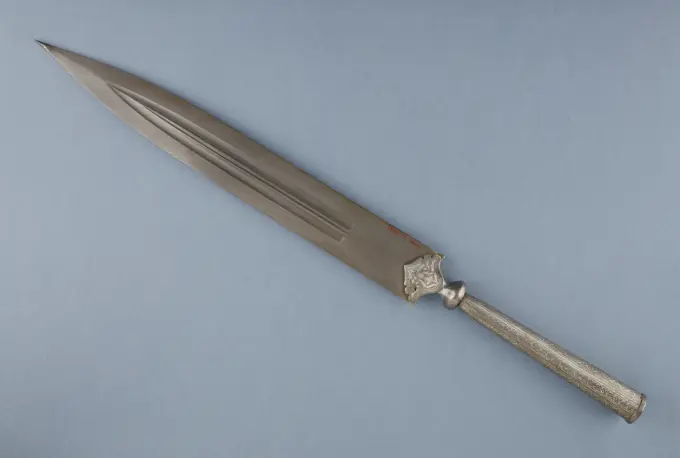
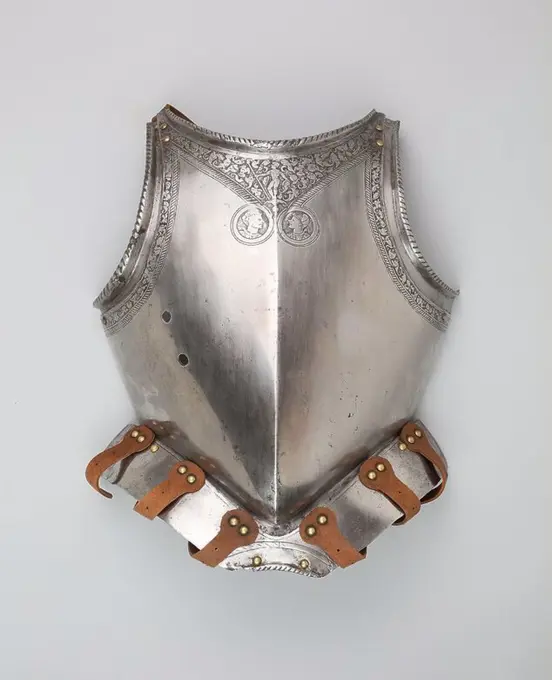
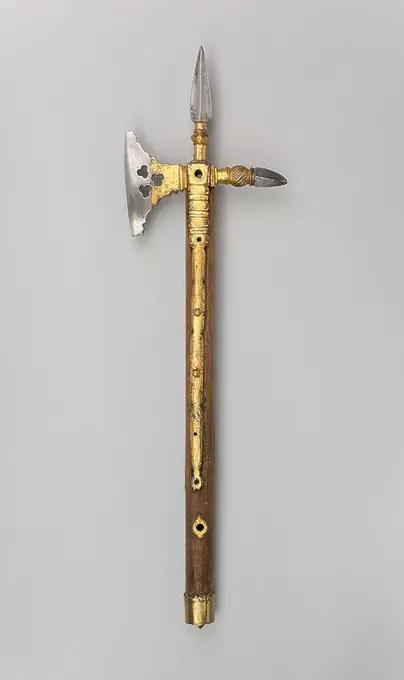
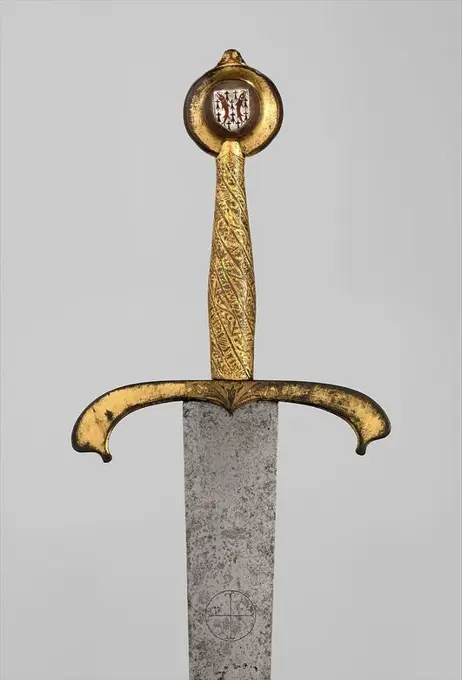
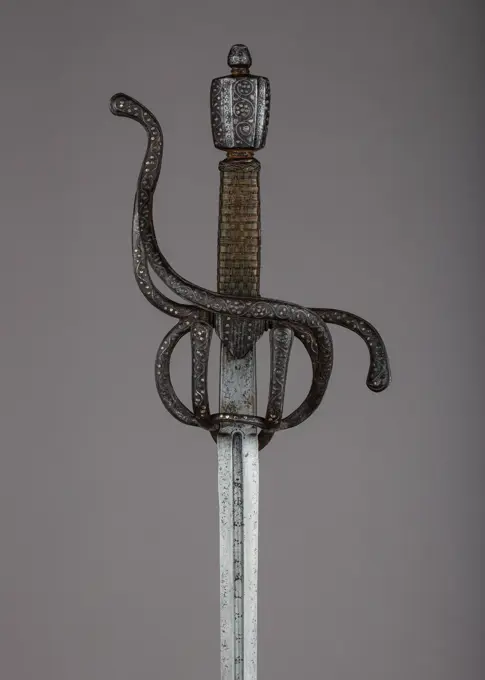
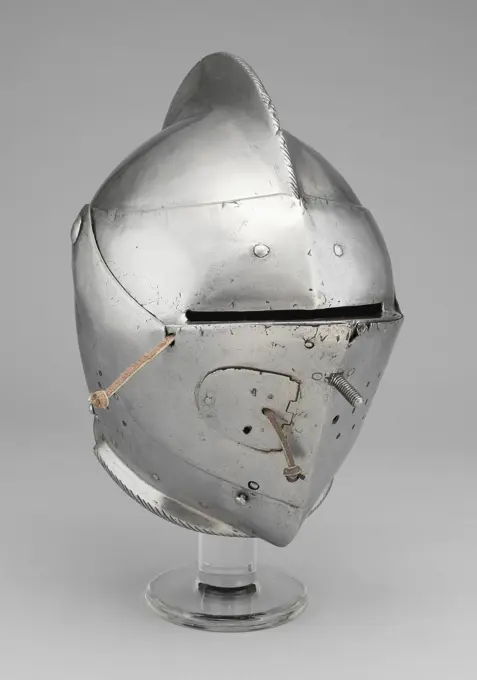
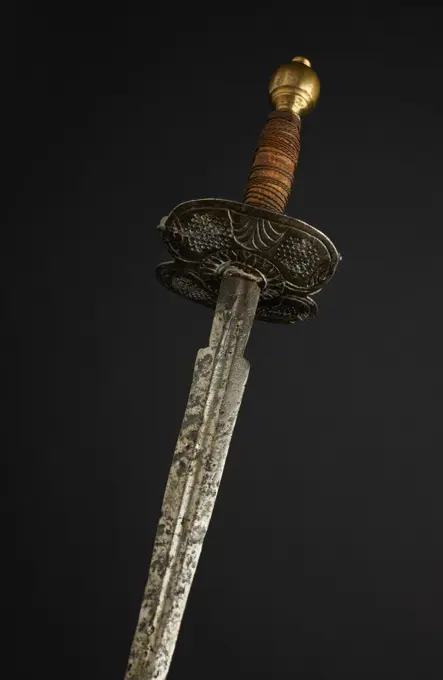
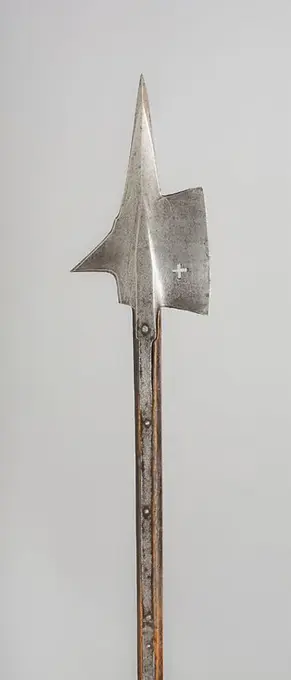
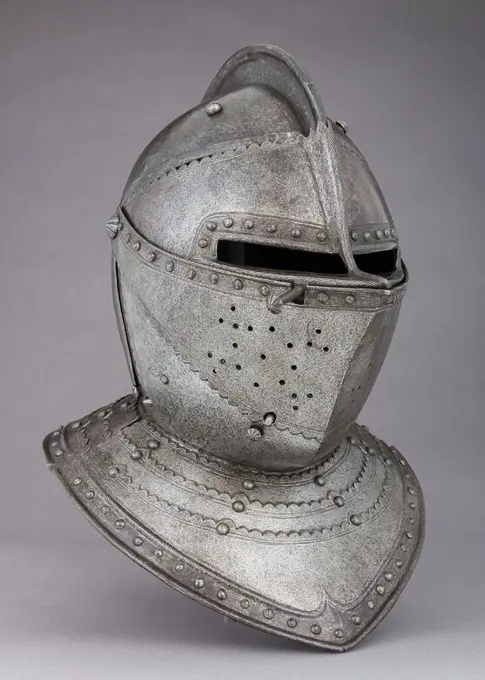
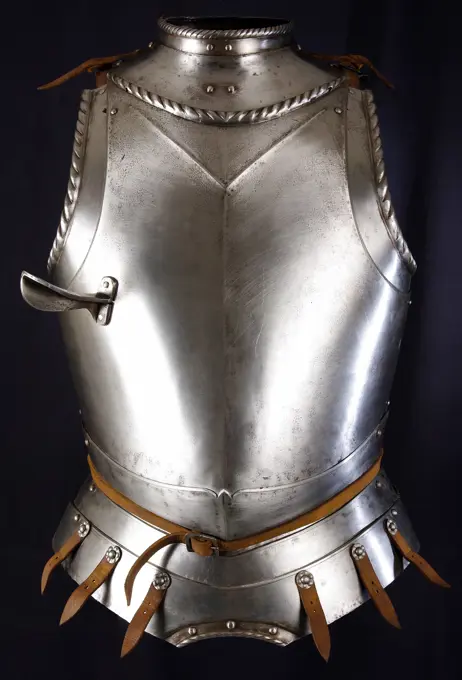
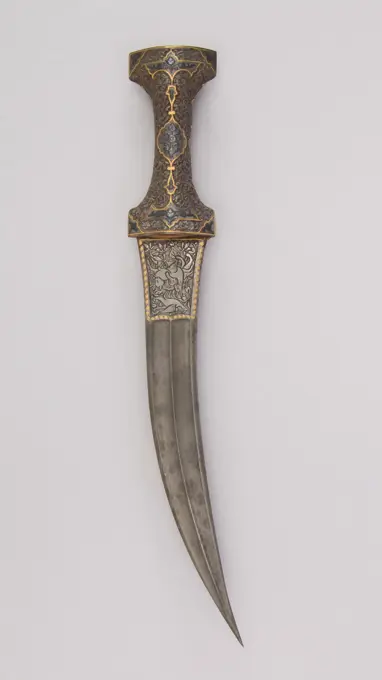
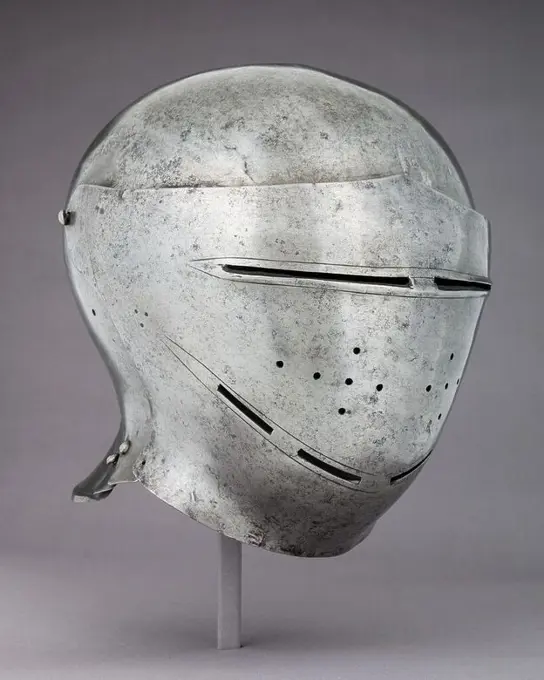
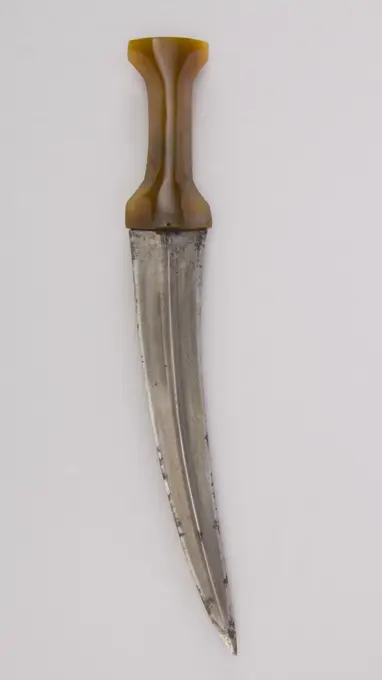
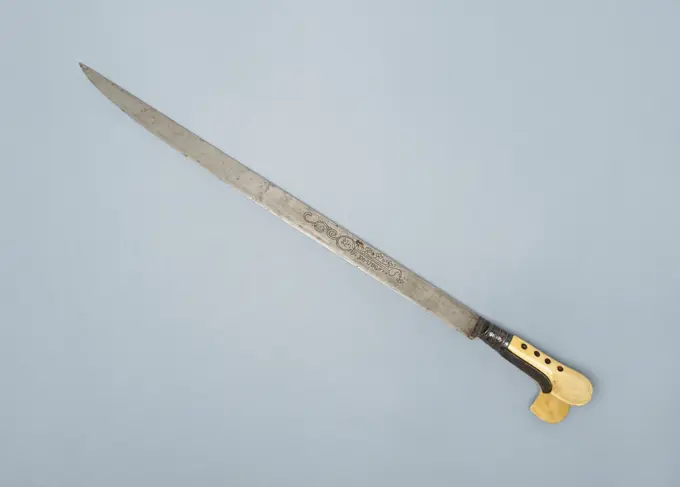
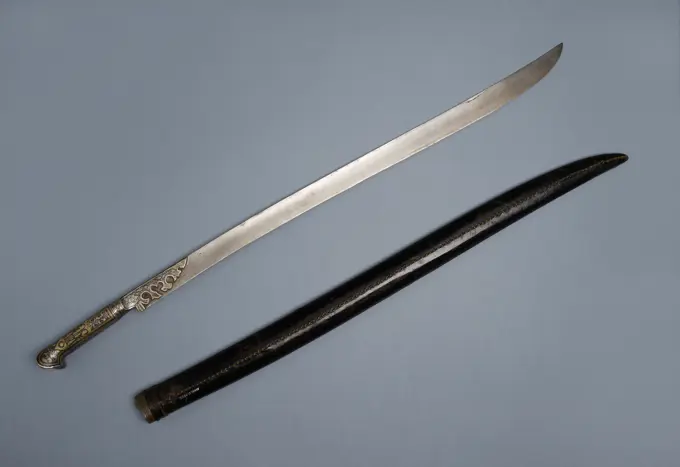
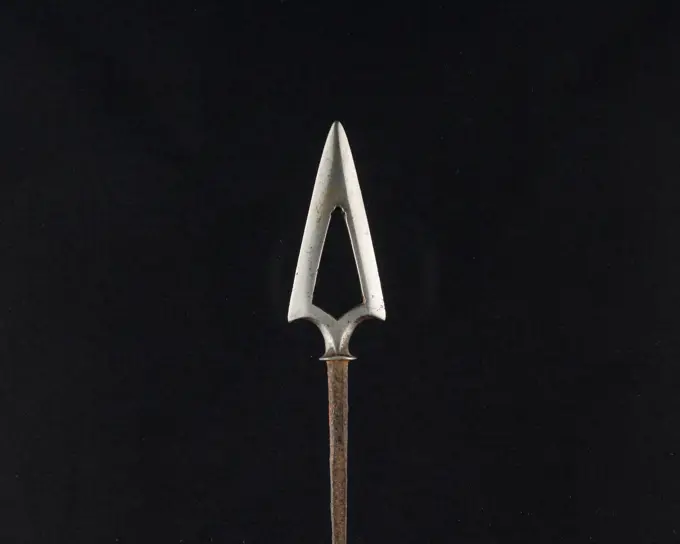
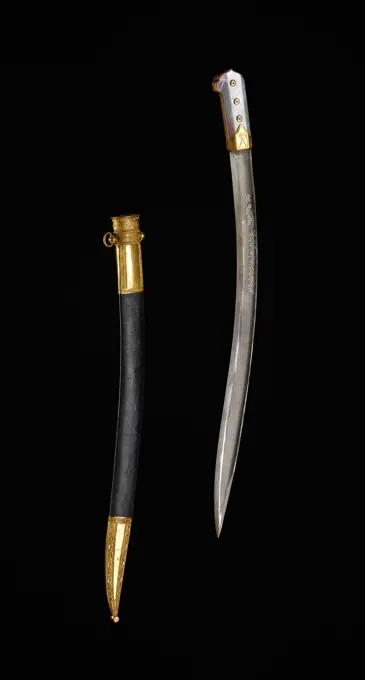
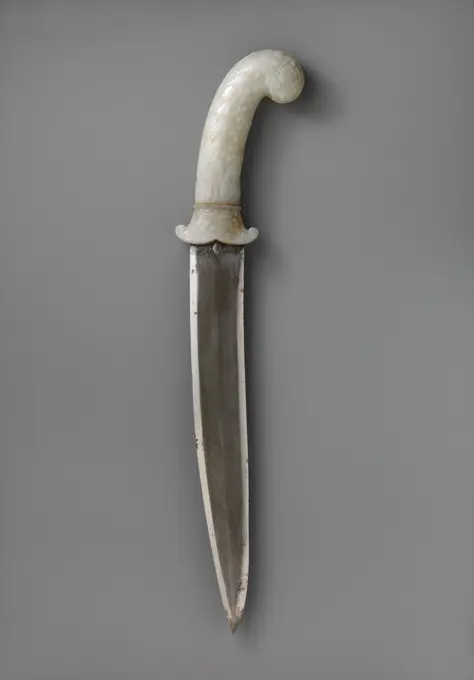
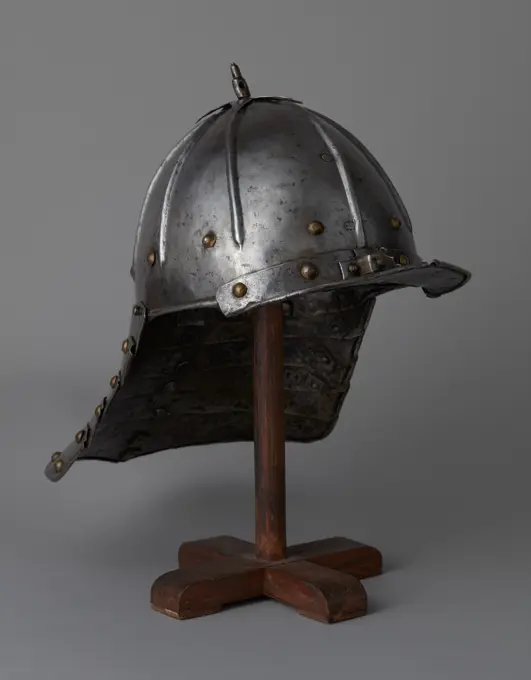
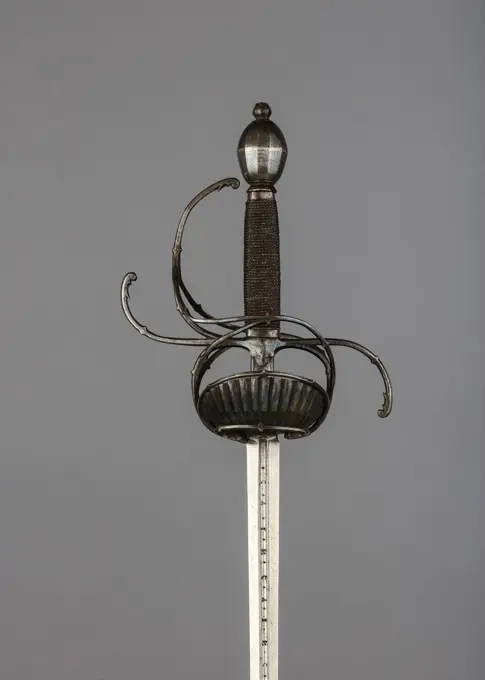
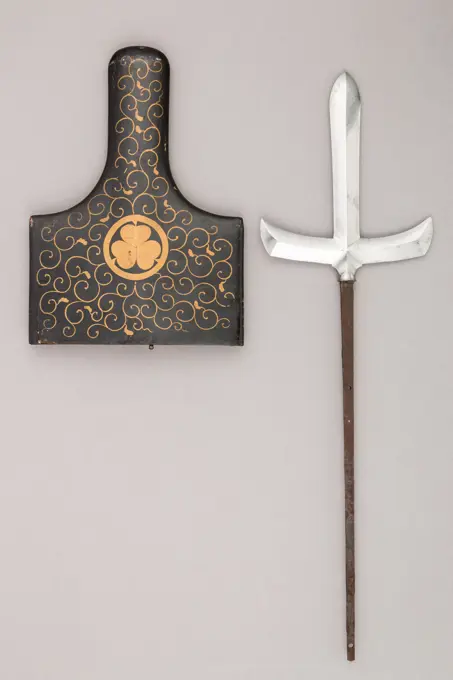
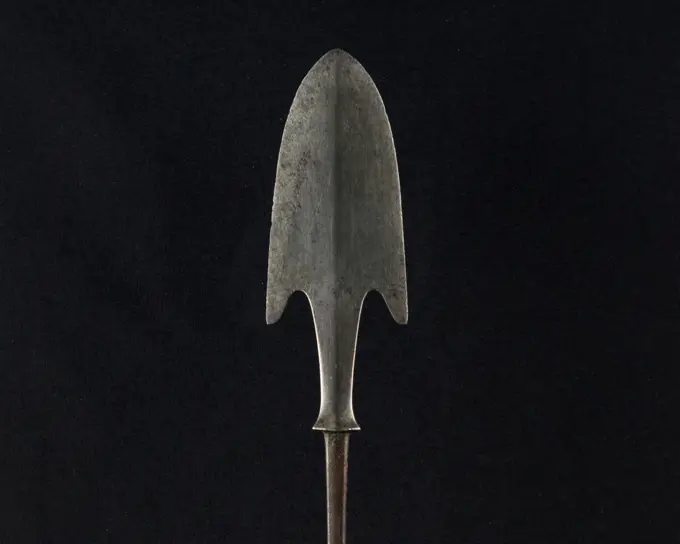
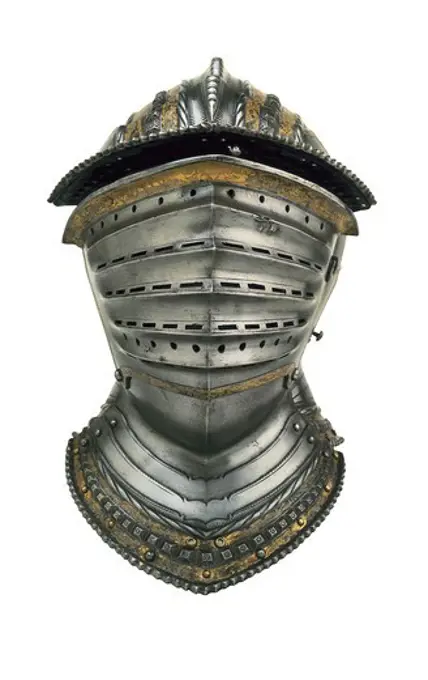
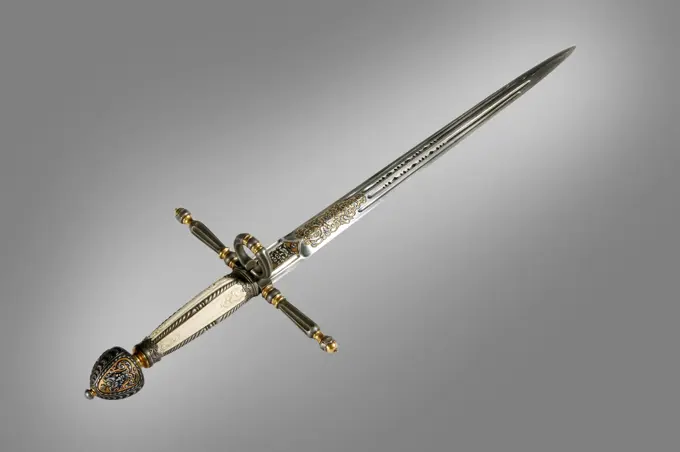
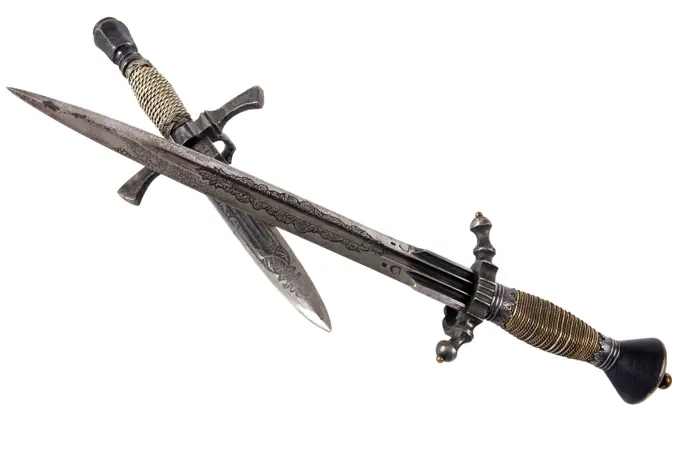
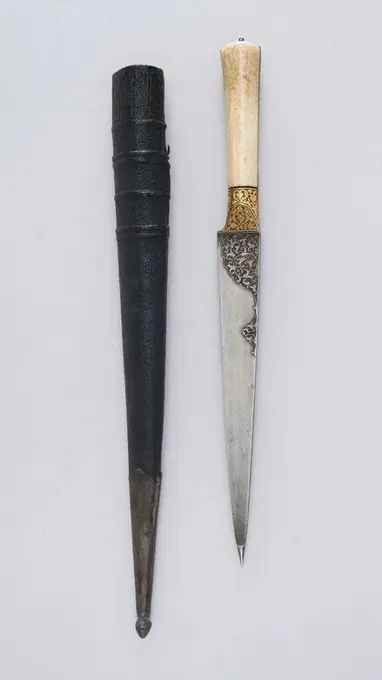
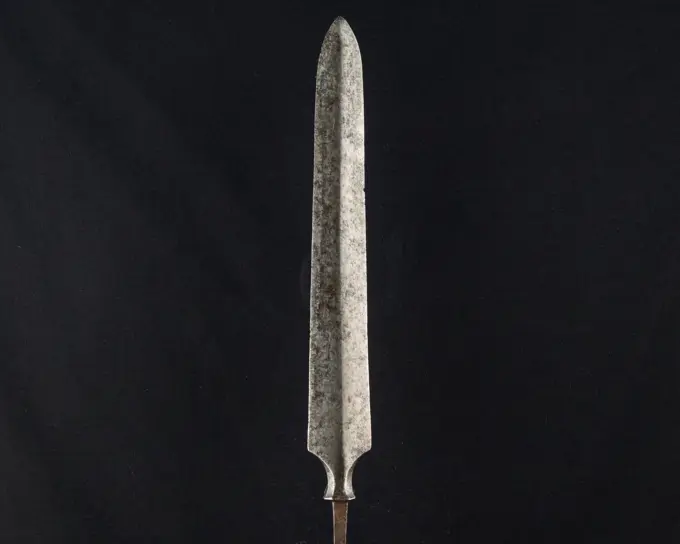
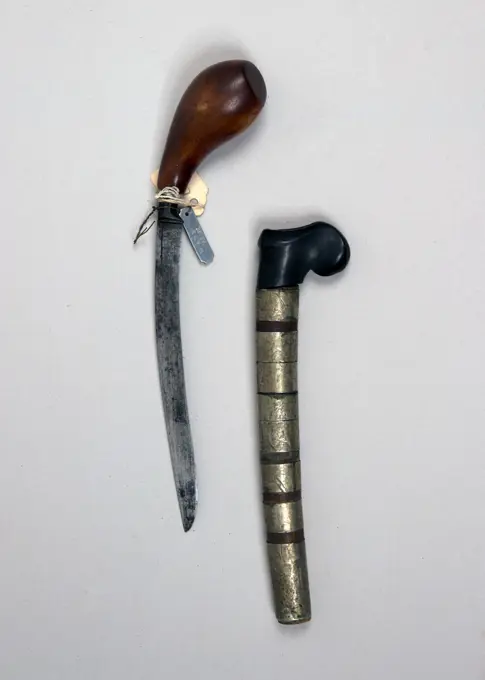
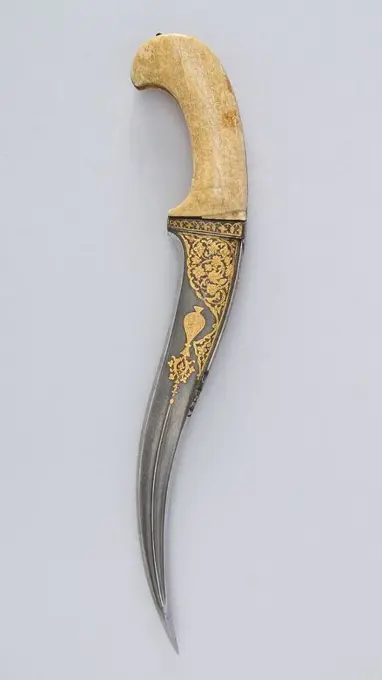
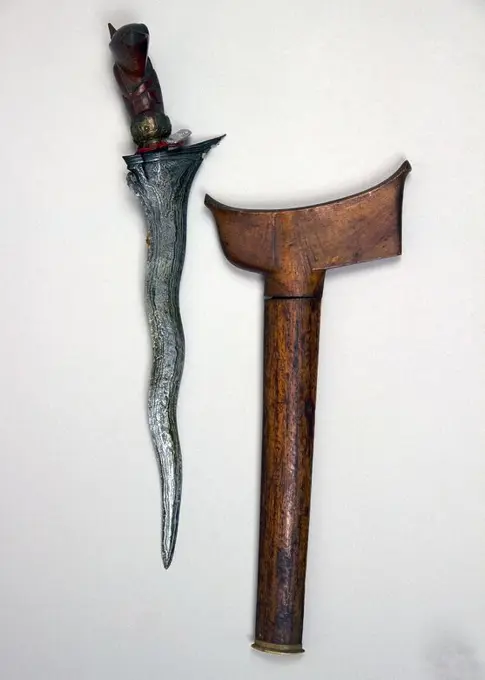
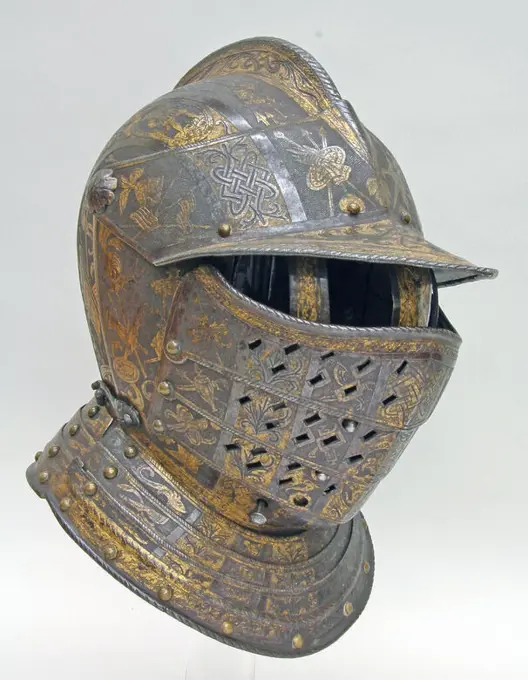
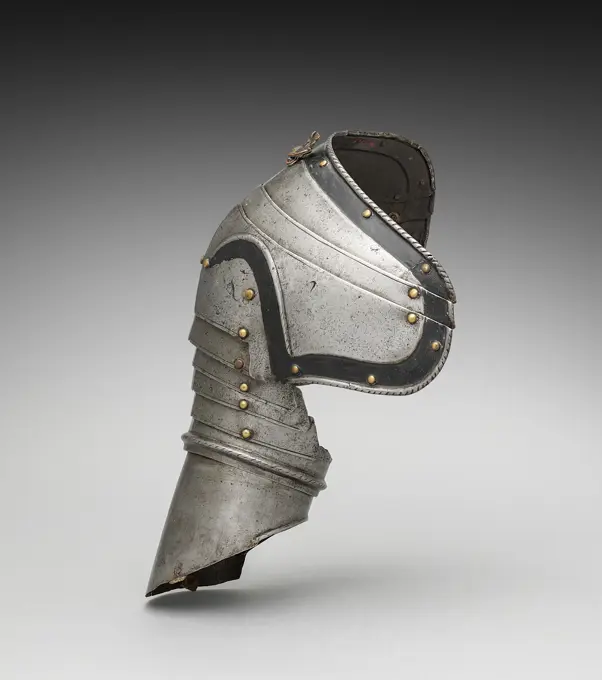
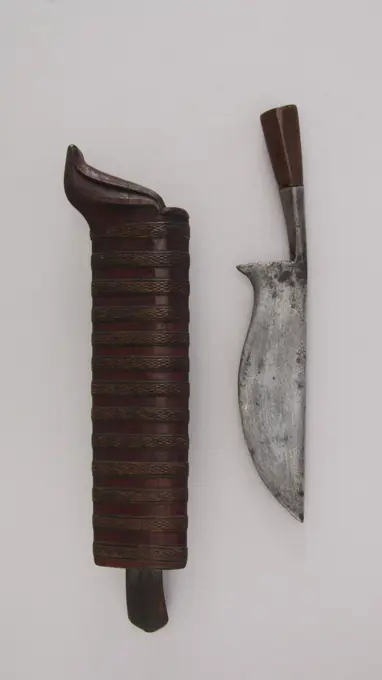
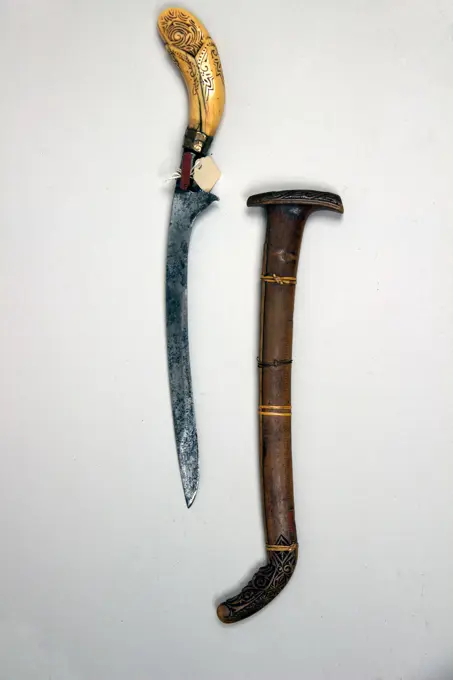
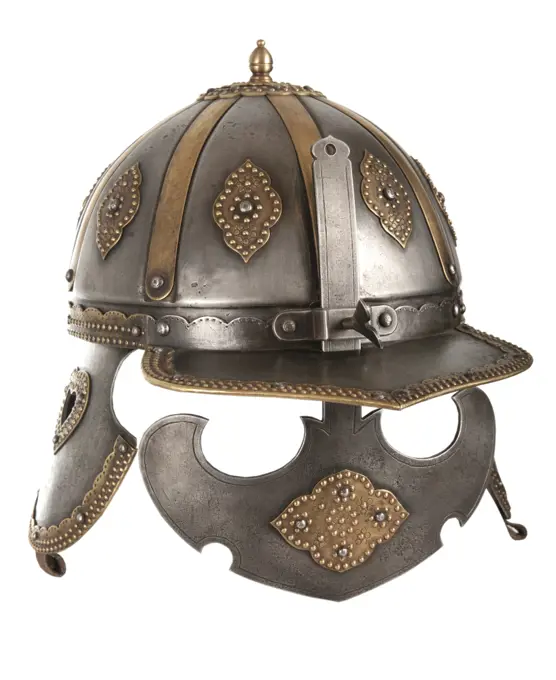
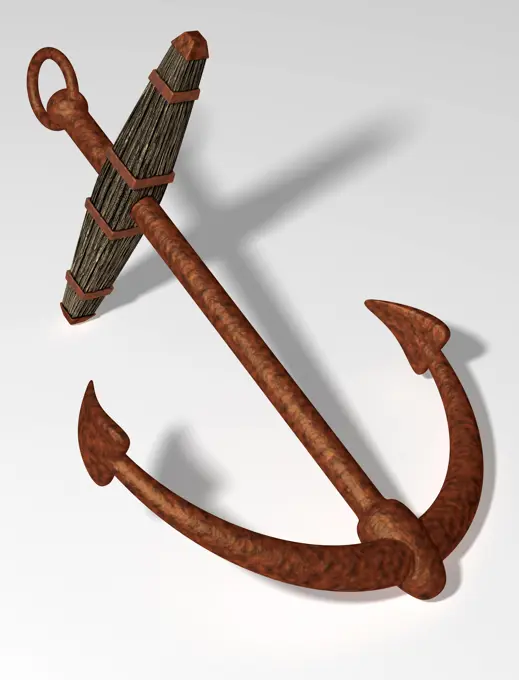
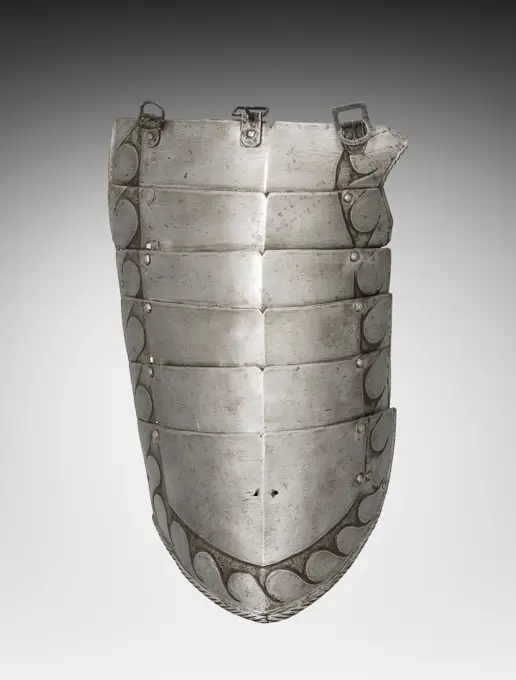
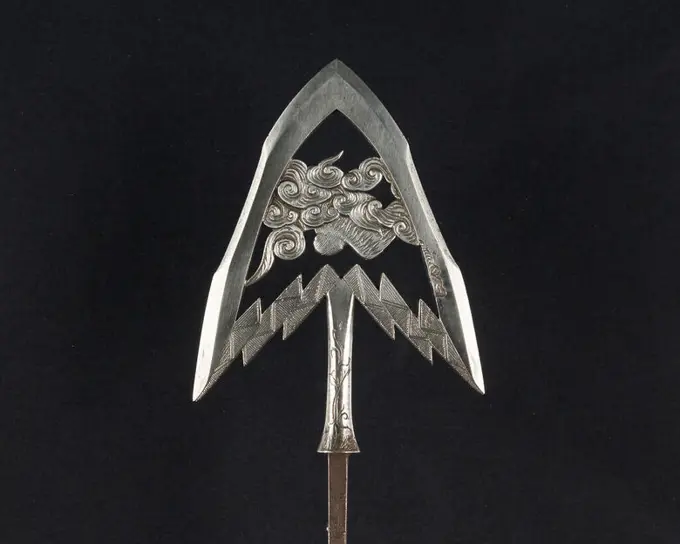
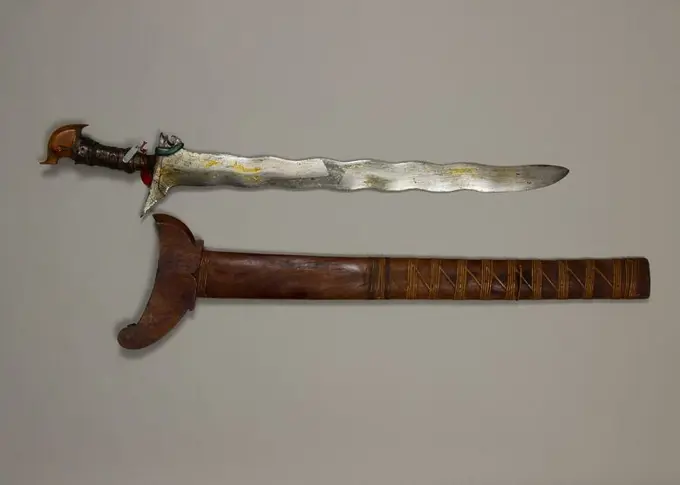
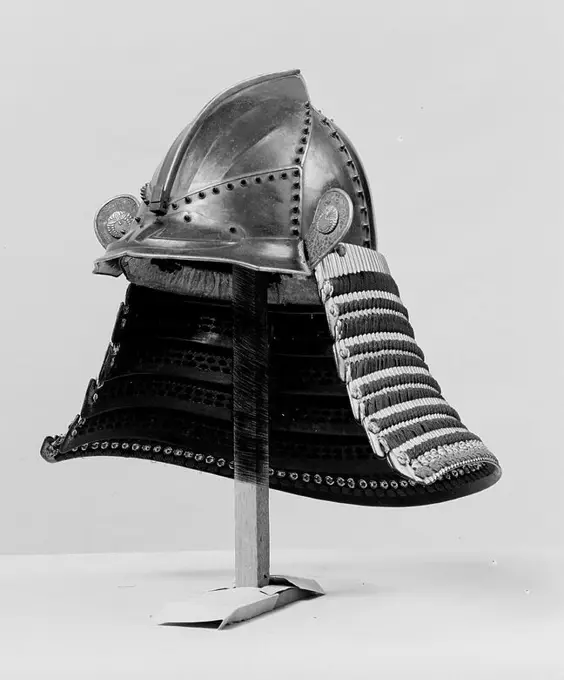
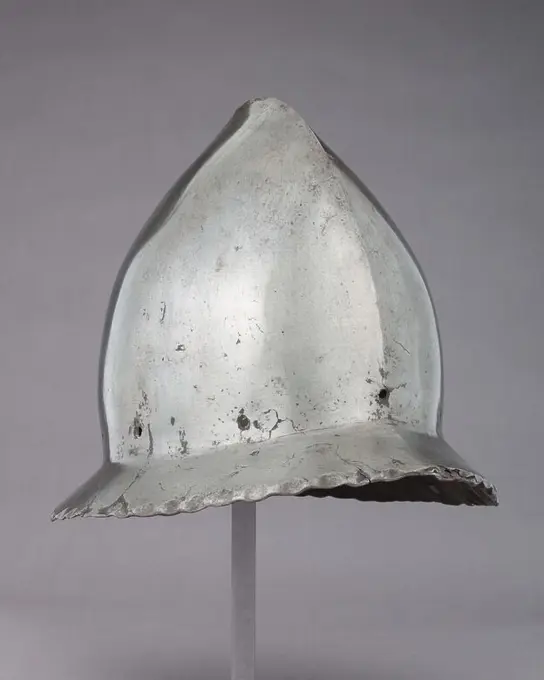
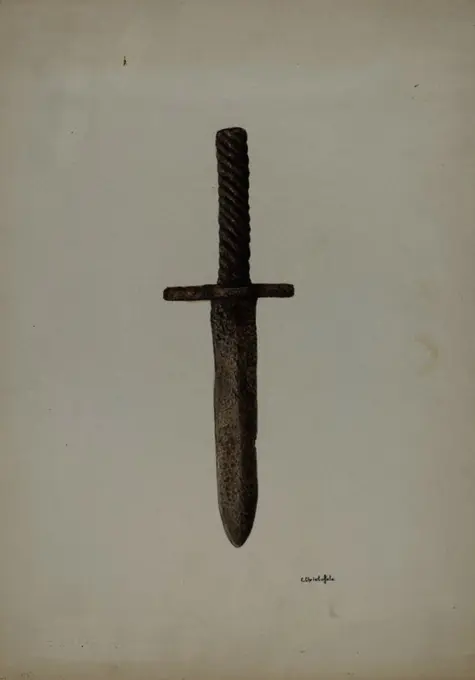
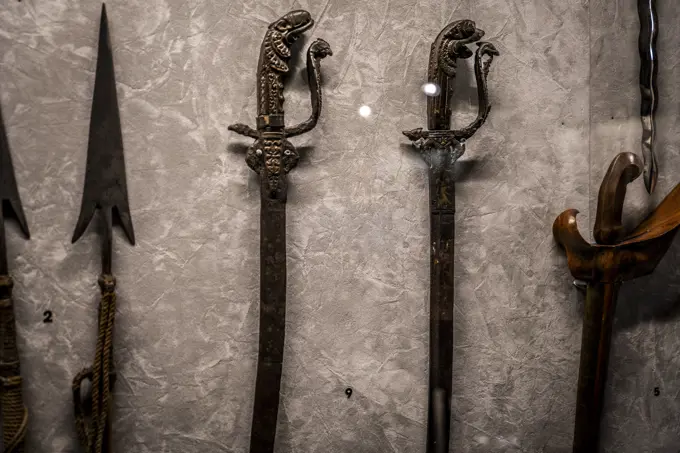
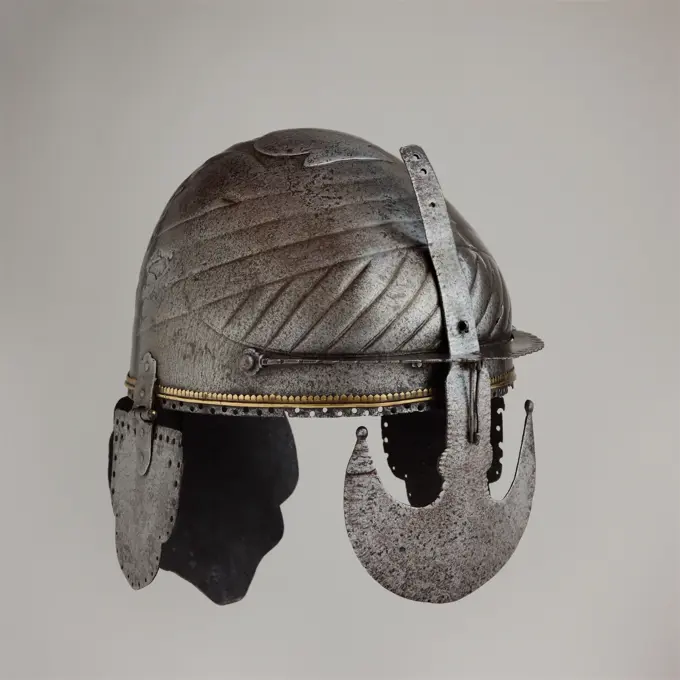
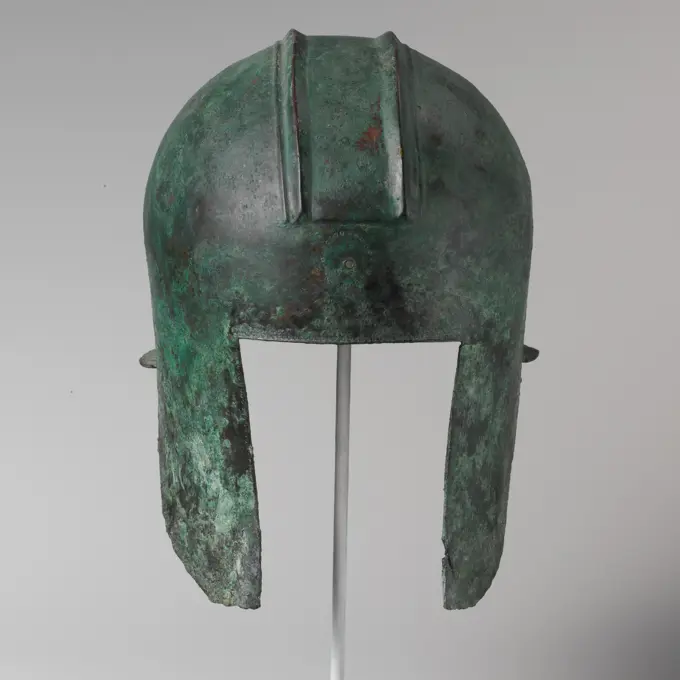
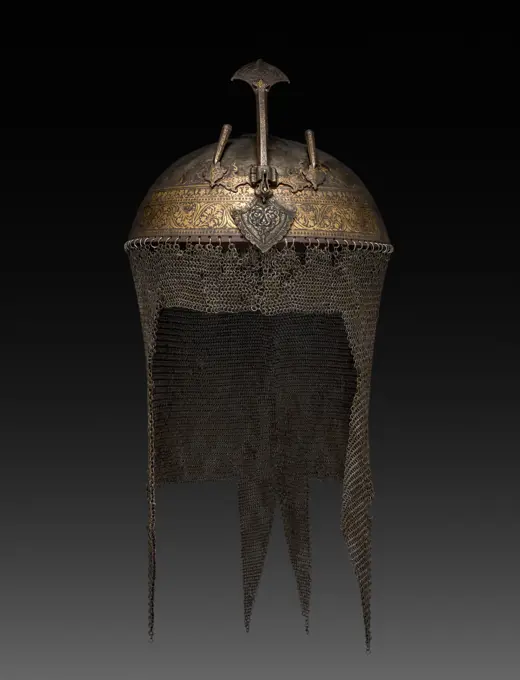
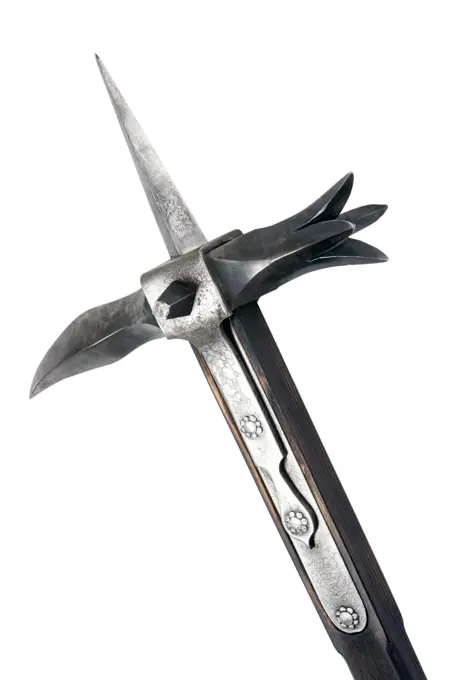
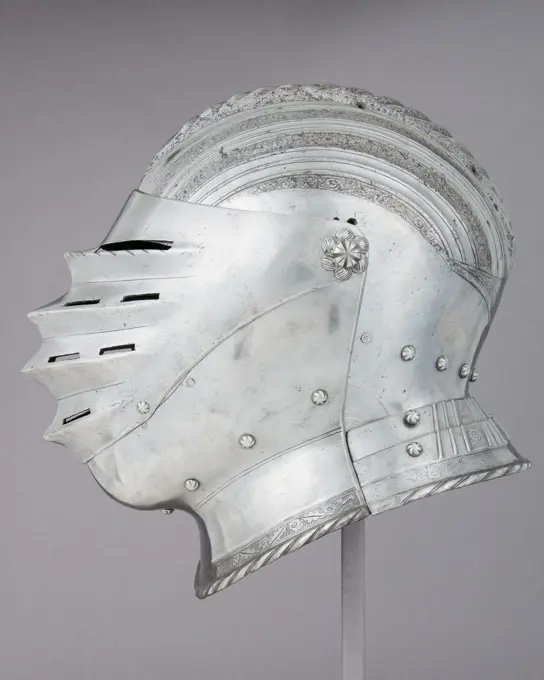
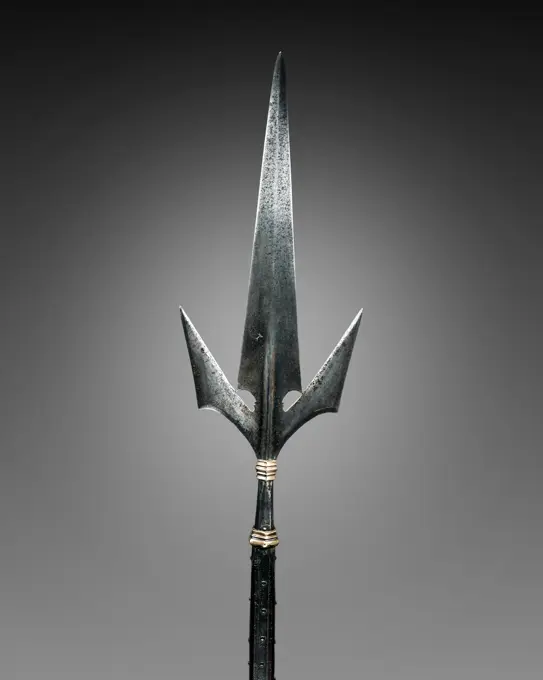
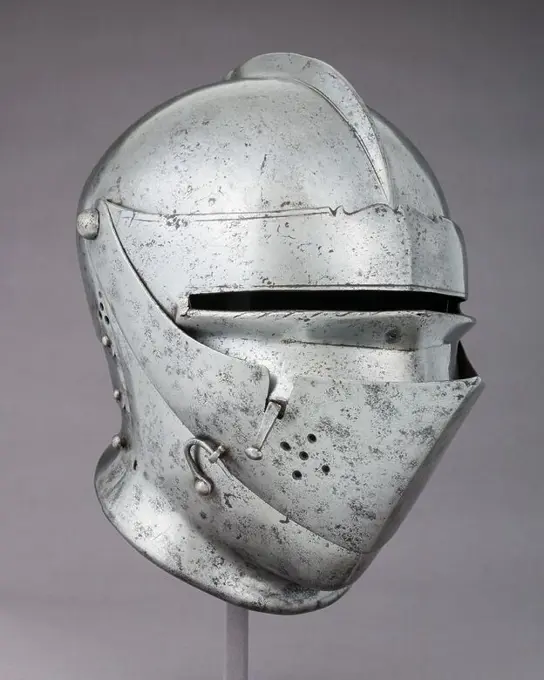
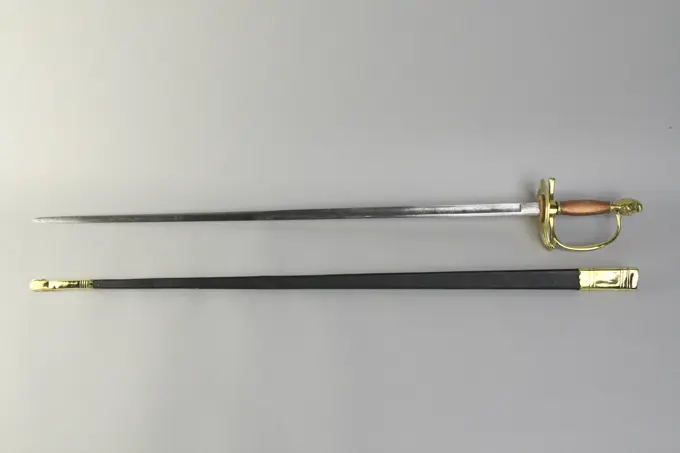
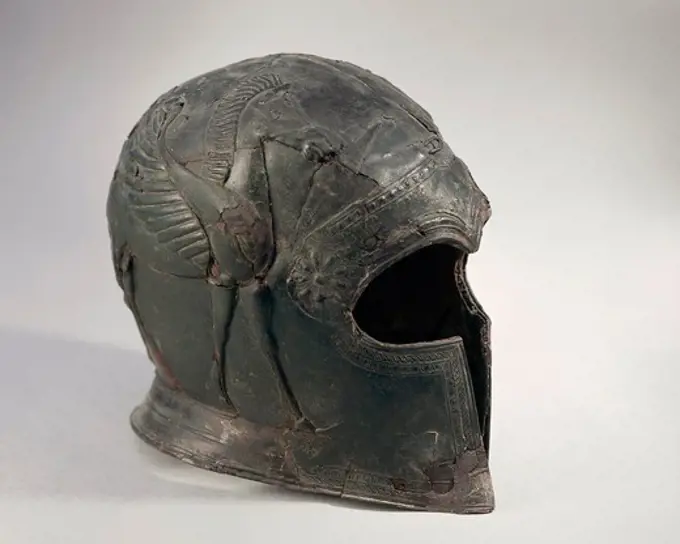
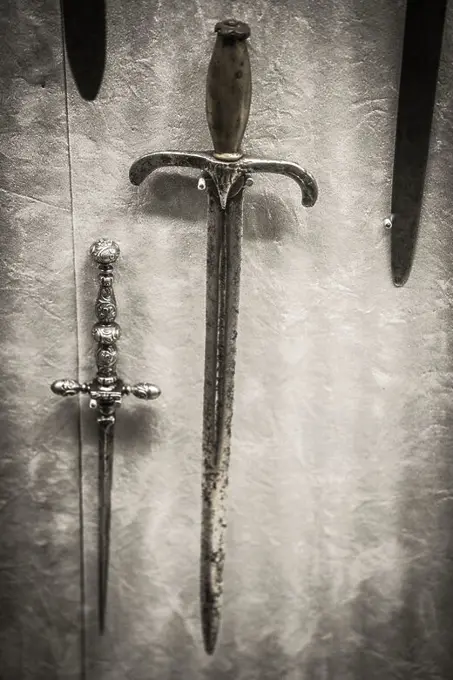
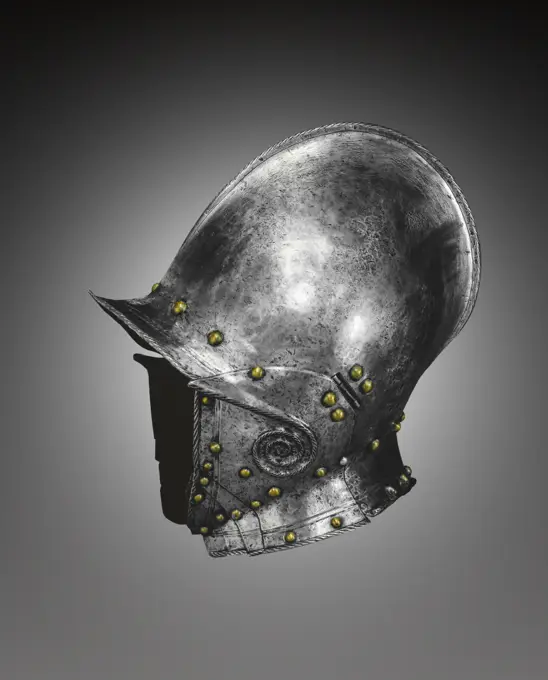
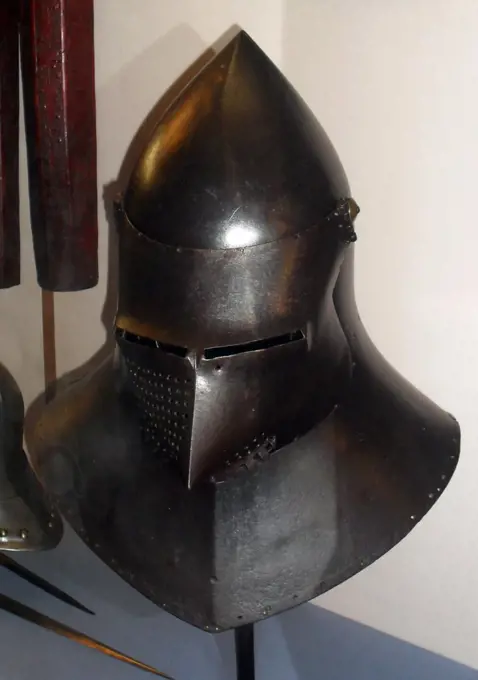
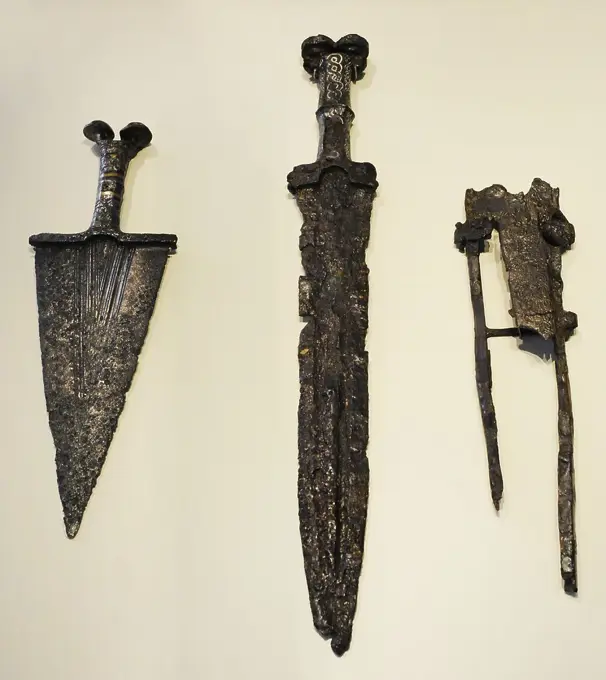
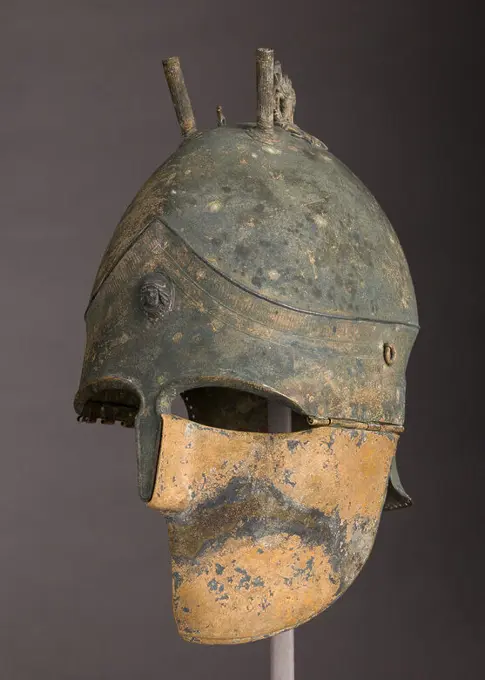
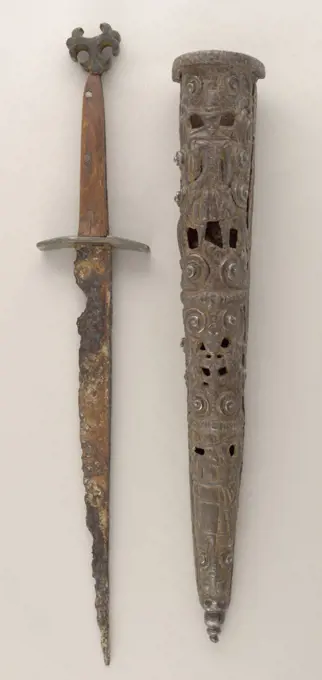
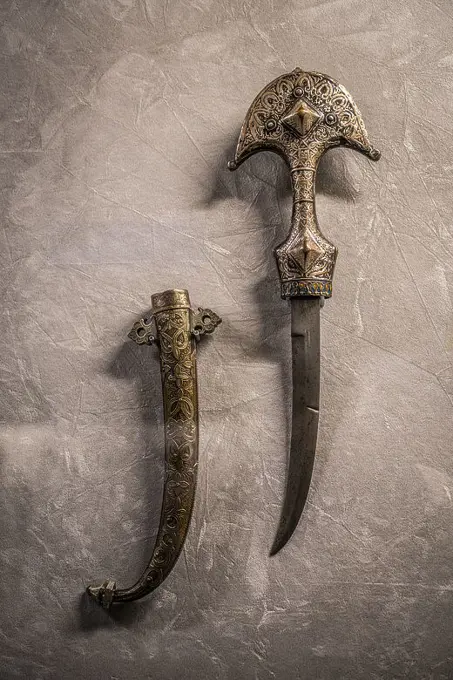
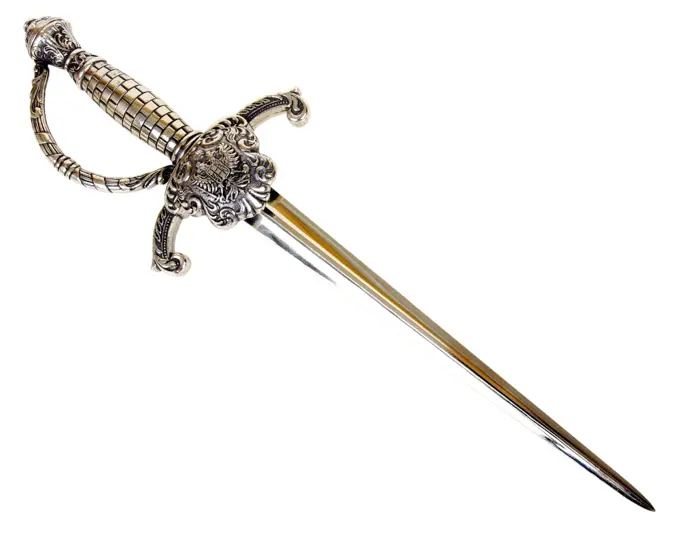
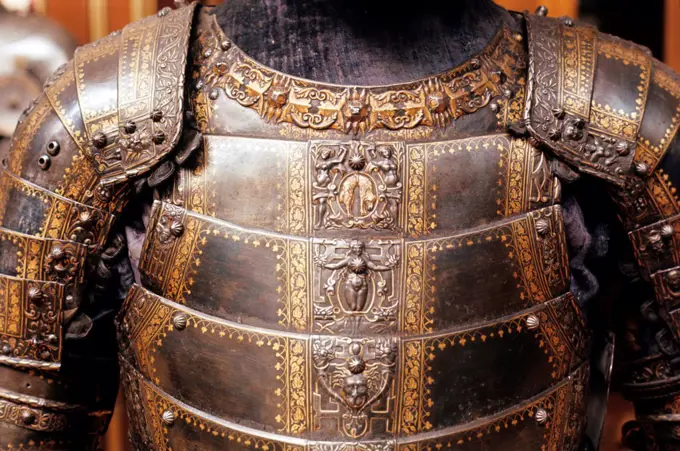
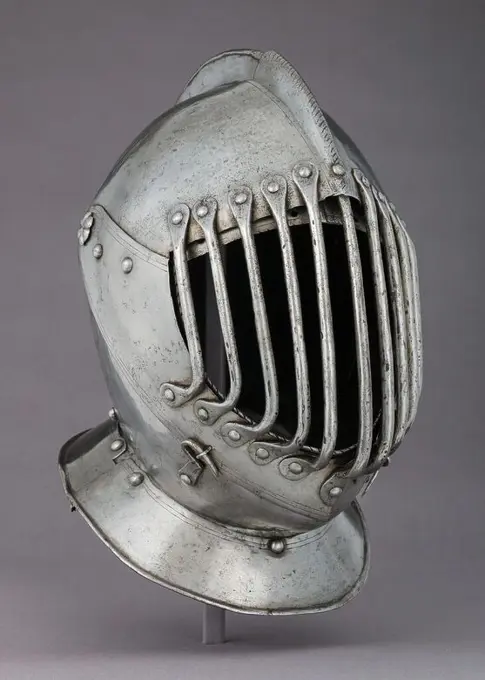
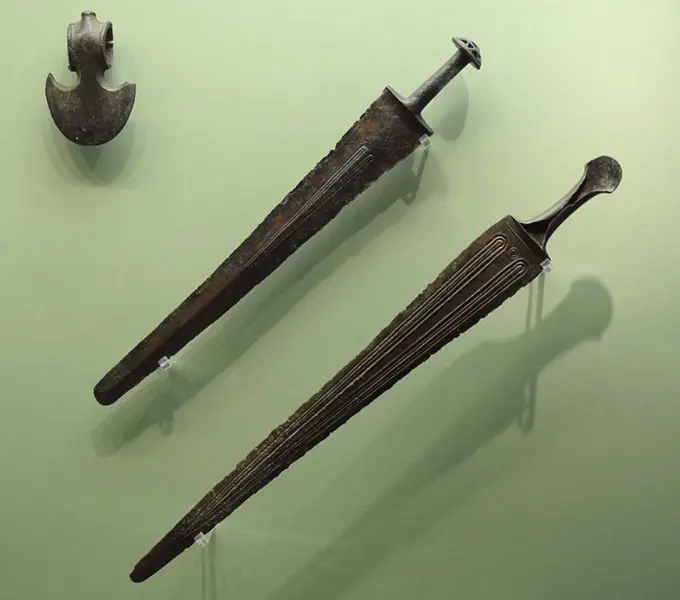
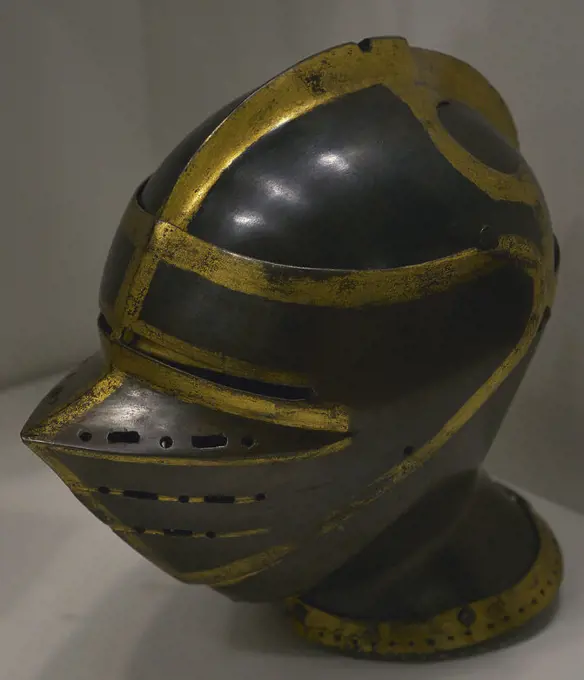
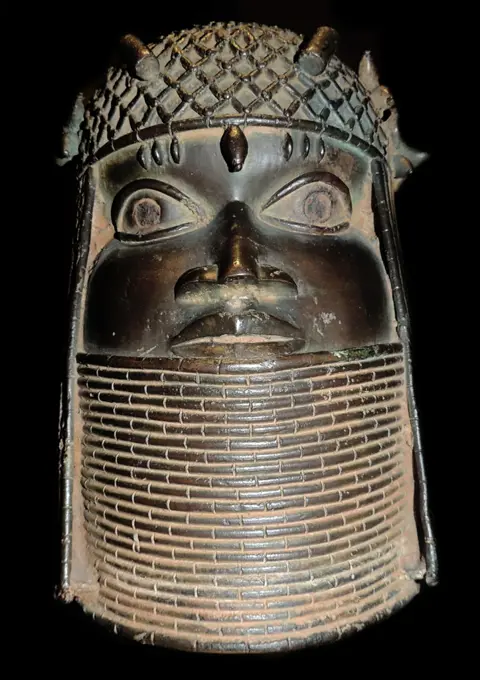
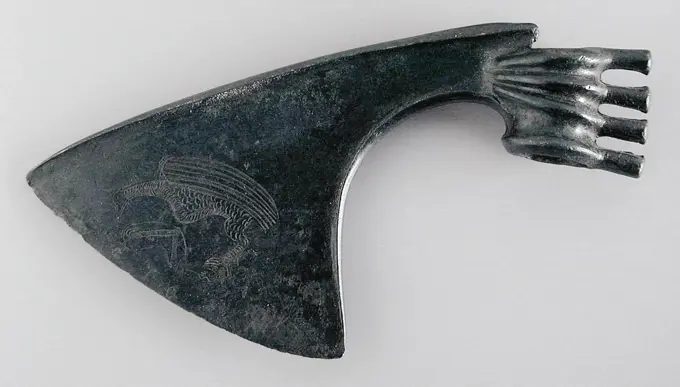
Boar Sword Made 1650-1660 Germany. Steel, staghorn, and iron .Armour Armour of the medieval knight. Metal protection of the soldier against the weapon of the opponent Copyright: xZoonar.com/ValeryxxSibrikovx 2474695Iron Persian crossbow headsBreastplate with Associated Skirt for Half-Armor. Northern Italian. Date: 1570-1600. Dimensions: . Steel, etched. Origin: Italy, northern. Museum: The Chicago Art Institute, Chicago, USA.Horseman's Axe. Spanish or Flemish, Probably. Date: 1500-1533. Dimensions: L. 64.8 cm (25 1/2 in.)Blade L. 18.2 cm (7 1/8 in. ) Wt. 2 lb. 7 oz. Steel with gilding, brass, iron, wood (oak), and attached tassel. Origin: Spain. Museum: The Chicago Art Institute, Chicago, USA.Sword. Culture: French. Dimensions: L. 46 3/4 in. (118.7 cm); L. of blade 38 3/4 in. (98.5 cm); W. 7 1/4 (18.5 cm); Wt. 3 lb. 5 oz. (1502.5 g). Date: 19th century. Museum: Metropolitan Museum of Art, New York, USA.Halberd Made 1580-1600 Germany, East. Steel, iron, and wood .Rapier hilt, Italian, possibly Venice; blade, Spanish early 17th century The rapier was the principal civilian sidearm throughout the sixteenth and seventeenth centuries. Designed for cut-and-thrust fencing of progressively complex techniques, the rapier is characterized by a double-edged blade with an acute point and an elaborate guard for the hand. The guards, usually of iron or steel, were subject to a variety of embellishment. They were engraved, chiseled, gilded, damascened, and encrusted in gold and silver in keeping with fashionable styles. Unless otherwise noted, the materials, attributions, and dating given here refer to the hilts. Rapier blades, invariably of steel, bear a variety of makers marks denoting their origin in the two principal centers of blademaking, Toledo in Spain and Solingen in Germany. View more. Rapier. hilt, Italian, possibly Venice; blade, Spanish. early 17th century. Steel, silver. possibly Venice. SwordsClose Helmet for the Joust and Tourney Made 1580-1600 Augsburg. Steel and leather .Sword blade, German; hilt, possibly Flemish late 16th century View more. Sword. blade, German; hilt, possibly Flemish. late 16th century. Steel, gold. SwordsPitchHalberd. Possiby Lamprecht Koller; Swiss, Zurich. Date: 1470. Dimensions: L. 198.1 cm (78 in.)Blade L. 31.5 cm (12 3/8 in.)Wt. 5 lb. 7 oz. Steel and wood (ash). Origin: Switzerland. Museum: The Chicago Art Institute, Chicago, USA.Close-Helmet for the Field. Culture: French. Dimensions: H. 15 3/4 in. (40 cm); W. 11 3/8 in. (28.9 cm); D. 14 5/8 in. (37.1 cm); Wt. 13 lb. 14 oz. (6293 g). Date: ca. 1620-30.The two-piece construction of the helmet bowl, the scalloped edges of the plates, and the distinctive snub-nosed profile of the visor recall French helmets of about 1620-30. The reinforcing shot-proof plates screwed to either side of the bowl, which add 3 pounds 10 ounces (1675 g) to the overall weight, are rare on close-hlemets for cuirassiers. Beneath the reinforces, the original smooth blue-black surface of the bowl is preserved. Museum: Metropolitan Museum of Art, New York, USA.Armour Armour of the medieval knight. Metal protection of the soldier against the weapon of the opponent Copyright: xZoonar.com/ValeryxxSibrikovx 2470342castle of Foix, 10th century, Foix, department of Ariège, Occitanie, Pyrenean mountain range, France.Dagger (Jambiya) 19th century Persian, Qajar. Dagger (Jambiya) 32261Visored Sallet. Culture: German. Dimensions: H. 10 3/4 in. (27.3 cm); W. 9 1/2 in. (24.1 cm); D. 10 1/2 in. (26.7 cm); Wt. 4 lb. 5.9 oz. (1981.6 g). Date: ca. 1500. Museum: Metropolitan Museum of Art, New York, USA.Armour Armour of the medieval knight. Metal protection of the soldier against the weapon of the opponent Copyright: xZoonar.com/ValeryxxSibrikovx 2479218Dagger (Jambiya) 19th century Indian. Dagger (Jambiya) 31835YataganJatagan with the vaginaArrowhead (Yanone) 18th century Japanese Although today Japanese warriors are renowned most for their swordsmanship, archery, especially from horseback, has been an essential part of samurai warfare and culture for centuries. Arrows were fitted with heads of varying shape according to their intended use in war, the hunt, or target practice. Arrowheads made for use on the battlefield incorporated different designs intended for specialized purposes such as the piercing of armor or to cause maximum damage to horses and unarmored personnel.Large arrowheads, pierced and elaborately chiseled with landscapes, birds, flowers, dragons, and Buddhist divinities, were created to be admired for the beauty of their metalwork and design rather than for use in archery. Such highly elaborate examples may have been made for presentation or as a votive offerings to a shrine.. Arrowhead (Yanone). Japanese. 18th century. Steel. Archery Equipment-ArrowheadsHalberd late 16th century German. Halberd 27039Cup-Hilted Rapier Spanish ca. 1650 The rapier was the principal civilian sidearm throughout the sixteenth and seventeenth centuries. Designed for cut-and-thrust fencing of progressively complex techniques, the rapier is characterized by a double-edged blade with an acute point and an elaborate guard for the hand. The guards, usually of iron or steel, were subject to a variety of embellishment. They were engraved, chiseled, gilded, damascened, and encrusted in gold and silver in keeping with fashionable styles. Unless otherwise noted, the materials, attributions, and dating given here refer to the hilts. Rapier blades, invariably of steel, bear a variety of makers marks denoting their origin in the two principal centers of blademaking, Toledo in Spain and Solingen in Germany. View more. Cup-Hilted Rapier. Spanish. ca. 1650. Steel. SwordsJatagan in a rifle with a vaginaDagger with Hilt of Leafy Plants ca. 1640 Often tucked into a sash or horsemans boot, daggers in Mughal India displayed the wealth and power of their owners. The white jade hilt of this dagger is carved with flowers arranged in a formal pattern. A long serrated leaf runs the length of the hilt, following its curve; this curved shape, called a pistol grip, originated in the Deccan and first appeared in Mughal paintings during the reign of Shah Jahan, around the time in which this dagger was made.. Dagger with Hilt of Leafy Plants. ca. 1640. Hilt: NephriteBlade: Watered steel. Attributed to India. Arms and ArmorPrzeszo Przyszoci unknownSallet ca. 1510 German or Austrian, Innsbruck Developing from the late Gothic German sallet, characterized by a horizontal profile and pointed tail, this early-sixteenth-century example has a taller, rounder, and more compact form, a transformation that reflects Italian influence. The large visor, pierced for sight and ventilation, has an unmistakable masklike quality. Pairs of holes at the top and sides of the bowl allowed for the exit of the lining laces, by which the padded lining (now missing) could be adjusted from the outside for a comfortable fit. A similar sallet in the Museum's collection (acc. no. 29.158.35) bears the mark of Hans Maystetter (active 1508-30) of Innsbruck.. Sallet 26446Rapier Italian late 17th century The rapier was the principal civilian sidearm throughout the sixteenth and seventeenth centuries. Designed for cut-and-thrust fencing of progressively complex techniques, the rapier is characterized by a double-edged blade with an acute point and an elaborate guard for the hand. The guards, usually of iron or steel, were subject to a variety of embellishment. They were engraved, chiseled, gilded, damascened, and encrusted in gold and silver in keeping with fashionable styles. Unless otherwise noted, the materials, attributions, and dating given here refer to the hilts. Rapier blades, invariably of steel, bear a variety of makers marks denoting their origin in the two principal centers of blademaking, Toledo in Spain and Solingen in Germany. View more. Rapier. Italian. late 17th century. Steel. SwordsBlade for a Spear (Jmonji-yari) with Sheath dated August 1727 Blade inscribed by Munemichi The use of spears became increasingly common during the late Muromachi period (1392-1573), a time of near-constant military conflict. Stabbing weapons to be used on foot, they typically measured around seven feet in length, allowing for maneuverability in close quarters. Spearheads varied in size and shape; this example is of a type with a cruciform structure. The sheath bears the crest (mon) of Matsudaira, a branch of the Tokugawa shogunate.. Blade for a Spear (Jmonji-yari) with Sheath. Japanese. dated August 1727. Steel, wood, lacquer, gold, copper. Shafted WeaponsArrowhead (Yanone) 18th century Japanese Although today Japanese warriors are renowned most for their swordsmanship, archery, especially from horseback, has been an essential part of samurai warfare and culture for centuries. Arrows were fitted with heads of varying shape according to their intended use in war, the hunt, or target practice. Arrowheads made for use on the battlefield incorporated different designs intended for specialized purposes such as the piercing of armor or to cause maximum damage to horses and unarmored personnel.Large arrowheads, pierced and elaborately chiseled with landscapes, birds, flowers, dragons, and Buddhist divinities, were created to be admired for the beauty of their metalwork and design rather than for use in archery. Such highly elaborate examples may have been made for presentation or as a votive offerings to a shrine.. Arrowhead (Yanone). Japanese. 18th century. Steel. Archery Equipment-ArrowheadsHelmet with visor. It belonged to Charles V. SPAIN. MADRID (AUTONOMOUS COMMUNITY). Madrid. Royal Palace.Smart dagger Smart dagger of the medieval soldier. It was used for hunting Copyright: xZoonar.com/VALERY-SIBRIKOVx 20007425Ancient sabre Ancient sabre. A smart variant of the fighting weapon Copyright: xZoonar.com/ValeryxxSibrikovx 5812411Armour Armour of the medieval knight. Metal protection of the soldier against the weapon of the opponent Copyright: xZoonar.com/ValeryxxSibrikovx 2418606medieval dagger medieval dagger. It was often used by pirates Copyright: xZoonar.com/VALERY-SIBRIKOVx 9873301Dagger (Jambiya) with Sheath 18th-19th century Arabian, Wahabi. Dagger (Jambiya) with Sheath 31772Great Sallet. Culture: Italian. Dimensions: H. 13 5/8 in. (34.6 cm); W. 8 1/2 in. (21.6 cm); D. 9 1/2 in. (24.1 cm); Wt. 8 lb. 12 oz. (3971 g). Date: possibly 1420-50.Apparently the forerunner of the one-piece barbute that appeared in Italy about 1440 these distinctive two-piece sallets are known only from Chalcis and other Aegean sites. Museum: Metropolitan Museum of Art, New York, USA.Dagger (Kard) with Sheath. Culture: Persian, Qajar. Dimensions: L. with sheath 19 11/16 in. (50 cm); L. without sheath 15 7/16 in. (39.2 cm); W. 1 1/4 in. (3.2 cm); Wt. 14.8 oz. (419.6 g); Wt. of sheath 3.5 oz. (99.2 g). Date: ca. 1800.A kard is defined as a straight, single-edged dagger that is worn on the left side of the belt. Unlike most daggers, in which the narrow tang attached to the blade fits into a handle, the blades of these daggers are made with a flat steel tang of the same width as the blade. Two ivory pieces were fitted into and riveted to either side of the tang to form the handle. This example resembles a number of early nineteenth-century Iranian kards that have ivory hilts and watered steel blades with floral arabesque ornamentation. The hilt of this particular dagger has also been decorated with metal bands bearing a gold vegetal design. This example is so similar to one signed by the maker, Muhammad Nami, and dated 1799/1800 (located in Bern), that bArrowhead (Yanone) 18th century Japanese Although today Japanese warriors are renowned most for their swordsmanship, archery, especially from horseback, has been an essential part of samurai warfare and culture for centuries. Arrows were fitted with heads of varying shape according to their intended use in war, the hunt, or target practice. Arrowheads made for use on the battlefield incorporated different designs intended for specialized purposes such as the piercing of armor or to cause maximum damage to horses and unarmored personnel.Large arrowheads, pierced and elaborately chiseled with landscapes, birds, flowers, dragons, and Buddhist divinities, were created to be admired for the beauty of their metalwork and design rather than for use in archery. Such highly elaborate examples may have been made for presentation or as a votive offerings to a shrine.. Arrowhead (Yanone). Japanese. 18th century. Steel. Archery Equipment-ArrowheadsHalberd dated 1712 French. Halberd 27026Rapier Italian early 17th century The rapier was the principal civilian sidearm throughout the sixteenth and seventeenth centuries. Designed for cut-and-thrust fencing of progressively complex techniques, the rapier is characterized by a double-edged blade with an acute point and an elaborate guard for the hand. The guards, usually of iron or steel, were subject to a variety of embellishment. They were engraved, chiseled, gilded, damascened, and encrusted in gold and silver in keeping with fashionable styles. Unless otherwise noted, the materials, attributions, and dating given here refer to the hilts. Rapier blades, invariably of steel, bear a variety of makers marks denoting their origin in the two principal centers of blademaking, Toledo in Spain and Solingen in Germany. View more. Rapier. Italian. early 17th century. Steel, iron wire. SwordsDagger (Katar). Culture: Indian, Thanjavur; central blade, German. Dimensions: L. 19 1/8 in. (48.6 cm); W. 18 1/2 in. (47 cm); Wt. 1 lb. 8.3 oz. (688.9 g). Date: 17th century. Museum: Metropolitan Museum of Art, New York, USA.Armour Armour of the medieval knight. Metal protection of the soldier against the weapon of the opponent Copyright: xZoonar.com/ValeryxxSibrikovx 5596349Close Helmet ca. 1575 Italian. Close Helmet 26879smart dagger smart dagger of the medieval soldier. It was used for hunting Copyright: xZoonar.com/ValeryxxSibrikovx 6664305Rüstung Armour of the medieval knight. Metal protection of the soldier against the weapon of the opponent Copyright: xZoonar.com/ValeryxxSibrikovx 2628251Knife (Bade-bade) with Sheath 18th-19th century Malayan. Knife (Bade-bade) with Sheath 31648Dagger (Pesh-kabz). Culture: Iranian. Dimensions: H. 15 1/8 in. (38.4 cm); H. of blade 10 1/2 in. (26.7 cm); W. 3 in. (7.6 cm); Wt. 1 lb. 3.7 oz. (558.5 g). Date: 19th century.Although intended for ceremonial use, this dagger features discretely carved talismanic inscriptions of the kind found on arms and armor that were designed for battle. It bears a gold inlaid vase with flowers on both sides of the blade. Within the vase are Arabic inscriptions reading "Blessings from Allah" and "Victory from Allah.". Museum: Metropolitan Museum of Art, New York, USA.Arrowhead (Yanone). Culture: Japanese. Dimensions: L. 20 1/4 in. (51.4 cm); L. of head 4 7/8 in. (12.4 cm); W. 2 5/8 in. (6.7 cm); Wt. 4.8 oz. (136.1 g). Date: ca. 1615-1868. Museum: Metropolitan Museum of Art, New York, USA.Armour Armour of the medieval knight. Metal protection of the soldier against the weapon of the opponent Copyright: xZoonar.com/ValeryxxSibrikovx 6284555Kris with Sheath. Culture: Malayan, Sumbawa Island. Dimensions: L. with sheath 13 9/16 in. (34.4 cm); L. without sheath 12 7/8 in. (32.4 cm); W. 4 3/4 in. (12.1 cm); Wt. 7.4 oz. (209.8 g); Wt. of sheath 1.4 oz. (39.7 g). Date: 18th-19th century. Museum: Metropolitan Museum of Art, New York, USA.Old armor with metal sword isolated on white backgroundClose Helmet with Falling Buffe. Armorer: Attributed to Pompeo della Cesa (Italian, Milan, ca. 1537-1610). Culture: Italian, Milan. Dimensions: H. 11 in. (27.9 cm); W. 8 7/8 in. (22.5 cm); D. 12 1/2 in. (31.8 cm); Wt. 6 lb. 2 oz. (2778 g). Date: ca. 1590-95. Museum: Metropolitan Museum of Art, New York, USA.Right Pauldron with Rerebrace (upper cannnon), c.1550-1570. Germany, 16th century. Iron, steel, leather and brass rivets; overall: 34.5 x 20 x 31.2 cm (13 9/16 x 7 7/8 x 12 5/16 in.).Mittelalterliche Ritterpanzer isoliert auf weißem Hintergrund Medieval knight s armor isolated on white background LicenseRF Copyright: xZoonar.com/MilanxVasicekx 12591000Court Knife (Wedong) with Sheath 16th-19th century Javanese. Court Knife (Wedong) with Sheath 31779Partisan, 1600s. France, 17th century. Steel, gilt, etched and chiselled; overall: 209.5 cm (82 1/2 in.); blade: 32.4 cm (12 3/4 in.). The partisan, a staff weapon with a symmetrical head, was carried by infantry officers and members of princely bodyguards during the 1600s and 1700s. The large flat surface of the partisan was perfect for displaying coats of arms and with the addition of colorful velvet tassels, was a favored weapon of palace guards who would be splendidly outfitted.Dagger (Bade-bade) with Sheath 16th-19th century Sumatran, possibly Acheen. Dagger (Bade-bade) with Sheath 31859Iron helmet of the medieval knight. Very heavy headdress.Ancient anchor Ancient ship anchor starting to rust away Copyright: xZoonar.com/PaulxFleetx 1520156Costume Sword with Scabbard in the Classical Style ca. 1788-90 French, Paris. Costume Sword with Scabbard in the Classical Style 626019Tasset (1 of 2), c. 1540. Germany, 16th century. Steel; overall: 39.4 x 26.1 cm (15 1/2 x 10 1/4 in.).Arrowhead (Yanone). Culture: Japanese. Dimensions: L. 13 1/4 in. (33.7 cm); L. of head 3 1/4 in. (8.3 cm); W. 2 3/4 in. (7 cm); Wt. 2.4 oz. (68 g). Date: 18th century. Museum: Metropolitan Museum of Art, New York, USA.Kris with Sheath. Culture: Philippine, Sulu. Dimensions: H. with scabbard 27 7/8 in. (58.1 cm); H. without scabbard 24 1/4 in. (6.6 cm); H. of blade 21 in. (53.3 cm); W. 4 in. (10.2 cm); Wt. 1 lb. 0.9 oz. (479.1 g); Wt. of scabbard 8 oz. (226.8 g). Date: 18th-19th century. Museum: Metropolitan Museum of Art, New York, USA.Helmet (Kabuto). Culture: Japanese. Dimensions: 9 in. (22.9 cm) x 7 in. (17.8 cm). Date: 19th century. Museum: Metropolitan Museum of Art, New York, USA.Cabasset. Culture: possibly Spanish. Dimensions: H. 9 1/4 in. (23.5 cm); W. 9 9/16 in. (24.3 cm); D. 12 11/16 in. (32.2 cm); Wt. 8 lb. 5 oz. (3770 g). Date: second half 16th century. Museum: Metropolitan Museum of Art, New York, USA.Knife. Dated: c. 1939. Dimensions: overall: 35.7 x 25 cm (14 1/16 x 9 13/16 in.) Original IAD Object: 8 1/2" long; 2 3/4" wide. Medium: watercolor and graphite on paper. Museum: National Gallery of Art, Washington DC. Author: Cornelius Christoffels.Kastane, 18th century, Sri Lanka, Álava Armory Museum, Vitoria, Basque Country, SpainHelmet 17th century Indian, Deccan, probably Bijapur (Vijayapur) The helmet is shaped in the form of a cloth turban. A steel plaque riveted at the top is inscribed in Arabic: "There is no hero like Ali and no sword like dhu'l-faqar." This refers to the son-in-law and cousin of the Prophet Muhammad and to the Prophet's sword, which he gave to Ali.. Helmet 32137Bronze helmet of Illyrian type early 5th century B.C. Greek The borders of the helmet around the face are embellished with lightly traced circles.. Bronze helmet of Illyrian type 257638Helmet, 1600s. North India, 17th century. Steel with gold and brass; overall: 9.6 cm (3 3/4 in.); diameter: 20.7 cm (8 1/8 in.). Mughal soldiers wore hemispherical steel helmets to battle. This helmets surface features decorative floral patterns created using a process called damascening, in which gold wire was hammered into steel grooves. A leaf-shaped guard slides down in front of the nose for protection. The short tubes on either side of the nasal guard were for holding plumes, most popularly black heron feathers or white aigrettes. The spike that would have been on the apex has broken off. Also missing is the stuffed cotton padding that lined the interior. Chain mail made up of interlocking steel wire rings protected the ears, neck, and shoulders.Medieval weapons Medieval weapons for close combat. These weapons can pierce light armor knight Copyright: xZoonar.com/ValeryxxSibrikovx 5638386Close-Helmet ca. 1515, and later Italian, Milan or Brescia The bowl of this helmet is the sole surviving fragment of a rare etched and gilt Italian close-helmet "in the German style" (alla tedesca). The term refers to the channeled surfaces, or fluting, a decorative treatment characteristic of German armors of 1510 to 1530 (acc. nos. 29.158.1a, 14.25.515, 04.3.242) that was enthusiastically imitated by Italian armorers. Struck at the back are two armorer's marks: an unusual monogram comprising the letters P and I suporting a T () on a crossbar and a two-towered castle--perhaps the marks of the da Castello family of Brescia. After about 1520, for reasons unknown, Italian armorers generally discontinued the time-honored practice of marking their wares; thus, the workshop of origin of few armors made after that date can be identified. The roped comb is a feature dating after about 1515. The bevor and nape plates are modern additions.. Close-Helmet 26432Corsèque (Chauve-Souris), c. 1530. North Italy, 16th century. Steel, square wood haft with planed corners; overall: 254 cm (100 in.); blade: 26 cm (10 1/4 in.).Armet. Culture: German. Dimensions: H. 11 in. (27.9 cm); W. 8 3/4 in. (22.2 cm); D. 12 1/4 in. (31.1 cm); Wt. 5 lb. 0.3 oz. (2276.5 g). Date: ca. 1500. Museum: Metropolitan Museum of Art, New York, USA.Sword -Medieaval swords isolated on the whiteShort Sword, 1920-1940, 22 1/2 x 5 x 2 3/16 in. (57.15 x 12.7 x 5.56 cm), Metal, wood, Democratic Republic of the Congo, 20th centuryBreastplate with Associated Fauld 1550-1590 Germany, northern. Steel and leather .Bronze helmet, from Assos, TurkeySpanish dagger and italian stiletto, 17th century, , Álava Armory Museum, Vitoria, Basque Country, Spain.Burgonet with Hinged Cheek Pieces, c. 1560-70. North Italy, 16th century. Steel with brass rivets, roped edges terminating in decorative spiral; fragments of leather liner; overall: 37 x 31.2 x 19.2 cm (14 9/16 x 12 5/16 x 7 9/16 in.).Helmet from a Suit of armour 14th Century from the Doge's Palace, Venice Italy.Dagger with Sheath. Culture: Philippine, Mindanao. Dimensions: H. with sheath 9 1/4 in. (23.5 cm); H. without sheath 9 in. (22.9 cm); W. 1 3/4 in. (4.5 cm); Wt. 3.1 oz. (87.9 g); Wt. of sheath 0.6 oz. (17 g). Date: 19th century. Museum: Metropolitan Museum of Art, New York, USA.Dagger type Almedinilla. Iberian culture. 4th-3rd centuries BC (400-201 BC). Necropolis of Los Collados (Almenidilla, province of Cordoba, Andalusia, Spain); Sword and scabbard type Alcacer do Sal. Vettone Culture. 4th-3rd centuries BC. Necropolis of La Osera, zone I, burial mound D, grave I (Chamartin, province of Avila, Castile and Leon, Spain). National Archaeological Museum. Madrid. Spain.Helmet, Cuirass, and Greave. Culture: Etruscan. Dimensions: Helmet (a); H 13 in. (33 cm); W. 7 1/8 in. (18.1 cm); D. 9 7/8 in. (25.1 cm); Wt. 3 lb. 2.7 oz. (1437.3 g); cuirass (b, c); H. 20 1/2 in. (52.1 cm); W. 14 7/8 in. (37.8 cm); D. 11 in. (27.9 cm); Wt. 6 lb. 13.7 oz. (3109.9 g); greave (d); H. 18 in. (45.7 cm); W. 6 1/4 in. (15.9 cm); D. 5 1/4 in. (13.3 cm); Wt. 1 lb. 3.2 oz. (544.3 g). Date: late 5th-4th century B.C..This panoply comprises a matching ensemble of helmet, cuirass, and greave (shin guard), which are rare Etruscan works exemplifying the finest qualities of the form and decoration that characterize the greatest armors made in Etruria during the Classical period. In addition to exhibiting originality of design and exceptional workmanship, this ensemble occupies an important place in the historical development of Etruscan armor. It includes one of the finest Etruscan cuirasses known to survive and a helmet that has no parallels in the Ancient World. Very few Etruscan sheath, steel/ tinned copper, Tapered metal sheath, flat on the back side, upper surface curved to create semi-oval. Back chased in floral scroll pattern, upper surface engraved and pierced in three panels. Upper male figure flanked by scrolls and turns. Centre grotesque figure, near bottom an embracing couple flanked by two figures. On top of back side crossed belt attachment. Inscribed: H S , 1668., Germany, ca. 1668, cutlery, Decorative Arts, sheathTenegre of the Philippines, 18th century, Álava Armory Museum, Vitoria, Basque Country, Spain.Souvenir medieval dagger. An exact copy made of modern materialsSilver rhyton in the shape of a bovine head with gold horns and rosette on the forehead. The muzzle, which has a pouring hole, is gold plated as were initially the eyes and the inside of the ears.Close-up of details of the magnificent decorations (human figures, flowers and leaves) on the cuirass of Philip II, first King of Spain from 1556 to 1598. Madrid (Spain), 1966.Knife 16th century Portuguese. Knife. Portuguese. 16th century. Ivory, steel. Metalwork-SteelArmet. Culture: Italian, Pisa. Dimensions: H. 13 1/2 in. (34.3 cm); W. 8 in. (20.3 cm); D. 12 in. (30.5 cm); Wt. 4 lb. 10 oz. (2097.9 g). Date: 17th century. Museum: Metropolitan Museum of Art, New York, USA.Reconstruction of the Mirmillo gladiator's weaponry. 1st century AD. Helmet. Pompeii the last gladiator. Exposition. Spain.Kingdom of Urartu (9th-8th century BC). Batlle axe and swords. Bronze. The State Hermitage Museum. Saint Petersburg. Russia.Sallet. Europe, 15th century. Army Museum. Toledo, Spain. Spain.Head of an Oba, Cast brass, Benin, Nigeria, 18th century. Benin brass head belonging to the eighteenth century.French parachute helmet unknown labelShaft-hole Axehead. Iran, Luristan, circa 1350-1000 B.C.. Arms and Armor; axes. Bronze, cast