Animal Figurines

Statuettes and carvings of animals from different materials, highlighting artistry in ancient and traditional cultures.

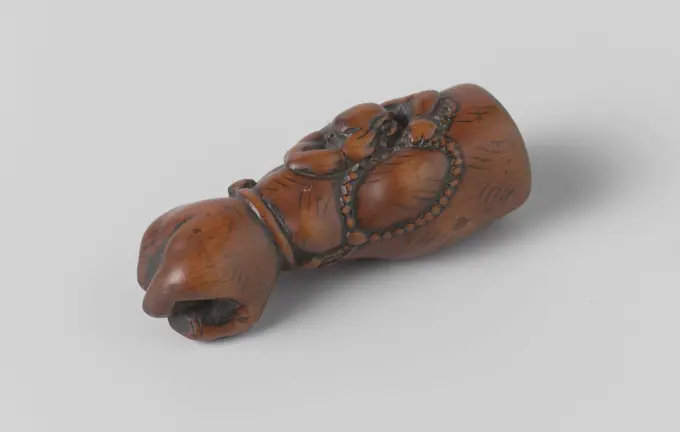
Netsuke Kappa on a lotus leaf, 19th century, Hidekazu, Japanese, 1 1/4 x 1 1/2 x 1 3/4in. (3.2 x 3.8 x 4.4cm), Ivory, Japan, 19th century
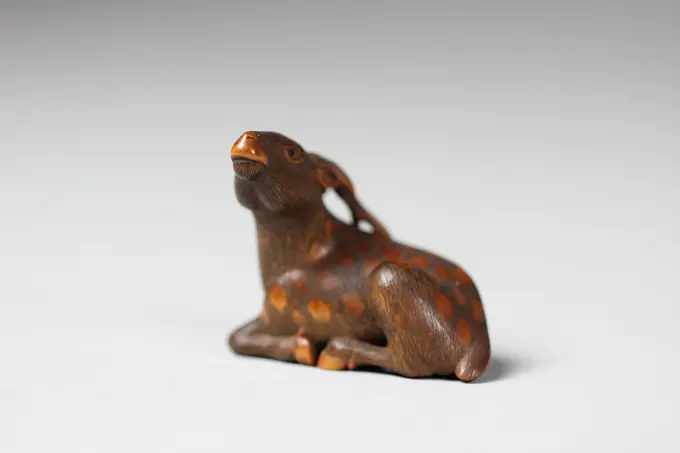
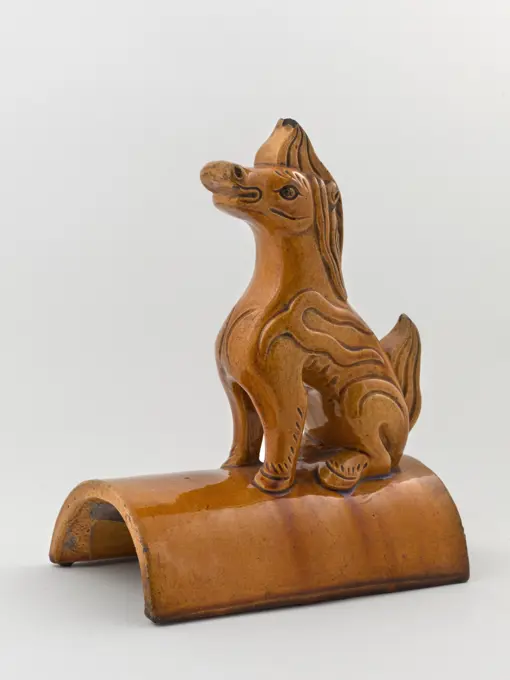
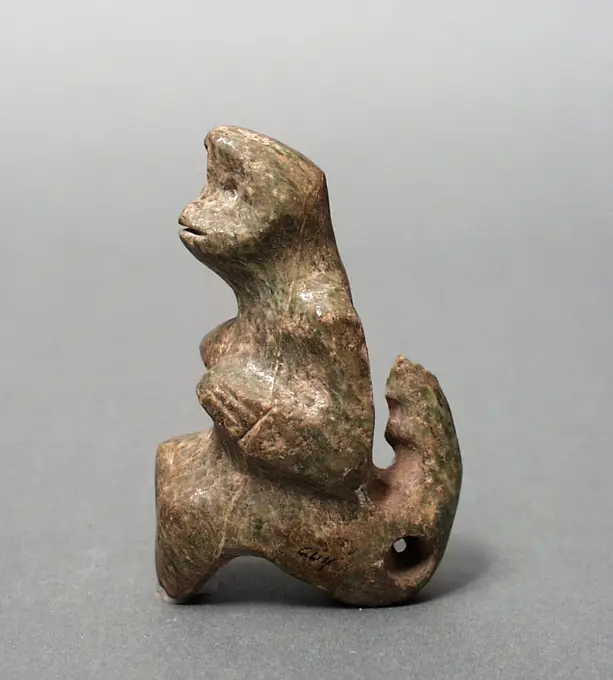
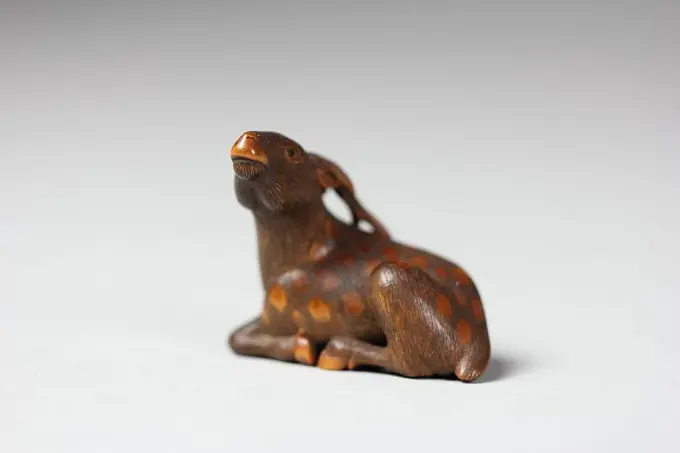
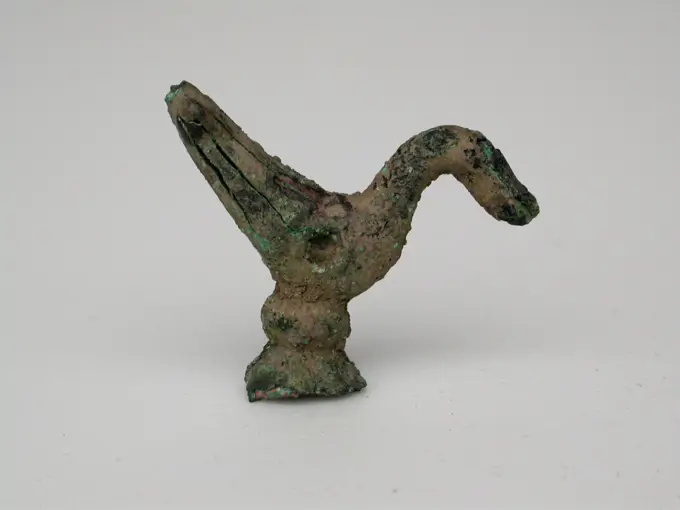
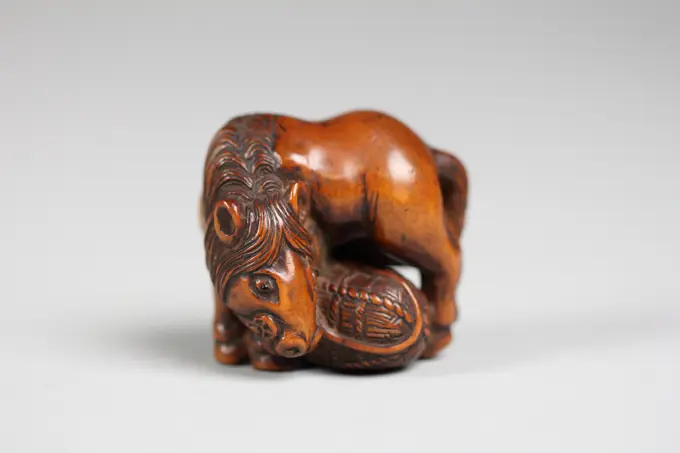
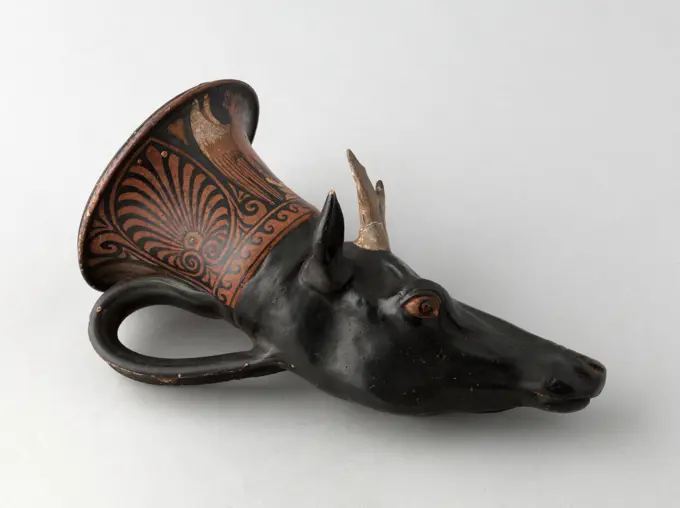
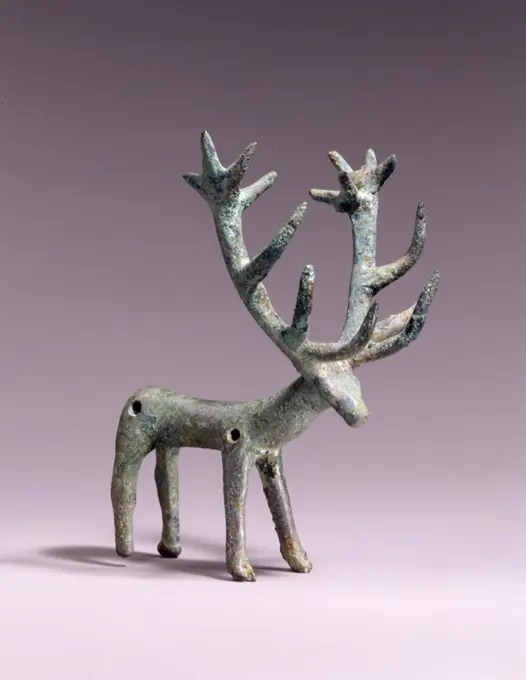
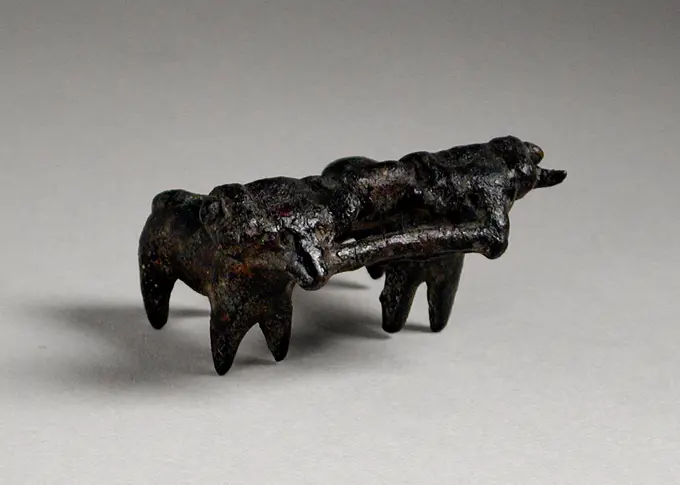
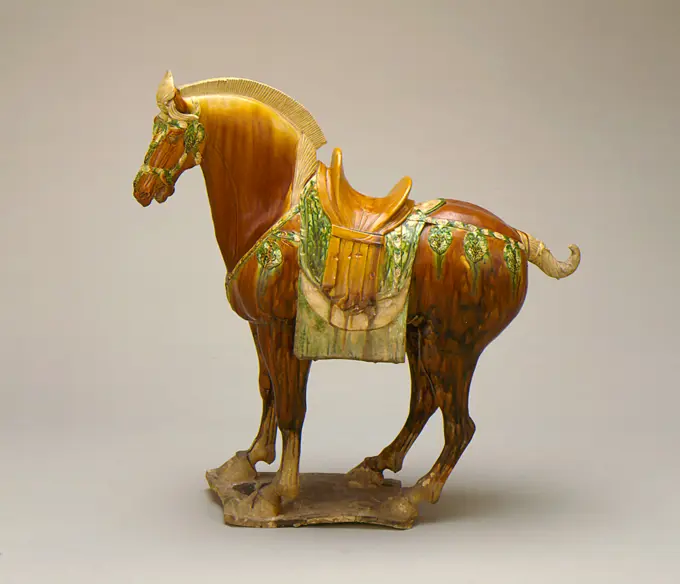
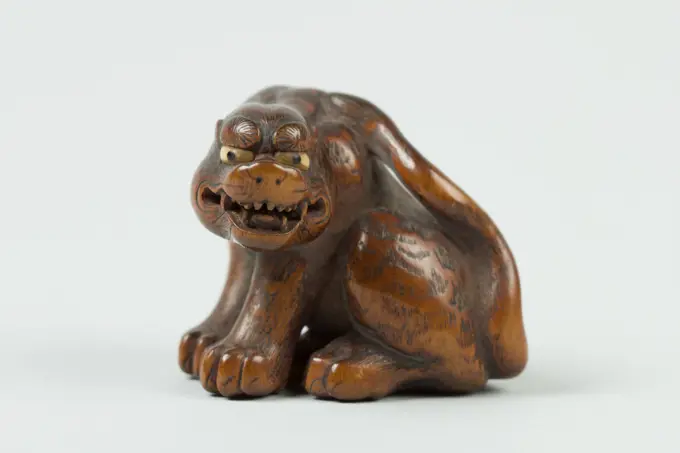
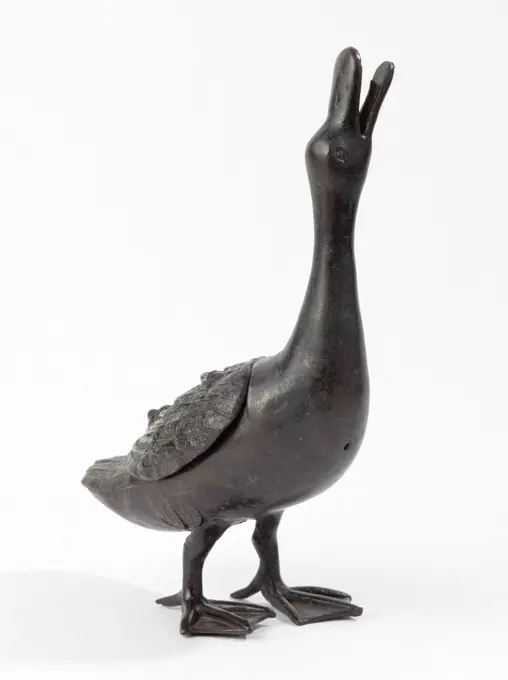
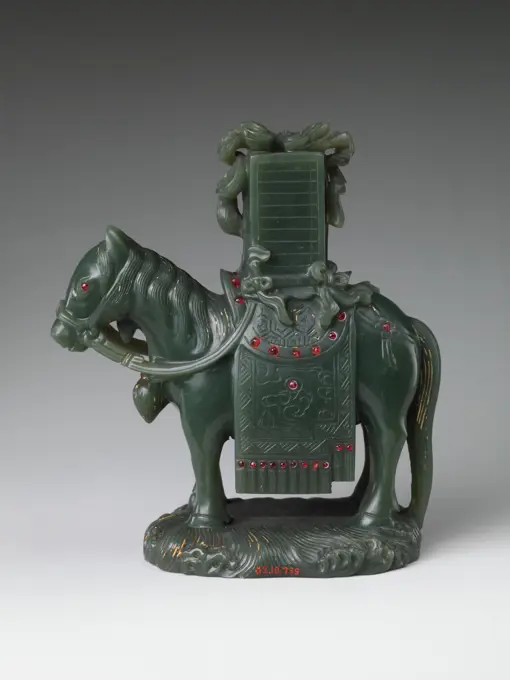
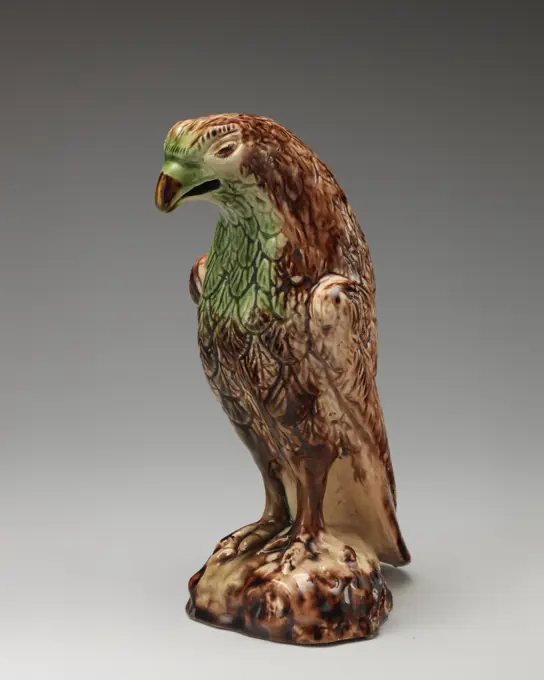
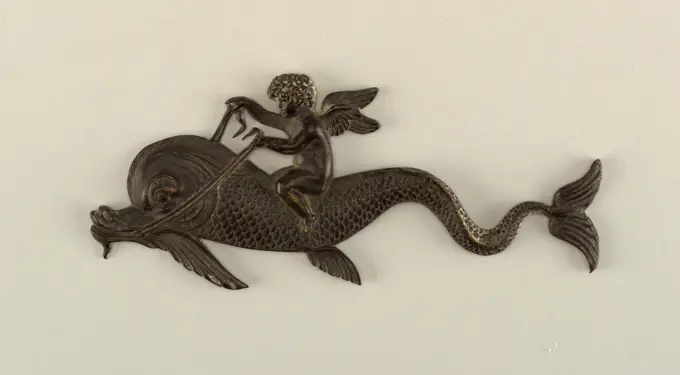
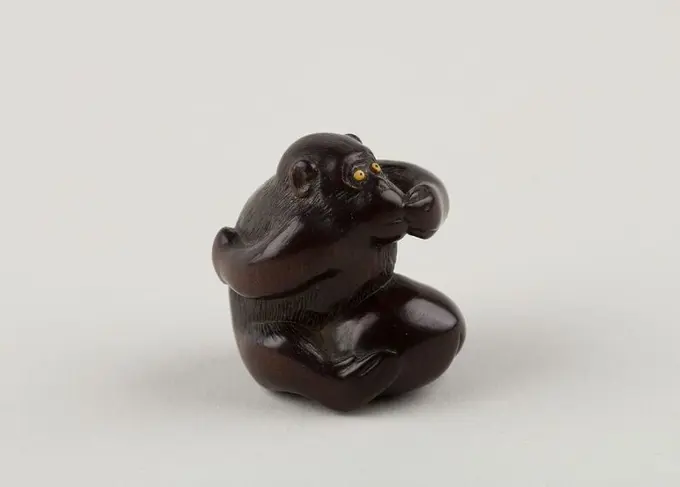
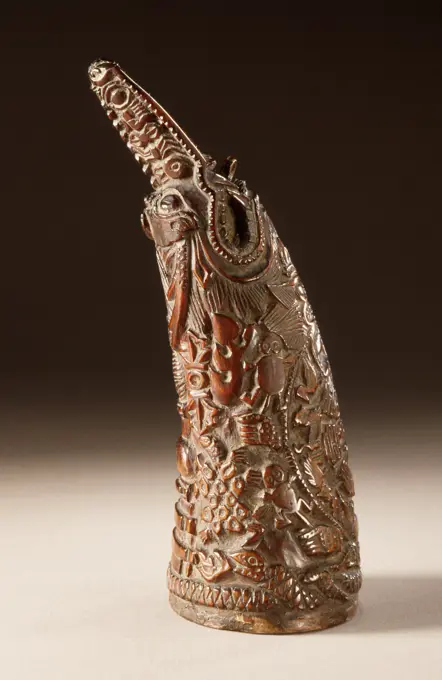
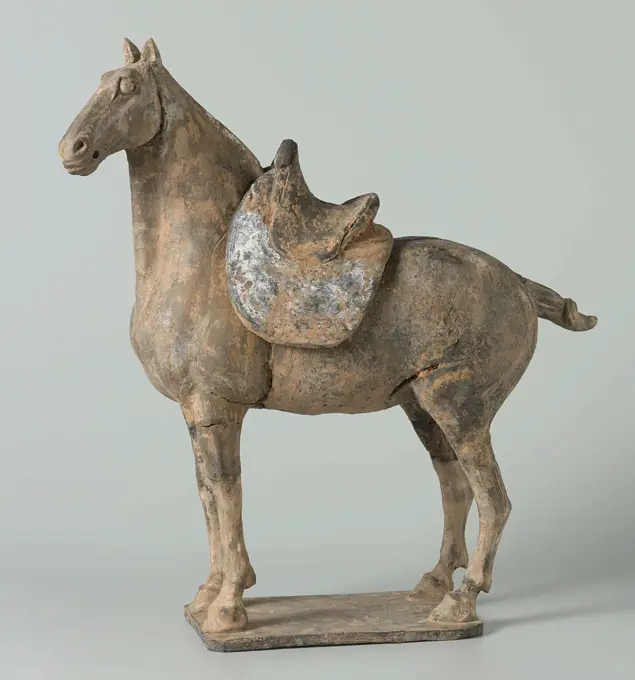
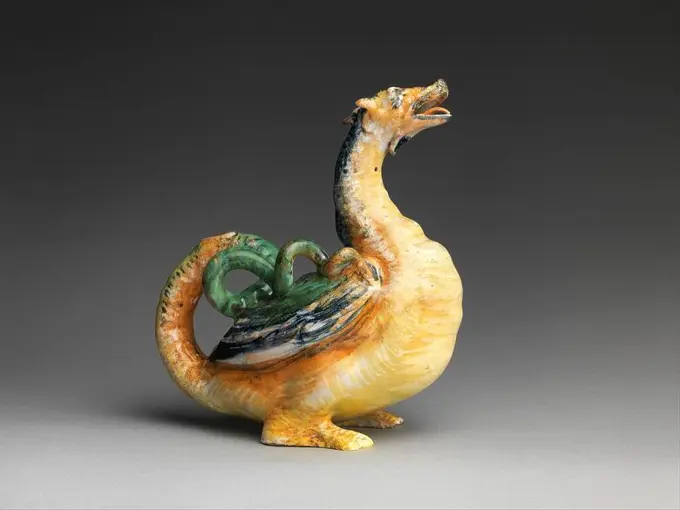
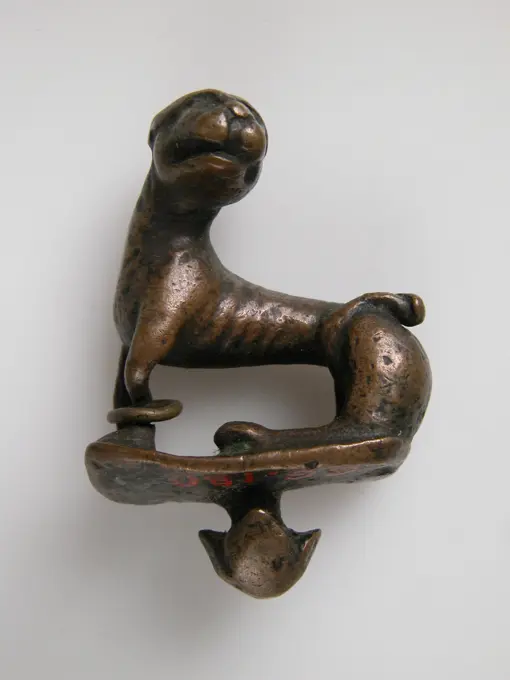
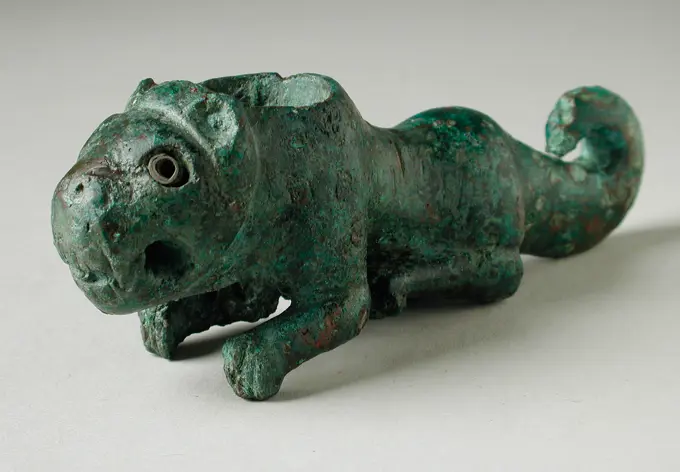
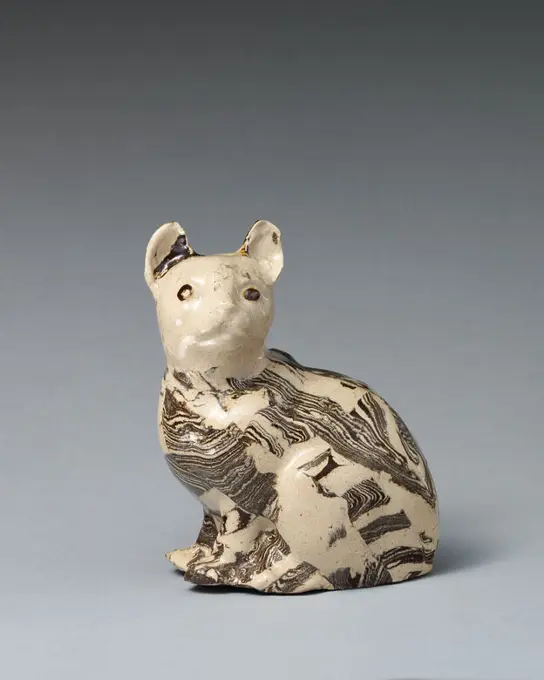
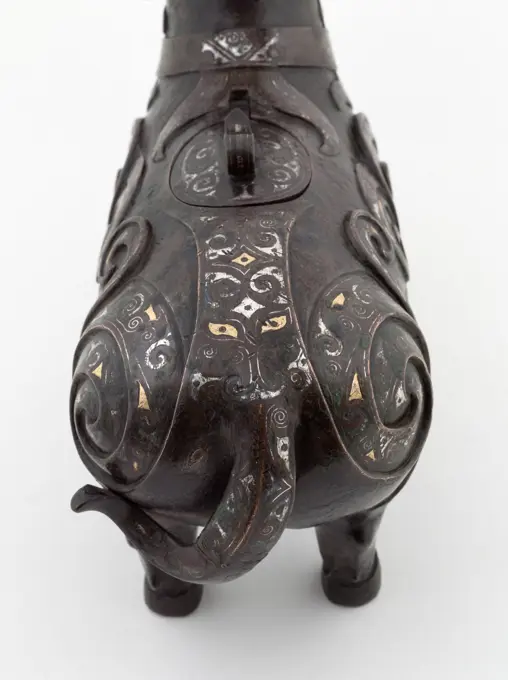
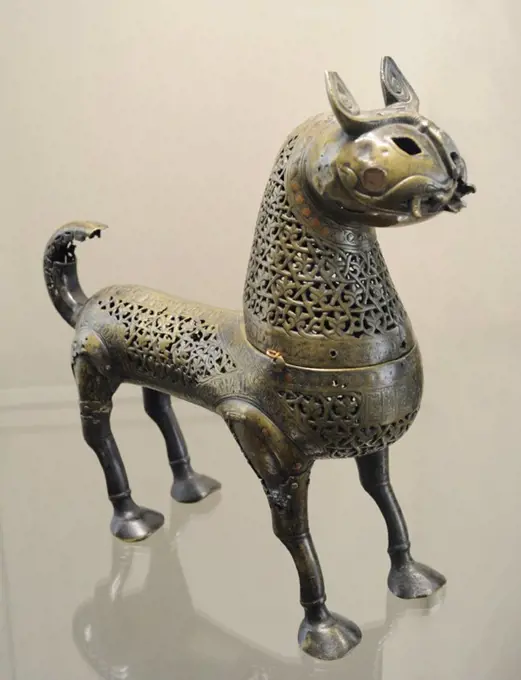
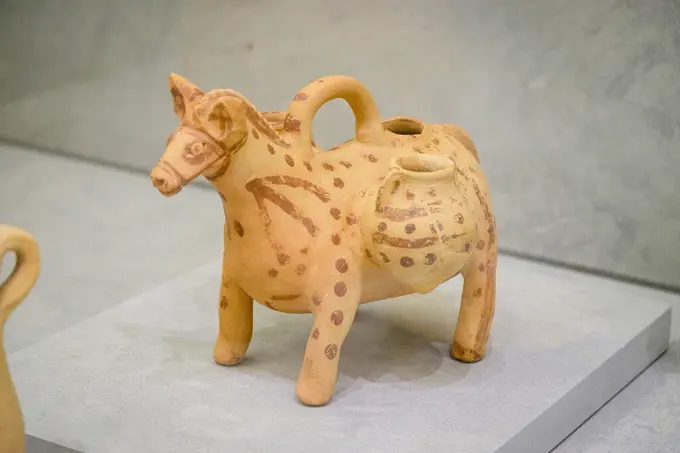
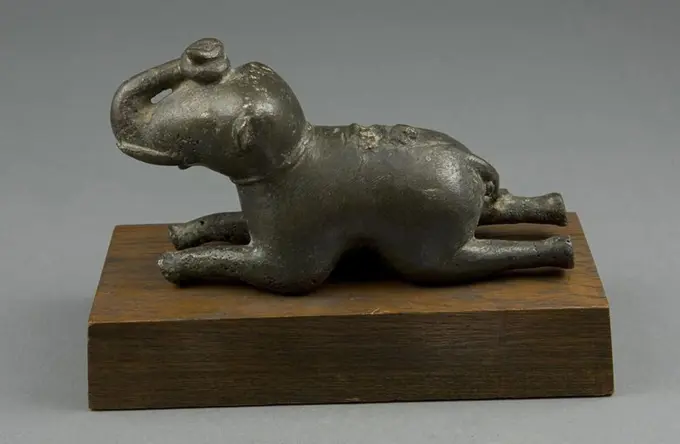
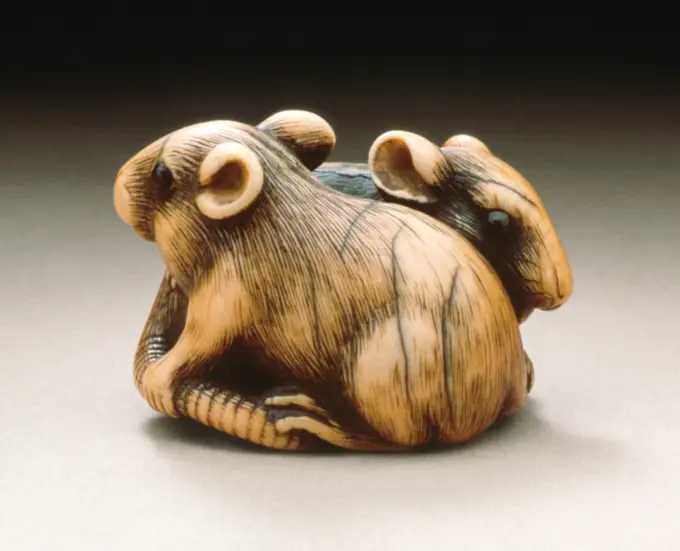
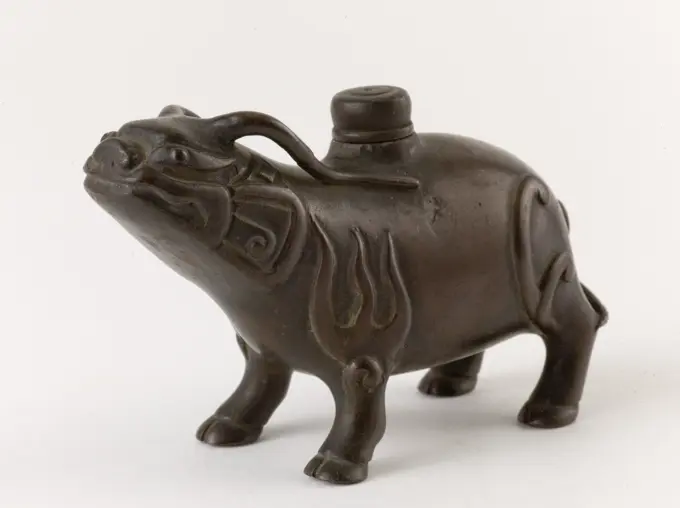
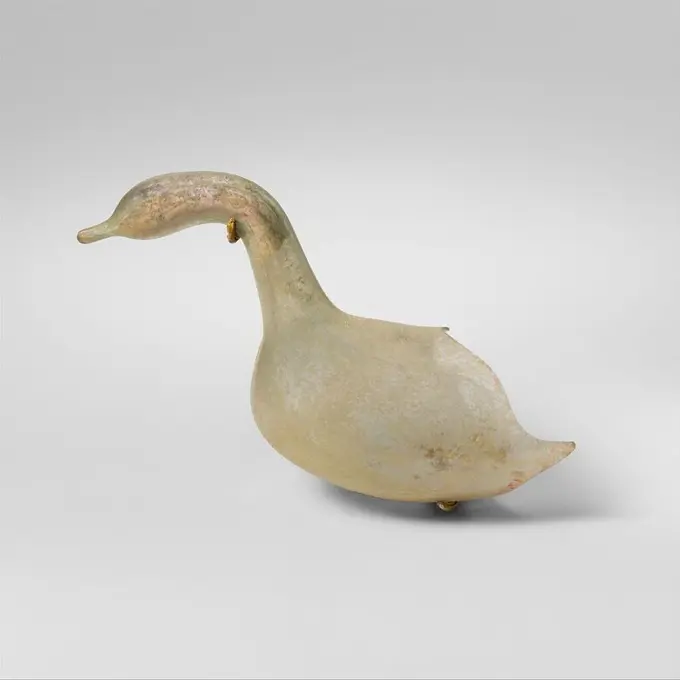
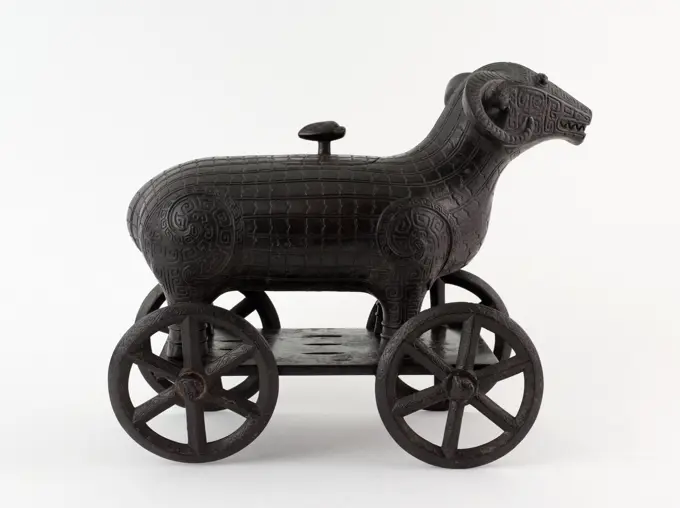
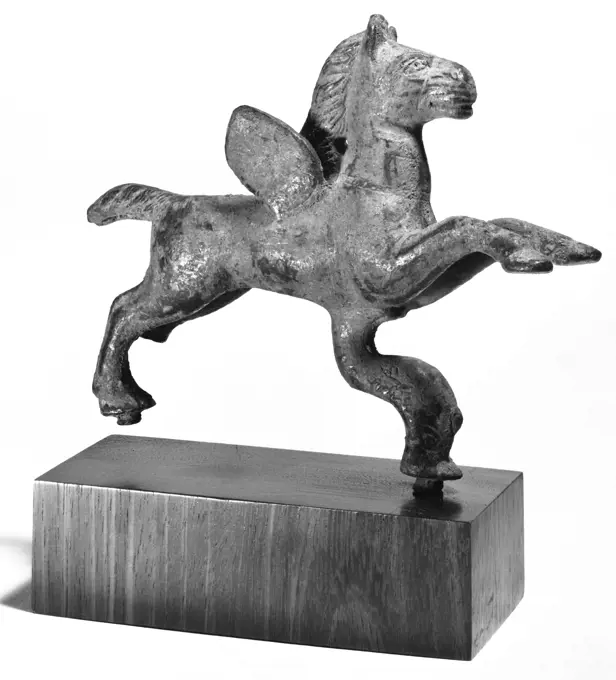
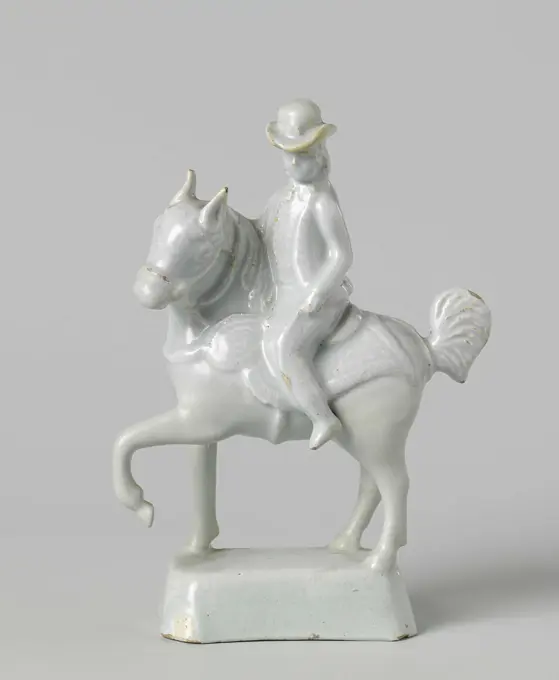
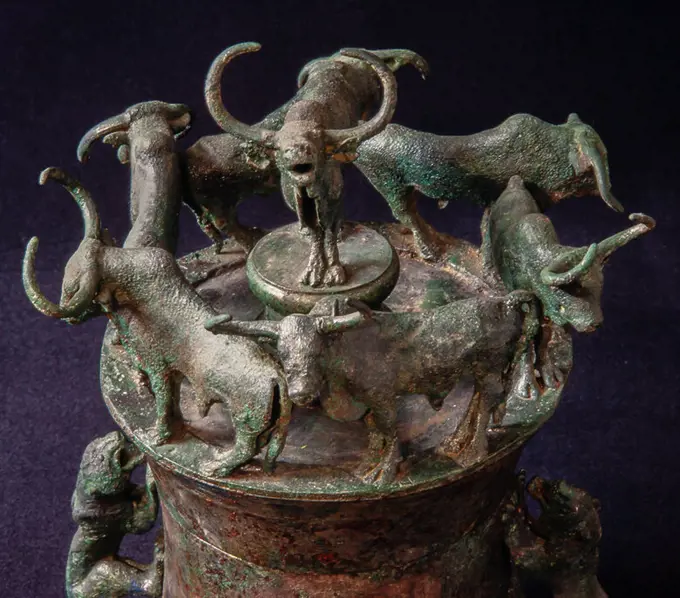
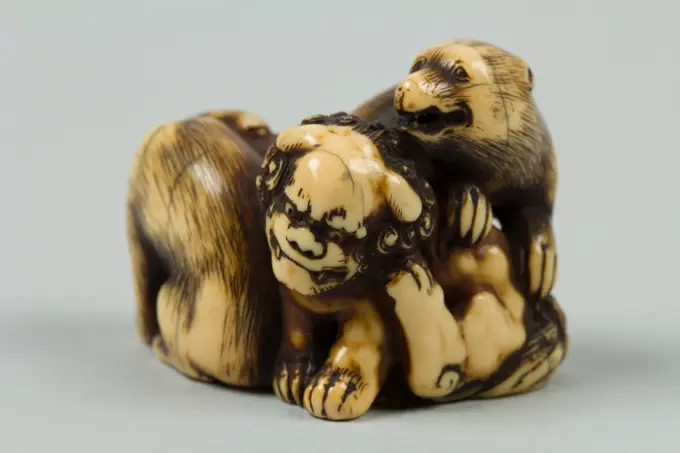
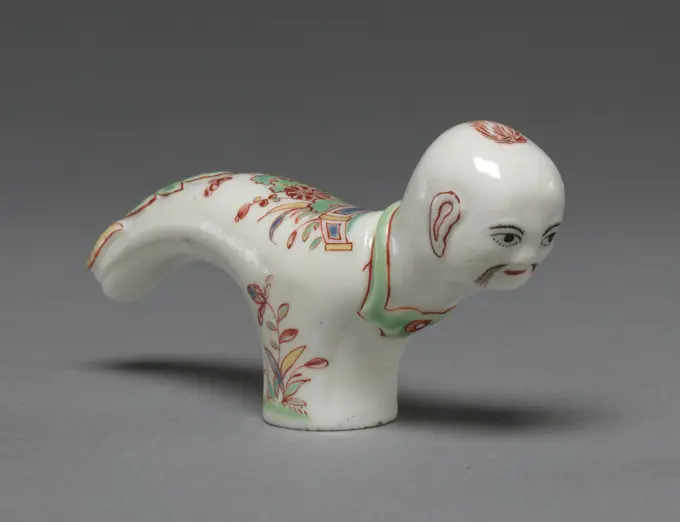
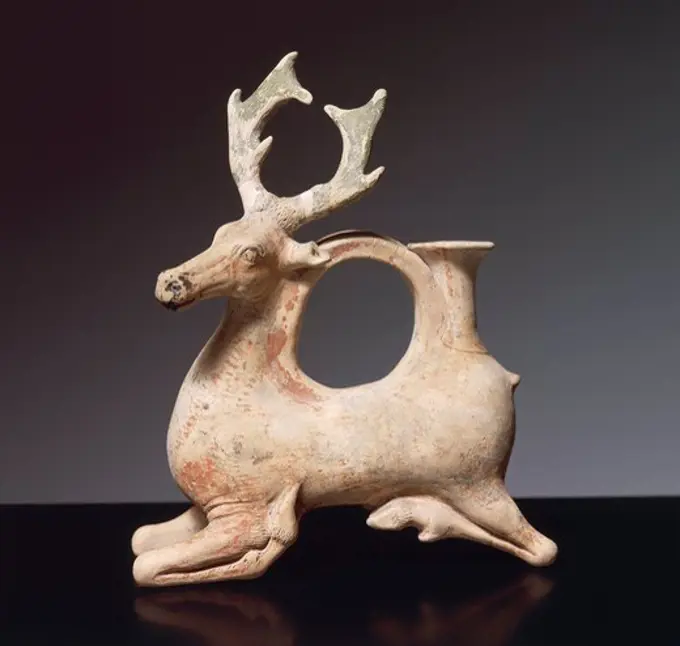
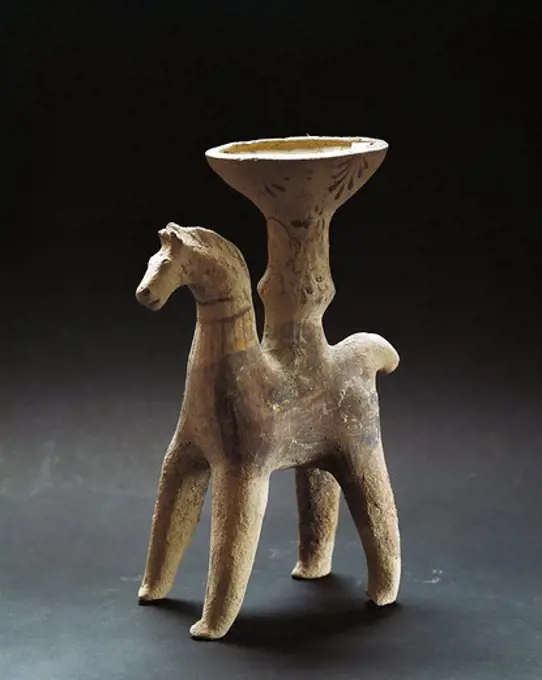
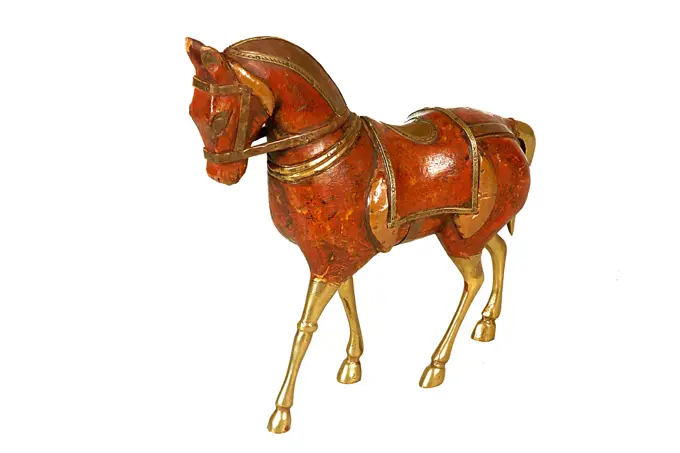
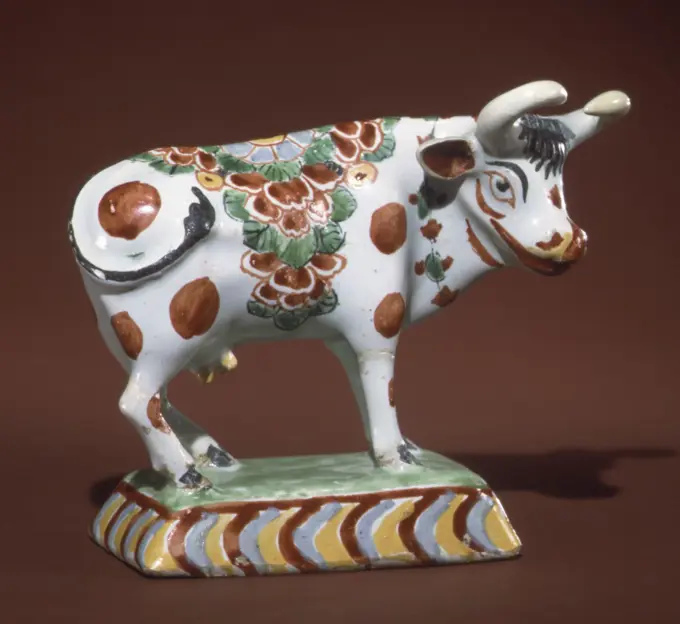
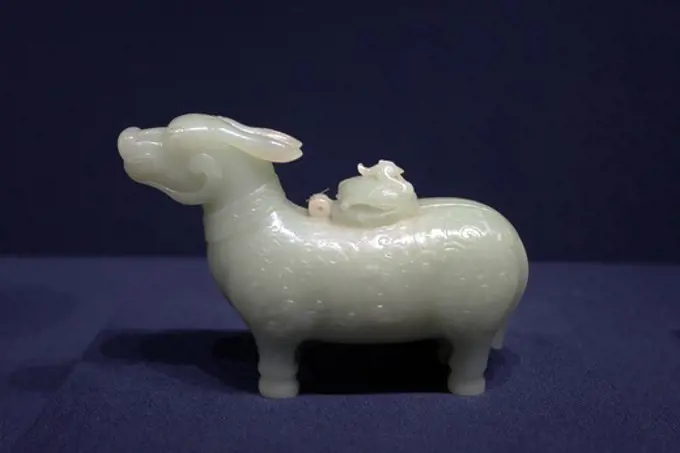
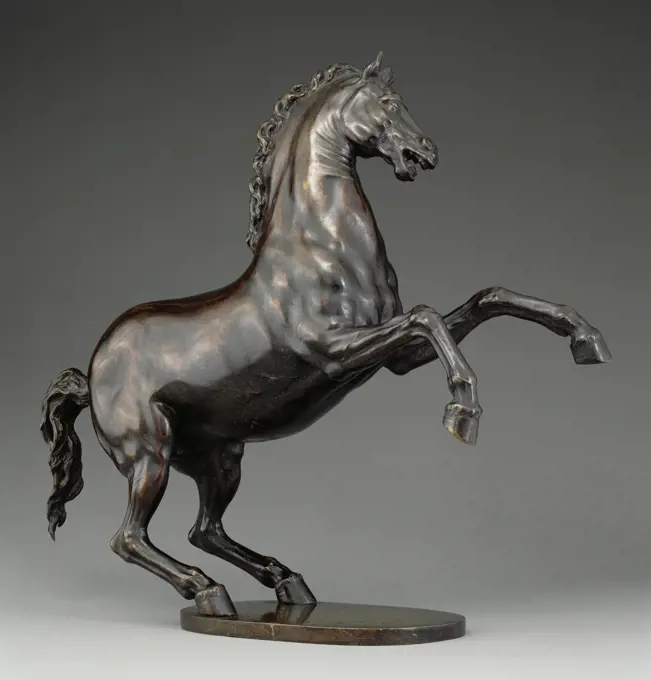
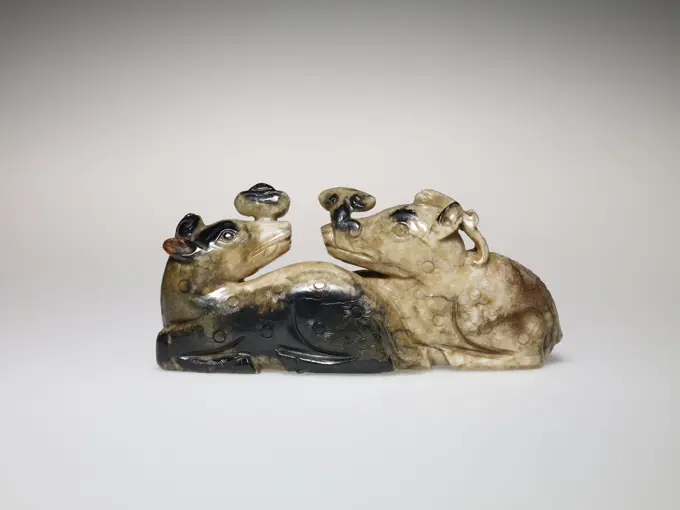
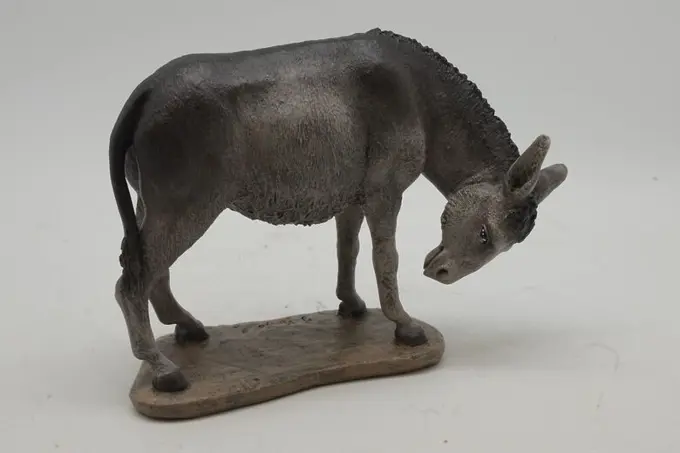
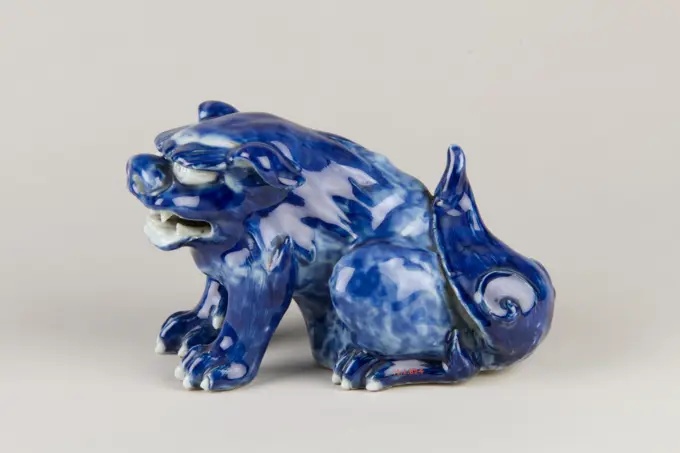
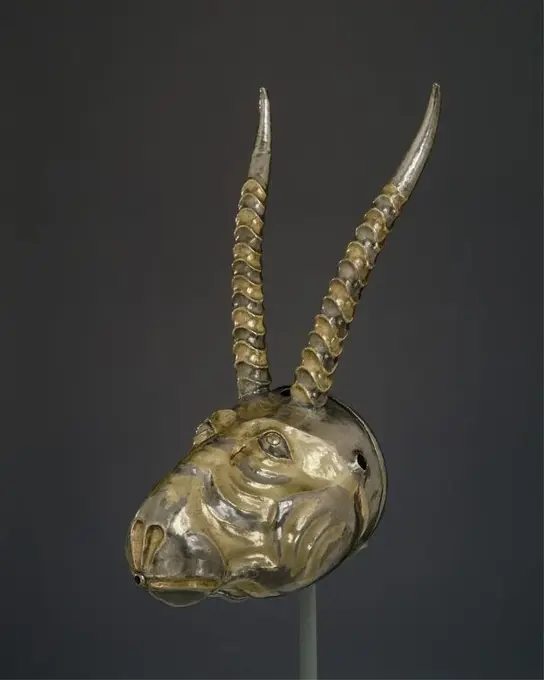
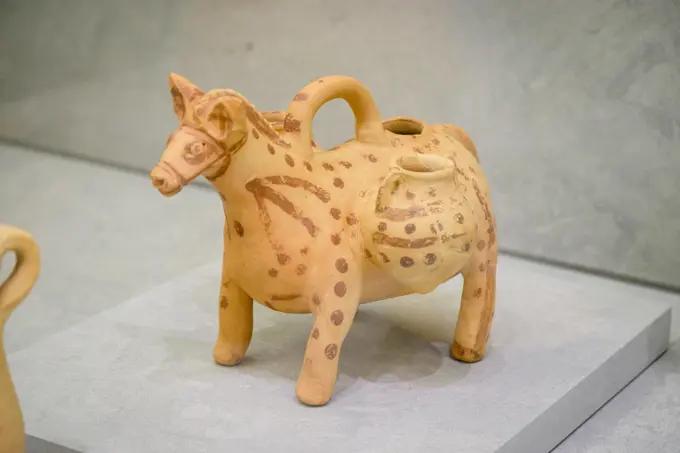
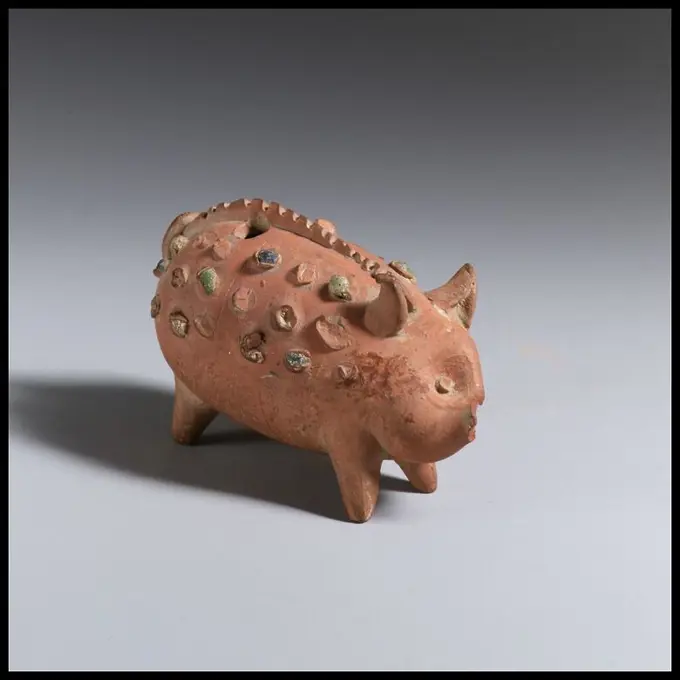
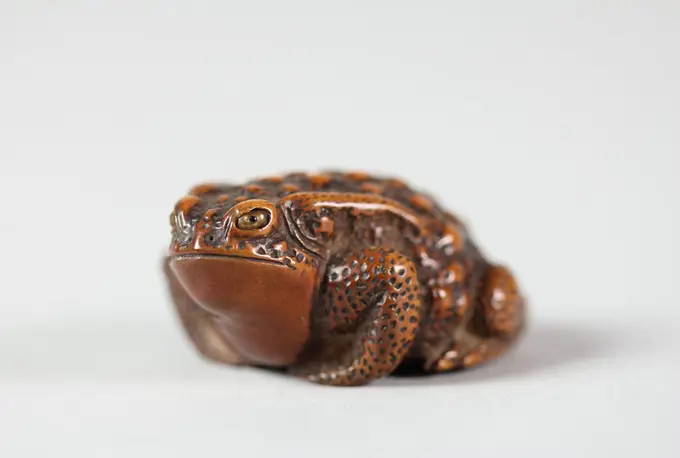
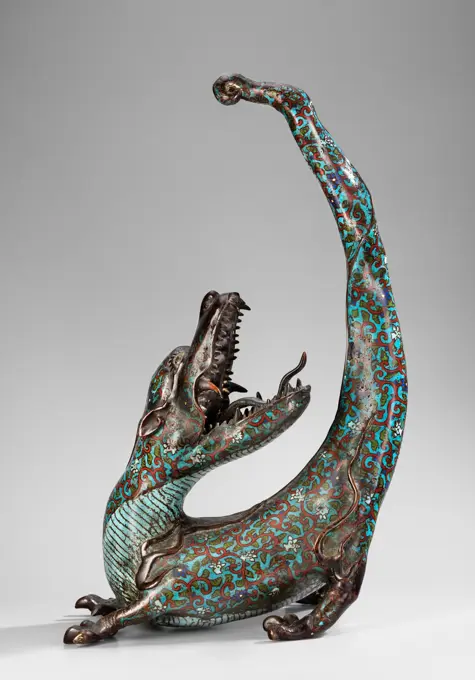
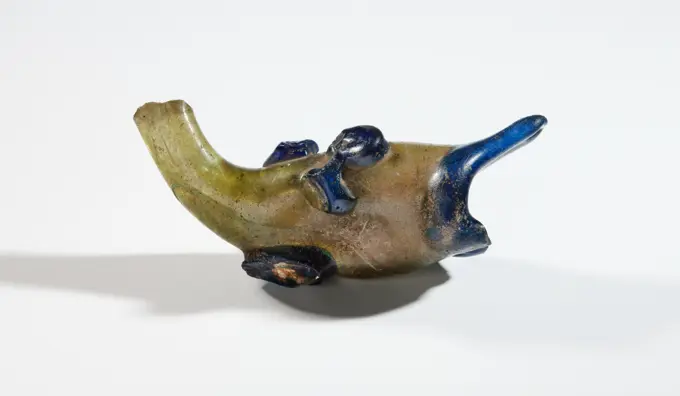
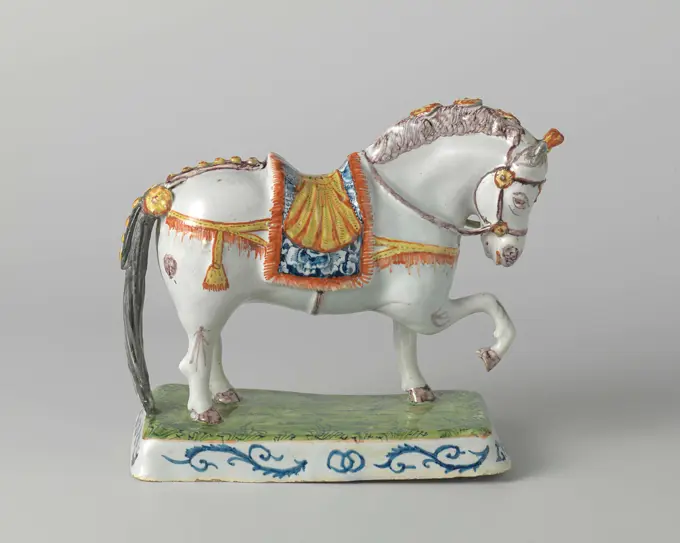
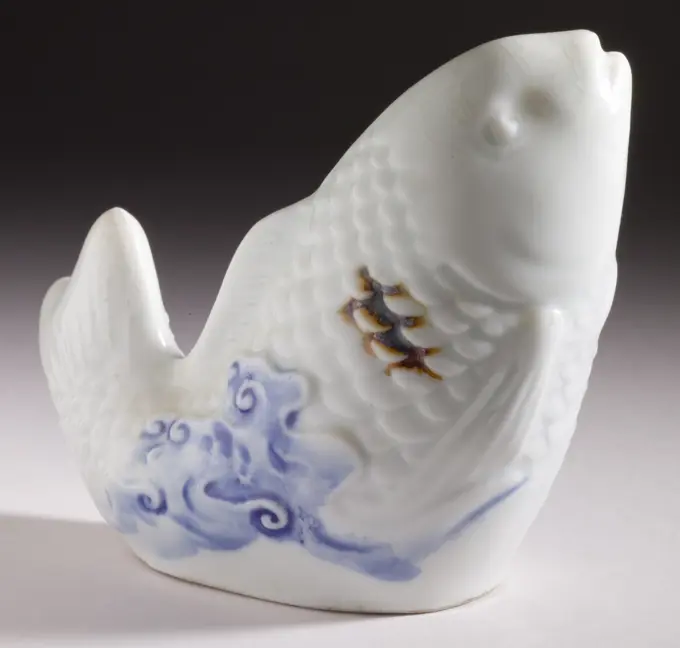
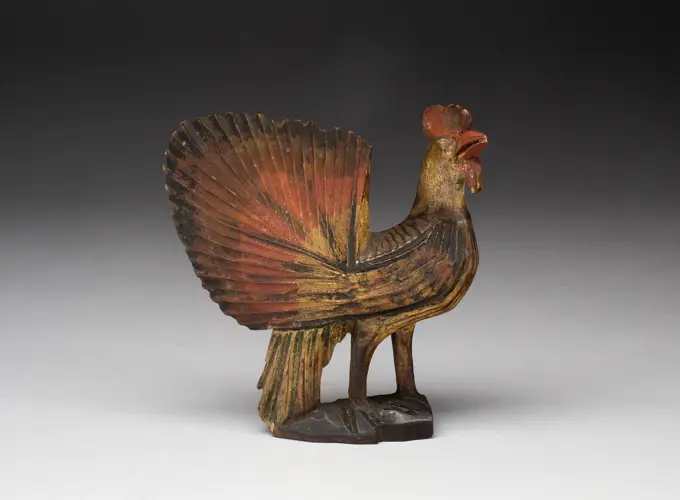
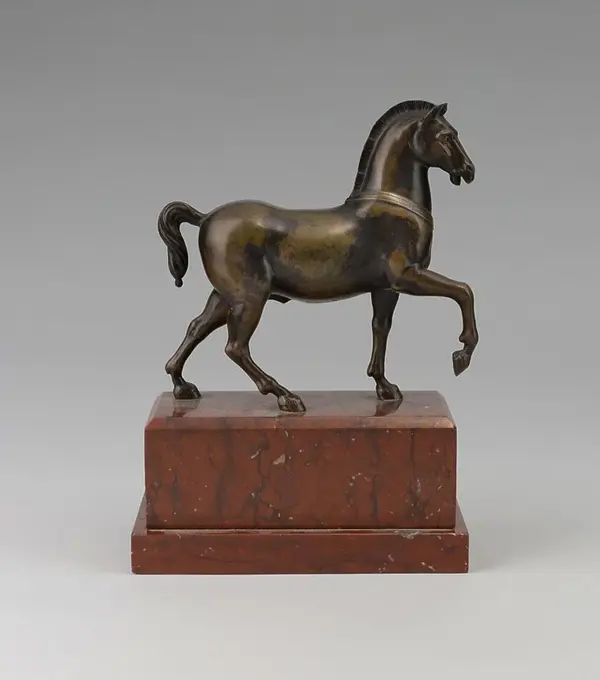
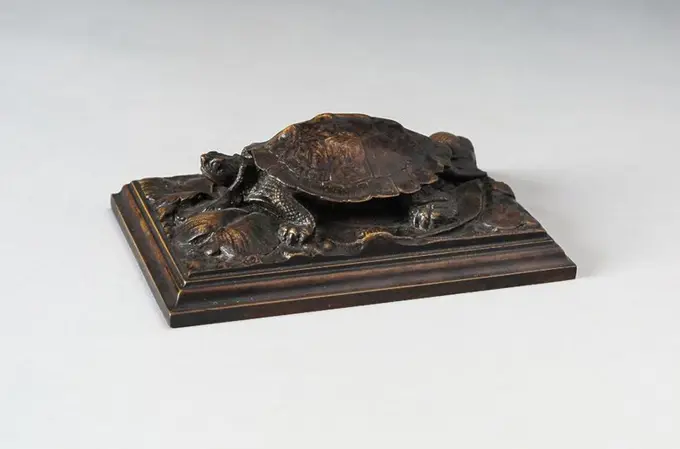
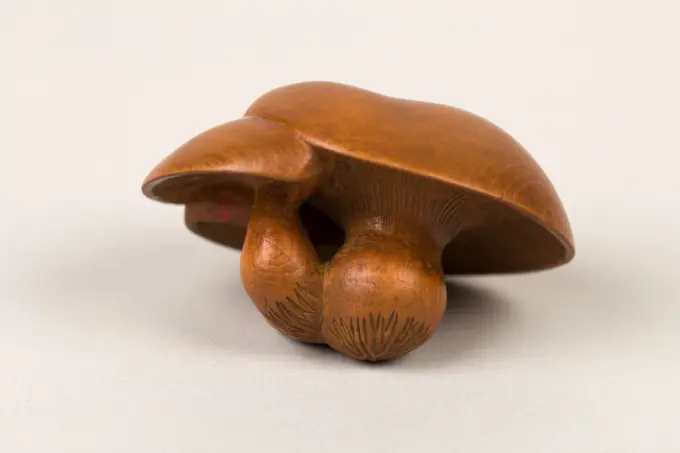
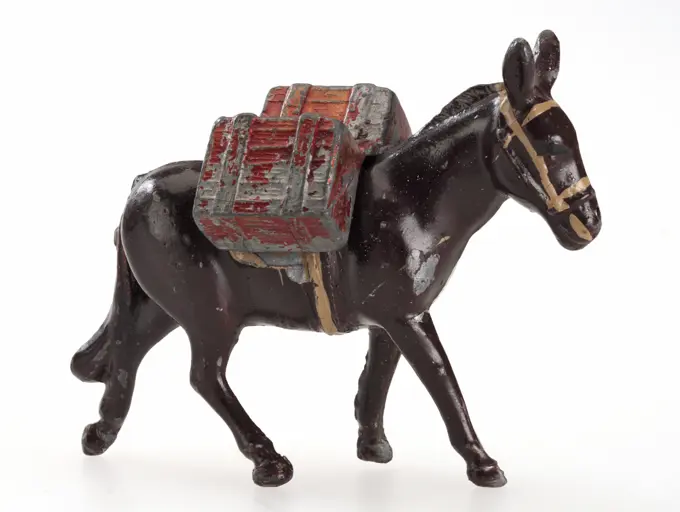
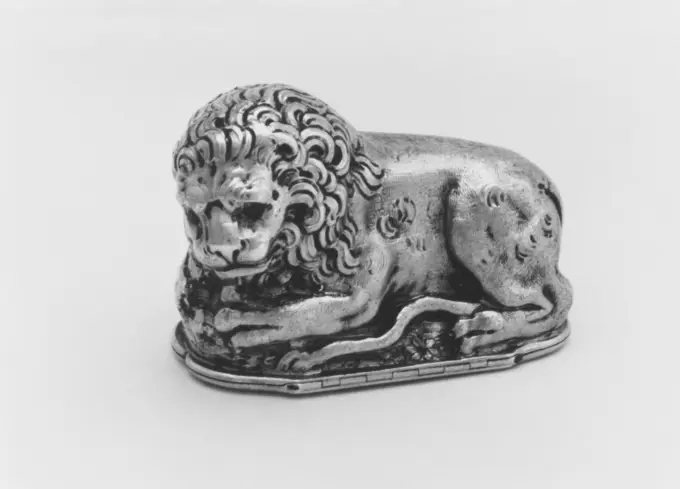
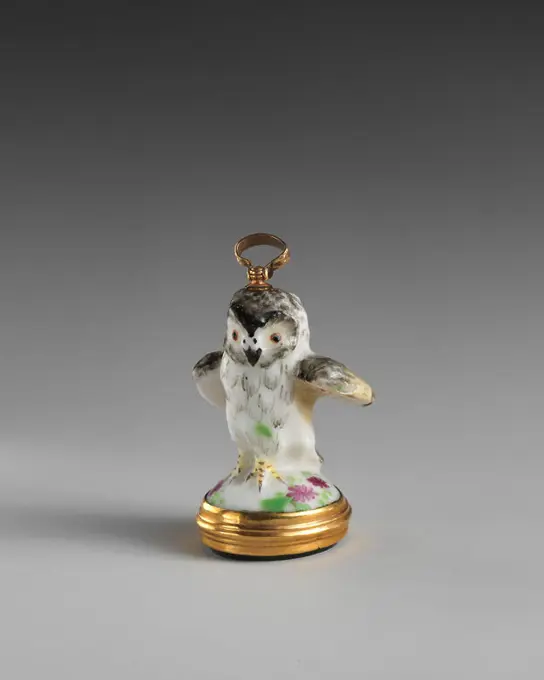
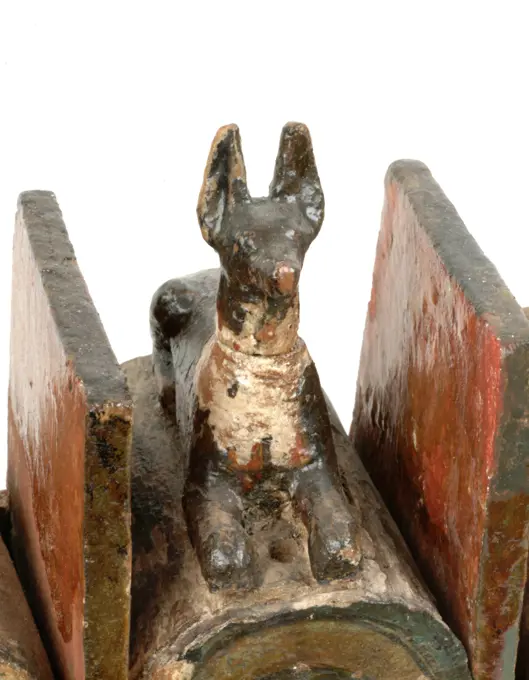
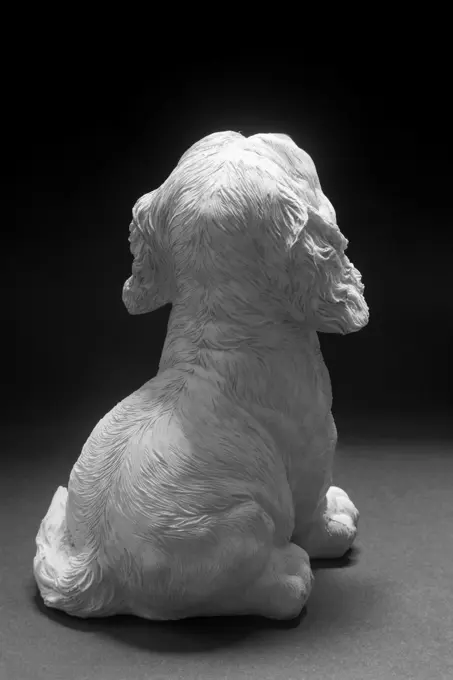
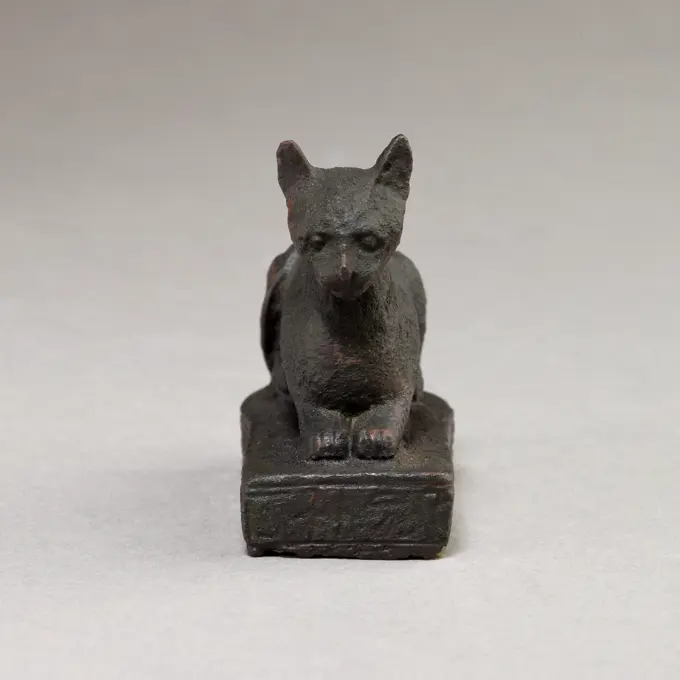
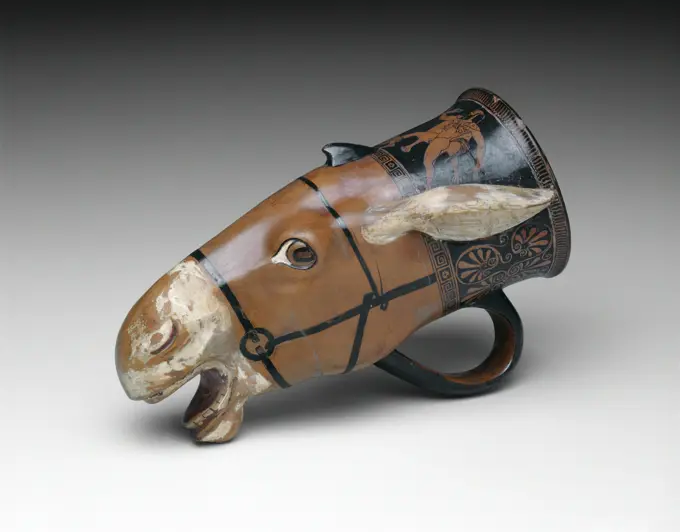
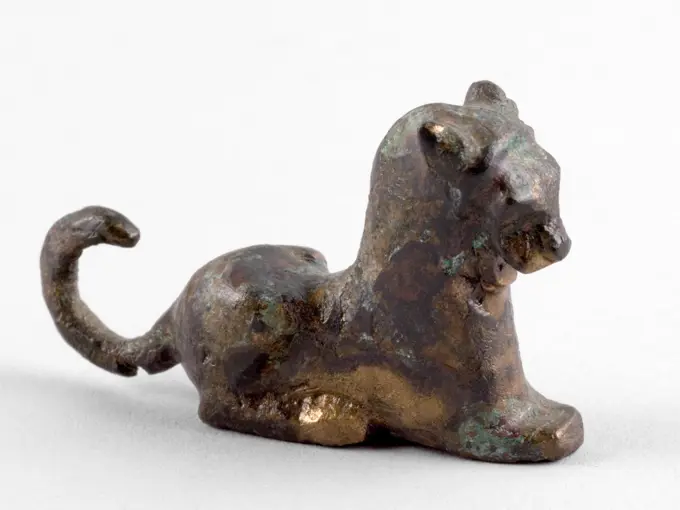
Lioness statuette. Copper alloy. 1st-nd centuries. Magne collection. Coming from: rue Tournefort, 1892. Paris, Carnavalet museum. Lioness Copper alloy, lioness, statuette, animalSupport; gilt bronze; L x W x D: 12.3 × 11.5 × 12.7 cm (4 13/16 in. × 4 1/2 in. × 5 in.)Crude, Full-Figure Ram. Iran, no date. Sculpture. BronzeNetsuke of Deer 19th century Japan. Netsuke of Deer. Japan. 19th century. Wood. Edo (1615-1868) or Meiji period (1868-1912). NetsukeRidge tile. Terracotta with yellow glove. Paris, Cernuschi museum. 78844-6 Ancient ceramic, covered, architectural element, email, glacure, terracotta emaillee, tileSeated MonkeyNetsuke of Deer. Culture: Japan. Dimensions: H. 1 1/2 in. (3.8 cm); W. 1 5/8 in. (4.1 cm); D. 1 1/4 in. (3.2 cm). Date: 19th century. Museum: Metropolitan Museum of Art, New York, USA.Bird on Broken Stand 700 BCE-601 BCE Greece. This precious bronze object is a votive, or devotional gift, made as an offering to the gods. They come in many forms, such as animals, beads and brooches. Many seem once to have been attached to something else. Votives were hung from sacred trees or placed in sanctuaries around Greece. Once a shrine was full, the votives were ceremonially buried to make room for more offerings.. Bronze . Ancient GreekNetsuke of Horse 18th century Japan. Netsuke of Horse 59151Netsuke Kappa on a lotus leaf, 19th century, Hidekazu, Japanese, 1 1/4 x 1 1/2 x 1 3/4in. (3.2 x 3.8 x 4.4cm), Ivory, Japan, 19th centuryGroup of menzies. Rhyton in the shape of a deer head. Red figures. Taranto, around 340 BC. AD Museum of Fine Arts of the City of Paris, Petit Palais. 59535-3 Greek antiquity, drink, ceramic, deer, deer, red figure, large Greece, 4th IVE IV 4th 4th 4th 4 century AV.J-.C., Libations, Decorative motif, Vegetal motig, molding, palmte, ancient period, pottery, , Rhyton, ritual, head, drinking vase, ancient vase, Greek vase, animalBelt Pendant in the Shape of a Standing Stag 10th-9th century B.C. Northwest Iran. Belt Pendant in the Shape of a Standing Stag 59577Bell or pendant 1st millennium B.C. (). Bell or pendant 326582Team of Yoked Zebus. Northwestern Iran, Iron Age I-II, about 1350-800 B.C.. Sculpture. Bronze, castFunerary Sculpture of a Horse. China, Middle Tang dynasty, about 700-800. Sculpture. Molded earthenware with molded, applied, and incised decoration and polychrome (sancai) glazeNetsuke of Tiger 19th century Japan. Netsuke of Tiger. Japan. 19th century. Wood. Edo (1615-1868) or Meiji period (1868-1912). NetsukeCandlestick with figure of a lion. The object provided in four legs consists of a lion sitting on its hind legs that has been struck to the handle on which the fat catcher and candle holder are screwed. It makes the impression to be a counterfeit. Candle pin and fat catcher have been made.Sauce bowl of silver. Shell-shaped sauce bowl with one ear on three legs. Each leg is made up of volutes, and decorated on the shoulder with a rocaille. The ear consists of volutes. The Sauskom has been marked.Miniature Seated Dragon. China, Tang dynasty, 618-906. Sculpture. Cast bronzeChessman Japanese 19th centuryDuck. Bronze. Japan. Paris, Cernuschi museum. Animal, Japanese art, bronze, duck, animalHorse carrying books 18th-19th century China. Horse carrying books 44022Bronze helmet with silver crest, 550-500 A.C.Hawk ca. 1750-60 Style of Whieldon type. Hawk. British, Staffordshire. ca. 1750-60. Lead-glazed earthenware. Ceramics-PotteryVessel in the shape of a horse or camel 306-30 B.C. Ptolemaic Period. Vessel in the shape of a horse or camel 569685MountNetsuke of Monkey with One Hand over Mouth, the Other Behind His Back. Artist: Miwa. Culture: Japan. Dimensions: H. 1 3/8 in. (3.5 cm); W. 1 1/8 in. (2.9 cm). Date: late 18th-early 19th century. Museum: Metropolitan Museum of Art, New York, USA.Exorcist's Horn (thun rva). Bhutan or Tibet, circa 19th century. Tools and Equipment. Carved antler; copper alloy fittingTomb figures of horses and camels. These figures were once painted and equipped with reins and bridles of wood and fabric or leather. They were placed in tombs, to accompany the deceased in the afterlife. From the riders headgear and faces, it is evident that they originated in western Asia rather than China. Their presence in the tomb of a highranking member of Chinese society reflects flourishing international contacts in the period.Ewer in the form of a dragon. Culture: Italian, probably Urbino. Dimensions: Overall (confirmed): 8 1/16 × 7 1/4 × 3 13/16 in. (20.5 × 18.4 × 9.7 cm). Date: ca. 1600.Beginning in the second half of the sixteenth century, especially in Urbino, potters elaborated standard vessel types into sculptural forms. Given its relatively small volume, this ewer may have been intended more as a collectors' item than as a functional vessel. Nonetheless, it can be filled with liquid through an opening in the dragon's tail and then emptied through its mouth. Museum: Metropolitan Museum of Art, New York, USA.Official Seal, 2nd century BCE- 2nd century CE, 1 9/16 x 1 5/16 x 1 1/4 in. (3.97 x 3.33 x 3.18 cm), Gilt bronze, China, 2nd century BCE- 2nd century CE, The size of this seal as well as its inscription indicate that it was probably used to stamp official rather than personal documents. Several tortoise form seals have been excavated from Han tombs, suggesting that this animal, which symbolized longevity, was already a popular motif among the educated class. This seal bears the inscription Tai-shou Chang lui Huai. Lui Huai appears to be a place name meaning overlooking the Huai river, while Chang is the official's surname, and Tai-shou his official title.Lion 12th century Mosan or German. Lion 468715Hammerhead (). Iran, circa 1500-1000 B.C.. Tools and Equipment; hammers. Bronze, castDragon-Snake Figure(Aso)Cat. Culture: British, Staffordshire. Dimensions: Height (wt. confirmed): 5 in., 1 lb. (12.7 cm, 0.5 kg). Date: ca. 1745. Museum: Metropolitan Museum of Art, New York, USA.Beef. Bronze. China. Paris, Cernuschi museum. 70625-36 Chinese art, beef, bronze, lid, back, detail, handle, tail, animalRecumbent Figure of Unicorn 18th century China. Recumbent Figure of Unicorn 61066Incense-Burner in the shape of a Lynx. Bronze; casting, engraving, silver and copper inlay. Iran. 11th century. The State Hermitage Museum. Saint Petersburg. Russia.Ritual vessel in the shape of a donkey carrying amphorae, 425-400 BC, Archaeological Museum of Ibiza and Formentera, Spain.Seated Elephant. Thailand. Date: 1301-1400. Dimensions: 9.1 x 17.1 x 5.7 cm (3 5/8 x 6 3/4 x 2 1/4 in.). Bronze. Origin: Thailand. Museum: The Chicago Art Institute, Chicago, USA.Goldweight Lizard with Fish in Mouth, 19th-20th century, 3/8 x 1 3/4 x 3 in. (0.95 x 4.45 x 7.62 cm), Brass, Ghana, 19th-20th centuryRat Pair. Japan, 18th century. Costumes; Accessories. Ivory with staining, sumi, inlaysFantastic animal. Bronze. Paris, Cernuschi museum. Asian antique, Japanese antiquity, metalTerracotta statuette of a horse late 4th century B.C. Cypriot The horse, probably once part of a horse-and-rider group, is solid and possibly mold-made; the face is heavily retouched. This figurine may have been made in the same Kourion workshop as the horse statuette, 74.51.1809.. Terracotta statuette of a horse 241365Pole Ceremony. Mexico, Nayarit, 200 BCE-500 CE. Ceramics. Slip-painted ceramicGlass bottle in the shape of a bird. Culture: Roman. Dimensions: H.: 2 5/8 in. (6.7 cm). Date: 1st century A.D..Translucent pale blue green.Long, solid, rounded beak; head projecting forward and slightly downward, attached to tubular neck that merges with plump body.Broken, with back part of body and tail missing; few bubbles; dulling and faint iridescence on exterior, creamy iridescent weathering covering interior with one patch of limy encrustation.Bottles of this type were made with their contents (either liquid perfume or cosmetic powder) sealed inside. The tip of the tail had thus to be broken to remove the contents. Museum: Metropolitan Museum of Art, New York, USA.Ram. Bronze. China. Paris, Cernuschi museum. 70625-47 Chinese art, rail, bronze, cover, handle, profile, wheel, animalFurniture Support of Pegasus with Dolphin; Roman Empire; 2nd - 3rd century; Bronze; 10 × 12.3 cm (3 15,16 × 4 13,16 in.)Rider on horseback. Image of unforded faience. On a rectangular pedestal with beveled corners is a rider on horseback. The horse has bent his left. The rider carries a round hat.Figura de la dinastía Han (206 a.C. - 9 d.C). Colección privada.Pair of Ostrich Egg Wine Bottles. Germany, Naumberg, circa 1700. Furnishings; Accessories. SilverBOTIJO CON FORMA DE GALLO DECORATIVO VIDRIADO EN VERDE. Location: ALFARERIA. JAEN. SPAIN.Container, containing Guttusen duck form. ITALIOTE ceramic. Yellow clay. Museum of Fine Arts of the City of Paris, Petit Palais. Yellow clay, duck, itilicotic ceramic, containing guttusen, container, profile view, animalNetsuke 19th century Japan. Netsuke. Japan. 19th century. Ivory. Edo (1615-1868) or Meiji period (1868-1912). NetsukeCane Handle (Poignée de canne), c. 1745. Saint Cloud Porcelain Factory (French). Soft-paste porcelain with enamel decoration; overall: 11.5 cm (4 1/2 in.)."Mourning" Figure Vessel 2nd century B.C.-A.D. 2nd century Nayarit. "Mourning" Figure Vessel 313291Clay askos in the shape of a fawn from tomb 83 at Valle Trebba, Emilia Romagna region, Italy, Italic civilizationItalic civilizations, civilization of Canosa di Puglia, oil lamp with base in shape of horse, from Canosa di Puglia, Barletta-Andria-Trani Province, ItalyBrass and copper design fitting on antique wooden horse, Jodhpur, Rajasthan, India Copyright: xSafatxAli/DinodiaxPhotoxCow 18th century Style of Anthoni Pennis. Cow 187661 Maker: Style of Anthoni Pennis, Maker: De Twee Scheepjes (The Two Little Ships), Cow, 18th century, Tin-glazed earthenware, Height: 3 3/4 in. (9.5 cm). The Metropolitan Museum of Art, New York. Gift of Henry G. Marquand, 1894 (94.4.18)DEU, 2008: Water Chestnut, Water Caltrop (Trapa bicornis), fruit reesmbling the head of a bull, studio picture.Jade itemRearing Horse; Adriaen de Vries (Dutch, about 1556 - 1626); Netherlands; 1605 - 1610; Bronze; 49.5 x 54.6 x 17.8 cm (19 1,2 x 21 1,2 x 7 in.)Epichysis. Culture: Greek, South Italian, Apulian. Dimensions: H. 14.27 cm.; diameter 8.96 cm.. Date: ca. 325-300 B.C.. Museum: Metropolitan Museum of Art, New York, USA.Paperweight: Deer and Fungus Motif, 17th-20th century, 5 1/2 in. (13.97 cm), Carved jade, China, 17th-20th centuryBelt Plaque in the Shape of a Standing Feline 4th century B.C. Northwest China and southwestern Inner Mongolia. Belt Plaque in the Shape of a Standing Feline. Northwest China and southwestern Inner Mongolia. 4th century B.C.. Tinned bronze. MetalworkMadrid 11/12/2015. Bethlehem figures. In the image a mystery by Montserrat Ribes ARCHDC Photo by Maya Balanya.Figure of a Dog first half of the 19th century China. Figure of a Dog 46888Rhyton in the form of a Saiga antelope head. Culture: Sasanian. Dimensions: 11.1 x 7.09 in. (28.19 x 18.01 cm). Date: ca. 5th-6th century A.D.. Museum: Metropolitan Museum of Art, New York, USA.Goose and Goslings (container), 1700s. China, Qing dynasty (1644-1911). Jade; overall: 5.2 cm (2 1/16 in.).Ritual vessel in the shape of a donkey carrying amphorae Ritual vessel in the shape of a donkey carrying amphorae, 425-400 BC, Archaeological Museum of Ibiza and Formentera, Spain Copyright: xZoonar.com/Tolox 23005320Terracotta rattle in the form of a pig. Culture: Roman. Dimensions: H. 3 1/2 in. (8.9 cm); length 3 1/2 in. (8.9 cm). Date: 2nd century A.D..On the pig's back is barbotine decoration inset with small chunks of colored glass. Museum: Metropolitan Museum of Art, New York, USA.Netsuke of Frog. Culture: Japan. Dimensions: H. 1 in. (2.5 cm); W. 1 1/2 in. (3.8 cm); L. 2 in. (5.1 cm). Date: 18th century. Museum: Metropolitan Museum of Art, New York, USA.Nightlight in the form of a cat, anonymous, anonymous, c. 1760 - c. 1770 Image (night light) of porcelain in the shape of a cat, painted on the glaze in red, turquoise and black. Three playing or lying cats were painted on the cat's fur. The eyes and mouth are open; A peach -shaped opening on the back. Porcelain with email colors. Chinakanton porcelain. glaze. painting Image (night light) of porcelain in the shape of a cat, painted on the glaze in red, turquoise and black. Three playing or lying cats were painted on the cat's fur. The eyes and mouth are open; A peach -shaped opening on the back. Porcelain with email colors. Chinakanton porcelain. glaze. paintingDragon statue. unknown, craftsmanSiurell, figura de barro con silbato típica de Mallorca, siglo XIX. Museu Català de les Arts i Tradicions Populars.Cat and kitten, Cast and painted brass, Gray, black, and white tabby cat standing on hind legs holds an upraised stick above a mewing kitten lying across its knee, as if in the act of spanking., probably Austria, late 19th-early 20th century, miniatures, Decorative Arts, Figure, FigureFigurine - amulet;  IV-X century (1001-00-00-1200-00-00);Arabic (culture), Islam (culture), message (provenance), fish, Islamic artTwo salt-cellars with satyrs, Adam van Vianen (I), 1622 Salt vessel made of driven silver. Triangular with satyr figures on the corners. Netherlands silver (metal) Salt vessel made of driven silver. Triangular with satyr figures on the corners. Netherlands silver (metal)Faience horse. Animal figure of faience, representing a horse. Painted multi-colored.Water Dropper in the Form of a Leaping Carp. Japan, mid-20th century. Ceramics. Hizen ware, Nabeshima type; porcelain with underglaze blue and iron glazeRooster c 1850-1900 United States. Wood and paint . Artist unknownStallion (one of a pair). Italian. Date: 1645-1655. Dimensions: 7 5/8 x 2 1/2 x 8 in. (19.3 x 6.4 x 20.3 cm). Bronze, patina. Origin: Italian. Museum: The Chicago Art Institute, Chicago, USA.Stag, Antoine Louis Barye, 1796 - 1875, bronze, a) Statuette of a stag, standing with head raised, two front feet close together, right rear foot advanced. Statuette attached with nuts and screws to hollow bronze base, rectangular with rounded corners. b) Wooden base, rectangular, with chamfered corners., Paris, France, mid-19th century, sculpture, Decorative Arts, Statuette, StatuetteVotive zoomorphic clay manufacture, from Campania regionSeal with a Figure of a Cat on Top 664-332 B.C. Late Period. Seal with a Figure of a Cat on Top. 664-332 B.C.. Blue glazed steatite. Late Period. From Egypt, Upper Egypt, Thebes, Deir el-Bahri, Tomb of Khety (TT 311, MMA 508), MMA excavations, 1922-23. Dynasty 26-30Turtle. Antoine Louis Barye; French, 1795-1875. Date: 1815-1825. Dimensions: 4.4 × 13.3 × 9.2 cm (1 3/4 × 5 1/4 × 3 5/8 in.). Bronze. Origin: France. Museum: The Chicago Art Institute, Chicago, USA. Author: Antoine Louis Barye.Netsuke of Three Mushrooms late 19th century Japan. Netsuke of Three Mushrooms 59651. Depiction of a small man with cord in hand and the other hand in front of the face. He leans against the arm of a giant. This may be the story of Rahomon who dropped the arm of the Oni-demon.ChessmanToy animal - Mule with pack saddle Britains, Ltd. Britains, Ltd.Snuffbox 1736-37 J.P. In eighteenth-century Europe, Paris led the production of high-quality luxury goods. Parisian goldsmiths made a wide range of small, personal articles such as snuffboxes; étuis to hold sealing wax, tweezers, or utensils for sewing; souvenirs, which contained thin ivory tablets for note taking; and shuttles for knotting lace. Gold snuffboxes and boxes decorated with portrait miniatures were prized and frequently given as royal gifts, often to ambassadors or members of the court in lieu of cash payments for their services. Coveted and admired, these boxes were produced from a variety of materials. The best were skillfully made of gold and embellished with diamonds, enameled decoration, lacquer, and other luxurious materials. By the middle of the century, the taking of snuff had become an entrenched social ritual, and the snuffbox, too, had become an important social prop. Snuffboxes were considered highly fashionable accessories, with some merchants advertising new Owl. Culture: British, Chelsea. Dimensions: Height: 1 1/16 in. (2.7 cm). Manufactory: Chelsea Porcelain Manufactory (British, 1745-1784, Red Anchor Period, ca. 1753-58). Date: 1753-58. Museum: Metropolitan Museum of Art, New York, USA.Terracotta rhyton (vase for libations or drinking) ca. 350-300 B.C. Greek, South Italian, Apulian Head of a dog. On the cup, a running satyrThe earliest Apulian animal-head rhyta were mechanical copies or freely modeled adaptations of Attic imports. Since there is no opening in the hound's mouth for liquid to flow through, the function of the object was probably funerary.. Terracotta rhyton (vase for libations or drinking) 254420 Greek, South Italian, Apulian, Terracotta rhyton (vase for libations or drinking), ca. 350300 B.C., Terracotta, H. 7 1/16 in. (17.9 cm). The Metropolitan Museum of Art, New York. Rogers Fund, 1941 (41.162.249)Juice on Ga  18th century (1701-00-00-1800-00-00);Mina Lowry, Pennsylvania German Toy Dachshund, c 1937 Pennsylvania German Toy DachshundShabti Box, New Kingdom Period (c. 1539-1075 BC).. A shabti box was a funerary object personal to the deceased, containing divine statues. A figure of Anubis is represented on the central of three lids.. The painted decoration depicts the deceased before various gods. The box is inscribed for the scribe of the god's offerings of Amun, Ptah-hetep.Ceramic Toy Young Dog Puppy India Asia Sept 2011 India Copyright: xNirmalaxMishra/DinodiaxPhotoxCat on base inscribed for Bastet and an offerer 664-30 B.C. Late Period-Ptolemaic Period Bastet was a powerful goddess of Lower Egypt, one who was protective and could bring about great prosperity. In zoomorphic form, she was represented as a cat and cats were considered sacred to her. This cat sits on a menat-shaped base in a recumbant pose, with its tail wrapped along its right side. It is poised and alert, on guard against external forces. An inscription encircles the base.Cat statuettes were among some of the most common zoomorphic dedications of the Late and Ptolemaic Periods. Small statuettes like this one would have been dedicated as offerings to temples or deposited in catacombs alongside cat mummies, as at the extensive catacombs at Bubastis and Saqqara. Sometimes larger hollow examples held a cat mummy inside.. Cat on base inscribed for Bastet and an offerer 552029Rhyton (Drinking Vessel) in the Shape of a Donkey Head 480 BCE-470 BCE Athens. This drinking cup could not have been set down without its contents spilling. It is fashioned after the head of a bridled donkey with a white muzzle, teeth, and ears. Like the naked satyr chasing a fleeing maenad on the vesselís neck, the donkey belongs to the retinue of the wine god Dionysos.. terracotta, decorated in the red-figure technique . Ancient Greek