Animal-Shaped Artifacts

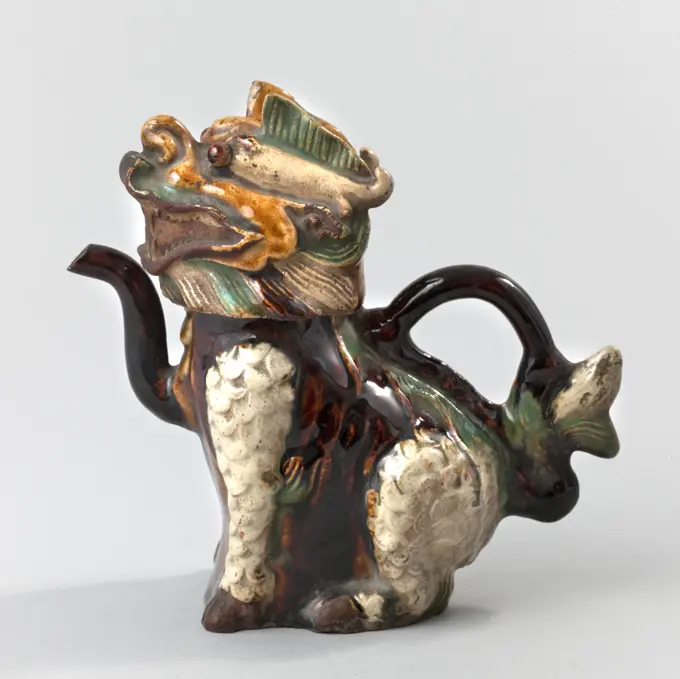
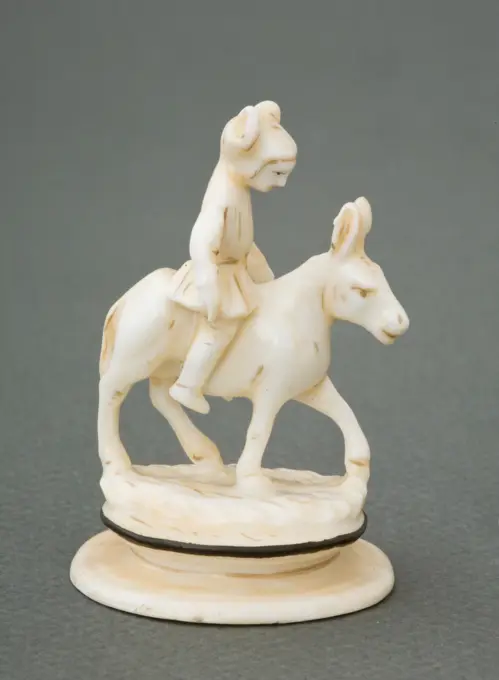
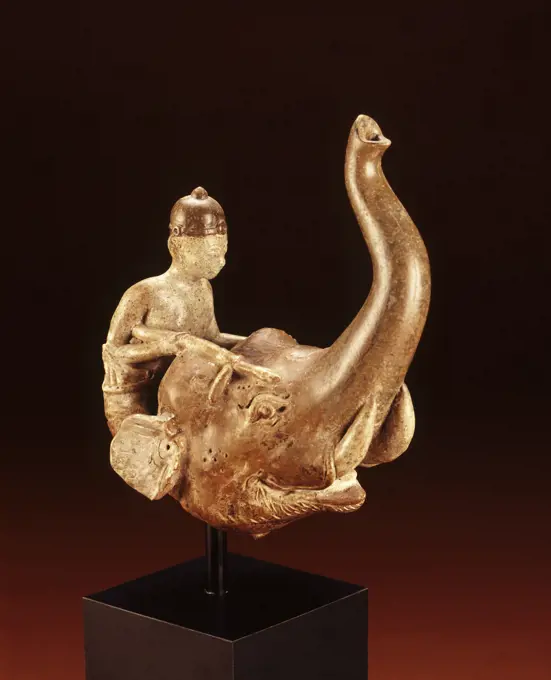
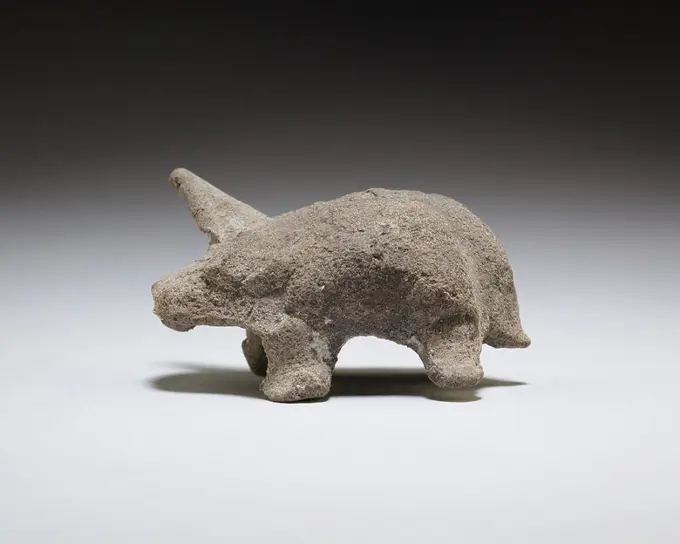
Unique sculptures and vessels resembling animals, crafted from bronze and ivory, reflecting artistic traditions from various cultures through the centuries.
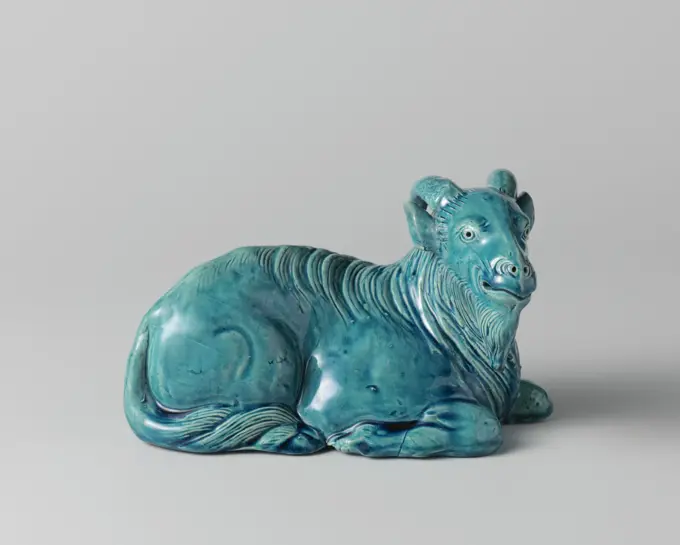
Pair of rams, anonymous, c. 1800 - c. 1900 Image of porcelain, covered with a turquoise glaze. The horizontal ram has two horns, goatee and long mane, the head is turned to the left. Monochrome. China porcelain. glaze. vitrification Image of porcelain, covered with a turquoise glaze. The horizontal ram has two horns, goatee and long mane, the head is turned to the left. Monochrome. China porcelain. glaze. vitrification
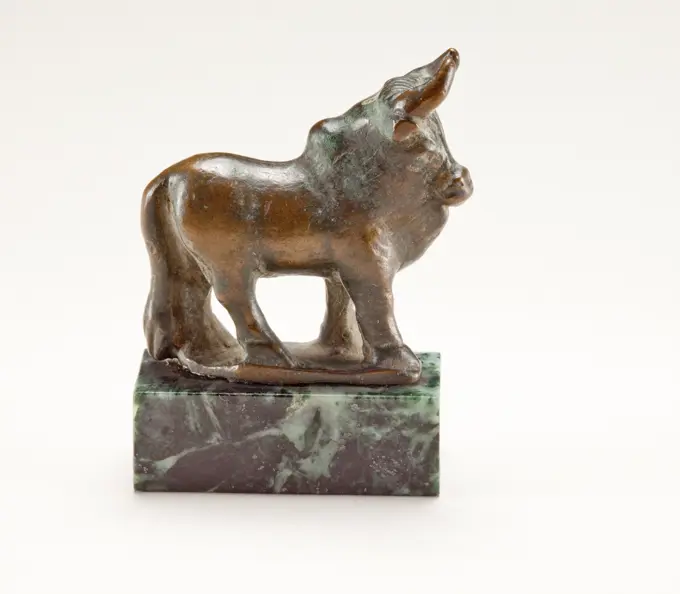
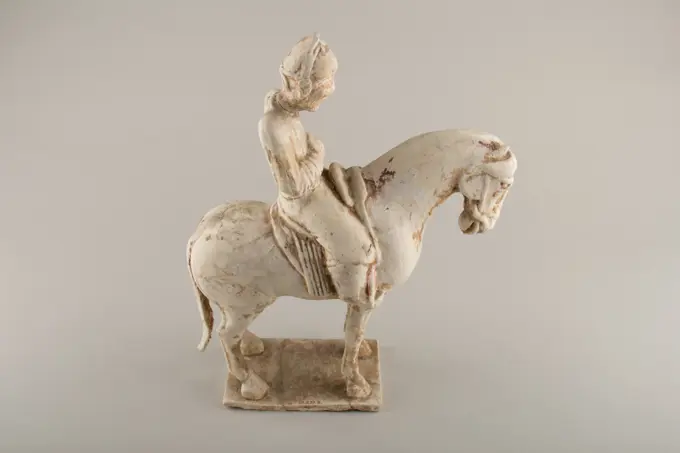
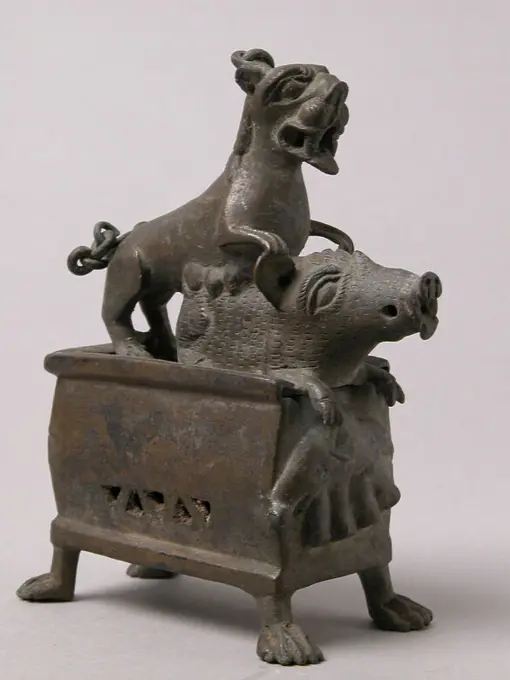
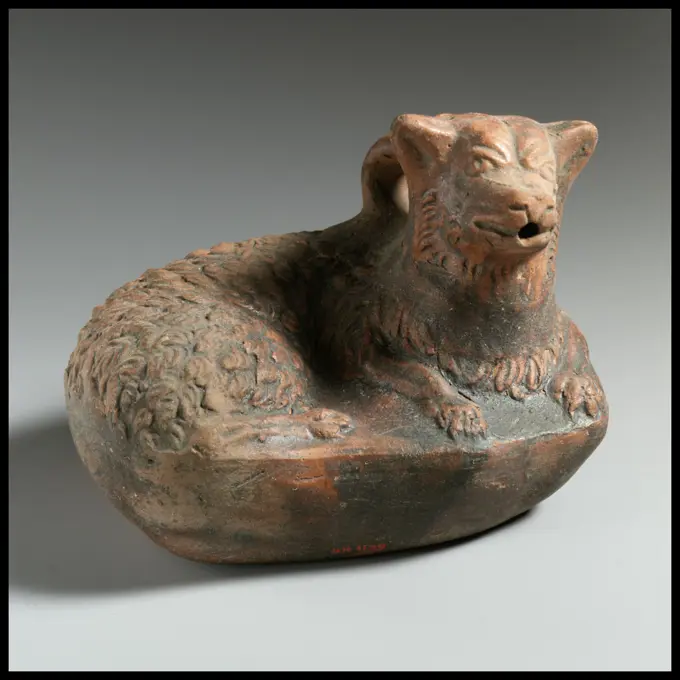
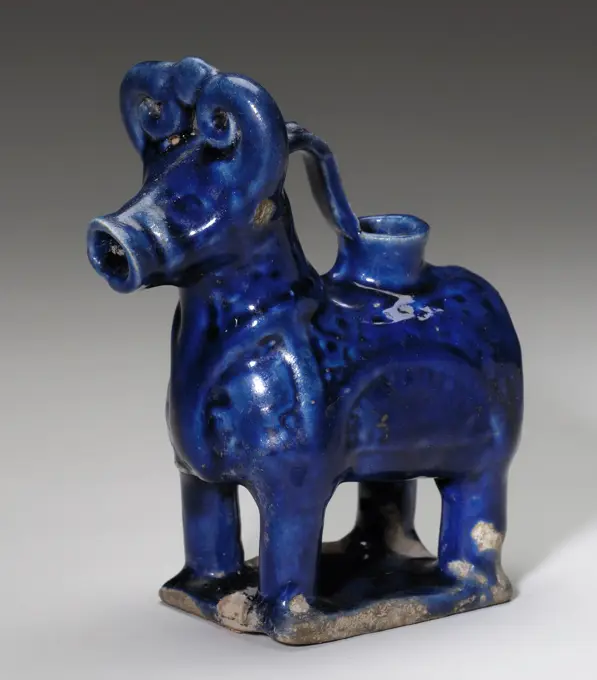
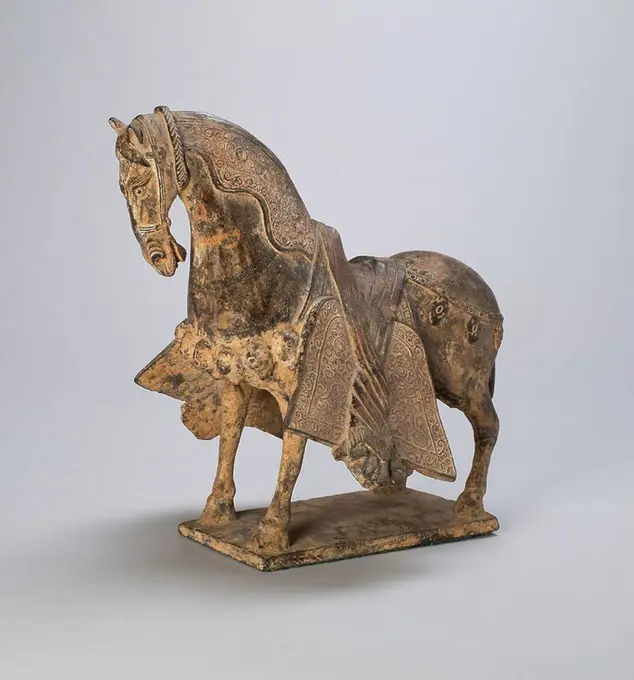
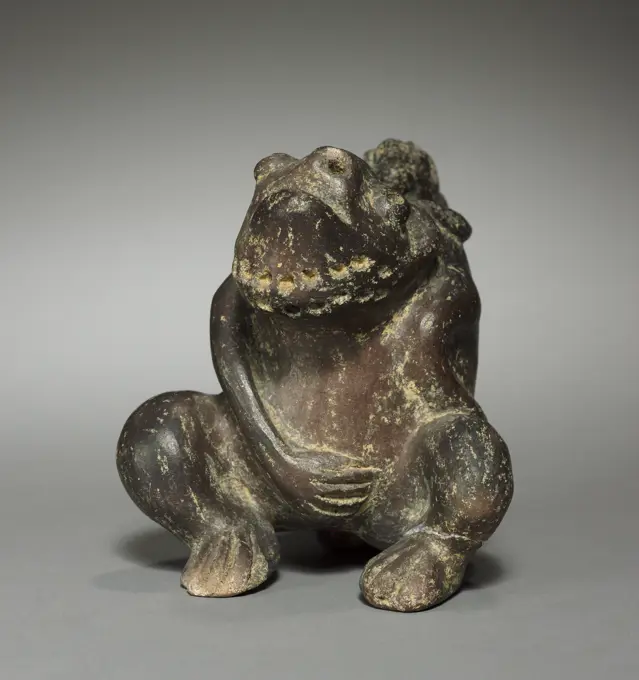
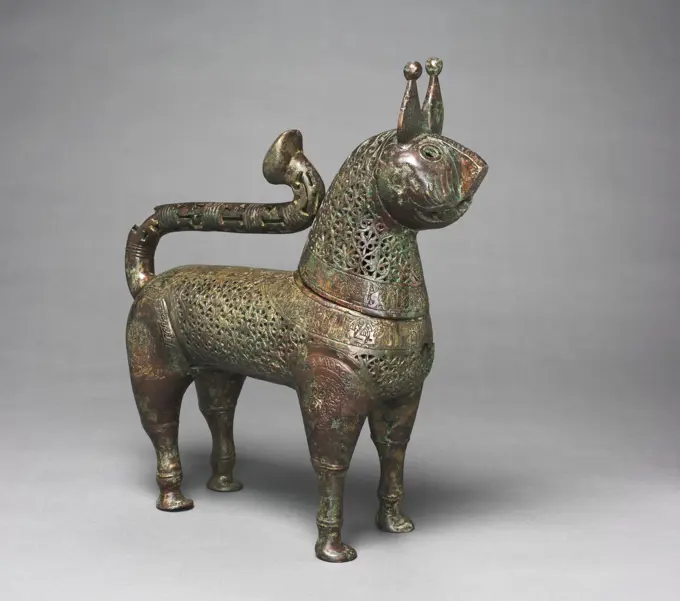
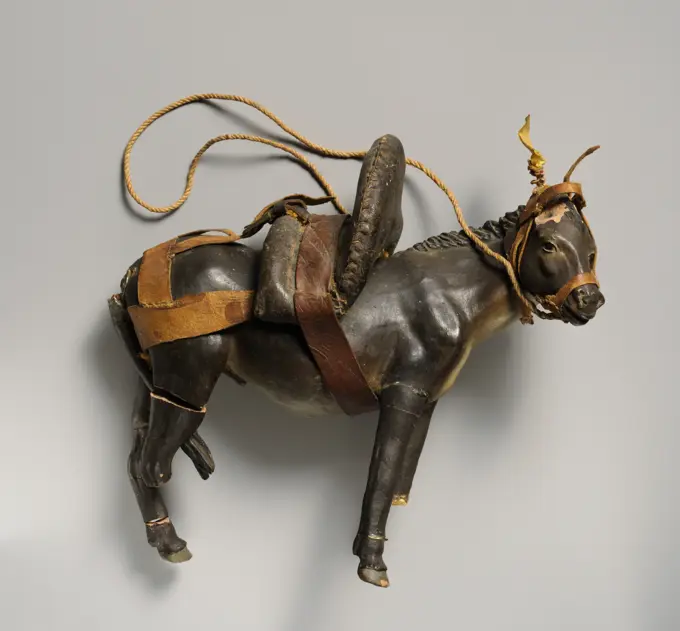
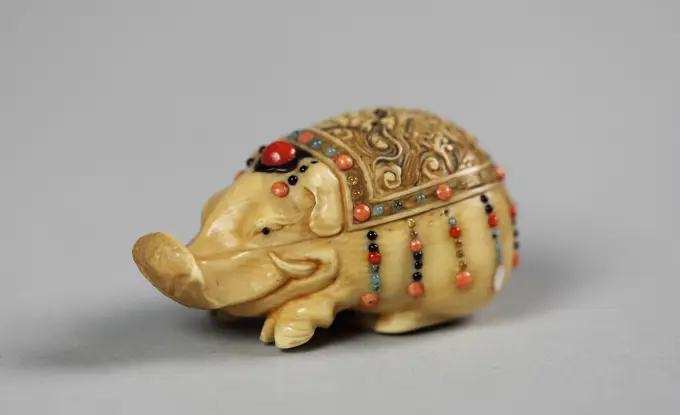
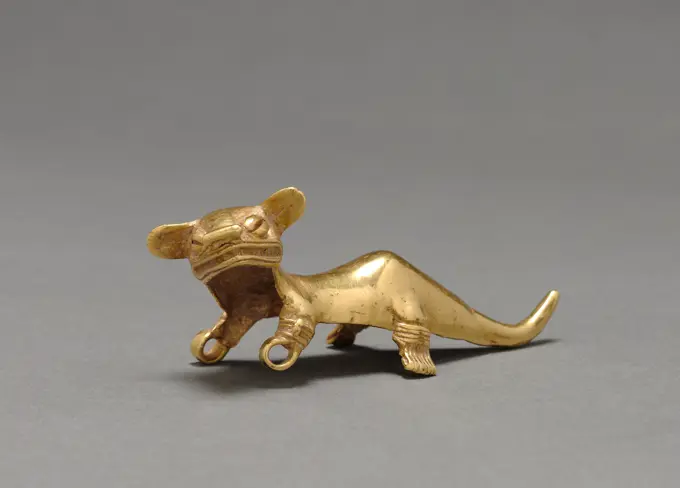
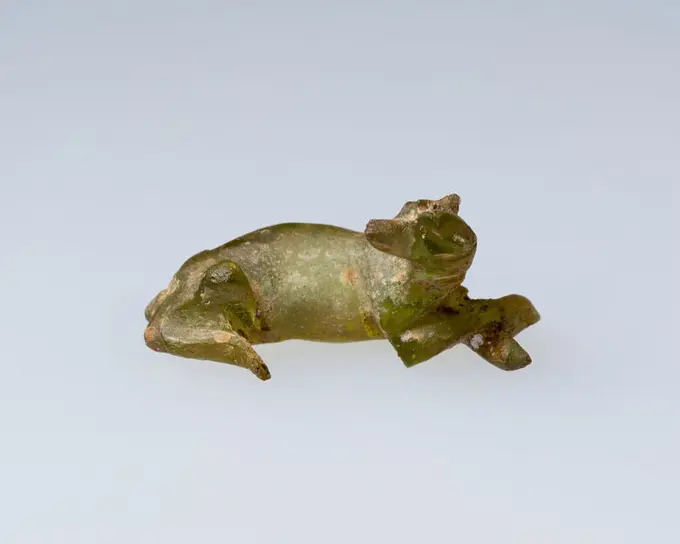
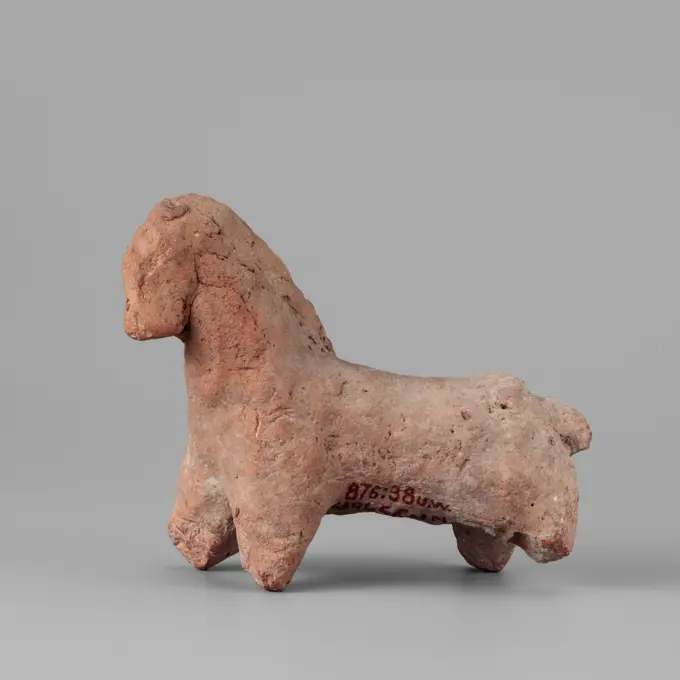
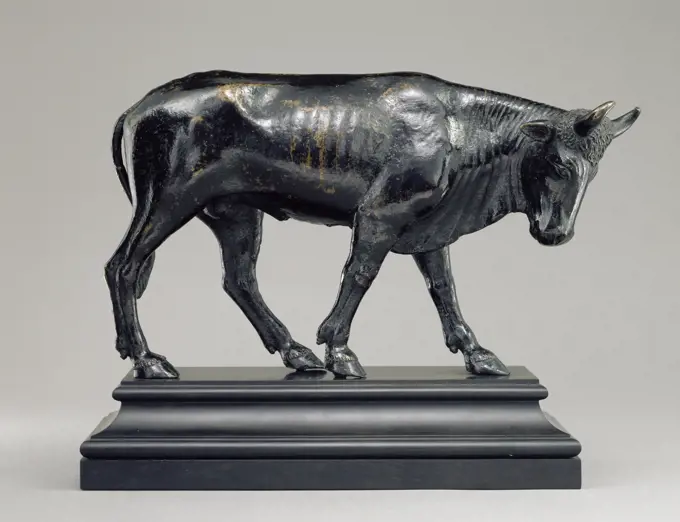
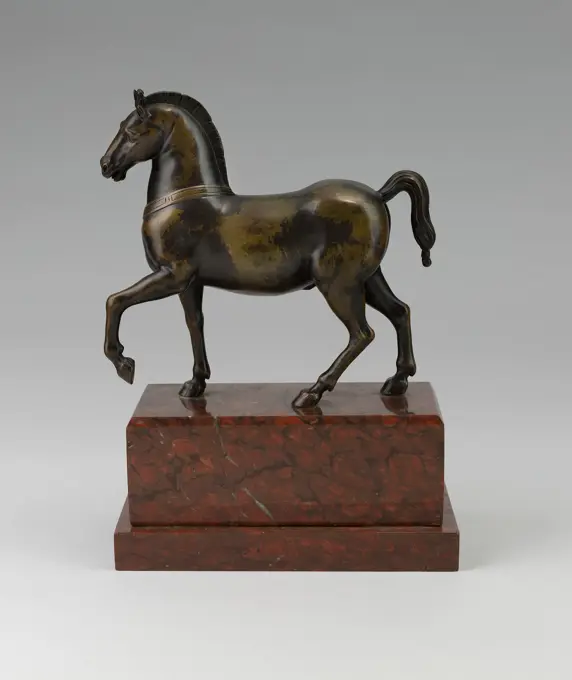
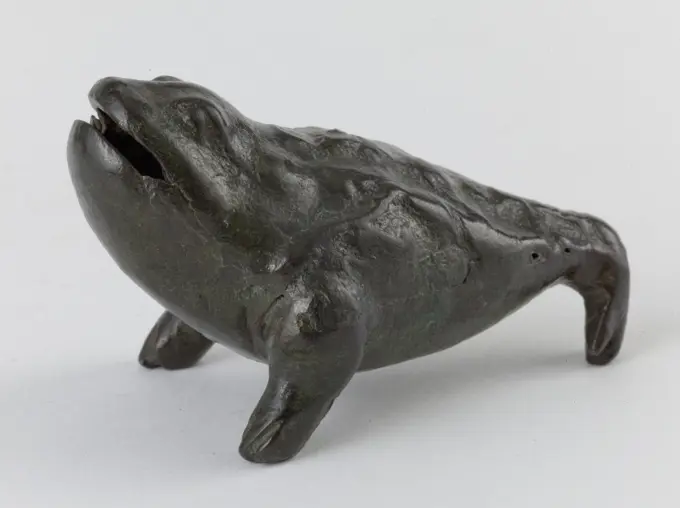
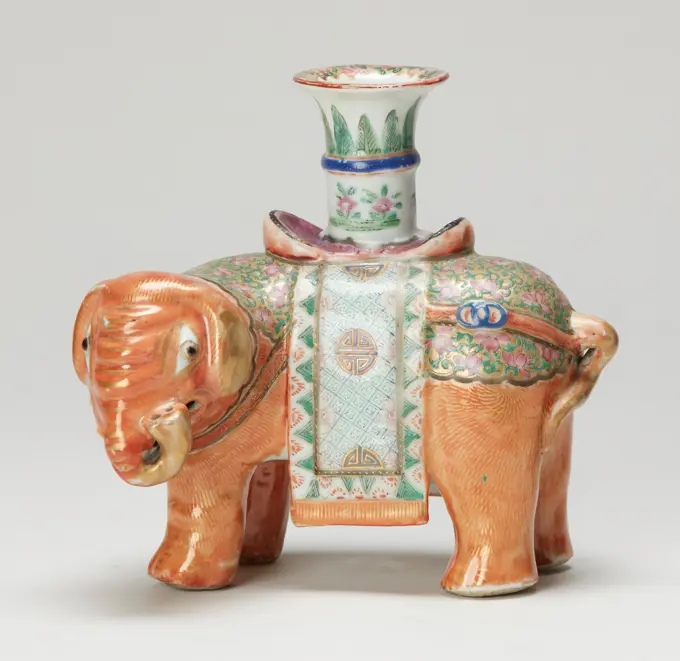
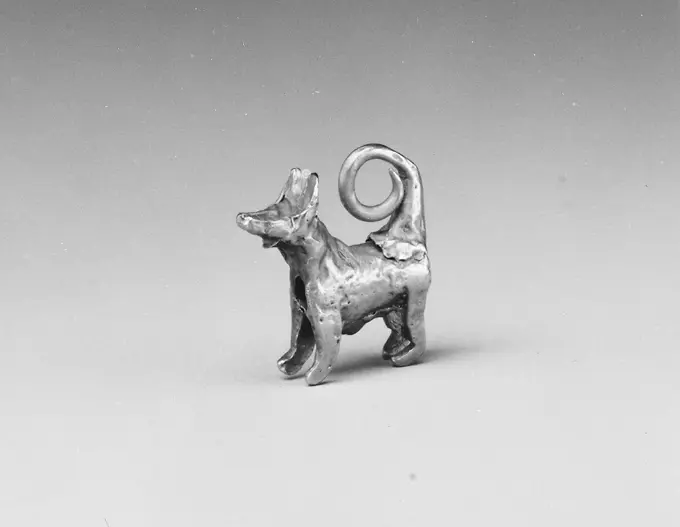
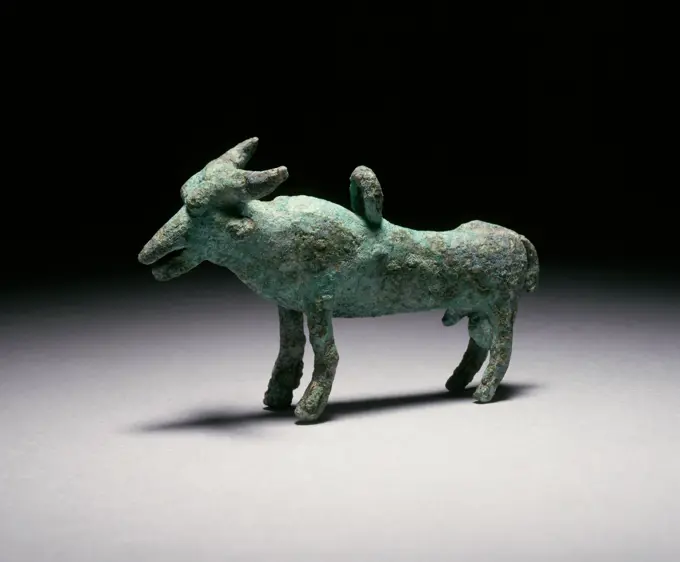
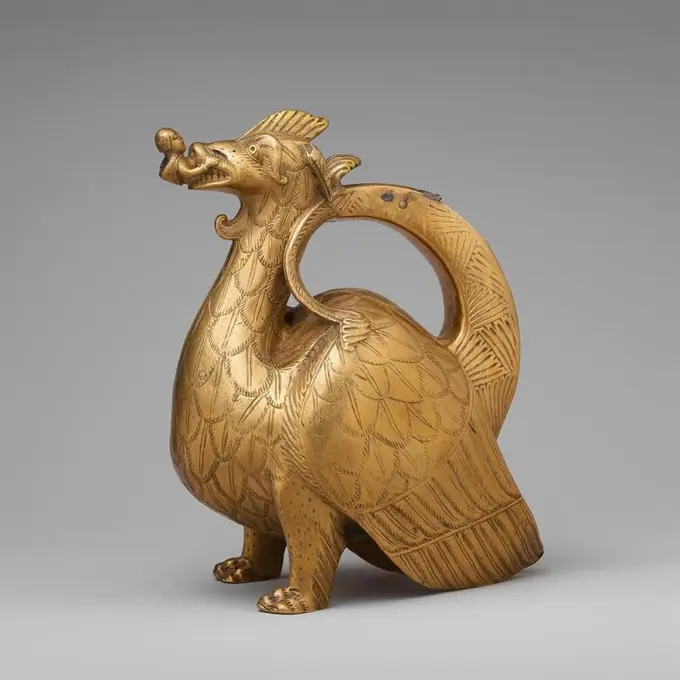
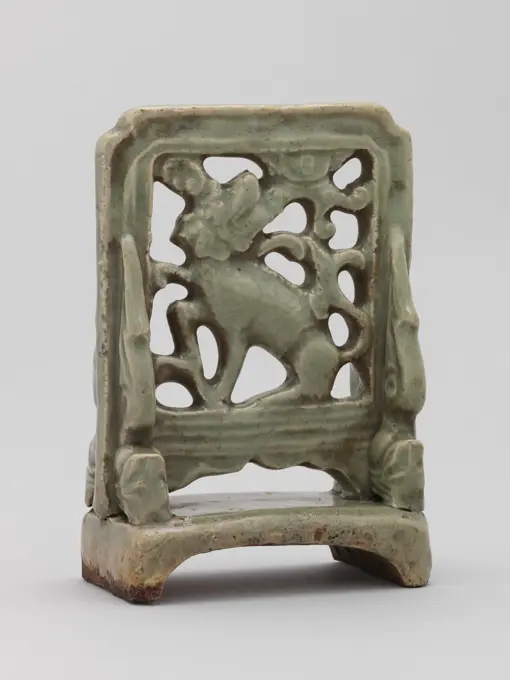
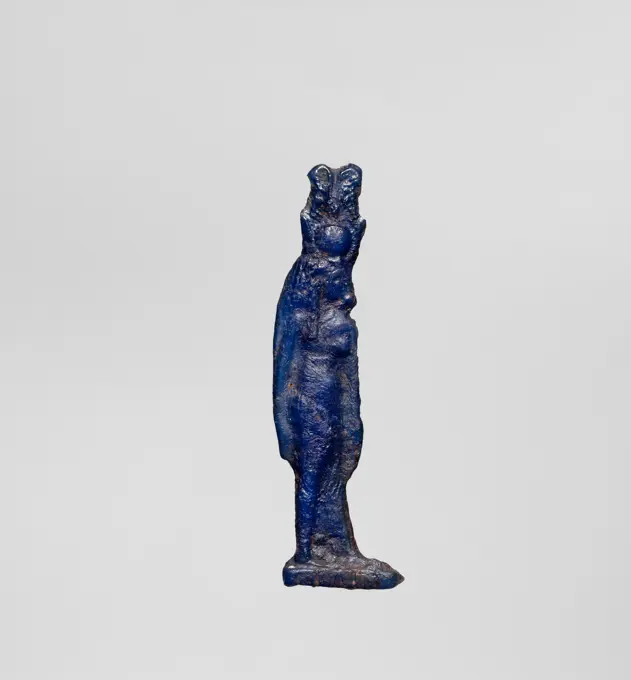
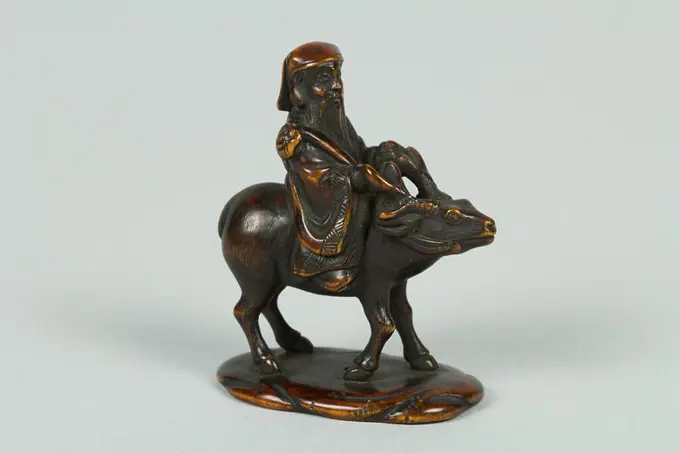
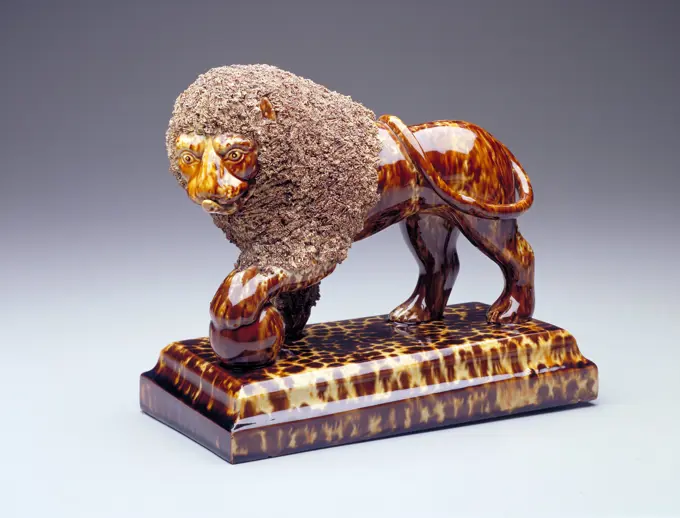
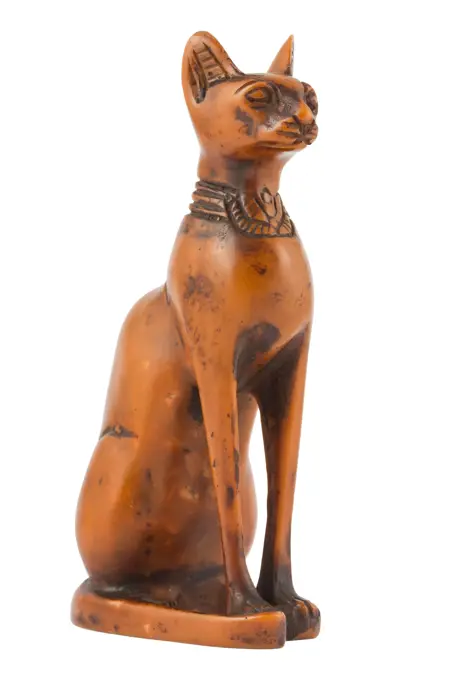
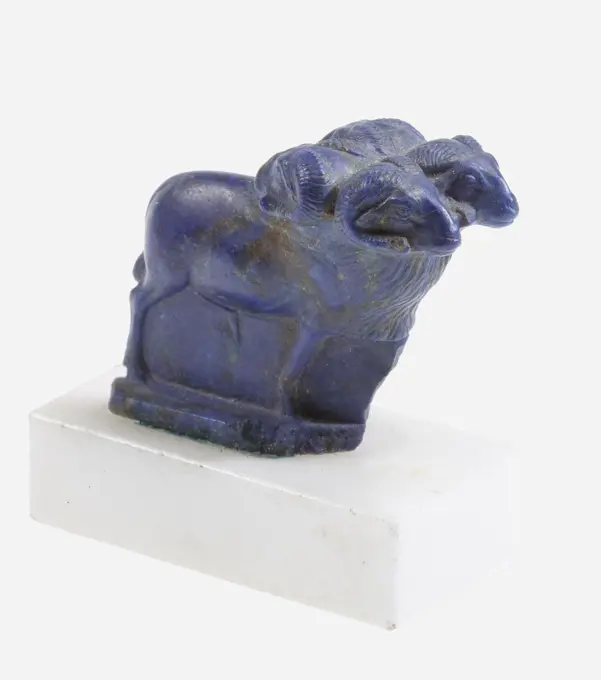
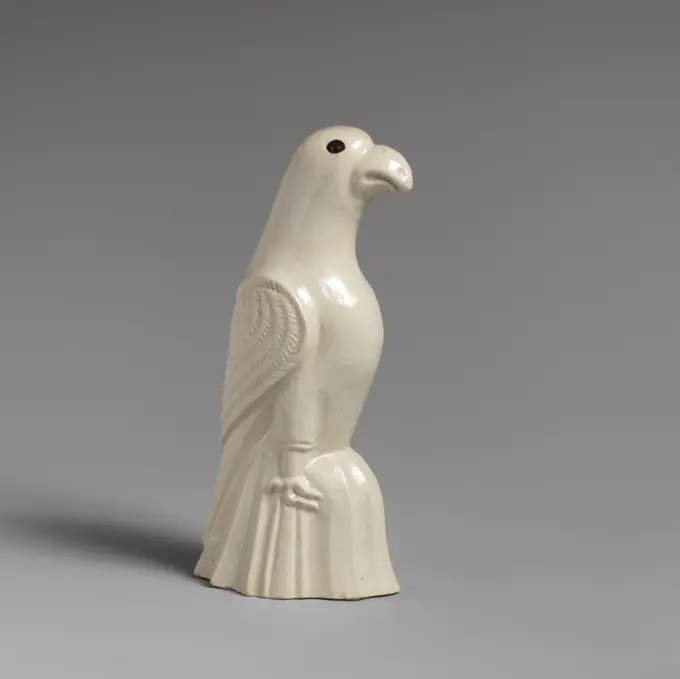
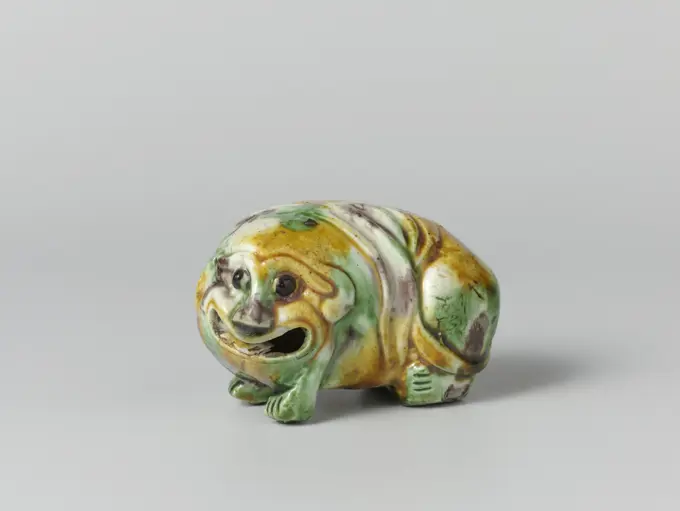
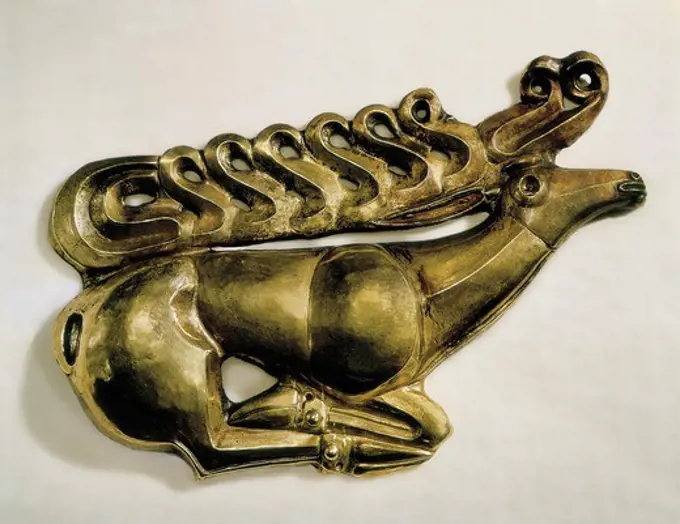
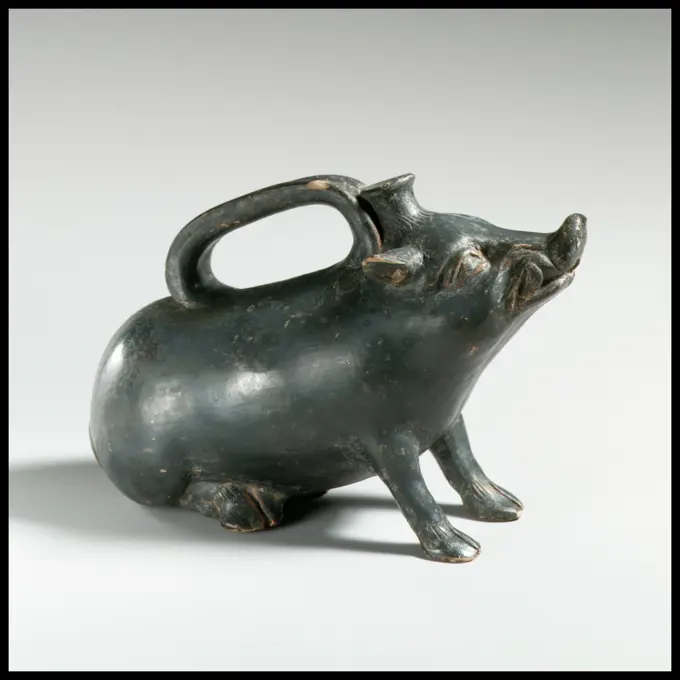
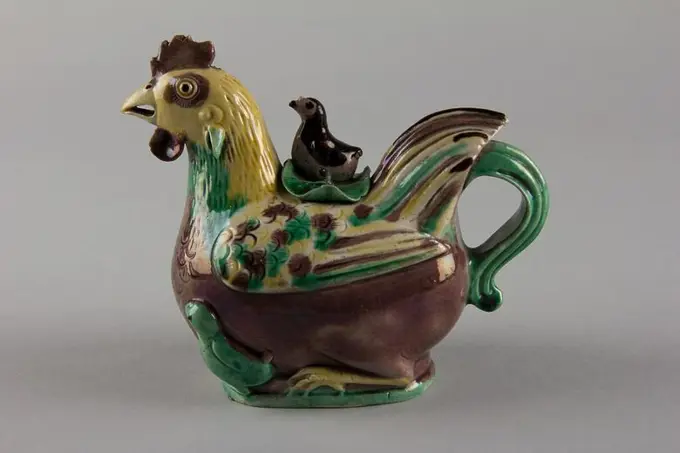
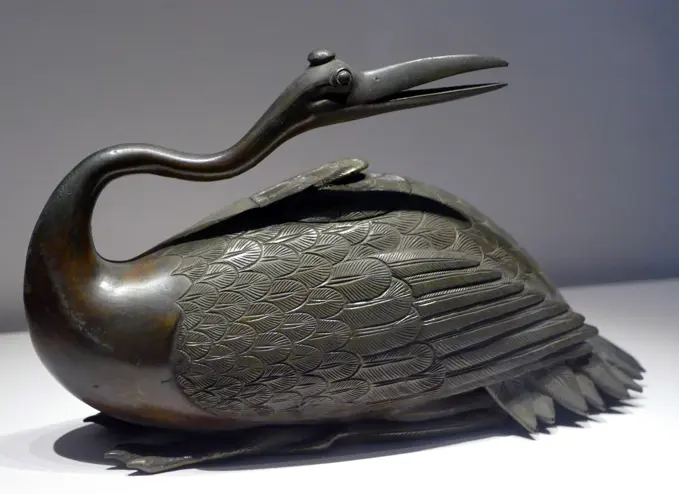
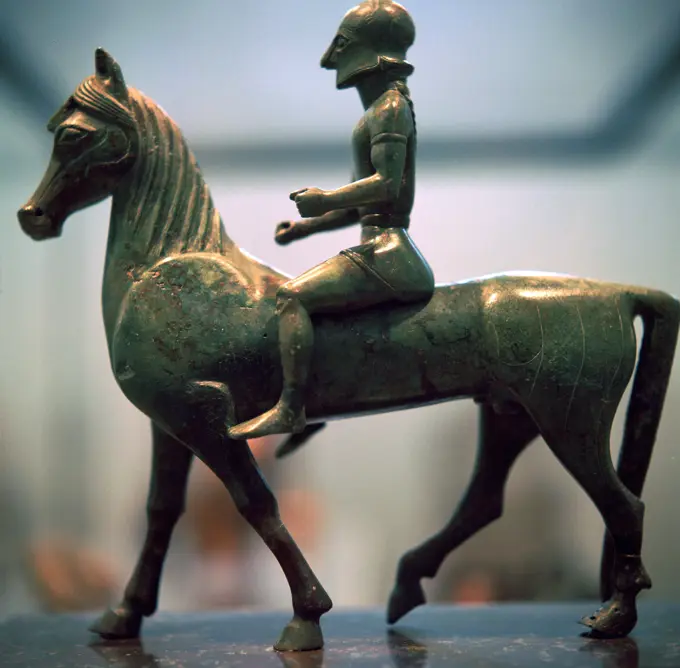
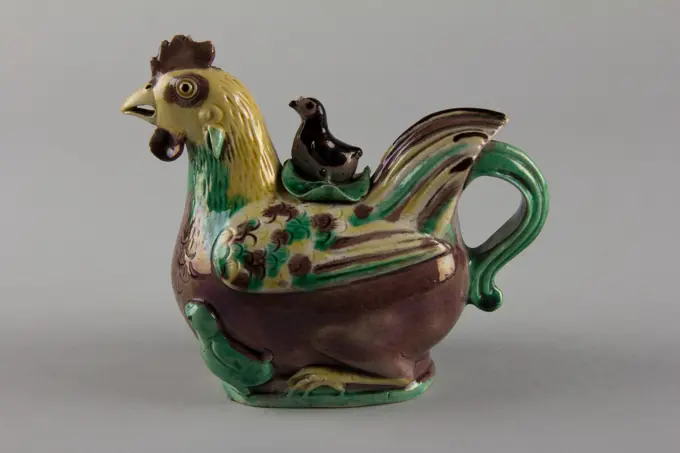
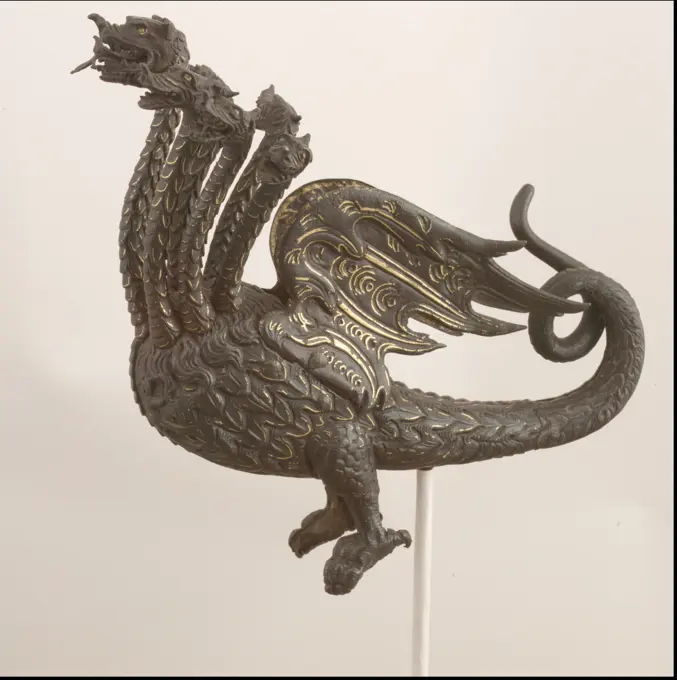
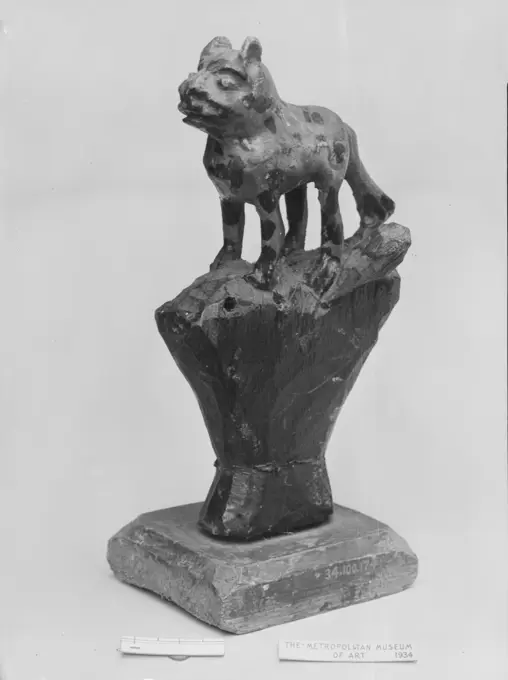
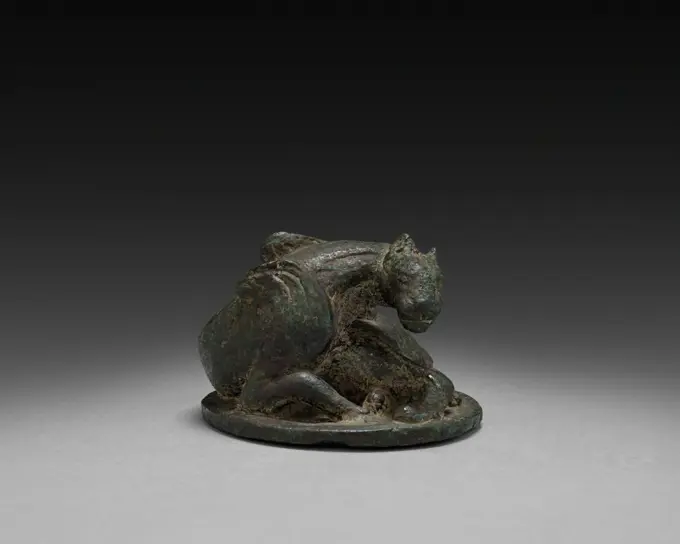
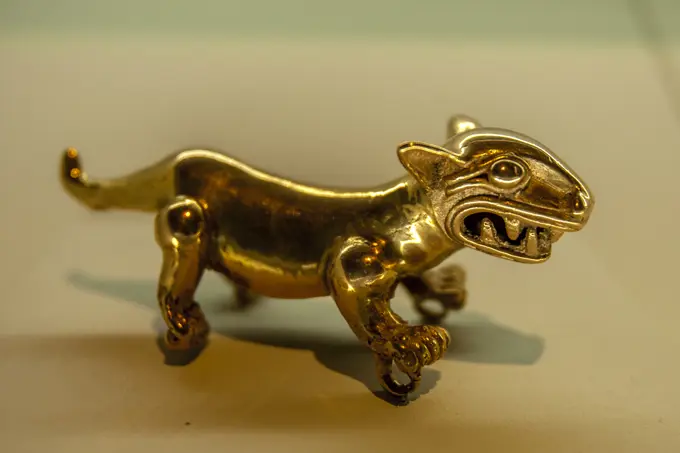
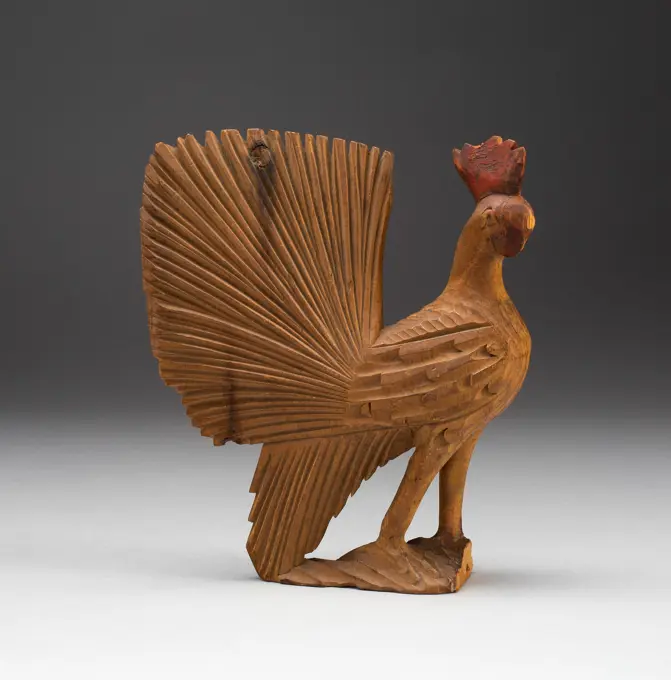
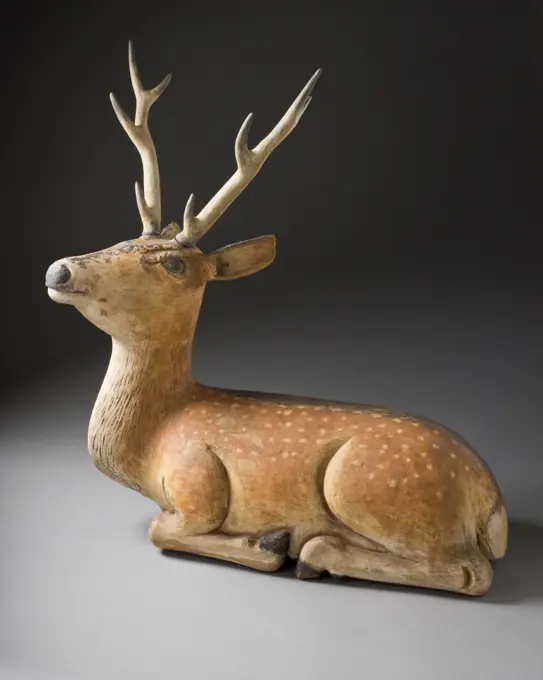
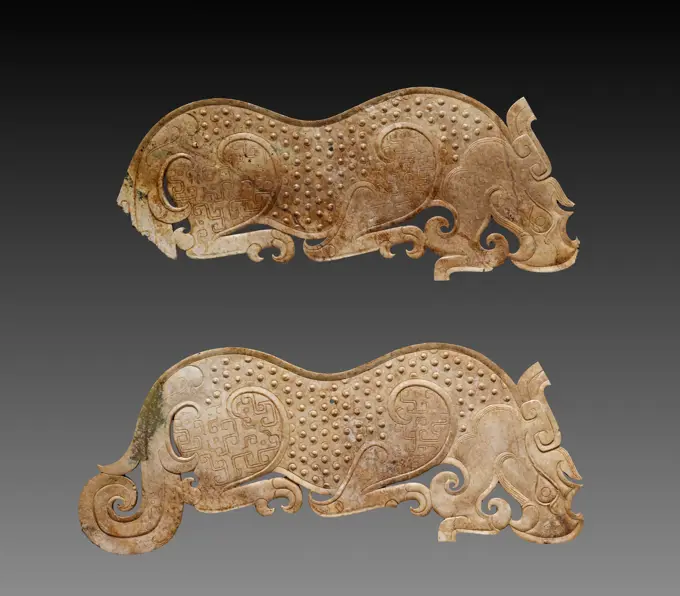
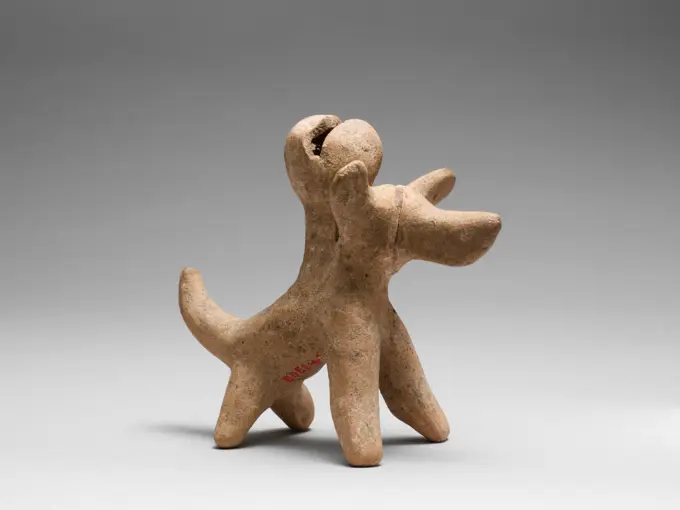
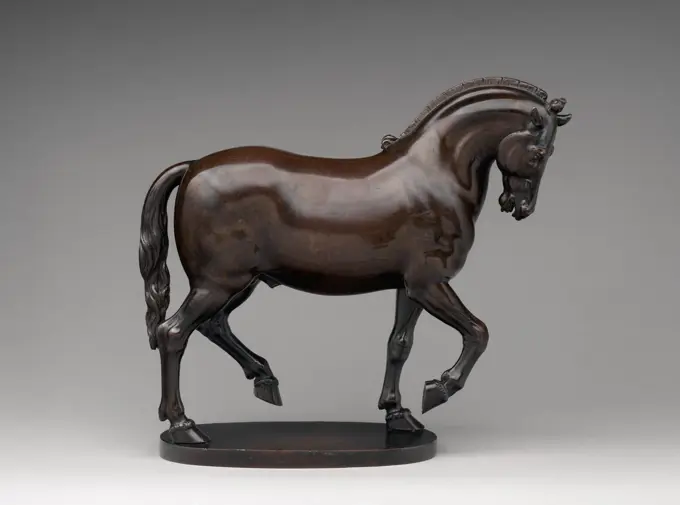
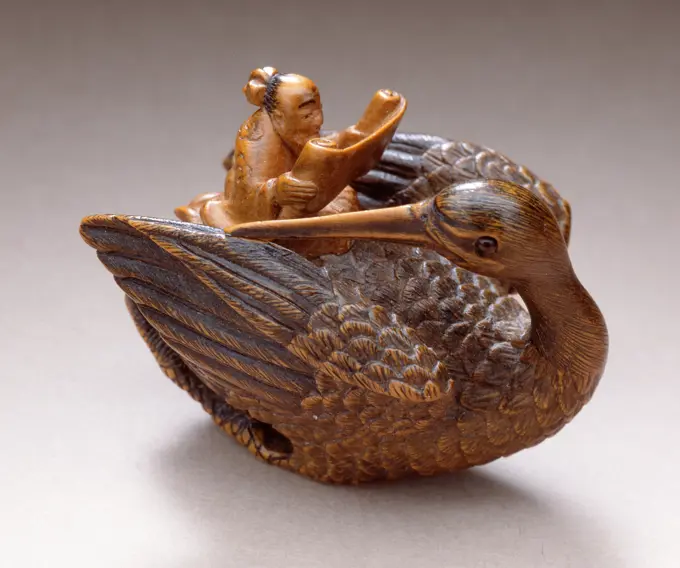
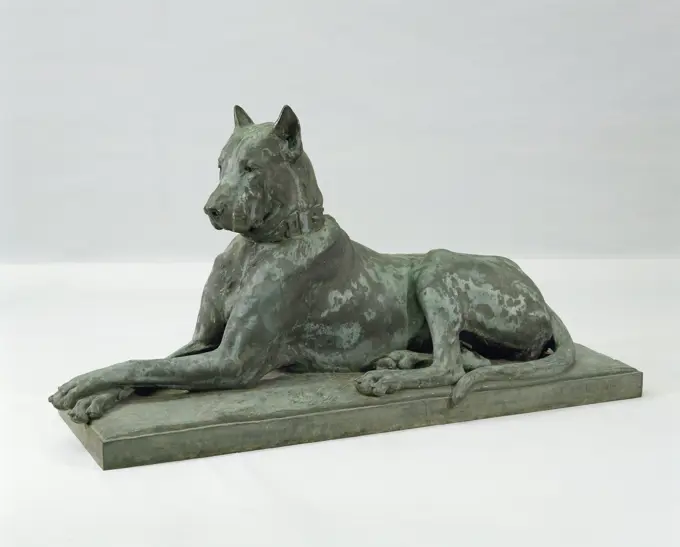
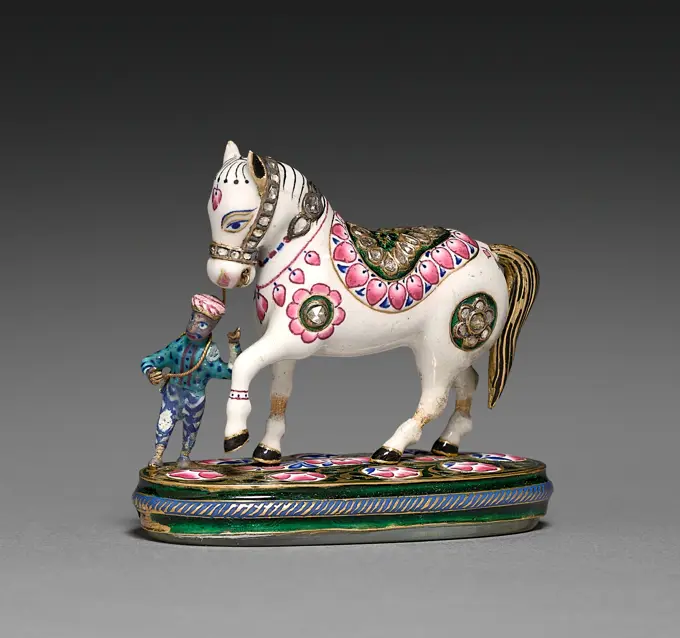
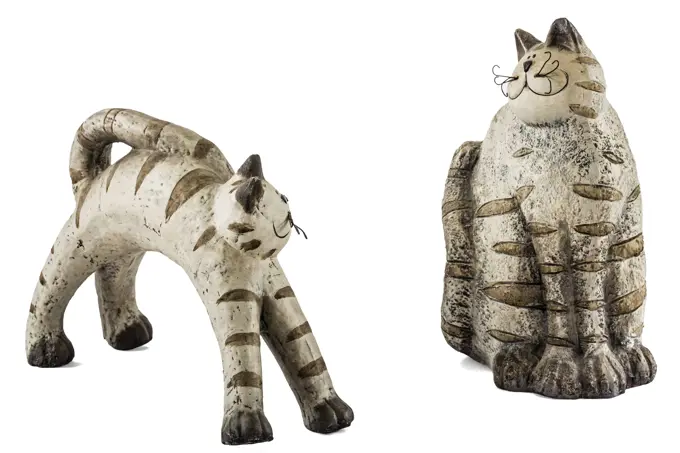
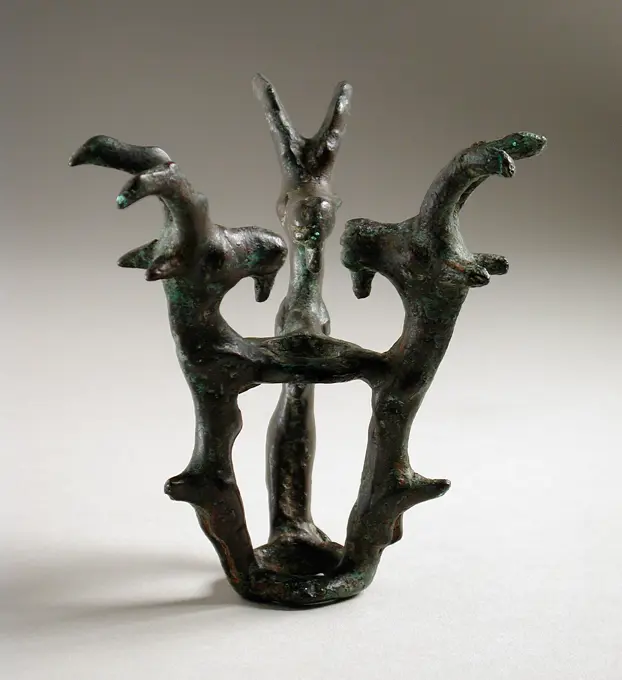
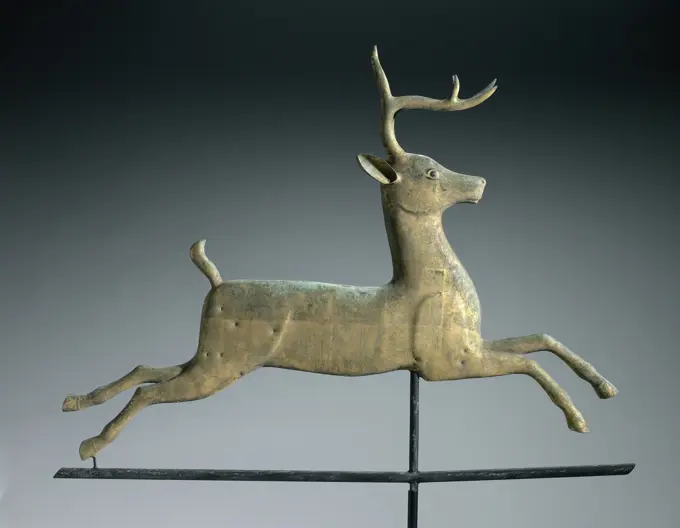
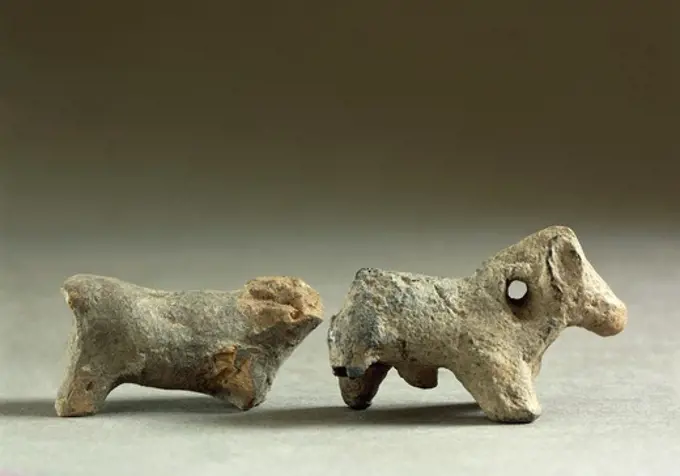
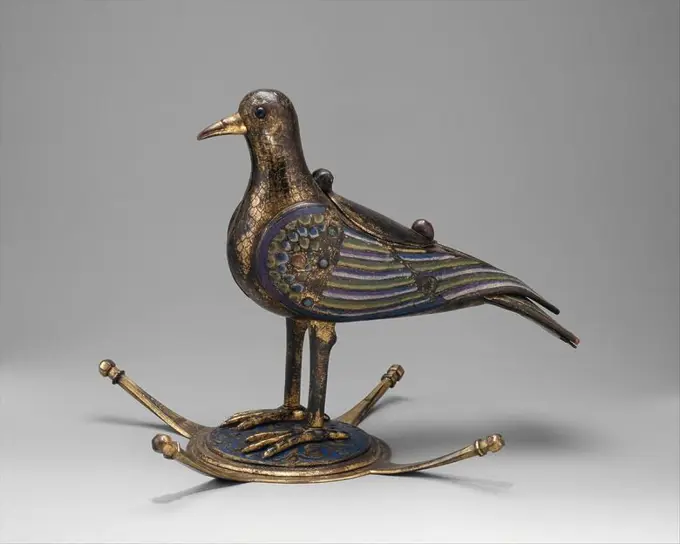
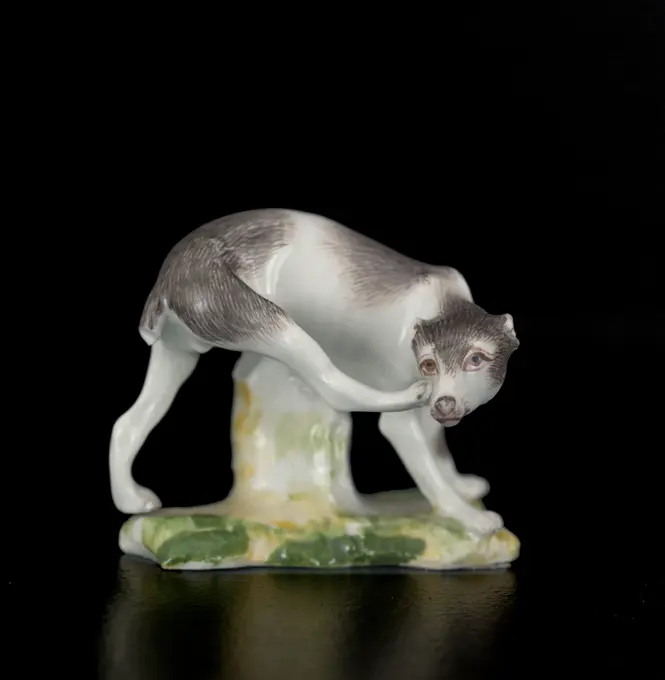
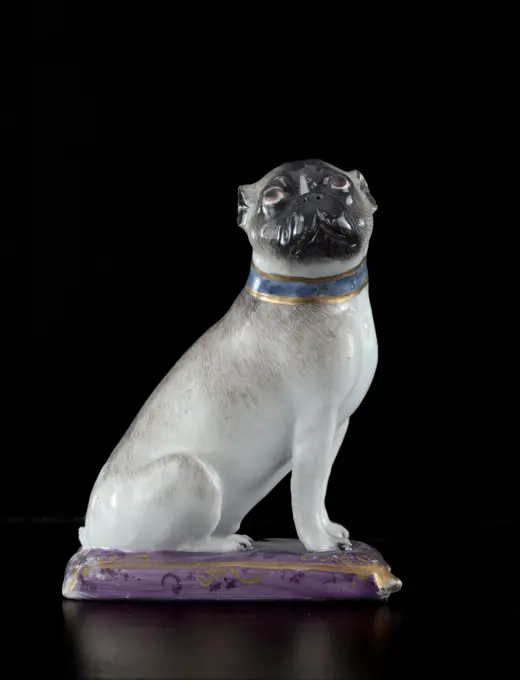
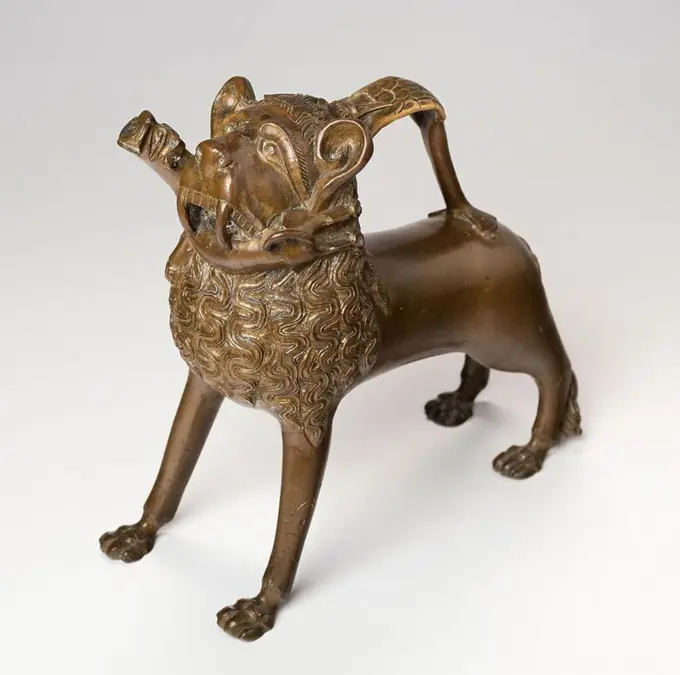
Aquamanile in the Form of a Lion. Follower of Johannes Apengeter; (German, active about 1325-50). Date: 1325-1375. Dimensions: 25.5 × 28.8 × 11.8 cm (10 1/16 × 11 1/4 × 4 3/4 in.). Copper alloy. Origin: Germany. Museum: The Chicago Art Institute, Chicago, USA. Author: Foundry of Johannes Apengeter.. .Resting Horse. Japan, 18th century. Costumes; Accessories. Ivory with staining, sumi. .Zebu. Roman, A.D. 1st-2nd century. Sculpture. Bronze, castAmulet of a Crouching Bear, 664-332 BC. Egypt, Late Period. Green porphyry; overall: 3.8 cm (1 1/2 in.).Horse and rider 7th-8th century China. Horse and rider 48799Censer with a Lioness Hunting a Boar. Culture: Coptic. Dimensions: Overall: 5 3/16 x 4 1/8 x 2 1/16 in. (13.2 x 10.4 x 5.3 cm)Overall (with chain suspended): 8 13/16 x 4 1/8 x 2 1/16 in. (22.4 x 10.4 x 5.3 cm). Date: 6th-7th century.Discovered hidden in a rock crevice, this censer was cast so that the smoke of the incense would emerge through the mouths and ears of the lioness and boar. An elephant worked in relief, rather than a Christian symbol, appears on its front. Museum: Metropolitan Museum of Art, New York, USA.Terracotta askos in the form of a dog 2nd-1st century B.C. Greek inscribed "EUPLOUS"This askos in the form of a reclining dog is related to the Magenta Ware flasks displayed nearby (06.1021.265, 07.286.131). Its classification as an example of Magenta Ware pottery, however, is prevented by the lack of any traces of the deep red pigment, which normally characterizes the technique. The name inscribed on the base of the askos is attested in inscriptions from Boeotia in central Greece, and may perhaps point to the place of its manufacture.. Terracotta askos in the form of a dog 256597Pair of rams, anonymous, c. 1800 - c. 1900 Image of porcelain, covered with a turquoise glaze. The horizontal ram has two horns, goatee and long mane, the head is turned to the left. Monochrome. China porcelain. glaze. vitrification Image of porcelain, covered with a turquoise glaze. The horizontal ram has two horns, goatee and long mane, the head is turned to the left. Monochrome. China porcelain. glaze. vitrificationAquamanile (Ram-shaped Ewer), 13th century, 7 in. (17.8 cm), Stonepaste with blue glaze, Kashan ware, Iran, Seljuk period (1038- c. 1194)Toy animal - Schoenhut (1872-1935) Schoenhut (1872-1935)Caparisoned Horse. China. Date: 535 AD-557 AD. Dimensions: 21.7 × 23.5 × 16.2 cm (8 9/16 × 9 1/4 × 6 3/8 in.). Earthenware with traces of polychromy. Origin: China. Museum: The Chicago Art Institute, Chicago, USA.Jar in Shape of Grotesque Beasts, before 1921. Colombia. Pottery; diameter: 12.8 cm (5 1/16 in.); overall: 12 x 11 x 12.5 cm (4 3/4 x 4 5/16 x 4 15/16 in.).Dog with Shell, 1700s. Japan, Edo period (1615-1868). Ivory; overall: 3.9 cm (1 9/16 in.).Feline Incense Burner, 1150-1200. Iran, Khurasan, Seljuq period of Iran (1037-1194). Copper alloy, cast, engraved, chased, and pierced; overall: 35.5 x 11 x 32.5 cm (14 x 4 5/16 x 12 13/16 in.); head: 17.8 x 9.5 x 12.5 cm (7 x 3 3/4 x 4 15/16 in.).Donkey with saddle second half 18th-mid-19th century Italian The practice of using crèche figures to restage religious events reached the height of its complexity and artistic excellence in eighteenth-century Naples, and the Metropolitan Museum of Arts group of Neapolitan crèche is one of the finest and most complete survivals of the art form. The ensemble consists of characters traditional to eighteenth-century Italian Christmas holiday customs. The Nativity, featuring the holy family, shepherds and their flocks, and a host of angels and cherubs is joined by the procession of the three Magi and colorful peasants, townspeople, and animals. The figures have articulated bodies of tow and wire with polychromed terracotta heads, and are all in partially distressed condition.These vibrant characters are further brought to life by a wide-ranging set of cloth, embroidery, leather, wicker, wax, and silver accessories. Many of these, such as the figures luxurious costumes, baskets of fruit, aChimera. Yellow metal. Paris, Cernuschi museum. Asian antique, Japanese antiquity, metalFigure 3rd-12th century. Figure 448559Aquamanile in the Form of a Lion. Dated: c. 1200. Dimensions: overall: 13.8 x 17.5 x 7 cm (5 7/16 x 6 7/8 x 2 3/4 in.). Medium: bronze with traces of gilding. Museum: National Gallery of Art, Washington DC. Author: North French or Mosan 13th Century.Boar 19th century Kōhōsai The Osaka carver embellished the back of the boar with a decorative cover with colorful semiprecious stones mimicking hanging beads. Such covers were normally worn by elephants.. Boar. Kōhōsai. Japan. 19th century. Ivory inlaid with coral and small blue and white semiprecious stones. Meiji period (1868-1912). NetsukeSaddled Horse, anonymous, c. 400 - c. 500 Grafiguur of earthenware, painted with red. A rigged horse, with a rug over the richly decorated saddle. China earthenware. dye painting Grafiguur of earthenware, painted with red. A rigged horse, with a rug over the richly decorated saddle. China earthenware. dye paintingJaguar, c. 1000-1500. Costa Rica, 11th-16th century. Gold; overall: 11.6 x 4.8 cm (4 9/16 x 1 7/8 in.).Finial in the Shape of Kulan 4th century B.C. Northwest China and southwestern Inner Mongolia. Finial in the Shape of Kulan 65272Feline Pendant, c. 1000-1550. Western Panama, Veraguas-Gran Chiriquí Style, 10th-16th century. Cast gold; overall: 3.5 x 2.9 cm (1 3/8 x 1 1/8 in.).Cat ca. 1745 British, Staffordshire. Cat. British, Staffordshire. ca. 1745. Salt-glazed stoneware. Ceramics-PotteryRecumbent dog amulet. Dimensions: L. 1.8 × W. 0.8 × H. 0.9 cm (11/16 × 5/16 × 3/8 in.). Date: 200 BC-200 AD.This is one of a small group of animals carved in semiprecious stones from the Davis Collection that share share a general liveliness and more Hellenistic than Egyptian style. Alongside subjects that are familiar in Egyptian iconography such as a baboon and ducks, are others like a goat, dolphins, rhinoceros, galloping horse, and reclining hound that are more at home in the Greco-Roman sphere. Museum: Metropolitan Museum of Art, New York, USA.Terracotta figurine of a camel carrying transport amphorae late 2nd-early 3rd century A.D. Roman, Egyptian With four amphorae strapped to his back.. Terracotta figurine of a camel carrying transport amphorae 245523Horse figurine;  664-30 BC ; Half-period period-Ptolemam period (-664-00-00--30-00-00);Deposit of the University of Warsaw from 1937-1939, horses, Polish-French excavations in Edfu (Egypt)Italian 16th Century, A Cock, first half 16th century A CockBull with Head Lowered; Italian; Venice, Veneto, Italy; about 1510 - 1525; Bronze; 12.4 x 22.2 x 6 cm (4 7,8 x 8 3,4 x 2 3,8 in.)Stallion (one of a pair) 1645-1655 Italian. Bronze, patina .Figure of a Seated Dog 1 CE-300 CE Colima state. Ceramic and pigment . ColimaToad. Bronze. Paris, Cernuschi museum. Asian antique, Japanese antiquity, metalCandleholder or Twig Vase, one of a pair, Jiaqing period, 1796-1820, 5 1/2in. (14cm), Porcelain, China, 18th-19th centuryDog pendant ca. 3300-2900 B.C.. Dog pendant 327508Jean Carriès (1855-1894). "Small frog, also called frog with the curved back". Ceramic in enameled sandstone. Museum of Fine Arts of the City of Paris, Petit Palais. 24844-3 Ceramic, curve back, frog, gres emaille, smallBull Pendant. Indonesia, Dongson Culture, 100 B.C. - A.D. 300. Jewelry and Adornments; pendants. Copper alloyBUIRE. Porcelain with brown, yellow and gray glaze. Paris, Cernuschi museum. 78836-31 Asian art, table art, drink, bun, old ceramic, covered, email, gres emaille, container, table service, vase to liquorChess figurine Mennecy VilleroyTerracotta vase in the form of a hare 1st half of the 6th century B.C. Greek, Corinthian Hares represent one of the most common types of Corinthian plastic vases. They appear either as seated on all fours, as here, or with the body extended, as dead game.. Terracotta vase in the form of a hare. Greek, Corinthian. 1st half of the 6th century B.C.. Terracotta. Middle -Late Corinthian. VasesFragment of a swankalok figurine featuring an elephantThailand.Animal figurine. Dimensions: L. 6 × W. 2.9 × H. 3.2 cm (2 3/8 × 1 1/8 × 1 1/4 in.). Dynasty: Dynasty 12-13. Date: ca. 1981-1640 B.C.. Museum: Metropolitan Museum of Art, New York, USA.Epichysis ca. 325-300 B.C. Greek, South Italian, Apulian. Epichysis. Greek, South Italian, Apulian. ca. 325-300 B.C.. Terracotta. Hellenistic. VasesAquamanile in the Form of a Dragon. Culture: North German. Dimensions: Overall: 8 3/4 x 7 1/4 in., 4.4 lb. (22.2 x 18.4 cm, 2 kg)Overall PD: 8 3/8 x 4 3/8 x 7 3/16 in. (21.2 x 11.1 x 18.2 cm)Thickness PD: 3/25 in. (0.3 cm). Date: ca. 1200.Aquamaniles, which are water vessels used for washing hands, served both liturgical and secular purposes. Those made in the shape of an animal are among the most distinctive products of medieval craftsmen. The most commonly seen zoomorphic aquamaniles are lions, but dragons, griffins, and many other forms were also produced (see acc. nos. 47.101.51, 1994.244). This striking vessel represents a dragon, which is supported by its legs in front and on the tips of its wings behind, with a tail that curls up into a handle. It was filled through an opening in the tail, now missing its hinged cover. Water was poured out through the spout formed by the hooded or cowled figure held between the dragon's teeth. In addition to its visual power, this aquamanileTable screen (username). Sandstone, molding, celadon, molded and openwork decor. Cernuschi Museum, Asia Museum of Asia in the city of Paris.Amulet - bogini Hathor. unknown, authorPendant ca. 8th-7th century B.C. Iran. Pendant 322887Netsuke of Boy on a Cow 19th century Japan. Netsuke of Boy on a Cow. Japan. 19th century. Ivory. Edo (1615-1868) or Meiji period (1868-1912). NetsukeAllegorical Figure Depicting Putti as "Asia" and "Africa" Figure; Manufactured by Meissen Porcelain Manufactory (Germany); Model maker: Freidrich Elias Meyer (German, 1723 - 1785); Germany; porcelain, vitreous enamel, goldFinial 11th-12th century. Finial 452794Netsuke. Culture: Japan. Dimensions: H. 2 in. (5.1 cm); W. 1 5/8 in. (4.1 cm). Date: 19th century. Museum: Metropolitan Museum of Art, New York, USA.Lion, c. 1849-1858, Lyman Fenton & Co., Bennington, Vermont, 1849-1858, 9 3/4 x 11 x 6 in. (24.8 x 27.9 x 15.2 cm), Glazed earthenware, United States, 19th century, Lyman Fenton & Co., otherwise known as the United States Pottery Company, was nationally known for utlitarian and sculptural wares, some inpired by English ceramics. The company was famous for its yellow ware decorated with the color-flecked flint enamel glazes seen on the object here.Egyptian cat statue Egyptian cat statue isolated on white background Copyright: xZoonar.com/AndreyxEreminx 2278741Banebdjed, depicted with four ram heads 664-332 BC Late Period. Banebdjed, depicted with four ram heads. 664-332 BC. Lapis lazuli. Late Period. From Egypt. Dynasty 27-30Parrot ca. 1745 British, Staffordshire. Parrot. British, Staffordshire. ca. 1745. Salt-glazed stoneware. Ceramics-PotteryEtruscan bronze figure of horseman, 500-480 B.C.Upper Part of the Figure of a Seated Cat Late Period (Saite) - Ptolemaic Period ca. 664-30 B.C. Cats were considered sacred to Bastet, a powerful protective goddess thought to bring great prosperity. Generally represented as a cat or as a female with a cats head (see 34.6.1), she is frequently shown, as here, alert and on guard against hostile forces. Cat statuettes were often dedicated as offerings in temples or deposited in sacred animal catacombs alongside cat mummies; larger figures could be hollow to hold actual cat remains. In this example, Bastet wears a protective amulet in the form of an aegis topped with a lions head and sun disk, perhaps also invoking her fiercer feline counterpart, Sekhmet. View more. Upper Part of the Figure of a Seated Cat. ca. 664-30 B.C.. Cupreous metal. Late Period (Saite) - Ptolemaic Period. From EgyptDog, anonymous, c. 1700 - c. 1724 Image of porcelain in the form of a sitting dog, painted on the biscuit in green, yellow and eggplant. Forms a few with AK-MAK-568. Email sur Biscuit. China porcelain. glaze. painting / vitrification Image of porcelain in the form of a sitting dog, painted on the biscuit in green, yellow and eggplant. Forms a few with AK-MAK-568. Email sur Biscuit. China porcelain. glaze. painting / vitrificationShield Plaque. ca.  600 BC. Gold cast and chased. Proceeds from Kostromskoy Barrow 1, Transkuban, Russia. Scythian Art. Jewelry. RUSSIA. SAINT PETERSBURG. Saint Petersburg. State Hermitage Museum.Terracotta askos in the form of a boar 4th century B.C. Greek, South Italian, Campanian With keen observation, utmost economy, and masterful sensitivity, a Campanian artist has rendered a boar as he sits in charmed submission.. Terracotta askos in the form of a boar. Greek, South Italian, Campanian. 4th century B.C.. Terracotta; black-glaze. Late Classical. Vases. Animal figure of faience, representing a cow. White glazed.Water Pot (one of a pair). Culture: China. Dimensions: H. 5 1/8 in. (13 cm); L. 6 in. (15.2 cm). Museum: Metropolitan Museum of Art, New York, USA.Incense burner in the shape of a crane, Japan, 1800sGreek bronze of a horseman. Artist: UnknownHippopotamus ca. 1550-1070 B.C. New Kingdom This tiny reclining hippo is masterfully carved from red jasper, a material that is typical for the New Kingdom. Pierced lengthwise, it might have been used as a piece of jewelry or as an amulet. Ancient Egyptians believed that hippopotami were very dangerous animals, but they also associated hippos with positive qualities such as life, regeneration, and rebirth.. Hippopotamus. ca. 1550-1070 B.C.. Red jasper. New Kingdom. From EgyptChicken-form ewer (one of a pair) late 17th-early 18th century China. Chicken-form ewer (one of a pair) 46784Helmet Crest for the Burgonet of Sforza Pallavicino (1519-1585) ca. 1560 Italian, Milan The helmet crest as a badge of identity became a necessity in the thirteenth century, when European knights began to wear helmets that covered their faces. By the sixteenth century the use of crests tended to be limited to tournaments and funerary decorations in churches. For practical reasons most crests were fashioned from lightweight materials, such as gessoed and painted leather or wood, whereas this rare example is of gold-damascened iron. The seven-headed Hydra was the personal device of Sforza Pallavicino (ca. 1510-1585), a soldier who served in the imperial, papal, and Venetian armies. This crest, which is 7 5/8 inches in height, was intended to surmount a richly embossed and damascened helmet (now in the State Hermitage Museum, Saint Petersburg) that bears the same Hydra emblem. (The rear portion of the tail appears to be an inaccurate restoration.). Helmet Crest for the Burgonet of Sforza Dog 1865-90 Attributed to Wilhelm Schimmel. Dog. American. 1865-90. White pine. Made in Cumberland County, Pennsylvania, United StatesWeight in the Form of a Coiled Animal, c. AD 200s. China, Eastern Han dynasty (25-220) - Six Dynasties (317-581). Bronze; overall: 5.2 cm (2 1/16 in.).Dog on Embroidered Cushion. Masanao (Japan, active before 1781). Japan, 18th century. Costumes; Accessories. Ivory with staining, sumi, inlaysCanada,  First Nations Canadian art. Typical Inuit soapstone sculpture. Property release.Pre-Columbian Gold pendants. Old traditional pieces dating back to 500AD. The Gold Museum. San Jose. Costa Rica. Central America.Rooster c 1850-1900 United States. Wood . Artist unknownChess figurine Mennecy VilleroySacred Deer of Kasuga Shrine. Japan, Kamakura period, 1185-1333, 13th century. Sculpture. WoodRabbit. Blue enamel earthenware. Cernuschi Museum, Asia Museum of Asia in the city of Paris.Pair of Jade Plaques, 475-221 BC. China, Henan province, Eastern Zhou dynasty (771-256 BC), Warring States period (475-221 BC). Nephrite; part 1: 22.5 x 8.9 cm (8 7/8 x 3 1/2 in.); part 2: 20.8 x 8.7 cm (8 3/16 x 3 7/16 in.).Pottery Rattle 14th-16th century Mexican. Pottery Rattle. Mexican. 14th-16th century. Clay. Mexico. IdiophoneHorse probably 1587-91 After a model by Giambologna Netherlandish. Horse. After a model by Giambologna (Netherlandish, Douai 1529-1608 Florence). Italian, Florence. probably 1587-91. Bronze. Sculpture-BronzeJelly form;  XVIII-XIX W (1801-00-00-1900-00-00);Daoist Immortal with Crane. Japan, 19th century. Costumes; Accessories. Wood with staining, inlaysDeense dog, George Gardet, in or before 1904  Paris bronze (metal)  Paris bronze (metal)Water bucket. Turquoise glaze porcelain. Paris, Cernuschi museum. 78844-21 Asian art, ancient ceramic, containerLion, 1900s. France, 20th century (). Terracotta glazed in mottled purple tin glaze; overall: 28.8 cm (11 5/16 in.).Ladies Hand Mirror with Horse as Handle, late 1700s-1800s. India, Jaipur, late 18th-19th Century. Enamel inlaid with semi-precious stones; overall: 6.4 cm (2 1/2 in.).Ceramic figurine cats, isolated on white background Ceramic figurine cats, isolated on white background Copyright: xZoonar.com/OleksandrxKostiuchenkox 9786130Standard Finial. Iran, Luristan, Luristan bronzes, circa 1350-800 B.C.. Architecture; Architectural Elements. Bronze, castClose-up of a figurine of a horseDeer weathervane, c. 1885, 25 9/16 x 33 7/16 x 1 3/4 in. (64.93 x 84.93 x 4.45 cm), Copper, zinc, lead, gilt, United States, 19th century, Notice the small circular dents, likely from shotgun pellets. Perhaps someone was doing a little target practice, or maybe the weathervane got between a hunter and a bird on the wing. Luckily, the damage wasnt worse. This rare deer weathervane is one of only three known examples by its anonymous maker. The three-dimensional copper form, ears, tail, and lead-filled, half-round antlers were all hand hammered, probably over wooden forms carved by the artist. The cast zinc head was made by pouring molten metal into a mold and letting it cool and harden.Prehistory, Italy, Bronze Age. Terramare culture. Clay figurines of animals. From Servirola, province of Reggio Emilia.Eucharistic Dove. Culture: French. Dimensions: Overall: 7 1/2 x 7 13/16 x 2 13/16 in. (19 x 19.8 x 7.2 cm)with modern mount: 7 9/16 x 9 3/8 x 6 15/16 in. (19.2 x 23.8 x 17.7 cm)diameter of enameled inner circular base: 3 3/8 in. (8.5 cm). Date: ca. 1215-35.Rich with gilding, its overall surface engraved and enameled in a pattern that suggests layers of feathers, this dove would have hung over an altar as an evocation of the Holy Spirit. A tear-shaped door on its back conceals a small cavity once used to hold the bread of the Eucharist. Though many textual sources mention gold and silver doves, suggesting these materials were part of the standard liturgical furnishings for churches and communities that could afford them, few examples survive. On the other hand, doves of Limoges work fashioned from copper and enameled in brilliant colors exist in large numbers. Museum: Metropolitan Museum of Art, New York, USA.Joann-Joachim Kaendler (1706-1775). Gratant hunting dog. Porcelain, 1755. Paris, Cognacq-Jay museum. 79170-20 Hunting dog, scratching, porcelain, statuette, head, 18th 18th 18th 18th 18th 18th 18th century, animalbrown ceramic sheep statuette isolated on white backgroundPaperweight Makowski, Czes Aw (1873 1921)Kändler, Johann Joachim, modeler, buldogue sitting on a cushion (from a pair of bungs sitting on cushions), Meissen manufacture. Model date: around 1740-1745. Polychrome porcelain statuette on a cushion -shaped terrace. Paris, Cognacq-Jay museum. 79170-18 Seated, bulldog, collar, cushion, porcelain, statuette, 18th 18th 18th 18th 18th 18th 18th century, animal, dogAmulet: Crown of Upper Egypt 664-332 B.C. Late Period Crown amulets, whether representing the Upper Egyptian or Lower Egyptian crown (compare 10.130.1822), supplied the wearer with royal power. They bestowed royal status on the deceased, who was identified with the god Osiris, the king of the afterworld. Crowns themselves also bore great magical power.. Amulet: Crown of Upper Egypt. 664-332 B.C.. Faience. Late Period. From EgyptFruit bowl on a coffee table with a wooden horse in the backgroundSnuff Bottle, 19th century, 3 1/2 x 1 13/16in. (8.9 x 4.6cm), Ivory, China, 19th centuryFigurine of a Girl with a Rooster