Antique And Vintage Chairs

Various ornate chairs featuring intricate woodwork and upholstery, reflecting historical styles from different periods.
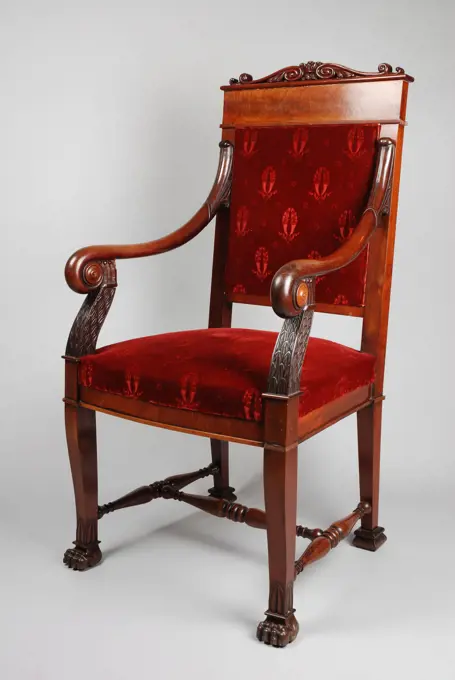
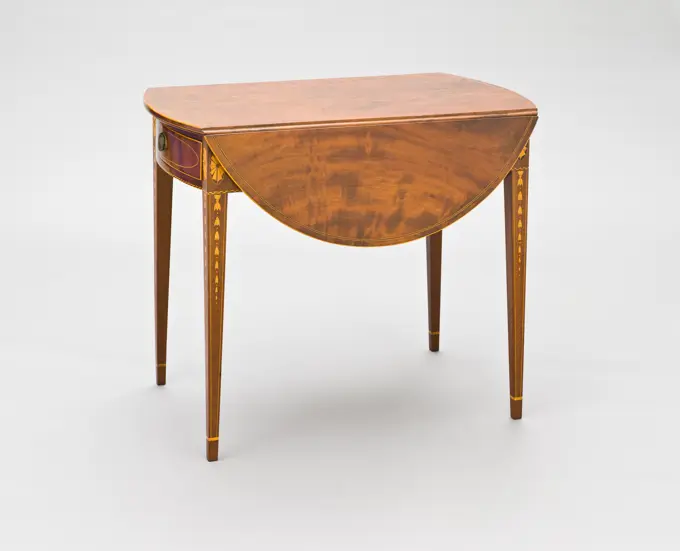
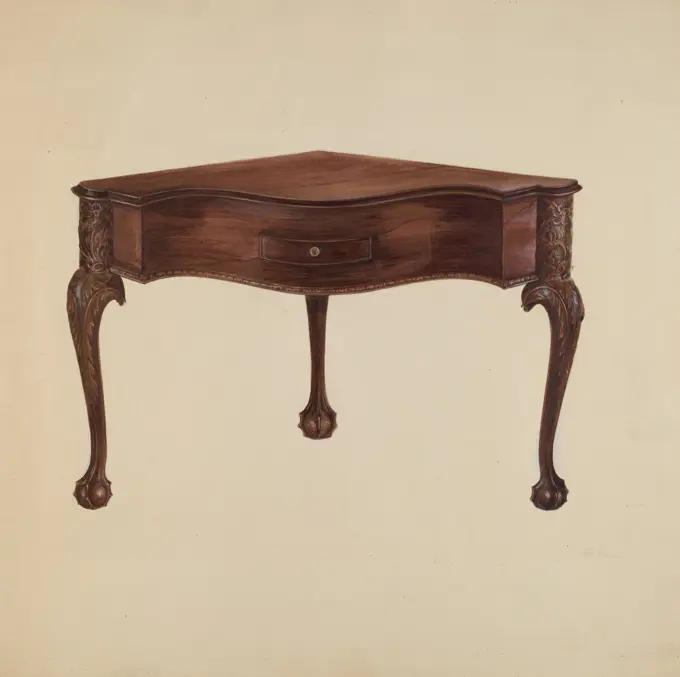
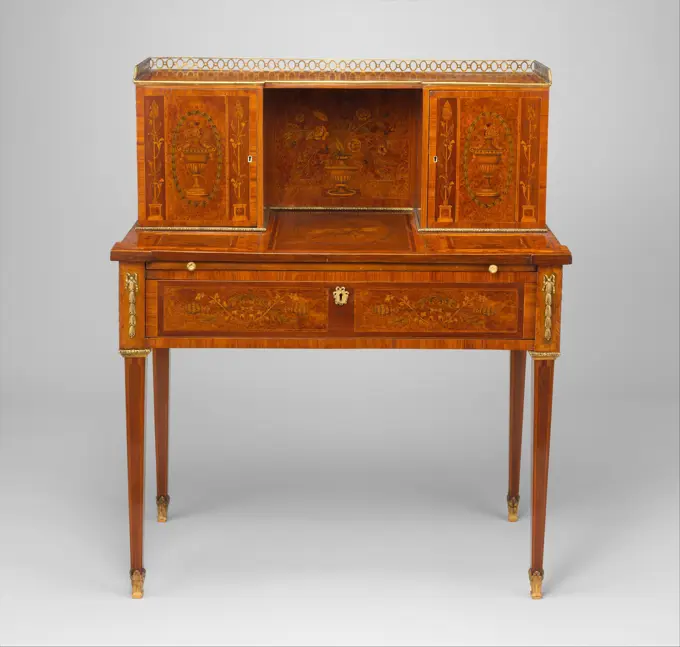
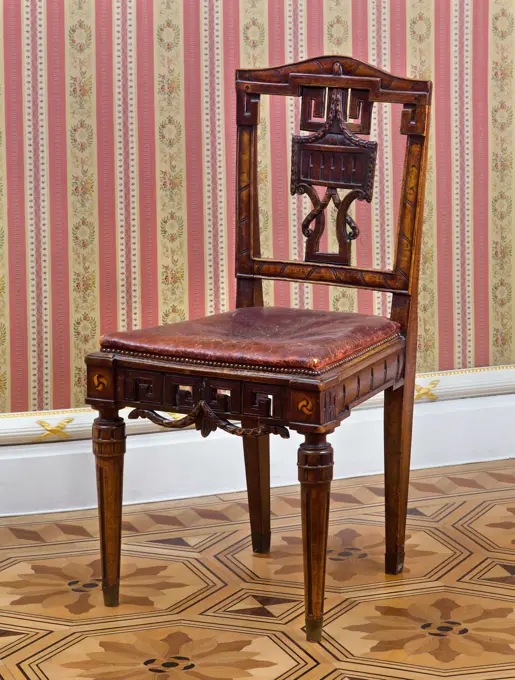
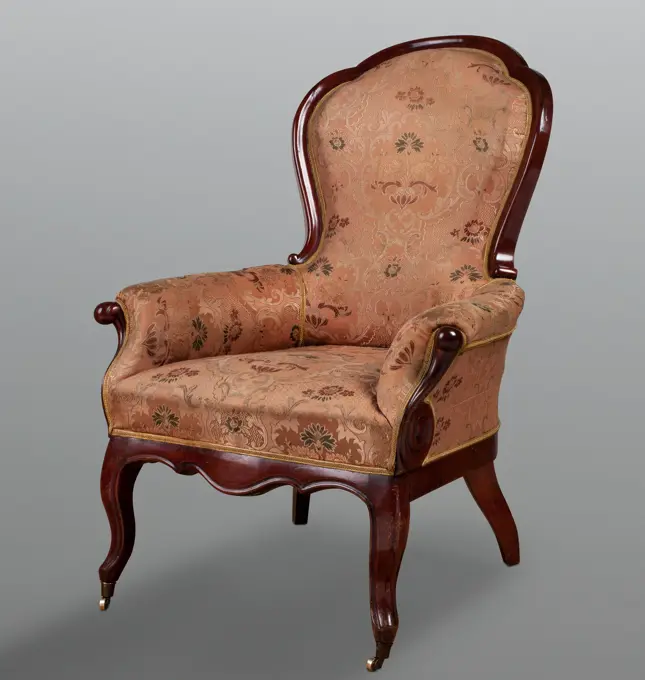
Mahogany armchair in late Empire style, armchair seat seating furniture interior furniture wood mahogany oak velvet, Council seat Empire inclined towards Biedermeier; mahogany veneer over oak core Front legs standing on stabbed claw transition to armrest with inserted ornament same ornament on transition armrest to back. Twisted lines under the seat Tapestry on the topside red velvet upholstery Empire town hall town hall administration Rotterdam City Triangle Cheese Market Hoogstraat Originating from the old Town Hall on the Cheese Market Rotterdam The chairs remained in use until 1851.
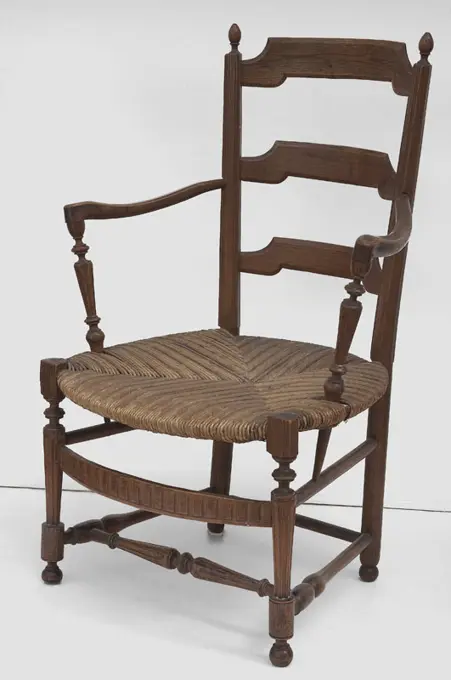
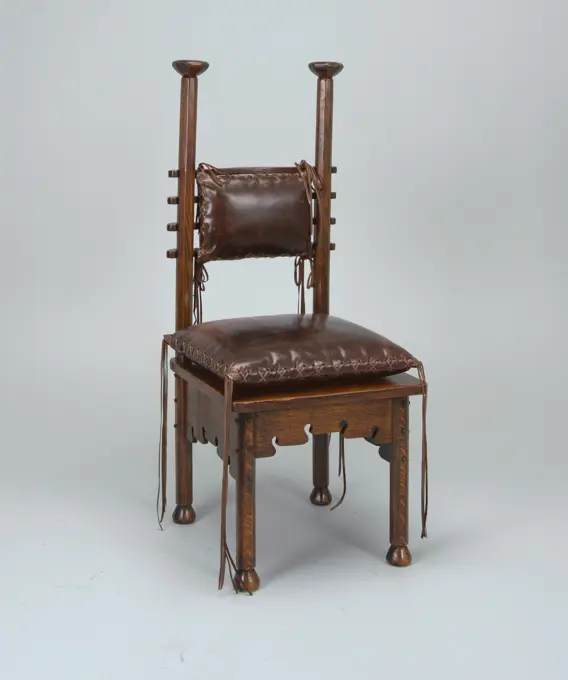
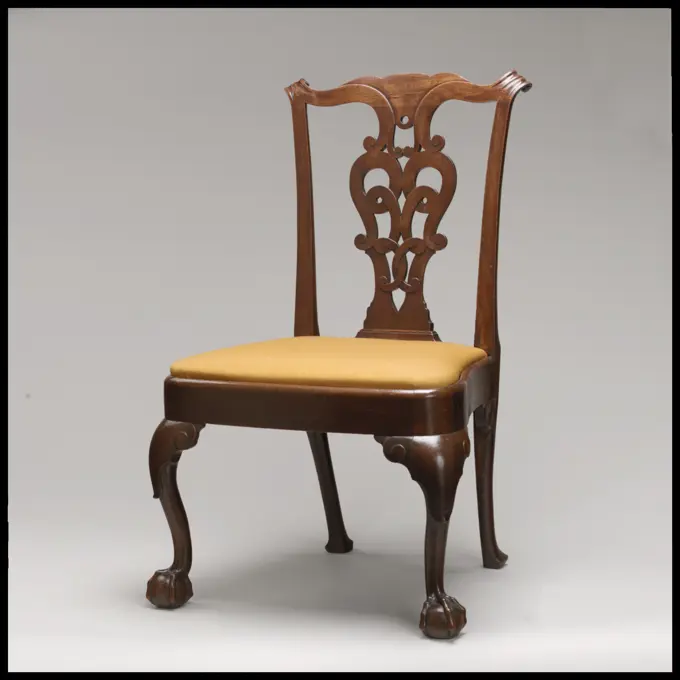
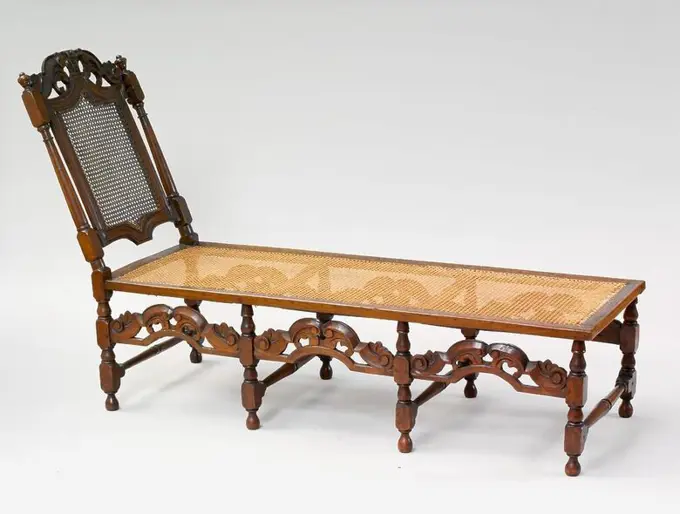
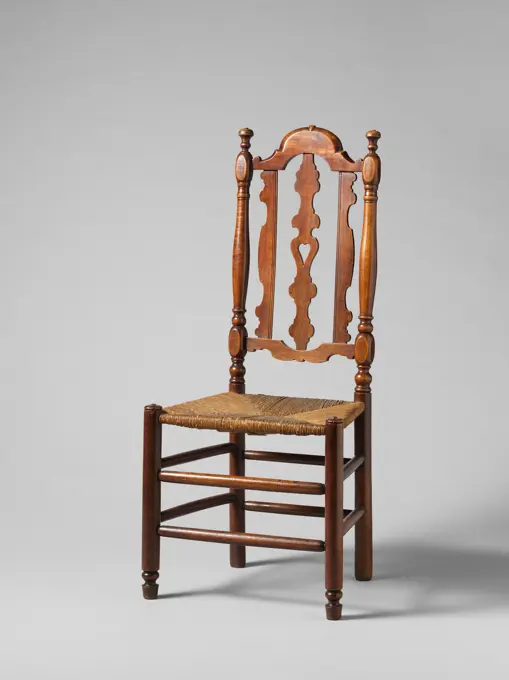
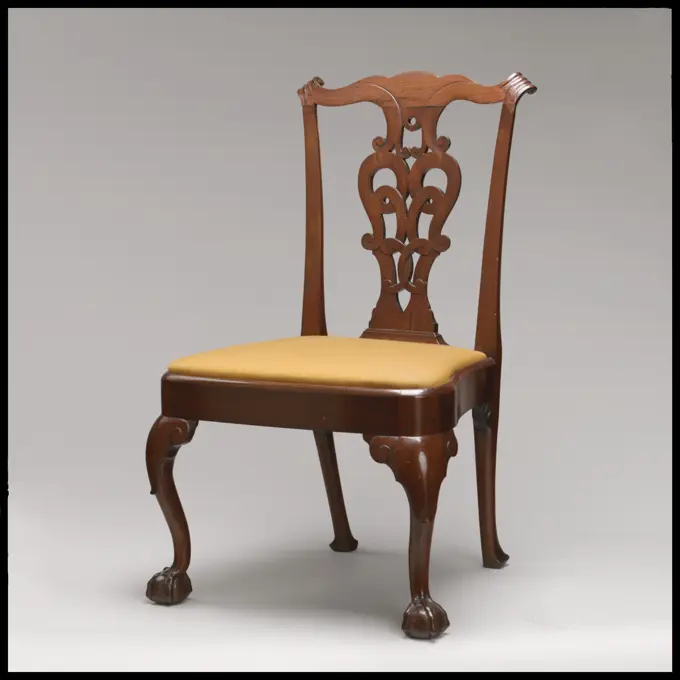
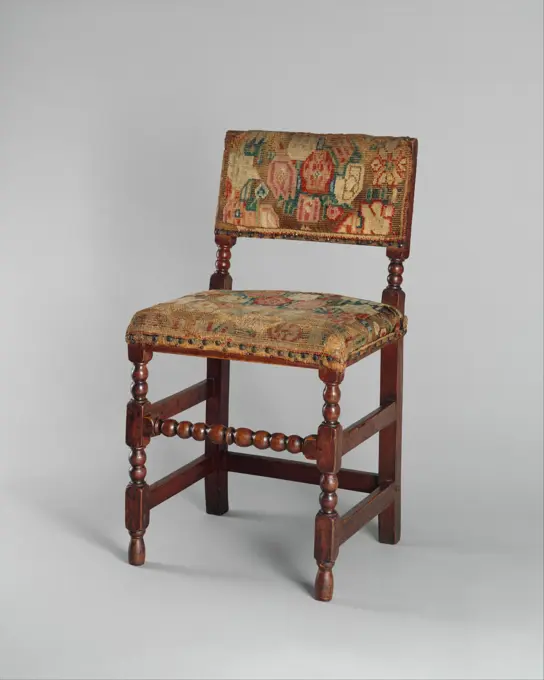
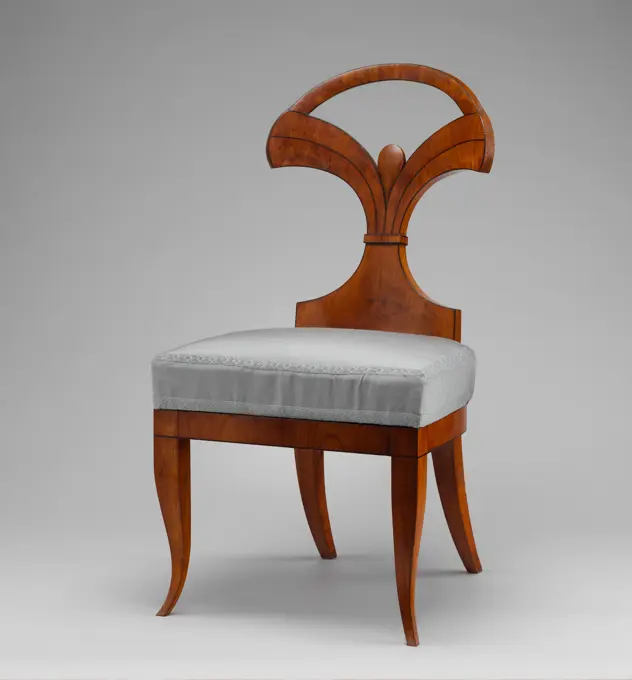
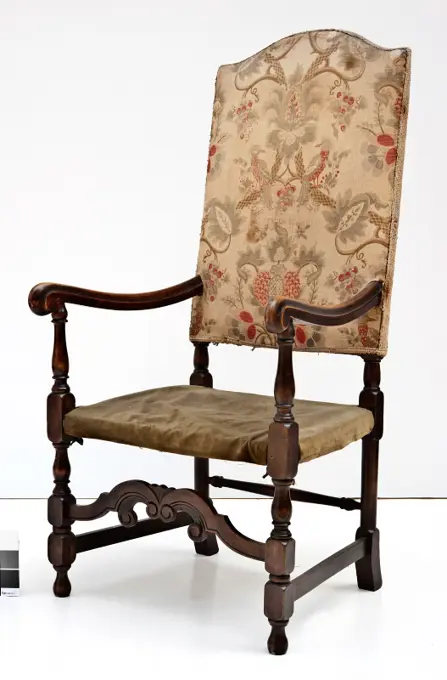
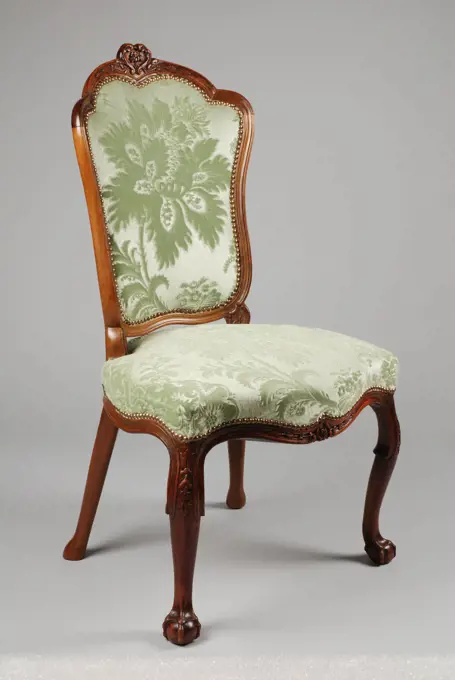
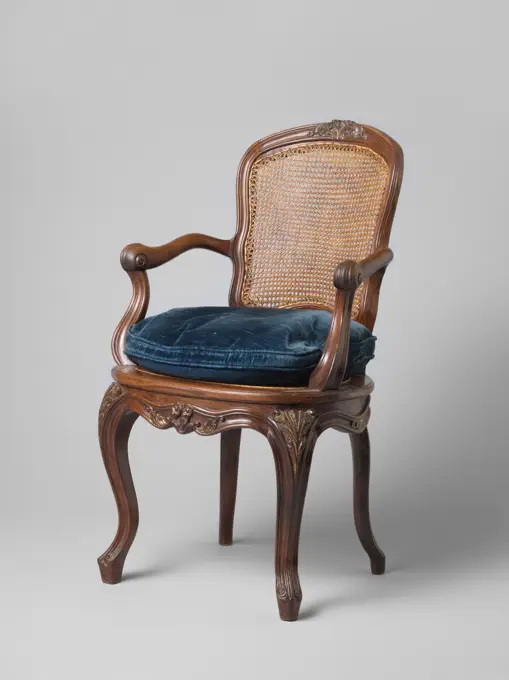
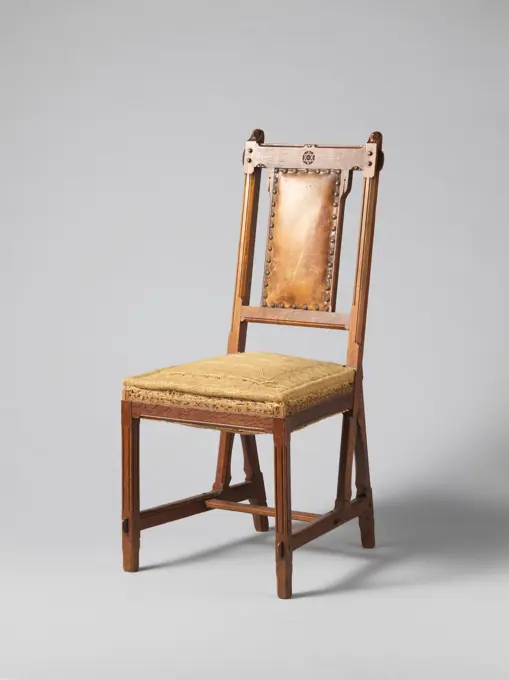
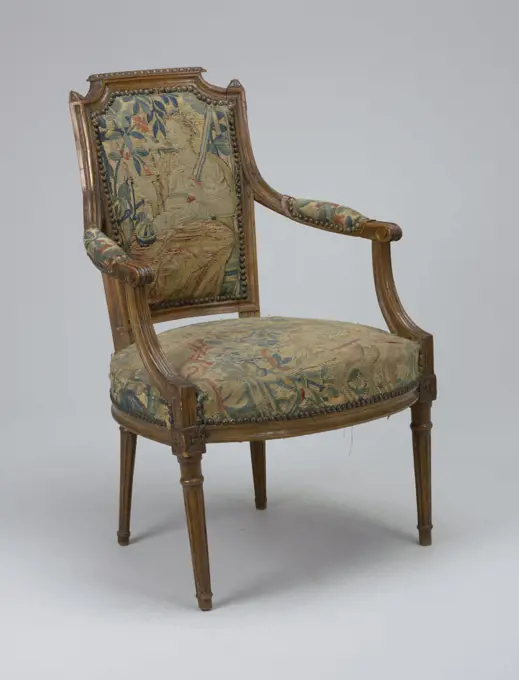
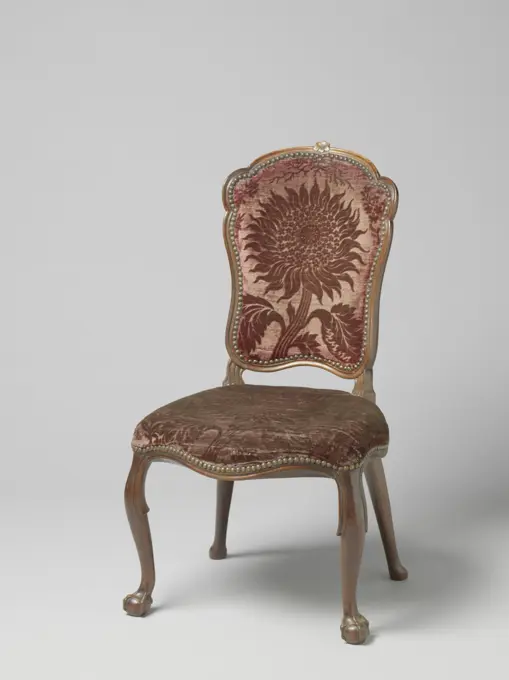
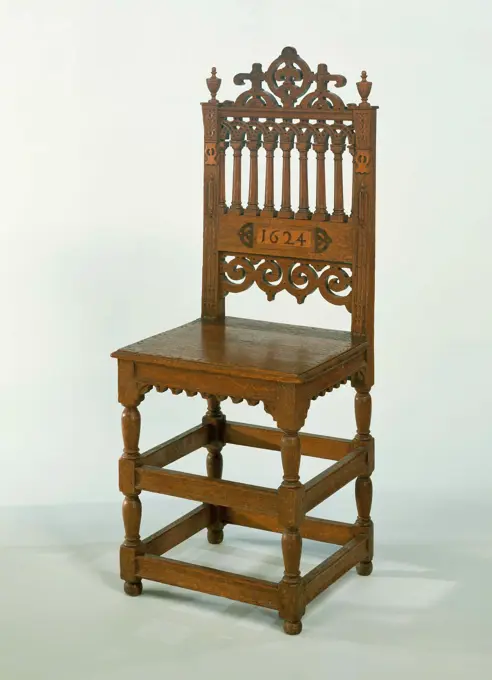
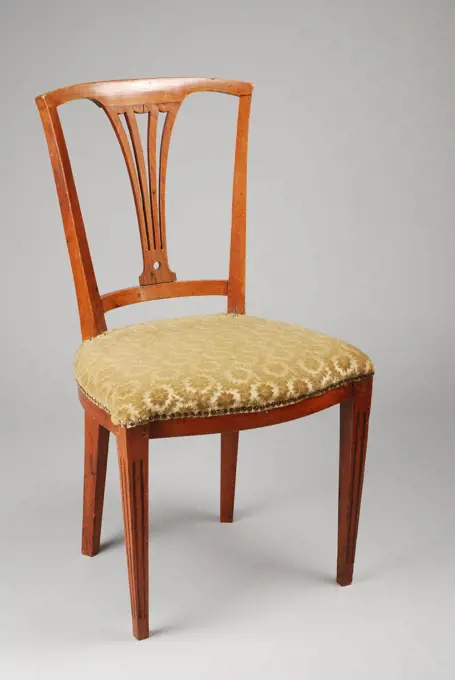
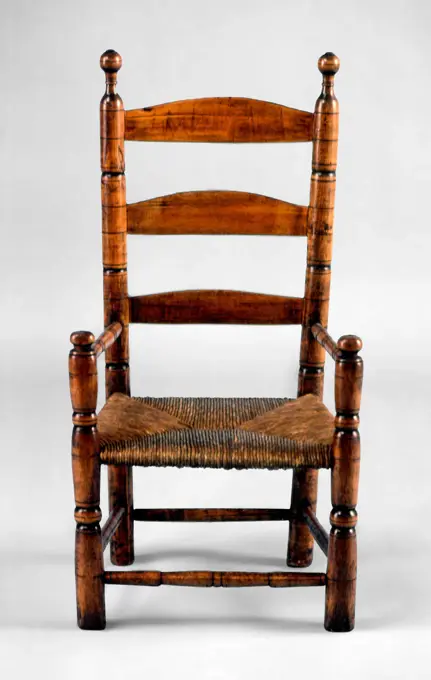
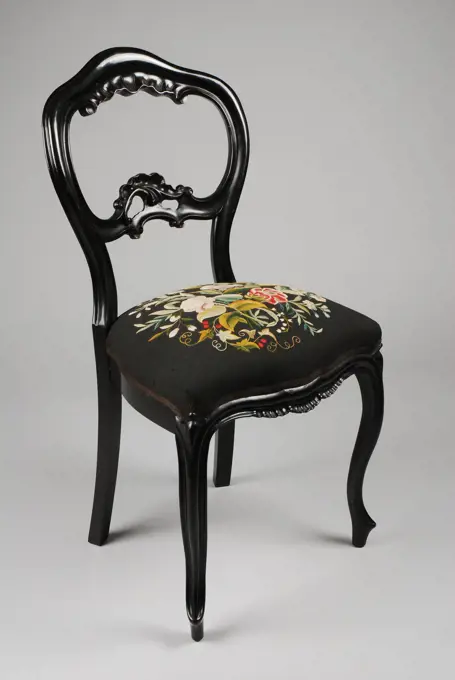
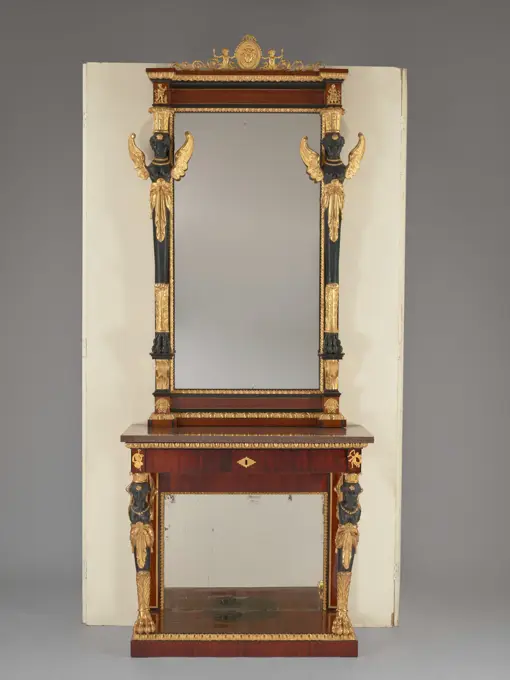
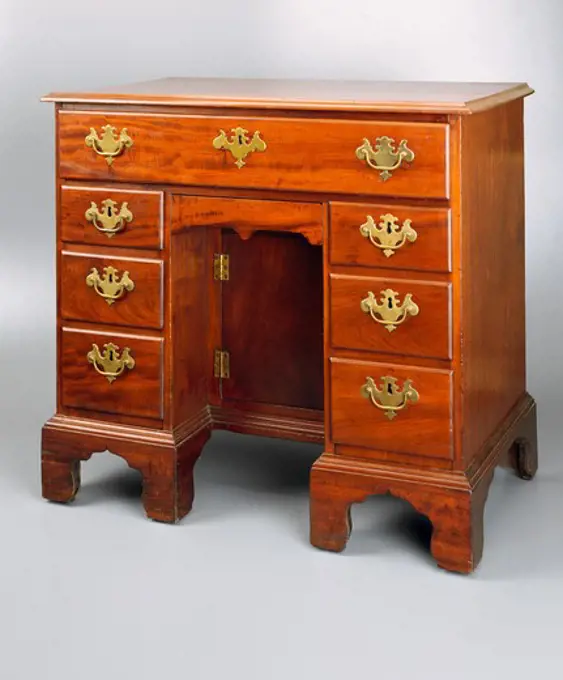
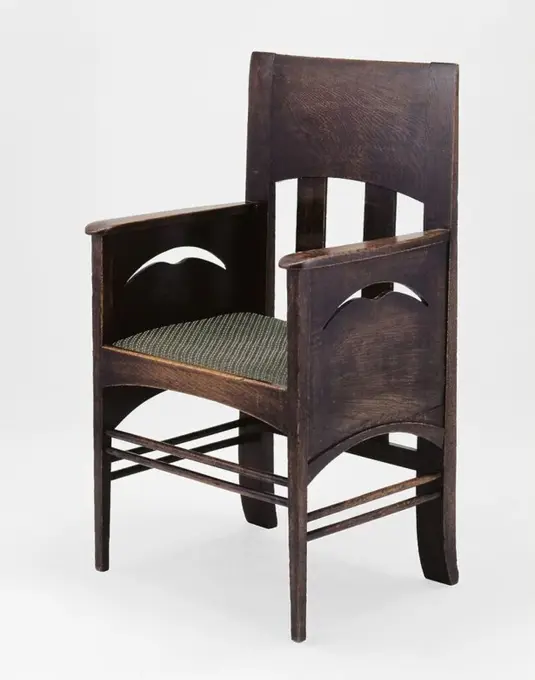
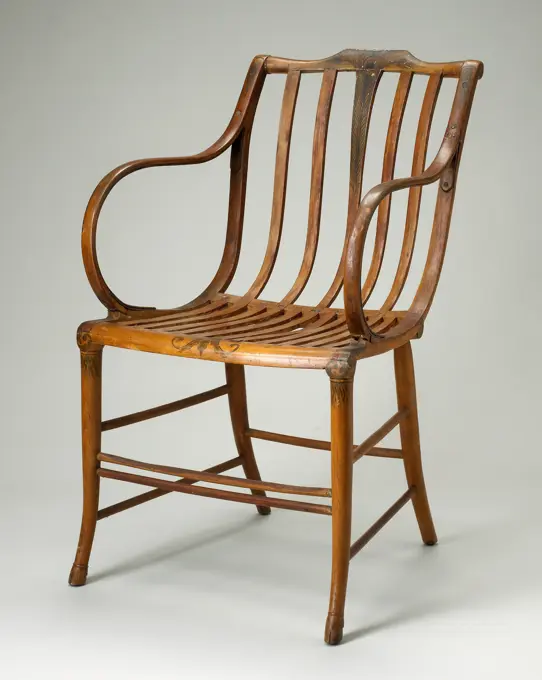
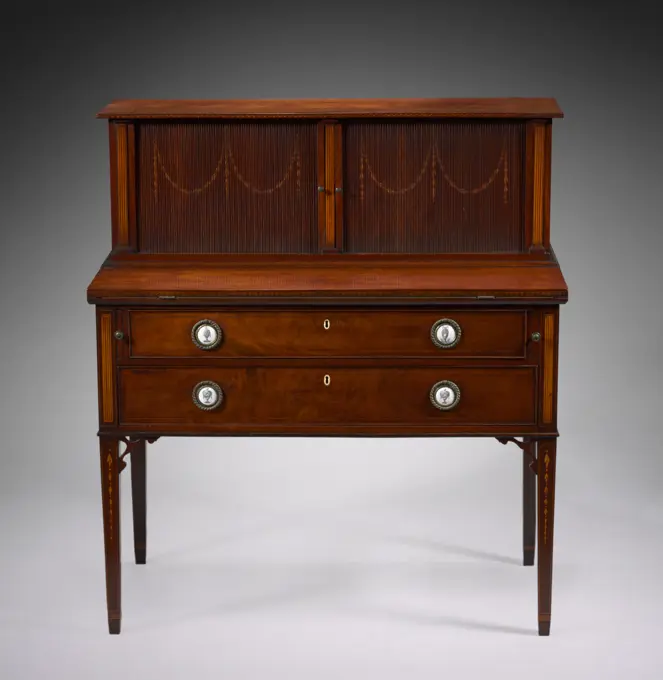
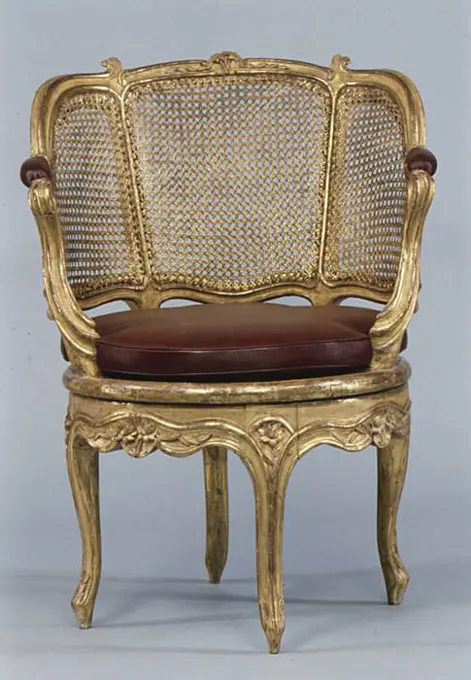
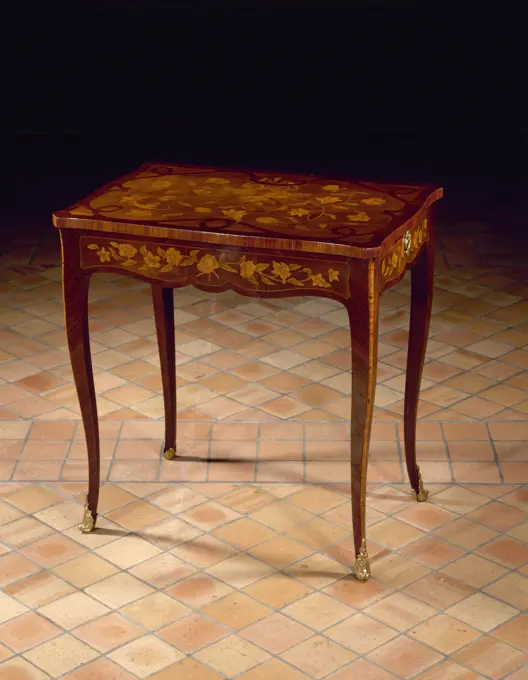
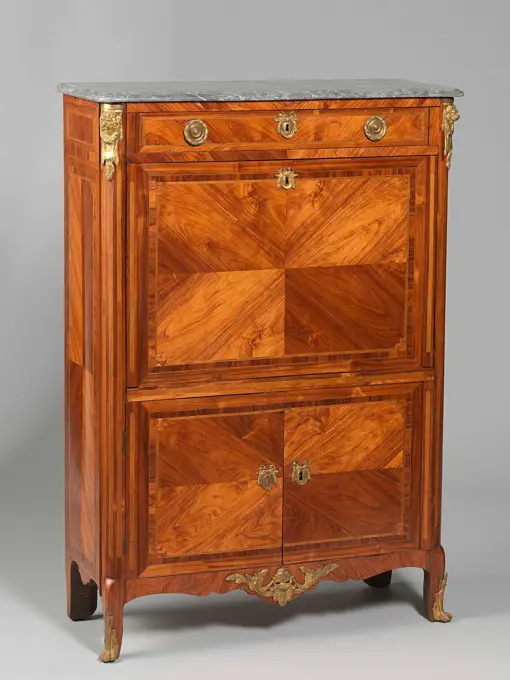
Chair, so -called Spanish chair, anonymous, c. 1700 - c. 1800 Chair of walnut with covered back and seat. So -called Spanish chair.  walnut (hardwood). cloth Chair of walnut with covered back and seat. So -called Spanish chair.  walnut (hardwood). clothEbony arm chair with hold armrests ending in stylized dolphin heads on vase -shaped armrest stars. Backstyles with Cherubs, Anonymous, 1600 - 1650 Ebony arm chair, resting on four legs with house and section and connected by eight straight sports, the four of which are sculpted on the underside. The modern upholstery is nailed, also on the front houses. The raised armrests end up in stabbed, stylized dolphin heads and support on vase -shaped armrest stars. The backstyles are crowned by two cobblestones with folded wings at the height of the neck. The rectangular back window rests on high struts. Northern Netherlands wood (plant material). ebony (wood). velvet (fabric weave) Ebony arm chair, resting on four legs with house and section and connected by eight straight sports, the four of which are sculpted on the underside. The modern upholstery is nailed, also on the front houses. The raised armrests end up in stabbed, stylized dolphin heads and support on vase -shaped armrest stars. TheAnonymous, armchair (attributed title), carved wood, sitting in textiles. House of Victor Hugo - Hauteville House.Armchair. unknown, authorside chair, Charles Rohlfs, 1853-1936, oak, leather cushions (modern replacements), High-backed side chair; oak frame composed of two posts culminating in octagonal stiles at top; seat back of four curved horizontal elements. Square seat with slit cut in top rear; apron with curved bottom edges incorporating notch. Four legs ending in eight-sided bun feet. Replacement cushions of dark brown leather with leather lanyards at corners; rectangular back cushion tied to horizontal elements of chair frame; square seat cushion rests on seat, multiple lanyards at each corner hanging to floor., Buffalo, New York, USA, 1901, furniture, Decorative Arts, side chairSide chair British ca. 1740 View more. Side chair. British. ca. 1740. Walnut. Woodwork-FurnitureSide Chair (USA); Designed by Charles Rohlfs (1853-1936); joined and carved oak, leather cushions (modern replacements)Chair with pressing of pressed velvet with a pattern of a lauded men's head, anonymous, 1785 - 1800 Chair of mahogany, covered with green -pressed velvet, in the back with a pattern of a medallion surrounded by leaf vines, crowned by a garland. In the medallion a man's head in profile. The square legs rejuvenate; The hind legs areas backwards. The pre -rule is bent between right corner pieces and, as well as the top sill, under a garland, has a lauded man's head. The sills of the trapezoidal back are weakly corned. Northern NetherlandsNetherlands wood (plant material). mahogany (wood). Chair of mahogany, covered with green -pressed velvet, in the back with a pattern of a medallion surrounded by leaf vines, crowned by a garland. In the medallion a man's head in profile. The square legs rejuvenate; The hind legs areas backwards. The pre -rule is bent between right corner pieces and, as well as the top sill, under a garland, has a lauded man's head. The sills of the trapezoidal back are wMahogany armchair in late Empire style, armchair seat seating furniture interior furniture wood mahogany oak velvet, Council seat Empire inclined towards Biedermeier; mahogany veneer over oak core Front legs standing on stabbed claw transition to armrest with inserted ornament same ornament on transition armrest to back. Twisted lines under the seat Tapestry on the topside red velvet upholstery Empire town hall town hall administration Rotterdam City Triangle Cheese Market Hoogstraat Originating from the old Town Hall on the Cheese Market Rotterdam The chairs remained in use until 1851.Side Chair 1760-90 American These chairs, from an original set of twelve, along with a settee (39.184.2) and a card table (39.184.12), descended en suite in the Verplanck family. Queen Anne featuresthe heavy walnut frame, balloon-shaped seat, and absence of Rococo carvingsuggest that the set was made for Samuel Verplanck shortly after his return from Holland in 1763 with his bride, Judith Crommelin.. Side Chair. American. 1760-90. Walnut, white oak, white pine. Probably made in New York, New York, United StatesCane couch. Culture: American. Dimensions: 40 1/2 x 60 x 21 1/2 in. (102.9 x 152.4 x 54.6 cm). Date: 1690-1710.Although referred to by the English as a couch, this one-ended caned seat was a form favored in France and sometimes referred to as a "lit de repose," or daybed. It probably served a dual purpose--as an extra bed at night and extra seating during the day. The seat is softened by a "squab," or generously stuffed mattress. Cane couches often were accompanied by sets of cane chairs, as in the Wentworth Room. In 1717, a New England man named John Welland noted that his principal room held "a Cane Couch, Squab & pillow" along with an "Elbow & 6 small cane chairs.". Museum: Metropolitan Museum of Art, New York, USA.Chair. Cherry of cherry wood with mats seat. The legs and the eight sports are rotated. The corner styles of the back are column-shaped with thickenings in the middle. The lower and upper spray are symmetrically cut off, as well as the middle coaster that shows a cut-away heart as a center piece and both styles on either side. Vaarjes are arranged if award of the corner styles.Furniture, Anonymous, 1850 - 1875 Chair from Mahonieen Kindersueblement consisting of three chairs and two arm chairs. The round front legs are decorated with turning and with a border of semicircular profiles. The saber -shaped hind legs run into the back window with bent styles and upper sill and with an intermediate rule, decorated with symmetrically placed leaf skins, between which a vertically profiled final piece. The S-shaped armrests and struts end in a volute; The underside of the struts wear semi -round profiles. Covered session. Northern NetherlandsNetherlands wood (plant material). mahogany (wood). textile materials Chair from Mahonieen Kindersueblement consisting of three chairs and two arm chairs. The round front legs are decorated with turning and with a border of semicircular profiles. The saber -shaped hind legs run into the back window with bent styles and upper sill and with an intermediate rule, decorated with symmetrically placed leaf skins, between which a verticaSide Chair 1760-90 American These chairs, from an original set of twelve, along with a settee (39.184.2) and a card table (39.184.12), descended en suite in the Verplanck family. Queen Anne featuresthe heavy walnut frame, balloon-shaped seat, and absence of Rococo carvingsuggest that the set was made for Samuel Verplanck shortly after his return from Holland in 1763 with his bride, Judith Crommelin.. Side Chair. American. 1760-90. Walnut, white oak, white pine. Probably made in New York, New York, United StatesArmchair 1700-1730 American. Armchair 148Side Chair 1660-90 American The great rarity of this chair lies in the original wool Turkey-work that covers its seat and back. "Turkey-work" refers to a type of woven fabric with a knotted-and-cut wool pile that was made in England in imitation of Turkish carpets. Used for chairs, cushions, and table coverings, the fabric was exported in matching sets for chairs. The joined frame of this chair was produced in Boston and upholstered there. Decorative fringe once covered the row of nails around the seat and back. Simple chair frames of this sort were also commonly upholstered in leather or plain wool fabric.. Side Chair 1620Chair. unknown, authorSide chair (one of a pair) ca. 1815-20 Circle of Josef Danhauser The years between 1815 and 1848 in Germany and Austria were characterized by a conservative political and cultural climate. The period and its style of interior decoration are both called Biedermeier, after a fictional character invented by the poet Ludwig Eichrodt (1827-1892) in the 1850s. Although the term invokes qualities typical of the German bourgeoisie (unpretentiousness, thrift, domesticity), the origin of the Biedermeier furniture style was totally aristocratic. The simple, elegant forms with their clean lines and light-colored wood veneer derived from the ornamentally restrained furniture that had been made for the royal and princely households of Germany, Austria, and France beginning in the late eighteenth century.1 For this market, even Parisian ébénistes, such as Canabas, Saunier, Jacob, and Molitor,2 produced simple mahogany pieces that were set apart only by their excellent materials and outstanding crSide chair 1805-15 Possibly by William Worthington American. Side chair 1639Side ChairFurniture, Anonymous, 1650 - 1700 Chair of Notenhout, covered with Trijp. The chair has flung legs, which are connected by an H-shaped cross and a middle sport, all also thrown. The Trijp shows a pattern of red and green grenades on a soil of shaved pole. The fringe has small raised brushes above a fringe head. The backstyles are covered. One from a series of three (inv.no. BK-KOG-1443-A to -c). Northern Netherlands wood (plant material). walnut (hardwood). velvet (fabric weave) Chair of Notenhout, covered with Trijp. The chair has flung legs, which are connected by an H-shaped cross and a middle sport, all also thrown. The Trijp shows a pattern of red and green grenades on a soil of shaved pole. The fringe has small raised brushes above a fringe head. The backstyles are covered. One from a series of three (inv.no. BK-KOG-1443-A to -c). Northern Netherlands wood (plant material). walnut (hardwood). velvet (fabric weave)Te Poel, Miniature wooden kitchen chair, chair furniture miniature toy relaxation tool model oak wood beech wood trim, molded braided folding chair twisted legs with buttons on top Biezen seat 1868 Sibilla van Embden play home kitchenChair, alternately shiny and dull black painted and decorated with gilded edges and a few gold -colored batter pieces. Covered with orange velor, horrix brothers, c. 1865 - c. 1875 Black-painted wooden chair and-convertible, covered with Oranjerode Trijp and Passement and with gilded metal batter. The overhoek-placed stretched S-shaped front legs carry batter with bows and hanging tiflets. The curved profiled pre -line bears a flower pattern in the middle. The openwork, hollow profiled back consists of curved shapes, between which a French lily, an oval and a bouquet; A bow on the top sill. Finish with gilded tires on red bolus. See: BK-1971-257-B/C. The Hague walnut (hardwood). brass (alloy). gilding (material). bole (clay). wool. gilding Black-painted wooden chair and-convertible, covered with Oranjerode Trijp and Passement and with gilded metal batter. The overhoek-placed stretched S-shaped front legs carry batter with bows and hanging tiflets. The curved profiled pre -line bears a Chair 1730-1740 . Wood with red and gold lacquer decoration and caned seat . Giles GrendeyTable.Chair. Chair of beech wood with a coated seat and resting on conical legs with cannelures, upstairs houses with rosettes. The hind legs are connected to a horizontal baluster-shaped sport at the sitting window. The open, holted back window rests on fluted struts, and has detached styles in the form of Tuscan scanned columns, exported, straight upper and solid and in the middle of a winch, on which two rosettes.Armchair. unknown, authorSide Chair c 1790-1800 Baltimore. Mahogany, walnut and ash . Artist unknownMahogany rococo chair, chair seating furniture interior furniture wood mahogany velvet, Seat and backrest covered with light green velvet decorated with carving flowers cogwheels Rotterdam City Triangle Hoogstraat North Oude Noorden Gerard Scholtenstraat Heilige Geesthuis Oudemannenhuis Oude mannenhuis Heiligegeesthuis rococo Object was until 1972 part of the inventory of the Heiligegeesthuis at the Gerard Scholtenstraat From 1898 to 1972 the 'Heiligegeesthuis' was located in this building.Eikhout chair, covered with brown leather with a flower in the middle of the seat and a branch on the back, Alexander Jacobus Kropholler, 1907 Chair, part of a pair of oak wood with straight legs with beveled corners, a square seat covered with brown leather with a stamped stylized flower in the middle, in the back a brown leather panel with a stamped stylized branch. Amsterdam, Vogel Gebroeders, 1907, designed by A.J. Kropholler with the cooperation of M. Kropholler and J.F. Steel, the leather upholstery to design by S. Jessurun de Mesquita. Made for Mr. Romijn. Amsterdam oak (wood). leather Chair, part of a pair of oak wood with straight legs with beveled corners, a square seat covered with brown leather with a stamped stylized flower in the middle, in the back a brown leather panel with a stamped stylized branch. Amsterdam, Vogel Gebroeders, 1907, designed by A.J. Kropholler with the cooperation of M. Kropholler and J.F. Steel, the leather upholstery to design by S. Jessurun de MesqTable. unknown, authorSide chair 1760-90 American Chairs with trefoil-pierced splats enjoyed great popularity in Philadelphia. On the most richly embellished examples, such as this one, the stiles and crest rail are finely carved in alternating long and short lozenges.. Side chair 1592Colonial armchair. Armchair. Seat covered with dust, back with rattan. One from set of 6Chair with a brown leather upholstery, Hendrik Petrus Berlage, c. 1902 Eikhout chair. The front and hind legs are interconnected by means of an H-shaped cross with pen and hole connections, the pens of which stick through the legs. The slanted billioned backstyles end in bird heads and rest on the cross. The handrail rests on Stutten near the seat and these also serve as hind legs. The backrest is connected both above and below by an intermediate rule. The top line contains a sliced star shape in the middle. There is a panel between the lines that is covered with brown leather and is secured with copper nails. The seat is also covered with brown leather and secured with copper nails. designer: Netherlandsmaker: Amsterdam oak (wood). leather Eikhout chair. The front and hind legs are interconnected by means of an H-shaped cross with pen and hole connections, the pens of which stick through the legs. The slanted billioned backstyles end in bird heads and rest on the cross. The handrail rChair of partially veneered and painted Satijnhout, Anonymous, 1785 - 1800 Partially veneered and painted satin wooden chair, resting on a canaled conical articulated front legs and backwards bent hind legs. The connection between the armrest pits and the faintly curved armrests is C-shaped. The back is slightly bent and decorated in the middle with a vertical connection, on which painted medallions, free to 18th-century representations. The seat is stretched with reeds and equipped with loose embroidered pillows. See also: BK-16137-A and C to F. Great Britain wood (plant material). satinwood (wood). rattan. textile materials Partially veneered and painted satin wooden chair, resting on a canaled conical articulated front legs and backwards bent hind legs. The connection between the armrest pits and the faintly curved armrests is C-shaped. The back is slightly bent and decorated in the middle with a vertical connection, on which painted medallions, free to 18th-century representations.Chair. Culture: British. Dimensions: 36 7/8 × 23 1/2 in. (93.7 × 59.7 cm). Date: ca. 1750. Museum: Metropolitan Museum of Art, New York, USA.Seat, belonging to an eleven-part am family. Chair, made from walnut, belonging to an eleven-part ambulance, consisting of a bank and ten seats. The seat of downtime with leaf and floral motifs in silk on linen grid, with a soft filling.Anonymous, marquetry game table (main title). Wood, hard stones, gilded bronze. Petit Palais, Museum of Fine Arts of the City of Paris.Chairs, fruitwood, wool tapestry, brass-headed nails, The chairs' frames are of carved, unpainted fruitwood. The chairs' backs, seats, and armpads are upholstered and eged with brass-headed nails. The chairs' backs are rectangular, wider at the top than at the bottom. The chairs' top rails are carved in leaf designs on a narrow project-center cornices that groove in concave side curves. Pyramided acanthus finial surmounts each side rail. The chair arms terminate in scrolls above curved supports. The chairs' bowed seat rail rests on fluted and tapered legs, terminating in plain tapered feet. The chairs' forelegs are surmounted by cubical blocks., France, 1780-90, furniture, Decorative Arts, ChairsChair, mahogany, covered with velor d'Utrecht, on which a pressed sunflower motif, anonymous, c. 1760 - c. 1775 Chair lined with velor d'Utrecht, on which a pressed large sunflower motif. The S-shaped front legs end in a bird claw with ball and are extra profiled over the Welfing. The hind legs neighborhoods in spread stand. The seating rules and the back rules and sills are vaulted. The upper sill of the covered back window is crowned by a small floral pattern. The upholstery is nailed. The hollow bent back window rests on canaly vaulted struts. Netherlands wood (plant material). mahogany (wood). wool Chair lined with velor d'Utrecht, on which a pressed large sunflower motif. The S-shaped front legs end in a bird claw with ball and are extra profiled over the Welfing. The hind legs neighborhoods in spread stand. The seating rules and the back rules and sills are vaulted. The upper sill of the covered back window is crowned by a small floral pattern. The upholstery is nailed. The holloArmchair 1675-1700 American. Armchair 172Table, oval, lines decorated with paint panels., Anonymous, 1780 Oval table glued with satin wood and other types of wood. The conical, in diameter square, legs are glued with a wide piping. There is a narrow decorative edge under the houses. The rules are decorated with paint panels, interspersed with round copper tractors. The leaf is pissed around and has a small raised block edge. Northern Netherlands wood (plant material). oak (wood). satinwood (wood). olive (wood). ebony (wood). boxwood (hardwood). maple (wood). lacquer (coating). brass (alloy) lacquering Oval table glued with satin wood and other types of wood. The conical, in diameter square, legs are glued with a wide piping. There is a narrow decorative edge under the houses. The rules are decorated with paint panels, interspersed with round copper tractors. The leaf is pissed around and has a small raised block edge. Northern Netherlands wood (plant material). oak (wood). satinwood (wood). olive (wood). ebony (wood). boxwood. Oak chair, resting on legs with house and articulation, connected by eight sports. At the bottom of the rules a hold tooth list. The back styles are decorated with interrupted cannelures, a drip, buckle and field with stainless steel; Ter crocus vases. Halfway through a flat sport, the back window bears a flat sport that, in Marqueteria, wearing a rolling cartouche with the year 1624. Above seven Tuscan columns and two half-columns wearing braid arches; underneath and on the upper shell decoration in rollerwork motif.Breakfast Table. United States, Maryland, Baltimore, circa 1795. Furnishings; Furniture. Mahogany, various inlays, tulip poplar, pineCheeping table with vase -shaped cheeks with wandering grinds and standing acanthus leaf, anonymous, c. 1500 - c. 1600 Wanging table made of walnut. The cheeks are vase -shaped and decorated with wandering grinds, with a standing acanthus leaf in the middle. Above a ring a ring chain hung on a gland soil, ending in Kelken. The rule has profiled fields and a drawer with two twisted buttons on the front. The magazine closes with clamps over the side rules. The cheeks are connected by a sport under the lines by a sport. Italy wood (plant material). walnut (hardwood) Wanging table made of walnut. The cheeks are vase -shaped and decorated with wandering grinds, with a standing acanthus leaf in the middle. Above a ring a ring chain hung on a gland soil, ending in Kelken. The rule has profiled fields and a drawer with two twisted buttons on the front. The magazine closes with clamps over the side rules. The cheeks are connected by a sport under the lines by a sport. Italy wood (plant materialArmchair. American; New York. Date: 1810-1820. Dimensions: 83.8 × 49.5 × 53.3 cm (33 × 19 1/2 × 21 in.). Mahogany. Origin: New York. Museum: The Chicago Art Institute, Chicago, USA. Author: DUNCAN PHYFE.Marie Alain, Table, 1941 TableDesk (bonheur du jour) ca. 1780-90 British The idea for this type, with a raised partition in the back, was conceived in Franec about 1750. Extensively used by lady letterwriters, it received the coquettish name bonheur-du-jour. The plain, elegant lines of this example are set off by exceptionally fine, characteristically English marquetry.. Desk (bonheur du jour) 209032Chair. unknown, creatorCard Table. Dated: 1940. Dimensions: overall: 54.8 x 43.4 cm (21 9/16 x 17 1/16 in.) Original IAD Object: none given. Medium: watercolor, colored pencil, graphite on paperboard. Museum: National Gallery of Art, Washington DC. Author: M. Rosenshield-von-Paulin.Chair. Chair of walnut. The piece of furniture has a plaster-colored seat covered with a floral tripe and a cane with cane. Resting on baluster-shaped legs with globe feet. There is a vase at the crossroads of the crushed cross. The high back has a profiled window with a semi-circular, scooped upper spray, inwards vaulted styles and a sills with volutes and shell. Inside this window Acanthus leaf and shell pattern. The window is awarded by an acanthus blade decoration.Armchair ca. 1730-50 Tapestry woven at Beauvais. Armchair 202699Sideboard wardrobe;  1st half 18th century (1701-00-00-1750-00-00);CardTableQueen Anne play table, table furniture interior design wood pine wood paint brass, Ge Wood pine with rectangular leaves covered with green cloth Rotterdam City Center Cool Eendrachtsweg Queen Anne Repositioned from the former Schielandshuis of the Hoogheemraadschap on the Eendrachtsweg Rotterdam .Arm chair covered with green -colored Trijp on which leaf motifs, Theo Nieuwenhuis, c. 1910 Arm chair of mahogany resting on four legs. The legs run over from the bottom sill in the armrests. The lower sill contains cut floral motifs. The armrests are outside. The hind legs run into the backstyles. The backstyles contain cut leaves on a long stem on the front and are inlaid with a dot of ebony. The seat, handrail, armresters and side walls are covered with green -colored Trijp on which leaf motifs. Amsterdam mahogany (wood). ebony (wood). beech (wood). wool Arm chair of mahogany resting on four legs. The legs run over from the bottom sill in the armrests. The lower sill contains cut floral motifs. The armrests are outside. The hind legs run into the backstyles. The backstyles contain cut leaves on a long stem on the front and are inlaid with a dot of ebony. The seat, handrail, armresters and side walls are covered with green -colored Trijp on which leaf motifs. Amsterdam mahogany (woodMahogany fold-out Louis Seize half-moon table, game table folding table table furniture interior design wood mahogany oak brass, folded out 94.0 Mahogany fold-out Louis Seize half-moon table middle rear-leg extendable to support folded-out worktop two drawers brass fittings inlaid piping in the top and legs home interior Louis XVI Louis XVI Louis SeizeTable, oval, rules decorated with paint panels .. oval table glued with satin wood and other types of wood. The conical, cross-sectional square, legs are glued with a wide trim. There is a narrow decorative edge among the houses. The rules are decorated with paint panels, interspersed by round copper tractors. The leaf is trimmed around and has a small upright block edge.Small table 17th century, partly, with later replacements and additions Italian. Small table 460503Nutenhouten chair whose backs are decorated in the middle with cutting, anonymous, 1700 Nuthout chairs, resting on articulated legs, connected by an H-shaped cross. The front legs are articulated vase and extra connected by a highly sculpted sport. The trapezoidal seat window is covered with modern green velvet. The flooded back window stabs support the reed back window, flanked by detached, at the top articulated and rejuvenating, columnar back styles. The scalloped back in the middle is crowned by broken S-shaped cutting, between which a shell motif. Great Britain walnut (hardwood). oak (wood). rattan. velvet (fabric weave) Nuthout chairs, resting on articulated legs, connected by an H-shaped cross. The front legs are articulated vase and extra connected by a highly sculpted sport. The trapezoidal seat window is covered with modern green velvet. The flooded back window stabs support the reed back window, flanked by detached, at the top articulated and rejuvenating, columnar back stylChair with a black cushion, 1805 - 1806, by Thomas Sheraton (1751-1806)., London, England. Furniture category includes cabinetwork and chairs. Features engravings and plates colored by hand. 39 x 25 cmAnonymous. "Nutwork table transformed into a work table". Built in fir, poplar, oak and walnut drawer, rosewood veneer, satin, red satin and amaranth frames, various wood marquetry on the tray, golden bronzes. Around 1760. Paris, Cognacq-Jay museum. 123782-7. Armchair of walnut with reed stress. The furniture rests on sliced legs. The wide flat forecast has openwork symmetrical acanthus drinks. The sitting window has stainless steel from bay leaf, fruits and blossoms. The armrests have been rolled and end up in volutes decorated with acanthus leaf. The armrests and detached angle styles of the back are hurled. The sides of the oval back window show acanthus drinks. The back styles are crowned by twisted vases.Walnut carved baroque chair, chair furniture interior design wood walnut rattan, braided seat and back torped legs rules and cover with carving of putti with eagle baroqueSide Chair. Herter Brothers (United States, New York, circa 1865- circa 1905). United States, circa 1878. Furnishings; Furniture. Maple, bird's-eye maple, mahogany, ash, rosewood, gilt, paint, upholsteryChair, Anonymous, 1650 - 1700 Chair of Notenhout. The furniture is stretched with reeds and has flared legs, connected by an H-shaped cross. The back has freestanding styles and the back window shows as well as the Acanthus leaf with open flower skins. In addition, two amorettes have been applied in the presence as well as in the upper rule of the back on either side of an eagle. The houses of the legs and styles have rosettes, the bay window leaves. Northern Netherlands wood (plant material). walnut (hardwood). Chair of Notenhout. The furniture is stretched with reeds and has flared legs, connected by an H-shaped cross. The back has freestanding styles and the back window shows as well as the Acanthus leaf with open flower skins. In addition, two amorettes have been applied in the presence as well as in the upper rule of the back on either side of an eagle. The houses of the legs and styles have rosettes, the bay window leaves. Northern Netherlands wood (plant material). walnut (hardwPembrokeTableGateleg table ca. 1670-90 British. Gateleg table. British. ca. 1670-90. Yew. Woodwork-FurnitureSide Chair ca. 1825 Workshop of Duncan Phyfe Scottish. Side Chair 1680Stoel, Pierre Joseph Hubert Cuypers, 1850 - 1860 Gothic style chair. Covered with red trijp. Roermond oak (wood) Gothic style chair. Covered with red trijp. Roermond oak (wood)Armchair, design Jan De Meijer. Armchair, design Jan De Meijer.Eggshade Louis Seize chair, straight-seat chair seat furniture interior design wood elm wood velvet, Curved backrest with openwork backsheet with moss green velvet upholstery Louis XVI Louis XVI Louis SeizeEbony straight chair, upright chair seat furniture furniture interior design wood elm wood velvet, Green velvet upholstered openwork backrest with intertwined ornament that rests on four bars stamped in inside MSTable c 1750-1790 Newport. Mahogany, beech and maple . John TownsendChilds armchairFa. Johann Diedrich Schmidt & Co. en Cord Heinrich Schmidt, Straight neo-rococo chair, straight-seat chair furniture furniture interior design wood mahogany elmwood shellac textile, Black polished mahogany with black trim embroided with multicolored flowers on the hood and the front row of rocaille's and other rococo carvings Rotterdam City Center Cool Schiedamsesingel neorococo Supposedly delivered to the Polak-Rosenthal couple in front of their house Schiedamsesingel 143 Rotterdam.Console with a mirror. unknown, creator. Padoukhout cabinet (or sono) With panels of iron wood (ambone to wood). The cabinet rests on low S-shaped bent legs, ending in claw and ball, connected by a swapped cross. It has two doors above two drawers, all decorated with profiles and panels. The corner styles are placed overhoeks; The profiled shade is bent. Lock plate and tractors of silver.Shield-back Armchair with Carved KylixChippendale Mahogany Kneehole Desk Antiques Arm chair of walnut with S-shaped legs placed overhoek and with back and seat of reeds. Cutting of flowers and leaves. With loose pillow. Series of eight pieces., Anonymous, 1750 - 1775 Arm chair (part of ameblement) of walnut with back and seat of reeds. The stretched S-shaped, overhoeks placed legs with profiling pass into the sitting window without interruption and are decorated with stabbed flowers. The scalloped prescription has stabbed flowers and leaves under a profile edge. The armrest stars placed backwards are S-shaped and support the hold armrests, ending in volutes. Upper line backed window decoration. With loose pillow. See also: BK-16851-B to H. France wood (plant material). walnut (hardwood). Arm chair (part of ameblement) of walnut with back and seat of reeds. The stretched S-shaped, overhoeks placed legs with profiling pass into the sitting window without interruption and are decorated with stabbed flowers. The scalloped prescription has stabbed flowers and leaves undeSideChairArmchair. Designed by Charles Rennie Mackintosh (Scottish, 1868-1928); Scotland, Glasgow. Date: 1897. Dimensions: 96.4 x 57.2 x 45.8 cm (38 x 22.5 x 18 in.). Stained oak with modern horsehair upholstery. Origin: Scotland. Museum: The Chicago Art Institute, Chicago, USA.Elastic' chair, c. 1808, Samuel Gragg, American, 1772-1855, 34 1/2 x 20 3/4 x 23 in. (87.63 x 52.71 x 58.42 cm), Ash, pigment, United States, 19th century, In 1808, Samuel Gragg of Boston received the patent for his 'Elastic Chair.' The chair replicates the curves of the Greek klismos chair depicted in ancient paintings and sculpture. Its classical theme is continued with painted decoration in the form of acanthus leaves, peacock feathers, and cloven hoof feet.Card table, c. 1800, Mahogany, satinwood inlay, United States, 18th-19th centuryEikhout chair, on the flat sport the year 1624, anonymous, 1624 Eikhout chair, resting on legs with house and section, connected by eight sports. At the bottom of the rules a hold toothlist. The backstyles are decorated with interrupted cannelures, above which a dripper, buckle and field with stabbing; To crown vases. The back window carries a flat sport halfway through which, in Marqueterie, wears a rolling cartouche with the year 1624. Above it seven Tuscan columns and two half -columns that wear braid arches; Underneath and on the upper sill decoration in a rolling motif. Northern Netherlands (possibly)Netherlands (possibly) wood (plant material). oak (wood). ebony (wood). rosewood (wood) Eikhout chair, resting on legs with house and section, connected by eight sports. At the bottom of the rules a hold toothlist. The backstyles are decorated with interrupted cannelures, above which a dripper, buckle and field with stabbing; To crown vases. The back window carries a flat sport halfwaTambour Desk, c. 1800. John Seymour (American, 1738-1818), Thomas Seymour (American, 1771-1848). Mahogany, brass and enamel pulls; overall: 105.4 x 96 x 49.9 cm (41 1/2 x 37 13/16 x 19 5/8 in.).Incense stand, late 16th century, 30 13/16 x 20 7/8 x 14 3/4 in. (78.3 x 53 x 37.5 cm), Huanghuali hardwood and marble, China, 16th century, Small square or rectangular high tables were generally used in wealthy households as incense stands. This sixteenth-century example has an inlaid marble top that provided a durable, fire-retardant surface for the burning of rare fragrances. Incense stands were typically fitted with floor-stretchers (horizontal leg braces) creating, in effect, a space-frame of well-balanced proportions and minimalist form. All edges and corners of the wooden members are rounded including the foot of each leg. This softens an otherwise rigid box-like shape into a more aesthetically pleasing one. Such stands were used individually indoors and out, in pairs flanking thrones, and as stands in front of ancestral shrines or large altar tables.Desk chair ca. 1760 French During the mid-eighteenth century, French menuisiers or joiners made both practical and elegant chairs, specifically for use behind a desk. By changing the traditional layout of a chair, they created a so-called fauteuil de cabinet or office armchair. For greater stability, they placed one upright in front so that the user could arrange his legs on either side. With their undulating outline, these chairs have a rounded back offering support for the upper body while the curving arms are provided for additional support. During the second half of the eighteenth century, a variant was introduced, a chair with a rotating seat, to allow the user greater mobility. This kind of swiveling office chair remained popular until the early nineteenth century. The back and rotating seat of this desk chair are caned, an exotic material made of bark of the Rattan tree, a climbing palm that grows in South East Asia. The bark was cut into strips and passed through holes in the cAnonymous. Oak and fir table, marquetry with floral decor, golden bronzes (overview in the room, without bottom), around 1755. Paris, Cognacq-Jay museum. Bronze Dore, Chene, Decor Floral, Marquetry, Mobilier, Sapin, Louis XV style, 18th century, wood, furniture, table, tableArmchair;  1860-1880 (1860-00-00-1880-00-00);Commode, anonymous, c. 1720 - c. 1750 Commode Lijmed with root nut wood and maple wood on an oak core and with solid walnut s-shaped legs, resting on volute-shaped claws. The front is sculpted and has two drawers in the middle and on each of the corners. The middle drawers have gilded copper tractors and key plates. The rule is sculpted on the underside and has a twisted button and in the middle marqueterie. The magazine is also sculpted and decorated with marqueterie. Netherlands oak (wood). maple (wood). poten: walnut (hardwood). beslag: copper (metal) Commode Lijmed with root nut wood and maple wood on an oak core and with solid walnut s-shaped legs, resting on volute-shaped claws. The front is sculpted and has two drawers in the middle and on each of the corners. The middle drawers have gilded copper tractors and key plates. The rule is sculpted on the underside and has a twisted button and in the middle marqueterie. The magazine is also sculpted and decorated with marqueterie. NetTea table, c. 1750, 27 3/4 x 29 1/2 x 21 3/4 in. (70.49 x 74.93 x 55.25 cm), Cherry, United States, 18th centurySecretary glued with rose and maple wood and with blue-gray-gray marble leaf. Two underneathers, a folding sheet and a tray. Batter of gold-plated copper or bronze. Oak secretary glued with pink and maple wood. The ornaments are from gold-plated copper or bronze. The overhoeks placed front legs bear lion jaws with leafwork, corner styles at the top of a lion cup with a garland and the double braco-shaped sills a vase form with garland and leafwork. The two subordens, folding leaves, the tray above and the sides show rectangular fields inside a band with braided corners. Blue-gray damaged marble top; Decorated key plates.ChairSideboardTableChair with vase-shaped decoration in the back and wooden seat. Beechwood seat whose vase-shaped back consists of two symmetrically opposed scaffolding shelves, with a circle, key and diamond-shaped recess in the middle. The wooden trapezoidal seat is corrugated in front. The legs are straight on the outside, waved on the inside and they run wider on the sides, towards each other. They are connected by sports before and behind; This connection is made visible to the legs with a closing piece.Etagere (USA); Cabinet maker: Julius Dessoir (active NY, 1842 - 1865); rosewood, maple, glass mirror, brassOpen Armchair with Inlaid Crest Rail. United States, New York, New York City, 1800-1815. Furnishings; Furniture. Lignum vitae, ash, replaced upholsteryDesk (Bureau de dame) with the Dryja coat of arms. unknown, contractor