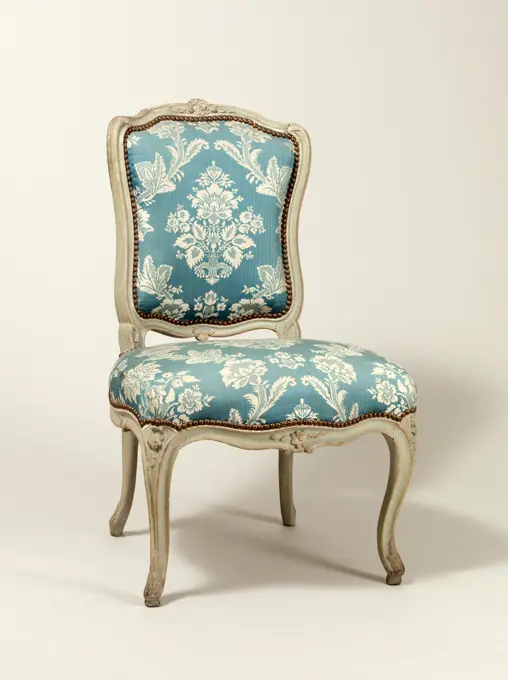
Antique And Vintage Chairs

Various ornate chairs featuring intricate woodwork and upholstery, reflecting historical styles from different periods.
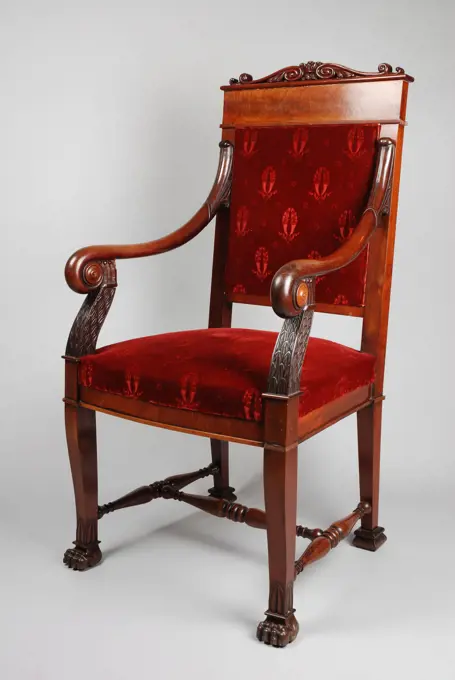
Mahogany armchair in late Empire style, armchair seat seating furniture interior furniture wood mahogany oak velvet, Council seat Empire inclined towards Biedermeier; mahogany veneer over oak core Front legs standing on stabbed claw transition to armrest with inserted ornament same ornament on transition armrest to back. Twisted lines under the seat Tapestry on the topside red velvet upholstery Empire town hall town hall administration Rotterdam City Triangle Cheese Market Hoogstraat Originating from the old Town Hall on the Cheese Market Rotterdam The chairs remained in use until 1851.
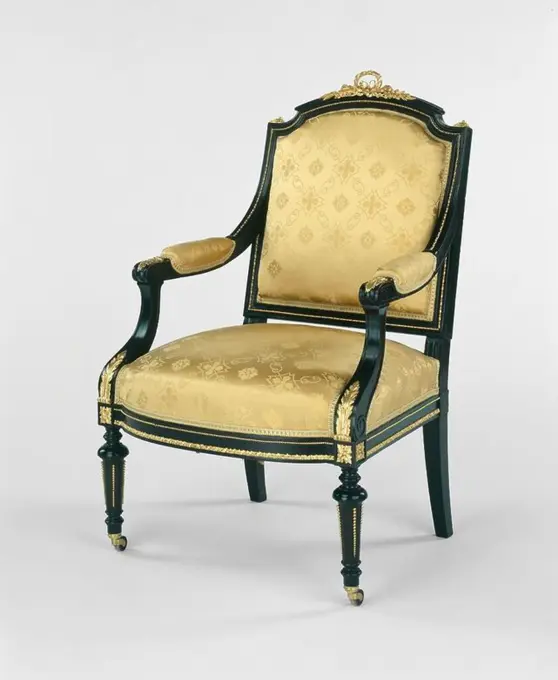
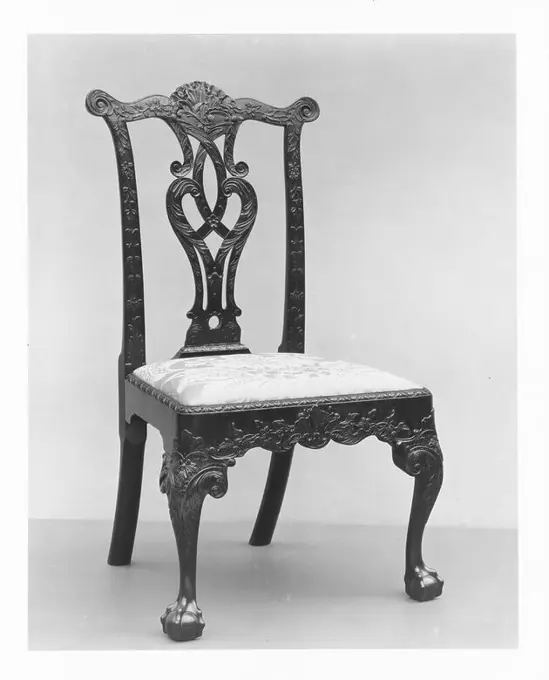
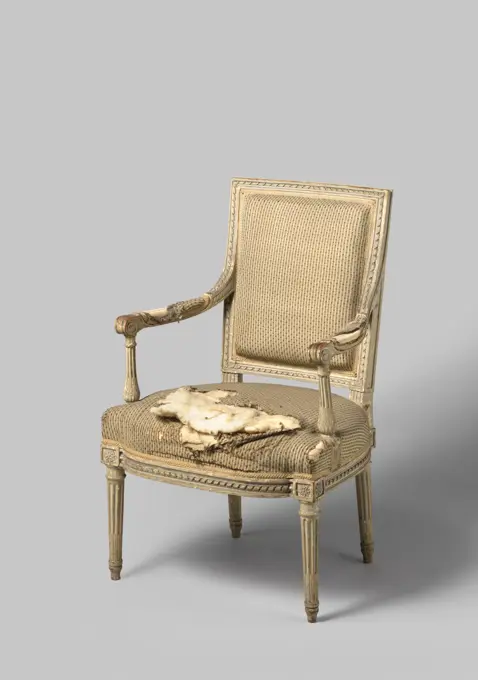
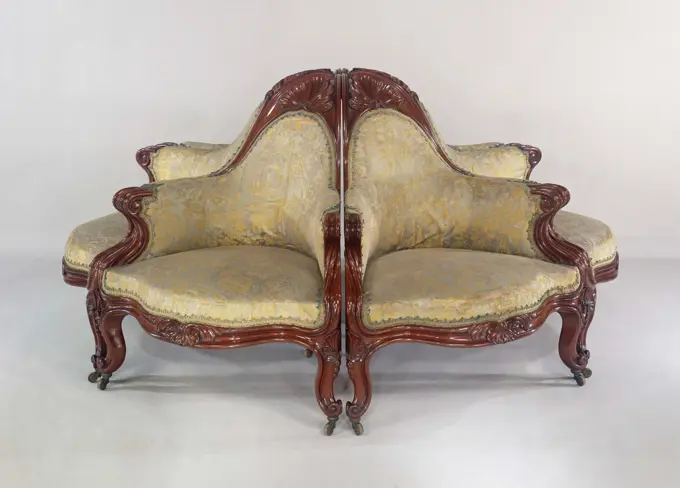
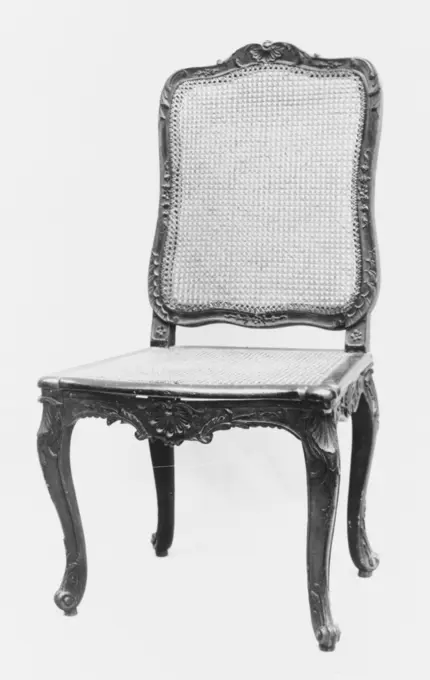
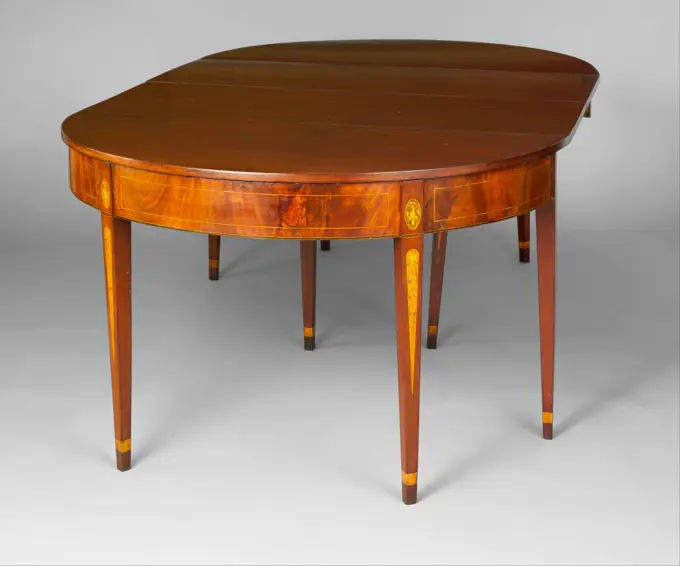
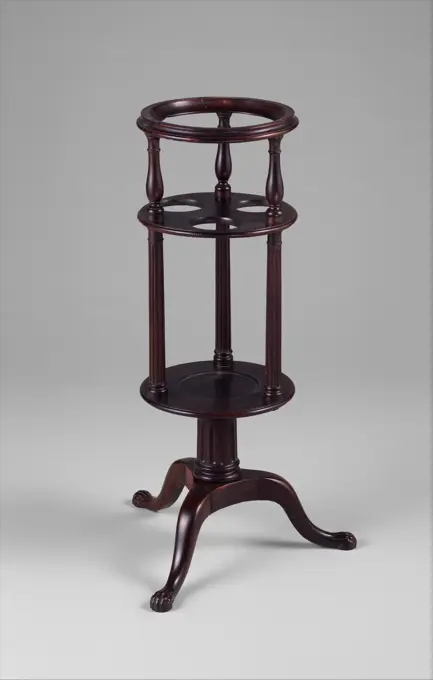
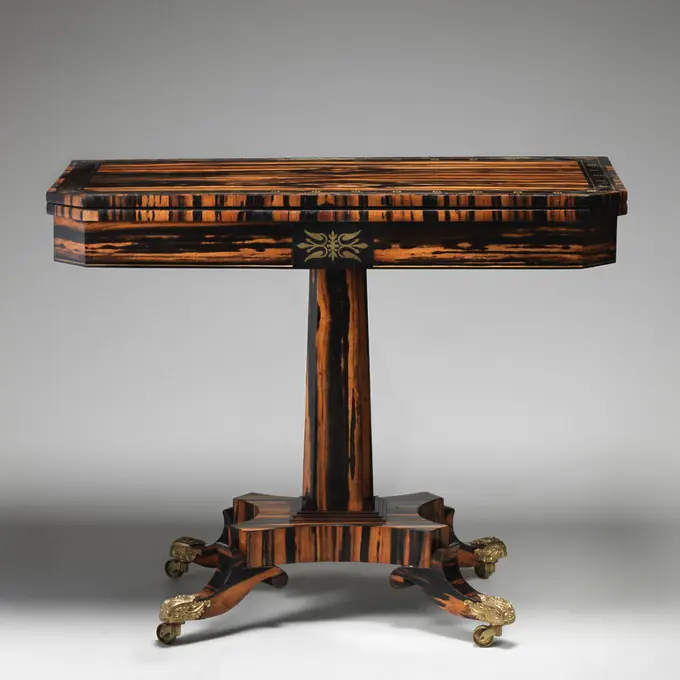
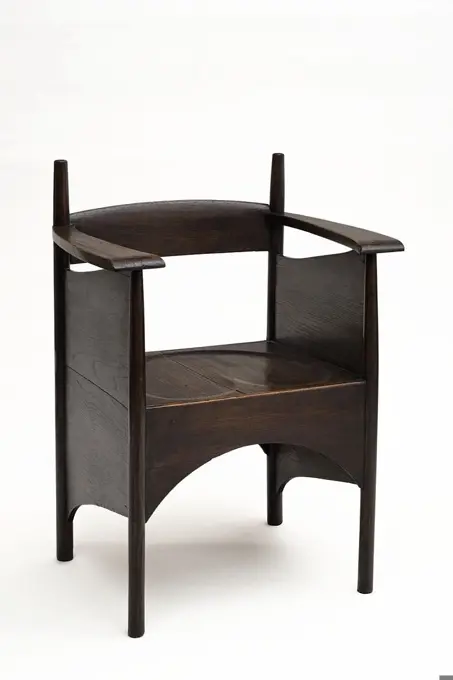
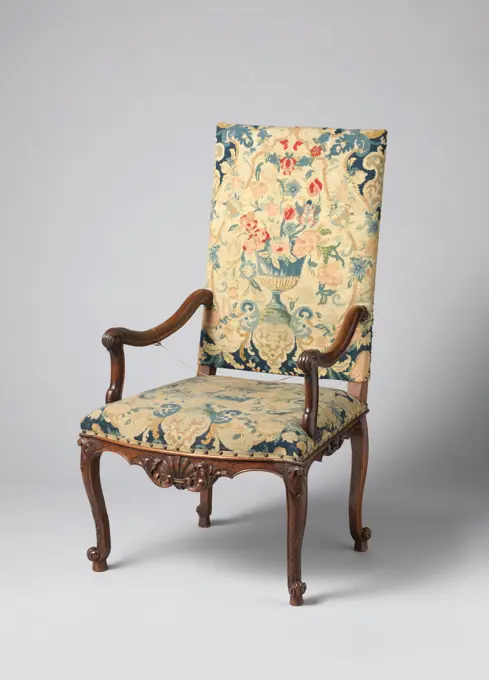
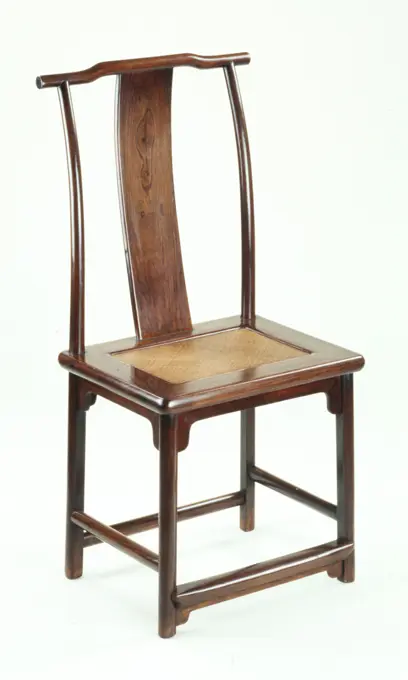
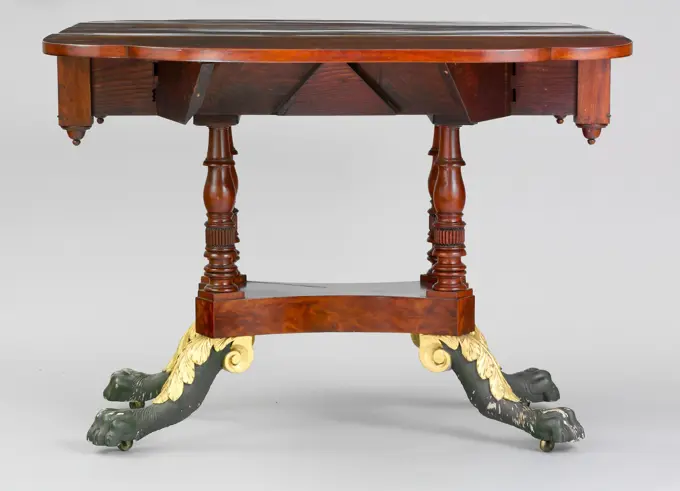
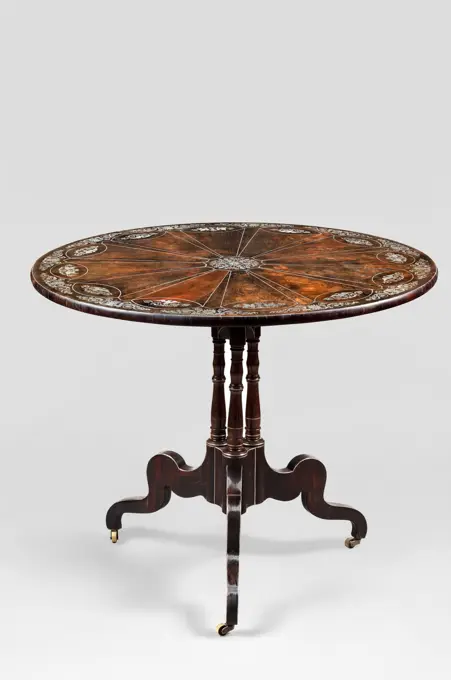
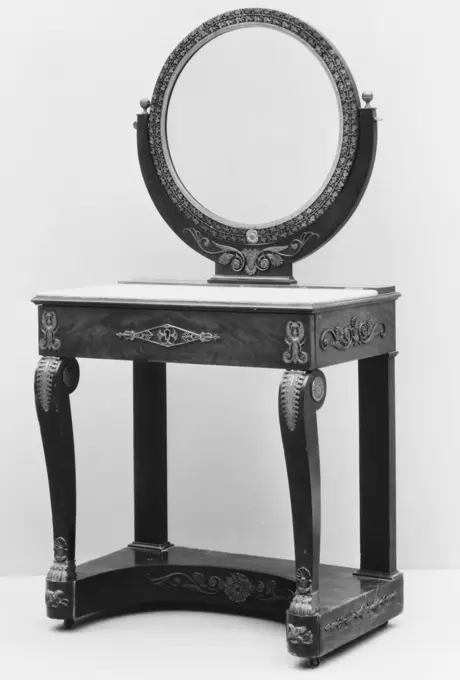
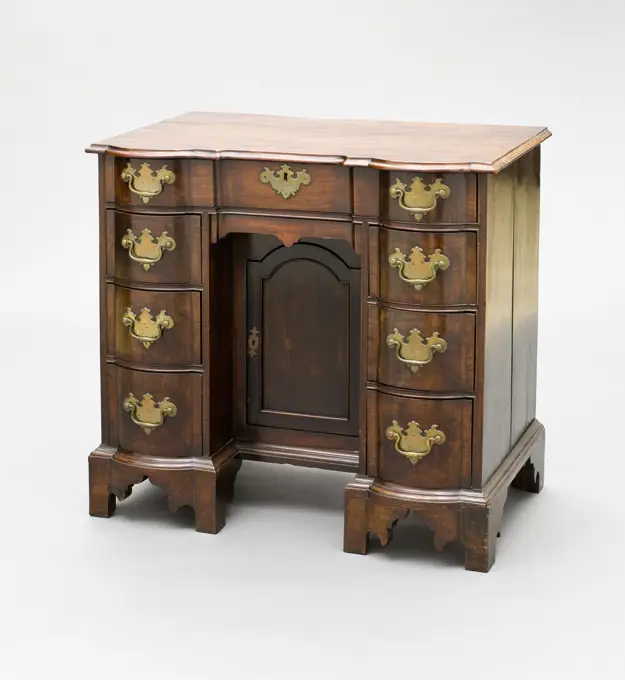
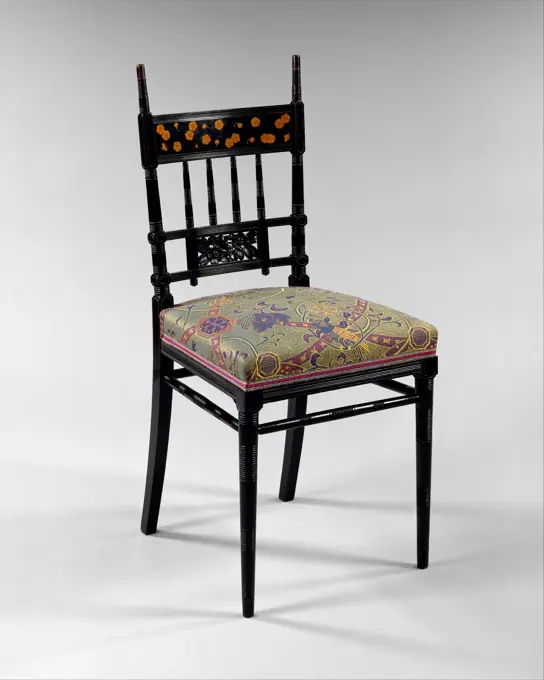
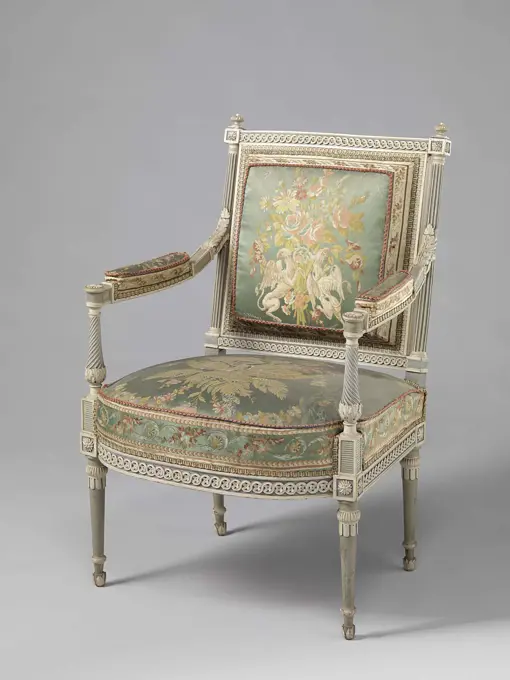
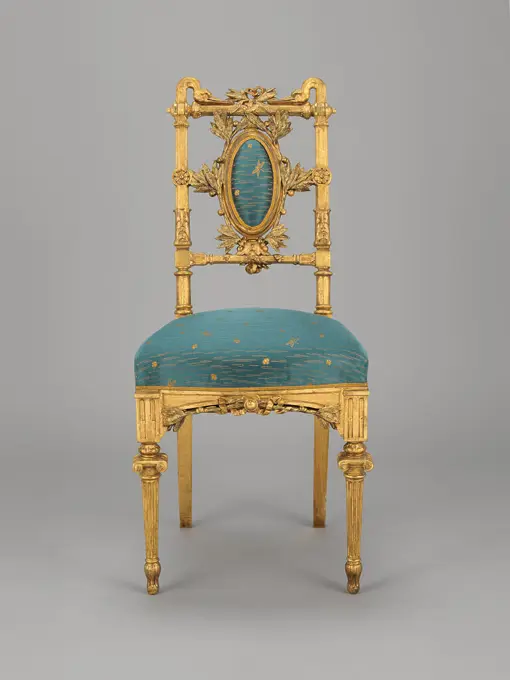
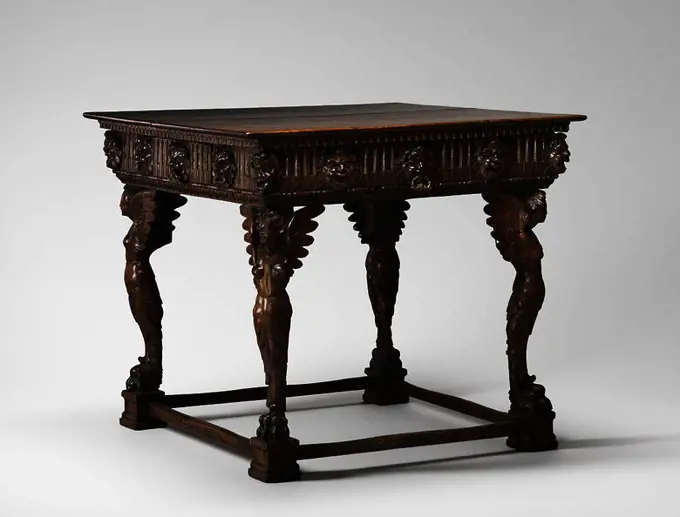
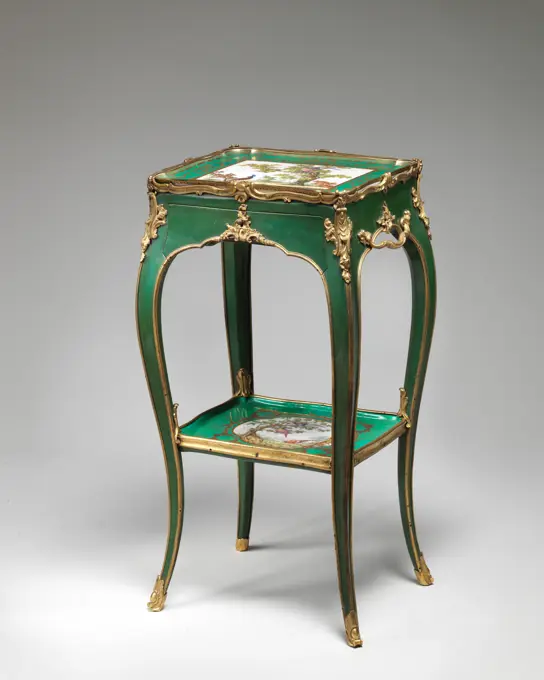
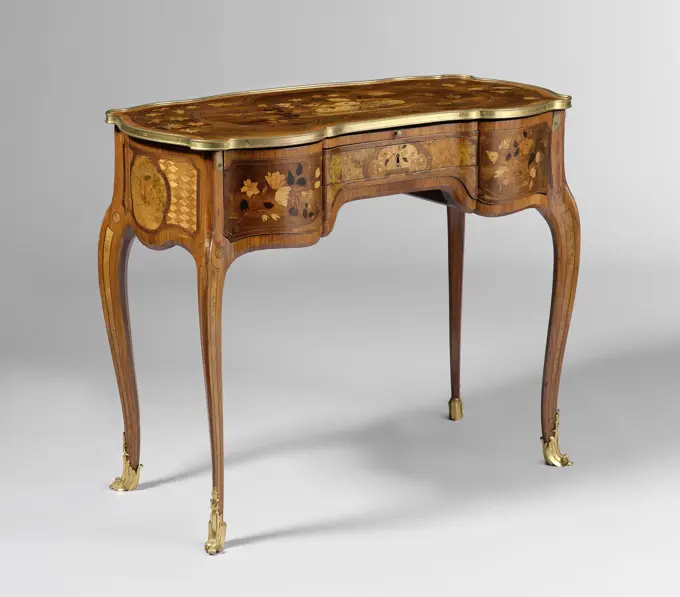
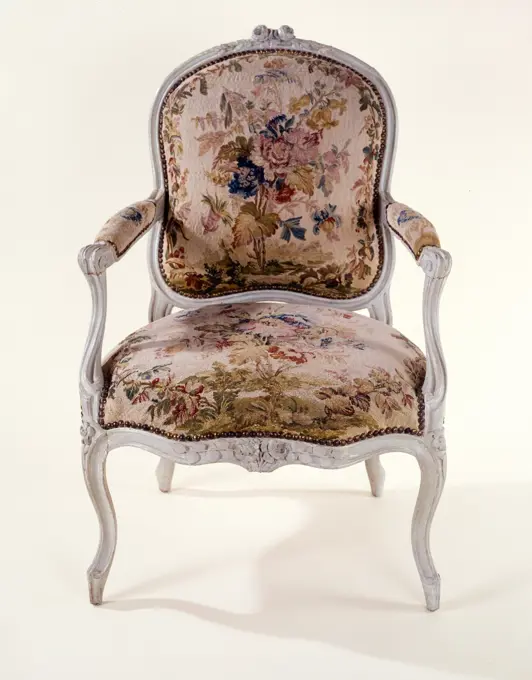
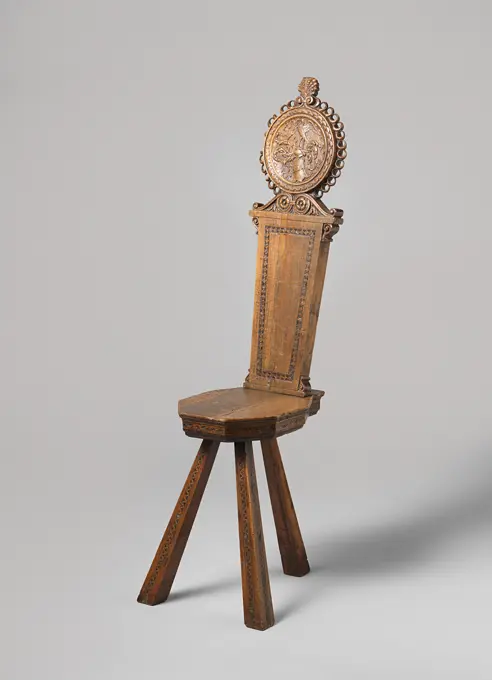
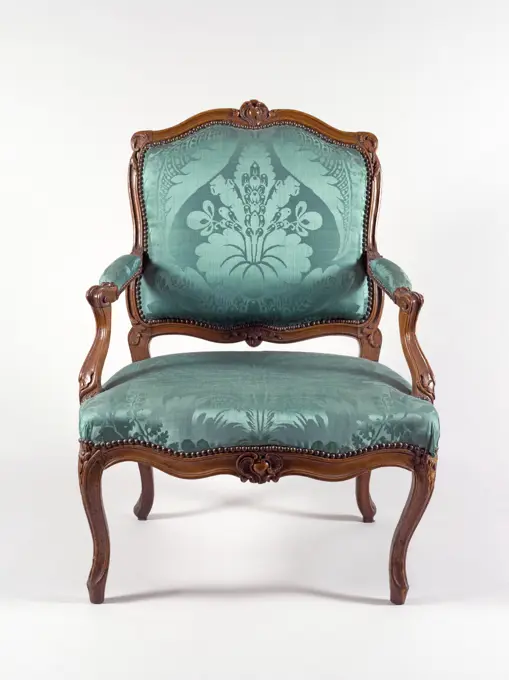
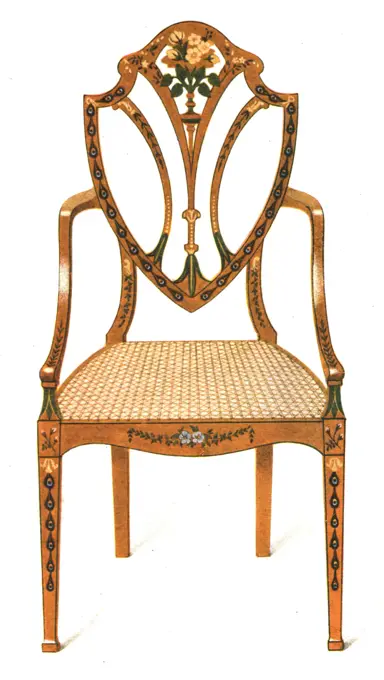
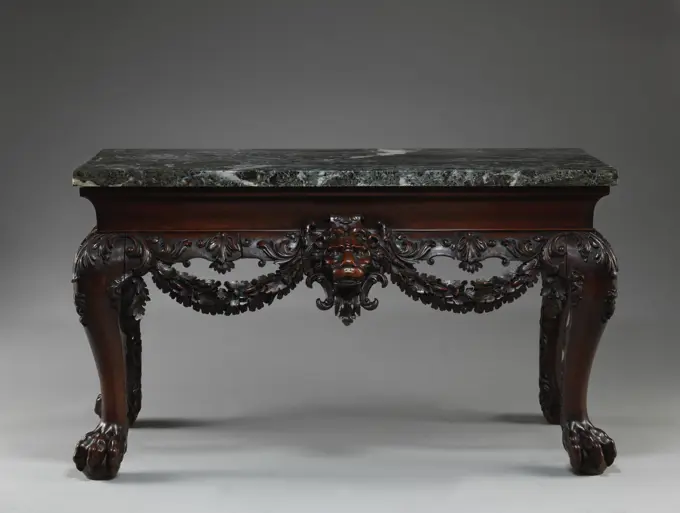
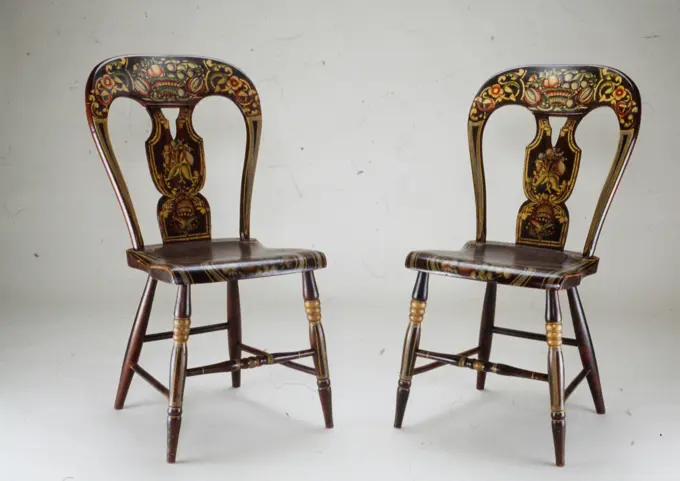
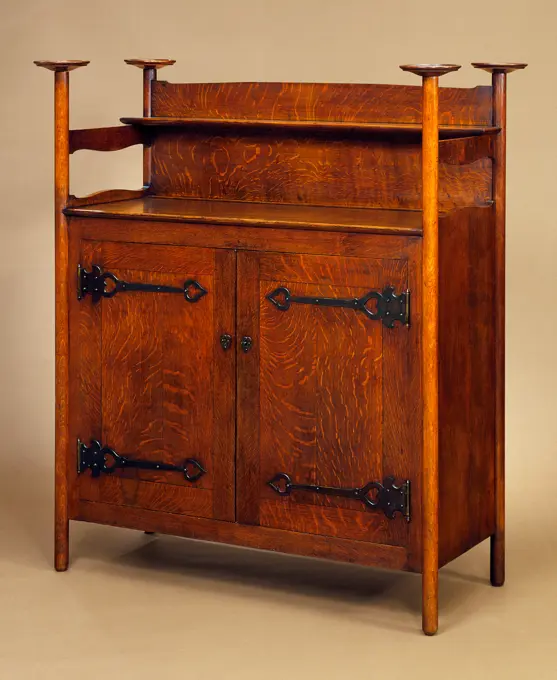
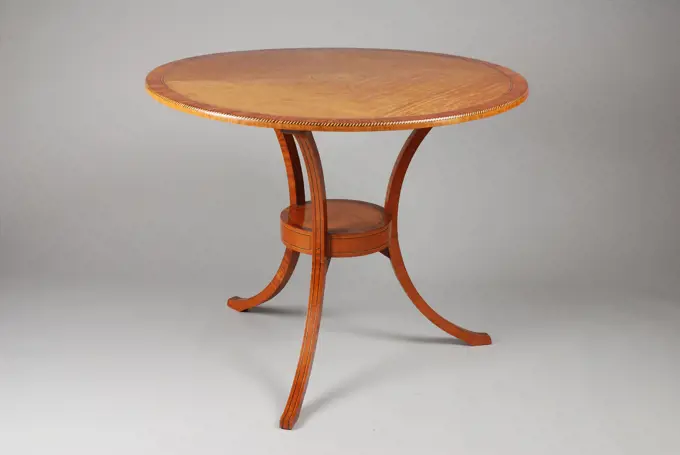
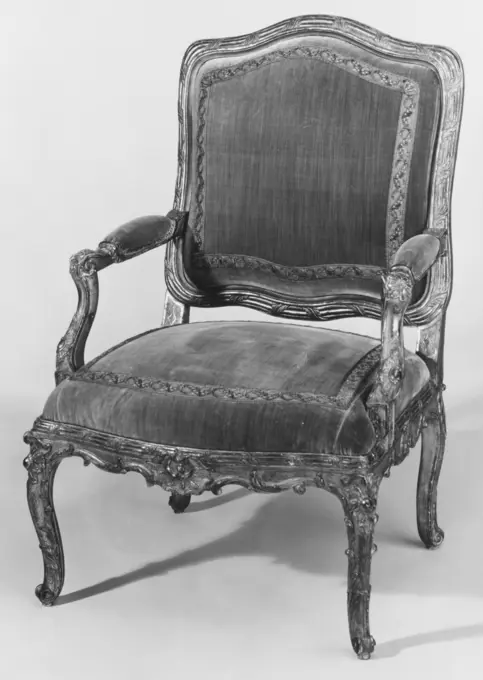
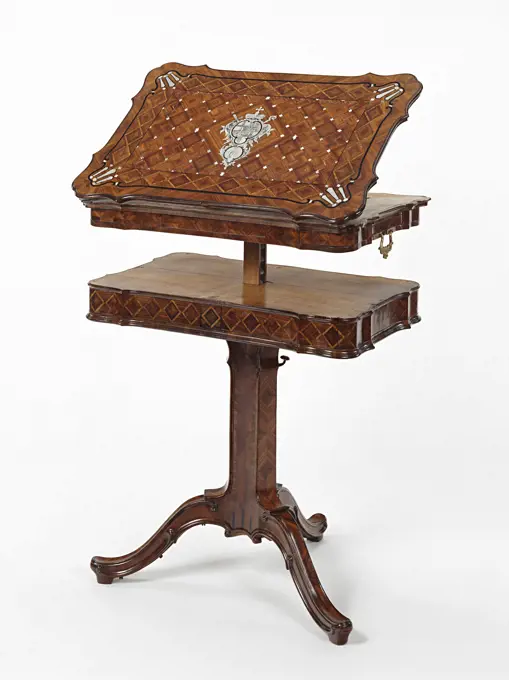
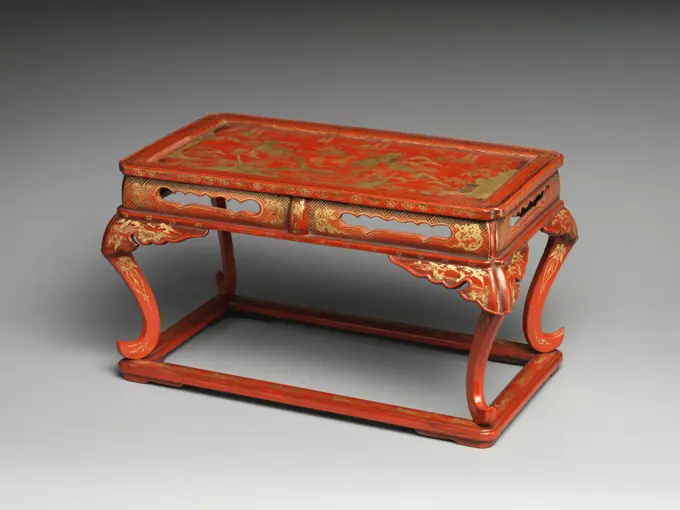
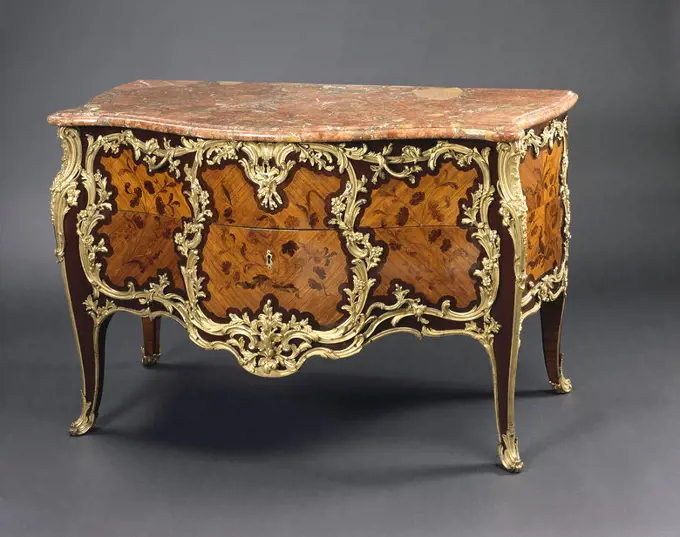
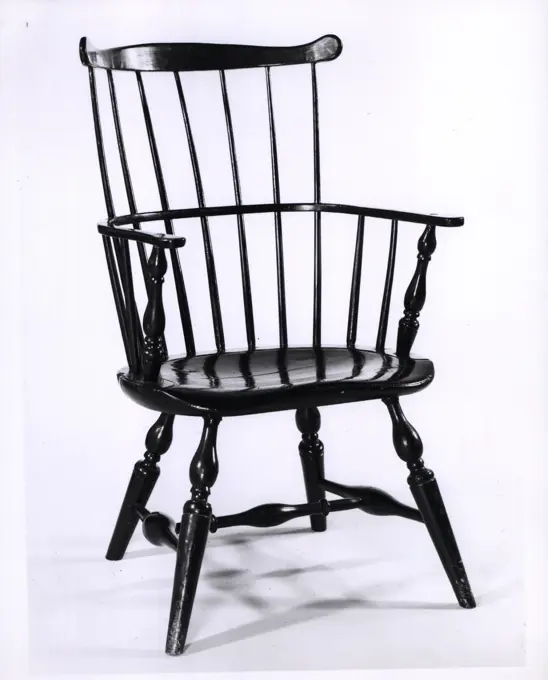
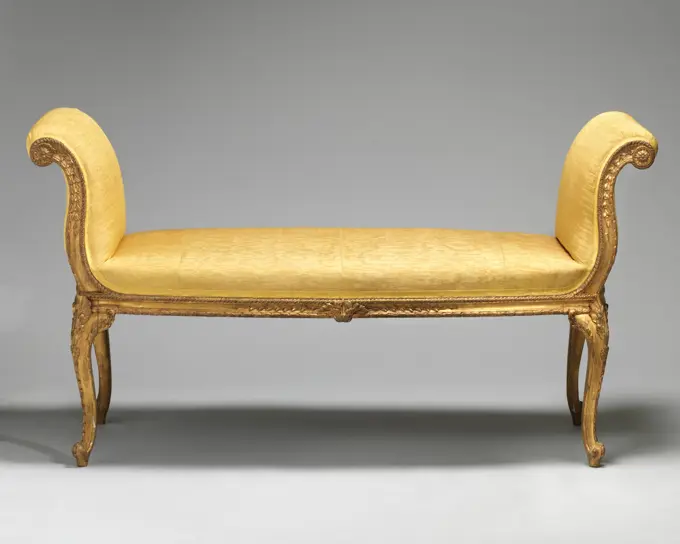
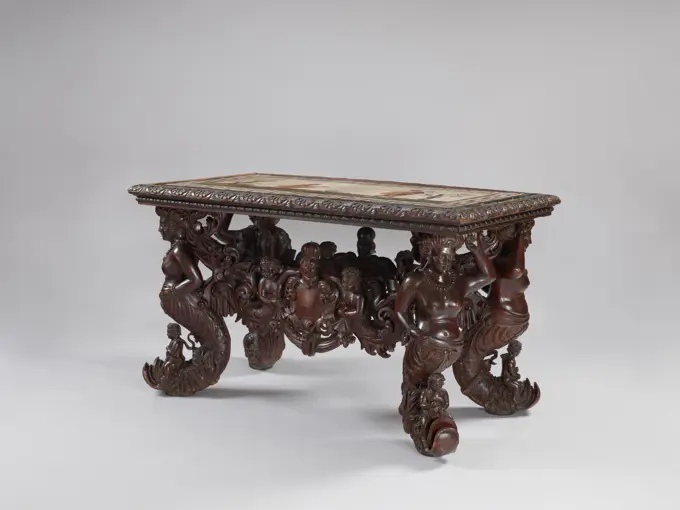
Pair of pier tables ca. 1790-1800 British. Pair of pier tables. British. ca. 1790-1800. Top: white oak; rear apron: ash; bottom shelf: mahogany; marble; gilt bronze. Woodwork-FurnitureSideboard wardrobe;  around 1750 (1745-00-00-1760-00-00);Display case. unknown, authorArmstoel, anonymous, 1550 - 1600 Arm chair of nuthout (so -called caquetoire). The front legs are columnar. The legs are connected by rules at the bottom. The trapezium -shaped sitting window has a sitting fried on the sides; The shape of the four armrests, with vase -shaped sections, and the narrower distance between the hind leg correspond. The back has a flat panel with moresken and carries on top of a shell with vase -shaped crown in the midst of blinds. The backstyles are scanned. France wood (plant material). walnut (hardwood) Arm chair of nuthout (so -called caquetoire). The front legs are columnar. The legs are connected by rules at the bottom. The trapezium -shaped sitting window has a sitting fried on the sides; The shape of the four armrests, with vase -shaped sections, and the narrower distance between the hind leg correspond. The back has a flat panel with moresken and carries on top of a shell with vase -shaped crown in the midst of blinds. The backstyles are scanned. FraArmchair. Attributed to Leon Marcotte; American, born France, 1824-1887; New York, New York. Date: 1856-1865. Dimensions: 101 × 64.8 cm (39 3/4 × 25 1/2 in.). Ebonized cherry and ormolu. Origin: New York City. Museum: The Chicago Art Institute, Chicago, USA.Side Chair 1740-50 American. Side Chair 1625Seat, belonging to an eleven-part am family. Chair, made from walnut, belonging to an eleven-part ambulance, consisting of a bank and ten seats. The seat of downtime with leaf and floral motifs in silk on linen grid, with a soft filling.Side Chair. Culture: American. Dimensions: 41 3/4 x 22 5/8 x 22 1/2 in. (106 x 57.5 x 57.2 cm). Date: 1765-90.Lavishly endowed with ornate carving, this chair is bigger and heavier than most Philadelphia Chippendale patterns. It was likely made for John Lambert (1746-1823), acting governor of New Jersey and, later, a United States Senator. Museum: Metropolitan Museum of Art, New York, USA.Chest of drawers. unknown, authorArm chair of Beukenhout, Georges Jacob, 1775 - 1800 Arm chair, covered, painted of gray -painted beech wood and resting on conical -canling legs. The seating rules, houses of the legs and the back window wear stabbed ornaments. The round sitting window is bent at the front. The armrest stars placed backwards begin vase -shaped and end as the upper part of a scanned Tuscan column. The armrests walk over in the light -held, rectangular back window. Marked: "G. Jacob". On the inside label: "Salon the Monsieur Le Bienaimé". France wood (plant material). beech (wood). textile materials. paint (coating) Arm chair, covered, painted of gray -painted beech wood and resting on conical -canling legs. The seating rules, houses of the legs and the back window wear stabbed ornaments. The round sitting window is bent at the front. The armrest stars placed backwards begin vase -shaped and end as the upper part of a scanned Tuscan column. The armrests walk over in the light -held, rectangular back windSide Chair 1800-1810 American. Side Chair 1642Side Chair ca. 1790 American. Side Chair 1604Anonymous. "Work table". Built in oak, poplar and tree, rosewood veneer and satin in amaranth frames, golden bronzes. Around 1760. Paris, Cognacq-Jay museum. 123782-6Two chairs, Pierre Félix van Doren, 1828 Made for the 'Grande Gallery' in the Palace in Brussels of the Prince of Orange, the later King Willem II. Brussels mahogany (wood). maple (wood). wood (plant material) inlay (process) Made for the 'Grande Gallery' in the Palace in Brussels of the Prince of Orange, the later King Willem II. Brussels mahogany (wood). maple (wood). wood (plant material) inlay (process)Mahoniehout arm chair, on four S-shaped legs, oval back with stabbed volutes crowned with shell motif, anonymous, 1840 Arm chair of mahogany resting on four S-shaped legs. The oval back is surrounded by stabbed symmetrical volutes and is crowned by a shell motif. The arms, the sitting window and the legs are decorated with stabbed flower and leaf motif. The covering of light red Trijp was applied later. Northern Netherlands wood (plant material). mahogany (wood). Arm chair of mahogany resting on four S-shaped legs. The oval back is surrounded by stabbed symmetrical volutes and is crowned by a shell motif. The arms, the sitting window and the legs are decorated with stabbed flower and leaf motif. The covering of light red Trijp was applied later. Northern Netherlands wood (plant material). mahogany (wood).Cupboard. Armchair belonging to a set of six armchairs from mahogany with a triangular ground surface, forming a round bench together. Flowered silk coating with passing element. The two overhoeks placed front legs, the hind leg, rules, struts, armrests and the ruling of the backrest are curved, profiled and almost all end in a volute. The armrests close the backrest and shapes a triangular crown that, just like the rule and the swellings of the front legs, shell-shaped acanthus leaves.Side chair first quarter 18th century French. Side chair 189748 French, Side chair, first quarter 18th century, Carved beechwood, caning, 40 1/2  18 1/2  16 1/2 in. (102.9  47  41.9 cm). The Metropolitan Museum of Art, New York. Gift of J. Pierpont Morgan, 1906 (07.225.496b)Cardtable.   Maker: Alden Spooner, American, 1784-1877Side Chair. Culture: American. Designer: Designed by Alexander Jackson Davis (American, New York 1803-1892 West Orange, New Jersey). Dimensions: 39 5/8 x 18 1/2 x 18 in. (100.6 x 47 x 45.7 cm). Maker: Possibly by Burns and Brother. Date: ca. 1857.This delicate yet animated side chair is a masterful example of the Gothic Revival style. It has a beautifully composed back of open tracery and slender legs that spring from feet that resemble diminutive deer's hooves. Davis, one of the preeminent architects of nineteenth-century America, worked in other revival styles as well as Gothic. Sometimes he provided the interior and the exterior details of a house and, unlike most architects of the period, Davis also occasionally supplied furniture designs to select clients. This walnut chair is a version of a design he made about 1857 for John J. Herrick, the owner of a castle by Davis that once stood in Tarrytown, New York. A few chairs have survived that can be firmly documented to Herrick's casWindsorArmchair. Maker, workshop of: Virginia Craftsmen, Incorporated, AmericanDrop-leaf Dining Table 1795-1810 American This dining table consists of two demi-lune sections, each with a hinged leg to support a rectangular drop leaf. When fully assembled, the table could comfortably accommodate eight chairs.. Drop-leaf Dining Table 3173SILLA DE TIJERA DE FELIPE II - DINASTIA MING - HACIA 1570. Location: MONASTERIO-INTERIOR. SAN LORENZO DEL ESCORIAL. MADRID. SPAIN.Basin stand 1765-90 American A rare group of Newport furniturefire screens, tea tables, and standsfeatures tripod bases and diminutive feet carved like cat’s paws. This basin stand is one of the finest and most ambitious examples. The top rim held the basin; the middle disk, with three cutouts, the soap dishes; and the lowest disk, dished out in the center, the water bottle.. Basin stand 16976Dressing table. Culture: British, London. Dimensions: Overall: 58 × 32 3/4 × 16 in. (147.3 × 83.2 × 40.6 cm). Maker: Seddon, Sons and Shackleton (1793-1800). Date: ca. 1790-95. Museum: Metropolitan Museum of Art, New York, USA.Card table. Culture: British. Dimensions: Overall: 28 7/8 × 36 × 17 5/8 in. (73.3 × 91.4 × 44.8 cm). Date: ca. 1810. Museum: Metropolitan Museum of Art, New York, USA.Chair for the Argyle Tea Room. Property of the foundation for Hamburg art rampsSide Chair. Sherlock Spooner and George Trask; American, active 1825-1826. Date: 1825-1826. Dimensions: 82.9 × 45.8 × 40.6 cm (32 5/8 × 18 × 16 in.). Mahogany and birch. Origin: Boston. Museum: The Chicago Art Institute, Chicago, USA.Arm chair of walnut with petit-point upholstery, anonymous, c. 1700 - c. 1725 Arm chair of walnut with petit-point upholstery and oak backstyles and hind legs. The seats rest on overhoeks placed S-shaped legs. The front legs have a volute with a leaf motif at the bottom and a shell motif above the swelling. The armrest stars turn into hold armrests, ending in Acanthus volute. The upholstery shows motifs of flower vases and bouquets. Part of an ameblement of six arm chairs (inv.no. BK-16024- a to f), from Castle Eerde (O.). Northern Netherlands wood (plant material). walnut (hardwood) embroidering Arm chair of walnut with petit-point upholstery and oak backstyles and hind legs. The seats rest on overhoeks placed S-shaped legs. The front legs have a volute with a leaf motif at the bottom and a shell motif above the swelling. The armrest stars turn into hold armrests, ending in Acanthus volute. The upholstery shows motifs of flower vases and bouquets. Part of an ameblement of six arm chaiGate-leg table 1690-1730 American. Gate-leg table 3917Side Chair, late 17th century, 39 x 18 3/4 x 15 in. (99.06 x 47.63 x 38.1 cm), Huanghuali hardwood, China, 17th century, Easy to sit in, versatile and less formal than armchairs, side chairs are often depicted in Ming period book illustrations. Made in sets and kept against the walls throughout the house until needed, like stools they were light enough to be easily moved into position for informal dining, work, or leisure activities.Chair. Dated: c. 1937. Dimensions: overall: 30.6 x 23.3 cm (12 1/16 x 9 3/16 in.) Original IAD Object: none given. Medium: watercolor, colored pencil, graphite, and some heightening on paperboard. Museum: National Gallery of Art, Washington DC. Author: John Sullivan.Drop-leaf Table 1817 Michael Allison. Drop-leaf Table 3452Table. unknown, creatorDressing table ca. 1815-30 French. Dressing table 194938Blockfront Kneehole Bureau TableAnonymous (n. - d.), Armchair to the queen: the language of flowers and stork and the fox (main title). Golden wood, Beauvais tapestry. Petit Palais, Museum of Fine Arts of the City of Paris.Desk, by Sicily workmanship, 18th Century, inlaid wood. Private collection. Detail. Desk writing-table table furniture fittings design furnishings inlay decoration ornate carving decor ornament drawing coats of arms geometric motifChair 1877-79 Herter Brothers The slender proportions and attenuated stiles of this chair proclaim an awareness of progressive British art furniture, especially that of E. W. Godwin (1833-1886), the British architect and originator of the so-called Anglo-Japanese style. It is often compared with a similar chair designed by H. W. Batley (1846-1932) and displayed by the British firm Collinson & Lock at the Philadelphia Centennial Exhibition of 1876. Herter Brothers' interpretation, with a panel of carved flowers across the back and floating blossoms in marquetry on the crest rail, is distinctly its own, however. Lightweight and linear in conception, ebonized to allude to Japanese lacquer, with ring-turned legs, repeated spindles, and elongated uprights, these chairs abstain from specific European historical references in favor of a new aesthetic derived, at least in spirit, from Japanese decorative arts and architecture. Ebonized chairs such as this were typically made in pairs by the fiArmchair 17th century China To enhance aesthetic enjoyment, the brush writing of famous calligraphers was often carved on favorite objects in the scholar's study. Here, the calligraphy of two literati, Zhou Tianqiu (1514-1595) and Dong Qichang (1555-1636), on the splats testifies to the popularity of that custom.. Armchair. China. 17th century. Purple sandalwood (zitan). late Ming (1368-1644) or early Qing (1644-1911) dynasty. FurnitureArmchair (3 of 4), before 1717. Royal Savonnerie Manufactory, Chaillot Workshops (French, est. 1627). Carved wood, Savonnerie knotted-pile (symmetrical rug knot) upholstery; wool, hemp; overall: 121.9 x 70.5 x 55.3 cm (48 x 27 3/4 x 21 3/4 in.).Desk Made for EmmaWallach.  Manufacturer: Herter Brothers, American, 1864-1906. Armchair from the cup-amicublement, from white and blue gray painted beech wood. The seat rules and sills of the back window show stabbed bracelet with rosettes. Vase-shaped struts with roasted cannelures support the armrests with cushions, which overflow with an acanthus sheet in the Tuscan columns of the back window. The upholstery shows light blue satin ground floral motifs, held by griffions. Ordered for the new landscape 74, Haarlem. See: BK-15614, 15615-A / P, 15616-A / b.Writing table with two drawers and with leather leaf with gold stamps. Buyer ornaments. Paws with bells in Marqueteria. Completely glued with different types of wood .. writing table glued with satin wood on an oak core. The conical, cross-sectional paws, show clocks in marquetery; At the top with an outstanding crown with copper triangles, placed under an excellent edge. The two drawers of the rule are deposited with a copper edge of wound bars and decorated with a diamond pattern with four-leaf rosettes. Round tractors. A drapery, achieved by a ring on the corners. Leaf with copper edge and brown leather, decorated with gold stamps.. Coated chair, part of the cup-amicublement, from white and blue gray painted beech wood and resting on conical legs. The rules and sills of the back window, with Tuscan fluted columns as back styles, exhibit stroke braid with rosettes. Finish with rosettes and acanthus leaves. The upholstery shows on light blue satin ground floral motifs, held by griffones. Ordered for the new landscape 74, Haarlem. See: BK-15615-A / P, BK-15614, BK-15616-A / b.Table of oak with reverse bottle -shaped legs. Table rules sculpted openwork decorative pieces with putti, leaf and flower arrangements and weapon of Selbach and year 1697, Jan de Rijk, 1697 Table of oak. The reversed bottle -shaped legs are connected rules by profiled, cropped on the corners. Under the table rules are sculpted openwork decorative pieces with two putti in the midst of leaf and flower arrangements, which stop a crowned coat of arms with the year 1697. It is the weapon of Steven van Selbach. The rules wear a rosette on the corners. Groningen wood (plant material). oak (wood) Table of oak. The reversed bottle -shaped legs are connected rules by profiled, cropped on the corners. Under the table rules are sculpted openwork decorative pieces with two putti in the midst of leaf and flower arrangements, which stop a crowned coat of arms with the year 1697. It is the weapon of Steven van Selbach. The rules wear a rosette on the corners. Groningen wood (plant material). oak (wooTable with rectangular leaf, on four s-shaped, overhoeks places placed. Rectangular table of mahogany with rounded corners. The overhoek places places are bland s-shaped, with carving decoration at the top.Side chair. Culture: American. Dimensions: 36 1/2 x 17 x 17 in. (92.7 x 43.2 x 43.2 cm). Maker: Herter Brothers (German, active New York, 1864-1906). Date: ca. 1870.William H. Vanderbilt, son of Cornelius "Commodore" Vanderbilt, inherited a vast fortune and a lucrative transport business, which he expanded exponentially, becoming one of the wealthiest men in America. In 1879, to mark his elevated social and economic status, he built a mansion that spanned an entire city block on Fifth Avenue, between Fifty-First and Fifty-Second Streets. He commissioned Herter Brothers, one of the premier cabinetmaking firms in New York City, to decorate and furnish his home. In devising distinct decorative schemes for each room of the mansion, Herter Brothers drew inspiration from a wide range of historical styles and utilized expensive, exotic materials.Originally fashioned by Herter Brothers for Vanderbilt's previous residence, this side chair, one of a pair, was incorporated in the first-floor boudSquare Table with Legs Carved as Winged Figures. Dated: 16th century. Dimensions: overall: 94.5 x 92.2 x 82.8 cm (37 3/16 x 36 5/16 x 32 5/8 in.). Medium: walnut, pine, maple, and cast bronze. Museum: National Gallery of Art, Washington DC. Author: Venetian 16th Century.Eating and work table (one of a pair) ca. 1763, lower tray after 1851 Table attributed to Bernard II van Risenburgh This small eating and work table mounted with Sèvres porcelain plaques comes from the Hillingdon Collection, which was founded by Sir Charles Mills (1792-1880), a partner in the great firm of Glyn, Mills, Currie and Company, bankers to the British royal family. Tradition says that Sir Charles acquired the collection during a series of visits to France in the first half of the nineteenth century. Sir Charles son was created first Baron Hillingdon in 1886. In 1937, his descendants sold the collection to the well-known art dealers Duveen Brothers. Although various collectors, such as Calouste Gulbenkian and J. Paul Getty, were interested in buying the Hillingdon Collection, ultimately the majority of the artworks, including seventeen pieces of porcelain-mounted furniture, were acquired in 1947 by the cultural foundation that had been established by the American businessman Writing and dressing table, Jean François Oeben, c. 1762 - c. 1768 Table glued with multiple types of wood on an oak core, with gilded bronze batter. The overhoeks placed stretched S-shaped legs run into the scalloped rules. In the middle, the front line contains a hold, recovering drawer and flooded side pieces and can be extended in its entirety; Above the drawer a folding leaf with mirror. The rules and the magazine show fields with tire work; On the pre-line and the leaf with floral motifs and on the side rules with four-pass and braid motifs. Paris wood (plant material). oak (wood). rosewood (wood). maple (wood). mahogany (wood). ebony (wood). purpleheart (wood). mahogany (wood). holly (wood). leather. bronze (metal). looking glasses. gilding (material) gilding Table glued with multiple types of wood on an oak core, with gilded bronze batter. The overhoeks placed stretched S-shaped legs run into the scalloped rules. In the middle, the front line contains a hold, recovering drawer Bergère. Bergère of beech wood, covered with chinoiseries in Petit Point. The chair has a loose cushion and rest on S-shaped legs that turn into the scalloped rules. The front legs, frontal bonding sprouts supported leaf and floral motifs. The semicircular sitting window is shifted at the front; The back window has been thrown. The armrests, the struts and styles of the back window are S-shaped. Profile lists accentuate the contours. One seat has been marked: "Falconet".Jean-Baptiste Lelarge (1743-1802). Archair at the Queen in carved beech and painted in white, Beauvais tapestry with large bouquets of flowers on a creamy background (overview on a light background), around 1765-1770. Paris, Cognacq-Jay museum. Armchair at the Queen, Fleur, Cream background, Grand Bouquet, Hetre sculpt, Manufacture de Beauvais, furniture, white paint, Louis XV style, tapestry, 18th century, wood, furnitureSideboard c 1790-1815 New York City. Mahogany, tulip, white pine and ash . Artist unknownSgababello van Nuthout decorated with Intarsia. Nut SGABABELLO decorated with Intarsia, resting on three in cross-sectional square in cross-section to underwriting legs. The legs, octagonal seat and the stretched trapezoidal back window wear edges with intarsia. The top and top of the back styles show a volute; On the upper shell there are two acanthus volutes that carry a medallion, surrounded by an edge of half mane and awarded a palm with a palm, which shows the weapon of strozzi on two sides. See: BK-16878-a.. Folding chair from Iepenhout, with leather back and seat, and resting on semi-circular legs, which are connected to semi-circular styles. The legs are on connection clocks. The armrests are illuminated, end in volutes and run up in the back styles. The front of the legs and styles, the top of the bobbins and the three sides of armrests have placing paths, consisting of small rear corners with star and windows, in the certosina technique in leg, mother-of-pearl and wood.Archair at the Queen. Beech, around 1735. Paris, Carnavalet museum. Queen's armchair Armchair at the Queen, Hetre, furnitureCouch;  1820-1830 (1820-00-00-1830-00-00);Chair. Dated: 1935/1942. Dimensions: overall: 34.4 x 28.6 cm (13 9/16 x 11 1/4 in.). Medium: watercolor and graphite on paperboard. Museum: National Gallery of Art, Washington DC. Author: American 20th Century.Painted Satin-wood Chair, 1908. Creator: Shirley Slocombe.Side table (one of a pair) ca. 1740 British This table and its mate (55.141.2a, b) were formerly at Conington Castle, Huntingdonshire.. Side table (one of a pair). British. ca. 1740. Mahogany, pine, verde antico marble. Woodwork-FurnitureBalloon-back chair, one of a pair, c. 1860-1865, 33 1/2 x 15 1/2 x 15 3/4 in. (85.09 x 39.37 x 40.01 cm), Wood, paint, United States, 19th centurySgabello Van Notenhout Decorated with Intarsia, Anonymous, 1490 Nutenhouten Sgabello Decorated with Intarsia, resting on three -placed stand, in diameter square to the bottom of its legs. The legs, the octagonal seat and the stretched trapezoidal back window wear edges with Intarsia. The top and top of the backstyles show a volute; On the top sill there are two Acanthus volutes that carry a medallion surrounded by a border of half moons and crowned with a palmet, which shows the weapon of the Strozzi on two sides. See: BK-16878-A. Florence wood (plant material). walnut (hardwood) Nutenhouten Sgabello Decorated with Intarsia, resting on three -placed stand, in diameter square to the bottom of its legs. The legs, the octagonal seat and the stretched trapezoidal back window wear edges with Intarsia. The top and top of the backstyles show a volute; On the top sill there are two Acanthus volutes that carry a medallion surrounded by a border of half moons and crowned with a palmet, which shoBlack lacquer's toilet table with flower branches and birds from inlaid pearl. ,, 1850 Toilet table decorated with black lacquer inlaid with mother-of-pearl, resting on four S-shaped curved legs. A attachment is applied to the leaf with a mirror in the middle and two drawers placed one on both sides. The insert in mother -of -pearl shows flower branches and birds. Two drawers under the leaf. Japan wood (plant material). pine (wood). looking glasses. brass (alloy) lacquering Toilet table decorated with black lacquer inlaid with mother-of-pearl, resting on four S-shaped curved legs. A attachment is applied to the leaf with a mirror in the middle and two drawers placed one on both sides. The insert in mother -of -pearl shows flower branches and birds. Two drawers under the leaf. Japan wood (plant material). pine (wood). looking glasses. brass (alloy) lacqueringWine Cooler 1816-1826 Ireland. In the 18th century, open wine cisterns were replaced by covered wine coolers, which kept wine cold for a longer period of time. This example is based on Roman sarcophagi and has been given expressive form by the Dublin architect Francis Johnston. A variation on a plate in Thomas Sheratonís Cabinet Dictionary (1803), it has richly carved ornamentationóincluding a cluster of grapes and four lionsí heads, representing Bacchus, the Roman god of wine and revelry. Made for Richard Colley Wellesley, 1st Marquess Wellesley (elder brother of the Duke of Wellington) while serving as Lord Lieutenant of Ireland, it was probably used in Dublin Castle, his official residence.As Wellesley was a founding member of the Order of Saint Patrick in 1783 and in 1810 became a member of the Order of the Garter, his badges for these societies appear on either side of a crowned harp emerging from a field of shamrocks.. Mahogany, lead lining and brass hardware . Francis Johnston (Sideboard from Hurtmore, Surrey. Charles Francis Annesley Voysey (England, London, 1857-1941)Frederig Christen NielsenThomas Elsley and Company, Limited (England, London, circa 1900-1933)Frederick Coote (England, London, 1878-1906). England, 1897. Furnishings; Furniture. Oak and brassAmerican 20th Century, Sofa, 1935 1942 SofaSide Chair. Attributed to John Gaines III; American, 1704-1743; Portsmouth, New Hampshire. Date: 1735-1743. Dimensions: 108 × 45.7 × 44.5 cm (42 1/2 × 18 × 17 1/2 in.). Maple. Origin: Portsmouth. Museum: The Chicago Art Institute, Chicago, USA.Table. Dated: c. 1940. Dimensions: overall: 53.6 x 43.4 cm (21 1/8 x 17 1/16 in.) Original IAD Object: 30"high; Top-19"x16". Medium: watercolor, colored pencil, and graphite on paperboard. Museum: National Gallery of Art, Washington DC. Author: Warren Booth.Joseph Sudek, Combination Table and Chair (as chair), c 1938 Combination Table and Chair (as chair)Round Louis Seize table, table furniture interior design wood oak wood lemon wood mahogany elm wood ebony iron, On three curved legs with interleaf leaf veneered with lemon wood in cross seam Louis XVI Louis XVI Louis SeizeUpholsteredArmchairsSofa. Artist Mount maker: P. E. Guerin, American, founded 1864Armchair; Bugatti, Carlo (1856-1940); 1895-1905 (1895-00-00-1905-00-00);Plant decorations, Mihrab (ornamentation), orientalism (style)Chair with vase -shaped decoration in the back and wooden seat, anonymous, c. 1500 - c. 1600 Beechhouten chair whose vase-shaped back consists of two symmetrically opposite shelled planks, with a circle, key and diamond-shaped recess in the middle. The wooden trapezoidal seat is corrugated at the front. The legs are straight on the outdoor edges, on the inner sides and they run wider on the sides, towards each other. They are connected by sports at the front and rear; This connection was made visible at the legs with a final piece. Southern Netherlands beech (wood) Beechhouten chair whose vase-shaped back consists of two symmetrically opposite shelled planks, with a circle, key and diamond-shaped recess in the middle. The wooden trapezoidal seat is corrugated at the front. The legs are straight on the outdoor edges, on the inner sides and they run wider on the sides, towards each other. They are connected by sports at the front and rear; This connection was made visible at the legs witChair (one of a pair). Culture: British. Dimensions: Overall: 52 × 21 × 18 1/2 in. (132.1 × 53.3 × 47 cm). Date: ca. 1688-1702. Museum: Metropolitan Museum of Art, New York, USA.Card Table 1825-30 Attributed to Anthony G. Quervelle. Card Table. American. 1825-30. Mahogany, rosewood. Made in Philadelphia, Pennsylvania, United StatesQueen Anne Chair. Dated: c. 1942. Dimensions: overall: 35.7 x 24.1 cm (14 1/16 x 9 1/2 in.) Original IAD Object: 37 3/4"high overall. Width seat front 19". See d.s. for details.. Medium: watercolor, colored pencil, graphite and some heightening on paperboard. Museum: National Gallery of Art, Washington DC. Author: Ralph Morton.. Taboeret Van Notenhout. The seat is covered. He rests on sliced legs, also attached to muscles. The upholstery has been updated. One of a few tyrils (inv.no. BK-16022-A and -B).WorktableArmchair (one of a pair) ca. 1730 French Carved and gilded frame; flat square back with serpentine sides and slightly arched serpentine top and lower rail, all carved with reeded molding clasped by acanthus leaves; supported above seat rail on short, straight struts pounced with diamond shape; padded arms on serpentine supports set back from fore legs and carved at the top with a floral rosette and at the lower end with a rococo shellwork cartouche; serpentine seat rail carved on upper border with reeded molding clasped by acanthus leaves; shell cartouches carved at center of front and side rails and above the knee of each cabriole fore leg; seat rails and legs pounced with diapered ground and carved with scrolling foliage at edges of rails and fore legs; rear legs carved at top and bottom with acanthus scroll; all four legs terminate in scrolled foot on short circular boss.. Armchair (one of a pair). French. ca. 1730. Gilded beech. Woodwork-FurnitureReading and Writing Stand; Abraham Roentgen (German, 1711 - 1793); Neuwied, Germany; about 1760 - 1765; Pine, oak, and walnut veneered with rosewood, alder, palisander, ivory, ebony and mother-of-pearl; gilded metal fittings; 77.5 x 72.4 x 48.9 cm (30 1,2 x 28 1,2 x 19 1,4 in.)Table with Decoration of a Landscape 19th century Japan (Ryky Islands). Table with Decoration of a Landscape. Japan (Ryky Islands). 19th century. Red lacquer with gold painting and mother-of-pearl inlay. Edo period (1615-1868) or Meiji period (1868-1912). LacquerCommode, decorated with marquetery and with two drawers used, between two stretched S-shaped overhoeks placed legs. Batter with rocaillemotives, Anonymous, 1750 - 1775 Commode decorated with marquterie of pink, amaranth, lemon wood and other types of wood on an oak core. The used front between two stretched S-shaped, over-angled legs has two drawers. The sides are vaulted. The Marketerie shows a matching cube motif. The hind legs are set out. The magazine is made of white marble, scalloped and caught on the corners. The batter consists of varnished copper corner pieces, leg protectors and tractors, all with rocaillemotives. Northern Netherlands wood (plant material). rosewood (wood). purpleheart (wood). oak (wood). metal. copper (metal) Commode decorated with marquterie of pink, amaranth, lemon wood and other types of wood on an oak core. The used front between two stretched S-shaped, over-angled legs has two drawers. The sides are vaulted. The Marketerie shows a matching cube motif. TCommode, decorated with music trophies and flower arrangements with bow, anonymous, 1750 - 1775 Oak chest of drawers with blue -gray veined marble leaf, glued with multiple woods. The front corner styles with a profile frame run into the legs. The used front contains two drawers with gilded bronze tractors; Sculpted bottom rules and scalloped leaves, which follows the trapezoidal floor plan. The front and sides show a music trophy and flower arrangements with a bow within a sculpted field. The furniture wears gilded copper batter with leaf motifs; At the bottom also with rosette. Northern NetherlandsNetherlands wood (plant material). oak (wood). rosewood (wood). rosewood (wood). satinwood (wood). mahogany (wood). copper (metal). marble (rock) gilding Oak chest of drawers with blue -gray veined marble leaf, glued with multiple woods. The front corner styles with a profile frame run into the legs. The used front contains two drawers with gilded bronze tractors; Sculpted bottom rules and Armchair (part of a set) ca. 1754-56 Nicolas-Quinibert Foliot. Armchair (part of a set). French, Paris. ca. 1754-56. Beechwood, gilded. Woodwork-FurnitureFrank Wenger, Sofa, c 1936 SofaChest of Drawers (commode). Dated: probably between 1767 and 1772 but possibly a decade earlier. Dimensions: overall: 85.5 x 131.7 x 60.4 cm (33 11/16 x 51 7/8 x 23 3/4 in.). Medium: oak veneered with tulipwood, kingwood, casuarina, and purplewood; gilded bronze mounts; breccia marble top. Museum: National Gallery of Art, Washington DC. Author: Joseph Baumhauer.Comb-Back WindsorArmchairTable with book carrier (cheveret). Culture: British. Dimensions: Table (a): 29 1/2 × 18 1/2 × 15 1/2 in. (74.9 × 47 × 39.4 cm);Book carrier (b): 14 × 17 1/4 × 9 1/4 in. (35.6 × 43.8 × 23.5 cm). Maker: Attributed to John McLean and Son, London, England (active ca. 1770-1815). Date: early 19th century. Museum: Metropolitan Museum of Art, New York, USA.Campeche Chair ca. 1800-1810 American. Campeche Chair 16854Window seat (one of a pair) (part of a set) ca. 1770-80 British These stools are part of a set with two armchairs and a settee in the French taste supplied to Edward Morant for Brockenhurst Park, Hampshire.. Window seat (one of a pair) (part of a set). British. ca. 1770-80. Wood. Woodwork-FurnitureHigh Chair 1640-1670 Dorchester (Object made in), United States (Artist's nationality). Ash, white oak, and silver maple . Artist unknownArmchair. Culture: British. Dimensions: Overall (confirmed): 49 3/8 × 24 3/4 × 19 in. (125.4 × 62.9 × 48.3 cm). Date: ca. 1640.The form of this chair, with its narrow back and outward curving arms, is based on a French model called a caquetoire. Museum: Metropolitan Museum of Art, New York, USA.Table;  1840-1860 (1840-00-00-1860-00-00);François Reuze. Chair. Beech, around 1750. Paris, Carnavalet museum. 50254-7 Chair, Hetre, furniture, floral motif, furniture'Sussex', Morris & Co., (London, England), Ebonized wood, rush, Ebonized beech armchair with turned back sections, supports, and legs. Rush seat set into frame., late 19th century, furniture, Decorative Arts, Chair, ChairJoseph Sudek, Gatelegged (Table) Ball & Claw Feet, c 1939 Gatelegged (Table) Ball & Claw FeetCommode ca. 1760-70 Attributed to John Mayhew British. Commode. British. ca. 1760-70. Pine veneered with satinwood, mahogany, burl, yew, and purplewood; gilt bronze. Woodwork-FurnitureSide Chair. Culture: American. Dimensions: 34 1/4 x 19 1/2 x 17 in. (87 x 49.5 x 43.2 cm). Date: ca. 1800. Museum: Metropolitan Museum of Art, New York, USA.