Antique and Vintage Spoons

A collection of various antique and vintage spoons, showcasing diverse designs and engravings, ideal for tableware enthusiasts.

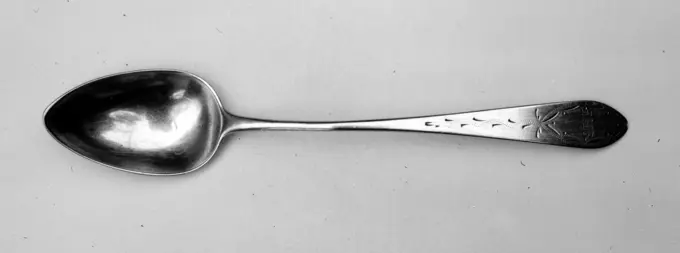
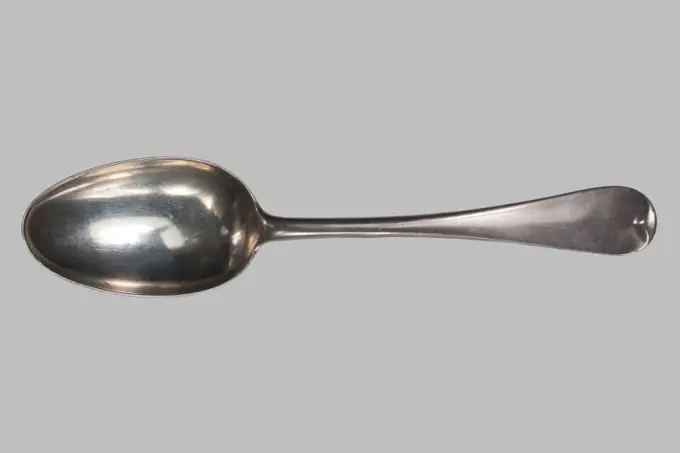
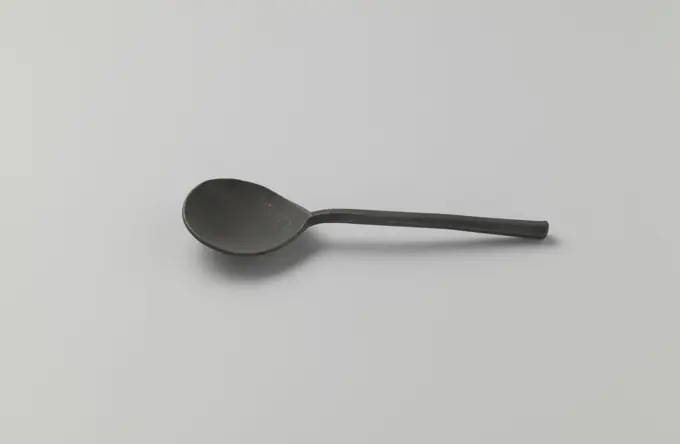
Spoon, 1800 - 1900 Spoon with egg -shaped container and a scanning stem ending in a hoof. The handle makes a bend before the attachment to the container.  silver (metal) Spoon with egg -shaped container and a scanning stem ending in a hoof. The handle makes a bend before the attachment to the container.  silver (metal)
Spoon, 1800 - 1900 Spoon with egg -shaped container and a scanning stem ending in a hoof. The handle makes a bend before the attachment to the container. silver (metal) Spoon with egg -shaped container and a scanning stem ending in a hoof. The handle makes a bend before the attachment to the container. silver (metal)
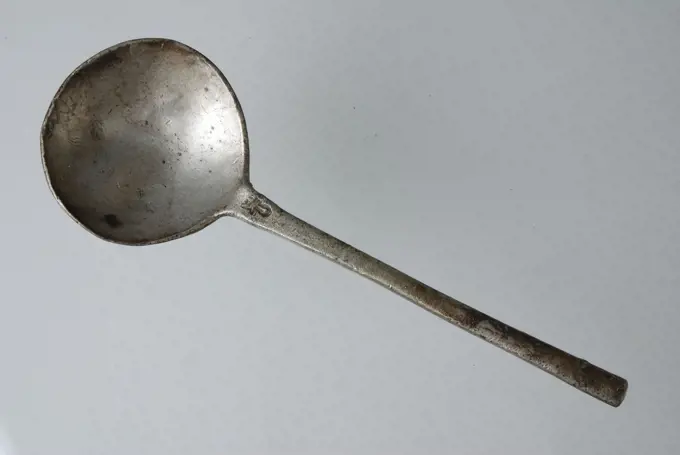
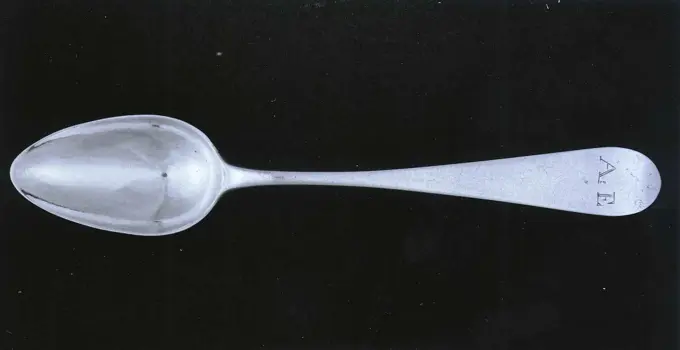
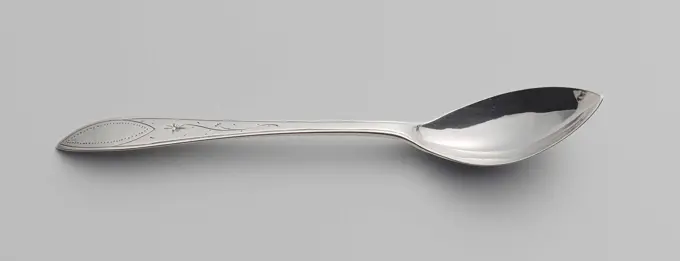
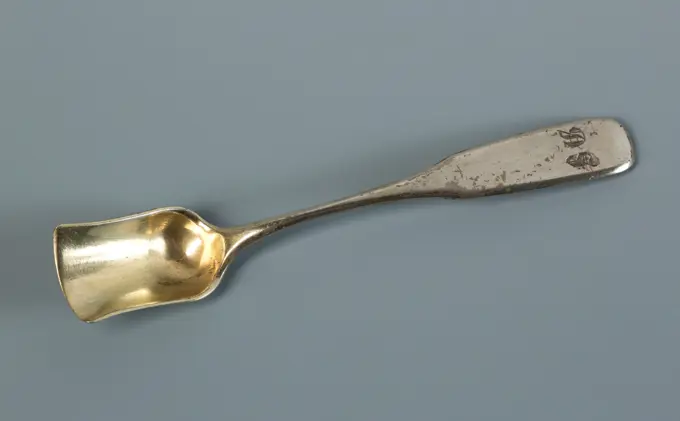
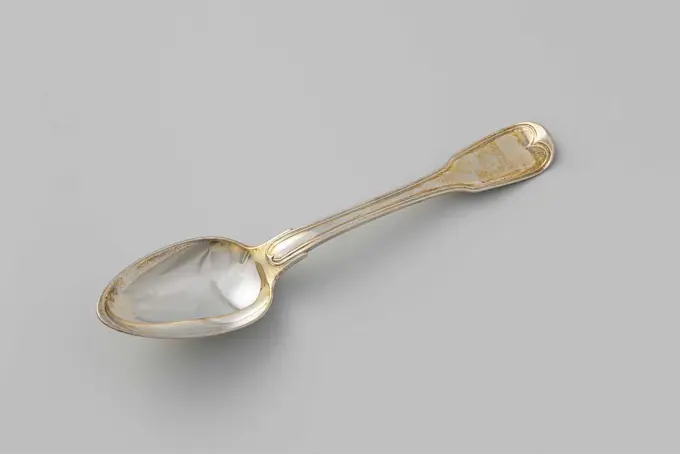
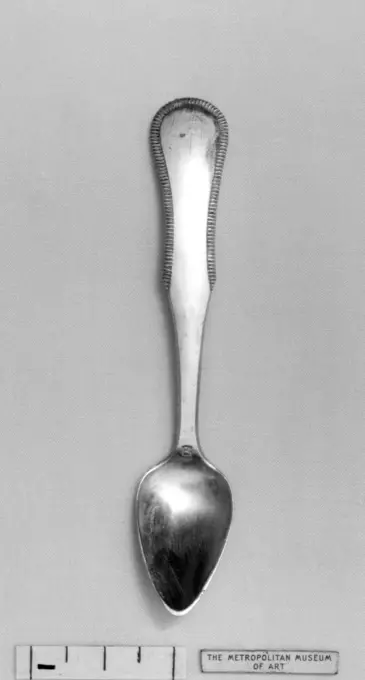
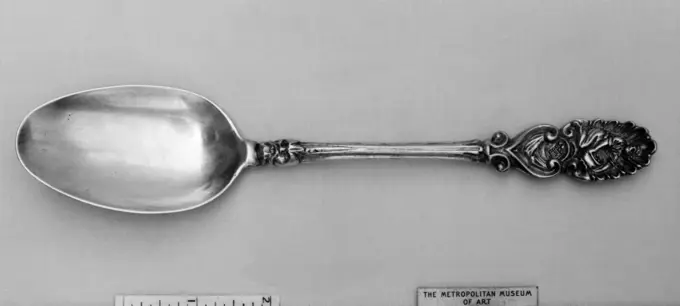
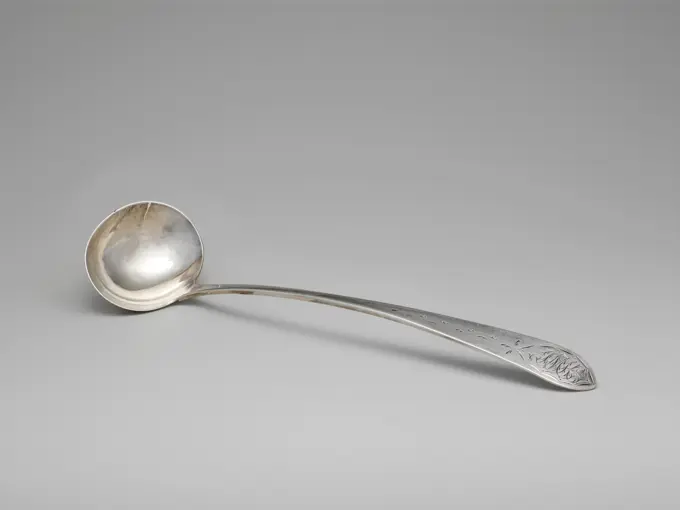
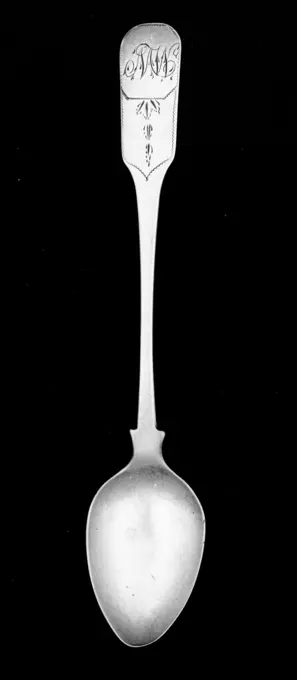
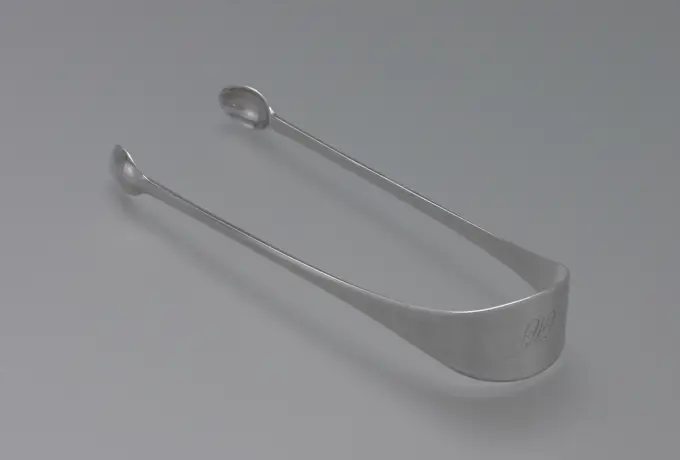
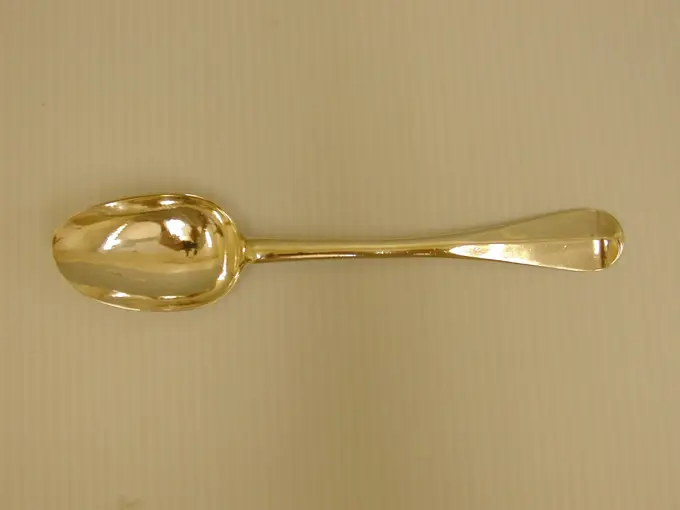
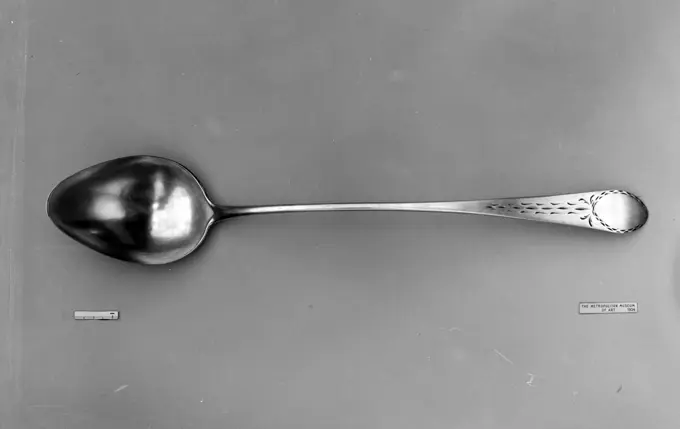
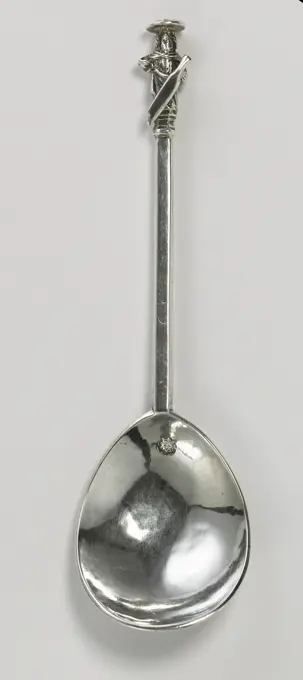
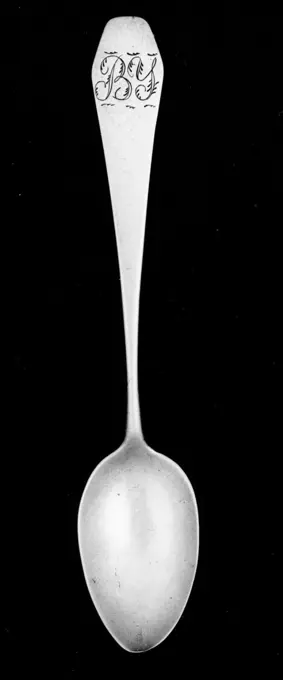
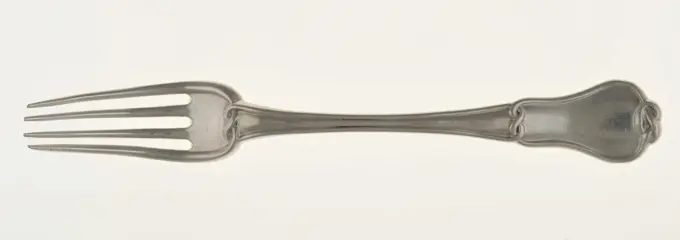
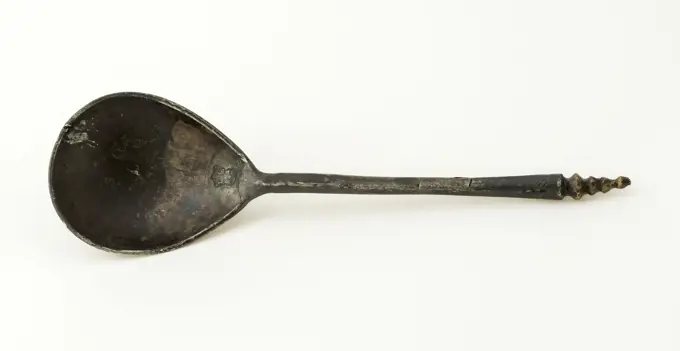
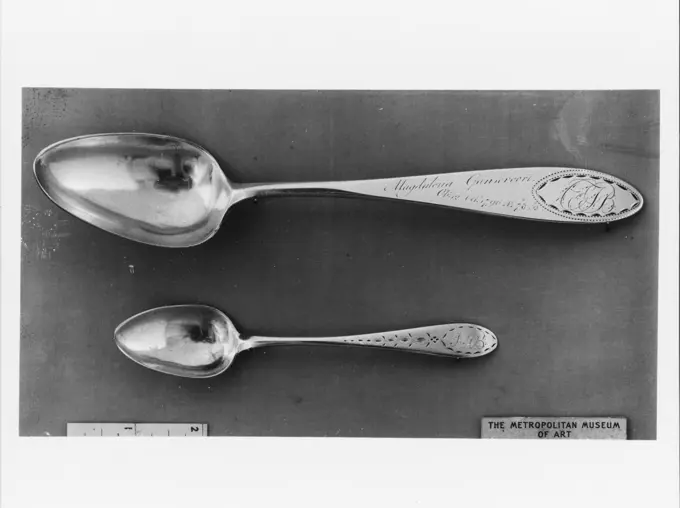
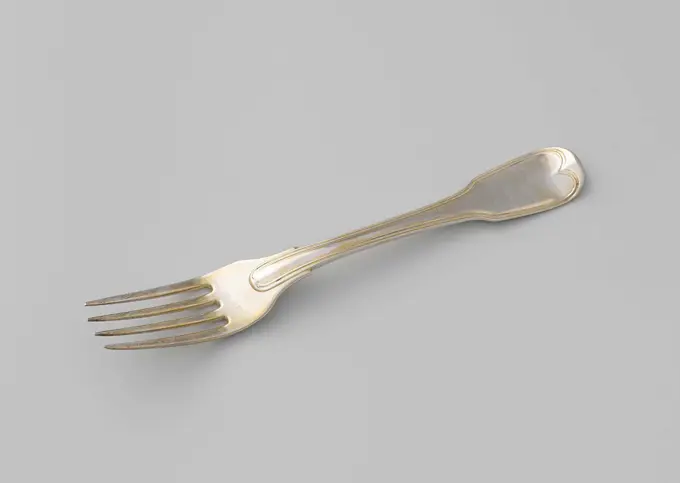
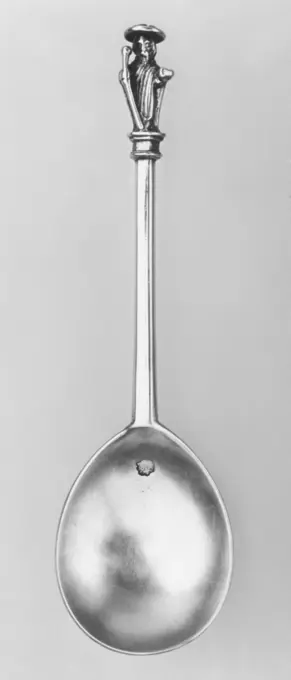
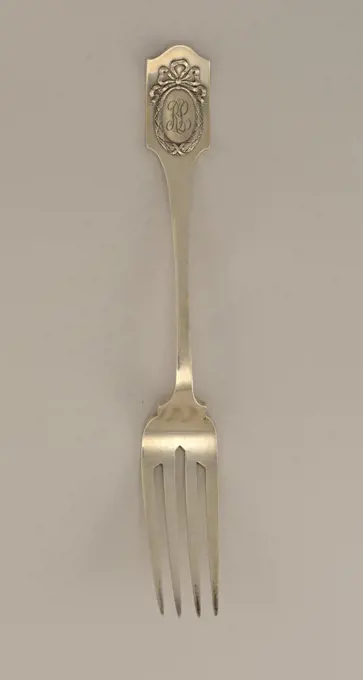
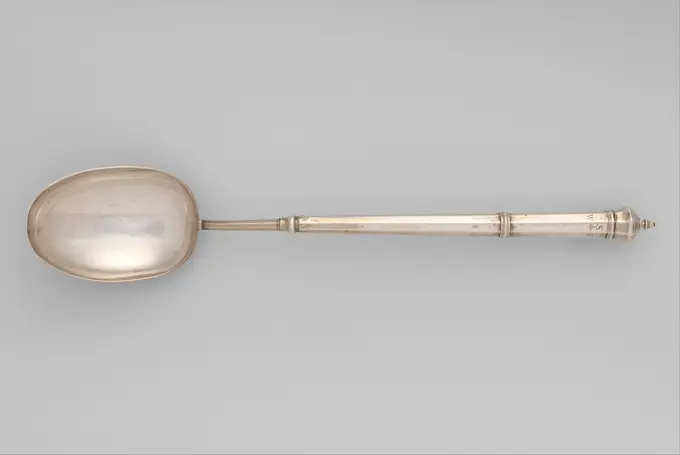
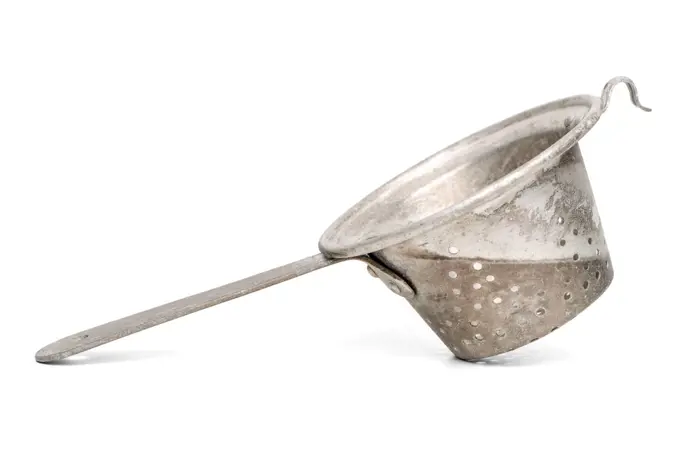
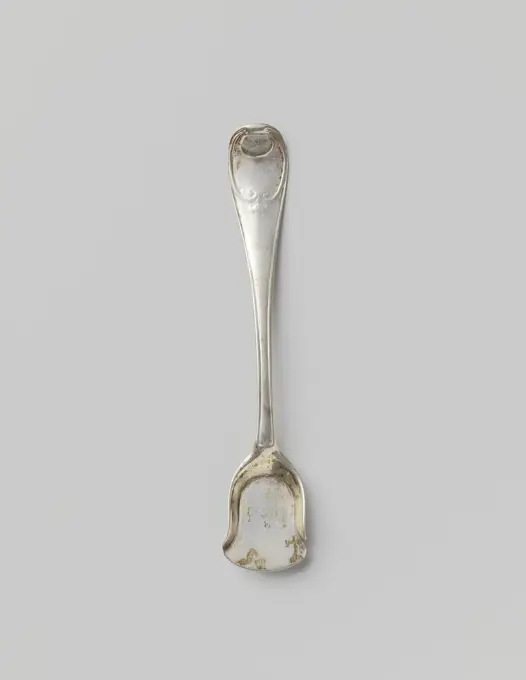
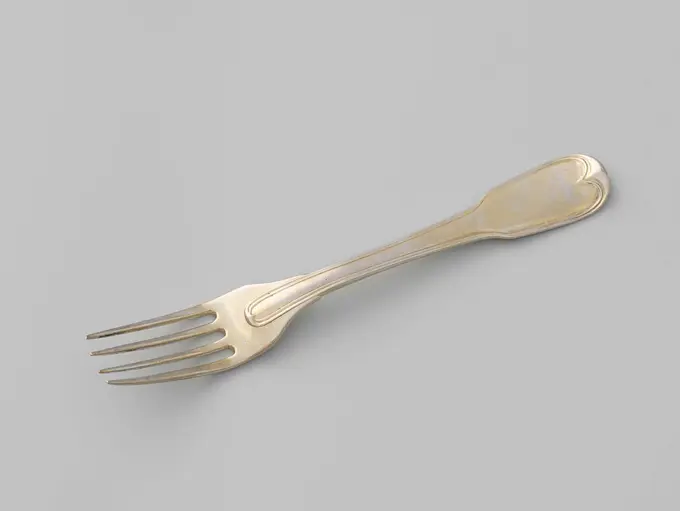
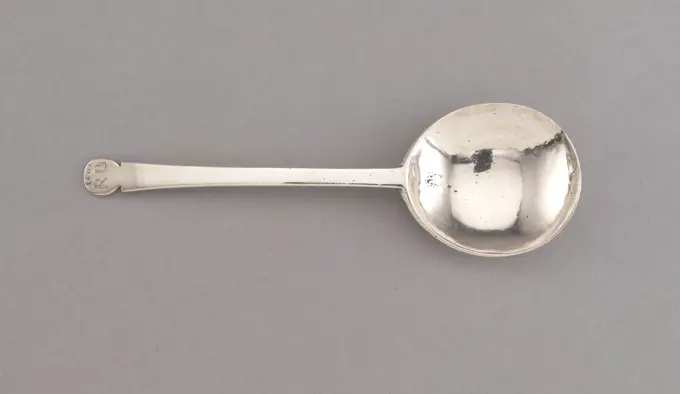
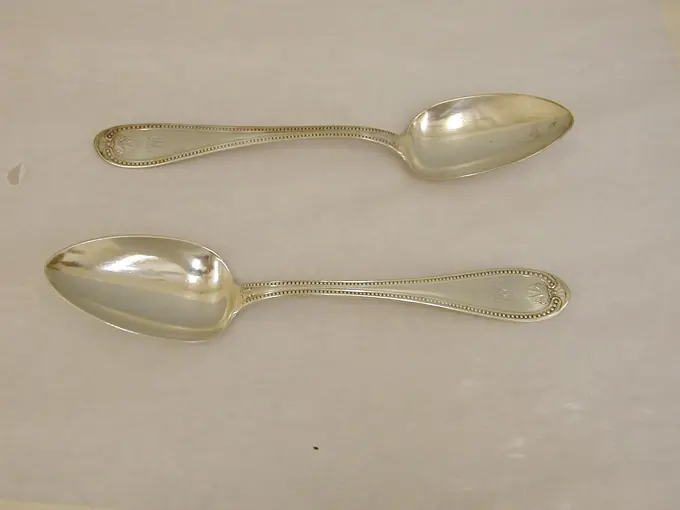
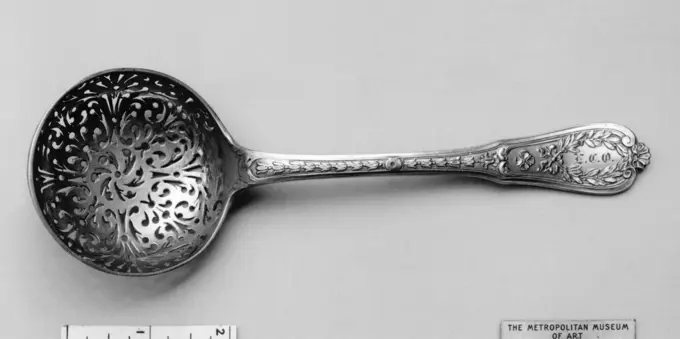
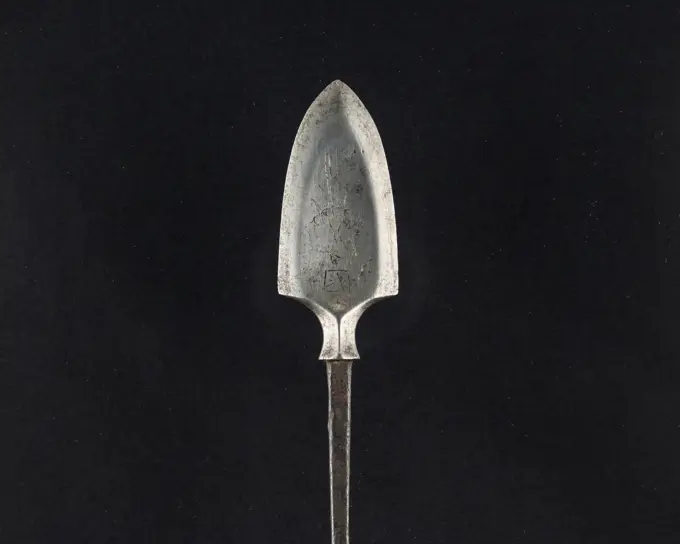
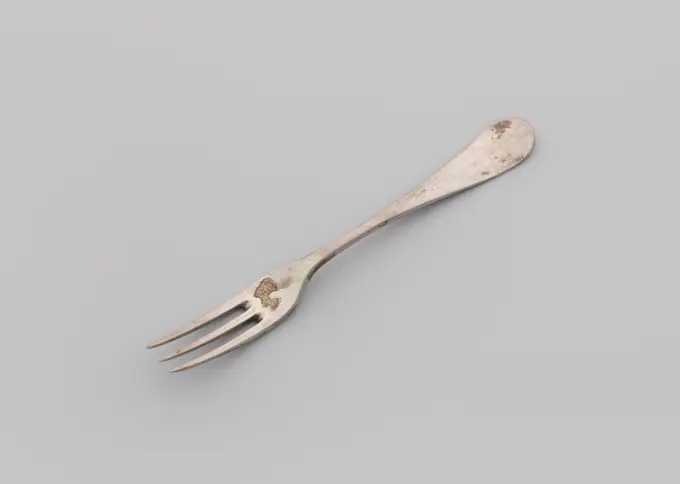
Teaspoon (USA); Made by C. Babbit; silver; L x W x D: 14 x 2.7 x 2 cm (5 1/2 x 1 1/16 x 13/16 in.)Tablespoon.   Maker: Robert Ross, active ca. 1789 - 1791Spoon, 1800 - 1900 Spoon with egg -shaped container and a scanning stem ending in a hoof. The handle makes a bend before the attachment to the container.  silver (metal) Spoon with egg -shaped container and a scanning stem ending in a hoof. The handle makes a bend before the attachment to the container.  silver (metal)Tea Spoon 1800-1830 Joel Sayre. Tea Spoon 8448Tablespoon, John Lantier 1789 - 1790Wooden spoon isolated on whiteTeaspoon.   Maker: C. B. Aspinwall and Company, American, active ca. 1830Teaspoon Biennais, Martin Guillame (1764 1843)Tablespoon 1840-50 M. Hoyris. Tablespoon 206807SpoonDessert spoon with the Helmet Helmet, Roelof Helweg, 1806 The egg-shaped container of the spoon has a narrowed end and is connected to the flat, bent stem on both the top and bottom by means of a single praise, which broadens to the spatula-shaped end. At the top and bottom of the handle are surrounded by a double file edge, which has been swept up at the end. On the bottom of the spatula of both the spoons and the forks, the Clifford helmet sign is engraved. Amsterdam silver (metal) The egg-shaped container of the spoon has a narrowed end and is connected to the flat, bent stem on both the top and bottom by means of a single praise, which broadens to the spatula-shaped end. At the top and bottom of the handle are surrounded by a double file edge, which has been swept up at the end. On the bottom of the spatula of both the spoons and the forks, the Clifford helmet sign is engraved. Amsterdam silver (metal)Tablespoon, James Wildgoose (Aberdeen, Scotland, 1726 - 1795) 1763 - 1795Spoon with almost round bowl and flat handle, spoon cutlery soil find tin, cast Straight handle end flat rectangular steel round bowl mark on stem: crowned hammer archeology Rotterdam Delfshaven Lage Erf eat Soil discovery: Lage erf Delfshaven.Birth spoon decorated on the steel and equipped with a monogram, Gerrit Jan van der Veen, 1938 Birth spoon in Gero-silver. The container is oval (almost circular); The stem is crowned by a children's figure with hood and further decorated with the Dutch Lion, a branch and a crown; dated 1938. When the stem is attached to the bin, the monogram J.B. applied. Designed by Ir. van der Veen, on the occasion of the birth of Princess Beatrix. Netherlands German silver Birth spoon in Gero-silver. The container is oval (almost circular); The stem is crowned by a children's figure with hood and further decorated with the Dutch Lion, a branch and a crown; dated 1938. When the stem is attached to the bin, the monogram J.B. applied. Designed by Ir. van der Veen, on the occasion of the birth of Princess Beatrix. Netherlands German silverSpoon 1696-97 H. P., London. Spoon 192236Teaspoon.   Maker: John McFee, active ca. 1797 - 1799Lepel.Spoon of silver, with striker oval bowl and peak tapered stem. The handle is engraved at the top with a flower drink and an oval medallion.STOP fork; Malcz, Karol (1797-1867), Silver Products Factory K.F. Malcza (Warsaw; Sreber label; 1828-1864); 1852 (1852-00-00-1860-00-00);Teaspoon Nitsch, Leonard (1835 1866)Dessert spoon, Charles Victor Gibert, French, Silver, gilt silver, Handled in the form of a gilded wasp on a leaf., ca. 1890, cutlery, Decorative Arts, Dessert spoonCaviar Spoon, 1930. Omar Ramsden (British, 1873-1939). Silver; overall: 17.5 x 3.3 cm (6 7/8 x 1 5/16 in.).Spoon with clifford helmet sign. The egg-shaped bin of the spoon is on both upstairs and bottom by means of single praise connected to the flat, curved stem, which widened to the spatula-shaped end. Upper and bottom of the handle are surrounded by a double fillet edge, which is injected at the end. The Clifford Helmet is engraved on the underside of the spatula.Toy spoon early 19th century Dutch. Toy spoon 188263 Dutch, Toy spoon, early 19th century, Silver, 3 1/2 in. (8.9 cm). The Metropolitan Museum of Art, New York. Gift of Mrs. Samuel P. Avery, 1897 (97.2.240)Lepel, Rudolph Sondagh, 1789 Spoon of silver, with an egg -shaped container. The flat, curved stem extends to the rounded end. Rotterdam silver (metal) Spoon of silver, with an egg -shaped container. The flat, curved stem extends to the rounded end. Rotterdam silver (metal)Dessert spoon with the Helm sign Clifford, Cornelis Loeff (attributed to), 1793 The egg -shaped container is connected to the flat, bent stem by means of single praise, which broadens to the rounded end and that shows a faint rib on the top over the middle. The Clifford helmet sign is engraved on the bottom of the stem. Amsterdam silver (metal) The egg -shaped container is connected to the flat, bent stem by means of single praise, which broadens to the rounded end and that shows a faint rib on the top over the middle. The Clifford helmet sign is engraved on the bottom of the stem. Amsterdam silver (metal)Tablespoon early 18th century German, Regensburg. Tablespoon 188095 German, Regensburg, Tablespoon, early 18th century, Silver gilt, 8 1/2 in. (21.6 cm). The Metropolitan Museum of Art, New York. Gift of Mrs. Samuel P. Avery, 1897 (97.2.60)Mustard spoon 1781-92 French, Lyons. Mustard spoon 200274Spoon with egg -shaped bucket, Jacob Helweg (I) (attributed to), 1764 Spoon with egg -shaped container that is connected to the flat, curved stem, which broadens to the rounded end and that shows a rib on the top over the middle. Amsterdam silver (metal) Spoon with egg -shaped container that is connected to the flat, curved stem, which broadens to the rounded end and that shows a rib on the top over the middle. Amsterdam silver (metal)Apostle spoon mid-16th-mid-17th century British. Apostle spoon. British. mid-16th-mid-17th century. Latten, gilt. Metalwork-Base MetalSilver Spoon 4th-5th century Late Roman Pear-shaped spoons with long, pointed handles were found throughout the Empire. Some were used specifically for the Christian liturgy; others, like this one, simply served as luxury household utensils.. Silver Spoon. Late Roman. 4th-5th century. Silvered Copper alloy. Metalwork-Copper alloya hundred;  19th-20th centuries (1800-00-00-1850-00-00);Toddy Ladle 1800-1815 Joel Sayre. Toddy Ladle 8682Vork van Zilver, Dirk van Gameren, 1764 Fork of silver, with 4 teeth. The fork gradually turns into the flat stem that broadens itself to the rounded end. Utrecht silver (metal) Fork of silver, with 4 teeth. The fork gradually turns into the flat stem that broadens itself to the rounded end. Utrecht silver (metal)Dessert Spoon with Scorpion, Charles Victor Gibert, French, silver, Dessert spoon with handle design of a scorpion on a leaf., ca. 1890, cutlery, Decorative Arts, spoon, spoonR. Swan, Tea Spoon, c. 1815, silver.Apostle spoon ca. 1670-80 Probably by Johannes I Weber. Apostle spoon 192267Spoon with the Helmet Helmet sign, Hendrik Helweg, 1832 The egg-shaped container of the spoon is connected to the flat, bent stem on both the top and bottom by means of a single praise, which broadens to the spatula-shaped end. At the top and bottom of the handle are surrounded by a double file edge, which has been swept up at the end. The Clifford helmet is engraved on the underside of the spatula. Amsterdam silver (metal) The egg-shaped container of the spoon is connected to the flat, bent stem on both the top and bottom by means of a single praise, which broadens to the spatula-shaped end. At the top and bottom of the handle are surrounded by a double file edge, which has been swept up at the end. The Clifford helmet is engraved on the underside of the spatula. Amsterdam silver (metal)Tablespoons.   Maker: Cumshing, Chinese, 1790-1820Lion sejant spoon. Culture: British, Provincial. Dimensions: Length: 6 7/8 in. (17.5 cm). Maker: A. B., England (ca. 1630-1635). Date: ca. 1630.The finial is in the shape of a sejant, or seated lion. Museum: Metropolitan Museum of Art, New York, USA.John Moulinar, Tea Spoon, c. 1760, silver.Sugartongs.  Maker: Jabez C. Baldwin, American, 1777-1819Gilt silver spoon, spoon cutlery silver gold, gilt Gilded silver spoon with triangular stem that is crowned by Flora with fruit bowl on her head master sign crowned snake eatfork with impaled green olive isolated dinning fork with impaled green olive isolated on white background Copyright: xZoonar.com/ValeryxVoennyyx 8079055Lepel, anonymous, 1550 - 1600 Silver spoon, the stem of which can be turned. On top of the handle a madonna statue. The container is oval and the stem is square. Both are decorated with engraved ornaments.  silver (metal) Silver spoon, the stem of which can be turned. On top of the handle a madonna statue. The container is oval and the stem is square. Both are decorated with engraved ornaments.  silver (metal)Tablespoon.   Maker: I.N.vase; Malcz, Karol (1797-1867), Silver Products Factory K.F. Malcza (Warsaw; Sreber label; 1828-1864); before 1851 (1850-00-00-1855-00-00);Spoon with birth inscription: Pieter de Clercq, born 21 JAY, 1849, Hendrik Helweg, 1850 The striker egg -shaped container is connected to the flat, curved stem by means of single praise, which broadens to the slightly struggled spatula -shaped end. The underside of the handle is surrounded by a traffic jam and at the top such a border runs around the spatula. On the underside of the bin is engraved: Pieter de Clercq, born 21 Jany "1849. Amsterdam silver (metal) The striker egg -shaped container is connected to the flat, curved stem by means of single praise, which broadens to the slightly struggled spatula -shaped end. The underside of the handle is surrounded by a traffic jam and at the top such a border runs around the spatula. On the underside of the bin is engraved: Pieter de Clercq, born 21 Jany "1849. Amsterdam silver (metal)Arrowhead (Yanone). Culture: Japanese. Dimensions: L. 7 1/8 in. (18.1 cm); L. of head 2 1/2 in. (6.4 cm); W. 1 1/8 in. (2.9 cm); Wt. 0.9 oz. (25.5 g). Date: 18th century. Museum: Metropolitan Museum of Art, New York, USA.Serving Spoon 1770-1800 Joel Sayre. Serving Spoon. American. 1770-1800. Silver. Made in New York, New York, United StatesSaint Bartholomew Spoon, 1622. England, London, 17th century. Silver; overall: 18.5 cm (7 5/16 in.).Dessert spoon, Charles Victor Gibert, French, Silver, Dessert spoon with chameleon capturing a fly on a fern frond., ca. 1890, cutlery, Decorative Arts, Dessert spoonBall-topped spoon mid-19th century possibly Swedish. Ball-topped spoon 188143 Swedish (), Ball-topped spoon, mid-19th century, Silver, parcel-gilt, 6 5/8 in. (16.8 cm). The Metropolitan Museum of Art, New York. Gift of Mrs. Samuel P. Avery, 1897 (97.2.108)Miniature teaspoons ca. 1720-30 David Clayton British The production of miniature silver furniture and tea, coffee, and chocolate equipment was a specialty of goldsmiths known as "toy men." The miniatures were probably intended for dollhouses. From the mid-eighteenth century in England until the present, porcelain and fine earthenware miniatures have been made as well.. Miniature teaspoons. David Clayton (British, active 1689). British, London. ca. 1720-30. Silver. Metalwork-Silver-MiniatureG. W. Tuckerman, Tea Spoon, c. 1800, silver.STOP fork; Malcz, Karol (1797-1867), Silver Products Factory K.F. Malcza (Warsaw; Sreber label; 1828-1864); 1852 (1852-00-00-1860-00-00);Pewter spoon with round leaves, marked, at the end of the stem spike of nodules, spoon cutlery soil found tin brass metal, w 5,3 poured beaten Pewter spoon with round bowl. Recessed tin mark Straight handle with tip of nodules at the end. This stacked spire is made of brass. tin mark: crowned Tudor rose with the letters: I * L archeology serving indigenous foodFork with the Helmet helmet sign, Roelof Helweg, 1806 The fourth fork is on both the top and bottom by means of only praise to the flat, curved stem, which broadens to the spatula-shaped end. At the top and bottom of the handle are surrounded by a double file edge, which has been swept up at the end. The Clifford helmet is engraved on the underside of the spatula. Amsterdam silver (metal) The fourth fork is on both the top and bottom by means of only praise to the flat, curved stem, which broadens to the spatula-shaped end. At the top and bottom of the handle are surrounded by a double file edge, which has been swept up at the end. The Clifford helmet is engraved on the underside of the spatula. Amsterdam silver (metal)SpoonTable Spoon ca. 1796 Isaac Hutton American. Table Spoon. American. ca. 1796. Silver. Made in Albany, New York, United StatesFork; Silver Products Factory K.F. Malcza (Warsaw; Sreber label; 1828-1864), Malcz, Karol (1797-1867), Kostrz Bski, Walerian (FL.1852-1860); 1856 (1856-00-00-1856-00-00);Spoon with apostle as a crown, anonymous, c. 1600 - c. 1699 Spoon with oval container and cast steel with apostle as a crown. Brands: Bi and B and above it an A. Netherlands silver (metal) Spoon with oval container and cast steel with apostle as a crown. Brands: Bi and B and above it an A. Netherlands silver (metal)Fork with clifford helmet mark. The four-eddy fork is on both upstairs and bottom by means of single praise connected to the flat, curved stem, which widened to the spatula-shaped end. Upper and bottom of the handle are surrounded by a double fillet edge, which is injected at the end. The Clifford Helmet is engraved on the underside of the spatula.Tablespoon.   Maker: Jacob Hurd, American, 1702-1758"Assyrian Head" pattern Spoon; Manufactured by Meriden Silver Plate Company (United States); USA; silver plate; cm: L: 18Threeteaspoons.   Maker: Samuel Buell, American, 1742-1819Apostle spoon 1565-66 John Foxe British. Apostle spoon 197688Pair ofTablespoons.   Maker: Isaac Hutton, American, 1767-1855Fork with clifford helmet sign. The four-eddy fork is on both upstairs and bottom by means of single praise connected to the flat, curved stem, which widened to the spatula-shaped end. Upper and bottom of the handle are surrounded by a double fillet edge, which is injected at the end. The Clifford Helmet is engraved on the underside of the spatula.Tablespoon c 1760-1775 New Haven. Silver . Hezekiah Silliman'Louis XVI' tableware, Joseph E. Birmingham, Shreve & Co., founded 1852, silver, Integral construction. Four tapering tines cut at sharp angle at bowl. Handle of rectangular line ending in shouldered, rectangular terminal embossed with oval wreath with ribbon bow, enclosing monogram., ca. 1909, cutlery, Decorative Arts, Fork, ForkServing Spoon 1730-40 Jacob Hurd American. Serving Spoon 7377Empty metal spoon on dark textured concrete background Empty metal spoon on dark textured concrete background. Cutlery, preparation for dinner Copyright: xZoonar.com/TetianaxChernykovax 21231459Old metal colander on white backgroundSpoon. A silver spoon, with four twinned branches, and at the top a king and a queen, and an oval smooth container. Brands: A master's sign, and a climbing lion v. Holland. At the end of the 18th century, presumably Amsterdam.Silver of Silver, Jacob Schenk (attributed to), 1790 Salt spoon of silver, with scoop -shaped container. The underside of the end of the stem is engraved. Amsterdam silver (metal) Salt spoon of silver, with scoop -shaped container. The underside of the end of the stem is engraved. Amsterdam silver (metal)Fork with clifford helmet sign. The four-eddy fork is on both upstairs and bottom by means of single praise connected to the flat, curved stem, which widened to the spatula-shaped end. Upper and bottom of the handle are surrounded by a double fillet edge, which is injected at the end. The Clifford Helmet is engraved on the underside of the spatula.Spoon and knife. unknown, authorSamuel Neville, Caddy Spoon, 1815, silver.Spoon, 1661. John Hull (American, 1624-1683), Robert Sanderson (American, 1609-1693). Silver; overall: 15.9 x 4.9 cm (6 1/4 x 1 15/16 in.).Lepel.Spoon of silver, with striker oval bowl and peak tapered stem. The handle is engraved at the top with a flower drink and an oval medallion.Fish scoop, Adolf Verschuyl (attributed to), c. 1780 Fishing with three rows of holes and a flat handle with a bearing eye at the end. The shovel is marked: Mar. = Citroen 66. Amsterdam silver (metal) Fishing with three rows of holes and a flat handle with a bearing eye at the end. The shovel is marked: Mar. = Citroen 66. Amsterdam silver (metal)Salt spoon of silver. Salt spoon of silver, with scoop-shaped container. The bottom of the end of the handle is engraved.Horse foot spoon with rippled handle and egg-shaped tray, marked, spoon cutlery soil find tin metal, w container 5.5 cast Pewter spoon with oval bowl. Stalk with lumps or ridges ending in horse's foot. Marked at the bottom of the scoop blade next to the rat tail Backside: crowned Tudor rose with the crown next to the crown: W in the middle of the rose the letter: F archeology Valckensteyn Poortugaal Albrandswaard Soil discovery Valugaal Castle Valckensteyn.Gedachtenislepel met gegraveerde initialen T.R..Silver spindle with a round, to the stem tapered container (damaged) with a straight stem, decorated with pointed leaves and closed by a button in a small profile. Engraved initials. Brand: Hoorn, with a clock and the annual letter G.Pewter spoon with hexagonal stem, 1500 - 1600 Tin spoon with hexagonal stem. Low Countries tin (metal) casting Tin spoon with hexagonal stem. Low Countries tin (metal) castingSpoon 18th century German. Spoon 188188 German, Spoon, 18th century, Silver, shell, 6 7/8 in. (17.5 cm). The Metropolitan Museum of Art, New York. Gift of Mrs. Samuel P. Avery, 1897 (97.2.164)Cake fork from Zilver, H. Hooykaas C.V., 1929 The flat fifty fork has an openwork decoration of flame -like motifs. Schoonhoven silver (metal) The flat fifty fork has an openwork decoration of flame -like motifs. Schoonhoven silver (metal)NineTablespoons.   Maker: Robert and William Wilson, American, active 1824-46Beautiful empty white ceramic gravy boat on a textured concrete background Beautiful empty white ceramic gravy boat on a textured concrete background. Kitchen utensil item Copyright: xZoonar.com/TetianaxChernykovax 21728509Silver spoon isolated on white backgroundSpoon 1760-70 Paul Revere Jr. American. Spoon. American. 1760-70. Silver. Made in Boston, Massachusetts, United StatesSugar spoon 1778-79 or 1780-81 Claude-Auguste Aubry. Sugar spoon 188053 Maker: Claude-Auguste Aubry, master 1758, recorded 1791, Sugar spoon, 177879 or 178081, Silver gilt, L. 7-1/4 in. (18.4 cm.). The Metropolitan Museum of Art, New York. Gift of Mrs. Samuel P. Avery, 1897 (97.2.17)Sugar Spoon. Tiffany and Company; American, founded 1837; New York, New York. Date: 1870-1875. Dimensions: 9.5 × 3.8 cm (3 3/4 × 1 1/2 in.). Silver. Origin: New York City. Museum: The Chicago Art Institute, Chicago, USA. Author: Tiffany and Company.Unknown, Two Tea Spoons, c. 1800, silver.Arrowhead (Yanone) 18th century Japanese Although today Japanese warriors are renowned most for their swordsmanship, archery, especially from horseback, has been an essential part of samurai warfare and culture for centuries. Arrows were fitted with heads of varying shape according to their intended use in war, the hunt, or target practice. Arrowheads made for use on the battlefield incorporated different designs intended for specialized purposes such as the piercing of armor or to cause maximum damage to horses and unarmored personnel.Large arrowheads, pierced and elaborately chiseled with landscapes, birds, flowers, dragons, and Buddhist divinities, were created to be admired for the beauty of their metalwork and design rather than for use in archery. Such highly elaborate examples may have been made for presentation or as a votive offerings to a shrine.. Arrowhead (Yanone). Japanese. 18th century. Steel. Archery Equipment-ArrowheadsRockledge Silver Service Spoon; Designed by George Washington Maher (American, 1864-1926); Manufactured by Gorham Manufacturing Company (United States); Client: Ernest L. and Grace King; USA; silver; L x W x D: 18 x 4 x 2.5 cm (7 1/16 x 1 9/16 x 1 in.)Table Fork,  c. 1705William Simes, Two Tea Spoons, c. 1785, silver.Teaspoon.   Maker: Barzillai Benjamin, American, 1774-1844Fork van Zilver, A. Keun, 1821 Fork of silver, with three teeth. The flat, curved stem extends to the rounded end.  silver (metal) Fork of silver, with three teeth. The flat, curved stem extends to the rounded end.  silver (metal)