Antique and Vintage Vessels

A series of historical vases and jugs from different cultures and eras, highlighting intricate designs and artistic craftsmanship.
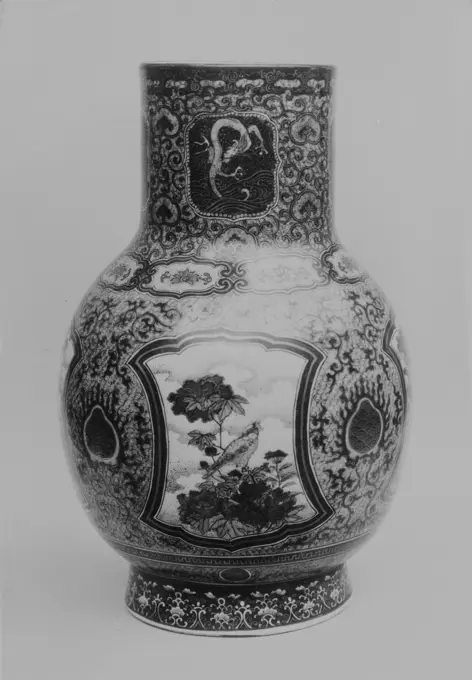
Vase 1855 Japan. Vase. Japan. 1855. White porcelain decorated with red and gold (Hizen ware, Kutani type). Edo period (1615-1868). Ceramics
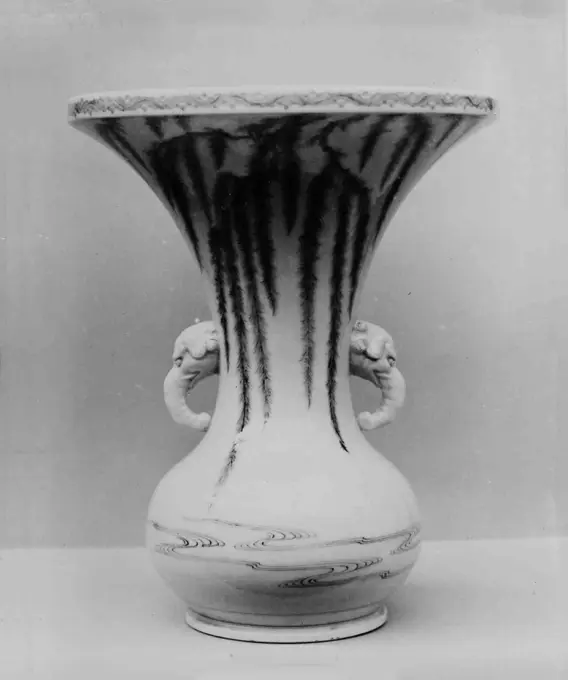
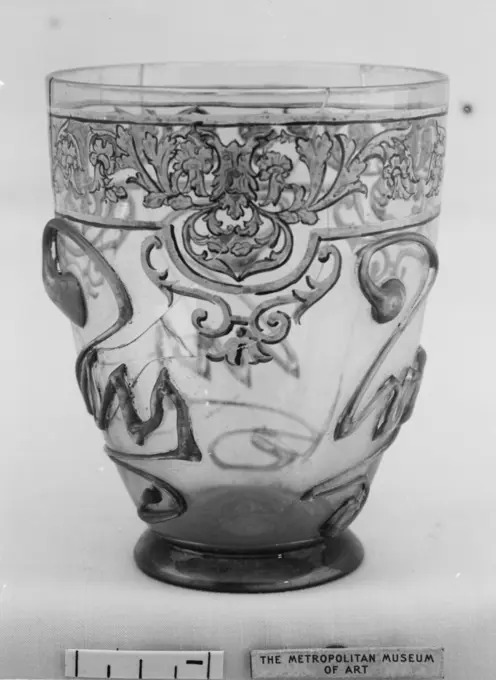
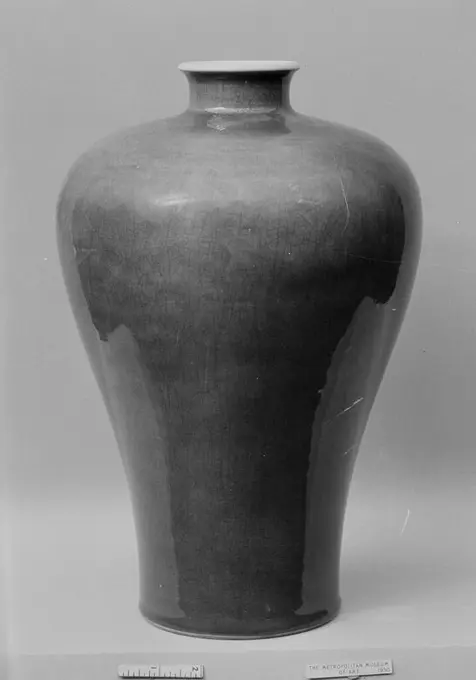
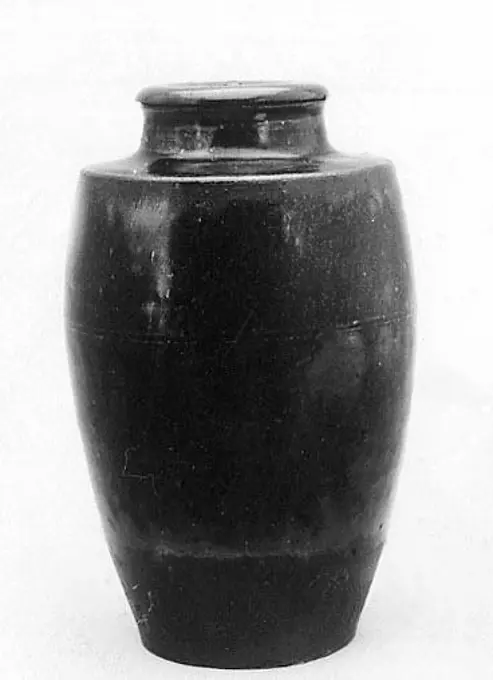
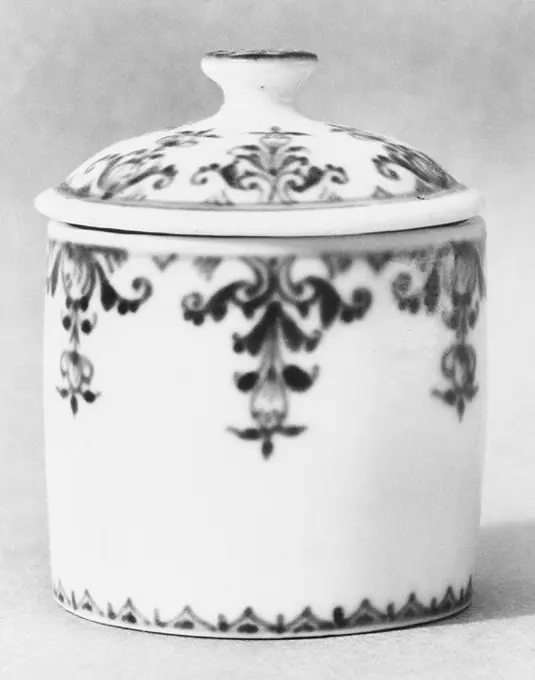
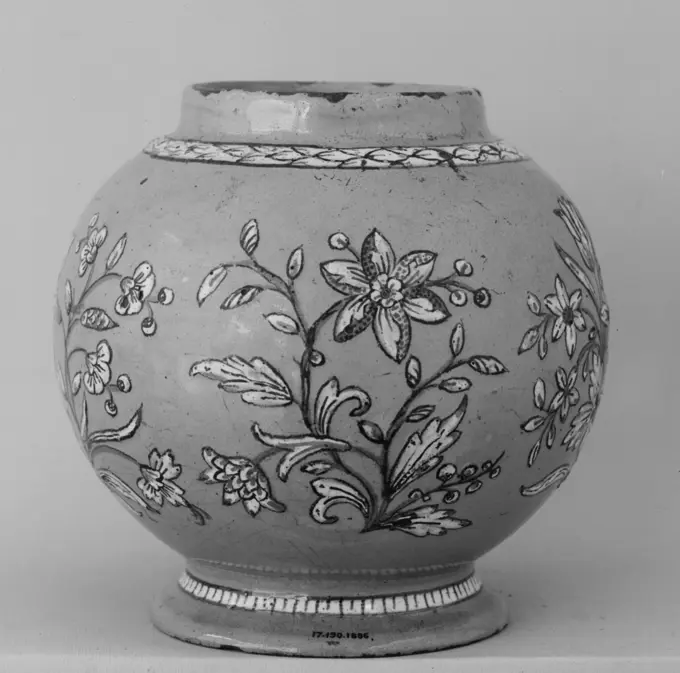
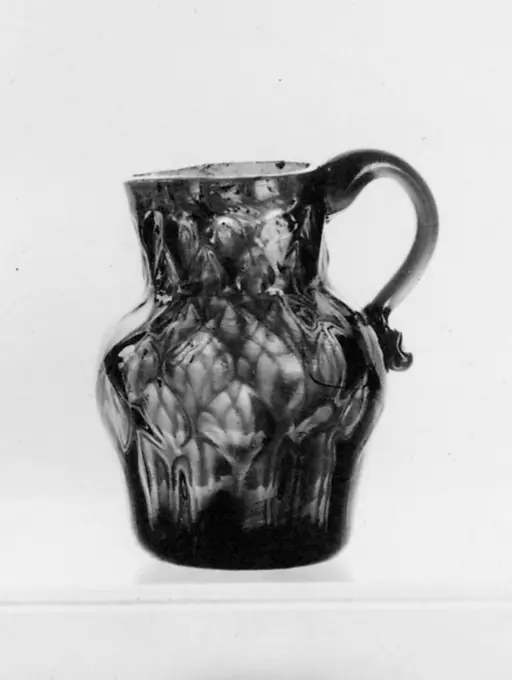
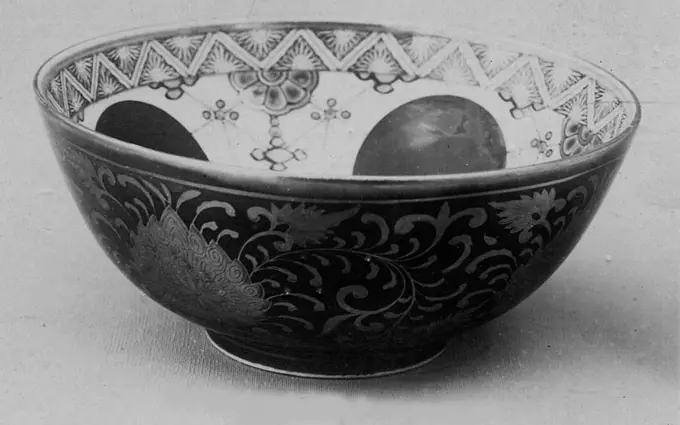
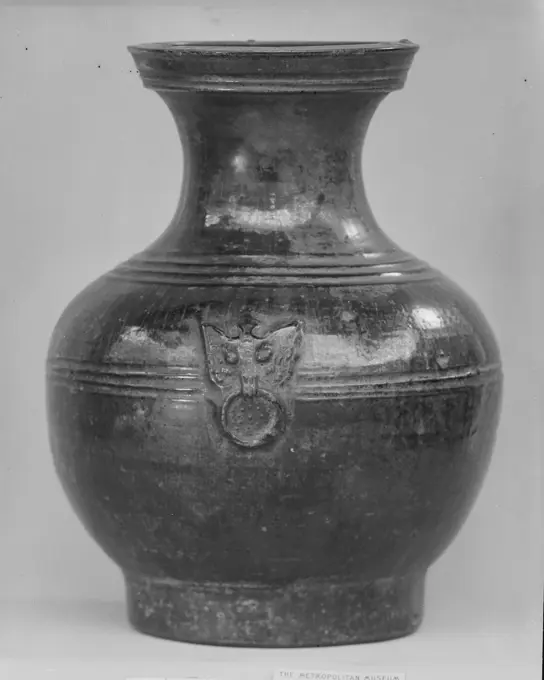
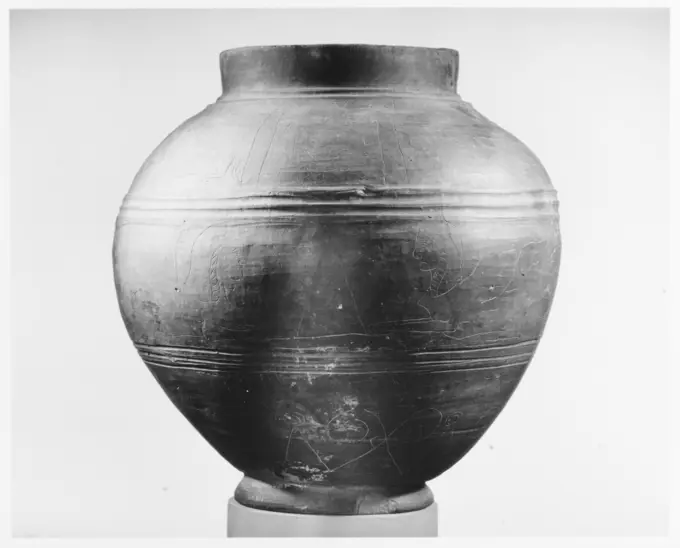
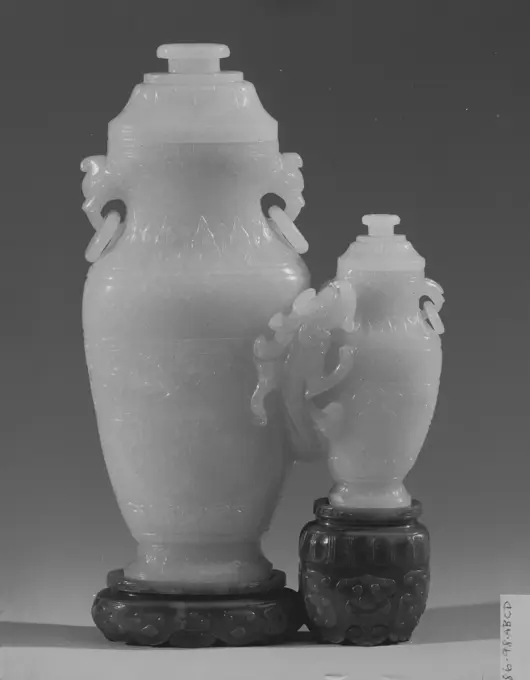
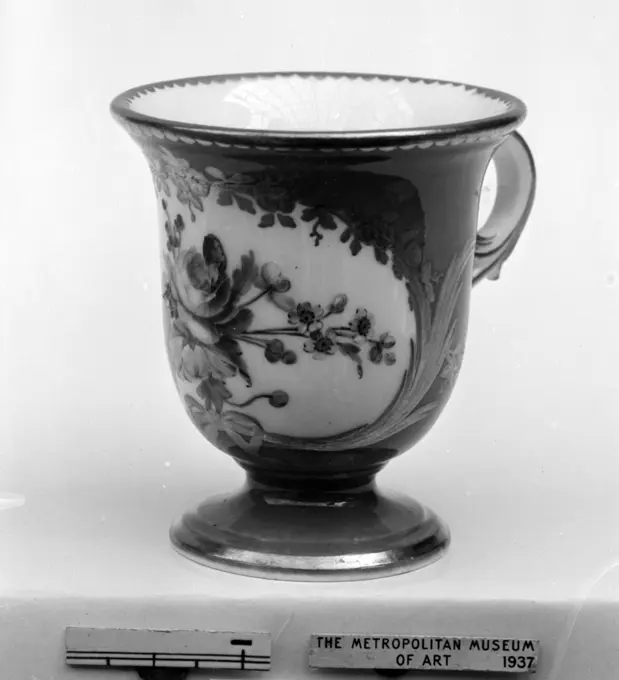
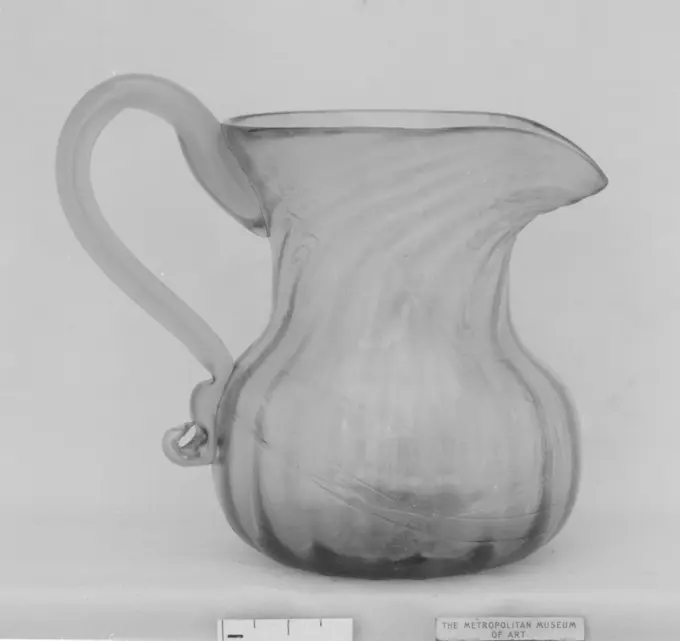
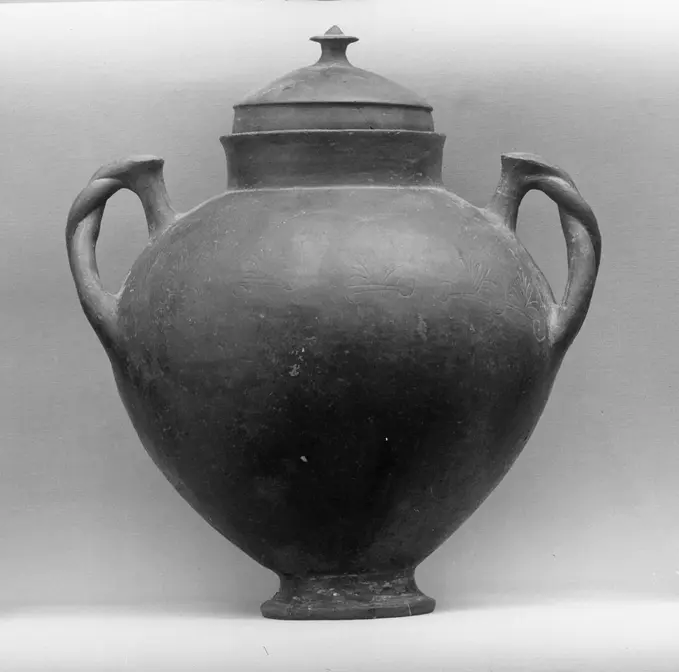
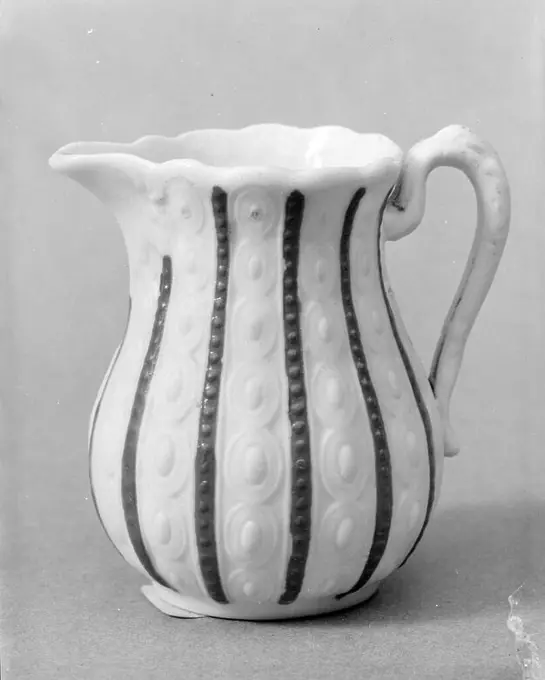
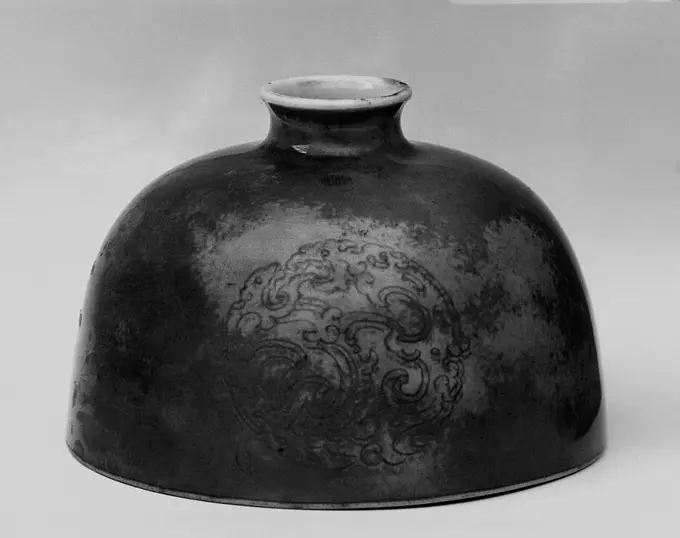
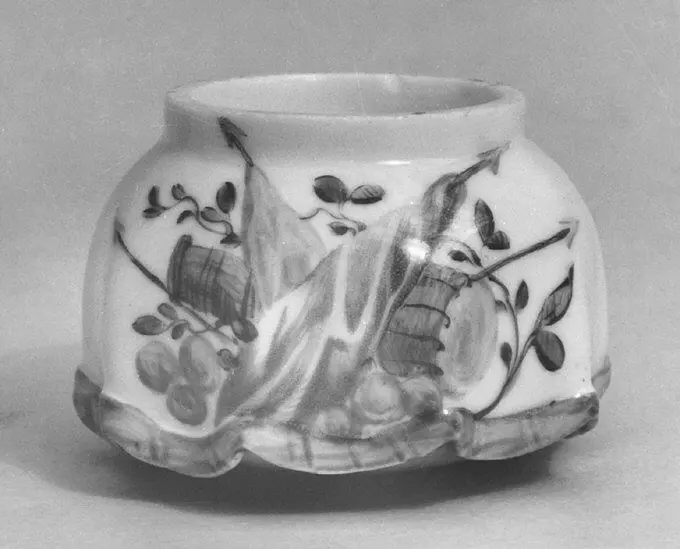
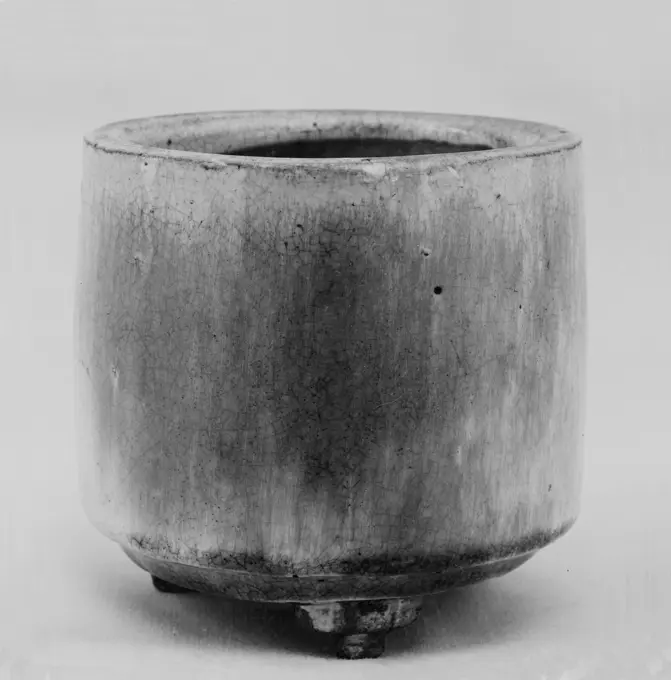
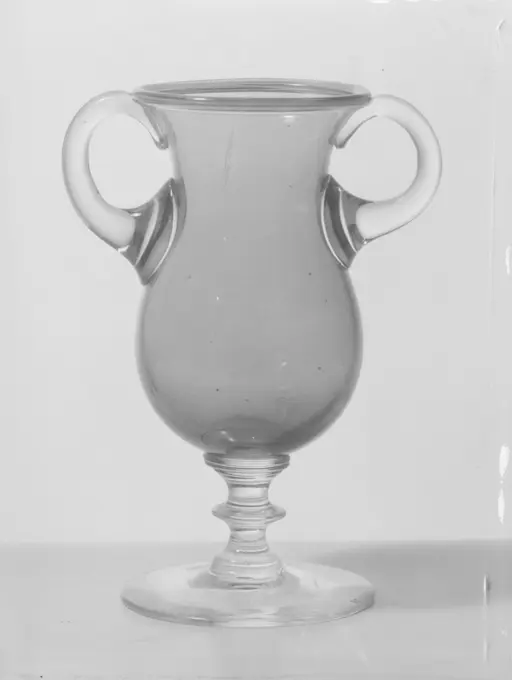
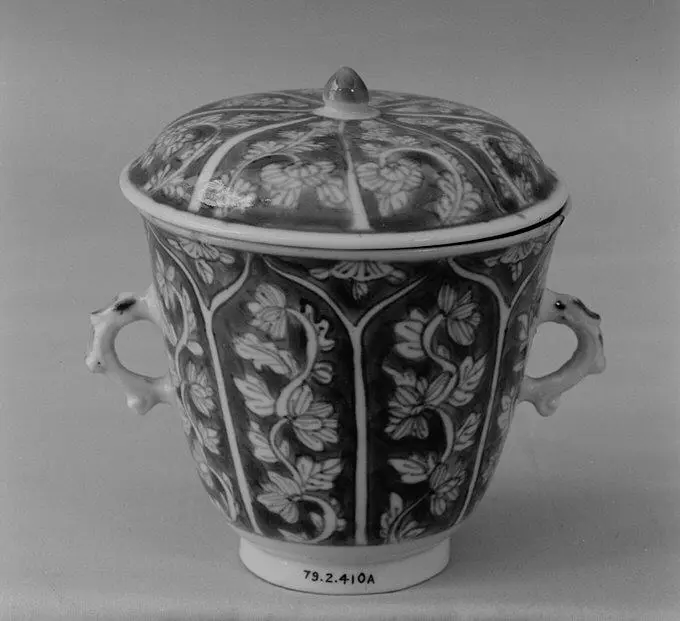
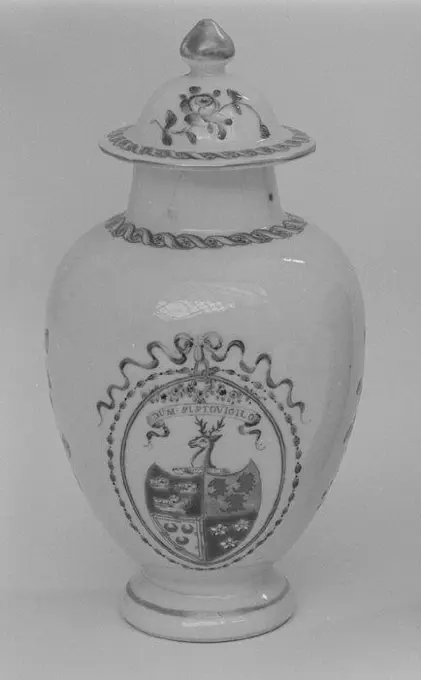
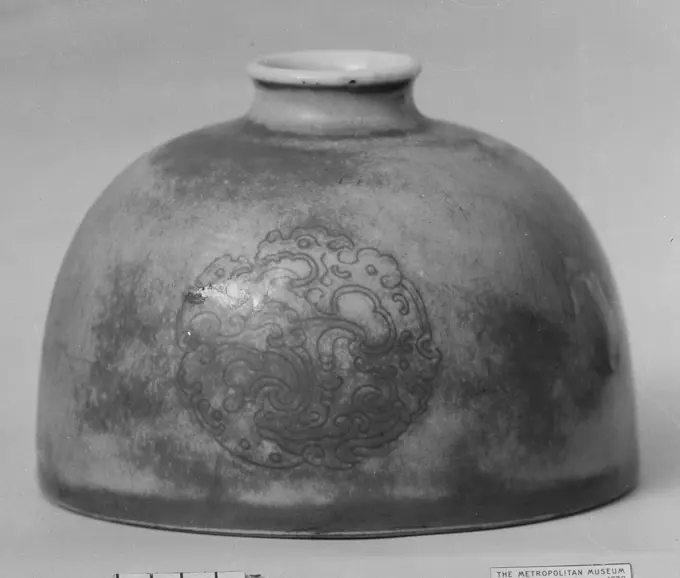
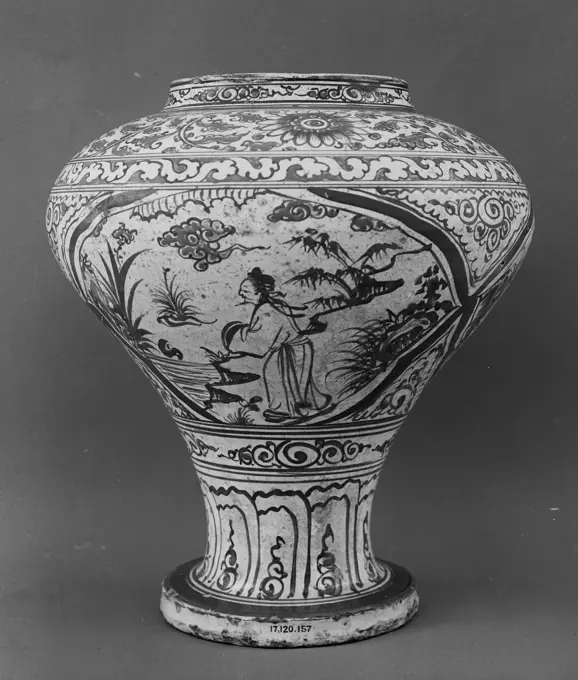
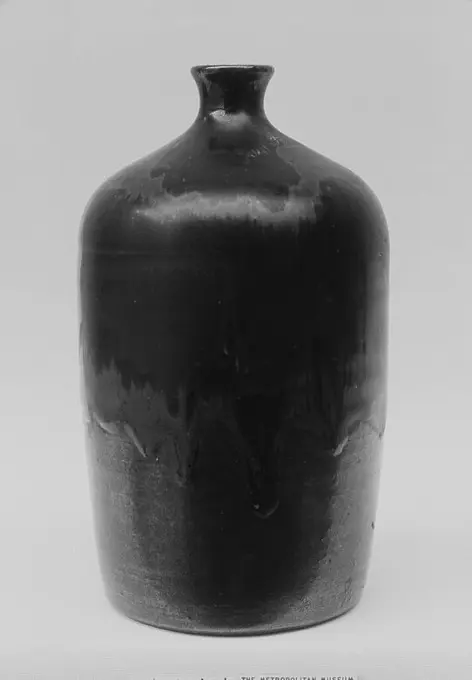
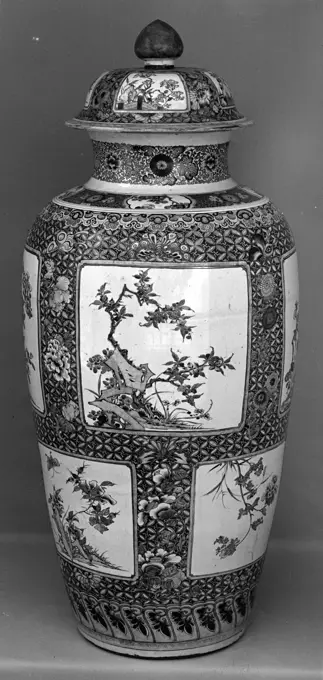
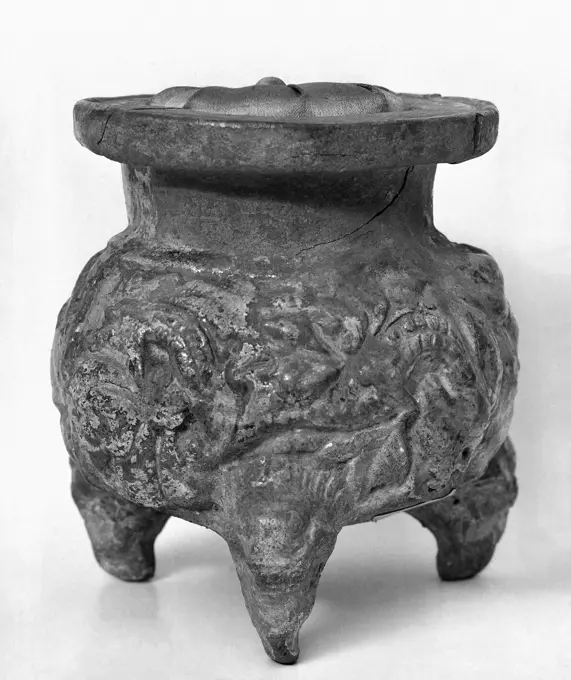
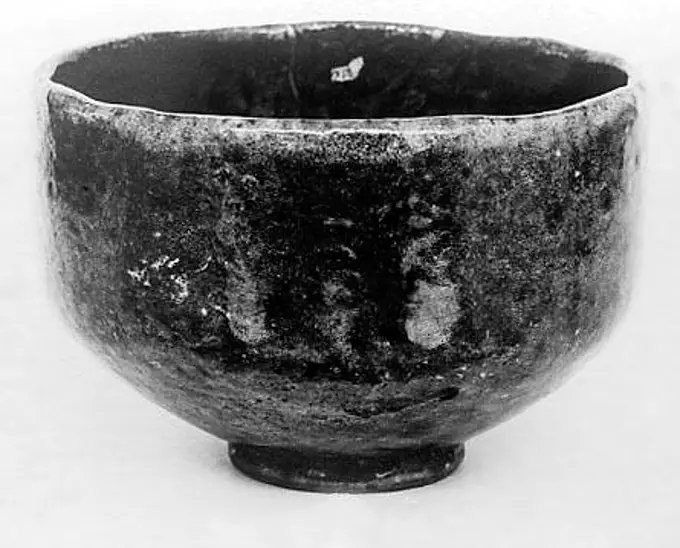
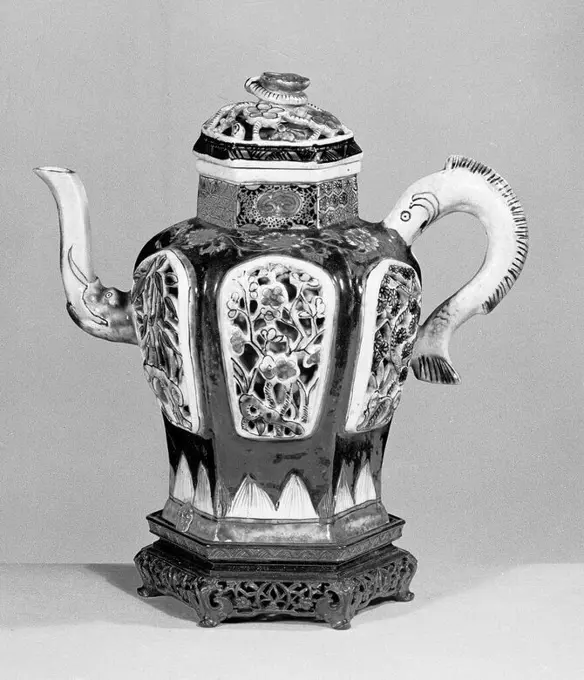
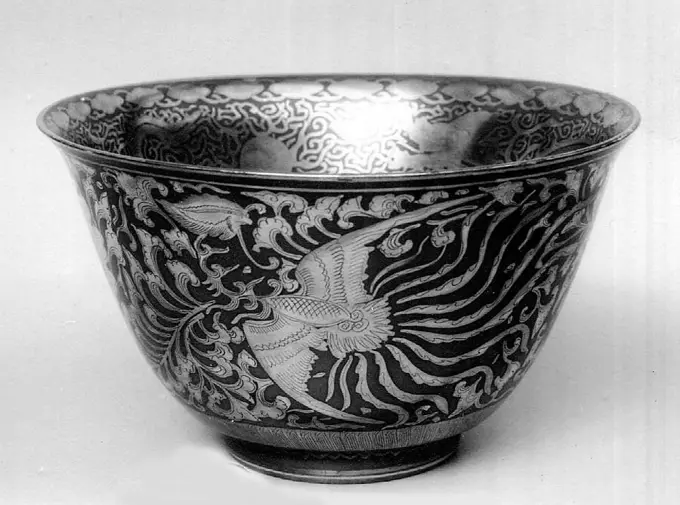
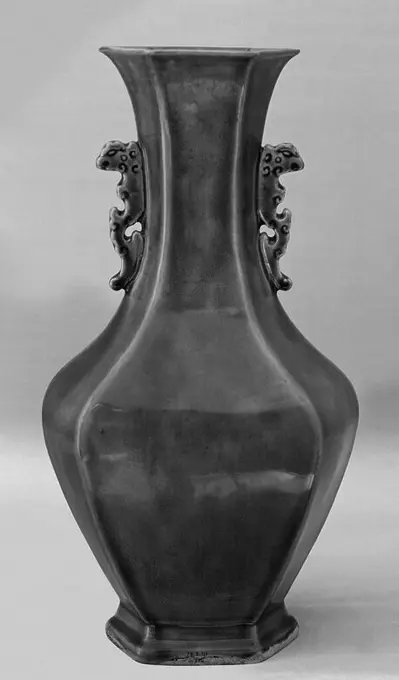
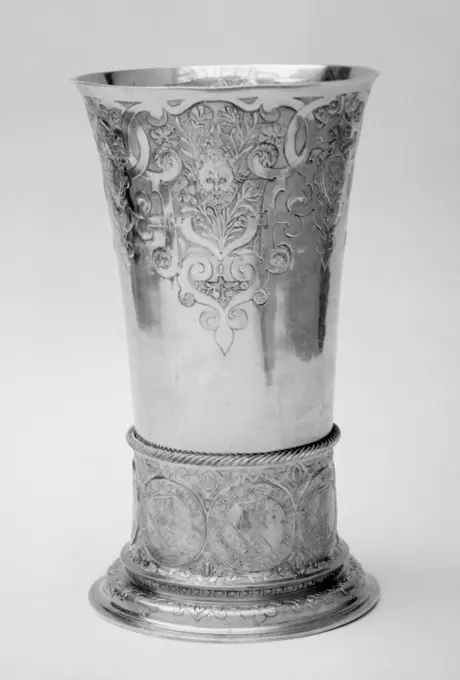
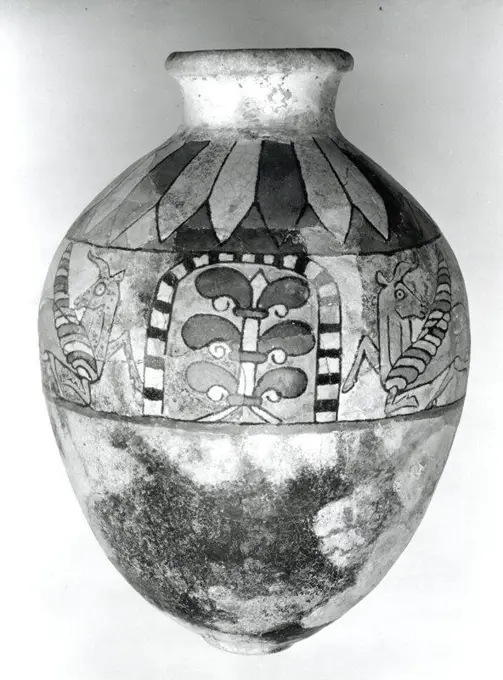
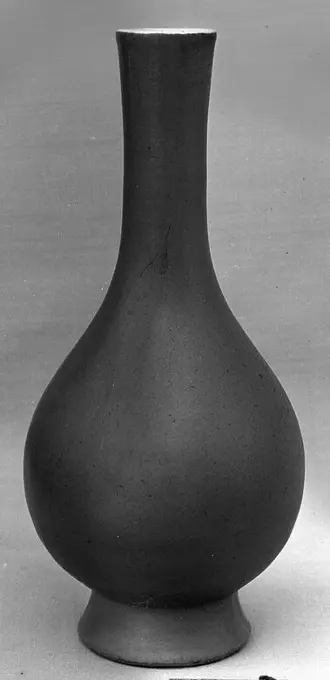
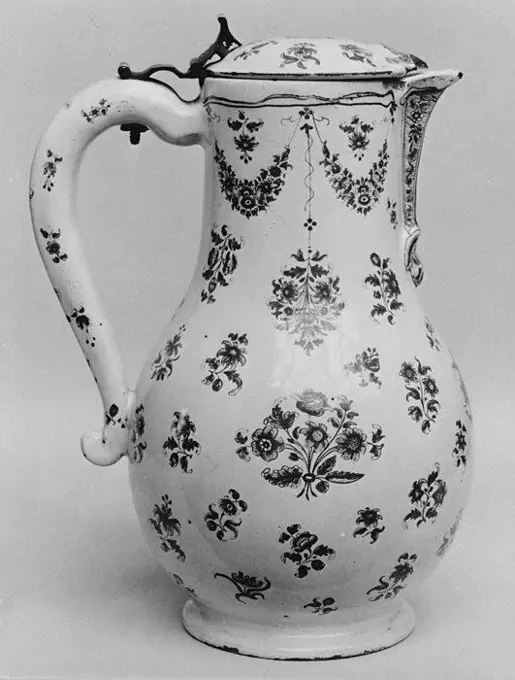
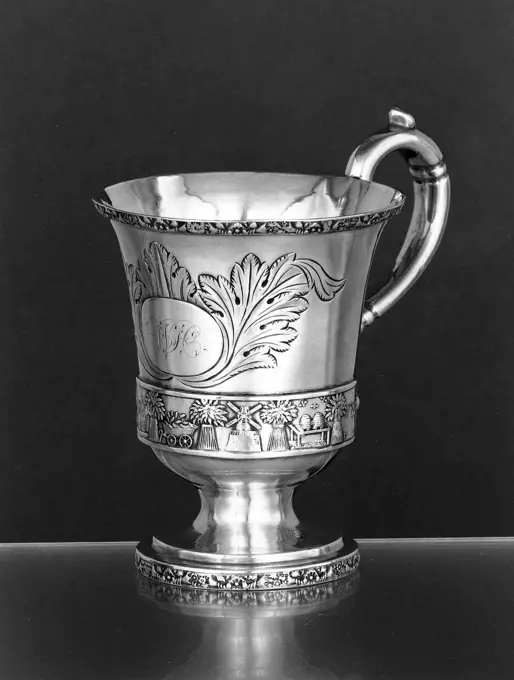
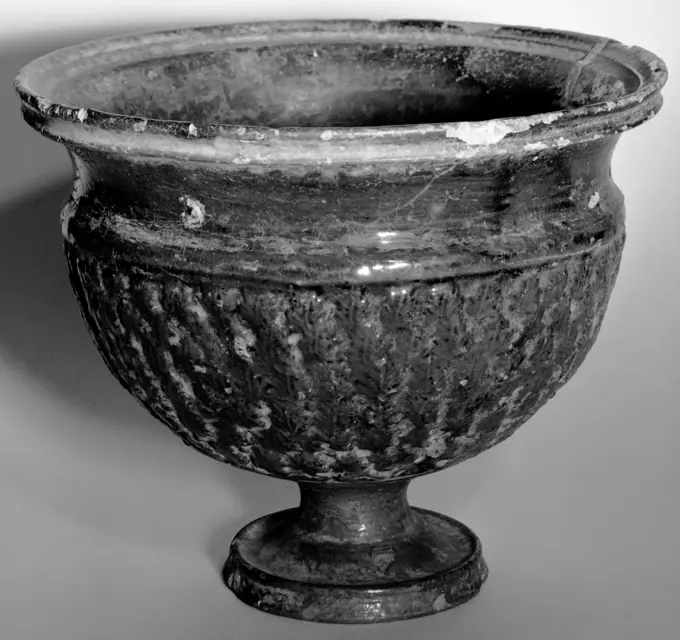
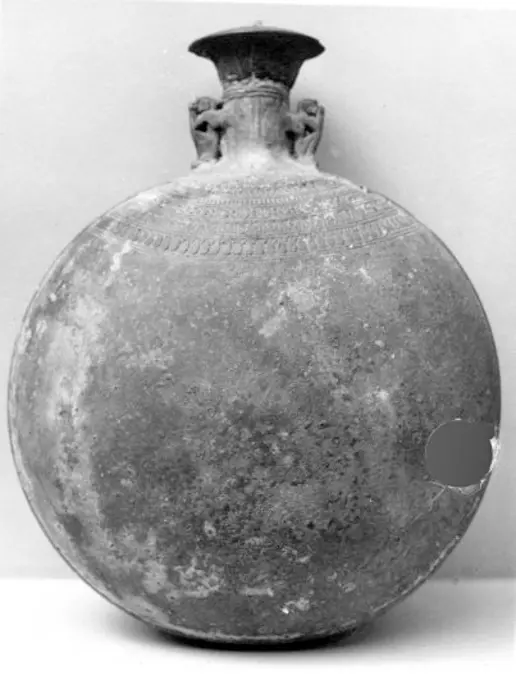
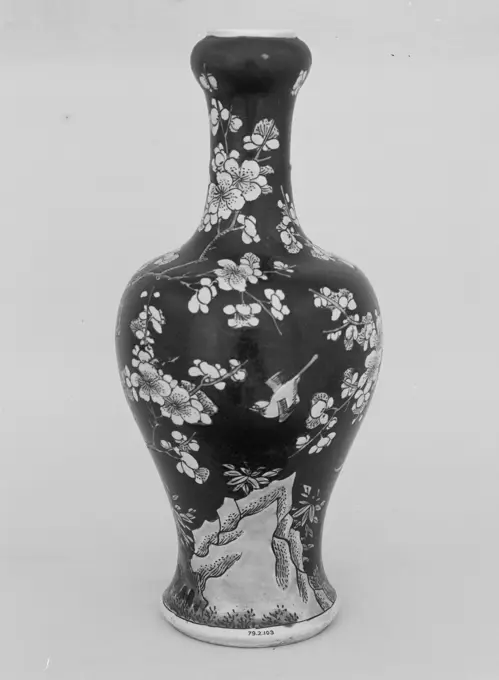
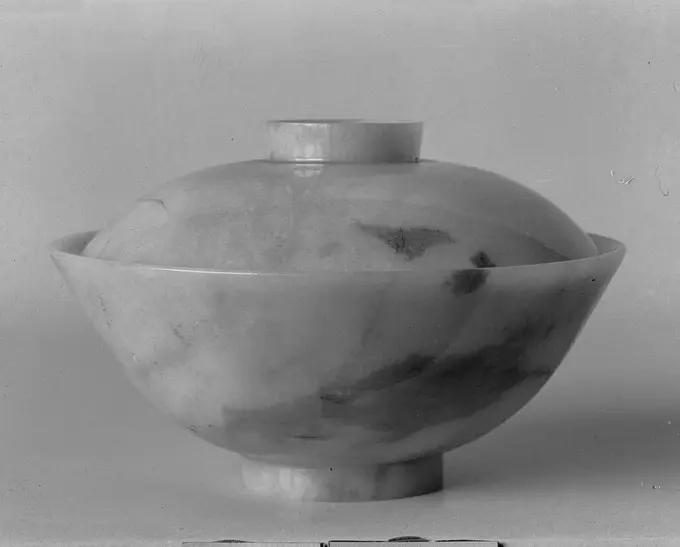
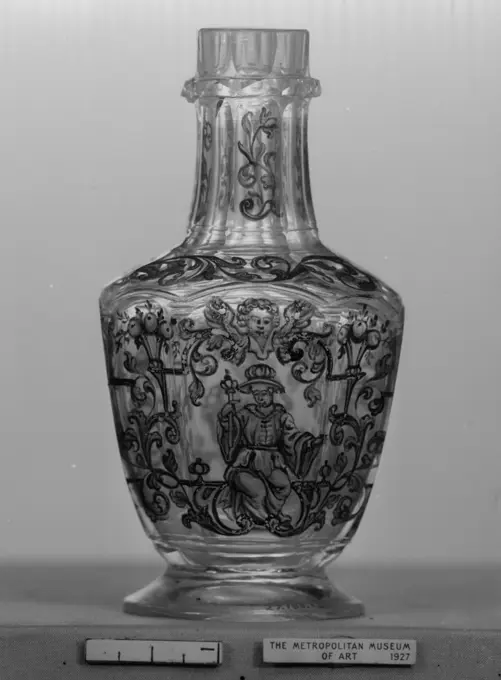
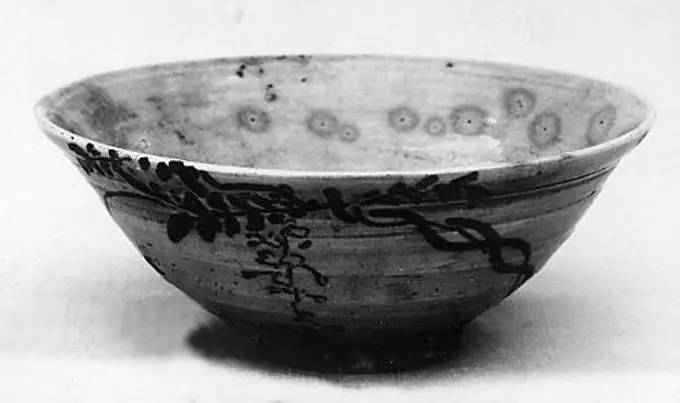
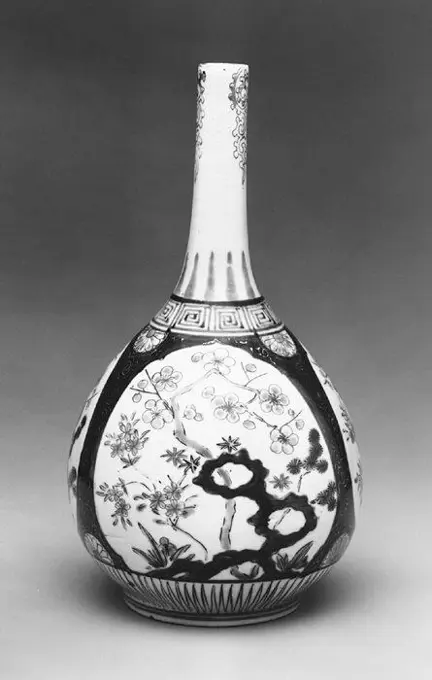
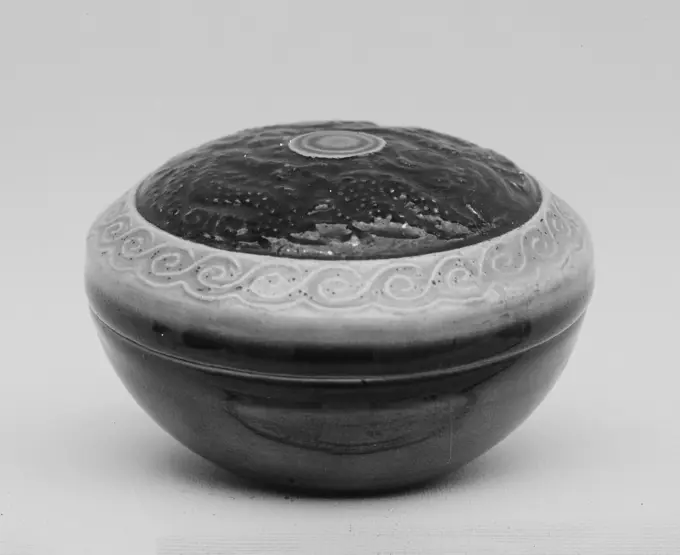
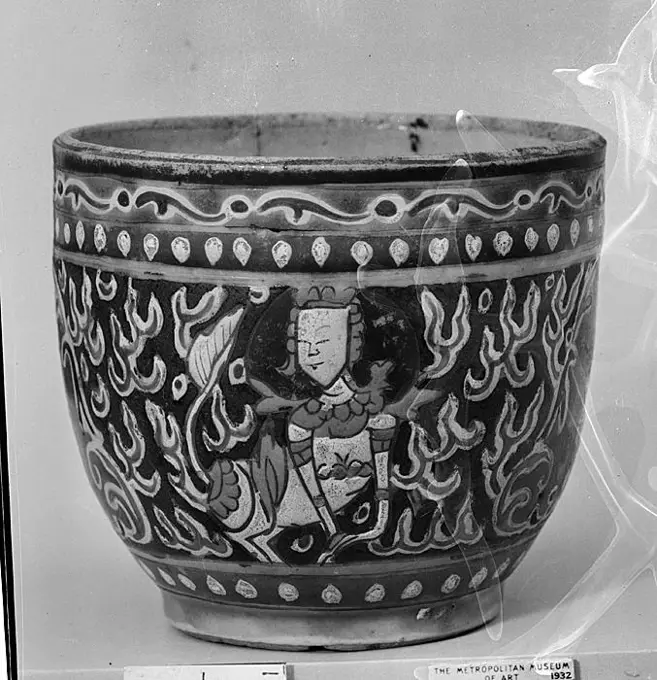
Vase. Culture: China. Dimensions: H. 7 1/2 in. (19.1 cm). Date: first half of the 19th century. Museum: Metropolitan Museum of Art, New York, USA.Vase 1800 Japan. Vase. Japan. 1800. White porcelain decorated with blue under the glaze (Hirado ware). Edo period (1615-1868). CeramicsJug with pewter cover 1730-40 German, Ansbach. Jug with pewter cover 205845Beaker 19th century possibly German. Beaker. possibly German. 19th century. Glass. GlassGallipot. Culture: China. Dimensions: H. 14 1/4 in. (36.2 cm); Diam. 9 in. (22.9 cm). Museum: Metropolitan Museum of Art, New York, USA.Covered bowl with floral patterns 19th century China. Covered bowl with floral patterns. China. 19th century. Porcelain painted in overglaze polychrome enamels (Bencharong ware for Thai market ). Qing dynasty (1644-1911). CeramicsVase 1855 Japan. Vase. Japan. 1855. White porcelain decorated with red and gold (Hizen ware, Kutani type). Edo period (1615-1868). CeramicsBowl. UnknownStanding cup and saucer ca. 1720-40 Japanese, for European market. Standing cup and saucer 185915Bowl 1800 Japan. Bowl 62823Tea Jar 18th century Japan. Tea Jar 62615Vase 18th century China. Vase 46948Wall vase 1740-70 Chinese, for European market. Wall vase 201290FlaskCruet 16th-17th century Italian, Venice (Murano). Cruet. Italian, Venice (Murano). 16th-17th century. Glass. GlassToilet jar with cover ca. 1720-40 Saint-Cloud factory. Toilet jar with cover 200841Pitcher 1800-1830 American. Pitcher 5670Lazio Latina Sezze Antiquarium Comunale63. Hutzel, Max 1960-1990 German-born photographer and scholar Max Hutzel (1911-1988) photographed in Italy from the early 1960s until his death. The result of this project, referred to by Hutzel as Foto Arte Minore, is thorough documentation of art historical development in Italy up to the 18th century, including objects of the Etruscans and the Romans, as well as early Medieval, Romanesque, Gothic, Renaissance and Baroque monuments. Images are organized by geographic region in Italy, then by province, city, site complex and monument.Vase (part of a set) ca. 1750 possibly French, Rouen Faience, or tin-glazed and enameled earthenware, first emerged in France during the sixteenth century, reaching widespread usage among elite patrons during the seventeenth and early eighteenth centuries, prior to the establishment of soft-paste porcelain factories. Although characterized as more provincial in style than porcelain, French faience was used at the court of Louis XIV as part of elaborate meals and displays, with large-scale vessels incorporated into the Baroque garden designs of Versailles. Earlier examples of French faience attest to the strong influence of maiolica artists from Italy. Later works demonstrate the ways in which cities such as Nevers, Rouen, Lyon, Moustiers, and Marseille developed innovative vessel shapes and decorative motifs prized among collectors throughout Europe. While faience can be created from a wide mixture of clays, it is foremost distinguished by the milky opaque white color achieved by the aTea caddy 18th century Japan. Tea caddy 63063Urn with cover and tray 18th century probably Dutch. Urn with cover and tray 189098 probably Dutch, Urn with cover and tray, 18th century, Pewter, brass, wood, Height (urn): 14 in. (35.6 cm); Width (tray): 8 1/4 in. (21 cm). The Metropolitan Museum of Art, New York. Rogers Fund, 1906 (06.789ad)Bottle with Stopper. Culture: Thailand. Dimensions: H. 6 15/16 in. (17.7 cm). Date: ca. 14th century. Museum: Metropolitan Museum of Art, New York, USA.Jar. Culture: China. Dimensions: H. 5 in. (12.7 cm); Diam. 5 1/4 in. (13.3 cm). Date: late 18th-19th century. Museum: Metropolitan Museum of Art, New York, USA.Vase 19th century Italian. Vase. Italian. 19th century. Glass. GlassCreampitcherBowl 1780 Japan. Bowl. Japan. 1780. White porcelain; the outside blue under the glaze, covered with design painted in gold; the inside decorated in blue under the glaze, polychrome enamels (Arita kiln). Edo period (1615-1868). CeramicsJar 1st century B.C.-1st century A.D. China. Jar. China. 1st century B.C.-1st century A.D.. Earthenware with relief decoration under green glaze. late Western Han (206 B.C.-A.D. 9)-Eastern Han (25-220) dynasty. CeramicsDouble Vase. Culture: China. Dimensions: H. 7 1/8 in. (181.1 cm); W. 6 in. (15.2 cm). Museum: Metropolitan Museum of Art, New York, USA.Vase first quarter of the 6th century B.C. Etruscan Large round vase on which are incised sphinxes, geese, and panthers ().. Vase 246152Minature bottle vase 18th century China. Minature bottle vase. China. 18th century. Porcelain with copper red glaze (Jingdezhen ware). Qing dynasty (1644-1911). CeramicsTwin Vases 19th century China. Twin Vases. China. 19th century. Jade (nephrite). Qing dynasty (1644-1911). JadeIce cream cup (Tasse à glace) (part of a service) ca. 1780 Sèvres Manufactory French. Ice cream cup (Tasse à glace) (part of a service). French, Sèvres. ca. 1780. Soft-paste porcelain. Ceramics-PorcelainBottle China. Bottle. China. Porcelain with red glaze. Qing dynasty (1644-1911), Yongzheng period (1723-35). CeramicsVase. Culture: China. Dimensions: H. 28 in. (71.1 cm). Museum: Metropolitan Museum of Art, New York, USA.Cream jug 18th century British. Cream jug. British. 18th century. Glass. GlassVase with lid late 7th century-early 6th century B.C. Etruscan Twisted handles and cover; incised decorations.. Vase with lid. Etruscan. late 7th century-early 6th century B.C.. Terracotta; impasto (). Late Orientalizing. VasesPitcher. Culture: American. Dimensions: 3 x 3 1/8 x 2 3/8 in. (7.6 x 7.9 x 6 cm). Date: 1830-70. Museum: Metropolitan Museum of Art, New York, USA.Water coupe with archaistic dragon roundels late 17th-early 18th century China. Water coupe with archaistic dragon roundels 46963Snuffbox () (one of a pair) 1760-70 Mennecy In eighteenth-century Europe, Paris led the production of high-quality luxury goods. Parisian goldsmiths made a wide range of small, personal articles such as snuffboxes; étuis to hold sealing wax, tweezers, or utensils for sewing; souvenirs, which contained thin ivory tablets for note taking; and shuttles for knotting lace. Gold snuffboxes and boxes decorated with portrait miniatures were prized and frequently given as royal gifts, often to ambassadors or members of the court in lieu of cash payments for their services. Coveted and admired, these boxes were produced from a variety of materials. The best were skillfully made of gold and embellished with diamonds, enameled decoration, lacquer, and other luxurious materials. By the middle of the century, the taking of snuff had become an entrenched social ritual, and the snuffbox, too, had become an important social prop. Snuffboxes were considered highly fashionable accessories, with some merFire Bowl 19th century Japan. Fire Bowl. Japan. 19th century. Clay covered with a transparent glaze, streaked with white (Kiyomizu ware). Edo (1615-1868) or Meiji period (1868-1912). CeramicsVase with cover ca. 1740 Ansbach Pottery and Porcelain Manufactory. Vase with cover 200879Vase 1850-75 American. Vase. American. 1850-75. Free-blown flashed ruby glass. Probably made in Sandwich, Massachusetts, United StatesTea cup (part of a service) ca. 1760 Doccia Porcelain Manufactory Italian. Tea cup (part of a service) 196903Cup with cover ca. 1700-1720 Chinese, for European market. Cup with cover 185910Bottle China. Bottle 48275Tea caddy with cover (part of a service) 1770-85 Chinese, for British market. Tea caddy with cover (part of a service) 201207Snuff bottle with stopper. Culture: China. Dimensions: H. 2 3/8 in. (6 cm); W. 2 in. (5.1 cm); D. 1 1/4 in. (3.1 cm). Museum: Metropolitan Museum of Art, New York, USA.Vase ca. 1900 Emile Gallé French. Vase 487213Jar 17th century Japan. Jar. Japan. 17th century. Clay covered with glaze (Seto ware). Momoyama (1573-1615) or Edo period (1615-1868). CeramicsWater Coupe China. Water Coupe. China. Porcelain with incised decoration under peachbloom glaze. Qing dynasty (1644-1911), Kangxi mark and period (1662-1722). CeramicsTerracotta loutrophoros (ceremonial vase for water) late 4th-early 3rd century B.C. Greek, South Italian, Apulian, Canosan Yellow and pink garland encircles vase.. Terracotta loutrophoros (ceremonial vase for water) 247414Teabowl ca. 1780 Japan. Teabowl. Japan. ca. 1780. Clay covered with glaze and decoration (Black Oribe ware). Edo period (1615-1868). CeramicsJar China. Jar. China. Pottery (Cizhou ware). early Ming dynasty (1368-1644). CeramicsTripod bowl with Eight Trigrams (Bagua) 19th century China. Tripod bowl with Eight Trigrams (Bagua). China. 19th century. Stoneware with flambé glaze (Shiwan ware). Qing dynasty (1644-1911). CeramicsPitcher 1825-50 American. Pitcher 5676Bottle. Culture: Japan. Dimensions: H. 6 in. (15.2 cm). Date: 1700. Museum: Metropolitan Museum of Art, New York, USA.Worcester Porcelain Manufactory, Mug, c. 1765, soft-paste porcelain.Jar with floral sprays 19th century China. Jar with floral sprays. China. 19th century. Porcelain painted with colored enamels under a transparent glaze (Jingdezhen ware). Qing dynasty (1644-1911). CeramicsPitcher 1830-70 American. Pitcher. American. 1830-70. Parian porcelain. Probably made in Bennington, Vermont, United StatesTripod incense burner 12th-13th century China. Tripod incense burner. China. 12th-13th century. Earthenware with green and yellow glaze. Jin dynasty (1115-1234). CeramicsBowl 18th century Japan. Bowl 62600Vase American 1830-70 View more. Vase. American. 1830-70. Parian porcelain. Probably made in Bennington, Vermont, United StatesLazio Latina Sezze Antiquarium Comunale74. Hutzel, Max 1960-1990 German-born photographer and scholar Max Hutzel (1911-1988) photographed in Italy from the early 1960s until his death. The result of this project, referred to by Hutzel as Foto Arte Minore, is thorough documentation of art historical development in Italy up to the 18th century, including objects of the Etruscans and the Romans, as well as early Medieval, Romanesque, Gothic, Renaissance and Baroque monuments. Images are organized by geographic region in Italy, then by province, city, site complex and monument.Covered Owl Jar 1880-90 Atterbury and Company. Covered Owl Jar. American. 1880-90. Pressed blue glass. Made in Pittsburgh, Pennsylvania, United StatesMug. Culture: Chinese, for American market. Dimensions: H. 4 7/8 in. (12.4 cm). Date: ca. 1800. Museum: Metropolitan Museum of Art, New York, USA.Teapot. Culture: Japan. Dimensions: H. 1 1/2 in. (3.8 cm). Date: 1820. Museum: Metropolitan Museum of Art, New York, USA.Bowl with flowers 19th century China. Bowl with flowers. China. 19th century. Porcelain painted in overglaze polychrome enamels (Bencharong ware for Thai market). Qing dynasty (1644-1911). CeramicsWine Pot. Culture: China. Dimensions: H. with base and cover 6 9/16 in. (16.7 cm); W. 6 1/4 in. (15.9 cm). Museum: Metropolitan Museum of Art, New York, USA.Bowl with Phoenixes and Auspicious Motifs second half of the 19th century Eiraku Tokuzen. Bowl with Phoenixes and Auspicious Motifs 63029Jar late 19th-early 20th century Korea. Jar 49864Wineglass late 17th century German, Potsdam. Wineglass. German, Potsdam. late 17th century. Glass. GlassVase. Culture: China. Dimensions: H. 13 in. (33 cm); W. 6 7/8 in. (17.5 cm); D. 5 1/2 in. (14 cm). Date: first half of the 19th century. Museum: Metropolitan Museum of Art, New York, USA.Vase with butterflies amid melon vines late 18th-early 19th century China. Vase with butterflies amid melon vines. China. late 18th-early 19th century. Porcelain painted in underglaze cobalt blue (Jingdezhen ware). Qing dynasty (1644-1911). CeramicsBeaker 1571 Probably by Hans Knebel. Beaker. German, Erfurt. 1571. Silver gilt. Metalwork-SilverJar with winged bulls flanking palmettes ca. 8th-7th century B.C. Iran Glazing and glassmaking have a long history in the ancient Near East. A glaze is a layer of glass over a ceramic body. The first objects with a glazed surface were small beads and amulets made of faience, dating to the Ubaid period of the mid-sixth millennium B.C. While isolated examples of true glass beads have been found in contexts of the third millennium B.C., glass was produced on a large scale for the first time around 1600 B.C., perhaps in the Mitanni state of northern Mesopotamia.This large jarglazed in blue, brown, yellow, white, and blackrepresents an advanced glazing technique that was in widespread use during the first millennium B.C. Its shoulder is decorated with a wreath of petals, and its body by winged bulls flanking palmettes. It is one of three jars in the Museum's collection that reportedly were found at the early first millennium B.C. site of Ziwiye in northwestern Iran, but it is also similarCup (part of a service) late 18th-early 19th century Chinese, for American market. Cup (part of a service) 201123Bottle. Culture: China. Dimensions: H. 8 in. (20.3 cm). Museum: Metropolitan Museum of Art, New York, USA.Covered jar with floral pattern 19th century China. Covered jar with floral pattern. China. 19th century. Porcelain painted in overglaze polychrome enamels (Bencharong ware for Thai market). Qing dynasty (1644-1911). CeramicsKettle. Artist: Kinkozan. Culture: Japan. Dimensions: H. 7 1/4 in. (18.4 cm). Date: 1780. Museum: Metropolitan Museum of Art, New York, USA.Chocolate pot 18th century Olérys Factory Faience, or tin-glazed and enameled earthenware, first emerged in France during the sixteenth century, reaching widespread usage among elite patrons during the seventeenth and early eighteenth centuries, prior to the establishment of soft-paste porcelain factories. Although characterized as more provincial in style than porcelain, French faience was used at the court of Louis XIV as part of elaborate meals and displays, with large-scale vessels incorporated into the Baroque garden designs of Versailles. Earlier examples of French faience attest to the strong influence of maiolica artists from Italy. Later works demonstrate the ways in which cities such as Nevers, Rouen, Lyon, Moustiers, and Marseille developed innovative vessel shapes and decorative motifs prized among collectors throughout Europe. While faience can be created from a wide mixture of clays, it is foremost distinguished by the milky opaque white color achieved by the addition of Ointment Jar Inscribed with the Name of Thutmose IV ca. 1400-1390 B.C. New Kingdom. Ointment Jar Inscribed with the Name of Thutmose IV 545896Bliżej Kultury unknownSquare Cup China. Square Cup 40904Childs cup.   Maker: Gerardus Boyce, American, 1795-1880Jar with Lid China. Jar with Lid. China. Porcelain decorated in famille verte enamels. Qing dynasty (1644-1911), Kangxi period (1662-1722). CeramicsCreamer 1830-40 American. Creamer. American. 1830-40. Lacy pressed blue and opaque blue glass. Made in New England, United StatesPitcher. Culture: British (American market). Dimensions: H. 9 1/8 in. (23.2 cm). Date: 1750-60. Museum: Metropolitan Museum of Art, New York, USA.Teapot ca. 1720-25, decorated ca. 1725-30 Meissen Manufactory German. Teapot 199152Miniature covered jar 7th-8th century China. Miniature covered jar 48188Roman Lead-Glazed Cup with High Foot. UnknownLentoid Bottle ("New Year's Bottle") with the name of Padi..., the draftsman of the Divine Adoratress, with names of others including Wahibrenebpehty 664-525 B.C. Late Period The short neck of this "New Year's Bottle" is in the form of a papyrus or lotus column, flanked by two squatting apes that take the place of handles.The shoulder of the lentoid body is adorned front and back with the representation of a broad floral collar, actual examples of which would have been worn by Egyptians at festivals and banquets. On the band separating the two sides of the body is an inscription naming the draftsman of the Divine Adoratress, Padi. ., and others. Faience flasks of this type, often inscribed with good wishes and apparently filled with water from the Nile, were given as gifts at the New Year.. Lentoid Bottle ("New Year's Bottle") with the name of Padi..., the draftsman of the Divine Adoratress, with names of others including Wahibrenebpehty. 664-525 B.C.. Faience. Late Period. From Egypt.Cup.   Maker: Garrett Eoff, 1779-1845Vase early 18th century China. Vase. China. early 18th century. Porcelain painted in enamels on the biscuit (famille noire). Qing dynasty (1644-1911), Kangxi period (1662-1722). CeramicsCovered bowl. Culture: China. Dimensions: H. 2 3/4 in. (7 cm); Diam. 4 1/2 in. (11.4 cm). Museum: Metropolitan Museum of Art, New York, USA.Strapwork and rinceaux with Chinoiserie figures ca. 1725-30 Decoration probably by Ignaz Preissler Schwarzlot, or black enamel painting, is found on porcelain and on faience and glass painted by independent Hausmaler working in Silesia and Bohemia in the late seventeenth and early eighteenth centuries. The decoration here is attributed to Ignaz Preissler (1676-1741). It is likely that the Schwarzlot on Du Paquier porcelain was influenced by this earlier tradition.. Strapwork and rinceaux with Chinoiserie figures. German, Silesia. ca. 1725-30. Glass. GlassTeabowl 19th century Kiyomizu Rokubei III Japanese. Teabowl. Kiyomizu Rokubei III (Japanese, active 1820-1880). Japan. 19th century. Clay covered with finely crackled glaze over a design (Kiyomizu ware). Edo (1615-1868) or Meiji period (1868-1912). CeramicsVase (one of a pair) 1700-1720 Japanese, for European market The gift of the Hans Syz Collection in 1995 endowed the Museum with nearly three hundred examples of European and Asian ceramics meticulously acquired by Swiss-born collector Dr. Syz (1894-1991) to chart the migration of models and patterns from East to West. Documenting a continuous process of influence and adaptation, these pieces provide a discriminating review of the nuances of stylistic change resulting from three centuries of trade.. Vase (one of a pair) 208262Incense Box 1800 Eiraku Hozen. Incense Box. Eiraku Hozen (Japanese, 1795-1854). Japan. 1800. Clay covered inside with a transparent crackled glaze and outside with polychrome glazes (Kyoto ware). Edo period (1615-1868). CeramicsBowl with Thai celestial beings 19th century China. Bowl with Thai celestial beings 46286Vase 18th century Shunko Japanese. Vase 62642