Antique and Vintage Vessels

A series of historical vases and jugs from different cultures and eras, highlighting intricate designs and artistic craftsmanship.
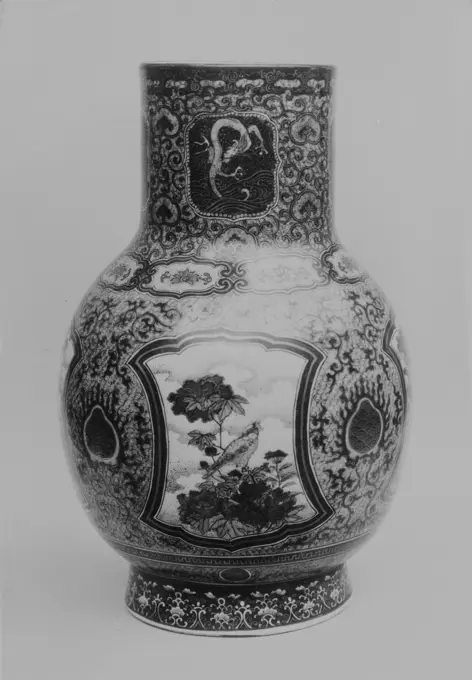
Vase 1855 Japan. Vase. Japan. 1855. White porcelain decorated with red and gold (Hizen ware, Kutani type). Edo period (1615-1868). Ceramics
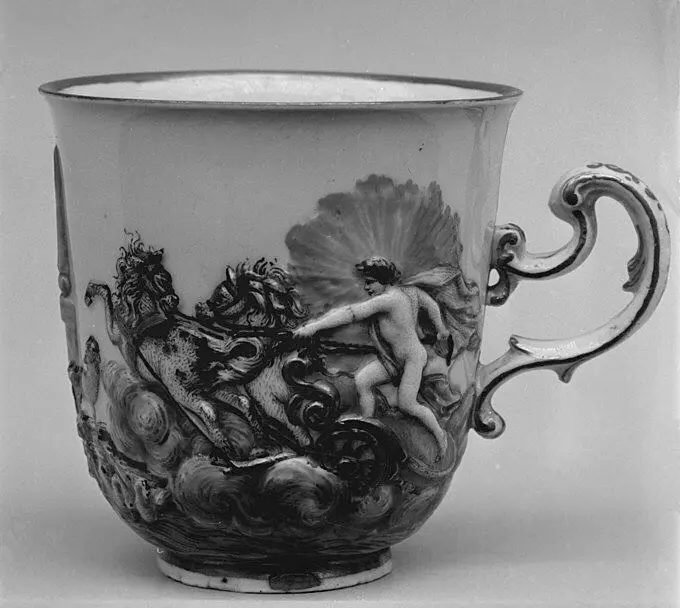
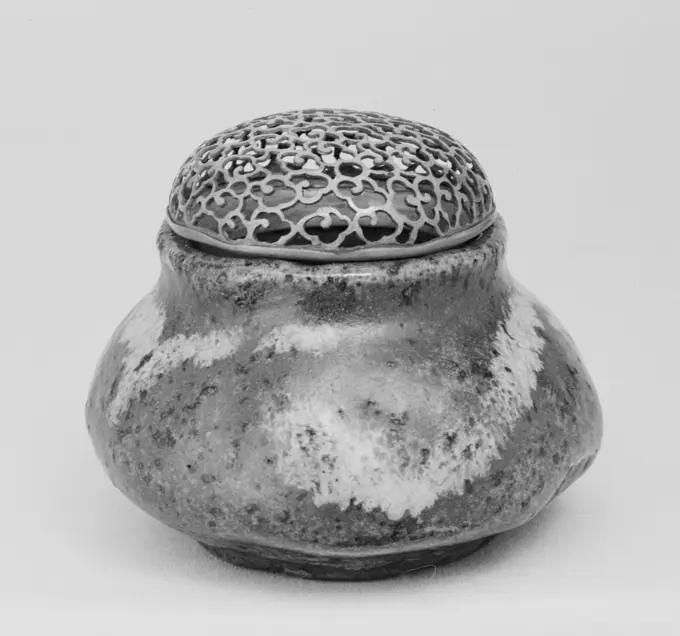
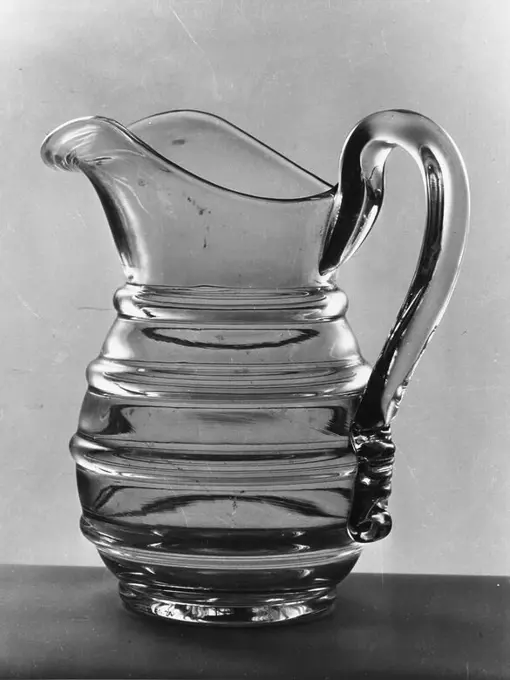
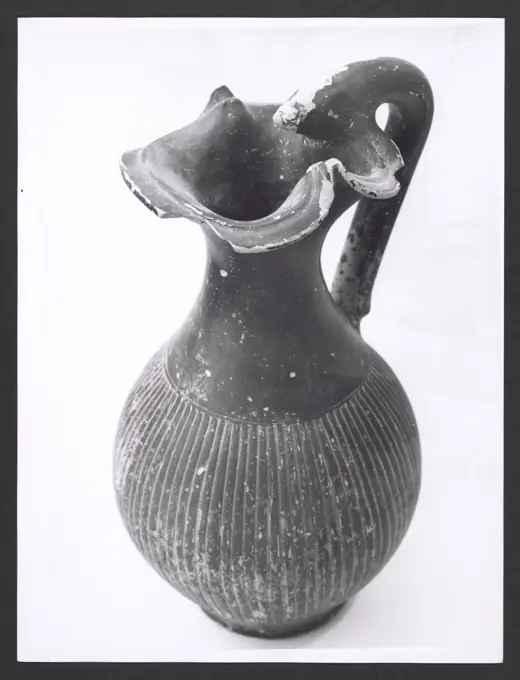
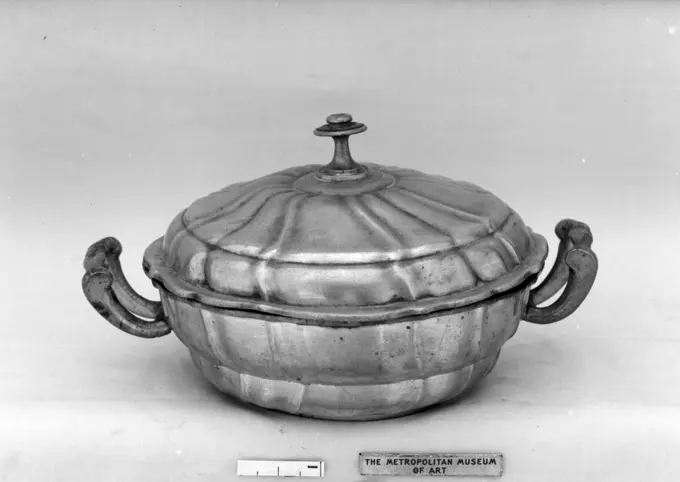
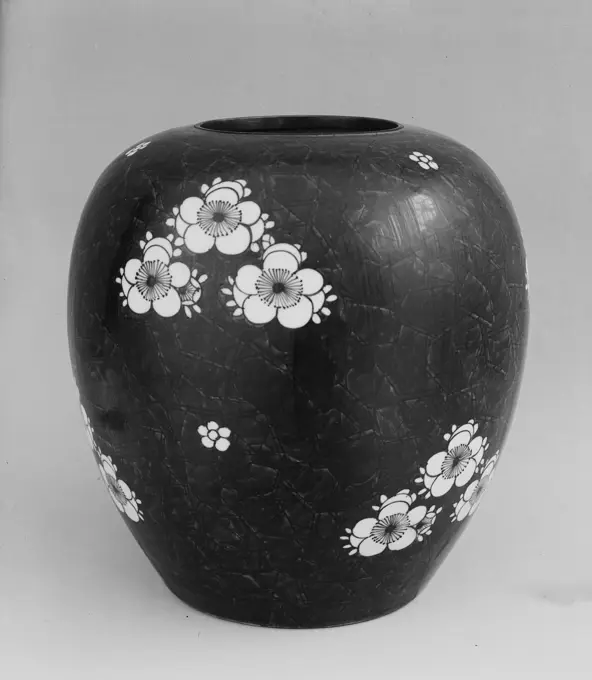
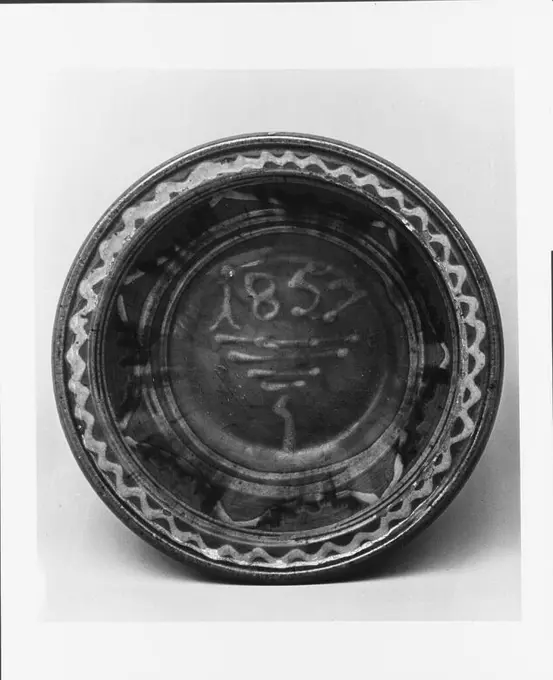
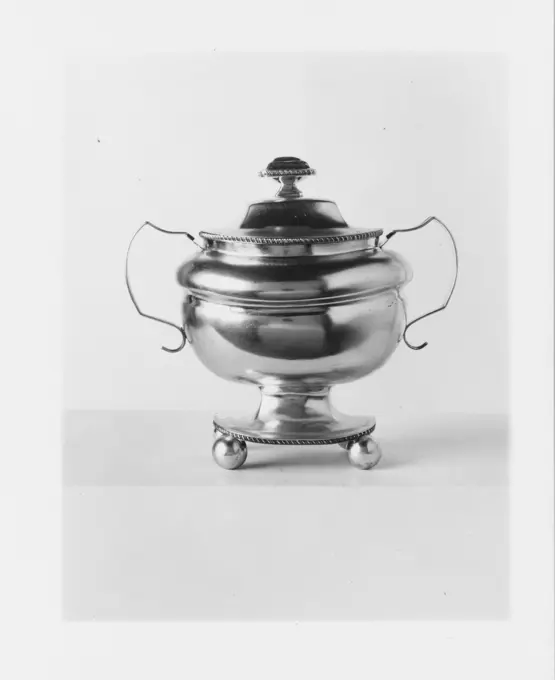
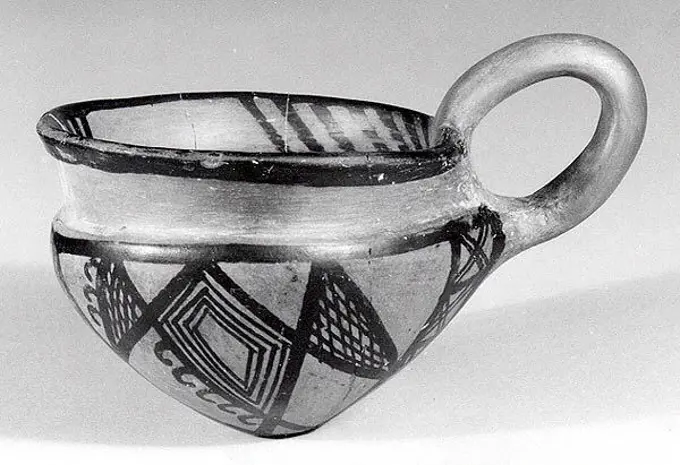
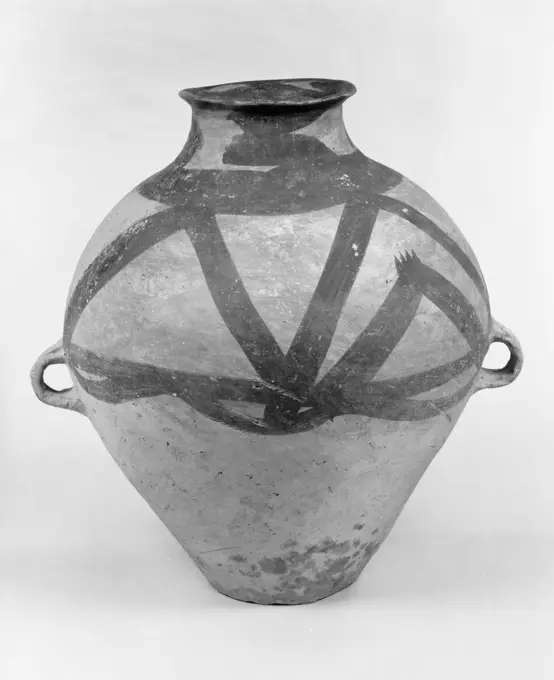
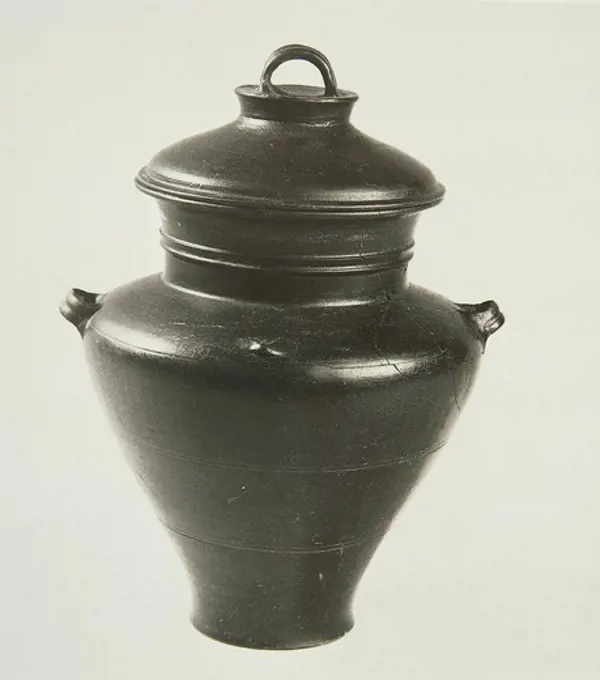
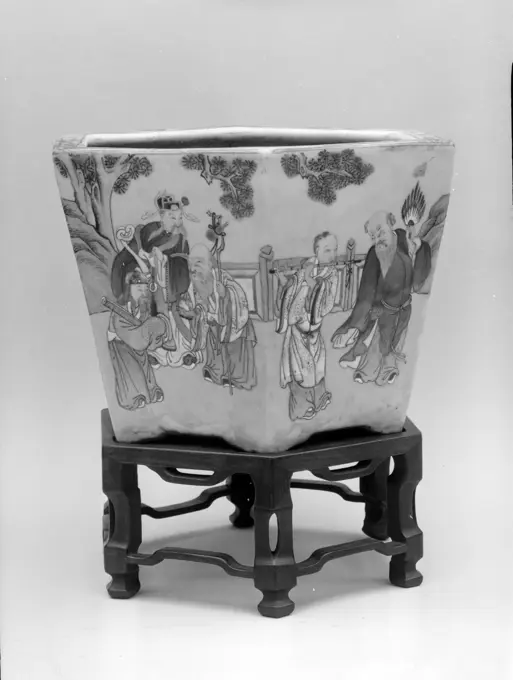
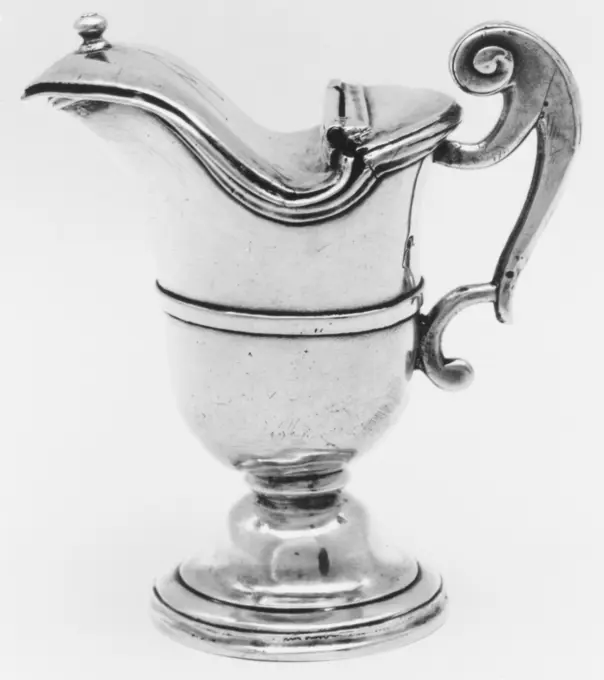
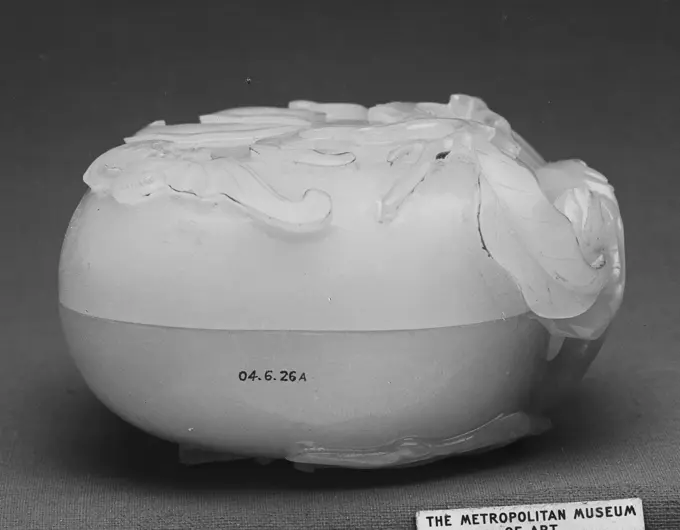
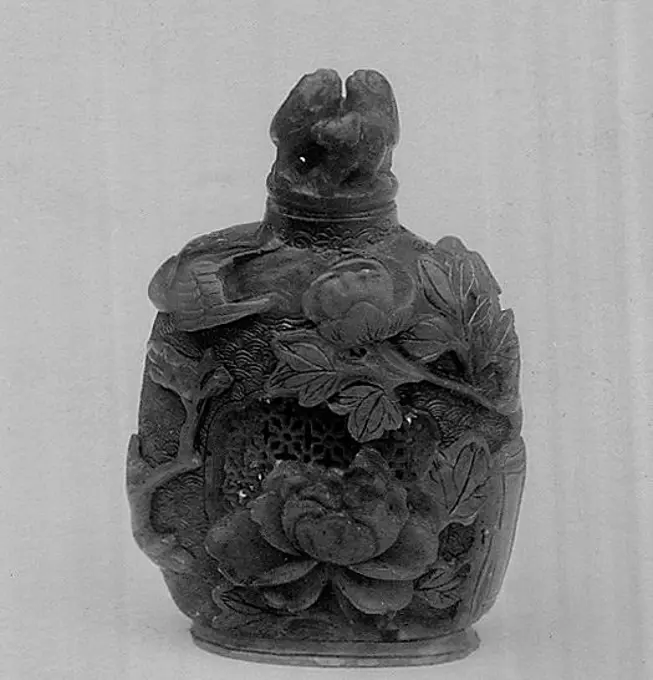
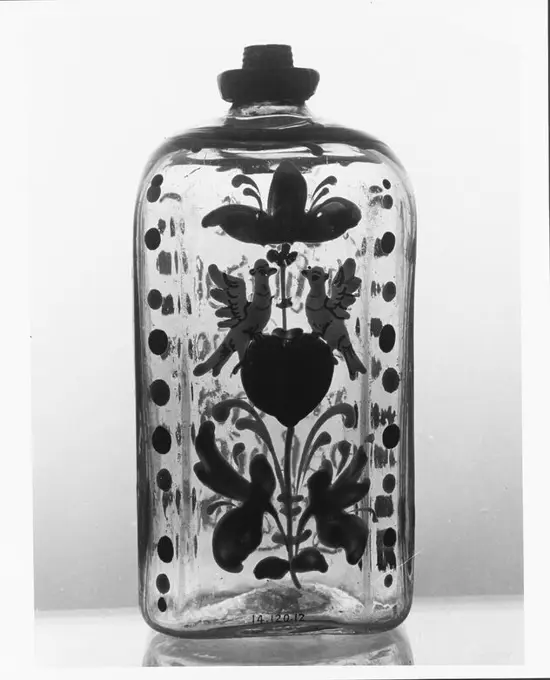
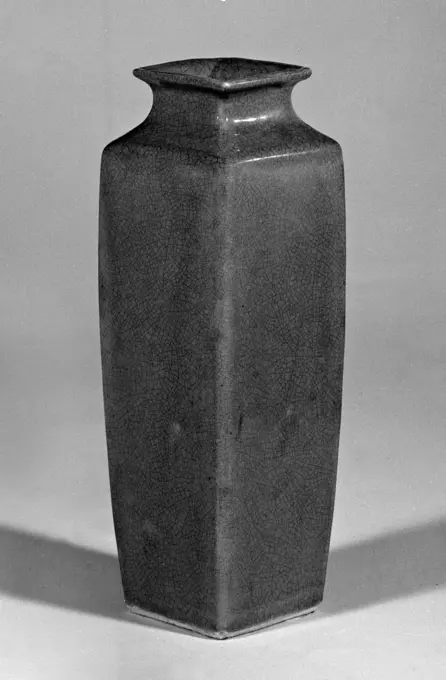
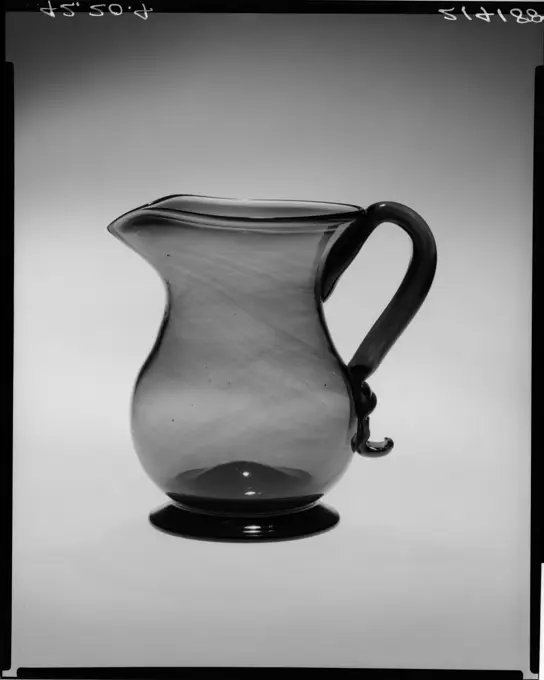
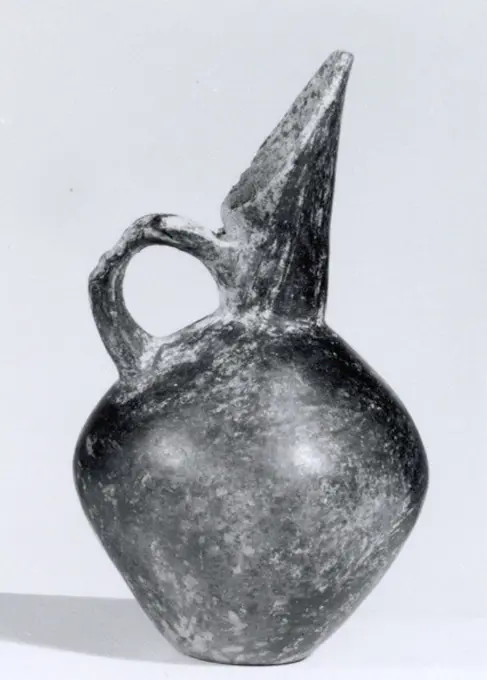
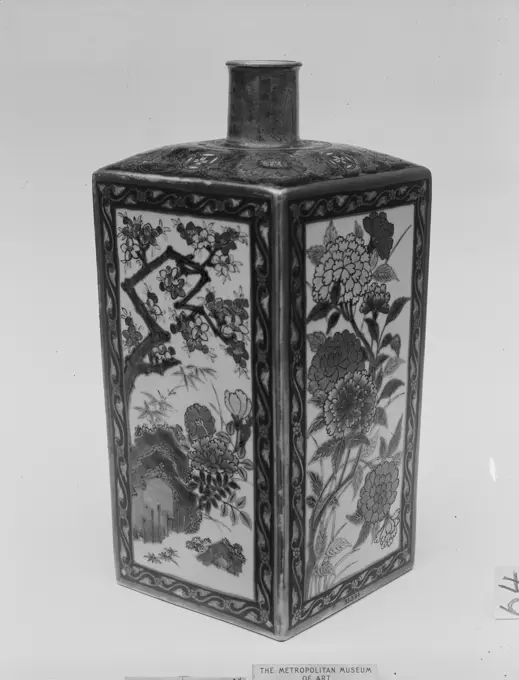
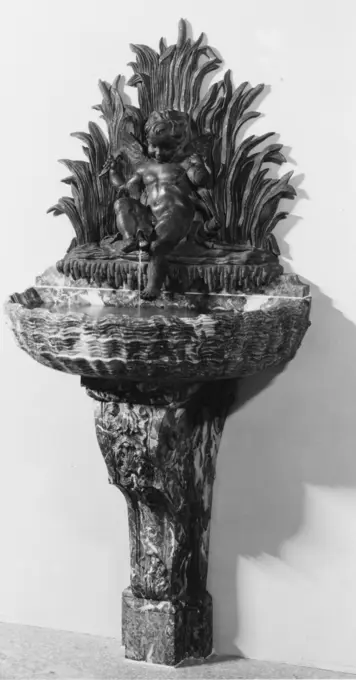
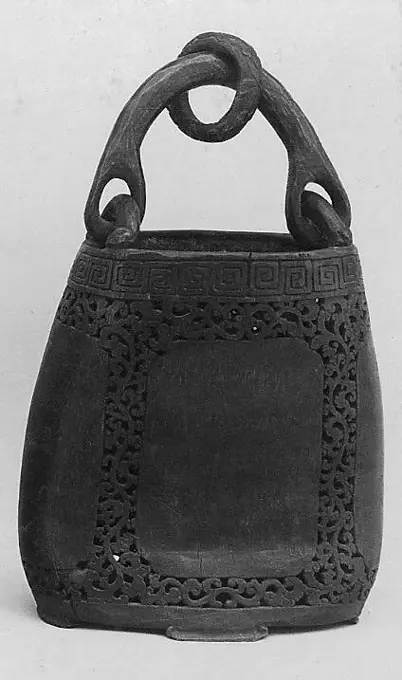
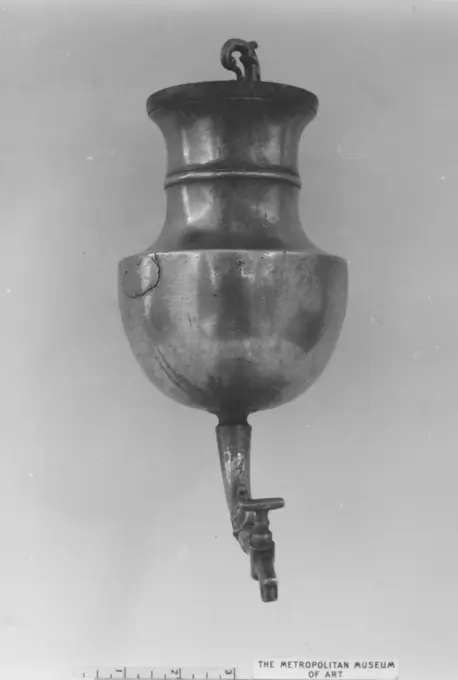
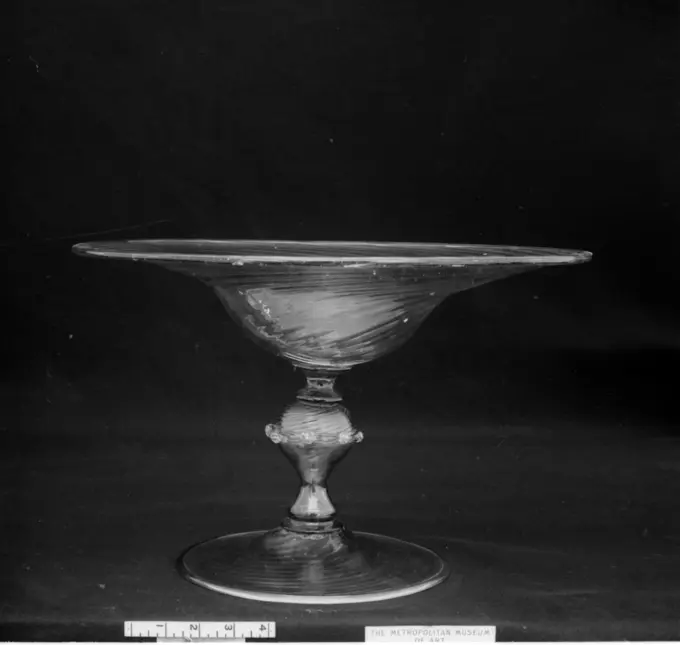
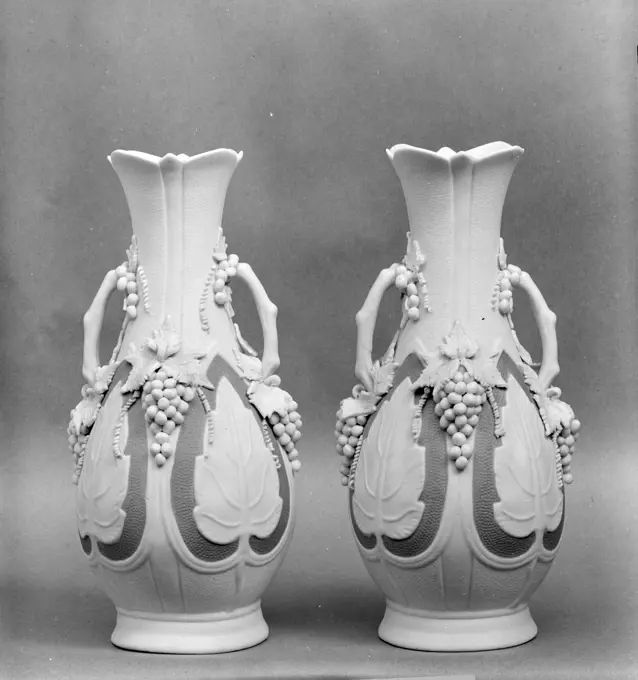
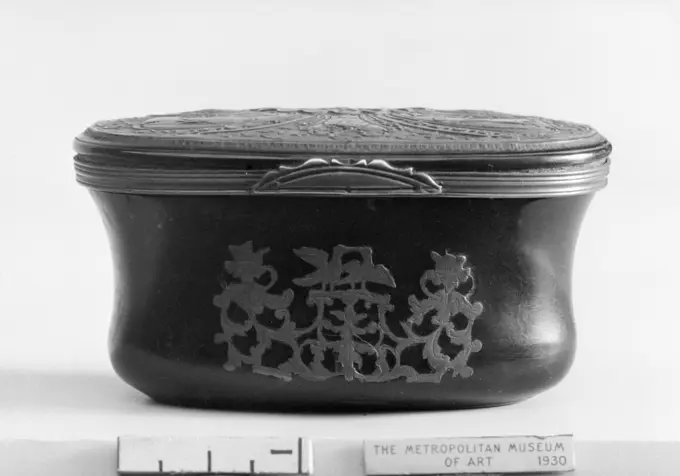
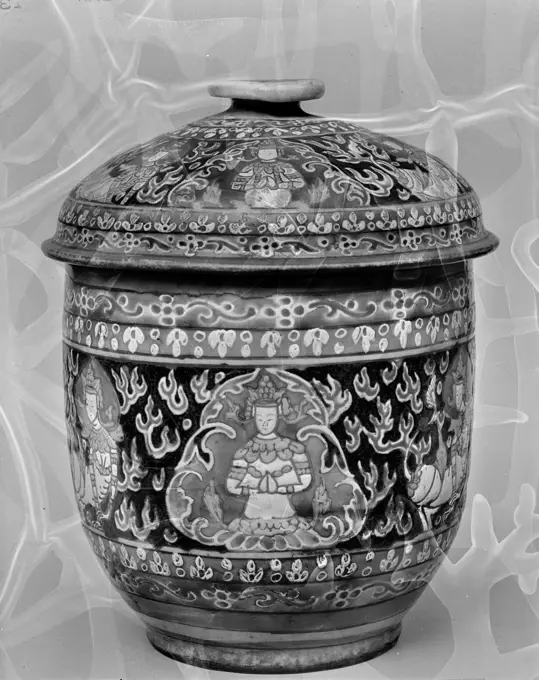
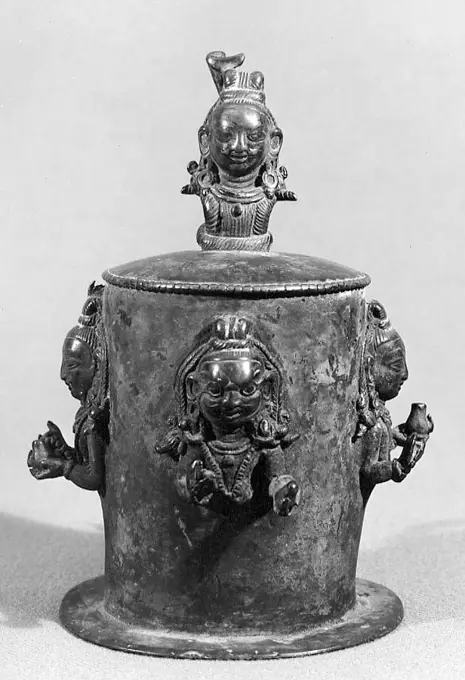
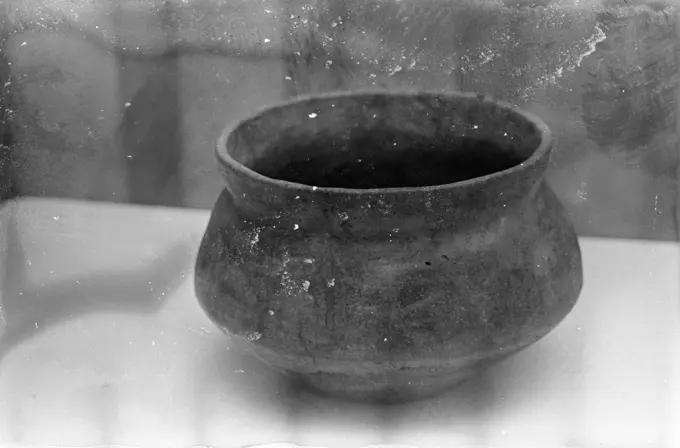
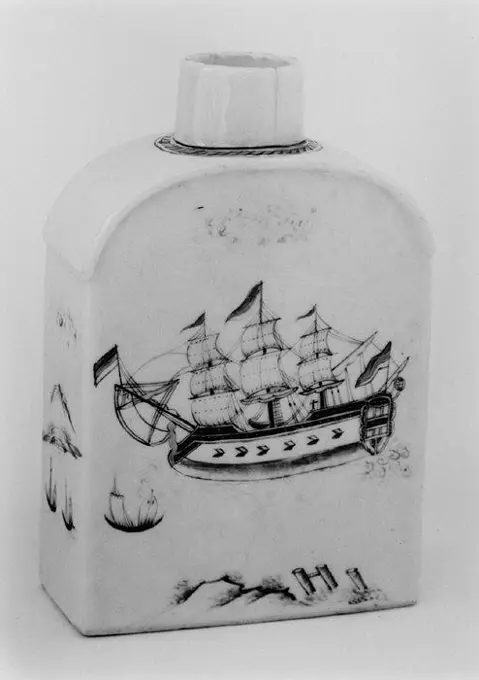
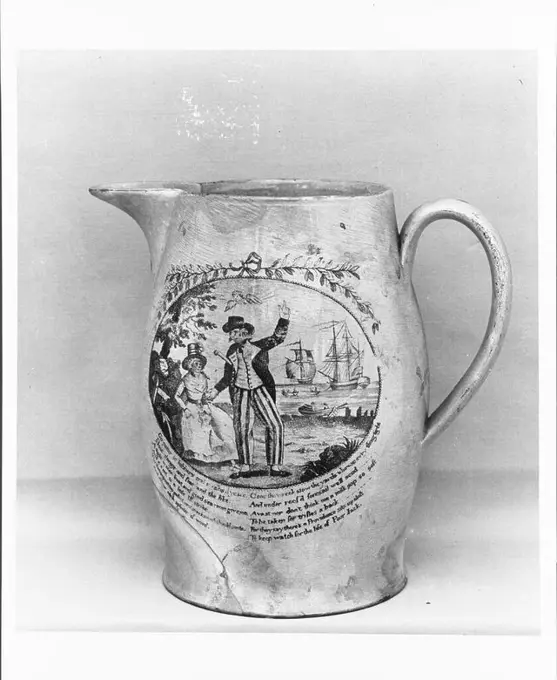
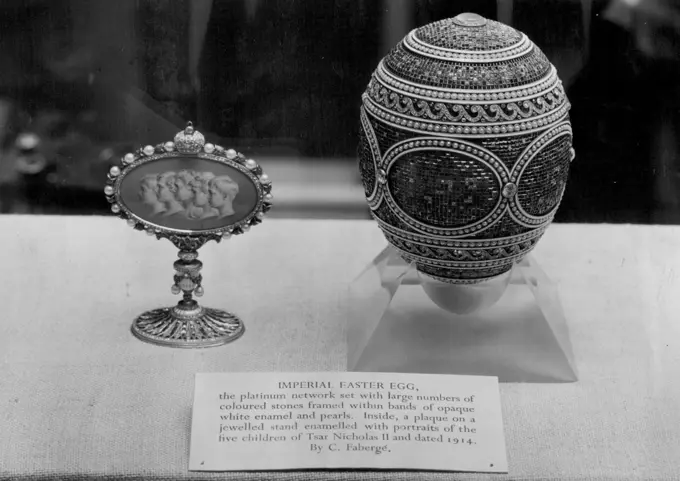
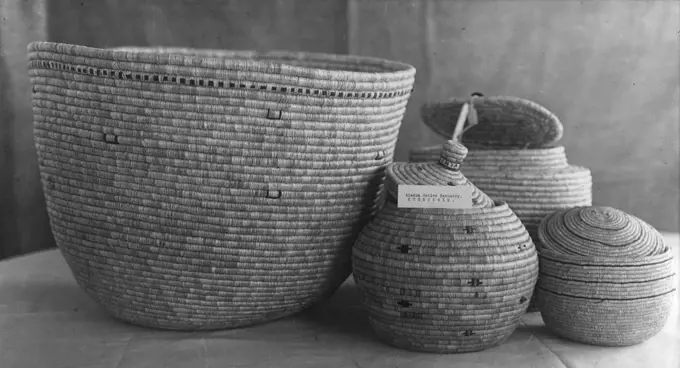
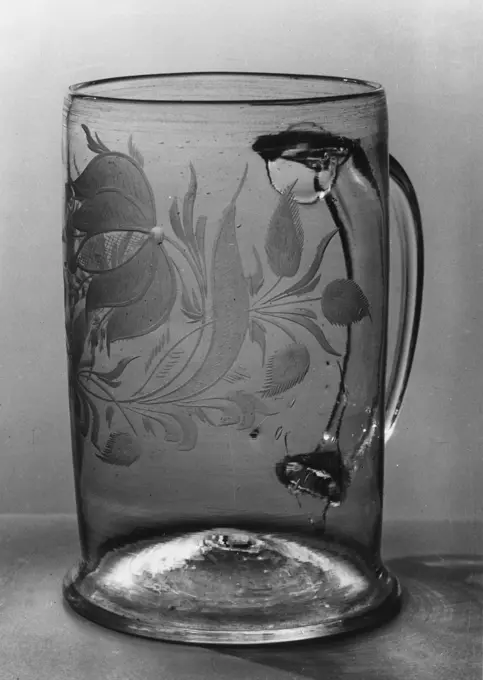
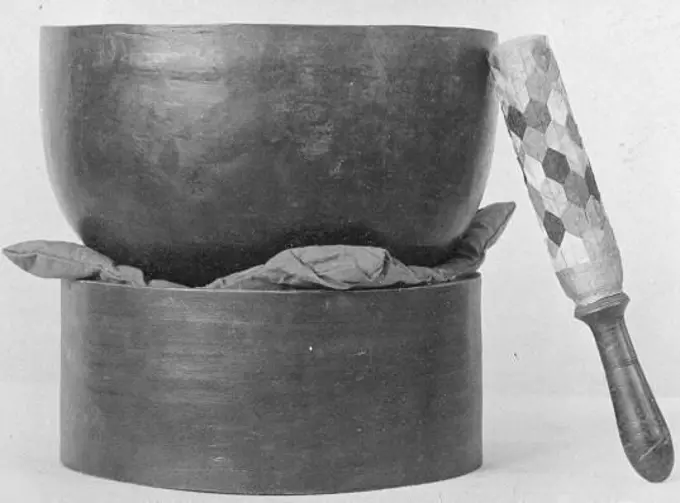
Dobachi 19th century Japanese. Dobachi. Japanese. 19th century. Brass. Japan. Idiophone-Struck-bell-without clapperSilver Kylix with Offset Lip. UnknownCoffee cup (part of a service) ca. 1760 Doccia Porcelain Manufactory Italian. Coffee cup (part of a service) 196894Covered Incense Burner 18th century Japan. Covered Incense Burner. Japan. 18th century. Clay full of large black specks and covered with a transparent glaze. Edo period (1615-1868). CeramicsCricket cage 18th-19th century China. Cricket cage 60745Egg cup 18th century German. Egg cup. German. 18th century. Pewter. Metalwork-PewterPitcher. Culture: American. Dimensions: H. 9 1/4 in. (23.5 cm). Date: 1830-70. Museum: Metropolitan Museum of Art, New York, USA.Lazio Frosinone Casamari Museo Archeologico3. Hutzel, Max 1960-1990 Post-medieval: paintings on canvas, paintings on wood, wooden church furnishings Governing Body: Abbazia di Casamari General Notes: This record is for the pinacoteca which is part of the Museo Archeologico, housed within the Abbey of Casamari. Hutzel assigned it a separate numbering sequence. German-born photographer and scholar Max Hutzel (1911-1988) photographed in Italy from the early 1960s until his death. The result of this project, referred to by Hutzel as Foto Arte Minore, is thorough documentation of art historical development in Italy up to the 18th century, including objects of the Etruscans and the Romans, as well as early Medieval, Romanesque, Gothic, Renaissance and Baroque monuments. Images are organized by geographic region in Italy, then by province, city, site complex and monument.Two-handledCup.   Maker: John Gibbons, BritishWater Jar early 19th century Japan. Water Jar 52513Broth bowl with cover 18th century Swiss or German. Broth bowl with cover. Swiss or German. 18th century. Pewter. Metalwork-PewterFooted bowl ca. late 8th millennium B.C.. Footed bowl 327125Covered Hobnail Sugar Bowl. Culture: American. Dimensions: H. 5 3/4 in. (14.6 cm). Maker: Probably Hobbs, Brockunier and Company (1863-1891). Date: after 1886. Museum: Metropolitan Museum of Art, New York, USA.Bottle. Culture: Japan. Dimensions: H. 10 in. (25.4 cm). Date: 18th century. Museum: Metropolitan Museum of Art, New York, USA.Vase early 20th century Korea. Vase. Korea. early 20th century. Ceramic with glaze. CeramicsIce cream cup (Tasse à glace) (part of a service) 1780 Sèvres Manufactory French. Ice cream cup (Tasse à glace) (part of a service). French, Sèvres. 1780. Soft-paste porcelain. Ceramics-PorcelainJar 1830 Japan. Jar. Japan. 1830. White porcelain decorated under the glaze. Edo period (1615-1868). CeramicsPitcherDish. Culture: American. Dimensions: H. 2 in. (5.1 cm); Diam. 6 3/8 in. (16.2 cm). Date: 1857. Museum: Metropolitan Museum of Art, New York, USA.Jar 1830 Japan. Jar. Japan. 1830. White porcelain decorated with white on blue under the glaze ground. Edo period (1615-1868). CeramicsSugar Bowl ca. 1815 William B. Heyer. Sugar Bowl 7993Egg Cup 1830-70 American. Egg Cup. American. 1830-70. Parian porcelain. Probably made in Bennington, Vermont, United StatesVessel ca. 1900-1600 B.C. Old Assyrian Trading Colony or Hittite. Vessel 325242Jar (Guan) ca. 2300-2000 B.C. China. Jar (Guan) 44730Basket first half 18th century Dutch. Basket. Dutch. first half 18th century. Glass. GlassVase 1780 Japan. Vase. Japan. 1780. White porcelain decorated with polychrome enamels (Nabeshima ware). Edo period (1615-1868). CeramicsBottle 18th century Japan. Bottle. Japan. 18th century. Clay covered with overglaze and underglaze (Mino ware, Oribe type). Edo period (1615-1868). CeramicsSeal paste box late 17th-early 18th century China. Seal paste box. China. late 17th-early 18th century. Porcelain painted in underglaze cobalt blue (Jingdezhen ware). Qing dynasty (1644-1911), Kangxi period (1662-1722). CeramicsBlack ceramic vessel with lid, China, Longshan culture (Shandong), Neolithic, PrehistoryJardiniere 1700-1800 Chinese. Jardiniere. Chinese. 1700-1800. Porcelain, teak. Made in ChinaCup 7th-8th century China. Cup. China. 7th-8th century. Earthenware with marblized body and brown glaze. Tang dynasty (618-907). CeramicsAltar cruet (one of a pair) first half 18th century French, Saint-Omer (Lille Mint). Altar cruet (one of a pair) 200140Tea caddy spoon 1790-91 British, Birmingham. Tea caddy spoon 192158Box in the shape of a peach 18th century China. Box in the shape of a peach. China. 18th century. Jade (nephrite). Qing dynasty (1644-1911). JadeSnuff Bottle 19th century China. Snuff Bottle 41684Bottle. Dimensions: H. 5 5/8 in. (14.3 cm). Date: 1700-1800. Museum: Metropolitan Museum of Art, New York, USA.Square vase late 18th-19th century China. Square vase. China. late 18th-19th century. Porcelain with green glaze (Jingdezhen ware). Qing dynasty (1644-1911). CeramicsCapital 6th-7th century In the 500s Apa (Father) Jeremias founded a Coptic monastery at Saqqara, the ancient Egyptian necropolis (cemetery) of the city of Memphis, near the oldest pyramids. He and the earliest monks lived in tombs at the site. As the monastery grew, several grand churches with lavish decoration were built, as well as many chapels, public buildings, and complexes of cells (rooms) for each monk. The monastery continued to grow after the Arab conquest with materials from early Byzantine tomb structures being reused for additional monastic structures. Inscriptions record prayers to numerous holy figures. Sculptural elements from Saqqara are often carved with deeply undercut patterns to intensify the play of light and shadow and to mask the solidity of the architecture. This sculptural style was popular throughout the Byzantine world in the 500s.. Capital 456171Creamer 1800-1850 American. Creamer. American. 1800-1850. Free-blown amethyst glass. Made in Midwest, United StatesSpouted jar ca. 2700-2400 B.C.. Spouted jar 325582Square Bottle ca. 1750 Japan. Square Bottle. Japan. ca. 1750. White porcelain decorated with blue under the glaze, polychrome enamels (Arita ware). Edo period (1615-1868). CeramicsBrazier 1700-1800. Brazier. 1700-1800. Copper, iron, woodGlassware. Chopped off Glassware. Chopped off. Black and white projection plate. 1900-1930. Photograph of Jacques-Ernest Bulloz (1858-1942).Cupid and dolphin 1720-40 French. Cupid and dolphin 202531Right Thigh Defense (Cuisse) with Knee Defense (Poleyn). Culture: German. Dimensions: H. 17 1/2 in. (44.5 cm). Date: 16th century. Museum: Metropolitan Museum of Art, New York, USA.Bucket 19th century China. Bucket. China. 19th century. Bamboo. Qing dynasty (1644-1911). BambooReservoir lavatory or portable cistern 18th century German. Reservoir lavatory or portable cistern. German. 18th century. Pewter. Metalwork-PewterTazza 19th century Italian, Venice (Murano). Tazza. Italian, Venice (Murano). 19th century. Glass. GlassBrush Holder. Artist: Kasuke. Culture: Japan. Dimensions: H. 6 3/4 in. (17.1 cm). Date: ca. 1780. Museum: Metropolitan Museum of Art, New York, USA.Vase 1830-70 American Named in reference to the ancient marble quarry on the Greek island of Parros, parian has higher proportion of feldspar than conventional porcelain, resulting in a vitrified biscuit body that resembles white statuary marble. Stylish and affordable, parian statuary and hollowware were extremely popular household ornaments in the mid-nineteenth century. This vessel and its mate (47.90.64) was likely made by the United States Pottery Company, which exhibited parian to great acclaim at the 1853 Crystal Palace Exhibition in New York.. Vase. American. 1830-70. Parian porcelain. Probably made in Bennington, Vermont, United StatesSnuffbox 18th century French or Dutch In eighteenth-century Europe, Paris led the production of high-quality luxury goods. Parisian goldsmiths made a wide range of small, personal articles such as snuffboxes; étuis to hold sealing wax, tweezers, or utensils for sewing; souvenirs, which contained thin ivory tablets for note taking; and shuttles for knotting lace. Gold snuffboxes and boxes decorated with portrait miniatures were prized and frequently given as royal gifts, often to ambassadors or members of the court in lieu of cash payments for their services. Coveted and admired, these boxes were produced from a variety of materials. The best were skillfully made of gold and embellished with diamonds, enameled decoration, lacquer, and other luxurious materials. By the middle of the century, the taking of snuff had become an entrenched social ritual, and the snuffbox, too, had become an important social prop. Snuffboxes were considered highly fashionable accessories, with some merchants Covered bowl with Thai mythical figures 19th century China. Covered bowl with Thai mythical figures. China. 19th century. Porcelain painted in overglaze polychrome enamels (Bencharong ware for Thai market). Qing dynasty (1644-1911). CeramicsRosewater Sprinkler 18th century Japan. Rosewater Sprinkler. Japan. 18th century. White porcelain decorated in blue under the glaze, iron red and gold and some foreign-looking enamels (Arita ware). Edo period (1615-1868). CeramicsTankard ca. 1670  M., provincial England. Tankard. British, possibly Hull. ca. 1670. Silver. Metalwork-SilverCampania Salerno Nocera Inferiore Museo dell'Agro Nocerino3. Hutzel, Max German-born photographer and scholar Max Hutzel (1911-1988) photographed in Italy from the early 1960s until his death. The result of this project, referred to by Hutzel as Foto Arte Minore, is thorough documentation of art historical development in Italy up to the 18th century, including objects of the Etruscans and the Romans, as well as early Medieval, Romanesque, Gothic, Renaissance and Baroque monuments. Images are organized by geographic region in Italy, then by province, city, site complex and monument.Sugar Bowl ca. 1840 Bailey and Kitchen. Sugar Bowl 7951Eagle and SunburstFlaskNagrobek w kształcie lekytu (naczynia na wonności i oliwę). unknown, authorIncense Container. Culture: Japan. Dimensions: H. 1 1/2 in. (3.8 cm); W. 2 in. (5.1 cm). Date: 19th century. Museum: Metropolitan Museum of Art, New York, USA.Lazio Viterbo Tarquinia Palazzo Vitelleschi35. Hutzel, Max 1960-1990 Exterior views of Palazzo and museum as well as interior courtyard views and interior views of vaulting. 15th cent. gothic architecture (1436-39, 1460-90). Inside palazzo is the Cappella gentilizia, 15th century, and the antecappella, with frescoes of the story of Lucrezia alternating with the cardinal virtues. Antiquities: Phoenician: faience. Etruscan: sarcophagi; pottery; bronze implements (weapons, vessels, mirrors, candelabra). Gold jewelry. Terracotta masks, statuettes and votive objects. Roman: marble statues, bronze vessels, pottery. Object Notes: Hutzel photo campaign dates: February 15, 1984 and November 9, 1985. It appears that there may have been another campaign for which there are no notes. Palazzo Vitelleschi houses the Museo Nazionale Tarquiniese, antiquities prints are located in antiquities section. Only a few of the antiquities prints are matched to negatives. However, the NNP numbers follow the higBottle. Culture: Japan. Dimensions: H. 10 1/4 in. (26 cm). Date: 1760. Museum: Metropolitan Museum of Art, New York, USA.Teapot ca. 1725, decorated ca. 1740 Meissen Manufactory German. Teapot 205628Childhood Pictures - On this teacup (right) on a table in the home of Dr. Albert Einstein, at Princeton, N.J., is the only available childhood picture of the renowned scientist. The cup at the left bears the likeness of a sister of Einstein. June 6, 1938. (Photo by Associated Press Photo).Crystals engraved can, from the Louvre.Image about the glass, its manufacture and history, with motifs of finished glass, manufacturing process and craft.Five-Headed Linga 15th century India, (Himachal Pradesh, Chamba). Five-Headed Linga 39228Anefo photo collection. Degree of iron age at Haps under Cuyck. A cool urn, found in burial mound. November 10, 1967. CuijkTea caddy (part of a set) 1770-80 Chinese, for Dutch market. Tea caddy (part of a set) 201004Lazio Viterbo Tarquinia Palazzo Vitelleschi33. Hutzel, Max 1960-1990 Exterior views of Palazzo and museum as well as interior courtyard views and interior views of vaulting. 15th cent. gothic architecture (1436-39, 1460-90). Inside palazzo is the Cappella gentilizia, 15th century, and the antecappella, with frescoes of the story of Lucrezia alternating with the cardinal virtues. Antiquities: Phoenician: faience. Etruscan: sarcophagi; pottery; bronze implements (weapons, vessels, mirrors, candelabra). Gold jewelry. Terracotta masks, statuettes and votive objects. Roman: marble statues, bronze vessels, pottery. Object Notes: Hutzel photo campaign dates: February 15, 1984 and November 9, 1985. It appears that there may have been another campaign for which there are no notes. Palazzo Vitelleschi houses the Museo Nazionale Tarquiniese, antiquities prints are located in antiquities section. Only a few of the antiquities prints are matched to negatives. However, the NNP numbers follow the higCovered Cup. Culture: China. Dimensions: H. 3 1/2 in. (8.9 cm); Diam. 3 in. (7.6 cm). Date: late 18th-first half of the 19th century. Museum: Metropolitan Museum of Art, New York, USA.Pot with Flowering Plant. Culture: China. Dimensions: H. 16 3/4 in. (42.5 cm); W. 10 in. ( 25.4 cm). Museum: Metropolitan Museum of Art, New York, USA.Jug. Culture: British. Dimensions: H. 8 3/8 in. (21.3 cm). Maker: T. Johnson. Date: 1770-1800. Museum: Metropolitan Museum of Art, New York, USA.Caddy ca. 1765 Nymphenburg Porcelain Manufactory. Caddy. German, Nymphenburg. ca. 1765. Hard-paste porcelain. Ceramics-PorcelainExhibition Of Queen Mary's Art Treasures. Victoria And Albert Museum May 26th. To December 31st. -- One of the priceless treasures on show at the Exhibition of Queen Mary's Art Treasures which opened today at the Victoria and Albert Museum. This is the Imperial Easter Egg of platinum network set with large numbers of coloured stones framed within bands of opaque white enamel and pearls, made by the Russian jeweller Carl Faberge. Given by Czar Nicholas 11 to the Czarina at Easter in 1914, the Egg contains a stand (seen alongside) bearing portraits of their five children. May 26, 1954. (Photo by Fox Photos).Tankard 18th century Johann Gottlieb Menicus. Tankard 194599Group of Native American Indian baskets, some with lids. Twentieth century 20th centuryBowl 1775-1820. Bowl. 1775-1820. Non-lead glass with engraved decoration. Probably made in Bohemia, Czech RepublicStorage jar ca. 3rd-7th century A.D. Sasanian. Storage jar 323029Water Pot 19th century Japan. Water Pot. Japan. 19th century. Pottery covered with glaze, with added slip decoration (Sanuki ware). Edo (1615-1868) or Meiji period (1868-1912). CeramicsCute doodle ceramic jug design element illustration.Decanter (one of a pair) 18th century European. Decanter (one of a pair). European. 18th century. Glass. GlassMug 1770-1820. Mug 5269Anefo photo collection. Assignment RVD Medisch Historic exhibition Waaggebouw Amsterdam. August 14, 1949. Amsterdam, Noord-HollandBaskets; A.C. Vroman, American, 1856 - 1916; about 1898; Sepia toned waxed platinum print; Image: 11.4 x 10.7 cm (4 1/2 x 4 3/16 in.), Sheet: 12.5 x 11.7 cm (4 15/16 x 4 9/16 in.)The Grand National Trophy - This year's grand National Trophy seen on view at a Liverpool jewelers in Lord Street, Liver-pool. This year's trophy is a model of the 17th century trophies. March 11, 1938. (Photo by Topical Press).