Antique Animal Figurines

Ancient artifacts including terracotta and bronze animal figures, showcasing craftsmanship from various cultures and historical periods.

Netsuke Shishi and ball, 18th century, Unknown Japanese, 1 5/16 x 1 x 1 3/4in. (3.3 x 2.5 x 4.4cm), Wood, Japan, 18th century
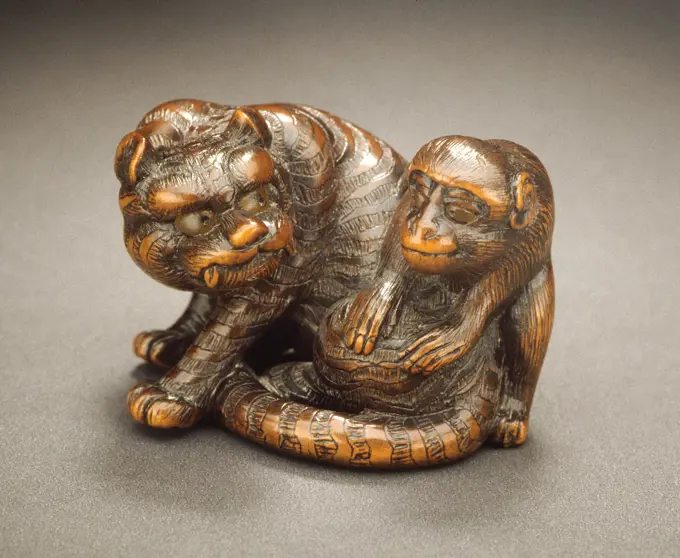
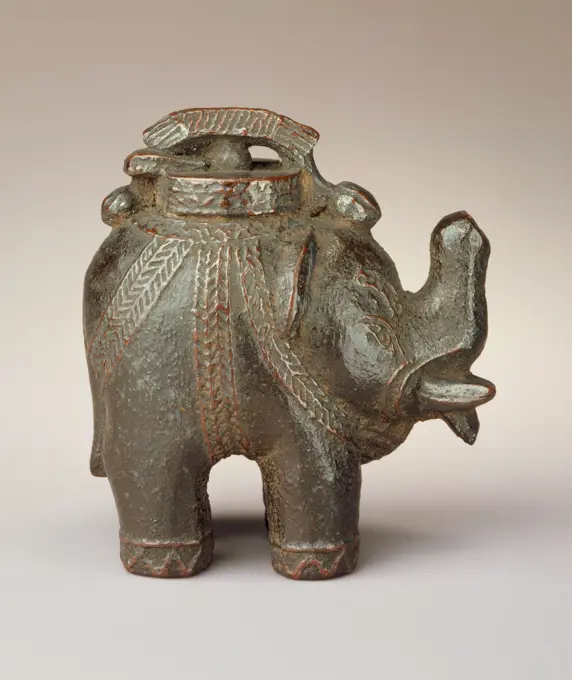
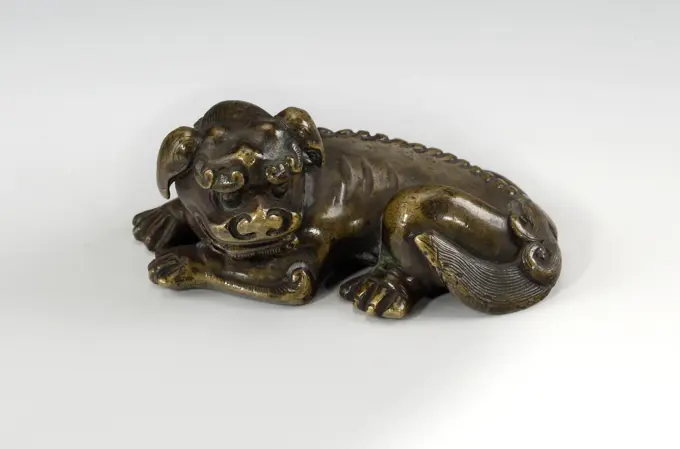
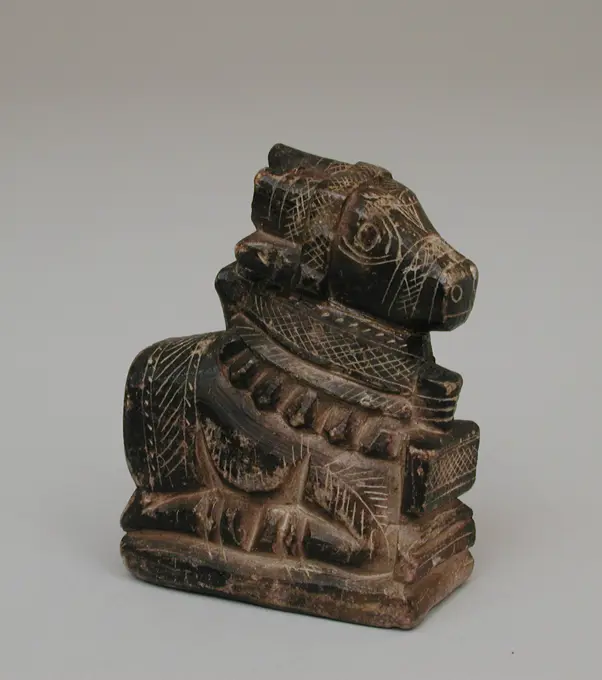
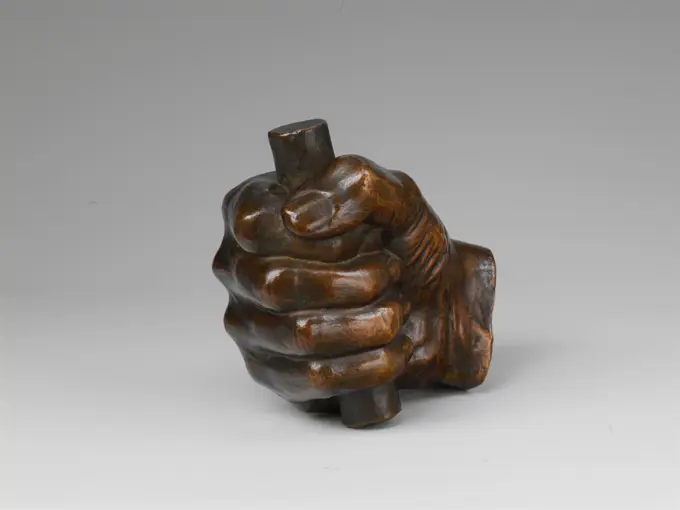
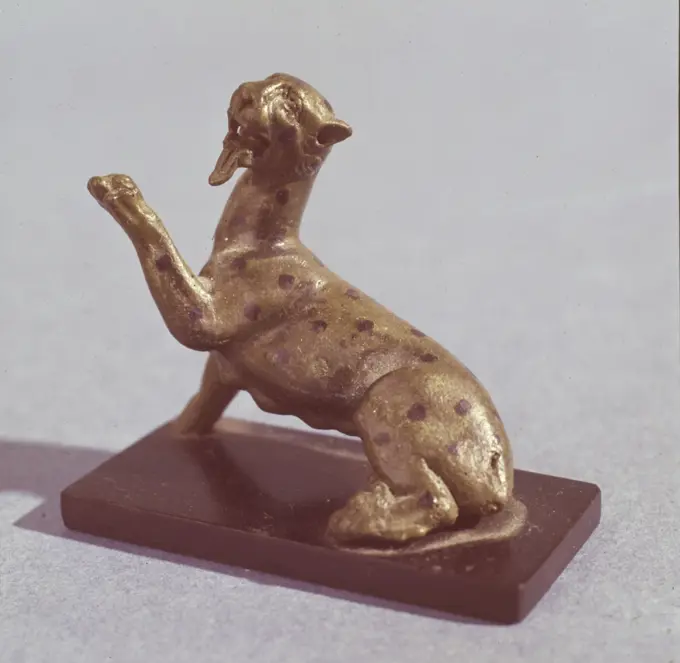
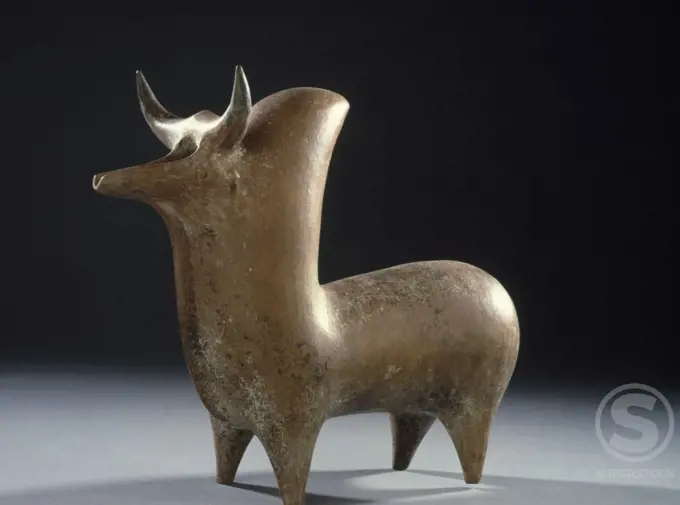
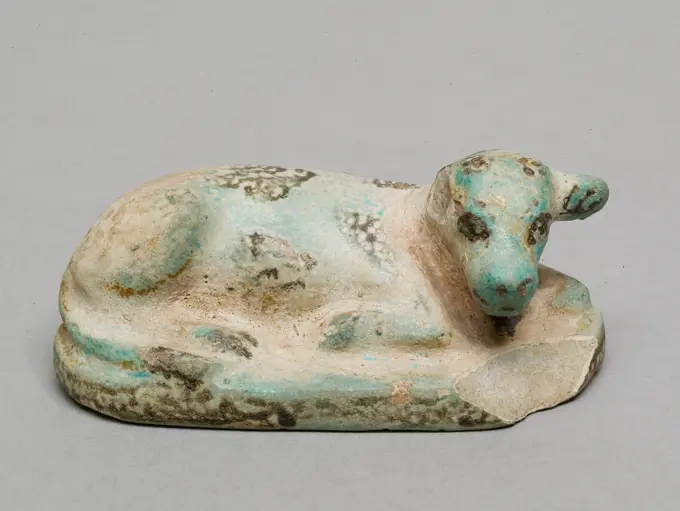
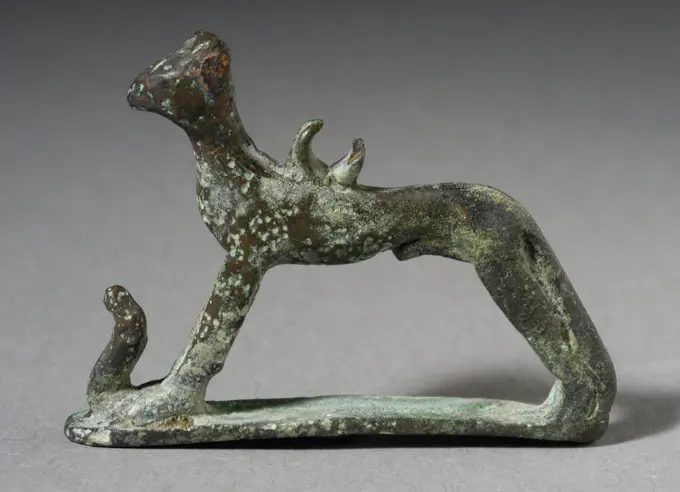
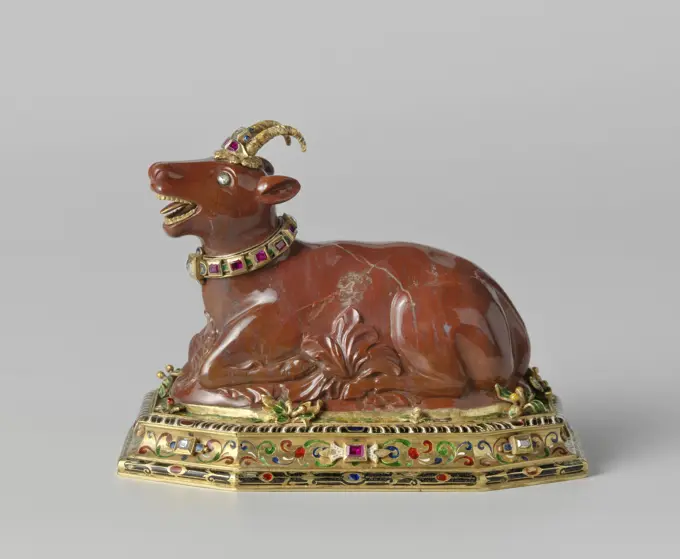
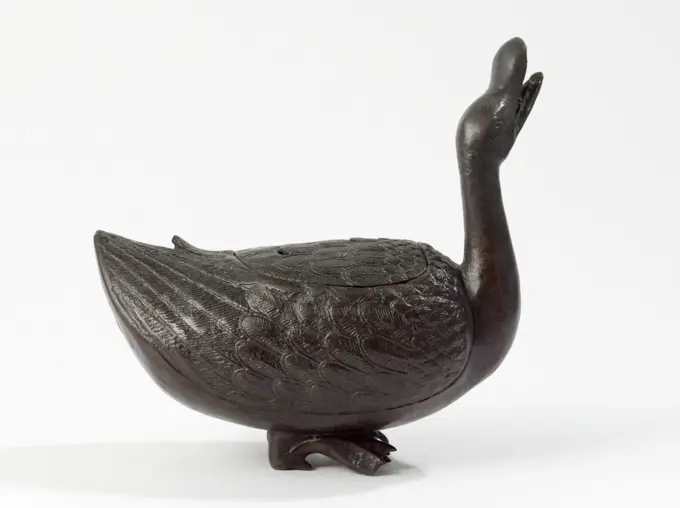
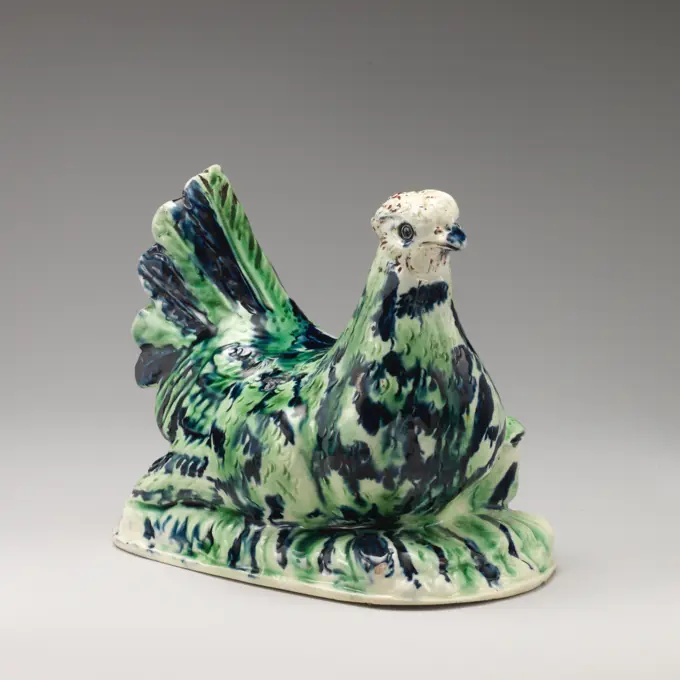
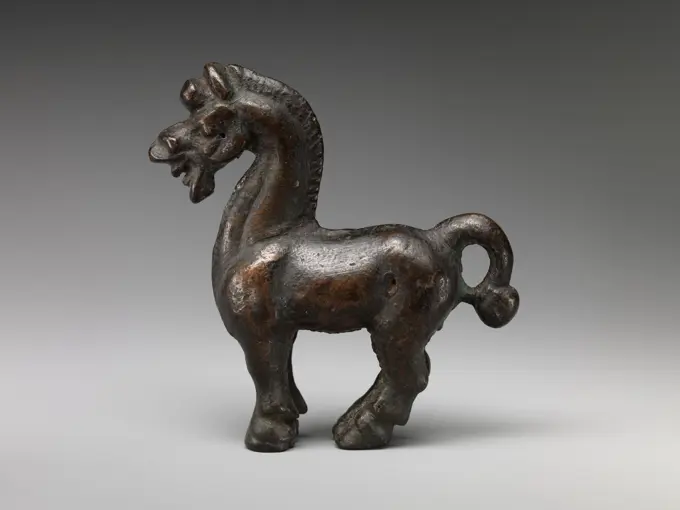
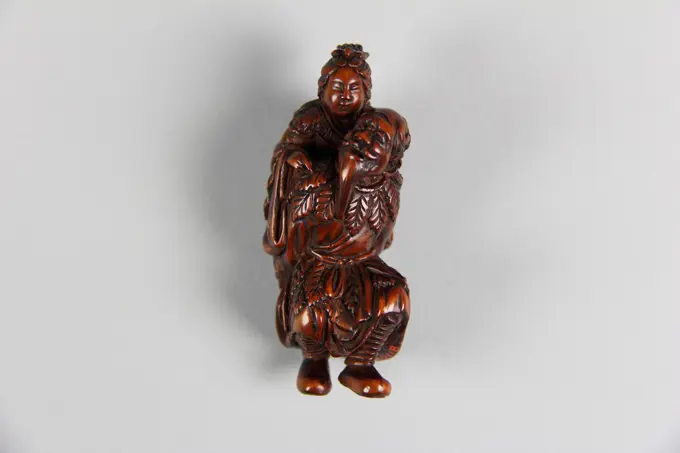
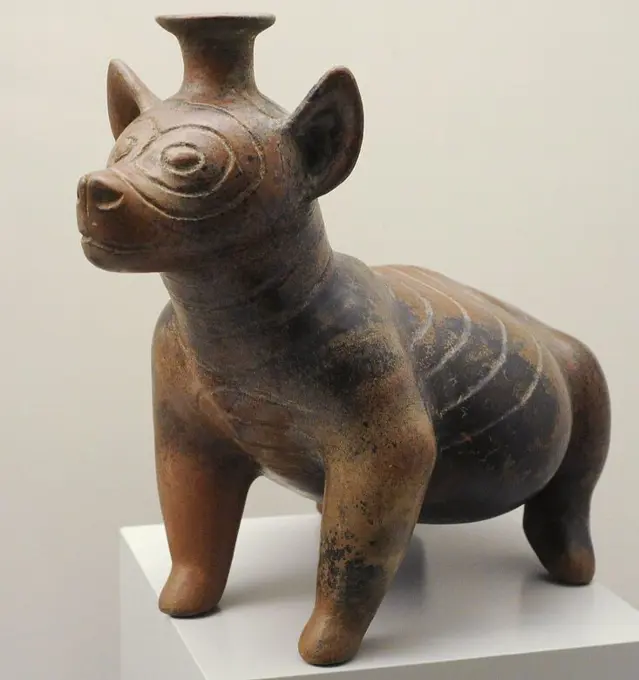
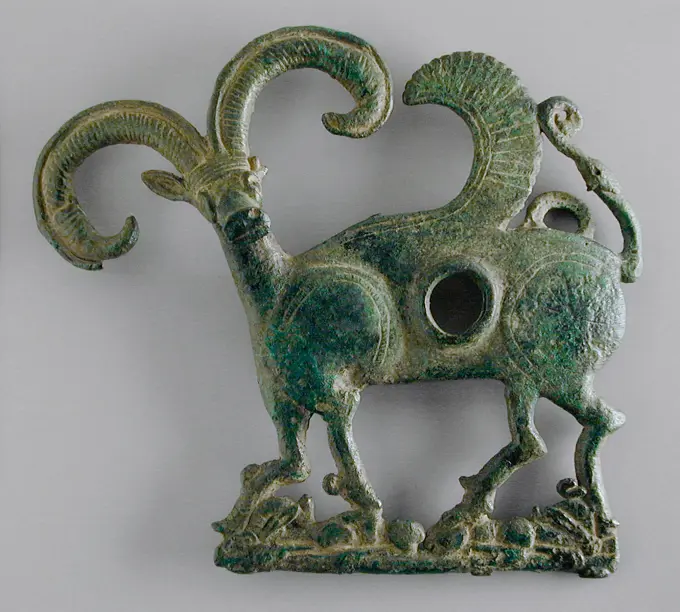
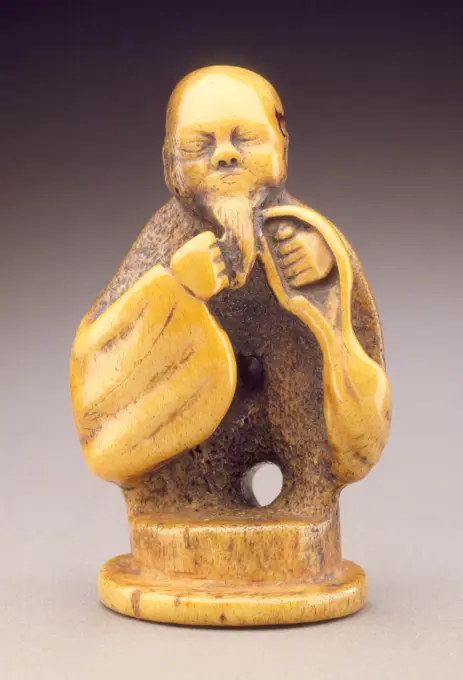
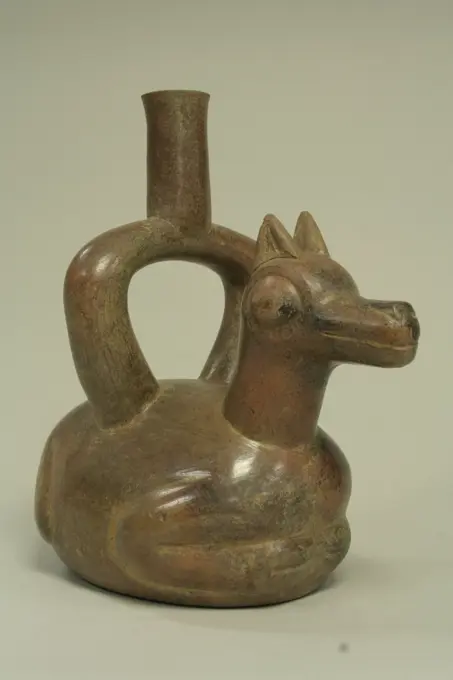
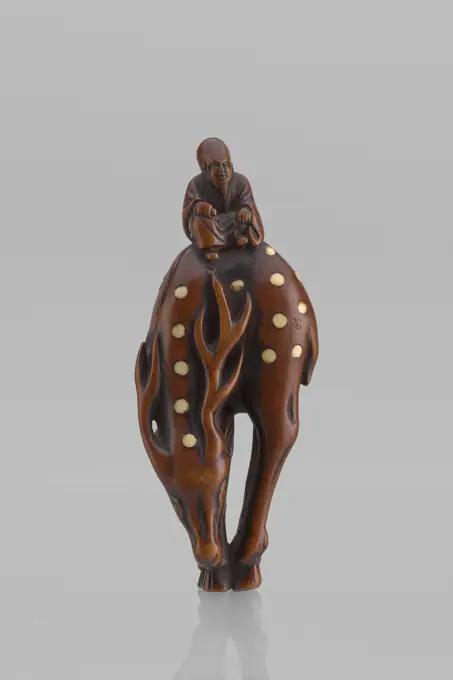
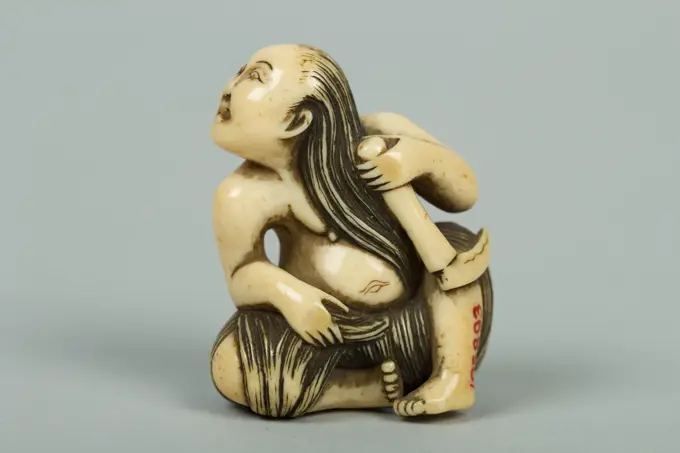
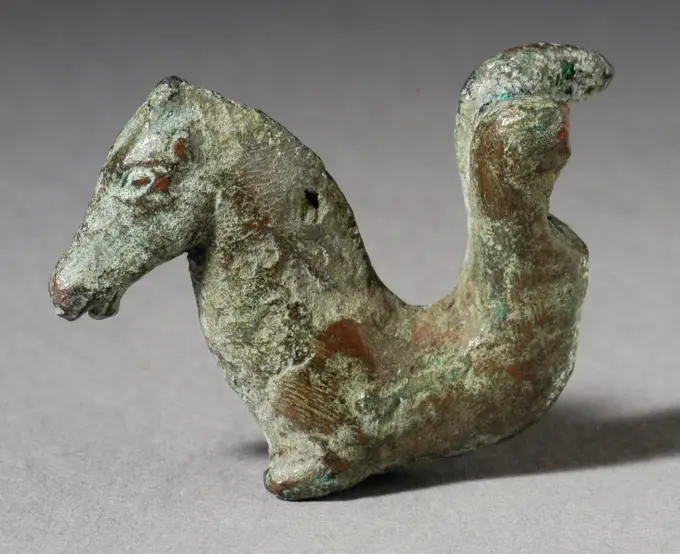
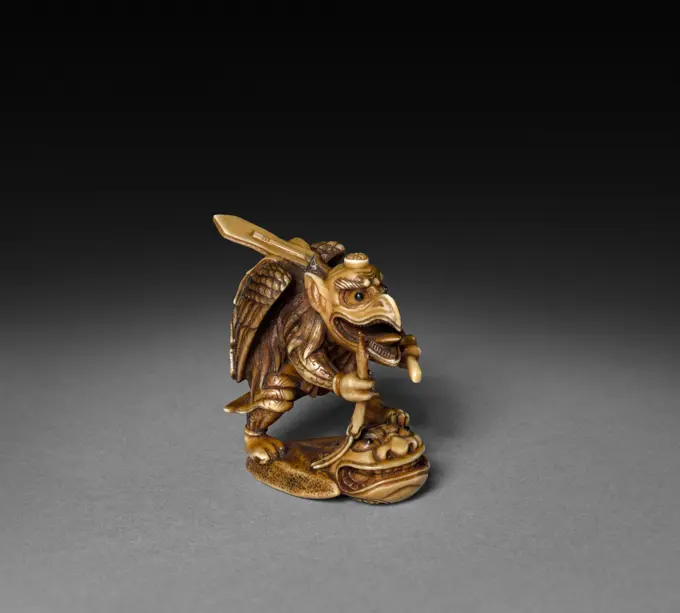
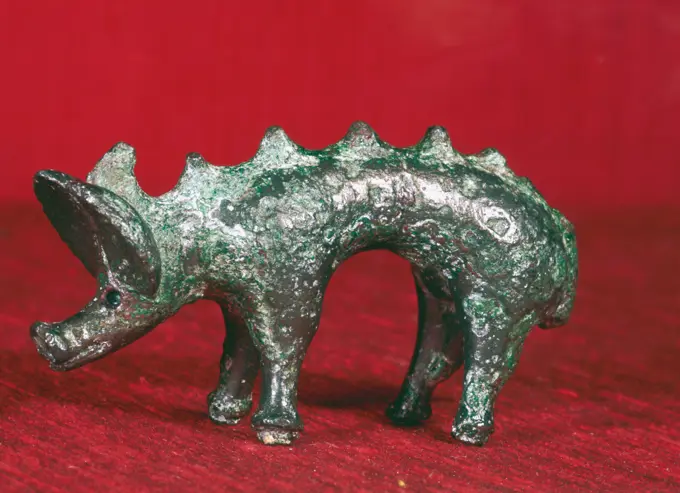
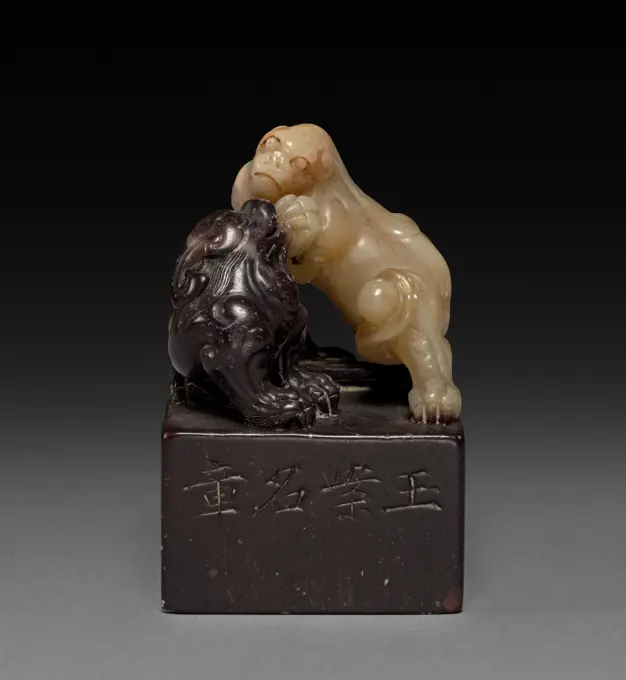
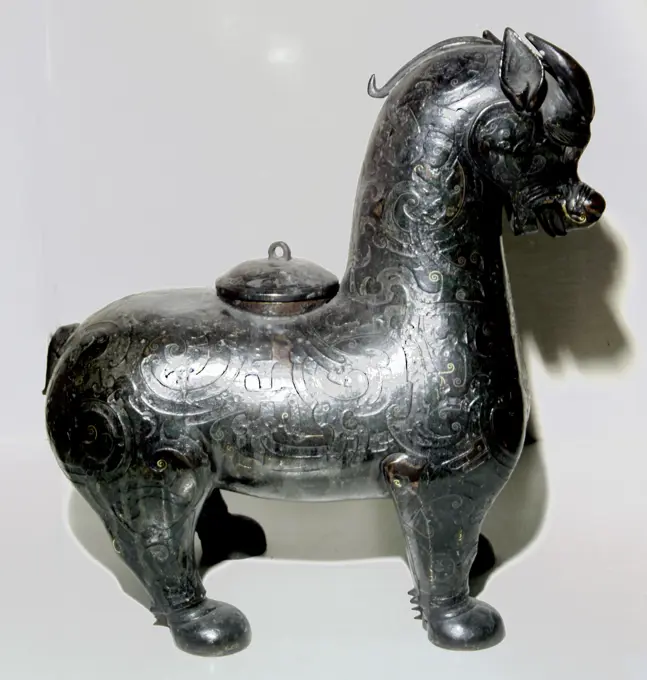
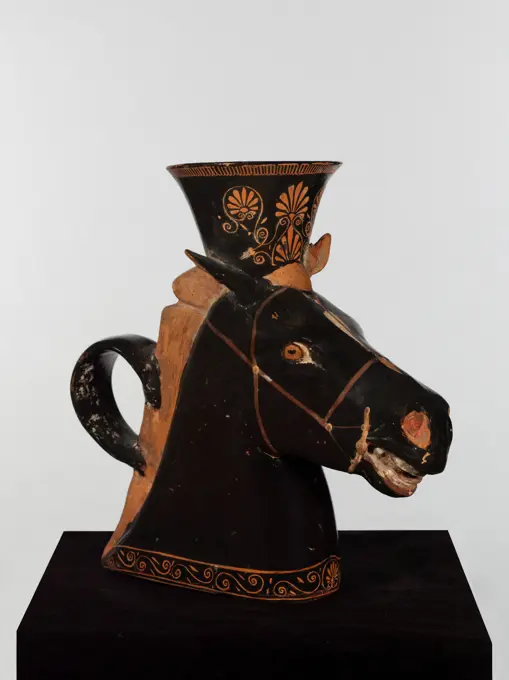
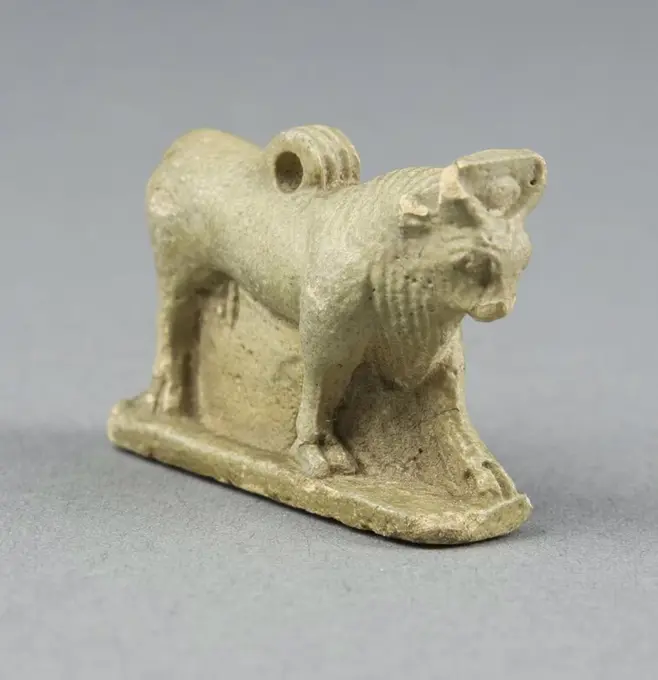
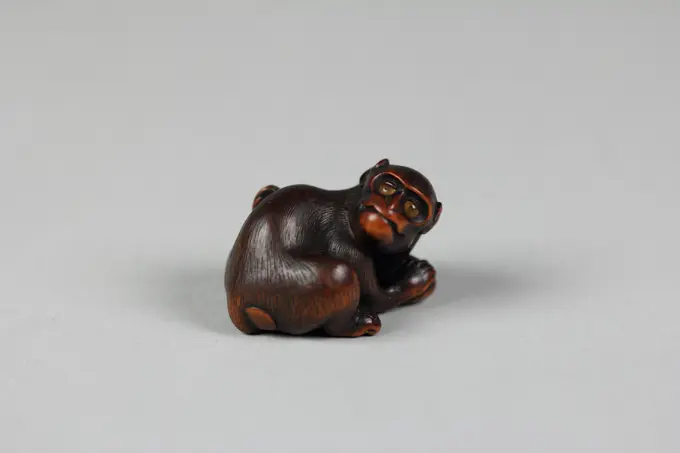
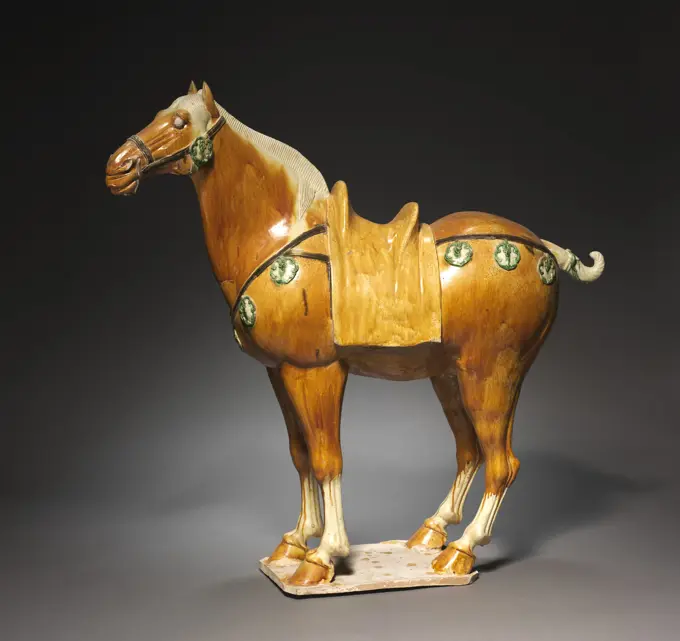
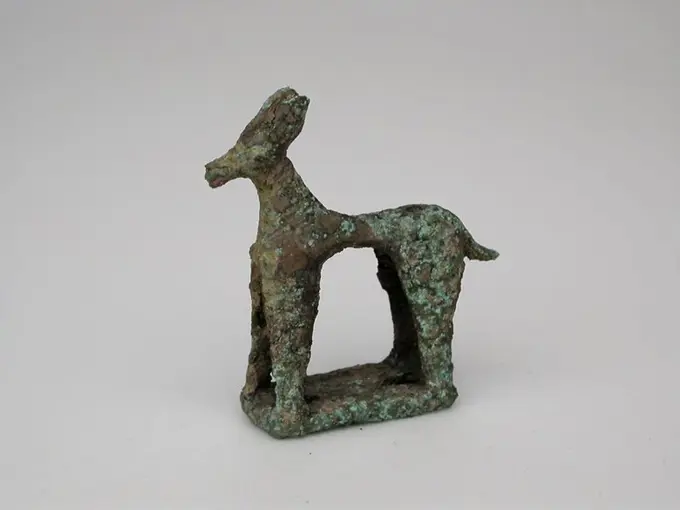
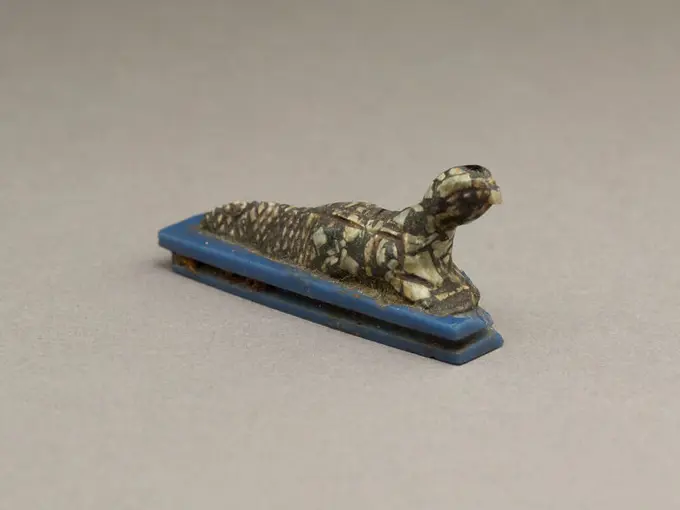
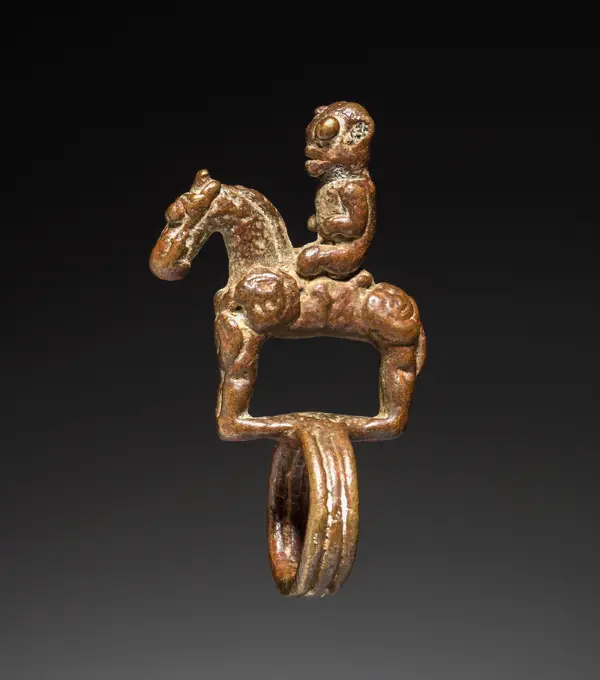
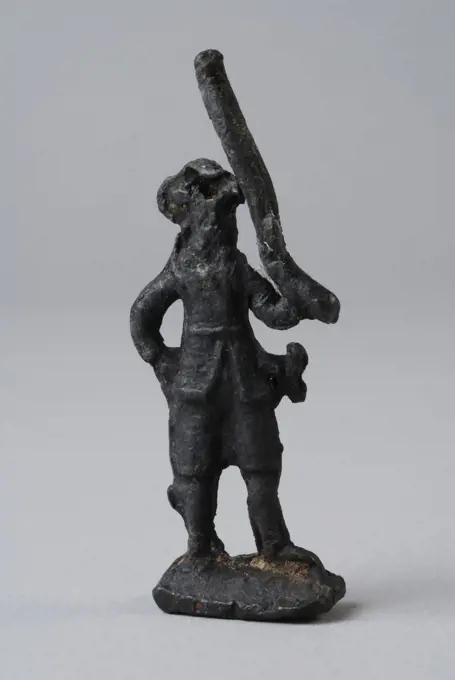
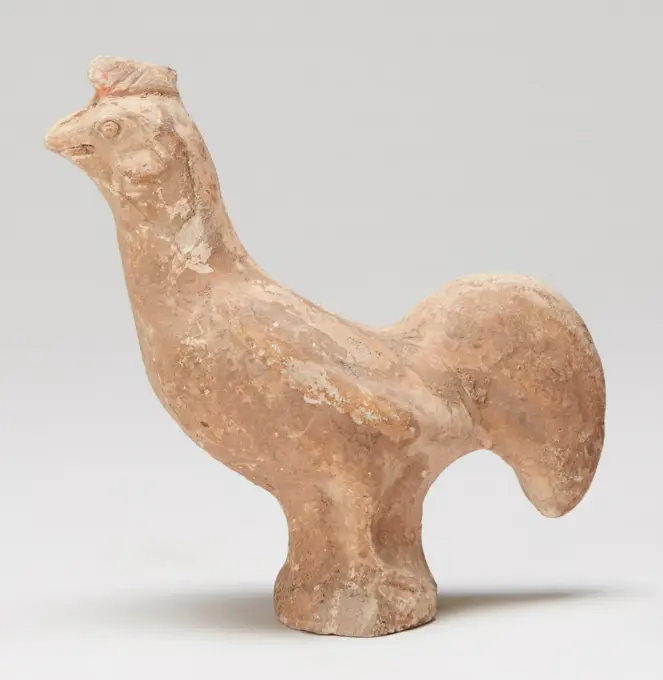
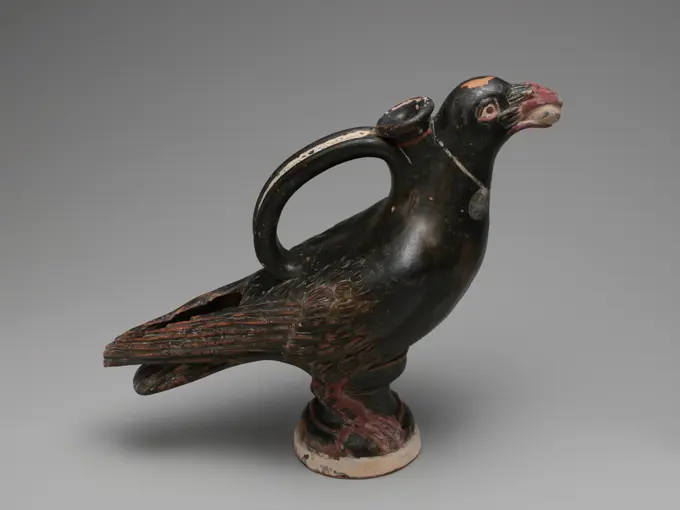
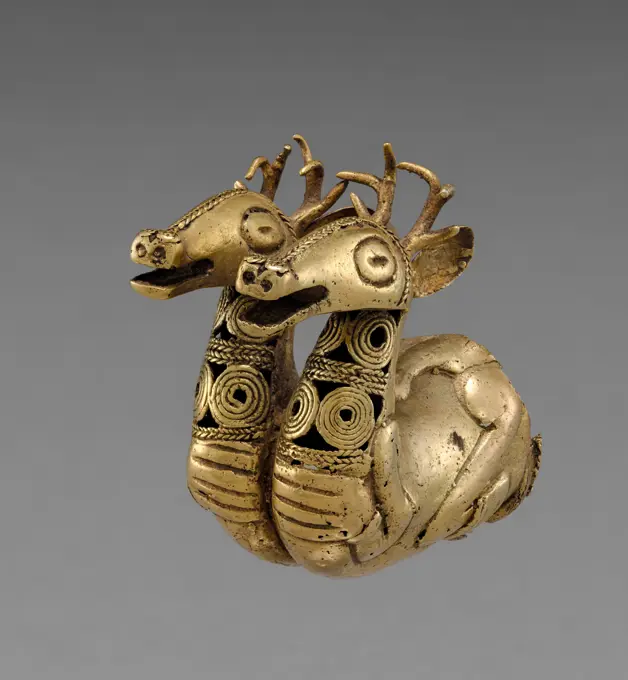
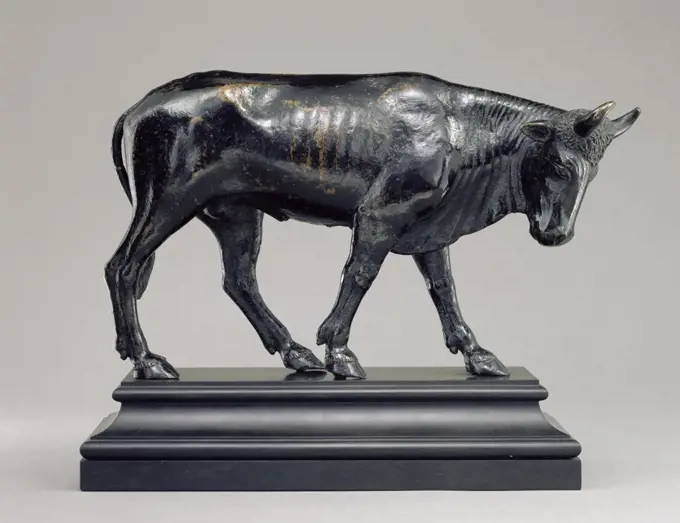
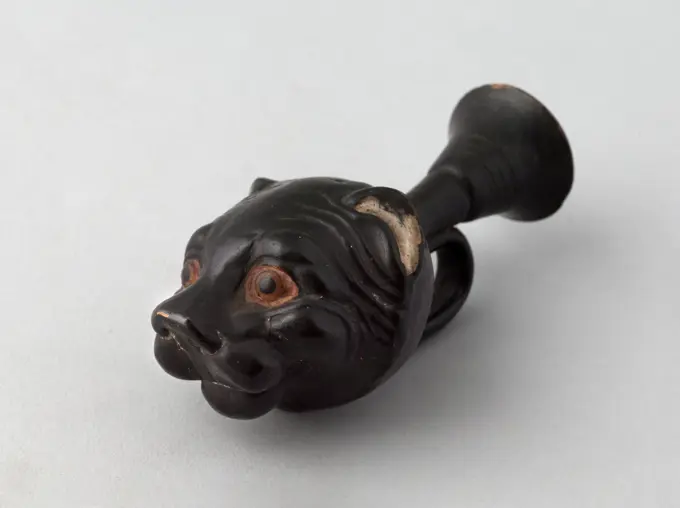
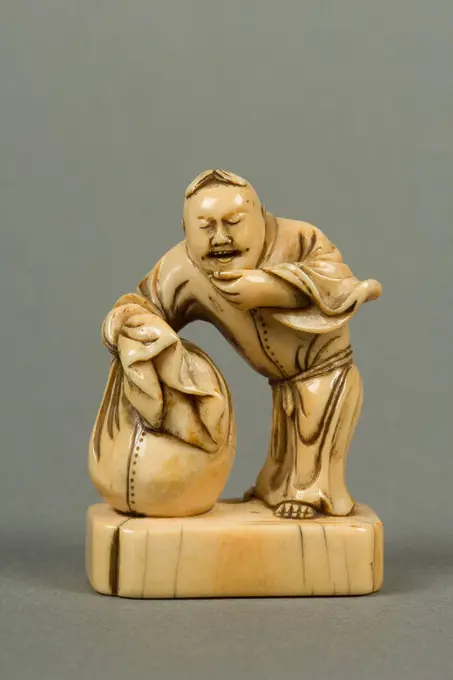
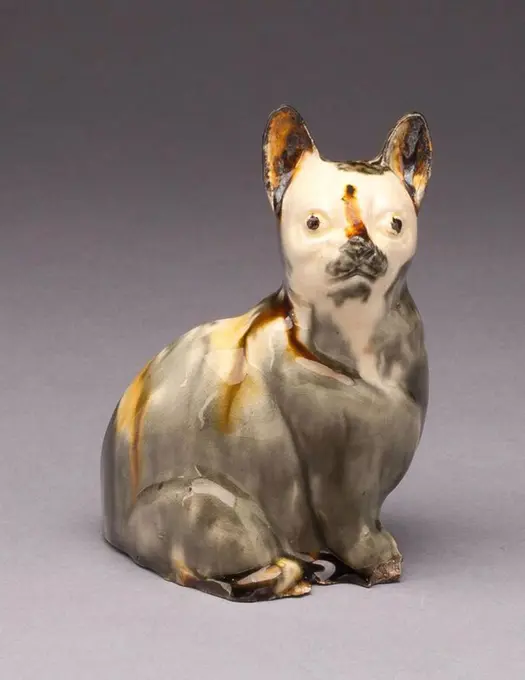
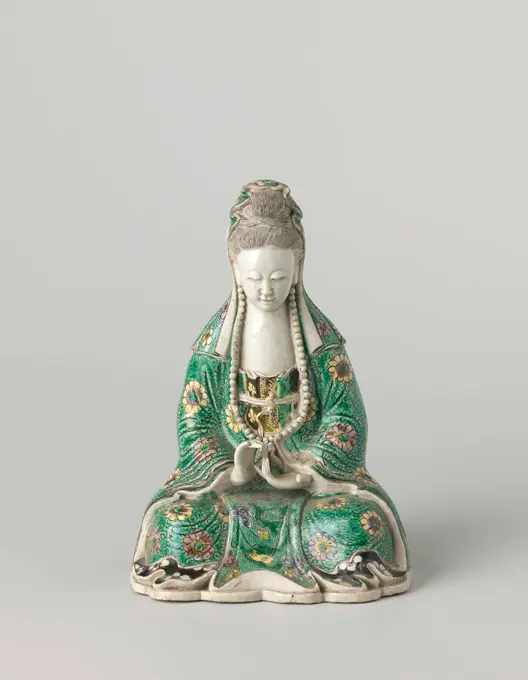
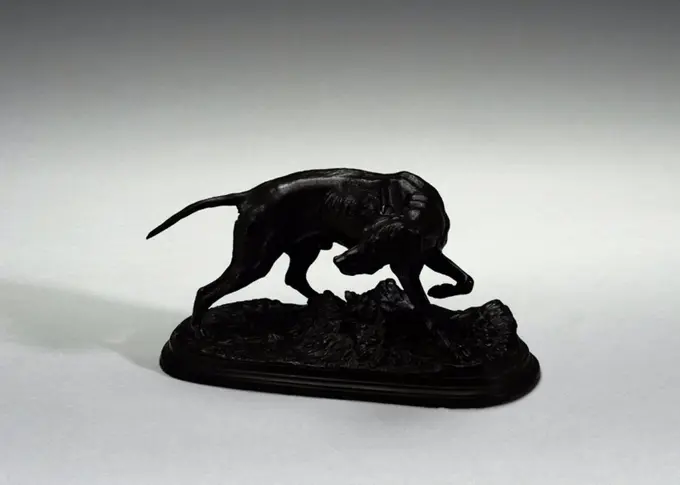
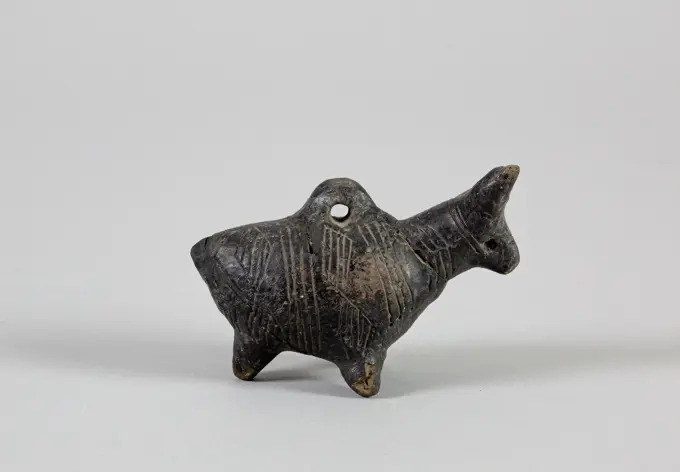
Terracotta askos in the shape of a quadruped Cypriot ca. 2000-1725 BCE Black Polished ware vessel in the shape of a bull or a ram. View more. Terracotta askos in the shape of a quadruped. Cypriot. ca. 2000-1725 BCE. Terracotta. Early Cypriot III-Middle Cypriot. VasesBoeuf. Bronze. Paris, Museum Causori. Asian antique, Japanese antiquity, metalNetsuke Shishi and ball, 18th century, Unknown Japanese, 1 5/16 x 1 x 1 3/4in. (3.3 x 2.5 x 4.4cm), Wood, Japan, 18th centuryLion, 1662-1722. China, Qing dynasty (1644-1911), Kangxi reign (1661-1722). Porcelain with overglaze enamel decoration; overall: 45.2 cm (17 13/16 in.). This porcelain lion is a pair with 1930.642. This lion holding a ball is considered male, while the nurturing female is depicted with a cub. Guardian lions were traditionally placed in front of buildings to protect from harmful spiritual or human forces.Vessel in the Form of a Heavenly Rooster. Culture: China. Dimensions: H. 9 3/4 in. (24.8 cm); L. 9 1/4 in. (23.5 cm). Date: 19th century.Containers in the shape of a rooster carrying a vessel on its back are an invention of Song dynasty (960-1279) antiquarians, who believed that such ritual vessels existed in the classical age of ancient China. Several bronzes similar to this one were catalogued as "heavenly rooster vessels" (tianjizun) in the collection of Emperor Qianlong (r. 1736-95), who had a deep interest in antiquarianism. The term "heavenly rooster" comes from a Chinese legend about a mythical bird whose crowing awakens the whole world. Museum: Metropolitan Museum of Art, New York, USA.Tiger and Monkey. Naitō Toyomasa (Japan, 1773-1856). Japan, first half of 19th century. Costumes; Accessories. Wood with inlaysElephant-Shaped Box. Japan, 19th century. Costumes; Accessories. Dry lacquerPaper button in the shape of a lion;  19th century (1801-00-00-1900-00-00);Paderewski, Ignacy Jan (1860-1941), Paderewski, Ignacy Jan (1860-1941)-collection, qing (style), Chinese (culture), gift (provenance), lion (iconogr.), Castings, buttons, Chinese artChessman Indian 18th-19th century View more. Chessman. Indian. 18th-19th century. Soapstone. Chess SetsHintha duck weight, 10 Tical. unknown, craftsmanNetsuke of Man with Boy on His Back 19th century Japan. Netsuke of Man with Boy on His Back. Japan. 19th century. Wood. Edo (1615-1868) or Meiji period (1868-1912). NetsukeRight Hand of Abraham Lincoln 1860; cast 1886 Leonard Wells Volk In 1860 Volk made molds of the face and hands of Abraham Lincoln (1809-1865). The life mask (2007.185.2) reproduces Lincolns beardless face as it appeared during his first presidential campaign. The hand grips a broomstick, a prop that Lincoln improvised upon Volks suggestion that he hold something cylindrical resembling a document. In 1886 Saint-Gaudens, the collectors Thomas B. Clarke and Erwin Davis, and the journalist Richard W. Gilder together purchased the original plaster casts to present to the Smithsonian Institution. To finance the donation, they sold bronze and plaster casts after Volks originals, with production supervised by Saint-Gaudens.. Right Hand of Abraham Lincoln 19446Land - Bu Uarek; Werner and S-ka (Warsaw; Wytwórnia Z Otnią; 1864-1939), Werner, Teodor August (1836-1902); 1890 (1890-00-00-1890-00-00);Hippopotamus ca. 1850-1775 B.C. Middle Kingdom. Hippopotamus. ca. 1850-1775 B.C.. Faded faience. Middle Kingdom. From Egypt, Memphite Region, Lisht North, cemetery south of pyramid, House A1:4, Pit 391, MMA excavations, 1920-22. Dynasty 12, late-early 13Fragment handle of lid drinking glass in the form of duck on nest, lid closure drinking glass drinking utensils tableware holder soil find glass forest glass, handblown glass application Fragment of decoration on handle of lid of goblet or goblet in clear green glass (forest glass) representing standing duck on nest shaped with loops of glass wire archeology Rotterdam Spangen castle serving drinking wine Soil discovery Rotterdam found during the excavation of Kasteel Spangen in the Spaanse Polder 1941.Sambaso dancer; netsuke. Tomokazu (fl. ca 1790-1830), sculptorLeopard, bronze miniature from Avdat. Roman Period. ISRAEL.Feline-Handled Incense Burner, c. AD 100. Parthian, Iran, possibly Burudjird, c. AD 100. Bronze, cast; overall: 11.6 x 30 cm (4 9/16 x 11 13/16 in.).Lion, 14th century, 2 5/8 x 3 1/2in. (6.7 x 8.9cm), Gilt bronze, China, 14th centuryBrooch with a lion. Culture: Lydian. Dimensions: 0.94 x 1.5 x 1.26 in. (2.39 x 3.81 x 3.2 cm). Date: ca. 6th-5th century B.C.. Museum: Metropolitan Museum of Art, New York, USA.An Amlash Pottery, Rhyton in the Form of a Bull  1000-800  B.C.  Greek Art Figurine of a recumbent calf ca. 1981-1550 B.C. Middle Kingdom-Early New Kingdom. Figurine of a recumbent calf. ca. 1981-1550 B.C.. Faience. Middle Kingdom-Early New Kingdom. From Egypt. Dynasty 12-18Zodiac Figure: Dog China. Zodiac Figure: Dog. China. Porcelain, in the biscuit (unglazed) and with turquoise and aubergine glazes. Qing dynasty (1644-1911). CeramicsLion-shaped Incense Burner. Korea, Joseon dynasty (1392-1910), 19th century. Tools and Equipment; burners. Carved wood with lacquerFigure of a fantastic animal China. Figure of a fantastic animal 43378Standing Dog () Amulet with Uraeus. Egypt, Late Period to Ptolemaic Period (664 - 30 BCE). Jewelry and Adornments; amulets. BronzeEn no Gyōja with Zenki and Kōki (Zenki), 1615-1868. Japan, Edo period (1615-1868). Wood and paint; overall: 8.5 x 6 x 4 cm (3 3/8 x 2 3/8 x 1 9/16 in.).Incense Burner. Culture: Japan. Dimensions: H. 9 in. (22.9 cm). Date: 1650. Museum: Metropolitan Museum of Art, New York, USA.Ibex, anonymous, c. 1575 - c. 1600 Lying Capricorn on the postament. Red-brown jasper, the horns and collar are set with diamonds and rubies. Eighty-sided pedestal of gold with sunken enamel translucide and an imposed gem in the middle of each side in a square stand. Italy jasper. gold (metal). ruby (mineral). diamond (mineral) Lying Capricorn on the postament. Red-brown jasper, the horns and collar are set with diamonds and rubies. Eighty-sided pedestal of gold with sunken enamel translucide and an imposed gem in the middle of each side in a square stand. Italy jasper. gold (metal). ruby (mineral). diamond (mineral)Duck. Bronze. Japan. Paris, Cernuschi museum. Animal, Japanese art, bronze, duck, animalHen with chicks (one of a pair) ca. 1750-60 Style of Whieldon type. Hen with chicks (one of a pair). British, Staffordshire. ca. 1750-60. Lead-glazed earthenware. Ceramics-PotteryMingqi lid ". Terracotta with green lead glaze. Han dynasty (206 BC-220 AD). Paris, Cernuschi museum. Chinese art, cover, han dynasty, han time, mingqi, Chinese object, funeral substitute, terracottaMan with Exaggerated Topknot. Japan, early 19th century. Costumes; Accessories. WoodCoffin GuardianFigureNetsuke of Daikoku with Hotei 19th century Japan. Netsuke of Daikoku with Hotei. Japan. 19th century. Ivory with silver and gold inlay (). Edo (1615-1868) or Meiji period (1868-1912). NetsukeVase 18th century China. Vase 44133Netsuke, japanese miniature sculpture. Museum: COLECCION PRIVADA.Medical vessel;  VIII-X century (701-00-00-1000-00-00);gift (provenance)Pass in the form of a cockatoo, anonymous, c. 1750 - c. 1765 Pour jug in the form of a cockatoo with the head as a lid, connected by a chain. Marked 4 in manganese. Holitsch kettting: brass (alloy) Pour jug in the form of a cockatoo with the head as a lid, connected by a chain. Marked 4 in manganese. Holitsch kettting: brass (alloy)Horse China. Horse. China. Bronze. Han dynasty (206 B.C.-A.D. 220). SculptureNetsuke of Old Man Carrying a Woman on His Back 19th century Japan. Netsuke of Old Man Carrying a Woman on His Back 59293Figure Ornament. Culture: Moche. Dimensions: Height 1-15/16 in. (5 cm). Date: 3rd-7th century. Museum: Metropolitan Museum of Art, New York, USA.Dog shaped vessel. Ceramic. Colima. Early-Middle Classic Period (100-700 AD). Western Mexico. Museum of the America. Madrid, Spain.Man with firepot of Faience. Man with firepot of Faience. Multicolorously beschildder.Cheekpiece from a Horse Bit. Iran, Luristan, Luristan Bronzes, circa 1000-650 B.C.. Tools and Equipment; horse trappings. Bronze, castChinese Sage. Japan, early 19th century. Costumes; Accessories. Stag antlerStirrup-Spout Bottle: Llama 12th-5th century B.C. Cupisnique. Stirrup-Spout Bottle: Llama 309523Netsuke in the Form of Fukurokuju riding a deer. unknown, sculptor. Terrine of Faience, in the form of a dromedary. Painted multi-colored.Weight in the Form of a Lion, c. 1391-1353 BC. Egypt, New Kingdom, Dynasty 18 (1540-1296 BC), reign of Amenhotep III. Leaded tin-bronze; overall: 2.5 x 2.3 cm (1 x 7/8 in.).Faience vase fragment. Culture: Egyptian, Roman. Dimensions: Overall: 2 1/2 x 3 in. (6.4 x 7.6 cm). Date: late 1st century B.C.-1st century A.D..Fragment of pale blue-green enamelled vase; warrior or gladiator with shield and sword. Museum: Metropolitan Museum of Art, New York, USA.Bronze statue representing bull, from Luni, province of La SpeziaNetsuke 19th century Japan. Netsuke. Japan. 19th century. Ivory. Edo (1615-1868) or Meiji period (1868-1912). NetsukeMythical Hippocamp Figurine. Egypt, Greco-Roman Period (332 BCE - 395 CE). Sculpture. BronzeTengu Travelling as a Priest, early to mid-1800s. Japan, Edo period (1615-1868). Ivory; overall: 3.9 cm (1 9/16 in.).Celtic bronze boar, Hounslow, Middlesex, England, 1st century BC- 1st century AD. Artist: UnknownRoof Tile in Form of a Mounted Warrier China. Roof Tile in Form of a Mounted Warrier. China. Pottery. early Ming dynasty (1368-1644). CeramicsSeal with Two Qilin Playing, 1849. China, Qing dynasty (1644-1911). Onyx; overall: 5.7 cm (2 1/4 in.).Gong with Elephant Handle. Japan, 18th century. Costumes; Accessories. Ivory with staining, sumiCrab VesselBronze vessel in form of a Bull, Ming or Quing. 16th century. China.Lid with Lion-Dog, probably for Incense Burner 1100-1199 China. Yaozhou ware; stoneware with underglaze molded decoration .Rhyton in the shape of a horse protoma. Red figures. Athens, 450 BC. AD Museum of Fine Arts of the City of Paris, Petit Palais. 58800-16 Anse, Greek antiquity, ancient art, Greek art, attic, ceramic, religious ceremony, horn, horse, red figure, ancient libations, pottery, protomed, rhyton, religious ritual, drinking vase, Greek vase, veme ve v 5th 5th 5 century AV.JC, zoomorphic, animalJambhala. unknown, craftsmanGeometric Statuette of a Horse. UnknownPre-Columbian art. Pre-Incan. Tumaco-Tolita culture. Region of the Pacific Colombo-Ecuadorian coast from 300BC-600 AD. Ceramic object. Form squirrel. 9 x 6 cm (diameter) x 3,5 cm. From Ecuador. Private collection.Cadel from the cover;  18th century (1701-00-00-1800-00-00);Amulet of the Apis Bull. Egyptian. Date: 664 BC-332 BC. Dimensions: 3.2 × 2.2 × 1 cm (1 1/4 × 7/8 × 3/8 in.). Faience. Origin: Egypt. Museum: The Chicago Art Institute, Chicago, USA. Author: Ancient Egyptian.Paperweight 1848-56 Charles Cartlidge and Company. Paperweight 5522Netsuke of Monkey Scratching His Back 19th century Japan. Netsuke of Monkey Scratching His Back. Japan. 19th century. Wood. Edo (1615-1868) or Meiji period (1868-1912). NetsukeHorse, late 600s-800. China, probably Henan province, Tang dynasty (618-907). Glazed earthenware, sancai (three-color) ware; overall: 76.8 cm (30 1/4 in.).Reclining Dog Colima 200 BCE-300 CE View more. Reclining Dog. Colima. 200 BCE-300 CE. Ceramic. Mexico, Mesoamerica, Colima. Ceramics-SculptureSeal with Quadruped. Greek; Thessaly. Date: 800 BC-600 BC. Dimensions: 4.1 × 3.8 × 1.3 cm (1 5/8 × 1 1/2 × 1/2 in.). Bronze. Origin: Thessaly. Museum: The Chicago Art Institute, Chicago, USA. Author: ANCIENT GREEK.Anonymous, with a small lion. Cabaret brand (). Paris (dummy title), 1700. Stretched, cut, pushed and riveted iron. Carnavalet museum, history of Paris. A very stylized lion, with wide mane, walks, head from the front and the body in profile.Falcon-headed crocodile, possibly Soknopaios. Dimensions: L. 5 × W. 1.5 × H. 2.1 cm (1 15/16 × 9/16 × 13/16 in.). Date: 1st century BC-1st century AD.The falcon-headed crocodile suggests the combination of the powers of two great deities, Sobek who takes crocodile form and Re who has a falcon head. However, the identification of this small image may be more specific. An important creator god Soknopaios - whose Egyptian name meant Sobek of Dimeh in the Fayum - was recognized by Ptolemaic times. A temple for this god with Isis was founded in Dimeh (ancient Soknopaios Nesos) apparently about 250 BC, and remained in use for centuries. The god was represented as a falcon-headed crocodile here and elsewhere in the Fayum. It has been suggested that the falcon head of Soknopaios alludes to association with the goddess Isis's son Horus.This small image suggests the vigor of the animal stretching his neck upward and the mottled stone emphsizes his powerful body. In contrast is the serene blue Ring, before 1975. Africa, Western Sudan, Mali, Dogon, 20th century. Copper alloy; diameter: 6.4 x 1.7 cm (2 1/2 x 11/16 in.).Tin soldier, male figure on rectangular foot, with hat and rifle, soldier toy recreational tool miniature earth discovery tin metal, cast Pewter soldier with musket and saber in scabbard on the belt Rectangular pedestal crossbands over the back archeology Rotterdam City Triangle Kralingen-Crooswijk Struisenburg Admiraliteitskade indigenous tin child child play game game.Kyôgen Player Holding aBaby.  Maker: Nagamachi Shûzan, Japanese, late 18th-early 19th centuryLion of carved wood with a watch cabinet on his back. Lion of sliced and yellow dyed wood, carrying on his back. A partially plated watch cabinet. On green, yellow and black marbled pedestal in two parts.Standing Cockerel, c. 550, 5 3/8 x 2 3/8 x 5 1/8in. (13.7 x 6 x 13cm), Polychromed earthenware, China, 6th centuryOne of a pair of Decorative Figures.Terracotta askos (flask) in the form of a jackdaw 4th century B.C. Etruscan Similar to a small crow, this askos in the form of a jackdaw is adorned with a protective bulla necklace usually worn by children. It holds a pebble or a seed in its beak.. Terracotta askos (flask) in the form of a jackdaw 255194 Etruscan, Terracotta askos (flask) in the form of a jackdaw, 4th century B.C., Terracotta, H. 6 7/16 in. (16.4 cm) length 7 3/16 in. (18.3 cm). The Metropolitan Museum of Art, New York. Rogers Fund, 1965 (65.11.13)Finial with Two Deer, 400-1000. Isthmian Region (Colombia), Sinú (Zenú), 5th century-11th century. Gold, cast; overall: 6.8 x 4.3 x 7.4 cm (2 11/16 x 1 11/16 x 2 15/16 in.). Unique to Colombia's Sinú region are gold finials with sculptural images at right angles to thimble-like caps; the caps fit over the end of a staff, an emblem of rank that may have been held horizontally. This impressive finial features two deer (or a single creature with two deer heads) that hold human-like hands over their chests. Sinú animal imagery is understudied but may relate to beliefs about the cosmos. For instance, contemporary natives attribute importance to birds because they have the capacity to move among different environments (air, land, water); they may have been regarded as mediators among levels of the cosmos.Bird on tree trunk of faience. Bird on tree trunk of faience. Painted multi-colored.Cock (one of a pair) Style of Whieldon type ca. 1750-60 View more. Cock (one of a pair). British, Staffordshire. ca. 1750-60. Lead-glazed earthenware. Ceramics-PotteryPair of Sword-Grip Ornaments (Menuki). Culture: Japanese. Dimensions: Menuki (a); L. 2 in. (5.1 cm); Wt. 0.3 oz. (8.5 g); menuki (b); L. 2 1/8 in. (5.4 cm); Wt. 0.3 oz. (8.5 g). Date: 19th century. Museum: Metropolitan Museum of Art, New York, USA.Bull Figure; Made by Adriaen Pijnacker (Dutch); tin-glazed earthenwareBull with Lowered Head; Unknown maker, Italian; Venice, Italy, Veneto, Europe; about 1510 - 1525; Bronze; Object: H:  12.4 x W:  22.2 x D:  6 cm (H:  4 7/8 x W:  8 3/4 x D:  2 3/8 in.)Ceramic Llama 12th-14th century Chancay. Ceramic Llama 315689Kur of the Warsaw Strzelecki Brotherhood; Erler, Miko Aj (Fl. Ca 1550); 1552 (1552-00-00-1552-00-00);Baryczka, Jan (Fl. Ca 1550), Warsaw City Hall (CA 1300-) - collection, Strzeleckie Brotherhood, Eagles, Transfer (provenance)Lionne's head -shaped lecythe. Molded terracotta, enhanced. Taranto (Italy), 4th century BC. AD Museum of Fine Arts of the City of Paris, Petit Palais. 59230-14 Anse, strength, face, 4th 4th 4th 4th 4th AV.JC, LECYTHE, LECYTHE ZOOMORPHER, Lioness, Molding, Black, Terracotta, Lioness Tete, Ancient Vase, Three-Quarts View, AnimalNetsuke of Man with a Bag, Standing on a Block. Culture: Japan. Dimensions: H. 1 5/8 in. (4.1 cm); W. 1 1/8 in. (2.9 cm); D. 3/4 in. (1.9 cm). Date: 19th century. Museum: Metropolitan Museum of Art, New York, USA.Cat. England, Staffordshire. Date: 1760-1770. Dimensions: 11.3 x 7.9 x 5.7 cm (4 7/16 x 3 1/8 x 2 1/4 in.). Lead-glazed earthenware (creamware). Origin: Staffordshire. Museum: The Chicago Art Institute, Chicago, USA.TORO ROMANO-EXCAVACIONES IRIA FLAVIA. Location: MUSEO DE ARTE SACRO. Padrón.Statuette of a Horse and Rider 575 BCE-525 BCE Dodona. The horse has conical ears, a stiff mane and thick tail, all painted with brown lines. The eyes are circular protrusions with painted centers. On the back, behind the rider is a D shape with a line through it. The legs are ringed with lines. The rider is rudimentary, with short legs, arms grasping the horseís neck and a bulbous head with a slash for the month. The top of the head is painted which extends down the spine and each leg and arm.. terracotta . Ancient GreekFigure of A Seated Guanyin. Image of porcelain on a pedestal, painted on biscuit in green, yellow, eggplant and black. Sitting image of guanyin; Her robe is decorated with flowers and curlwork with a dragon on the front between lotus flowers on a speckled, green soil. Backside with a hole and two cartouches with flowering plant or flower rank, furthermore inserted. Some fingers have been demolished. Email sur biscuit with famille verte colors.Zoomorphic figure-whistle. Unknown provenance. (600-900 AD) Ceramic. Whistle shaped as an iguana.Pointer. Dated: model c. 1860s. Dimensions: overall: 10.8 × 22.2 × 9.5 cm (4 1/4 × 8 3/4 × 3 3/4 in.). Medium: bronze. Museum: National Gallery of Art, Washington DC. Author: PIERRE-JULES MENE.Copper Belt Fragment. Culture: Moche. Dimensions: H x W: 3 x 4 1/8 in. (7.6 x 10.5 cm). Date: 1st-5th century. Museum: Metropolitan Museum of Art, New York, USA.Fragments of pottery piggy banks, two muzzle fragments and one leg, green glazed, piggy bank piggy bank holder fragment earthenware pottery earthenware glaze lead glaze, hand turned hand-formed pierced glazed fried Three fragments including one muzzle and one almost complete cup; white shard in and outside green glaze rings inside pig archeology Valckensteyn Poortugaal Albrandswaard indigenous pottery save child play duit Soil discovery: castle Valckensteyn in Poortugaal now Albrandswaard.