Antique Animal Figurines

Ancient artifacts including terracotta and bronze animal figures, showcasing craftsmanship from various cultures and historical periods.

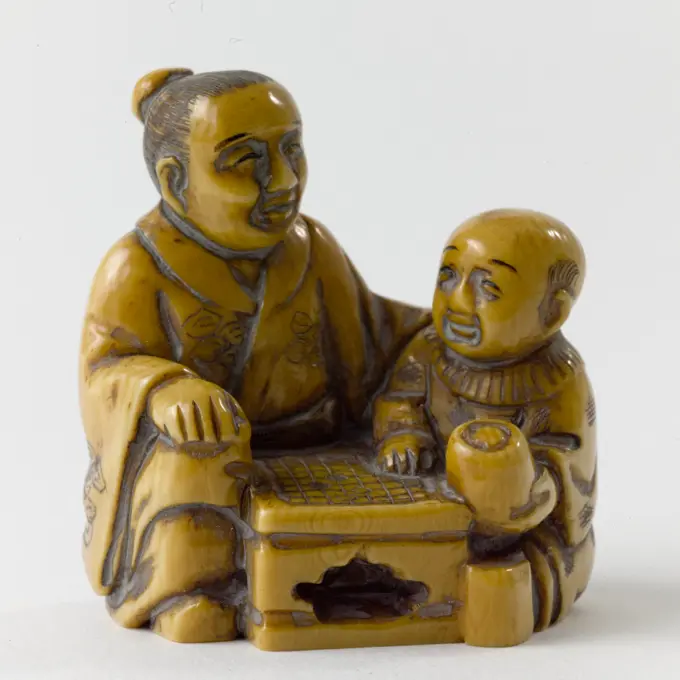
Netsuke Shishi and ball, 18th century, Unknown Japanese, 1 5/16 x 1 x 1 3/4in. (3.3 x 2.5 x 4.4cm), Wood, Japan, 18th century
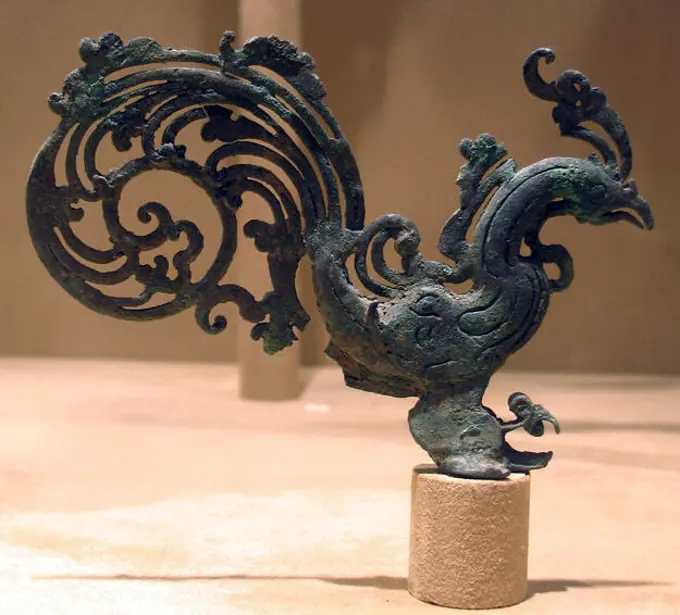
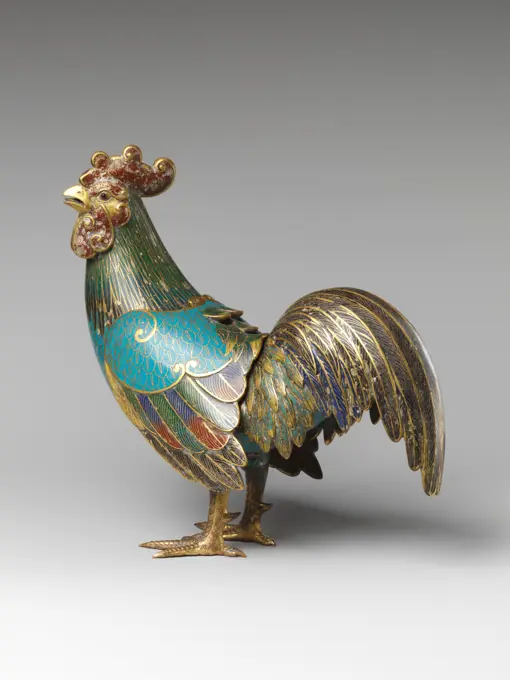
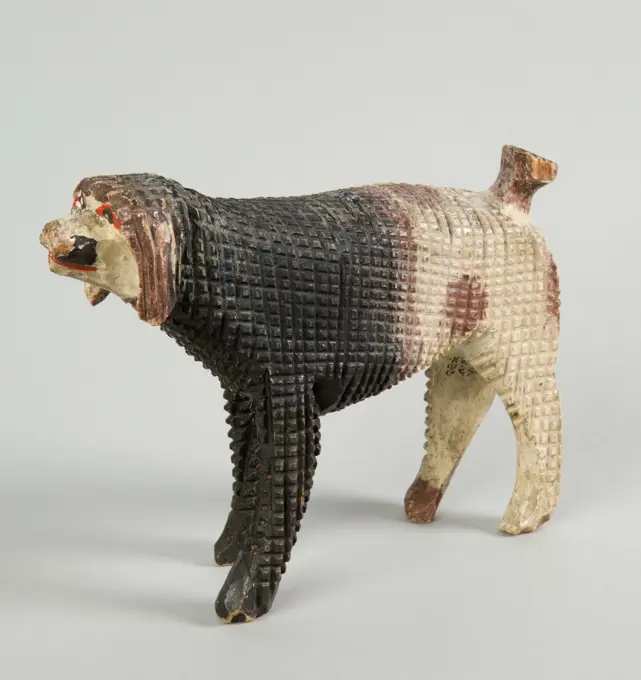
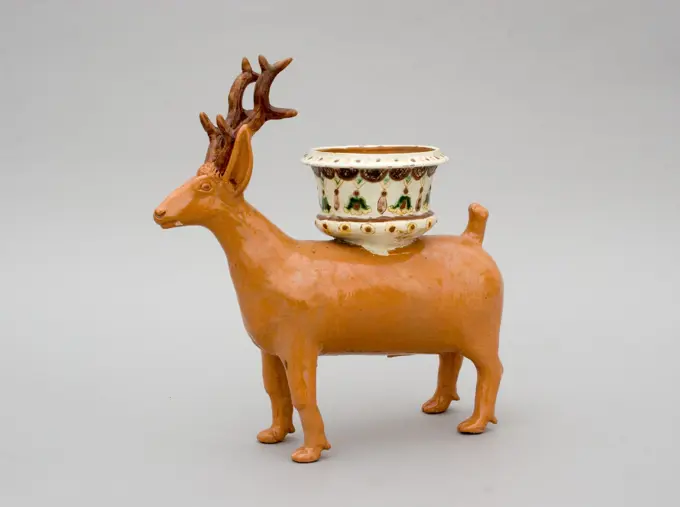
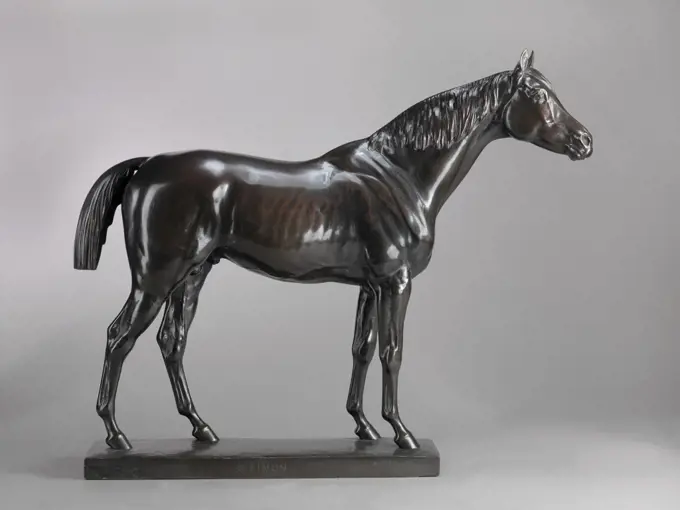
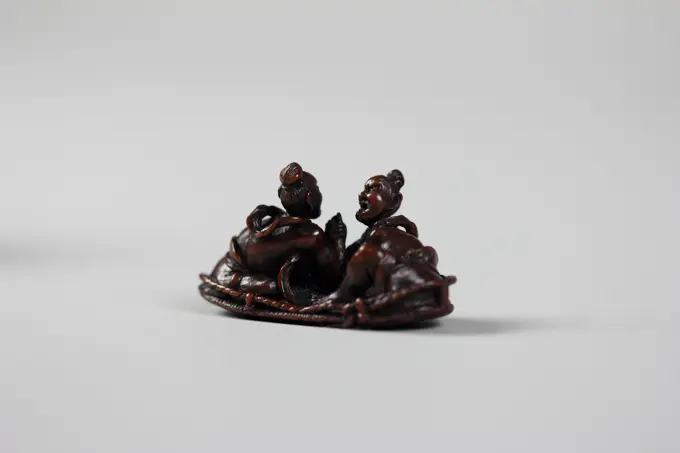
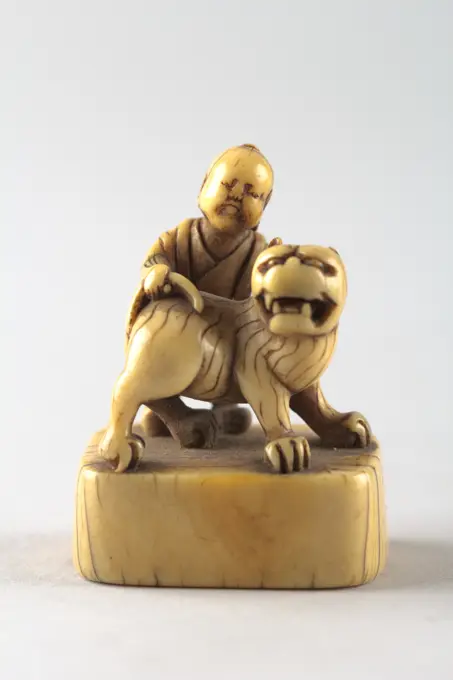
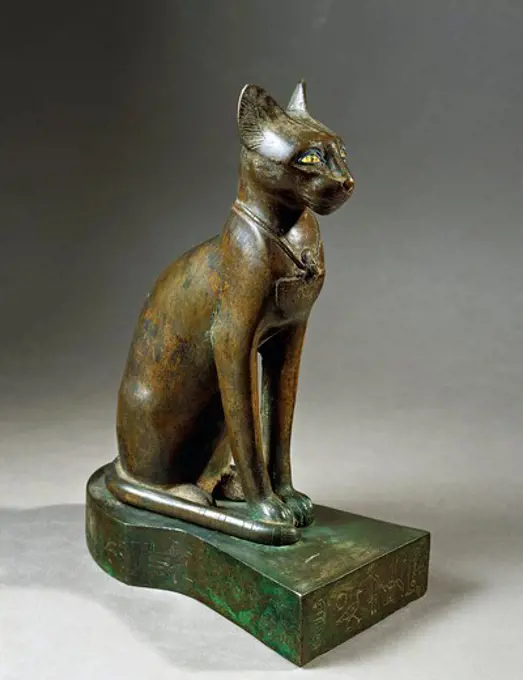
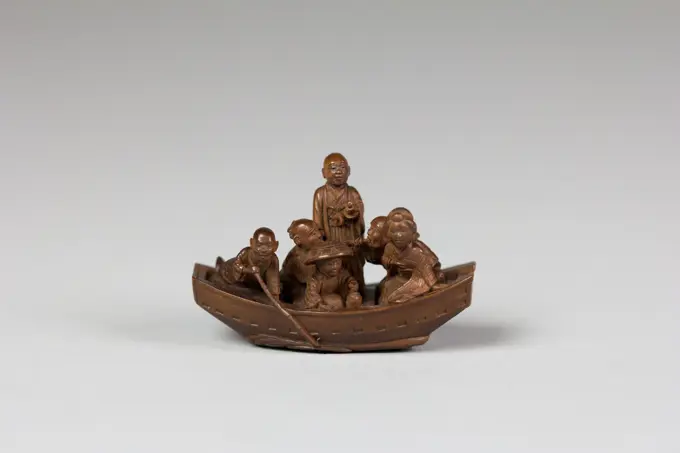
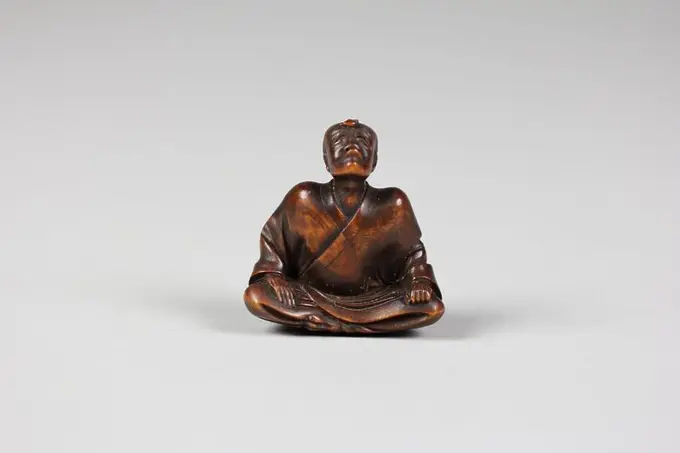
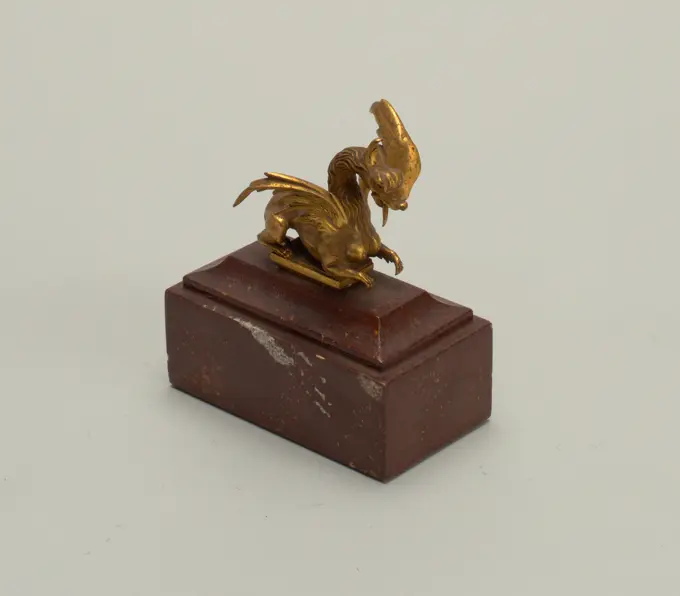
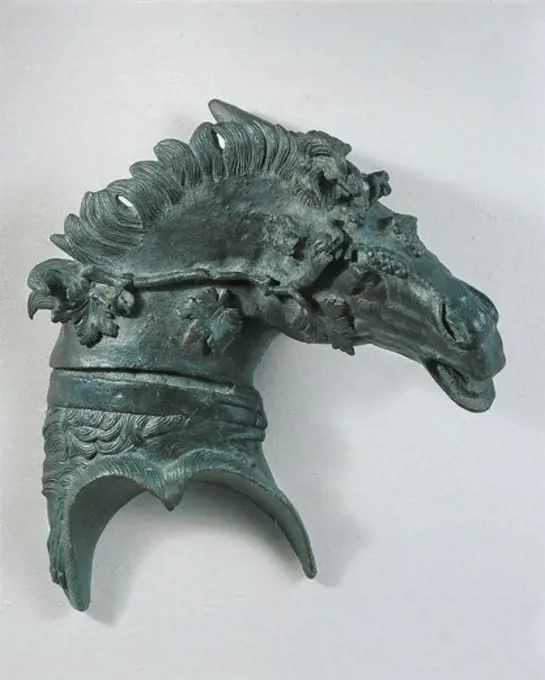
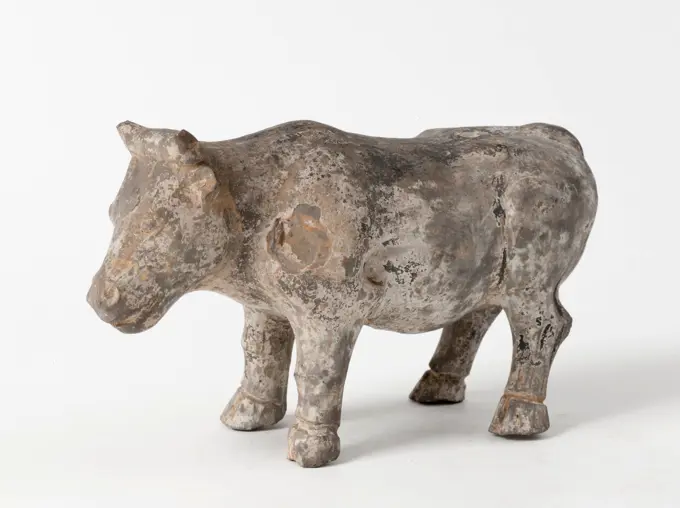
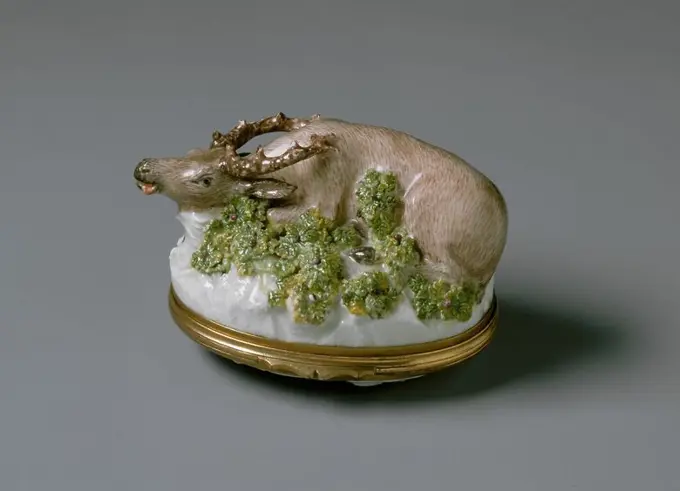
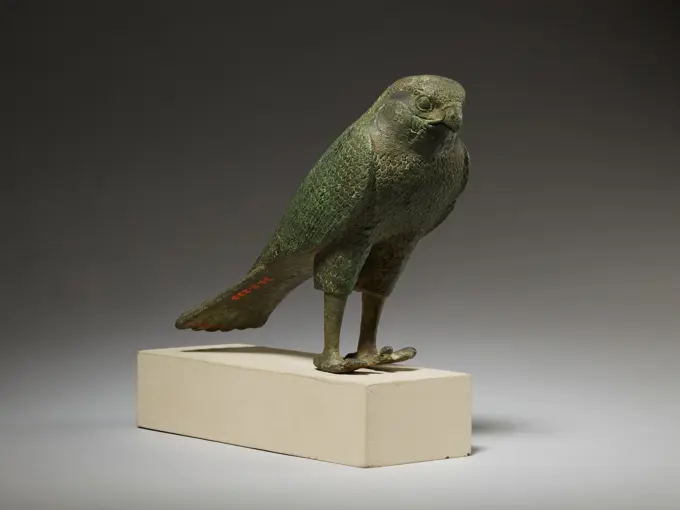
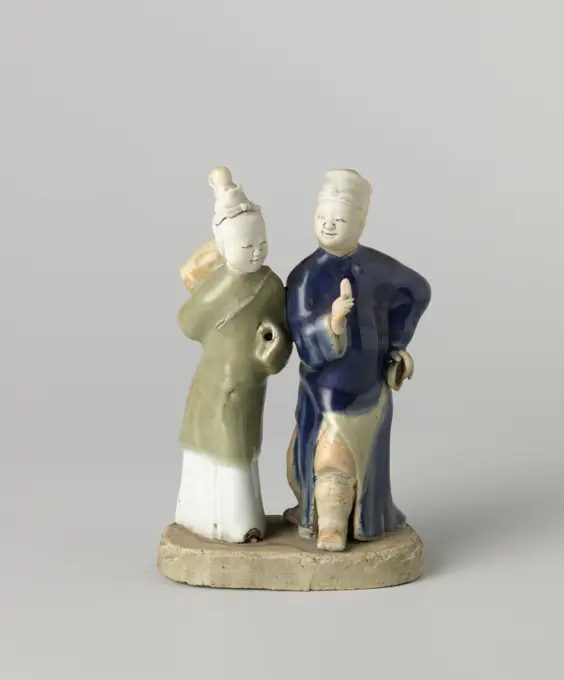
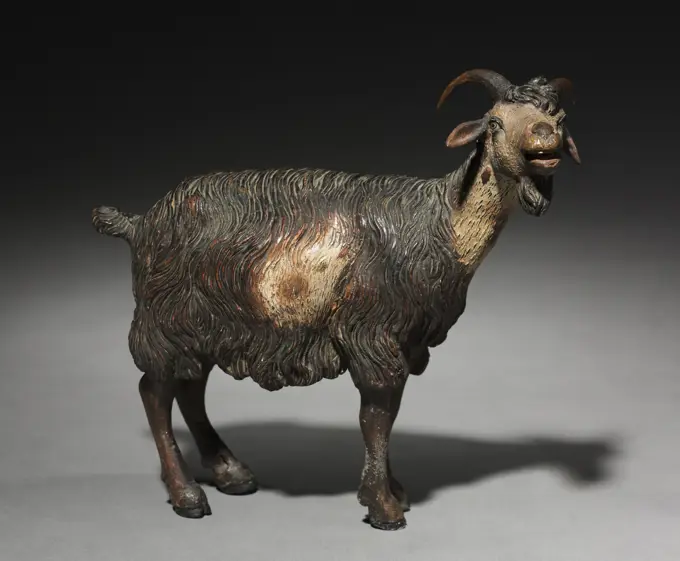
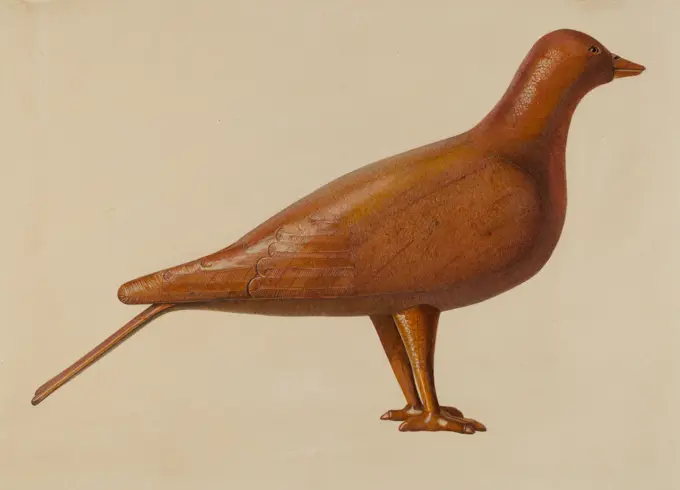
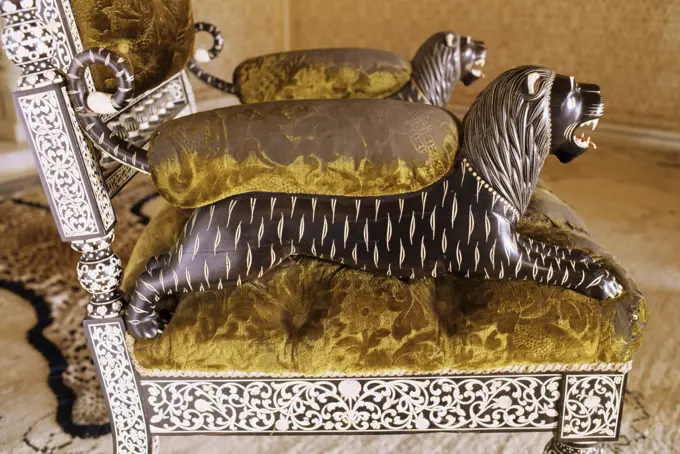
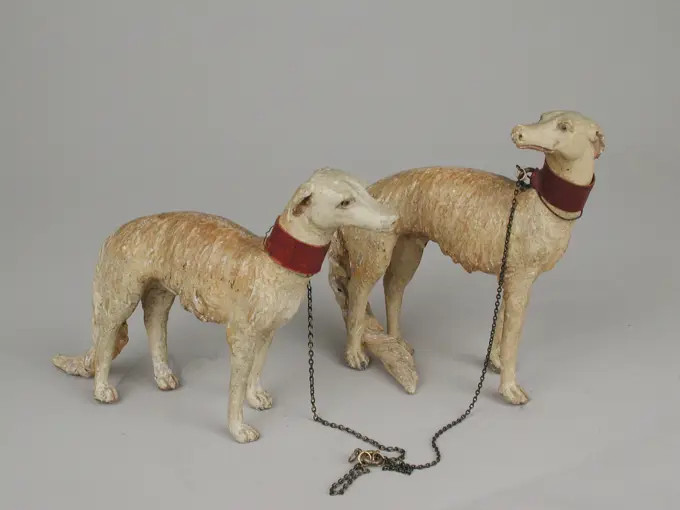
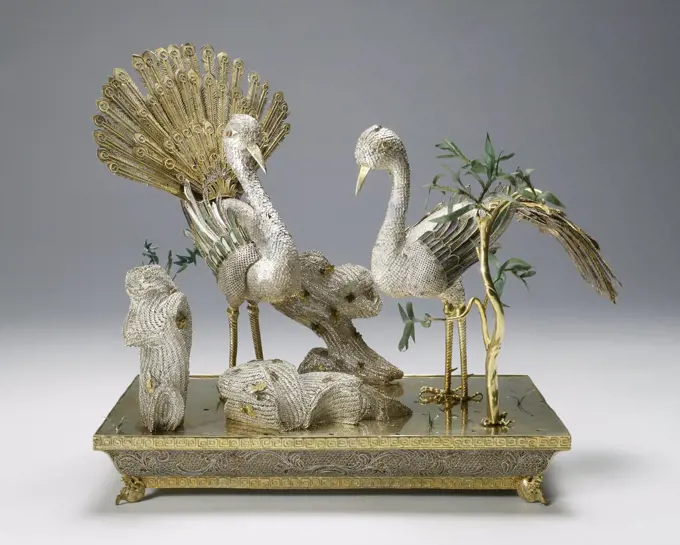
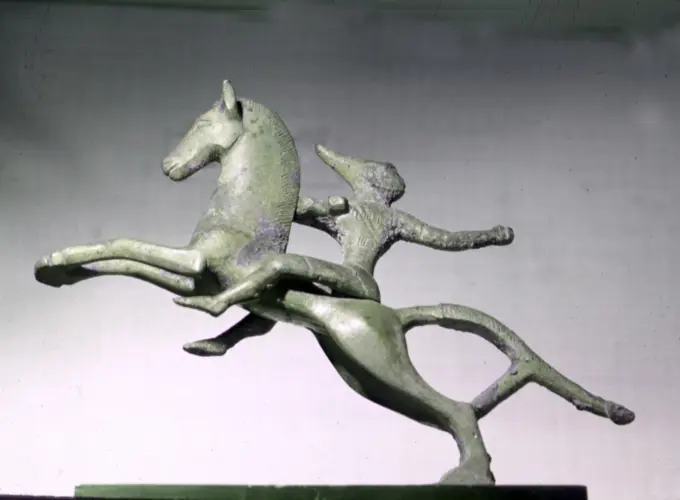
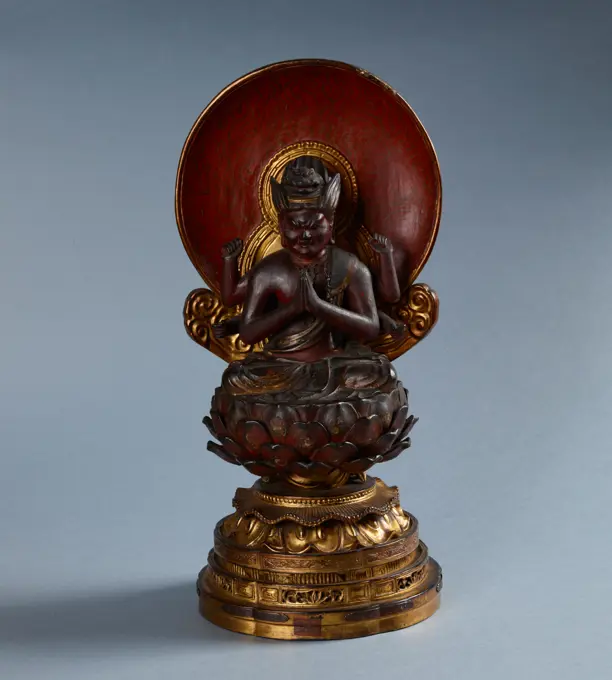
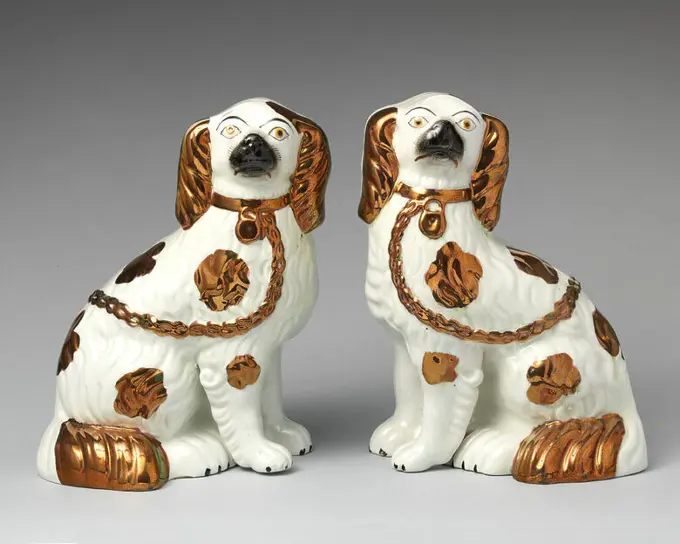
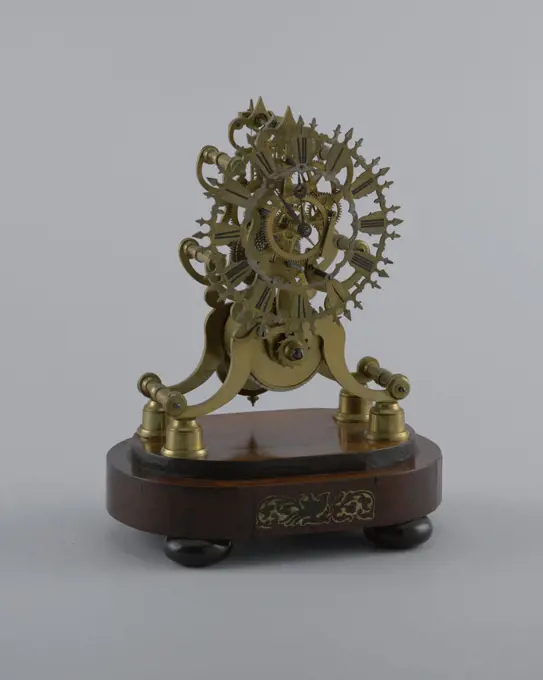
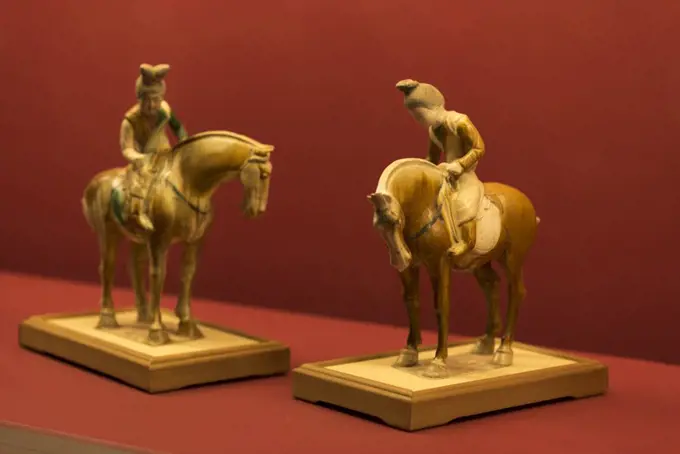
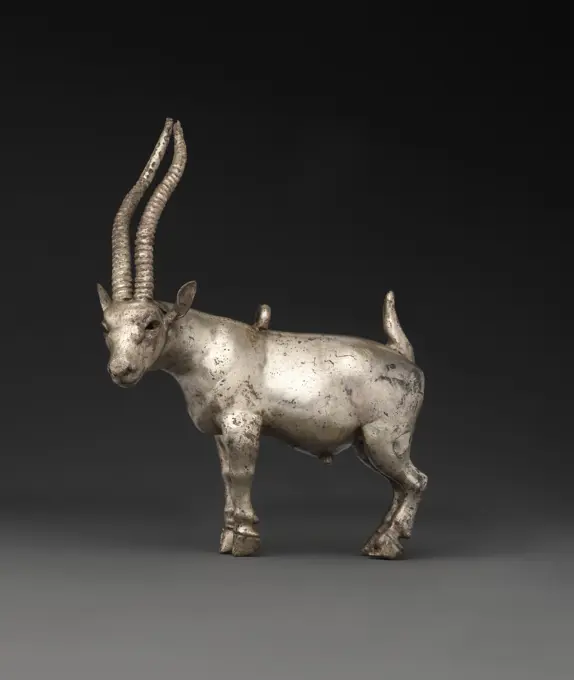
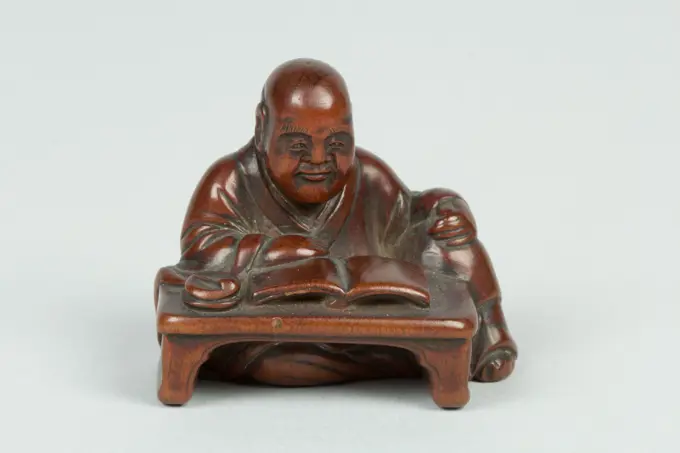
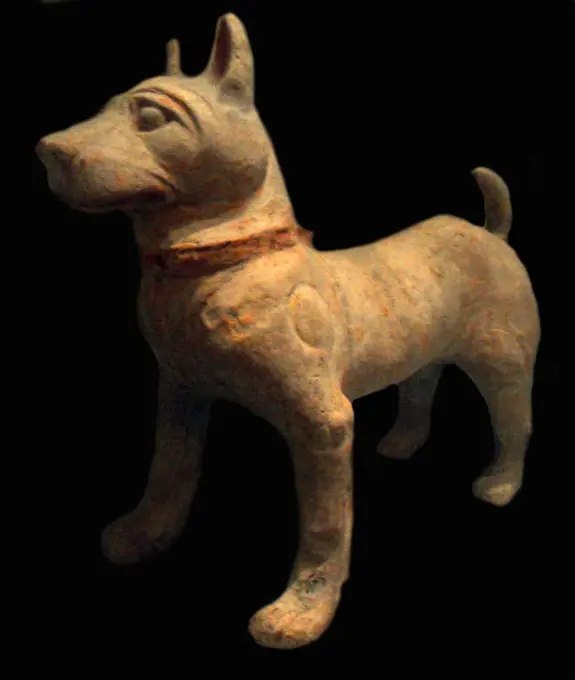
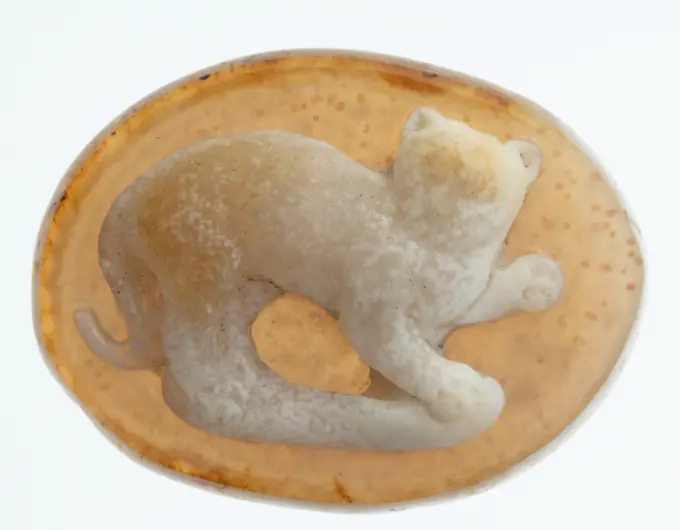
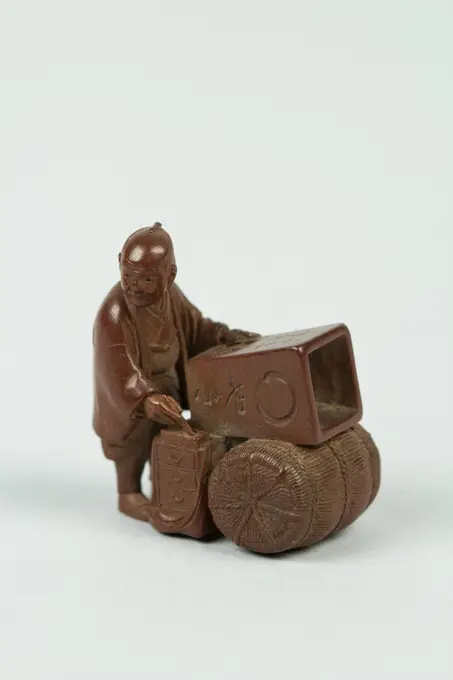
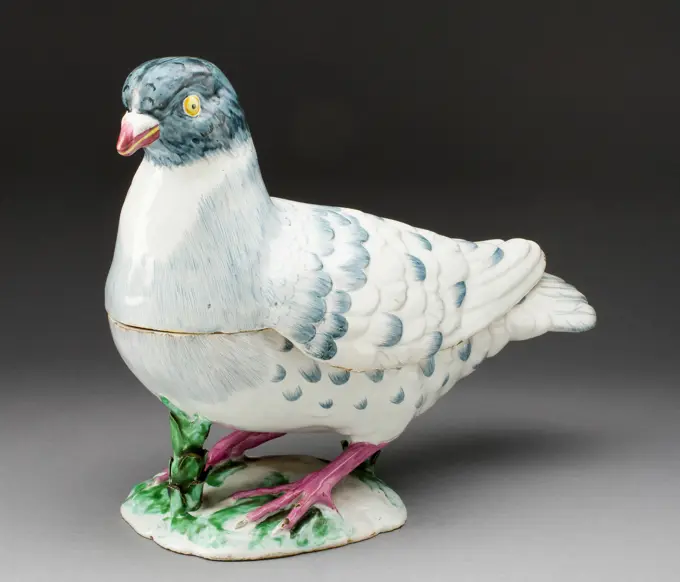
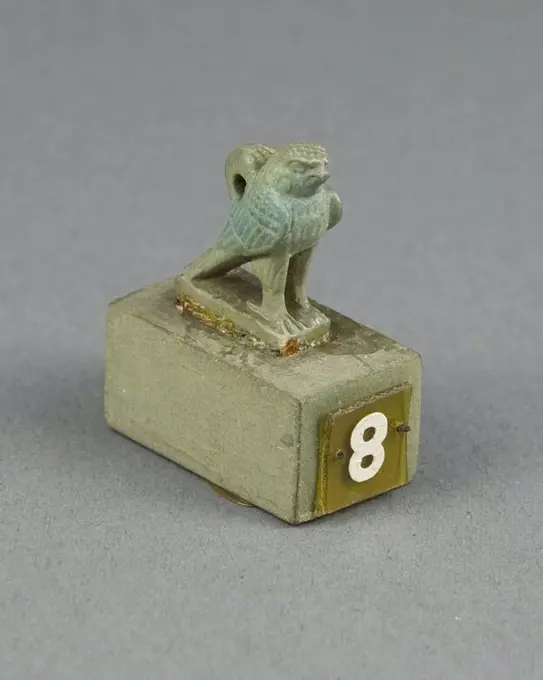
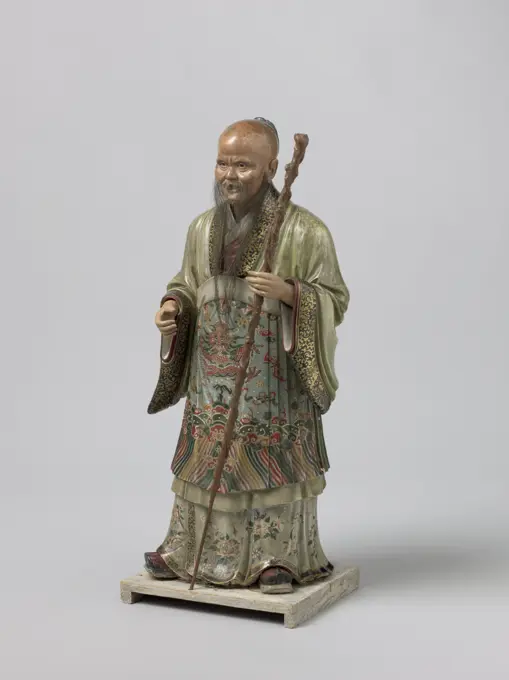
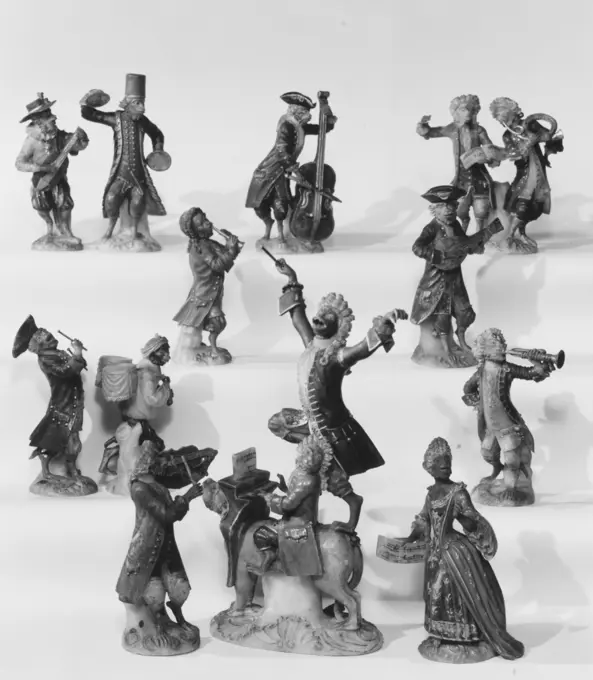
Netsuke. Man and child playing GO. Japan. Ivory. Paris, Cernuschi museum. Clothing element, netsuke, dress object, traditional clothingCDK unknownFinial with a Cockerel first half of the 10th century Indonesia (Java). Finial with a Cockerel. Indonesia (Java). first half of the 10th century. Bronze. Central Javanese period. MetalworkIncense Burner with Cover in the Shape of a Lion on a Threaded Bobbin first half of the 19th century Japan. Incense Burner with Cover in the Shape of a Lion on a Threaded Bobbin 42570. Figure of redbroken pottery, representing a man standing on a rocky pedestal. The man has a long beard and wears a one until his shoes. He holds his right hand for his mouth. The image is an example for the image with Invnr. BK-1975-90.Figure; glazed earthenwareNetsuke, japanese miniature sculpture. Museum: COLECCION PRIVADA.Incense Burner in the Shape of a Rooster 18th century China A symbol of diligence and fortune, the rooster is a particularly popular Chinese decorative motif. This incense burner has an ingenious design: the hollow body houses the burning incense and the detachable wings serve as the lid, with several small openings on the wings allowing the fragrant smoke to escape.. Incense Burner in the Shape of a Rooster 40699Belt clasp ca. A.D. 1st-2nd century. Belt clasp 322496Toy  dog figurineVase National Potter School in KołomyjaBracelet/Anklet. Western Iran, circa 1000-650 B.C.. Jewelry and Adornments; bracelets. Bronze, castSt. Simon, Joseph Edgar Boehm, 1834-1890, British, 1885, Bronze, Overall: 22 1/2 x 28 x 8 1/2 inches (57.2 x 71.1 x 21.6 cm) and Base or socle: 2 inches (5.1 cm), animal art, horse (animal)Mayan ceramic dog effigy, model of 'chichi dog. Western Mexico 100 B.C. - A.D. 600. Zihuatanejo, Mexico.Charging bull (one of a pair) ca. 1750 Derby Porcelain Manufactory. Charging bull (one of a pair) 238548Netsuke of Two Figures Arm-Wrestling 19th century Japan. Netsuke of Two Figures Arm-Wrestling. Japan. 19th century. Wood. Edo (1615-1868) or Meiji period (1868-1912). NetsukeNetsuke of Boy with Dog 19th century Japan. Netsuke of Boy with Dog. Japan. 19th century. Ivory. Edo (1615-1868) or Meiji period (1868-1912). NetsukeBronze and gold statuette of goddess Bastet as a cat, also known as the Psamtik cat, Late Period, Dynasty XXVINetsuke of Pleasure Boat 18th century Japan. Netsuke of Pleasure Boat 59082Figurka owieczki. unknown, authorNetsuke. Culture: Japan. Dimensions: H. 1 3/16 in. (3 cm); W. 1 3/8 in. (3.5 cm); D. 7/8 in. (2.2 cm). Date: 19th century. Museum: Metropolitan Museum of Art, New York, USA.Statue, Griffon (possibly France); bronze (gilt), goldBronze part of bed head shaped as mule head, crowned with vine leaves, From Volubilis (Morocco)A wave in the shape of a lion;  19th century (1801-00-00-1900-00-00);Mingqi: Boeuf ". Terre Cuite, traces the polychrnus. Dynasty desk (206 AP. J.-C.). J.- Museum, Museum, Museer Carber Causi. Chinese art, beef, Chinese ceramic, Han, minqqi dynasty, funeral substitute, terracotta, animalMan with Giant Sake Gourd. Dōraku (Japan, Onomichi, active early 19th century). Japan, early 19th century. Costumes; Accessories. BoxwoodARTE PRECOLOMBINO - FELINO CON COLA DE SERPIENTE SUJETA A UN TROFEO. Location: MUSEO DE AMERICA-COLECCION. MADRID. SPAIN.Pi (Bijin);  19th century (1801-00-00-1900-00-00);Swan of iron. An iron swan.Cheval Turk 1850-1900 France. Bronze . Antoine Louis BaryeOld wooden toy horse on a white backgroundStatuette of a man 7th century B.C. or later Italic Arms lowered.. Statuette of a man 246279Amulet - siedzący pawian. unknown, authorRooster weathervane, c. 1890, 29 3/4 x 28 1/2 x 2 in. (75.57 x 72.39 x 5.08 cm), Copper, iron, pigment, United States, 19th century, This handmade weathervane perched proudly atop a barn in Red Hook, New York, until it was sold in the 1970s. It is made of pieces cut from sheet copper, riveted and wired together. The original surface was later painted, resulting in the crackling you see today.Snuffbox in the Form of a Stag. Culture: German, Ludwigsburg. Dimensions: Length: 3 7/8 in. (9.8 cm). Factory: Ludwigsburg Porcelain Manufactory (German, 1758-1824). Date: ca. 1760. Museum: Metropolitan Museum of Art, New York, USA.Falcon 664-30 B.C. Late Period-Ptolemaic Period The falcon stands with his wings swept back. The figure has beautifully rendered facial markings and short and long feathers all over the body. The tail extends back behind the bird in a single long, clean line. The falcon could be a standalone offering but it is very likely that it once stood on a mummy box, which would have housed a falcon mummy. Such falcon mummy boxes, or sarcophagi, would have been offered for deposition in animal necropoleis, not just in relation to the cult of the famous falcon god Horus, but also more broadly in association with solar cult.. Falcon 570747Figure of a walking man and woman with musical instruments, anonymous, c. 1700 - c. 1749 Image of porcelain of a running man and woman on a pedestal, painted on biscuit in blue and celladongroen. The running man and woman both wear a musical instrument, the woman a kind of drum. The man holds the instrument in his hand against his left hip, another object in his right hand. Heads and hands unglazed. With the woman the hands are missing and the head has broken down. Email sur Biscuit. China porcelain. glaze. painting / vitrification Image of porcelain of a running man and woman on a pedestal, painted on biscuit in blue and celladongroen. The running man and woman both wear a musical instrument, the woman a kind of drum. The man holds the instrument in his hand against his left hip, another object in his right hand. Heads and hands unglazed. With the woman the hands are missing and the head has broken down. Email sur Biscuit. China porcelain. glaze. painting / vitrificationFigure from a Crèche: Standing Mountain Goat, 1780-1830. Italy, Naples, late 18th-early 19th century. Painted wood and terracotta with various textiles; overall: 17 x 19.2 cm (6 11/16 x 7 9/16 in.). The practice of creating scenes of the Nativity for the home dates from the early 1700s in Italy, where people began to set up doll-like figures of about a foot or less in height. The custom was particularly popular in Naples around 1800, where crèche scenes (crèche means cradle, or crib) included many figures, whose heads and hands of painted terracotta, stuffed cloth bodies, and clothing adapted from contemporary local costumes gave them an amazingly realistic character.Head with Horns. UnknownAmerican 20th Century, Dove Decoy, 1935 1942 Dove DecoyEbony wood and ivory inlay detail on one of the pair of throne chairs, Sirohi Palace, Sirohi, Southern Rajasthan state, India, AsiaFigural (movable) group Volkstedt RudolstadtDog second half 18th century Italian, Naples In 1964, Loretta Hines Howard generously presented to the Museum over 140 Neapolitan crèche figures, dating from the second half of the eighteenth century. The varied assortment includes figures from the three traditional scenes of a complete Neapolitan presepio: the Nativity, with angels, shepherds, and sheep; the procession of the three Magi, with their colorful retinue of attendants; and the varied and gay crowd of country and town people thronging the tavern, or inn, of Bethlehem  the diversorium mentioned by St. Luke, where on the Holy Night there was no place for Mary and Joseph. Averaging between twelve and fifteen inches in height, according to the position they were to take in perspective in the stage set, the figures are pliable and can be given poses at will, according to their facial expressions. Their bodies are made of tow and wire, their arms and legs are finely carved of wood, and their heads and shoulders are modeled of terAsakura-jō. Kimura Ryūmin (Japan, active mid- to late 19th century). Japan, mid- to late 19th century. Costumes; Accessories. WoodTable decoration in the form of a pair of birds, The Oriental Applied Arts  Happy Hooligan, Standing' still bank, c. 1900, 5 7/8 x 2 1/2 x 1 7/8 in. (14.92 x 6.35 x 4.76 cm), Ceramic, Austria, 19th-20th centuryScythian archer on horseback. 500 BC. Bronze statuette. Central Asia.Sculpture  Aizenmyoo (Raga) sitting on a lotus flower on the background of a circular mandorla unknownDivination Puppet, early 20th century, 7 3/8 x 11 1/2 x 3 3/4 in. (18.7 x 29.2 x 9.5 cm), Wood, Democratic Republic of the Congo, 20th centuryCampania Caserta Capua Museo Campano39. Hutzel, Max 1960-1990 Medieval: Byzantine architectural fragments; parchment fragments with miniatures (12th century) from Montecassino; painted wooden crucifix (13th century); Carolingian crucifixes; Bishop's miter (11th century) of gold and silver damask; fresco (13th century). Post-medieval: Architecture (15th century). Formerly the Palazzo Antignano. Unusual Catalan/Moorish-style portal; Paintings on panel and canvas (15th-18th centuries); marble intarsia (16th century); marble sculpture: busts of Christ and Mary (17th century); sculpture of saints in marble and in wood (15th century); painted and gilded sculpture in wood; marble grave sculpture (16th century); sarcophagus with allegorical carvings; gold reliquary "Rosa d'Oro"; crucifix made of elephant tusk Specific Location: Pianterreno Antiquities: Italic sculpture (seated women holding babies); inscription. Photo campaign #1: 533 photos. Roman relief and sculpture; cinerary urns; Greek anClose-up of Frog shaped doorknob, Zona Centro, San Miguel de Allende, Guanajuato, MexicoPair of spaniels. Culture: British, Staffordshire. Dimensions: Height (each): 9 1/4 in. (23.5 cm). Date: ca. 1830-50. Museum: Metropolitan Museum of Art, New York, USA.Clock, Brass, wood, ivory(), Skeleton clock (a) on oval brown wooden base (d) with four bun feet and ivory () and wood decorative panel showing bird amidst foliage. Circular brass chapter ring with hours I - XII; exposed brass movement with fusee and chain; fitted glass vitrine (b); circular key (c)., Scotland, ca. 1890, timepieces & measuring devices, Decorative Arts, ClockTAIPEI, TAIWAN - November 24 : Antiques are displayed in Taipei’s National Palace Museum on November 24, 2016 in Taipei, Taiwan, Asia.Man in a Pointed Cap 1750-1799 France. Glass; lampwork (verre de Nevers), metal armature .Antelope pendant ca. 3100-2900 B.C. Proto-Elamite. Antelope pendant. Proto-Elamite. ca. 3100-2900 B.C.. Silver. Proto-Elamite. Southwestern IranNetsuke 19th century Japan. Netsuke. Japan. 19th century. Wood. Edo (1615-1868) or Meiji period (1868-1912). NetsukeShocks, demon conqueror, Okimono; Tamiyasu (Fl. Ca 1850-1910); End of the 19th century (1890-00-00-1900-00-00);Shocks (mitol.), Demon, figurines, Japanese (culture), Okimono, Japanese artMask with Horns, mid 20th century, 8-3/8 x 8-1/2 x 3-5/8 in. (21.3 x 21.6 x 9.2 cm), Ceramic, pigment, Mexico, 20th centuryChinese lions; Figurines of lions believed to have mythic protective powers in Chinese mythologyCow with blue horns, rectangular pedestal with beveled corners, anonymous, c. 1750 - c. 1780 Image of Faience. There is a cow on a rectangular pedestal with beveled corners. The cow has blue painted horns and is further undecorated. The cow has used the head to the right. The pedestal is painted green with black flowers. The image is marked. Delft Earthenware. Tin Glaze. horns and pedestal:. Remains: Gold (Metal) Image of Faience. There is a cow on a rectangular pedestal with beveled corners. The cow has blue painted horns and is further undecorated. The cow has used the head to the right. The pedestal is painted green with black flowers. The image is marked. Delft Earthenware. Tin Glaze. horns and pedestal:. Remains: Gold (Metal)Cooking vessel. Shang dynasty (1765-1122 B.C) bronze; ChinaAngleNetsuke of Artist Marking a Box 19th century Japan. Netsuke of Artist Marking a Box. Japan. 19th century. Wood. Edo (1615-1868) or Meiji period (1868-1912). NetsukePigeon Tureen 1750-1760 Strasbourg. Tin-glazed earthenware (faience) . Paul Hannong Manufactory (Manufacturer)Goldweight Half Man, Half Antelope, 19th-20th century, 1 7/16 x 5/8 x 2 in. (3.65 x 1.59 x 5.08 cm), Brass, Ghana, 19th-20th centuryAmulet of a Falcon. Egyptian. Date: 664 BC-332 BC. Dimensions: 3.2 × 2.5 × 1.4 cm (1 1/4 × 1 × 9/16 in.). Faience. Origin: Egypt. Museum: The Chicago Art Institute, Chicago, USA. Author: Ancient Egyptian.Left hand of a standing Chinese Knikpop (MAN), 1804 - 1808  Left hand of a kink doll. Together with a head, body, right hand and a staff, forms a Chinese dignitaries. China (possibly) loam. iron (metal). lead (metal). wood (plant material). porcelain.   ChinaMetal sculptures at the Carole LaRoche Gallery, Canyon Road in Santa Fe, New Mexico.small gods - statuettes of gods and idolStatuette belonging to a monkey orchestra ca. 1745 Italian This statuette belongs to a monkey orchestra (1977.216.20-.33).. Statuette belonging to a monkey orchestra 206651Virgin and Child with John the Baptist 1700-1799 France. Glass; lampwork (verre de Nevers), metal armature .Pearl Torell, Toy Bank  Stump Speaker, c 1938 Toy Bank: Stump SpeakerShadow Puppet (Wayang Kulit) of Jaran, from the set KyaiDrajatOptician's Sign (O Pti Cien).