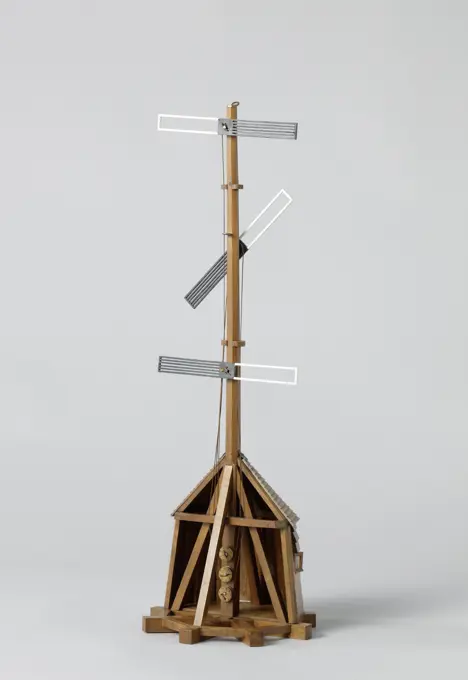
Antique Artifacts

A collection of antique items including a silver feather, decorative comb, lute, textile fragment, and a silk stocking purse, showcasing historical craftsmanship.
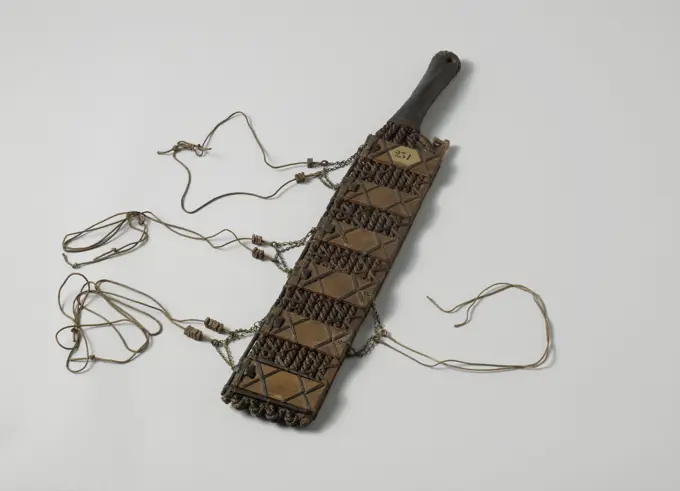
Model of a Jury Rudder, anonymous, 1853 demonstration model Model of an emergency rudder made of rigid bunches bound between boards. The bunches that protrude above the leaf are tied together in a leather stocking. The back of the rudder leaf is reinforced with a long beam, the front with three shorter. The stirring have been replaced by chains in three places, from where lines on both sides probably run to the deck. The steering was probably mounted on the heel by means of the hoist. The leaf is also equipped with care buildings. model maker: Netherlands (possibly)after design by: unknown wood (plant material). brass (alloy). rope. leather
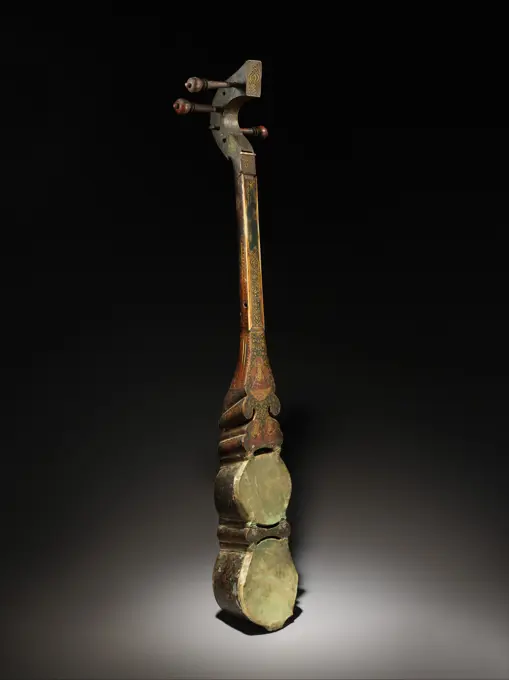
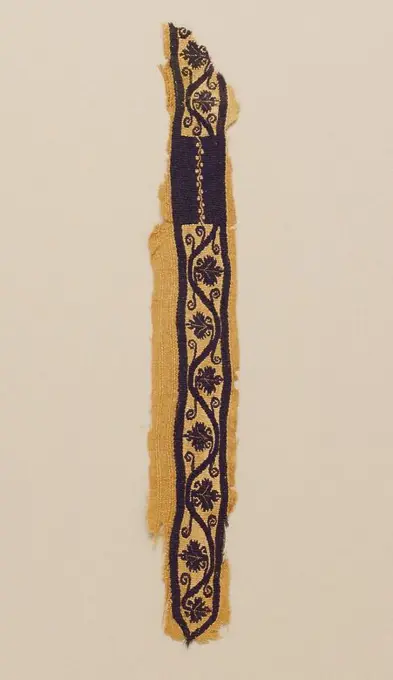
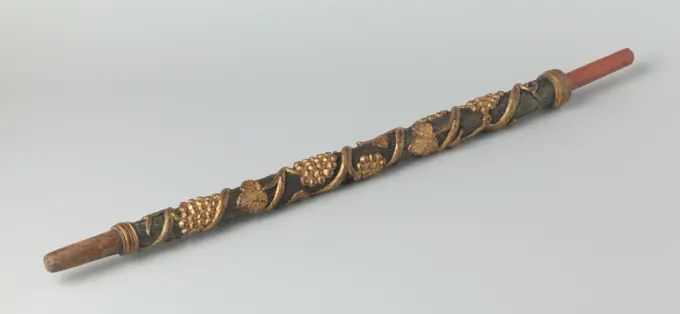
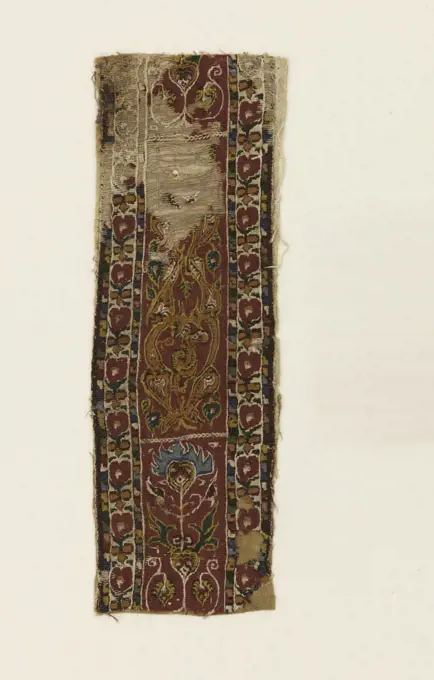
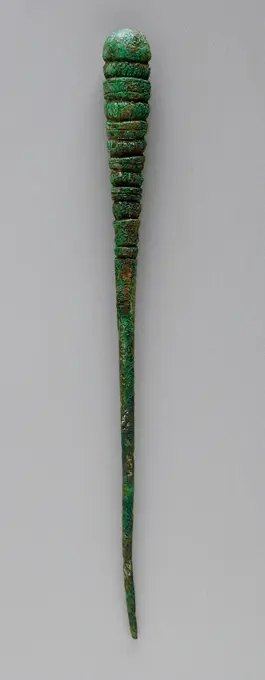
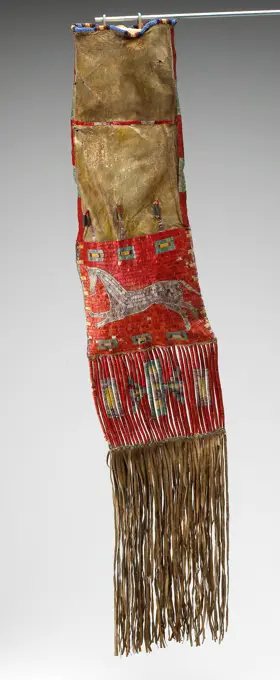
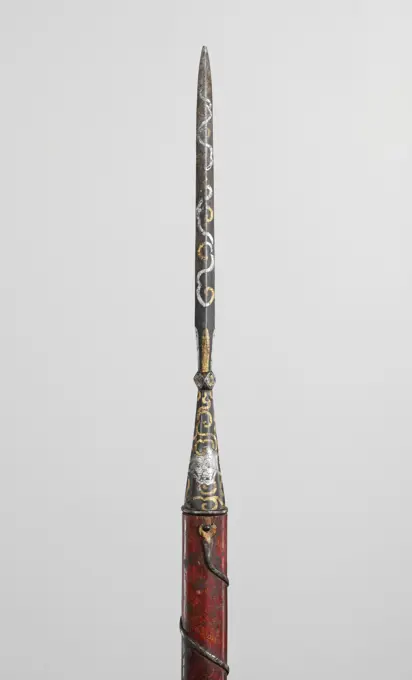
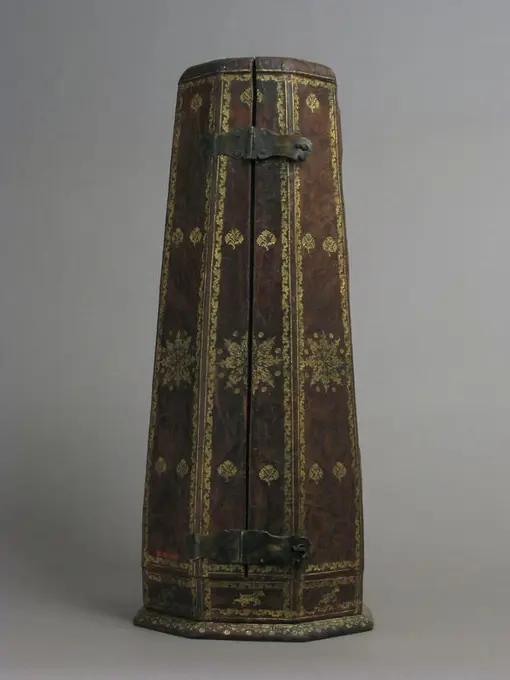
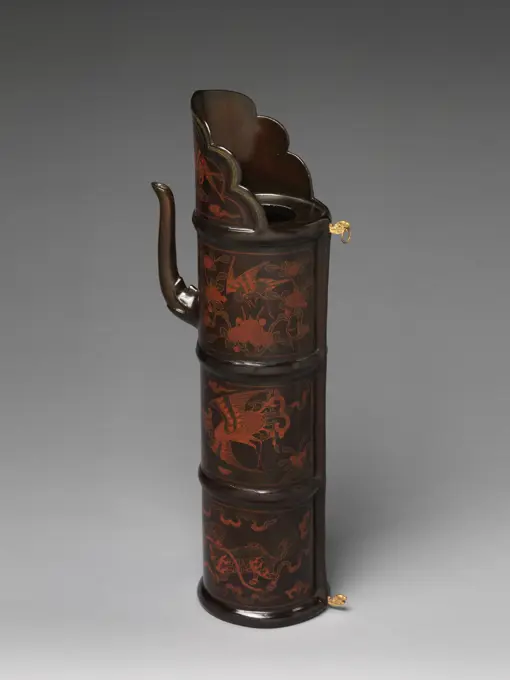
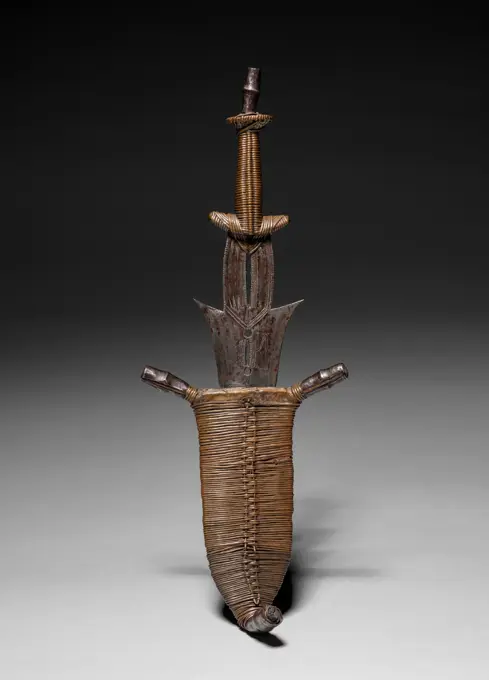
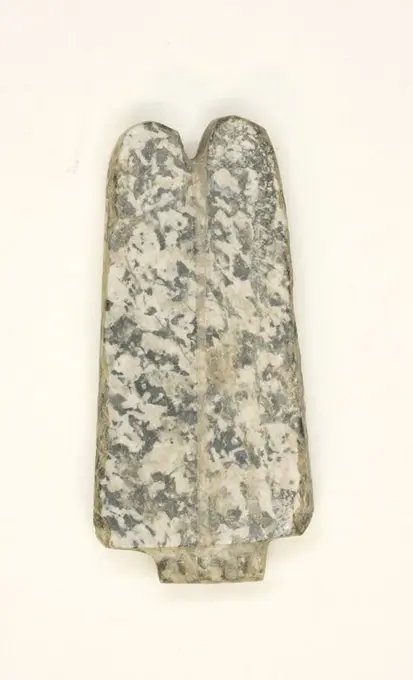
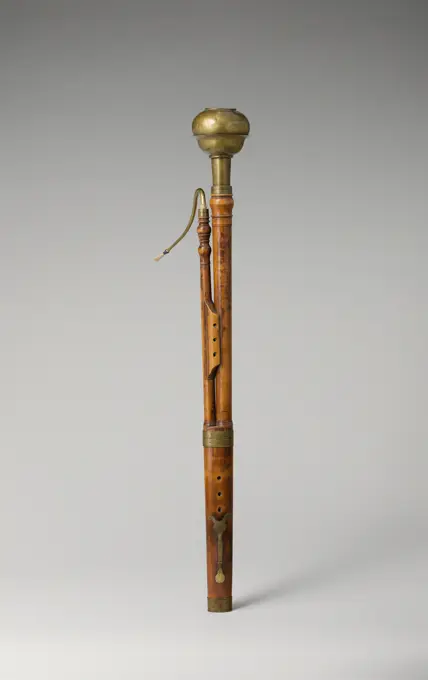
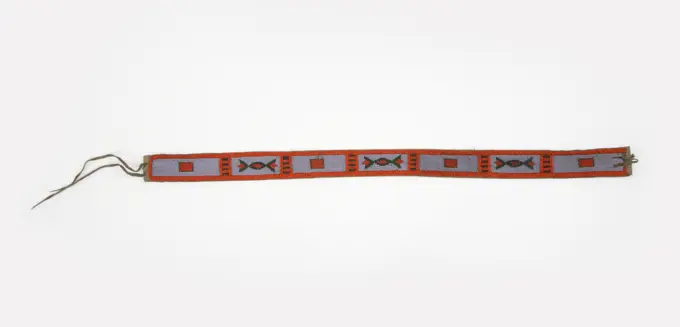
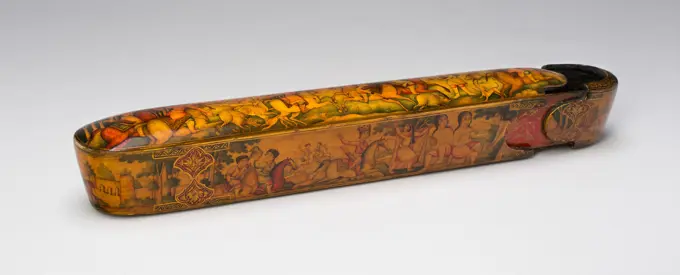
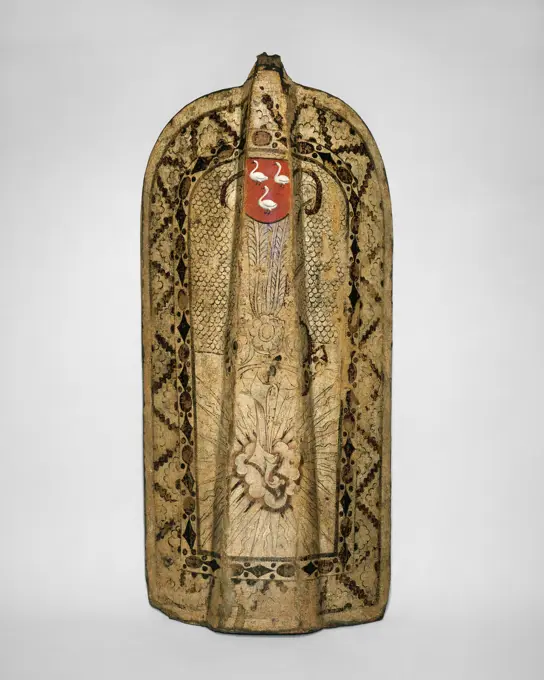
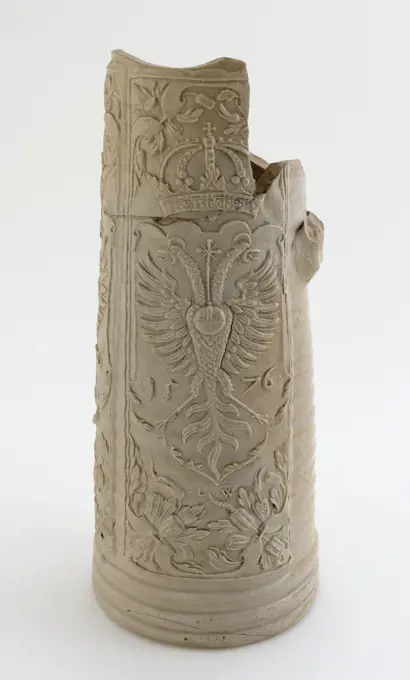
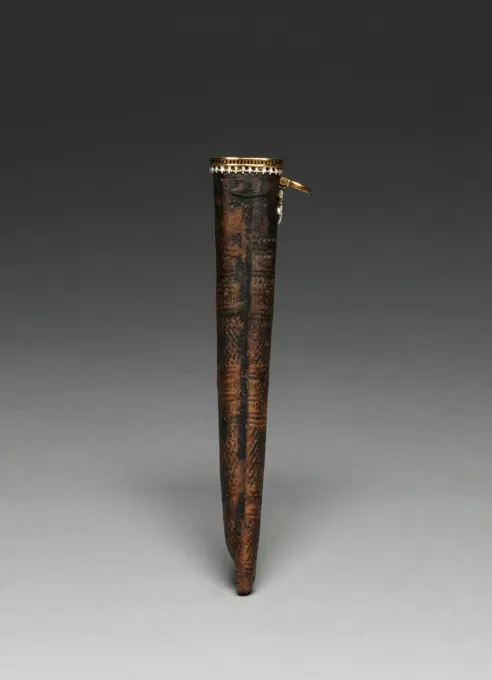
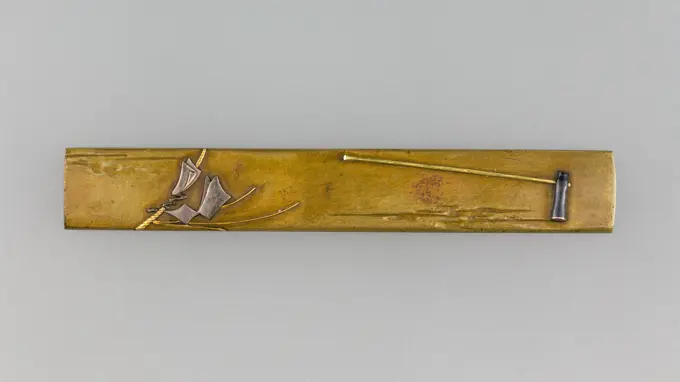
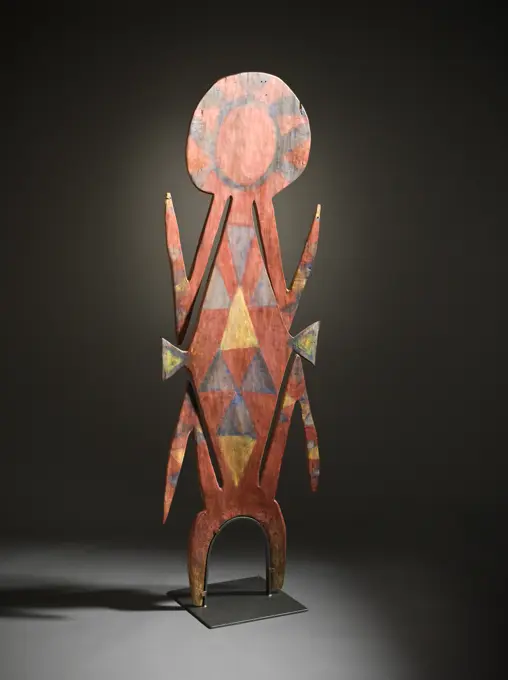
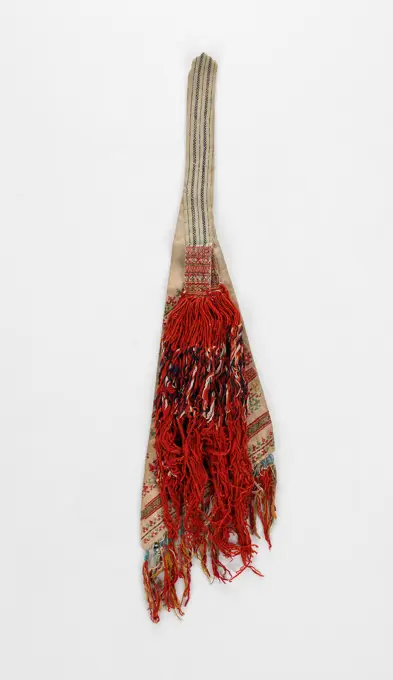
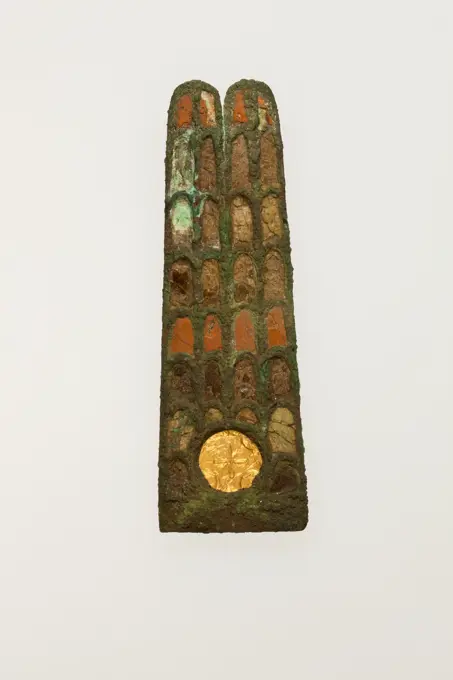
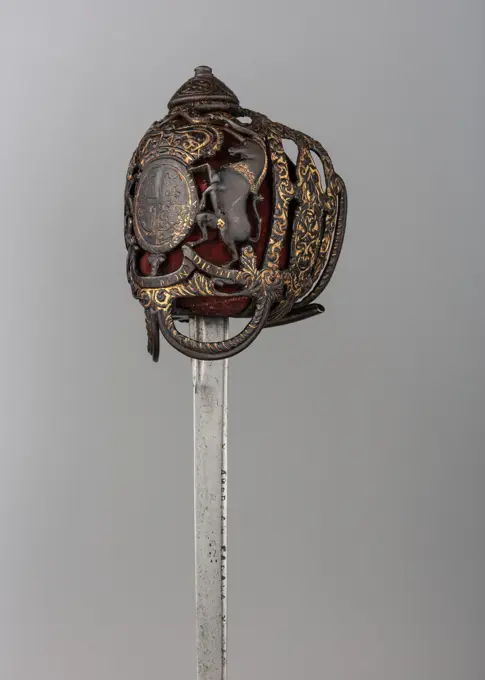
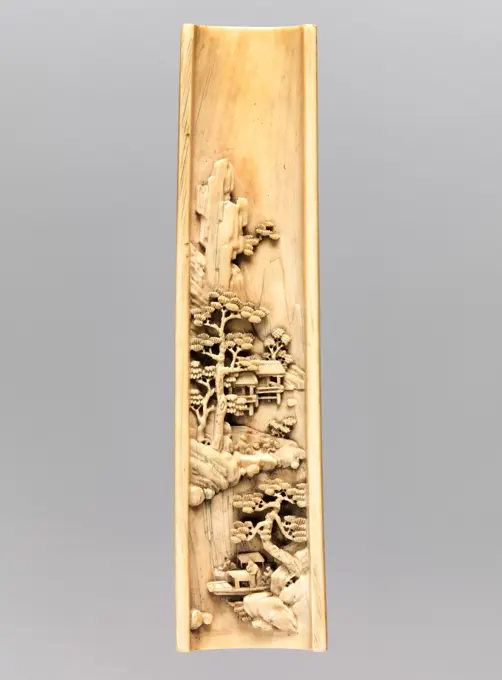
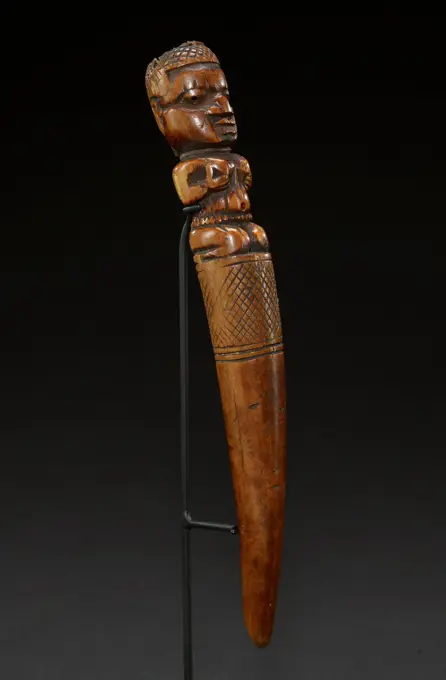
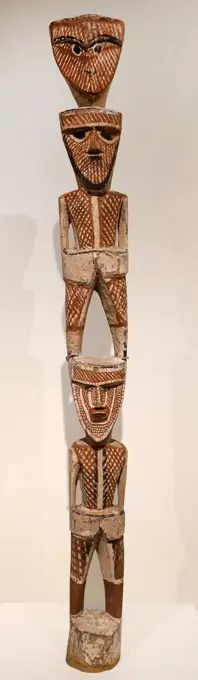
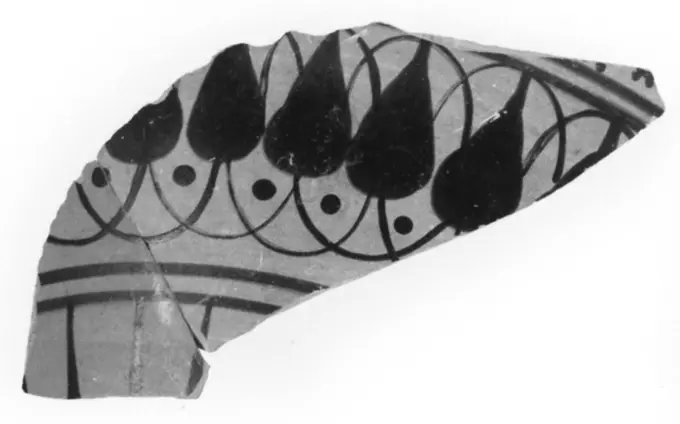
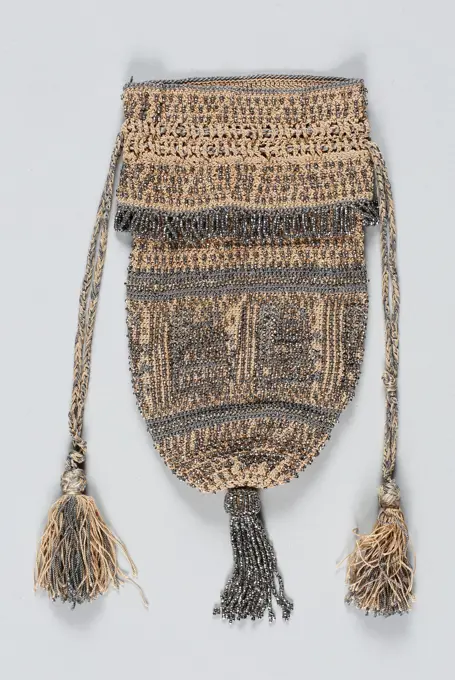
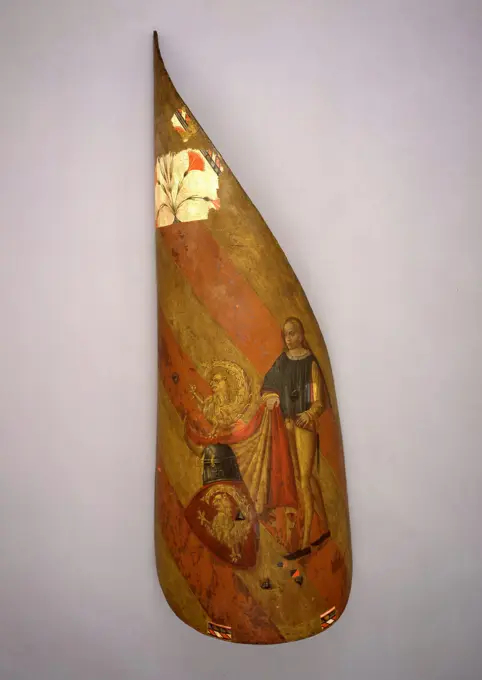
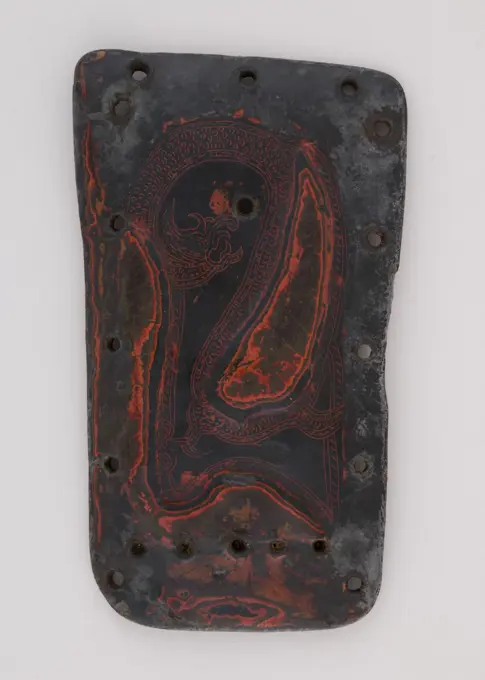
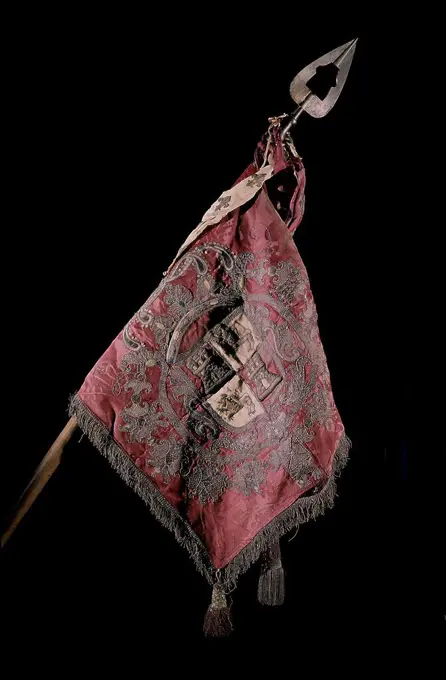
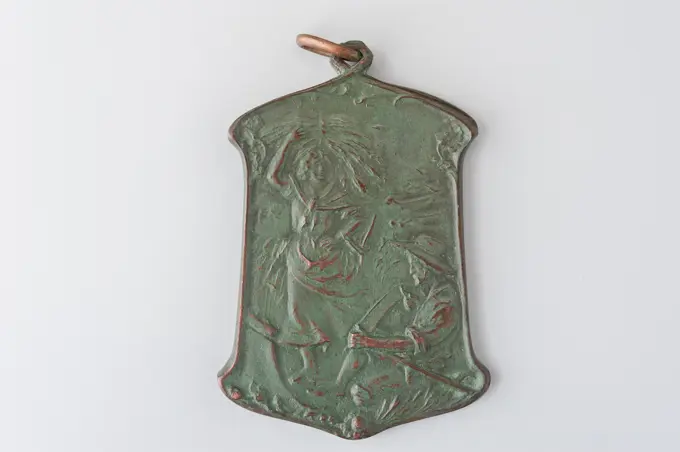
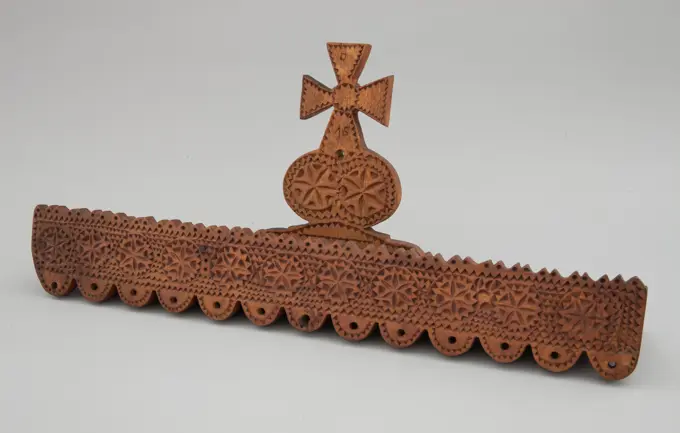
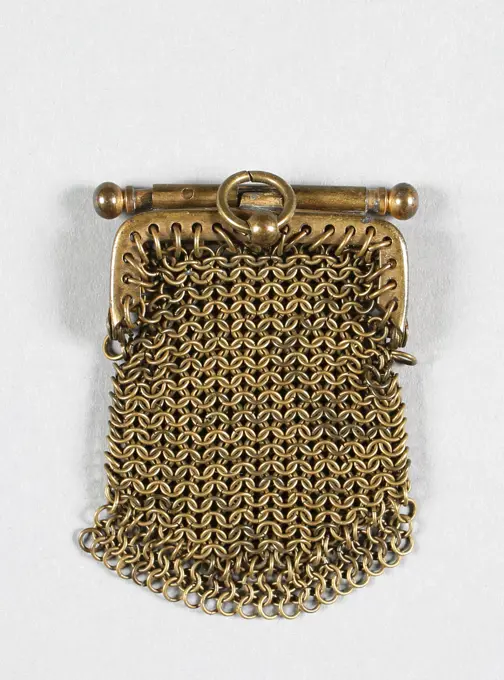
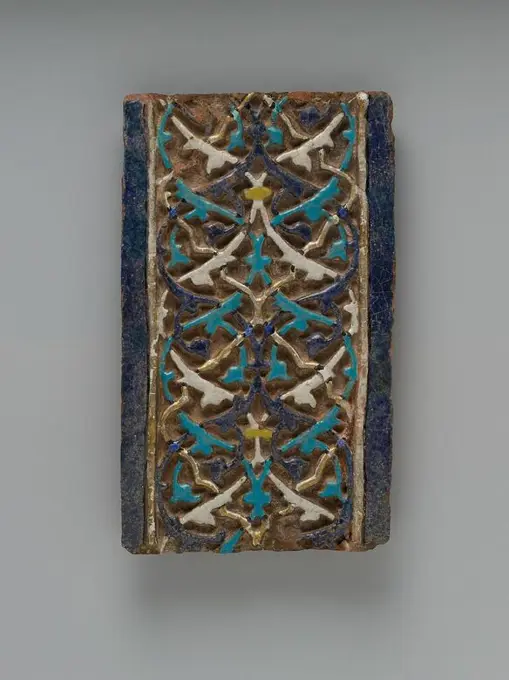
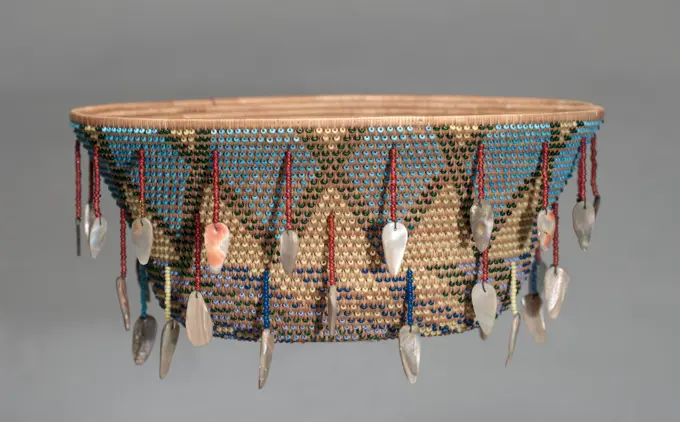
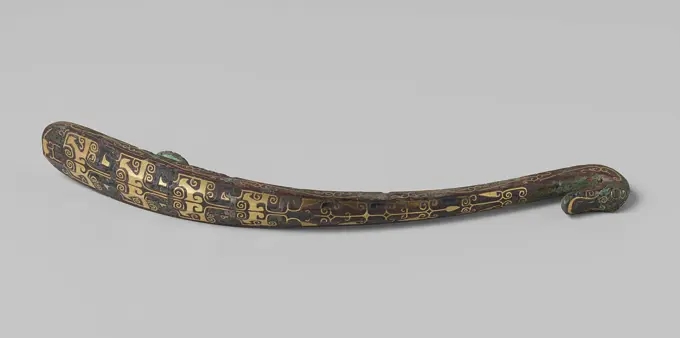
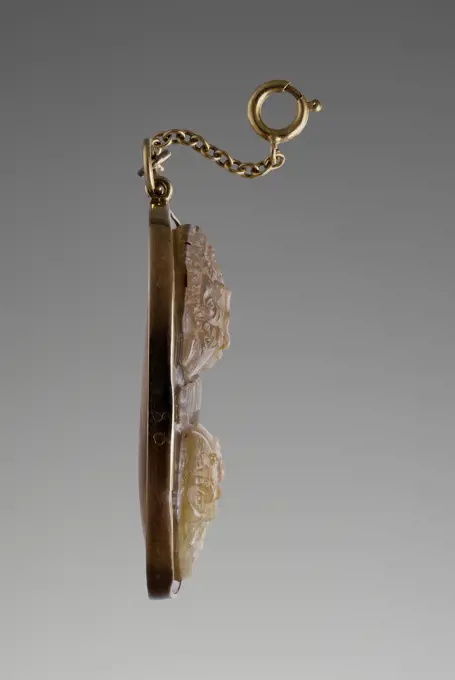
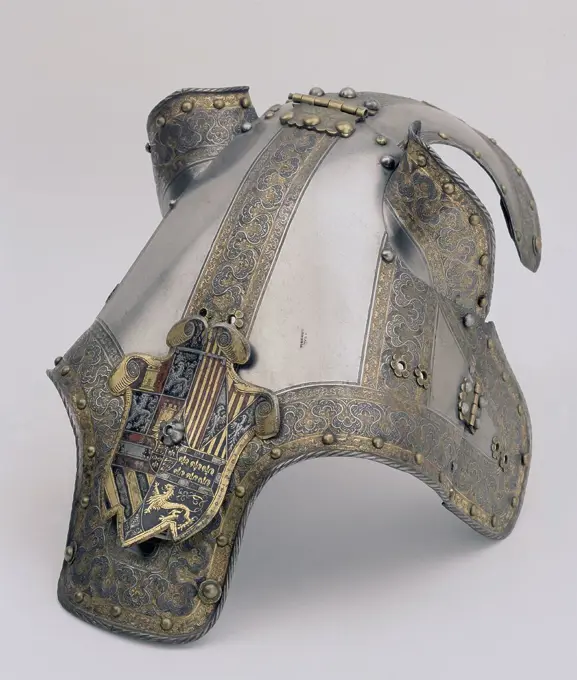
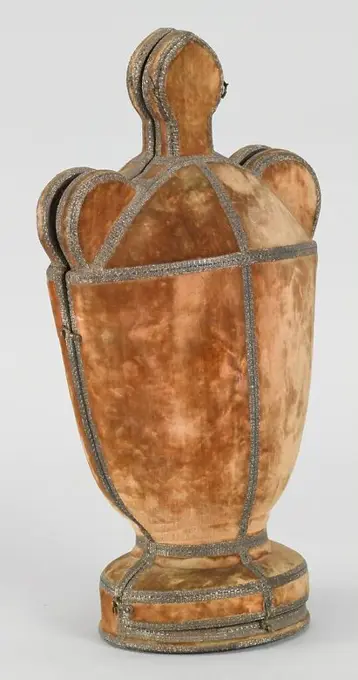
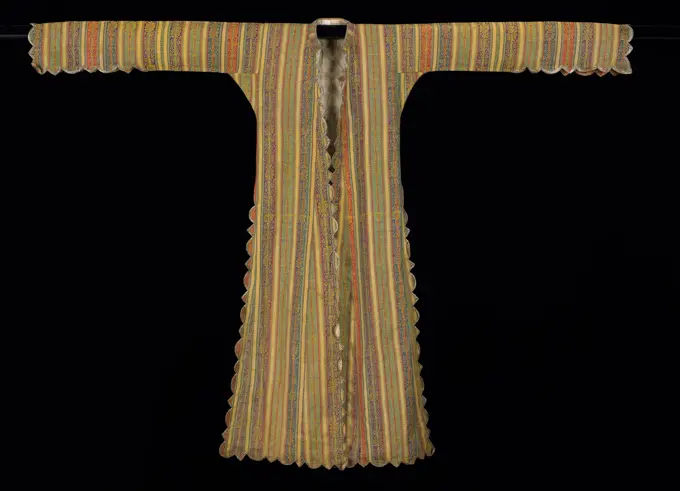
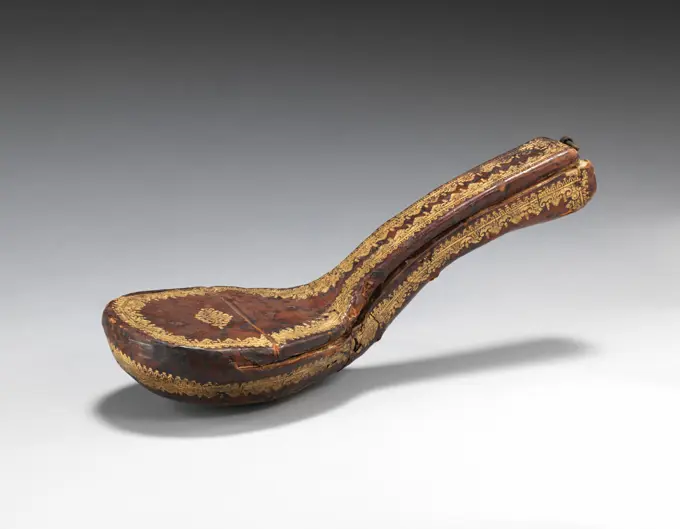
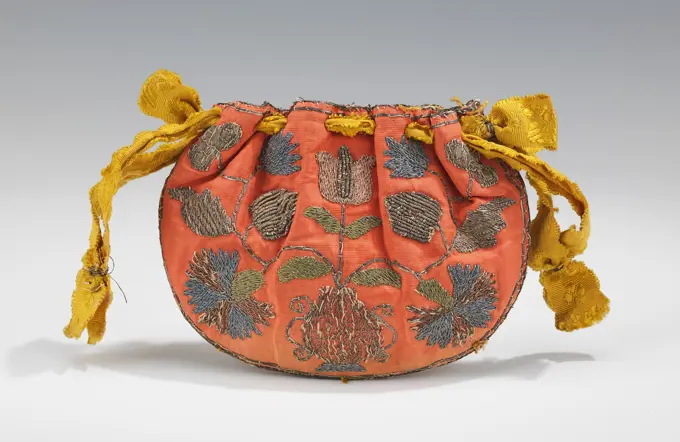
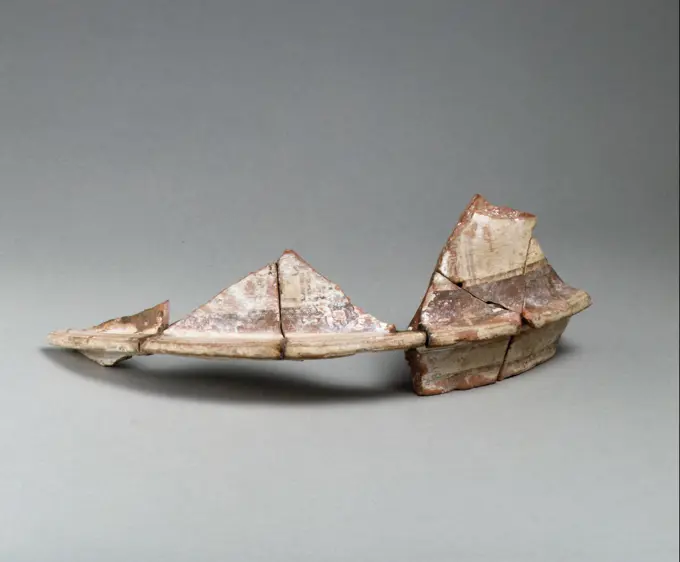
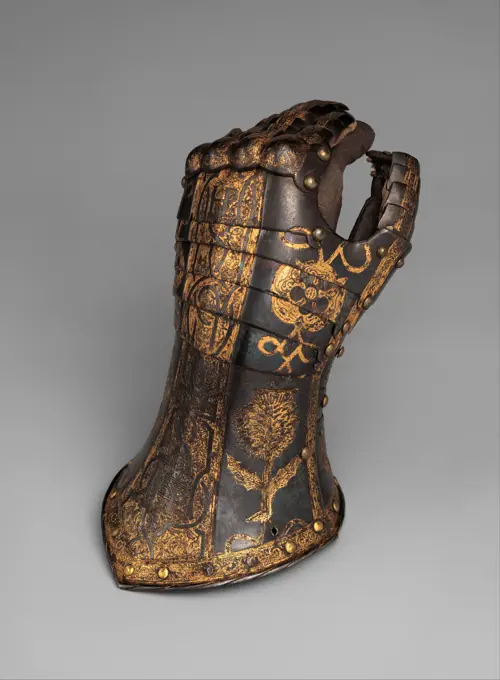
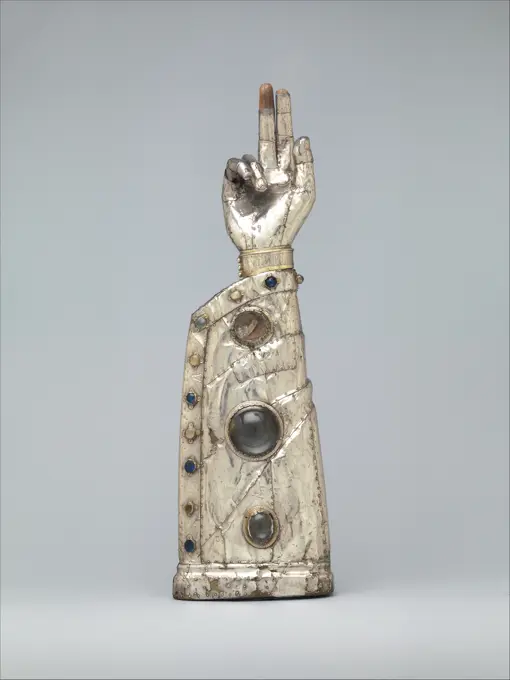
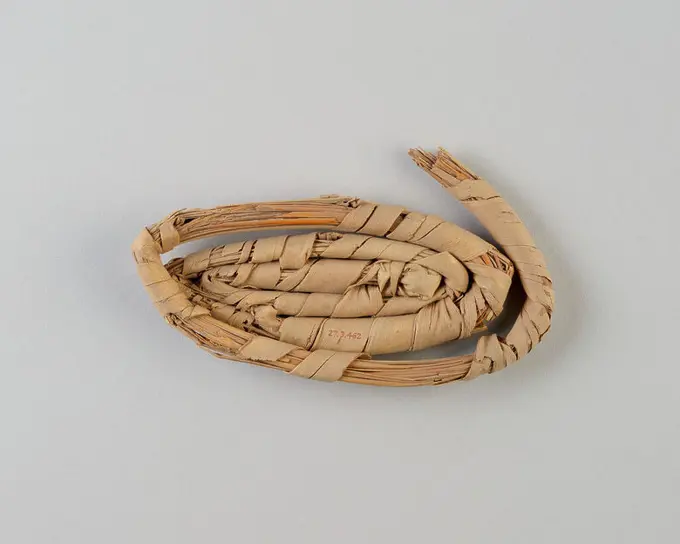
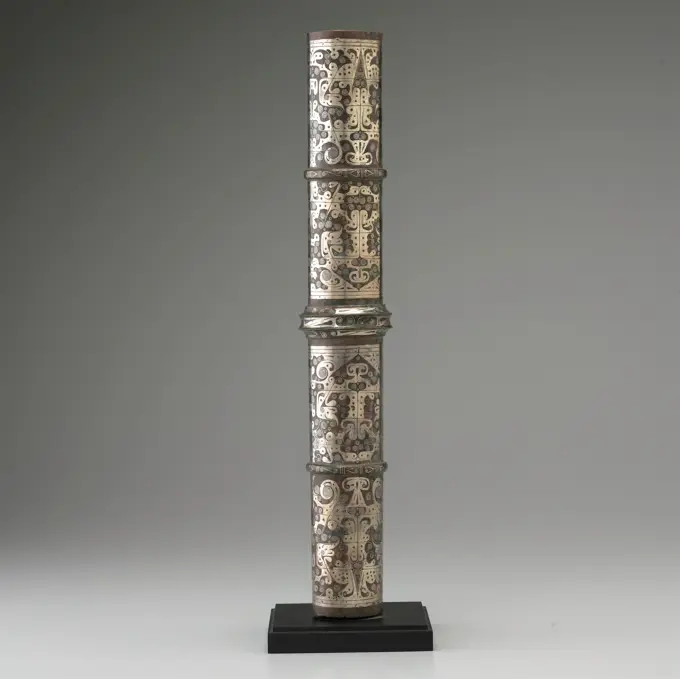
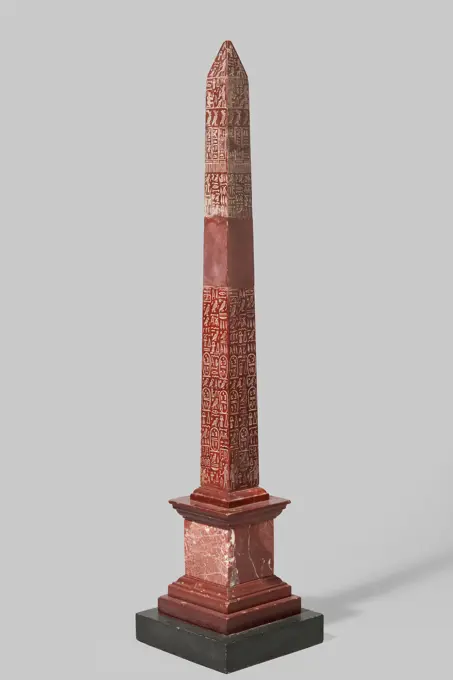
Silver Feather. Egypt, Greco-Roman Period (332 BCE - 395 CE). Sculpture. SilverCombLute(Hasapi)Textile Fragment. Culture: Coptic. Dimensions: Overall: 11 5/8 x 1 3/4 in. (29.5 x 4.4 cm). Date: 300-600. Museum: Metropolitan Museum of Art, New York, USA.Stocking Purse. Italy, 1600-1620. Costumes; Accessories. Silk and metallic-wrapped thread knit, with metallic-wrapped thread needle weaving, with metallic-wrapped thread tassels.Flagpole with decoration, anonymous, 1600 - 1800  Flagpole that is decorated with gold -colored partons of vines and grapes. The stick is painted blue. Netherlands wood (plant material). gilding (material)Band, Medium: Warp; S-spun, Z-twist linen. Weft; S-spun linen. S-spun wools Technique: slit tapestry with supplementary weft wrapping, Polychrome band with vegetative forms, Egypt, 3rd-4th century, woven textiles, BandDoor Knocker 15th-16th century European. Door Knocker. European. 15th-16th century. Iron. Metalwork-IronModel of a Jury Rudder, anonymous, 1853 demonstration model Model of an emergency rudder made of rigid bunches bound between boards. The bunches that protrude above the leaf are tied together in a leather stocking. The back of the rudder leaf is reinforced with a long beam, the front with three shorter. The stirring have been replaced by chains in three places, from where lines on both sides probably run to the deck. The steering was probably mounted on the heel by means of the hoist. The leaf is also equipped with care buildings. model maker: Netherlands (possibly)after design by: unknown wood (plant material). brass (alloy). rope. leatherMount; brassHand Mirror, Molded vulcanized rubber, mirrored glass, gilt metal, Oval hand mirror consisting of molded galvanized rubber handle and back, the straight handle simulating entwined branches and the back decorated with a griffon, bird and foliage. Beveled oval mirror with narrow gilded metal surround., probably England, Second half 19th century, costume & accessories, Decorative Arts, Hand MirrorTassel French 19th century View more. Tassel. French. 19th century. Silk. Textiles-TrimmingsPinAmulet with RedClothPipe Bag, late 19th century, 18 1/2 x 7 5/8 x 2 1/4 in. (46.99 x 19.37 x 5.72 cm) (without fringe), Animal hide, quills, glass beads, metal beads, United States, 19th century, Among the Lakota, quillwork was a sacred art form because of its connections with Double Woman, a complex figure in oral tradition. Since this technique was wakan (holy), membership in quillwork societies was restricted to highly respected women and to those who had visionary experiences related to the supernatural being. This bag skillfully presents a central theme in Plains art, horses. Horses were important in all Plains cultures because they provided the mobility necessary to maintain their way of life. The artist depicted these animals in motion, giving both movement and vitality to her subject. She contrasted these images with vibrant geometric patterns that add more color to this brilliant piece. Stunning hues and evocative design make this a masterpiece of Lakota quillwork.Shield 18th-19th century Philippine, Bontoc. Shield. Philippine, Bontoc. 18th-19th century. Wood, pigment. probably Mountain Province. ShieldsSpear (Mdung) 17th-19th century Tibetan The decoration on the spearhead and shaft indicate that this spear was intended for ritual use, probably by an oracle. The spearhead is damascened in gold and silver with the motif known as "dry skulls," surrounded by stylized intestines. These are among the attributes of the fierce guardian deities and would be appropriate for a weapon intended for the chapel of such a deity, or for an oracle acting as a medium for one.. Spear (Mdung) 27578Sheath For Fork And Knife (Netherlands); fruitwood, silver; H (Sheath): 15.5 cm (6 1/8 in.) L x W (mount): 3.1 x 2.4 cm (1 1/4 x 15/16 in.); The Robert L. Metzenberg Collection, gift of Eleanor L. Metzenberg; 1985-103-29-a,bFabric fragment. unknown, authorCase. Culture: French. Dimensions: 18 1/8 × 7 13/16 in. (46 × 19.8 cm). Date: 18th century. Museum: Metropolitan Museum of Art, New York, USA.Sash worn by Gevers Deijnoot, 2nd lieutenant, Anonymous, c. 1850  Sash Van Fattst Oranje Cord side in Technology of Egyptian braid. At both ends brushes of ditto side, with long hanging fringes. Netherlands silkSarangi 19th century Indian A sarangi is a bowed stringed instrument with a skin-covered resonator. The typical sarangi is made by hand, usually from a single block of tun wood. The playing strings are usually made of goat gut, but on this example the top two strings are metal. This small sarangi is unusual in that it does not have sympathetic strings.. Sarangi 500769Pedestal with hooves (one of a pair) 18th or 19th century Italian A variegated marble pedestal of square-based and tapered form, featuring gilt metal hooves, paired with 2019.283.35.. Pedestal with hooves (one of a pair). Italian. 18th or 19th century. Colored marble and gilt metal. SculptureVessel with mythical creatures, flowers, and birds 18th century China The shape of this vessel, probably used for pouring liquids, derives from Tibet and may have been made for use in China or as a gift to a Tibetan temple or high-ranking monk. Vessel with mythical creatures, flowers, and birds. China. 18th century. Black lacquer painted with red, green, and yellow lacquer. Qing dynasty (1644-1911). LacquerKnife, c. 1900. Africa, Democratic Republic of the Congo, Ngbandi, late 19th-early 20th century. Iron, copper alloy, and rawhide; overall: 40.2 cm (15 13/16 in.); tang: 11.5 cm (4 1/2 in.); blade: 15.8 cm (6 1/4 in.).Amulet of the Feathers of Amon. Egyptian. Date: 1070 BC-656 BC. Dimensions: 3 × 1.5 × .5 cm (1 3/16 × 9/16 × 3/16 in.). Granite. Origin: Egypt. Museum: The Chicago Art Institute, Chicago, USA. Author: Ancient Egyptian.Poulain, 1852, black -handed lace cover black hand, lining in silk taffeta and scarfed ivory ponted, flowing and slide in chopped metal, metal hinge, ivory mast, sculpted tip and sleeve. Cordelière acremen in black and white silk switchboard Palais Galliera, fashion museum of the city of Paris Floral decor with filling points and diamond garlandsFish Server. William Plummer; English, active 1755-91; London, England. Date: 1777. Dimensions: L. 33 cm (13 in.). Silver and horn. Origin: England. Museum: The Chicago Art Institute, FLORENCIA, USA.Bassoon in C 1771 Jeanneret workshop Swiss A special Swiss version of the bassoon, featuring a metal d'amore bell and only one key (F) in addition to three sound holes in the bass joint. There are no D- and B-flat keys. This kind of bassoon was used in churches only to accompany psalm singing, which did not descend lower than F.. Bassoon in C 501494Belt -Stole, embroidered, white unknownPen box Made 1801-1900 Iran. Pasteboard, painted with opaque watercolor under lacquer . IslamicInfantry Shield (Pavise) ca. 1450 Bohemian, possibly Chomutov (now Czech Republic) Shields of this type were carried by crossbowmen and other foot soldiers in central Europe during the fifteenth century. They were often fitted with a prop to enable them to be freestanding. This example is painted in the center with a crown surmounted by three ostrich feathers, a badge of the kings of Bohemia. Below this is the letter Y on a radiant cloud, possibly the monogram for Yhesus (Jesus). At the top is the coat of arms of the Saxon city of Zwickau (a red shield with three white swans), which was added to the shield at a later date.. Infantry Shield (Pavise) 23333pottenbakker: LW, Gray stoneware schnelle with large appliqués in which coat of arms with eagle, dated, sparkling beer mug cup drinking utensils tableware holder soil find ceramic stoneware glaze salt glaze, hand turned stamped glazed glazed baked Tapered body three rings above the appliqué and three below. White shard next to eagle legs: 1576 among which LW archeology imported pottery import heraldry drink beer servePurse, Medium: silk, metal Technique: beaded crochet, Rose crocheted silk with fine cut steel beads; steel ring and bars at top., France, early 19th century, costume & accessories, PurseMiser's purse, Medium: silk, gilt foil Technique: netting, Crocheted in light green with floral bands of darker green and cerise silk, ornamented with bands of gold-colored beads. One gold ring controls opening, gold drops at each end., France, 1800-1810, costume & accessories, Miser's purseKnife and Fork with Sheath (Sheath), late 1500s. Italy, Venice, late 16th century. Gold, enamel, crystal, steel, leather; average: 15.7 cm (6 3/16 in.).Cap made of lace borderbage on tulle with flower branches, anonymous, c. 1900 - c. 1924 Hat of natural -colored lace -up work: Tuledoorstopwerk on Machinal Tulle. Seven pear -shaped pattes are used in the Tulle hat. The middle and seven inserts are decorated with an anemone, which is striking by leaves. The edge is completely filled with a thin branch with the same flowers and leaves. Noord-Holland (possibly) linen (material) embroidering Hat of natural -colored lace -up work: Tuledoorstopwerk on Machinal Tulle. Seven pear -shaped pattes are used in the Tulle hat. The middle and seven inserts are decorated with an anemone, which is striking by leaves. The edge is completely filled with a thin branch with the same flowers and leaves. Noord-Holland (possibly) linen (material) embroideringSgra-Snyan 14th-16th century Tibetan The ancient "silk route", running from the Mediterranean to Sian in east central China, made Central Asia a meeting place of many cultures. This lute, an extraordinary example of musical exchange between East and West, is similar to instruments played by angels depicted in seventh-century Buddhist cave paintings. It offers some insight into the development of the modern sgra-snyan. The body, with two skin-covered chambers, is a rare example of an archaic transitional form that seems to point to the Afghan robab, and various Himalayan lute types. Decorative elements, such as green-colored skins, like those of the damarn, and the portraits of Buddha and musicians, rendered on painted ivory with gold leaf, are typical of fifteenth-century Tibet. The back, fingerboard, and pegbox reveal cartouches and palmettes reminiscent of seventeenth-century Persia. Tin leafing shows through as a silvery underlayer in a worn section of the instrument. Painted gesso Stole;  18th century (1701-00-00-1800-00-00);Stel Armbranden, Johan Lorenz Holzapfel, c. 1824 - c. 1838 Two bracelets of gold. Made in filigrein. Decorated with a rosette. Amsterdam gold (metal) filigree Two bracelets of gold. Made in filigrein. Decorated with a rosette. Amsterdam gold (metal) filigreeKnife Handle (Kozuka) 18th century Japanese A kozuka is a handle of a by-knife that is part of a sword mounting. It is kept in a slot on the reverse of a katana scabbard, often with a matching kōgai (hairdressing tool).. Knife Handle (Kozuka) 29909Ceremonial Board (gerua wenena). Papua New Guinea, Eastern Highlands Province, Siane People, circa 1955. Sculpture. Wood and pigmentNecklace. Mexico or Guatemala, 600-800 CE. Stone. JadeiteDagger with Sheath 18th century Turkish. Dagger with Sheath. Turkish. 18th century. Jade, steel, gold, copper, shagreen, gemstone. DaggersTobacco bag Southern Cheyenne, Native American ca. 1875 Elaborately adorned bags such as this example were created by women for their male family members to carry long-stemmed pipes and tobacco, which they used in spiritual ceremonies. Here, a high-contrast pouch exhibits animal and geometric beaded designs. Bifurcated hide strips outlined with blue beads hang from the bags opening and are reflected in the rounded tabs and splayed fringe below. Metal cone tinklers decorated with hair trimmed from a horses mane and dyed red punctuate the tabs and strips. View more. Tobacco bag. Southern Cheyenne, Native American. ca. 1875. Tanned leather, pigment, glass beads, metal cones, and horsehair. Made in Oklahoma, United StatesSash () with tassels, ChinaBaby carrier panel (), ChinaDouble feather crown of Amun 664-30 B.C. Late Period-Ptolemaic Period This double feather crown belonged to a large Amun statuette, or to a child god who had close associations with Amun. The statue was probably made out of wood but would have incorporated copper alloy elements like this crown, a common technique for high prestige, large, and costly cult images. Because this type of mixed media construction was commonly used, pieces such as these, even in their fragmented state, provide excellent clues about the appearance of large-scale temple statuary made from organic materials, much of which is now degraded and lost. The piece also displays the stunning craftsmanship and capabilities of Egyptian bronze workers with the multi-colored inlays and gilded sun disk. Even though the inlays have deteriorated over time, the pieces original combination of colors and materials would have been stunning and overall it shows the many ways in which artisans could play with copper alloy and otherBasket-Hilted Sword ca. 1720-40 British The basket is decorated with the royal arms of Great Britain as used between 1714 and 1801.. Basket-Hilted Sword. British. ca. 1720-40. Steel, gold, leather, textile, wood, sharkskin, silver. SwordsTassel 18th century French. Tassel. French. 18th century. Metal thread. Textiles-TrimmingsNecklace -Wrist Rest 18th-19th century China The wrist rests serve a practical purpose. They prevent wet ink from smudging on the hand as you write. But they also had a symbolic significance for the Ming and Ching dynasty scholars who used them. They were fashioned to embody the aesthetic of modesty and restraint that governed these scholars. The material is costly ivory. But the piece is carved to resemble a length of bamboo, a humble material that signified the scholarly ideals of strength, integrity, and steadfastness. In the center, you see the underside of another ivory wrist rest, which reveals an intricately carved landscape. When the wrist rest, with its blank top exposed, is placed in position for use, this complex scene is literally hidden.. Wrist Rest. China. 18th-19th century. Ivory. Qing dynasty (1644-1911). IvoriesChasuble, stole and manipulator made of silk fabrics unknownTapper, 18th century, 9 1/4 × 1 1/8 in. (23.5 × 2.86 cm), Ivory, Nigeria, 18th century, Tappers are commonly used in Yoruba divination practices to greet and summon Orunmila, the god of fate who is associated with knowledge and wisdom. This example is made of ivory, a material treasured for its durability, scarcity, and association with the elephanta symbol of sovereignty. Its pointed end is used to tap the divination tray. The handle is formed by a kneeling female figure holding her breasts, a common motif in Yoruba art that refers to humanity receiving spiritual nourishment.A funerary pole with Purukuparli and his son Jinani. Dated 20th CenturyFragment with a Roundel and Loop Pile 5th-6th century. Fragment with a Roundel and Loop Pile 444322Attic Black-Figure Neck Amphora Fragment (comprised of 2 Joined Fragments). UnknownBourse. GAL1991.200.9Bandolier Bag ca. 1870 Ojibwa. Bandolier Bag 319186Slippers 1875-1900 French. Slippers 1157162008.0217.. Sea Turtle. Sea turtle remains - from the natural history museum collection in Aston Hall, 1858Matadors hat unknownHungarian-Style Shield ca. 1500-1550 Eastern European This wing-shaped shield and others like it in the Metropolitan Museum's collection (42.50.30, 49.57.1), with the distinctive upward-sweeping back edge, were the characteristic light-cavalry shields of Hungary. During the sixteenth century, the style was adopted across much of eastern Europe by both Christian and Islamic horsemen. The shield's elongated upper edge was designed to defend the back of the head and neck against cuts from a saber, the preferred cavalry weapon in that region.. Hungarian-Style Shield. Eastern European. ca. 1500-1550. Wood, leather, gesso, polychromy. ShieldsElement from a Lacquered Leather Cuirass 8th-10th century Yi or Nuosu, China (Yunnan or Sichuan). Element from a Lacquered Leather Cuirass. Yi or Nuosu, China (Yunnan or Sichuan). 8th-10th century. Lacquer, leather. Yunnan; Sichuan. Armor for ManESTANDARTE BATALLA DE AYACUCHO. Location: ALCAZAR / MUSEO DEL EJERCITO-COLECCIÓN. Toledo. SPANIEN.Carnavalet museum, medal collection Right a gleaper carrying a wreath of wheat on the head, standing facing a reaper seated on the left which sharpens its false; Reverse shields with the arms of Liège followed by a bouquet docking an inscription on nine lines; Below, a radiant sun writes Labor behind a parchment.Rocker Invalids at the Industrial Museum in KrakowPachava Melanesian (Pentecost Island, Vanuatuan) late 19th centuryWallet. Middle XIXth. GAL1983.119.8Tile. Dimensions: H. 11 1/2 in. (29 cm)W. 6 3/4 in. (17.2 cm)D. 1 1/2 in. (3.8 cm). Date: A.H. 824/ A.D. 1421.This tile matches a border frieze adorning the portal of the tomb of Sultan Mehmed I (r. 1403-21) in Bursa, where monuments were badly damaged in an 1855 earthquake. It has a deeply carved pattern of lattices formed by pairs of undulating vine scrolls that meet at regular intervals along the centerline. The interlacing of the arabesque lattices is complex, but clarity is achieved through the use of different colored glazes. The tile predates the period, later in the fifteenth century, of widespread Chinese influence on Ottoman Turkish ceramics. In its deep relief and choice of colors, it exhibits similarities to tiles of Timurid Central Asia dating from the late fourteenth century, a resemblance probably explained by the documented presence of Persian tileworkers in Bursa at that time. Museum: Metropolitan Museum of Art, New York, USA.Ornament China. Ornament. China. Gold. Tang dynasty (618-907). JewelryKeyhole escutcheon 16th century German. Keyhole escutcheon. German. 16th century. Iron. Metalwork-IronPrunus Wood, 1700-1899. China, Qing dynasty (1644-1911). Wood carving; overall: 48.3 cm (19 in.). The gnarled and twisted form of a prunus stump is carved to accentuate its naturally textured surface. The body is finely polished to create a lustrous patina. Simple wood carvings like this exemplify the Chinese scholars taste for natural forms and rustic materials, which in turn reflect the desire to retreat into nature. They were collected and displayed as decorative works of art in the traditional scholars studios.Gift Bowl, c 1890s. California, Wintu, late 19th century. Coiled, beads, shells; overall: 9 x 22.3 cm (3 9/16 x 8 3/4 in.).Vajra-Zepter vajra scepter, Tibet, 19th century, bronze, MuEC, Barcelona, Catalonia, Spain LicenseRF Copyright: xZoonar.com/Tolox 23171184Gordelhaak.Concave profile in the middle, limited by two ditto profiles; geometric decor; Inserting with silver and gold.Cameo with Four Masks; gem 1st century; mount mid-19th century or later; Gem: sardonyx; Mount: gold; 2.9 cm (1 1,8 in.)Miser's Purse (France); silk, steel; L: 20 cm (7 7/8 in.)PETO DE ARMADURA CON ESCUDO DE CASTILLA/LEON DE FELIPE II. Location: PALACIO REAL-REAL ARMERIA DE MADRID. MADRID. SPAIN.Anonymous / 'Case for smoky quartz vase with mascarons and handles in the form of snakes'. 1650 - 1711. Leather, Wood, Metal, Velvet. Museum: Museo del Prado, Madrid, España.Miser's Purse (France); silk, metalRobe, 19th century, Silk (), cotton, metallic threads, Turkey, 19th centuryTotem Pole Model 1875-85 Haida. Totem Pole Model 319081Spoon case 18th century German. Spoon case. German. 18th century. Leather, gilt. Natural Substances-LeatherworkCase (possibly Germany); leather, paper; L x W: 9.3 x 4.4 cm (3 11/16 x 1 3/4 in.); The Robert L. Metzenberg Collection, gift of Eleanor L. Metzenberg; 1985-103-264-aPouch early 18th century Russian This object is from the collection of Natalia de Shabelsky (1841-1905), a Russian noblewoman compelled to preserve what she perceived as the vanishing folk art traditions of her native country. Traveling extensively throughout Great Russia, she collected many fine examples of textile art of the wealthy peasant class. From the 1870s until moving to France in 1902, Shabelsky amassed a large collection of intricately embroidered hand-woven household textiles and opulent festival garments with rich decoration and elaborate motifs. The Brooklyn Museum holdings include many fine examples including the majority of the garments. Portions of Shabelsky's collection are also housed at the Museum of Fine Arts, Boston, the Cleveland Art Museum, and the Russian Museum of Ethnography in St. Petersburg. This is a particularly high-quality accessory for both its materials and execution. The embroidery in precious metal threads as well as the quality silks and drawstringVase fragment East Greek/Sardis, Lydian. Vase fragment 252810 East Greek/Sardis, Lydian, Vase fragment, Terracotta, Overall: 8 3/4 x 2 15/16in. (22.2 x 7.5cm). The Metropolitan Museum of Art, New York. Gift of The American Society for the Excavation of Sardis, 1926 (26.199.243)Left Gauntlet of Henry (1594-1612), Prince of Wales ca. 1608 Made under the direction of Jacob Halder Listen to experts illuminate this artwork's story Listen Play or pause #4425. Armor of George Clifford, Part 1 Play or pause #4477. Armor of George Clifford, Part 2 Play or pause #105. The Met Fifth Avenue Highlights Tour, First Floor, Part 1 Play or pause #5863. The Met Fifth Avenue Highlights Tour, First Floor, Part 2 Supported by Bloomberg Philanthropies We're sorry, the transcript for this audio track is not available at this time. We are working to make it available as soon as possible.. Left Gauntlet of Henry (1594-1612), Prince of Wales. British, Greenwich. ca. 1608. Steel, gold, leather, textile. Greenwich. Armor Parts-GauntletsElongated batik scarf in yellow-gold, blue, white and green, with unprocessed middle part and a standing figure with stretched arms, Chris Lebeau, c. 1900 - c. 1910 Elongated batik scarf with unprocessed yellow-gold middle pattern within a solid blue and green edge. At both ends a standing figure with stretched arms and a long outfit. Around the figure a halo with blue len yellow-golden and continuous rows with spiral-shaped circles. In the style of Art Nouveau. Netherlands whole: Silk Elongated batik scarf with unprocessed yellow-gold middle pattern within a solid blue and green edge. At both ends a standing figure with stretched arms and a long outfit. Around the figure a halo with blue len yellow-golden and continuous rows with spiral-shaped circles. In the style of Art Nouveau. Netherlands whole: SilkArm Reliquary 13th century, with 15th century additions French Glistening silver, rock crystal, and glass gems enliven this reliquary in the form of an arm raised in a gesture of blessing. Emblematic of priestly authority, arm reliquaries were placed at the altar and also processed among the faithful. A parchment tag behind the rock crystal and an engraved cuff at the wrist indicate that the relics contained were of Saint Fiacre. The city of Meaux in France possessed the lion's share of his relics, but the provenance of this reliquary has not been confirmed.. Arm Reliquary 464334Glass Fragment 14th-15th century European. Glass Fragment. European. 14th-15th century. Pot metal glass. Glass-StainedGarment (Portugal); silkBrush with Carved Designs, 1573-1619. China, Ming dynasty (1368-1644), Wanli mark and reign (1573-1619). Carved bamboo; overall: 24.2 cm (9 1/2 in.); handle: 21 cm (8 1/4 in.); top: 16.8 cm (6 5/8 in.). The inscription on this brush with a bamboo brush cap reads: Made during the Wanli-Era of the Great Ming dynasty.Tray. Dimensions: l. 13 cm (5 1/8 in). Dynasty: Dynasty 18. Reign: Joint reign of Hatshepsut and Thutmose III. Date: ca. 1479-1458 B.C.. Museum: Metropolitan Museum of Art, New York, USA.three dimensional mixed media composition by French-Algerian artist Yves Baume; Born 1933Chariot Fitting, 3rd-2nd century BCE, 16-7/16 x 2-3/16 x 2-3/16 in. (41.8 x 5.6 x 5.6 cm), Bronze with silver inlay, China, 3rd-2nd century BCE, This extraordinary ornamental fitting was made for the central coupling of a wood shaft supporting the umbrella-like canopy over the chariot of an imperial prince or high ranking dignitary. The production of such complex designs in precious metals inlaid in bronze was an innovation of the Warring States period (480-221 b.c.). This was the era when painted lacquer designs began to influence the designs of the bronze industry, especially those of inlaid bronze which, like the lacquer it imitated, achieved highly decorative effects.Memorial - a copy of the obelisk from Piazza del Popolo;  19th century (1801-00-00-1900-00-00);The collection of ancient EgyptWooden Comb with Star Motif. Egypt, 10th-12th century. Wood. WoodModel of an Optical Telegraph, anonymous, c. 1806 demonstration model Model of an optical telegraph on octagonal base. De Telegraaf consists of a mast with three rotating arms; These consist of a slat to keep their weight low, and are on one side black, on the other, which only serves as a counterweight, white and open, so that this is practically invisible at a distance. Each arm has six positions. On the foot, half an octagonal cabin with a pointed roof has been built, which shows the inside and the operation of the Sein mechanism. model maker: Netherlands (possibly)after design by: France wood (plant material). iron (metal). lead (metal). glass. rope