Antique Artifacts

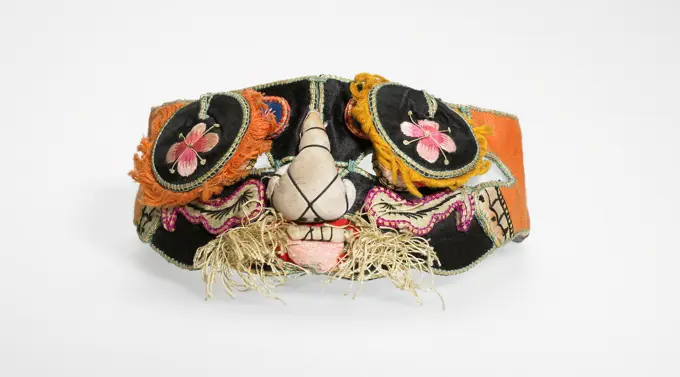
A collection of antique items including a silver feather, decorative comb, lute, textile fragment, and a silk stocking purse, showcasing historical craftsmanship.
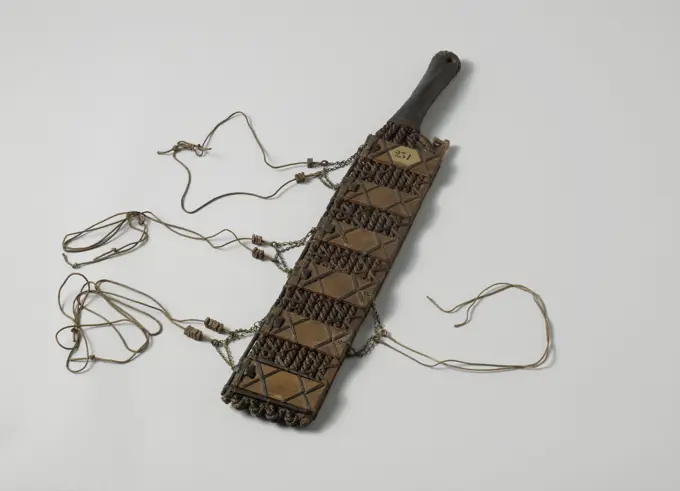
Model of a Jury Rudder, anonymous, 1853 demonstration model Model of an emergency rudder made of rigid bunches bound between boards. The bunches that protrude above the leaf are tied together in a leather stocking. The back of the rudder leaf is reinforced with a long beam, the front with three shorter. The stirring have been replaced by chains in three places, from where lines on both sides probably run to the deck. The steering was probably mounted on the heel by means of the hoist. The leaf is also equipped with care buildings. model maker: Netherlands (possibly)after design by: unknown wood (plant material). brass (alloy). rope. leather
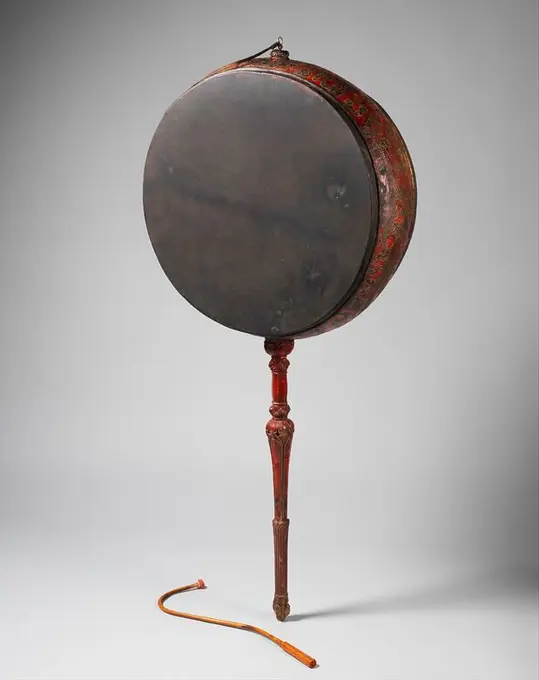
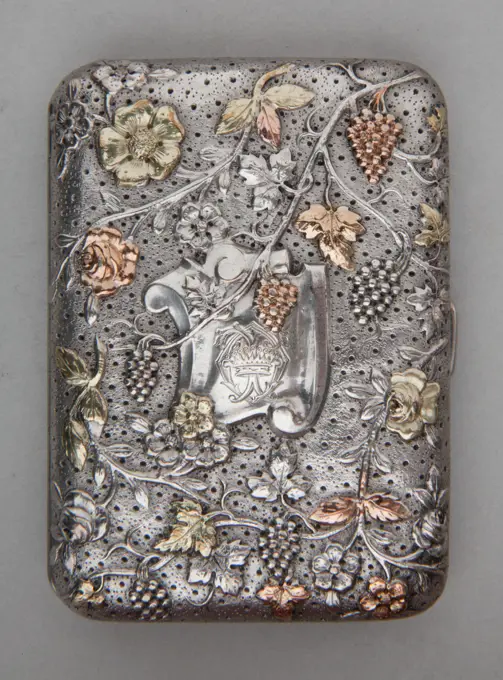
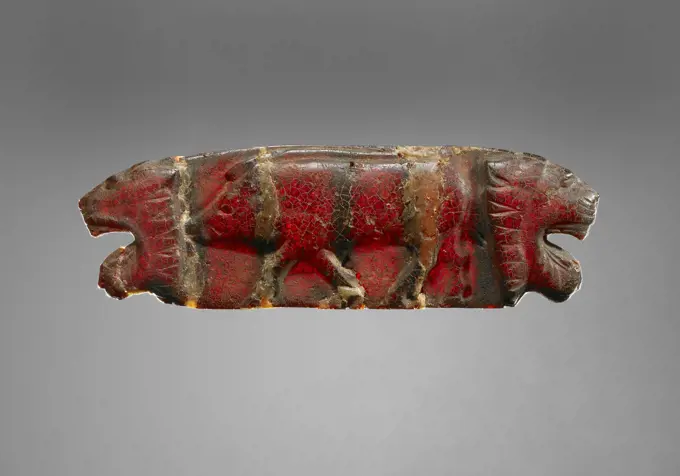
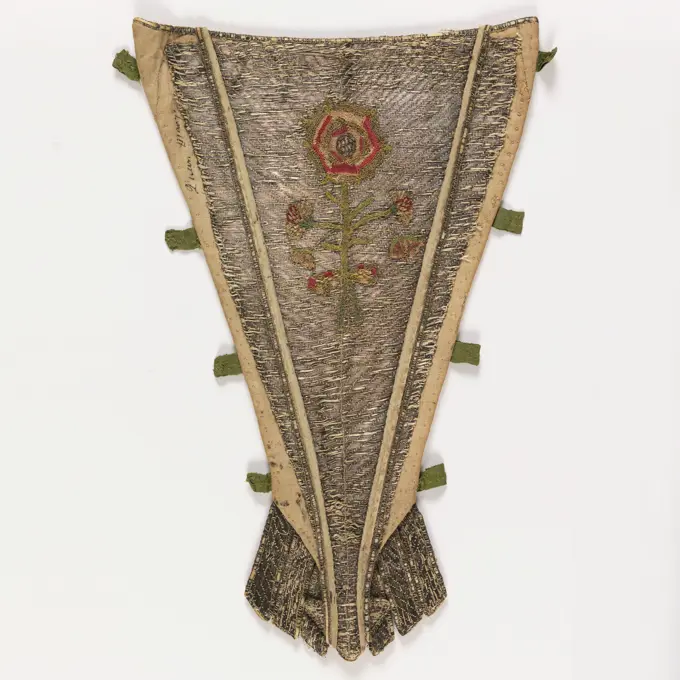
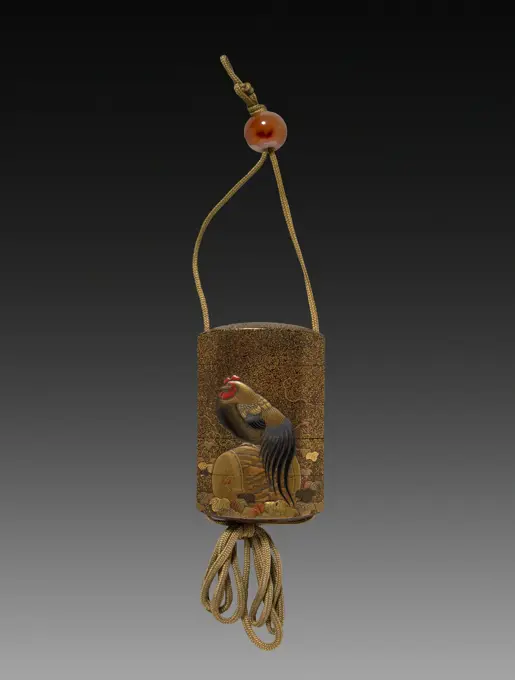
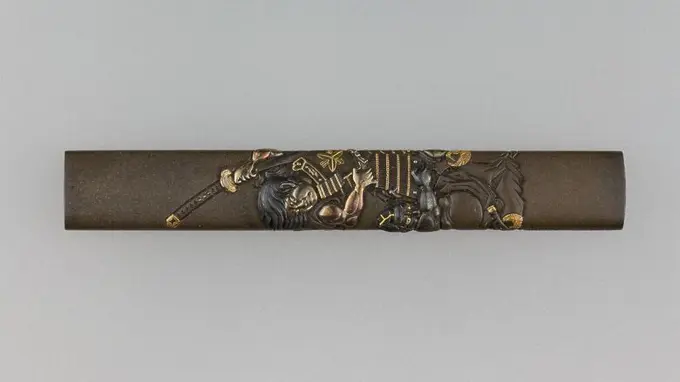
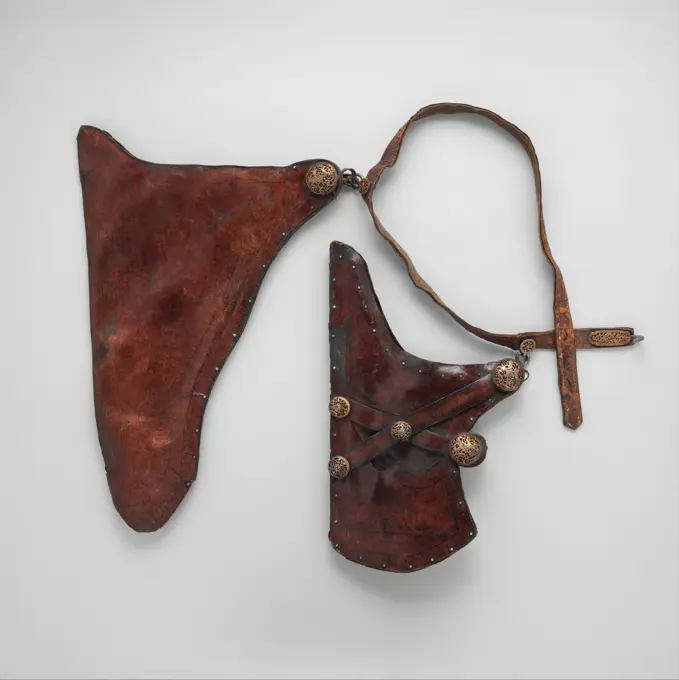
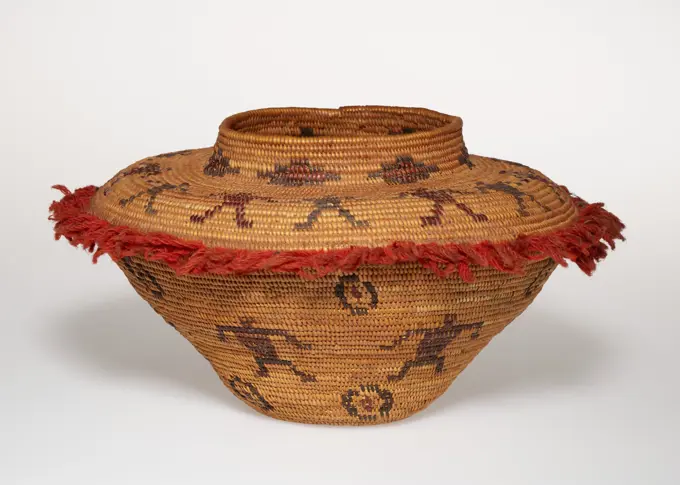
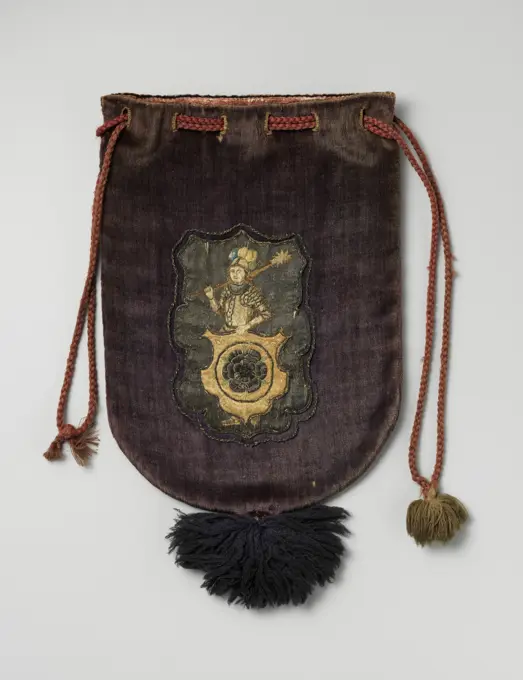
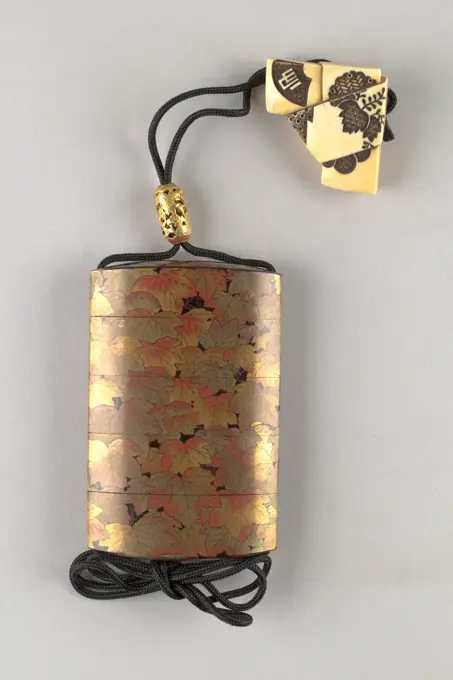
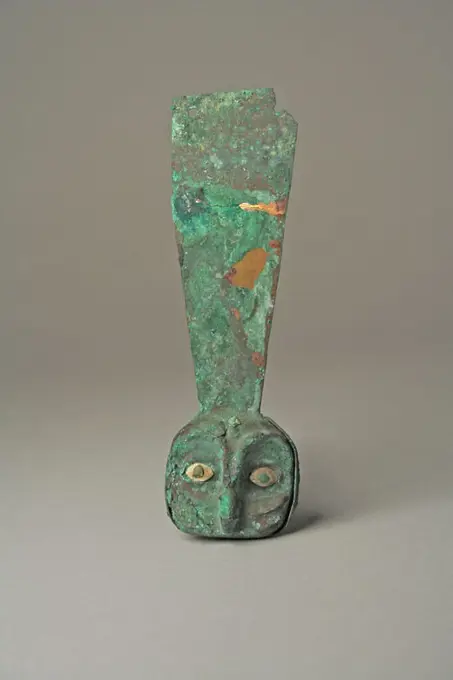
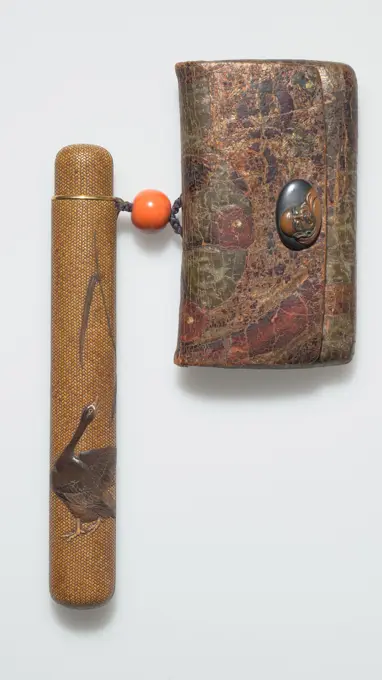
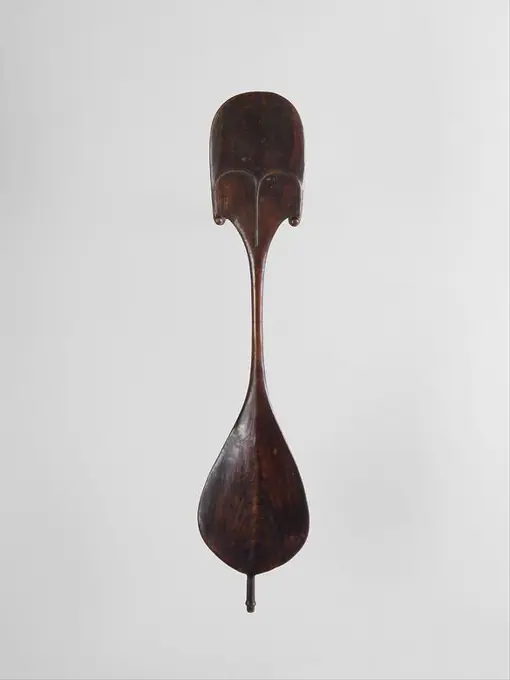
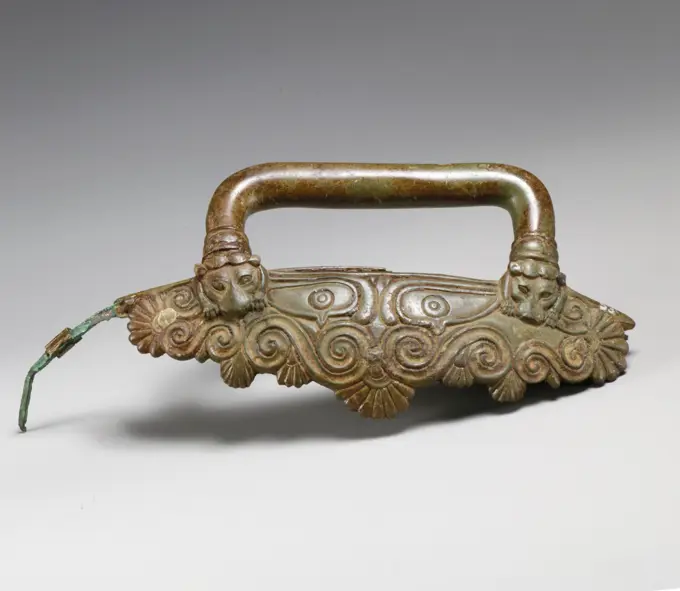
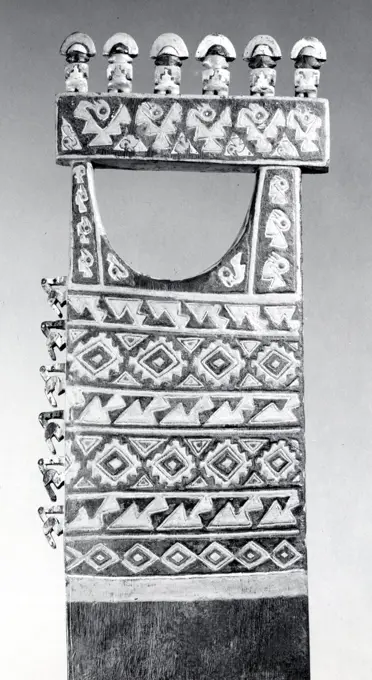
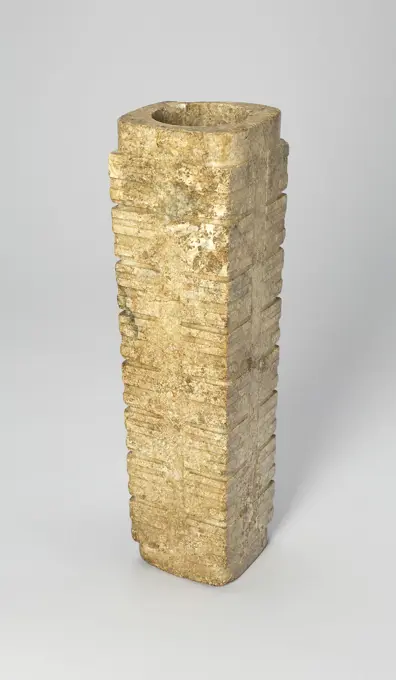
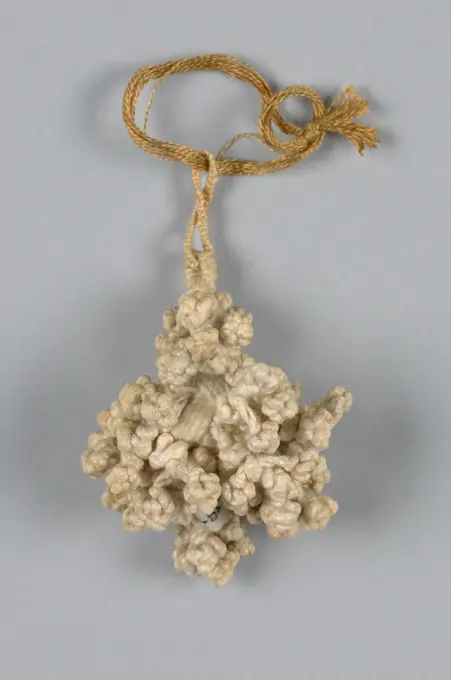
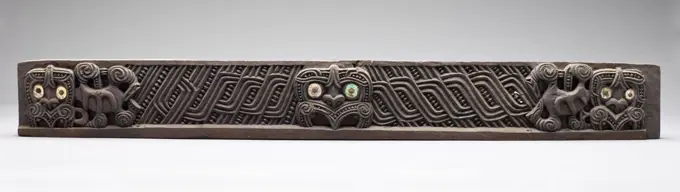
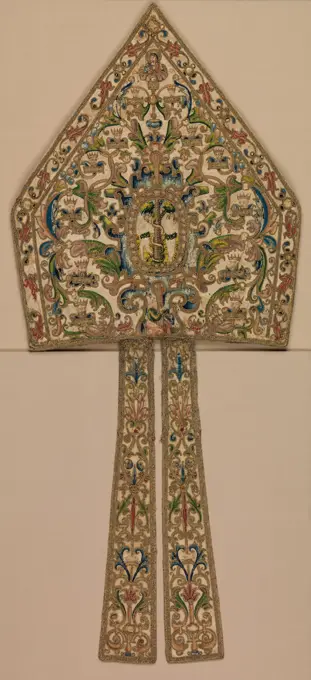
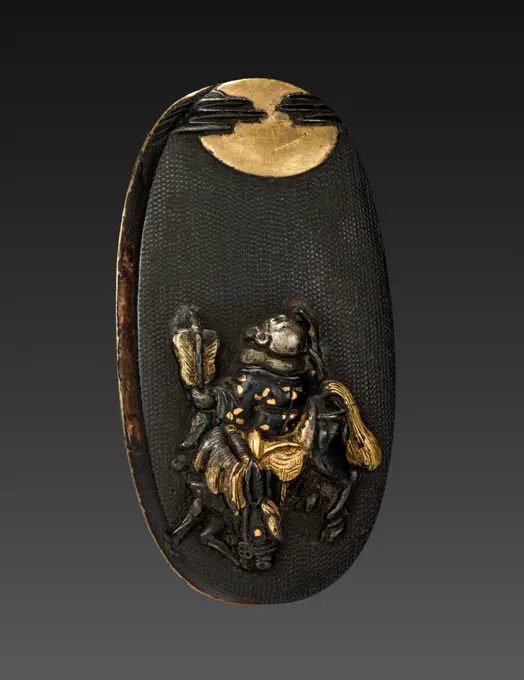
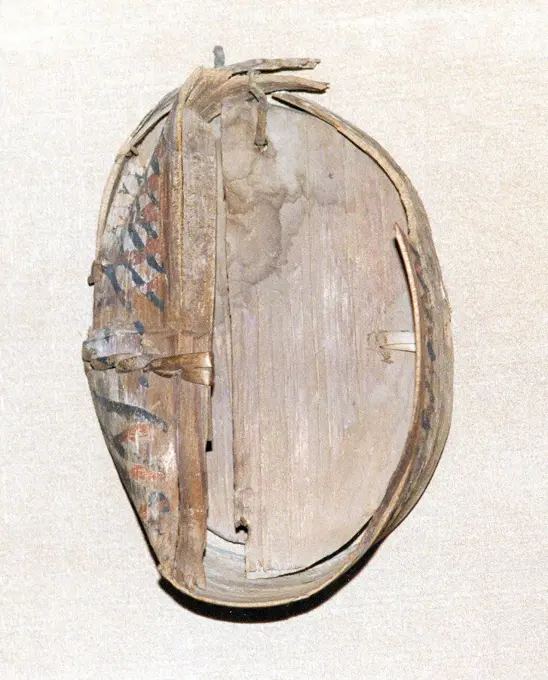
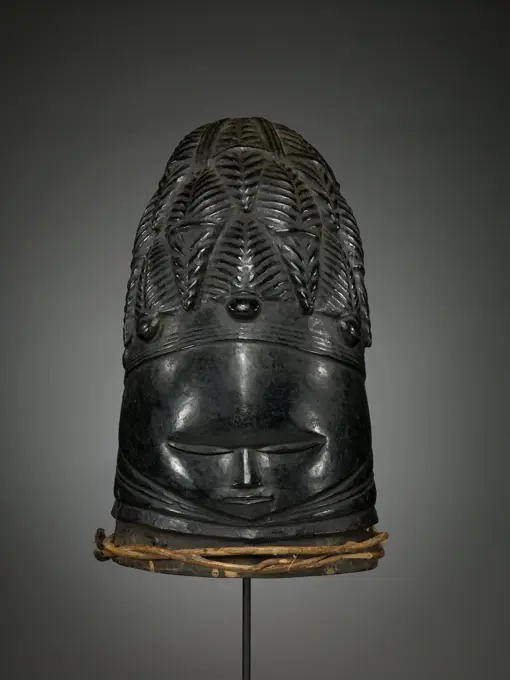
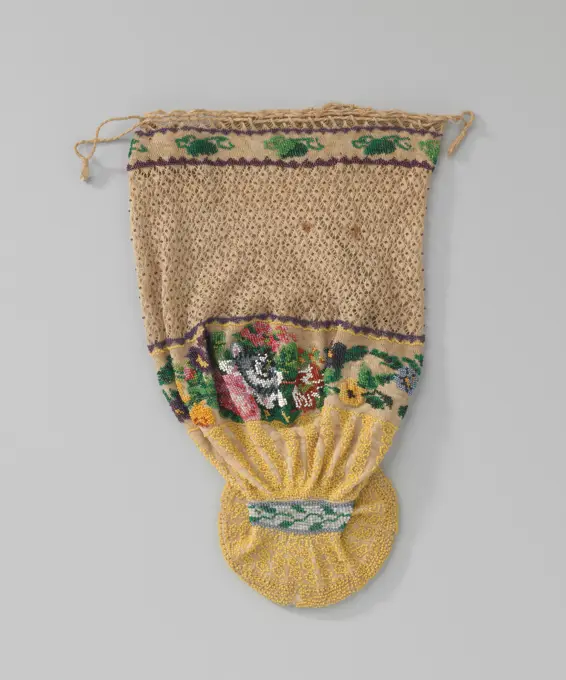
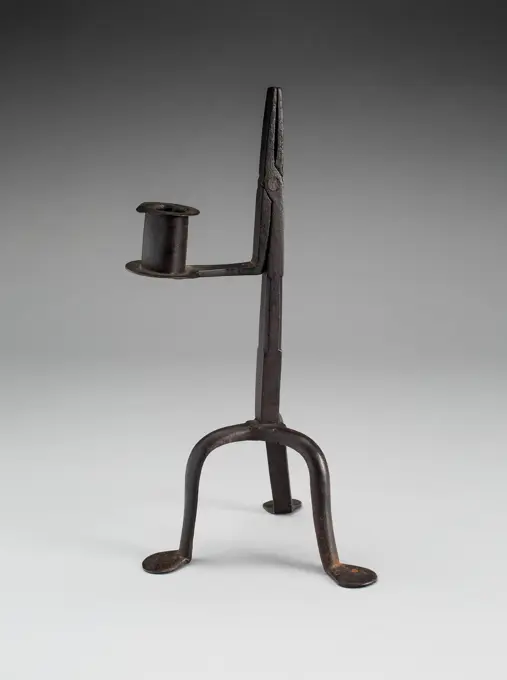
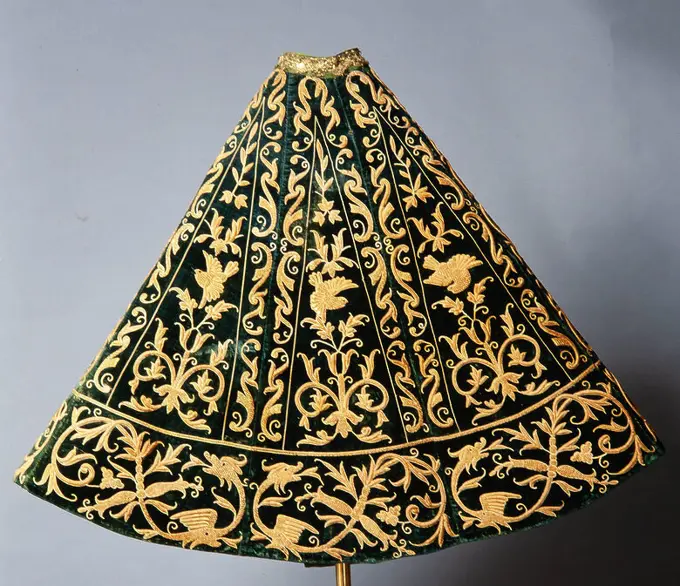
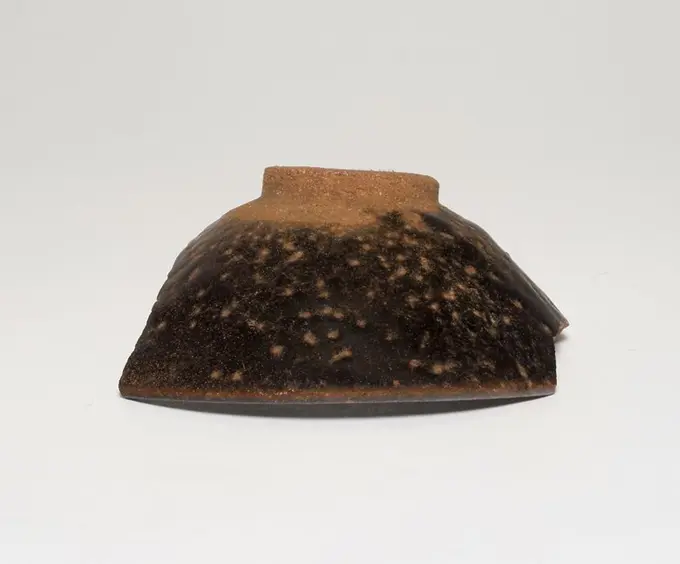
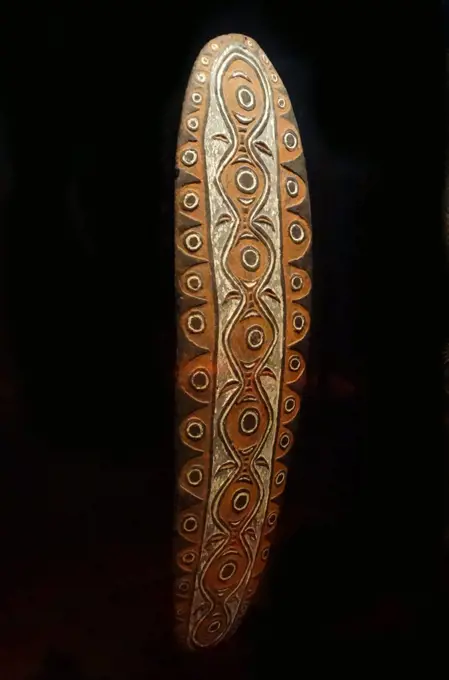
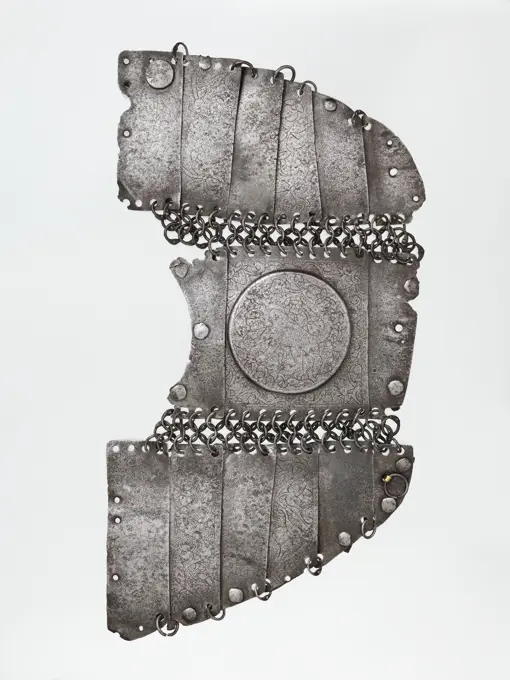
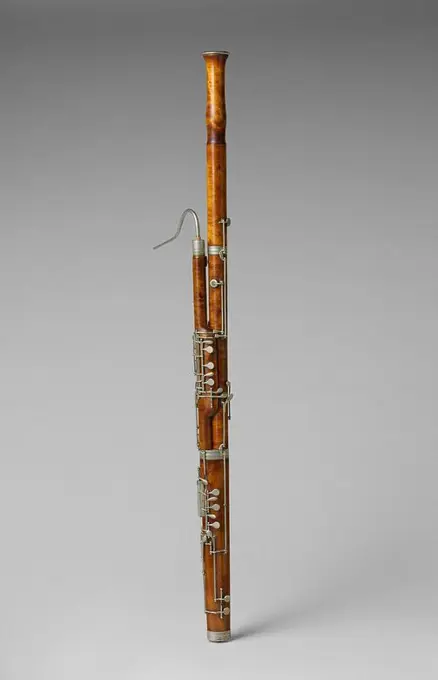
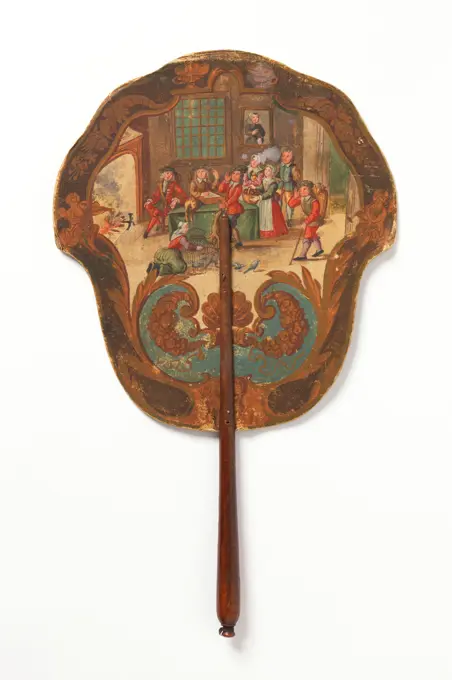
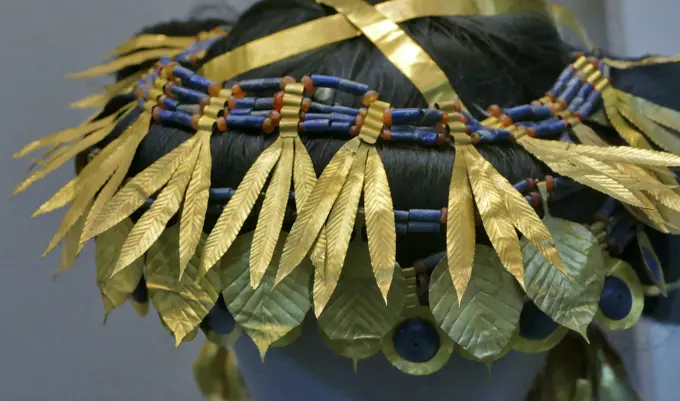
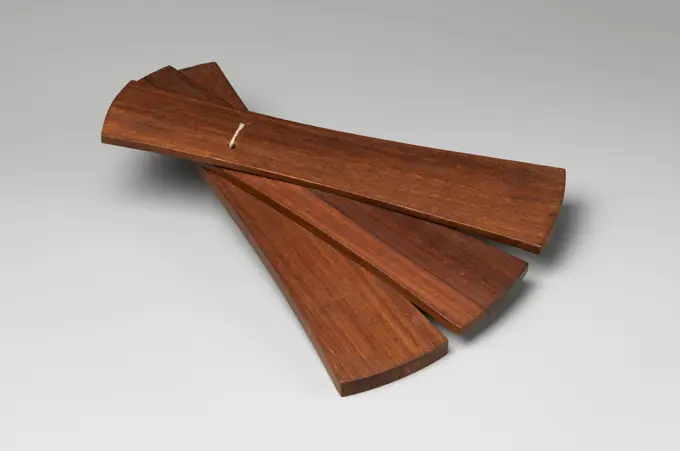
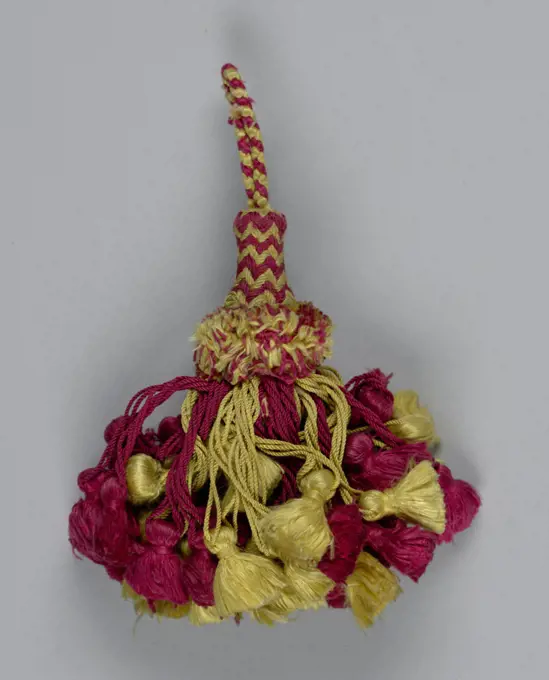
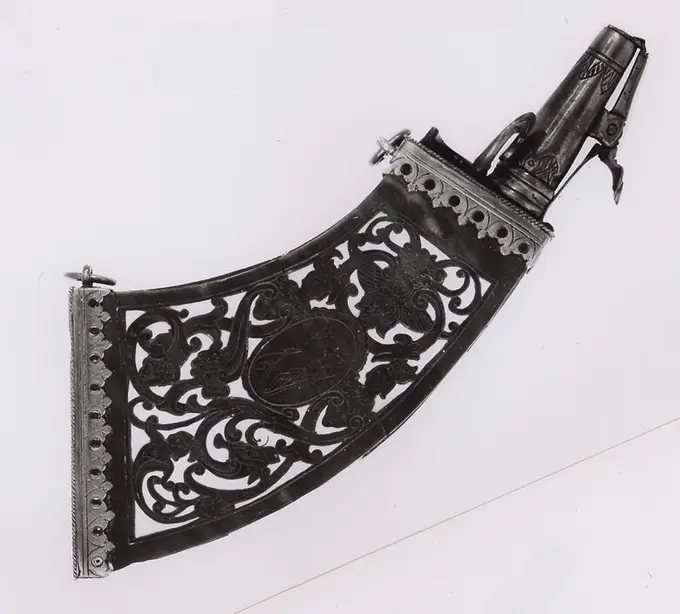
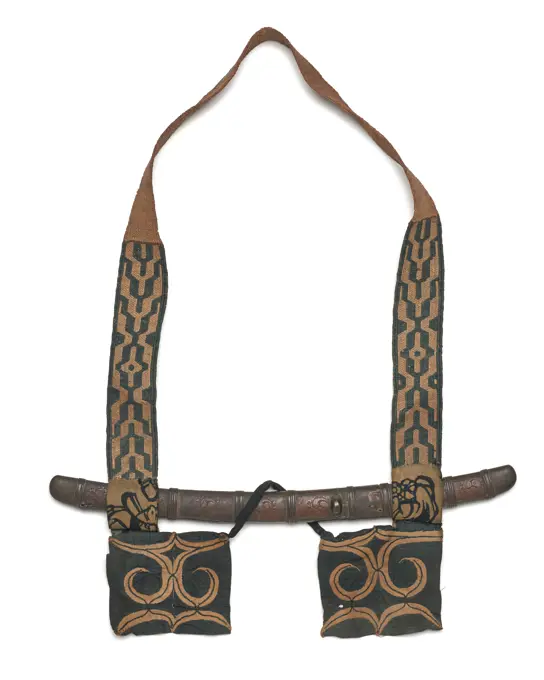
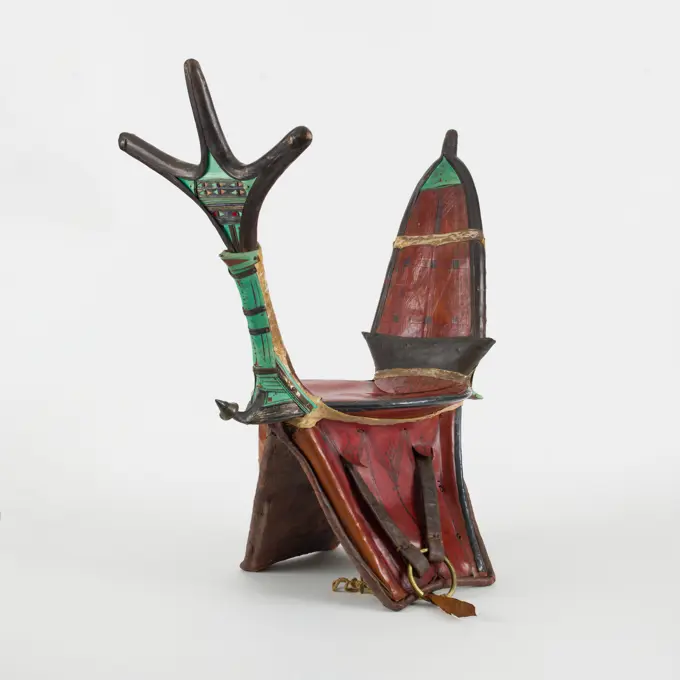
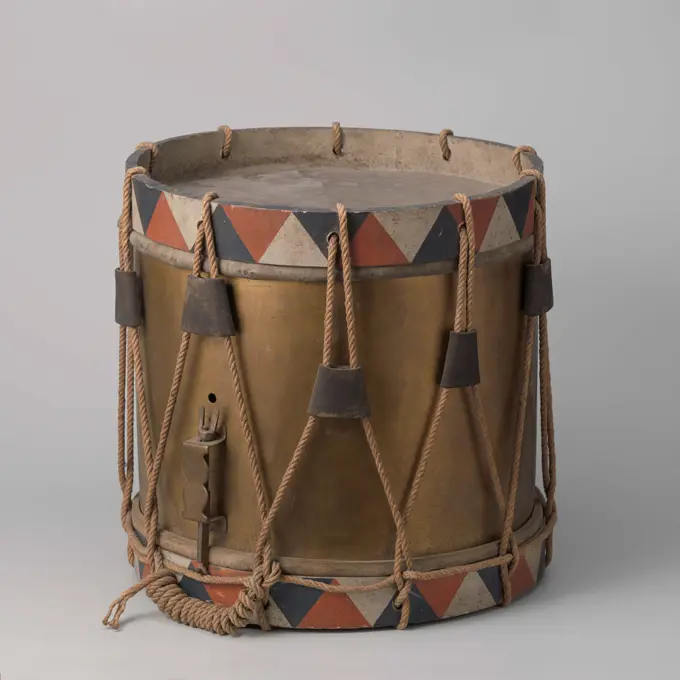
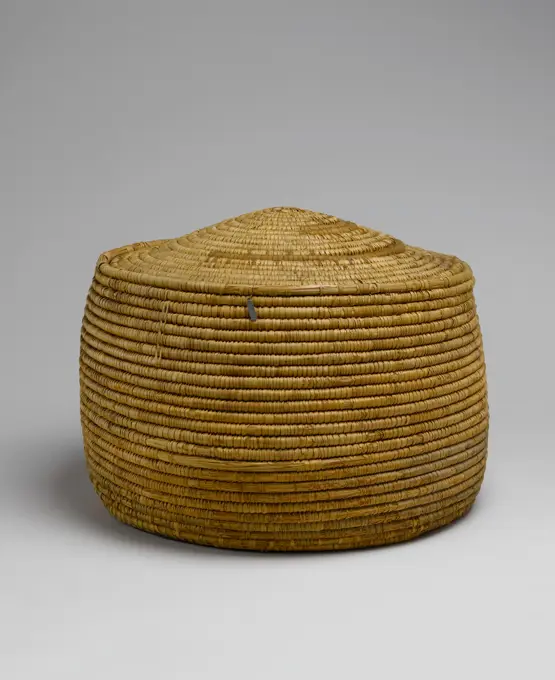
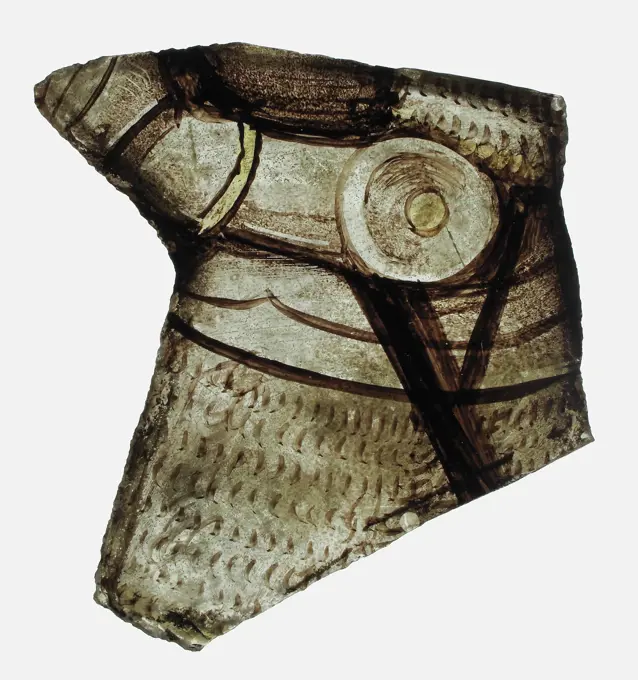
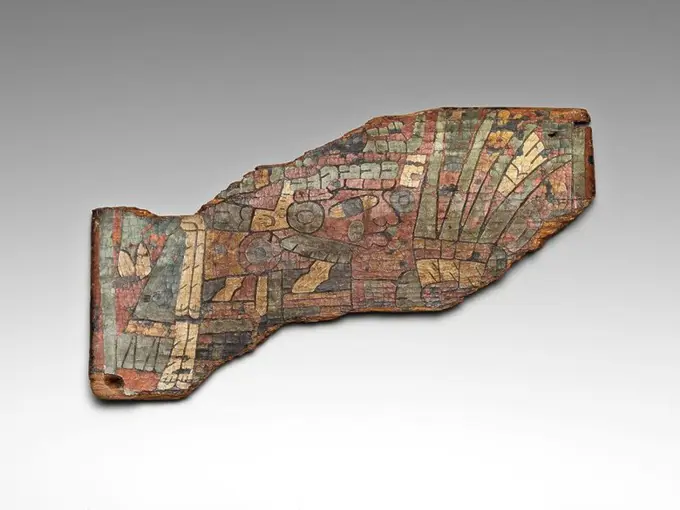
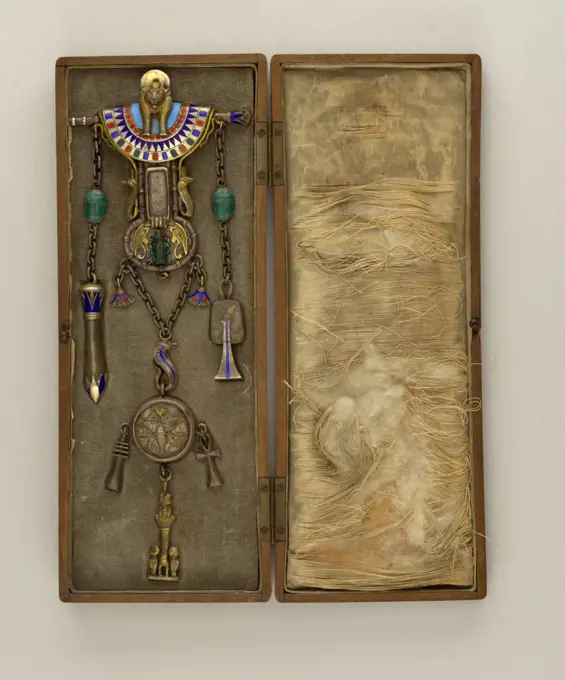
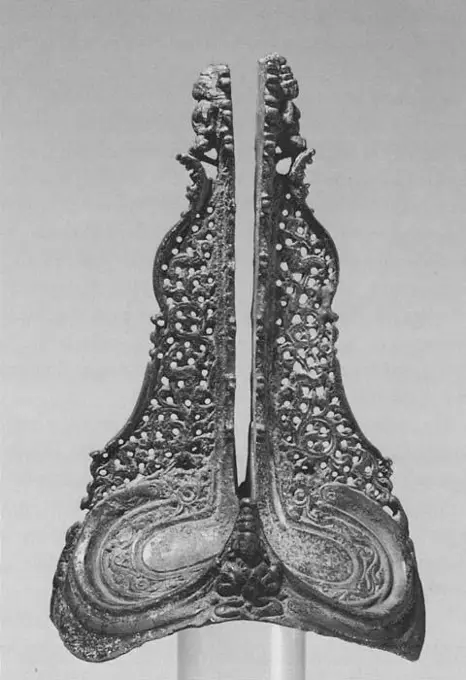
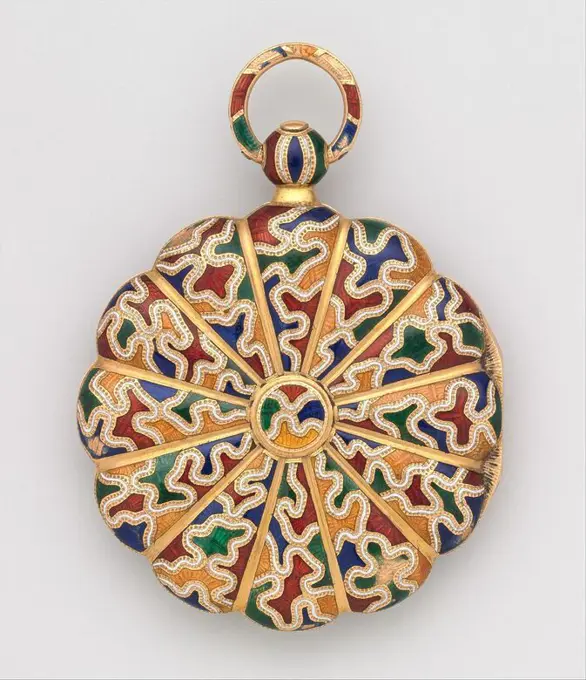
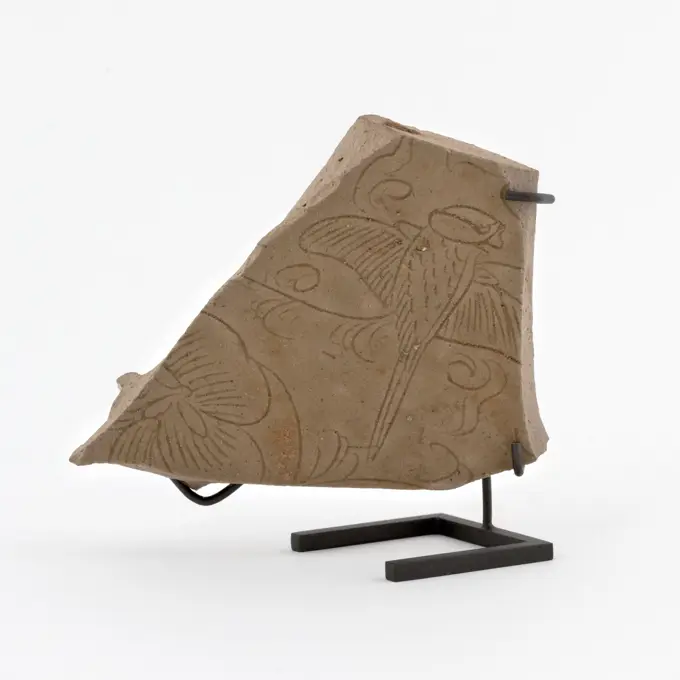
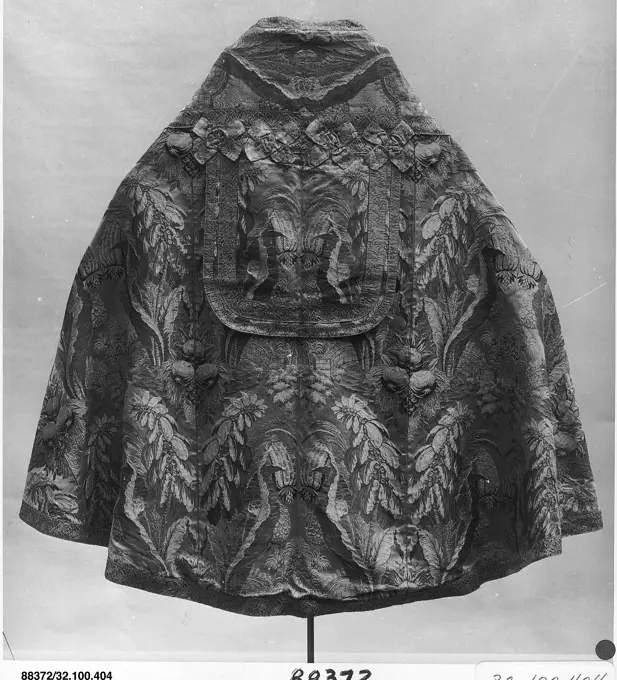
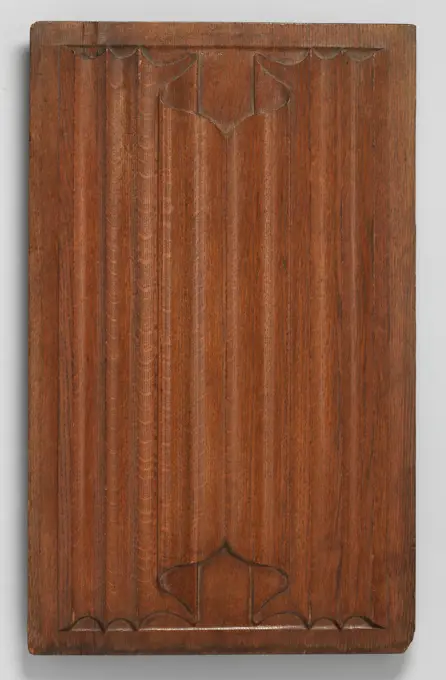
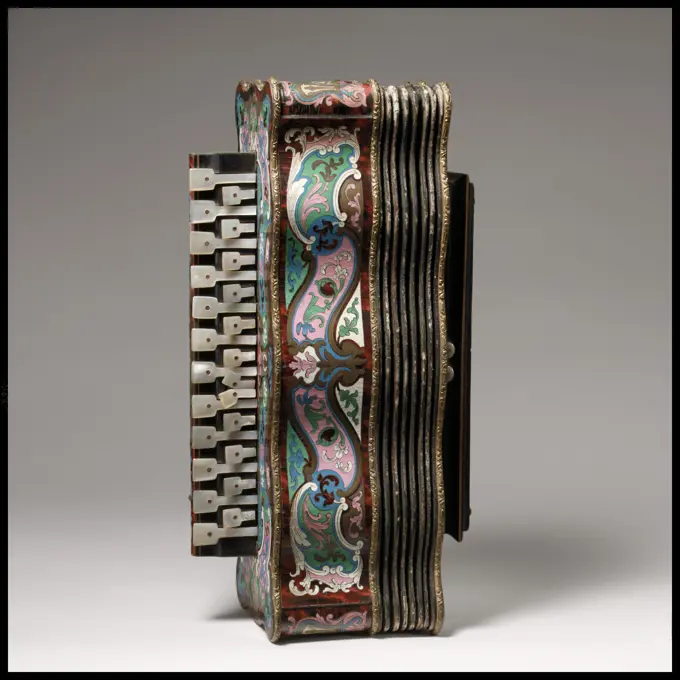
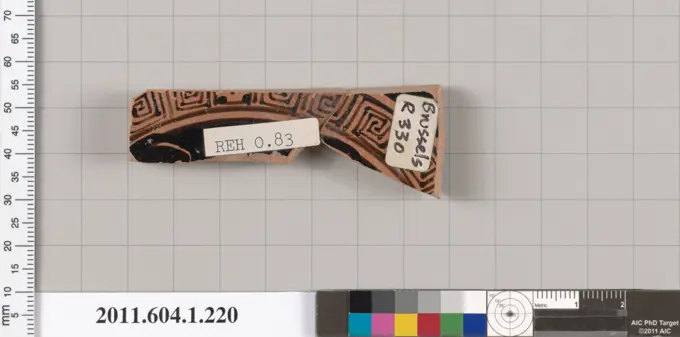
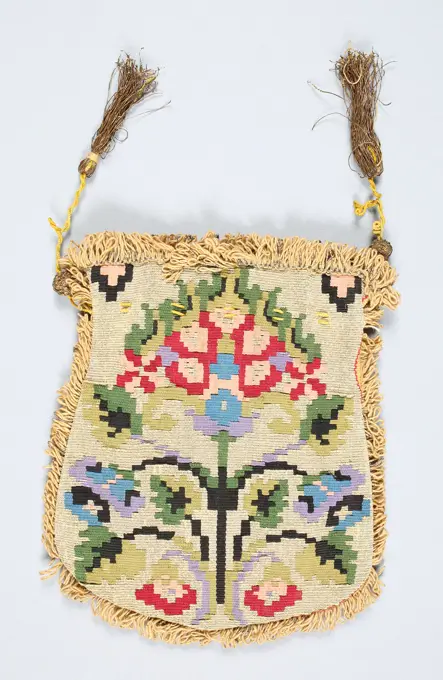
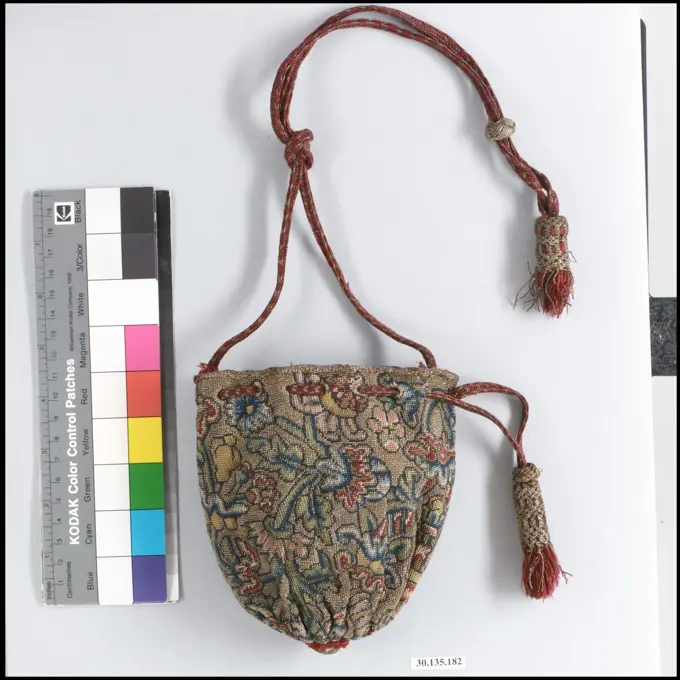
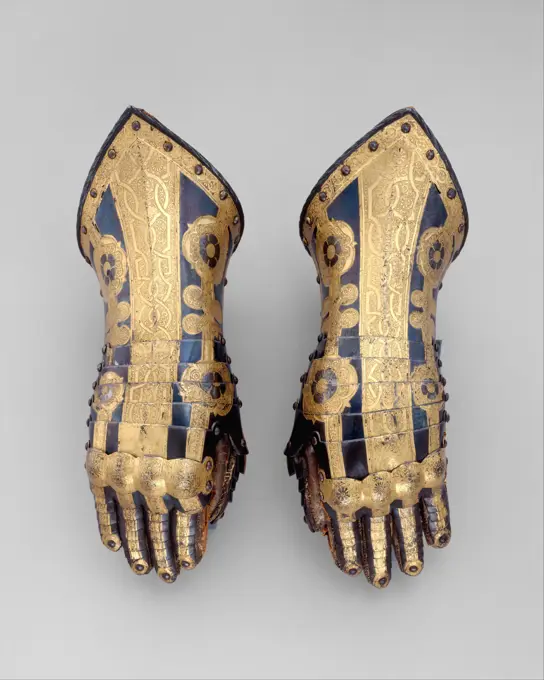
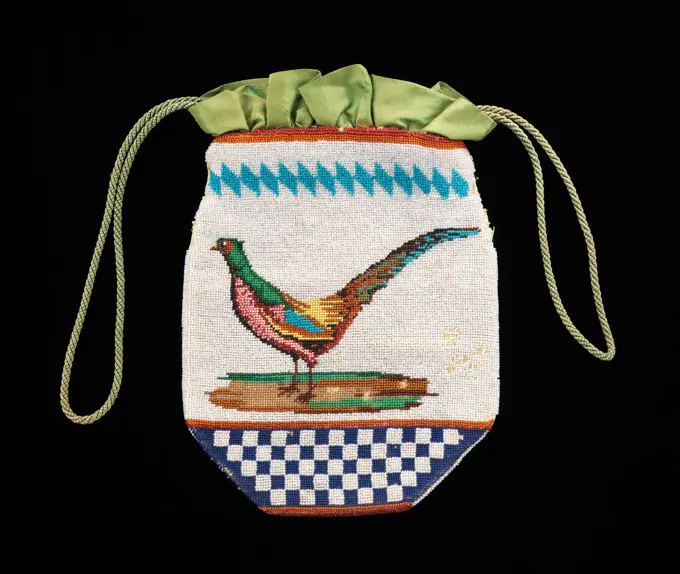
Shot Pouch early 19th century Mesquakie. Shot Pouch 319865Cap ca. 1890 British. Cap 168499Brush holder with dragons and clouds China. Brush holder with dragons and clouds. China. Carved red lacquer. Ming dynasty (1368-1644), Jiajing period (1522-66). LacquerPlaque: Addorsed Lions' Heads with Boar in Relief; Italy; 500 - 480 B.C; Amber; 36 × 82 × 12 mm (1 7,16 × 3 1,4 × 1,2 in.)Stomacher (England); linen, silk, metallic (metal foil-wrapped silk core)Hammam Shoes late 19th century. Hammam Shoes 649794Inro, c. 1785. Japan, Edo period (1615-1868). Lacquer; overall: 8.6 cm (3 3/8 in.).Knife Handle (Kozuka). Culture: Japanese. Dimensions: L. 3 13/16 in. (9.7 cm); W. 9/16 in. (1.4 cm); thickness 1/4 in. (0.6 cm); Wt. 1.2 oz. (34 g). Date: 1770-1852. Museum: Metropolitan Museum of Art, New York, USA.Mouthpiece. Afghanistan, 16th-19th century. Tools and Equipment. IvoryBow Case, Quiver, and Belt (gzhu shubs dang mda' shubs) 15th-17th century Tibetan or Mongolian Matching sets of bow case, quiver, and belt of this relatively early type are very rare. The few examples that exist in museum collections were acquired mostly in the early twentieth century. Both the bow case and the quiver are covered densely with decoration executed in black lines and golden brown shellac (now darkened with age), employing a method very similar to the technique found on some Tibetan leather arm defenses and horse armor. They are also fitted with domed bosses of pierced and chiseled iron damascened with gold and decorated with dragons, scrollwork, and blossoms. These bosses relate closely to the ironwork seen on Tibetan swords, saddle plates, and other objects.. Bow Case, Quiver, and Belt (gzhu shubs dang mda' shubs) 26842Basket, c. 1900, 4 3/16 × 8 3/8 × 8 3/8 in. (10.64 × 21.27 × 21.27 cm), Plant fibers, wool, United States, An Indigenous woman artist made this basket, in early 20th century California, using locally harvested materials including grasses and roots, gathered through a deeply complex understanding of the local ecology. Harvesting is just the beginning of a long process of the preparation of materials that must happen before each artist can sit down to weave. This basket shows a range of motifs, from abstract to figural as well as added red yarn embellishment, a creative use of imported materials.Pair of purple velvet, at the front with silk and silver thread The municipal coat of arms of Schagen appliques, equipped with woolen draw and ditto brush, anonymous, c. 1600 - c. 1699 Pair of purple velvet, at the front with silk and silver thread the municipal coat of arms of Schagen appliques, with woolen drawstring and ditto brush. Model: elongated with round bottom. Consisting of two equal pieces of velvet. At the top 12 founded holes where a double, braided pull is attracted. Red cord with green brush. Feston stitches in Beige Garen. Lined with red painted goats () Leather. Decoration: At the front, a partially scalloped application representing the municipal coat of arms of Schagen. On a stock of silver or gilded silver thread, a shield of silk in which a rose of metal wire. The armed man in armor with feathered helmet is embroidered in a multicolored side with contours of metal wire. Northern Netherlands whole: velvet (fabric weave). lining: Leather. Embroidery: Silk. EmbroiderGlass alabastron (perfume bottle). Culture: Greek, Eastern Mediterranean. Dimensions: H.: 4 7/8 in. (12.4 cm). Date: late 4th-early 3rd century B.C..Translucent pale yellowish green with darker blue green streaks, with handles in same color; trails in opaque yellow and opaque turquoise blue.Horizontal rim-disk; tall cylindrical, slanting neck; small sloping shoulder; straight-sided cylindrical body, with slight upward taper; convex bottom but with off-center pointed tip; on body, two lug handles, applied over trail pattern; one with a tooled upward horizontal indent, the other with a sideways vertical indent.On body yellow and turquoise blue trails tooled in six alternating bands into a widely spaced feather pattern with five vertical panels of upward and downward strokes, ending around edge of bottom.Weathered and encrusted chip in rim; broken and repaired around lower body with one large hole; dulling, slight pitting, and iridescence, with one patch of brownish encrustation on riTassel French 18th-19th centuryStole (Germany); silk, linen, metallic; L x W: 199.4 x 19.7 cm (78 1/2 x 7 3/4 in.)Kontusz sash/belt. Pracownia Besza (Bescha), atelier, Manufaktura P.C. Salzhübera, manufactureInr with Autumn Ivy early 19th century Attributed to Koma Kyhaku VI Japanese. Inr with Autumn Ivy. Attributed to Koma Kyhaku VI (Japanese, died 1816). Japan. early 19th century. Four cases; lacquered wood with gold, silver, and color (iroko) togidashimaki-e on black lacquer groundNetsuke: ivory; folded letter decorated with paulownia and Genji incense symbols Ojime: oblong bead; gilt bronze with openwork design of autumn flowers. Edo period (1615-1868). InrOwl Tab Ornament. Culture: Moche (Loma Negra). Dimensions: L. 5 in. (12.8 cm). Date: 390-450. Museum: Metropolitan Museum of Art, New York, USA.Pipe case depicting geese amid reeds with tobacco pouch, c. 1890s, Nohara Teimei, Japanese, 1858 - 1924, 9 3/16 × 5 1/8 × 1 3/16 in. (23.3 × 13 × 3 cm), Wood, lacquer, gold, leather, shakudo, coral, silk, Japan, 19th centuryShurayba, jug with sgraffito decoration on black manganese bands, 12th-13th century AD, Shaltish (Saltés),islamic period, Huelva Museum, Huelva, Andalusia, Spain.Squared Sake Bottle. Japan, Edo period, early 18th century. Ceramics. Shōdai ware; stoneware with iron, wood ash, and rice straw ash glazesDance Paddle (Rapa). Culture: Rapa Nui people. Dimensions: H. 28 1/4 in. (71.8 cm). Date: early 19th century.Essential to many dances and ceremonies, dance paddles (rapa) were usually carried in pairs to accent the movements of performers who spun them on their axes to the rhythm of a chanted accompaniment. Rapa were used by both men and women, although the sexes seldom performed together. Men also reportedly used rapa in funerary rituals, during which they kept a vigil over the body of a slain comrade. Their bodies covered in black ash, the mourners carried dance paddles as they intoned sacred chants intended to assist them in avenging the victim's death.Rapa portray highly stylized human figures, reduced to two blade-like lobes representing the head and abdomen. The facial features are reduced to a single brow-line that incorporates the nose and extends down either side of the head to two small hemispherical knobs that represent ear ornaments. Museum: Metropolitan Museum of Art, NeTwo bronze handles late 6th-early 5th century B.C. Greek These beautifully executed handles belonged to a large basin. The combination of eyes, palmettes, and scrolls is familiar from terracotta vases, though the motifs would not be combined so densely. The lion's head and forepaws are appropriate to metal vases because they afford as broad a join as possible between the handle and the body of the vase.. Two bronze handles 247880Ceremonial Implement 15th-16th century Inca This imposing ceremonial implement, made from algarrobo wood (Prosopis chilensis), features an unembellished lower section terminating in a paddle-like rounded end, and a carefully carved and painted upper section. Six three-dimensional figures holding beakers and wearing crescent headdresses surmount the top of the board, and six avian figures are carved on one side. Bands of avian and geometric designs are carved in low relief and painted with resin-based pigments of red, yellow and green. A semi-circular opening in this upper section may have served as a handle.The figures along the top may represent men, as they wear short tunics. Other wood carvings of a similar form have rows of female figures, or men and women holding hands, as though they were dancing. The avian shapes usually represent sea birds, but fish, monkeys and foxes are depicted on other examples. Some of these wood implements have narrow rounded shafts with broad bottom sectShield. A shield offered protection in battle and made its carrier recognizable on the battlefield since it bore the symbol of the ruler or town for which he was fighting. The shield with three crowns is from the German town of Cologne, and the shield with Saint Andrews cross is that of the Duke of Burgundy, who ruled over several Dutch provinces.Cong 3000 BCE-2000 BCE China. Jade .Tassel (Italy); linenLintel. New Zealand (Aotearoa), Maori, circa 19th century. Architecture; Architectural Elements. Wood and Haliotis shellSjerp worn by H.C. Broos in 1830/32 2nd lieutenant, 1st bat., 2nd Department. N.H. Schutterij, Anonymous, c. 1860  Sash from orange -banged silk, with holes. Sjerp was knotted in technology of "Egyptian braid". On one side, tied to a piece of rope an octagonal label with the remainder of a text, 2 lute. Broos. Below that tied with orange silk, a leather label with the number 56 on both sides. On both sides the sash is fitted with brushes of ditto colorful with long fringes. Inside of the brushes: wooden core with hole, so that the sash is pulled. The sash on both sides is equipped with a round, stitched knot. Netherlands silk. wool. wood (plant material)Mat, 20th century, 5 1/2 x 5 1/2 in. (13.97 x 13.97 cm), Plant fibers, Rwanda, 20th centuryBusk 1600-1799 Italian. Busk 102479Basket-Covered Jar Containing Hair. UnknownBelt hook with dragons 19th century China. Belt hook with dragons 44001Glass Fragment 12th-14th century French. Glass Fragment. French. 12th-14th century. Pot-metal glass, vitreous paint. Glass-StainedBourse. GAL1978.43.13Mitre 16th century Spanish. Mitre. Spanish. 16th century. Silk and metal thread. Textiles-EmbroideredCommemorative or questioning badge commemorating the act on November 5, 1916Rnga (Lag-Rnga). Culture: Tibetan. Dimensions: Height: 55 1/8 in. (140 cm)Depth: 8 11/16 in. (22 cm)Diameter: 24 7/16 in. (62 cm). Date: 18th century.This double-headed frame drum, played with a crooked beater and supported by a handle, is part of the temple orchestra that accompanies Buddhist ceremonies and processions, ritual dance and theater. During chant, the drum may simiply accompany or it may add contrast by joining with other instruments to provide an interlude that interrupts the chant's flow. The handle, carved with lotus and lozenge motifs, is usually held by the left hand but may be inserted into a stand during long ceremonies. A suspension ring located at the top of the drum provides the option of hanging the drum while it is stored. 18th century. Museum: Metropolitan Museum of Art, New York, USA.Collar (China); silkDrom, old model of the arches. Groom of the militia. The brass boiler is provided with a veal sheet on both sides, held by a hoop and tense by means of a tensioner with tractors and screws. Both hoops are decorated with a motif of triangles in the colors red, white and blue. With engraved numbers: 1832-29.Frédéric Boucheron (1830-1902). Poudrier and lipstick. Gold, silver, ruby. Around 1950. Museum of Fine Arts of the City of Paris, Petit Palais. Fashion accessory, jewelryEnemy skull from Kerewa, Gulf of Papua New Guinea (20th century). Decorated human skull. Museum of World Cultures, Barcelona. Spain.. The mount of this comb harks back to examples from Classical antiquity. Characteristic features are the layered construction and especially the ornamental volutes, or spiral scrolls. This comb was worn in the hair like a diadem.Sword-Hilt Pommel (Kashira), 1700-1850. Japan, Edo period (1615-1868). Shakudo; average: 3.5 x 2 cm (1 3/8 x 13/16 in.).Trinket Bowl, c. 1895. California, Pomo, Late 19th- Early 20th century. Bulrush, Sedge, with beads; coiled (1 rod); overall: 5 x 16.8 cm (1 15/16 x 6 5/8 in.).Oval birch box ca. 7th-9th century A.D. Alanic. Oval birch box 327551A watercolor of an armchair with a bag and rifle container, with a drinking bottle in front, labeled in pencil by Carl Pischinger in 1860.Roach headdress -Helmet mask, 14 3/16 x 8 7/16 x 9 5/8 in. (36.04 x 21.43 x 24.45 cm), Wood, plant fibers, LiberiaReticule made of knitted cotton decorated with multicolored glass beads and with metal rings for the shape. Reticule of knitted cotton decorated with multicolored glass beads. Bowls of basket, with metal disc in the bottom and a narrowed ring, immediately above it. The basket portion of very fine yellow beads with up and down a variety of piping. Above an edge of colorful flowers and above it a high white edge of purple beads speckled and with an ajour knitted pattern.Candlestick and Rushlight Holder c 1750-1850 United States. Iron . Artist unknownCapa de señor bordada, siglo XVI. Museu del Disseny de Barcelona.Pipe, 1800s-1900s. Africa, Southern Africa, South Africa, Xhosa-style maker(s). Wood, copper, glass beads, sinew, leather, and thread; overall: 20.3 cm (8 in.).MOCHILA DE CORDOBAN CON HILO DE ORO S XVI-MORISCA. Location: CATEDRAL NUEVA. SALAMANCA. SPAIN.Fragmentary Bowl. China, Fujian Province, Jian ware kiln site. Date: 1100-1299. Dimensions: . Jian ware; misfired. Origin: China. Museum: The Chicago Art Institute, Chicago, USA.Bag (England); silk and metal-wrapped silk on linenMelanesian tribal shield made from painted wood. from Papua New Guinea early 20th centurySide Piece of a Shaffron (Horse's Head Defense) 15th century Turkish. Side Piece of a Shaffron (Horse's Head Defense) 31875Bassoon. Culture: Italian. Dimensions: Overall height: 51 3/4 in. (131.5 cm); External dimensions of box: 10.8 x 21.2 x 55.5 cm (4-1/4 x 8-3/8 x 21-7/8 in.). Maker: Giosue Esposito (Naples, active late 19th century). Date: 1881.A revolutionizing model of basson, with twenty-four nickel-silver keys, was developed by the bassoonist Luigi Caccavaio in Naples. Its novelty concerns all major aspects of the instrument: bore, length of the wooden sections, and the key system which incorporates elements of the Boehm system. The Caccavaio-Esposito model was too different from the mainstream bassoons to be adoptable by bassoonists. Museum: Metropolitan Museum of Art, New York, USA.Handscreen; painted paper leaf, turned wood handle; 1927-17-6Arrow Point, 550-330 BC. Iran, Ecbatana (). Bronze; overall: 3.9 cm (1 9/16 in.).Reconstructed headdress of Puabi, by Sir Charles Leonard Woolley, found at the Sumerian city of Ur, in Iraq. Dates from the First Dynasty of Ur (ca. 2600 BC). Commonly labelled as a "queen", her status is somewhat in dispute. Several cylinder seals in her tomb identify her by the title "nin" or "eresh", a Sumerian word which can denote a queen or a priestess.Belt Buckle with Zoomorphic Design 3rd-2nd century B.C. North China. Belt Buckle with Zoomorphic Design 65280FoodContainerPaiban ( ) late 19th century Chinese. Paiban ( ). Chinese. late 19th century. hardwood. China. Idiophone-ConcussionTassel, Medium: silk, wooden core, Skirt of red and yellow silk threads, twisted and looped and each supporting a small tassel. Collar of cut threads. Head, cylindrical and broadening toward the base, is covered with red and green threads in a chevron pattern. Loop is braided red and yellow silk threads., Spain, late 17th century, trimmings, TasselPowder Flask. German; possibly Munich. Date: 1605-1640. Dimensions: 20.3 × 11.4 cm (8 × 4 1/2 in.). Gilt brass, tortoiseshell, and ivory. Origin: Munich. Museum: The Chicago Art Institute, Chicago, USA.Sword (emushi) and holder (emushi-at), late 18th-early 19th century, Unknown Ainu, 29 × 21 5/8 × 3/8 in. (73.66 × 54.93 × 0.95 cm), Sword: metal (iron), wood. Sword Holder: cloth: elm-bark fiber; cotton appliqué and embroidery, Japan, 18th-19th centuryUnknown. "Tamzak or Rhala Touareg (Hoggar): saddle of Méhari". Drink. 1940-1950. General Leclerc Museum of Hauteclocque and the Liberation of Paris, Jean Moulin Museum. 158832-7 African crafts, Tuareg object, nomadic people, Tuareg people, saddle, woodPart of a window frame. Staked pilaster of gilded wood in the form of a half -column with composite capital., Anonymous, 1500 - 1550 Staked pilaster of gilded wood in the form of a half -column with composite capital. The upper part of the shaft is articulated vase and shows mascarons with hanging garlands. Together with a second pilaster and a profiled cornice, forms a window frame. See also: BK-16892-A & -C. Coming from the garden room of the Villa van Mannheimer (current desk). Spain wood (plant material). gilding (material) gilding Staked pilaster of gilded wood in the form of a half -column with composite capital. The upper part of the shaft is articulated vase and shows mascarons with hanging garlands. Together with a second pilaster and a profiled cornice, forms a window frame. See also: BK-16892-A & -C. Coming from the garden room of the Villa van Mannheimer (current desk). Spain wood (plant material). gilding (material) gildingDrom, old model of the arches. Groom of the militia. The brass boiler is provided with a veal sheet on both sides, held by a hoop and tense by means of a tensioner with tractors and screws. Both hoops are decorated with a motif of triangles in the colors red, white and blue. With engraved numbers: 6BA no 4.Pleated fan and case, Painted paper leaf, bamboo sticks, Pleated fan. Painted paper leaf showing flowers and red clouds against a gold background. Bamboo sticks., Japan, late 18th-early 19th century, costume & accessories, Pleated fan and caseBasket ca. 1525-1504 B.C. New Kingdom. Basket. ca. 1525-1504 B.C.. Palm leaf. New Kingdom. From Egypt, Upper Egypt, Thebes, Deir el-Bahri, Tomb of Meritamun (TT 358, MMA 65), corridor, MMA excavations, 1928-29. Dynasty 18Glass Fragment late 15th-early 16th century South Netherlandish (). Glass Fragment. South Netherlandish (). late 15th-early 16th century. Colorless glass. Glass-StainedBox Fragment. Teotihuacan; Teotihuacan, Mexico. Date: 300 AD-750 AD. Dimensions: L. 22.0 cm (8 5/8 in.). Wood, stucco, and pigment. Origin: Valley of Mexico. Museum: The Chicago Art Institute, Chicago, USA.INRO CON NETSUKE. Location: PRIVATE COLLECTION. MADRID. SPAIN.chatelaine, metal, gold, vitreous enamel, Comprising four elaborate white and gilded metal elements in the Egyptian style, three elements being a circular coin purse and two storage compartments depending from the central element composed of a mask and pectoral above a lozenge-shaped medallion and oval medallion with a green enameled frog; the whole decorated with polychrome enamel. Large hinged clip on back of central element., Europe, late 19th century, costume & accessories, Decorative Arts, chatelainePart of a Quiver 15th-17th century Tibetan or Mongolian. Part of a Quiver 26595Hilt, Perhaps from a Dance Wand ca. 15th century India. Hilt, Perhaps from a Dance Wand 37674Watch. Culture: Swiss, Geneva. Dimensions: Height: 1/16 in. (0.2 cm); Diameter: 1 3/4 in. (4.4 cm). Maker: Watchmaker: Firm of Moynier & Fils (recorded about 1825-30). Date: ca. 1825. Museum: Metropolitan Museum of Art, New York, USA.Tesson. ". Cédady. China, Dynastie Dry. Paris Museum Cernalius. 74781-1 Celadon, Chinese Ceramic, Song dynasty, TessonCope ca. 1730 Italian. Cope 222581Tassel, Medium: metal foil, metallic thread, and silk on wood core, Tassel with a turned wooden core covered with metal foil, metallic thread, and silk in a woven and knotted pattern; skirt of twisted silk threads (green, white, yellow, and pink) covered with threads and strings of flower-like forms in metal. Cord at top of yellow, pink and white threads with cylinder covered with pink, yellow and gold threads in chevron pattern., Spain, 17th century, trimmings, TasselDecorative paneling from the Palace of Westminster ca. 1845-59 Designed by Augustus Welby Northmore Pugin These decorative oak panels exemplify the designs of A.W.N Pugin, who was the leading exponent of the Gothic Revival style in England. Pugins work is central to the transformation in British design that began in the mid-nineteenth century. He admired what he saw as the honesty and purity of medieval art, and deplored the meaningless repetition of historical motifs. Pugin coined the phrase “Brumagen Gothic,” referring to “those inexhaustible mines of bad taste, Birmingham.” The carved oak panels for the Palace of Westminster were made for both the House of Lords and House of Commons and are just one component of a larger, Pugin-designed interior program, including brasswork (grill panels, large doors, candelabra and other light fixtures, hardware, and gallery railings), stained glass, tiles, and furniture. These panels are executed in Pugins interpretation of the Gothic Revival anChild's Hat, 2 1/2 x 4 1/4 x 4 1/4 in. (6.35 x 10.8 x 10.8 cm), Cotton, metallic threads, ChinaPouch, 20th century, 4 1/2 x 4 1/2 in. (11.4 x 11.4 cm), silk,cotton,pottery beads, China, 20th centuryHat, 20th century, 9 1/2 x 22 1/4 x 22 1/4in. (24.1 x 56.5 x 56.5cm), Basketry base, leather, Niger, 20th centuryAccordion 1850-55 Alexandre Pere & Fils This instrument is profusely decorated with foliate designs in blue, green, pink and white enamel-like mastic with brass and tortoiseshell inlays. The twenty-four mother-of-pearl keys each operate two notes (one on push and a second on pull). The multifold bellows are lined with embossed silver foil bearing green flocking.In the 1830s, Paris became a major center of accordion production, which flourished until the Franco-Prussian War of 1870-71. To compete with makers in Austria and Germany, Paris manufacturers successfully marketed their instruments by applying rich and costly decoration. This instrument follows a model by Demian of 1831, and is one of two surviving instrument of this type to have a second button row for the accidentals, it is therefore known as a "Paris accordions perfectionnes" or a "perfected" accordion. Only two such instruments are known to exist.. Accordion. French. 1850-55. Wood, metal, mastic, brass, tortoiseshell, gilt Terracotta fragment of a kylix (drinking cup) second quarter 5th century B.C. Attributed to the Painter of Brussels R 330 Interior, meander and cross pattern; Exterior, lower legs of draped figure with stick, feet and stick, right foot of draped figure. Terracotta fragment of a kylix (drinking cup). Greek, Attic. second quarter 5th century B.C.. Terracotta; red-figure. Classical. VasesBag late 17th century French. Bag 221557Mirror Case 18th-19th century China. Mirror Case 68774Bell jar -Pouch, c.1890-1910, 3 5/8 x 3 1/4 in. (9.21 x 8.26 cm) (without tassels), Beads, animal hide, metal snap, United States, 19th-20th centurySotck exchange. End XIXth. GAL2001.188.XBag 1600-1650 French or British. Bag 222501Pair of Gauntlets Belonging to the Armor of Duke Friedrich Ulrich of Brunswick (1591-1634) ca. 1610-12 Royal Workshops at Greenwich. Pair of Gauntlets Belonging to the Armor of Duke Friedrich Ulrich of Brunswick (1591-1634) 22337Pouch 1820-50 probably Italian Purchased in Rome, this pouch bag displays distinctive and unusual iconography: a curling floral motif on one side and what appears to be a sporting motif on the other. The contradictions give the bag a whimsical, personalized air.Margaret S. Bedell (1861-1932) donated, by gift or bequest, over 500 objects to the Brooklyn Museum, including furniture, quilts, samplers, costume and Native American beadwork. Her collection of American and European beaded bags includes examples from Philadelphia and the Catskill Mountain region of New York State, as well as Italy, Austria, Germany, and Holland.. Pouch 156439Cigarette case Firma: Boudetempty wicker basket . Small empty wicker basket isolated on white backgroundHat China 19th century