Antique Artifacts

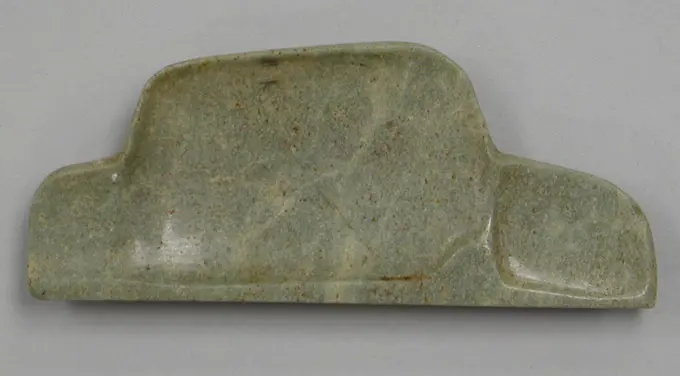
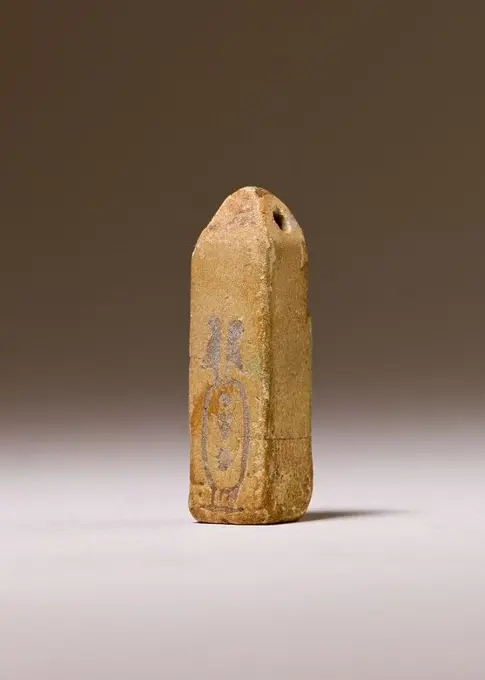
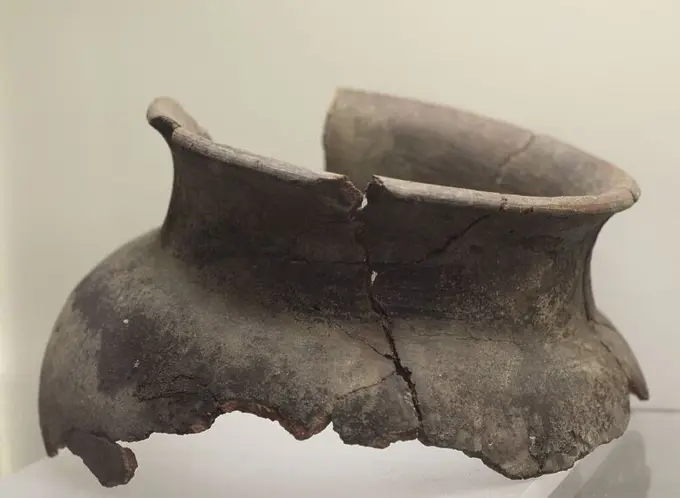
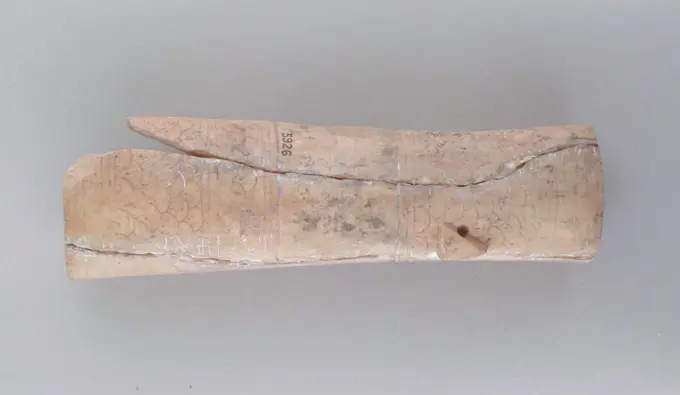
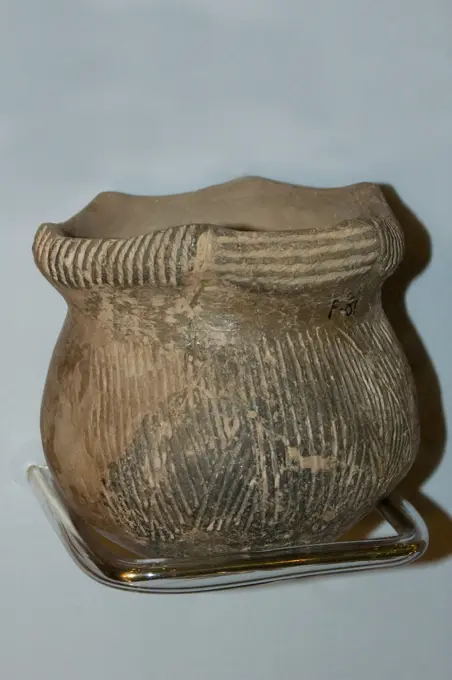
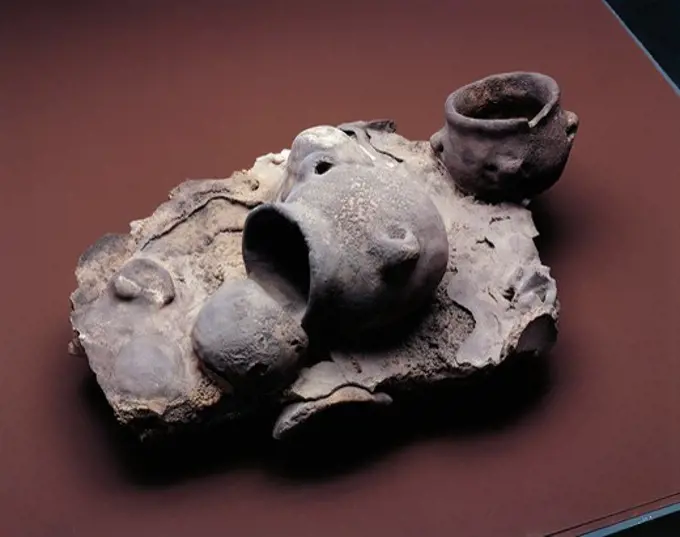
Historical items including ancient pottery, a ritual spoon, and an inscribed seal, showcasing the craftsmanship of past civilizations.

Excerpt of a grave with sculpture ,, 1497 Fragment of the midfield of the gravestone of Arent van Malsen. A bond with studs is depicted on the fragment (part of the helmet). The excerpt is part of seven fragments of an incomplete gravestone (BK-NM-8657-B-1 to BK-NM-8657-B-8). Berne .   Bern (Gelderland) Fragment of the midfield of the gravestone of Arent van Malsen. A bond with studs is depicted on the fragment (part of the helmet). The excerpt is part of seven fragments of an incomplete gravestone (BK-NM-8657-B-1 to BK-NM-8657-B-8). Berne .   Bern (Gelderland)
Excerpt of a grave with sculpture ,, 1497 Fragment of the midfield of the gravestone of Arent van Malsen. A bond with studs is depicted on the fragment (part of the helmet). The excerpt is part of seven fragments of an incomplete gravestone (BK-NM-8657-B-1 to BK-NM-8657-B-8). Berne . Bern (Gelderland) Fragment of the midfield of the gravestone of Arent van Malsen. A bond with studs is depicted on the fragment (part of the helmet). The excerpt is part of seven fragments of an incomplete gravestone (BK-NM-8657-B-1 to BK-NM-8657-B-8). Berne . Bern (Gelderland)
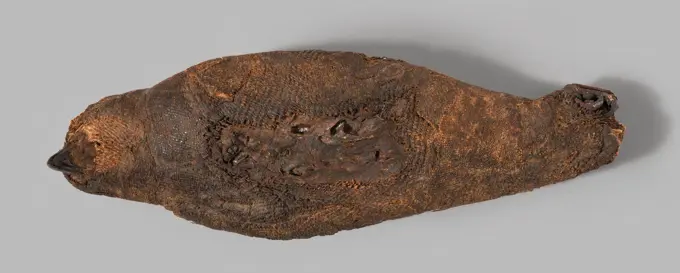
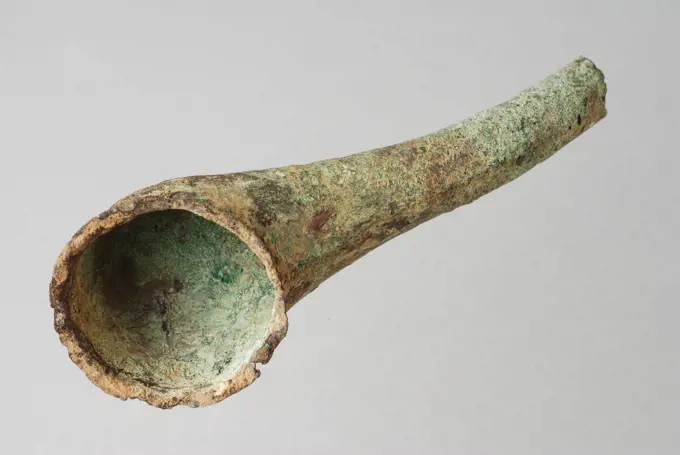
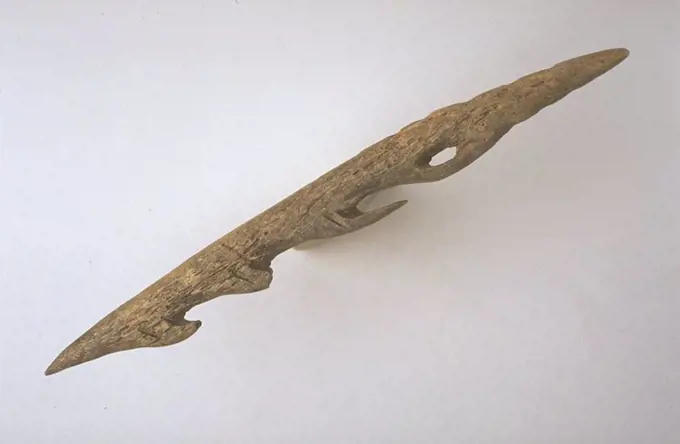
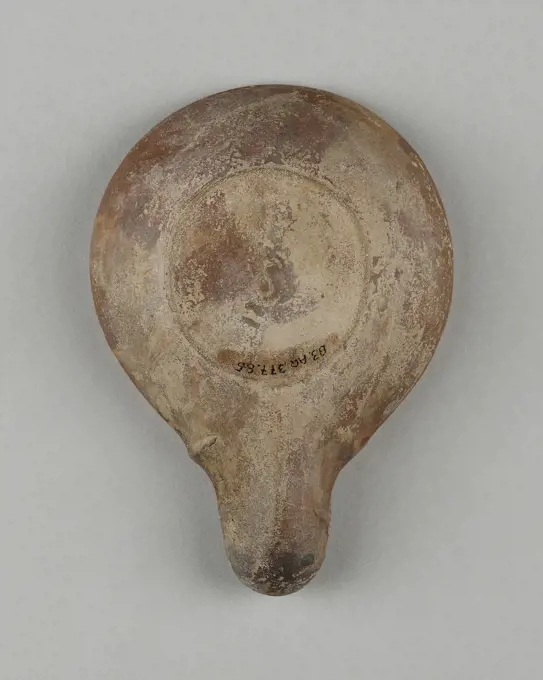
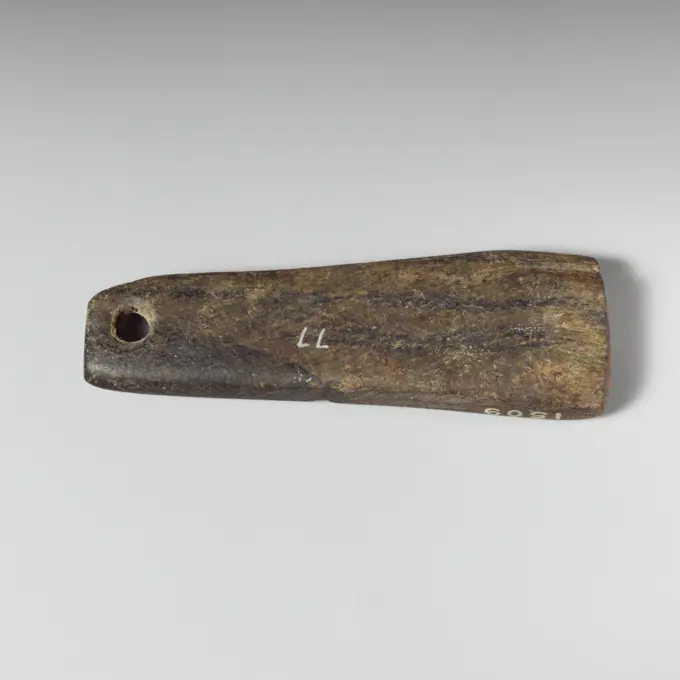
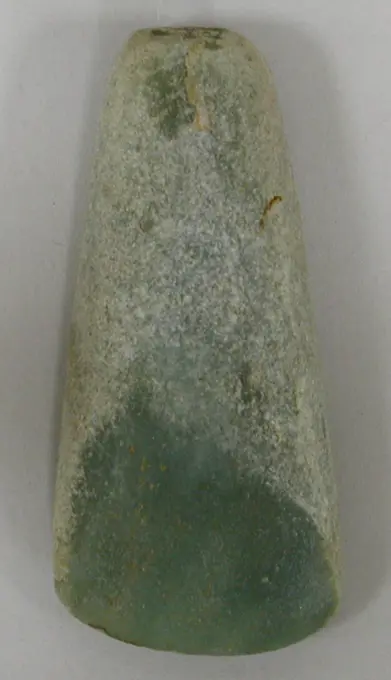
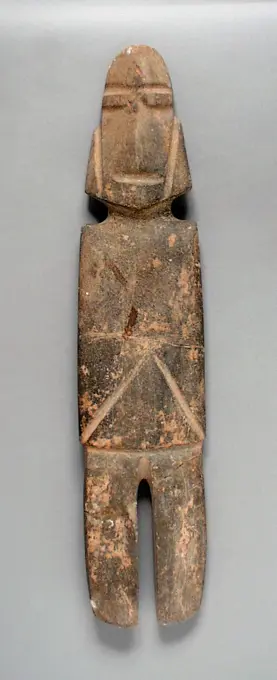
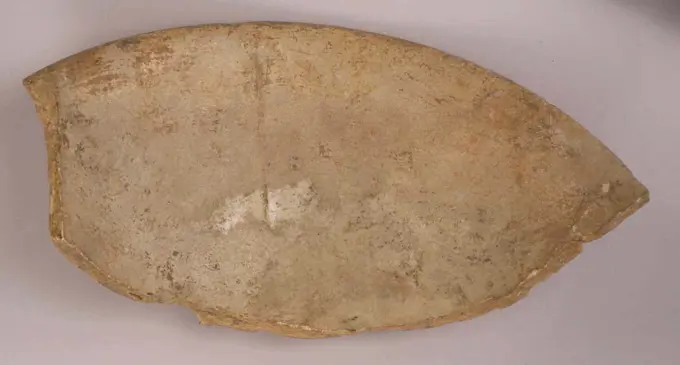
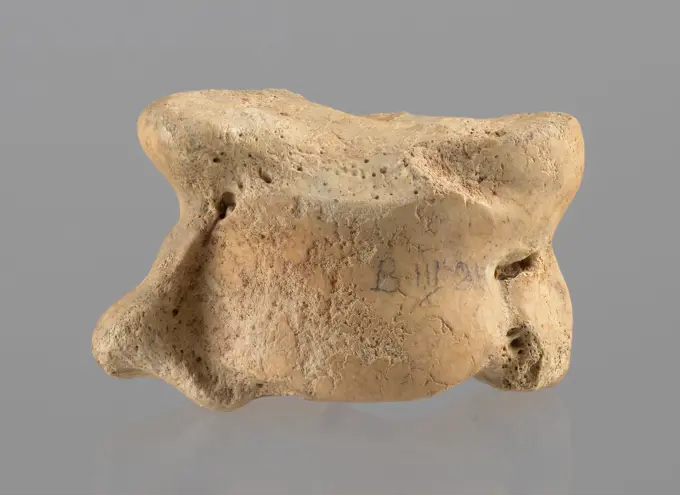
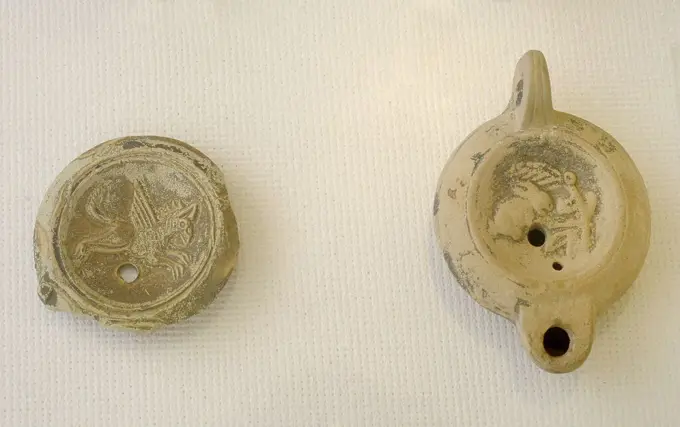
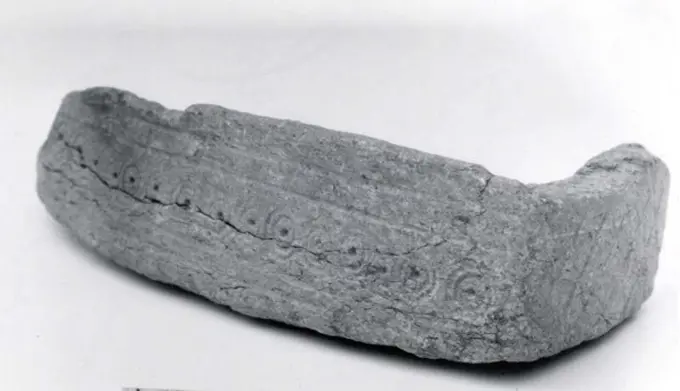
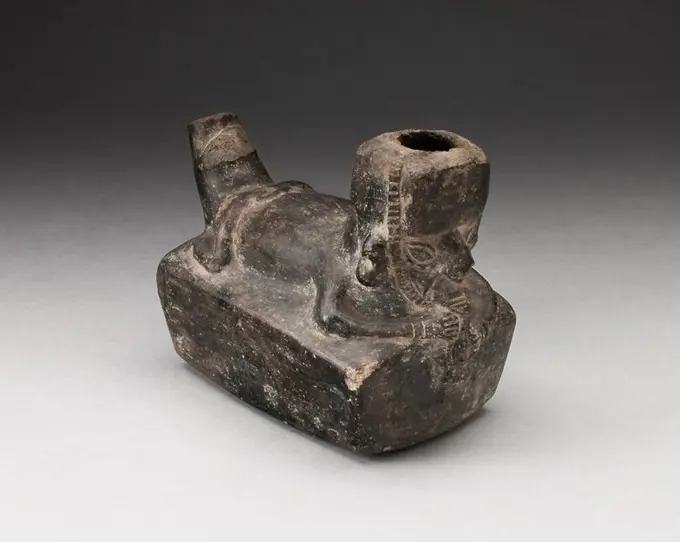
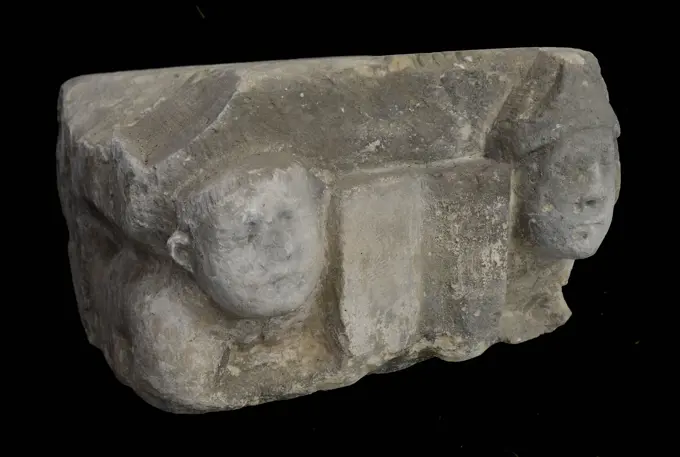
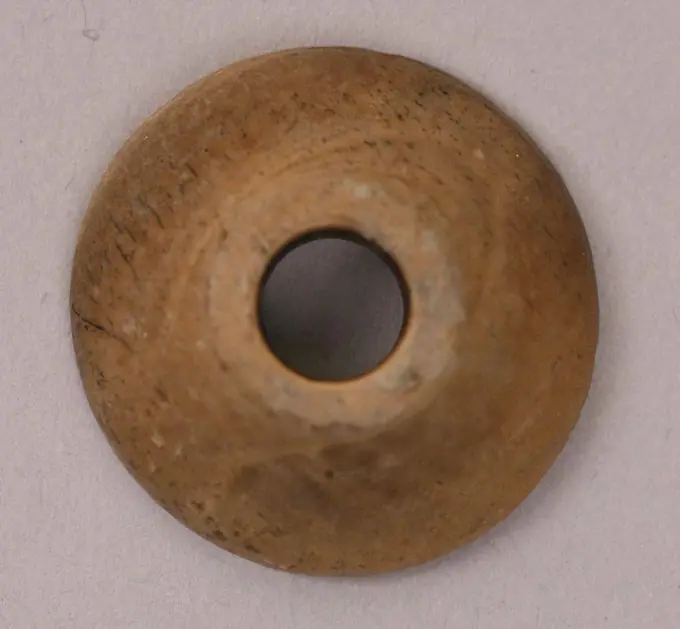
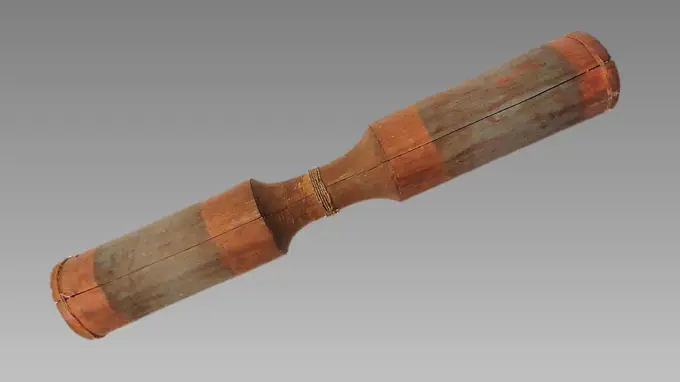
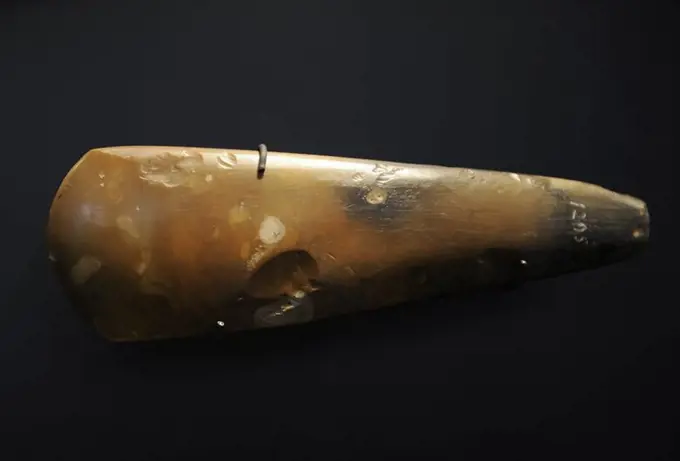
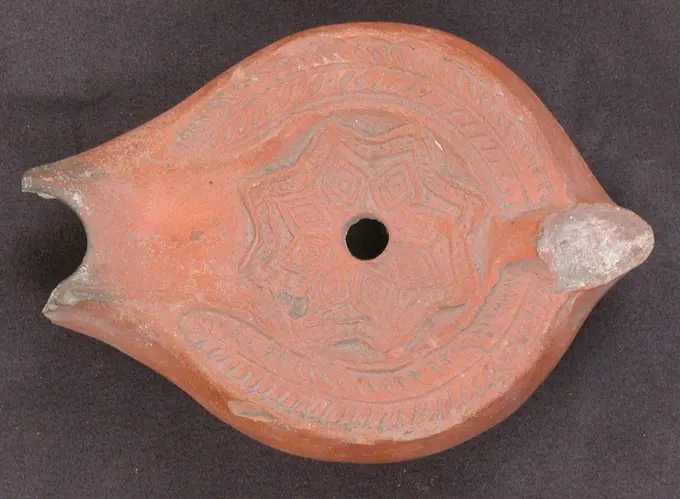
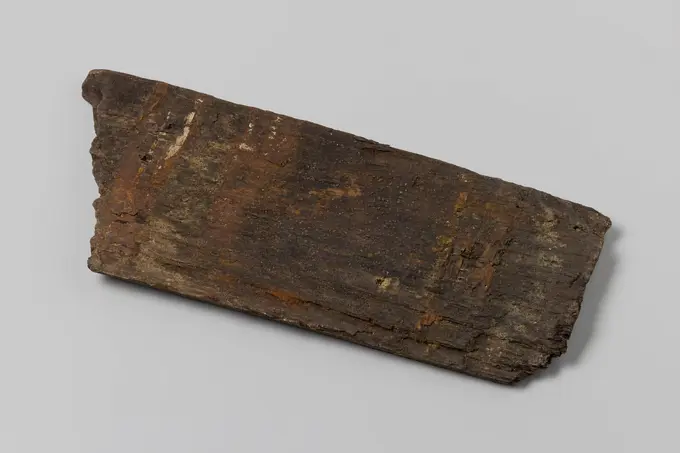
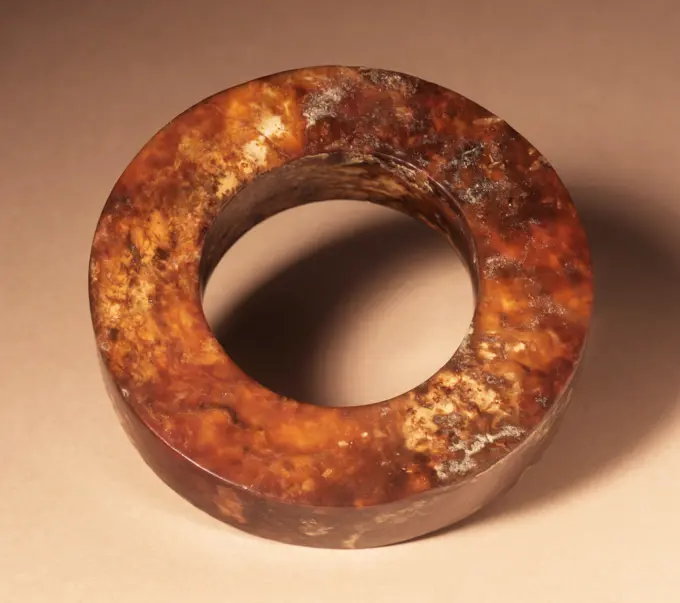
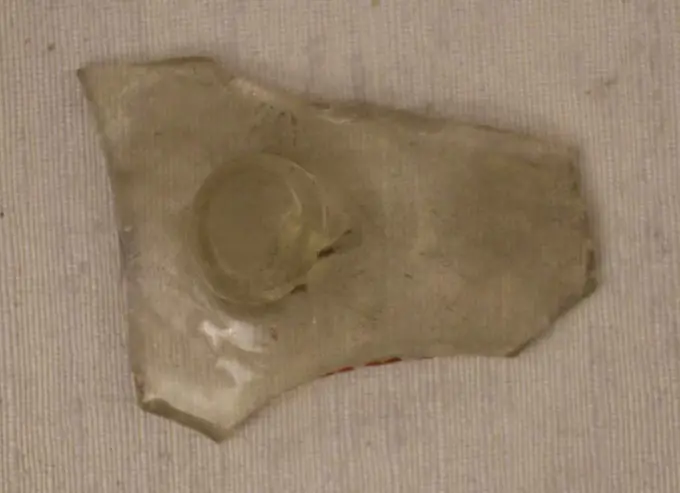
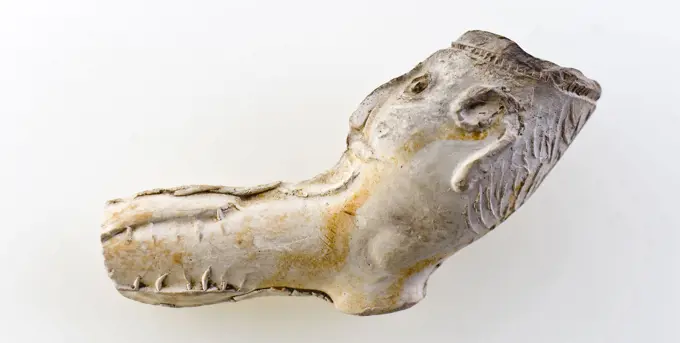
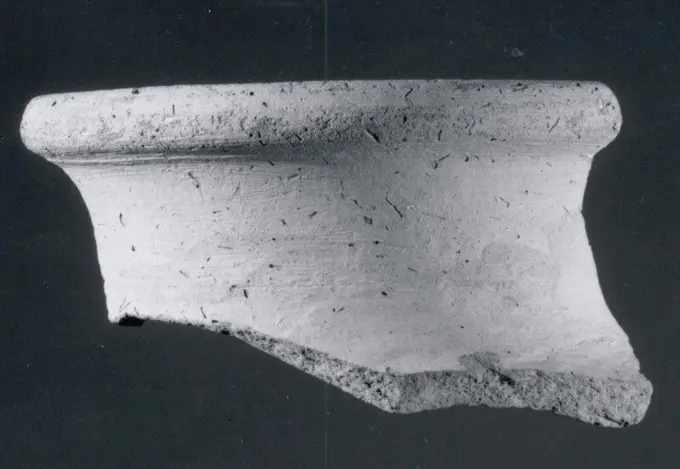
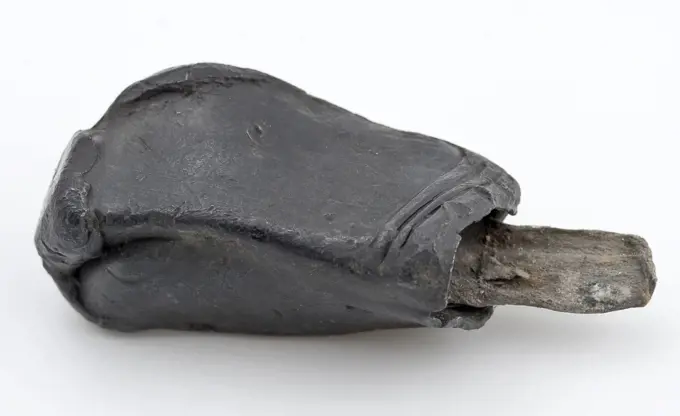
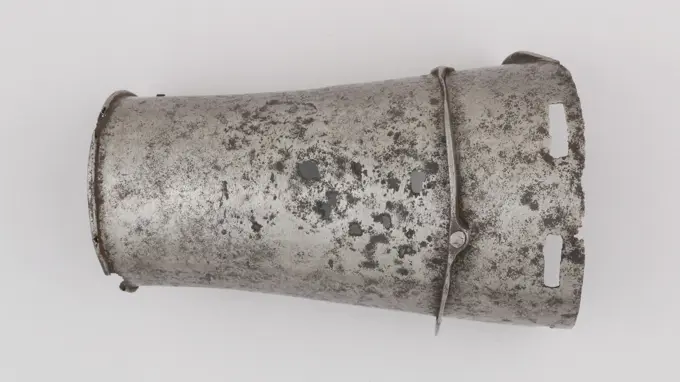
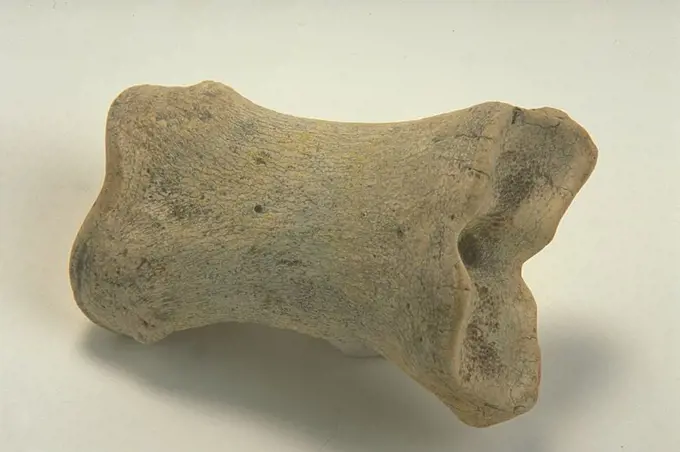
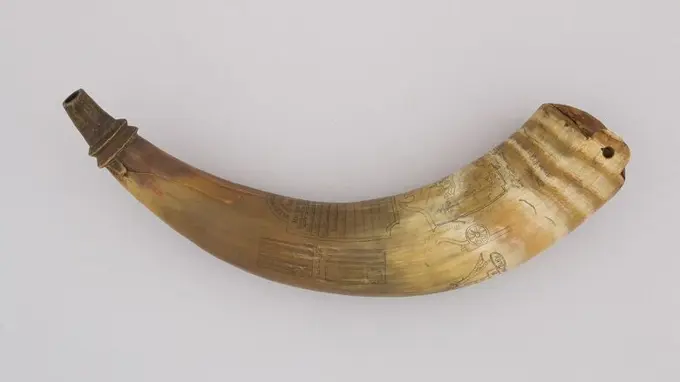
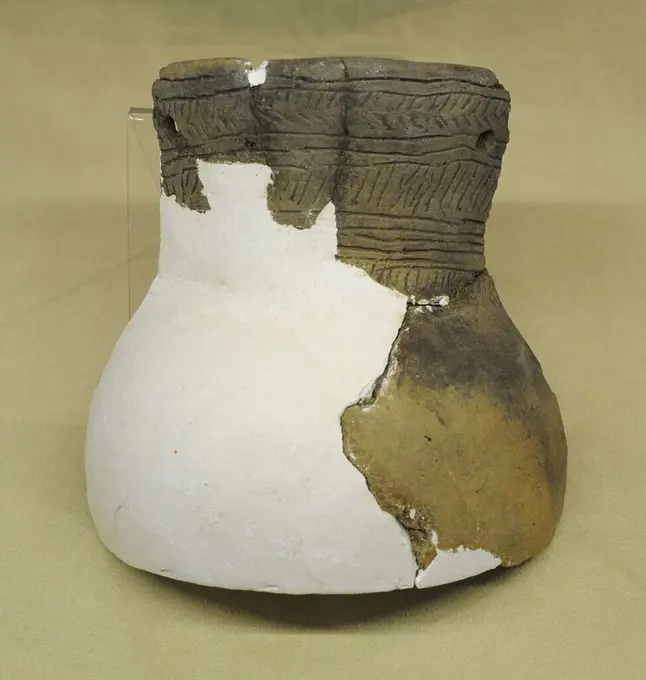
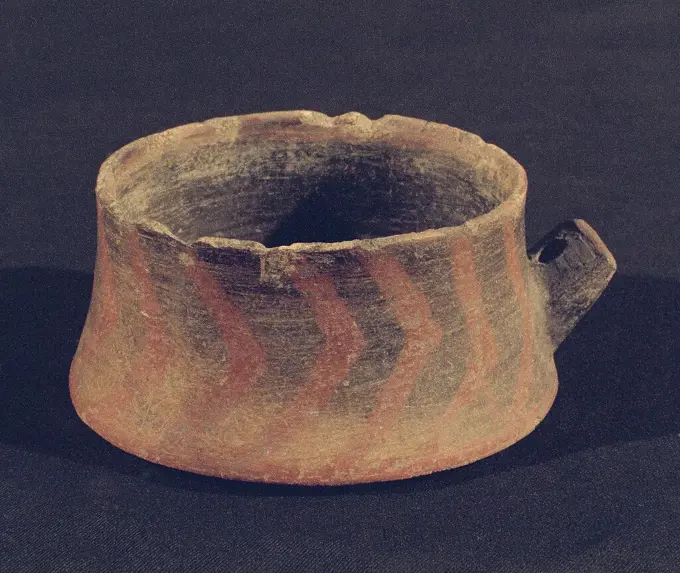
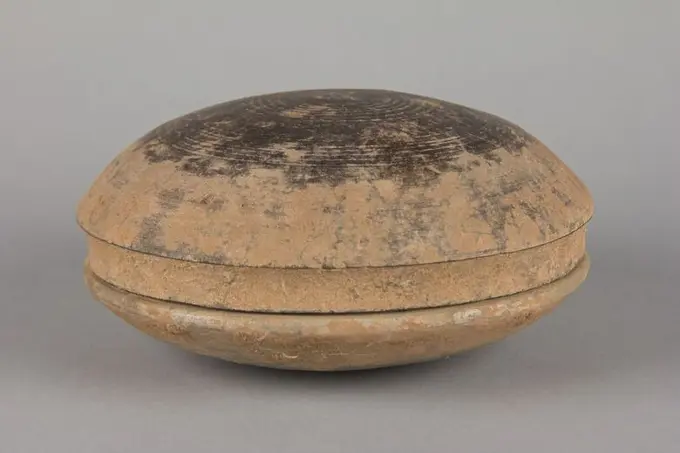
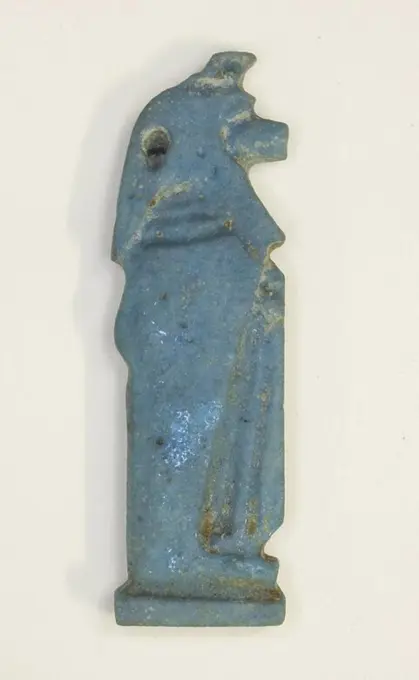
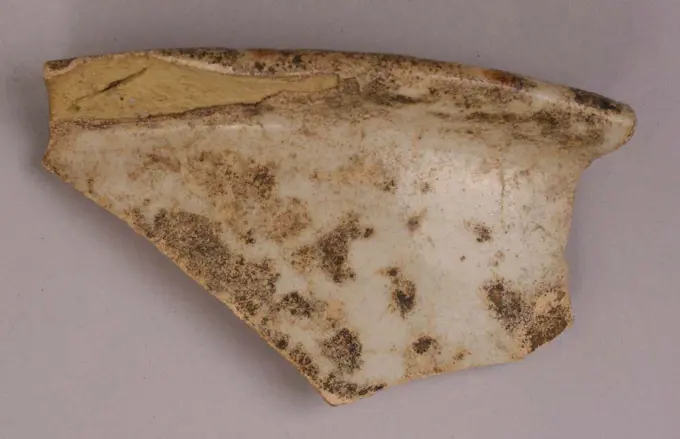
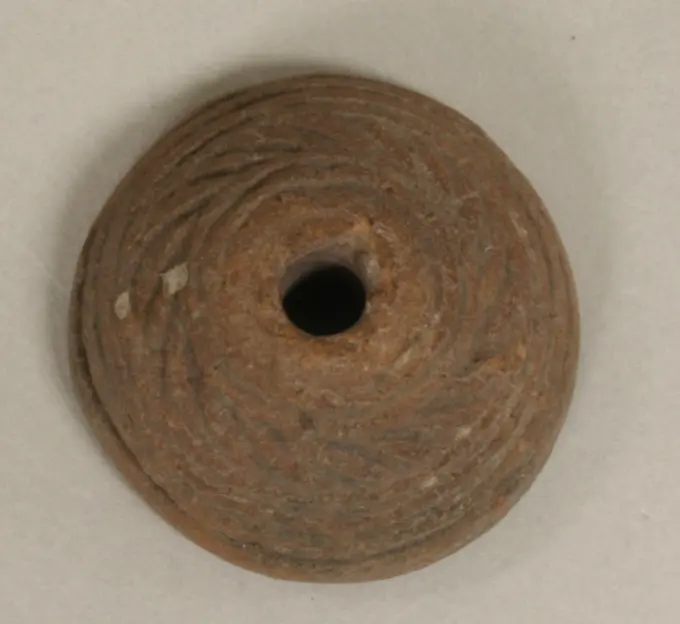
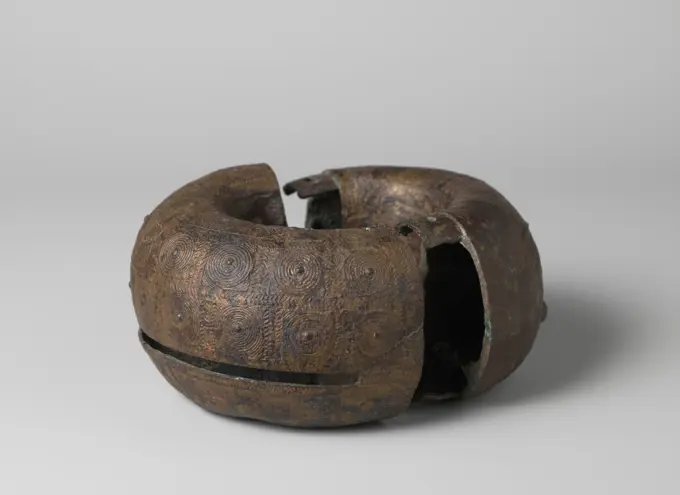
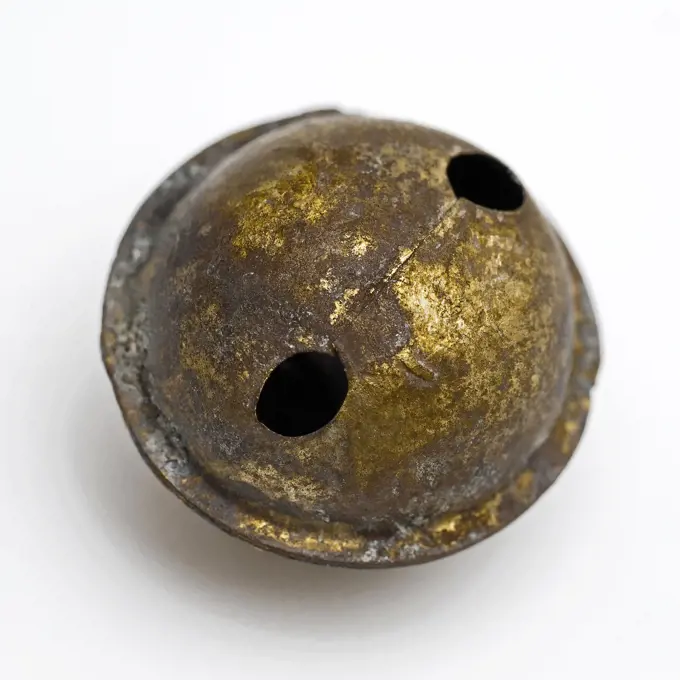
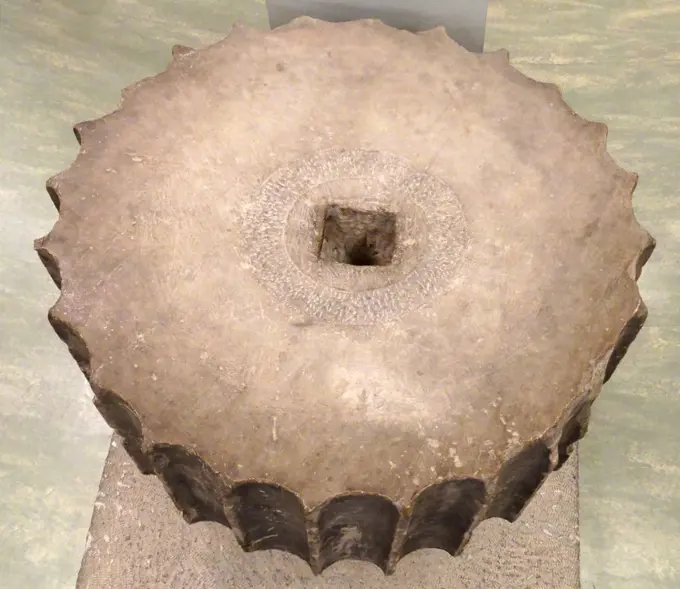
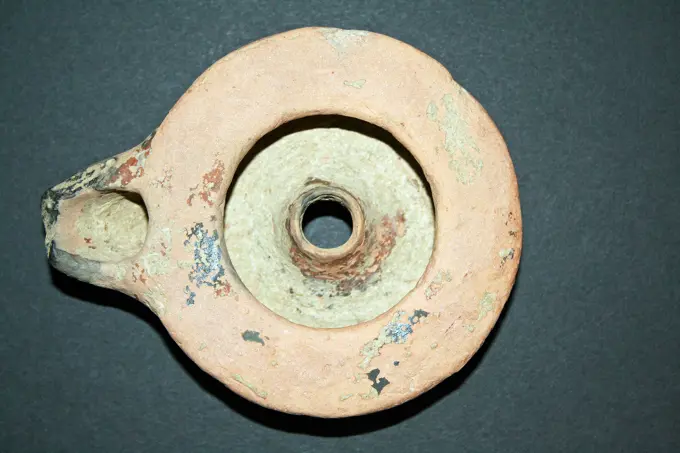
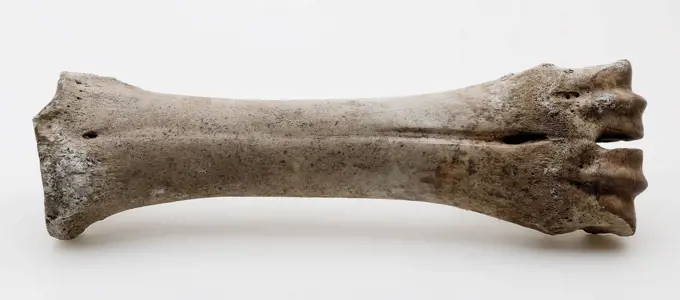
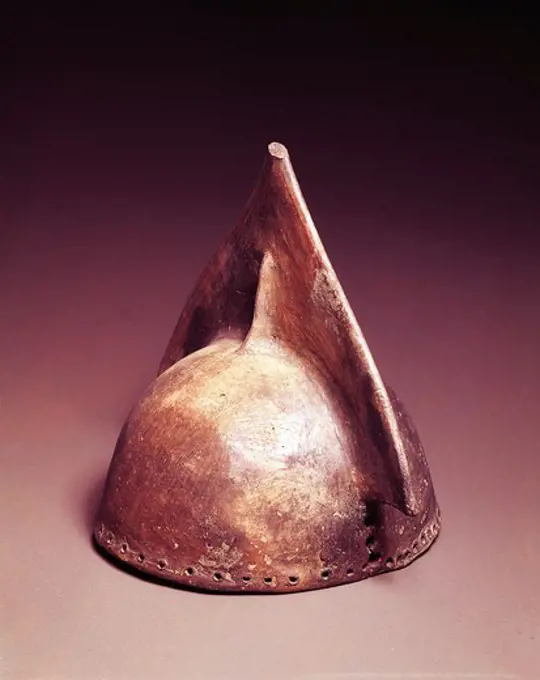
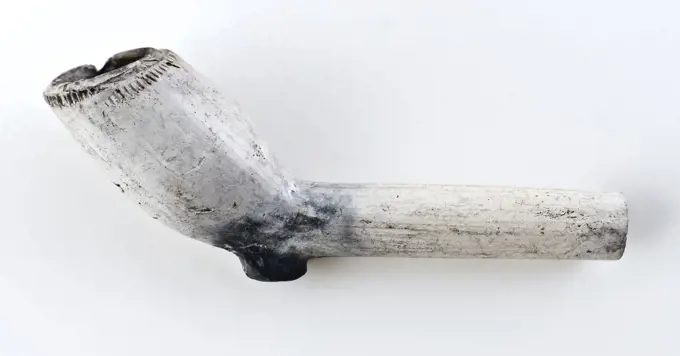
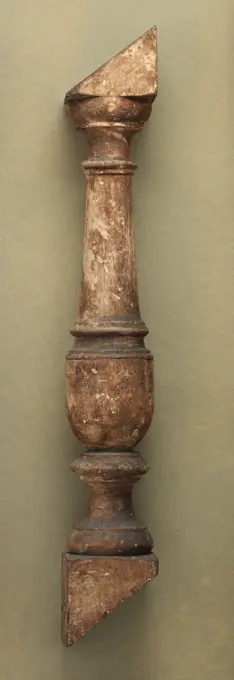
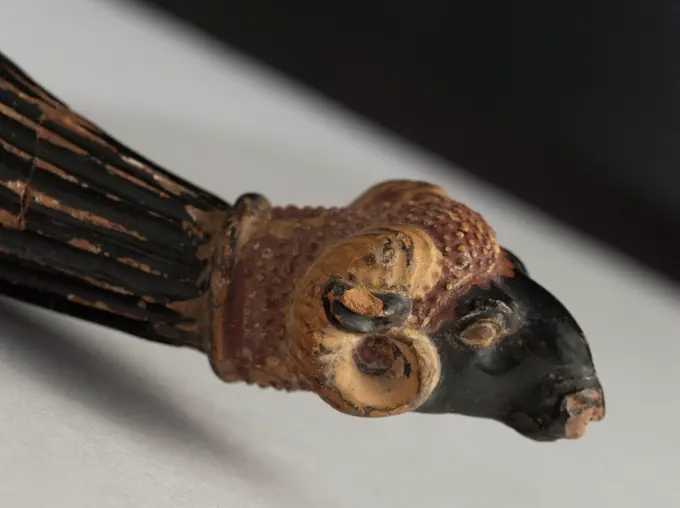
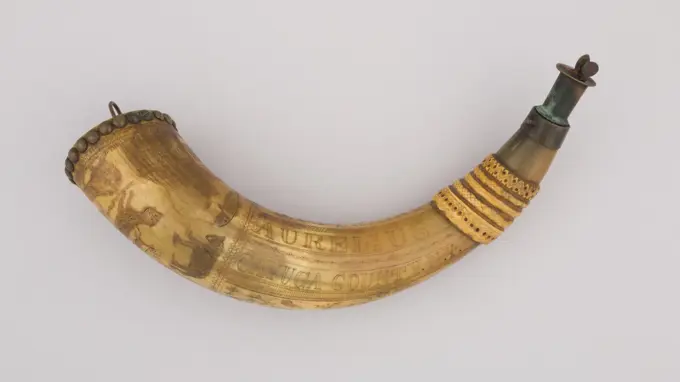
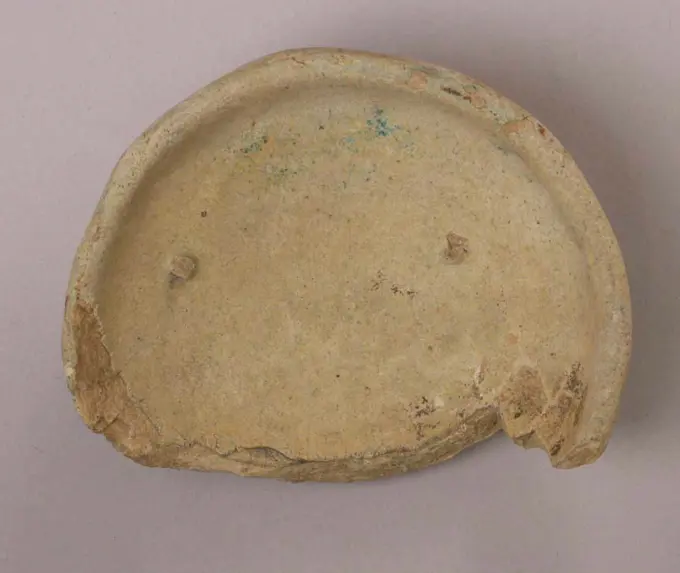
Footless Cup or Lid 4th-7th century Coptic. Footless Cup or Lid 478894Panel fragment ca. 8th-7th century B.C. Iran. Panel fragment. Iran. ca. 8th-7th century B.C.. Ivory. Iron Age III. Iran, said to be from ZiwiyeRitual Spoon before 16th century Olmec. Ritual Spoon 317381Seal or amulet inscribed with the name of Amasis. Dimensions: H. 3 cm (1 3/16 in.); W. 0.8 cm (5/16 in.) sq.. Dynasty: Dynasty 26. Reign: reign of Amasis. Date: 570-526 B.C.. Museum: Metropolitan Museum of Art, New York, USA.Native pottery without decoration. Types S-shaped and "in five". 2nd-1st centuries BC. Archaeological and History Museum (San Anton Castle). A Corua, Galicia, Spain.Lamp. UnknownSoko mummy;  664-30 BC ; Half-period period-Ptolemam period (-664-00-00--30-00-00);Toilet box Cypriot. Toilet box. Cypriot. BoneExcerpt of a grave with sculpture ,, 1497 Fragment of the midfield of the gravestone of Arent van Malsen. A bond with studs is depicted on the fragment (part of the helmet). The excerpt is part of seven fragments of an incomplete gravestone (BK-NM-8657-B-1 to BK-NM-8657-B-8). Berne .   Bern (Gelderland) Fragment of the midfield of the gravestone of Arent van Malsen. A bond with studs is depicted on the fragment (part of the helmet). The excerpt is part of seven fragments of an incomplete gravestone (BK-NM-8657-B-1 to BK-NM-8657-B-8). Berne .   Bern (Gelderland)Red copper spout of kettle, spout boiler fragment foundations copper metal, Copper spout of water boiler Curved shape archeology Capelle aan den IJssel House in Capelle castle water boiling water heating Soil discovery: house in Capelle Capelle aan den IJssel.ARPON. PALEOLITICO. (DEPOSITO: MUSEO ARQUEOLOGICO NACIONAL).Local clays were used to make decorative clay pots used for cooking and storage by the MandanSorceryBoxLamp. UnknownFragment (from the altar cabinet); (possibly) belonging to the retable of Soest, c. 1475 - c. 1499   wood (plant material)   wood (plant material)Amulet - DeityLamp, Anatolia; 1st - 4th century; Terracotta; 3 x 8 x 11 cm (1 3,16 x 3 1,8 x 4 5,16 in.)Excerpt lid of a box from the wreck of the East Indians Hollandia, Anonymous, 1700 - in or before 1743 chest. lid Box, lid; fragm, 1 half with 1 long straight side and five-sided outline, slightly curved. Netherlands wood (plant material)   SecondShist whetstone or polisher ca.1600-1050 B.C. or earlier Cypriot Polisher.. Shist whetstone or polisher 243908Celt before 16th century Maya () Greenstone axe heads, commonly known as “celts,” were some of the most important works of art across ancient Mesoamerica and Central America. Created from jadeite mined from the Motagua River Valley of southern Guatemala, or using local green stones from highland Mexico, celts were first created by the Olmec peoples of the Gulf Coast after 1000 B.C. The Olmec conceived of green celts as sprouts of maize and thus “planted” celts in dedicatory offerings, activating ceremonial spaces and perpetuating agricultural fertility. For the later Maya peoples, celts also served as dedicatory materials, but more so as adornments for the royal bodies of kings and queens. Often the celts would be thinned into celt-shaped plaques, strung together in pairs and triads in order to create belt assemblages that would have clinked with the sound of jades striking one another. Tombs from the Classic Period (ca. AD 250-900) contain celts of jadeite and various greenstones froFragment of a Bowl 14th-15th century. Fragment of a Bowl 446328Standing FigureFragments of Ceramics with Opacified Glaze 9th century. Fragments of Ceramics with Opacified Glaze. 9th century. Earthenware; glazed. Found/excavated Iraq, Samarra. CeramicsLamp 3rd-8th century. Lamp 446624Chess Piece, Bishop 8th-10th century. Chess Piece, Bishop 451935Astragal cow;  District Hellenistic (-323-00-00--30-00-00);Roman Era. High empire. Terracotta oil lamp. Central disk decorated with reliefs. Spain.n. National Archaeological Museum. Tarragona. Catalonia, Spain.Cavalry pistol with rock castle pattern An XIII fished out of the Berezyna River Factory productLamp ca. 3rd-7th century A.D. Sasanian. Lamp 322779Small guarantee hallmark for Paris between 1819 and 1838. 2 rows of stones.Norway, Spitsbergen, capital city of Longyearbyen. Svalbard Museum. Display of old historic whaling artifacts. Old leather shoe. (Editorial Use Only)Foot from aStatueCut. Cream cover sandstone. Provenance: Vietnam. Paris, Cernuschi museum. 78820-3 Cut, archeological object, dishesVessel in the Form of a Flute-Player Laying atop Rectangle Shape. Chimú; North coast, Peru. Date: 1000-1400. Dimensions: 11.8 x 15.9 cm (4 5/8 x 6 1/4 in.). Ceramic and pigment. Origin: North Coast. Museum: The Chicago Art Institute, Chicago, USA.Console, two figures that keep the book open, console building element sandstone stone, sculpted Console with two figures holding book open. The left figure is bare-headed and the right has miter on the head. On the sides are the kneeling bodies coarsely carved out spiritual bishopButton or Bead 9th-10th century This object was excavated at Nishapur.Nishapur was a vital city in the early and middle Islamic periods, located along one of the main trajectories that connected Iran and West Asia Islamic lands with Central Asia and China. These itineraries are often referred to by the term Silk routes’ but were in fact crucial to the movement of constellations of materials and objects, as well as people and ideas. The diverse population of Nishapur and its surroundings, from the better-researched elite groups of merchants, land-owning aristocracy, and literates, to the less-known artisans, farmers, miners, and servants, were instrumental in adapting global cultural trends to create their own distinctive visual languages. This is seen in the material remains of everyday life in medieval Nishapur - from pots and pans to lighting devices, inkwells, textiles and trimmings, jewelry, games and toys, talismanic devices, weapons, coins, and architectural fragments.Nishapur lPaint tray - FrogPrehistory. Metal Age. Cult axe from Bastad, near Helsingborg, Scania. C. 1400 BC. National Museum of Denmark. Copenhaguen.Rattle 19th century Probably Nootka. Rattle 501229Bowl-type crushing stone, classic, central square museum, Chichicastenango, municipality of the department of El Quiché, Guatemala, Central America.Fragment 14th-15th century. Fragment 445542Shell 6th-7th century Frankish. Shell 465594 Frankish, Shell, 6th7th century, Shell, Overall: 2 13/16 x 5/8 x 1 3/4 in. (7.2 x 1.6 x 4.4 cm). The Metropolitan Museum of Art, New York. Gift of J. Pierpont Morgan, 1917 (17.193.268)Plaque. Culture: Coptic. Dimensions: Overall: 4 3/8 x 3 5/16 x 13/16 in. (11.1 x 8.4 x 2.1 cm). Date: 4th-7th century. Museum: Metropolitan Museum of Art, New York, USA.Fragment of a Dish 13th-14th century. Fragment of a Dish 446404Dragon Pendant, 1600-1100 BCE, 2 1/8 x 7/8 x 1/8 in. (5.4 x 2.22 x 0.32 cm), Calcified ivory jade mottled with blue-green clouds with traces of red pigment, China, 16th-11th century BCEFlint axe of stone. Neolithic. From Denmark. National Museum of Denmark. Copenhagen. Denmark.Lamp 4th century. Lamp 448004Bundle of a ton from the wreck of the East India Hollandia. Duig of a ton.Arc (Huang). China, Late Shang dynasty, Anyang phase, or early Western Zhou dynasty, about 1300-950 B.C.. Sculpture. Abraded jadeVase fragment Roman. Vase fragment. Roman. Terracotta. VasesDance shields (ndomi). Wood, cloth, metal, beads and pigment, Kikuyu people, Kenya. 20th century.Sword (Kris), 1800s. Java. Iron with wooden handle; overall: 38.8 cm (15 1/4 in.); blade: 31.2 cm (12 5/16 in.).Stoneware mineral water bottle on stand surface, cylindrical model, gray and marked, mineral pitcher pitcher pitcher product container container soil find ceramic stoneware icing salt enamel, hand turned baked glazed stoneware mineral pitcher gray shard with salt glaze sausage ear traces on the underside. Contained spring water from Nieder Selter. Cylindrical jug with smooth transition to the narrow neck Inlaid mark on the shoulder underneath the potters' brand Vague spinning yarns stamped throughout the height source: Selters to cross with C T archeology advertising health care import pottery packing serve drinking medicine drug pharmacyRing (Huan). China, probably Jiangsu Province, Liangzhu, Neolithic period, Liangzhu culture, about 3000-2200 B.C.. Sculpture. Abraded jadeFragment of Roman dish, ceramic. Museum: MUSEO DE MATARÓ.Nuragic civilization, globular vases, from hypogeal temple of Su Benatzu of Santadi Cave, Cagliari Province, SardiniaGrahal-Manzara. Carnavalet 2013-2016 collection sites. Numismatics.Bishop's head. Probably form st. Hallvard's Church. Ca. 1300. Historical Museum. Oslo. Norway.Upright Seated Cat Figurine. Late Period - Ptolemaic Period (711 - 30 BCE). Sculpture. BronzePottery Fragment. Culture: Coptic. Dimensions: Overall: 2 9/16 x 4 1/4 in. (6.5 x 10.8 cm). Date: 4th-7th century. Museum: Metropolitan Museum of Art, New York, USA.Glass Fragment with Knob 9th century. Glass Fragment with Knob 447638Clay pipe, unnoticed with an embossed face on the kettle, Jonas pipe, clay pipe smoking equipment smoke floor earthenware ceramic pottery, pressed finished baked Clay pipe unnoticed with embossed face on kettle Jonaspijp Decoration consists of face with mustache and beard to the smoker. mouth with teeth pointed towards the image on the handle. Pipe is also often characterized as Raleigh pipe to Sir Walter Raleigh archeology smoking tobaccoJar rim sherd ca. late 3rd millennium B.C.. Jar rim sherd 326143Female figure, 20 1/4 x 3 x 3 1/2 in. (51.44 x 7.62 x 8.89 cm), Ceramic, pigment, China, Han dynastyAnglo saxon bowl, 7th cent. ENGLAND.Animal 4th-7th century Coptic. Animal 478746Eccentric Anthropomorph 1500-500 B.C. India. Eccentric Anthropomorph 50593Flask of tin with the remains of clamm stick, ball game game soil find tin wood metal, die-cast Slipper with opening for wooden handle decoration on opening. Flattened nose and cracked sole. Piece of wooden handle still present archeology Rotterdam City center Stadsdriehoek Schielandshuis Korte Hoogstraat sports flasks playing the game of golf Soil discovery: Gallery garden Schielandshuis.Figurine of a WomanDefense for the Left Forearm (Vambrace) ca. 1400 Italian This is part of a large find of medieval armor discovered in 1840 in the ruins of the fortress of Chalcis, on the Greek island of Euboea (then a Venetian colony called Negroponte). The fortress had been captured and destroyed by the Turks in 1470. Now divided largely between the Ethnological Museum, Athens, and The Metropolitan Museum of Art, the Chalcis hoard contains many rare and unusual elements of fourteenth- and fifteenth-century armor. Of particular importance are the variety of headpieces and the many fragments of brigandines (armor for the torso constructed of small plates riveted to layers of fabric), some of which retain portions of their original velvet covering. The Chalcis armor provides a unique picture of the armament used in the Aegean, one of the easternmost military outposts of the Venetian empire.. Defense for the Left Forearm (Vambrace) 23108HUESO DE EQUIDO. PALEOLITICO. (DEPOSITO: MUSEO ARQUEOLOGICO NACIONAL).Powder Horn. Culture: American. Dimensions: L. 13 3/8 in. (34 cm); Diam. 3 1/4 in. (8.3 cm); Wt. 9 oz. (255.1 g). Date: Horn, 18th to 19th century; engraving, late 19th to early 20th century. Museum: Metropolitan Museum of Art, New York, USA.Terracotta rim fragment with spiral design ca. 3800-3300 B.C. Dimini culture From ThessalyDark spiral on light ground.. Terracotta rim fragment with spiral design 253244 Dimini culture, Terracotta rim fragment with spiral design, ca. 38003300 B.C., Terracotta, length 3 9/16in. (9cm). The Metropolitan Museum of Art, New York. Anonymous Gift, 1930 (30.119.39)Tubular Bead. Egypt, early Dynastic Period (circa 3050 - 2687 BCE). Jewelry and Adornments; beads. FaiencePoland. Prehistory. Neolithic. Reconstruction of a vessel decorated with strips. Temporary exhibition "The Hunters Settlement Fok from the Stone Age in the Gulf of Puck" (March-June 2015). Archaeological Museum. Gdansk. Poland.VASIJA DE CERAMICA PINTADA A MANO CON MOTIVOS GEOMETRICOS. Location: ARCHAEOLOGICAL MUSEUM. LAS PALMAS. GRAN CANARIA. SPAIN.Small bronze tap without stop, tap part soil find bronze copper tin metal, Yellow metal tap probably belonging to tin tap jug Around the back is ring made of gray metal archeology Rotterdam City triangle Schielandshuis crane tap jug soil found, Schielandshuis during restoration 1981 - 1985.Covered Bowl. Culture: China. Dimensions: H. 3 in. (7.6 cm); W. 6 in. (15.2 cm). Museum: Metropolitan Museum of Art, New York, USA.Plate and Nail 15th-16th century European. Plate and Nail. European. 15th-16th century. Iron. Metalwork-IronAmulet of the God Duamutef (one of the four Sons of Horus). Egyptian. Date: 1070 BC-656 BC. Dimensions: 3.8 × 1.3 × 0.5 cm (1 1/2 × 1/2 × 3/16 in.). Faience. Origin: Egypt. Museum: The Chicago Art Institute, Chicago, USA. Author: Ancient Egyptian.Fragment of a Bowl with White Glaze 9th century This bowl fragment was excavated at Ctesiphon, the Sasanian metropolis and administrative capital conquered by Arab Muslim armies in 637. The city was known in Arabic as al-Madain, or “the cities”, for its extended area. Arab historians indulge in describing al-Madain/Ctesiphons grand monuments, which obsessed Muslim rulers and may have acquired a symbolic meaning related to its imperial past. This was the case of the Taq-i Kisra, an impressively-sized ivan (a vaulted hall with one side open) partially dismantled to reuse its bricks in caliphal buildings in the new capital Baghdad.Finds like this fragment attest to the continued occupation of Ctesiphons urban area in the early Islamic period. Similar ceramics count amongst the advances achieved by Iraqi potters in the 9th century. Beside technical innovations, such as the development of a range of opacifying techniques for glazes and the use of cobalt blue, the potters works attest oSpindle Whorl 10th-early 16th century Mexican. Spindle Whorl 307672Old electric buege iron old electrical iron, Old IronAnklet, decorated with concentric circles. Anklet, decorated with concentric circles. Consists of two parts.Copper bell of rattle, musical instrument or horse harness, bell sound medium Soil discovery copper brass metal, soldered Small copper bell of rattle musical instrument or horse harness Wide flat seam around the arching archeology Rotterdam rail tunnel communication sound child play rattle infant rattle music rigging horse Soil discovery: rail tunnel Rotterdam.Greek Ionic column drum, from the interior order of the Propylaea, Parthenon, Athens. 5th century BCRaised relief fragment 664-610 B.C. Late Period, Saite see 23.3.468. Raised relief fragment 548202Ancient Roman LampBone, leg from the lower leg of cattle, glis ice skates skate bone soil finding leg, bone bone. Probably from pig or cow's lower leg and seen wear and fastening holes most likely used as glis archeology Rotterdam City Triangle Schielandshuis bone bone cattle slaughter butcher butcher craft skating winter Soil discovery: Schielandshuis Rotterdam.Crommium willemeti from Upper Bracklesham Beds.Clay helmet, from Tarquinia, Latium region, ItalyClay pipe, marked, with smooth handle, clay pipe smoking equipment smoke floor pottery ceramics pottery h 2,9, pressed finished baked Clay pipe marked with smooth handle. Heel mark. heel mark: GI in round stamping area archeology smoking tobaccoBaluster second half 17th century British. Baluster. British. second half 17th century. Oak. WoodworkDrinking horn (keras) with a ram head. Black varnish, enhanced. Athens (Greece), 5th century BC. AD Museum of Fine Arts of the City of Paris, Petit Palais. 58732-1 Greek antiquity, Greek art, attic, rail, ceramic, drinking horn, keras, ancient period, pottery, container, 5th 5th 5th 5th 5th century AV.JC, black varnish, animalPowder Horn 1813 American, Aurelius, Cayuga County, New York. Powder Horn 29584Fragment 3rd-7th century. Fragment 448823Fragment Pijpensteelen and Fragment Pijpenkop from the wreck of the East Indians Hollandia, Anonymous, 1700 - in Or Before 1743  Pipe, stem; fragments. Netherlands pipe clay   SecondFragments Screw cap from the wreck of the East Indians Hollandia, Anonymous, 1700 - in Or Before 1743 screwcap Container, screw cap and fitting; fragm, corroded, squashed; cylindrical cap, flat top with engraved concentric circles. Netherlands tin (metal)   SecondMessen Lifts from the wreck of the East Indians Hollandia, Anonymous, 1700 - in Or Before 1743  Knife, handle, cylindrical: tapering; id. NG 1979-403H, ferrules, id. NG 1980-27H426. Netherlands wood (plant material)   SecondTile from the Breda Castle. Fragment of a round floor tile decorated with a radically motif.