Antique Artifacts

Historical items including ancient pottery, a ritual spoon, and an inscribed seal, showcasing the craftsmanship of past civilizations.

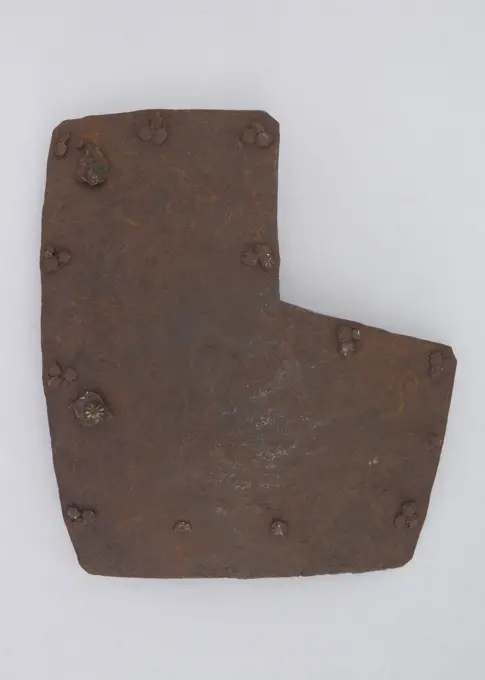
Excerpt of a grave with sculpture ,, 1497 Fragment of the midfield of the gravestone of Arent van Malsen. A bond with studs is depicted on the fragment (part of the helmet). The excerpt is part of seven fragments of an incomplete gravestone (BK-NM-8657-B-1 to BK-NM-8657-B-8). Berne .   Bern (Gelderland) Fragment of the midfield of the gravestone of Arent van Malsen. A bond with studs is depicted on the fragment (part of the helmet). The excerpt is part of seven fragments of an incomplete gravestone (BK-NM-8657-B-1 to BK-NM-8657-B-8). Berne .   Bern (Gelderland)
Excerpt of a grave with sculpture ,, 1497 Fragment of the midfield of the gravestone of Arent van Malsen. A bond with studs is depicted on the fragment (part of the helmet). The excerpt is part of seven fragments of an incomplete gravestone (BK-NM-8657-B-1 to BK-NM-8657-B-8). Berne . Bern (Gelderland) Fragment of the midfield of the gravestone of Arent van Malsen. A bond with studs is depicted on the fragment (part of the helmet). The excerpt is part of seven fragments of an incomplete gravestone (BK-NM-8657-B-1 to BK-NM-8657-B-8). Berne . Bern (Gelderland)
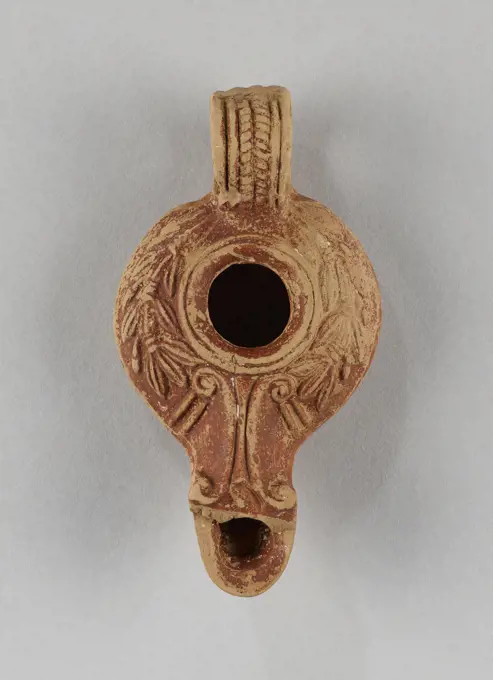
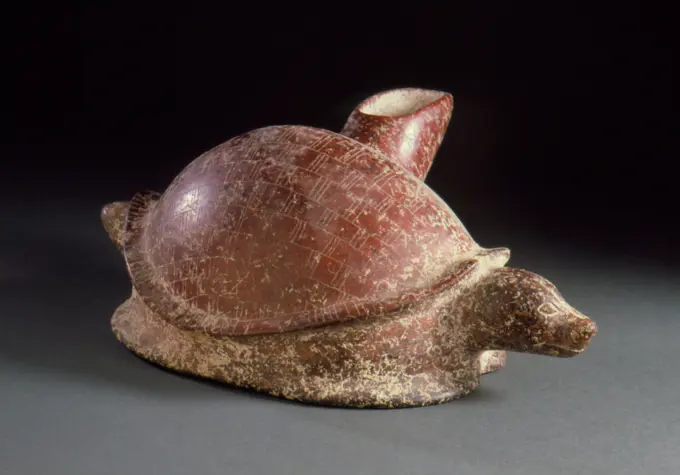
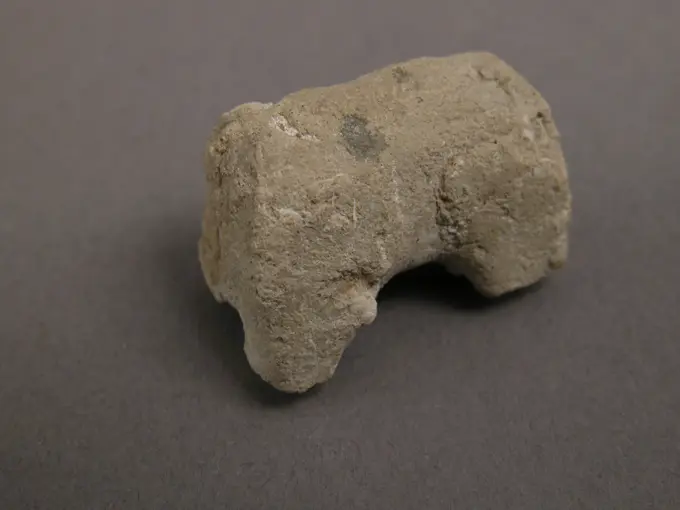
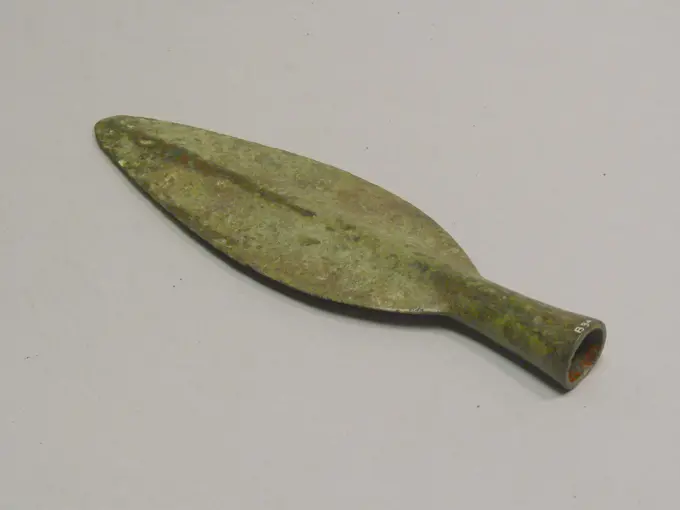
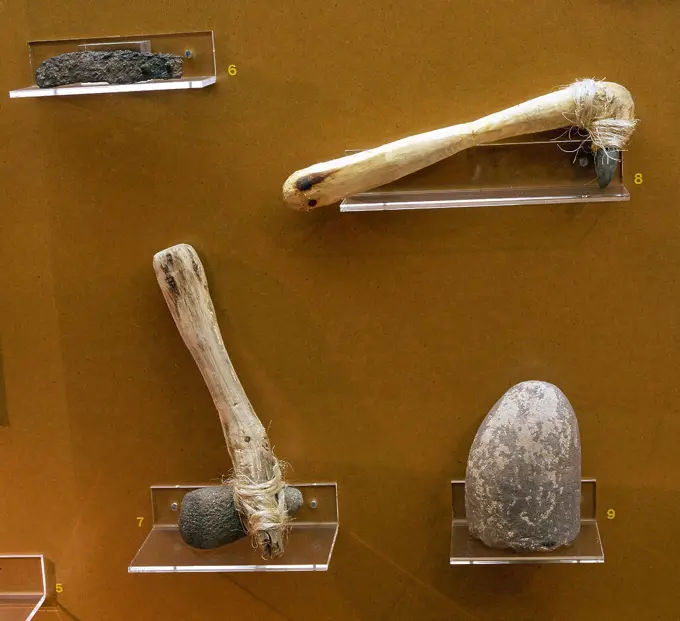
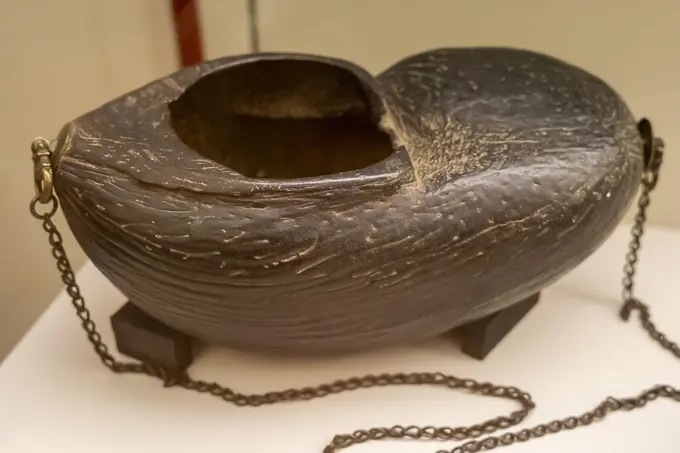
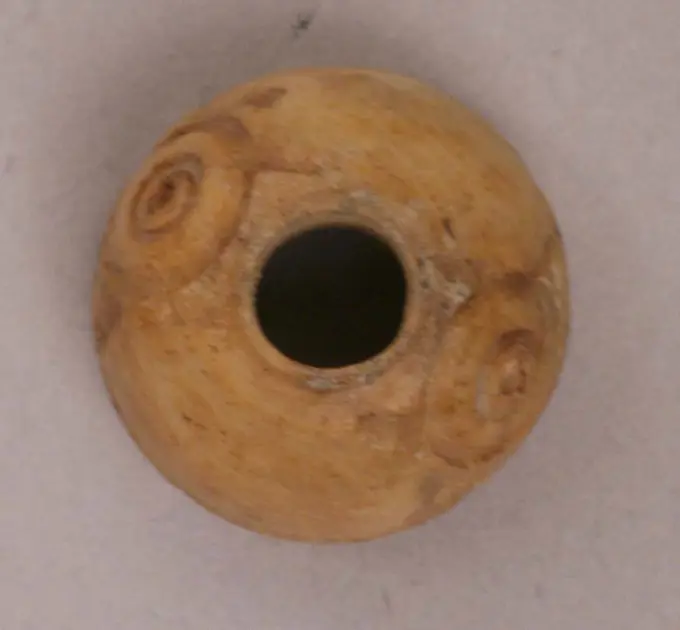
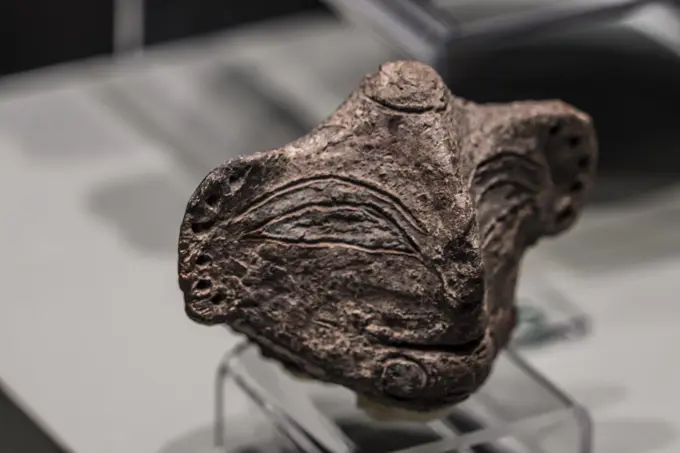
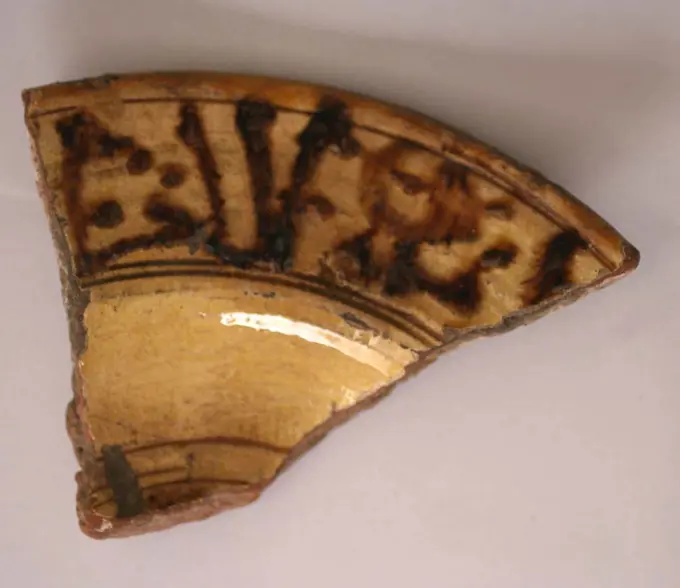
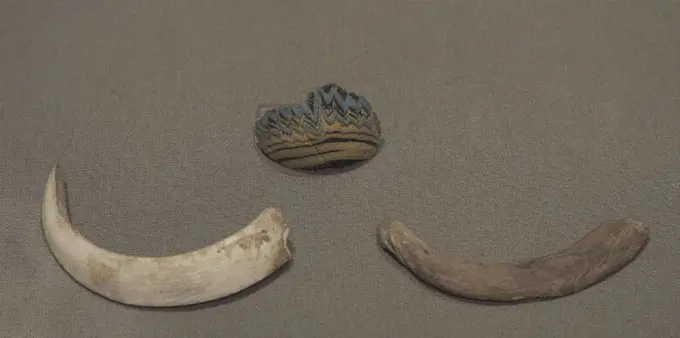
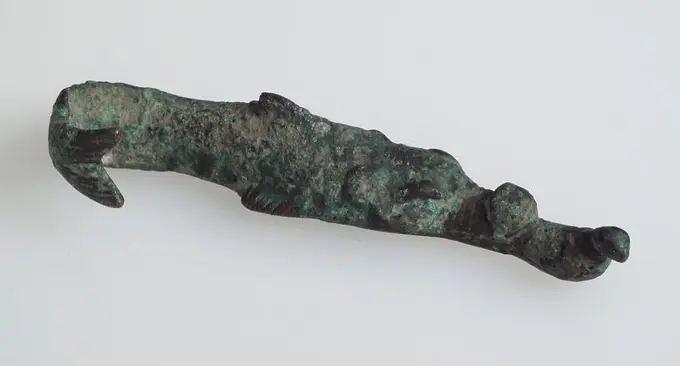
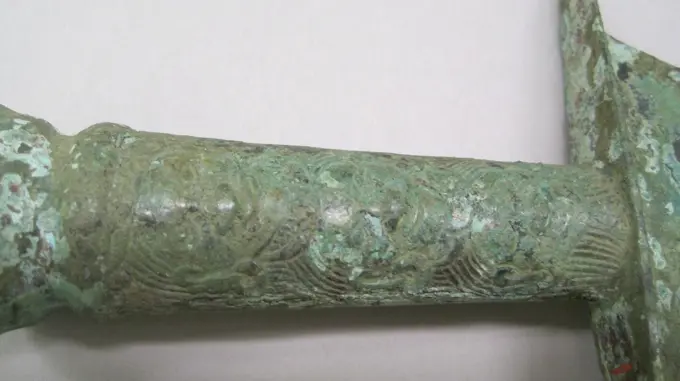
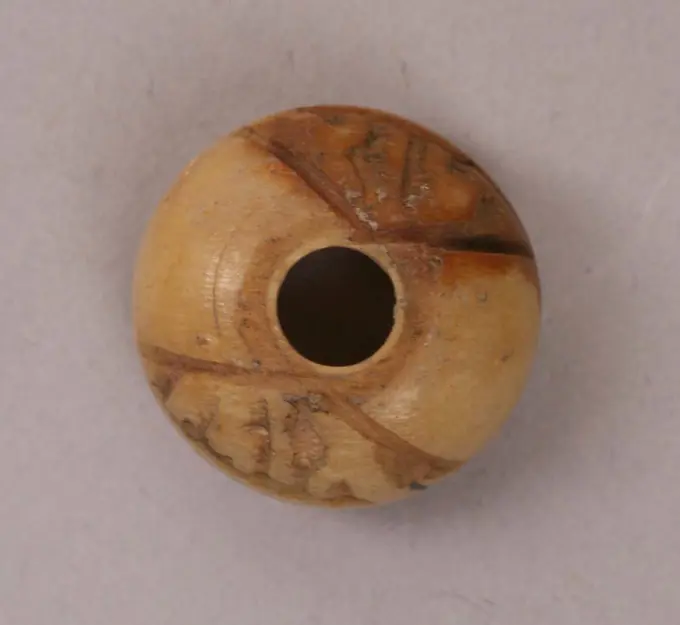
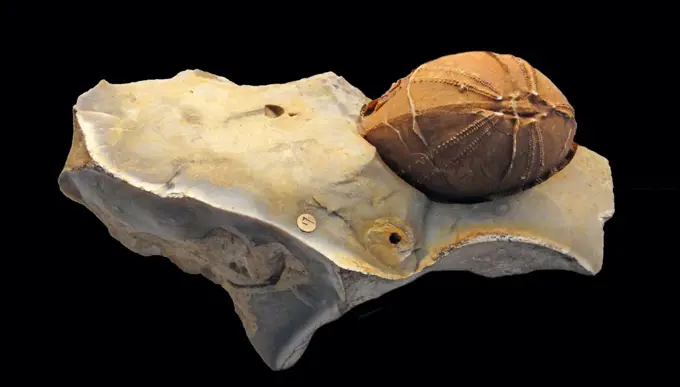
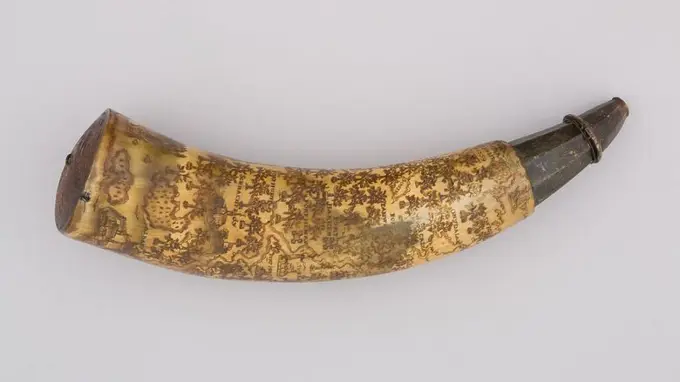
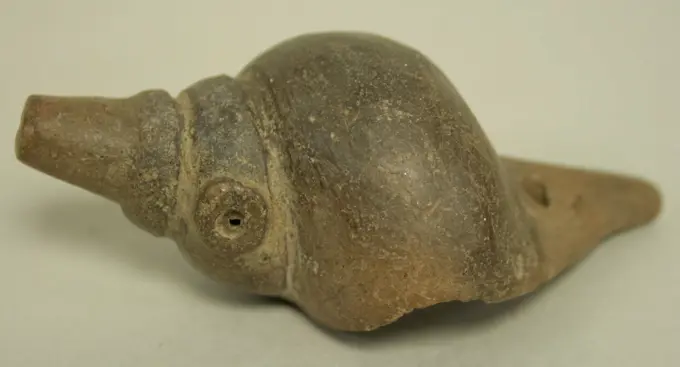
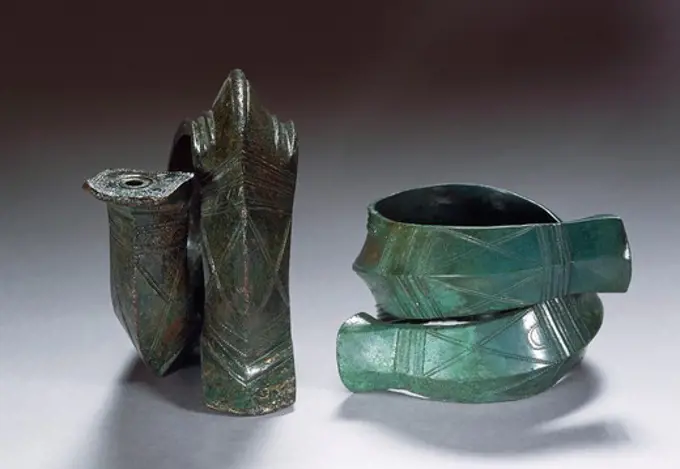
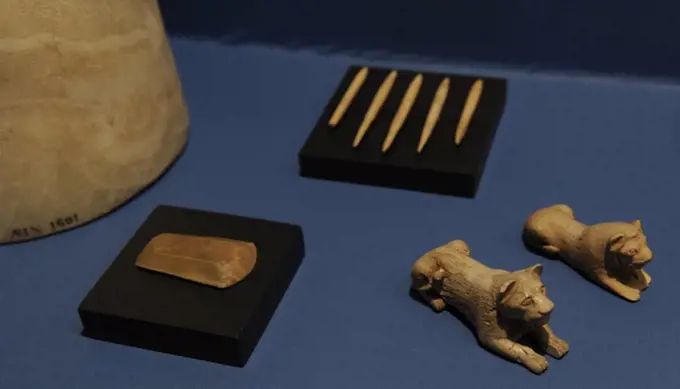
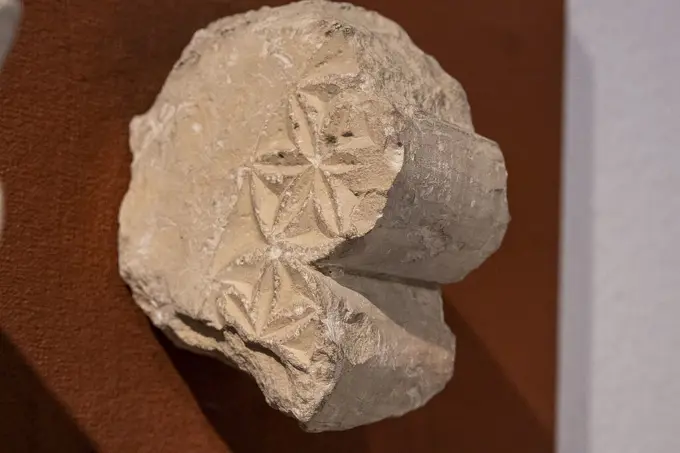
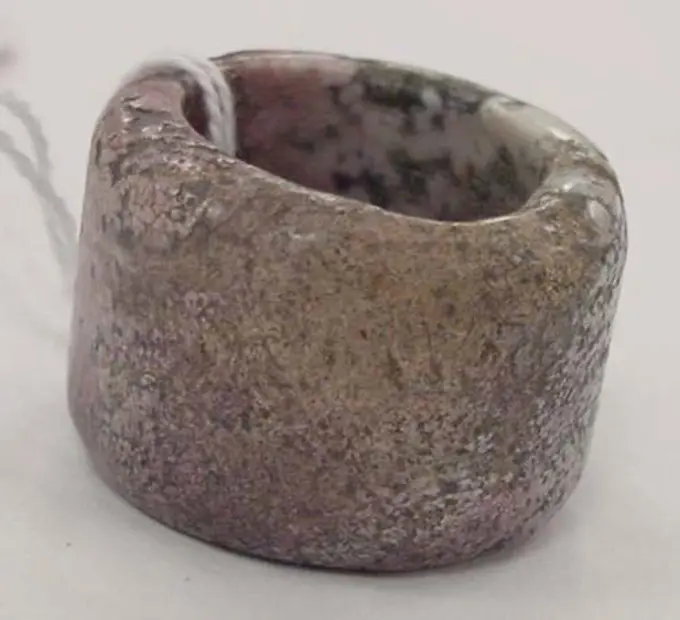
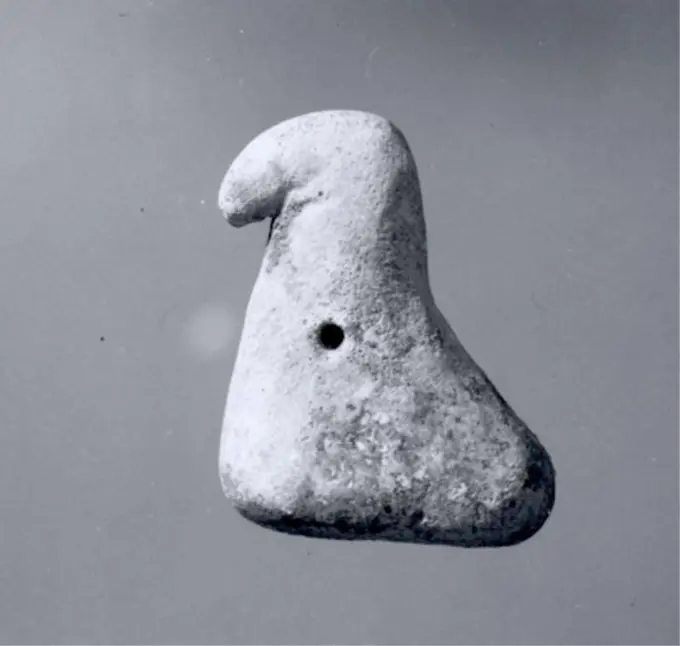
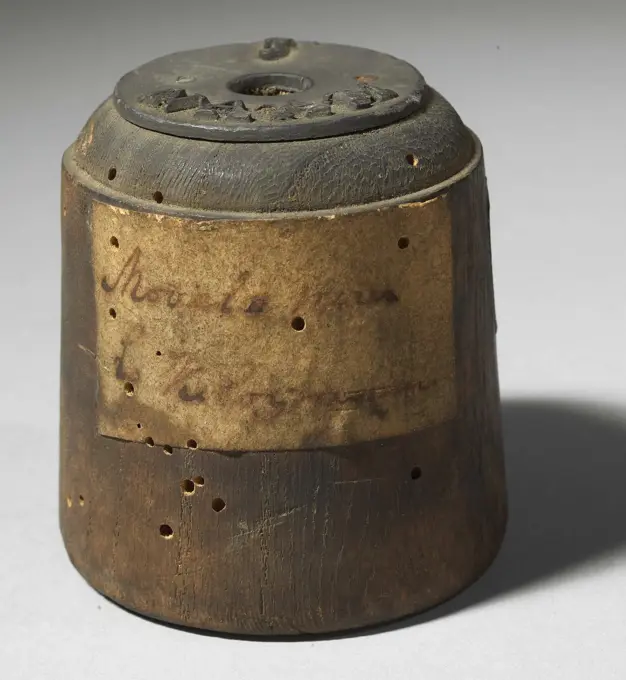
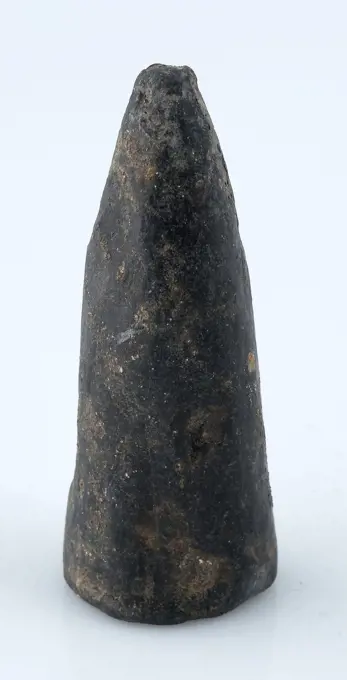
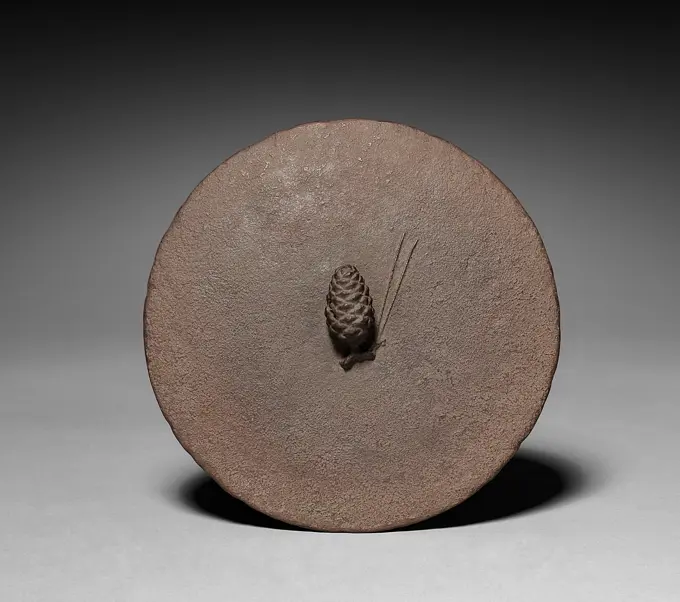
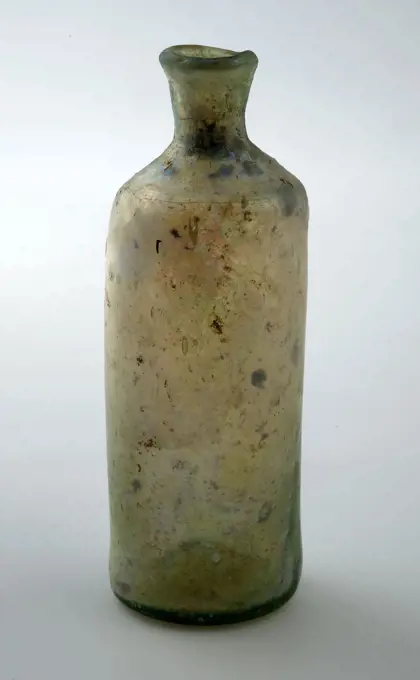
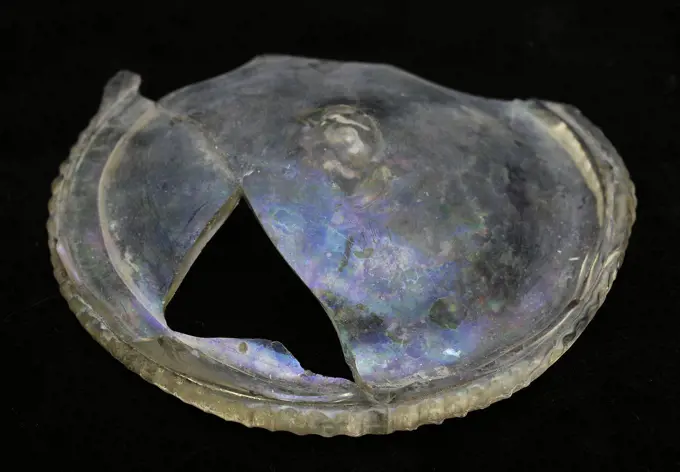
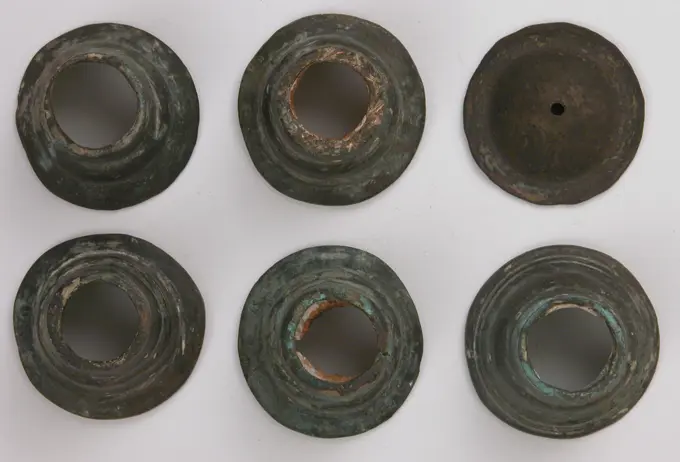
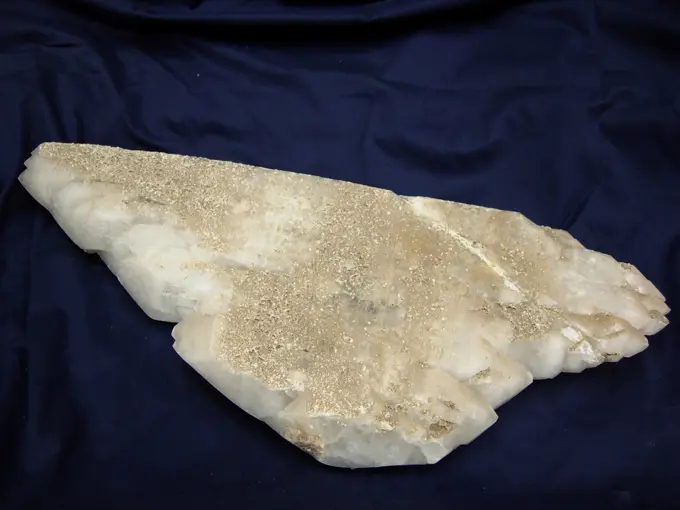
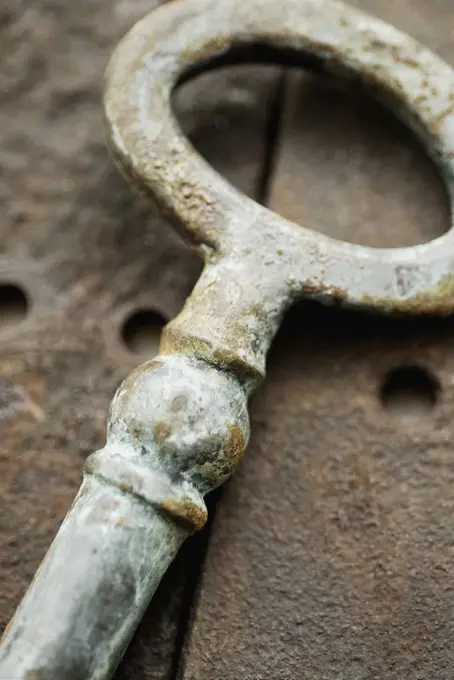
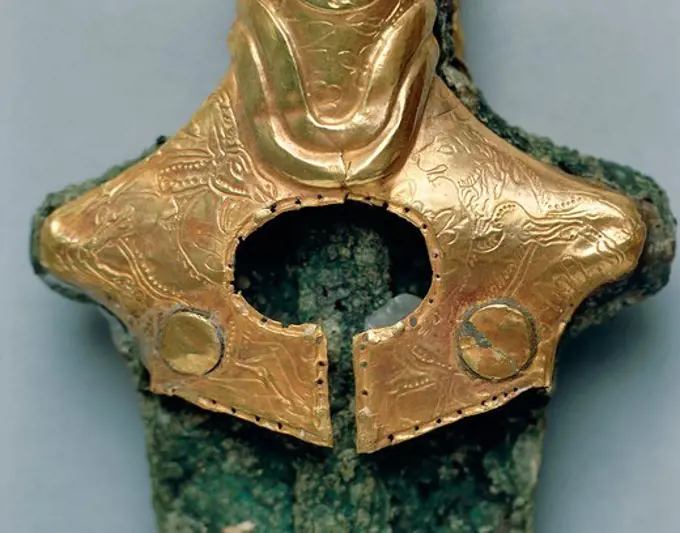
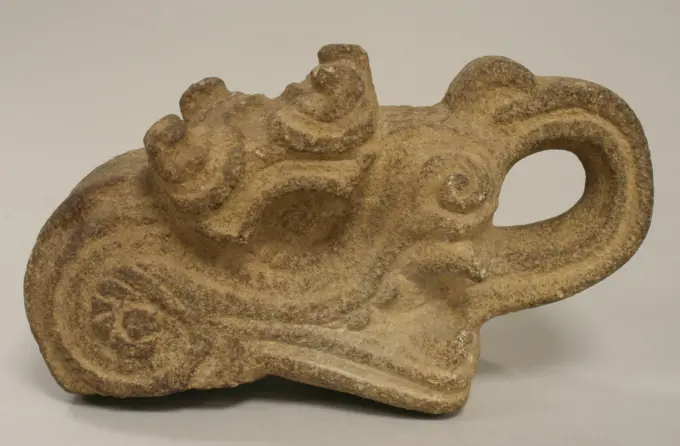
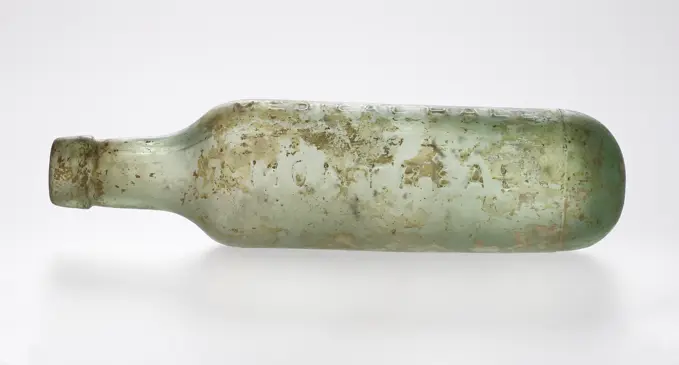
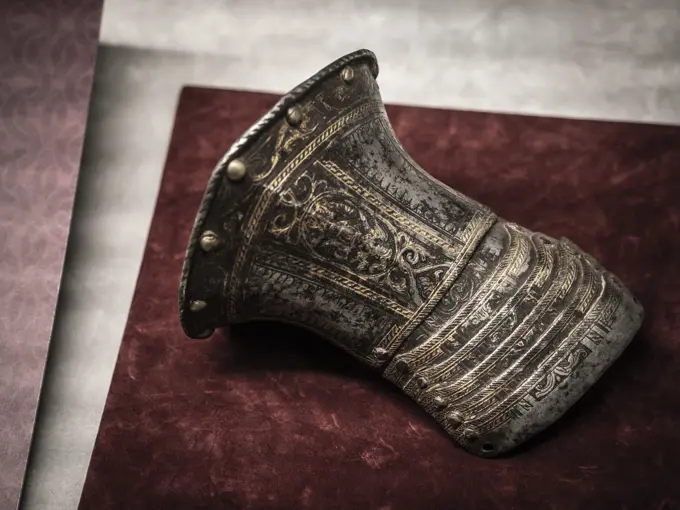
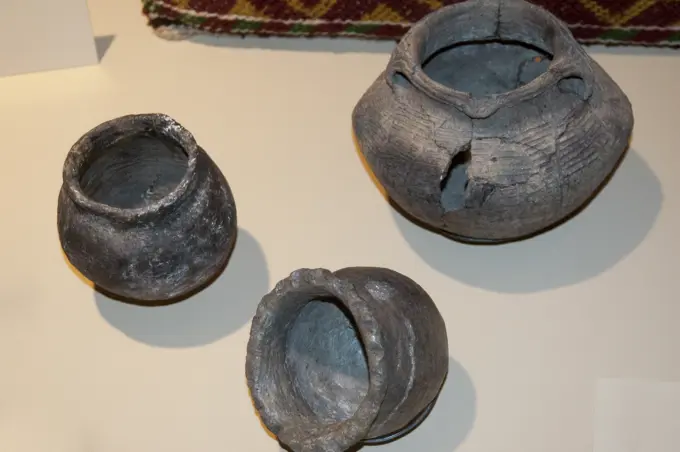
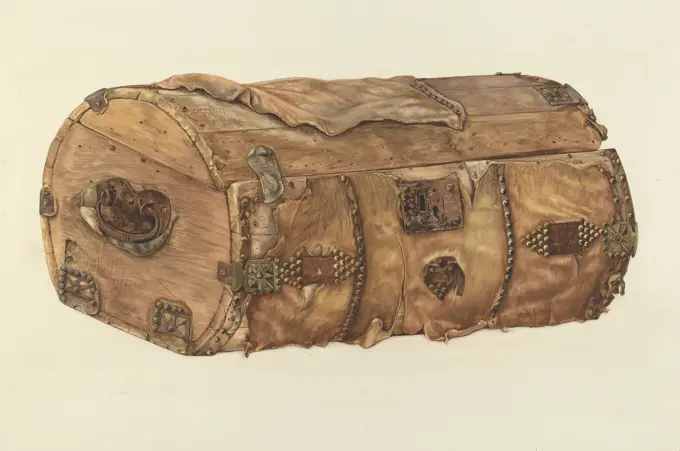
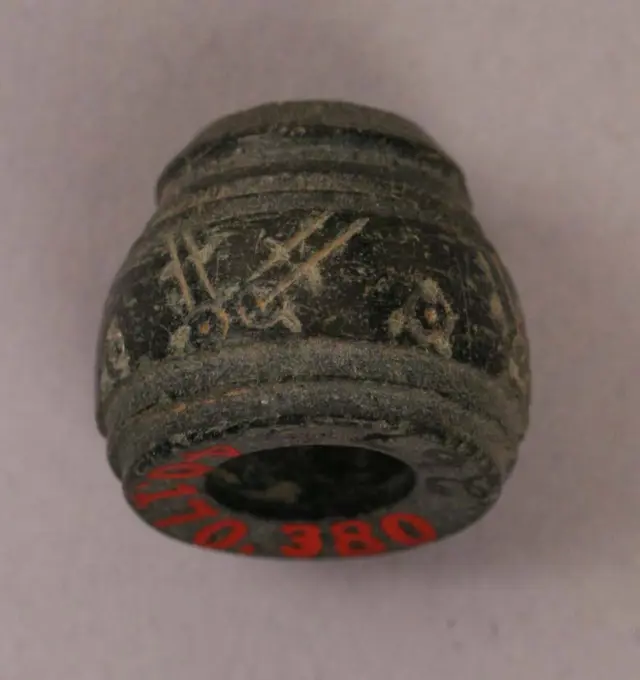
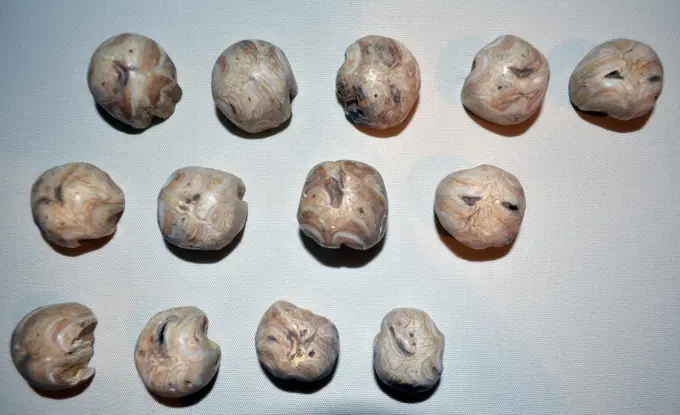
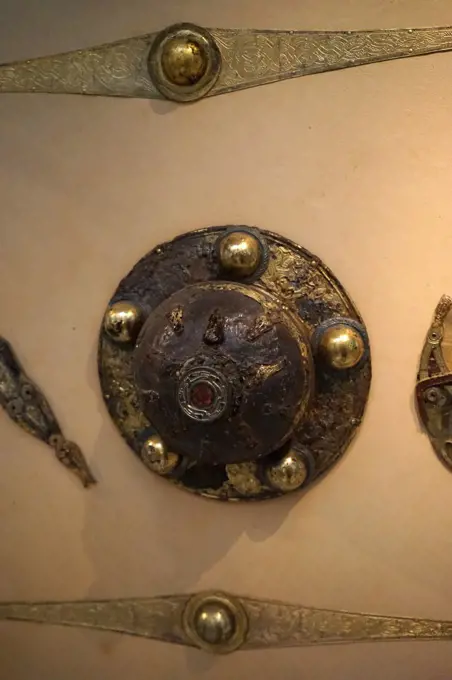
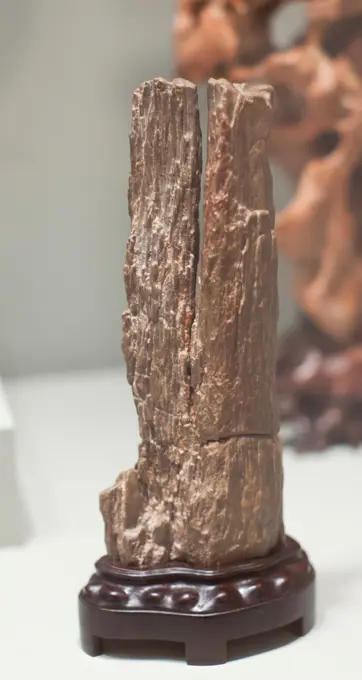
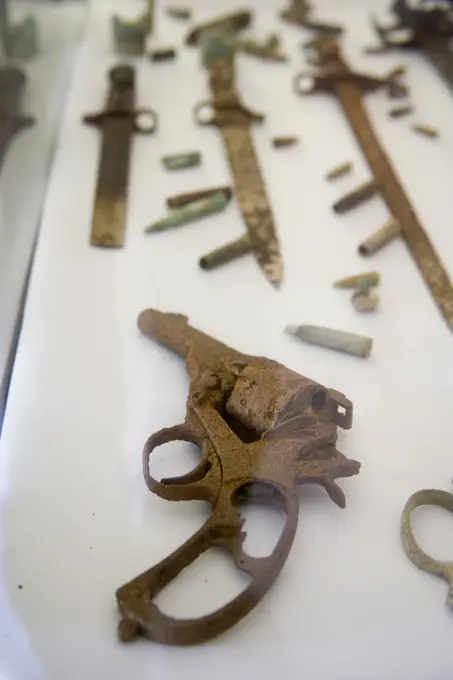
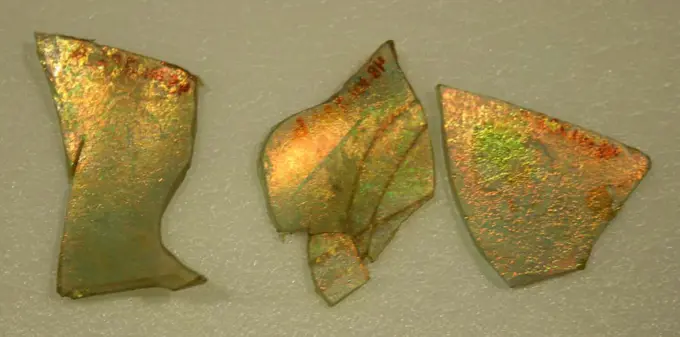
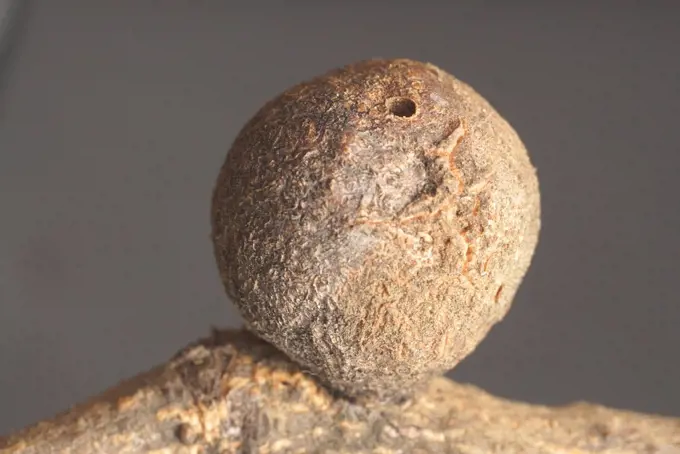
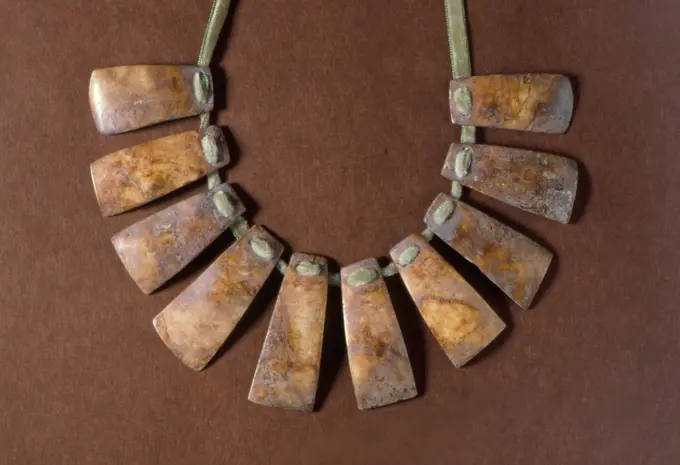
Votive Tablet. Culture: China. Dimensions: H. 3 3/16 in. (8.1 cm); W. 1 3/4 in. (4.4 cm). Museum: Metropolitan Museum of Art, New York, USA.Lamp, Anatolia; 1st century B.C. - 1st century A.D; Terracotta; 2.7 × 5.3 × 10.2 cm (1 1,16 × 2 1,16 × 4 in.)Shoes 1800-1809 American or European. Shoes 112728Slippers 19th century American or European. Slippers. American or European. 19th century. leatherTurtle Vessel. Mexico, Colima, Colima, 200 BCE-500 CE. Ceramics. Burnished ceramic with slip and incised decorationAnimal () 4th-7th century Coptic. Animal () 478425Blade 500 B.C.-A.D. 300 Indonesia. Blade. Indonesia. 500 B.C.-A.D. 300. Bronze. Bronze and Iron Age period. MetalworkChariot group ca. 600-480 B.C. Cypriot Chariot (quadriga) models were common offerings in Cypro-Archaic sanctuaries. This is among the smallest known representations of a quadriga.. Chariot group. Cypriot. ca. 600-480 B.C.. Terracotta; hand-made. Cypro-Archaic II. TerracottasZoomorphic fibula in reverse S. 6th century (end). Paris, Carnavalet museum. Zoomorphic fibula, reverse, ancientIberian art. Ax, sperar and firing pin. Deposit Moli de l'Espi_gol (Tornabous). Regional Museum of l'Urgell. Tarraga, Catalonia, Spain.Windwijzer in de vorm van de heilige Gertruda.Weather vane from gold-plated buyer in the form of an image, representing Gertruda.Muslim begging bag, Kashkul, 20th century, seed , Kabul, Afghanistan, Anthropology National Museum, Madrid, Spain.Button or Bead 9th-10th century The dot-in-circle motif recalls designs presumed to be of magical significance, most likely an abstract eye to ward off the evil-eye, which serves an apotropaic function. Easily reproduced with a tool and visible in many cultures and times, this symbol may have lost its meaning, and become simply a decorative pattern, or may have one that we have not yet discovered.. Button or Bead 450015Limestone grinding tool from the Natufian culture, from the Eastern Mediterranean region. Dated 9,800 B.Canthropomorpher Figurenkopf anthropomorpher Figurenkopf Copyright: xZoonar.com/TOLOxBALAGUERx 22682522Fragment 14th-15th century. Fragment 445595Fragment of a small perfume phial in variegated opaque glass and two pigs' tusks. From a rock-cut tomb found at Rabat, Gozo, Malta. Punic period, 5th century B.C. Gozo Museum of Archaeology. Cittadella de Victoria. Gozo, Malta.Key Handle or Knife Handle. Culture: Roman. Dimensions: Overall: 3 3/4 x 1 5/16 x 13/16 in. (9.6 x 3.3 x 2 cm). Date: 1st-7th century. Museum: Metropolitan Museum of Art, New York, USA.Dagger with Figural Images on Handle Dian. Dagger with Figural Images on Handle, 481-221 B.C.E. Bronze, 1 x 5 3/16in. (2.5 x 13.1cm).   Asian Art 481-221 B.C.E.Button or Bead 9th-10th century This object was excavated at Nishapur.Nishapur was a vital city in the early and middle Islamic periods, located along one of the main trajectories that connected Iran and West Asia Islamic lands with Central Asia and China. These itineraries are often referred to by the term Silk routes’ but were in fact crucial to the movement of constellations of materials and objects, as well as people and ideas. The diverse population of Nishapur and its surroundings, from the better-researched elite groups of merchants, land-owning aristocracy, and literates, to the less-known artisans, farmers, miners, and servants, were instrumental in adapting global cultural trends to create their own distinctive visual languages. This is seen in the material remains of everyday life in medieval Nishapur - from pots and pans to lighting devices, inkwells, textiles and trimmings, jewelry, games and toys, talismanic devices, weapons, coins, and architectural fragments.Nishapur lBrigandine Plate 1400-1450 Italian This is part of a large find of medieval armor discovered in 1840 in the ruins of the fortress of Chalcis, on the Greek island of Euboea (then a Venetian colony called Negroponte). The fortress had been captured and destroyed by the Turks in 1470. Now divided largely between the Ethnological Museum, Athens, and The Metropolitan Museum of Art, the Chalcis hoard contains many rare and unusual elements of fourteenth- and fifteenth-century armor. Of particular importance are the variety of headpieces and the many fragments of brigandines (armor for the torso constructed of small plates riveted to layers of fabric), some of which retain portions of their original velvet covering. The Chalcis armor provides a unique picture of the armament used in the Aegean, one of the easternmost military outposts of the Venetian empire.. Brigandine Plate 27662Lamp 5th-6th century Small earthenware lamps, made from double molds, were the most commonly used source of light in daily Coptic life. A wick produced from plant fiber or linen fabric was placed in a reservoir filled with oil, generally castor or sesame oil, and illuminated. The disc of this red earthenware lamp depicts the bust of a woman within a circle, enclosed by a border of heart-shaped leaves alternating with scrolls.. Lamp 447993Impression of a sea urchin shell, surrounded by flint.Powder Horn. Culture: Colonial American. Dimensions: L. 11 7/8 in. (30.2 cm); Diam. 2 3/4 in. (7 cm); Wt. 12.7 oz. (360 g). Date: dated 1759.A powder horn, a container usually made from an animal horn, is used for carrying gunpowder. This example is engraved with the owner's name, Peter Myer; the British coat of arms, and a map of the forts in the Hudson and Mohawk valleys. Museum: Metropolitan Museum of Art, New York, USA.Turf root on white backgroundMagic wand fragment ca. 1981-1550 B.C. Middle Kingdom-Early New Kingdom. Magic wand fragment 556565New Year's Vessel (Pilgrim Bottle) 664 BCE-525 BCE Egypt. Faience . Ancient EgyptianCeramic Whistle in the Form of a Shell 5th-15th century Ecuador. Ceramic Whistle in the Form of a Shell. Ecuador. 5th-15th century. Ceramic. Ecuador. Ceramics-Musical InstrumentsPrehistory, Albania, Iron Age. Armillas or bracelets. From Korce.Weighing down device (fish net sinker). Dimensions: l. 6.5 cm (2 9/16 in). Dynasty: Dynasty 19-20. Date: ca. 1295-1070 B.C.. Museum: Metropolitan Museum of Art, New York, USA.Two game pieces of ivory in lion-shaped, a jar of alabaster, end scraper of flint and five arrow heads of bone. Found in various tombs from Abydos. 1st Dynasty. Early Dynastyc Period. 3000-2890 BC. Ny Carlsberg Glyptotek Museum. Copenhagen. Denmark.Mozarabic eaves corbel, limestone, 10th century, church of San Cipriano, San Cebrián de Mazote, Visigoth - early medieval, Valladolid Museum , Castile and Leon, Spain.Quadruped, before 1500, 5/8 x 7/8 x 1/2 in. (1.59 x 2.22 x 1.27 cm), Ivory, United States, 15th centuryRing probably 19th century Chinese This collection of largely ethnographic jewelry includes examples from cultures in South America, North America, Europe, Asia, and Africa and dates from the Pre-Columbian period to the twentieth century. Owned by renowned art collector and fashion enthusiast Muriel Kallis Newman, the collection represents her knowledge and appreciation of a wide range of jewelry design and making traditions. Numerous items in her collection are composite artifacts made from various cultures and time periods reappropriated as modern jewelry creations by or for Muriel. It is important to note that Newman wore many of the pieces in the collection, interpreting them to suit and express her own singular, often avant-garde style.. Ring 141650Shoes for women whose feet have been bound. Chinese, made from wood, silk, cloth, leather, iron and foil, 1870-1910.Pendant in the form of a duck ca. 9th century B.C. Iran. Pendant in the form of a duck 325282Lid 6th century B.C. Etruscan. Lid 251435 Etruscan, Lid, 6th century B.C., Bronze, lead, H.: 2 x 7 1/4 in. (5.1 x 18.4 cm). The Metropolitan Museum of Art, New York. Rogers Fund, 1923 (23.160.102)A hundred funeral neferhotep;  around 1550-1295; New PAFragment of a Bowl 14th-15th century. Fragment of a Bowl 445389Model of 1 kilogram. Cast model for a conical weight of 1 kilogram. V.Z.V. label.Finger Ring 7th century Frankish. Finger Ring 465415 Frankish, Finger Ring, 7th century, Copper alloy, Overall: 15/16 x 13/16 x 9/16 in. (2.4 x 2.1 x 1.5 cm) bezel: 9/16 in. (1.5 cm). The Metropolitan Museum of Art, New York. Gift of J. Pierpont Morgan, 1917 (17.193.109)Lead object, hollow point, artifact foundations lead metal, cast Three lead points (-C): hollow and tapered archaeology Rotterdam railroad flagpole boat hook weight Soil discovery: trajectory Rotterdam rail tunnel.carinated glass of funerary trousseau carinated glass of funerary trousseau, Eras del Alcazar, Iberian culture,, Archeological Museum. Úbeda, Jaén province, Andalusia, Spain Copyright: xZoonar.com/Tolox 21702802Kettle with Crane Design (lid), 1392-1573. Japan, Muromachi period (1392-1573). Iron; diameter: 30.4 cm (11 15/16 in.); diameter of mouth: 18.6 cm (7 5/16 in.); overall: 18.2 cm (7 3/16 in.); with handle: 31.5 cm (12 3/8 in.). Water supplied from a jar such as the fine Shino-ware vessel (1972.9.a-b) was transferred to an iron kettle for boiling as part of the tea ceremony. Former CMA director Sherman Lee described the jagged, broken skirt of this kettle as "attractively damaged," complementing the unobtrusive wispy designs on its rough metal surface. The character of this kettle-worn, coarse, the "perfection" of symmetry destroyed-was cherished by tea masters for its powerful humility.Fragment 14th-15th century. Fragment 445420Small cylindrical bottle with round shoulder and slender, short neck, bottle holder soil find glass, free blown Small cylindrical bottle with round shoulder and narrow neck. Store piled soul with pontilar archeology packaging storeNefer Amulet ca. 1390-1352 B.C. New Kingdom. Nefer Amulet. ca. 1390-1352 B.C.. Faience. New Kingdom. From Egypt, Upper Egypt, Thebes, West Valley of the Kings, Tomb of Amenhotep III (WV 22), Carnarvon/Carter excavations, 1915. Dynasty 18Remains of bones of bovine and porcine cattle, used like feeding and rest of sacrifices. Found in the city of Birka. The Swedish History Museum. Stockholm. Sweden.Foot fragment of beaker with serrated glass wire along the foot edge, pontilmark, beaker drinking glass drinking utensils tableware holder fragment soil find glass, free blown Foot of beaker Light green tinted glass very light irisation Foot with raised soul and pontilemark. Knurled glass wire as stand ring under the soil archeology Valckensteyn Poortugaal Albrandswaard drink wine beer serve serve up Soil discovery: castle Valckensteyn in Poortugaal now Albrandswaard 1961-1962.Chisel 19th century China. Chisel 42758Cymbals 5th-8th century. Cymbals 449186bone axe, Museum of Navarra, Pamplona, Navarra,Spain.Pyroxene. minerals. North America; USA; New York; Saint Lawrence County; Rossie; Grasse LakeBowl with Bird of Prey 11th-13th century Byzantine The birds hooked beak signals that it is a bird of prey. It may be a falcon trained for the hunt. Falconry or hawking was enjoyed by the aristocracy, who generally hunted with trained predators. Practical manuals describing the breeding, training, and treatment of these highly prized birds are evidence of the sports popularity.. Bowl with Bird of Prey 466117Egyptian small falcon-headed wooden coffin. Artist: UnknownQuartz. minerals. North America; USA; Maine; Oxford County; BuckfieldClose-up of an antique rusty keySword with gold hilt and bronze blade, from tomb 36, Necropolis of Zapher, Knossos, GreeceMetate Fragment 12th-14th century Maya-Cocal. Metate Fragment 318229Soda bottle - Kenneth Campbell & Company Kenneth Campbell & CompanyStool: Zoomorphic 15th-19th century Dogon peoples. Stool: Zoomorphic 310295Pair of Stirrups. Culture: Korean or Chinese. Dimensions: Stirrup (a); H. 5 3/4 in. (14.6 cm); W. 5 1/8 in. (13 cm); D. 3 3/4 in. (9.5 cm); Wt. 26.1 oz. (739.9 g); stirrup (b); H. 5 1/2 in. (14 cm); W. 5 1/4 in. (13.3 cm); D. 3 3/4 in. (9.5 cm); Wt. 26.3 oz. (745.6 g). Date: probably 19th century. Museum: Metropolitan Museum of Art, New York, USA.Knickous, light brown, the board consists of two small strips knitted in predealous stitch, without ornamental seam. Knee mousy, light brown, the board consists of two small strips knitted in predealing stitch. No decorative seam. Middown by hand knitted around in tricot stitch. Here too, it has been tried to stop the holes and people have gone to fixing repair pieces, three in number. All three woven in plain / flat bond. Two pieces are red-brown and one blue in color. In view of the differences, does not form a couple with NG-2006-110-18-A.blued mitten blued mitten, 16th century, Álava Armory Museum, Vitoria, Basque Country, Spain Copyright: xZoonar.com/Tolox 21930490Arikara clay pots displayed in the South Dakota State Historical Society museum, Pierre SDEmpty wooden cutting board for preparing ingredients for preparing a delicious dish. Kitchen utensilsJohn Thorsen, Trunk, c 1937 TrunkFurniture element ca. 18th century B.C. Old Assyrian Trading Colony. Furniture element 329690Button or Bead or Spindle Whorl 8th-10th century This object was excavated at Nishapur.Nishapur was a vital city in the early and middle Islamic periods, located along one of the main trajectories that connected Iran and West Asia Islamic lands with Central Asia and China. These itineraries are often referred to by the term Silk routes’ but were in fact crucial to the movement of constellations of materials and objects, as well as people and ideas. The diverse population of Nishapur and its surroundings, from the better-researched elite groups of merchants, land-owning aristocracy, and literates, to the less-known artisans, farmers, miners, and servants, were instrumental in adapting global cultural trends to create their own distinctive visual languages. This is seen in the material remains of everyday life in medieval Nishapur - from pots and pans to lighting devices, inkwells, textiles and trimmings, jewelry, games and toys, talismanic devices, weapons, coins, and architectural fraGaming Pieces 560 A.D. Made from horse teeth, glass, and ivory. cruciform idol cruciform idol, slate, 2500-2000 BC, Los Gabrieles 6, Valverde del Camino, Huelva Museum, Huelva, Andalusia, Spain Copyright: xZoonar.com/TOLOxBALAGUERx 21720663Hammered Copper Half Dome 8th-mid-16th century Peru; north coast (). Hammered Copper Half Dome 309028Marble dish found in the baptistery in a church, in the Roman city, at Barcelona, Spain. 6th-7th Century ADFragment 8th-9th century. Fragment 448840Bottle;  IX-X century (801-00-00-1000-00-00);gift (provenance)Collar 1825-50 probably French. Collar 109323Neck of a Bottle 4th-early 5th century Coptic. Neck of a Bottle 479136Mesopotamian glass. Alabastron, 800-600 BC.Fragment 9th century. Fragment 452697Button or Bead 9th-10th century The dot-in-circle motif recalls designs presumed to be of magical significance, most likely an abstract eye to ward off the evil-eye, which serves an apotropaic function. Easily reproduced with a tool and visible in many cultures and times, this symbol may have lost its meaning, and become simply a decorative pattern, or may have one that we have not yet discovered. Button or Bead 450861Burnt-Parfum (common name). Sandstone, molding, celadon, molded and openwork decor. Cernuschi Museum, Asia Museum of Asia in the city of Paris.Shards of earthenware from V.O.C. ship De 'Witte Leeuw', Before 1613  Shards of glazed red-baking earthenware from V.O.C. ship the 'Witte Leeuw'. Sawankhalok (possibly) earthenware. glaze   Sint-HelenaPALEOLITHIC FAUNA BONE REMAINS: SET OF HORSE MOLARS AT CAVE OF THE CARIGÜELA (LOCATION: NATIONAL ARCHEOLOGICAL MUSEUM).Anglo-Saxon shield with a metal rim and gilded copper alloy, gold and garnet fittings. Dated 7th CenturyCorundum. mineralsESCULTURA EN MADERA Y PIEDRA. Author: ANGEL FERRANT (1890-1961). Location: PRIVATE COLLECTION. MADRID. SPAIN.Molino de grano, siglo XIV. Museu Monogràfic del Castell de Llinars.Scholar's Rock, 19th century, 13 1/16 x 5 3/4 x 3 1/2 in. (33.18 x 14.61 x 8.89 cm) (including base), Petrified wood (probably pine), China, 19th century, This fragment of petrified wood recalls the soaring tower formations of Mount Huang in Anhui province, whose picturesque ranges have inspired hundreds of China's painters and poets. While it enjoyed limited popularity among collectors of scholar's rocks during Ming and Ch'ing (1368-1911), petrified wood had long been prized as an ancient and precious substance. As its name indicates, petrified wood is a wood that has been transformed into stone through the natural replacement of its cellulose fibers by silica. Change found in nature is a constant Taoist theme. The color of petrified wood will generally be shades of brown and its markings will often reflect the graining of the original wood. The grain patterns in this miniature mountain suggest a close-up view of towering twin pinnacles.Copper pressed thimble with decoration, thimble sewing kit soil find copper metal, pressed Copper pressed thimble with pinned shank with decorated board with two grooves where between indistinct decorations archeology Rotterdam railway tunnel seamstress tailor sewing textile processing clothing needle and thread repair Soil discovery, Rotterdam tunnel trajectory.recipientes de ceramica, Museo arqueologico Son Fornes, sala de época talayótica (1300-123 a. C.), Montuiri, Comarca de Es Pla, Mallorca, Spain.Mayan stone figure representing a Palm Leaf; Vera Cruz, Mexico. Gulf of Mexico 600-900 AD. StoneBattlefield artifacts exhibited in a war museum in Gallipoli, Canakkale, TurkeyFALCATA ESPADA. DETALLE. IBERICO. (DEPOSITO: MUSEO ARQUEOLOGICO NACIONAL).Fragments 9th-10th century This object was excavated at Nishapur.Nishapur was a vital city in the early and middle Islamic periods, located along one of the main trajectories that connected Iran and West Asia Islamic lands with Central Asia and China. These itineraries are often referred to by the term Silk routes’ but were in fact crucial to the movement of constellations of materials and objects, as well as people and ideas. The diverse population of Nishapur and its surroundings, from the better-researched elite groups of merchants, land-owning aristocracy, and literates, to the less-known artisans, farmers, miners, and servants, were instrumental in adapting global cultural trends to create their own distinctive visual languages. This is seen in the material remains of everyday life in medieval Nishapur - from pots and pans to lighting devices, inkwells, textiles and trimmings, jewelry, games and toys, talismanic devices, weapons, coins, and architectural fragments.Nishapur lost iPrehistory, Italy. Flint blades. From Monteparano, province of Taranto.Inkpad Case. Korea, Joseon dynasty (1392-1910), 18th-19th century. Tools and Equipment. Black lacquer on carved woodGall Wasp empty Gall on cork oakNecklace. Mexico, Colima, Colima, 200 BCE-500 CE. Ceramics. ShellFragment of a VesselMiniature Sandal 500 B.C.-A.D. 300 Indonesia (Java). Miniature Sandal. Indonesia (Java). 500 B.C.-A.D. 300. Bronze. Bronze and Iron Age period. Metalwork