Antique Artifacts

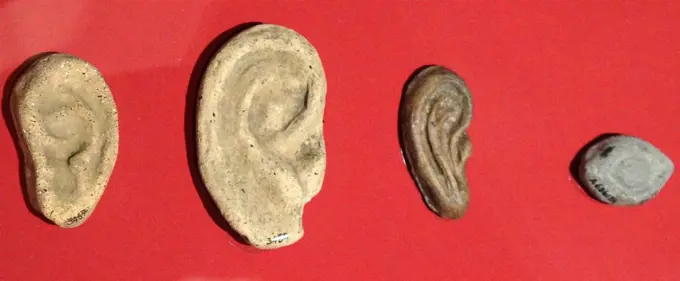
Historical items including ancient pottery, a ritual spoon, and an inscribed seal, showcasing the craftsmanship of past civilizations.

Excerpt of a grave with sculpture ,, 1497 Fragment of the midfield of the gravestone of Arent van Malsen. A bond with studs is depicted on the fragment (part of the helmet). The excerpt is part of seven fragments of an incomplete gravestone (BK-NM-8657-B-1 to BK-NM-8657-B-8). Berne .   Bern (Gelderland) Fragment of the midfield of the gravestone of Arent van Malsen. A bond with studs is depicted on the fragment (part of the helmet). The excerpt is part of seven fragments of an incomplete gravestone (BK-NM-8657-B-1 to BK-NM-8657-B-8). Berne .   Bern (Gelderland)
Excerpt of a grave with sculpture ,, 1497 Fragment of the midfield of the gravestone of Arent van Malsen. A bond with studs is depicted on the fragment (part of the helmet). The excerpt is part of seven fragments of an incomplete gravestone (BK-NM-8657-B-1 to BK-NM-8657-B-8). Berne . Bern (Gelderland) Fragment of the midfield of the gravestone of Arent van Malsen. A bond with studs is depicted on the fragment (part of the helmet). The excerpt is part of seven fragments of an incomplete gravestone (BK-NM-8657-B-1 to BK-NM-8657-B-8). Berne . Bern (Gelderland)
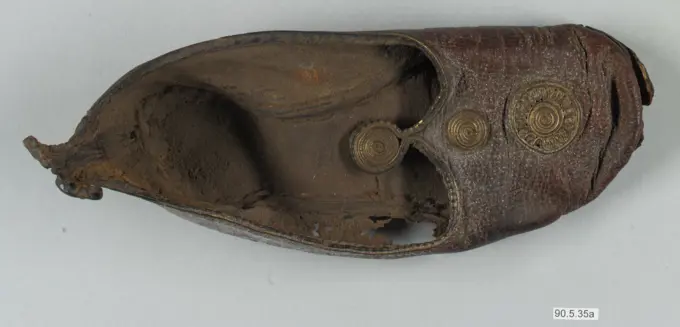
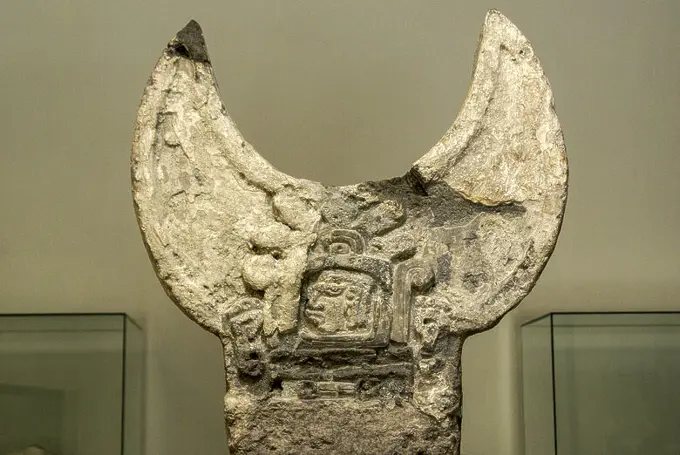
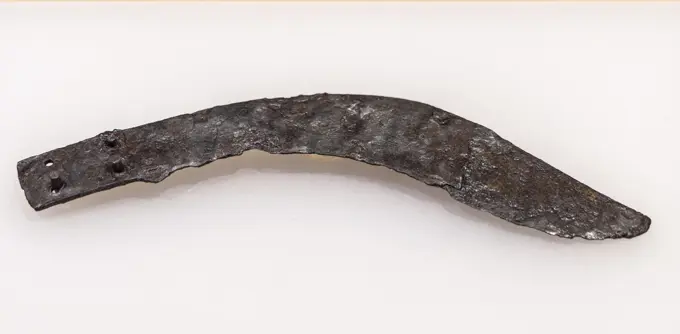
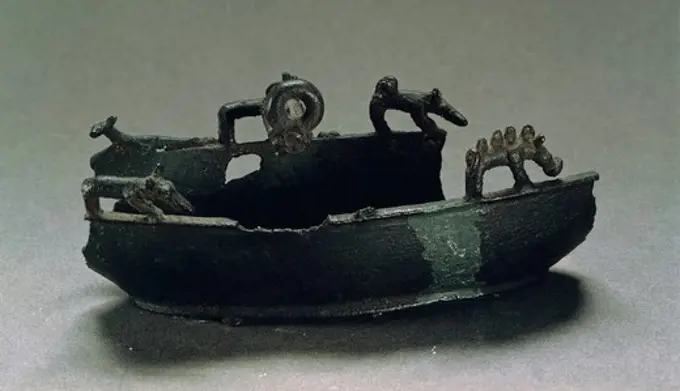
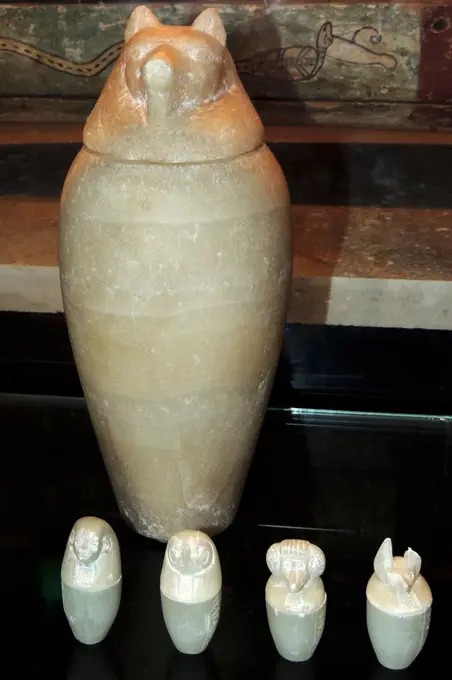
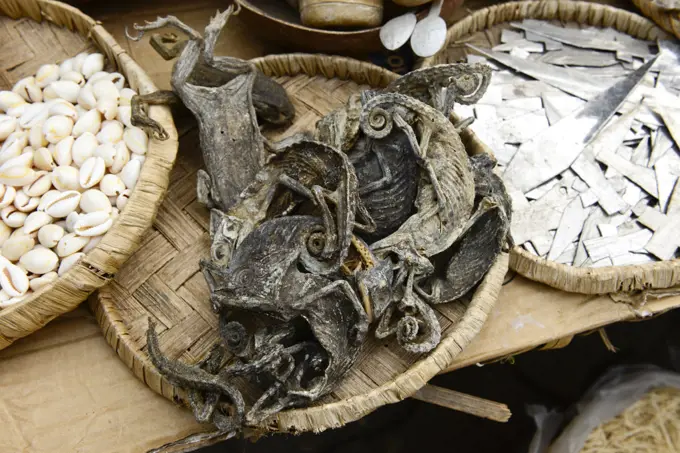
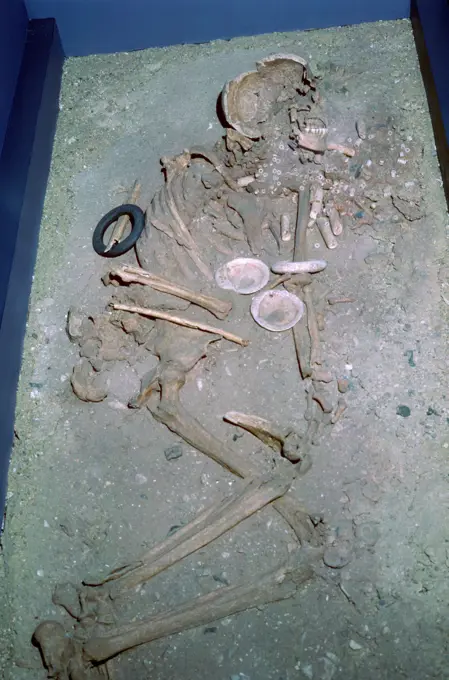
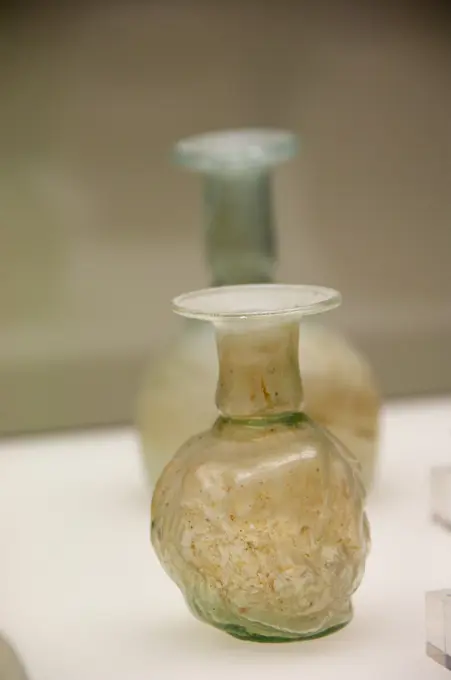
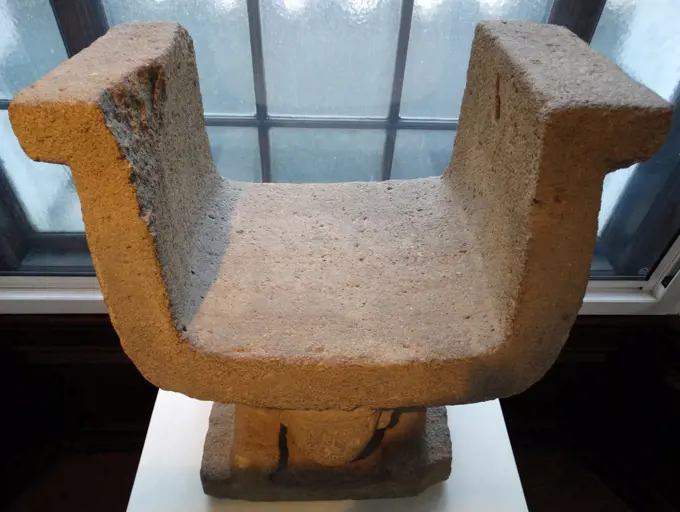
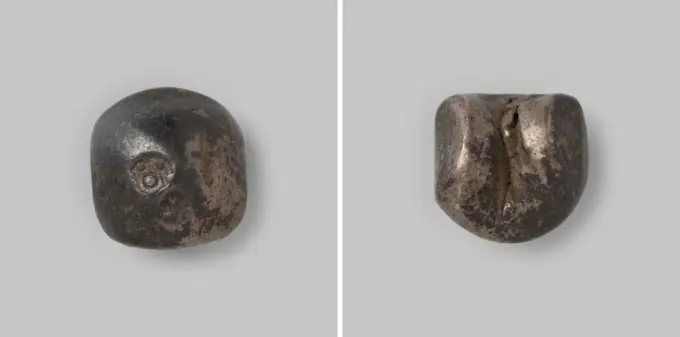
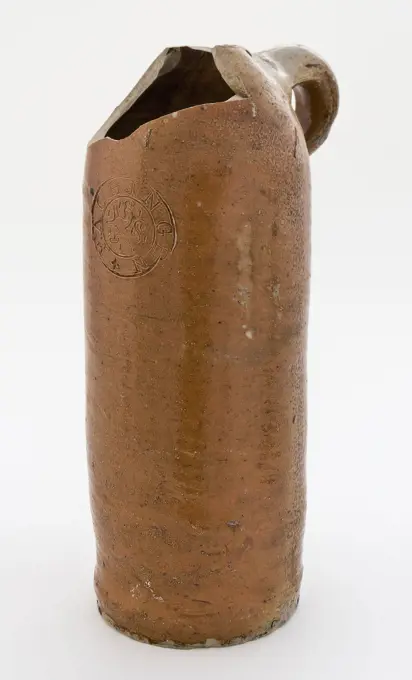
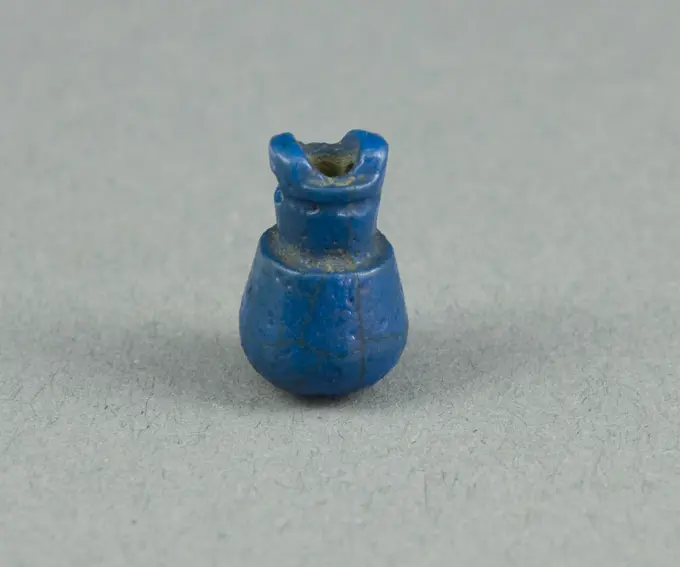
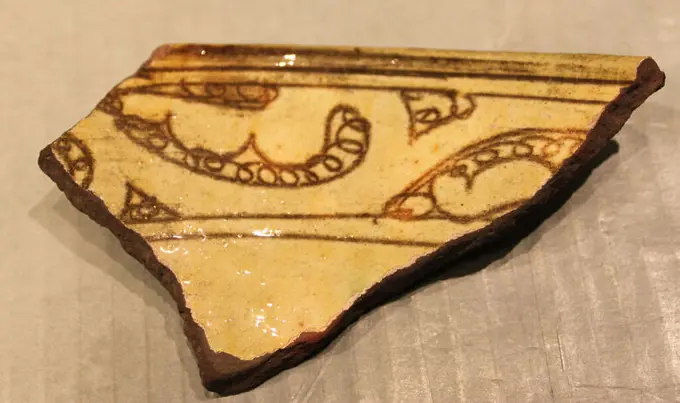
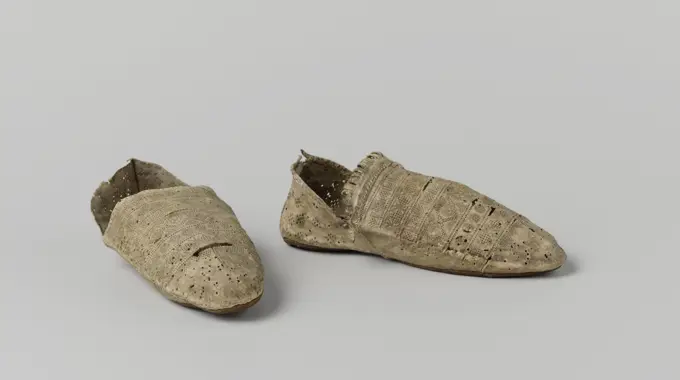
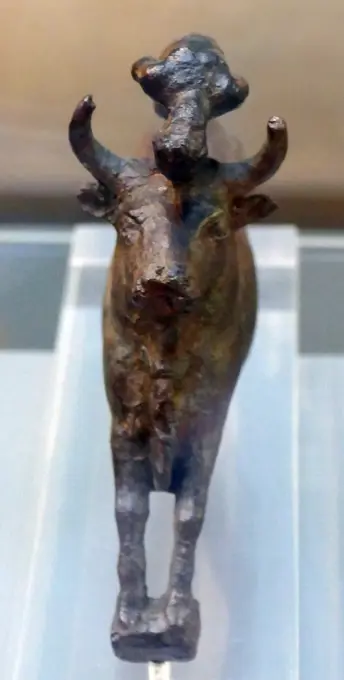
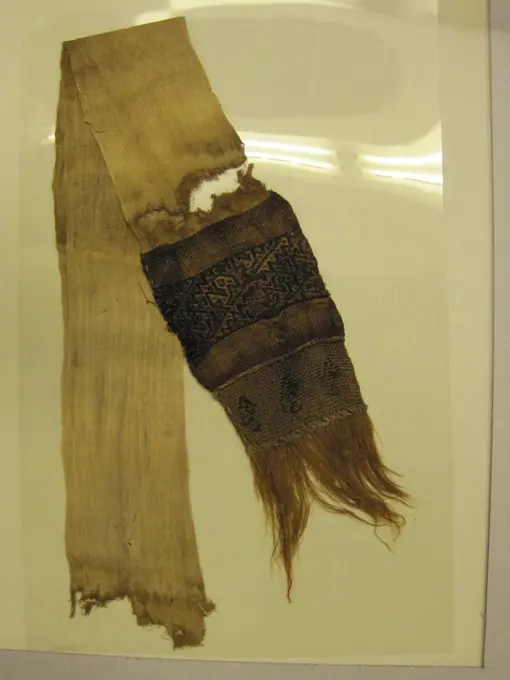
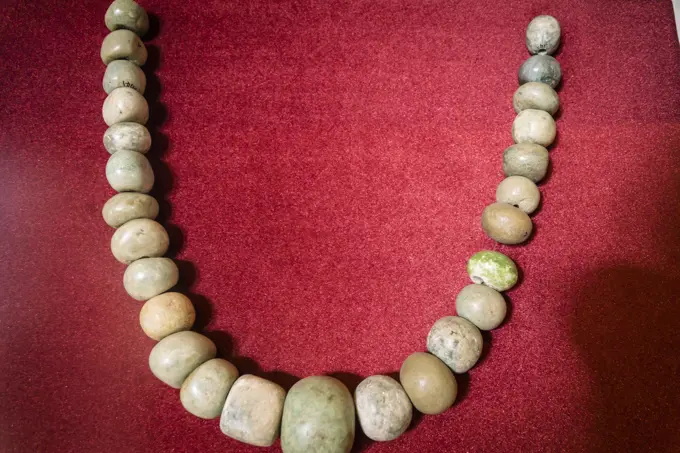
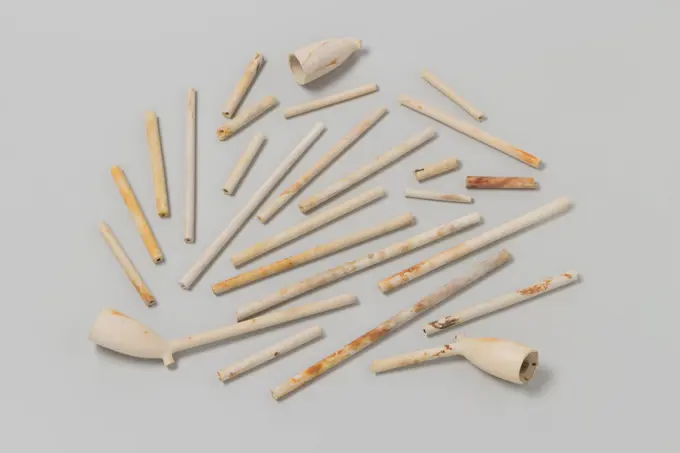
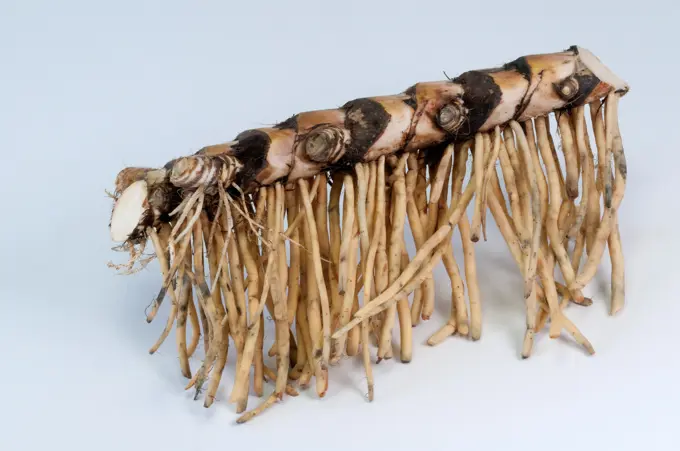
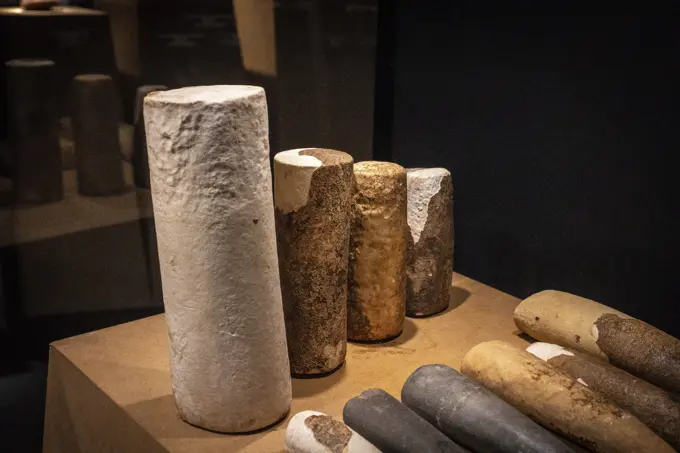
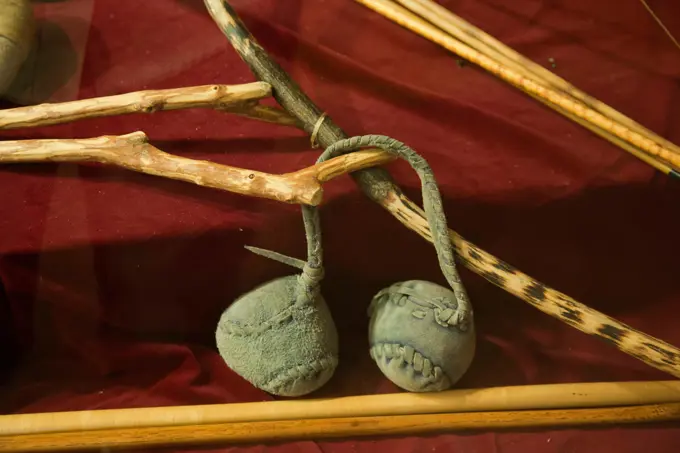
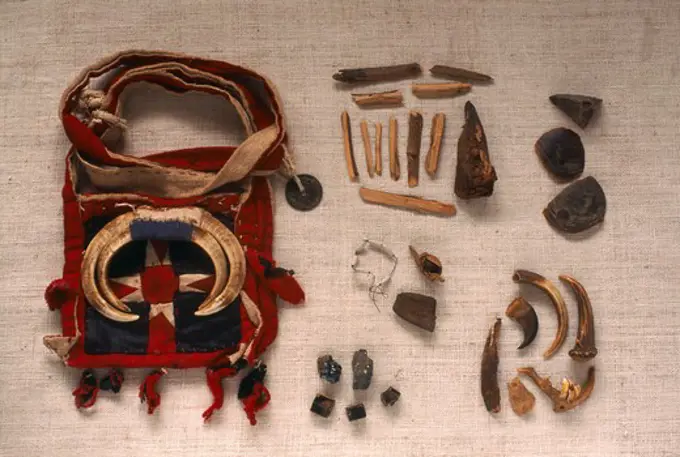
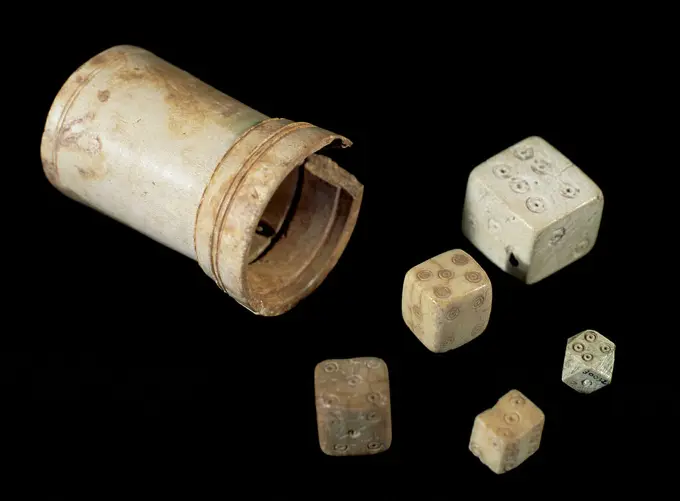
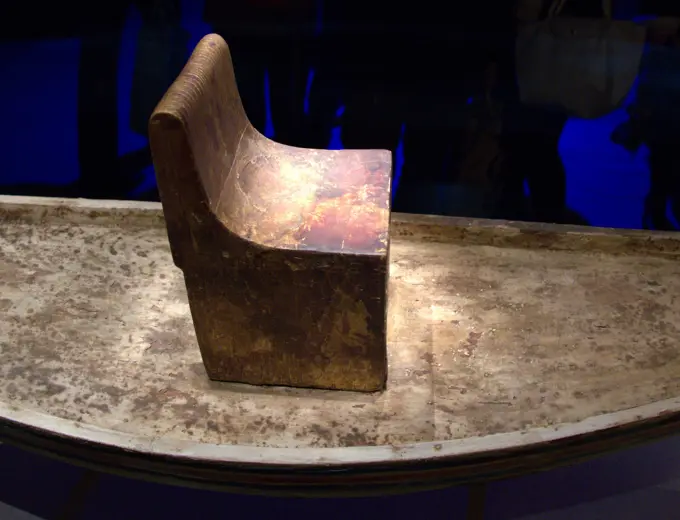
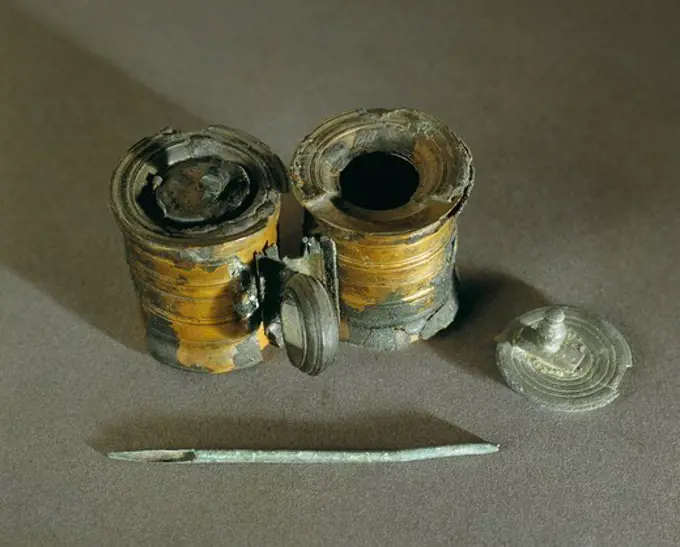
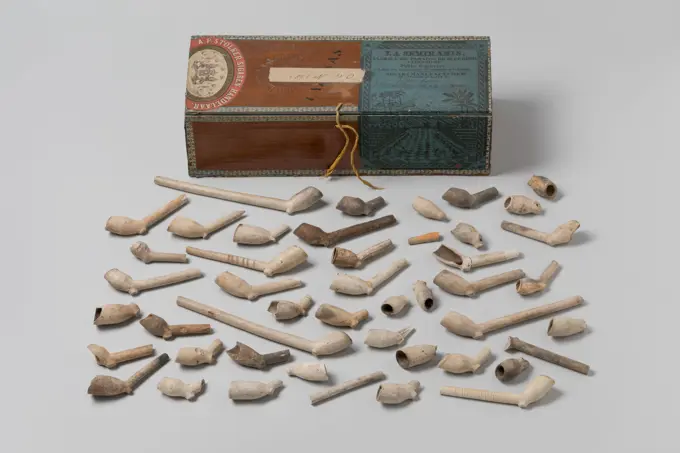
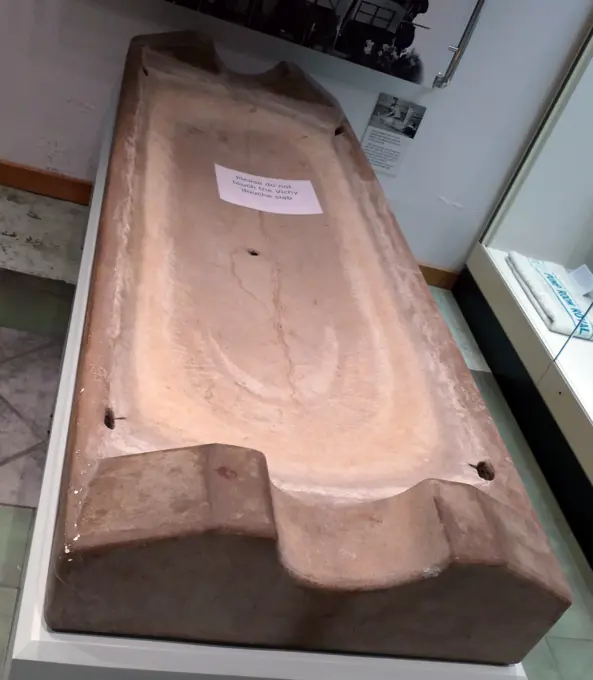
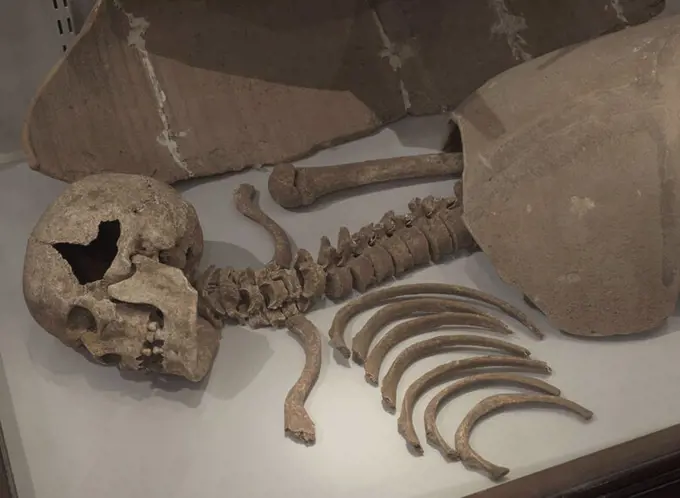
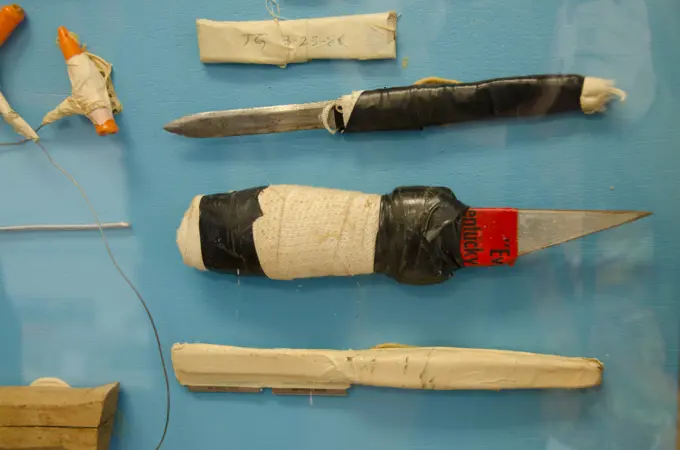
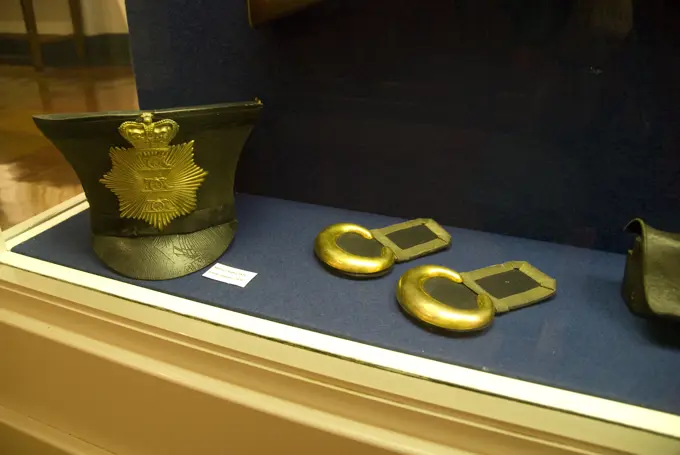
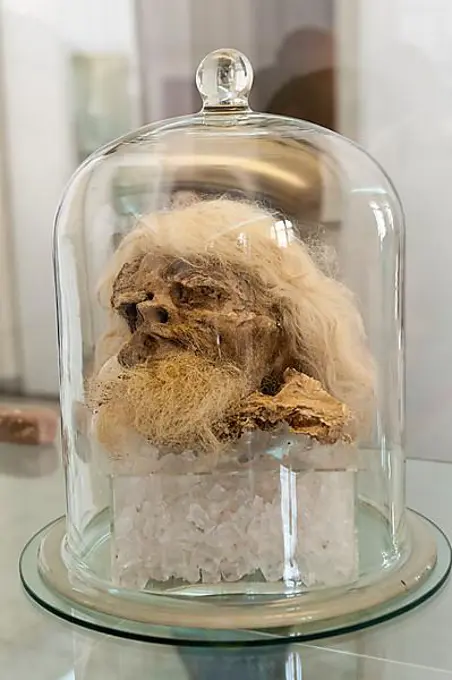
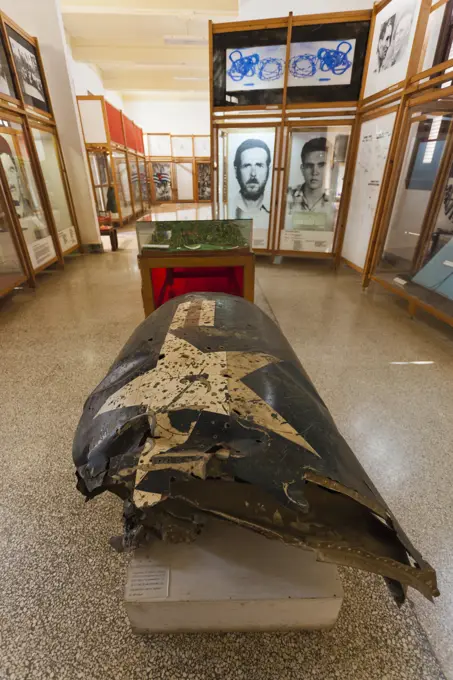
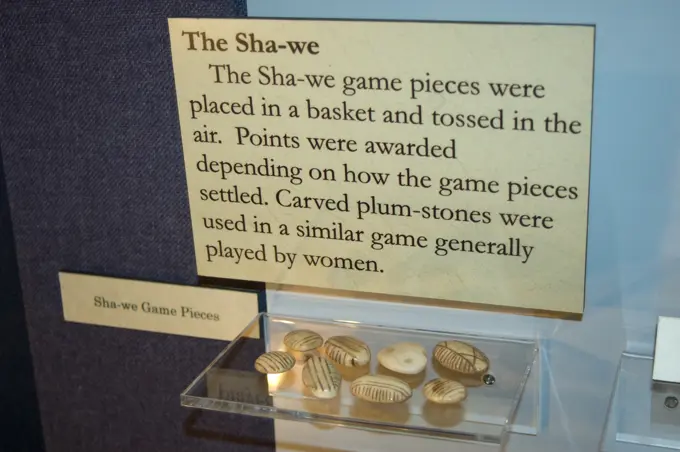
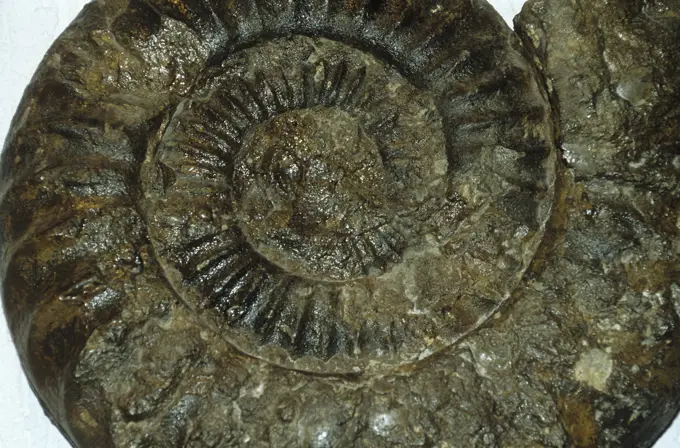
AmmoniteOvershoe -MiniatureKegIberian weapon. Helmet. 4th-2th century BC. National Archaeological Museum, Madrid. Spain.Cecil Smith, Double Rig Saddle, c 1938 Double Rig SaddleLeather Shoe with Gilded Medallions 2nd-9th century Many types of footwear existed in the Byzantine world. Boots were worn by soldiers and laborers, slippers by monks and clergy, and sandals by government officials; the poor would have gone barefoot... Leather Shoe with Gilded Medallions. 2nd-9th century. Leather; gilded. From Egypt, Akhmim (former Panopolis). LeatherPrehistory, Spain, Eneolithic. Cylindrical alabaster idol with face depicted, height cm. 17. From Estremadura.Part of a Zapotec ball game. Xochicalco Museum. State of Morelos.Mexico.Antique glass 1898, Middle EastFragment 8th-9th century. Fragment 448832Bronze powder chambers from early breech-loading guns. 16th century. Their rear locking lug removed to being set up in a vertical position. This indicates that later, these chambers were adapted to be used as mortars or signals guns. Armoury. Grandmaster Palace. Valletta, Malta.Walnüsse und Hammer auf weiss - Walnuts and hammer on white Walnüsse und Hammer auf weiss - Walnuts and hammer on white Copyright: xZoonar.com/lantapixx 12064341Dark brown insole, c. 1400 - c. 1950  Dark brown insole with an impression ribbon.  wool. felt (textile)   Zeeuwsche Uytkyck4th century iron knife 4th century iron knife, La Carada necropolis, Espeluy, Iberian culture, Iberian Museum of Jaén, Andalusia, Spain Copyright: xZoonar.com/BartomeuxBalaguerxRotgerx 21704845Monographic Museum of Pollentia, glass containers, Alcudia, Mallorca, Balearic Islands, Spain.Loden role from the wreck of the East Indiesman 't flying heart. To tubularly loden pictures. Black-gray in color. Roll or lead.Woodcarving knife -Nuragic civilization, 9th-6th century b.C. Bronze votive boat. From Sardinia Region.Canopic jars were used by the ancient Egyptians during the mummification process to store the and preserve the viscera of their owner for the afterlife. They were either carved from limestone or made from pottery.Dried chameleons for sale at Dantopka Great Market, Cotonou, Benin, West Africa. The chameleons are used for voodoo ceremonies.sandstone impost with kick cross, 7th century, Museum of the Councils and Visigoth Culture, Church of San Román,Toledo, Castilla-La Mancha, Spain.Purple Hairstreak (Neozephyrus quercus) butterfly egg on tree bud, Knegsel, Noord-Brabant, NetherlandsFragment. Dimensions: 3 1/8 x 4 15/16 in. (8 x 12.5 cm). Date: 9th-10th century. Museum: Metropolitan Museum of Art, New York, USA.Model of a farmer with oxen. Wood. 11th-12th Dynasties (2134-1783 BC).Lamp 13th-14th century. Lamp 450379Rubane Culture Neolithic Burial. Artist: UnknownGermany, Cologne (aka Koln). Roman Germanic Museum. Display of ancient Roman glass.Stone Chair, for the leader of the Manabi people; Ecuador Around 1000-1500 ADTical from Thailand van Maha Mongkut, 1851-1868 ,, 1851 - 1868 coin Silver, grain -shaped mint. Equipped with two stamps (KRA): rosette and flower .  silver (metal) castingPowder Horn 1759 Colonial American, Ticonderoga, New York This powder horn is decorated with a dragon, among other animals and birds.. Powder Horn 29566hidden idol hidden idol, Eras del Alcazar, Iberian culture, Archeological Museum. Úbeda, Jaén province, Andalusia, Spain Copyright: xZoonar.com/Tolox 21702728Nose Ornament Fragment 6th-7th century Moche (Loma Negra). Nose Ornament Fragment 313493Clappers, Dynasty 18, Hippopotamus tusks, Metropolitan Museum of Art, Manhattan, New York City, USA, North AmericaHedwig Beaker, in association with St Hedwig, from Egypt. Dated 13th CenturyTile. Green glazed tile from the church in Hoogkerk near Groningen.Gold side strip, 1700 - 1800 Gold side strip.  . Gold side strip.  .Stoneware mineral water bottle, cylindrical with round shoulder, sausage ear and short neck, mineral pitcher pitcher product packaging container soil find ceramic stoneware glaze salt glaze approx., hand-turned glazed baked Stoneware mineral pitchers cylindrical with round shoulder short neck and sausage ear. Stand area with traces of deduction and soul. Glazed. Marked under the ear and marked on the front with medallion Medallion in the medallion: FACHINGEN in the midfield left clawing lion archeology Rotterdam Kralingen-Crooswijk Struisenburg Oostmaaslaan Boslaan Buizengat advertising indigenous pottery import drinking water drinking medicine packaging Soil discovery: Buizengat Oostmaaslaan Boslaan Rotterdam an old landfill of urban waste.Fragments. Possibly Chancay; Peru, Possibly central coast. Date: 1000-1476. Dimensions: a: 41.9 × 25.4 cm (16 1/2 × 10 in.)b: 25.4 × 27.9 cm (10 × 11 in.)c: 35.6 × 23.5 cm (14 × 9 1/4 in.)d: 29.2 × 35.6 cm (11 1/2 × 14 in.). Origin: Peru. Museum: The Chicago Art Institute, Chicago, USA.Amulet of a Situla (Jar) 1069 BCE-656 BCE Egypt. Faience . Ancient EgyptianFragment. Dimensions: H. 4 1/2 in. (11.4 cm)W. 2 3/4 in. (7 cm). Date: 14th-15th century. Museum: Metropolitan Museum of Art, New York, USA.Flat shoe from goats () Leather with decorated cover sheet in which rosettes, windows and waffle patterns are danced, c. 1550 - c. 1574 Flat entry shoe. Model: consisting of three parts: the cover sheet, the heel and a single sole. The cover sheet and the heel are made of goats () Leather that is tanned with alum white. The sole has been tanned with ocher 'on its sea -on'. The sole is sewn on the upper leather with coarse stitches and thick rope. Decoration: The long cover is divided into six horizontal tires, in which varied rosettes, windows and waffle patterns are danced. The nose is unadorned and only provided with one narrow, incised vertical edge. The cover leaves end up on the instep with a set, cut double strip of leather, which forms a kind of loops. Missing one of the two shoes. The heel, which consists of two quarters, is decorated with a incised spreading motif. Northern Netherlands Prefled and Very: Goatskin. Zool: Goatskin die cutting / snipping Flat entry shoe. Model: coPair of bronze foot-guards. Armour. Greek or Italian, about 520-480 BC. From Ruvo. Italy. British Museum. London. United Kingdom.A sample of turquoise undulating crust. Dated 21st CenturyBronze statuette of a bull and an acrobat. Minoan, Greek; Minoan, 1550-1450 BCFish Bowl, 960-1279. China, Song dynasty (960-1279) or later. Jade; overall: 5.8 x 18.2 cm (2 5/16 x 7 3/16 in.).Articles BeautyLoincloth, Tie, Fragment Chimú. Loincloth, Tie, Fragment, 1000-1700. Cotton, camelid fiber, opened: 27 15/16 x 7 1/16 in. (71.0 x 18.0 cm).   Arts of the Americas 1000-1700Still life with red leaves. Ślewiński, Władysław (1856-1918), painterHistory of Latvia. Middle Ages. Spearheads and arrowheads, 13th century. Found at Lake Vilkmuiza (Talsi, Talsu region, Latvia). From Latvian National Costume Museum. Latvian War Museum. Riga. Latvia.Damaged skulls of known victims of the 1994 Rwandan Genocide  remain interred inside of of the Kigali Genocide Memorial as a testament to those lost in the brutality, Kigali, Rwanda.Fragments of blowjobs and pipe stones from the wreck of the East India Flying Heart. One golden earthen pipe with heel brand crowned ws whose handle has broken off. Two cups of which one else with a piece of stem. Twenty-five untirded stems of pipes of different sizes and thickness. Fragments of Bowls and votescollar de cuentas de jade, museo de la plaza central, Chichicastenango , Municipio del departamento de El Quiché, Guatemala, Central America.Peeble on gray backdrop A nice peeble with a harsh sun shadow on a gray backdrop Copyright: xZoonar.com/AlainxdexMaximyx 187742265th Dynasty. Burial assemblage of a intacte tomb from Gebelein. Artefacts displayed in thier original position. Chamber B. (C. 2435-2306 BC). Egyptian Museum of Turin. Italy.Scalpel. Roman Civilization.Toe stall ca. 1479-1425 B.C. New Kingdom. Toe stall. ca. 1479-1425 B.C.. Gold. New Kingdom. From Egypt, Upper Egypt, Thebes, Wadi Gabbanat el-Qurud, Wadi D, Tomb of the Three Foreign Wives of Thutmose III. Dynasty 18Fragments of pipes and pipes from the wreck of the East Indians' t Vliegend Hart, WS, 1700 - 1735 pipe One Gouda earthen pipe with heel brand crowned WS whose stem has been demolished. Two heads of which one still with another piece of stem. Twenty -three unadorned stems of pipes of different sizes and thickness. Fragments of Bowls and Stems Gouda pipe clayCalamus, Flag Root, Sweet Myrtle (Acorus calamus). Part of a rhizome with absorbing roots. Studio picture against a white backgroundcylindrical idols cylindrical idols, limestone, 3000-2500 BC, Correio-Mor cave, Loures, Portugal, Huelva Museum, Huelva, Andalusia, Spain Copyright: xZoonar.com/TOLOxBALAGUERx 21720748Terracotta votive offerings. From an Etruscan or Etrusco-Campanian selection once featured in Henry Welcome's museum. 4th-2nd Century BC.The double ball game, popular by Iroquois, was played by women. The game resembled lacrosse. The double ball was composed of two small oblong deerskin bags joined together by an eight-inch deerskin thong.Sandal for a Child 4th-7th century Coptic. Sandal for a Child 478747Thailand, General, 'Yao Shamans Bag Decorated With Wild Boar Tusks And Contents Of Wood, Shells, Antlers And Opium Etc.'Roman Art. Board game. Cube and bone dice. National Museum of Roman Art. Merida. Spain.Mummified head of Nakht a young weaver from 12th century BC Egypt at ROM TorontoPainted wooden model Solar Boat with throne; from the tomb of King Tutankhamen 1336 - 1326 B.C.Buttons (USA); boneFrance, Vertillum, Bronze pen and ink-stand'Emperor Penguins' Eggs from Cape Crozier', 1911, (1913). Artist: Herbert Ponting.Fragments of Tobacco Pipes, Anonymous, 1500 - 1750 Forty -six fragments of tobacco pipes, stored in a cigar box.  pipe clay. kist: wood (plant material) Forty -six fragments of tobacco pipes, stored in a cigar box.  pipe clay. kist: wood (plant material)A Vichy Douche concrete massage slab, which would have been used as part of the physiotherapy treatments at the Royal Pump Rooms in Leamington Spa. Dated 21st CenturyMoney- necklace with shell money USA.Glass Fragments 4th-early 5th century Coptic. Glass Fragments 477311Remains of a man buried beneath the two halves of a vertically-split amphora. The burial would have taken place in the Late Roman period (3rd to 5th centuries AD). Found at Santa Marija Bay in Comino island, Malta. Gozo Museum of Archaeology. Cittadella of Victoria. Gozo, Malta.Burial Shroud, Fragment or Stick with Coarse Fiber on it, Fragment Chancay. , 1000-1532. Camelid fiber, rolled: 3 x 2 x 8 in. (7.6 x 5.1 x 20.3 cm).   Arts of the Americas 1000-1532USA, Kentucky, Eddyville. Lake Barkley view of historic Kentucky State Penitentiary (aka Castle on the Cumberland) circa 1800's. Homemade weapons confiscated from inmates.ENTERRAMIENTO DEL BRONCE-PROC DE CHINCHILLA. Location: MUSEO ARQUEOLOGICO-COLECCION. Sevilla. Seville. SPAIN.Canada, New Brunswick, Aulac. Fort Cumberland (aka Fort Beausejour), National Historic Site. Museum memorabilia from everyday life at the fort. (Editorial Usage Only)Mummy, mummified head of a man under glass bell, man from the salt mines of Zanjan, National Museum of Iran, Tehran, Iran, AsiaCuba, Sancti Spiritus Province, Trinidad, Museo Nacional de la Lucha Contra Bandidos, national museum of the fight against bandits, wreckage of shot down US aircraftSha-we game pieces made of carved plum stones were placed in a basket and tossed in the air. Points were awarded depending on how the game pieces settled.