Antique Artifacts

A collection of antique items including a silver feather, decorative comb, lute, textile fragment, and a silk stocking purse, showcasing historical craftsmanship.
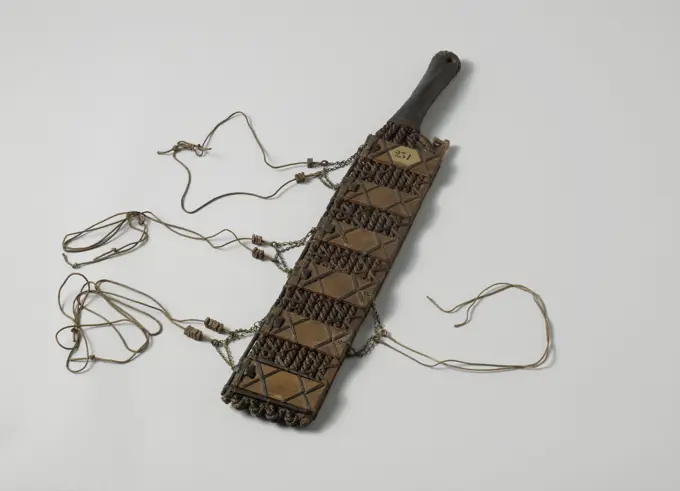
Model of a Jury Rudder, anonymous, 1853 demonstration model Model of an emergency rudder made of rigid bunches bound between boards. The bunches that protrude above the leaf are tied together in a leather stocking. The back of the rudder leaf is reinforced with a long beam, the front with three shorter. The stirring have been replaced by chains in three places, from where lines on both sides probably run to the deck. The steering was probably mounted on the heel by means of the hoist. The leaf is also equipped with care buildings. model maker: Netherlands (possibly)after design by: unknown wood (plant material). brass (alloy). rope. leather
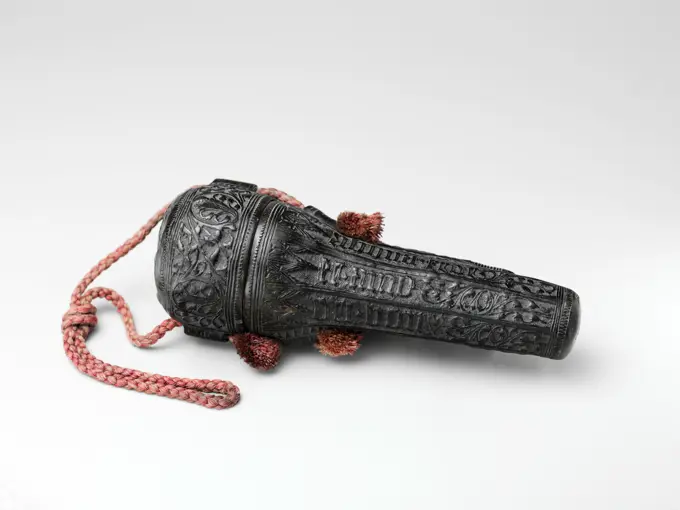
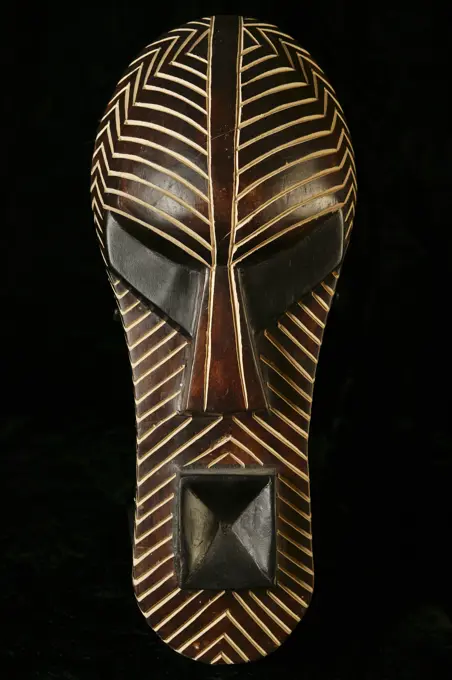
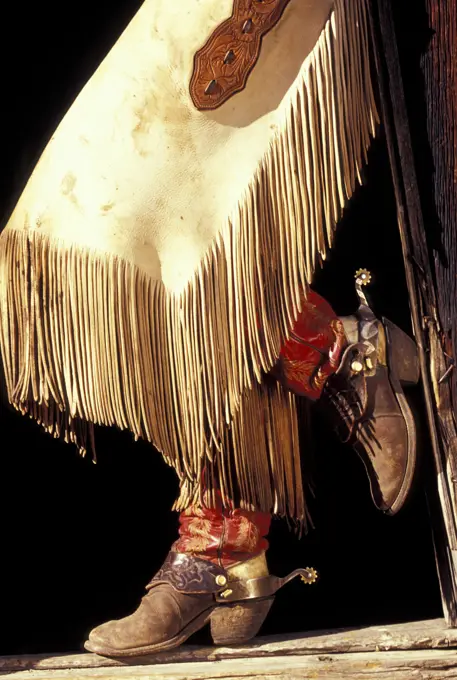
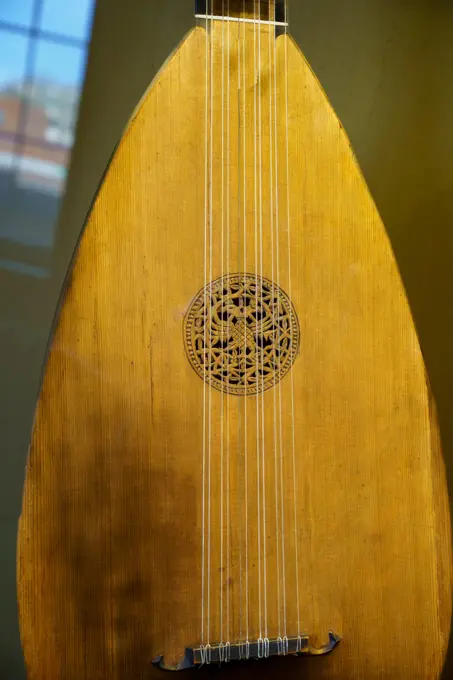
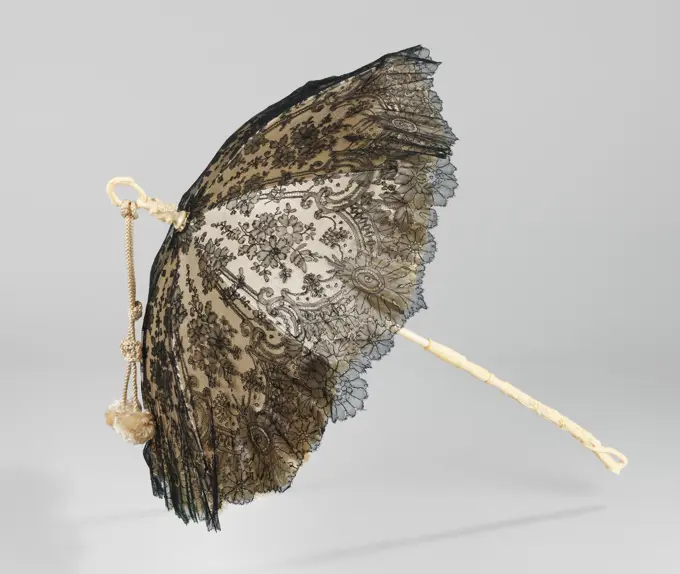
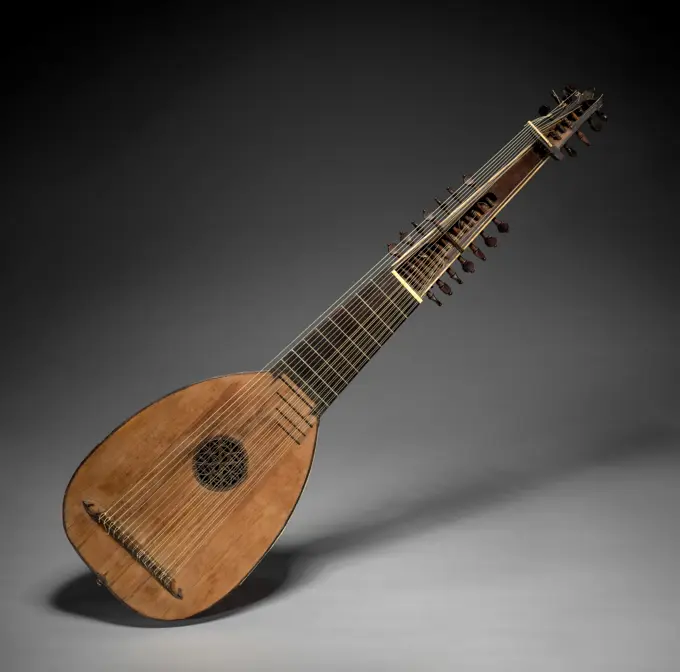
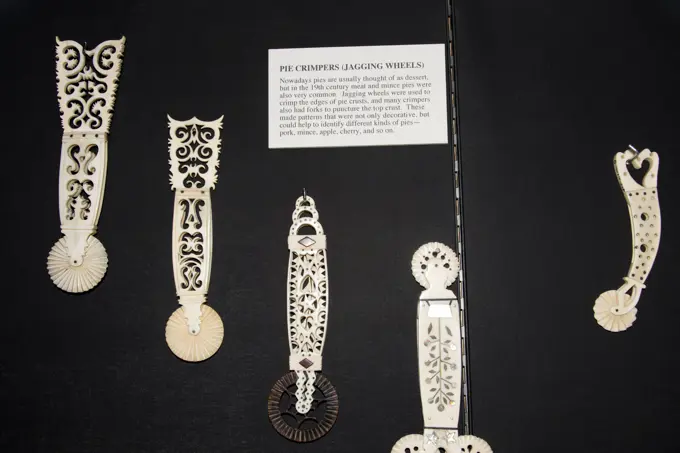
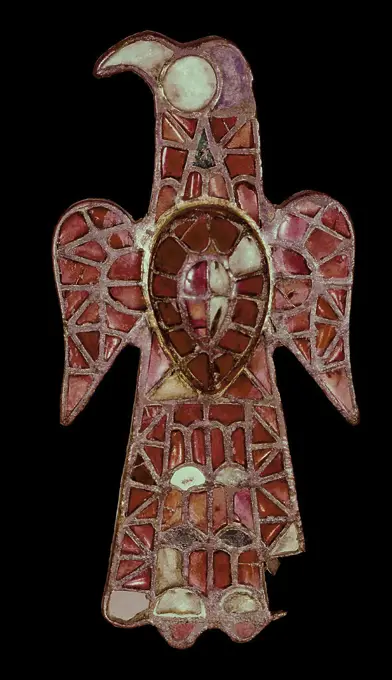
Pair of side chairs 1795-1800 American The design for this oval-back chair was based on an engraving in George Hepplewhites "Cabinet-Maker and Upholsterers Guide" (1788). Other chairs thought to be from this set of twenty-four also have an oval back but are painted white instead of blackish brown.. Pair of side chairs 1729Pocket watch on the top of a rock on a white backgroundParasol. Culture: French. Date: 1860s. Museum: Metropolitan Museum of Art, New York, USA.Case (China); silk, metallic threads, glass beadsAgujas para hacer punto de madera. Museu Català de les Arts i Tradicions Populars.Earring 19th century Tibet. Earring 62487Lute of the end of 19th century decorated in ivory. Museum of Greek Folk Instruments. Athens, Greece.Case (étui) with an amorous inscription 1450-1500 Italian Etui in medieval inventories and expense accounts was a general term for storage or travel containers of various materials and sizes. One such inventory of the early fourteenth century itemizes a small étui de cuir bouilli, was purchased to hold a painting by Jehan dOrléans, painter to King Charles VI of France. The term cuir bouilli, literally, "boiled leather," is used to describe a particular type of leather decoration. Soaked in a lukewarm solution of resin or wax to make it soft and flexible, the leather was molded into the desired shape. Decorative patterns were then tooled or impressed on the surface and often highlighted in color, gilding, or punching.References are also made to small étui of cuir bouilli which were designed specifically to be attached to ones costume. Used to carry quill pens, ink wells, books, cutlery, and other personal possessions, these objects are frequently depicted in fifteenth-century paintingMandolin. Culture: American. Dimensions: 26 1/4 × 11 × 3 1/4 in. (66.7 × 27.9 × 8.3 cm). Maker: Orville Gibson (American, 1856-1918). Date: 1898.Orville Gibson is one of the most important makers and innovators of fretted stringed instruments. He is credited with the invention of the archtop guitar and mandolin, which both take construction elements from the violin. This mandolin is a rare surviving instrument by Orville Gibson and features a design consistent with his 1898 patent mandolin drawings. This includes a carved top and back with a floating bridge and tailpiece. The mandolin's sides, neck, and headstock are made from a single piece of walnut that is carved into the final form. The back is also a carved piece of walnut that is convex. The top (soundboard) is made of spruce and also carved into a convex shape and has a large oval soundhole. Another element of the Gibson patent, and present on this instrument, is that the neck is hollow and meant to extend the resonant sound chTribal MaskDrum, anonymous, before c. 1828 musical instrument. percussion instrument. drum Trom of the militia. The brass boiler is equipped with a veal sheet on both sides, held by a hoop and tense by means of a tension with tractors and screws. Both hoops are decorated with a motif of triangles in the colors red, white and blue. With engraved numbers: 1828-3389-158. Netherlands Kettle: Brass (Alloy). Hoop: Wood (Plant Material). Team resort: RopeNA, USA, Oregon, Seneca, Ponderosa Ranch, Cowgirl and her red boots PR (MR)Banjo. Dimensions: Height: 36 in. (91.5 cm)Diameter (Of head): 11 7/16 in. (29 cm)Length (Longest string): 30 1/8 in. (76.5 cm)Length (Shortest string): 22 5/8 in. (57.5 cm). Maker: Hercules McCord (American, St. Louis 1855-1890 St. Louis). Date: ca. 1884. Museum: Metropolitan Museum of Art, New York, USA.Kanchli (or bra), c. 1925, 10 1/2 x 28 3/4 in. (26.67 x 73.03 cm), Cotton, silk, metallic threads; embroidery and appliqué bands, India, 20th centuryVIOLIN 1687. Author: GALI D. Location: BIBLIOTECA ESTENSE. Modena. ITALIA.Pair of Stirrups. Mexican; Master Morales. Date: 1738. Dimensions: H. 14 in. Iron. Origin: Mexico. Museum: The Chicago Art Institute, Chicago, USA.Mandora Mandora, a sound type developed in Germany from the 18th century. The body consists of patterned maple with six choirs.Star aniseParasol 1860-69 French This would have been a very expensive parasol. It is unique in the quality of its materials and the quality of the handle. The runner and joint cover are both of ivory which is very rare, and the level of detail on the carving is exemplary, including the grains of the wood at the oval flat end of the stick. As parasols are delicate and fragile, those that remain intact with all parts are particularly special.. Parasol 158219Lute or Tiorbino, c. 1620. Italy, probably made in the mid-17th century, but modified by later repair. Wood; overall: 100.7 x 27.7 cm (39 5/8 x 10 7/8 in.). The lute was the most important musical instrument in secular settings throughout the 16th and 17th centuries. Not only a virtuoso instrument with a huge repertoire, the lute provided the ideal accompaniment for the voice, played an essential role in ensembles, figured in masques and operas, and was played by amateurs as well as professionals. A highly specialized instrument, this tiorbino is a type of long-necked lute resembling a theorbo, but significantly smaller and pitched an octave higher. An object of great rarity, it is one of the smallest Baroque tiorbinos to survive.Narcissus 1801-1900 China. Fan (round); openwork gauze, lacquered wood handle .Durro, collar para ganado, 1940. Museu Català de les Arts i Tradicions Populars.USA, Massachusetts, New Bedford, Whaling Museum. Hand carved 19th century whale ivory pie crimpers (aka jagging wheels). (Large format sizes available)Dream-catcher on the backgroundEagle-shaped fibula coming from Alovera. Visigoths era. Enamel. Madrid, National Museum of Archeology. Location: MUSEO ARQUEOLOGICO NACIONAL-COLECCION. MADRID. SPAIN.Commemorative badge of federal individual shooting competitions with long weapons Huguenin Frères & CoThe South Australia Museum hosts both permanent and changing exhibits such as this oneOstrakon of Cimon, an Athenian statesman, Fragment of Greek Pottery, c5th century BC.  Artist: Unknown.