Antique Bowls and Ceramics

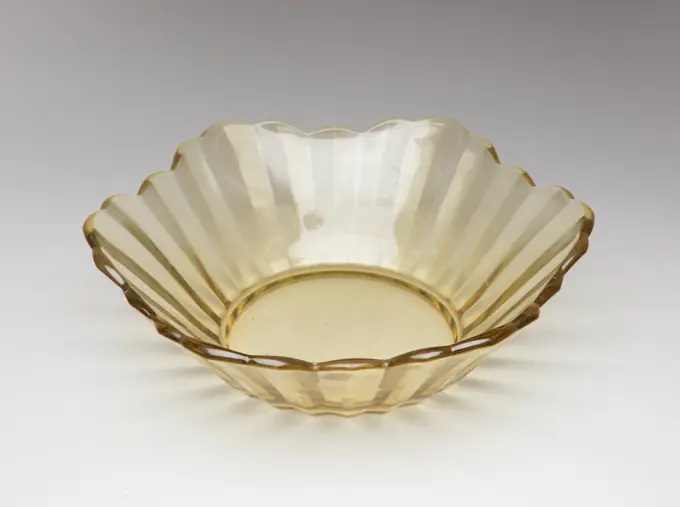
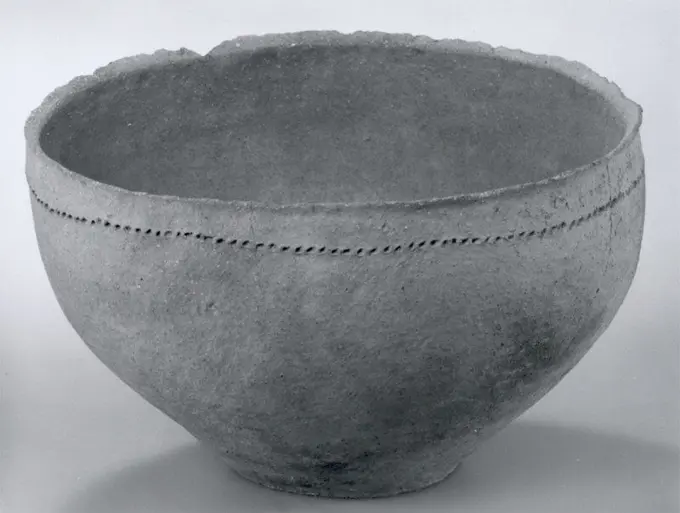
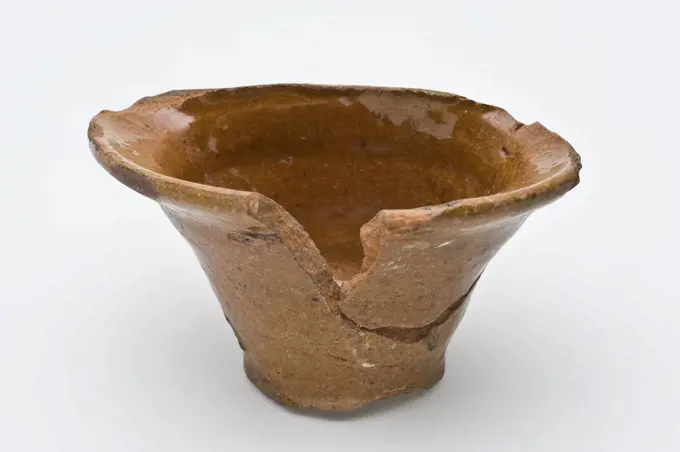
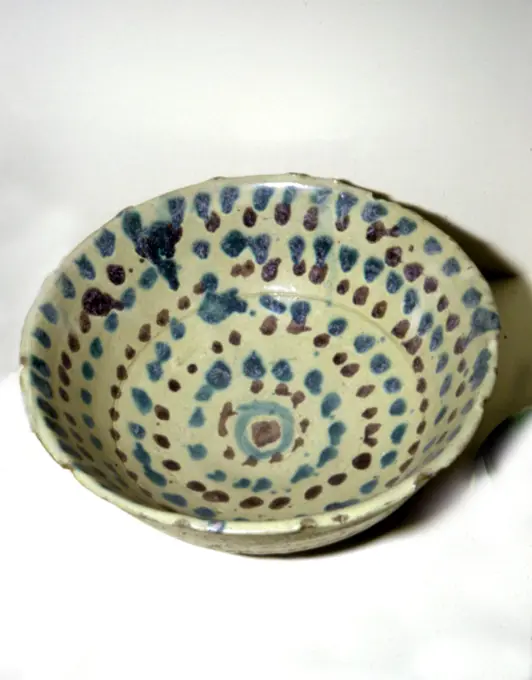
Elegant antique bowls made of stoneware and porcelain with intricate glazes and designs, conveying a sense of history and craftsmanship.
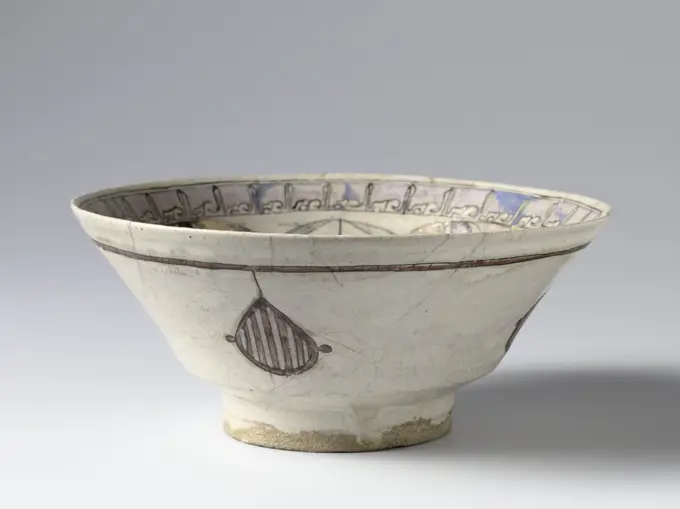
Bowl with horsemen in medallions, anonymous, c. 1175 - c. 1224 Come from quail fritry with a polychrome decoration. On the bottom a rider in a medallion. The inner wall with four oval cartouches with horsemen, connected by a drop -shaped medallion. is the earthenware. glaze. gold (metal) painting / vitrification Come from quail fritry with a polychrome decoration. On the bottom a rider in a medallion. The inner wall with four oval cartouches with horsemen, connected by a drop -shaped medallion. is the earthenware. glaze. gold (metal) painting / vitrification
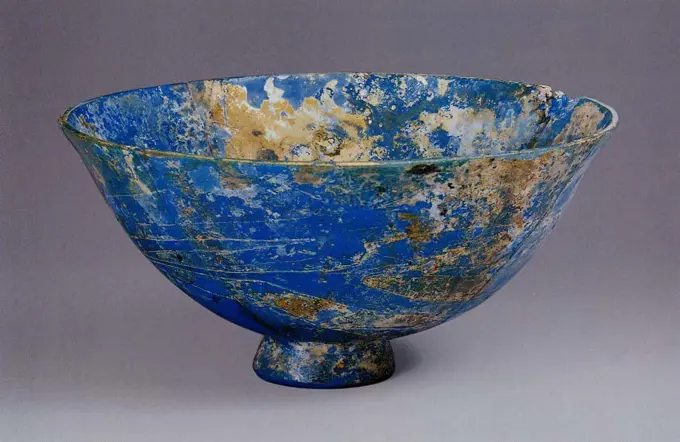
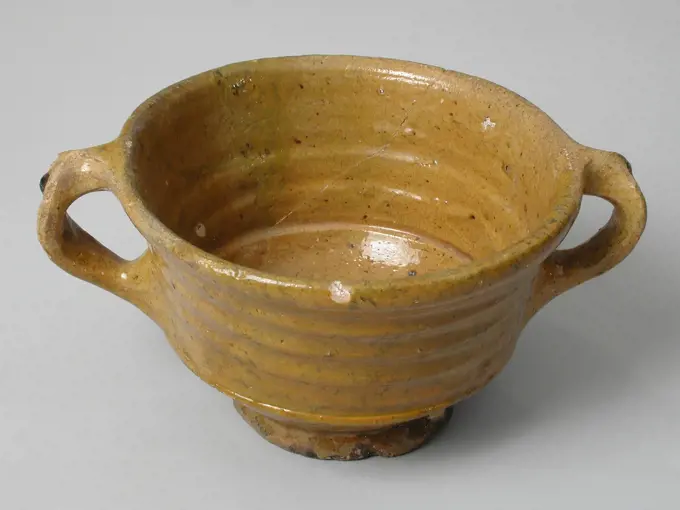
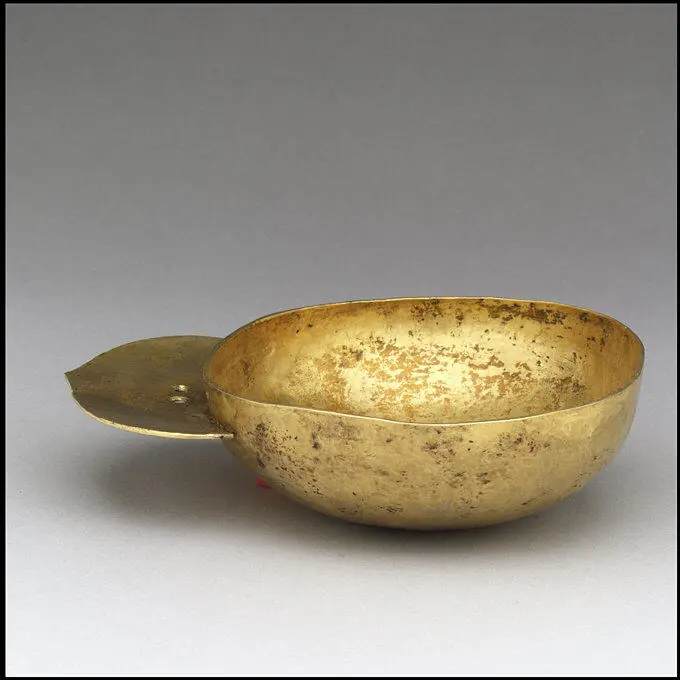
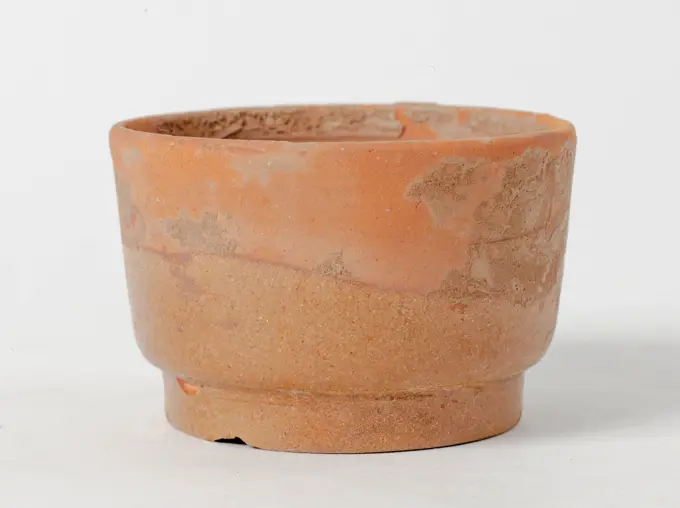
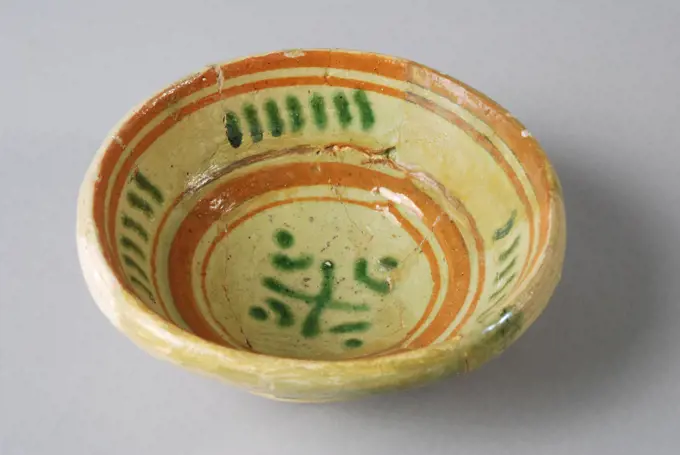
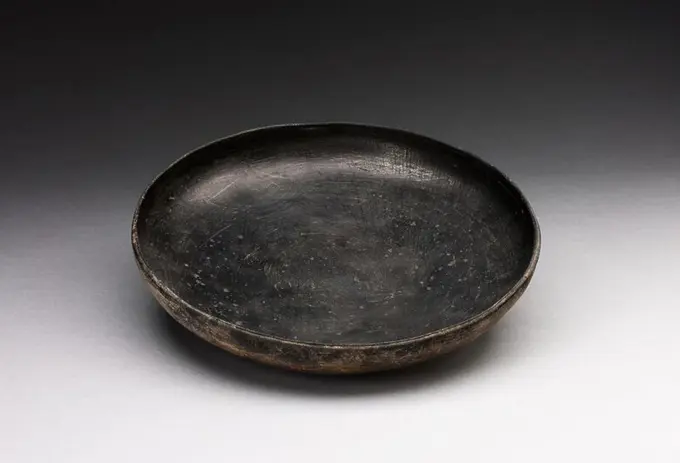
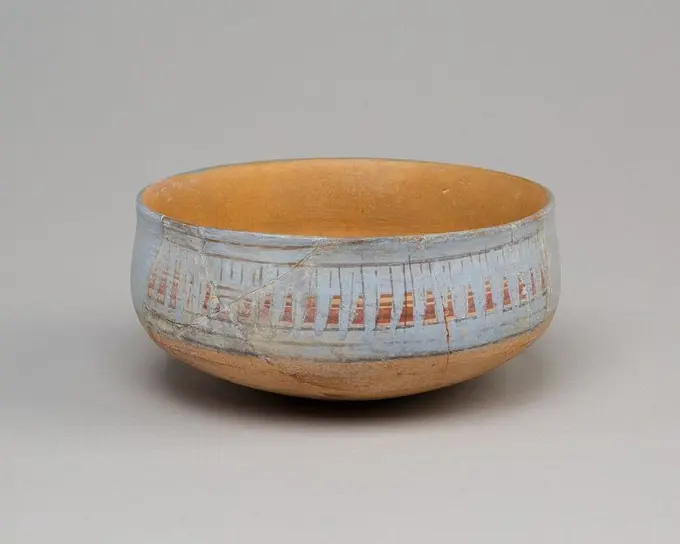
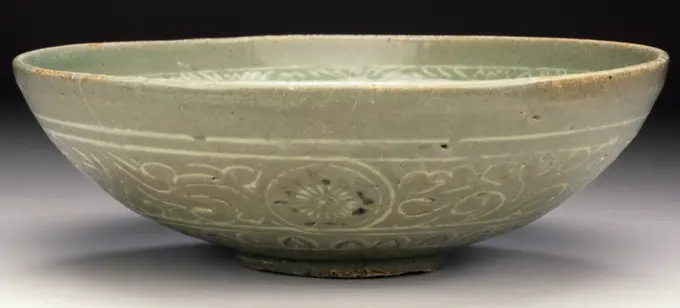
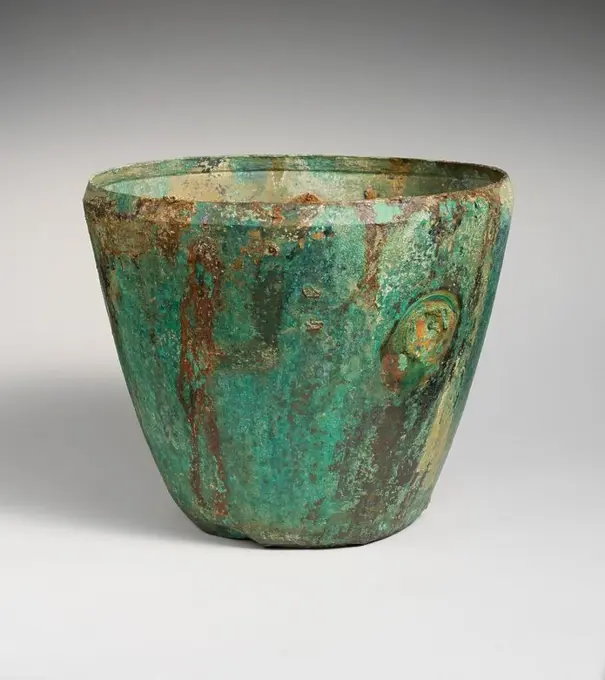
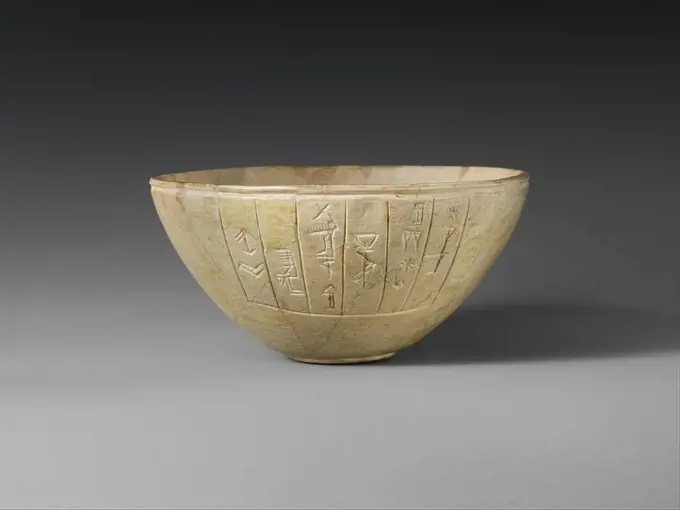
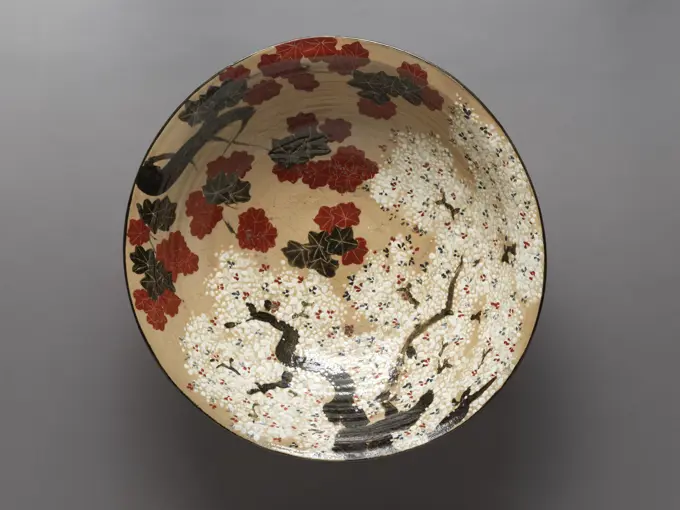
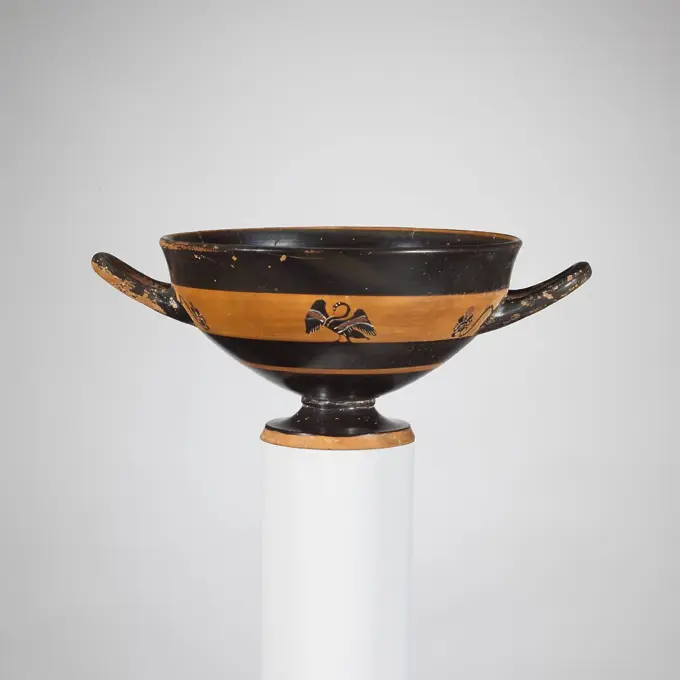
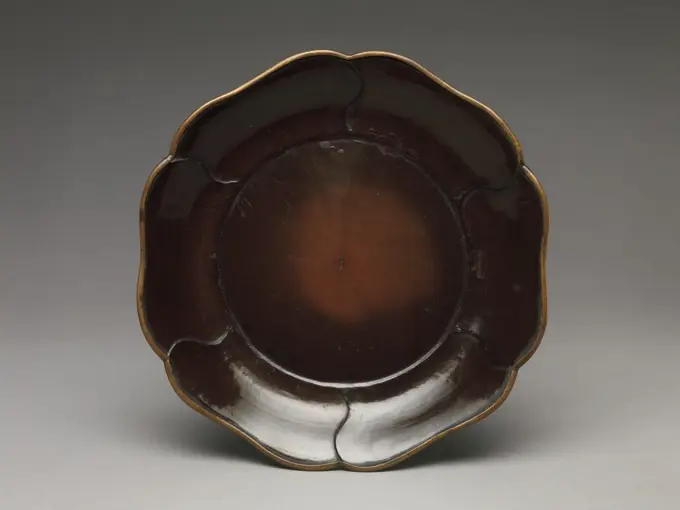
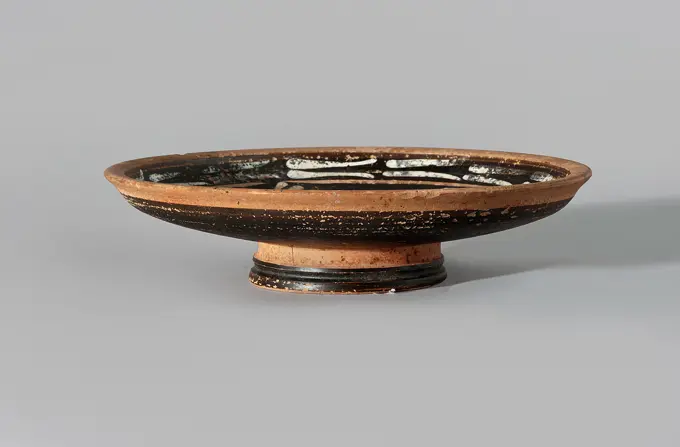
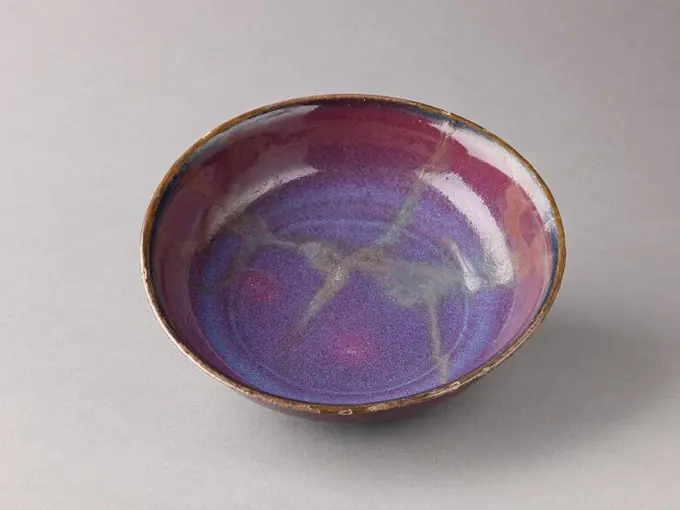
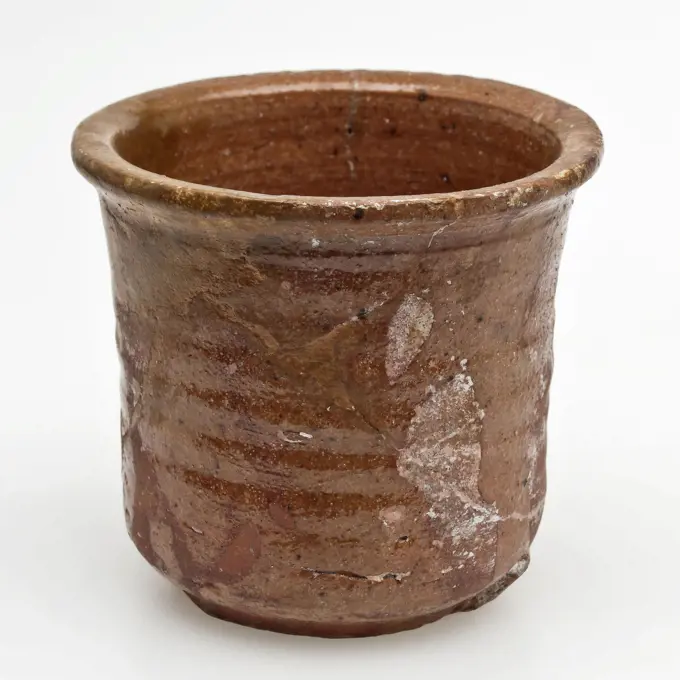
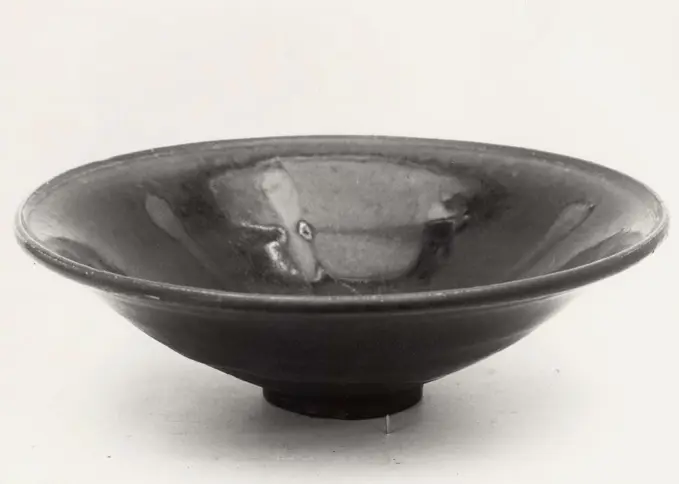
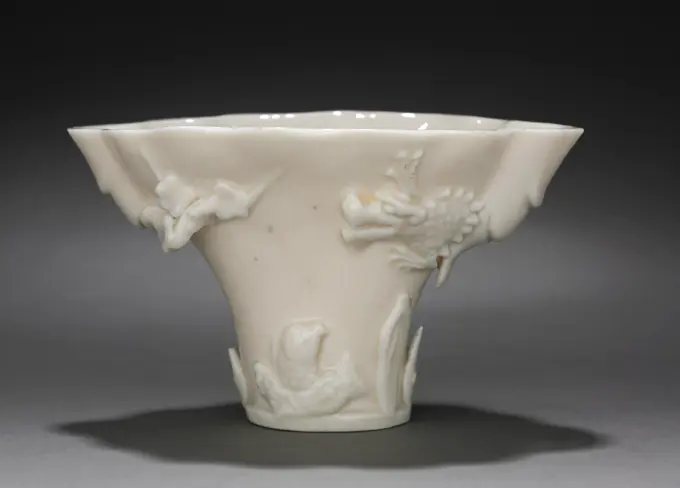
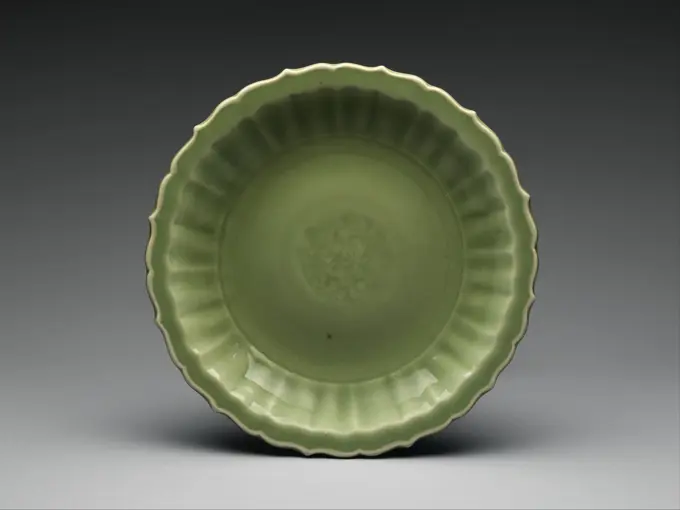
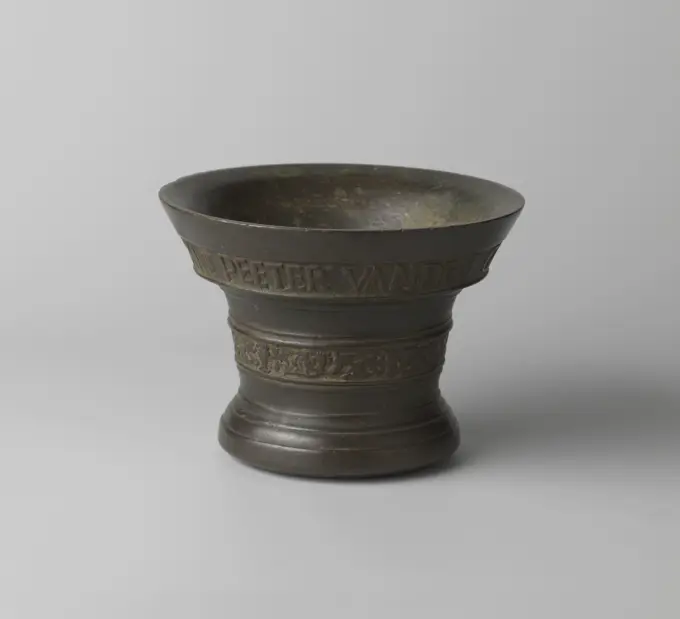
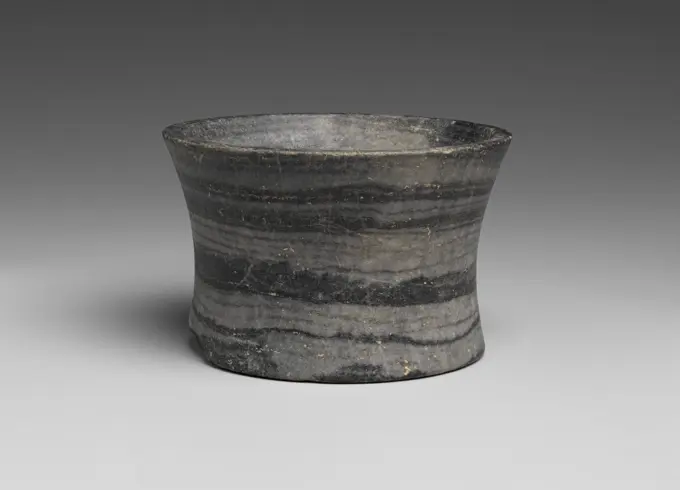
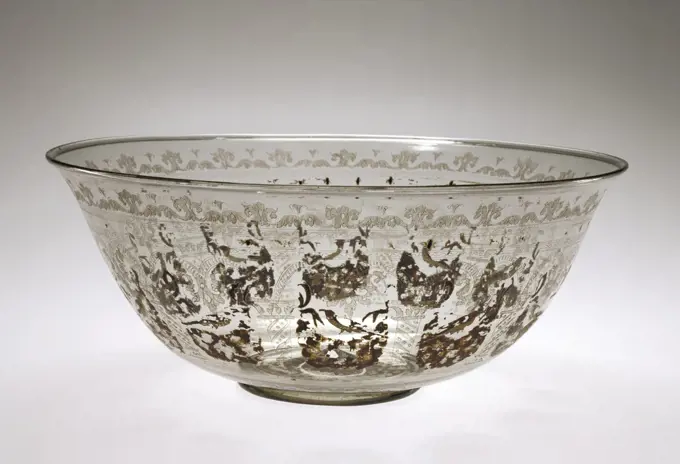
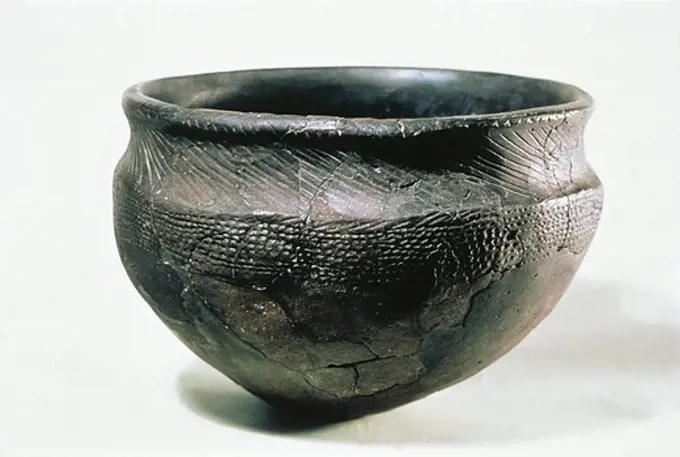
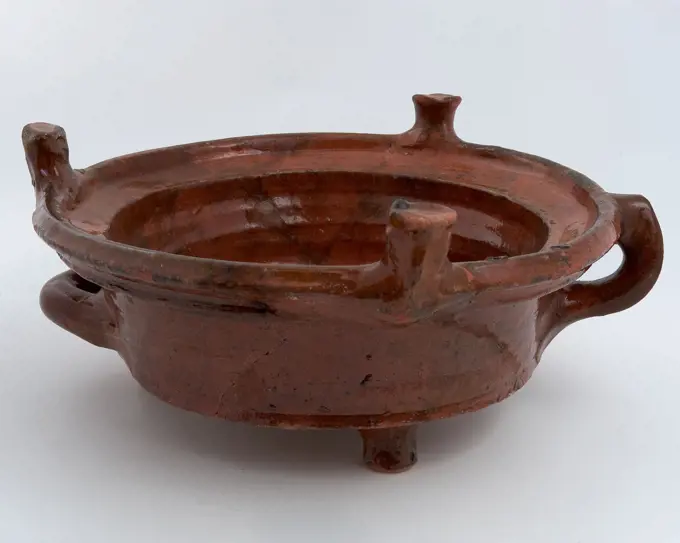
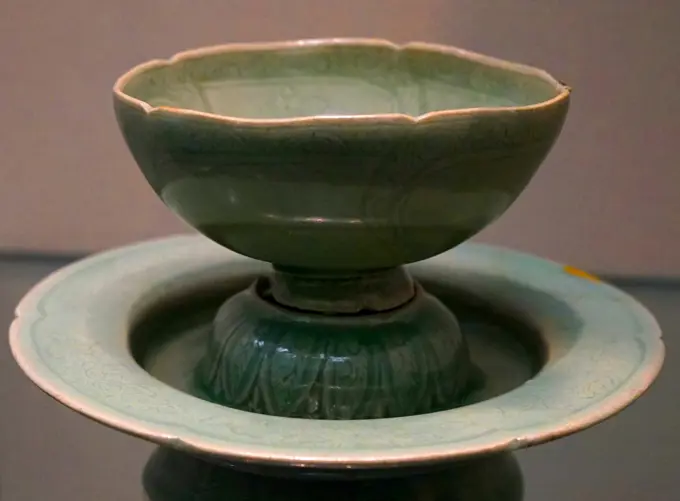
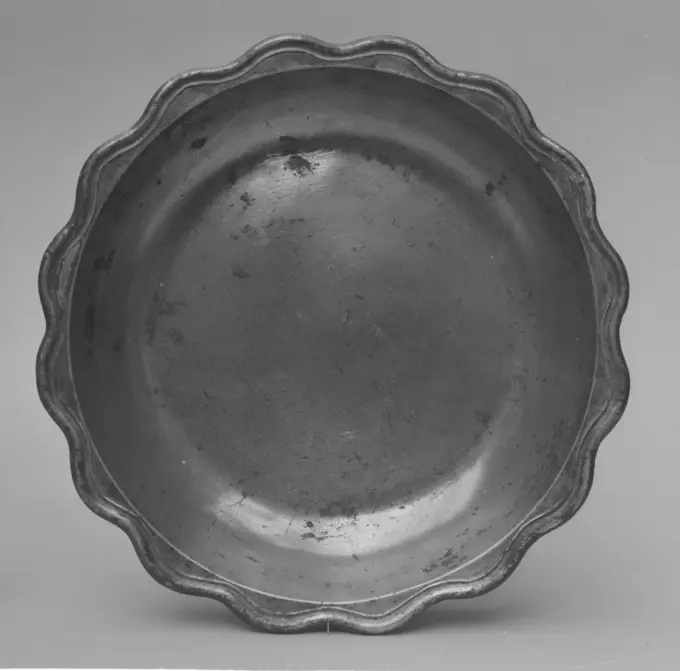
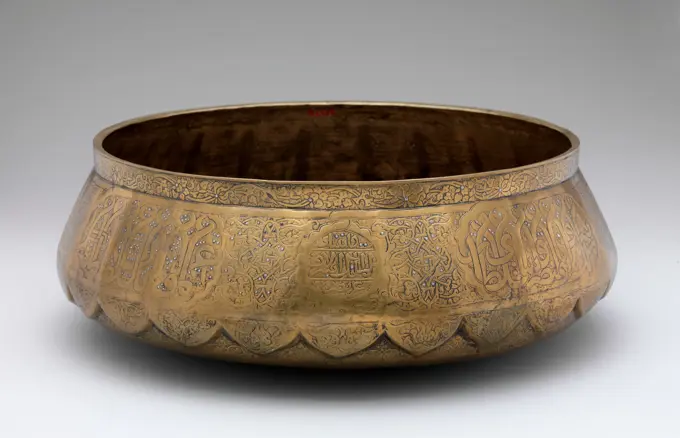
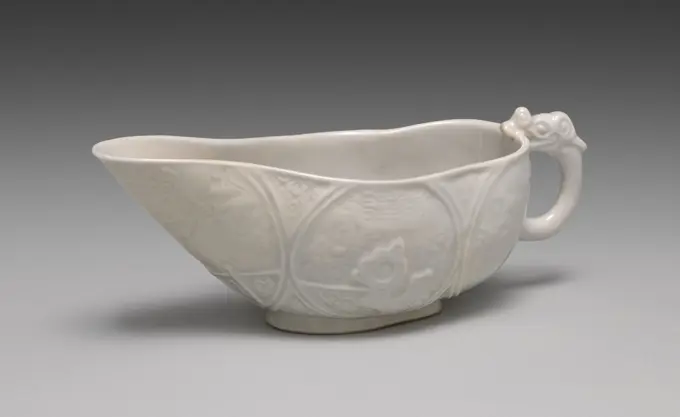
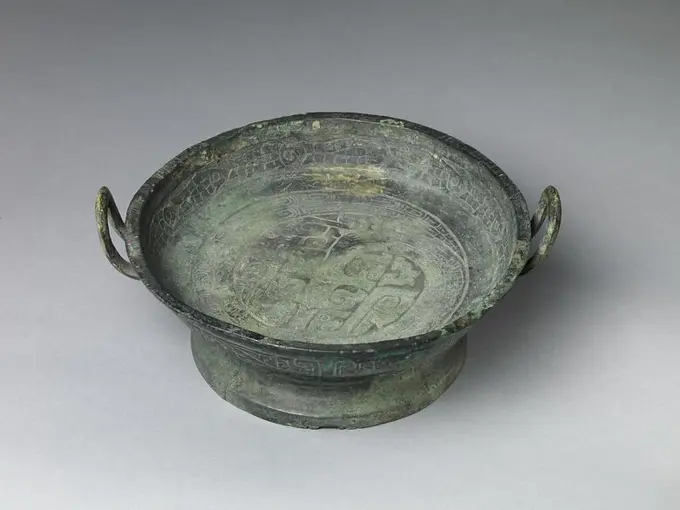
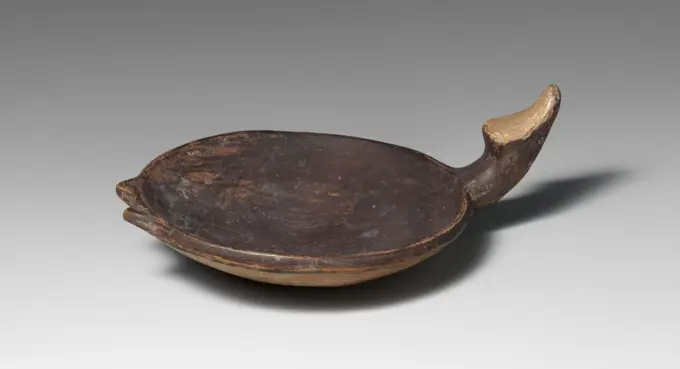
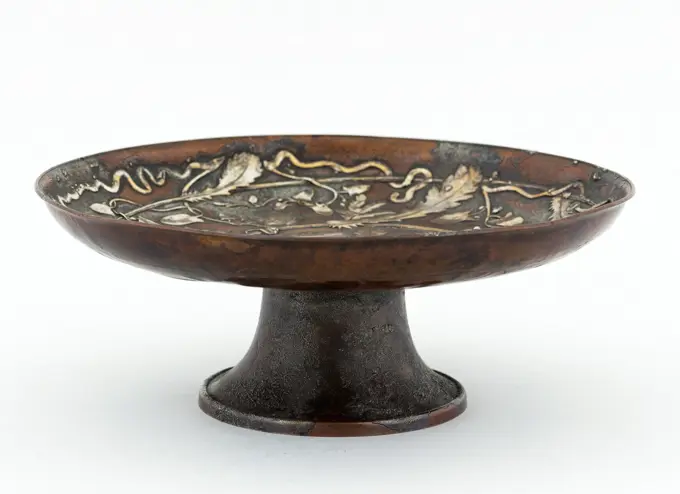
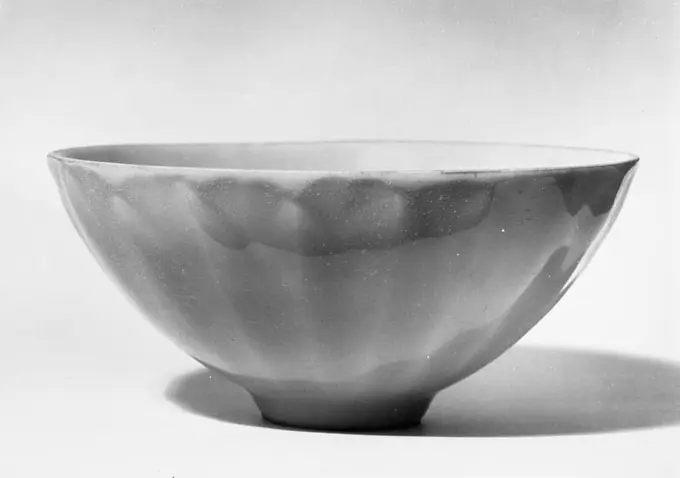
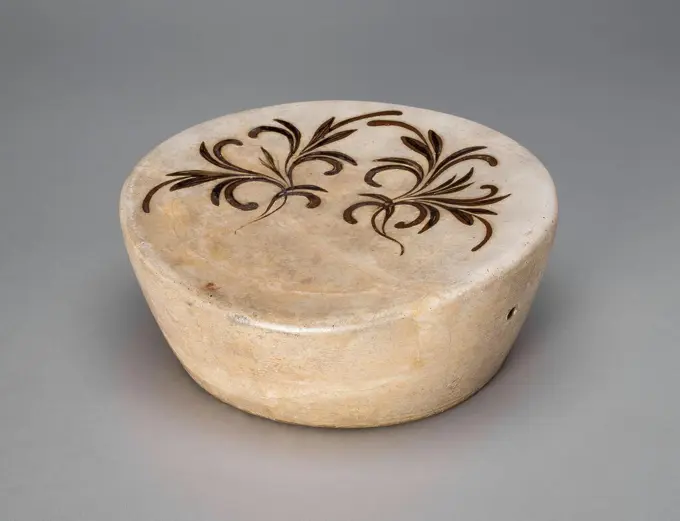
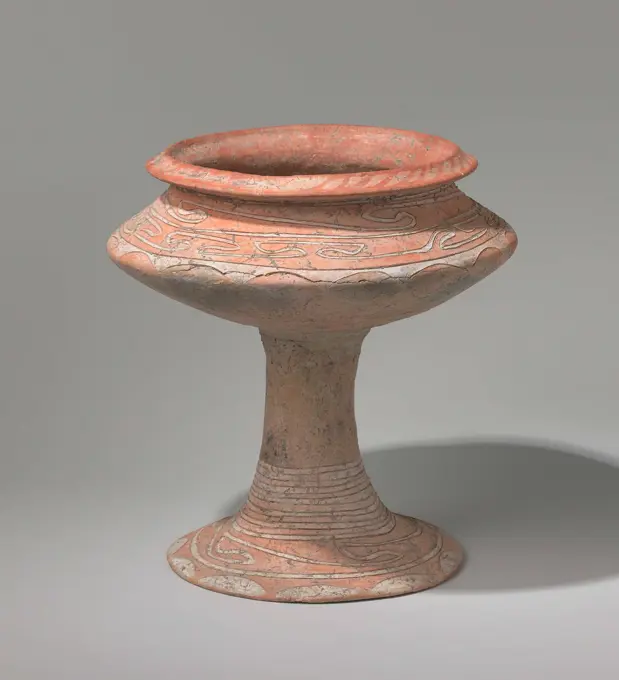
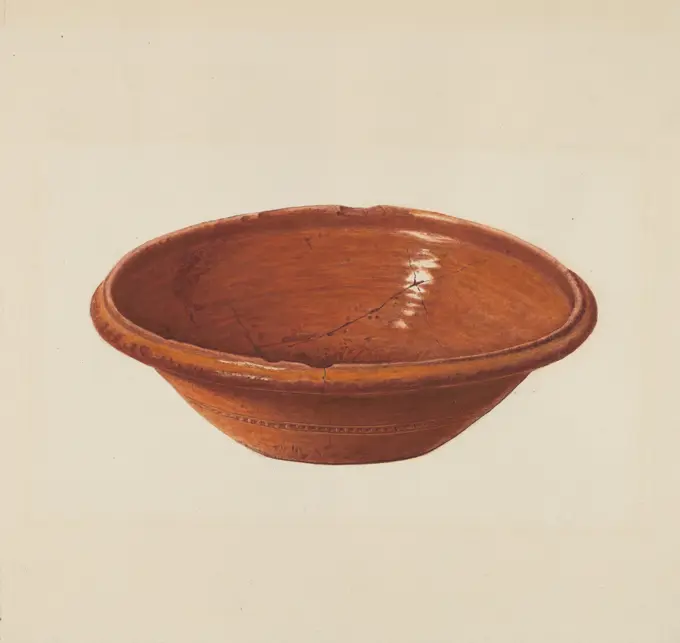
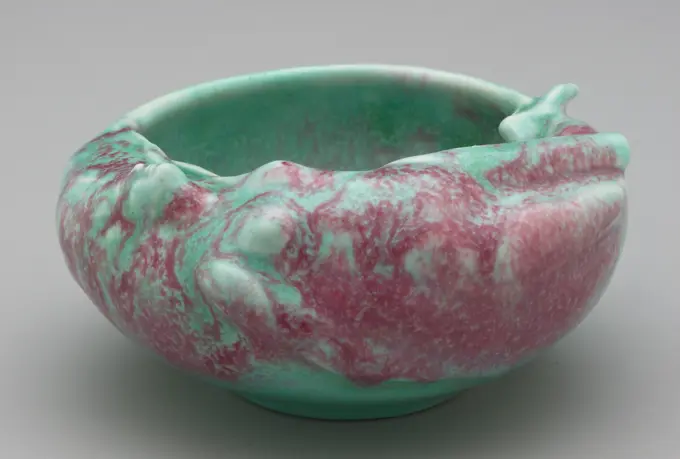
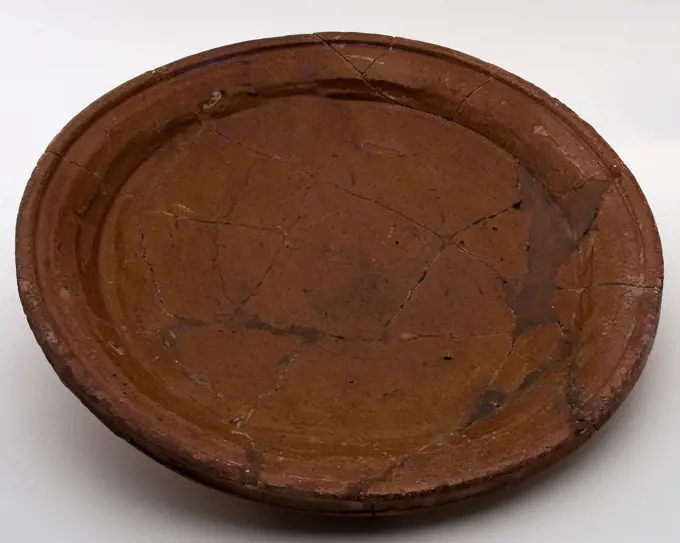
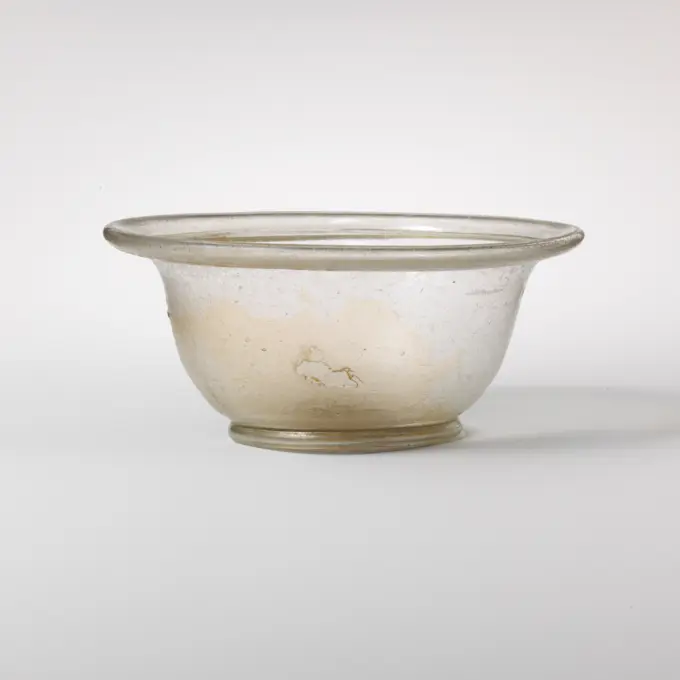
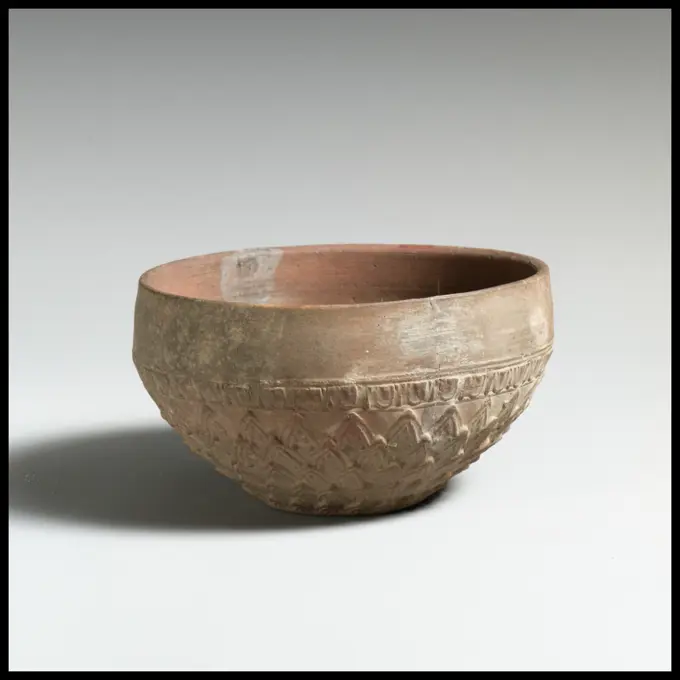
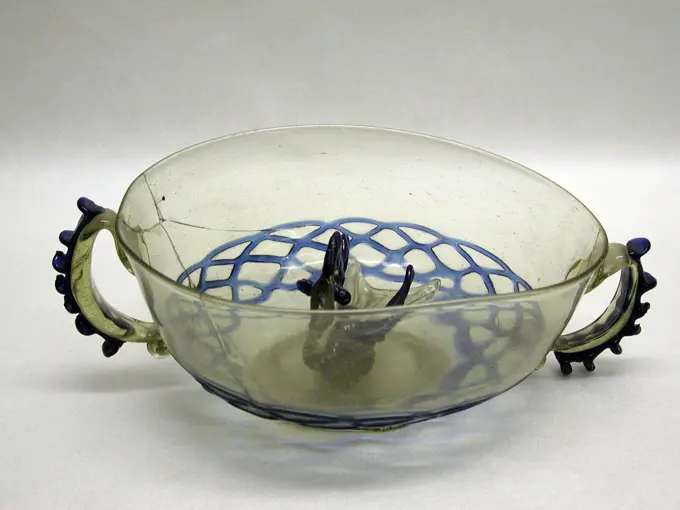
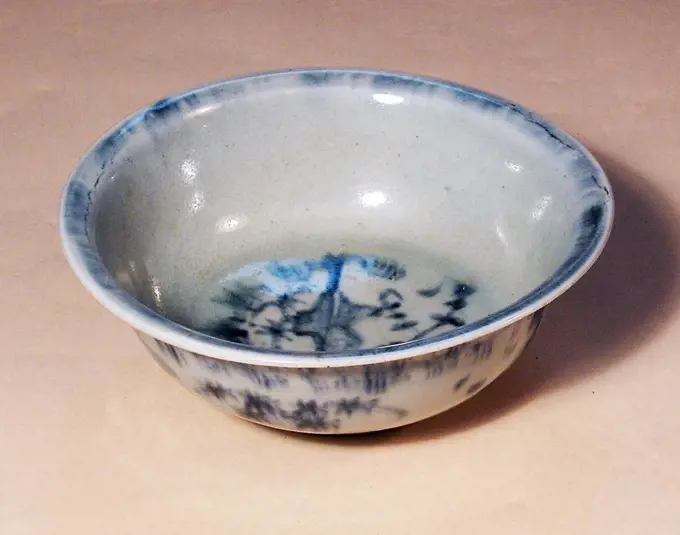
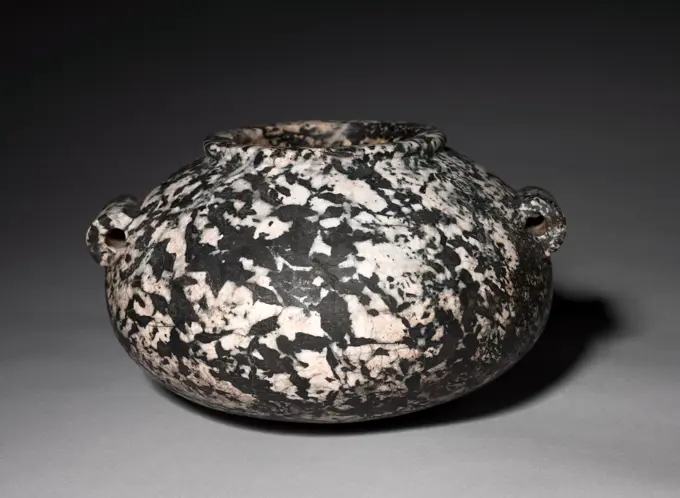
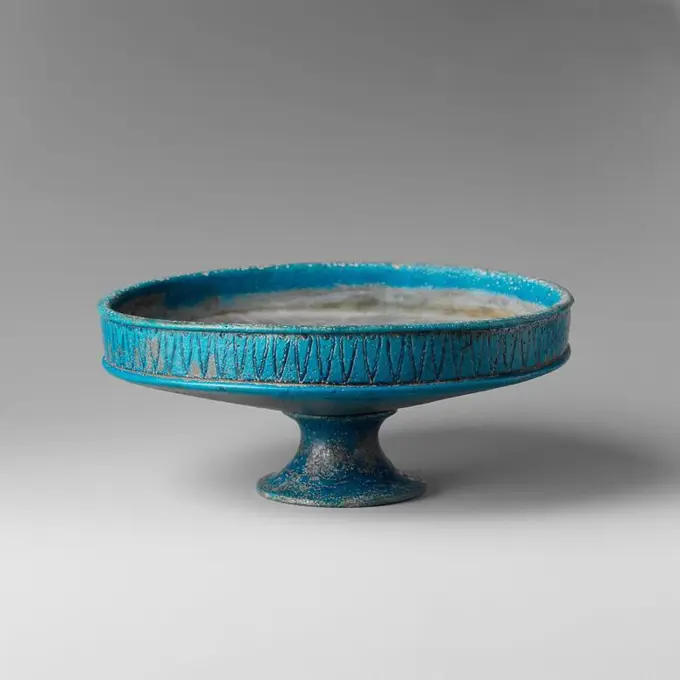
Bowl Early Dynastic Period ca. 2750-2649 B.C. View more. Bowl. ca. 2750-2649 B.C.. Travertine (Egyptian alabaster). Early Dynastic Period. From Egypt, Memphite Region, Saqqara, Tomb 2322, Egyptian Antiquities Service/Quibell excavations, 1910-11. Dynasty 2, second halfBowl 13th-14th century China. Bowl 53834Quaich,  c. 1710Dish with two ears on small stand ring, red pottery, papkom bowl crockery holder soil find ceramics earthenware glaze lead glaze, hand-turned glazed baked Papkom with two upright ears Extending sidewall and rim coarse spinning eyewheels on the outside. Cut into the wall. Small foot stand ring. Red earthenware largely covered with lead glaze Restorations are repainted archeology Rotterdam City Triangle Newport porridge porridge food serve food Soil discovery Rotterdam Nieuwe Haven probably comes from cesspool.Gold Drinking Bowl with Handle 700s Avar The AvarsThe Avars were a nomadic tribe of mounted warriors from the Eurasian steppe. The Byzantine emperor Justinian negotiated with them in the sixth century to protect the Empires northern border along the Black Sea. Emboldened by their subjugation of numerous tribes, they unsuccessfully attempted to seize the Empires capital, Constantinople. They remained a scourge of both Byzantium and the Western kingdoms until Charlemagne defeated them through a series of campaigns in the 790s and early 800s.All the money and treasure that the Avars had been years amassing was seized, and no war in which the Franks have ever engaged.. brought them such riches and such booty. Up to that time the Avars had passed for a poor people, but so much gold and silver was found.. that one may well think that the Franks took justly from the Avars what the Avars had formerly taken unjustly from other nations.— Einhard (ca. 770-840), biographer of the Frankish ruler Glass bowl 1st-2nd century A.D. Roman Colorless with pale green tinge.Flaring rim, cracked off; globular body; thick, slightly concave bottom.On body, three bands of evenly-spaced wheel-abraded horizontal lines.Complete, but broken and repaired; a few bubbles; dulling, pitting, and faint weathering.The gilded decoration is not ancient.. Glass bowl 252564 Roman, Glass bowl, 1st2nd century A.D., Glass, Gold, H.: 2 9/16 in. (6.5 cm). The Metropolitan Museum of Art, New York. Funds from various donors, 1926 (26.82.1)Bowl 4th-7th century Coptic. Bowl 478442Phiale 5th century B.C. Cypriot. Phiale 244475Incised and Pyroengraved Bowl with Monkeys. Culture: Paracas. Dimensions: Overall: 1 3/4 in. (4.45 cm)Other: 5 3/8 in. (13.69 cm). Date: 5th-4th century B.C.. Museum: Metropolitan Museum of Art, New York, USA.Dish. American; Probably southeastern Pennsylvania. Date: 1814. Dimensions: 10.8 × 26.1 cm (4 1/4 × 10 1/8 in.). Earthenware. Origin: Pennsylvania. Museum: The Chicago Art Institute, Chicago, USA.Dish (Pan) with Dragon Chasing Flaming Pearl. China, Zhejiang Province, Longquan County, Yuan dynasty, 1279-1368. Furnishings; Serviceware. Longquan ware, wheel-thrown stoneware with impressed decoration and green glazeTerracotta one-handled cup late 8th century B.C. Greek, Attic From the Hymettos deposit (see 30.118.1). Terracotta one-handled cup. Greek, Attic. late 8th century B.C.. Terracotta. Geometric. VasesGobelet ". Red terracotta with Céladon covered. China, six dynasties (311-589). Paris, Cernuschi museum. Chinese art, Chinese ceramic, containing, time six dynasty, goblet, container, terracottaPottery comes on small stand, gray shard, with circles and stripes in silt decoration, bowl bowl tableware holder soil find ceramic earthenware glaze lead glaze, hand turned decorated glazed decorated fried ring lead Lead glaze. White shard. Yellow and green silt decoration in circles between which green dot and stripe sludge trim. Deep bowl on small standing surface Sharply raised sidewall. Shoulder on the transition from mirror to bowl edge Restoration is repainted but in form poorly executed archeology underground pit Rotterdam City Triangle Groenendaal indigenous pottery import food serving table Soil discovery: underground pit Groenendaal black low 190 meters from Mariniersweg 1975-10-06.Bowl 16th-12th century B.C.. Bowl. 16th-12th century B.C.. Faience, glaze. MesopotamiaBlackware Plate with Fish Incised in Interior. Paracas; Ica Valley, south coast, Peru. Date: 500 BC-150 BC. Dimensions: 4.5 × 24.8 cm (1 3/4 × 9 3/4 in.). Ceramic. Origin: Peru. Museum: The Chicago Art Institute, Chicago, USA.Tea bowl -Bowl - Portneuf potteryPainted Bowl from Tutankhamun's Embalming Cache. Dimensions: H. 6.4 cm (2 1/2 in.); Diam. (original) 14 cm (5 1/2 in.). Dynasty: Dynasty 18. Reign: reign of Tutankhamun. Date: ca. 1336-1327 B.C.. Museum: Metropolitan Museum of Art, New York, USA.Bowl with Inlaid Reed and Bird Design. Korea, Korean, Goryeo dynasty, 918-1392, 13th-14th century. Furnishings; Serviceware. Wheel-thrown stoneware with incised and slip-filled decoration and green glazeBronze situla (bucket). Culture: Etruscan. Dimensions: H. 9 15/16 in. (25.3 cm) diameter 11 7/8 in. (30.2 cm). Date: ca. 550 B.C..Small holes around the rim indicate that originally there would have been handles attached. Museum: Metropolitan Museum of Art, New York, USA.Votive bowl. Culture: Sumerian. Dimensions: H. 2 13/16 in. (7.1 cm). Date: ca. 2600-2350 B.C.. Museum: Metropolitan Museum of Art, New York, USA.Bowl with hexafoil rim 11th-12th century China. Bowl with hexafoil rim 52594Large Bowl with Cherry Blossoms and Maple Leaves first half of the 19th century Takahashi Dhachi III The combination of cherry blossoms and colorful maple leaves on this large bowl revive the style of Kyoto’s famous ceramic artist Ogata Kenzan (1663-1743). The vivid composition is based on a poem about the Tatsuta River, from the waka anthology Kokin Wakash (ca. 905). The poet describes fallen autumn foliage drifting on the water’s surface as if it were gold brocade, and cherry blossoms in the Yoshino hills that put him in mind of white snowflakes. The patterns evoke both symbolic images of spring and autumn, as well as two famous sites (meisho) in Japan.. Large Bowl with Cherry Blossoms and Maple Leaves. Takahashi Dhachi III (Japanese, 1811-1879). Japan. first half of the 19th century. Stoneware with underglaze iron, white slip, and polychrome overglaze enamels (Kyoto ware). Edo period (1615-1868). CeramicsTerracotta skyphos (deep drinking cup). Culture: Greek, Attic. Dimensions: 3 1/4 in. × 7 7/8 in. × 5 3/4 in. × 2 1/2 in. (8.3 × 20 × 14.6 cm). Date: ca. 530 B.C..Obverse and reverse, swanOriginally a Corinthian shape, the skyphos served the same function as a kylix but with a deeper bowl. In examples such as this one, the disposition of the decoration is like that of a band-cup. Museum: Metropolitan Museum of Art, New York, USA.Dish with lobed rim 13th century China Found in ceramics, metalwork, and lacquer, dishes shaped with overlapping petals first appear in north China about the eleventh century, and the form later becomes a standard motif in the art of the Yuan dynasty (1271-1368). This dish, which has an inscription on the bottom giving the name of the maker or ownera common practice during the Southern Song dynastywas likely intended to represent a six-petal camellia, a flower often associated with joy and protection.. Dish with lobed rim. China. 13th century. Lacquer with gilding. Southern Song dynasty (1127-1279). LacquerTalerz. warsztat apulijskiBowl China. Bowl. China. Lacquer. Ming dynasty (1368-1644), Jiajing period (1522-66). LacquerShallow dish, Jun-type ware. Artist: Chinese , probably Ming Dynasty. Culture: Chinese. Dimensions: Diameter: 6 1/4 in. (16.4cm). Date: late 14th to early 15th century. Museum: Metropolitan Museum of Art, New York, USA.Jar 8th-9th century. Jar 448969High ointment jar, red shard, narrow foot and outstanding top edge, internally glazed, ointment jar pot holder soil find ceramic earthenware glaze lead glaze, hand-turned glazed baked Ointment jar red shard internally glazed - externally partly rotations. Cylindrical model on narrow foot Surface with cut track untidy finished archeology Valckensteyn Poortugaal Albrandswaard health care indigenous pottery ointment care package medicine drug pharmacy packaging Soil discovery: canal at kitchen castle Valckensteyn at Poortugaal now Albrandswaard 1961.Bowl 10th centuryBowl China (). Bowl 48102Libation Cup, 1662-1722. China, Qing dynasty (1644-1911), Kangxi reign (1661-1722). Porcelain; overall: 8.8 x 14.8 cm (3 7/16 x 5 13/16 in.).Plate 14th century China. Plate 50718Wine Cup mid-19th century Japan. Wine Cup. Japan. mid-19th century. Red lacquer. Edo (1615-1868) or Meiji period (1868-1912). LacquerBowl with Floral Motifs. Culture: Coptic. Dimensions: Overall: 1 3/4 x 5 3/16 in. (4.5 x 13.2 cm). Date: 4th-7th century. Museum: Metropolitan Museum of Art, New York, USA.Pottery test, square model, red shard, glazed, on stand, fire test test earth discovery ceramics earthenware glaze lead glaze, hand turned hand shaped glazed baked Pottery test square model red shard glazed on stand ring Restored fragments are not repainted archeology Rotterdam City center Stadsdriehoek Oudehaven indigenous pottery food preparation cooking eat kitchen heating room Soil discovery: Oude Haven Rotterdam.Vijzel with inscription: Peeter Vanden Ghein Me Fecit MCCCCCCCLXXXI, Peeter van den Ghein (II), 1591 The cast round mortar on the edge in Latin Majuskels has the inscription Peeter Vanden Ghein Me Fecit MCCCCCCCCLXXXI and a weapon (three posts), the city coat of arms of Mechelen. Around the center of the wall a Frisian with a ramskop between two masks and one vase held by two griffins (repeated three times). Mechelen bronze (metal) casting The cast round mortar on the edge in Latin Majuskels has the inscription Peeter Vanden Ghein Me Fecit MCCCCCCCCLXXXI and a weapon (three posts), the city coat of arms of Mechelen. Around the center of the wall a Frisian with a ramskop between two masks and one vase held by two griffins (repeated three times). Mechelen bronze (metal) castingMarble handleless cup Minoan ca. 2000-1700 BCE Handleless jar. View more. Marble handleless cup. Minoan. ca. 2000-1700 BCE. Marble, Gray Banded. Middle Minoan I-II. Miscellaneous-Stone VasesTin presentation scale. Presentation of tin, Jugendstil. The oval scale has a high, diagonally outlined osculous edge. This is decorated with floral motifs, the stems of which go to the bottom and form a profiled tire there. On the long sides of the edge are elegant courses that reminiscent of the canvas of a stage decor.Bowl with geometric pattern 5th-4th century B.C. Paracas. Bowl with geometric pattern. Paracas. 5th-4th century B.C.. Ceramic. Peru. Ceramics-ContainersSmall BowlBowl; Unknown; Innsbruck, Austria, Europe; 1570 - 1591; Colorless (grayish-brown) glass with diamond-point engraving, gilding (including silver), and cold-painted decoration; Object: H:  16.03 x Diam.:  40.48cm (H:  6 5/16 x Diam.:  15 15/16 in.)England, London, Terracotta bowl from ClactonPlatter 18th century Thomas Fasson. Platter. British, London. 18th century. Pewter. Metalwork-PewterEarthenware stain, red shard, fully glazed, two ears, three legs, on three legs, stain soil found ceramic earthenware glaze lead glaze, hand-turned glazed fired earthenware stain red shard fully glazed one vertical bandoor and one horizontal sausage door three supporting legs on the upper edge on three legs archeology Rotterdam City center Stadsdriehoek Oudehaven indigenous pottery food preparation cooking food kitchen heating Soil discovery Oude Haven Rotterdam.Cache-pot (France); Designed by Edgar Brandt (French, 1880-1960); cast and wrought bronzeCopper Bowl with Lobster. Culture: Chimú. Dimensions: H x W: 2 9/16 x 6 1/8 in. (6.5 x 15.6 cm). Date: 12th-15th century. Museum: Metropolitan Museum of Art, New York, USA.Kit: Salads Glassworks J. Stolle NiemenPottery saucepan on three legs, with pouring spout and slanted handle, saucepan cooking pot crockery holder kitchenware soil find ceramic earthenware glaze lead glaze, hand turned molded glazed baked Saucepan with pouring spout red shard fully glazed three-legged stem of gypsum rings. Bowl-shaped bottom and top edge with collar archeology Valckensteyn Poortugaal Albrandswaard indigenous pottery cooking cuisine food nutrition food preparation Soil discovery: canal at kitchen castle Valckensteyn at Poortugaal now Albrandswaard 1961.Bowl ca. 3500-3300 B.C.. Bowl 326501Drinking bowl for birdcage with one flattened side, red earthenware, trough trough basin earthenware ceramic earthenware glaze lead glaze, hand turned hand shaped glazed baked Hemisphere on the round side upwards wide flared Red completely glazed Drinking bowl Red earthenware. Suitable for placing on the outside of bird cage archeology Rotterdam rail tunnel animal bird drinking animals keep Soil discovery: rail tunnel Rotterdam.Stoneware cup and stand from the Kory Dynasty, Korea. Dated 12th CenturyBowl, c. 1300-1350, 3 1/4 x 8 in. (8.26 x 20.32 cm), Ceramic, pigment, United States, 13th-14th centuryIncised bowl with geometric pattern. Culture: Paracas. Dimensions: Overall: 2 3/4 in. (6.99 cm)Other: 7 in. (17.78 cm). Date: 7th-5th century B.C.. Museum: Metropolitan Museum of Art, New York, USA.Plate (part of a set). Culture: British, Bristol. Dimensions: Diameter: 8 1/2 in. (21.6 cm). Maker: Robert L. Bush. Manufacturer: Bush & Co.. Date: 1781-93. Museum: Metropolitan Museum of Art, New York, USA.PouringVesselBizen (ceramic production center), cow (usual name), 1800. sandstone. Cernuschi Museum, Asia Museum of Asia in the city of Paris.Bowl.   Maker: Richard Van Dyck, American, 1717-1770Vessel ca. early 2nd millennium B.C. Iran. Vessel 325806Dish 18th century German. Dish. German. 18th century. Pewter. Metalwork-PewterBowl late 18th-early 19th century China. Bowl. China. late 18th-early 19th century. Jade (nephrite). Qing dynasty (1644-1911). JadeBasin of Sultan Qaytbay ca. 1468-96 The reign of Sultan Qaitbay (1468-96), the last great Mamluk sultan, briefly revitalized the declining metalwork industry, but not to the heights of fourteenth century production. The repoussé work that creates the lobed petallike form is typical of the late Mamluk period, as are the pincerlike termini of the vertical letters in the inscription.. Basin of Sultan Qaytbay 444565Water Cooler with Chinese Gardens, c. 1893-1914. Seifū Yohei III (Japanese, 1851-1914). Porcelain with molded and carved designs; height: 5 cm (1 15/16 in.); length: 15 cm (5 7/8 in.); width: 6 cm (2 3/8 in.).Waterl Basin (Pan). Culture: China. Dimensions: H. 4 9/16 in. (11.6 cm); W. 13 13/16 in. (35.1 cm). Date: ca. 8th-7th century B.C.. Museum: Metropolitan Museum of Art, New York, USA.Miniature Vessel 15th-early 16th century Inca. Miniature Vessel. Inca. 15th-early 16th century. Ceramic. Peru. Ceramics-ContainersSmall rice bowl. unknown, craftsmanBowl. Western Iran, Luristan bronzes, circa 1000-650 B.C.. Furnishings; Serviceware. Bronze, hammeredHenri Husson / Adrien-Aurélien Hébrard. Cut. Copper and silver metal. 1909-1914. Museum of Fine Arts of the City of Paris, Petit Palais. 75295-18 Cup, copper, argente metalFatimid glazed ware, 10th-12th cent. Egypt.Czarka. nieznany warsztat północno mezopotamski (ca 2600-ca 2350 a.C.), workshopBowl (Wan) with Polychrome Splashes. China, Jiangxi Province, Jingdezhen, Chinese, Qing dynasty, Kangxi period, 1622-1722, but with Ming dynasty Chenghua mark, 1465-1487. Furnishings; Serviceware. Wheel-thrown porcelain with enamel decorationBowl. Culture: China. Dimensions: H. 2 1/2 in. (6.4 cm); Diam. 5 3/4 in. (14.6 cm). Date: 12th-13th century. Museum: Metropolitan Museum of Art, New York, USA.Glass bowl decorated with hunting scenes 2nd half of the 4th-early 5th century A.D. Roman Translucent deep blue green.Slightly inverted, ground rim; hemispherical body and round bottom.Cut decoration: below rim, a band of three horizontal grooves, two narrow flanking above and below a broader groove; on side, a frieze containing seven human figures and four animals, showing a man facing right and wearing only a pallium (cloak) and boots, half leaning on a spear and collapsing into the arms of a long-haired female comrade behind him, dressed in a short tunic and greaves, and in front of him a naked female with long shawl over her outstretched arms; behind her to the right, a band of oval facets indicating a lair in which there is a boar, attacked from above by a hunting dog; to right of boar, a youthful man facing left, with short-cropped hair and fillet on his head and a pallium over his right shoulder, thrusts a spear at the boar, with a dog advancing left at his feet; to the right twDrum-Shaped Pillow with Floral Sprays. China. Date: 1115-1200. Dimensions: 8.2 × 20.1 × 19.4 cm (3 1/4 × 7 15/16 × 7 5/8 in.). Cizhou-type ware; stoneware with underglaze iron brown painting. Origin: China. Museum: The Chicago Art Institute, USA.. Cart at high foot of pottery with a shallow bowl and slightly flared edge, painted in white and red. On the bowl and the foot a rebel spiral pattern, filled with white. The edge with red arrearing.Covered Box. Thailand, Sawankhalok, 16th century. Furnishings; Accessories. Stoneware with underglaze black painted decorationMedum bowl;  around 2686- 2181 BC ; Old PABowl with Leaf Calyx Medallion; Eastern Hellenistic Empire; 2nd - 1st century B.C; Silver with gilding; 4.9 × 19.8 cm, 0.2607 kg (1 15,16 × 7 13,16 in., 9,16 lb.);Glass bowl. Culture: Roman. Dimensions: H.: 2 3/8 in. (6 cm)Diam.: 4 3/8 in. (11.1 cm). Date: late 1st century B.C.-early 1st century A.D..Translucent honey brown.Rounded vertical rim; slightly bulging sides, tapering downward; flat bottom.Horizontal wheel-cut grooves on interior; single groove 1.05 cm below rim, band of two grooves 3.35 cm below rim.Complete, except for small chip in rim; broken and repaired around one side of rim; very few bubbles; dulling and pitting, patches of iridescence and thick creamy weathering.Rotary grinding marks on interior of bottom. Museum: Metropolitan Museum of Art, New York, USA.Wilford H Shurtliff, Bowl, c 1939 BowlRound plate. Round plate of tin. The thin edge has turned.Hexagonal Covered Box with Lions in Relief: Qingbai Ware, 1300-1325. China, Jiangxi province, Jingdezhen kilns, Yuan dynasty (1271-1368). Glazed porcelain with molded and applied decoration; overall: 6.1 x 9.8 cm (2 3/8 x 3 7/8 in.).Glass dish. Culture: Roman. Dimensions: H. 1 1/4 in. (3.2 cm)diameter 5 5/8 in. (14.3 cm). Date: 4th century A.D..Translucent blue green.Vertical, slightly thickened, rounded rim; short, convex side to body, turned in horizontally, and then sloping inwards to thick, flat bottom with upward kick inside and central pontil scar, surrounded by tubular base ring. Intact; many pinprick bubbles and blowing striations; dulling and faint iridescence. Museum: Metropolitan Museum of Art, New York, USA.Saucer 10th-11th century China. Saucer 48252Cup of tin. Cup of tin. The unforded cup runs slightly outwards.Tripod BowlBowl. Designer Anna Marie Valentien, American, 1862-1947 Manufacturer: Rookwood Pottery, American, 1880-1960Feeding Cup. Dimensions: H. 3.5 cm (1 3/8 in.); W. 8 cm (3 1/8 in.); D. 4 cm (1 9/16 in.). Dynasty: Dynasty 12, late -13. Date: ca. 1850-1700 B.C..This little cup of faience was not found in a tomb, but nestled together with the figure of a crocodile (07.227.19) in a small basket deposited by itself in the ground among the tombs to the west of the pyramid of Amenemhat I at Lisht North. The person who made this deposit could have lived in one of the houses that had been built over the tombs in the cemetery on the south and west of the pyramid.The shape of the cup permits milk to be fed to a baby. The cup is appropriately decorated with the beneficial deities and daimons otherwise found on the so-called "magic wands," thought to have served for the magical protection of infants (see 86.1.91). On this cup appears a walking lion, an upright standing lion, a long-necked mythical animal, a snake and a turtle. Museum: Metropolitan Museum of Art, New York, USA.Oval bowl with running tigresses on each side. Culture: Sasanian. Dimensions: 3.86 x 6.42 in. (9.8 x 16.31 cm). Date: ca. 6th-7th century A.D.. Museum: Metropolitan Museum of Art, New York, USA.Earthenware bowl, red shard, internally glazed, on three stand fins, dish plate dish crockery holder earth discovery ceramics earthenware glaze lead glaze, hand-turned glazed baked Pottery bowl red shard internal glazed lead glaze on three stand fins Restored the restoration is poorly executed archeology Landpoortstraat Geervliet Bernisse indigenous pottery serving dishes cooking kitchen Soil discovery: Geervliet waste pit barn Landpoortstraat 1 1983.Glass bowl 2nd-3rd century A.D. Roman Colorless with pale yellow green tinge.Everted, tubular rim, folded out and down, forming collar with indent on inside of mouth; sides taper then curve in to integral, tubular base ring; deeply pushed-in bottom with thickened dome and kick at center.Intact; some pinprick and larger bubbles, with one black, gritty impurity in body; dulling and faint iridescence on exterior, with a patch of creamy white weathering on bottom.Colorless bowl with base.. Glass bowl 239844Bowl decorated with auspicious characters 19th century Korea This large porcelain bowl with a broad, flat rim prominently features the Chinese characters for good fortune (; Korean: bok) and longevity (; Korean: su). Written words, often arranged in repeating and geometric patterns, communicated a direct and powerful message of auspicious aspirations.. Bowl decorated with auspicious characters. Korea. 19th century. Porcelain with cobalt-blue design. Joseon dynasty (1392-1910). CeramicsTerracotta Megarian bowl ca. 165-150 B.C. Greek, Argive inscribed "of Demetrios"This bowl, like 98.8.26 nearby, is inscribed by the potter Demetrios. Although the decorative schemes differ, these bowls share a distinctive hemispherical profile suggesting that the workshop favored a specific shape of mold made ware.. Terracotta Megarian bowl 246744Bowl 18th century Spanish, probably Castille. Bowl 185987Bowl 304-30 B.C. Ptolemaic Period. Bowl. 304-30 B.C.. Glazed steatite. Ptolemaic Period. From EgyptAncient China: Blue-and-white ware vessel. Ming Dynasty, 1368 - 1644 AD. Glazed ceramic.Squat Jar with Lug Handles, 2950-2573 BC. Egypt, Early Dynastic Period, Dynasties 1-3. Pegmatitic hornblende diorite; diameter: 21.1 cm (8 5/16 in.); diameter of mouth: 8.3 cm (3 1/4 in.); overall: 13 cm (5 1/8 in.); diameter of mouth without rim: 8.3 cm (3 1/4 in.).Cup on a Stand with Flower Décor. Dimensions: H. 7.5 cm (2 15/16 in); diam. 1.7 cm (6 11/16 in). Dynasty: Dynasty 18. Reign: reign of Thutmose IV-Amenhotep III. Date: ca. 1400-1352 B.C.. Museum: Metropolitan Museum of Art, New York, USA.