Antique Bowls and Ceramics

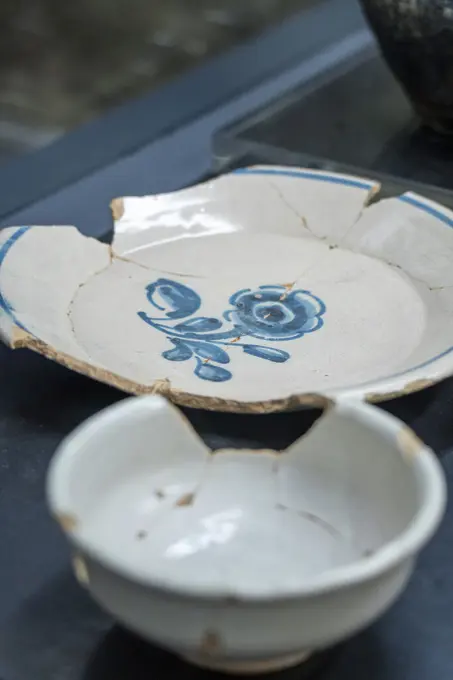
Elegant antique bowls made of stoneware and porcelain with intricate glazes and designs, conveying a sense of history and craftsmanship.
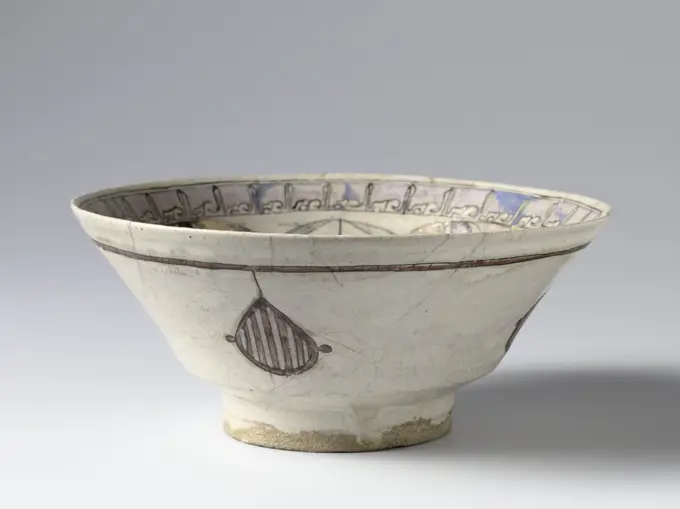
Bowl with horsemen in medallions, anonymous, c. 1175 - c. 1224 Come from quail fritry with a polychrome decoration. On the bottom a rider in a medallion. The inner wall with four oval cartouches with horsemen, connected by a drop -shaped medallion. is the earthenware. glaze. gold (metal) painting / vitrification Come from quail fritry with a polychrome decoration. On the bottom a rider in a medallion. The inner wall with four oval cartouches with horsemen, connected by a drop -shaped medallion. is the earthenware. glaze. gold (metal) painting / vitrification
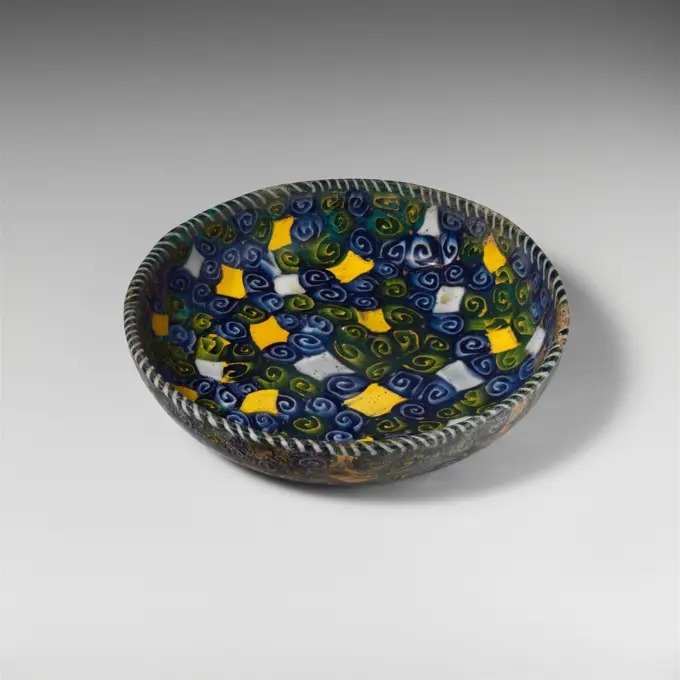
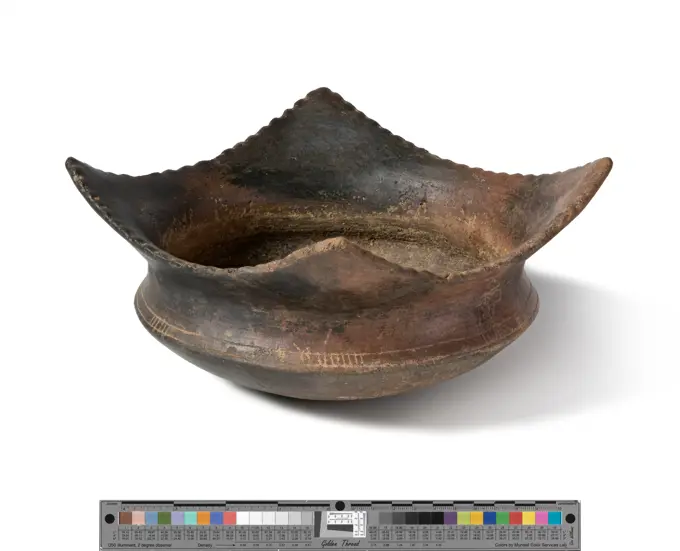
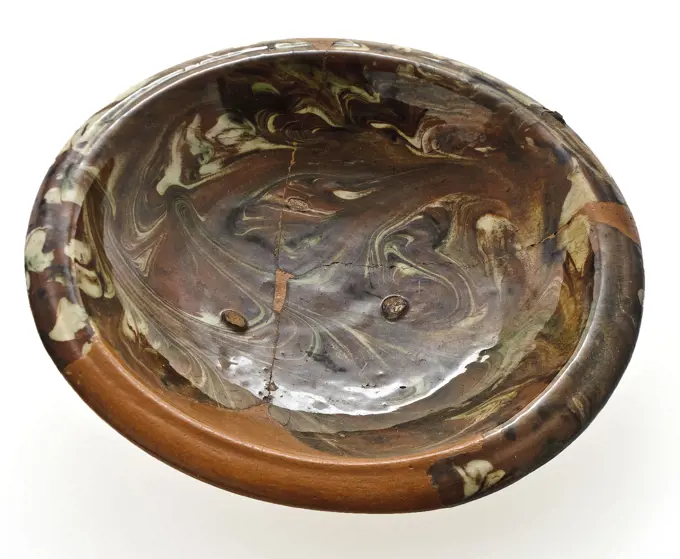
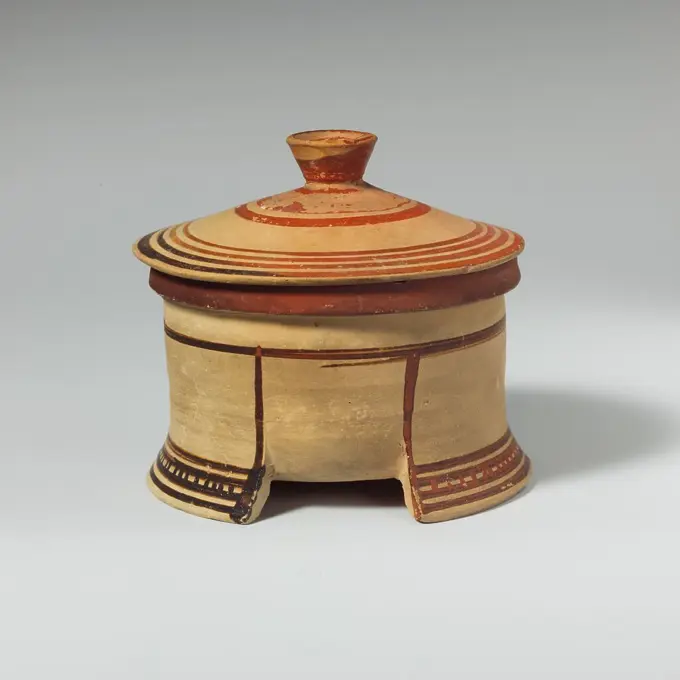
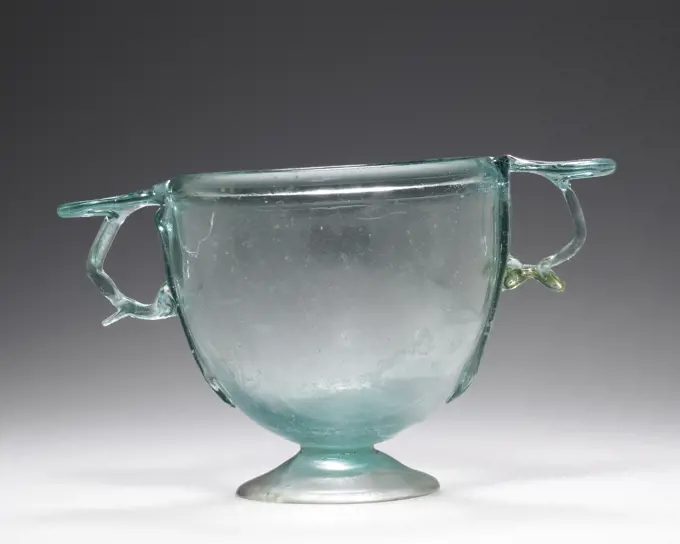
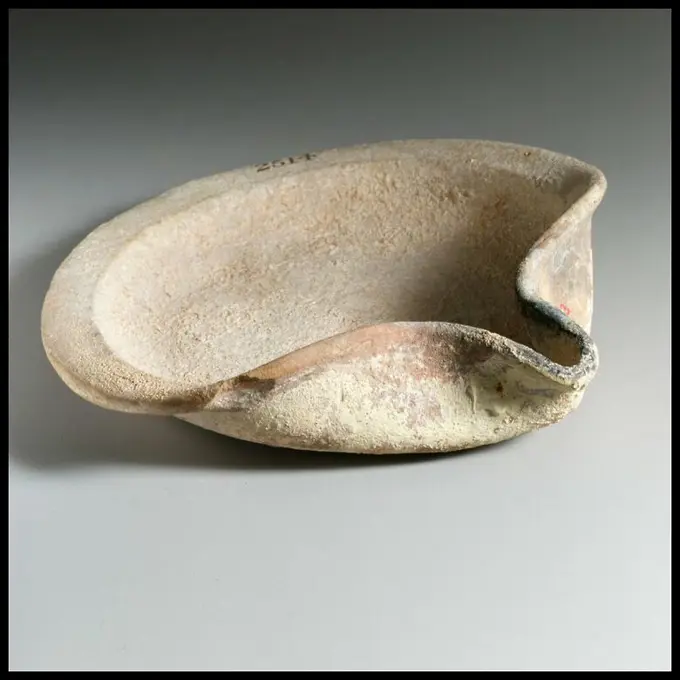
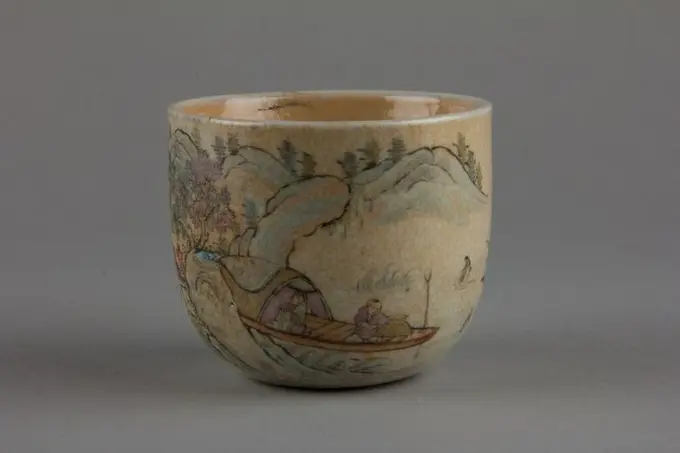
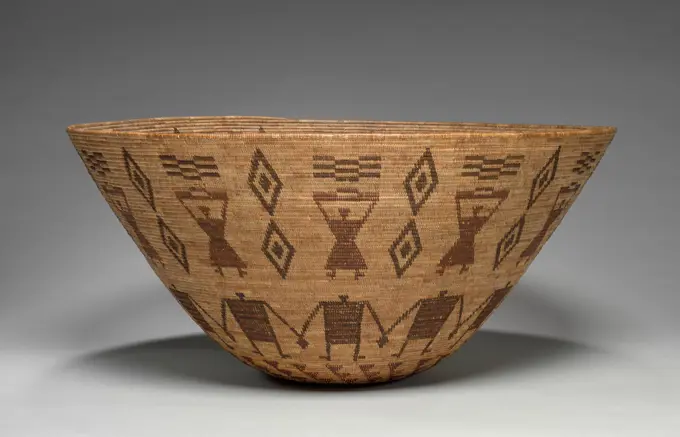
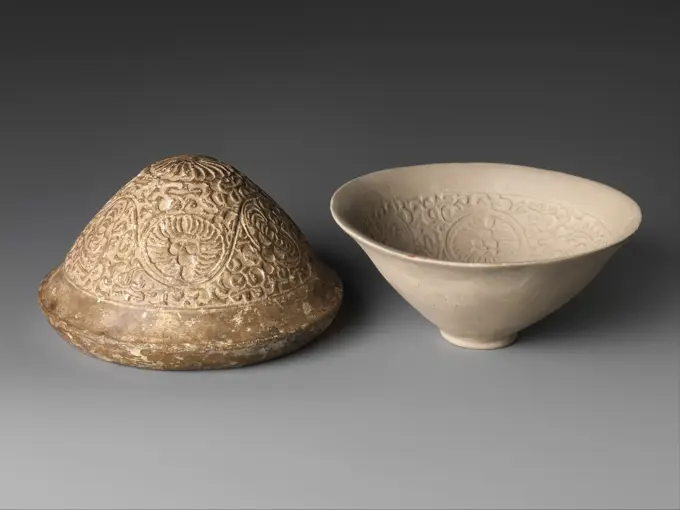
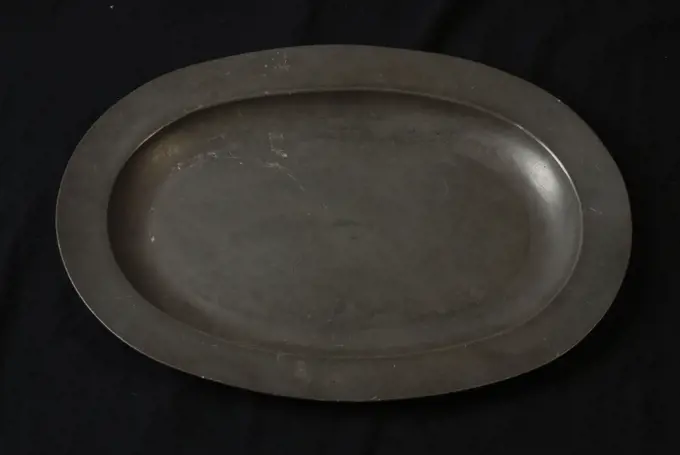
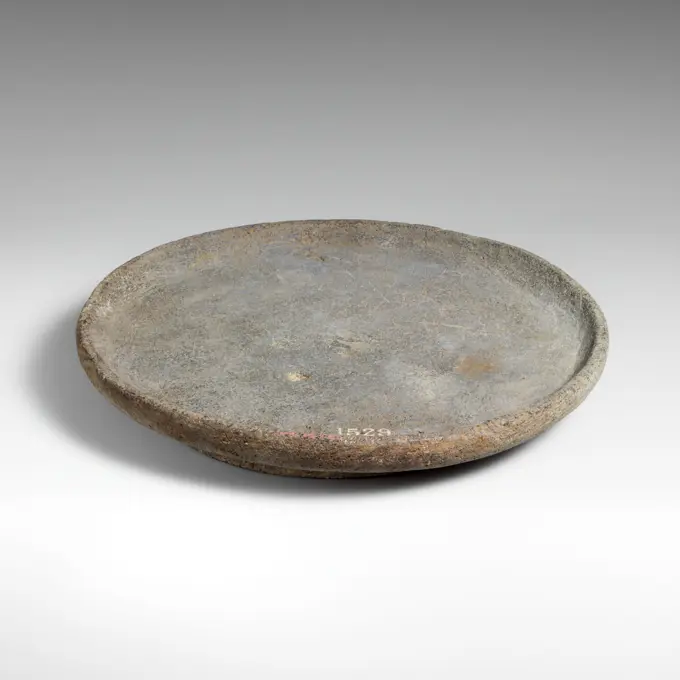
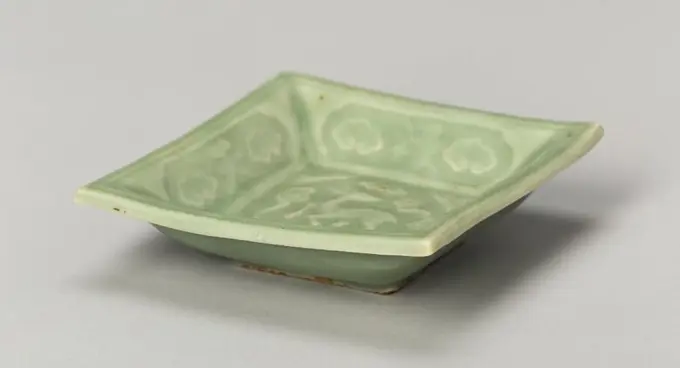
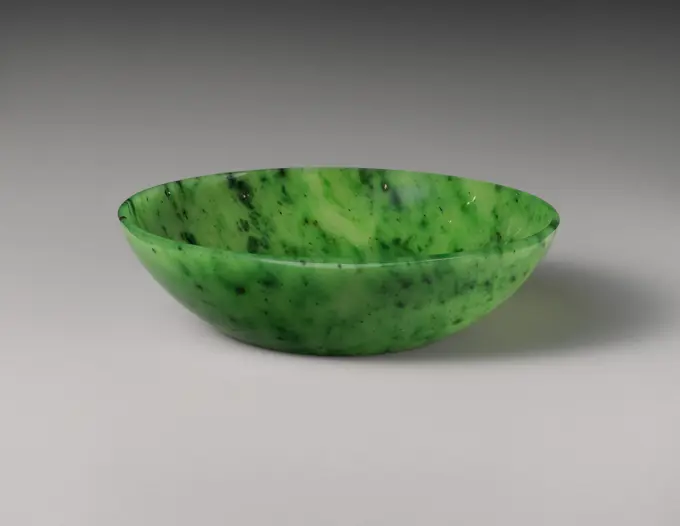
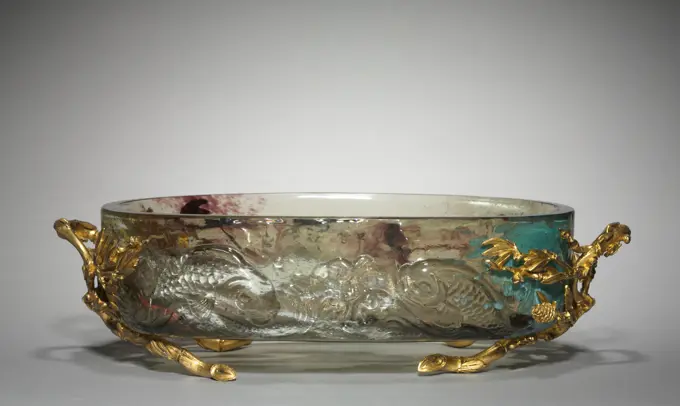
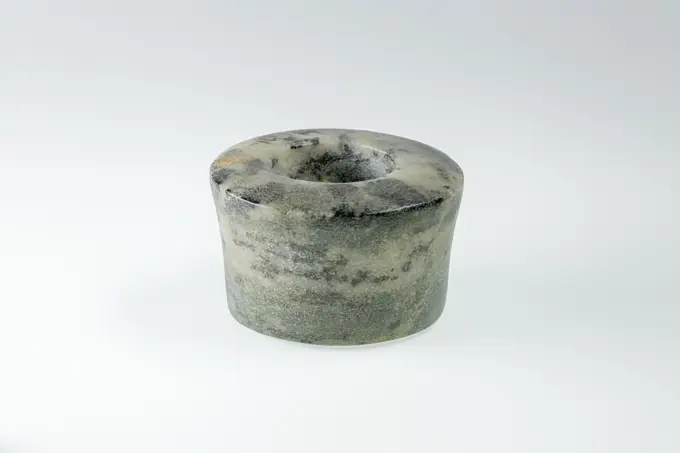
Bowl 1883 Russia. Bowl. Russia. 1883. Nephrite, variegated pear-leaf green with tiny specks of black. JadeFlower - shaped Shallow BowlGlass mosaic dish 2nd-mid-1st century B.C. Greek, probably Eastern Mediterranean Translucent blue, translucent turquoise green, opaque white, and opaque yellow.Vertical rim; shallow, convex side, tapering downward to broad, slightly convex bottom.Composite mosaic pattern formed from polygonal sections and square segments of four canes: the first in a blue ground with a white spiral; the second in a turquoise green ground with a yellow spiral; the third in yellow segments, and the fourth in white segments. A turquoise green cane wound spirally with a single white thread is attached as a rim.Intact, but one chip and crack in bottom and two holes drilled in side below rim; pitting and dulling on interior, small patches of iridescent weathering, and soil encrustation on exterior.Rotary grinding marks on interior.This bowl is highly decorative, with spiral designs and contrasting patches of translucent and opaque glass. It imitates an even more luxurious type of tableware, for the prominentCarinated Vessel. Colombia, San Agustín, 600-100 BCE. Ceramics. CeramicCandle Stand 700 CE-750 CE China. Slip-coated earthenware with three-color (sancai) lead glazes .Pair of Bowls, 1736-95. China, Qing dynasty (1644-1911), Qianlong mark and reign (1736-95). Jade; diameter: 14.4 cm (5 11/16 in.); overall: 6 cm (2 3/8 in.).Urn late 18th century British. Urn. British. late 18th century. Derbyshire spar, alabaster. Lapidary WorkBowl 8th-9th century. Bowl 448971Painted Bowl with Beans 1st-6th century Nasca. Painted Bowl with Beans 309402Earthenware flute on stand, red shard, dish crockery holder soil find ceramic earthenware glaze lead glaze, hand turned marbled glazed fried Small dish on stand. Bowl shaped on foot. Red shard. Four color: engobewit green brown manganese archeology Rotterdam Kralingen-Crooswijk Struisenburg Buizengat indigenous pottery import food Soil discovery Rotterdam Buizengat Found 1983.Terracotta tripod-pyxis (box). Culture: Greek, Corinthian. Dimensions: H. of box 2 1/8 in. (5.4 cm); total H. 3 1/8 in. (8 cm); diameter 3 3/8 in. (8.6 cm). Date: ca. 575-525 B.C..Lines on body and lid. Museum: Metropolitan Museum of Art, New York, USA.Dish with Peony Scroll. China. Date: 1115-1150. Dimensions: H. 4.9 cm (1 15/16 in.); diam. 19.6 cm (7 3/4 in.). Yaozhou ware; stoneware with underglaze molded decoration. Origin: China. Museum: The Chicago Art Institute, Chicago, USA.Deep bowl Early Dynastic Period ca. 3100-2649 B.C. View more. Deep bowl. ca. 3100-2649 B.C.. Travertine (Egyptian alabaster). Early Dynastic Period. From Egypt, Memphite Region, SaqqaraA bowl decorated with the motif of lines;  The end of the first second century (91-00-00-110-00-00);Terracotta lamp. Culture: Roman. Dimensions: Overall: 4 3/4 x 11 11/16 in. (12.1 x 29.7 cm). Date: 1st half of 1st century A.D..Palmette and conventional decoration. Museum: Metropolitan Museum of Art, New York, USA.Bronze footbath with its stand. Culture: Greek. Dimensions: total H. 8 7/16 in. (21.5 cm). Date: late 5th-early 4th century B.C..Shallow bowl on a stand with two handles. Museum: Metropolitan Museum of Art, New York, USA.Incense Burner late 12th century. Incense Burner 447962Skyphos; Eastern Mediterranean; 1st century; Glass; 8.3 x 8.5 cm (3 1,4 x 3 3,8 in.)Bowl with Cranes; Unknown; Alexandria, Egypt, Africa; about 25 - 1 B.C.; Silver; Object: H: 7.3 x Diam.: 10.3 cm (2 7/8 x 4 1/16 in.)Plate (one of a set of twelve) Richard Bayley British 1715/16 View more. Plate (one of a set of twelve). British, London. 1715/16. Silver. Metalwork-SilverBowl 1st century B.C.-A.D. 4th century Nasca. Bowl 313300Cup with Peaches. China. Date: 1889-1899. Dimensions: H. 4.5 cm (1 3/4 in.); diam. 8.9 cm (3 1/2 in.). Porcelain painted in overglaze enamels. Origin: China. Museum: The Chicago Art Institute, Chicago, USA.Purse with inscription Henrick ter Horst Me Fecit Daventriae Anno 1631. The cast round mortar widens upwards, has a high curtaining and profiled edge and a profiled foot, which is mounted higher than the bottom of the object. On the edge in Latin Majuskels The inscription Henrick ter Horst Me Fecit Daventriae Anno 1631 with interpunctions consisting of a window (seven times) and from three diamonds. The wall is divided above the middle in two by a sharp profiled rib. The upper frieze is made up of three-pass arches, to which driving tray and wingerdate hang. The lower fries shows through a cartouche surrounded grape vents, flanked by two naked women's figures with O.A. a branch in hand. The cartouche runs out in stylized tendrils of two volutes, in which O.A. grape fees are included. The entire motif is not yet repeated twice. At the bottom, the fries is closed by a stylized injured pearl and string edge.Model of a stove, 1st-2nd century, 4 1/4 x 9 1/4 x 13 1/2 in. (10.8 x 23.5 x 34.29 cm), Earthenware with green glaze, China, 1st-2nd centurySilver teapot stand or dish,  c.1728Terracotta saucer-shaped lamp. Culture: Cypriot. Dimensions: Length 13.3 cm. H. 3.2 cm.. Date: 4th century B.C..Wheelmade with edge folded in to form a narrow wick rest. Museum: Metropolitan Museum of Art, New York, USA.Bottle, Pilgrim. Culture: French. Dimensions: Overall: 6 15/16 x 6 7/8 x 4 3/16 in. (17.7 x 17.5 x 10.6 cm). Date: 15th century (). Museum: Metropolitan Museum of Art, New York, USA.Bowl 18th-19th century Italian, Venice (Murano). Bowl. Italian, Venice (Murano). 18th-19th century. Glass. GlassCup. Culture: China. Dimensions: H. 2 5/8 in. (6.7 cm); Diam. 3 1/8 in. (7.9 cm). Date: first half of the 19th century. Museum: Metropolitan Museum of Art, New York, USA.Tureen in the Form of a Turtle, c. 1745-65. France, mid 18th century. Faience; overall: 17.8 x 29.2 x 22.3 cm (7 x 11 1/2 x 8 3/4 in.).Black-figureKylix.  Artist: Centaur Painter, Greek, Attic, ca. 540-530 B.C.Presentation or Serving Bowl, 1900. California, Yokuts. Redbud, bracken fern; coiled, grass foundation; overall: 23 x 48 cm (9 1/16 x 18 7/8 in.). This fine bowl was created by a weaver of the Yokuts, who lived in Californias San Joaquin Valley to the west of Koso (Panamint) Shoshone territory. Shared design motifs indicate contact between the two areas. For instance, the humans who appear to be holding hands in one register on this basket also occur on a small Koso (Panamint) Shosone basket in the collection.Tray (England); silverMold for a Bowl 11th-12th century China Molds such as this one were widely used in ceramic production in north China, particularly after the eleventh century, and are thought to have become common in an attempt to meet the growing demands for ceramic of various types at the time. As can be seen in the model bowl made using this mold, the clay was fitted over the mold in order to impress a design prior to covering the bowl with clay and firing it. Use of molds allowed for faster production than the hand-shaped and hand-carved decoration used earlier.. Mold for a Bowl 49202Shallow bronze bowl 7th-6th century B.C. Cypriot Attached around the lip are solid-cast spools. Since they are not perforated, their function seems to have been primarily decorative.. Shallow bronze bowl 244494Earthenware dish in brown and green glazed, on stand, dish plate earth discovery ceramics earthenware clay engobe glaze lead glaze, hand turned glazed baked loin cord Earthenware dish in brown and green glazed on stand ring Completely glazed the sunken piece green on the inside. Gluing is moderately performed remnants of adhesive tape glue still present. Can also be used as lid archeology Rotterdam railway tunnel native earthenware serving table preparing food cooking kitchen Soil discovery: rail tunnel Rotterdam.Centerpiece, c. 1880. Eugène Rousseau (French, 1827-1891), firm of Appert Frères (French), firm of Escalier de Cristal (French). Glass with gilt metal mounts; overall: 13.3 x 48 x 28.2 cm (5 1/4 x 18 7/8 x 11 1/8 in.).Archer's ring 300 B.C.-A.D. 350 Meroitic Period The site of Faras was a major center of Lower Nubia during the Meroitic period (300 B.C.-A.D. 350). The excavations of the cemetery led to the discovery of important funerary material, including twelve archers rings. This example was fashioned in granodiorite-tonalite (sources are known in the Eastern Desert of Egypt and south of Aswan) and has a slightly flared shape. It is light grey with dark grey spots.. Archer's ring. 300 B.C.-A.D. 350. Tonalite. Meroitic Period. From Nubia (Sudan), Lower Nubia, Faras, Cemetery 1, Grave 54, University of Oxford Excavations in Nubia, 1910-12Bowl 9th century. Bowl 448977Medum bowl;  around 2686- 2181 BC ; Old state (-2686-00-00--2181-00-00);Tinsmith: Johannes Daniël Druy, Oval dish with flat bottom and flat wide rim, sacrament dish liturgical vessel holder tin, cast Oval dish with flat bottom flat broad rim four mark under the foot: ID standing angel lion and bunch of grapes with crowned X metal castor religion supper church Middelharnis Protestantism serve church Eucharist religious ceremonyBasalt mortar or plate ca. 1600-1050 B.C. Cypriot The plate has a ring foot and a low, in-curving rim.. Basalt mortar or plate 243929Decorative vase Budzowski, Jacek (born in 1972)Square Dish with Symbols of Longevity and Immortality. China. Date: 1279-1368. Dimensions: 2.1 × 8.4 × 8.4 cm (7/8 × 3 5/16 × 3 5/16 in.). Longquan ware; stoneware with underglaze molded decoration. Origin: China. Museum: The Chicago Art Institute, Chicago, USA.Bowl 4th-7th century Coptic. Bowl 478424Seal-Paste Box China. Seal-Paste Box. China. Porcelain with peach-bloom glaze. Qing dynasty (1644-1911), Kangxi mark and period (1662-1722). CeramicsTea bowl with a black glaze and geometrical patterns in panels, anonymous, anonymous, c. 1800 - c. 1899 Theekom of stoneware in shoe shape, partially covered with black glaze. The side walls and the lower part of the bowl are unglazed. On the side walls on the outside squares with dots or circles in elongated compartments. Oribe. Japan stoneware. glaze painting / vitrification Theekom of stoneware in shoe shape, partially covered with black glaze. The side walls and the lower part of the bowl are unglazed. On the side walls on the outside squares with dots or circles in elongated compartments. Oribe. Japan stoneware. glaze painting / vitrificationCovered Box 14th-ca. mid-16th century Thailand (Si Satchanalai). Covered Box 37489Coin balance box, copper disc with raised edge, scale weighing instrument measuring instrument soil finding brass metal h 0,8, Shallow round tray In the raised edge little pin archeology Rotterdam railroads roads Soil discovery: trajectory rail tunnel Rotterdam.Dish ca. 1640 Japan. Dish 63589Black-figure Kotyle orskyphosBowl Depicting Otherworldly Monkey and Peccary. Guatemala, Northern Petén, Maya
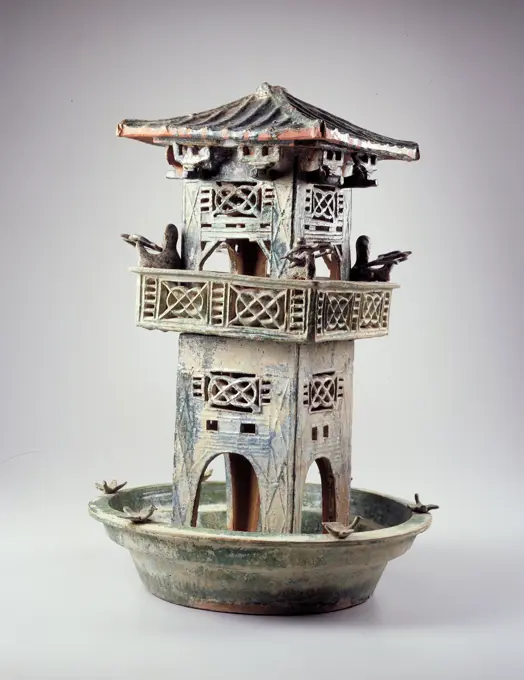
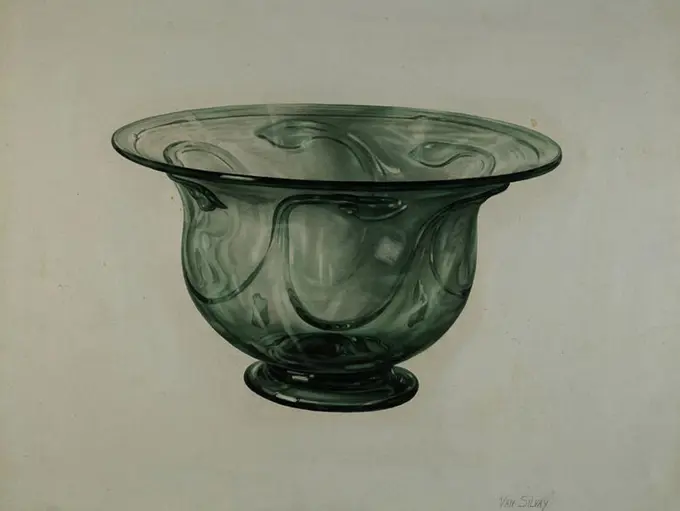
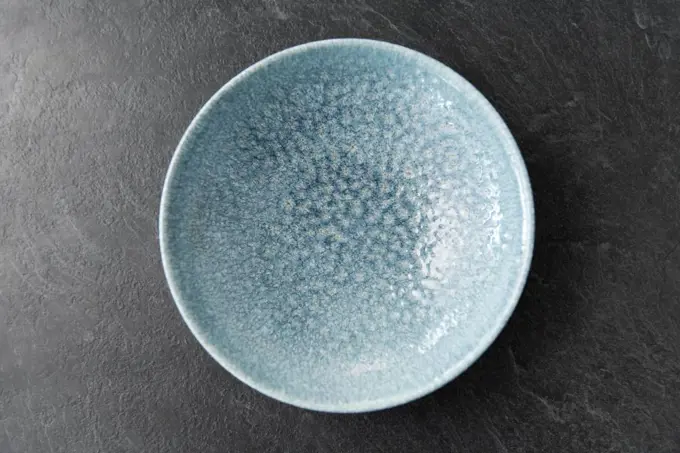
, 650-800 CE. Ceramics. Slip-painted ceramicA shallow white cross-lined ware bowl illustrating a man on a boat alongside a hippo and crocodile ca. 3900-3650 B.C. Predynastic, Naqada I. A shallow white cross-lined ware bowl illustrating a man on a boat alongside a hippo and crocodile. ca. 3900-3650 B.C.. Pottery, paint. Predynastic, Naqada I. From EgyptBowl with Birds 4th century Nasca. Bowl with Birds 308572Sèvres Porcelain Manufactory, Cup and Saucer, 1836, hard-paste porcelain.Seif Yohei III (1851-1914) was a son of the Maruyama school painter Okada Ryhei (dates unknown). Though he studied painting, he ultimately succeeded his ceramics mentor, Seif Yohei II (1845-1878), in Kyoto. He distinguished himself as a remarkable porcelain artist, taking Qing dynasty Chinese wares as his inspiration. He experimented widely with new glazing techniques. In 1893, he became the first ceramicist to be appointed as an Imperial Household Artist under a system introduced by the Japanese government in 1890. He produced many works for use in Chinese-style tea gatherings called sencha. Dish from Dishes with Shells, c. 1915. Seifū Yohei IV (Japanese, 1872-1951). One from a set of five dishes; porcelain with blue glaze, iron oxide, and molded design; height: 2.5 cm (1 in.); diameter: 12.1 cm (4 3/4 in.).Chris Makrenos, Amber Pan, c 1941 Amber PanBowl. Culture: Coptic. Dimensions: H: 1 3/16 in. (2.1 cm); Diameter: 2 7/16 in. (6.2 cm). Date: 4th-7th century. Museum: Metropolitan Museum of Art, New York, USA.Burnt-Parfum (common name). Sandstone, molding, celadon. Cernuschi Museum, Asia Museum of Asia in the city of Paris.Empty wooden plate, knife, fork and cutting board set on textured concrete backgroundMilitary Watchtower, 1st century, 13 x 11 1/2 x 11 1/2 in. (33.02 x 29.21 x 29.21 cm) (a:)13 1/4 x 17 1/2 in. (33.66 x 44.45 cm) (b: base), Low-fired earthenware with green glaze, China, 1st century, The multi-storied manor houses and watchtowers of Han towered above the countryside. Some lords built watchtowers and hired private armies to protect their property. This tower is built over a pond as indicated by the fish, frogs and aquatic fowl in the round basin-like base. The corners of the balcony show soldiers with crossbows. Though invented during Warring States period (481-221 b.c.), crossbows were perfected during Han. Central to military control, the powerful weapon gave the Han an advantage against all enemies. In fact, the crossbow was a state secret protected by the death penalty.old ceramic monastery tableware, Monastery of Santa María de Carracedo, 10th century, Carracedo del Monasterio, El Bierzo region, Castile and Leon, Spain.Bowl. Dated: c. 1938. Dimensions: overall: 30.5 x 40.7 cm (12 x 16 in.). Medium: watercolor and graphite on paper. Museum: National Gallery of Art, Washington DC. Author: Van Silvay.table setting, tableware and eating concept - close up of blue ceramic plate on slate background. close up of blue ceramic plate on slate backgroundThey weigh;  Kon. XIXW. (1870-00-00-1890-00-00);