Antique Bowls and Jars

A selection of historical bowls and jars from different cultures, emphasizing intricate designs and materials like glass and earthenware, showcasing craftsmanship.

Vessel, 20th century, 6 7/8 x 9 13/16 x 9 13/16 in. (17.46 x 24.92 x 24.92 cm), Ceramic, Nigeria, 20th century
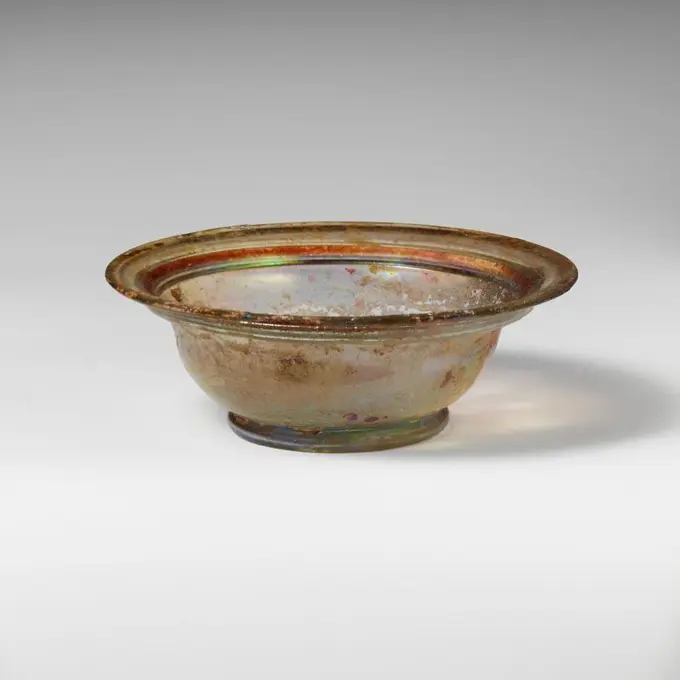
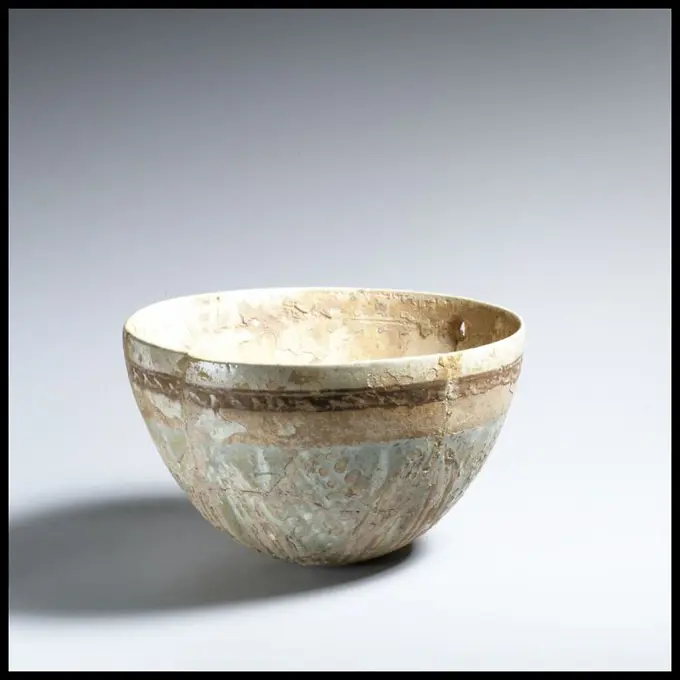
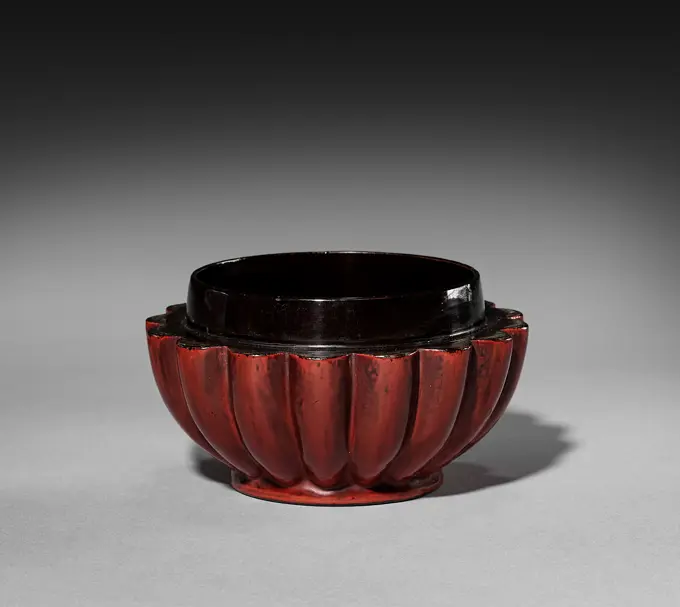
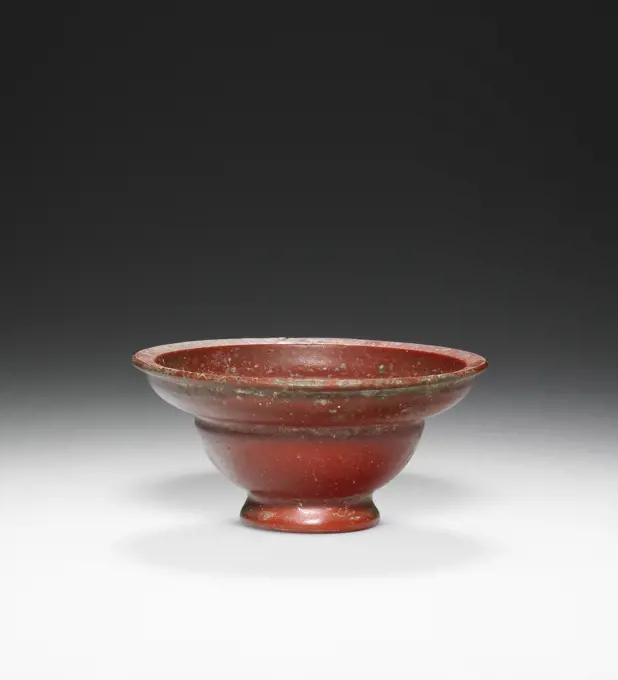
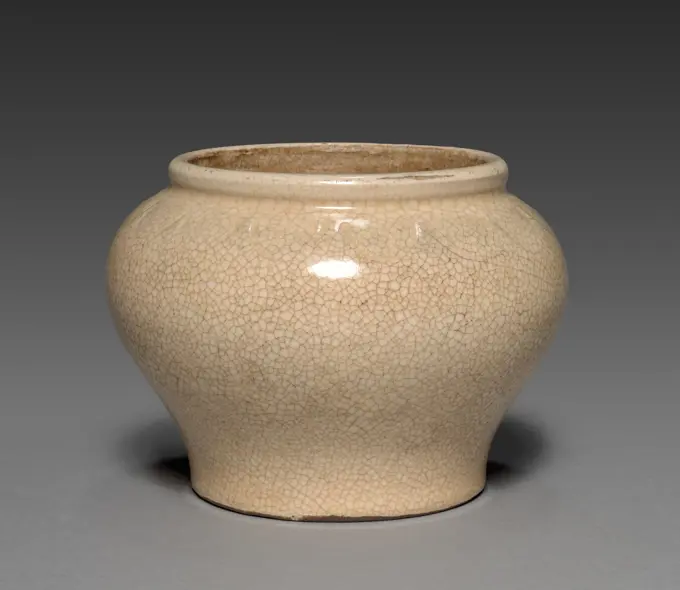
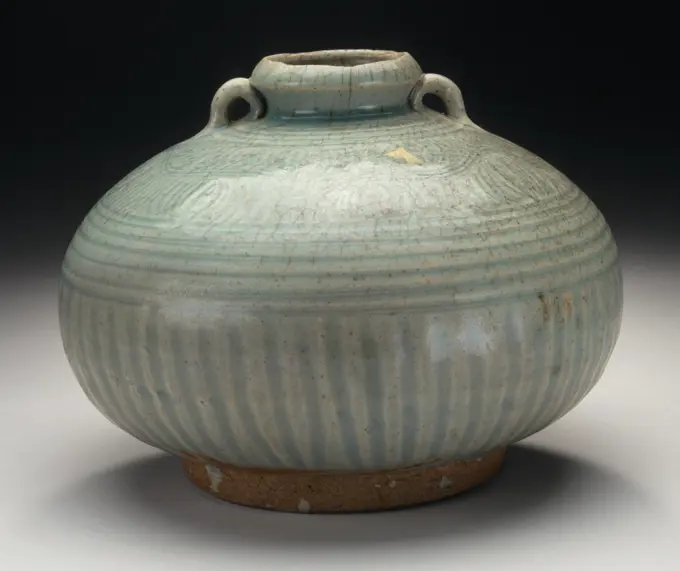
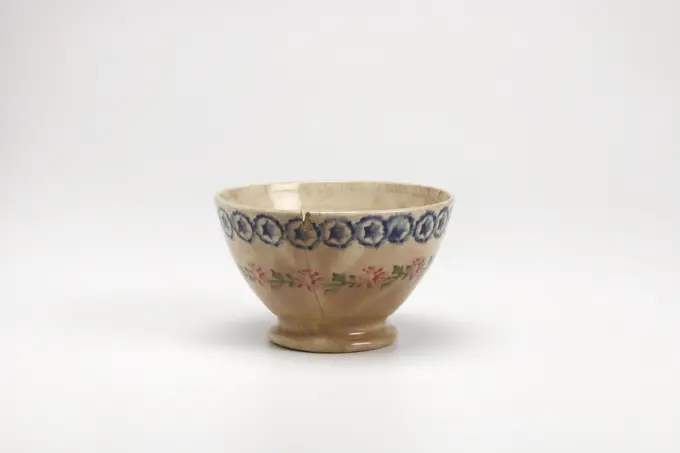
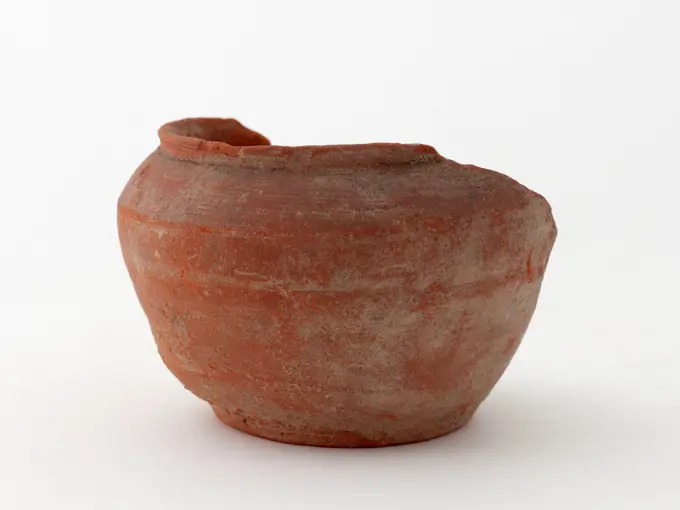
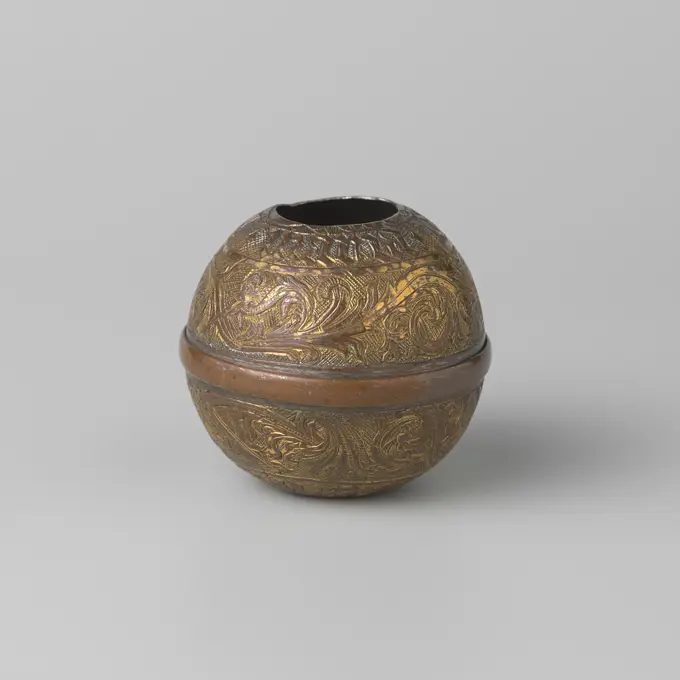
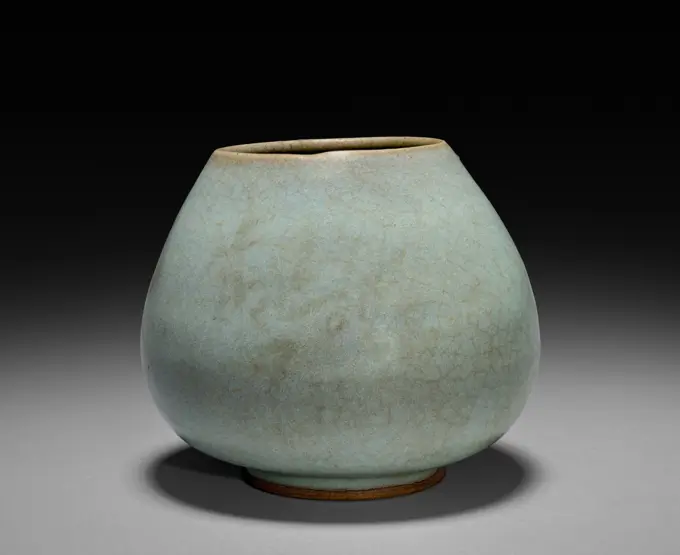
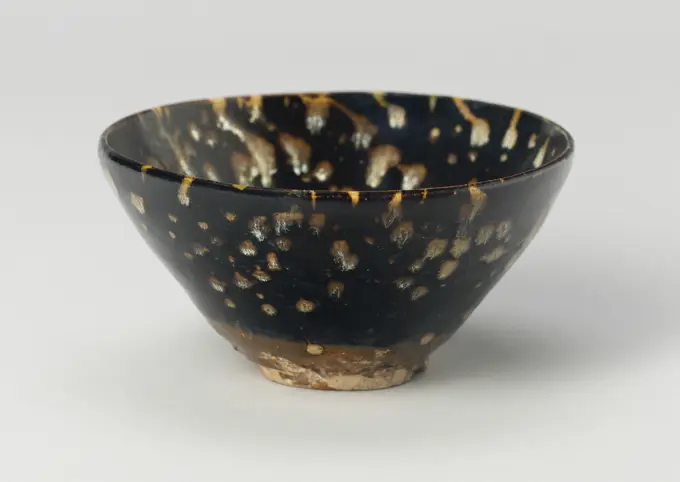
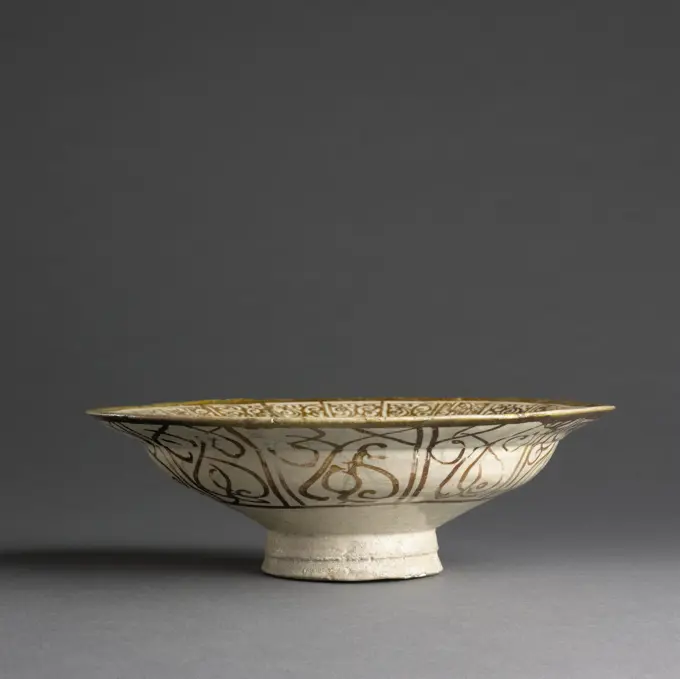
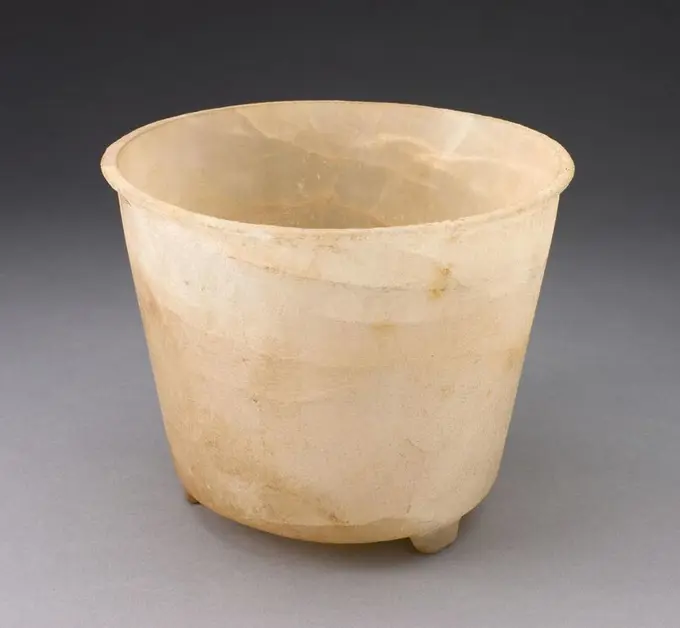
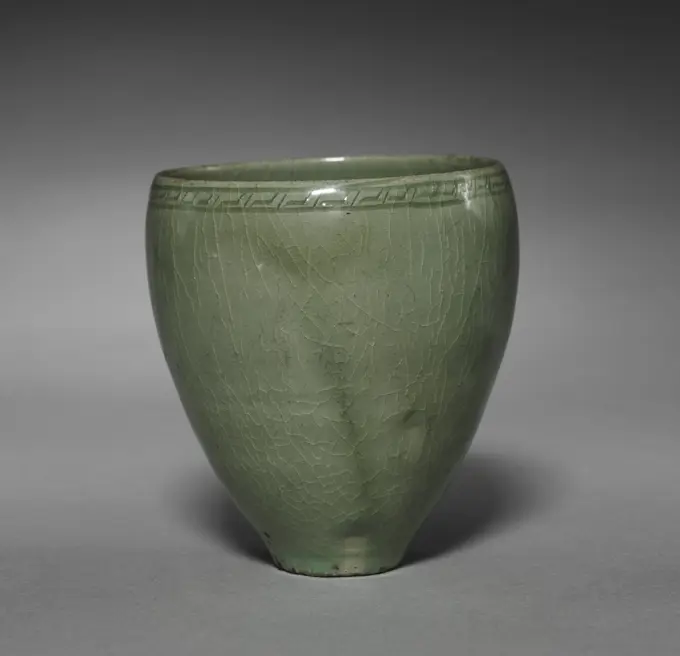
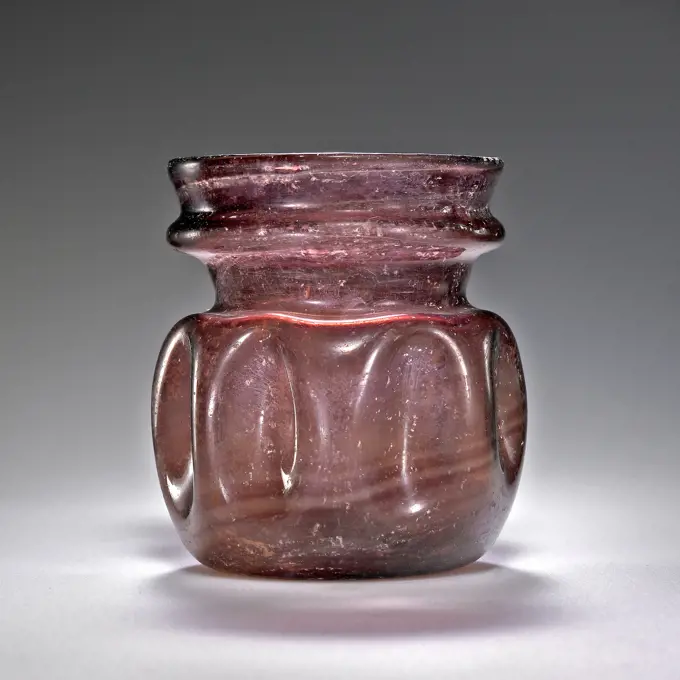
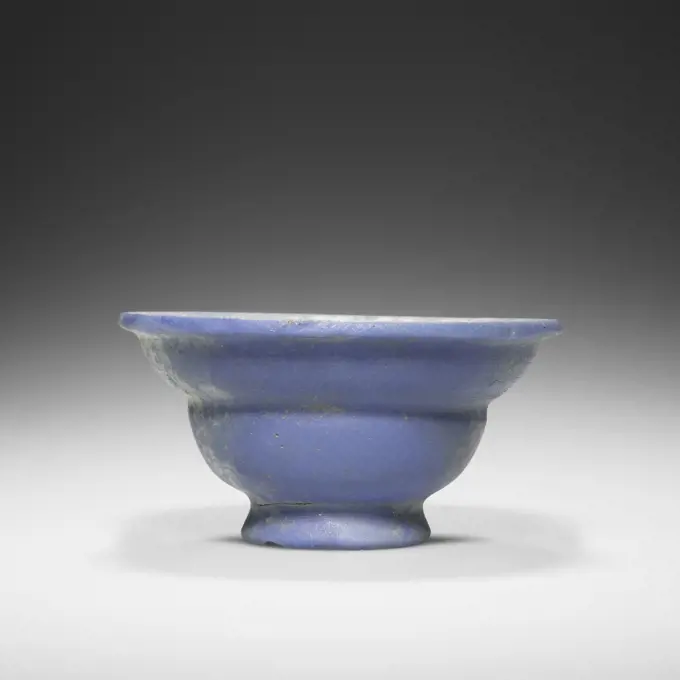
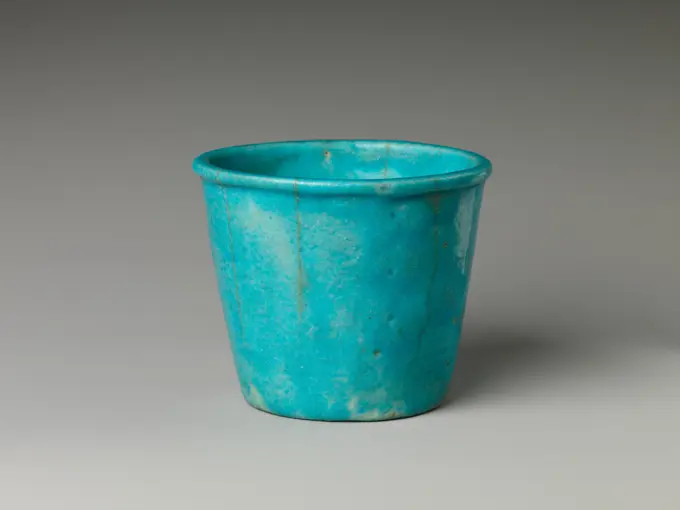
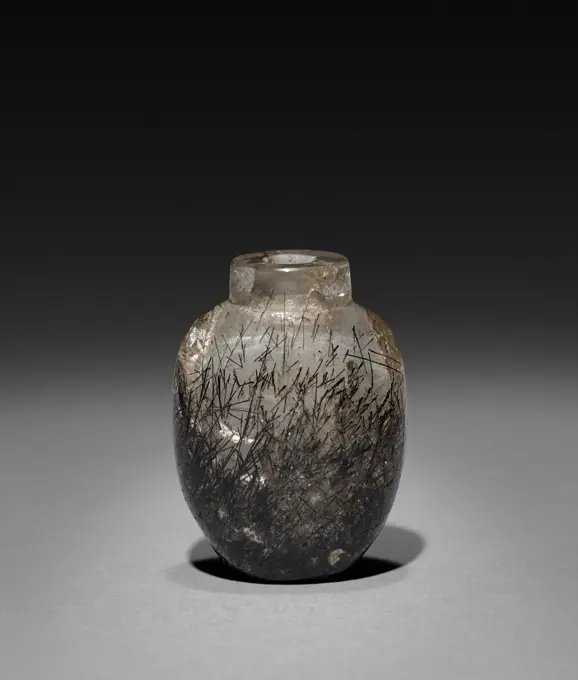
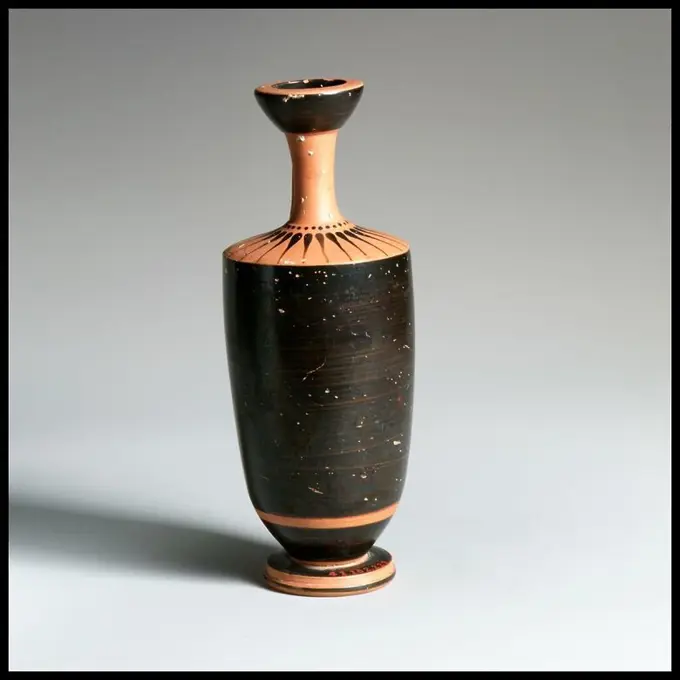
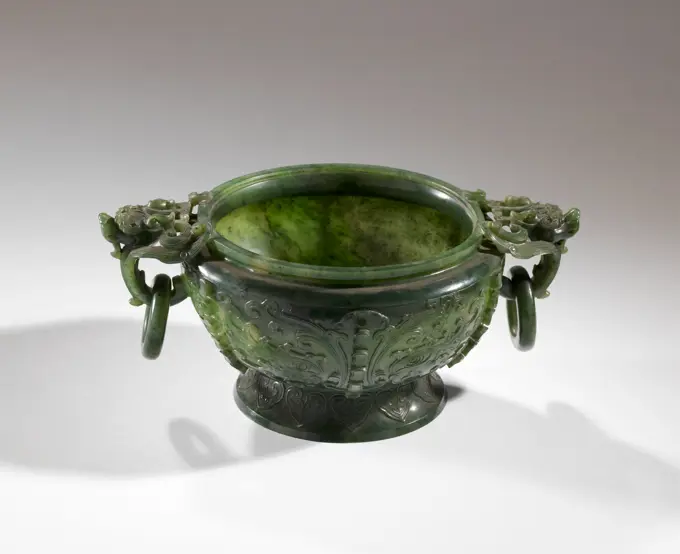
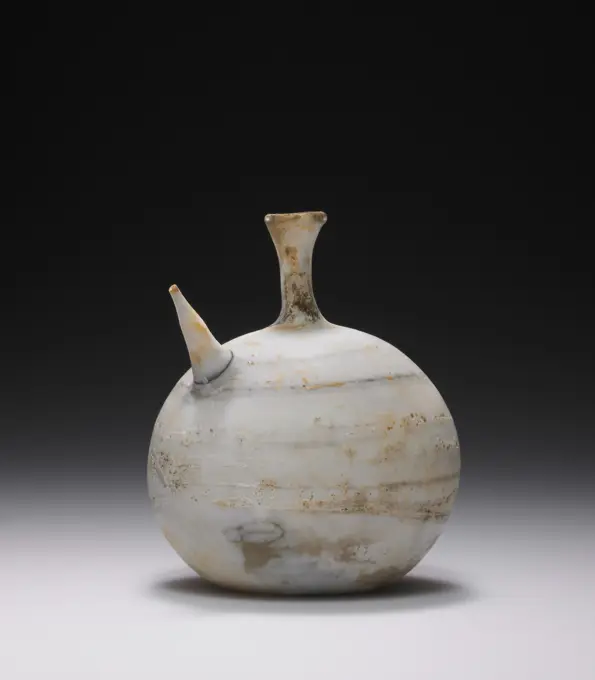
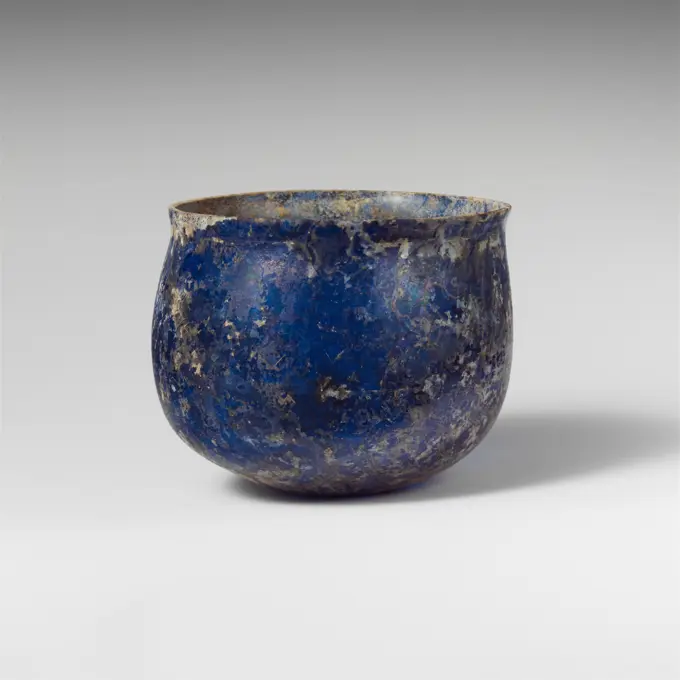
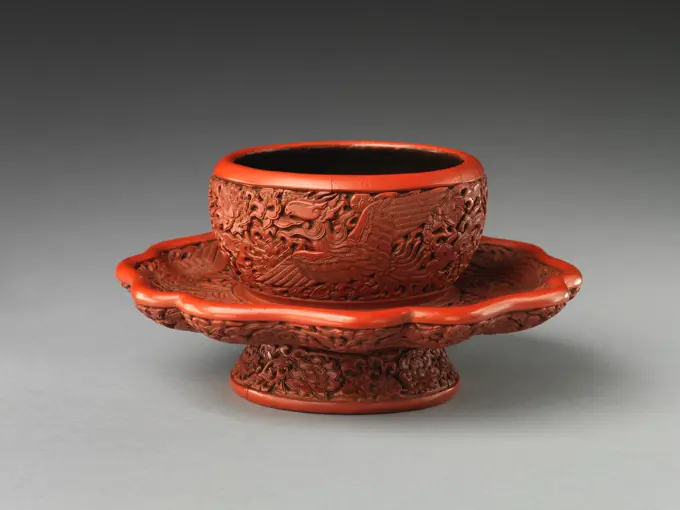
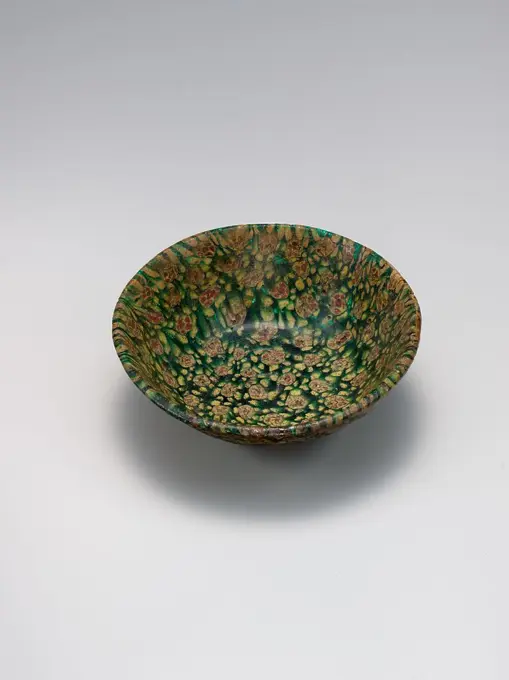
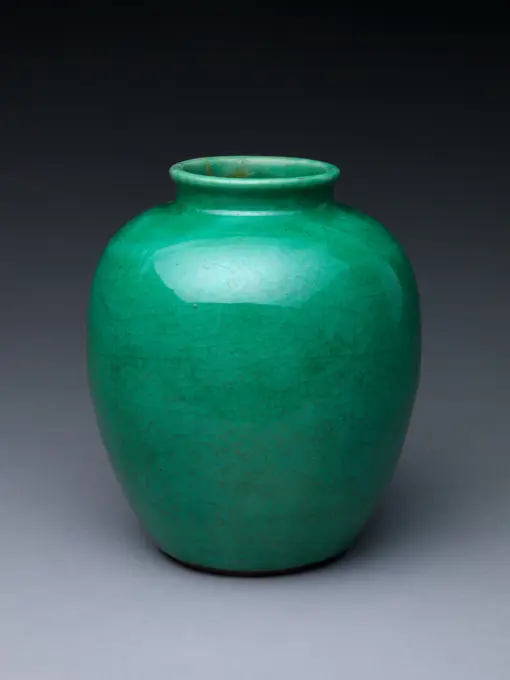
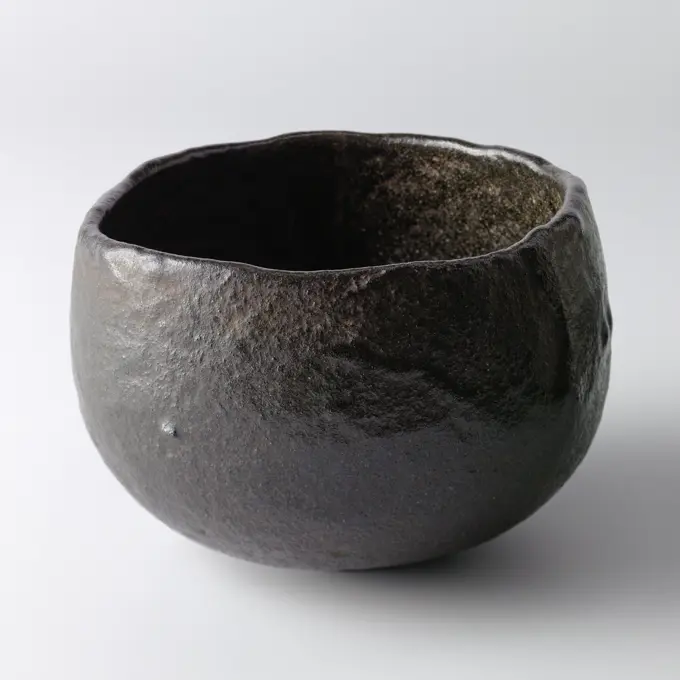
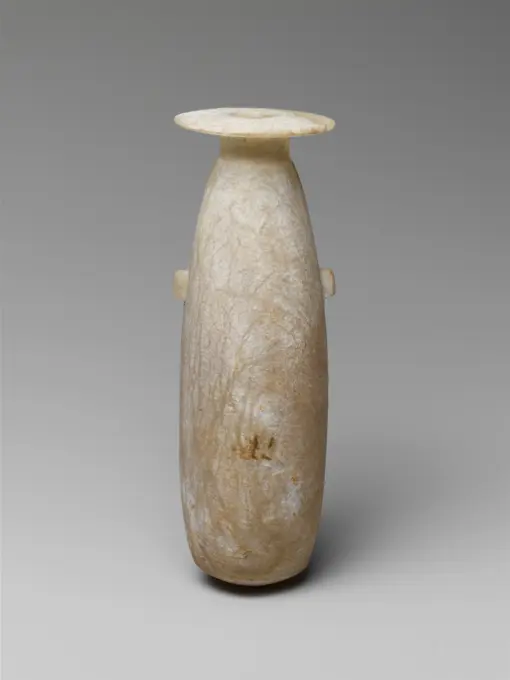
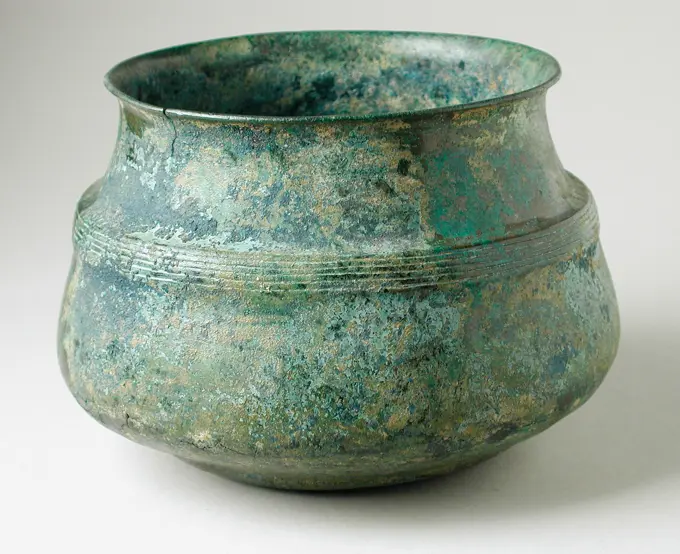
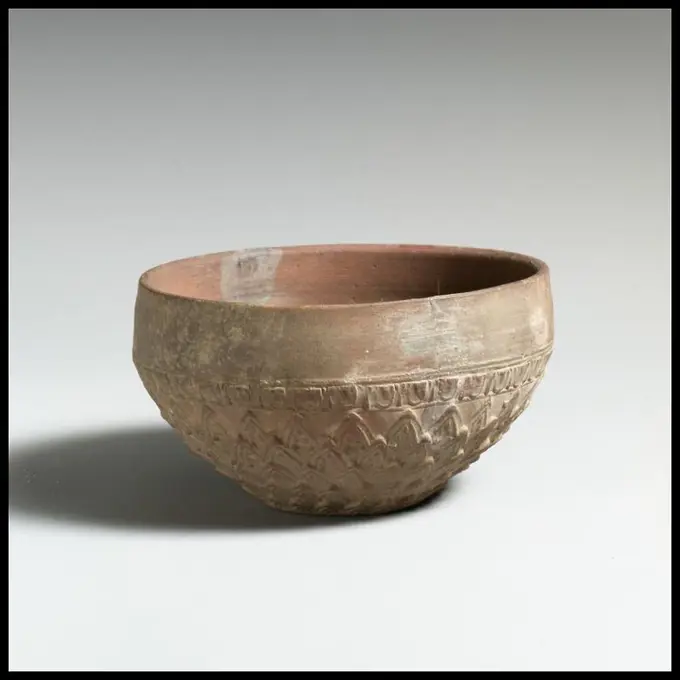
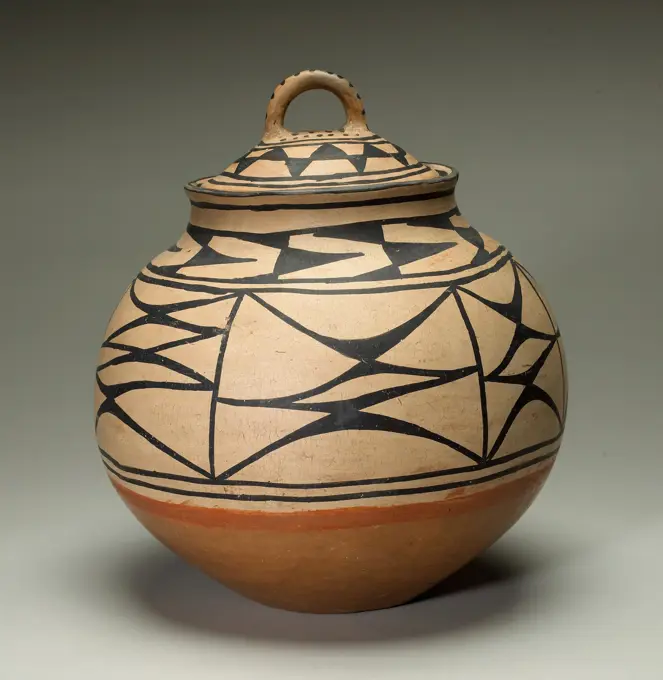
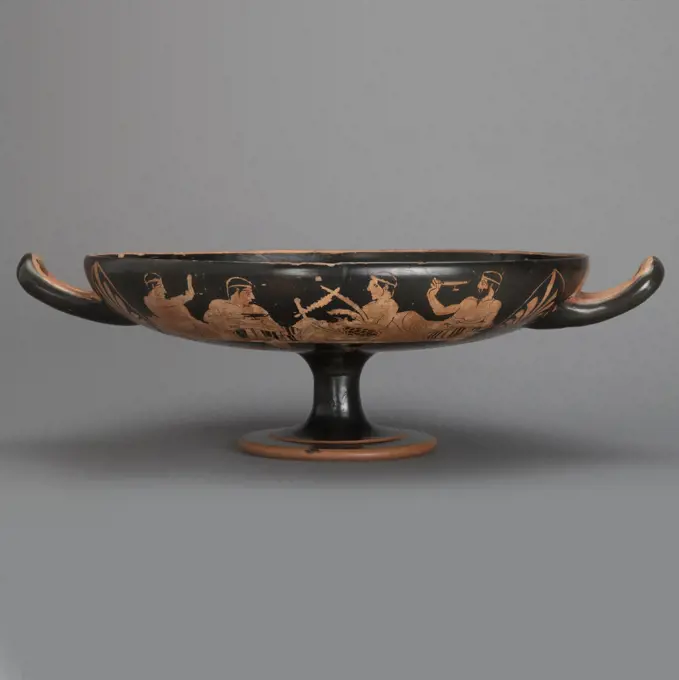
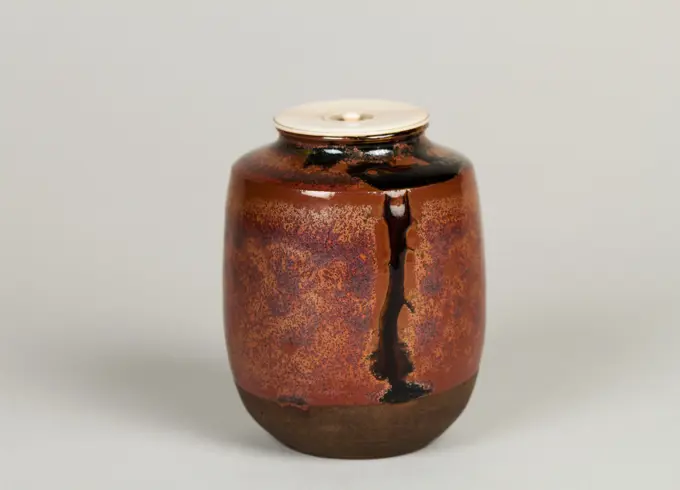
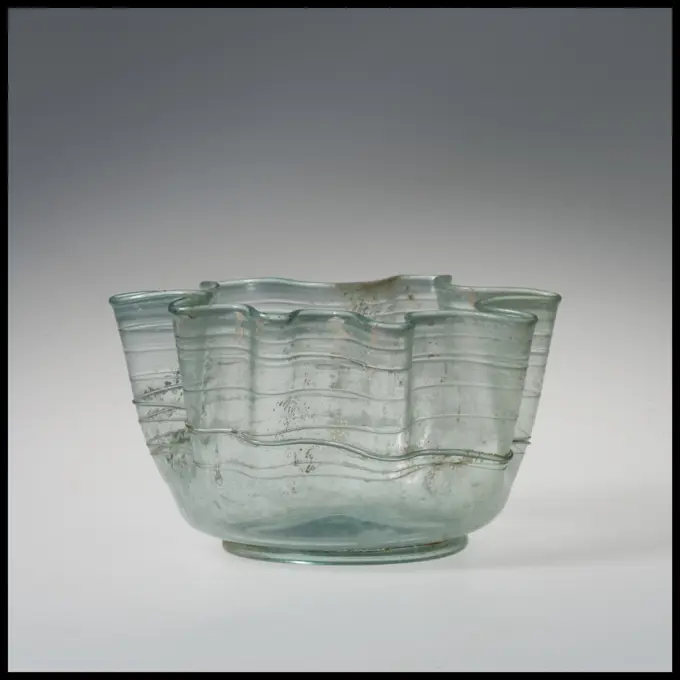
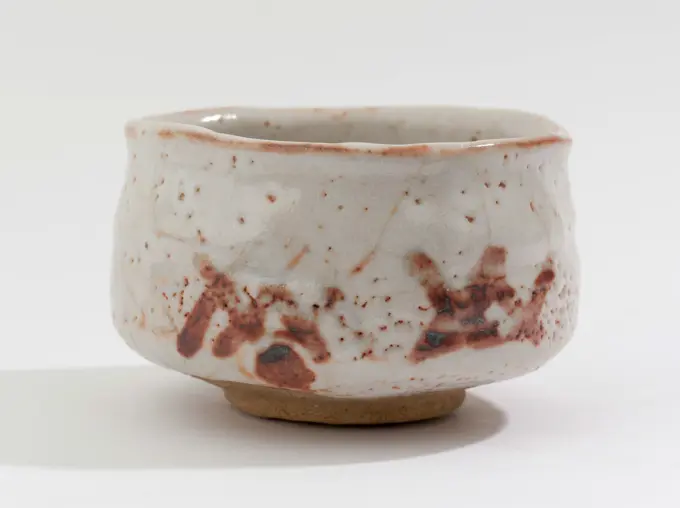
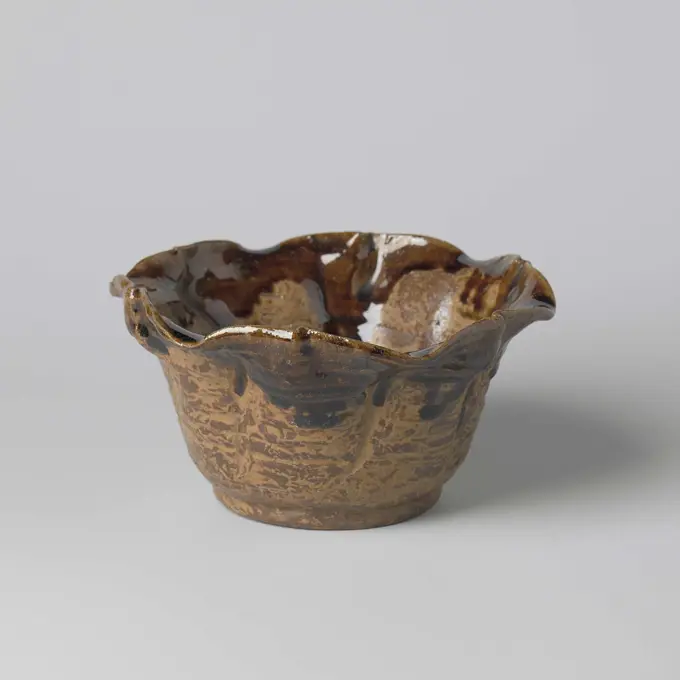
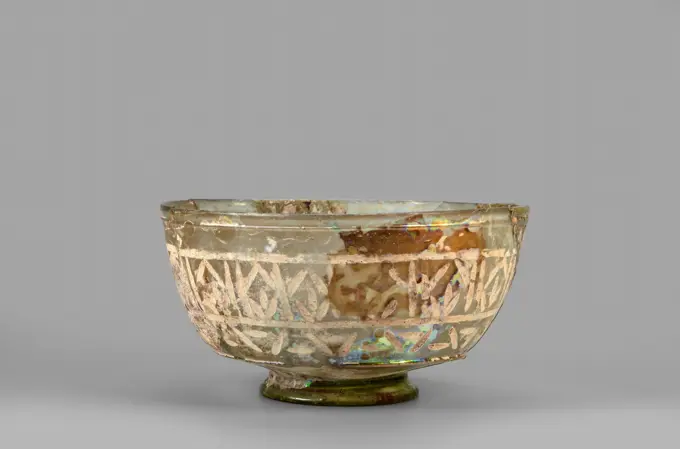
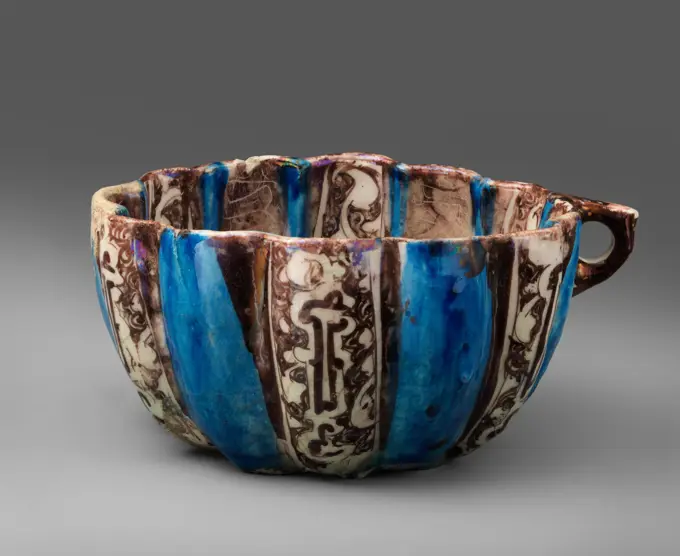
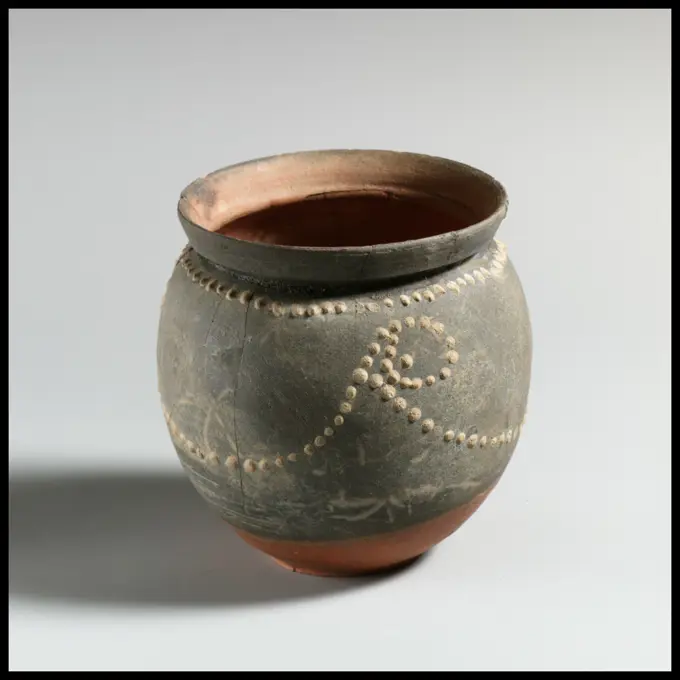
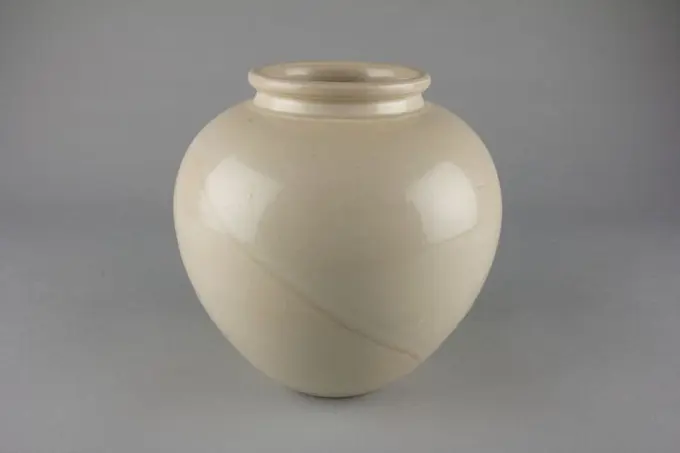
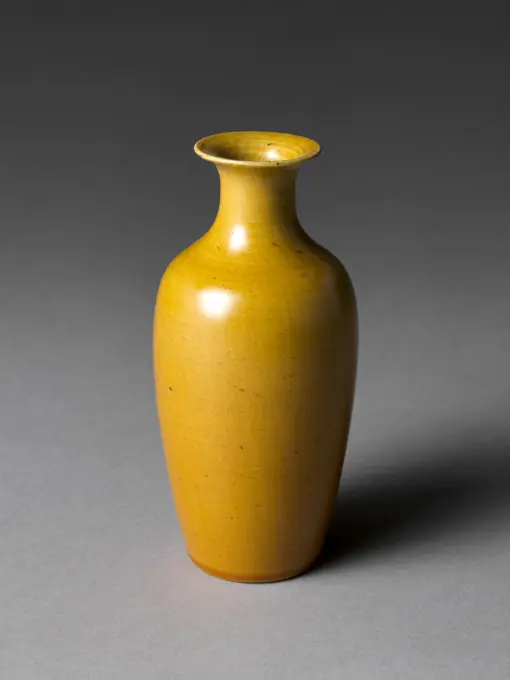
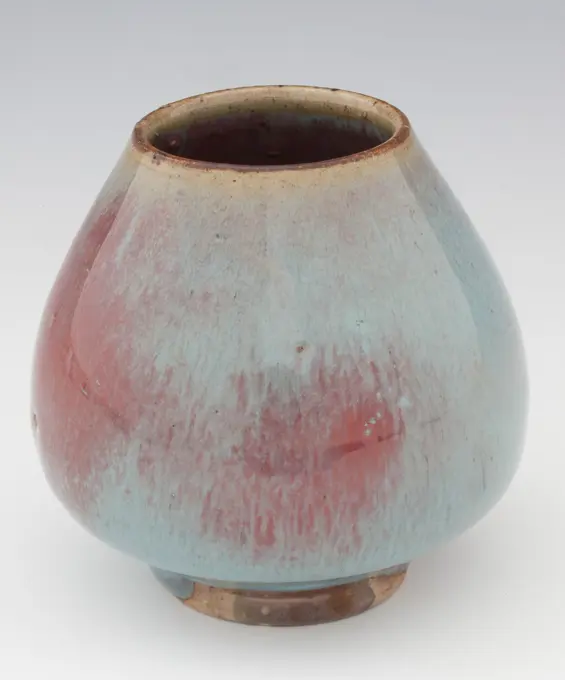
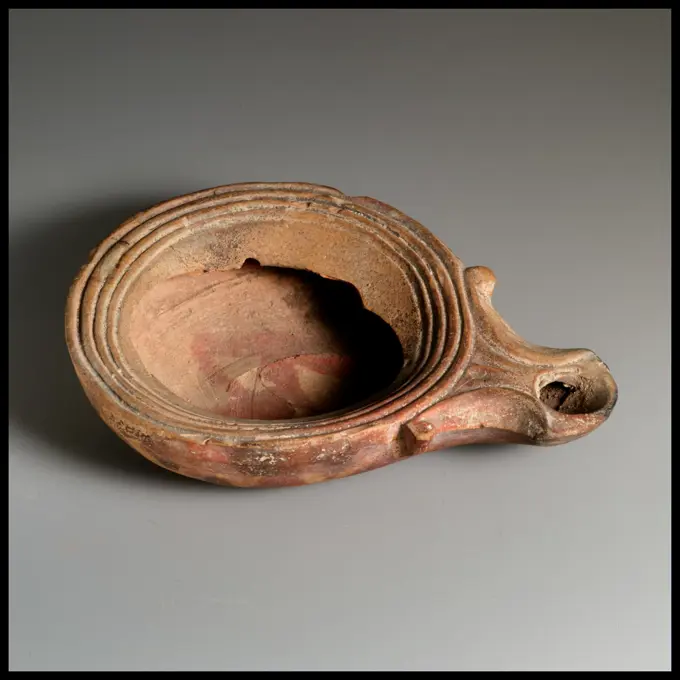
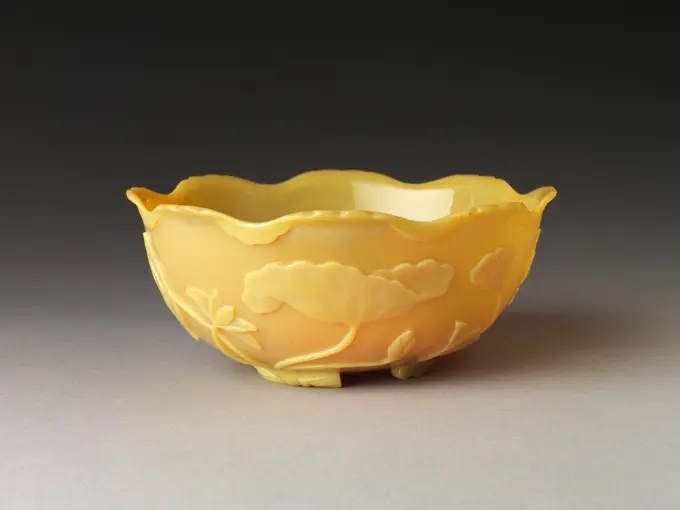
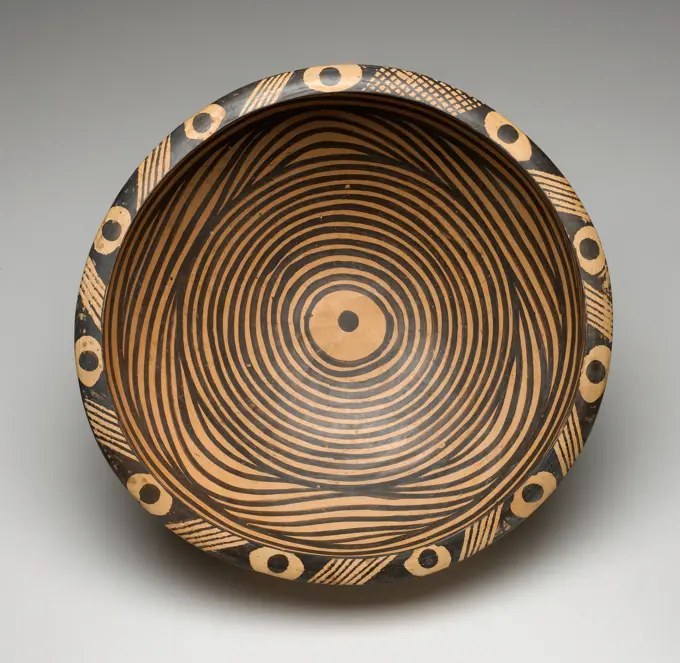
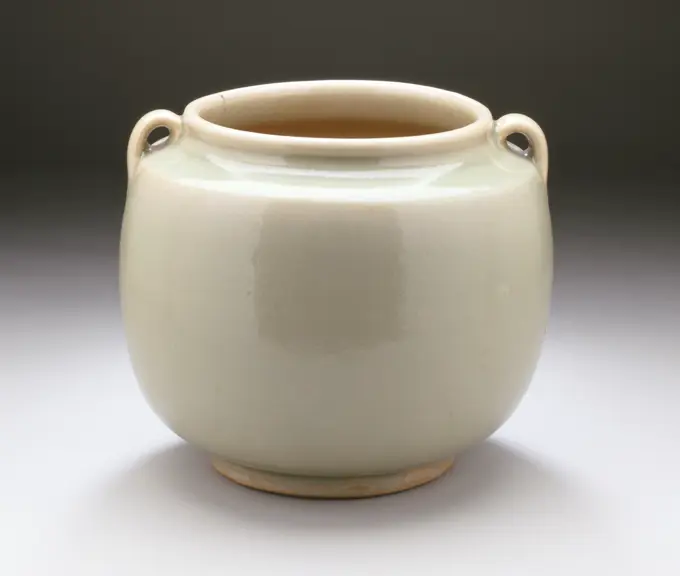
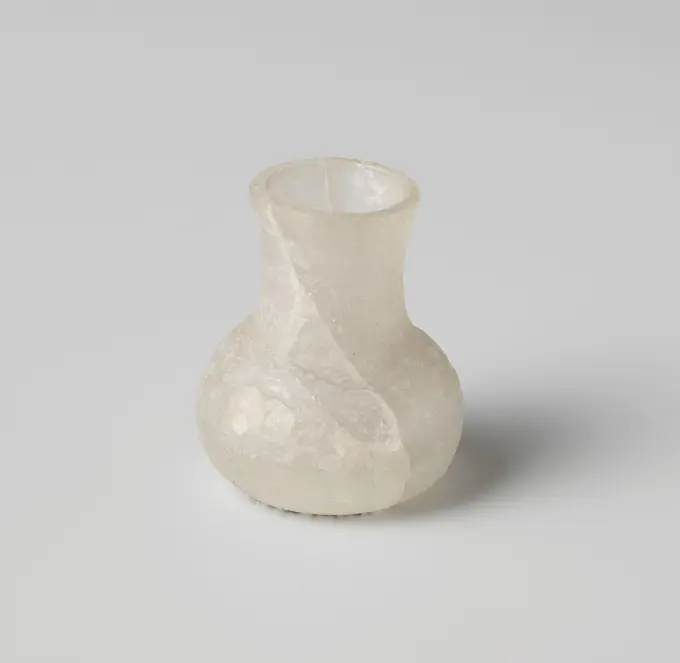
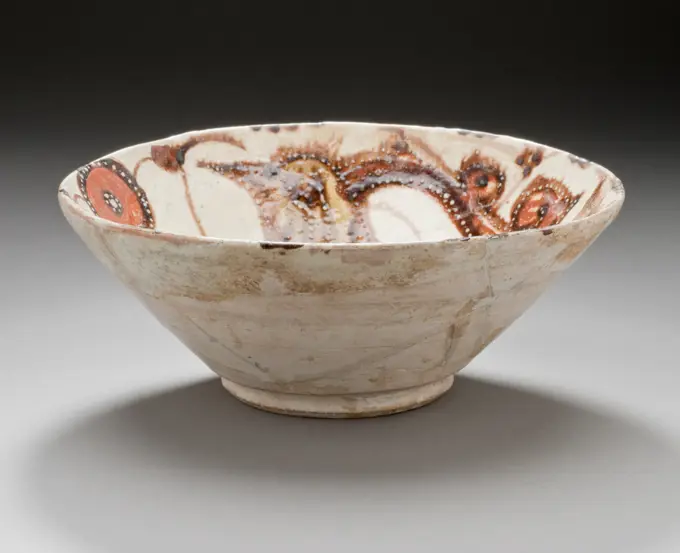
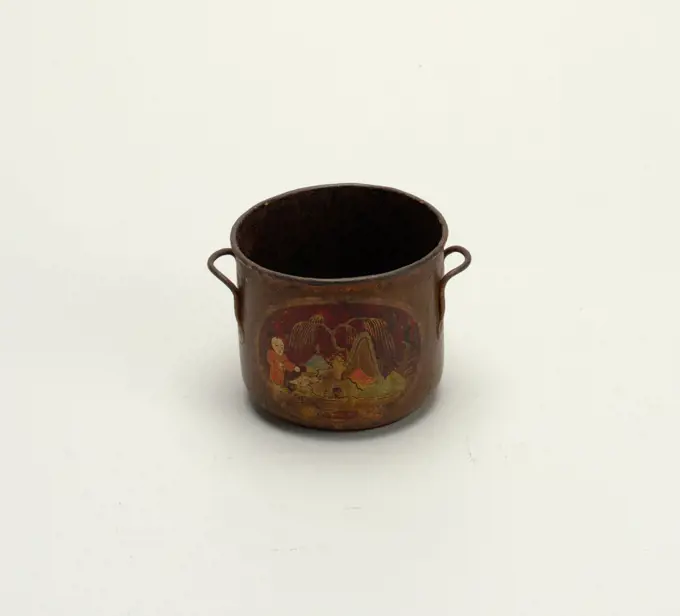
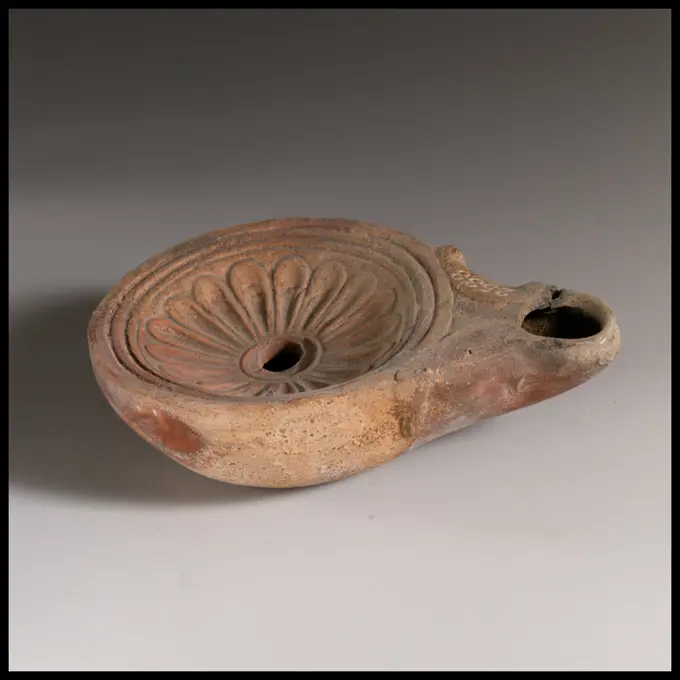
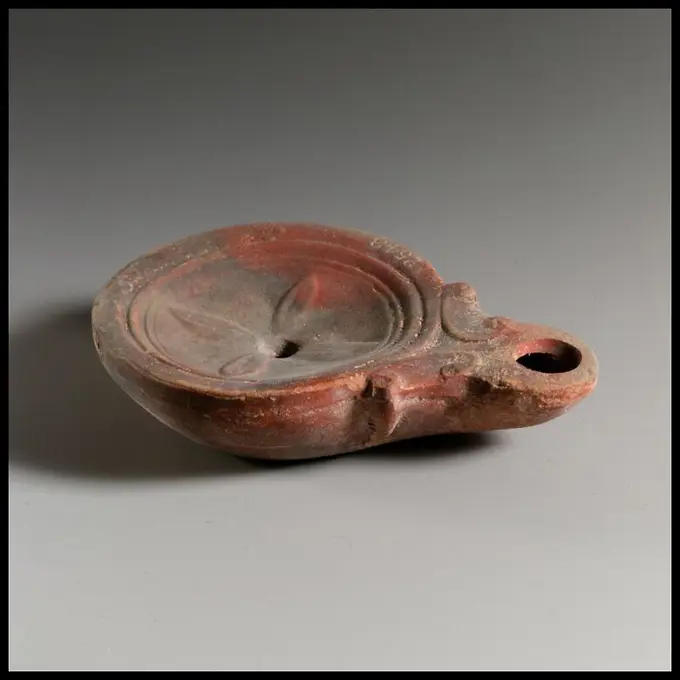
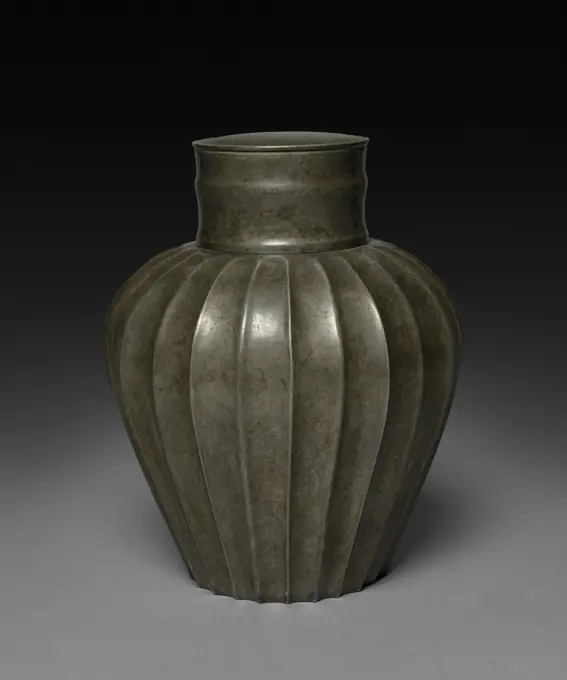
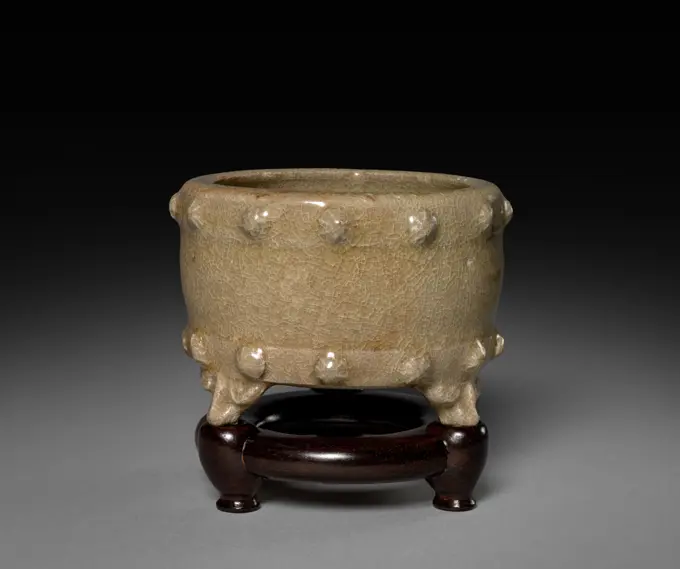
Footed Bowl. Dimensions: H. 4 3/8 in. (11.1 cm)Diam. 6 15/16 in. (17.6 cm)Wt. 26.3 oz. (745.7 g). Date: early 13th century.This footed bowl has a rich program of inlaid silver decoration. There are epigraphic bands under the rim and around the foot, each with blessings for the bowl's owner in animated script, with a band of medallions containing the signs of the Zodiac in the middle. Each medallion is framed by a ring of pointed rays that underscore the solar symbolism of the decoration, and each sign is shown with its Planetary Lord.In Arabic, Aquarius is called al-dalw ("the water bucket") when referring to the sign of the Zodiac, and sakib al-ma ("the water pourer") when referring to the constellation. Correspondingly, illustrations of the Zodiac show Saturn, the Planetary Lord of Aquarius, raising a bucket of water from a well, whereas illustrations of the constellation, following the original Greek name, show a male figure pouring water from a vessel. Museum: Metropolitan MuseJar 301 CE-500 CE Syria. Glass, blown technique . Ancient RomanJar. China. Date: 25 AD-200 AD. Dimensions: H. 16.1 cm (6 5/16 in.); diam. 20.2 cm (7 15/16 in.). Earthenware with lead green glaze. Origin: China. Museum: The Chicago Art Institute, Chicago, USA.Glass bowl. Culture: Roman. Dimensions: Height: 1 11/16 in. (4.3 cm)Diam.: 4 5/8 x 2 1/4 in. (11.7 x 5.7 cm). Date: 2nd-3rd century A.D..Colorless with blue green tingeEverted horizontal rim with rounded outer lip; projecting tubular fold below; S-shaped sides curving in to integral tubular base ring; kick in bottom with circular pontil scar.Intact; pinprick bubbles; deep pitting and brilliant iridescent weathering. Museum: Metropolitan Museum of Art, New York, USA.Cup ca. 1850 American. Cup. American. ca. 1850. Mottled brown earthenware. Probably made in Bennington, Vermont, United StatesVessel, 20th century, 6 7/8 x 9 13/16 x 9 13/16 in. (17.46 x 24.92 x 24.92 cm), Ceramic, Nigeria, 20th centuryCup With Flower Sprays Near a Rock and a Dark Brown Glaze. Cup of porcelain, partially covered with a brown glaze, painted in underglaze blue and on the glaze in red and gold. Blooming plants depicted at a rock; The edge with napkin interspersed with a flower branch in a cart shower; The outside is covered with a brown glaze. Chinese Imari with monochrome brown.Faience bowl. Culture: Greek, Ptolemaic. Dimensions: h. 4 1/10 in. (10.5 cm); d. 6 4/5 in. (17.2 cm).. Date: 2nd-1st century B.C..The decorative scheme of this bowl, large petals separated by triangular zones of stacked ferns or pine cones, illustrates the close correspondance between faience and Megarian wares, two types of kiln fired objects ornamented with designs normally associated with silver vessels.While Megarian bowls were made in many places within the Mediterranean basin, faience seems to have been produced solely in Egypt, most likely Alexandria, its artistic and commercial center during the Hellenistic period.The broad appeal of faience bowls, therefore, is attested by their diverse geographical find-spots, such as; the Greek island of Rhodes, Asia Minor (Turkey), Palastine and, Apulia in Southern Italy. Museum: Metropolitan Museum of Art, New York, USA.Glass mosaic carinated bowl. Culture: Roman, probably Italian. Dimensions: H.: 1 5/16 in. (3.3 cm)Diam.: 2 13/16 in. (7.1 cm). Date: late 1st century B.C.-early 1st century A.D..Translucent purple, opaque white, yellow, red, and pale bluish green.Vertical rim with angular edge; carinated side, with upper slightly bulging vertical curve and lower convex curve; flat bottom within slightly outsplayed base ring with flattened edge.Composite mosaic pattern formed from polygonal sections of a single cane in purple ground outlined in opaque white containing concentric circles of bluish green and red with a central yellow dot. A narrow horizontal ridge cut on top edge of rim and another narrow horizontal groove just below rim on exterior.Complete except for two holes in rim; some pitting and dulling, creamy brown iridescent weathering on interior, and patches of iridescent weathering on exterior.Rotary grinding marks on exterior. Museum: Metropolitan Museum of Art, New York, USA.Tea Caddy (Chaire), 1500s. Japan, Muromachi period (1392-1573). Negoro lacquer on wood; diameter: 11 cm (4 5/16 in.). Negoro is a lacquer technique, named after the Negoro temple in Japan, in which several layers of red lacquer are applied over a black lacquer undercoating. Through years of handling, a natural surface of red and black random patterns emerges, an aesthetic highly prized by the Japanese.Bowl; Eastern Mediterranean or Italy; end of 1st century B.C. - beginning of 1st century A.D; Glass; 3.4 x 7.3 cm (1 5,16 x 2 7,8 in.)Teabowl with a black glaze, anonymous, anonymous, c. 1875 - c. 1900 Teaom of stoneware, covered with a black glaze. On the wall a saved decoration with flowering plants. Marked on the outer wall with "" "Kenzan". Old label on the bottom with 'W668'. Raku (black). Japan stoneware. glaze vitrification Teaom of stoneware, covered with a black glaze. On the wall a saved decoration with flowering plants. Marked on the outer wall with "" "Kenzan". Old label on the bottom with 'W668'. Raku (black). Japan stoneware. glaze vitrificationJar (Satsuma ware), 1868-1912. Japan, Meiji period (1868-1912). Pottery; overall: 7 cm (2 3/4 in.).Ring-handled Jar. Thailand, Sawankhalok, circa 15th century. Furnishings; Serviceware. Stoneware with celadon glazeTerracotta kylix (drinking cup) ca. 330-300 B.C. Greek, South Italian, Campanian, Teano Decorated with ivy vine and stamped pattern.. Terracotta kylix (drinking cup) 248193Bowl - Portneuf potteryVase 1894-1906 George E. Ohr American. Vase 9367Globular pot with small wide collar ". Terracotta. Vietnam-Xe-Xive s. Paris, Cernuschi museum. 72185-53 Vietnamese object, small wide neck, globular pot, terracottaPomellum with acanthus leaf and text band. The object made from copper plate consists of two half spheres, which are tinsed on the inside, and that are decorated with an engraved continuous acanthus ornament, in which two or three figures are recorded with lance or arrow and bow and are equipped with the round openings of the round openings. Inscriptions in Gothic minuskels Jesus, Maria, Johes. On the outer edge of one sphere, a tire is fitted, which close on another.Lotus Bud Jar: Jun ware, 12th-13th Century. Northern China, Northern Song dynasty (960-1127) - Jin dynasty (1115-1234). Stoneware; diameter: 9.8 cm (3 7/8 in.); overall: 9.8 cm (3 7/8 in.).Jar. China. Date: 1200-1279. Dimensions: H. 9.1 cm (3 9/16 in.); diam. 10.1 cm (4 in.). Cizhou ware; stoneware with black glaze and iron-brown splashes. Origin: China. Museum: The Chicago Art Institute, Chicago, USA.Teabowl 1115-1199 China. Northern blackware, Cizhou type; stoneware with dark brown glaze and overglaze russet flecks .Terracotta miniature one-handled cup ca. 1600-1525 B.C. Minoan Miniature vessels used as votives have been discovered in shrines within settlements as at Knossos and also at peak sanctuaries.. Terracotta miniature one-handled cup. Minoan. ca. 1600-1525 B.C.. Terracotta. Late Minoan IA. VasesDish with two horsemen, anonymous, c. 1170 - c. 1199 Scale of quartz-frit goods decorated with two riders and compartments with curls or tendrils in polychrome luster on the surface of Opaak Wit Tin-Lood-Alkiliglaze. is the earthenware. glaze. luster (textile) painting / vitrification Scale of quartz-frit goods decorated with two riders and compartments with curls or tendrils in polychrome luster on the surface of Opaak Wit Tin-Lood-Alkiliglaze. is the earthenware. glaze. luster (textile) painting / vitrificationTripod Vessel. Mixtec; Oaxaca, Mexico. Date: 100 AD-300 AD. Dimensions: 13.3 x 16.2 cm (5 1/4 x 6 3/8 in.). Alabaster. Origin: Oaxaca. Museum: The Chicago Art Institute, Chicago, USA.Cup with Incised Thunder Design, 1100s-1200s. Korea, Goryeo period (918-1392). Celadon; diameter of mouth: 8.6 cm (3 3/8 in.); overall: 9.9 cm (3 7/8 in.).Beaker; Roman Empire; 3rd - 4th century; Glass; 8 x 6.9 cm (3 1,8 x 2 11,16 in.)Bowl; Eastern Mediterranean or Italy; end of 1st century B.C. - beginning of 1st century A.D; Glass; 4 x 7.8 cm (1 9,16 x 3 1,16 in.)Ovoid jar with floral scrolls and silver mount, anonymous, c. 1100 - c. 1299 Egg -shaped pot of earthenware, covered with a gray -green crawl glaze. The upper part of the wall with entered flower vines; The lower part with a band with raised leaf motifs. The neck is caught in a (recent) Silver frame with leaf vines and pointed leaf motifs. The glaze is largely worn out. Vietnam earthenware. glaze. silver (metal) engraving / vitrification Egg -shaped pot of earthenware, covered with a gray -green crawl glaze. The upper part of the wall with entered flower vines; The lower part with a band with raised leaf motifs. The neck is caught in a (recent) Silver frame with leaf vines and pointed leaf motifs. The glaze is largely worn out. Vietnam earthenware. glaze. silver (metal) engraving / vitrificationCup 500-200 B.C. Late Period-Ptolemaic Period Faience cups of this type are frequent in the Late Period. A recent study of faience vessels notes that examples were found in the western dump at the Sacred Animal Necropolis at Saqqara, where datable documents belong to the 5th-4th centuries B.C. The cups vary in size; examples are known that were inscribed and found in sets of 7 for the 7 sacred oils. The type may have continued to be produced during the Graeco-Roman period, but the quality of the glaze here - very thick and most often with regular craquelure in a regular manner - seems characteristic of the Late Period.. Cup 561046Snuff Bottle, 1644-1911. China, Qing dynasty (1644-1911). Glass; overall: 5.8 cm (2 5/16 in.).Terracotta lekythos (oil flask). Culture: Greek, Attic. Dimensions: H. 6 1/8 in. (15.6 cm); diameter 2 1/4 in. (5.7 cm). Date: 1st quarter of 5th century B.C..The application of glaze to an Attic shape effectively articulates the various parts and gives it a formal, finished appearance. Attic black-figured and black-glazed lekythoi persisted well after the introduction of the red-figure technique about 530 B.C. Museum: Metropolitan Museum of Art, New York, USA.Anonymous. Incense burner. Jade Vert, Qianlong era (18th century). Museum of Fine Arts of the City of Paris, Petit Palais. 112502-3Bowl - Portneuf potteryGlobular Jar with Overlapping Leaves 907 CE-960 CE China. Yue ware; stoneware with underglaze carved decoration .Small incense burner, 'Ma Jun' or 'Soft Jun' ware. Artist: Chinese , Yuan Dynasty. Culture: Chinese. Dimensions: Height: 3 1/4 in. (8 cm.). Date: 13th-14th century (or later). Museum: Metropolitan Museum of Art, New York, USA.Jar. Late Roman or early Byzantine; coast of Syria or Palestine. Date: 301 AD-500 AD. Dimensions: 12.3 × 12 × 12 cm (4 7/8 × 4 3/4 × 4 3/4 in.). Glass, blown technique. Origin: Syria. Museum: The Chicago Art Institute, Chicago, USA. Author: Ancient Levantine.Flask with Spout. UnknownJar -Bowl with scrolls, anonymous, c. 1170 - c. 1200 Come from quartz fritry with an Opaak Wit Tin-Lood-Alklaze laze on which a decor with luster tenders. is the earthenware. glaze. luster (textile) painting / vitrification Come from quartz fritry with an Opaak Wit Tin-Lood-Alklaze laze on which a decor with luster tenders. is the earthenware. glaze. luster (textile) painting / vitrificationGlass cup 1st century A.D. Roman Translucent blue.Knocked off, horizontal rim, with slight bulge below; uneven, convex side to body; rounded bottom, with small concave center.Faint wheel-abraded horizontal lines, one 0.4 cm below rim, two more on body at point of greatest diameter.Broken and repaired; few bubbles; dulling and whitish, iridescent weathering covering much of surfaces.Stands aslant on bottom.. Glass cup 244584Tea-bowl stand with phoenixes amid flowers China Phoenixes are often associated with imperial women. The sharpness of the outlines and decoration on this tea-bowl stand is typical of works produced at court in the early fifteenth century. Lacquer stands of this type were used to hold ceramic bowls, following the tradition from the Song dynasty (960-1279).. Tea-bowl stand with phoenixes amid flowers. China. Carved red lacquer. Ming dynasty (1368-1644), Yongle mark and period (1403-24). LacquerGlass Bowl in Millefiori Technique. Dimensions: H. 2 in. (5.1 cm)Diam. of rim: 5 5/8 in. (14.3 cm). Date: 9th century.The millefiori technique was rediscovered in the eighth or ninth century in Mesopotamia and was probably used in the production of objects for the 'Abbasid caliphs in Baghdad or Samarra. A number of surviving bowls and tiles suggest that it was used both for domestic furnishings and interior decoration. Examples such as these show the sophistication and range of Abbasid glassmakers. Museum: Metropolitan Museum of Art, New York, USA.Ovoid vase with a white glaze, anonymous, anonymous, c. 1500 - c. 1599 Egg -shaped vase of porcelain with a flat, unglazed underside and a short neck, covered with a gray -white glaze. Ming porcelain. China porcelain. glaze vitrification Egg -shaped vase of porcelain with a flat, unglazed underside and a short neck, covered with a gray -white glaze. Ming porcelain. China porcelain. glaze vitrificationJar late 17th-early 18th century China. Jar 46150Tea Bowl, your own udi IV (Possibly), isologi ici IV (Possibly), c. 1600 - c. 1699 Teaom of stoneware, covered with a black glaze. Raku. Japan stoneware. glaze vitrification Teaom of stoneware, covered with a black glaze. Raku. Japan stoneware. glaze vitrificationAlabaster alabastron (perfume vase) 6th-4th century B.C. Cypriot There are two lugs on the body and a wide, slightly convex lip.. Alabaster alabastron (perfume vase) 243982Lobed Cup. Korea. Date: 1135-1165. Dimensions: H. 7.3 cm (2 7/8 in.); diam. 9 cm (3 9/16 in.). Celadon-glazed stoneware with underglaze incised decoration. Origin: Korea. Museum: The Chicago Art Institute, Chicago, USA.Bronze Bowl. Iran, Luristan, Luristan bronzes, 1350-800 B.C.. Furnishings; Serviceware. BronzeLamp Stand (Dengtai). China, probably Zhejiang Province, Three Kingdoms period, Eastern Jin dynasty, 317-420. Furnishings; Lighting. Yue ware, wheel-thrown stoneware with molded and applied decoration and green glaze with brown spotsTerracotta Megarian bowl. Culture: Greek, Argive. Dimensions: h. 2 7/16 in. (6.2 cm); d. 4 3/8 in. (11.1 cm). Date: ca. 165-150 B.C..inscribed "of Demetrios"This bowl, like 98.8.26 nearby, is inscribed by the potter Demetrios. Although the decorative schemes differ, these bowls share a distinctive hemispherical profile suggesting that the workshop favored a specific shape of mold made ware. Museum: Metropolitan Museum of Art, New York, USA.Terracotta cup. Culture: Roman. Dimensions: H. 9.98 cm. Diameter 14.75 cm.. Date: late 1st century B.C..Deep red glazed cup with raised decoration of masks, shells and anthemion; shell feet. Museum: Metropolitan Museum of Art, New York, USA.Dish. Culture: Italic-Native, South Italian (Daunian). Dimensions: H. 3.99 cm. Diameter 13.9 cm.. Date: ca. 550-450 B.C.. Museum: Metropolitan Museum of Art, New York, USA.Vase;  XVIII-XIX century (1701-00-00-1900-00-00);Bowl "Botebote" 19th century Japan. Bowl "Botebote" 52319Covered Jar, c. 1875, 14 1/4 x 11 3/16 x 11 3/16 in. (36.2 x 28.42 x 28.42 cm) (overall), Ceramic, pigment, United States, 19th centuryDrinking Vessel with Banqueting Youths, red-figured earthenware, Shallow circular bowl on pedestal foot; two, squared-loop handles; black ground of Interior with central red-orange decoration showing scene of two youths reclining on couch, one lifting phiale, the other playing a lyre, the scene framed by a circular band of alternating key and checkerboard patterns. Black ground of bowl exterior with red-orange decoration consisting of palmettes surrounding handles; between handles, on either side, tableaus of reveling youths on couches similar to scene in bowl., Greece, 5th century BC, ceramics, Decorative Arts, kylix, kylixTea Caddy 18th century Japan. Tea Caddy 63130Mosaic Bowl. UnknownDouble-Spouted Orangeware Bottle 650 BCE-150 BCE Cerro Blanco. Ceramic . ParacasGlass handkerchief bowl 3rd-4th century A.D. Roman Translucent blue green; trail in same color.Vertical, rounded, thickened rim; deep body with almost vertical side, then curving in sharply at bottom; low, tubular base ring, made by folding; flat bottom but with low internal kick at center and circular pontil mark.On body, single trail applied two-thirds down side and wound round and upwards in an irregular spiral six times to rim and then wound down again in a spiral twice, ending near where it began, reduced to faint rib by reheating on upper body; rim crumpled, with eight uneven projecting folds.Intact; a few large bubbles; small patches of soil encrustation, weathering, and iridescence.Vessels that have been deliberately worked to create a wavy rim and sides are extremely rare in Roman glassware. This bowl is perhaps the best example known to have survived.. Glass handkerchief bowl. Roman. 3rd-4th century A.D.. Glass; blown, trailed, and tooled. Late Imperial. GlassBowl 18th century Wedgwood and Bentley. Bowl. British, Etruria, Staffordshire. 18th century. Basalt ware. Ceramics-PotteryBowl. unknown, craftsmanZodiakbeker, anonymous, 1357 Bronze Zodiac Cup. Decorated on the outside with two rows of twelve motifs. The bottom row consists of the twelve symbols of the zodiac. The top row consists of eleven wayang figures and a bird. Indonesia bronze (metal) Bronze Zodiac Cup. Decorated on the outside with two rows of twelve motifs. The bottom row consists of the twelve symbols of the zodiac. The top row consists of eleven wayang figures and a bird. Indonesia bronze (metal)E-shino" style bol. GRS, covered and oxides. XXME SICLE. Paris, Muse Cernuschi. Sadans styles "-O-O-OD is Jehovah Asian art, bowl a the, covered, gres, oxides, e-shino style, 20th xxe xx 20th 20th 20th centuryGlass ribbed bowl mid-1st century A.D. Roman Translucent cobalt blue; trail in opaque white.Knocked-off, uneven rim; short concave neck; deep globular body curving in to flat bottom.Trail wound spirally around body, with large circular patch on bottom; sides tooled into twenty-three irregular, vertical ribs.Broken with large cracks running around body and small chip in rim; some bubbles; dulling, pitting, faint iridescence, and weathering of trail around lower body and between ribs.. Glass ribbed bowl. Roman. mid-1st century A.D.. Glass; blown, trailed, and tooled. Early Imperial. GlassBowl with a Scalloped Rim and Green Glaze. Come from stoneware with a scalloped edge, covered with a green glaze. The bottom is unglazed. Together with Sakefles (AK-NM-6605), forms a couple.Cup. unknown, craftsmanLobed Bowl second half 12th century This bowls lobed shape represents a departure from the standardized set of vessels produced in the Jazira and Syria in the second half of the twelfth century. It demonstrates that a more discerning and sophisticated market still existed despite the intensification of ceramic production for a broader clientele.. Lobed Bowl. second half 12th century. Stonepaste; glazed in transparent colorless glaze, in-glaze- and luster-painted, with scratches in the luster. Made in Syria, Raqqa. CeramicsVase Roman Red vase with gray glaze; barbotine pattern dots and festoons.. Vase 250068Jar. Culture: China. Dimensions: H. 7 5/8 in. (19.4 cm); Diam. 7 3/4 in. (19.7 cm); Diam. of rim 4 in. (10.2 cm); Diam. of base 3 1/2 in. (8.9 cm). Date: 7th-early 8th century.In the eighth and ninth centuries, technically advanced Xing wares were the rarest and most valued ceramics in Asia. Some are known to have been used at the Chinese court. Others were either diplomatic gifts or trade goods sent to centers such as the Abbasid court in Iraq, where they inspired poetry comparing them to the luster of a pearl or of the moon. Museum: Metropolitan Museum of Art, New York, USA.Bowl, c. 1875-1900. Northwest Coast, Vancouver Island, late 19th century (). Twined grass; overall: 1.3 x 7.8 cm (1/2 x 3 1/16 in.).Bowl. Late Roman or Byzantine; Eastern Mediterranean. Date: 301 AD-500 AD. Dimensions: 7.5 × 16.4 × 16.4 cm (3 × 6 1/2 × 6 1/2 in.). Glass, blown technique. Origin: Syria. Museum: The Chicago Art Institute, Chicago, USA.Vase late 18th-19th century China. Vase. China. late 18th-19th century. Porcelain with yellow glaze (Jingdezhen ware). Qing dynasty (1644-1911). CeramicsWazka supported on a foot with a narrowing, smoothly cut stroke unknownCup. Sri Lanka, 12th century (). Furnishings; Serviceware. Copper alloyGeorges Despret (1862-1952). Cut. Glass, glass paste. XIXth-XXth century. Museum of Fine Arts of the City of Paris, Petit Palais. 19th XIXth XIX 19th 19th 19th century, XXth XXth XX 20th 20th 20th centuryCovered Sugar Bowl, c. 1770. Thomas Lynde (American, 1748-1811). Silver; overall: 14.3 x 11.7 cm (5 5/8 x 4 5/8 in.).Lotus attachment element ca. 1070-664 B.C. Third Intermediate Period-Kushite Period This lotus may have been an attachment on a shrine baldachin, where a god seated on a lotus is often depicted.. Lotus attachment element 547901Terracotta oil lamp Roman Loeschcke Type 1A. Mold-made. Discus: unknown, with a band of lines and grooves at edge. Volutes flanking nozzle. Within raised, broad base ring, slightly concave base, with impressed letters: FVASI, and X below.Most of discus missing, but body and nozzle complete.. Terracotta oil lamp. Roman. Terracotta. Early Imperial. TerracottasSmall Vase with Base, 1662-1722, 3 1/4 x 4 in. (8.3 x 10.2 cm), White jadeite, China, 17th-18th centuryBowl in the shape of a lotus leaf late 18th-early 19th century China This bowl is shaped like a lotus and embellished with carved decoration that provides a continuous scene of lotus blossoms, pods, and leaves. The image of lotuses with stems entwined together is a rebus for firm roots and luxuriant branches (bengu zhirong)an allusion to good wishes for a flourishing business. Bowl in the shape of a lotus leaf. China. late 18th-early 19th century. Yellow glass with carved and incised decoration. Qing dynasty (1644-1911). GlassBowl Depicting Rows of Spotted Birds Made 180 BCE-500 CE Nazca Valley. Ceramic and pigment . NazcaBasin, c. 3000 BCE, 5 x 12 5/8 x 12 5/8 in. (12.7 x 32.07 x 32.07 cm), Earthenware with painted designs and burnished surface, China, 31st-30th century BCE, The form of this thin-walled, hand-built basin follows a Banpo type shape of the Yangshao culture that was already in use nearly a thousand years before this vessel was made. The wide rounded bowl has a fairly small flat base and an everted rim with a broad, rounded rim flange. Typical of much Majiayao ware, it is made of yellowish-brown earthenware, extensively painted in overall concentric and spiral patterns. It is exquisitely burnished imparting a rich luster to its interior surface.Jar (Guan) with Two Lug HandlesSugar bowl with lid, belonging to a tea set of chromolith stoneware, decorated in blue and tan. Sugar bowl with lid, belonging to a tea set from Chromolith Stoneware. Decoration in blue and tan. The lower half of the pot is hexagonal.Jar 201 CE-400 CE Syria. Glass . IslamicVase of colorless glass, with convex belly and slightly flared neck, anonymous, c. 1700 - c. 1799 Vase originally made of clear, colorless glass, now seriously affected by glass disease. Bolle belly with wide neck above slightly running out, slightly hollow bottom. Holland glass Vase originally made of clear, colorless glass, now seriously affected by glass disease. Bolle belly with wide neck above slightly running out, slightly hollow bottom. Holland glassGolden cup decorated with spiral motifs, from Mycenae, Grave Circle A, Tomb IV.Bowl. Iran, 11th century. Ceramics. Earthenware, underglaze paintedInkwell KorzecCachepots, Enameled tôle, A pair. Cylindrical, with slightly rounded bottom and simple handles. Gilt field, with oval medallions front and back showing Chinese landscapes and Chinese figures., England, ca. 1750, metalwork, Decorative Arts, CachepotsTerracotta oil lamp 1st century B.C.-1st century A.D. Roman Loeschcke Type 4. Mold-made. Discus: rosette with seventeen radiating petals, issuing from a raised circle, within which a single small, slightly off-center filling hole; band of lines and grooves around edge. Volutes flanking nozzle with large wick hole. Raised base ring, and concave bottom.Intact.. Terracotta oil lamp. Roman. 1st century B.C.-1st century A.D.. Terracotta. Early Imperial. TerracottasTerracotta lamp. Culture: Roman. Dimensions: Length: 3 11/16 in. (9.4 cm)Height: 7/8 in. (2.2 cm). Date: 1st century B.C.-1st century A.D.. Museum: Metropolitan Museum of Art, New York, USA.Miniature black-figurekothon.  Artist: Swan Group, Greek, Attic, ca. 550-500 B.C.Thumb Ring, 1800s-1900s. China, 19th-20th century. White jade; overall: 6.8 cm (2 11/16 in.).Jar, 1600s-1800s. Japan, Edo period (1615-1868). Pewter; overall: 21.6 cm (8 1/2 in.).Bowl. Iran, Nishapur, 10th century. Ceramics. Earthenware, buff slip, underglaze slip-paintedIncense Burner: Southern Celadon Ware, 1271-1368. China, Yuan dynasty (1271-1368). Glazed buff stoneware; overall: 5.4 cm (2 1/8 in.).Charcoal burner with geometrical pattern and metal cover, anonymous, anonymous, c. 1800 - c. 1899 Charcoal burner (Hiire) of stoneware on three feet and with a metal lid, painted on the glaze in blue. The wall is covered with a geometric pattern with circles and stylized flowers. The lid consists of metal threads with a chrysanthemum on top. Marked on the bottom with 'Satsuma Yaki Maruyama'. Burner has been broken. Satsuma. Japan Stoneware. Glaze. lid: Metal painting / vitrification Charcoal burner (Hiire) of stoneware on three feet and with a metal lid, painted on the glaze in blue. The wall is covered with a geometric pattern with circles and stylized flowers. The lid consists of metal threads with a chrysanthemum on top. Marked on the bottom with 'Satsuma Yaki Maruyama'. Burner has been broken. Satsuma. Japan Stoneware. Glaze. lid: Metal painting / vitrification