Antique Bowls and Jars

A selection of historical bowls and jars from different cultures, emphasizing intricate designs and materials like glass and earthenware, showcasing craftsmanship.

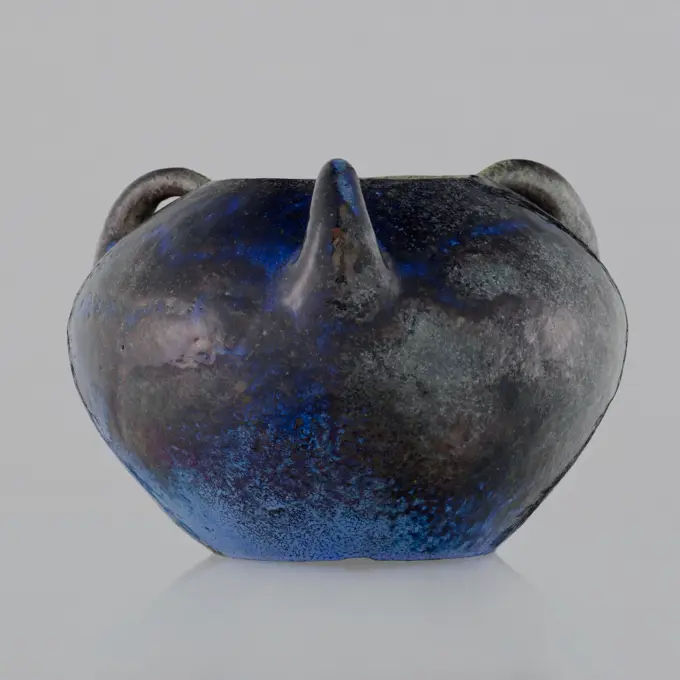
Vessel, 20th century, 6 7/8 x 9 13/16 x 9 13/16 in. (17.46 x 24.92 x 24.92 cm), Ceramic, Nigeria, 20th century
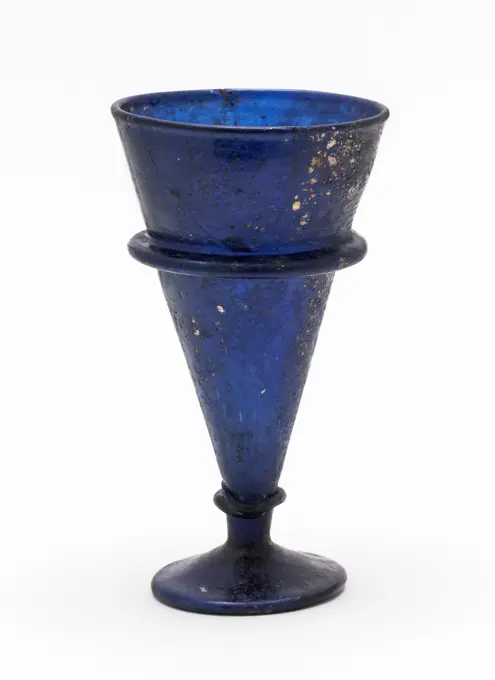
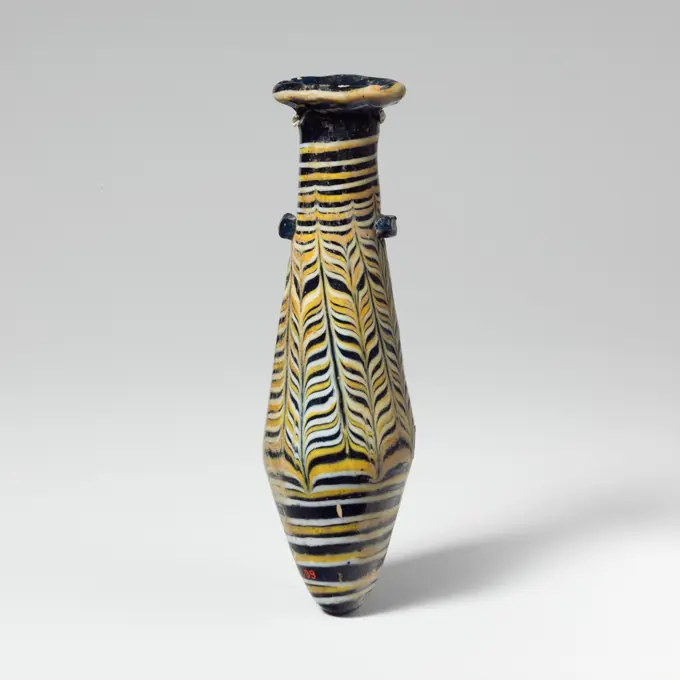
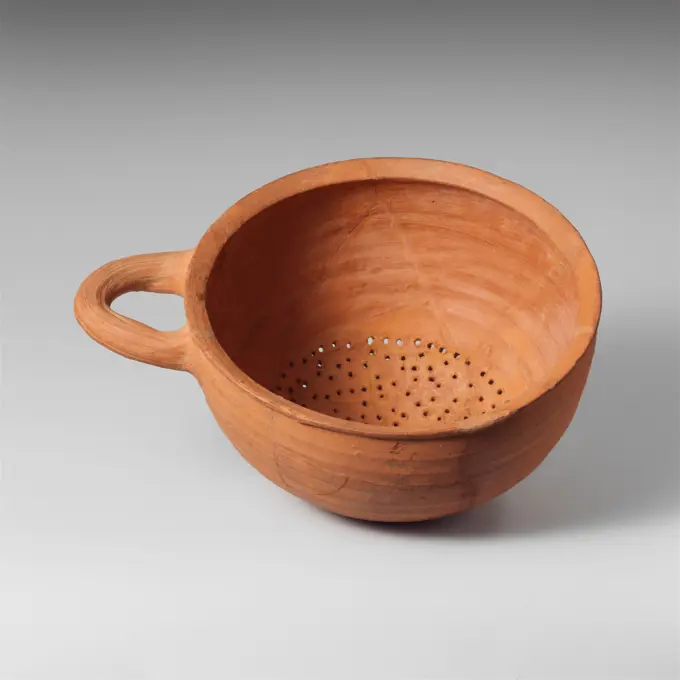
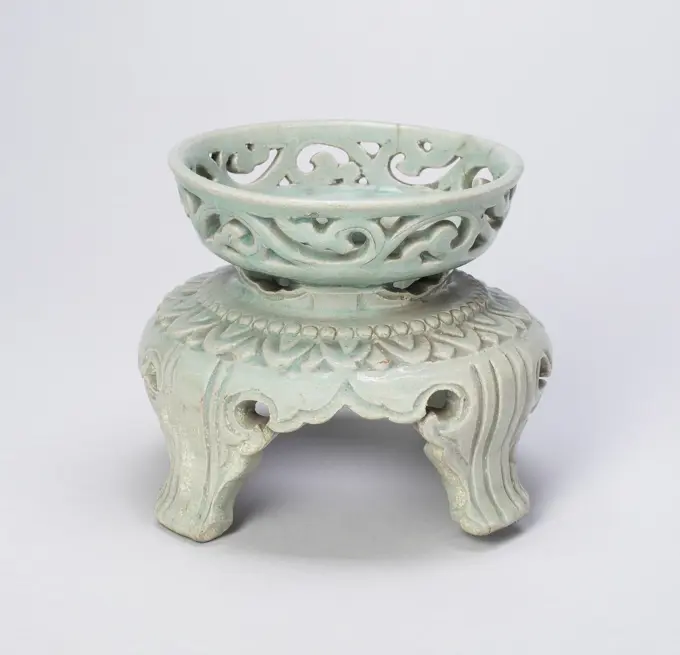
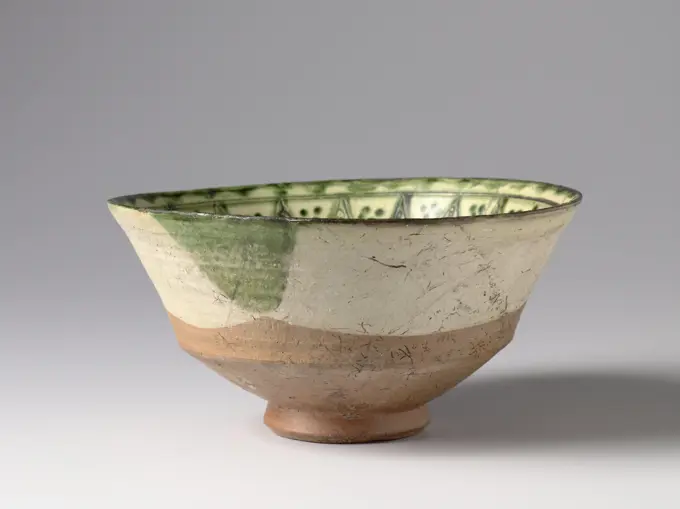
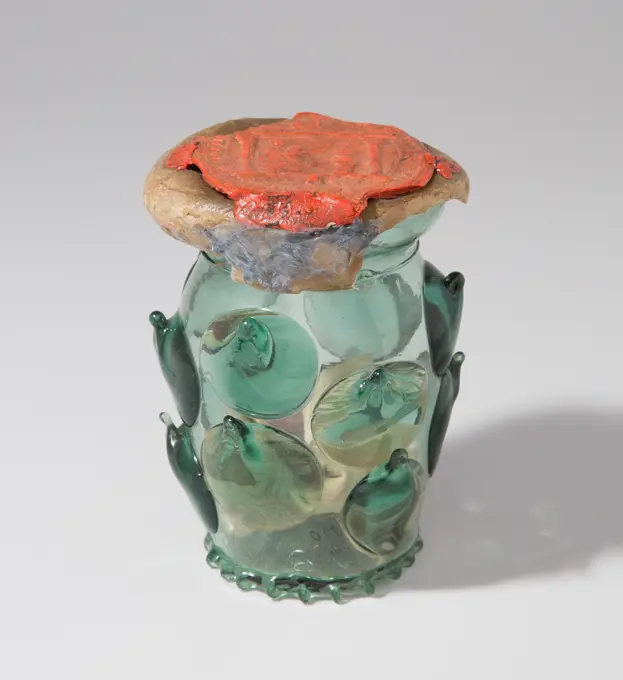
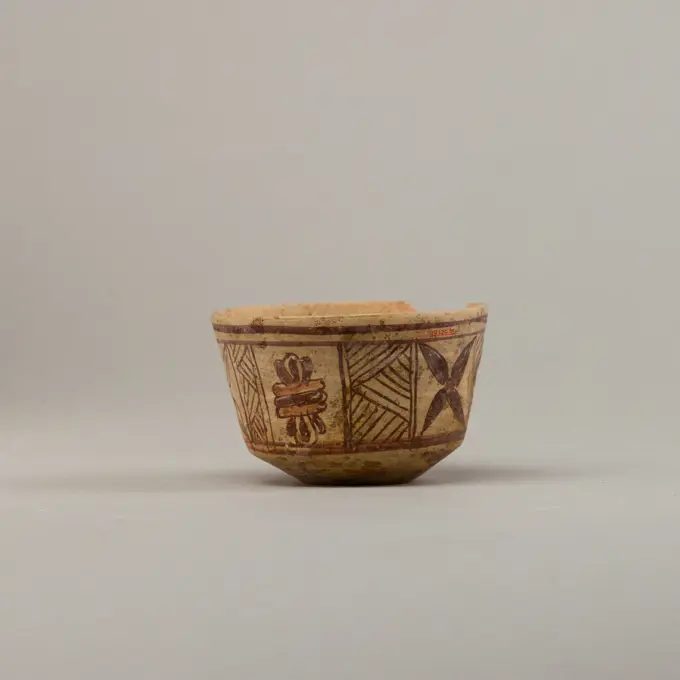
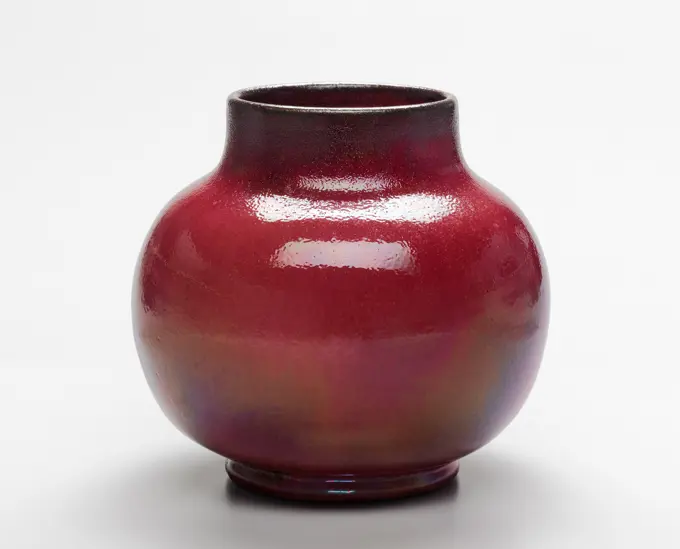
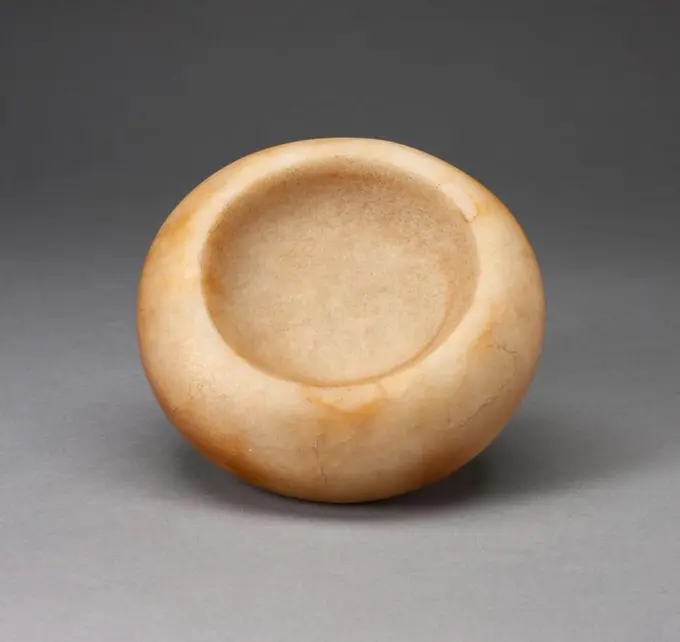
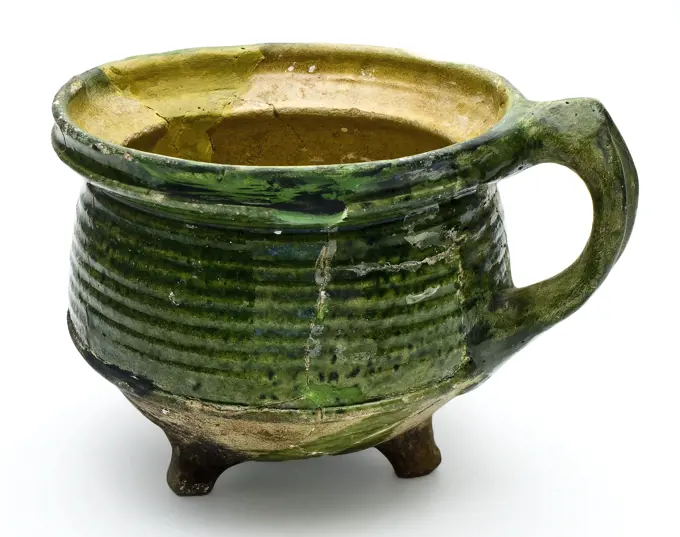
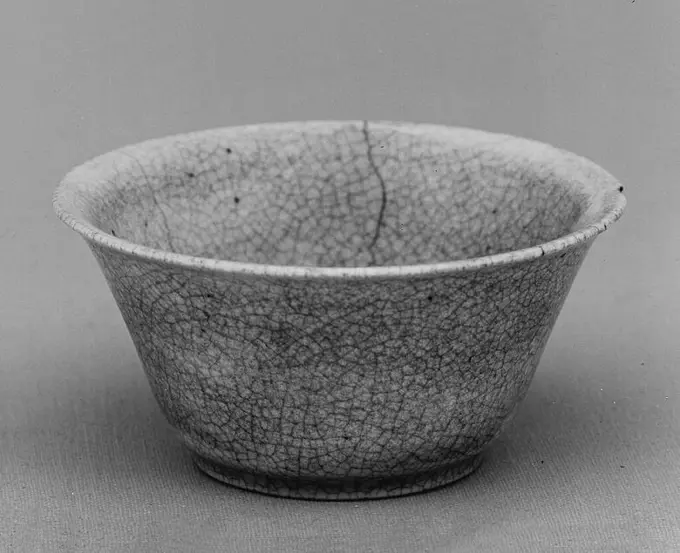
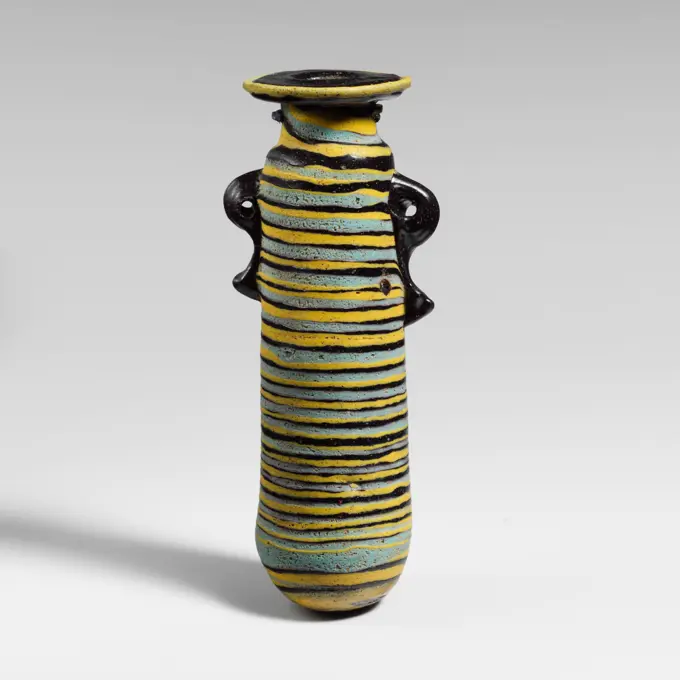
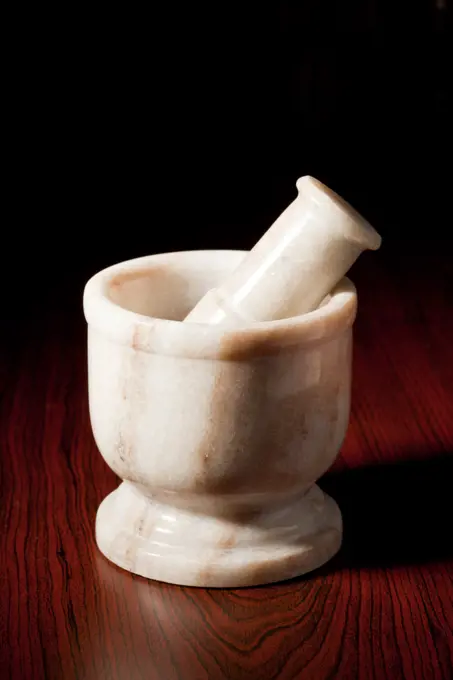
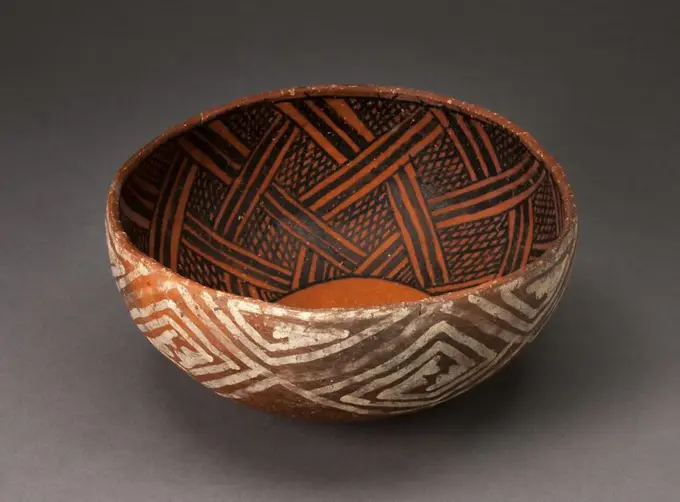
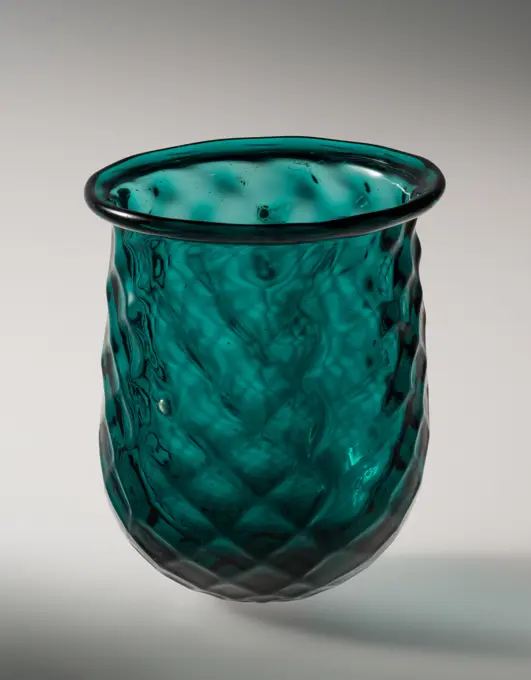
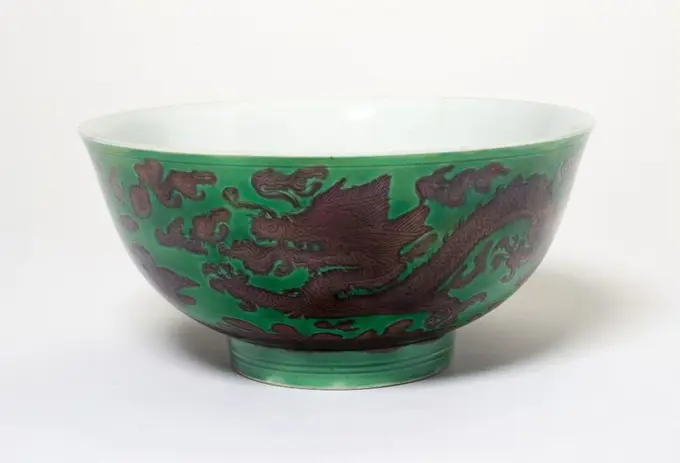
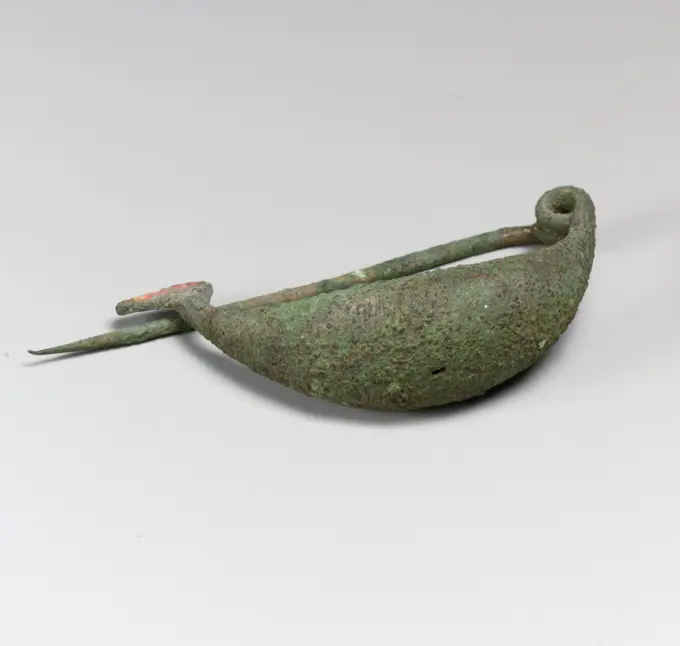
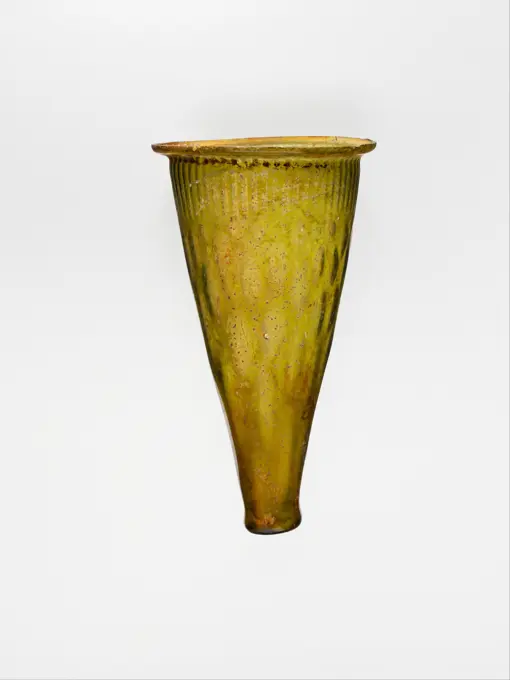
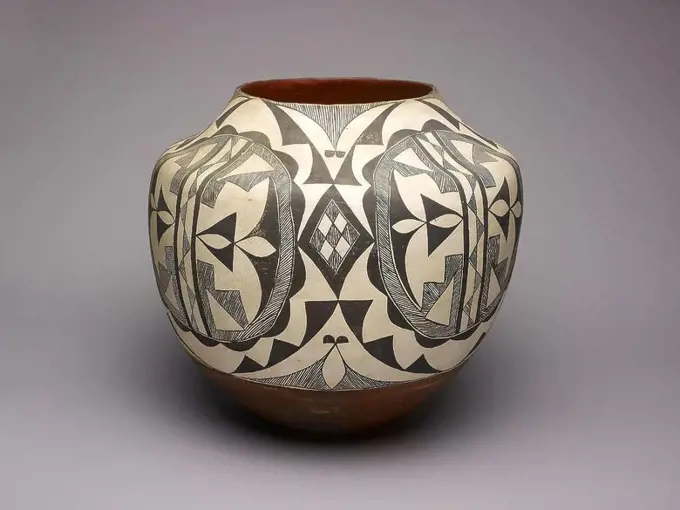
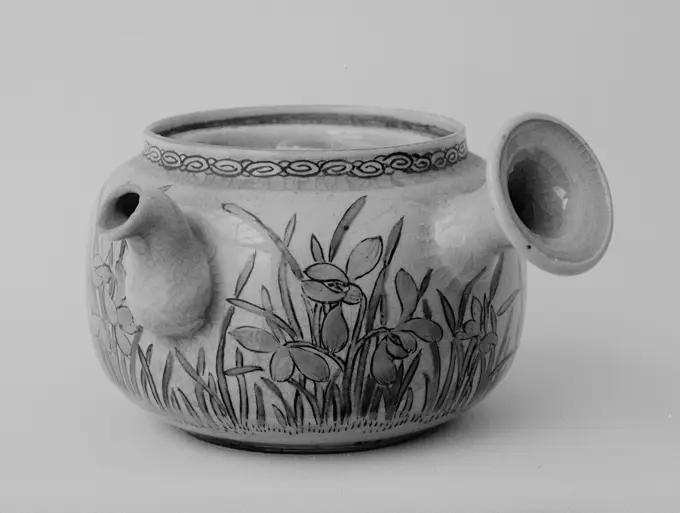
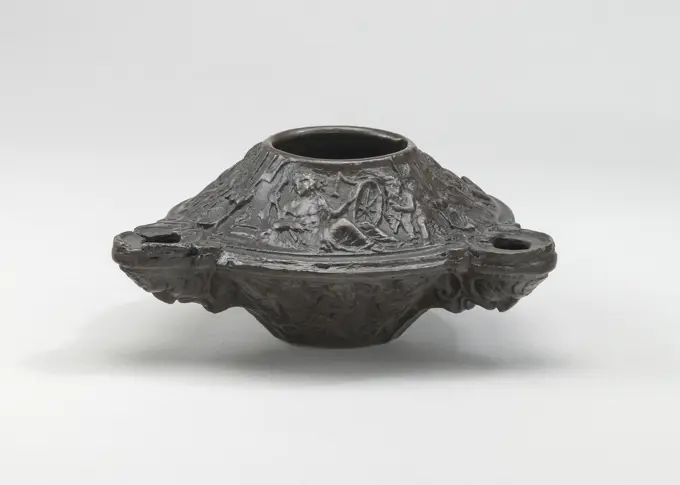
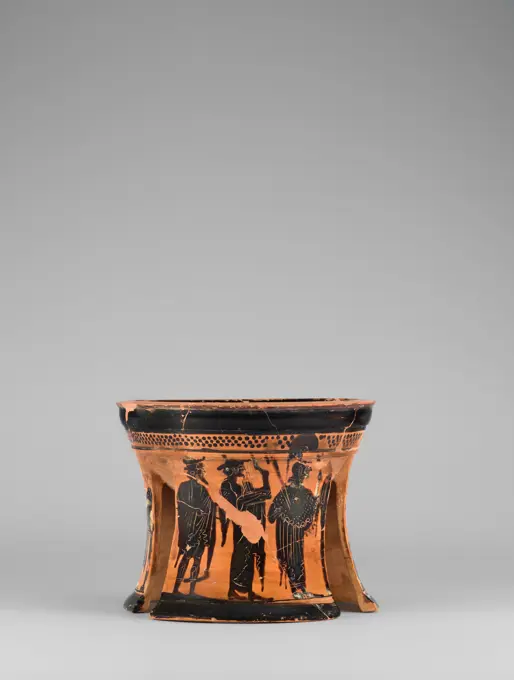
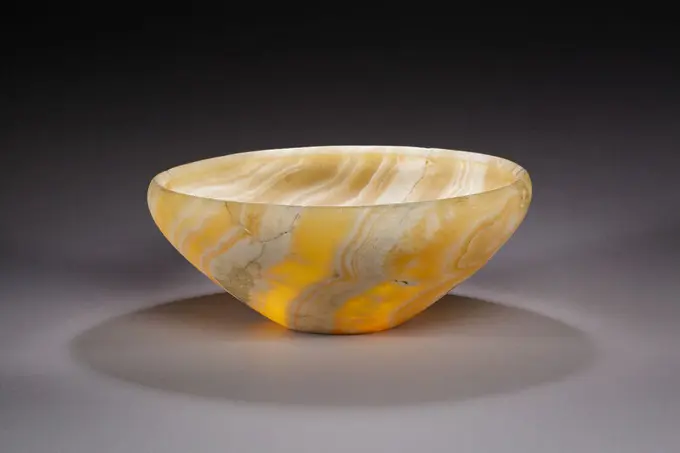
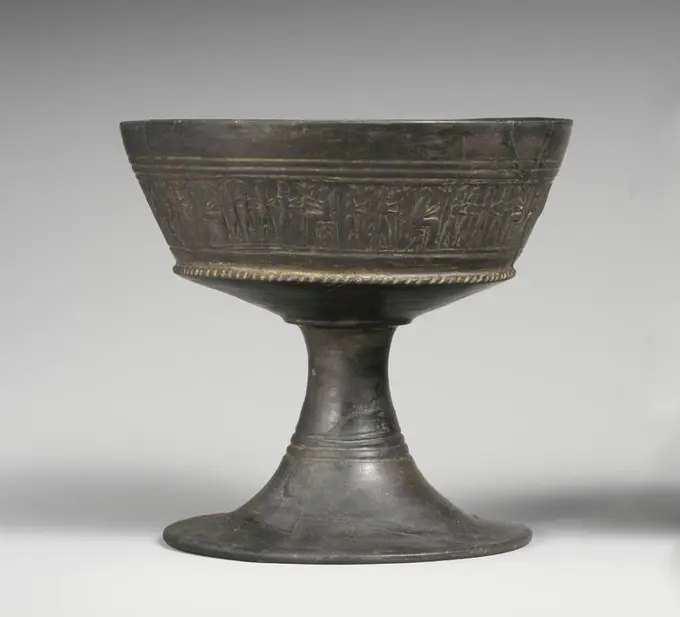
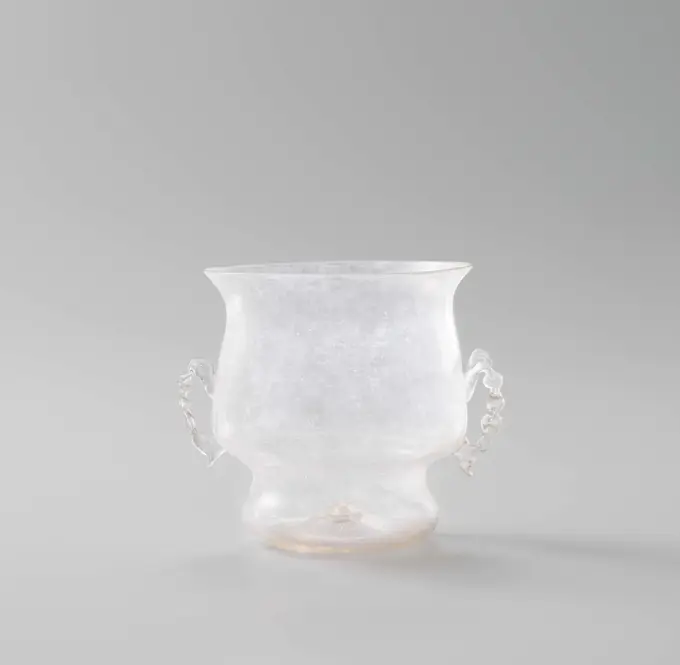
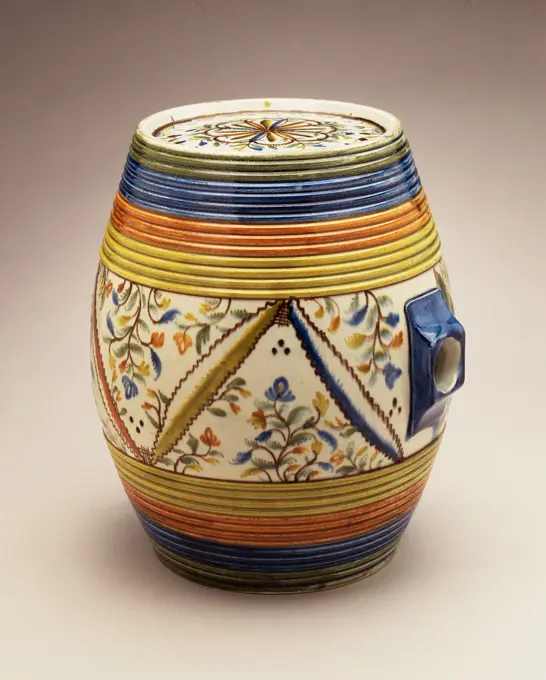
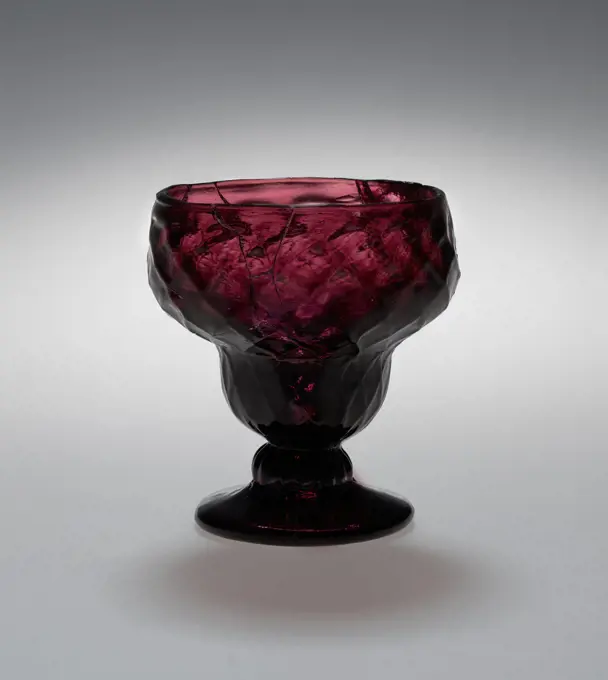
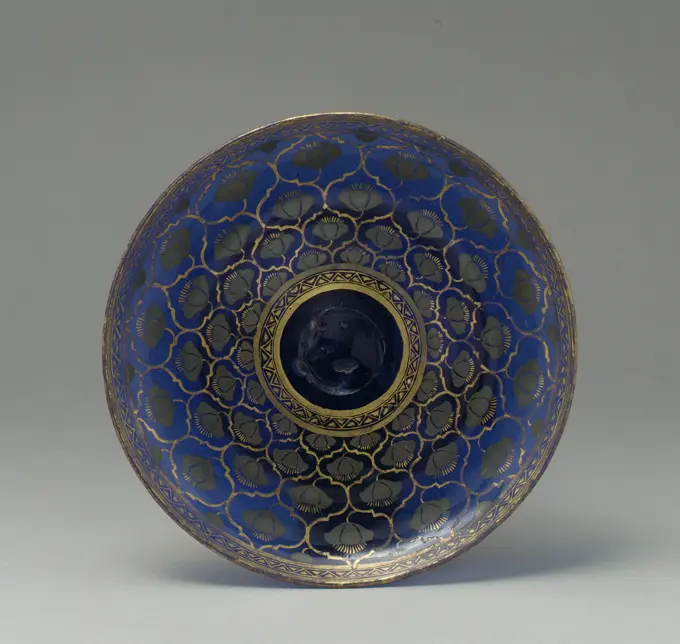
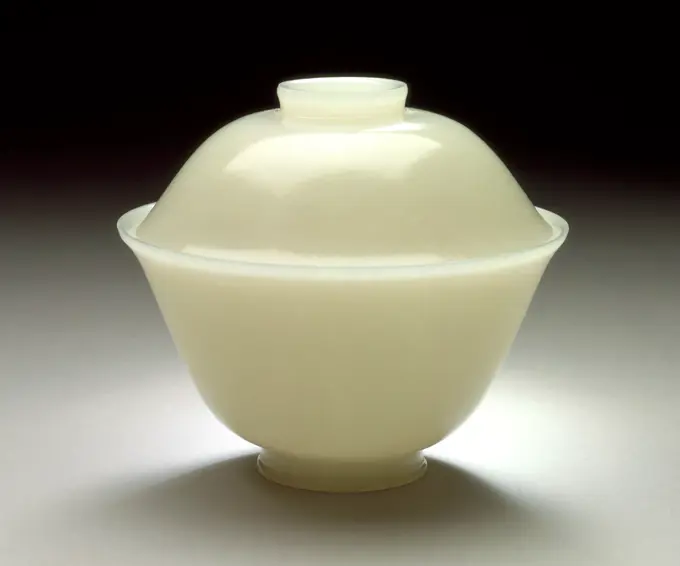
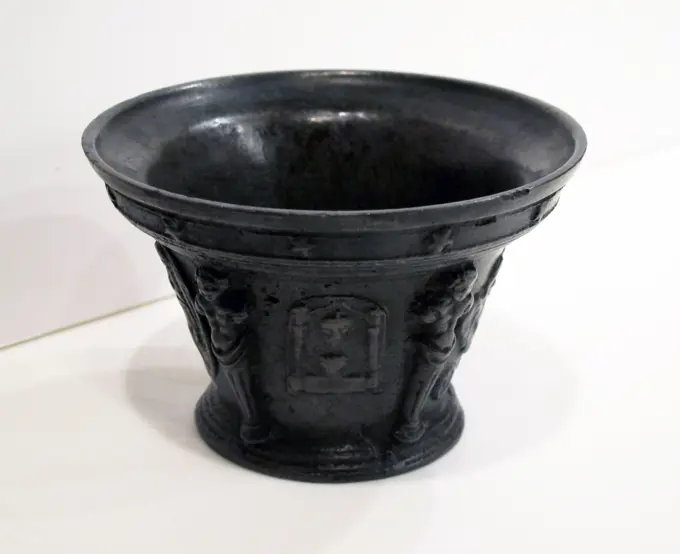
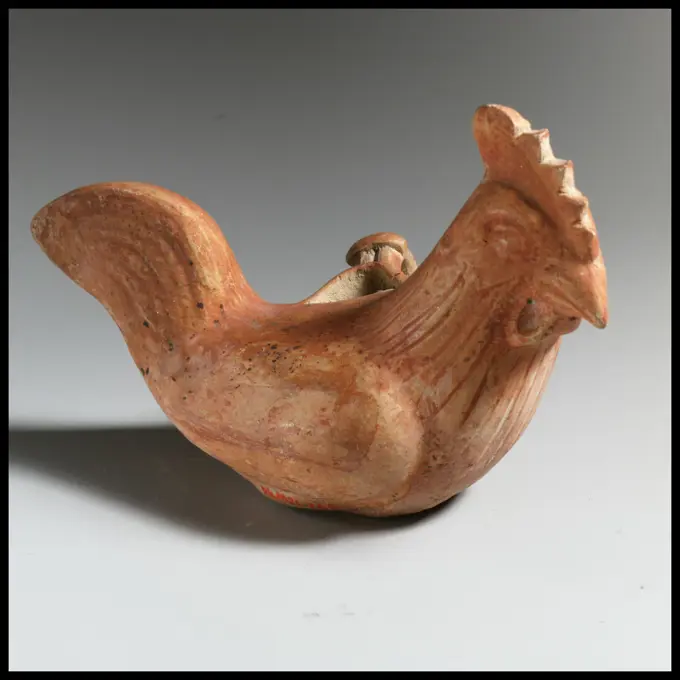
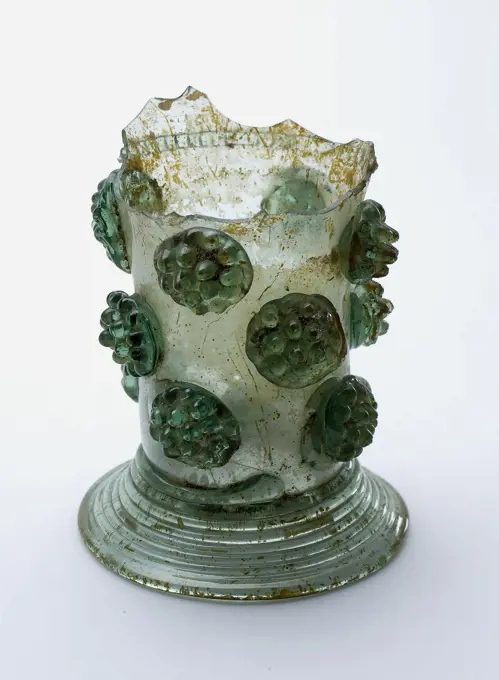
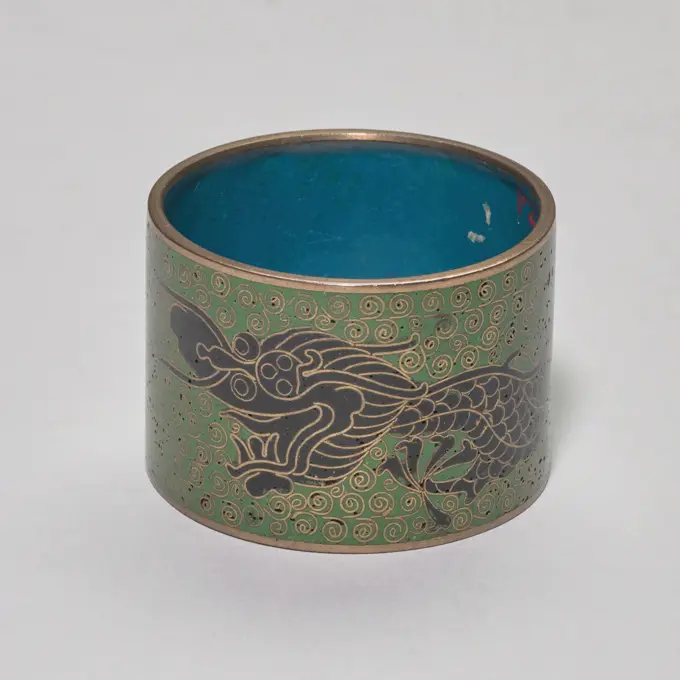
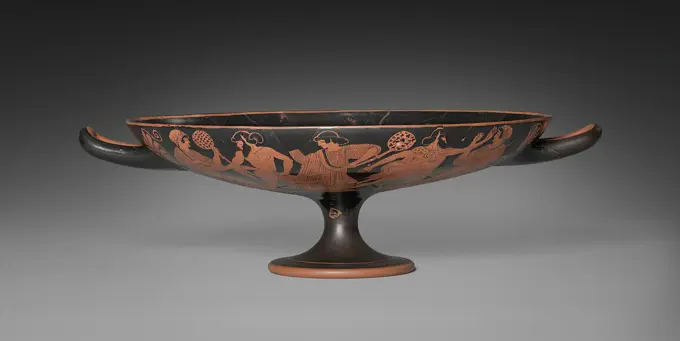
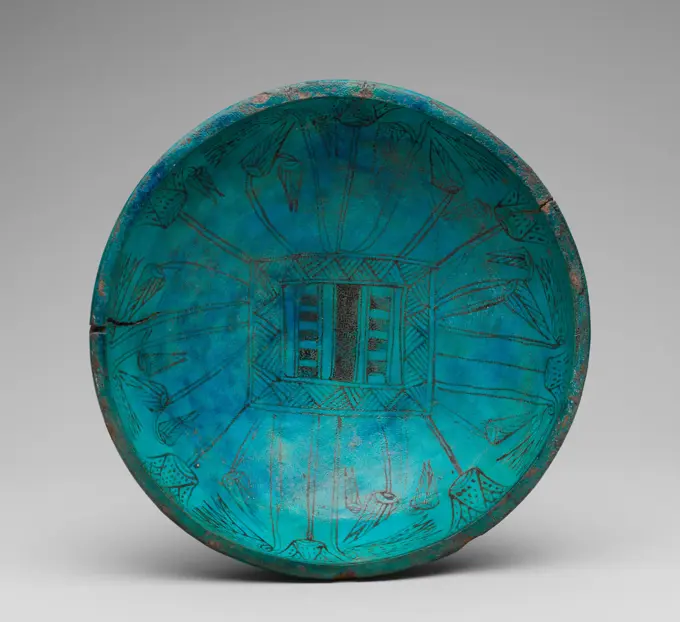
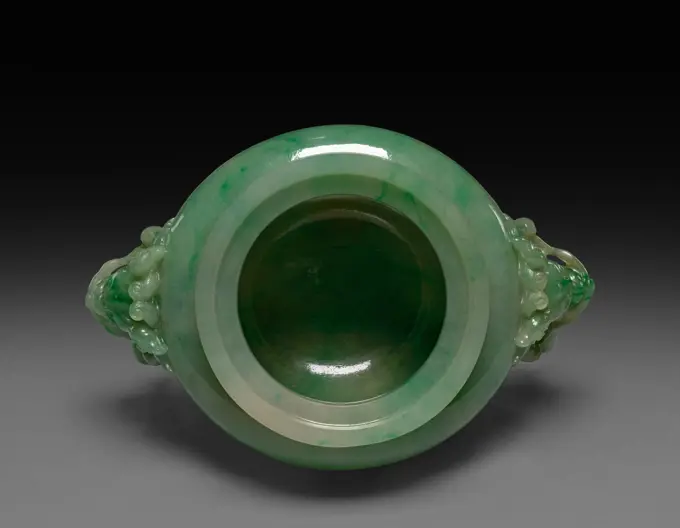
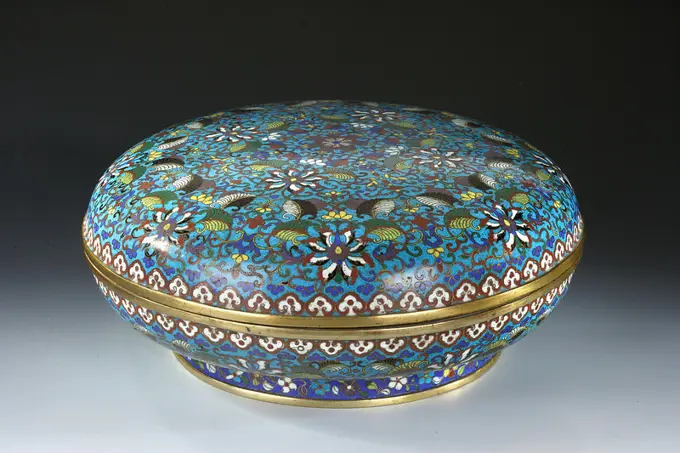
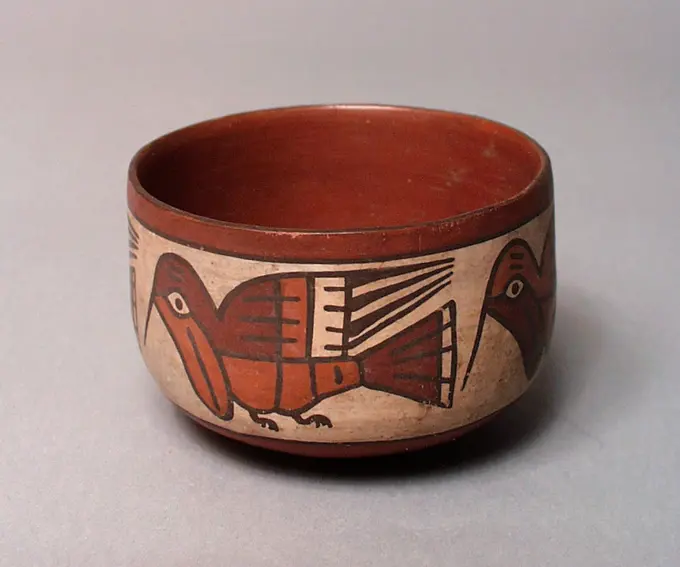
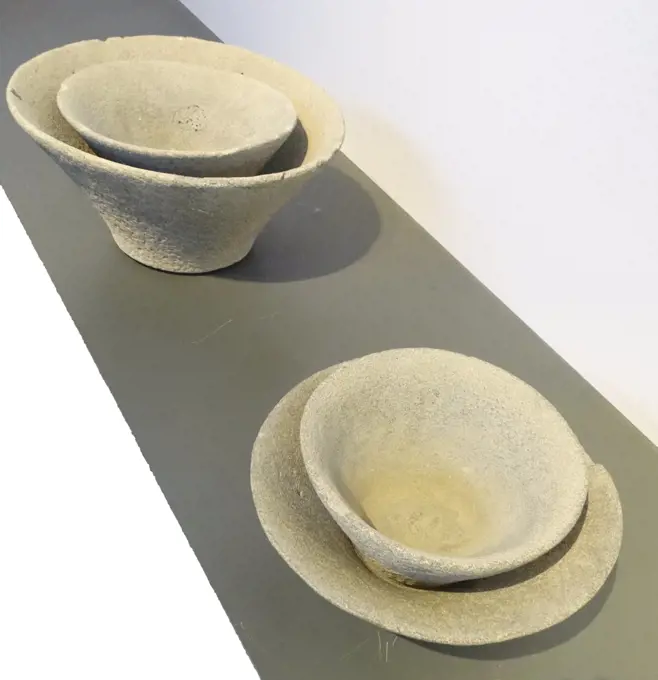
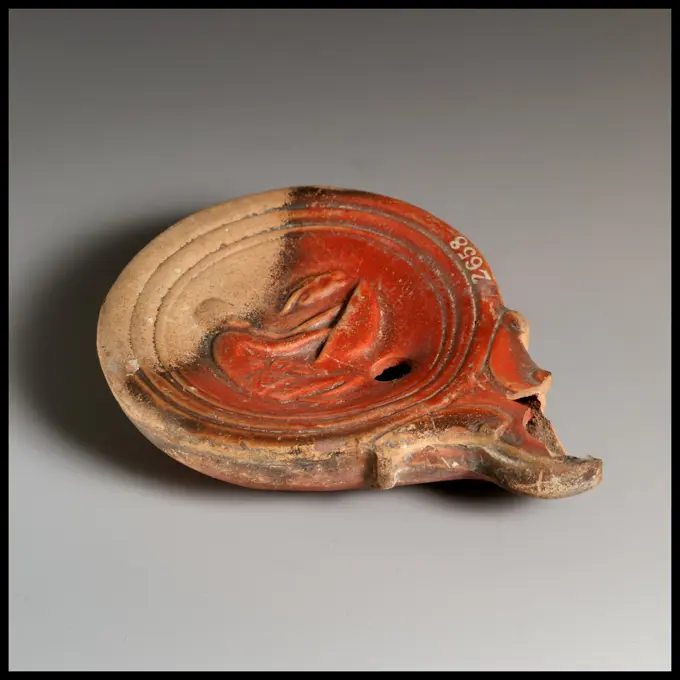
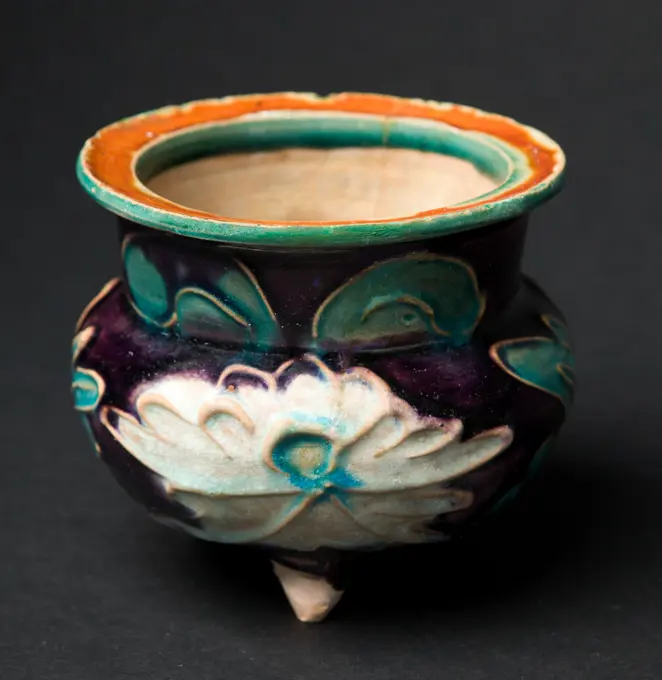
WAZKA FA HUA decoration (flowers against a dark purple background) unknownGoblet. Probably Egypt, 11th-12th century. Glass. Glass, free-blown and tooled with applied thread, pontil on baseBottle with Jewish Symbols. Jerusalem, late 6th - early 7th century. Furnishings; Accessories. Mold-blown glassGlass alabastron (perfume bottle) 2nd-1st century B.C. Greek, Eastern Mediterranean Translucent blue, with handles in same color; trails in opaque yellow and opaque white.Broad rim-disk, uneven and sloping inward with radiating tooling marks on upper and lower surfaces, and jagged, projecting inner lip to neck; cylindrical neck; straight-sided fusiform body expanding downward, then tapering in to pointed bottom; two elongated horizontal lug handles applied at top of body over trails; marvered blob of blue applied over trails on one side at point of greatest diameter.Trails attached near bottom, drawn up in a spiral to point of carination, tooled into a close-set feather pattern around side, arranged in seven panels of alternating upward and downward strokes, some slanting and extending onto neck, forming a partial festoon pattern, wound round again in spiral to top of body and on to edge of rim, with white sometimes overlapping yellow.Intact; some bubbles; very slight dulling, pitting,Cream jars, painted blue with geometric motifs., Anonymous, c. 1625 - c. 1650Terracotta hemispherical strainer 6th century B.C. Lydian This bowl-shaped strainer, provided with a handle, may have been used to prepare a cheese- or yoghurt-like food.. Terracotta hemispherical strainer 248832Quatrefoil Cup Stand 1101-1200 Korea. Stoneware with celadon glaze .Bowl with diaper and scroll patterns in green on a white slip, anonymous, c. 1000 - c. 1199 Come of earthenware decorated with sgraffito curl work on Engobe from white sludge on which servetwork and dots are applied in a monochrome green lead glaze. Amol earthenware. glaze painting / vitrification Come of earthenware decorated with sgraffito curl work on Engobe from white sludge on which servetwork and dots are applied in a monochrome green lead glaze. Amol earthenware. glaze painting / vitrificationReliquary Beaker (Krautstrunk) late 15th century German. Reliquary Beaker (Krautstrunk). German. late 15th century. Free-blown glass with applied decoration; wax, silk, linen, and ink on vellum. Glass-VesselsBowl with floral and geometric designs Meroitic Period 1st-3rd century After a stable border had been established between Roman Egypt and areas controlled by Meroë, settlement in the Meroitic regions of lower Nubia intensified and economic prosperity grew. Several cemeteries of the first to third centuries A.D. have been found in this area. Inlaid woodwork, glass, metalwork, jewelry of faience, shell, metal, semiprecious stones, and politshed quartz, and a rich repertoire of pottery are characteristic objects in lower Nubian burials.Ceramics produced in Meroë are known mainly through the lower Nubian finds. Most of the pottery is painted, but stamped and barbotine (a type of applied clay decoration) wares are also represented. Among the examples of painted pottery the hands of different artists can be identified, and archaeologists have found vessels by the same painter at widely separated sites, testifying to a thriving ceramics industry and active trade, or possibly to the movement oBowl, 1736-1795, 1 9/16 x 4 15/16 x 4 15/16 in. (3.97 x 12.54 x 12.54 cm), White jadeite, China, 18th centuryBowl with floral and geometric designs 1st-3rd century Meroitic Period After a stable border had been established between Roman Egypt and areas controlled by Meroë, settlement in the Meroitic regions of lower Nubia intensified and economic prosperity grew. Several cemeteries of the first to third centuries A.D. have been found in this area. Inlaid woodwork, glass, metalwork, jewelry of faience, shell, metal, semiprecious stones, and politshed quartz, and a rich repertoire of pottery are characteristic objects in lower Nubian burials.Ceramics produced in Meroë are known mainly through the lower Nubian finds. Most of the pottery is painted, but stamped and barbotine (a type of applied clay decoration) wares are also represented. Among the examples of painted pottery the hands of different artists can be identified, and archaeologists have found vessels by the same painter at widely separated sites, testifying to a thriving ceramics industry and active trade, or possibly to the movement oVase ca. 1885-89 Chelsea Keramic Art Works Steeped in ceramics from birth, Hugh C. Robertson pursued his craft with fierce devotion and a passion for experimentation. From a family of trained English ceramists, he honed his skills in New Jersey before settling in Massachusetts as one of the founders of Chelsea Keramic Art Works and later, Dedham Pottery. Robertsons lifelong explorations in glazes, particularly their color and texture, make him one of the key figures of American art pottery at the turn of the twentieth century.During the 1880s Robertson increasingly turned his attention to developing new glaze formulas and clay bodies. In the middle of the decade he became obsessed with the highly coveted yet elusive sang-de-boeuf, or oxblood, glaze, a quest that became the hallmark of his later career. This richly colored blood-red glaze is traditionally created from a copper-based formula and fired in a kiln, which when wet straw and other materials are introduced, deprives the atmosVessel 3050 BCE-2630 BCE Egypt. Egyptian alabaster is a form of limestone (calcite) that is found in the Eastern Desert of Egypt. It was favored for cosmetic and ritual offering fishes because of its beautiful color and translucent quality.. Alabaster . Ancient EgyptianChunkey Stone. Mississippian; Possibly Illinois, United States. Date: 1200-1400. Dimensions: Diam. 15.2 cm (6 in.). Kaolin. Origin: Illinois. Museum: The Chicago Art Institute, Chicago, USA.Green cooking pot, cooking jug on legs with pinched standing ear, pouring lip, cooking pot crockery holder utensils earthenware ceramics earthenware glaze lead glazing, hand turned set glazed baked Cooker of white earthenware internal yellow - external green glaze copper oxide one pinched ear restoration in plaster pouring outside external rotations three legs lid edge Round bottom and almost straight sidewall tapering upwards archeology Valckensteyn Poortugaal Albrandswaard indigenous pottery kitchen cooking stew food nutrition food preparation Soil discovery: castle Valckensteyn in Poortugaal now Albrandswaard 1961-1962.Cup. Culture: Japan. Dimensions: H. 1 1/8 in. (2.9 cm); Diam. 2 1/2 in. (6.4 cm). Date: 18th century. Museum: Metropolitan Museum of Art, New York, USA.Close-up of bowlsLampka czarnofirnisowana. unknown, authorAnonymous. Burnt-sponsor and burnt-burning cover. Jade Vert, Qianlong era (18th century). Museum of Fine Arts of the City of Paris, Petit Palais. 122746-4Oil Lamp 9th century This lamp has a well for holding oil, a spout to support the wick, and a finger ring tucked under the wing-shaped handle. Except for the decorative extended handle, this shape matches a number of ceramic lamps from Nishapur.. Oil Lamp 449344Variegated blue and white glass bowl, from PompeiGlass alabastron (perfume bottle) 5th century B.C. Greek, Eastern Mediterranean Opaque dark red brown, appearing black, with handles in same color; trails in opaque yellow and turquoise blue.Broad horizontal rim-disk with beveled edge; short cylindrical neck, tapering upwards; narrow rounded shoulder; straight-sided cylindrical body, tapering upwards; convex bottom; two large vertical ring handles with knobbed tails, applied over trail decoration; one longer than the other.Intermingled yellow and turquoise blue trails attached at edge of rim-disk; a large yellow trail applied unevenly to neck together with a turquoise trail, overlaid on the yellow; both wound in a close-set spiral around body to bottom; yellow trail ending in a swirl on bottom; one small unmarvered blob of red brown on side near handle.Intact, except for one small chip in underside of rim-disk; some deep weathering of trails on body; dulling and pitting, but very little iridescence.. Glass alabastron (perfume bottle) Marble mortar and pestle on dark wood backgroundBowl with Black Interlocking Lattice on Interior, and White Interlocking Squared Spirals on Exterios. Cibola, Four Mile Polychrome, White Mountain Red Ware, St. Johns Polychrome; Cibola region, east-central Arizona, United States. Date: 1300-1400. Dimensions: Diam. at rim 20 cm (7 7/8 in.). Ceramic and pigment. Origin: White Mountain. Museum: The Chicago Art Institute, Chicago, USA.Maker Unknown, Bucket Lamp, late 19th-early 20th century, green glass.Painted Bowl 1st-6th century Nasca. Painted Bowl 309737Li type ceiling;  18th century (1701-00-00-1800-00-00);Bowl with Dragons. China. Date: 1662-1722. Dimensions: H. 6.5 cm (2 9/16 in.); diam. 13.2 cm (5 3/16 in.). Porcelain painted in overglaze enamels. Origin: China. Museum: The Chicago Art Institute, Chicago, USA.Bowl. Culture: Byzantine. Dimensions: Overall: 3 3/8 x 5 7/8 in. (8.5 x 14.9 cm). Date: 12th-13th century. Museum: Metropolitan Museum of Art, New York, USA.Janus-faced aryballos depicting a Nubian and a bull Late Period 600-550 B.C. View more. Janus-faced aryballos depicting a Nubian and a bull. 600-550 B.C.. Faience. Late Period. From EgyptBrass design fitting on antique wooden pot with cap , Jodhpur, Rajasthan, India Copyright: xSafatxAli/DinodiaxPhotoxJar, c. 1890-1910. Nampeyo (Hopi-Tewa, 1859-1942). Earthenware; overall: 16.8 x 29.2 cm (6 5/8 x 11 1/2 in.).Fibula, boat-shaped type 8th-6th century B.C. Italic The bow is hollow and open on its underside. The outer surface is decorated with incised bands.. Fibula, boat-shaped type 246352Bowl Tlingit, Native American ca. 1750-1800 During potlatch feasts across the Northwest Coast, food is served in a variety of carved wooden bowls. Guests receive bowls sized according to their position in the communitythe higher the rank, the larger the bowl. Artists imbue serving dishes with energy through graphic elements, including abstract humans, animals, and supernatural beings. The master carver of this deep container inlaid the incurving rim with four sets of nine white operculathe removable coverings that secure a marine mollusk’s shellwhich contrast with the dark wood. This bowl is a rare example of an early contact-period style of ornamentation, not yet influenced by trade with European expeditionary forces. View more. Bowl. Tlingit, Native American. ca. 1750-1800. Wood, shell, and pigment. Made in Alaska, United StatesBowl (Yu) ca. 7th-5th century B.C.  China. Bowl (Yu) 42332Glass beaker or lamp 4th-5th century A.D. Roman Translucent yellow brown.Outsplayed horizontal rim, with uneven, cracked-off vertical lip; straight side tapering downwards, then slightly outsplayed at base; small circular bottom with central indent.Band of fifty-eight vertical ribs around top of body above irregular honeycomb pattern that becomes elongated and fainter towards base.Intact, except for one weathered chip in rim; some pinprick and a few white, gritty inclusions; dulling, brown enamel-like weathering, and faint iridescence.. Glass beaker or lamp 253059 Roman, Glass beaker or lamp, 4th5th century A.D., Glass, H.: 2 3/8 in. (6 cm) Diam.: 3 1/2 in. (8.9 cm). The Metropolitan Museum of Art, New York. Rogers Fund, 1930 (30.40.16)Lazio Viterbo Viterbo Museo Civico38. Hutzel, Max 1960-1990 Views of paintings (Middle Ages through 18th c.), frescoes, a tabernacle, coffin, sculpture reliefs, portal fragments, busts, sculpture, tapestry found in the Pinacoteca, Second floor gallery and Second floor cloister sequences. Antiquities: Many views of Etruscan and Roman fragments, sculpture, sarcophagi, pottery, masks, jewelry and other objects found in the Storeroom sequence (inventory numbers on back of prints), and the Cloister, Second floor Cloister, Valle Giulia, Sala Romana and Sala Etrusca sequences. General Notes: There are eight separate numerical sequences for this location. The cloister as an architectural structure, rather than museum site, is documented in the record and file for S. Maria della Verita, Cloister, all views of which are stored in Medieval core collection. Five views from the Museo Civico Second floor cloister sequence are stored in Medieval. German-born photographer and scholar Max Hutzel (1911-Pedestal Bowl. Mexico, Mixtec, 1100-1521. Ceramics. Slip-painted ceramicBlack-and-White Storage Jar with Abstract Geometric Motifs. Acoma; Acoma Pueblo, New Mexico, United States. Date: 1890-1899. Dimensions: 46.4 × 48.9 cm (18 1/4 × 19 1/4 in.). Ceramic (earthenware) and pigment. Origin: New Mexico. Museum: The Chicago Art Institute, Chicago, USA.Brass design fitting on wooden multicolour pot, Jodhpur, Rajasthan, India Copyright: xSafatxAli/DinodiaxPhotoxTeapot (Kyūsu) mid-19th century Japan. Teapot (Kyūsu) 47267Andrea Briosco, called Riccio, A Three Wick Lamp with Bacchic Scenes, c 1500 A Three Wick Lamp with Bacchic ScenesJar, 4th-3rd century BCE, Unknown Korean, 4 1/2 x 5 7/8 in. (11.43 x 14.92 cm), Burnished earthenware, Korea, 4th-3rd century BCEPyksis trójnożna czarnofigurowa ze sceną wesela Heraklesa i Hebe oraz przedstawieniem orszaku bogów; postaciom towarzyszą inskrypcje. unknown, authorMarble mortar and pestle on dark wood backgroundAnonymous / 'Lapis lazuli goblet'. 1630 - 1640. Enamel, Lapis lazuli, Gold. Museum: Museo del Prado, Madrid, España.Bandbox (USA); machine-printed paper, pasteboard support; 33 x 28 x 17 cm (13 x 11 x 6 11/16 in.)Bowl. Dimensions: H. 18 cm (7 1/16 in); Diam. 26.8 cm (10 9/16 in.). Dynasty: Dynasty 2, second half. Date: ca. 2750-2649 B.C.. Museum: Metropolitan Museum of Art, New York, USA.Vase. Acquired by Lucien Gaillard at the World's Fair 1900 in ParisClose-up of three brown wooden bowlsFRUTERO VIDRIADO Y DECORADO EN AZUL CON COBALTO-ARTE POPULAR S XX. Location: ALFARERIA. SPAIN.Terracotta chalice. Culture: Etruscan. Dimensions: H. 5 13/16 in. (14.8 cm); diameter 6 3/16 in. (15.7 cm). Date: ca. 575-550 B.C..The simple elegance of this shape ensured its popularity throughout much of Etruria from about 625 to 500 B.C. The figural friezes were made by pressing a carved cylinder seal into the leather-hard clay before firing. In this case, both are identical and depict seated figures, perhaps members of the nobility, in the company of standing attendants. The subject, its specific meaning unknown, is associated with chalices made at Chiusi. Museum: Metropolitan Museum of Art, New York, USA.Diyas Box with patterns of phoenixes and chi dragons China. Box with patterns of phoenixes and chi dragons. China. Carved red lacquer. Ming dynasty (1368-1644), Wanli period (1573-1620). LacquerPlate. Culture: Greek, South Italian, Apulian. Dimensions: Overall: 1 3/8 × 2 7/8 in. (3.5 × 7.3 cm)Other: 6 in. (15.2 cm). Date: 4th century B.C.. Museum: Metropolitan Museum of Art, New York, USA.Come. Bowl with inserted bottom, bent body with a pinched c-shaped earSpirit Barrel. William Fifield (possibly) (England, 1777-1857). England, 1817. Furnishings; Accessories. Earthenware (pearlware)Lancelle vase. Bronze. Cernuschi Museum, Asia Museum of Asia in the city of Paris.Oil Bottle with Scrolling Leaves 1100-1199 South Korea. Stoneware painted in underglaze iron brown .Basket, c. 1900, 4 9/16 × 5 5/16 × 5 5/16 in. (11.59 × 13.49 × 13.49 cm), Plant fibers, United StatesSalt or BonnetGlass, Mold-blown lead glass, 3 × 2 3/4 in. (7.62 × 6.99cm), Probably made in Pennsylvania, American, 18thcentury, Containers -GlassRibbed Bowl. UnknownDish 18th century India. Dish 72361Stacked button mushroomsBowl with Pierced Design. Japan, late 17th - early 18th century. Ceramics. Imari ware; porcelain with blue underglazeMiseczka. warsztat galijski, workshop, warsztat M.Tulliusa, factoryBai Ming (born in 1965). "Wind song in the reeds". Porcelain. 2011. Paris, Cernuschi museum. Asian art, Chinese art, blue, porcelain, container, reedThis artistic black teapot showcases intricate floral engravings and features a stylish, elegant handle designArchbrush ". Ceramics. China, Song. Paris dynasty, Cernuschi museum. 72685-32 Chinese art, white, candle holder, ceramic, Song dynasty, leaf, brown, flower motif, stem, view of DessusLidded Bowl (Wan)Pair of Chestnut Urns. Usk or Pontypool, Wales. Date: 1790-1800. Dimensions: 33 x 17.8 x 11.8 cm (13 x 7 x 4 5/8 in.). Pewter, lacquered and gilded. Origin: Wales. Museum: The Chicago Art Institute, Chicago, USA.Vase. Jagmin, Stanisław (1875-1961), authorMetal watering can isolated on white metal watering can isolated on white copyright: xzoonar.com/romanxmilertx 22571974Mortar late 15th or early 16th century French or North Italian () The exterior surface is divided into five sections by five herm caryatids, with seal-like ornaments in each section, two of which bear profile faces of a bearded man, the remaining ones respectively with the archangel Saint Michael weighing souls, a Gothic tabernacle with a head and a chalice, and a large four-petaled flower with two smaller rosettes.. Mortar. French or North Italian (). late 15th or early 16th century. Copper alloy, with a grayish patina color, traces of green oxide on base.. MetalworkTerracotta askos (flask with a spout) in the form of a cock 2nd half of 3rd century B.C. Italic Askoi shaped like animals were commonly used as lamp fillers; the oil was introduced into the askos via the small inlet off to the side, and was then poured out through a tiny hole under the beak into the lamp in a smooth and controlled stream. Although Magenta ware is believed to have been made across the Graeco-Roman world, the prevalence with which animal-shaped askoi have been found in Italy suggests an Italic origin for this piece as well.. Terracotta askos (flask with a spout) in the form of a cock 247430Close-up of a decorative pottery bowl in unique patternFragment of soil, stand ring and trunk of berkemeijer, drinking glass drinking utensils tableware holder soil find glass forest glass, free blown and formed glass application Fragment of part of bottom of stand ring and stem of berkemeijer in clear green glass (forest glass) archeology Rotterdam IJsselmonde drink wine beer serving serve Soil discovery: Castle IJsselmonde pit 1 and 2 Rotterdam 1972.08.30.Tea Cannister c 1881-1895 Providence. Copper, with silver . Gorham Manufacturing CompanyCanada, Prince Edward Island, Brackley Beach. Ceramics by Peter Jansons at The Dunes Studio.Snuff Bottle, 17th-19th century, 2 1/2 x 1 5/8in. (6.4 x 4.1cm), Emerald and amethyst matrix, China, 17th-19th centuryFragment of soil, stem and calyx of roemer, roemer drinking glass drinking utensils tableware holder soil find glass forest glass, free blown glass application Fragment of foot bottom stem and part of calyx of roemer in clear light green glass (forest glass) nine-wire glass thread as foot of which large chip missing Pontil mark under raised soil Wide (4 cm) hollow stem with three rows of four attached bramble buds On open transition to goblet ribbed all-round glass thread Slight part of ball flared chalice archeology drinkNapkin Ring, one of a pair, 20th century, 1-5/16 x 1-7/8 x 1-7/8 in. (3.3 x 4.8 x 4.8 cm), Cloisonne, China, 20th centuryScallop-Shaped Covered Bowl with a Leaf-Shaped Stand with Dragon. Lid of cover bowl of porcelain, covered with a monochrome turquoise, blue glaze. A flat lid with a shell-shaped button. Monochromes.Red-Figure Kylix (Drinking Cup): Dionysos and Satyr (I); Satyrs and Maenads (A, B), c. 480 BC. Attributed to Douris (Greek, Attic, active c. 500-470 BC), or Painter of London E 55. Ceramic; diameter: 29.6 cm (11 5/8 in.). Reconstructed from 72 fragments, this cup has been repaired several times, indicating its enduring value to owners. Pairs of holes straddling cracks once held ancient wire or clamp repairs. Numerous incomplete holes may signify recent interventions. Early modern efforts to hide cracks and certain features of the satyrs that could have offended sensibilities of the time also masked the original artistry of its painting. So, for many years the cup languished in storage. Cleaning and reconstruction in 1952-53 revealed enough to allow attribution to a respected vase painter, Douris, reviving the cups reputation. More recently, a different attribution has been suggested, and a new conservation campaign replaced ancient parts from a different cup with modern reconstructioSauce Dish 1870-90 Challinor, Taylor and Company. Sauce Dish. American. 1870-90. Pressed purple marble glass. Made in Tarentum, Pennsylvania, United StatesFragment of small wooden sign on stand, plate crockery holder soil find wood, w 11.8 sawn turned sanded Small wooden board on stand By dehydration totally deformed. Rotations around the stand still present archeology native woodwork serve serve tableCovered Bowl, c. 1875-1925. Northwest Coast, Makah, late 19th-early 20th century. Twined grasses; overall: 6 x 8.5 cm (2 3/8 x 3 3/8 in.).Scallop-shaped covered bowl with a leaf-shaped stand with dragon, anonymous, c. 1775 - c. 1799 Cover bowl with porcelain underpot, covered with a monochrome turquoise, blue glaze. The bowl is on three legs, has a large ear in the shape of a shell and a flat lid with a shell -shaped button. The leaf -shaped dish with ingrgrode veins and a flying, four -clawy dragon in relief. Monochrome. China porcelain. glaze vitrification Cover bowl with porcelain underpot, covered with a monochrome turquoise, blue glaze. The bowl is on three legs, has a large ear in the shape of a shell and a flat lid with a shell -shaped button. The leaf -shaped dish with ingrgrode veins and a flying, four -clawy dragon in relief. Monochrome. China porcelain. glaze vitrificationPalm Cup. Culture: Frankish. Dimensions: Overall: 2 9/16 x 4 1/8 in. (6.5 x 10.5 cm). Date: 7th-8th century. Museum: Metropolitan Museum of Art, New York, USA.Butter fleet in the form of a melon, Blankenburg, After Arie Blankers, c. 1755 - c. 1760 Butter fleet of multi -colored painted faience. The butter fleet has the shape of a melon. The butter fleet is marked and belongs to an identical butter fleet with invnr. BK-NM-5018. Amsterdam earthenware. tin glaze. Butter fleet of multi -colored painted faience. The butter fleet has the shape of a melon. The butter fleet is marked and belongs to an identical butter fleet with invnr. BK-NM-5018. Amsterdam earthenware. tin glaze.Marsh Bowl ca. 1550-1458 B.C. Early New Kingdom This faience bowl is one of the larger examples of its type, which is sometimes referred to as the marsh bowl or the nun-bowl. The outside is decorated with the radiating petals and sepals of the Egyptian blue lotus. The sepals of this flower have purple dots on the exterior, which the artist has indicated by dashes. The center of the interior is decorated with an elaborate square filled with alternate checked, solid, and reserved bands surrounded by a plaited pattern, which represents a pond. All around the pond and extending up to the rim of the bowl is a continuous design of lotus blossoms, some fully opened with erect stems and some partially opened buds with drooping heads. Lotus buds also fill the empty spaces around the stems. This beautifully preserved bowl was found with a scarab in the coffin of a woman named Teti, which contained the mummies of two adults and a child. The coffin (12.181.302a, b), the scarab (26.7.432) and the bTripod Vase: Ting, 1644-1911. China, Qing dynasty (1644-1911). Jade; overall: 16 cm (6 5/16 in.).Circular casket with lid. unknown, craftsmanLazio Viterbo Viterbo Museo Civico63. Hutzel, Max 1960-1990 Views of paintings (Middle Ages through 18th c.), frescoes, a tabernacle, coffin, sculpture reliefs, portal fragments, busts, sculpture, tapestry found in the Pinacoteca, Second floor gallery and Second floor cloister sequences. Antiquities: Many views of Etruscan and Roman fragments, sculpture, sarcophagi, pottery, masks, jewelry and other objects found in the Storeroom sequence (inventory numbers on back of prints), and the Cloister, Second floor Cloister, Valle Giulia, Sala Romana and Sala Etrusca sequences. General Notes: There are eight separate numerical sequences for this location. The cloister as an architectural structure, rather than museum site, is documented in the record and file for S. Maria della Verita, Cloister, all views of which are stored in Medieval core collection. Five views from the Museo Civico Second floor cloister sequence are stored in Medieval. German-born photographer and scholar Max Hutzel (1911-Small BowlAsian ceramic cups for sake or soju on white backgroundChalcolithic period vessels Teleilat el-Ghassul; Jericho; Palestine circa 3000 BCETerracotta oil lamp ca. A.D. 40-100 Roman, Cypriot Loeschcke Type 4. Mold-made. Discus: at left, a slave, wearing a loin-cloth, kneeling to right with hands in a large basket or bowl; above to right, a goat's head; single filling hole below towards nozzle, with a band of lines and grooves towards edge. Volutes flanking nozzle. Incised base ring, and flat base.Right side of nozzle broken and missing; small hole in left underside of nozzle.. Terracotta oil lamp. Roman, Cypriot. ca. A.D. 40-100. Terracotta. Early Imperial. TerracottasRose-coloured clay cup green glazed on the outside and yellow glazed on the inside, with hemispheric body decorated with ovules and alternating pinecones in rosettes, vertical rim and molded footing, Pompeii, Campania, Italy. Roman civilisation, 1st century AD.