Antique Bowls and Jars

A selection of historical bowls and jars from different cultures, emphasizing intricate designs and materials like glass and earthenware, showcasing craftsmanship.

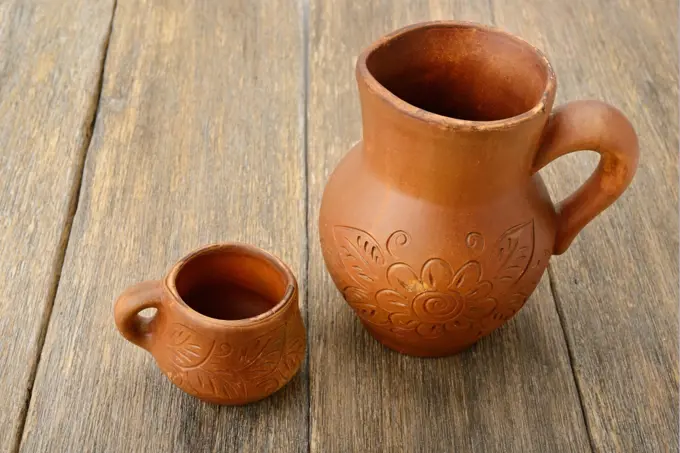
Vessel, 20th century, 6 7/8 x 9 13/16 x 9 13/16 in. (17.46 x 24.92 x 24.92 cm), Ceramic, Nigeria, 20th century
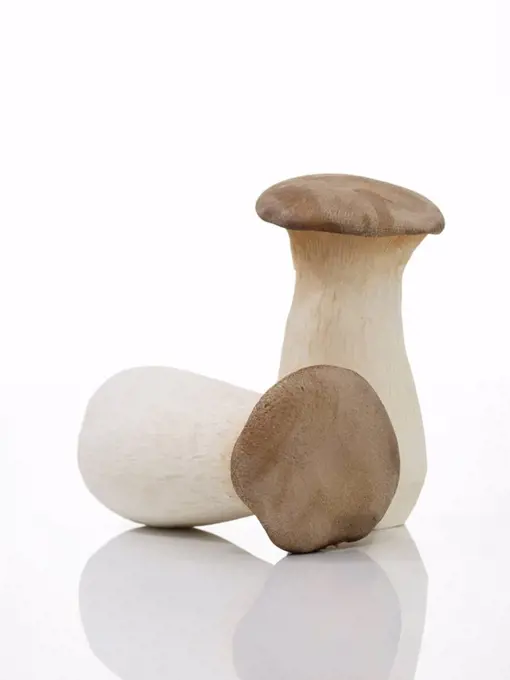
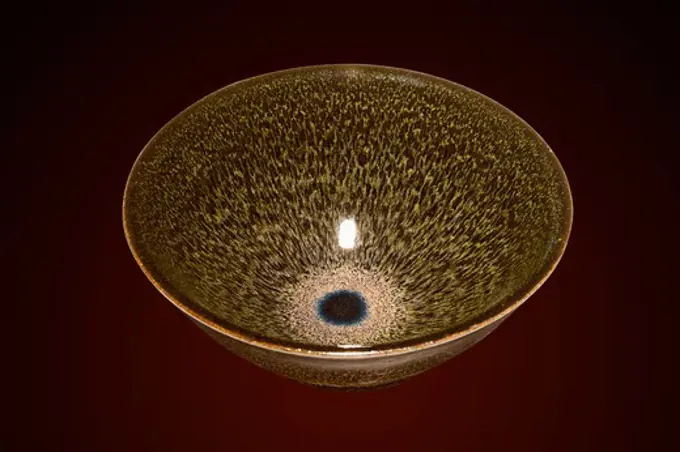
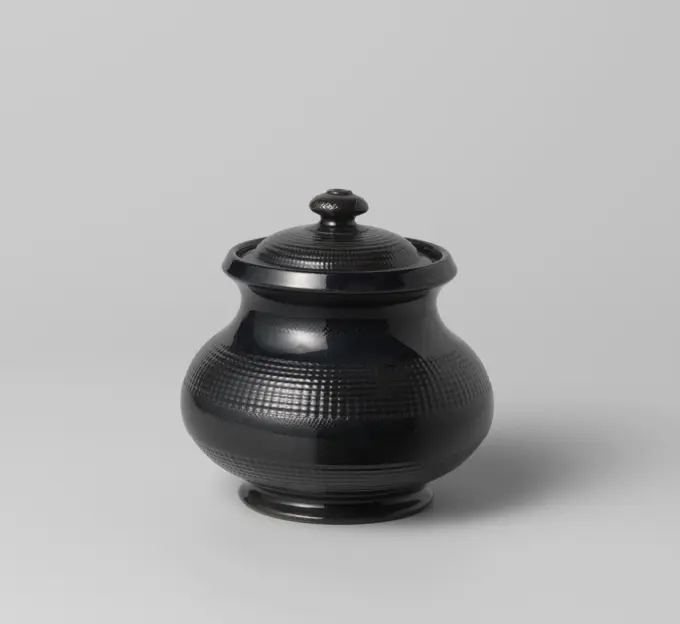
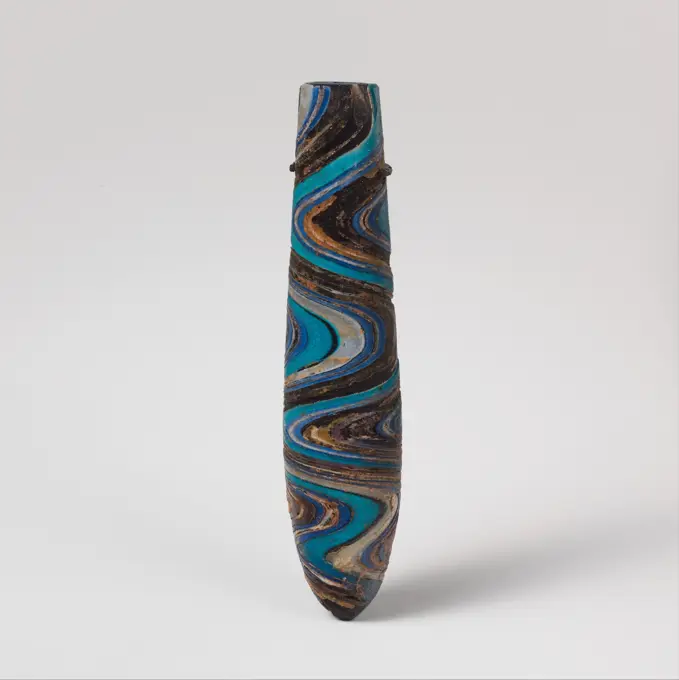
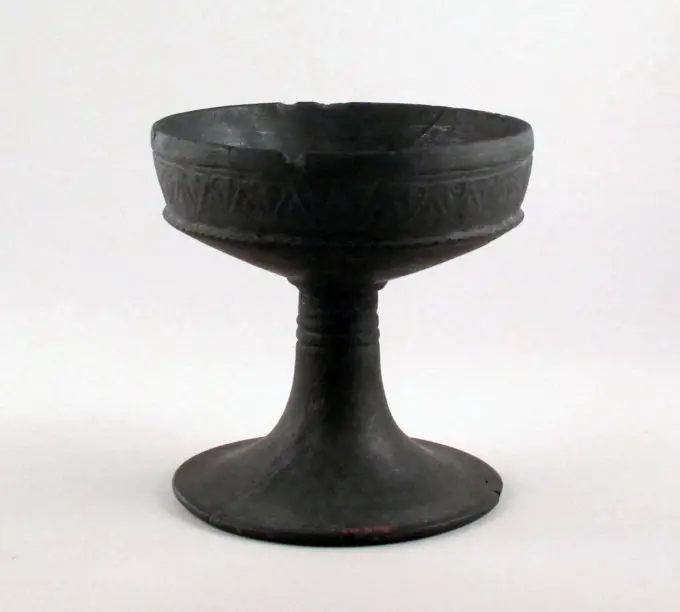
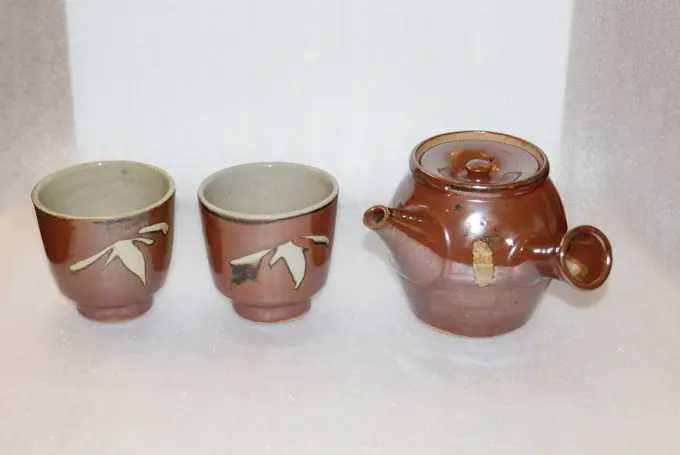
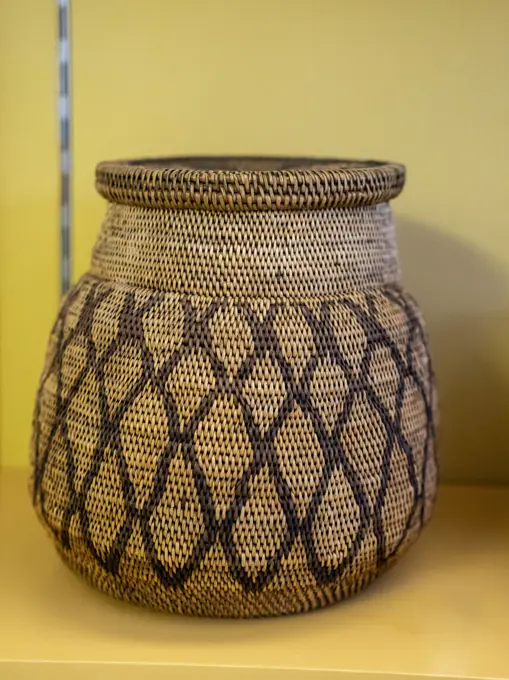
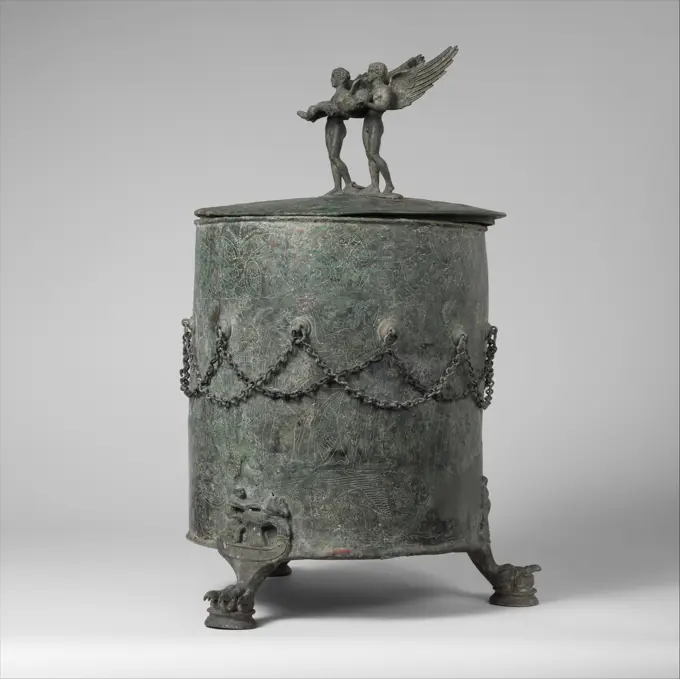
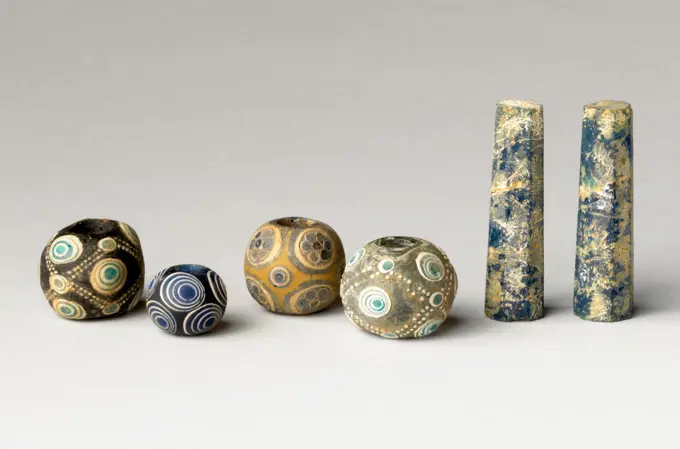
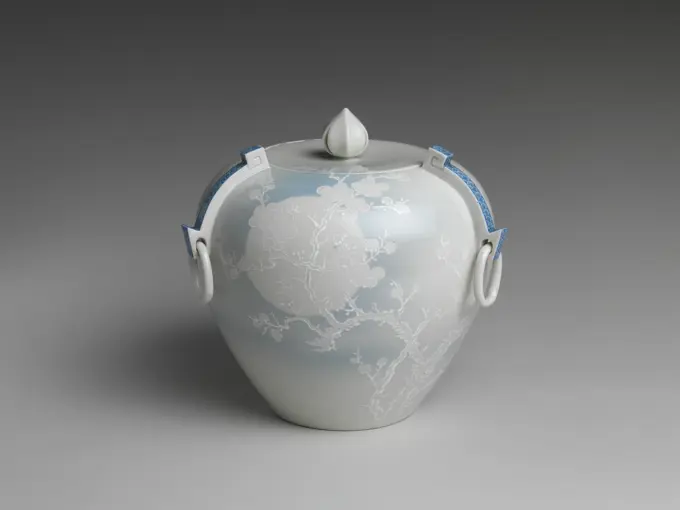
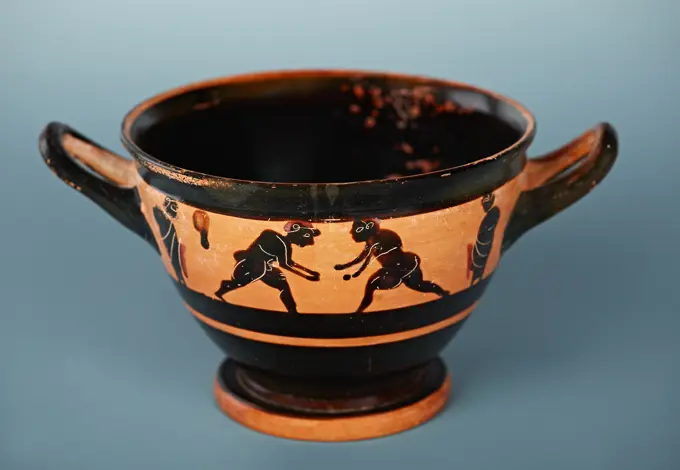
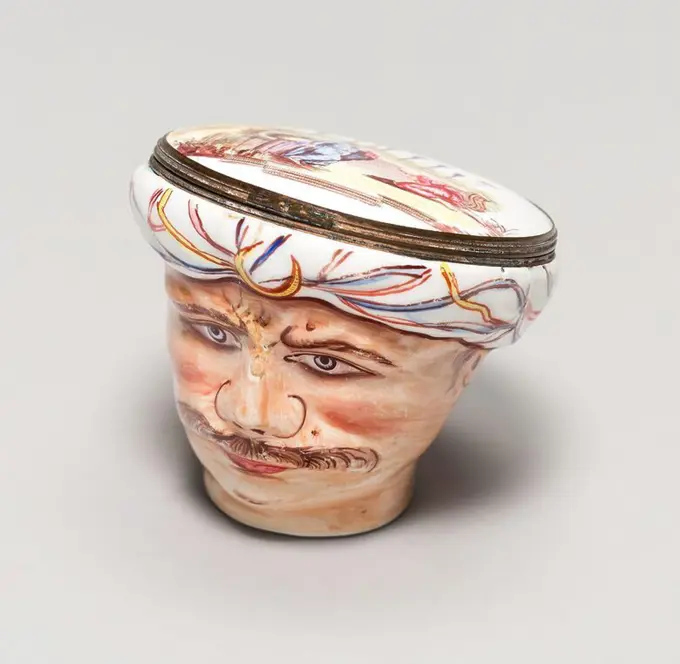
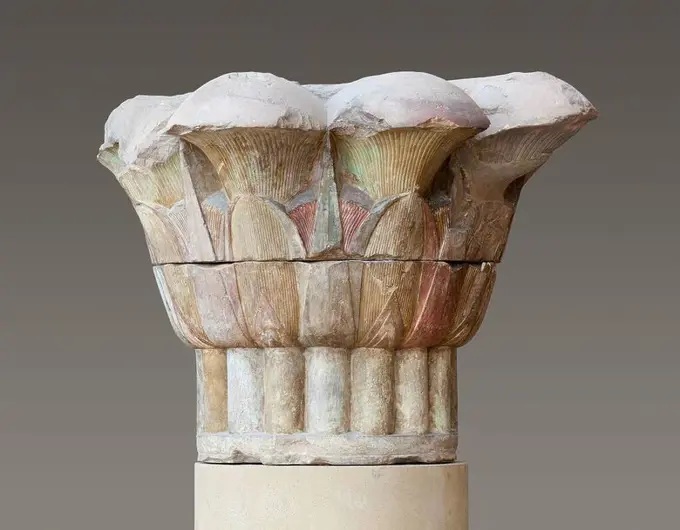
Composite Papyrus Capital. Dimensions: h. 126 cm (49 5/8 in). Dynasty: Dynasty 30. Reign: reign of Nectanebo I and II. Date: 380-343 B.C..This capital was set atop one of the ten columns of a kiosk built in front of the temple of Amun at Hibis in Kharga Oasis. It is an early example of a composite capital, which included several kinds of plants combined into a design that, with time, became increasingly more elaborate and fanciful. Here, the composition is still rather simple, consisting of two cyperus species: eight plants of the common papyrus (Cyperus papyrus, above) alternating with eight foxtail flatsedge plants (Cyperus alopecuroides, below). The capital still shows remnants of its original paint. Museum: Metropolitan Museum of Art, New York, USA.Kyliks oczowy z przedstawieniem Dionizosa. unknown, authorSconce, rotated from wood, with profiled handle. Sconce rotated from maple wood, with profiled handle with hole.King trumpet mushrooms Pleurotus eryngiiBasket, Lid And Dish (England); Manufactured by Wedgwood (United Kingdom); molded and glazed stoneware; 18.8 x 15.8 cm (7 3/8 x 6 1/4 in.)Wooden mortar and pestle isolated white backgroundClose-up of a decorative pottery bowl in unique patternTea Kettle. After Mitsuhiro (Japan, late 19th-20th centuries). Japan, late 19th century. Costumes; Accessories. Ebony, ivory inlaysSugar bowl, black, decorated with rib edges, Petrus Regout, c. 1860 - c. 1880 Sugar bowl with black stone lid. The body with ribbed edges close together. The lid with flattened button with air hole. Maastricht . Sugar bowl with black stone lid. The body with ribbed edges close together. The lid with flattened button with air hole. Maastricht .Ceramic, clay cezve isolated on white backgroundLotus China. Lotus 61114Prehistory, Albania, Iron Age. Albanian-Dalmatian type bronze ax. From Shkoder.Fragments of Tea Bowls, fused to their saggar 1100-1299 China. Jian ware; stoneware with hare's fur glaze and clay firing cushion .Glass gold-band mosaic alabastron (perfume bottle) 1st century B.C. Greek, Eastern Mediterranean Translucent cobalt blue, colorless, translucent turquoise blue, translucent purple, opaque white, and gold leaf.Plain vertical rim, ground flat; slender body, expanding downwards, then curving in to pointed bottom.On exterior, parallel wavy lengths of five canes set vertically on blue body: the first in turquoise blue; the second in cobalt blue with a central white stripe; the third in purple with two white stripes, the fourth again in cobalt blue with a central white stripe; and the fifth in gold leaf sandwiched between two layers of colorless glass. The first four canes are repeated twice over the body, but the gold leaf cane only appears once.Intact body, except for slight chipping to bottom (the alabastron would originally have had a separate neck piece with broad horizontal rim disk); dulling, deep pitting, and brown weathering.. Glass gold-band mosaic alabastron (perfume bottle). GreeRhyton Cup in the form of a Fox Made 1745-1755 Staffordshire. Lead-glazed earthenware .Cup first half of the 6th century B.C. Etruscan Shallow cup on high foot, with stamped decoration of scrolls and lotus buds.. Cup. Etruscan. first half of the 6th century B.C.. Terracotta; bucchero. Archaic. VasesChinese tea set and tools isolated on whiteCampania Caserta Capua Museo Campano044. Hutzel, Max 1960-1990 Medieval: Byzantine architectural fragments; parchment fragments with miniatures (12th century) from Montecassino; painted wooden crucifix (13th century); Carolingian crucifixes; Bishop's miter (11th century) of gold and silver damask; fresco (13th century). Post-medieval: Architecture (15th century). Formerly the Palazzo Antignano. Unusual Catalan/Moorish-style portal; Paintings on panel and canvas (15th-18th centuries); marble intarsia (16th century); marble sculpture: busts of Christ and Mary (17th century); sculpture of saints in marble and in wood (15th century); painted and gilded sculpture in wood; marble grave sculpture (16th century); sarcophagus with allegorical carvings; gold reliquary "Rosa d'Oro"; crucifix made of elephant tusk Specific Location: Pianterreno Antiquities: Italic sculpture (seated women holding babies); inscription. Photo campaign #1: 533 photos. Roman relief and sculpture; cinerary urns; Greek aDomed Shield possibly 15th-18th century Tibetan. Domed Shield 27902Box with Scene of Bathing Children. Culture: China. Dimensions: Diam. 2 1/2 in. (6.5 cm). Date: 14th century.This tiny box, previously thought to date to the sixteenth century, can be reassigned to the fourteenth after comparison with an example bearing an image of the poet Tao Qian, which dates to the first half of the fourteenth century. The large, unarticulated shapes of the rocks and the use of a single pattern for the low-relief background are similar on both boxes, as are the thick incisions used to define the figures' clothing and the large oval faces with nondescript features. Museum: Metropolitan Museum of Art, New York, USA.Four different wicker vases and baskets. Four different wicker vases and baskets. Isolated on a white background. Copyright: xZoonar.com/OlegxBegunencox 5803670One of a Pair of Wine Cups (Sakazuki) with Willow and Swallows 19th century Japan. One of a Pair of Wine Cups (Sakazuki) with Willow and Swallows 57758Bronze shell-shaped cup with handle consisting of a little head of the head priest Isis, House of Fabio Rufo, Pompeii, Campania, Italy. Roman civilisation, 1st century AD.Wooden stop from peer -shaped pot, Henry Simmen, c. 1925 Wooden stop made of pear -shaped pot, in the form of a stalk.  pot: stoneware. stop: wood (plant material). voet: wood (plant material) vitrification / cutting Wooden stop made of pear -shaped pot, in the form of a stalk.  pot: stoneware. stop: wood (plant material). voet: wood (plant material) vitrification / cuttingBamboo bowls Set of bowls made from bamboo material Copyright: xZoonar.com/Baloncicix 14712404Mashiko sencha tea set, late 20th century, Unknown Japanese, 3 × 3 1/4 in. (7.62 × 8.26 cm), Stoneware, Japan, 20th centuryZulu culture basket Zulu culture basket, South Africa, 19th century, pigment and plant fiber, Anthropology National Museum, Madrid, Spain Copyright: xZoonar.com/BartomeuxBalaguerxRotgerx 21997667Bronze cista (toiletries box) ca. 350-325 B.C. Praenestine This is the largest and finest of the Museum's engraved cistae. The cylindrical body is decorated with three friezes, an unusual treatment. On the major frieze is a series of episodes from the Trojan War told in Homer's Iliad, including what seems to be the sacrifice of the Trojan prisoners. The minor friezes, above and below, depict battle scenes and chariot races but also include unrelated subjects, for example griffins attacking a horse. The chariot race continues on the solid-cast lion-paw feet. The poorly preserved engravings on the lid probably depict winged nereids riding on dolphins and sea monsters while carrying the armor of Achilles, the major Greek hero of the Trojan War. The handle, one of the finest of this type, shows two nude winged genii carrying the body of a dead soldier. The treatment of wing feathers and hair is especially delicate. Listen to experts illuminate this artwork's story Listen Play or pause #121Tumbler ca. 1885 British. Tumbler 9108Bead 770 BCE-445 BCE China. The earliest examples of Chinese glass include polychrome beads like these, in which superimposed layers of different colors create eye-like motifs. Rich in lead and barium, these beads are chemically distinct from those of soda-lime glass made in Greek and Roman workshops of the eastern Mediterranean and western Asia, rare examples of which have been discovered in north and northwest China. Those foreign imports inspired Chinese craftsmen to create their own polychrome beads. Their burial contextsóstrung together with jades to form pendant sets, or inlaid into bronze objects such as mirrors and garment hooksóindicate that Chinese patrons easily integrated these new creations into traditional art forms.. Round glass bead with pattern of circles with concentric circles of white, and turquoise and smaller white dots. Currently stored in embroidered box. .Polished Turquoise Nautilus Shell Polished Turquoise Nautilus Shell Copyright: xZoonar.com/SerhiixZarevx 22546412Water Jar with Plum Tree ca. 1890 Katō Tomotarō Japanese. Water Jar with Plum Tree 62722SkyphosKylix Fragment ca. 510 B.C. Attributed to the Segment Class Herakles fighting an Amazon.. Kylix Fragment 255146Empty wooden plate, knife, fork and cutting board set on textured concrete backgroundSet ceramic jugs, pots and cups isolated on white backgroundBonbonnière: Head of a Turk. Birmingham, England. Date: 1760-1770. Dimensions: H. 6.7 cm (2 5/8 in.). Polychrome enamel on copper with metal mounts. Origin: England. Museum: The Chicago Art Institute, Chicago, USA.Mexico, State of Chihuahua, Copper Canyon. Tarahumara Indian handicrafts, traditional baskets.crock and a cup on a wooden surfacegolden candlestick with three candles isolated on white background