Antique Brooches and Pins

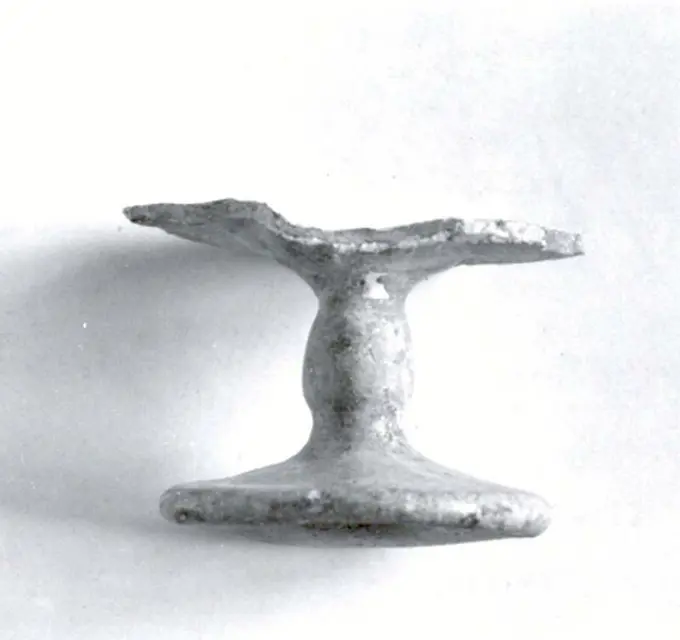
Historic metal artifacts including fibulas, brooches, and a unique phallic amulet, reflecting ancient craftsmanship.

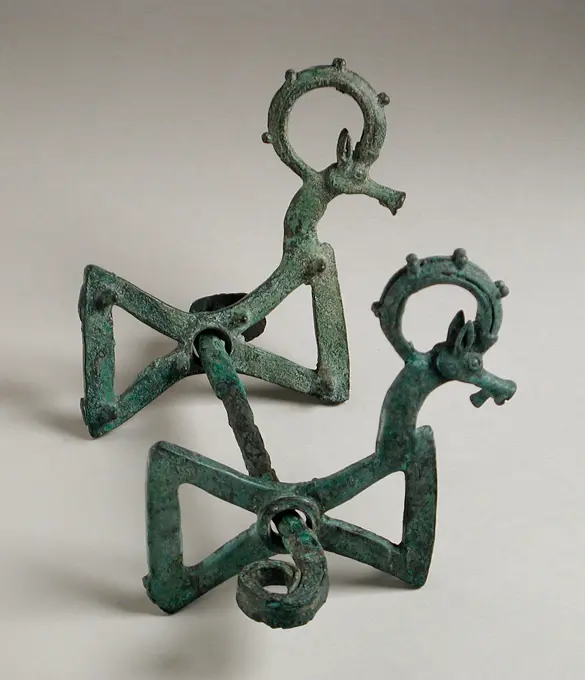
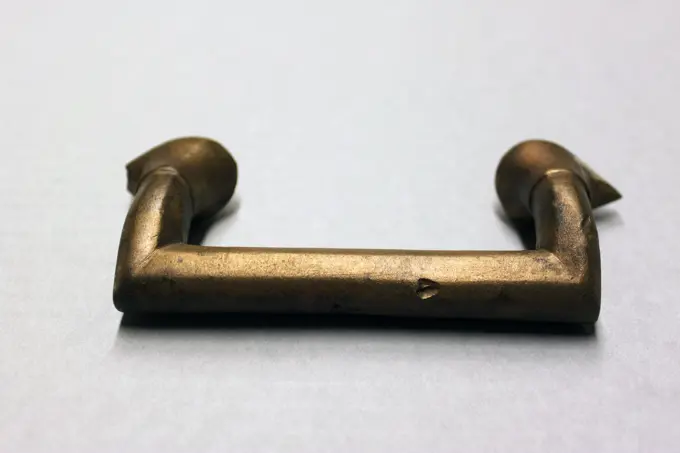
Bronze fittings with stud and hook, batter clothing accessory clothing soil find bronze copper metal, cast bronze batter leather fitting with stud including square plate with round hole in it. Possible frame for belt hanger archeology Rotterdam rail tunnel belt belt to carry rugs Soil discovery: trajectory rail tunnel Rotterdam.
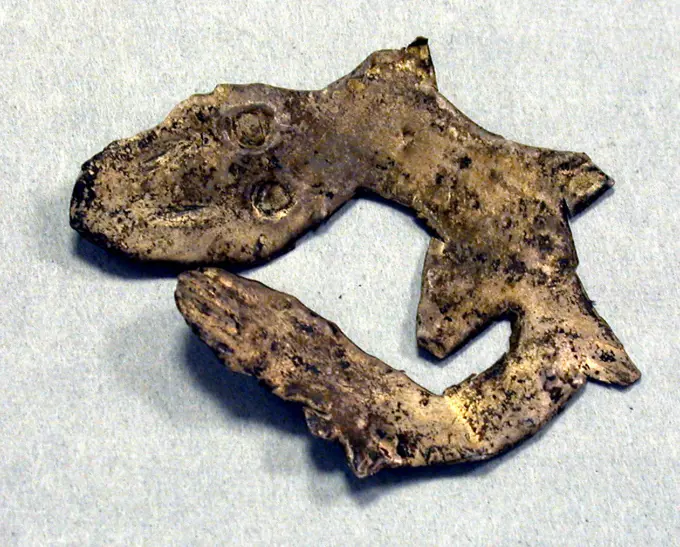
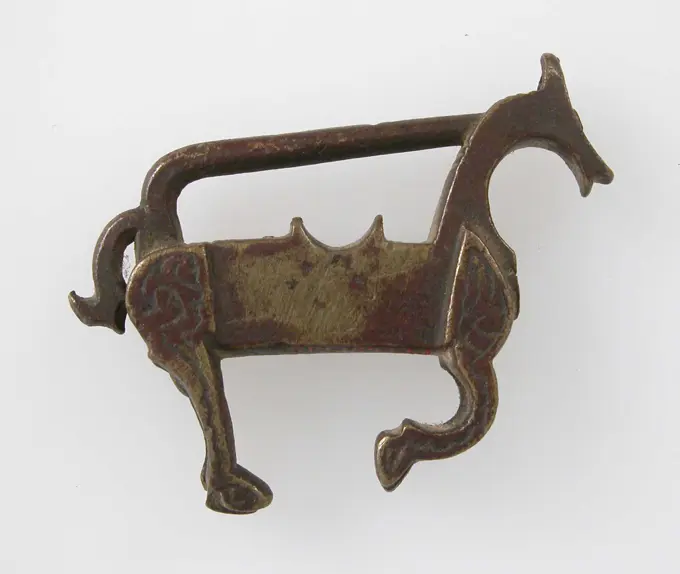
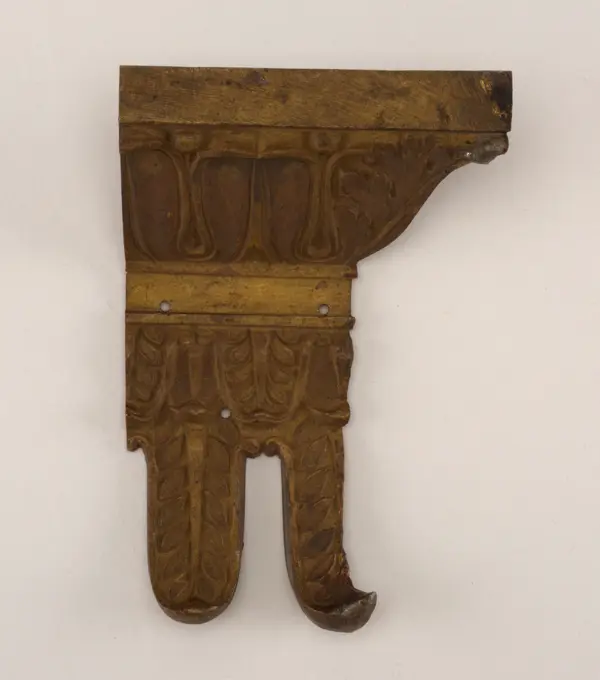
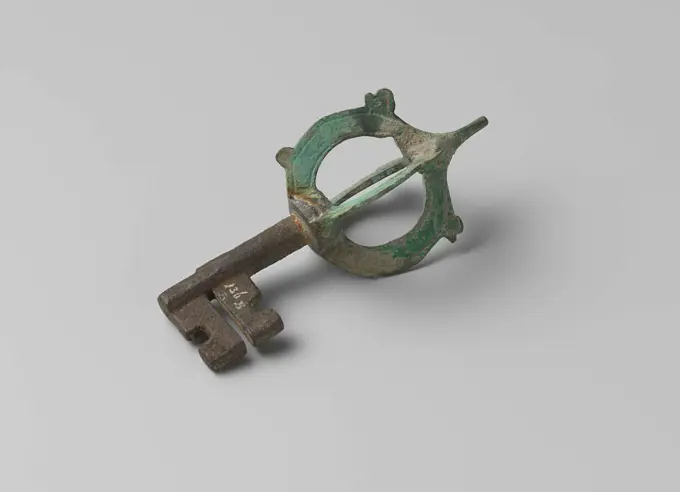
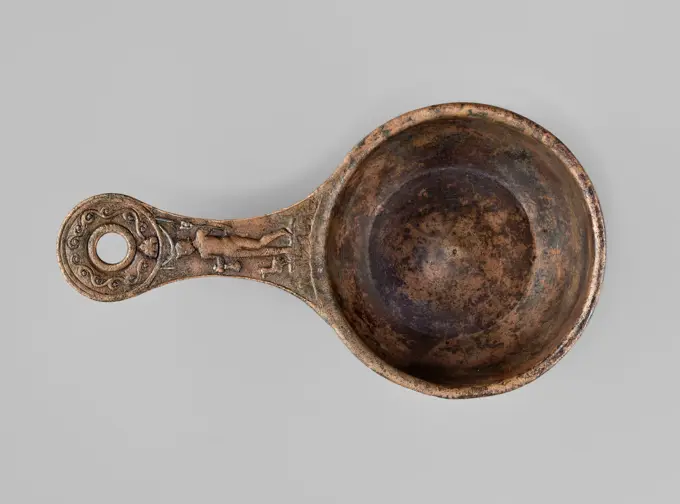
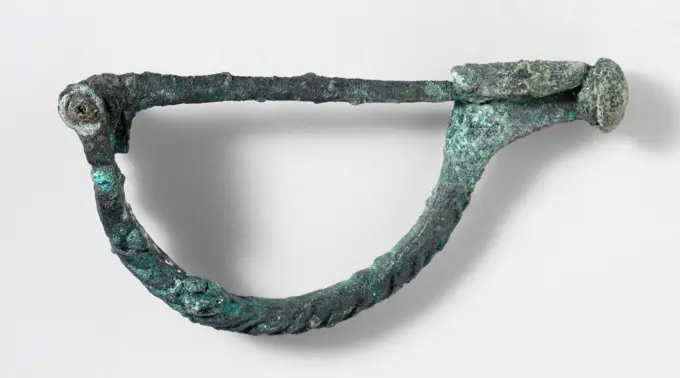
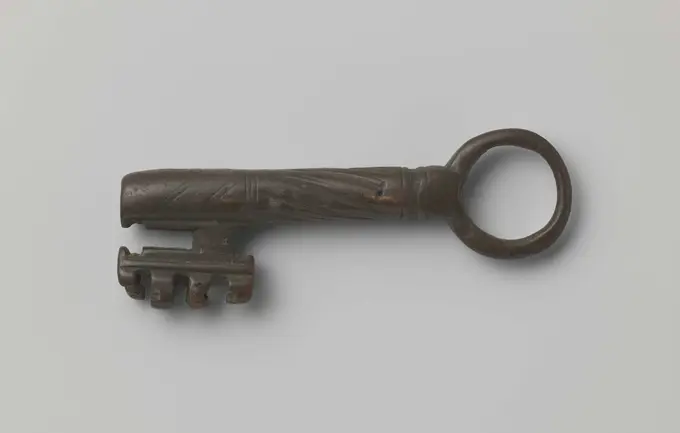
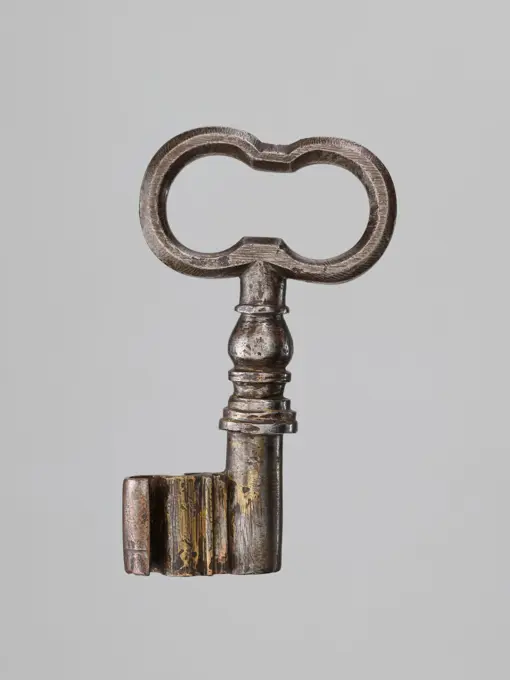
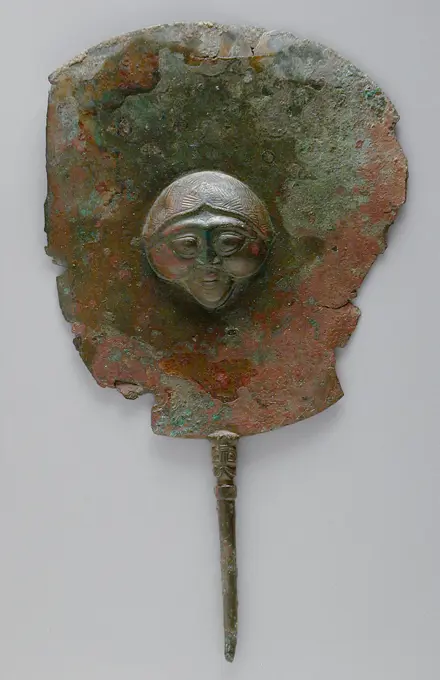
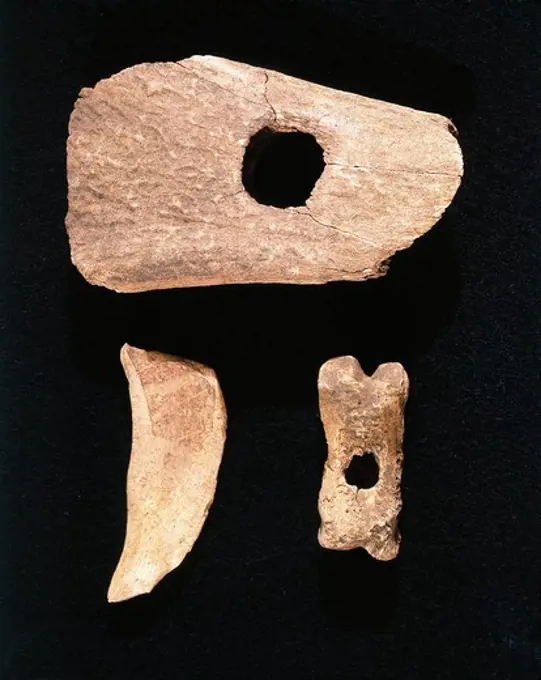
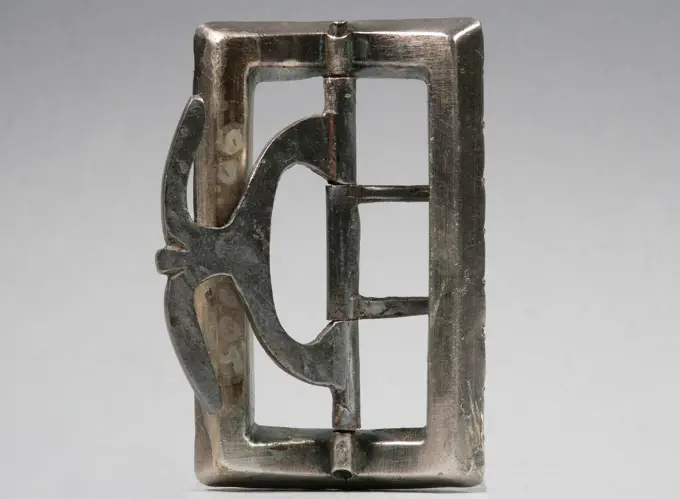
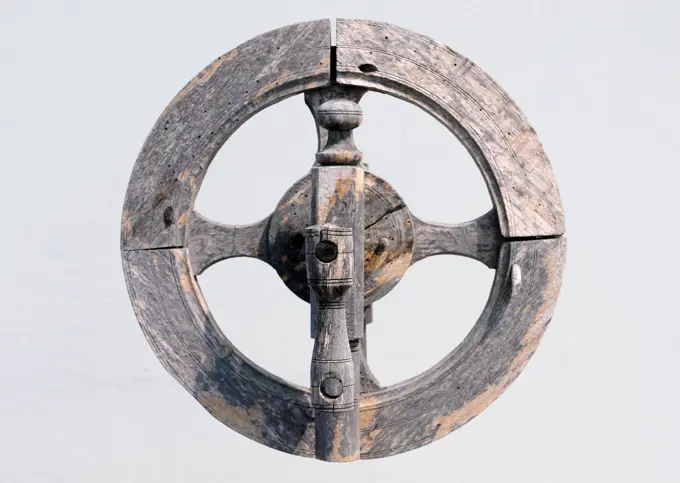
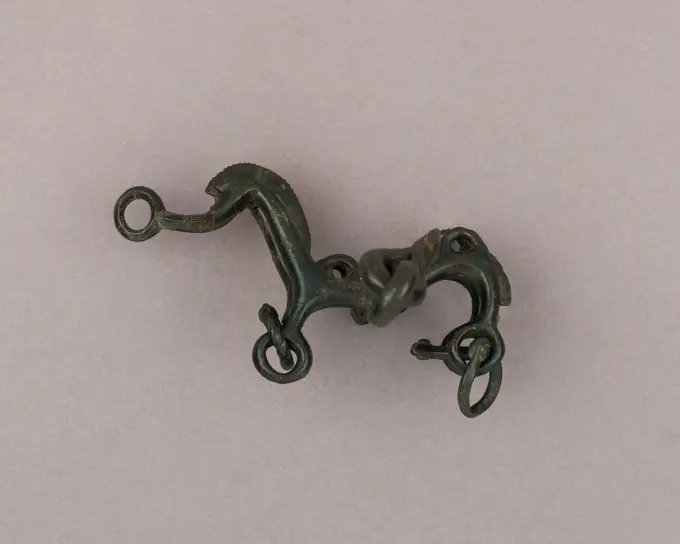
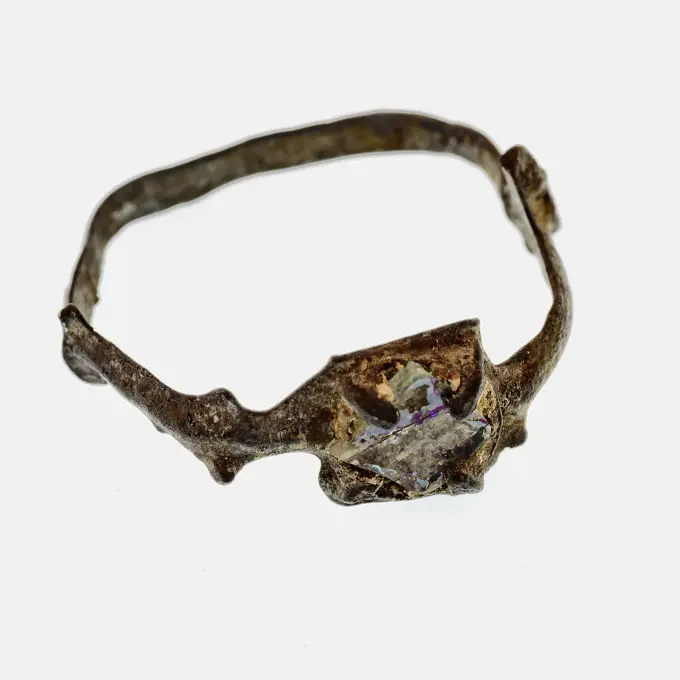
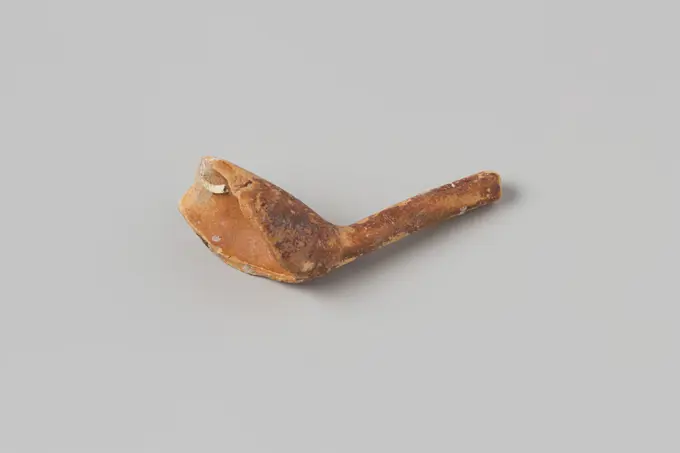
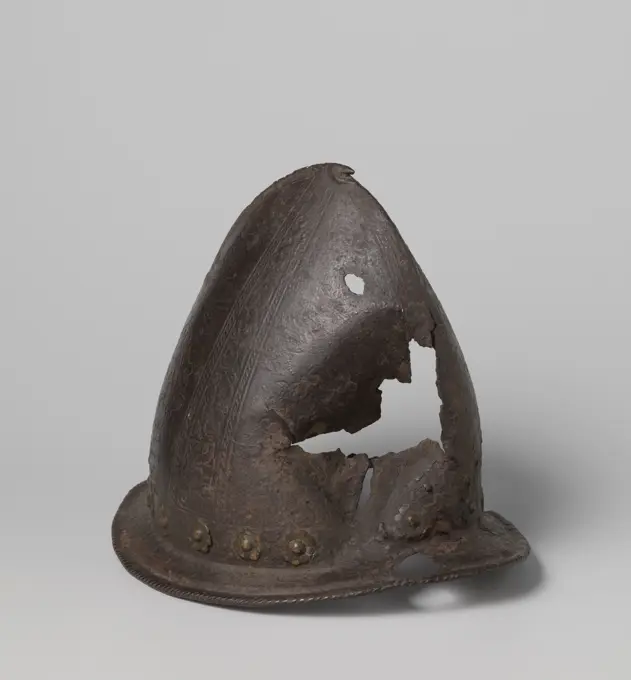
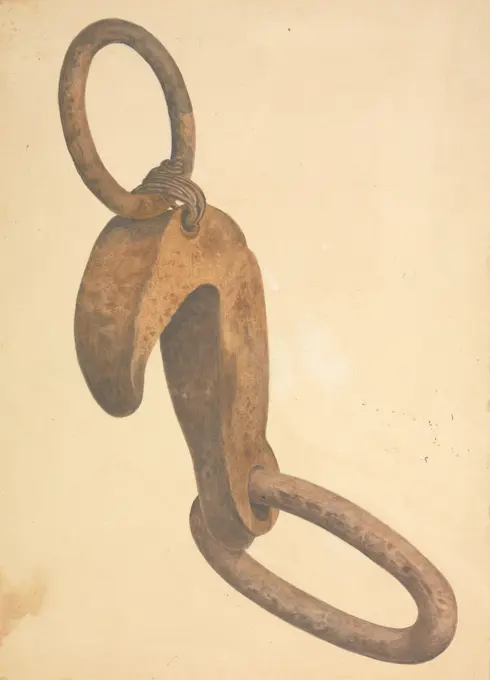
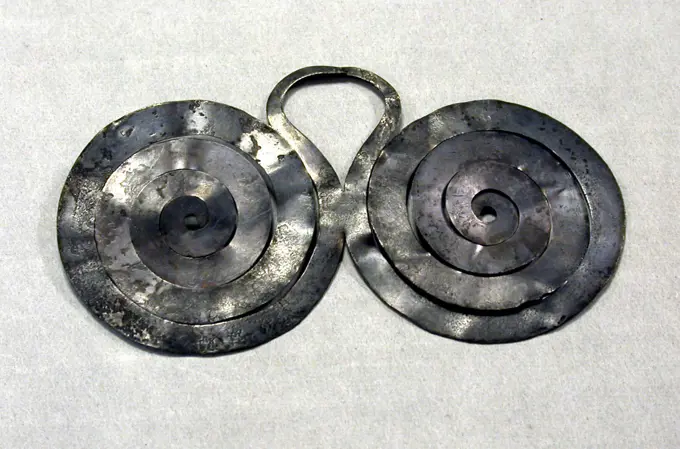
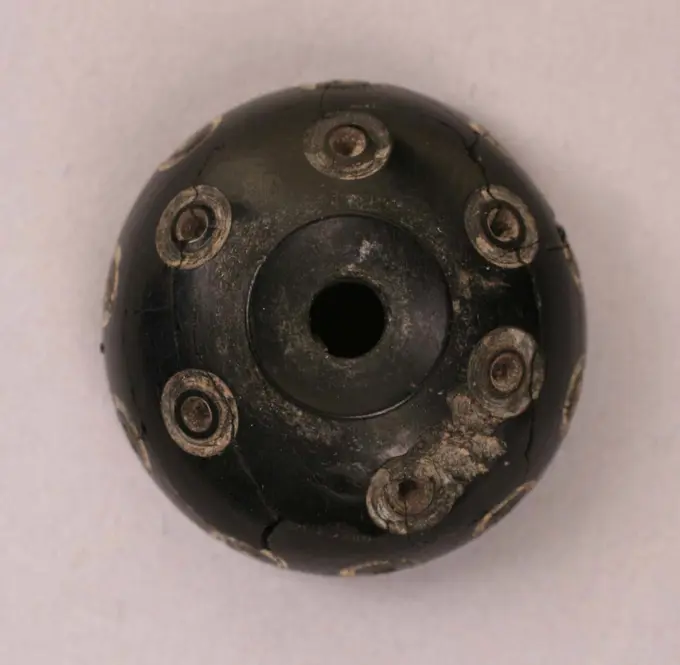
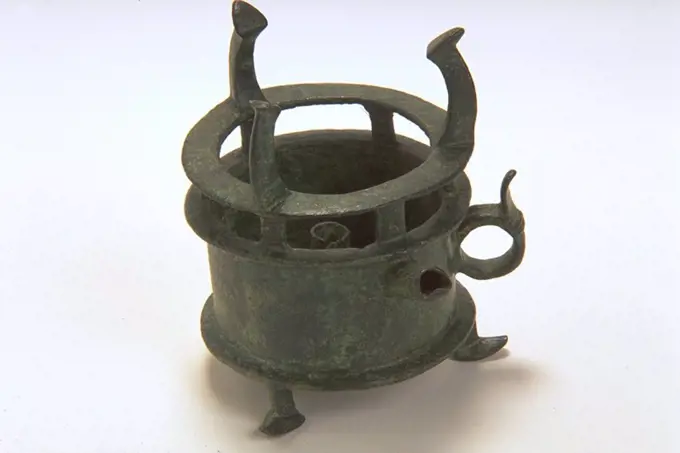
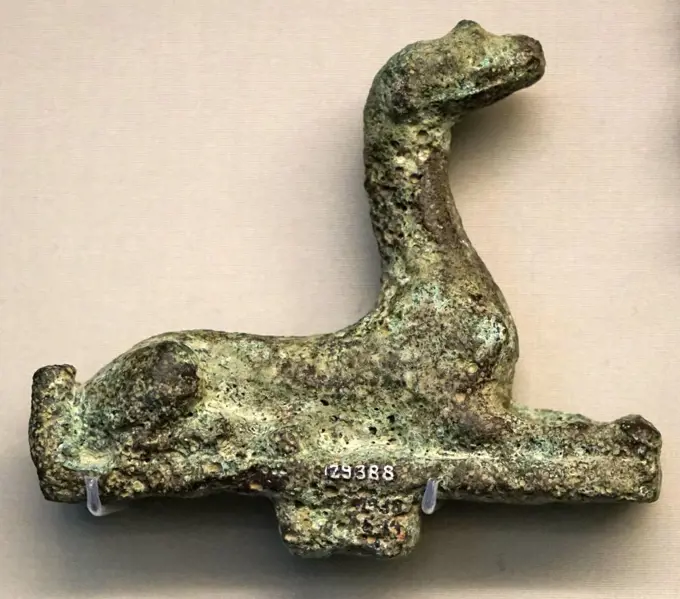
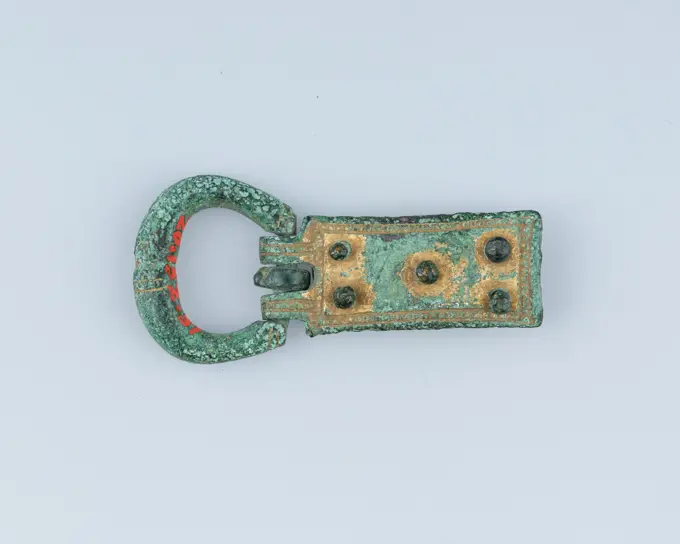
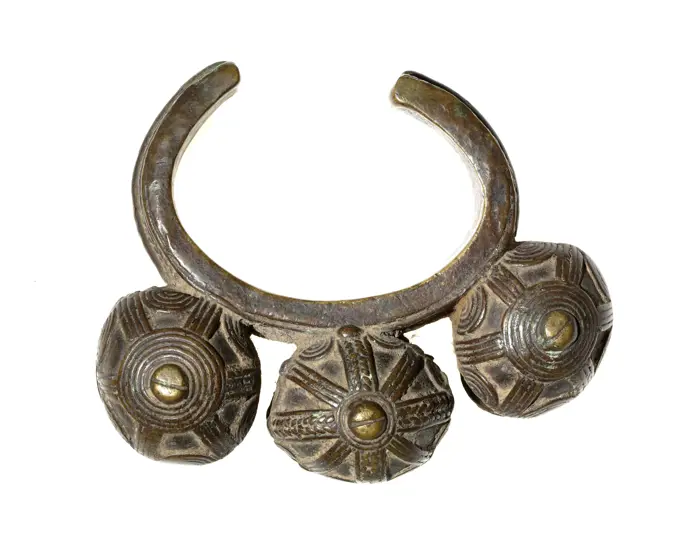
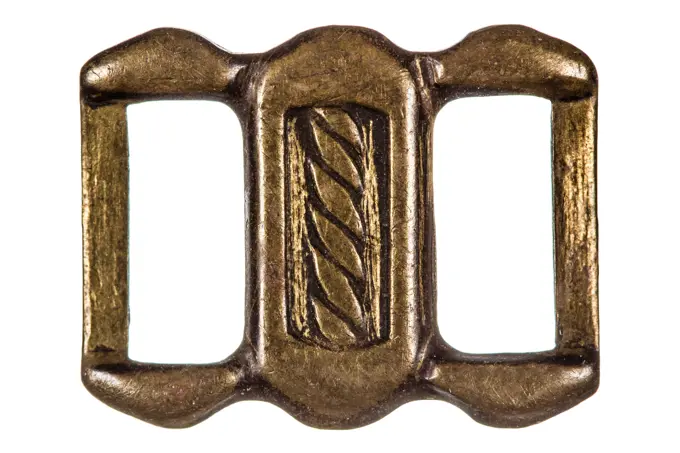
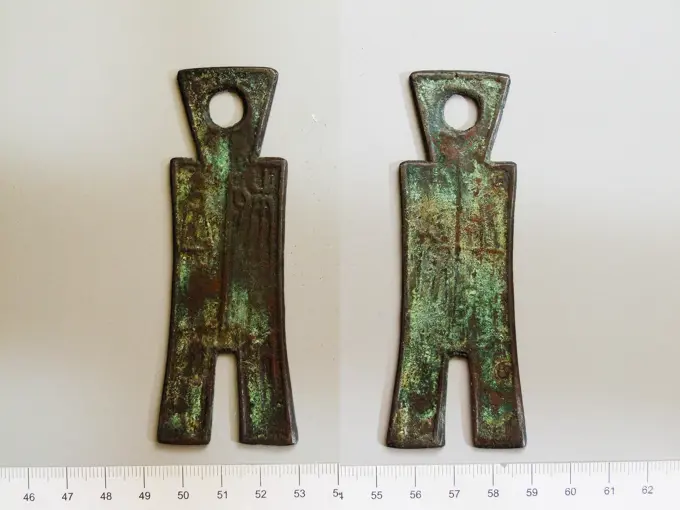
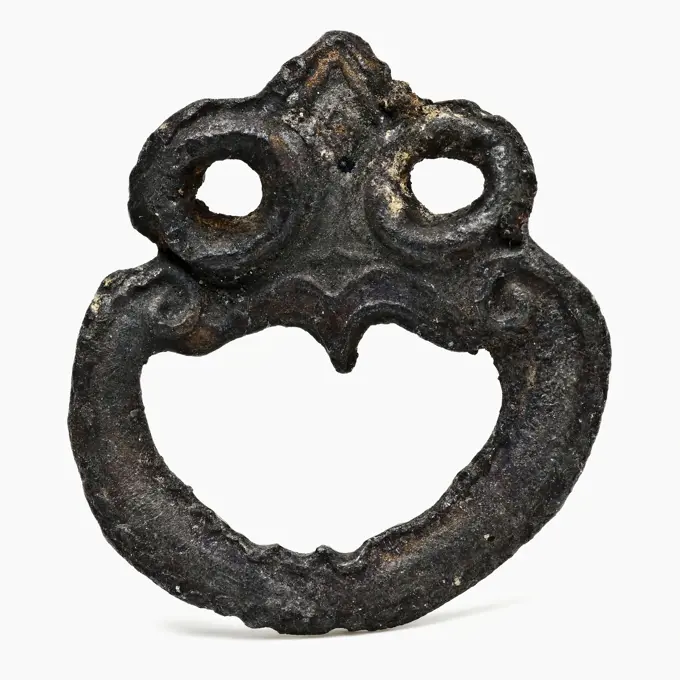
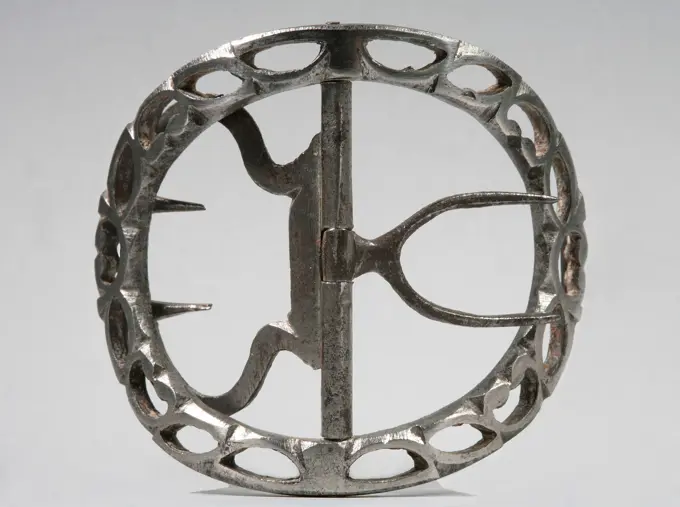
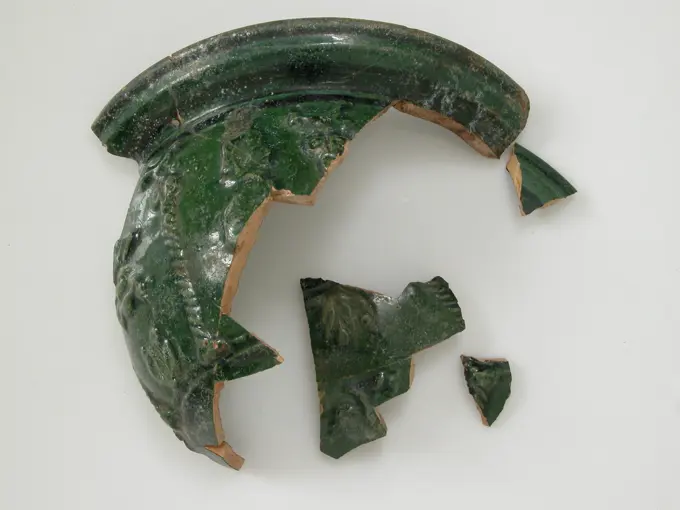
Horse Bit. Iran, Luristan, Luristan bronzes, circa 1000-650 B.C.. Tools and Equipment; horse trappings. Bronze, castFish Ornament 11th-12th century Peru; central coast (). Fish Ornament 308842Fragment of a bronze leg or support. Culture: Possibly Greek. Dimensions: H.: 5 3/4 in. (14.6 cm). Date: 5th century B.C. or later.The object was a decorative adjunct to a utensil, as indicated by the shaft and holes for attachment. The curled leaf could have served as one of several supports for a basin or the equivalent. Alternatively, the whole piece could have embellished a piece of furniture. Dating is difficult because the bull's head has a rather archaic appearance, while the stylization of the leaf suggests a late date. Museum: Metropolitan Museum of Art, New York, USA.Gauntlet for the Right Hand ca. 1420 Italian The short, flaring bell-shaped cuff is a distinctive feature of gauntlets of this period, very few of which have survived.. Gauntlet for the Right Hand. Italian. ca. 1420. Steel. Armor Parts-GauntletsFerret 7th century Frankish. Ferret 465633 Frankish, Ferret, 7th century, Copper alloy, Overall: 1 3/4 x 13/16 x 3/8 in. (4.4 x 2.1 x 0.9 cm). The Metropolitan Museum of Art, New York. Gift of J. Pierpont Morgan, 1917 (17.193.301)Mount; 1904-21-69Lock 11th century or later Byzantine (). Lock 472763Costume Ornament. Culture: Peru; central coast (). Dimensions: Overall: 1 5/16 in. (3.39 cm). Date: 11th-12th century. Museum: Metropolitan Museum of Art, New York, USA.MoldingCopper Bell with Head before 16th century Peruvian. Copper Bell with Head 315258Key. Key whose bronze hold is formed by two perpendicular to each other, crushing flat rings that proceed at the top of a point. The rings are decorated by protruding and ruled lines. Shaft and dual beard of iron.Hip bone, illustrationAttic Black-Figure Amphora Fragment. UnknownCzerpak z rączką dekorowaną przedstawieniem Merkurego. unknown, authorFibula with Twisted Decoration. Egypt, Roman Period (30 BCE - 395 CE) or later. Jewelry and Adornments; pins. Bronze39 keys from the collection of Emmanuel Vita Israël.The Amsterdam apothecary and art collector Emmanuel Vita Israël. He donated his collection, comprising keys dating from Roman antiquity to the 19th century, to the Koninklijk Oudheidkundig Genootschap (Royal Antiquarian Society) in 1937. Vita Israël claimed that his key collection had grown more or less by accident: being one of the few collectors of keys, dealers automatically made their way to him.Lock-plate. Dimensions: length 5.89 cm.. Museum: Metropolitan Museum of Art, New York, USA.Koper's crane whose handle is composed of three 'rings'. Copper Crane Whose Handle is composed or Three 'Rings'. Complete.Handle 9th-11th century This object was excavated at Nishapur.Nishapur was a vital city in the early and middle Islamic periods, located along one of the main trajectories that connected Iran and West Asia Islamic lands with Central Asia and China. These itineraries are often referred to by the term Silk routes’ but were in fact crucial to the movement of constellations of materials and objects, as well as people and ideas. The diverse population of Nishapur and its surroundings, from the better-researched elite groups of merchants, land-owning aristocracy, and literates, to the less-known artisans, farmers, miners, and servants, were instrumental in adapting global cultural trends to create their own distinctive visual languages. This is seen in the material remains of everyday life in medieval Nishapur - from pots and pans to lighting devices, inkwells, textiles and trimmings, jewelry, games and toys, talismanic devices, weapons, coins, and architectural fragments.Nishapur lost its old piers old vintage retro used pliers on wooden table Copyright: xZoonar.com/FuroxLxFelixx 7106605Batter. .Lamp, Anatolia; 1st century B.C. - 1st century A.D; Terracotta; 2.8 × 6 × 12.2 cm (1 1,8 × 2 3,8 × 4 13,16 in.)Key;  19th century (1801-00-00-1900-00-00);Fragment of earthenware head, green and yellow glazed, cup beaker crockery holder soil find ceramic earthenware glaze lead glaze, hand-turned glazed baked Earthenware on standing surface with light soul Yellow and green glazed internal and external Spins on the outside. Slanted side wall Scalloped bandoor Circumferential groove in the side wall just above the soil archeology underground pit Rotterdam City center Stadsdriehoek Oostplein indigenous pottery drinking serve before Bottemvondst Metrowerken Oostplein 1976.Lamp 2nd-6th century. Lamp 444794Cista, foot. Cista, foot 256682Wreaths, 6. Culture: Greek, Laconian. Dimensions: Diameter: 1 1/8 in. (2.8 cm). Museum: Metropolitan Museum of Art, New York, USA.Nails of Milagro-Quevedo Culture. 500-1500. Copper. Art from the Guayas basin. Decorative Arts. ECUADOR. PICHINCHA. Quito. Culture House. Proc: ECUADOR. GUAYAS.Hand guard, anonymous, 1775 - 1825 Almost round tsuba in the form of a large number of small monkeys; open. Yagami School, Hizen. Possibly Mitsuhiro line. Japan iron (metal) Almost round tsuba in the form of a large number of small monkeys; open. Yagami School, Hizen. Possibly Mitsuhiro line. Japan iron (metal)Plaque second half 13th century. Plaque 452216Spindle Whorl, 700s - 900s. Iran, early Islamic period, 8th - 10th century. Bone, incised; overall: 0.6 x 1.5 x 1.5 cm (1/4 x 9/16 x 9/16 in.).Disc - headed Pin. Iran, Luristan, circa 1000-650 B.C.. Jewelry and Adornments; pins. Bronze, hammeredCeremonial Knife (Tumi). Culture: Inca. Dimensions: Height 6-1/8 in. (15.8 cm). Date: 15th-16th century. Museum: Metropolitan Museum of Art, New York, USA.Door Knocker Ring 15th-16th century European. Door Knocker Ring. European. 15th-16th century. Iron. Metalwork-IronItaly, prehistory, neolithic. Tools made from boneBelt or Chain with Four Circular Links. UnknownHorse-Shaped Brooch 6th century Frankish. Horse-Shaped Brooch 465249Loop. A row of stones.Antique Spinning Wheel Vintage antique spinning wheel against the background of white shabby wall Copyright: xZoonar.com/vicspacewalkerx 2817045Earring, 30 BC-AD 395. Egypt, Roman Empire. Bronze and glass; diameter: 2.5 cm (1 in.).Costume Ornament. Culture: Peru; central coast (). Dimensions: L. 1 3/8 in. (3.5 cm). Date: 11th-12th century. Museum: Metropolitan Museum of Art, New York, USA.Architectural ModelGold bracelets, 7th cent. BC. Etruscan artefacts ITALY.Snaffle Bit 8th-7th century B.C. Villanovan The snaffle bit is the simplest type of horse bit, and has an effect on the bars (part of the horses jaw without teeth) and the corners of the lips. The mouthpiece of this bit consists of a single twisted bar terminating in two eyelets, one still holding a fragment of the link for holding the reins. On each side, the mouthpiece passes through a cheekpiece shaped as a horse, featured with two rings on their back for attaching the bit to the bridle. Eyelets on their hooves and noses were used for hanging long decorative pendants, of which a few rings remain.This type of bit was inspired from contemporary Near Eastern examples, found in the Luristan region (Iran), and often featuring animals on their sides.Horses had a great value among Villanovan and Etruscan societies. They were used for military and leisure purposes, and possessing them was an indicator of high social status. Equestrian objects, like bridles or even chariots, were often depoMetal belt buckle with three eyes, buckle harness clothing accessory clothing soil find brass copper bronze metal, cast Girdle fastener with three eyes Undefined metal. One oblong oval and curved hole with an inwardly curled frame at the top and two small eyes above it. Hardly decorated small lobe between the small eyes archeology Rotterdam railway tunnel fastening attaching fastening belt Soil discovery: trajectory rail tunnel Rotterdam.Part or fittings from the wreck of the East Indians Hollandia, Anonymous, 1700 - in Or Before 1743 part Strip-shaped fitting; fragm, eroded, originally angular pattern, flat, 2 ends broken, 2 holes. Netherlands copper (metal)Scythian horse cheek piece; decorated with animal heads. Scythian; Iranian; 8th century BC; Iran.Tin ring, unfinished, piece of clear glass in the setting, ring jewelry clothing accessory clothing soil find tin glass crystal quartz metal, d 0.2 cast Pewter ring with square of clear glass in the setting possible quartz. Thin metal ring on the back half decorated with rope decor Burrs and casting seams are not finished. Four bent pens keep shape the frame of the stone archeology Rotterdam railway tunnel adorn status status prosperity craft tinnegieter tingieterij Soil discovery: railway tunnel 1988-1993.Powder Flask Made 1560-1590 Italy. Steel, iron, silver, wood, and leather .Yellow shard with brown veins, triangular, soil found ceramic earthenware, w 8.1 molded baked yellow shard with brown address. Triangular with curved sides Three pedestals archeology Rotterdam City center Stadsdriehoek Schielandshuis indigenous pottery baking pottery Soil discovery: Schieland house under Pappegay and garden. Canal filling secondary oven waste.Sword Guard (Tsuba). Culture: Japanese. Dimensions: 3 1/4 x 3 1/8 in. ( 8.3 x 7.9 cm). Date: 1600-1625. Museum: Metropolitan Museum of Art, New York, USA.Fish hook ca. 1295-1070 B.C. New Kingdom, Ramesside. Fish hook. ca. 1295-1070 B.C.. Bronze or copper alloy. New Kingdom, Ramesside. From Egypt, Memphite Region, Lisht North, House debris east or north east of pyramid, MMA excavations, 1908-09. Dynasty 19-20Fragment Pijpenkop Mt Piece Steel from the wreck of the East India Hollandia.Pipe, Bowl Without: Stamped Decoration; Fragment, Imprint illegible.Bliżej Kultury unknownBrooch -Bisschopsleutel, c. 1400 - c. 1950 Flat key so -called "bishop's key" with two inverted cross shapes in the hexagonal grip carved and with a dual beard.  bronze (metal) Flat key so -called "bishop's key" with two inverted cross shapes in the hexagonal grip carved and with a dual beard.  bronze (metal)Folding armchair (sedia a Savonarola) late 15th century, mostly, with later alterations Italian (or Spanish). Folding armchair (sedia a Savonarola) 460830Nose Ornament 6th-7th century Moche (Loma Negra). Nose Ornament 315205Nail, Head 16th-17th century French or Spanish. Nail, Head 466306Sword Guard (Tsuba). Culture: Japanese. Dimensions: H. 2 11/16 in. (6.82 cm); W. 2 5/16 in. (5.9 cm); thickness 1/4 in. (0.6 cm); Wt. 3.6 oz. (102.1 g). Date: ca. 1615-1868. Museum: Metropolitan Museum of Art, New York, USA.Funerary objects from the western cemetery of Qurnet Murai, terracotta lamp, wood lighter and matchesMorion-cabasset, anonymous, 1500 - 1600  Morion-Cabasset, iron, gushed with copper rivets. From one plate composed of which the helmet is in the middle above a point oriented tip. Along the base of the helmet ball around eleven yellow ornamental rosettes. The edge is tilted. Decorated with engraved tires, between which medallions hang. On one of these medallions a warrior with a staff in hand. Europe iron (metal). copper (metal) engraving  EuropeBell ca. 9th century B.C. Iran. Bell 326585William Frank, Anchor Trip Hook, c 1942 Anchor Trip HookHeadrest ca. 2030-1640 B.C. Middle Kingdom. Headrest 545629Profile Warrior Ornament 6th-7th century Moche (Loma Negra). Profile Warrior Ornament 315124Nose Ornament 12th-14th century Colima or Mixtec. Nose Ornament 316891Button 8th-10th century The dot-in-circle motif recalls designs presumed to be of magical significance, most likely an abstract eye to ward off the evil-eye, which serves an apotropaic function. Easily reproduced with a tool and visible in many cultures and times, this symbol may have lost its meaning, and become simply a decorative pattern, or may have one that we have not yet discovered.COLLAR GUANCHE. Location: ARCHAEOLOGICAL MUSEUM. SANTA CRUZ DE TENERIFE. TENERIFFA. SPAIN.SUBLIMADOR DE BRONCE. TARTESICO. (DEPOSITO: MUSEO ARQUEOLOGICO NACIONAL).Fragment tin toy sign with jester in the mirror, plate crockery holder toy relaxant miniature ground find tin metal, cast Fragment of saucer Pewter toy archeology Rotterdam rail tunnel child play game dolls Soil discovery: trajectory rail tunnel Rotterdam.Mushhushshu models used to protect households from enemies, from Southern Iraq. Dated 9th Century BCAxe head, 10th cent. VIKING.Fish Ornament 11th-12th century Peru; central coast (). Fish Ornament. Peru; central coast (). 11th-12th century. Silver. Peru. Metal-OrnamentsMountStudio shot of old-fashioned itemFused needles ca. 1295-1070 B.C. New Kingdom, Ramesside. Fused needles 568386Pair of Stirrups 1800-1900 Germany. Iron .Lime Container in the Form of a "Mloko" Drum 500 B.C.-A.D. 300 Indonesia (Java, Lumajang, Pasiran). Lime Container in the Form of a "Mloko" Drum. Indonesia (Java, Lumajang, Pasiran). 500 B.C.-A.D. 300. Bronze. Bronze and Iron Age period. MetalworkBliżej Kultury unknownBuckle 13th century French, Haute-Savoie. Buckle. French, Haute-Savoie. 13th century. Bronze, gilt. Miscellaneous-Buckles & OrnamentClose-up of coin in vice gripEscutcheon 1560-1620 German. Escutcheon 186917 German, Escutcheon of lock, 15601620, Iron, 9 3/4 x 2 in. (24.8 x 5.1 cm). The Metropolitan Museum of Art, New York. Gift of Henry G. Marquand, 1887 (87.11.360)Frame of branches Ceremonial Knife (Tumi) 15th-16th century Inca. Ceremonial Knife (Tumi). Inca. 15th-16th century. Copper (cast). Peru. Metal-ImplementsDisk Brooch 6th century Frankish. Disk Brooch 465766 Frankish, Disk Brooch, 6th century, Copper alloy, silver, garnet or glass paste cabochon, Overall: 7/8 x 5/16 in. (2.2 x 0.8 cm). The Metropolitan Museum of Art, New York. Gift of J. Pierpont Morgan, 1917 (17.193.48)Hammered Silver Arc Ornament 12th-15th century Chimú. Hammered Silver Arc Ornament. Chimú. 12th-15th century. Silver, gilt. Peru. Metal-OrnamentsMusical anklet, 1 7/8 x 4 7/8 x 4 1/8 in. (4.76 x 12.38 x 10.48 cm), Metal, LiberiaBadge or Harness Pendant 14th century possibly British Heraldry, or coat-of-arms, were vitally important in Europe throughout the Middle Ages and the Renaissance. Heraldic emblems were used to identify noble families, cities, regions, and even countries. In addition to being displayed on shields and flags, heraldry was incorporated into architectural decoration on the interior and the exterior of buildings, on furniture, works of art, clothing, and horse equipment. Harness pendants, like this example, would have been attached to a headstall, bridle, or other straps making up the tack of a horse ridden by a nobleman or noblewoman, or a member of their household. Many harness pendants also have decoration that is simply ornamental, or have symbols that are not specifically heraldic in nature.. Badge or Harness Pendant. possibly British. 14th century. Copper. Miscellaneous-BadgesBuckle, fashion accessory, decorative element, isolated on white background Buckle, fashion accessory, decorative element, isolated on white background Copyright: xZoonar.com/OleksandrxKostiuchenkox 9749972Fish Ornament 11th-12th century Peru; central coast (). Fish Ornament. Peru; central coast (). 11th-12th century. Silver. Peru. Metal-OrnamentsSpade from Board ofRevenue.  Mint: Board of Revenue Artist: UnknownRing -shaped fragment from the wreck of the East Indians Hollandia, Anonymous, 1700 - in Or Before 1743 fragment Varied parts or fragments, rings and ring-shaped fragments; id. 80H1671, eroded. Netherlands iron (metal)   SecondPewter, decorated belt buckle with three eyes, buckle belt clothing accessory clothing soil find tin metal, w 2.4 cast Three-eyelet pawl buckle One elongated oval hole with an inwardly curved frame with tip and two small eyes above it. Completely decorated with scrolls and cross. Probably ornamental closure so actually fitting archeology Rotterdam rail tunnel attaching fastening taking along belt Soil discovery: trajectory rail tunnel Rotterdam.Goblet ca. 3rd-7th century A.D. Sasanian. Goblet. Sasanian. ca. 3rd-7th century A.D.. Glass. Sasanian. Mesopotamia, CtesiphonLoop. Decor of openwork interlacing.Belt Hook. Culture: China. Dimensions: L. 4 1/8 in. (10.5 cm); W. 1 5/8 in. (4.1 cm). Date: 4th-3rd century B.C.. Museum: Metropolitan Museum of Art, New York, USA.Pendant, 1 3/4 x 1 7/16 x 9/16 in. (4.45 x 3.65 x 1.43 cm), Silver, Sierra LeoneEmergency period of half Daalder from Siege van Haarlem. Unilateral, rectangular emergency mint with beveled corners. Front: three stamps above the other, and a right thereof; From bottom to top: Master sign: Half lion; Stadsware: inverted sword with two stars on either side, on point of sword a cross; Year; Right a knock: Lion on shield. Downside: blankFragments of a Bowl 4th-7th century Coptic. Fragments of a Bowl 477321